Posted on

Hanoi Airport to City Center & Old Quarter by Bus 86: Complete Travel Guide

Traveling from Noi Bai International Airport (HAN) to Hanoi city center and the Old Quarter doesn’t have to be expensive or complicated. Among the many transportation options available, Bus 86 stands out as the most convenient and budget-friendly public transport choice for both first-time visitors and frequent travelers. This complete guide will help you understand everything you need to know about taking Bus 86 from Hanoi Airport to the city center and Old Quarter.

What Is Bus 86 in Hanoi?

Bus 86 is an express public bus service designed specifically to connect Noi Bai International Airport with central Hanoi. Unlike regular city buses, Bus 86 is tourist-friendly, modern, and runs on a direct route through major landmarks, including Hoan Kiem Lake and the Old Quarter.

This bus is popular among travelers who want a cheap, reliable, and straightforward way to travel from Hanoi Airport to downtown without using taxis or ride-hailing services.

Bus 86 Route: Noi Bai Airport to Old Quarter

The Bus 86 route covers key locations in Hanoi, making it extremely convenient for tourists.

Main stops include:

  • Noi Bai International Airport (Terminal 1 & Terminal 2)
  • Vo Chi Cong Street
  • Kim Ma Street
  • Nguyen Thai Hoc Street
  • Hanoi Railway Station
  • Hoan Kiem Lake
  • Hanoi Old Quarter

Thanks to this route, travelers can easily reach hotels and attractions in the city center without changing buses.

Bus 86 Schedule & Operating Hours

Bus 86 operates daily, including weekends and public holidays.

  • Operating hours: Approximately 5:00 AM – 11:00 PM
  • Frequency: Every 25–30 minutes
  • Travel time: 45–60 minutes (depending on traffic)

This frequent schedule makes Bus 86 a reliable choice for both early arrivals and late-night flights.


Bus 86 Ticket Price & Payment

One of the biggest advantages of Bus 86 is its affordable price.

  • Ticket price: Around VND 45,000 per person
  • Payment method: Pay directly on the bus in cash

Compared to taxis or Grab rides, Bus 86 is the cheapest way to get from Noi Bai Airport to Hanoi city center.

How to Find Bus 86 at Noi Bai Airport

After exiting the arrival hall at Terminal 1 (domestic) or Terminal 2 (international), follow the signs for public buses. Bus 86 is clearly marked and easy to recognize.

Airport staff are usually available to assist if you are unsure where to board

What to Expect When Taking Bus 86

  • Before choosing Bus 86, here’s what travelers should know:
  • The bus has only around 25 seats, the rest is standing room
  • During peak hours, the bus can be very crowded
  • Large suitcases are allowed, but space may be limited when busy
  • Passengers board from the front door and exit from the rear door
  • Keep personal belongings secure, especially during rush hours

Best for: Solo adventurers, backpackers, and cost-conscious travelers

Not ideal for: Families traveling with children, late-night arrivals, and travelers with heavy or oversized luggage

Noi Bai Airport to Old Quarter: Should You Take Bus 86?

Bus 86 is an affordable and convenient option during the daytime; however, it may not be the best choice if:

  • You arrive late at night or early morning
  • You carry multiple large suitcases
  • You want a door-to-door transfer
  • You are traveling with children or elderly passengers

In these situations, a private Hanoi airport transfer is the ideal choice for maximum comfort and total peace of mind.

Best Private Transfer from Noi Bai International Airport to Hanoi City Center

For a smooth and stress-free journey, many travelers choose a pre-booked airport transfer :

✔ Fixed price – no surprises

✔ Door-to-door service

✔ Professional  drivers

✔ Ideal for Old Quarter hotels & narrow streets

✔ Available 24/7, even on holidays

 Check reliable Hanoi airport transfer service here :https://vietnam-airport.net/

Bus 86 is a popular low-cost option for traveling from Noi Bai International Airport to Hanoi city center, especially in daylight hours. For a more comfortable, quicker, and hassle-free journey, private airport transfers remain the preferred alternative.

Posted on

How to Get from Long Thanh International Airport to Downtown Ho Chi Minh City

With the launch of Long Thanh International Airport (LTH, VVLT), Vietnam has gained a new international gateway for Ho Chi Minh City and the southern region. Boasting modern infrastructure and strong potential to become a major aviation hub, the airport nevertheless raises a common question for many international visitors upon arrival: what is the easiest and safest way to travel from Long Thanh Airport to downtown Ho Chi Minh City?

Because Long Thanh Airport lies outside the city center, arranging your transfer ahead of time can significantly improve your travel experience—especially after a long international flight. This guide covers everything you need to know, including distance and travel time, real hotel examples, transportation options, estimated costs, and the most convenient choices for visitors.

Distance, Routes, and Travel Time from Long Thanh Airport to Ho Chi Minh City

Long Thanh International Airport is situated in Dong Nai Province, about 40 kilometers east of Ho Chi Minh City. Actual travel distance and journey time may vary depending on your exact location within the city.

Most international visitors choose to stay in District 1 or other central neighborhoods. Below are practical examples of popular tourist areas and hotels, along with their estimated distances and travel times from Long Thanh International Airport.

Distance & Travel Time from Long Thanh Airport to Popular Locations in Ho Chi Minh City

Destination / AreaApprox. DistanceOff-Peak Travel TimePeak Hours Travel Time
District 1 (City Center)40–42 km45–60 minutes60–90 minutes
Ben Thanh Market~41 km50–60 minutes70–90 minutes
Nguyen Hue Walking Street~42 km50–60 minutes70–90 minutes
Pham Ngu Lao / Bui Vien Area40–41 km45–60 minutes65–85 minutes
Rex Hotel Saigon~42 km50–60 minutes70–90 minutes
Park Hyatt Saigon~42 km50–60 minutes70–90 minutes
InterContinental Saigon41–42 km50–60 minutes70–90 minutes
Sheraton Saigon Grand Opera Hotel~42 km50–60 minutes70–90 minutes
Tan Son Nhat International Airport (for transfers)45–50 km  

What This Means for Your Arrival Experience

  • Under normal conditions, reaching District 1 usually takes about 1 hour.
  • During weekday rush hours (7:00–9:00 AM & 4:30–7:30 PM), travel time can extend to 90 minutes or more.
  • Late-night or early-morning arrivals are often faster and smoother.

Weather Impact on Travel Plans

From May to October, during the rainy season, brief but intense tropical showers—typically occurring in the late afternoon or early evening—may extend travel time by 15–30 minutes, particularly when heading into central districts.

 Travel tip:Providing your exact hotel name helps drivers plan the most efficient route and estimate arrival time more accurately.

Transportation Options from Long Thanh Airport to HCMC

There are three main transportation options from Long Thanh Airport to Ho Chi Minh City city center, offering convenient choices for every type of traveler.

How to Get from Long Thanh Airport to Ho Chi Minh City Center

1. Taxi & Ride-Hailing Services (Grab)

Who this option is for:

  • Experienced travelers, solo visitors, or those familiar with Vietnam and local transport apps.
  • Taxis and ride-hailing services such as Grab are available at the airport, but waiting time and pricing can vary.

Estimated cost:

  • USD 25 – 35(600,000 – 900,000 VND)
  • Prices may increase during peak hours or bad weather

Estimated travel time:

  • 50 – 60 minutes (off-peak)
  • 60 – 90 minutes (peak hours)

Things to consider:

  • Surge pricing possible
  • Waiting time during busy periods
  • Language barriers with some drivers

2. Airport Shuttle Bus (Planned / Limited Availability)

Who this option is for:

  • Budget travelers with light luggage and flexible schedules.

At present, full-scale shuttle bus services from Long Thanh International Airport to Ho Chi Minh City are still under development. Although limited or pilot shuttle routes may operate during certain phases of the airport’s launch, regular, frequent, and reliable shuttle transportation is not yet widely available.

Estimated cost (planned):

  • USD 3 – 7 (70,000 – 180,000 VND)

Estimated travel time (planned):

  • 90–120 minutes, depending on traffic and stops

 Not recommended for first-time visitors, families, or late-night arrivals.

Private Airport Transfers: A Top Recommendation for Foreign Visitors

Who this option is for:

  • International tourists, business travelers, families, elderly travelers, and anyone visiting Vietnam for the first time.

A pre-arranged private airport transfer offers the most comfortable and reliable way to reach your hotel after arrival.

Estimated cost:

  • USD 30 – 50, depending on vehicle type and destination
  • Fixed price, confirmed in advance (no surge fees)

Estimated travel time:

  • 50–70 minutes on average

Why choose our airport pickup service?

  • Private car with professional driver
  • Flight-based pickup (we track delays in real time)
  • Assistance with luggage
  • Transparent, fixed pricing
  • Ideal for foreign travelers unfamiliar with local transport

 Simply share your flight details, and we will arrange your pickup from Long Thanh Airport to your hotel in Ho Chi Minh City.

How Our Airport Pickup Service Works for International Travelers

  1. You submit a service request and complete the payment of the service fee.
  2. You are required to provide your flight number and arrival time.
  3. We track your flight status in real time to ensure seamless coordination.
  4. Our driver will be waiting in the arrivals hall holding a personalized name sign
  5. You will be taken straight to your hotel in Ho Chi Minh City.

No searching for taxis, no price negotiation, no stress — just a smooth arrival.

Getting from Long Thanh International Airport to downtown Ho Chi Minh City is easy once you’re familiar with the distance, traffic conditions, and transportation choices available.

Although taxis and buses can be suitable options for certain travelers, a pre-arranged private airport transfer provides the ideal mix of comfort, dependability, and convenience—particularly during rush hours, the rainy season, or for late-night arrivals.

Simply share your flight details with us, and we’ll handle a smooth and reliable airport pickup from Long Thanh Airport to the heart of Ho Chi Minh City.

Posted on

Best Ways to Travel : Airport Dalat to City Center

Dalat, located in Lam Dong Province, is a cherished retreat famed for its cool weather, lush pine forests, and vibrant flower landscapes. The city is served by Lien Khuong Airport (DLI), the sole commercial airport in the area. Situated about 30 kilometers south of Dalat’s city center, it provides convenient access for travelers exploring Vietnam’s enchanting Central Highlands.

1. Essential Facts About Lien Khuong Airport

Situated in the heart of the Central Highlands, Lien Khuong Airport acts as the main gateway to Da Lat and its neighboring regions, providing essential services for domestic passengers and a select range of international travelers.

  • Official name: Lien Khuong International Airport
  • Airport code: DLI
  • Location: Lien Nghia Commune, Duc Trong District, Lam Dong Province, Vietnam.
  • Distance to Dalat city center: Approximately 30 km (about 30 to 40 minutes by car)
  • Airport type: Civil airport, ICAO 4D standard
  • Terminal facilities: Passenger terminal of about 12,400 m², capable of handling 2 million passengers per year
  • Popular routes:
  • Domestic: Hanoi (HAN), Ho Chi Minh City (SGN), Da Nang (DAD), Can Tho (VCA)
  • International: Some seasonal charter and scheduled flights to destinations such as Bangkok (Thailand) and Incheon (South Korea) depending on airline operations each year

2. Facilities and services available at Lien Khuong Airport

Although Lien Khuong Airport is small, it remains clean, modern, and functional, providing essential services for passengers.

  • Free Wi-Fi is available throughout the passenger terminal
  • Food and drink options include small cafés, snack stalls, and drink kiosks serving coffee, noodles, pastries, and bottled drinks
  • Souvenir shops: limited options selling local products, Dalat specialties (dried fruits, artichoke tea)
  • Duty-free counters: available for outbound international flights but limited in variety
  • Currency exchange services: BIDV bank – 2nd Floor, Domestic Departure Terminal

3. How to Get from Lien Khuong Airport to Dalat City Center

Below is a summary table of transportation options from Lien Khuong Airport to Dalat city center with updated, reliable information:

TransportationInstructionEstimated One-way Cost
Airport shuttle bus29-seat shuttle buses operate from 6:00 AM to 8:00 PM with drop-off at Ngoc Phat Hotel. Suitable for passengers with light luggage.VND 40,000 (USD 1.53)
Public busWalk approximately 1 km to Highway 20 to catch local buses. This option takes longer and is not ideal if carrying heavy luggage.VND 20,000 (USD 0.76)
TaxiAvailable at the airport arrival area. Confirm the fare in advance or request to use the meter.VND 250,000 – 350,000 (USD 9.56 – 13.39)
Private car transferBook via services. Suitable for larger groups or those seeking comfort.From VND 310,000 (USD 11.86)

Note:

  • Airport shuttle bus: Only operates until 8:00 PM; not suitable for late-night arrivals.
  • Public buses: Not convenient for travelers with large luggage or unfamiliar with local routes.
  • Traditional taxis: Please note that taxi services at Dalat Airport include a standard fare for destinations within 35 kilometers, with additional charges applied for longer distances.
  • Private car transfer: Booking in advance is advisable to ensure availability and fixed pricing.

4. Helpful Tips for a Seamless Experience at Dalat Airport

To help you navigate Lien Khuong Airport (DLI) with ease, here are key tips compiled from reliable sources to ensure a smooth, comfortable, and stress-free travel experience.

4.1. Book Flights Early to Secure Better Prices

Lien Khuong Airport is the primary gateway to Dalat, though it operates with a relatively limited number of daily flights. To secure the best fares and your preferred travel times, it’s recommended to book your tickets at least two to three weeks in advance. This becomes even more important during peak seasons—such as Tet holidays, the Dalat Flower Festival, or summer vacation—when demand surges and flights tend to sell out quickly.

Vietnam Airlines provides direct flights to Dalat with convenient schedules, ensuring a smooth and comfortable journey. Remember to join the Vietnam Airlines Lotusmiles program to earn miles, redeem rewards, elevate your membership tier, and enjoy exclusive perks for your future travels.

4.2. Get Ready for Essential Amenities

Lien Khuong Airport, despite recent upgrades, remains relatively small and offers only essential services. Visitors will find free Wi-Fi, a handful of cafés, souvenir shops, and limited medical assistance, but the airport does not provide extensive dining options or duty-free stores. To ensure a more comfortable experience while waiting, travelers should consider bringing bottled water, snacks, and other personal necessities.

4.3. Dress Appropriately for The Weather

Dalat is famous for its mild, cool climate—pleasantly refreshing yet sometimes quite chilly, especially in the early mornings and evenings. Between November and February, temperatures often dip to around 10°C–15°C (50°F–59°F). Travelers are encouraged to dress in layers and bring a light jacket or sweater to stay comfortable during airport transfers and upon arrival in Dalat.

4.4. Prepare for Potential Flight Delays During the Foggy Season

From November to February, Dalat’s highland climate frequently brings morning fog, which can reduce visibility and lead to flight delays—particularly for early departures and arrivals. Travelers are advised to monitor flight updates through airline apps or airport announcements and keep their itineraries flexible in case any schedule adjustments are needed.

5. Nearby Attractions from Lien Khuong Airport

Lien Khuong Airport is the main gateway to Dalat, located approximately 30 km from the city center. From here, travelers can easily reach many famous destinations in the Central Highlands.

DestinationDistance from AirportKey Highlights
Chicken Church (Dalat Cathedral)Approximately 30kmGothic architecture, a religious and historical symbol of Dalat.
Valley of LoveApproximately 35kmRomantic landscapes with lakes and pine hills, ideal for couples.
Cau Dat Tea HillApproximately 45kmLush green tea hills, a popular check-in spot with beautiful nature views.
Dalat MarketApproximately 30kmCentral hub for local specialties and cultural experiences.
Tuyen Lam LakeApproximately 27kmClear lake surrounded by pine forests, perfect for outdoor activities.
Pongour WaterfallApproximately 23kmThe majestic seven-tier waterfall offers a serene, scenic setting that attracts visitors worldwide.

Lien Khuong Airport, the main gateway to Dalat, offers convenient and direct access to the Central Highlands. Whether you’re drawn to Dalat’s refreshing climate, colorful flower festivals, or majestic mountain scenery, knowing the airport’s facilities and nearby attractions can help make your journey smoother and more enjoyable.

To experience the best of Dalat and Vietnam’s Central Highlands with comfort and ease, book your visa to Vietnam with Visa Pro today. Enjoy seamless connections, excellent service offers that will make every journey unforgettable.

Posted on

Departure guide for International Travelers- Tan Son Nhat International Airport

Flying internationally from Tan Son Nhat International Airport (SGN) in Ho Chi Minh City can be a bit daunting, especially for first-time travelers. This guide is here to simplify the process, walking you through each step clearly and easily. You’ll also find useful tips along the way to help make your journey as smooth and stress-free as possible.

Getting from Ho Chi Minh City to Tan Son Nhat Airport: A Guide

Tan Son Nhat Airport is located approximately 6 to 8 kilometers (4 to 5 miles) from the heart of Ho Chi Minh City. Travel time by car typically ranges from 20 to 40 minutes, depending on traffic conditions.

You have up to 3 main options for transportation from the city to the airport, consisting of:

  1. Taxi or Ride-Hailing Apps: Taxis or apps like Grab are simple to use. A ride costs about 150,000-250,000 VND (6-10 USD).
  2. Public Bus: Buses like Route 152 or 109 are cheap (around 6,000-20,000 VND), but they take longer and aren’t great if you have big bags.
  3. Private Car: For a comfy and easy ride, book a private car ahead of time.

Tip: For international flights, arrive at the airport 3 hours before your flight. Add extra time if it’s a busy time (like 6:00–9:00 AM or 4:00–7:00 PM) or if traffic is bad.

Our Solution: Want a reliable and comfortable ride ,enjoy a seamless arrival at Vietnam airport with our fast track service at https://vietnam-airport.net/. No stress, no delays and no waiting—just a smooth, on-time journey

Tan Son Nhat Airport Departure Procedure

Here’s the full process to leave from Tan Son Nhat International Airport (International Terminal). It’s easy if you follow these steps!

Step 1: Arrive at the Check-In Area

  • Where to go: Go to the International Terminal(Terminal 2). The check-in area is on the 2nd floor.
  • Check-in counters: There are many counters divided into zones (A, B, C, D, etc.).
    • Vietnam Airlines: Usually in zones C or D.
    • Other airlines: Check zones A, B, or others.
  • How to find your counter: Look at the big screens (Flight Information Display Screens or FIDs). They show your flight and counter number.
  • Tip: Get there 3 hours early to have time for everything.

Step 2: Check-In and Drop Off Luggage

  • What to do: Go to your airline’s counter. Show your passport and ticket (or booking code). If you have bags, give them to the staff.
  • Tip: Check your boarding pass after this. It tells you your gate number and boarding time.

Step 3: Pass Through Immigration

  • What to do: After check-in, go to the Immigration area. Show your passport and boarding pass. The officer will stamp your passport to let you leave Vietnam.
  • Tip: Lines can be long, especially in the afternoon or weekends. Be patient and keep your documents ready.

Step 4: Security Check

  • What to do:
    1. Put your bags on the conveyor belt for an X-ray.
    2. Take out liquids (like water or lotion) and put them in a tray. Each bottle must be 100ml or smaller.
    3. Remove shoes, jacket, phone, and keys, and place them in the tray.
    4. Walk through the metal detector.
  • Tip: Pack liquids in small bottles before you come, or you might have to throw them away.

Step 5: Customs (If Needed)

  • Cash declaration: If you have more than 5,000 USD or 15,000,000 VND, tell the customs officers.
  • VAT refund: If you’re a foreigner and bought things in Vietnam, you can get a tax refund. You need receipts and the items with you.
  • Tip: Ask customs staff if you’re not sure what to do.

Step 6: Find Your Gate and Board

  • Where to go: After security, go to your gate. Check your boarding pass or the FID screens for the gate number.
    • Gates are spread out in the terminal (check signs to find yours).
  • What to do: Show your boarding pass and passport at the gate, then get on the plane!
  • Tip: Be at the gate 30 minutes before boarding starts.
Important Tips for a Smooth Departure

Here are 5 tips that you should always keep in mind to make your departure from Tan Son Nhat Airport smooth:

  1. Arrive Early:Get to the airport 3 hours before your flight to avoid rushing.
  2. Prepare Documents:Keep your passport, ticket, and boarding pass handy at all times.
  3. Pack Smart:Follow liquid rules (100ml or less) and avoid carrying too much cash without declaring it.
  4. Check Screens:Look at the FID screens often—gate numbers or times can change.
  5. Ask for Help:If you’re confused, airport staff are there to assist you.
Want a Faster and Easier Departure? Try Our VIP Departure Fast Track Service!

If you’d like to skip the lines and enjoy a hassle-free departure, our Vietnam Airport Departure Fast Track Service is perfect for you. Here’s how it works:

  • Our friendly staff meets you at the airport with a name sign.
  • We help with your luggage and check-in process.
  • We guide you quickly through Immigration and security.
  • We take you to the boarding area or a comfy lounge to relax before your flight.
  • With our service, you save time and travel with peace of mind.

Learn more and book now at https://vietnam-airport.net/

Wishing you a safe journey—we look forward to helping you again soon!

Posted on

Departure guide for International Travelers- Noi Bai International Airport

Flying internationally from Hanoi’s Noi Bai International Airport (Terminal T2) can be a bit daunting, especially for first-time travelers. This guide is here to simplify the process, walking you through each step clearly and easily. You’ll also find useful tips along the way to help make your journey as smooth and stress-free as possible.

Getting from Hanoi to Noi Bai Airport: A Guide

Noi Bai International Airport is located approximately 25 to 30 kilometers (15 to 18 miles) from central Hanoi, depending on where you’re starting from. Traveling by car typically takes between 40 minutes to an hour, depending on traffic conditions.

You have up to 3 options for transportation from Hanoi city to Noi Bai Airport, consisting of:

  • Taxi or Ride-Hailing Apps: Taxis and apps like Grab are easy to find. A ride costs around 300,000-450,000 VND (12-18 USD).
  • Public Bus: Buses like Route 86 or 17 are cheap (around 9,000-30,000 VND), but they take longer and may not suit travelers with lots of luggage.
  • Private Car: For comfort and convenience, book a private car in advance.
How early should You arrive at Hanoi Airport for an international flight

For international flights departing from Noi Bai International Airport in Hanoi, Vietnam, it’s generally advised to arrive at least three hours before your scheduled departure. To avoid any unexpected delays—particularly during peak travel times (typically 7:00–9:00 AM and 4:00–7:00 PM) or in poor weather conditions—it’s a good idea to allow for some extra time.

Our Solution: Want a reliable and comfortable ride ,enjoy a seamless arrival at Vietnam airport with our fast track service at https://vietnam-airport.net/. No stress, no delays and no waiting—just a smooth, on-time journey

Noi Bai Airport Departure Procedure

Here is the map and full process to complete your departure procedure from Noi Bai International Airport, Hanoi.

Step 1: Arrive at the Check-In Area

Where to go: Head to the 3rd floor of Terminal T2 (International Passenger Terminal). This is the public lobby where check-in procedure happens.

►Check-in counters: There are 4 check-in zones labeled A/B, C/D, E/F, and G/H. Each zone has 24 counters (96 in total).

  • Vietnam Airlines:Zones F, G, or H.
  • Other airlines:Zones A/B, C/D, or E/F.

►How to find your counter: Look at the big screens (Flight Information Display Screens or FIDs) in the airport. They show your flight and counter details. You can also download the iNIA app on your phone for this information.

►Tip: Arrive at least 3 hours before your flight to have enough time for all steps.

Step 2: Check-In and Drop Off Luggage

►What to do: Go to your airline’s counter. Show your passport, flight ticket (or booking code), and visa (if needed). If you have bags to check in, give them to the staff here.

►Tip: Double-check your boarding pass after check-in. It shows your gate number and boarding time.

Step 3: Pass Through Immigration

►What to do: After check-in, go to the Immigration area. Show your passport and boarding pass to the officers. They will stamp your passport to let you leave Vietnam.

►Tip: Wait patiently in line and have your documents ready to save time.

Step 4: Security Check

►What to do:

  • Go through a security screening.
  • Put your hand-carried bags on the conveyor belt for an X-ray.
  • Take out any liquids, gels, or aerosols (like water, lotion, or perfume) and place them in a tray. Each container must be 100ml or smaller.
  • Remove your coat, hat, shoes, socks, face mask, and other items (like phone or keys) and put them in the tray.
  • Walk through the metal detector. (Note: Some people might need extra checks.)

►Tip: Pack liquids in small bottles before you arrive to avoid throwing things away.

Step 5: Customs (If Needed)

►Cash declaration: If you’re carrying more than 5,000 USD or 15,000,000 VND (or the same amount in another currency), tell the customs officers.

►VAT refund: If you’re a foreign visitor (not Vietnamese) and bought items in Vietnam, you can get a tax refund. You need:

  • Receipts from special tax refund shops.
  • To carry the items with you on the flight.

►Tip: Ask customs staff for help if you’re unsure about cash or refunds.

Step 6: Find Your Gate and Board

►Where to go: After security, head to your gate. Check your boarding pass or the FID screens for the gate number.

  • Gates 20-28: Right side (East wing, when entering from the security check area).
  • Gates 29-30: Middle area (located in the central area of the terminal).
  • Gates 31-36: Left side (West wing).

►What to do: Show your boarding pass and passport to the staff at the gate. Then, board your plane!

►Tip: Arrive at the gate at least 30 minutes before boarding starts.

Important Tips for a Smooth Departure

Here are 5 tips that you should always keep in mind to make your departure from Noi Bai Hanoi Airport smooth:

  1. Arrive Early:Get to the airport 3 hours before your flight to avoid rushing.
  2. Prepare Documents:Keep your passport, ticket, and boarding pass handy at all times.
  3. Pack Smart:Follow liquid rules (100ml or less) and avoid carrying too much cash without declaring it.
  4. Check Screens:Look at the FID screens often—gate numbers or times can change.
  5. Ask for Help:If you’re confused, airport staff are there to assist you.
Want a Faster and Easier Departure? Try Our VIP Departure Fast Track Service!

If you’d like to skip the lines and enjoy a hassle-free departure, our Vietnam Airport Departure Fast Track Service is perfect for you. Here’s how it works:

  • Our friendly staff meets you at the airport with a name sign.
  • We help with your luggage and check-in process.
  • We guide you quickly through Immigration and security.
  • We take you to the boarding area or a comfy lounge to relax before your flight.
  • With our service, you save time and travel with peace of mind.

Learn more and book now at https://vietnam-airport.net/

Wishing you a safe journey—we look forward to helping you again soon!

Posted on

Ho Chi Minh City best things to do and travel guide

Ho Chi Minh City, also known as Saigon, is the largest and most vibrant city in Vietnam. As the country’s business and financial hub, it boasts a rich history that spans centuries. The city is constantly buzzing with energy, offering a little bit of everything—charming shops, lively nightlife, fascinating museums, and mouthwatering cuisine. Discover all that this dynamic city has to offer in this Ho Chi Minh City travel guide.

5 compelling reasons to visit Ho Chi Minh City.

  1. Explore the history of the Vietnam War at the War Remnants Museum and the Cu Chi Tunnels.
  2. Experience the vibrant energy of the city from a rooftop bar.
  3. Savor the finest local dishes at the vibrant restaurants and lively street stalls.
  4. Make the most of the city’s convenient location to explore the Mekong Delta.
  5. Discover the markets and hidden paths off the beaten track on a motorcycle.

What is in this Ho Chi Minh City travel guide

Practical information

Suggested duration of stay

The city offers vibrant nightlife and numerous attractions where you can explore the history of the Vietnam War. It’s perfect for a 2-3 day stay, but you can extend your visit if you choose to take a day trip to the Mekong Delta.

ATM’s & money exchange

Money exchangers and gold traders at Ben Thanh Market are the top choice for both locals and visitors when it comes to currency exchange.

 Local events and holidays

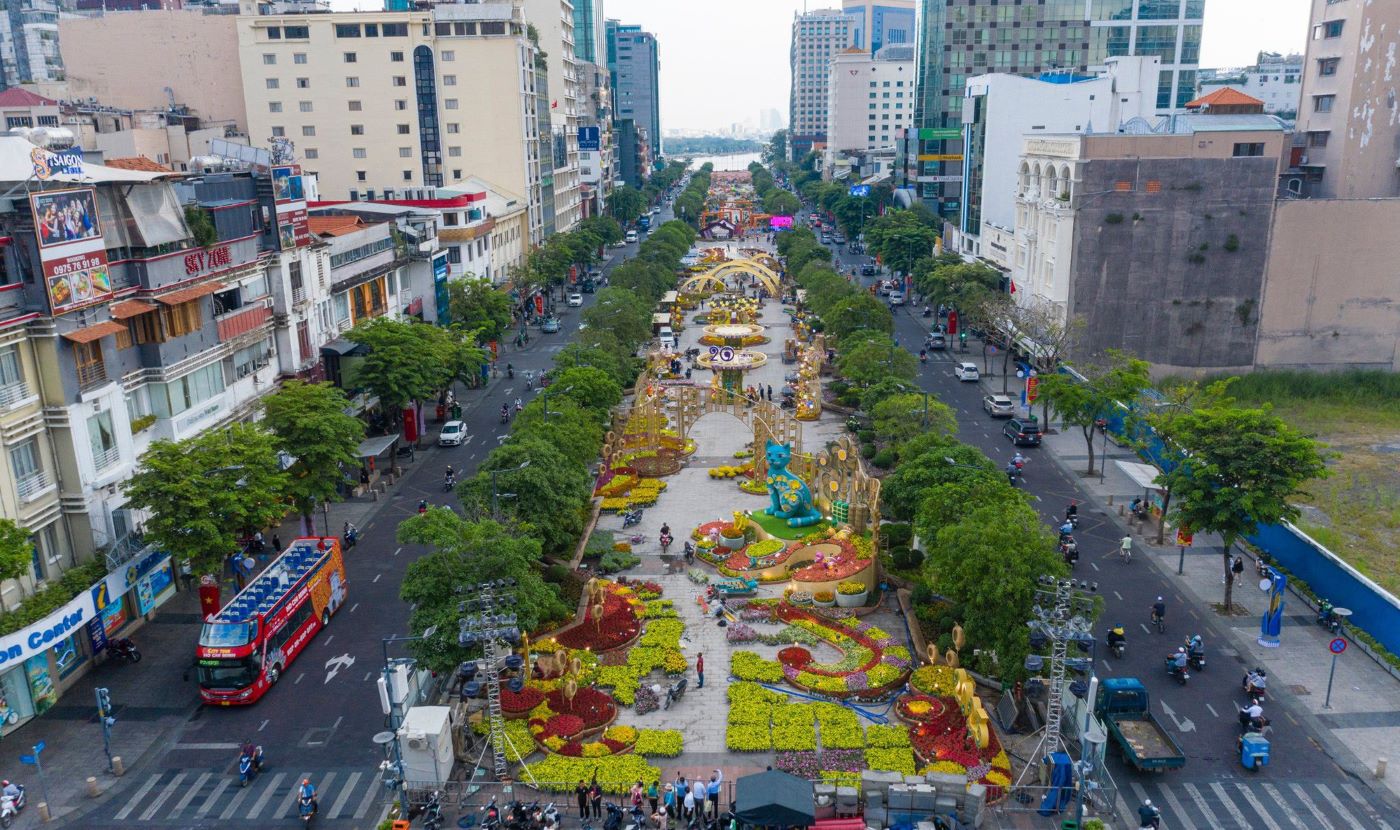
  • Tet New Year (first day of the first lunar month) – The city is partying or back to their home town. Road Nguyen Hue has a large flower exhibition.
  • Saigon Cyclo Challenge (mid-March) – Both professional and amateur cyclists compete to determine who is the fastest, with the funds raised being donated to local charities that assist underprivileged children.

Best time to visit

  • February: Hardly any rain, the least humidity and a city full of flowers for the Tet parties.
  • March: Little rain and humidity.
  • December: December is cooler than normal for HCMC and relatively dry.

10 best things to do in Ho Chi Minh City

Ho Chi Minh City, bustling with energy and lined with French colonial architecture, offers something for everyone. Whether you’re drawn to temples, museums, markets, history, architecture, parks, or simply want to experience the vibrant pulse of Vietnam’s most economically dynamic city, you’ll find plenty to explore.

1. Cu Chi Tunnels

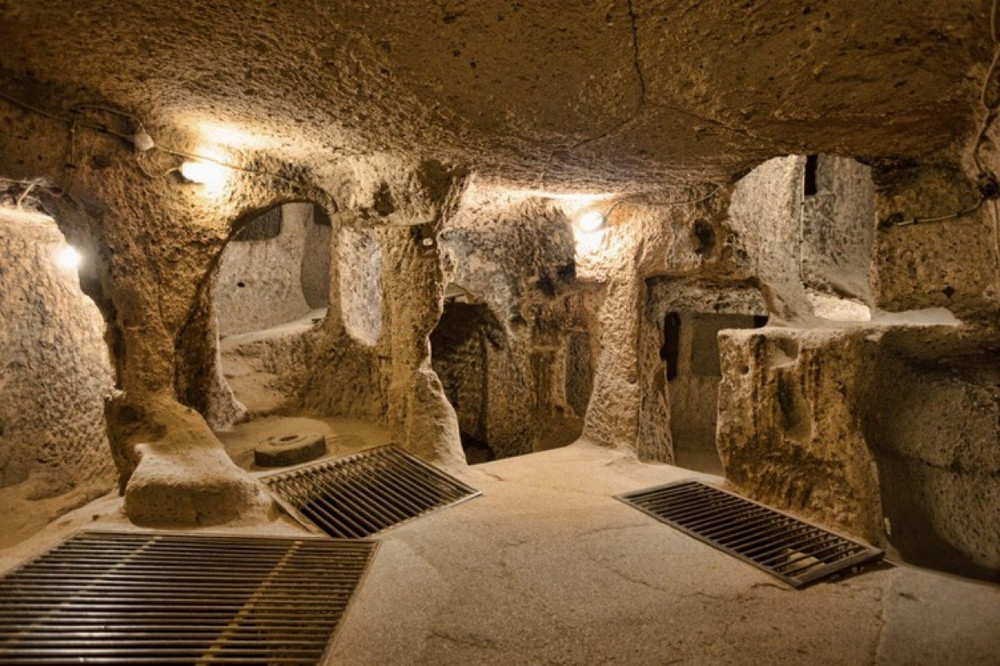
One of the top activities in Ho Chi Minh City is taking a day trip to the Cu Chi Tunnels. As part of a war museum, these tunnels offer a deeper understanding of the Vietnam War. You can crawl through the narrow passageways to experience how the Viet Cong lived during the conflict. The site also showcases various traps they used, their underground living conditions, and abandoned military vehicles. Additionally, you can choose to test your aim at the shooting range with a variety of firearms.

2. War Remnants Museum

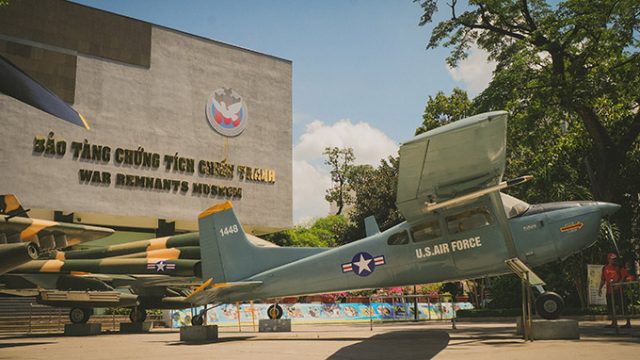
The War Remnants Museum is widely regarded as one of the most impactful and noteworthy museums in Vietnam, making it an essential stop. It offers a sobering and in-depth look at the horrors of the Vietnam War. Outside, you’ll find a collection of decommissioned military vehicles, including a tank, jet, helicopter, and rocket launchers. Inside, the museum showcases a range of war relics and stark, graphic photographs that depict the brutal realities of the conflict.

3. French colonial architecture

Similar to Hanoi and several other cities in Vietnam, Ho Chi Minh City boasts a wealth of architecture from the French colonial period. As the city center has evolved into a bustling modern metropolis, it creates a striking contrast to see centuries-old buildings standing alongside towering skyscrapers.

Notre Dame Cathedral

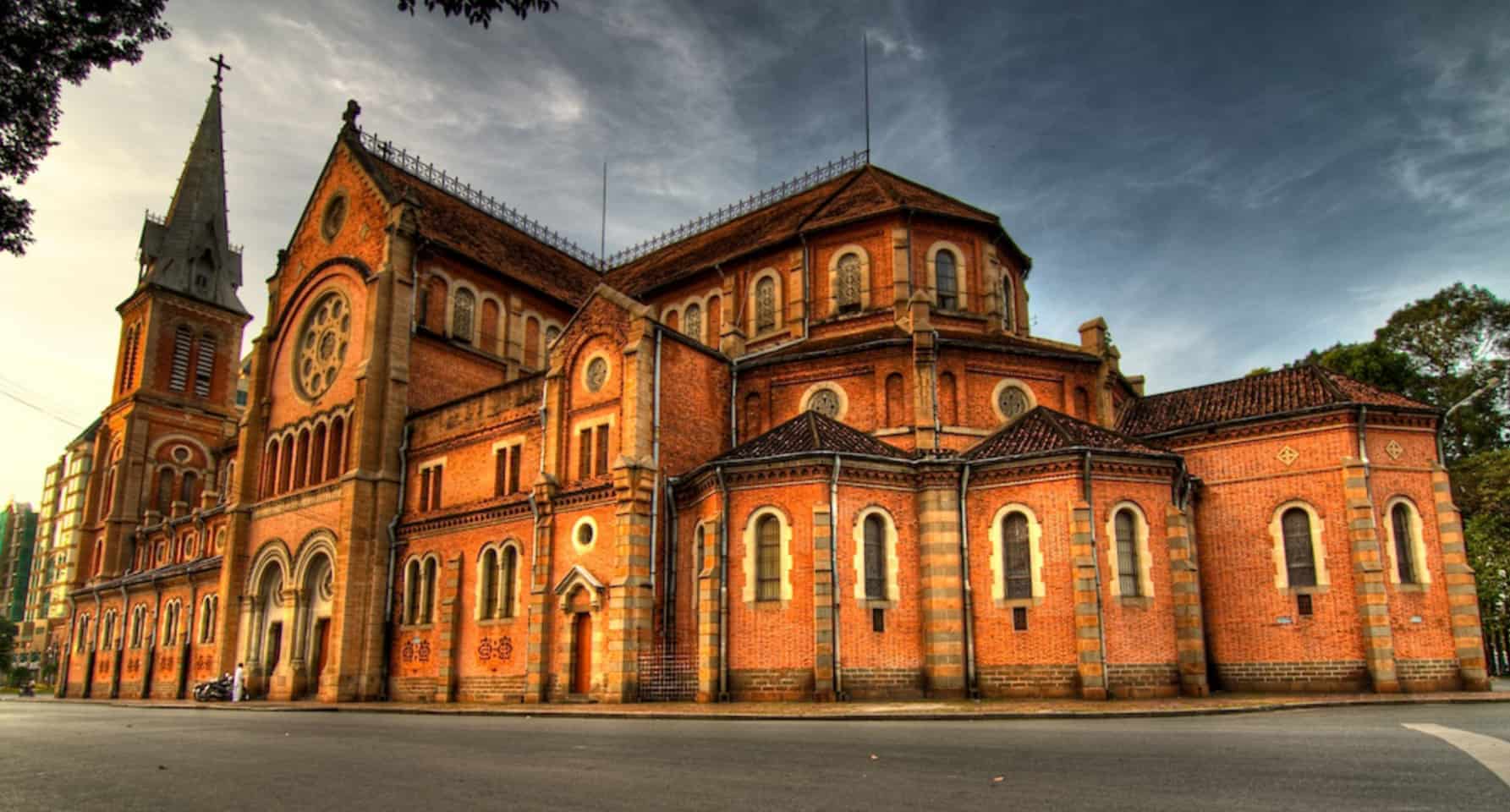
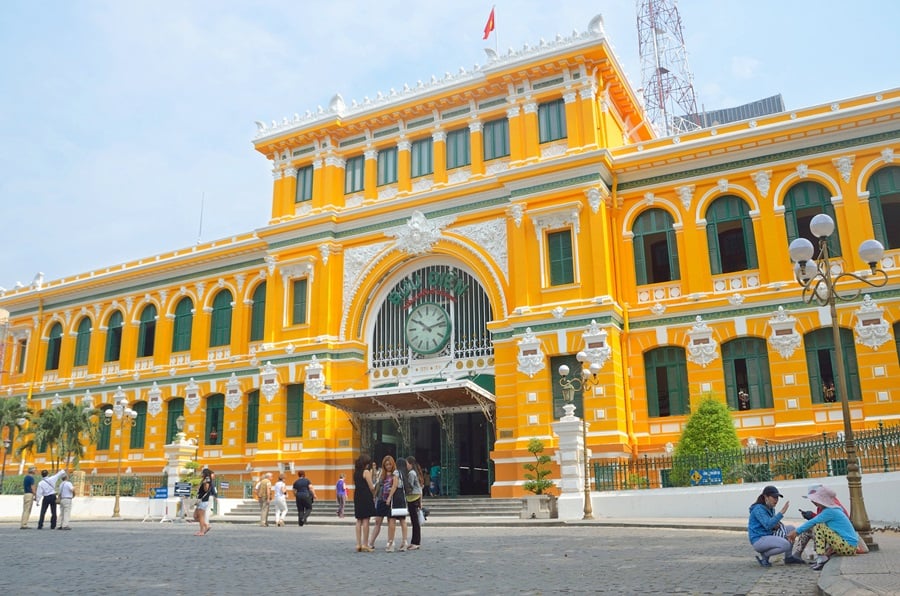
The historic Saigon Central Post Office is a must-see. It’s still operational, allowing you to send postcards to loved ones back home. Right across from it stands the stunning Saigon Notre-Dame Cathedral, built in 1863.

 Saigon Central Post Office

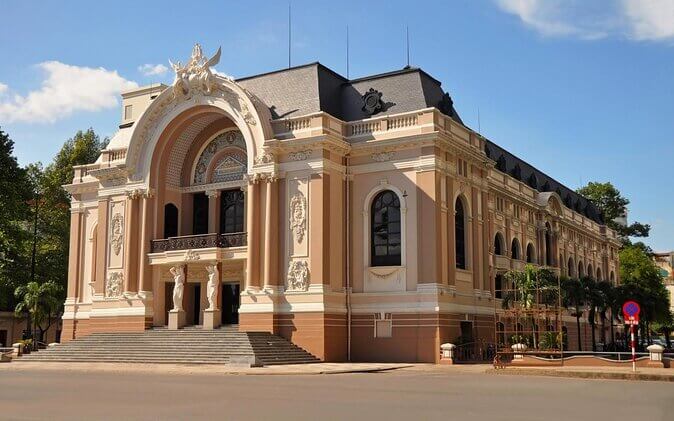
The colonial-era Saigon Opera House remains an active venue, offering a unique experience for those who attend a performance there. Nearby, you’ll also find the Ho Chi Minh City People’s Committee building, which was once the town hall.

Saigon Opera House

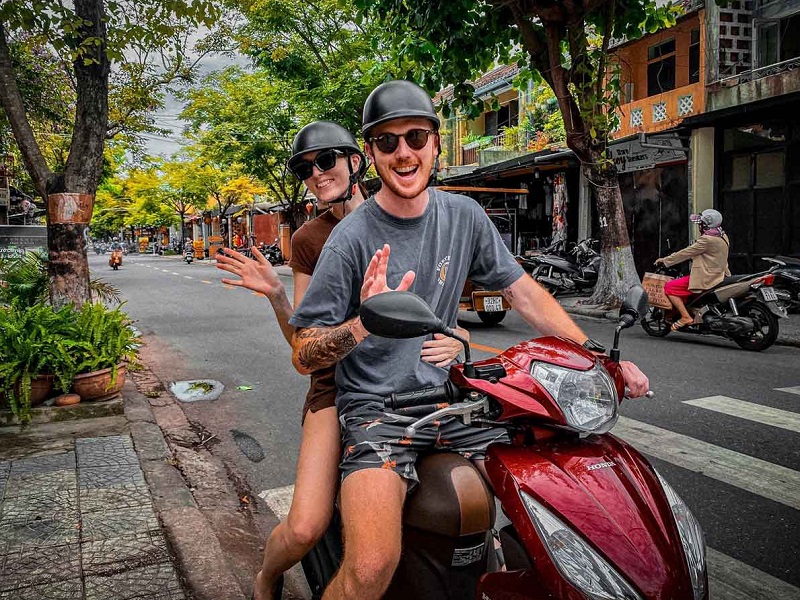
4.Motorbike street food tour.


Food in Vietnam is considered sacred and is a source of immense pride for its people. On every street, you’ll encounter a place to eat, from upscale restaurants to humble street stalls with plastic stools. Due to the migration of people from all over the country to Saigon for economic opportunities, you can also find dishes from every region of Vietnam here.

The ultimate way to experience the city is through a street food tour. Much like in Hanoi, you’ll sample a variety of dishes, visit hidden spots in the city, and gain an authentic glimpse into local life. For an even more unforgettable adventure, consider taking the tour on the back of a motorbike with a local guide. It adds an exciting twist to an already amazing experience.

Riding on the back of a bike and enjoying meals at local stalls truly immerses you in the heart of the local culture—an unforgettable experience.

5. Nightlife

Ho Chi Minh City offers the best nightlife in Vietnam. As the country’s largest city, it boasts the most vibrant and diverse entertainment options.

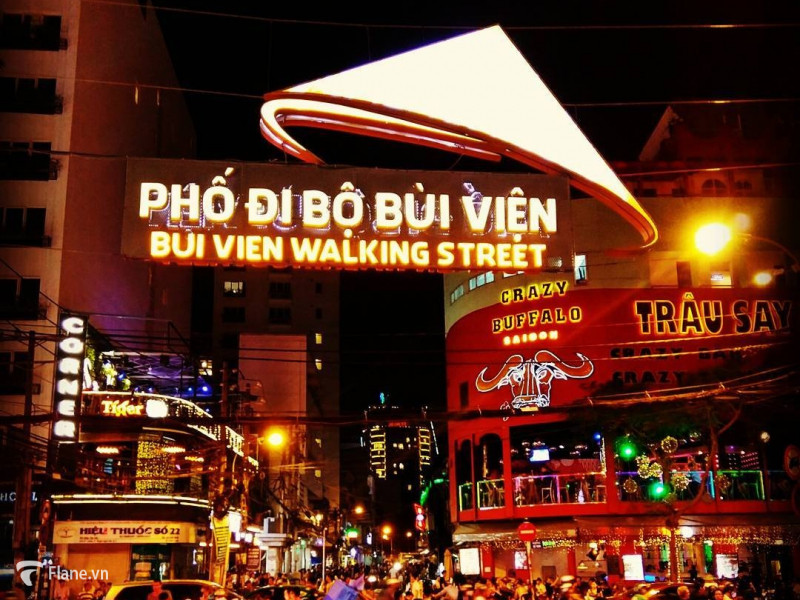
The most iconic spot for nightlife in Ho Chi Minh City is Bui Vien Street, often referred to as the backpacker street of the city, or even of all of Vietnam. It’s comparable to Bangkok’s Khao San Road – but better. This lively street is lined with bars and clubs, and you can also enjoy a drink while sitting on one of the many plastic chairs set up along the sidewalk.

Bui Vien Street

If you’re seeking a spot with a bit more flair, head to one of Ho Chi Minh City’s rooftop bars for a cocktail. The city also boasts a variety of bars and clubs, offering something for every taste—whether you’re into jazz or EDM, you’re sure to find your vibe.

6. Reunification Palace

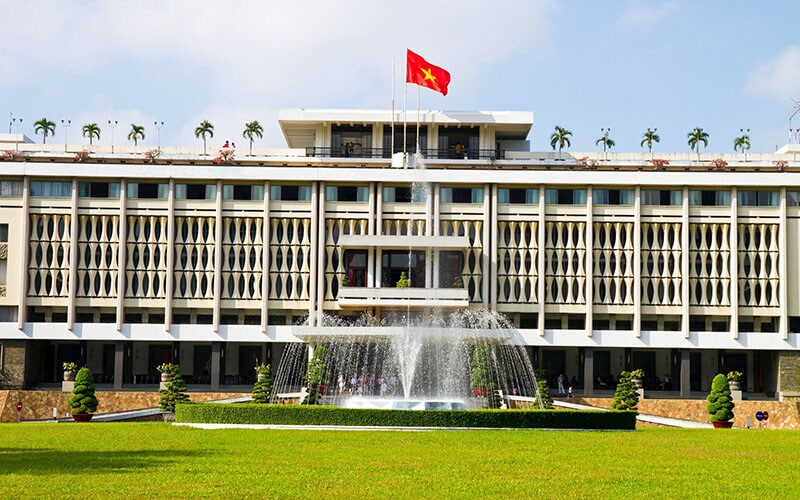
Reunification Palace

This palace served as the headquarters of the Vietnamese general until his death in 1963. It gained international fame in 1975 when a North Vietnamese tank drove through its main gate, marking the end of the Vietnam War. Today, the palace operates as a museum, offering a rare glimpse into its past, with many rooms still preserved as they were 40 years ago. Highlights include an air raid shelter and a communications room used to direct military operations.

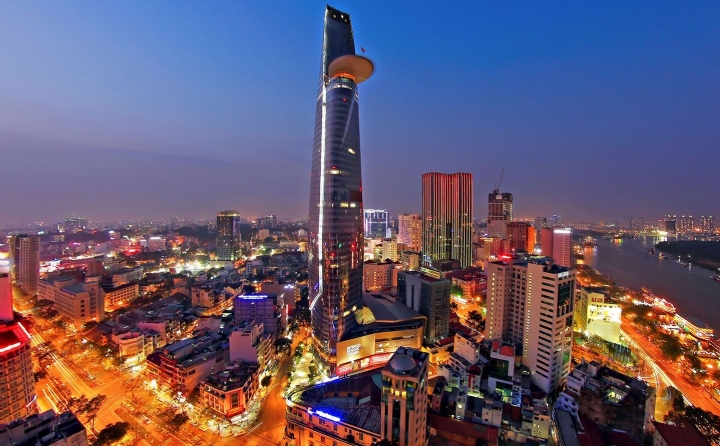
7. Bitexco Financial Tower

Bitexco was once the tallest building in the city until Landmark 81 surpassed it in 2018, becoming not only the tallest in the city but also in Southeast Asia. Despite this, Bitexco remains the most beautiful skyscraper in the city, located in the heart of the downtown area. Its design resembles a lotus flower, and it features a helicopter landing pad on its side.

Bitexco Tower

At a height of 262 meters, you’ll find a sky deck offering stunning views of the city and river, which you can visit.

8. Nguyen Hue Walking Street

For one of the best spots in the city to experience social and dating life, make your way to Nguyen Hue Walking Street. Every evening, thousands of people gather here to enjoy the lively atmosphere and cool breeze in the heart of the city.

Nguyen Hue Walking Street

The street is framed by stunning colonial-era architecture, including the Ho Chi Minh City People’s Committee building and the Opera House. Also nearby is the striking Cafe Apartments building, where each apartment hosts a unique café with its own distinctive decor—it’s a sight to behold from the street. Adding to the charm, these historic buildings are surrounded by modern skyscrapers, creating a blend of old and new.

9. Markets

Like other cities in Vietnam, Ho Chi Minh City is home to a variety of markets. These markets offer a glimpse into the daily lives of the locals. The farther you venture from the city center, the more authentic and traditional the markets become. While most markets sell everyday items like meat, fish, vegetables, fruit, household goods, and clothing, there are also specialized markets, such as those for motorbikes, flowers, and pets. Among the city’s most famous markets are Ben Thanh Market and Binh Tay Market.

10. Saigon River

The Saigon River runs directly through the city. On the opposite side of the river from the city center, you’ll enjoy a stunning view of the skyline. Additionally, there are several boat tours available to explore the river.

For instance, you can explore the Mekong Delta by speedboat, departing right from this river. It’s a faster, more scenic alternative to traveling by road. You can also enjoy a sunset tour by speedboat, complete with a cocktail at an upscale restaurant. For a more romantic or simply enjoyable experience, consider a Saigon River dinner cruise, offering delicious food paired with stunning views of the city skyline.

Best hotels & hostels in Ho Chi Minh City

Where to stay

District 1 -The city is vast, with a variety of neighborhoods, but it’s best to book your accommodation in District 1, the heart of the city. From here, you’ll be close to major attractions, restaurants, and nightlife. Additionally, most day tours offer convenient pick-up services from District 1. Due to its popularity, District 1 boasts a wide range of accommodations, from luxurious five-star hotels along the stylish Dong Khoi Street to more affordable hostels on Pham Ngu Lao and Bui Vien Streets.

Best hotels & hostels in Ho Chi Minh City

Budget hotels & hostels

  • Hangout Hostel HCM
  • The Hideout
  • Vietnam Inn Saigon
  • The Like Hostel & Cafe
  • Long Hostel

Mid range hotel

  • A&Em Art Hotel
  • The Hammock Hotel Ben Thanh
  • Triip Boutique Ben Thanh Hotel
  • C Central Hotel
  • Cititel Parkview Saigon Hote

High end hotel & resort

  • Grand Hotel Saigon
  • Sedona Suites Orchid Tower
  • Muong Thanh Saigon Centre Hotel
  • Rex Hotel Saigon
  • Novotel Saigon Centre Hotel

Food & drinking

Restaurants

It might be a bold statement, but this city could easily be considered the culinary capital of Vietnam. It showcases the finest flavors from across the country, blending northern and central regional dishes, along with a vibrant street food culture and excellent international dining options. If you’re a food lover, this is undoubtedly one of the top cities in Asia.

Local restaurants

  • Nha Hang Ngon
  • Vo Roof Garden
  • The Garlik De Tham Restaurant
  • The Deck Saigon
  • Hum Vegetarian, Lounge & Restaurant

Fine dining

  • Bun Cha 145 Bui Vien
  • Cyclo Resto
  • Bep Me In
  • Royal Saigon Restaurant Bui Vien
  • 4Ps Pizza Saigon

Nightlife

This city offers the best nightlife in Vietnam, featuring trendy rooftop bars, stylish clubs, vibrant live music venues, traditional performances, and the unique local beer-drinking experience on casual plastic seats.

  1. Bui Vien Street
  2. Rooftop bars
  3. Food tour
  4. Pub Crawl
  5. Dinner cruise
  6. Clubbing
  7. Live music bars
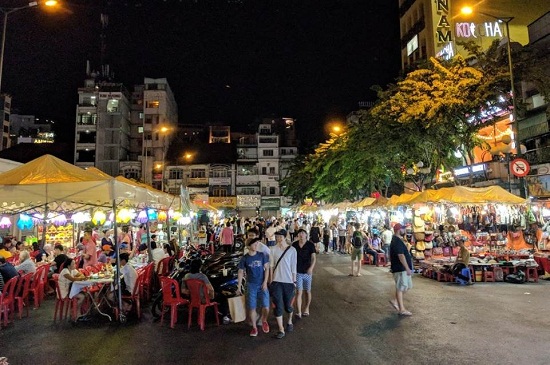
  8. Ben Thanh Night Market
  9. Show in Opera House
  10. Nguyen Hue Walking Street

How to get there

Flights to Ho Chi Minh City

Vietnam’s expanding network of domestic flights links Ho Chi Minh City to all other major cities, making it a great option for travelers with limited time. With affordable prices, flying to destinations like HanoiHue, Nha Trang, and Da Lat offers significant time savings.

Buses to Ho Chi Minh City

The most affordable way to travel to and from Ho Chi Minh City to other cities in Vietnam is by bus. A bus to Dalat takes about 7 hours and costs between $11 and $15, while a trip to Nha Trang takes around 22 hours and costs between $10 and $20. Bus tickets are available at travel agencies throughout the city center or directly from your hotel or hostel. There are also buses to Mui Ne and the Mekong Delta, though joining a tour can often be a more convenient option for exploring the Mekong area.

Trains to Ho Chi Minh City

Trains to northern Vietnam start from Saigon Train Station. The train to Nha Trang takes around 6.5 hours ($ 14- $ 32).

How to get around

Walking – Most of the sights are in the center nearby. A great way to explore the city is on foot.

Car and motorbike – Check with almost every hotel, tourist café or travel agency to arrange car rental. Don’t forget that the rent also includes a driver, because it is illegal for foreigners to drive in Vietnam without a Vietnamese driver’s license.

Taxi – Taxi with meter drive through the streets. The price is around 12,000d for the first kilometer; expect to pay around 25,000d (US $ 1) from Dong Khoi to Pham Ngu Lao. Use Mai Linh Taxi and Vinasun Taxi. An even better alternative is Grab (similar to Uber).

Itinerary 2 days in Ho Chi Minh City

Day 1

Embark on a city tour to discover landmarks like Ben Thanh Market, the Reunification Palace, the War Remnants Museum, the Post Office, and the Notre Dame Cathedral. In the evening, enjoy a unique food tour riding on the back of a motorcycle.

Day 2

Start your day with a trip to the Cu Chi Tunnels, which can be paired with a visit to the Cao Dai Temple. In the afternoon, wander through Chinatown. In the evening, enjoy a river cruise with dinner, and end your day at a rooftop bar.

More tips for traveling in Ho Chi Minh City


Ho Chi Minh City is situated in southern Vietnam. From here, you have the option to take a day trip to the Mekong Delta or spend several days exploring the area. If you travel north, you can choose to follow the coastal route through Mui Ne and Nha Trang or take the inland route via Dalat in the central highlands.

Come and experience Ho Chi Minh city in Vietnam on your next trip, and create unforgettable memories of Vietnam by securing your Vietnam visa at https://vietnamvisapro.com/. As a trusted and reliable visa service, we are here to help turn your dream vacation into reality from the very first step.

Posted on

Quang Binh Province: The land of 500 caves

With the recent discovery of 22 more caves, the central province of Quang Binh, renowned as Vietnam’s cave kingdom, now boasts over 500 caves, with about 40 open for tourism.

On April 14, Pham Hong Thai, Director of Phong Nha – Ke Bang National Park, announced that an expedition team had discovered 22 caves in Minh Hoa and Tuyen Hoa districts during a recent survey, and an additional three caves the Va, Doi Trieng 2, and Tien cave system, combining for a total length of 3,550 meters. With a plethora of caves, both large and small, already accessible for tourism, Quang Binh has earned its title as the kingdom of caves.

>>> Apply Visa to Vietnam <<<

>>> Order Fast Track Service <<<

Phong Nha Cave

Phong Nha Cave stands as one of Quang Binh’s most sought-after destinations for tourists. Nestled within Phong Nha – Ke Bang National Park, a UNESCO World Natural Heritage site, it is located in Son Trach Commune, Bo Trach District, approximately 45 kilometers from Dong Hoi City.

Having been explored numerous times since the early 20th century, Phong Nha Cave garnered recognition in 1994 when a report on a geomorphological survey of Vietnam by a renowned British exploration group hailed it as “one of the two most beautiful water caves in the world.” Serving as the flagship attraction within Phong Nha – Ke Bang National Park, it was among the first sites opened for tourism in the area.

To embark on an exploration of Phong Nha Cave, visitors purchase tickets from the Phong Nha Tourism Center, then board a boat journey along the Son River, enjoying a 30 minute journey before entering the cave. Inside, visitors are greeted by stalactites and other natural wonders.

Paradise Cave

Paradise Cave, situated in Phong Nha – Ke Bang National Park, lies 60 kilometers northwest of Quang Binh’s capital city Dong Hoi. Discovered in 2005, Paradise is a dry cave, distinct from Phong Nha Cave as it lacks an underground river. Its terrain mostly consists of soft and flat ground, and the cave’s temperature remains consistently around 10 degrees Celsius cooler than outside.

To reach Thien Duong Cave, visitors depart from the west branch of the Ho Chi Minh Highway, traveling approximately 5 kilometers before ascending over 520 steps to access the cave entrance. The cave path extends for 1.1 kilometers.

Son Doong Cave

Son Doong Cave holds the distinction of being the largest cave in the world. Discovered by Ho Khanh, a native of Phong Nha, in 1990, it underwent survey and measurement by an English-Vietnamese cave exploration group in 2009. Subsequently, in 2013, Son Doong earned recognition from the Guinness World Records as the world’s largest natural cave.

With a total length of nearly 9 kilometers and a vast cave arch, Son Doong Cave boasts a volume of 38.5 million cubic meters. Within its chambers, visitors encounter towering stalactites, some exceeding 80 meters in height, alongside a primeval forest, unique ecosystem, and an underground river.

Offered as an adventure tourism experience, Son Doong cave exploration tours span 6 days and 5 nights, with bookings available since 2013. Demand for these tours remains consistently high, often fully booked a year in advance. This photo captures the Dinosaur Echo at Sinkhole 1 within Son Doong Cave.

Tu Lan cave system

The Tu Lan cave system is nestled within the primeval forest and limestone mountains spanning over 650 hectares in Tan Hoa Commune, Minh Hoa District. The cave system is connected to eight different valleys and mountain ranges via underground rivers and cave passages, which are all outside of Phong Nha – Ke Bang National Park.

Comprising 20 caves, this system was explored in 1992 by a joint Vietnamese and English cave exploration team. Subsequent extensive surveys were conducted from 2010 onwards.

The above photograph showcases the stalactite columns found within Tu Lan Cave.

Ba Cave

Situated within the heart of Phong Nha – Ke Bang National Park, the Ba Cave area lies within the park’s strictly protected zone. This expanse is adorned with ancient forests featuring millennia-old trees, providing habitat for rare animal species.

Among the features of this area are several large caves, each adorned with diverse stalactite formations. These caves were discovered and mapped by a joint British-Vietnamese cave exploration team in 1992 and 1994.

Scheduled for development into an adventure tourism destination in 2022, this area offers exhilarating experiences for adventurers.

This image captures the Sang Cave campsite during the Ba Cave deep jungle expedition.

Va Cave

Va Cave, situated within the core area of Phong Nha – Ke Bang National Park, and it is situated around 4 kilometers away from the west branch of the Ho Chi Minh Highway.

Known as an underground water cave, Va Cave has a stalagmite system featuring around 1,000 conical-shaped stalactites of uniform size. These formations have developed within sedimentation lakes, with stalagmite towers characterized by steep slopes, reaching heights of up to 2 meters. These columns are covered in a layer of soft mud.

En Cave

En Cave, one of the largest natural caves globally, is nestled deep within the core area of Phong Nha – Ke Bang National Park. To embark on an exploration of En Cave, adventurers must traverse through Doong Village, home to the Bru – Van Kieu ethnic communities.

Spanning more than 1.6 kilometers, the cave runs through a mountain range, boasting three entrances. Among these, the largest and most renowned entrance stands at an impressive height of 120 meters and width of 110 meters.

Moreover, the cave ceiling reaches heights of up to 145 meters in certain areas, while the cave corridor stretches to a width of 200 meters at its broadest point. Inside the cave, visitors encounter a stream leading towards Son Doong Cave.

This image showcases the back entrance of En Cave, soaring to a height of 120 meters.

The Tiger Cave System

The Tiger Cave system lies within Phong Nha – Ke Bang National Park, spanning the Bo Trach and Minh Hoa districts. This complex comprises three significant interconnected caves: Tiger, Over, and Pygmy caves. Within the Tiger Cave System, visitors also encounter Kong Sinkhole, one of the tallest sinkholes globally, boasting a height of 450 meters.

Stretching approximately 1,600 meters in length and descending to a depth of 46 meters, the system features a cave entrance approximately 50 meters wide. Located around 10 kilometers from Dong Hoi City, tourists typically access the cave by traveling along the Ho Chi Minh Road to DT20 Road, where they then turn left and continue for about 3.5 kilometers to reach the cave entrance.

This photograph shows a night camp in the heart of Tiger Cave.

Hung Thoong Cave System

The Hung Thoong Cave System comprises several caves, including Tron, Hung, and Thung, each named after its discoverer. This system is notable for its Nightmare Sinkhole, plunging to a depth of 250 meters, and a natural lake amidst limestone mountains.

Hung Cave has an exceptional stalactite system where crystal-like formations hang from the cave’s ceiling, appearing hollow inside. These stalactites release droplets of water at their tips, resembling pearls. Additionally, Hung Cave is adorned with cave pearls of different sizes, resembling eggs. Further exploration of the cave leads to the discovery of a clear underground lake.

Tron cave features a blue lake stretching over 1 kilometer in length, offering visitors the opportunity to swim or enjoy some stand-up paddleboarding.

Resource: VNExpress International.

Posted on

16 best resorts in Vietnam as voted by The Times

British newspaper The Times introduced the 16 best hotels and resorts in Vietnam for a wellness retreat.

Four Seasons Resort The Nam Hai spreads over 35 hectares and overlooks Ha My Beach in the central province of Quang Nam.

The Times described the resort as ‘best for romance.’

Surrounded by coconut palms and green trees, it has 100 villas and eight separate spa rooms all designed in traditional Vietnamese style.

The resort has its own vegetable garden and uses eco-friendly materials. At the heart of the resort is a small temple where fishermen pray for peace before each voyage.

>>> Apply Visa to Vietnam <<<

>>> Order Fast Track Service <<<

Zannier Hotels Bai San Ho on a secluded peninsula in the central province of Phu Yen is described as ‘best for a secret retreat.’

The resort has 73 suites and villas wearing the architecture of traditional Vietnamese villages with thatched roofs and woven bamboo walls.

Its interior decorations highlight unique local culture with items like dried calabash gourds, traditional braided baskets and coconut shell tools made by local artisans.

Located on Le Phung Hieu Street in Hanoi’s Old Quarter, Capella Hanoi Hotel is described as ‘best for drama.’

The hotel has 47 rooms and suites, each individually styled with operatic artefacts and custom portraiture that pay tribute to legendary Opera artists, composers, designers and performances.

Each has a balcony, overlooking Hoan Kiem (Sword) Lake.

Amanoi Resort is nestled in Nui Chua National Park beside Vinh Hy Bay in south-central Ninh Thuan Province.

Vietnam’s first six-star resort is described as ‘best for one-percenters.’

It has 36 villas facing the sea or hills. Its most luxurious villa costs $8,000 a night, while the lowest deal starts at $1,150.

Tam Coc Garden Resort in Ninh Binh Province, around two hours to the east of Hanoi, is hailed by the British newspaper as ‘best for country living.’

The resort is in Hai Nham Village of Hoa Lu District, around five kilometers from Bich Dong Pagoda and Tam Coc Tourist Area.

One of the highlights of the resort is the surrounding rice fields, ancient villages and fruit orchards.

Located on a secluded peninsula in Ninh Van Bay in the south-central province of Khanh Hoa, An Lam Retreat Ninh Van Bay has 37 villas made of eco-friendly materials like wood and bamboo.

The Times described it as ‘best for nature.’

The only way to reach the resort is by boat.

Six Senses Con Dao on Dat Doc Beach is the only five-star beach resort in the Con Dao archipelago off Vietnam’s southern coast.

Located inside Con Dao National Park, it has 50 beach villas, built mainly with natural materials and each with a private swimming pool.

It is described as ‘best for beaches.’

The Reverie Saigon in Ho Chi Minh City is described as ‘best for glitz.’

The hotel on Nguyen Hue Boulevard has 286 rooms, suites and residential suites that combine modern design and traditional Italian craftsmanship.

It has a 24-meter-long swimming pool decorated with unique tiles on the sixth floor where guests can enjoy music from an underwater sound system.

Sofitel Legend Metropole Hanoiis ‘best for history.’

Founded in 1901, it is one of the few capital hotels featuring French architecture and has garnered numerous travel awards in recent years.

The hotel is home to a two-meter-high wartime bomb shelter discovered by chance in 2011. It was where many famous figures of the Vietnam War, including actress Jane Fonda and author Tom Hayden, both anti-war activists, took refugee as bombs rained down on Hanoi.

JW Marriott Phu Quoc Emerald Bay Resort & Spa on the southern island Phu Quoc is described as ‘best for style.’

Lying only 15 minutes from Phu Quoc International Airport, the resort stretching along Khem Beach has 234 rooms, suites and stand-alone villas.

Construction of the French-style resort started in 2015, with its doors opening in 2016.

Azerai La Residence in the former imperial capital Hue is described ‘best for boutique vibes.’

Set on a two-and-a-half-hectare site with 200 meters of frontage on the Huong (Perfume) River, the hotel was built in a colonial style.

The mansion at the heart of the hotel was built in 1930 as part of the residence of the French Resident Superior.

Its distinctive facade, long horizontal lines and nautical flourishes are hallmarks of the streamline modern school of art deco.

Anantara Quy Nhon near Bai Xep beach is ‘best for getting off the beaten track.’

The resort has 26 beach-view villas with private outdoor swimming pools. And it is near Bai Xep fishing village that was listed by Business Insider as “one of the 16 hidden gems” of Asia.

InterContinental Danang Sun Peninsula Resort in the central city of Da Nang is described as ‘best for monkeying around.’

It has 201 rooms, suites, penthouses, and villas along a 700-meter-long private beach.

Located within Son Tra Nature Reserve, home to some critically endangered species including red-shanked douc langur, the resort has strict policies to protect the wildlife.

Situated in the eponymous bay around 60 kilometers from downtown Nha Trang, Six Senses Ninh Van Bay is ‘best for barefoot luxury.’

It consists of 62 villas built entirely of wood and rattan and with thatched roofs.

No plastic bottle is allowed inside, making it one of the few eco-friendly resorts in Vietnam.

Regent Phu Quoc, which opened in April this year, is described as ‘too fancy for mere rooms.’

It features 302 suites and villas, six restaurants and bars, swimming pools overlooking Long Beach, one of the most beautiful on Phu Quoc, next to a UNESCO-recognized world biosphere reserve.

Topas Ecolodge in northern highlands town Sa Pa is described as ‘best for gorgeous views.’

Opened in 2005, the five-star resort offers 41 bungalows built with white granite that resemble ethnic minority stilt homes.

All furniture is made from natural materials like wood, bamboo and rattan.

All rooms offer views of Hoang Lien Son mountain range and terraced rice fields.

Posted on

Chu Chi tunnels or Cu Chi tunnels – Which one is right name?

1. Chu Chi or Cu Chi tunnel?

It may sounds similar by visitors but Vietnamese says “ Cu Chi”

2. Why it namesCu Chi?

The name of the District Cu Chi which located 40 km in the North – west of HCM City. In Nguyen Dynasty Cu Chi belong to Binh Duong district, Tan Binh, Phien An. In 1836, Cu Chi became part of Binh Duong District, Gia Dinh Province. In 1956 Cu Chi became a new district of Binh Duong.

In 1963, South Vietnam setup Hai Nghia province and half of Cu Chi remain the same name and belong to Hai Nghia Province. The other half belong to Phu Hoa, Binh Duong province. After 1975. These two parts rejoins and became Cu Chi District of HCM City.

Cu Chi is local name of plan “Strychnos” (Vietnamese called Mã Tiền) which growing wildly here, and people use its seed as local remedy.

>>> Apply Visa to Vietnam <<<

>>> Order Fast Track Service <<<

3. Cu Chi tunnels

It was designed and dug with simple tools and bare hands during the French occupation in the 1940s, and further expanded during the Vietnam War in the 1960s to provide refuge and a defensive advantage over the American soldiers. Despite all the bombings in their town, the Cu Chi people were able to continue their lives beneath the soil, where they slept, ate, planned attacks, healed their sick, and taught their young. Some even wed and gave birth underground, but over 10,000 lost their lives here.

There are two different tunnel sites open to travellers NOT one, operated by the same organization and with similar experiences in each (a 15-minute scratchy B&W propaganda film, tunnel tour, displays of booby traps, tasting of tapioca): Ben Dinh & Ben Duoc

• Ben Duoc (VietnameseBến Dược)

Closer to HCM City
Larger grounds with more to see
Could see some broken tanks and other war items along the walking route
One long tunnel setup for casual tourists
The gun site is positioned at the end of the tour conveniently.

BUT

Touristy with so many visitors
Due to the quantity of people, guides (at the site) are under pressure to push you around quickly
The actual tunnel is hugely widened make it easier for visitors to test but not authentic.

• Ben Dinh (VietnameseBến Đình)

Slow-paced level of tourists with no queue
Most of the tour is built around going through lots of small tunnels. Good for those who really want to experience the true value of Cu Chi.
Local guides (ath the site) are taking their time, no rush, all they want is a good service to get tips.

BUT

Less things to see, the tour takes shorter time.
Alot of small tunnels, no good for non-adventurers or oversize visitors
Longer drive from HCM City
The gun range is nearly impossible to find.

Here is a part of Cu Chi tunnels design.

4. Where is Cu Chi tunnels from HCM City?

5. Some Old images Cu Chi from 1965 -1967.

Posted on 8,289 Comments

SOME TOP TOURIST ATTRACTIONS IN VIETNAM

Some Top Tourist Attractions in Vietnam

Before planning a trip to Vietnam, you must do a lot of research to find out the top tourist attractions to visit. Among the top tourist attractions in Vietnam, iconic sites like Ha Long Bay, the Imperial City of Hue, and the historic Old Quarter of Hanoi are must-sees. Thanks to such a huge stretch from the North to the South, over 3200 kilometers, crossing various topographies, Vietnam holds in itself a collection of mountains, deltas, rivers, caves, lagoons, ocean, canals, hills. Vietnam Travel lists top destinations below which shows the best features of the country.

>>> Apply visa to Vietnam <<<

>>> Order Fast Track Service <<<

  1. Ha Long Bay

Leading the chart of the top tourist attractions in Vietnam should not be something else but the sensational Ha Long Bay. The UNESCO World Heritage Site added another sight to see in their list presenting the world’s most spellbinding karst seascape, Ha Long Bay even twice. One was in 1991 and the other one was in 1998. Situated along the Gulf of Tonkin, there lies thousands of limestone islands scraped away by nature into breath-taking rock formations. It is highly recommended to spend an overnight tour to fully appreciate the iconic views this site has to offer.

The best times to visit Ha Long Bay are during the spring (March to May) and autumn (September to November) when the weather is mild and dry, providing ideal conditions for exploring the bay’s iconic limestone islands and enjoying outdoor activities.

If you’re interested in immersing yourself in the local culture, consider timing your visit to coincide with one of the region’s vibrant festivals or events. The Ha Long Carnival, held annually in late April or early May, is a lively celebration featuring street parades, traditional music and dance performances, and delicious local cuisine.

To fully appreciate the wonders of Ha Long Bay, an ideal duration of stay is 2-3 days. This allows ample time to embark on a cruise through the bay, exploring its hidden caves, secluded beaches, and floating villages. Additionally, you’ll have the opportunity to participate in various activities such as kayaking, hiking, and visiting nearby attractions like Cat Ba Islands.

Speaking of top activities, a Ha Long Bay cruise is an absolute must-do. These multi-day cruises offer the chance to witness the bay’s incredible scenery up close while indulging in luxurious amenities. Other popular activities include exploring the mystical caves like Sung Sot Cave, Thien Cung Cave, hiking to scenic viewpoints like Ti Top Island, and participating in water sports like kayaking or swimming in the bay’s emerald waters. Additionally, don’t miss out on discovering the fascinating things to do in Ha Long City, such as visiting local markets, enjoying fresh seafood, and experiencing the vibrant nightlife.

2. Hanoi

Hanoi, the capital of Vietnam, attracts millions of visitors each year. Hanoi has a long history of 1000 years of culture and civilization that attracts visitors of its old age. Traveling to Hanoi, you cannot miss Long Bien Bridge (over 100 years old), Hoa Lo Prison (Hilton House), Temple of Literature, Bat Trang pottery village, Hoan Kiem LakeNgoc Son Temple and many different kind of museums such at Vietnam museum of EthnologyVietnam Fine Art Museum, etc. Besides, Hanoi Old Quarter is a favorite place of many travelers.

The best times to visit Hanoi are during the spring (March to May) and autumn (September to November) when the weather is pleasant, with warm days and cool evenings. If you’re seeking to immerse yourself in the city’s vibrant cultural tapestry, consider timing your visit to coincide with one of Hanoi’s iconic festivals, such as the Lunar New Year celebrations or the Mid-Autumn Festival, both of which showcase traditional music, dance, and culinary delights.

To fully experience the city’s charm, an ideal duration of stay in Hanoi is 3-4 days. This allows ample time to explore its historic Old Quarter, visit iconic landmarks like the Temple of Literature and Ho Chi Minh Mausoleum, and indulge in the city’s renowned street food scene. Top activities in Hanoi include taking a cyclo tour through the bustling streets, attending a traditional water puppet show, exploring the Imperial Citadel of Thang Long, and embarking on a day trip to the picturesque Ninh Binh province, renowned for its stunning karst landscapes. Don’t miss out on discovering the diverse range of things to do in Hanoi, from exploring ancient temples to sampling local delicacies in bustling markets.

3. Sapa

Sapa located in Lao Cai Province, about 350 km northwest of Hanoi, close to the Chinese border. Traveling to Sapa to discover the north mountainous area of Vietnam with the Hoang Lien Son range of mountains, which includes Fan Si Pan—the country’s highest peak. In Sapa, you can both enjoy the beauty of nature with stunning mountains, colorful paddy fields and experience our various culture of H’Mong ethnic minority. Here, travellers can spend their time hiking in the villages of Cat CatY Linh HoLao Chai and Ta Van Villages. If, you love to discover the remote village where less tourist travels, you can go to Can Cau Village to visit local market and Love market as well. After all, your memories to Sapa would be filled with the exotic cuisine, the colorful costumes of the ethnic minorities and the stunning of nature.

The best times to visit Sapa are during the spring (March to May) and autumn (September to November) when the weather is mild and dry, providing ideal conditions for trekking and enjoying the town’s picturesque landscapes.

If you’re interested in immersing yourself in the local culture, consider timing your visit to coincide with one of Sapa’s vibrant festivals or events, such as the Bac Ha Sunday Market or the Gau Tao Festival, where you can witness traditional dress, music, and dance performances by the region’s ethnic minority groups.

To fully appreciate the wonders of Sapa, an ideal duration of stay is 3-4 days. This allows ample time to embark on guided treks through the verdant rice terraces and visit remote hill tribe villages, as well as explore the town’s charming French colonial architecture and bustling markets.

Top activities and things to do in Sapa include trekking through the breathtaking Muong Hoa Valley, visiting the Love Waterfall and Bamboo Forest, exploring the Bac Ha Sunday Market for traditional handicrafts and textiles, and indulging in local delicacies like Thang Co (a unique sour soup). Additionally, adventurous travelers can partake in thrilling experiences like a Mt. Fansipan climb or a motorbike tour through the winding mountain roads.

4. Ninh Binh

If Ha Long Bay is the rocky limestone destination in the northern far seas, then Ninh Binh is would be the equivalent on the mainland. Located around 95km south of Hanoi, Ninh Binh and its’ neighboring area Tam Coc are filled with similar sights from the emerald green waters of Ha Long Bay. Being the perfect place to start an adventure around Vietnam and Cambodia, Nan Binh is a favored spot for tourists to post on social media, especially for its natural and untouched beauty.

In addition to the captivating natural features that Ninh Binh has to offer, the city is known to be the ancient capital of feudal Vietnam during the 11th century under the Dinh and the Early Le Dynasties. A two-day trip all around Ninh Binh would give you an ideal insight into how the ancient Vietnamese once ruled their country against the major outside force from China.

The best times to visit Ninh Binh are during the spring (March to May) and autumn (September to November) when the weather is pleasant and dry, providing ideal conditions for exploring the region’s iconic limestone landscapes and enjoying outdoor activities.

To truly appreciate the wonders of Ninh Binh, an ideal duration of stay is 2-3 days. This allows ample time to explore the breathtaking Trang An Landscape Complex, a UNESCO World Heritage Site renowned for its stunning karst formations, caves, and tranquil waterways, as well as visit nearby attractions like the ancient capital of Hoa Lu and the stunning Bai Dinh Pagoda complex.

Top activities and things to do in Ninh Binh include taking a mesmerizing boat tour through the limestone karst formations of Trang An, exploring the ancient temples and citadels of Hoa Lu, embarking on a cycling adventure through the picturesque countryside and rural villages, and indulging in the local cuisine, which features unique dishes like goat meat and specialties from the nearby Cuc Phuong National Park.

5. Phong Nha – Ke Bang National Park, Quang Binh

Located in Quang Binh province, central Vietnam, this mysterious land is endowed with breathtaking landscape of limestone mountain ranges, wild forests and stunning rivers. This place which is recognized by UNESCO World Heritage Site in 2003, famous for the largest cave in the world with whole ecosystems and forests within, called Son Doong cave. Son Dong cave is 5km long, 200m high and 150m wide. But it is not Son Dong, with more than 300 caves, many waterways, mountains and forests, Phong Nha – Ke Bang national park is now a famous destination for tourists from all over the world to trekking, hiking, cycling and kayaking.

Adventure awaits year-round in Phong Nha – Ke Bang National Park, but the dry season (March-August) offers ideal conditions for exploring. Hike through lush rainforests, delve into the world’s largest caves, or kayak on crystal-clear rivers. Aim for a stay of 2-3 days to experience the park’s highlights, like Paradise Cave or Phong Nha Cave. Don’t miss a boat trip down the Son River for a truly unforgettable experience!

6. Hue citadel

Knowing as the place of the last reign – Nguyen dynasty, Hue is considered one of Vietnam’s most historic towns and the former imperial capital of the country. The emperor’s residence, palaces, and temples are some of the historic sites left standing inside walls of the Imperial Enclosure that spans for around 2.5km along the Perfume River. Other landmarks are the citadel’s main entrance, the Ngo Mon Gate, the Thai Hoa Palace with its intricate interiors, Dien Tho Residence which serves as the Queen Mothers’ chambers and lastly the Hall of Mandarins housing its’ well-preserved ceiling murals.

Hue, Vietnam’s former imperial capital, is best explored during the dry season (February-August) when skies are clear and temperatures comfortable. History buffs will be enthralled by the city’s vibrant past, evident in its magnificent Hue Imperial Citadel and royal tombs. Hue also boasts a rich festival scene, with the Hue Festival offering a spectacular display of traditional performances and colorful parades. To fully appreciate Hue’s imperial charm and cultural treasures, a 2-3 day stay is ideal. Don’t miss a boat trip on the Perfume River, exploring bustling local markets, and indulging in Hue’s renowned royal cuisine.

7. Da Nang

Da Nang will surprise you by its modern, cleanness and nature. Da Nang has so many things to offer from Hai Van Pass, Marble Mountain, Ba Na hills to the Golden bridge. The fresh and beautiful white sand beach also Nang are also one of the reasons to hold tourist stay longer at this city. The amazing traditional food here is also one thing visitors could not resist.

Da Nang’s charm unfolds throughout the year, but the best time to visit depends on your preferences. For sunshine and warm seas ideal for swimming and lounging on the beach, April to August offers the most pleasant weather. This peak season coincides with the Da Nang International Fireworks Festival, a dazzling spectacle that usually takes place in April or May (check specific dates as they follow the lunar calendar).

If you prefer smaller crowds and don’t mind occasional rain showers, consider visiting during the shoulder seasons (September to November and March to May). You might even snag some travel bargains during this time. Three to five days is a good amount of time to explore Da Nang’s beaches, historical sites, and surrounding attractions. If you’re planning day trips to Hoi An or My Son Sanctuary, factor those into your itinerary.

Top activities in Da Nang include relaxing on pristine beaches like My Khe Beach, exploring the Marble Mountains with their stunning caves and pagodas, and getting a dose of history at the Museum of Cham Sculpture. Adventure seekers can try surfing or scuba diving, while foodies will delight in Da Nang’s fresh seafood and flavorful central Vietnamese cuisine.

8. Hoi An

Hoi An is the place where not only attracting newcomers but also encouraging many tourists to come back again. It is famous for being an ancient town where the rustic yellow-walled tubed buildings line up. The town was built and developed by the Japanese, Chinese and Vietnamese in which the Chinese architecture is the main theme throughout the whole site. The most sought-after destinations are the Thanh Ha Pottery Village, Tra Que Herb Village, and Kim Bong Carpentry Village. Besides, there are plenty of restaurants with lots of variety at cheap price, the night markets are great and the people are lovely. It truly is a paradise for visitors to go and explore.

The dry season (February to August) offers sunshine, warm temperatures, and minimal rain, making it ideal for sightseeing and outdoor activities. However, this coincides with peak tourist season. For pleasant weather with fewer crowds, consider the shoulder seasons (March to May or September to November). March to April boasts comfortable temperatures and coincides with the Full Moon Lantern Festival, transforming Hoi An into a magical spectacle with glowing lanterns illuminating the Thu Bon River.

Throughout the year, Hoi An comes alive with vibrant festivals. The Full Moon Lantern Festival, held on the 14th day of each lunar month, is a must-see, while the larger Festival of Lights in February celebrates Vietnamese traditions with lantern displays and performances.

2-3 days is a good amount of time to explore Hoi An’s captivating ancient town, with its well-preserved architecture, tailor shops, and Japanese Covered Bridge. Foodies can delve into Hoi An’s culinary scene, while beach lovers can relax on nearby Cua Dai Beach. If you’re planning day trips to My Son Sanctuary or Da Nang, factor those into your itinerary.

Discover the enchanting streets of the ancient town, a UNESCO World Heritage Site. Get custom clothing made by skilled tailors, a Hoi An specialty. Take a boat ride on the Thu Bon River, adorned with colorful lanterns at night. Learn about Hoi An’s history at museums like the Fukian Assembly Hall and the Tan Ky House. Relax on the pristine sands of Cua Dai Beach or try water sports. In the evening, take a boat trip and release floating lanterns, a beautiful local tradition. Don’t forget to explore the vibrant things to do in Hoi An, including sampling delicious local cuisine and participating in traditional lantern-making workshops.

9. Ho Chi Minh City (Saigon)

Saigon – Ho Chi Minh City is such a young and modern city born and raised for roughly over 300 years. Traveling here, you will see the attractions influenced by the French-era architecture such as Vietnam’s own Notre Dame Cathedral, the War Remnants Museum, and Ben Thanh Market. The Central Post Office, Reunification Palace are also visited by travelers.

Let’s not stop here, Sai Gon by night attracts you by its vibe and personal charming, please wander around Bui Vien streets, or taste local cuisine such as Huynh Hoa Bread (Banh my Huynh Hoa), Sauce Noodle (Bun mam), Nam Vang vermicelli (Hu tieu Nam Vang), Crab noodle (Banh canh cua), grilled pork noodle (bun thit nuong0, etc. Ho Chi Minh is also as a stop-over for tourists of they want to visit Mekong Delta, Cu Chi Tunnel, Cao Dai temple, Vung Tau and the other southern provinces.

The ideal time to visit Ho Chi Minh City is during the dry season from December to April, when the weather is most pleasant, offering clear skies and comfortable temperatures for exploring the city’s vibrant streets and historical landmarks.

The city’s calendar is dotted with cultural festivals and events, such as the exuberant Tet Festival in January or February, where the city bursts into celebrations of the Lunar New Year Attending this festival is a unique opportunity to immerse yourself in local traditions and witness the city at its most festive.

For travelers wondering about the ideal duration of stay, three to four days are recommended to fully experience the city’s top attractions and hidden gems. This allows ample time to delve into the rich history at the War Remnants Museum, marvel at the architectural wonder of the Notre-Dame Cathedral Basilica of Saigon, and indulge in the culinary delights of street food tours in District 4.

Discover the best things to do in Ho Chi Minh City, from exploring iconic attractions like the Ben Thanh Market and the Reunification Palace to immersing yourself in the vibrant atmosphere of the city’s night markets. Indulge in local delicacies, shop for souvenirs, and soak in the bustling energy of places like Binh Tay Market in Chinatown. Additionally, experience the charm of Nguyen Hue Street at night, lined with dazzling lights and bustling cafes, offering a perfect blend of culture and entertainment.

Incorporating these elements into your itinerary will ensure a memorable journey through the heart of Vietnam’s most dynamic city, where traditional charm meets modern vitality. Whether you’re a history buff, food enthusiast, or simply in search of adventure, Saigon’s warm embrace has something for everyone.

10. Phu Quoc

Unlike Bali or Thai Lan, Phu Quoc is an isolated tropical island located down South of Vietnam with 150km of coast in which you can reach there by plane at Phu Quoc International Airport. Phu Quoc is well known with many white sandy beaches and a perfect combination from mountain to forest and sea. With such a balmy weather, Phu Quoc is a good choice for all travelers who love nature and seek for a place to balance sightseeing and beaches. You can spend your time at your luxury resort or walk along the sandy beach to enjoy the fresh air or dipping yourself under the fresh green water of the sea. At the end of the day, Phu Quoc will end up with the colorful sky to complete your day with such a customized romantic dinner next to the beach. Travelling to Phu Quoc will bring you pleasant and relaxed.

The best times to visit Phu Quoc are from October to April, when the weather is dry with little rain, perfect for beach activities and exploration. This period also includes the peak tourist season, so for those seeking a quieter experience, the shoulder seasons of April to June or October provide a more tranquil atmosphere.

The island’s vibrant culture comes to life with festivals and events that are not to be missed. From the traditional Tet Festival celebrating the Lunar New Year to the Viet Traditional Music Festival, these cultural showcases offer a deep dive into the island’s rich heritage.

For an ideal visit, 2 to 5 days in Phu Quoc allow for a comprehensive experience, giving you enough time to explore the central town of Phu Quoc Islands, the serene Phu Quoc beaches likes Khem beach, Sao beach, Long beach, the bustling south, and the untouched eastern part of the island.

Top activities in Phu Quoc include exploring the Phu Quoc National Park, lounging on the pristine Sao Beach, and indulging in the tranquility of Khem Beach. For adventure seekers, snorkeling, scuba diving, and trekking are among the must-do activities. Whether you’re looking to immerse yourself in nature, enjoy the local cuisine, or simply relax on the beach, Phu Quoc caters to all desires, making it a must-visit destination on your Vietnam journey.