Posted on

A Guide to Tourism in Hau Giang

If you’re planning a trip to Vietnam, Hau Giang is definitely worth a visit. If it’s next on your itinerary, keep reading to learn more about what this province has to offer.

Hau Giang province belongs to the Mekong Delta River region (Source: Collected)

Overview

Hau Giang is a small province situated in the heart of the Mekong Delta. It features a complex network of waterways totaling 2,300 kilometers in length. Bordering Can Tho City—the hub of the Southwest region—Hau Giang is one of the region’s key rice-producing areas. The province is rich in agricultural potential, with diverse fruit crops, plentiful freshwater fish and shrimp resources, and active cattle farming.

The Can Tho Bridge over the Mekong Delta River in Hau Giang province, Vietnam(Source: Collected)

The Nga Bay Floating Market is regarded as the largest trading hub in the western region, vividly reflecting the customs and daily lifestyle of the local people.

  • Area: 1.621,8 km²
  • Population: 733.017 people
  • Provincial Capital: Vi Thanh City
  • Districts: Nga Bay Town, Phung Hiep, Vi Thuy, Long My, Chau Thanh, and Chau Thanh A
History

Before 1976, Hau Giang was part of Can Tho and Rach Gia. In March 1976, the former Hau Giang province was created by merging three administrative units of equal status: Can Tho province, Soc Trang province, and Can Tho city.

Since 2004, Hau Giang has been reestablished with its current administrative divisions, including Vi Thanh Town and the districts of Chau Thanh, Chau Thanh A, Long My, Phung Hiep, and Vi Thuy.

Geography

Hau Giang is located in the heart of the Mekong Delta and is characterized by a dense network of rivers and canals, which facilitates efficient river transportation. It shares its northern border with Can Tho and Vinh Long, its southern border with Bac Lieu, its western border with Kien Giang, and its eastern border with Soc Trang.

Vi Thanh city is 230 km away from Ho Chi Minh City, accessible via National Highway No. 61.

Climate

Hau Giang is situated in the central belt of the Northern Hemisphere, close to the equator, and experiences a tropical monsoon climate with two distinct seasons. During the rainy season, the Southwest wind brings humid air, while the Northeast wind in the dry season creates a cool and pleasant atmosphere. The region maintains a consistent average temperature of around 27°C throughout the year, contributing to a generally cool and dry environment. April is typically the hottest month, with temperatures reaching up to 35°C, while December is the coolest.

The dry season in Hau Giang lasts from May to October(Source: Collected)

Tourism

Thanks to its abundant waterways, Hau Giang is known for its iconic floating markets, especially the renowned Phung Hiep Market. In addition, the Long My historical site preserves many powerful remnants and stories from the wartime era.

Hau Giang province holds great potential for tourism development, yet it faces challenges in infrastructure and souvenir offerings. Both domestic and international tourists are increasingly drawn to natural attractions such as gardens, rivers, forests, mountains, and pristine beaches. To tap into this demand, Hau Giang is implementing several projects aimed at boosting tourism, with a strong focus on eco-tourism that blends entertainment, dining, and resort experiences.

Unlike other regions in the South that have two distinct seasons of rain and sun, Hau Giang enjoys a moderate climate throughout the year. You can visit this province anytime you want, but the best time to explore its beauty is from October to September of the following year, when the weather is dry and pleasant.

If you’re looking to experience the peaceful and laid-back lifestyle of Hau Giang’s waterways, there are several budget-friendly hotels available, with prices starting at just \$10 per night. Here are a few hotels in Hau Giang you might want to consider:

  • Guest house of Provincial Party Committee of Hau Giang: Located on Nguyen Cong Tru street in Ward 1, Vi Thanh City. Phone: 0711 3581806
  • An Phuong Hotel: Located on No. 58, Nguyen Cong Tru street in Ward 1, Vi Thanh City. Phone: 0711 3580 212
  • Phuong Nhu Hotel: Located on 57, 3/2 street in Ward 5, Vi Thanh City. Phone: 0711 3581 469
  • Phong Nha Hotel: Located on Doan Thi Diem street in Ward 1, Vi Thanh City. Phone: 0711 3580 282
  • Ai Van Hotel: Located on Tran Hung Dao street in Ward 1, Vi Thanh City. Phone: 0711 3877 548
  • Thanh Huong Hotel: Located on 45-4, Hai Thuong Lan Ong street in Ward 1, Vi Thanh City. Phone: 0711 3876 361
  • Huynh Tuoi Hotel: Located on 3/2 street in Zone 3, Ward 5, Vi Thanh City. Phone: 0711 3876 776, 876 999
  • Thanh Dat Hotel: Located on 263, Nguyen Cong Tru street in Ward 1, Vi Thanh City. Phone: 0711 3877149
  • Hanh Xuan Hotel: Located on 02 Nguyen Cong Tru street in Ward 1, Vi Thanh City. Phone: 0711 3876215
Top 10 Attractions In Hau Giang

Nga Bay Floating Market:

This is the largest and most vibrant floating market in the West, offering a glimpse into the traditional trading practices and lifestyle of the locals. Located at the convergence of seven rivers—Cai Con, Bung Tau, Mang Ca, Soc Trang, Lai Hieu, Xeo Mon, and Xeo Dong—the market comes alive each day from 2-3 am as boats from various regions converge to conduct business. On these boats, you’ll find a wide range of goods, including fruits, vegetables, household items, and seafood. You can also sample local dishes and drinks, such as noodles, coffee, and cake soup, all served right on the boats. The market is approximately 30 kilometers from the center of Can Tho city.

Nga Bay Floating Market(Source: Collected)

Tay Do Ecotourism Area:

This serene and picturesque resort boasts lush green gardens, a variety of birds and animals, and a range of entertainment options. It draws numerous visitors seeking a peaceful escape to relax and rejuvenate after a busy work schedule or holiday. The resort features a blend of modern and traditional-style accommodations, including charming restaurants and cozy motels.

To access the cultural area, you’ll first cross a replica of the My Thuan suspension bridge. Afterward, you’ll encounter a lake connected to a network of winding waterways that guide you to tranquil beaches adorned with coconut trees, toads, and durian trees. Along the way, you’ll find spacious, open-air houses, motels, and restaurants offering a variety of famous dishes for you to enjoy.

Tay Do Ecotourism Area(Source: Collected)

Ba Bai Base:

This historical site offers a chance to explore photos and artifacts from the people of Can Tho during the period of 1972-1975. It features the base of the Can Tho Provincial Party Committee and a collection of wartime photographs from that era. Mr. Tran Van Thu, the site’s curator, shared that it attracts over 80,000 visitors annually. To enhance the tourism experience, the site will undergo renovations and expand its displays, including items like a telegraph, office equipment, a cannon shelter, and a secret tunnel.

Lung Ngoc Hoang Nature Reserve:

This biological reserve, located in the melaleuca forests, is both rare and ecologically diverse. Its flora is wild and distinctive, providing a long-term home to rare and valuable animal species. The reserve also hosts a variety of bird species, and during the wet season, thousands of waterfowl migrate here, creating a vibrant and exceptional natural spectacle.

Lung Ngoc Hoang Nature Reserve(Source: Collected)

Long My Cultural And Historical Site:

This area is a historical revolutionary base in Hau Giang province and the southwestern region, known for its role in the struggle against French colonialists and the U.S. During your visit to Long My, you can explore the Uncle Ho Temple in Luong Tam commune, established by the local Party and militia in 1969 following the passing of President Ho Chi Minh. The temple, located on a 1-hectare site, was restored and has become a place of tribute, attracting many visitors every year on May 19 and September 2. Additionally, you can visit the distinctive stork garden in Xa Phien commune, which was created in 1986. The garden is home to tens of thousands of storks and over 30 species of birds native to the Southern river region. Long My offers a captivating blend of cultural and ecological attractions in Hau Giang.

Long My Cultural And Historical Site (Source: Collected)

The Victory Relic Of 75:

The victory relic of the 75 enemy battalions, which took place in 1973, was officially recognized by the Ministry of Culture and Information as a historical landmark, designated as the “Event Memorial Place,” on July 20, 1997. Each year, the local community organizes various cultural, entertainment, and sports activities for union members and young people in the commune to participate in. At the site, visitors can admire an 8-meter-high monument located at its center, with a 20-meter-high coconut leaf sculpture standing behind it.

Adjacent to the monument is a large relief measuring 20 meters long and 4 meters high, depicting several groups of statues that represent the three army divisions and their three main attack points. The relief also portrays other significant events from the war. In addition to the monument, visitors can explore various artifacts on display. Annual events, festivals, and traditional days are also held here for the public to enjoy.

Vo Truong Toan University:

Located in Vietnam, this European-inspired university resembles the iconic “Hogwarts Magic Academy” from the Harry Potter films. Its fairy-tale architecture features towering buildings that stretch into the sky, blending grandeur, mystery, and timelessness. Designed as a “University City,” the campus follows modern international standards, offering top-notch quality. It functions as a self-contained mini-city, catering to all the needs of its residents.

Vo Truong Toan University (Source: Collected)

Xa No Park:

Xa No Park is one of Hau Giang’s most popular attractions, located alongside a picturesque river with a well-planned layout. It serves as a beloved spot for entertainment and community activities for the local people. The Xa No Canal, known as the “rice road” of the southwestern region due to its economic significance, flows near the park. Positioned along the canal’s banks, Xa No Park is considered one of the longest parks in the country, offering both aesthetic beauty and a welcoming atmosphere for visitors.

The park’s pathways are paved with tiles, and the grounds are adorned with lush greenery, including Javan red areca, Filipino ornamental coconut, bananas, queen palms, red willows, and mausoleum trees. Additionally, elegant white stone sculptures enhance its charm. At night, the park comes alive with colorful lights, creating a stunning, vibrant scene. Xa No Park’s unique allure captivates all who visit, making it a must-see destination in Hau Giang.

Phu Huu Tourist Area:

Located in the heart of Hau Giang, this riverfront resort offers a perfect blend of nature and adventure. Surrounded by lush greenery and shady coconut trees, it’s an ideal getaway for relaxation and fun. You can immerse yourself in the local culture by dressing up as a garden farmer and capturing beautiful moments in the scenic surroundings or exploring the vibrant gardens. For those seeking excitement, there are various activities to enjoy with friends, including fish slapping games, canoeing, and swinging. To wrap up your visit, indulge in some mouthwatering rustic dishes that are hard to find anywhere else.

Phu Huu Tourist Area (Source: Collected)

Vi Hung Church:

This stunning church is situated beside the tranquil and picturesque Xa No canal. Its striking architecture blends various styles, with the main structure reflecting the classic design of a Roman church, while the curved, prominent roof draws inspiration from Vietnamese temples. Every weekend and during Christmas, the church attracts not only Catholics for services but also many visitors who come to explore this beautiful landmark in Hau Giang.

Vi Hung Church (Source: Collected)

Transportation

Traveling to Hau Giang takes the National Highway No. 61, which connects Vi Thanh to Bac Lieu, Kien Giang, and Can Tho.

With the information about Hau Giang summarized above, hopefully, you will have a complete and meaningful journey to this beautiful place. Pack your luggage now to take in the scenery, enjoy the local delicacies, and feel the warm-heartedness of the people here.

Most importantly, don’t forget to order visa to Vietnam at https://vietnamvisapro.com/  before departing to this wonderful place.We as a trusted and reliable visa service, we are here to help turn your dream vacation into reality from the very first step.

Posted on

Hoi An Vietnam: Things to know a perfect trip in 2025

Hoi An, a charmingly preserved ancient town in Central Vietnam, was a bustling port city between the 15th and 18th centuries. Today, it captivates travelers with its historic wooden architecture, scenic streets, and unique culinary offerings. Recently named the fourth-best city in the world in Travel + Leisure’s 2024 World’s Best Awards, Hoi An remains a premier destination for global visitors.

1.About Hoi An Vietnam

Hoi An is a provincial city covering approximately 63.55 square kilometers, situated on the coastal plain of Quang Nam province, near the lower reaches of the Thu Bon River. The city consists of two main areas: the historic Old Quarter, known as Hoi An Ancient Town, and the surrounding modern areas. It lies about 28 kilometers south of Da Nang City and around 50 kilometers north of Tam Ky City. Its strategic location lends it considerable economic and geographic significance.

Hoi An was a bustling trading port between the 16th and 19th centuries, attracting merchant ships from around the world. The cultural exchange that took place during this period played a key role in shaping the city’s remarkable architecture, which beautifully blends Vietnamese, Chinese, and Japanese influences.

In 1998, Hoi An was designated a UNESCO World Cultural Heritage Site. More recently, in 2021, it earned the title of Asia’s Leading Cultural City Destination at the World Travel Awards. Today, the town continues to preserve its historic charm, offering visitors a unique opportunity to step back in time.

Coming here, you will be impressed by the ancient houses decorated with colorful lanterns, and the vibrant banks of Thu Bon River adorned with boats and glowing candles. You will have an ideal holiday as you sit by the river, watch the sunset, sip a can of beer, and enjoy the local delicacies.

2. Top 10 Must-Visit Tourist Attractions in Hoi An, Vietnam

Hoi An offers a wide range of attractions for you to discover, including:

2.1. Japanese Bridge Hoi An

Japanese Bridge Hoi An has become an iconic symbol of the ancient town. With a history spanning more than 400 years, this architectural landmark is often seen as the heart and soul of both the town and its people. As such, no visit to Hoi An would be truly complete without experiencing this historic site.

The bridge is situated in the heart of the ancient town, nestled between Tran Phu Street and Nguyen Thi Minh Khai Street. Constructed by Japanese traders in the mid-16th century, its design is distinctly influenced by Japanese architecture. This wooden bridge, supported by sturdy brick and stone columns, spans approximately 18 meters. From a distance, the bridge is easily recognized by its gracefully curved roof. In the evening, as lanterns illuminate the scene, the bridge’s reflection shimmers on the water, creating a mesmerizing sight.

Hoi An becomes even more romantic at night  with the Japanese Bridge elegantly spanning the Hoai River (Source: Collected).

2.2. Tan Ky Old House

Tan Ky Old House is a historic structure over 200 years old and was the first to be designated as a national heritage site. Its unique architecture, which blends elements of Vietnamese, Japanese, and Chinese design, draws numerous visitors each year. The fusion of these diverse styles is evident in the intricate wooden carvings adorning the house. Despite the passage of time and the devastating flood of 1964, the house has remarkably remained in excellent condition.

Be sure to visit Tan Ky Old House during your trip to Hoi An, Vietnam (Source: Collected).

2.3. Quan Cong Temple

Quan Cong Temple is a major tourist attraction in Quang Nam, renowned for its spiritual and religious significance. It is dedicated to Guan Yu (162-220), a renowned general from China’s Three Kingdoms period. Established in 1653 during Hoi An’s peak as a prosperous trading port, the temple has long been a popular stop for merchants.

Visitors to this temple can marvel at its remarkable Chinese-influenced architecture, which includes four key structures: the vestibule, main hall, and the left and right wings. Additionally, they can admire ancient relics, like well-preserved stone steles.

Quan Cong Temple showcases traditional Chinese architectural style (Source: Collected).

2.4. Cantonese Assembly Hall

Situated in the heart of Hoi An, the Cantonese Assembly Hall is a significant historical landmark. Established in 1885, this hall showcases traditional Chinese architectural design. As you approach, the vibrant red and yellow hues of the gate and signboard will catch your eye. Inside, you can explore the rich culture and lifestyle of the Cantonese community that once resided in Hoi An centuries ago.

The Cantonese Assembly Hall is a prominent landmark on the tourism map of Hoi An, Vietnam (Source: Collected).

2.5. Hoi An Night Market

Nestled in the heart of Hoi An Ancient Town, the Hoi An Night Market is a must-visit for shopping enthusiasts. Despite the lively crowd of vendors and shoppers, the market maintains a charming atmosphere. As you stroll through, you’ll be immersed in the glow of vibrant lanterns and the enticing aroma of local dishes. The food here is simple, flavorful, and affordable, making it a truly worthwhile experience.

The Hoi An night market draws numerous both local and international visitors (Source: Collected).

2.6. Tra Que Vegetable Village

Tra Que Vegetable Village, with a history spanning over 400 years, is recognized as a national intangible cultural heritage. Situated in Cam Ha Commune, only 3 kilometers from Hoi An City, the village is renowned for its organic produce, particularly its herbs. Visitors can wander through vibrant green fields, discover how a variety of vegetables, such as lettuce, herbs, and basil, are grown, and even engage in interactive farming activities. Tra Que also offers authentic local dishes made from freshly harvested produce, providing a genuine taste of Hoi An’s agricultural heritage and a unique cultural experience.

Tra Que is a picturesque and historic farming village famous for its abundant, organic crops (Source: Collected).

2.7. An Bang Beach

An Bang Beach, situated in Cam An Ward, is a serene retreat known for its clear blue waters, soft white sands, and gentle waves lapping at the shore. Recognized by CNN as one of the top 50 beaches in the world, it draws both local and international visitors eager to soak in its natural beauty.

Unlike the other vibrant beach resorts, An Bang Beach is still mostly untouched by urban development, so you can come here to unwind and escape from the hustle and bustle of life. Besides taking a swim, you can try other activities such as parasailing, jet skiing, paddleboarding, surfing, scuba diving, and snorkeling.

An Bang is considered one of the most beautiful beaches in Hoi An, Vietnam  (Source: Collected).

2.8. Cham Islands

Cham Islands, home to 950 aquatic species and 1,549 hectares of natural forest, has been recognized by UNESCO as a biosphere reserve of the world. Coming here, tourists will be completely captivated by the pristine nature and the peaceful fishing villages.

Also, this is a perfect place to learn more about the culture and religion of the locals. There are many impressive attractions for visitors to explore, including Hai Tang Temple, Cham ancient well, Temple of the Nest Craftsman, etc.

The Cham Islands are a fantastic destination for immersing yourself in nature (Source: Collected).

2.9. My Son Sanctuary

My Son Sanctuary was discovered in 1885 and designated a UNESCO World Cultural Heritage site in 1999. Once home to over 70 Cham temples, the site was severely impacted by the ravages of war, leaving only 32 towers by 1975, 20 of which remain remarkably intact. Each temple showcases a distinctive architectural style, reflecting the different historical periods of the Champa kingdom. Despite the challenges it has faced, My Son Sanctuary remains a testament to the artistic and cultural legacy of the Cham people, preserving the wisdom and essence of their generations.

My Son Sanctuary is one of the most breathtaking and impressive Cham complexes in Vietnam (Source: Collected).

2.10. Bay Mau Coconut Forest

Bay Mau Coconut Forest, just a short drive from the historic town of Hoi An, is a charming and scenic destination. This verdant mangrove forest, with its winding waterways, offers a peaceful retreat into nature. Visitors can navigate the forest by traditional basket boats, a local favorite for transportation. The lush green surroundings and calm waters create the perfect setting for a relaxing boat ride. The area is also celebrated for its rich wildlife and offers a glimpse into local fishing practices. Whether you’re seeking relaxation or a deeper connection to traditional Vietnamese culture, Bay Mau Coconut Forest promises an unforgettable experience.

The Bay Mau Coconut Forest, a peaceful mangrove region located near Hoi An (Source: Collected).

2.11. Kim Bong Carpentry Village

Kim Bong Carpentry Village, situated near Hoi An’s ancient town, is famous for its traditional woodworking techniques. This village serves as a vibrant testament to Vietnamese craftsmanship, with artisans specializing in intricate wooden carvings and furniture. Known for its elaborate wooden architecture, Kim Bong has contributed to many of Hoi An’s historic buildings. Visitors can observe master carpenters as they skillfully craft detailed designs from locally sourced timber. The village provides a rare opportunity to immerse oneself in the rich heritage of Vietnamese woodworking, highlighting the artistry and dedication of its craftsmen.

Kim Bong Village is famous for its exceptional traditional woodcrafts and detailed carvings  (Source: Collected).

3.What should you eat while visiting Hoi An?

Hoi An is one of the top 25 most alluring places in the world for foodies, with diverse cuisine and distinctive flavors. The foods listed below are some of the best to try at least once while you are in the city.

3.1. Banh mi – The most renowned street food in Hoi An

Banh Mi Hoi An has a special flavor that is often referred to as “the greatest bread in the world.” Among many bread shops, Banh Mi Phuong stands out with its menu of more than 20 different fillings for bread, including chicken, salad, pate, burgers, spring rolls, and more. Depending on the fillings, a loaf may cost from 20,000 to 40,000 VND.

Make sure to try Banh Mi Phuong at least once during your visit to Hoi An (Source: Collected).

3.2. Quang noodles – A signature dish of Hoi An cuisine

Similar to Hanoi’s pho and Hue’s beef rice noodles, Quang noodles are considered the “soul” of Quang Nam cuisine. What sets Quang noodles apart is the flavorful broth, tender rice flour noodles, and an assortment of toppings that can include chicken, barbecue pork, shrimp, or fish. A bowl of Quang noodles typically costs between 15,000 and 25,000 VND.

Quang noodles is a must-try dish when visiting Hoi An, Vietnam (Source: Collected).

3.3. Cao Lau – A delicious local specialty from the ancient town of Hoi An.

Cao Lau offers a unique blend of Chinese-inspired flavors. The dish features golden noodles, tender char siu, crispy deep-fried pork rind, bean sprouts, and a light drizzle of savory gravy. Savoring a bowl of Cao Lau on a balcony while watching the lively streets of Hoi An is an experience unlike any other. A bowl typically costs between 30,000 and 60,000 VND.

Savoring a bowl of Cao Lau is one of the top experiences in Hoi An, Vietnam (Source: Collected).

3.4. Chicken rice – A delicious Vietnamese dish in the style of Hoi An.

Hoi An chicken rice is renowned throughout Vietnam for its distinct flavors. The dish features fragrant, golden sticky rice, tender chicken, and a tangy-sweet pickled salad, all complemented by a special sauce. You can enjoy a delicious plate of shredded chicken rice from Hoi An for only from 20,000 VND.

Hoi An Chicken Rice is a beloved dish among visitors to Hoi An (Source: Collected).

3.5. Banh dap (smashed rice pancake)

When you visit Hoi An Quang Nam, don’t forget to try banh dap. The smashed rice pancake is covered with mussels, then dipped in a delicious seasoned fish sauce. After being stir-fried, the mussels become very juicy and has the sweetness of seafood. The cost typically ranges between 15,000 and 50,000 VND/dish.

Banh dap  Hoi An is a humble yet delicious dish (Source: Collected).

3.6. Banh xeo (Vietnamese pancake)

Tourists are frequently enchanted by the crispy texture of Vietnamese pancakes, filled with flavorful fresh shrimp and meat. The rich soy sauce and aromatic peanuts come together to form a sauce that delights even the most discerning palates. A serving of banh xeo typically ranges from 10,000 to 20,000 VND.

Banh Xeo in Hoi An (Source: Collected)

4.The Complete Guide for Your Trip to Hoi An, Vietnam
4.1. Best time to visit

With to its pleasant climate, Hoi An is a great destination to visit year-round. Specifically, the weather in Hoi An, Vietnam varies by season as follows:

. The dry season (from February to August): The best time to visit Hoi An is between February and April, when the weather is cool and sunny, with occasional light rain. This period is perfect for enjoying outdoor activities. From May to August, rainfall is nearly nonexistent, leading to very hot days. If you plan to visit during this time, be sure to pack sunscreen or other sun protection accessories.

. The rainy season (from September to the end of January) Hoi An has prolonged rainfall at this time, which makes it difficult for visitors to move around. If you come in this season, you should check the weather forecast and plan the suitable itinerary beforehand.

4.2. How to get to and get around Hoi An?

 Going to Hoi An Vietnam

  • By plane:Going by plane is the quickest way to reach Hoi An. From Hanoi or Ho Chi Minh City, you can fly to Da Nang and then go to Hoi An by bus or taxi. The journey will only take you an hour and cost between 400,000 and 1,600,000 VND/trip.
  • By train:With a total travel time of between 15 and 20 hours, your train will make stops at Da Nang Station or Tra Kieu Station. The trip should cost between 230,000 and 2,224,000 VND, depending on the route and the seat type.
  • By coach:You can take a coach from Hanoi or Ho Chi Minh City to Hoi An. The trip should cost between 320,000 and 480,000 VND.

 Getting around in Hoi An

  • By bicycle: This is the best way for you to get around and experience the tranquility of the old town. Many hotels in Hoi An offer free bicycles for their guests, or you can hire a bike at around 40,000 VND/day.
  • By motorbike: To travel between many locations in Hoi An with ease, you can rent a motorbike. The rental is between 120,000 and 150,000 VND/day.
  • By taxi: In Hoi An, the fare of a 4-seat taxi ranges from 11,000 to 15,000 VND/kilometer for trips under 30 kilometers and from 9,000 to 12,000 VND/kilometer for trips over 31 kilometers.
  • By cyclo: In Hoi An, cyclos are frequently seen. The ideal place to find a cyclo is Phan Chau Trinh or Tran Phu Street. The fare is often around 150,000 VND/trip/hour.
4.3. Where to stay in Hoi An Vietnam?

Hoi An’s Ancient Town, a designated UNESCO World Heritage Site, is highly walkable and ideal for pedestrians.

If it’s your first time visiting Hoi An, consider staying in or near the Old Town. This area is ideal for newcomers thanks to its central location, easy access to major attractions, and pedestrian-friendly streets.

Search for hotels in Ancient Town Hoi An (on Agoda / Booking)

The five-star Little Riverside Hoi An offers a tranquil setting along the Thu Bon River.

The Little Riverside Hoi An is situated along the peaceful Thu Bon River and quiet (Source: Collected).

The Hoi an Central Hotel sits on a livelier street

The Hoian Central Hotel on Nguyen Duy Hieu Street (Source: Collected).

The five-star Little Riverside Hoi An and the three-star Hoian Central Hotel are both excellent accommodation choices located on the eastern edge of Hoi An’s Old Town.

Finding low-key coffee shops and enjoying the river  ambiance is one   things to do in Hoi An. There are also great opportunities to interact with locals and have some cheap, tasty coffee

With the detailed information about Hoi An and travel tips summarized above, hopefully, you will have a complete and meaningful journey to this beautiful city. Pack your luggage now to take in the scenery, enjoy the local delicacies, and feel the warm-heartedness of the people here.

Most importantly, don’t forget to order visa to Vietnam at  https://vietnamvisapro.com/ before departing to this wonderful place.We as a trusted and reliable visa service, we are here to help turn your dream vacation into reality from the very first step.

Posted on

Ho Chi Minh City best things to do and travel guide

Ho Chi Minh City, also known as Saigon, is the largest and most vibrant city in Vietnam. As the country’s business and financial hub, it boasts a rich history that spans centuries. The city is constantly buzzing with energy, offering a little bit of everything—charming shops, lively nightlife, fascinating museums, and mouthwatering cuisine. Discover all that this dynamic city has to offer in this Ho Chi Minh City travel guide.

5 compelling reasons to visit Ho Chi Minh City.

  1. Explore the history of the Vietnam War at the War Remnants Museum and the Cu Chi Tunnels.
  2. Experience the vibrant energy of the city from a rooftop bar.
  3. Savor the finest local dishes at the vibrant restaurants and lively street stalls.
  4. Make the most of the city’s convenient location to explore the Mekong Delta.
  5. Discover the markets and hidden paths off the beaten track on a motorcycle.

What is in this Ho Chi Minh City travel guide

Practical information

Suggested duration of stay

The city offers vibrant nightlife and numerous attractions where you can explore the history of the Vietnam War. It’s perfect for a 2-3 day stay, but you can extend your visit if you choose to take a day trip to the Mekong Delta.

ATM’s & money exchange

Money exchangers and gold traders at Ben Thanh Market are the top choice for both locals and visitors when it comes to currency exchange.

 Local events and holidays

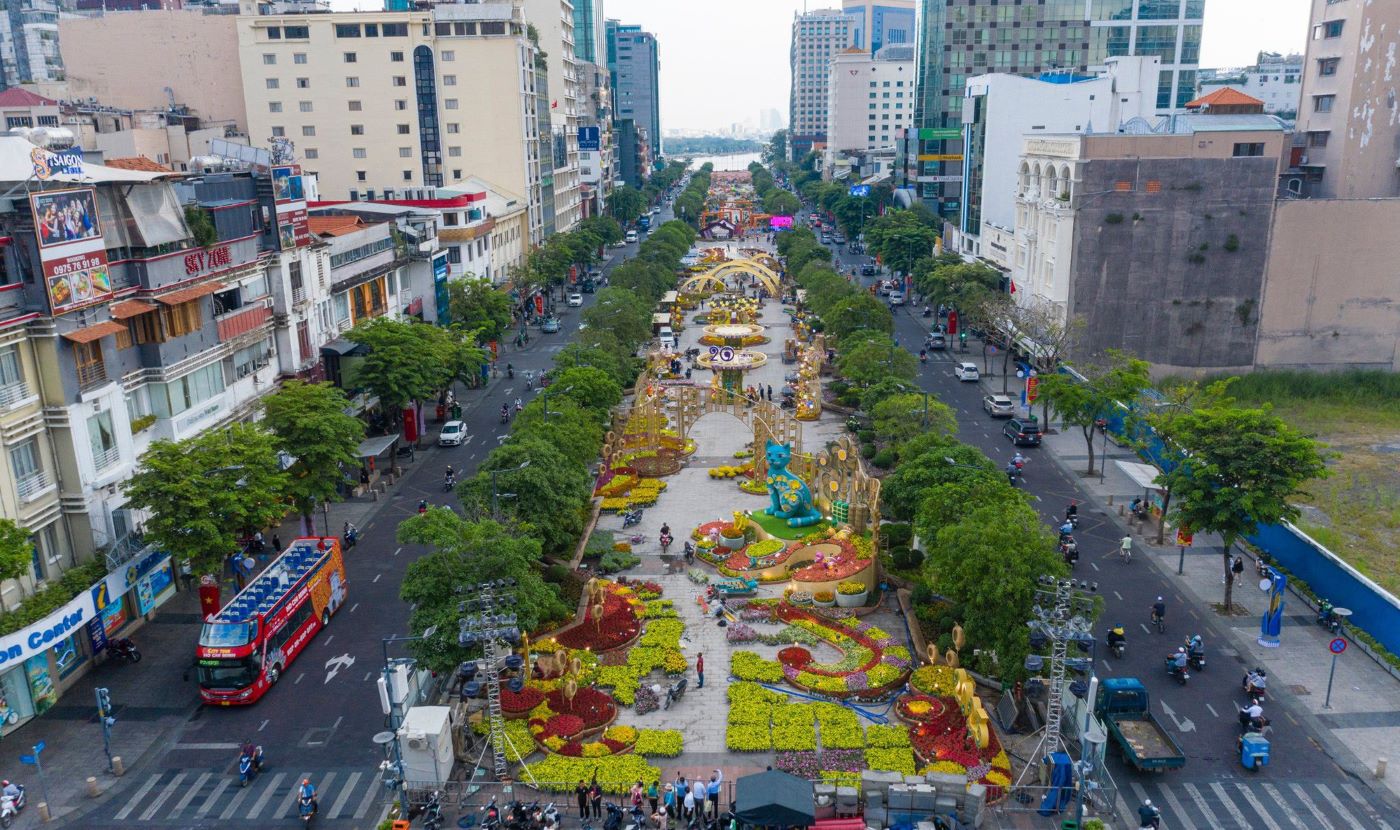
  • Tet New Year (first day of the first lunar month) – The city is partying or back to their home town. Road Nguyen Hue has a large flower exhibition.
  • Saigon Cyclo Challenge (mid-March) – Both professional and amateur cyclists compete to determine who is the fastest, with the funds raised being donated to local charities that assist underprivileged children.

Best time to visit

  • February: Hardly any rain, the least humidity and a city full of flowers for the Tet parties.
  • March: Little rain and humidity.
  • December: December is cooler than normal for HCMC and relatively dry.

10 best things to do in Ho Chi Minh City

Ho Chi Minh City, bustling with energy and lined with French colonial architecture, offers something for everyone. Whether you’re drawn to temples, museums, markets, history, architecture, parks, or simply want to experience the vibrant pulse of Vietnam’s most economically dynamic city, you’ll find plenty to explore.

1. Cu Chi Tunnels

One of the top activities in Ho Chi Minh City is taking a day trip to the Cu Chi Tunnels. As part of a war museum, these tunnels offer a deeper understanding of the Vietnam War. You can crawl through the narrow passageways to experience how the Viet Cong lived during the conflict. The site also showcases various traps they used, their underground living conditions, and abandoned military vehicles. Additionally, you can choose to test your aim at the shooting range with a variety of firearms.

2. War Remnants Museum

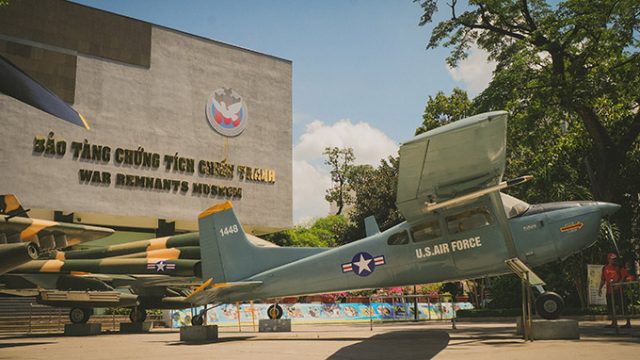
The War Remnants Museum is widely regarded as one of the most impactful and noteworthy museums in Vietnam, making it an essential stop. It offers a sobering and in-depth look at the horrors of the Vietnam War. Outside, you’ll find a collection of decommissioned military vehicles, including a tank, jet, helicopter, and rocket launchers. Inside, the museum showcases a range of war relics and stark, graphic photographs that depict the brutal realities of the conflict.

3. French colonial architecture

Similar to Hanoi and several other cities in Vietnam, Ho Chi Minh City boasts a wealth of architecture from the French colonial period. As the city center has evolved into a bustling modern metropolis, it creates a striking contrast to see centuries-old buildings standing alongside towering skyscrapers.

Notre Dame Cathedral

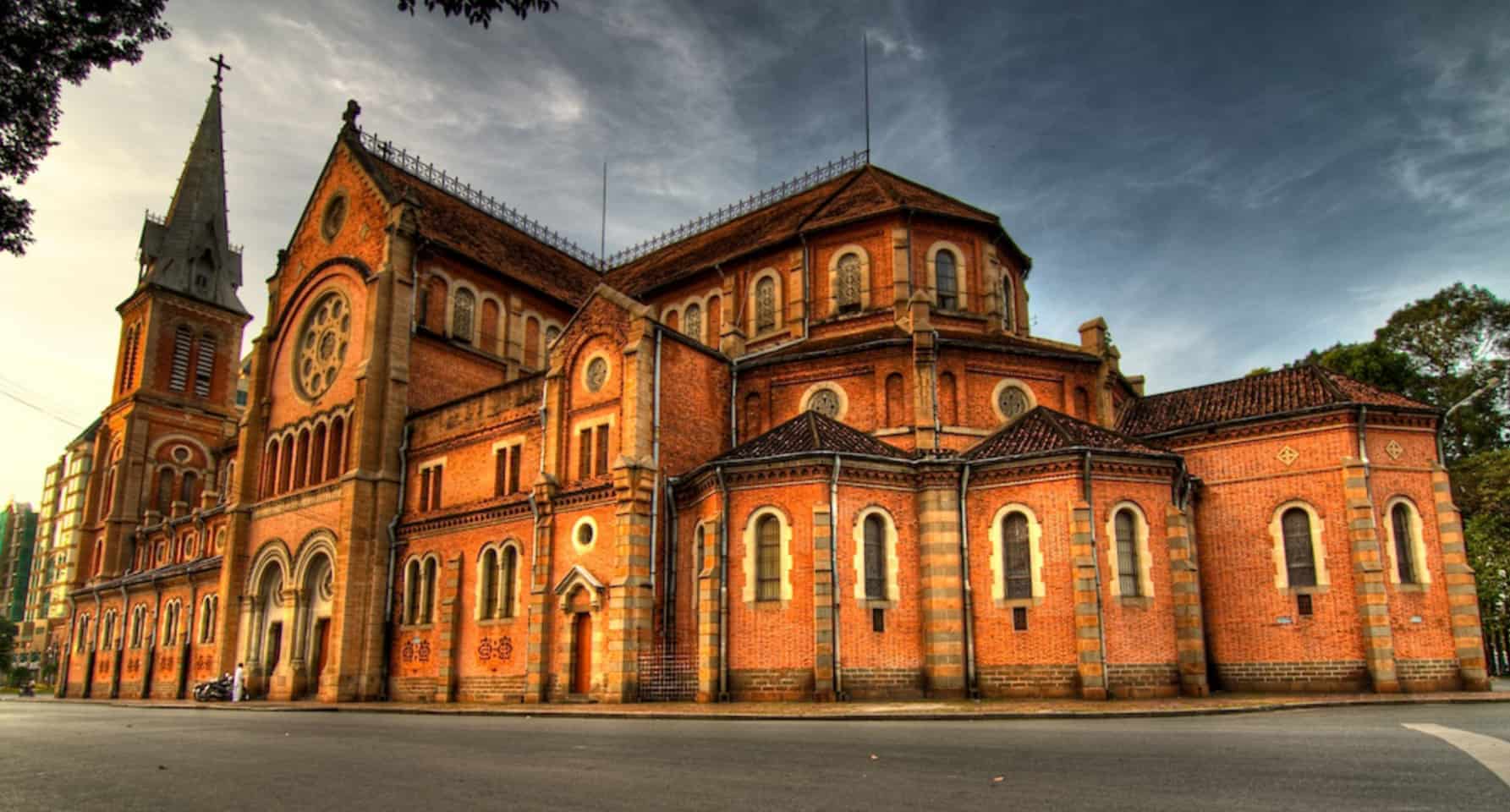
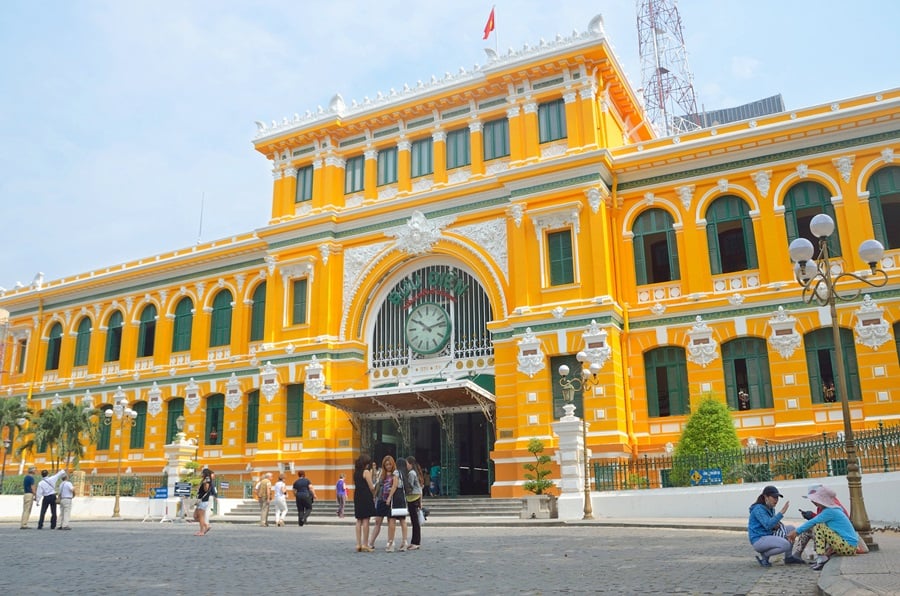
The historic Saigon Central Post Office is a must-see. It’s still operational, allowing you to send postcards to loved ones back home. Right across from it stands the stunning Saigon Notre-Dame Cathedral, built in 1863.

 Saigon Central Post Office

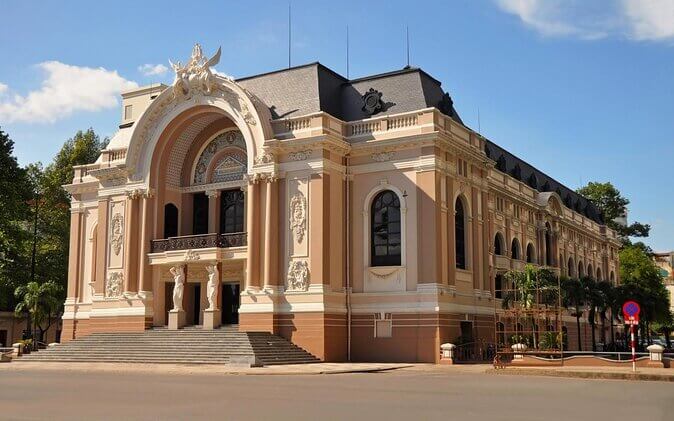
The colonial-era Saigon Opera House remains an active venue, offering a unique experience for those who attend a performance there. Nearby, you’ll also find the Ho Chi Minh City People’s Committee building, which was once the town hall.

Saigon Opera House

4.Motorbike street food tour.


Food in Vietnam is considered sacred and is a source of immense pride for its people. On every street, you’ll encounter a place to eat, from upscale restaurants to humble street stalls with plastic stools. Due to the migration of people from all over the country to Saigon for economic opportunities, you can also find dishes from every region of Vietnam here.

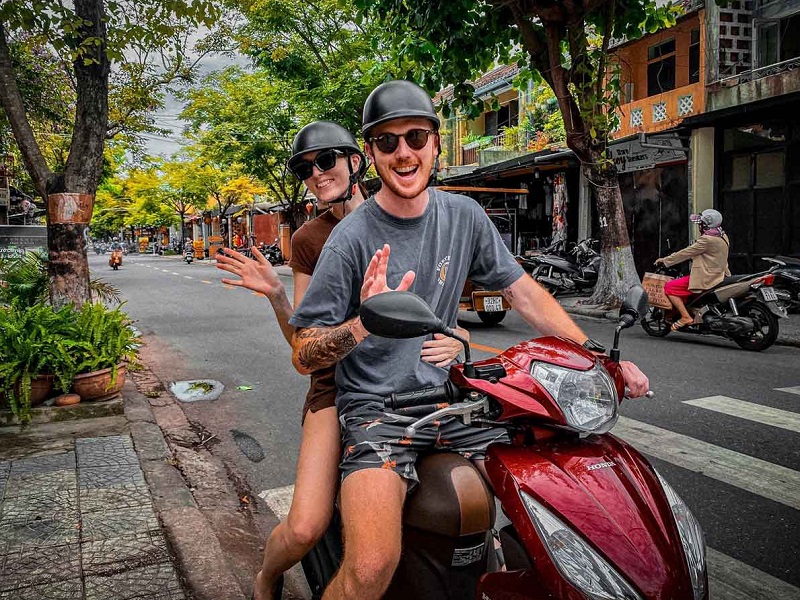
The ultimate way to experience the city is through a street food tour. Much like in Hanoi, you’ll sample a variety of dishes, visit hidden spots in the city, and gain an authentic glimpse into local life. For an even more unforgettable adventure, consider taking the tour on the back of a motorbike with a local guide. It adds an exciting twist to an already amazing experience.

Riding on the back of a bike and enjoying meals at local stalls truly immerses you in the heart of the local culture—an unforgettable experience.

5. Nightlife

Ho Chi Minh City offers the best nightlife in Vietnam. As the country’s largest city, it boasts the most vibrant and diverse entertainment options.

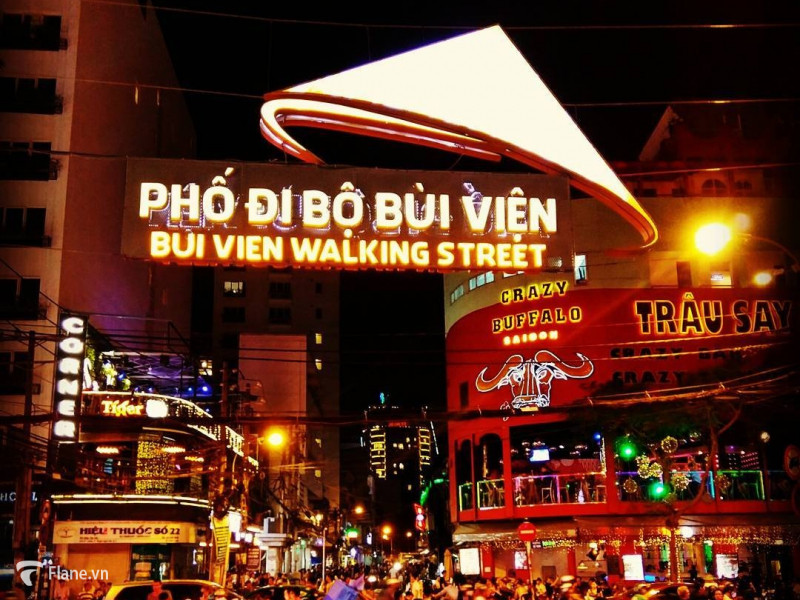
The most iconic spot for nightlife in Ho Chi Minh City is Bui Vien Street, often referred to as the backpacker street of the city, or even of all of Vietnam. It’s comparable to Bangkok’s Khao San Road – but better. This lively street is lined with bars and clubs, and you can also enjoy a drink while sitting on one of the many plastic chairs set up along the sidewalk.

Bui Vien Street

If you’re seeking a spot with a bit more flair, head to one of Ho Chi Minh City’s rooftop bars for a cocktail. The city also boasts a variety of bars and clubs, offering something for every taste—whether you’re into jazz or EDM, you’re sure to find your vibe.

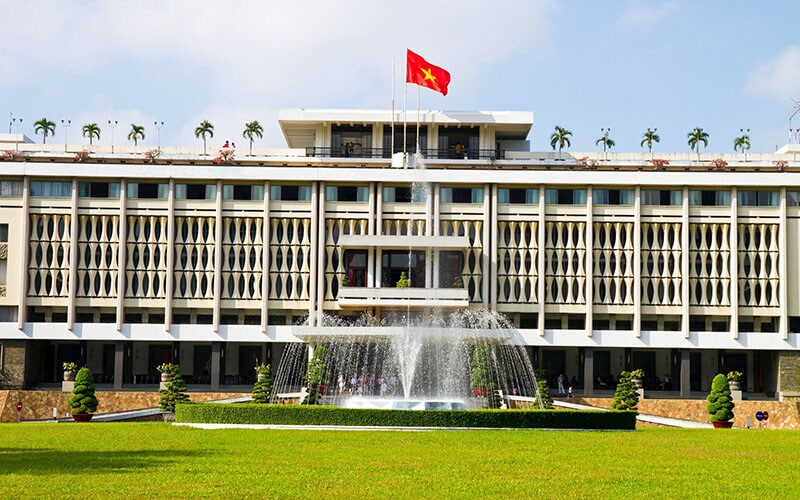
6. Reunification Palace

Reunification Palace

This palace served as the headquarters of the Vietnamese general until his death in 1963. It gained international fame in 1975 when a North Vietnamese tank drove through its main gate, marking the end of the Vietnam War. Today, the palace operates as a museum, offering a rare glimpse into its past, with many rooms still preserved as they were 40 years ago. Highlights include an air raid shelter and a communications room used to direct military operations.

7. Bitexco Financial Tower

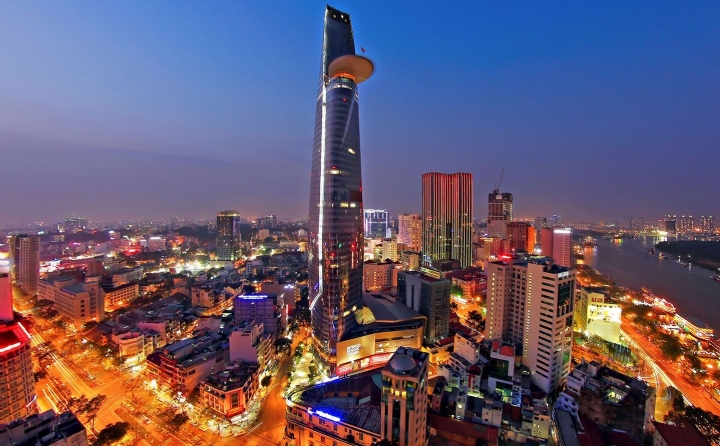
Bitexco was once the tallest building in the city until Landmark 81 surpassed it in 2018, becoming not only the tallest in the city but also in Southeast Asia. Despite this, Bitexco remains the most beautiful skyscraper in the city, located in the heart of the downtown area. Its design resembles a lotus flower, and it features a helicopter landing pad on its side.

Bitexco Tower

At a height of 262 meters, you’ll find a sky deck offering stunning views of the city and river, which you can visit.

8. Nguyen Hue Walking Street

For one of the best spots in the city to experience social and dating life, make your way to Nguyen Hue Walking Street. Every evening, thousands of people gather here to enjoy the lively atmosphere and cool breeze in the heart of the city.

Nguyen Hue Walking Street

The street is framed by stunning colonial-era architecture, including the Ho Chi Minh City People’s Committee building and the Opera House. Also nearby is the striking Cafe Apartments building, where each apartment hosts a unique café with its own distinctive decor—it’s a sight to behold from the street. Adding to the charm, these historic buildings are surrounded by modern skyscrapers, creating a blend of old and new.

9. Markets

Like other cities in Vietnam, Ho Chi Minh City is home to a variety of markets. These markets offer a glimpse into the daily lives of the locals. The farther you venture from the city center, the more authentic and traditional the markets become. While most markets sell everyday items like meat, fish, vegetables, fruit, household goods, and clothing, there are also specialized markets, such as those for motorbikes, flowers, and pets. Among the city’s most famous markets are Ben Thanh Market and Binh Tay Market.

10. Saigon River

The Saigon River runs directly through the city. On the opposite side of the river from the city center, you’ll enjoy a stunning view of the skyline. Additionally, there are several boat tours available to explore the river.

For instance, you can explore the Mekong Delta by speedboat, departing right from this river. It’s a faster, more scenic alternative to traveling by road. You can also enjoy a sunset tour by speedboat, complete with a cocktail at an upscale restaurant. For a more romantic or simply enjoyable experience, consider a Saigon River dinner cruise, offering delicious food paired with stunning views of the city skyline.

Best hotels & hostels in Ho Chi Minh City

Where to stay

District 1 -The city is vast, with a variety of neighborhoods, but it’s best to book your accommodation in District 1, the heart of the city. From here, you’ll be close to major attractions, restaurants, and nightlife. Additionally, most day tours offer convenient pick-up services from District 1. Due to its popularity, District 1 boasts a wide range of accommodations, from luxurious five-star hotels along the stylish Dong Khoi Street to more affordable hostels on Pham Ngu Lao and Bui Vien Streets.

Best hotels & hostels in Ho Chi Minh City

Budget hotels & hostels

  • Hangout Hostel HCM
  • The Hideout
  • Vietnam Inn Saigon
  • The Like Hostel & Cafe
  • Long Hostel

Mid range hotel

  • A&Em Art Hotel
  • The Hammock Hotel Ben Thanh
  • Triip Boutique Ben Thanh Hotel
  • C Central Hotel
  • Cititel Parkview Saigon Hote

High end hotel & resort

  • Grand Hotel Saigon
  • Sedona Suites Orchid Tower
  • Muong Thanh Saigon Centre Hotel
  • Rex Hotel Saigon
  • Novotel Saigon Centre Hotel

Food & drinking

Restaurants

It might be a bold statement, but this city could easily be considered the culinary capital of Vietnam. It showcases the finest flavors from across the country, blending northern and central regional dishes, along with a vibrant street food culture and excellent international dining options. If you’re a food lover, this is undoubtedly one of the top cities in Asia.

Local restaurants

  • Nha Hang Ngon
  • Vo Roof Garden
  • The Garlik De Tham Restaurant
  • The Deck Saigon
  • Hum Vegetarian, Lounge & Restaurant

Fine dining

  • Bun Cha 145 Bui Vien
  • Cyclo Resto
  • Bep Me In
  • Royal Saigon Restaurant Bui Vien
  • 4Ps Pizza Saigon

Nightlife

This city offers the best nightlife in Vietnam, featuring trendy rooftop bars, stylish clubs, vibrant live music venues, traditional performances, and the unique local beer-drinking experience on casual plastic seats.

  1. Bui Vien Street
  2. Rooftop bars
  3. Food tour
  4. Pub Crawl
  5. Dinner cruise
  6. Clubbing
  7. Live music bars
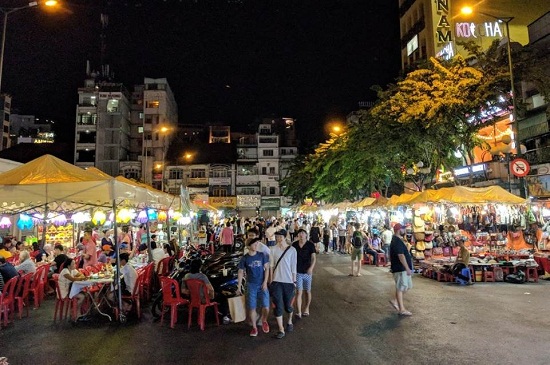
  8. Ben Thanh Night Market
  9. Show in Opera House
  10. Nguyen Hue Walking Street

How to get there

Flights to Ho Chi Minh City

Vietnam’s expanding network of domestic flights links Ho Chi Minh City to all other major cities, making it a great option for travelers with limited time. With affordable prices, flying to destinations like HanoiHue, Nha Trang, and Da Lat offers significant time savings.

Buses to Ho Chi Minh City

The most affordable way to travel to and from Ho Chi Minh City to other cities in Vietnam is by bus. A bus to Dalat takes about 7 hours and costs between $11 and $15, while a trip to Nha Trang takes around 22 hours and costs between $10 and $20. Bus tickets are available at travel agencies throughout the city center or directly from your hotel or hostel. There are also buses to Mui Ne and the Mekong Delta, though joining a tour can often be a more convenient option for exploring the Mekong area.

Trains to Ho Chi Minh City

Trains to northern Vietnam start from Saigon Train Station. The train to Nha Trang takes around 6.5 hours ($ 14- $ 32).
How to get around

Walking – Most of the sights are in the center nearby. A great way to explore the city is on foot.
Car and motorbike – Check with almost every hotel, tourist café or travel agency to arrange car rental. Don’t forget that the rent also includes a driver, because it is illegal for foreigners to drive in Vietnam without a Vietnamese driver’s license.

Taxi – Taxi with meter drive through the streets. The price is around 12,000d for the first kilometer; expect to pay around 25,000d (US $ 1) from Dong Khoi to Pham Ngu Lao. Use Mai Linh Taxi and Vinasun Taxi. An even better alternative is Grab (similar to Uber).

Itinerary 2 days in Ho Chi Minh City

Day 1

Embark on a city tour to discover landmarks like Ben Thanh Market, the Reunification Palace, the War Remnants Museum, the Post Office, and the Notre Dame Cathedral. In the evening, enjoy a unique food tour riding on the back of a motorcycle.

Day 2

Start your day with a trip to the Cu Chi Tunnels, which can be paired with a visit to the Cao Dai Temple. In the afternoon, wander through Chinatown. In the evening, enjoy a river cruise with dinner, and end your day at a rooftop bar.

More tips for traveling in Ho Chi Minh City


Ho Chi Minh City is situated in southern Vietnam. From here, you have the option to take a day trip to the Mekong Delta or spend several days exploring the area. If you travel north, you can choose to follow the coastal route through Mui Ne and Nha Trang or take the inland route via Dalat in the central highlands.

Come and experience Ho Chi Minh city in Vietnam on your next trip, and create unforgettable memories of Vietnam by securing your Vietnam visa at https://vietnamvisapro.com/. As a trusted and reliable visa service, we are here to help turn your dream vacation into reality from the very first step.

Posted on

4 best destinations and things to do in Vietnam in spring

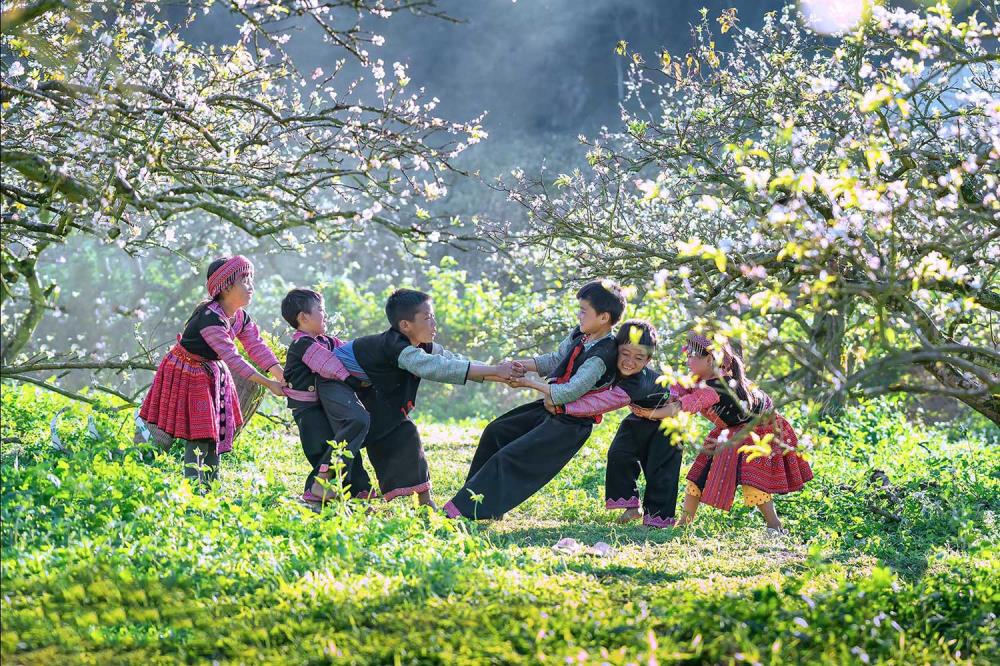
Situated in a tropical climate zone, Northern Vietnam experiences four distinct seasons, each offering unique experiences, attractions, and natural beauty. Spring, from January to March, is considered the best time to explore the region. Here are some suggestion for your choice to visit the Northern Vietnam in Spring.

1.Sapa town – Lao Cai city

It has become one of the most popular destinations, not just for foreign tourists, but also for locals in recent times. The stunning natural beauty will leave you in awe, with its captivating landscapes featuring mountains, hills, terraced fields, and more.

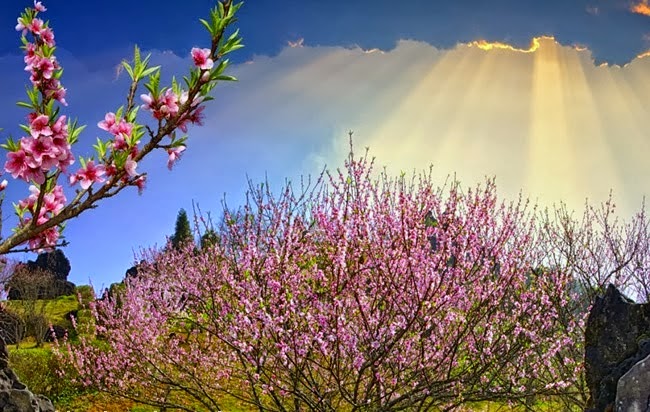
Sa Pa in spring paints a beautiful picture that captivates everyone at first glance. The weather, a perfect 15-18 degrees, adds to the charm of the season. The air is filled with the vibrant colors of blooming flowers like peach blossoms, plum blossoms, le flowers, orchids, and terra cotta blooms. From January to March, as the region celebrates the Lunar New Year, you can experience the festive atmosphere with a variety of unique local activities.

2.Dong Van stone plateau – Ha Giang

In spring, the captivating beauty of both the people and nature in Dong Van will draw you in. As you travel along the mountain roads, you’ll be greeted by the vibrant colors of blooming flowers and lush trees.

The red and the pink of the peach blossom; the white of the plum blossom; the yellow of the chrysanthemum; the purple of the five-petaled flowers—these vibrant colors stand out against the gray stone and the blue of the leaves. During the Tet holiday, visitors are treated to beautiful scenes of majestic nature and the people there. As you travel through Quan Ba Mountain along the Happiness Road, you can witness the misty landscape with sunlight streaming over the mountains and clouds drifting by.

3.Moc Chau Plateau- Son La

Moc Chau is a captivating region in the Northwest, known for its mysterious and profound beauty. Each season brings a unique charm, but perhaps the most enchanting is spring, when peach and plum blossoms bloom in vibrant hues. This floral season enhances the rustic allure of the countryside, creating a picturesque scene in the heart of spring.

The soft rays of the sun seem to dissolve the mist and chill, transforming each scene like the awakening from a deep slumber. Along Highway 6, as it crosses the pass to Moc Chau, travelers are greeted by a paradise where plum blossoms blanket the white hills in a sea of blooming flowers.

4.Hanoi

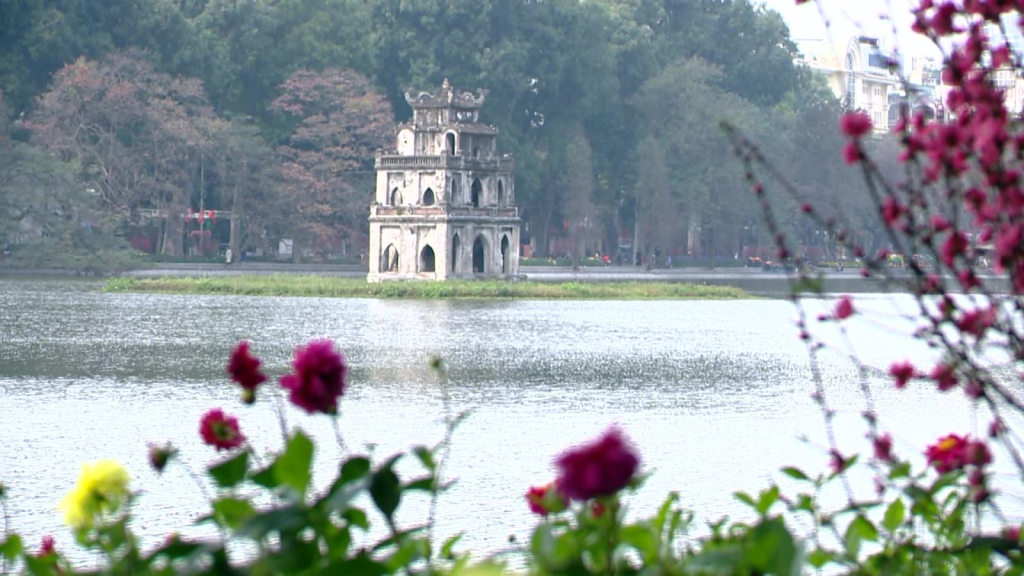
Spring is a great time to visit the capital city. Popular attractions include Hoan Kiem Lake, the Temple of Literature, the Imperial Citadel of Thang Long, and West Lake Water Park. During the holiday season, the city is adorned with beautiful decorations. Visitors can also explore various pagodas, such as Tran Quoc Pagoda and West Lake Palace, where they can enjoy a peaceful atmosphere and make wishes for good fortune.

There are plenty of exciting things to explore during your spring holiday in Vietnam. Before you head out, don’t forget to double-check your Vietnam visa to ensure a hassle-free journey from the very beginning.

Secure your Vietnam visa today at vietnamvisapro.net, where we provide reliable visa services to help make your dream vacation a reality from the very beginning.

Posted on

Pu Luong, Thanh Hoa: A Hidden Gem

If you’re looking to escape the city’s heat and stress without venturing too far, consider Pu Luong in Thanh Hoa Province. Here, you can immerse yourself in the stunning natural beauty of mountains and forests, enjoy fresh breezes, and take in the picturesque scenery. Located about 160 km southwest of Hanoi, Pu Luong is a popular weekend retreat, known for its lush rice fields, palm groves, traditional waterwheels, and cascading waterfalls.

When is the Best Time to Visit Pu Luong

The ideal time to visit Pu Luong is from late May to early June, when the young rice fields are lush and vibrant, offering a serene experience for both mind and soul. Even during the hot summer months, Pu Luong enjoys a comfortable climate due to its location in a low limestone mountain area, surrounded by tropical rainforests and a sparse population. September and October mark the harvest season, transforming the terraced fields into a stunning golden landscape that feels both opulent and dreamlike. However, any time of year is perfect for a visit, allowing you to relax and immerse yourself in the beauty of nature.

How to get to Pu Luong

The most common way to reach Pu Luong in Thanh Hoa is by motorbike or car, both of which can be easily rented in Hanoi. Alternatively, you can take a limousine from Giap Bat or My Dinh stations, with the journey taking approximately 4.5 hours. It’s highly recommended to stop in Ninh Binh or Mai Chau along the way to fully appreciate the stunning landscapes of Northern Vietnam.

Things to do in Pu Luong

Hiking

In Pu Luong, you’ll find picturesque country roads leading up to hilltops. Along the journey, you can explore quaint villages and stroll through local plantations. The panoramic views of the mountains and valleys are truly stunning. Early risers will be rewarded with a spectacular sunrise atop the hills, where they can witness the sun dispelling the thick mist enveloping the mountains—a breathtaking experience that makes the hike worthwhile.

Biking

In contrast to the busy streets of the city center, visitors to Pu Luong may spot a local on a motorbike now and then. Here, bicycles are the primary mode of transportation. Riding along the scenic roads of Pu Luong allows for fresh air and a sense of tranquility. Some mountain trails present a challenge for adventurous cyclists. Many homestays in Pu Luong offer free bicycle rentals to their guests.

Explore the ethnic villages within the Pu Luong Nature Reserve.

Pu Luong Nature Reserve, one of Vietnam’s hidden gems for ecotourism and trekking, was established in 1999 to safeguard its rich biodiversity. Spanning over 17,600 hectares, this area boasts a stunning blend of untouched forests, terraced rice fields, and charming ethnic villages. It is home to the Thai and Muong communities, where visitors can admire traditional stilt houses, witness local harvests, and savor authentic regional cuisine. Notable attractions within the reserve include Pu Luong Peak, Don Village, and the villages of Son, Ba, and Muoi, each offering unique experiences for explorers.

Discover the Pho Doan market.

Visitors can explore Pho Doan Market to immerse themselves in the local culture of ethnic communities. Situated in Lung Niem Commune, Ba Thuoc District, Thanh Hoa Province, the market features vibrant trading activities where you can find local products from the Kinh, Muong, and Thai minorities, sourced from nearby areas like Tan Lac and Lac Son Districts in Hoa Binh Province. The offerings are simple yet diverse, including traditional silk garments, tube wine, mountain vegetables, and fresh fruits.

Take in the breathtaking views from the peak of Pu Luong Mountain.

Adventure seekers will delight in conquering the 1,700-meter peak. At the summit, clouds drift lazily among stilt houses and terraced fields below, creating a picturesque scene that feels almost dreamlike. Everything seems to pause—time stands still, leaving only the tranquil beauty of the landscape.

Discover the beauty of Hieu Waterfall.

Hieu Waterfall, located in Hieu Village within Co Long Commune, is a charming community-based ecotourism spot. This picturesque waterfall features five smaller cascades, with crystal-clear blue-green waters that can be enjoyed throughout the year, making it a lovely place for occasional swimming.

In addition to the waterfall, you’ll find bamboo water wheels scattered throughout Pu Luong. These iconic structures are emblematic of the region and its Thai ethnic community. They play a vital role in agriculture by drawing water from nearby streams and rivers to irrigate the lush terraced rice fields that surround the area.

Start planning your trip to Vietnam today by getting your visa at vietnamvisapro.net. As a trusted and reliable visa service, we’re here to help you turn your travel dreams into reality from the very first step.

Posted on

Hoi An,Cu Lao Cham Island & Nature Reserve

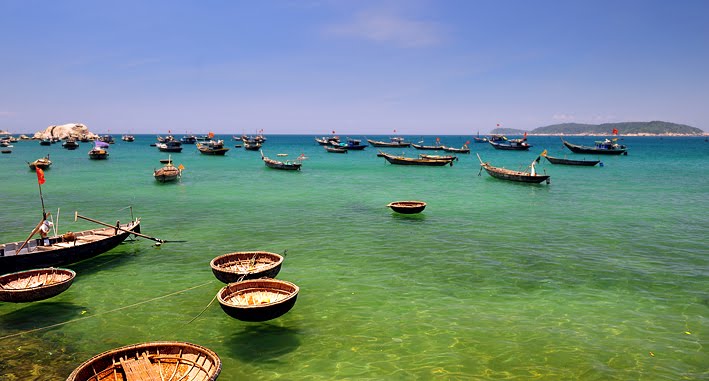
The large island consists of 8 islets, 20 km off the coast from Hoi An Ancient Town in Quang Binh Province. Cu Lao Cham Island has wonderful sand beaches, forested hills, a nature reserve and the sea. With primitive landscapes, the island is ideal for camping, swimming and scuba diving to enjoy the corals and beautiful marine life.

Location: Tan Hiep, Hoi An, Quang Nam Province

I. History of Cu Lao Cham Islands

Cham islands are supposed to be the first place where Cham people landed, coming to Quang Nam Province from Indonesia (small monuments, dikes, and basin to grow rice on terraces are hidden in the forest, the 17th-century pagodas and small temples in the two villages).

Therefore, being well-known since earlier Cham domination (from 4th to 14th century), the island became one of the main ports of Champa Kingdom. Situated some eight miles offshore Hoi An, it was also part of Hoi An historical international trading. From the 15th century till the beginning of 20th century, the old city was a meeting point for international vessels and junks.

According to archaeologists, Cu Lao Cham first settled there 3,000 years ago and established business contacts with external countries some 1,000 years ago. Up to now, Cu Lao Cham has preserved many architectural constructions which date back to the 18th and 20th century. They include the shrine dedicated to Than Yen Sao, built in 1843 at Bai Huong and Hai Tang Pagoda, built in 1753 on the western hillside of Hon Lao.

Still, Cu Lao Cham has more to offer. After a three-hour canoe trip, one may hop over to the famed Well of the Cham people.

II. Topography of Cu Lao Cham Nature Reserve

The topography of Cu Lao Cham Island is dominated by two peaks: a 517m peak in the centre of the island and a 326m peak at the western end. Natural forest here covers 532 ha of the nature reserve, equivalent to 35% of the total area, while plantation forest covers a further 30 ha.

Cham island comprises an archipelago of one large island and seven smaller islands: Hon Dai, Hon Lao, Hon Kho Me, Hon La, Hon Kho Con, Hon Ong, Hon Tai, Hon Mo. The largest island of them is Hon Lao, which covers 1,317 ha and has a circular shape at the height of 500m. There are nice beaches at Bim and Ong beach.

  • Bai Bim: Nice beaches and rock reefs, free swimming and taking photographs
  • Bai Ong: White sandy stretch, beautiful view, clear water, lots of restaurants serving specialties of Cu Lao Cham, many entertaining services for Cu Lao Cham tour
  • Bai Lang: High population with amazing tourist destinations like Champa Kingdom, suitable for understanding more about the locals’ life.
  • Bai Bac: The northern beach, peaceful and isolated place that is used to make way for exorbitant resorts and villas in the future.
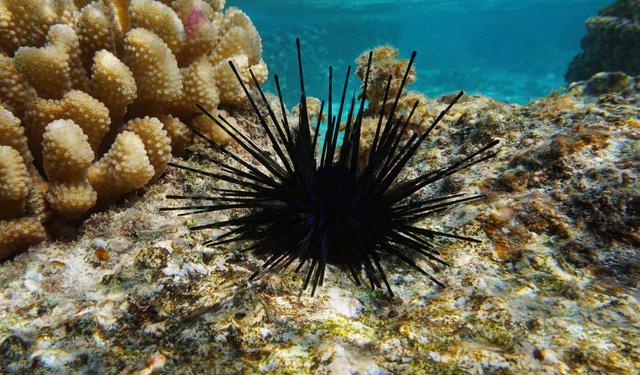
  • Bai Xep: beautiful and pristine with colorful coral reefs, great place for swimming and snorkeling.
  • Bai Chong: longer than Bai Ong, beautiful rock reefs and bridge for taking photographs, tranquil water to swim.
  • Bai Huong: tasty seafood, lots of ships and boat docking, not for swimming

III. Biodiversity Values

The island is a place where shelter for value swallow birds. The natural vegetation of the islands is a lowland evergreen forest, that is natural with a lot of woods and rare animals.

Scientists report the occurrence of macaques Macaca sp., monitor lizards Varanus sp. and pythons Python sp. To date, 265 vascular plant species have been reported from Cu Lao Cham nature reserve. Furthermore, a species of swiftlet Collocalia sp. is reported to nest on Hon Kho within the nature reserve.

Cu Lao Cham is also home to salanganes, birds whose nests have long been considered a delicacy by aristocrats and the wealthy. The nests may cost as much as US $4,000 per kilogram. On a beautiful day, tourists are able to see cliffs where salanganes build their nests and talk with salangane-nest takers.

Around the island has a lot of color corals under the water. Situated in a salty-water area, this square-bottom well, amazingly, provides clear freshwater all year round. Visiting Cu Lao Cham, tourists have a chance to view the sea swallows’ nests clinging to the towering cliffs. Cu Lao Cham wins kudos for its seafood and delicacies (octopuses, lobsters, fish’s fin, abalone, kaki, hind, cholonia’s eggs, bird’s nests) and fascinating souvenirs (pearls, conchs, tortoise-shells).

IV. What to See in Cu Lao Cham Nature Reserve?

1. Hai Tang Pagoda

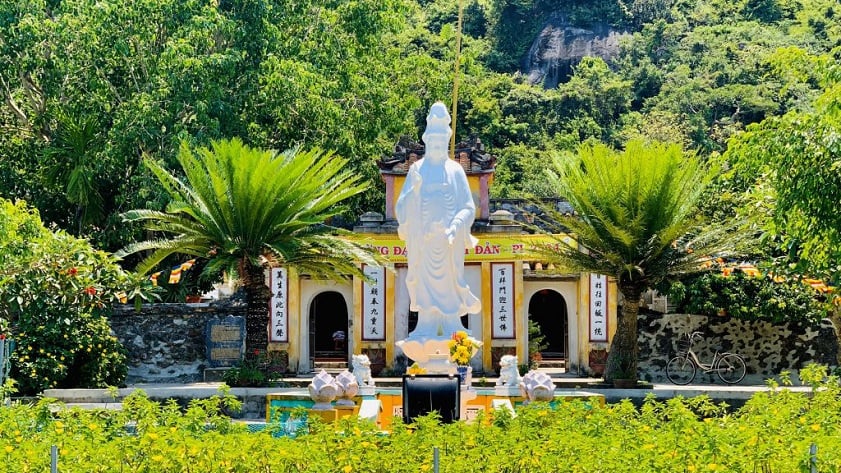
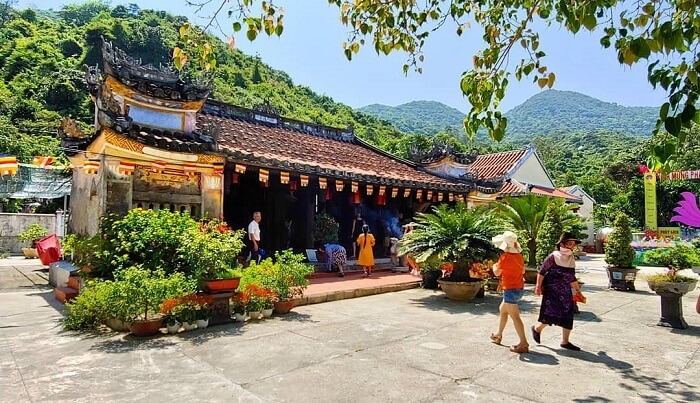
Built in 1758, this pagoda worshipped Bodhisattva, Buddha, sea god and local god. In the past, there was a storm attacking the pagoda so in 1848, local people decided to reconstruct and redecorate it. Now, it is 200 m away from its original location.

Hai Tang Pagoda lies on the foot of Hon Lao Island’s west mountain and is opposite a small valley in Cham Island. Hai means the sea and Tang means Tipitaka, which is a Buddhisst holy books containing Buddha’s words.

Location: Hon Lao Island, Cham Island

2. Cham people’s Ancient Well

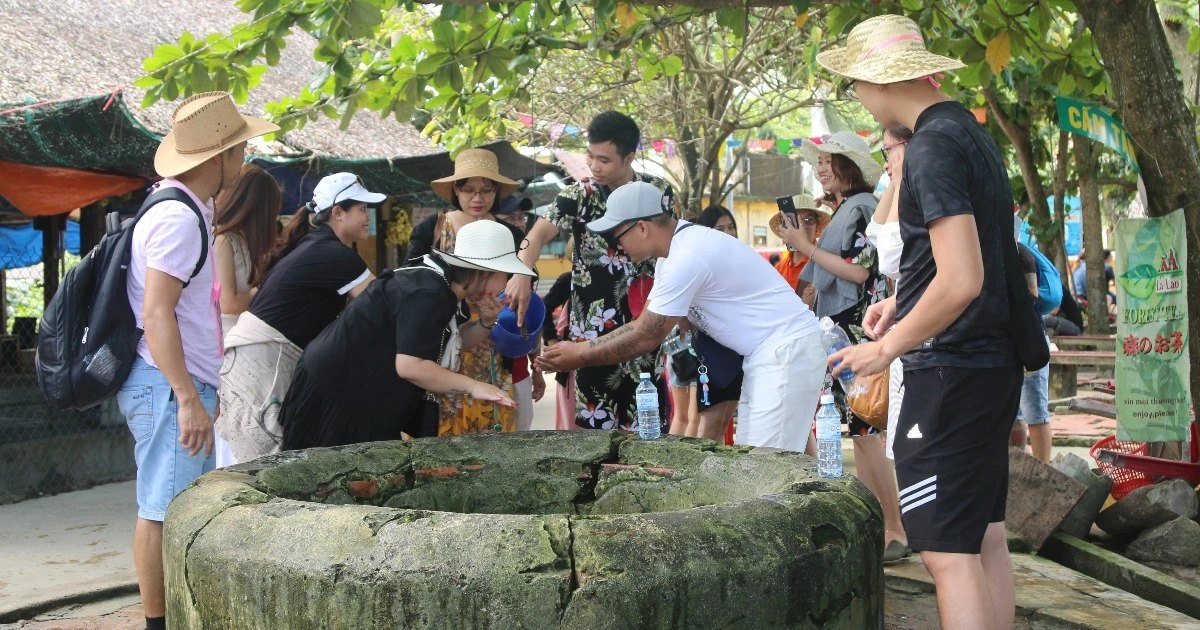
This well was dug 2 hundreds years ago by Cham people but until now, it still works well and the locals can use its fresh water. Its architecture is not different from other Cham wells with a pipe shape, annular bricks management, a square pillar, and a surrounding square base. Even during the dry season, people can still use water from this well for different purposes.

Location: Xom Cam Village, Cham Island

3. Temple of Bird’s Nest Business Founders

Erected in the early 19th century, this temple is used to worship the bird’s nest business’s founders. The gods of the sea are also worshipped here, which is similar to Hai Tang Pagoda. Each year, following the Chinese calendar, on the 9th and 10th of March, local people often come here to pray for a new year with better harvests.

Location: Huong Beach, Cham Island

4. Cham Island Marine Museum

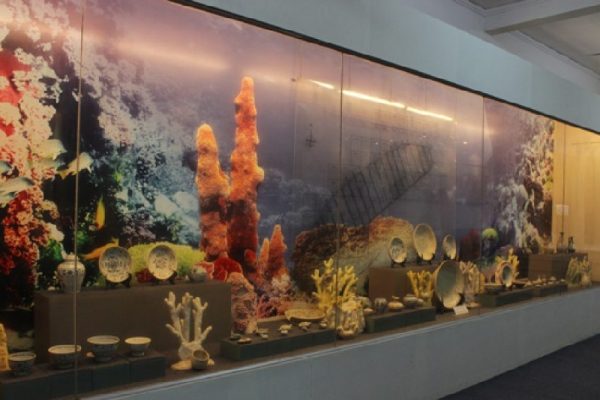
This museum gives you an insight of Cham’s history, traditions, customs, festivals as well as special sea creatures. In addition, you can also have a chance to know more about the lifestyle of people living on the island.

5. Tan Hiep Market

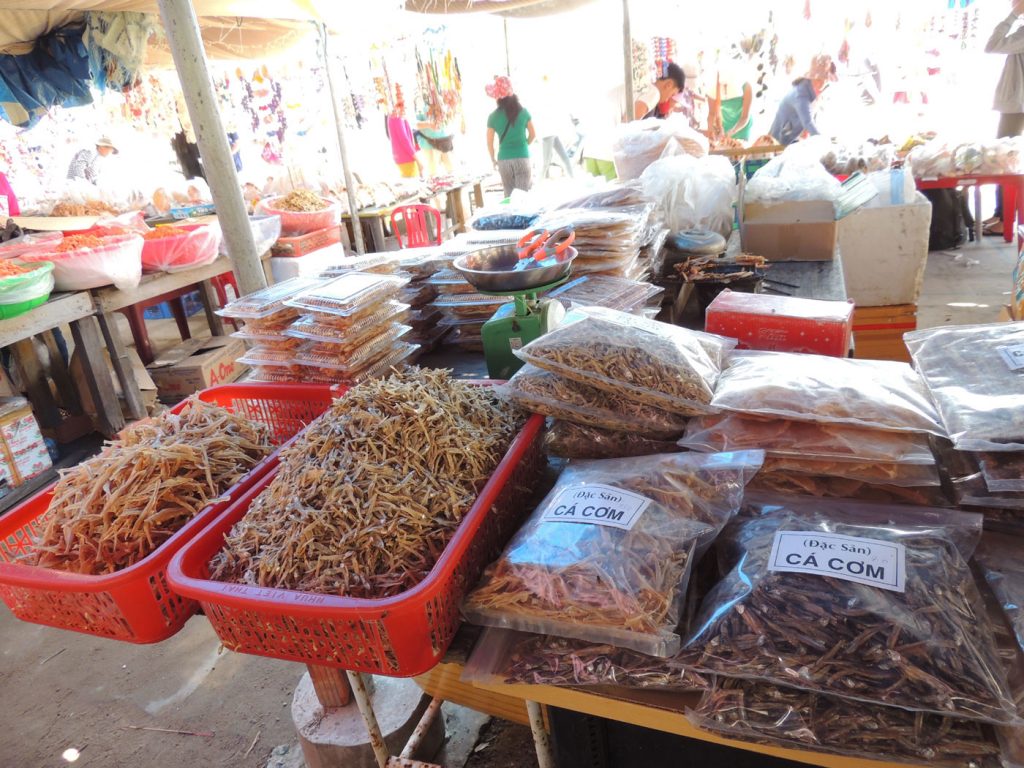
This local market is an ideal place for you to buy seafood and souvenirs. The most popular things that tourists often purchase is half-dried cuttlefish. It is because the seafood here is super cheap and fresh.

Location: Cham Island Pier

V. What to Do in Cu Lao Cham Island?

1. Camping 

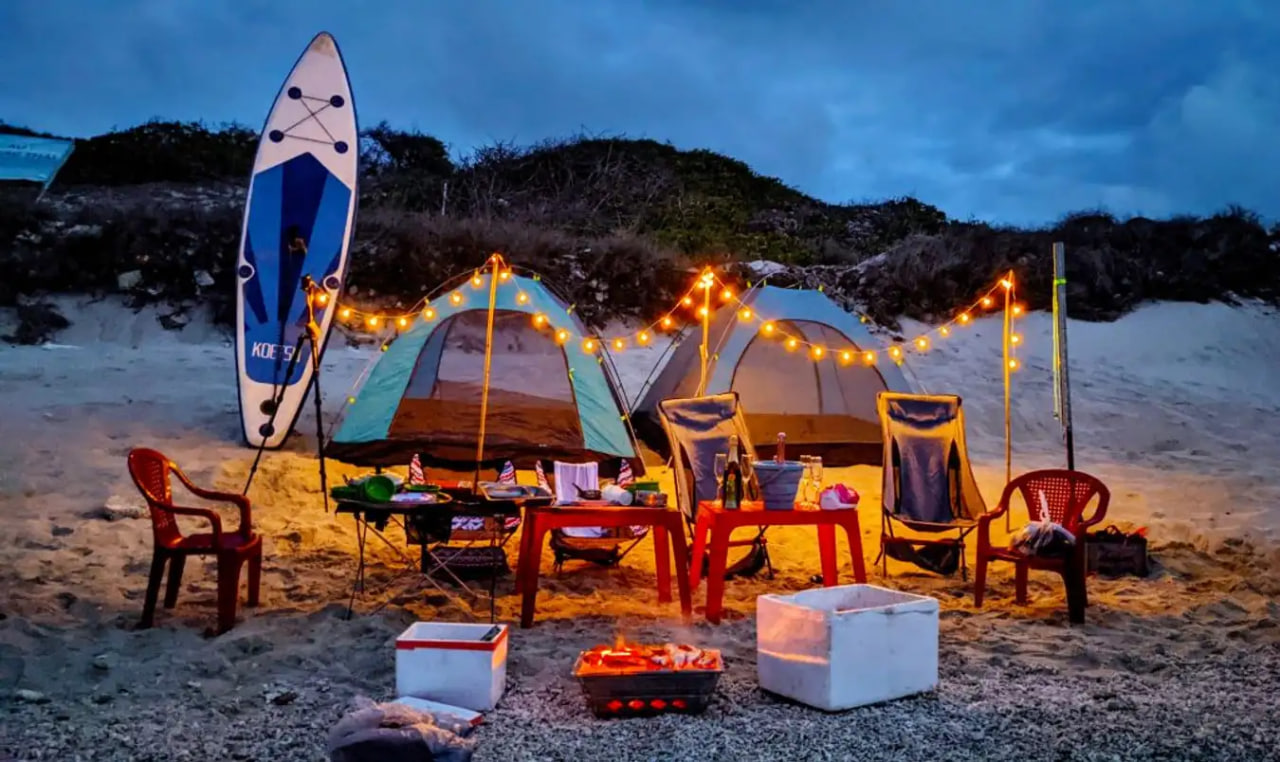
With the variety of nature, Cham Island is a wonderful place to go camping. You just need to prepare everything well before going. The best choices for you are Bai Xep and Bai Bim where nature is wild and the spaces are open. Moreover, in Bai Huong and Bai Ong, you will be provided the necessary tools for an outside camp by local people.

2. Sea trekking

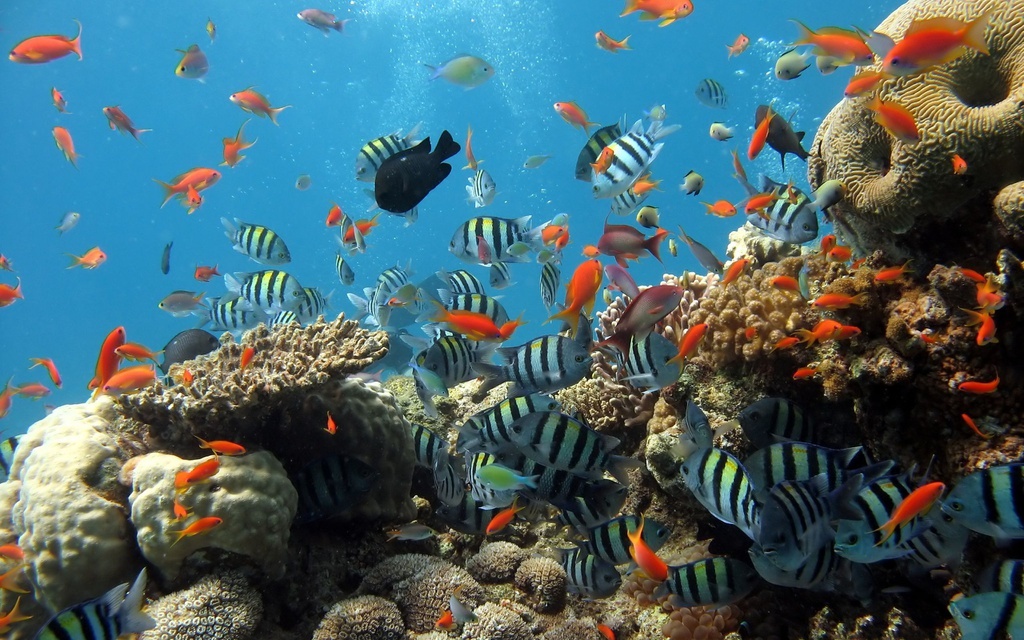
This is a new type of entertainment here. You just need a functional hat and you can walk under the sea by yourself. This service is an interesting experience for every person, even those are at the age of 80. Let’s imagine yourself walking into the sea seeing beautiful schools of fish as well as coral reefs, what is better than this?

3. Snorkeling 

Another great activity that allows you to see the beauty of the sea is snorkeling. The price for a snorkeling ticket with a guide and full equipment is around 200,000 VND. But remember to protect the biodiversity of the sea when going snorkeling.

4. Swimming 

Cu Lao Cham has a lot of beautiful beaches that are suitable for swimming. Almost all of them are 20 m in width and 100 to 300 m in length. The waves are gentle and the water is clear and cool. So, you will definitely have a lot of fun here.

VI. Best Time to Visit Cu Lao Cham Archipelago

The tropical monsoon climate put a huge impact on Cu Lao Cham’s weather.

So, the best time for you to visit Cu Lao Cham is between March and August.

This is the time when the weather is sunny and the water condition is great. In the remaining months, there will be heavy rain and sometimes even big storms.

If you want to snorkel or dive, you should come in June, July and August. There are a wide range of tour companies and dive centers providing trips for you during this time.

Check out the seawater temperature in Cham Islands in months of the year in the table below:

MonthAvg. Temp.Warmest Temp.Coldest Temp.Ideal Activity?
January23.1°C/73.6°F26°C/78.8°F21°C/69.8°Fx
February22.8°C/73°F25.1°C/77.2°F20°C/68°Fx
March23.7°C/74.7°F26.4°C/79.5°F21°C/69.8°Fx
April24.8°C/76.6°F27.1°C/80.8°F22°C/71.6°Fx
May26.9°C/80.4°F29°C/84.2°F25°C/77°Fx
June28.4°C/83.1°F30°C/86°F26°C/78.8°Fx
July28.9°C/84°F31°C/87.8°F27°C/80.6°Fx
August29.4°C/84.9°F31°C/87.8°F28°C/82.4°Fx
September29.2°C/84.6°F30.9°C/87.6°F27°C/80.6°Fx
October27.8°C/82°F30°C/86°F26°C/78.8°Fx
November26.3°C/79.3°F28.3°C/82.9°F24.6°C/76.3°Fx
December24.6°C/76.3°F27°C/80.6°F22°C/71.6°Fx

VII. Where to Stay in Cham Islands?

On Cu Lao Cham, there aren’t any five-star hotels or resorts, you will only find homestays and hostels. But don’t worry, the service here is very good while the price is not expensive. Here are some suggested accommodations for you.

1. Tam Hien’s Homestay

Location: Bai Ong Beach, Cham Island

Tel: 0120 618 3516

2. Hiep’s Homestay

Location: Huong Beach, Cham Island

Tel: 0986 651 448

3. Thu Trang’s Homestay

Location: Lang Beach, Cham Island

Tel: 0985 237 941

VIII. How to Get to Cu Lao Cham Islands?

To get to Cu Lao Cham, you need to arrive in Hoi An, Da Nang first. There are numerous flights from big cities like Hanoi, Ho Chi Minh to Da Nang. When you are here, you will have to choose 1 kind of transportation to get to Cham Island.

1. Private canoe

This is the quickest and most expensive way to get to Cham Island. The trip takes about 15 to 20 minutes. A private canoe can hold up to 35 people and the price varies from the size of the canoe.

2. Standard canoe

This one is cheaper than the private canoe. The price is about 300,000 VND and you have to go with other strange people in the same canoe. You will not be able to travel freely because you need to follow the company’s route.

3. Wooden Boat

The wooden boat is the cheapest way of transportation but the time you have to wait is also the longest. Normally, the boat leaves at 8 am and you will reach Cham Island at around 10 am. And you are recommended to stay one night on Cu Lao Cham if you choose this kind of traveling.

Once arriving in Cham Island, you can rent a motorbike to go to discover every corner of this place. Almost all homestays, hotels and hostels provide motorcycles for rent with a reasonable price so you do not need to worry about transportation on the island.

Close to Hoi An town, Cu Lao Cham really cherishes high potential for tourism development. There is no reason for you to not experience the beauty of this beautiful offshore land.

Make your plan to Vietnam right now by apply a Vietnam visa at vietnamvisapro.net. We, a reputable and reliable Visa service, will assist you turn your plan into reality at the very first step

Posted on

3 not to miss things when traveling to Vietnam

Well-prepared before an oversea trip is important so in order to have a perfect trip in Vietnam, there are a lot of things you should know before travel to this country. In this article, we will provide you the information 3 basic things that everyone needs to consider including Vietnam visa requirement, best time to visit Vietnam, and unit of currency that can be used in the country.

1.Vietnam visa requirement

One of the most important documents you need to have before coming to Vietnam is Vietnam visa if your nationality is not included in Vietnam visa exemption list. There are 3 normal ways to get Vietnam visa which are mentioned clearly as below

  • Vietnam visa through Vietnam Embassy

You can get Vietnam visa by this traditional way after 4-5 working days with full visa stamp already stick in original passport. Besides, the required documents to submit and fees when applying for Vietnam visa at Vietnam Embassy in each country are not the same therefore, it is highly recommended to contact the nearest Vietnam Embassy or Consulate.

  • Vietnam Visa on arrival with vietnamvisapro.net

This kind of Vietnam visa will be obtained when you arrive at any Vietnam international airport which explains why Vietnam visa on arrival is only acceptable for foreigners who travel to Vietnam by air. The whole application process will be online until you get an approval letter before getting on board and finally get visa stamped at Vietnam airports by submitting other documents required. Full process of this convenient way of Vietnam visa application can be found at http://vietnamvisapro.net/

  • Vietnam e-visa

Vietnam e-visa which is a newly launched method is applicable for foreigners who wish to have one-single entry visa with vacation purpose. There are also some conditions if you plan to have Vietnam e visa such as your nationality must be on the list of 157 countries and your stay in Vietnam is no more than 90 days. For more details of Vietnam e-visa, please check out http://vietnamvisapro.net/

2. Best time to visit Vietnam

The whole Vietnam is a tropical country but the weather in Vietnam is not the same in every region as each region (the Northern, the Central, and the Southern) has its own weather. Therefore, it is not easy to recommend as the best time to travel to Vietnam. However, generally speaking, autumn (often lasts from September to December) and spring (often lasts from March to April) can be considered as the most favorable seasons in the whole country. It is the time that you can not only enjoy the good weather but also take part in some interesting festivals, especially Tet (Vietnam Lunar New Year). If you want to know the specific weather of the destinations in Vietnam that you wish to visit, checking weather forecast is highly recommended.

3. Currency used in Vietnam

The currency of Vietnam is Vietnam Dong therefore, it is necessary for you to exchange amount of Vietnam Dong before traveling to Vietnam. There is another currency that is widely used in this country is US dollar; however, it is only possible for you to make a payment by US dollar in big hotels, travel agents, restaurants, and flight booking. It is not difficult for you to exchange Vietnam Dong and US dollar in Vietnam. You can exchange currency in every bank, ATM machine, and even jewelry shop.

Vietnam is an interesting country with a lot of beautiful destinations and many things to explore. Three things above are the necessary points for all foreigners who wish to come to Vietnam and we hope our information can help you prepare well for your trip in Vietnam.

Posted on

Travel guide & Hue best things to do

The ancient city of Hue was the capital of Vietnam during the Nguyen dynasty at the beginning of the 19th century and during the Vietnam-US war some of the most intense conflicts took place in this region. One of the main tourist attractions of Hue is the Royal Palace of the imperial city. There are also a number of places of interest left over from the Vietnam War, such as a military base and tunnels in the DMZ.

hue-1703993015802526812140


Recommended days to stay

Most of the temples and city you can see within one day. You can choose to stay another day or two if you want to make a day trip to the DMZ or Bach Ma National Park.

ATM’s & money exchange

Hue is a big city, there are plenty of ATMs to be found.

Local events and holidays

  • Hue Festival: This art festival is held in even years with local and international artists at historic buildings, street parades, sampan races and markets.

Best time to visit

  • The best travel time: From January to April, with 20 to 25 degrees and almost no rain.
  • Dry season: The complete season that there is little or no rainfall is from March to August.

10 best things to do in Hue

The city is a beautiful mix of old and new buildings that are mainly separated by the Parfume River. Hue was the imperial capital of Vietnam between 1802 and 1945. Although many beautiful buildings have been lost as a result of the wars, Hue is busy restoring various highlights in the city.

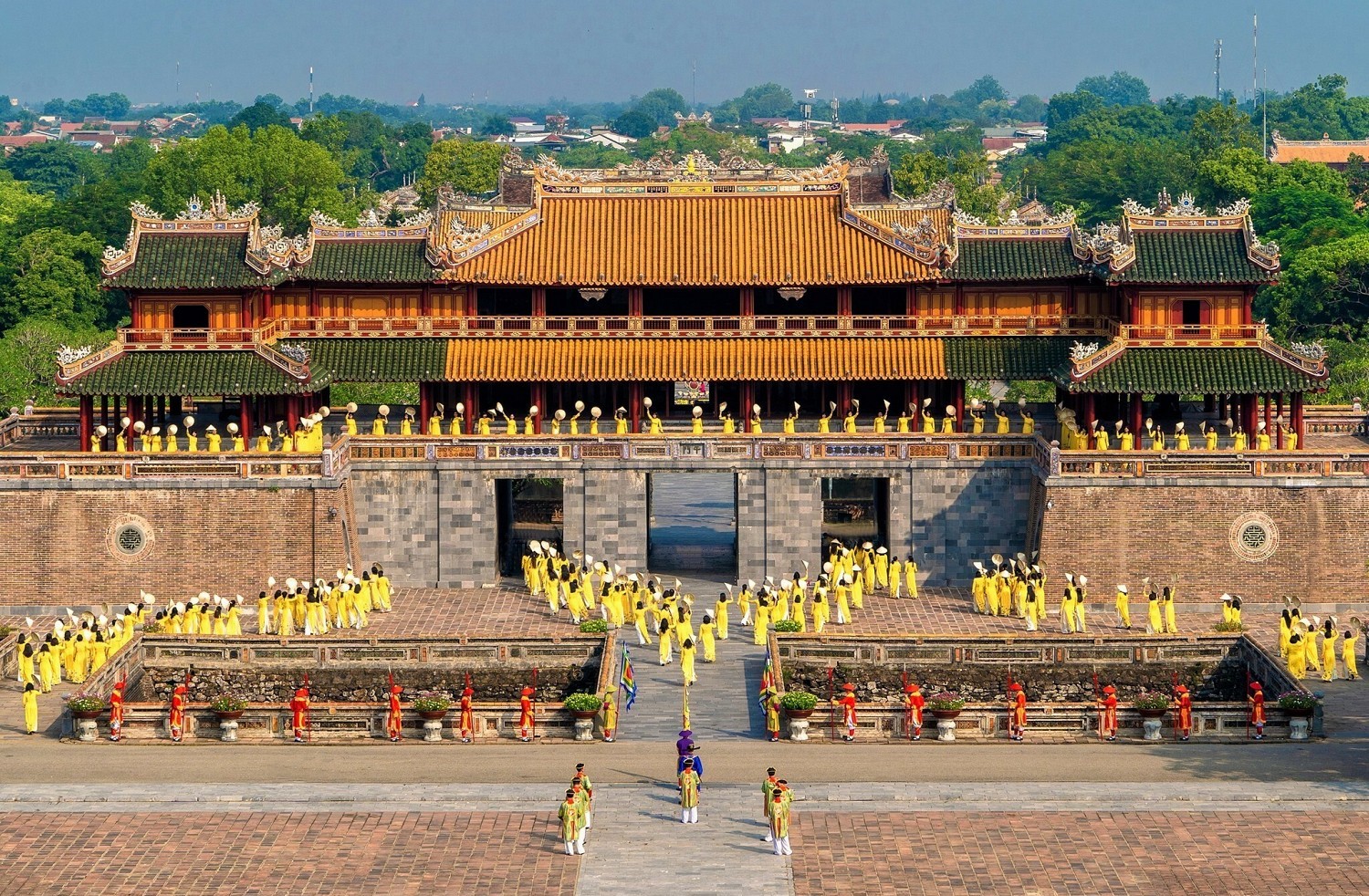
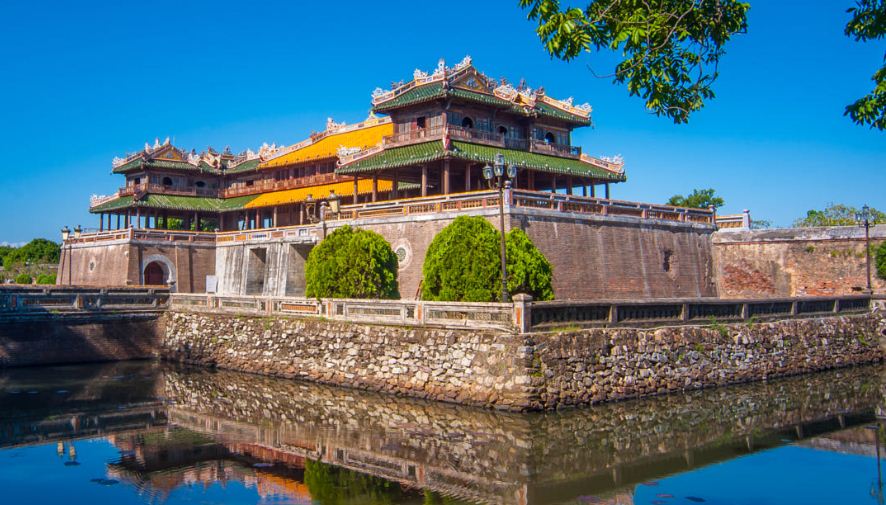
1. Hue Imperial Citadel

Hue-Imperial-City-Vietnam-2

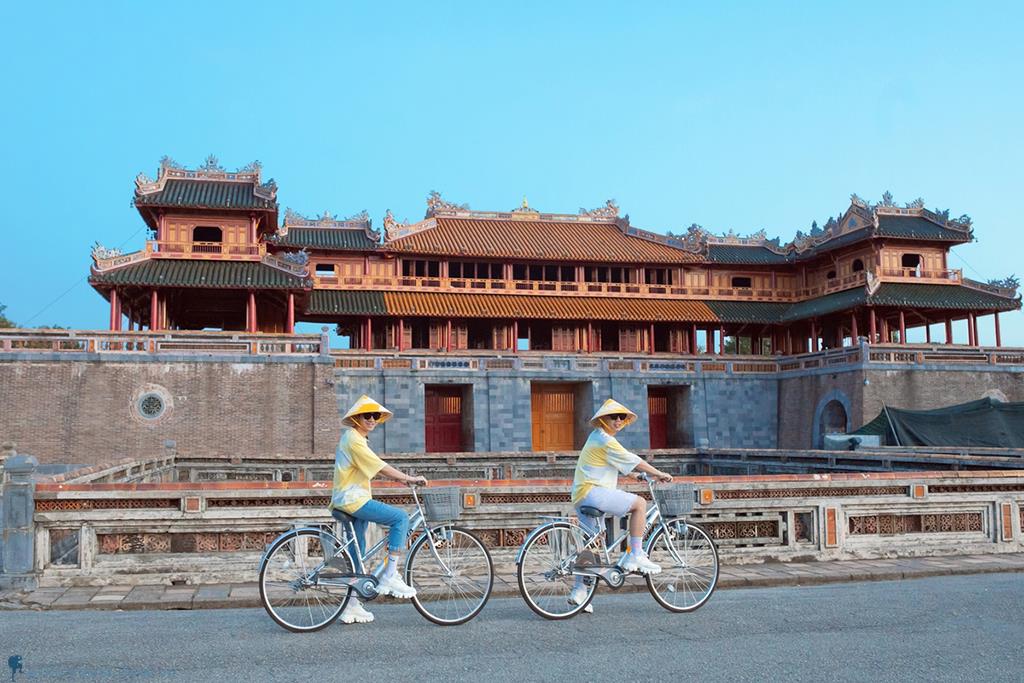
Without a doubt, the most impressive and best thing to do in Hue is a visit to the Imperial City. In the walled Hue Imperial City, also known as the Citadel, you will find the Forbidden Purple City, dozens of royal tombs, pagodas, temples, royal rooms, a library and a museum.

You can easily walk around here for 3 hours to visit everything. A guide is not necessary but recommended if you want to learn more about the history and the times when there was fierce fighting here during the Vietnam War.

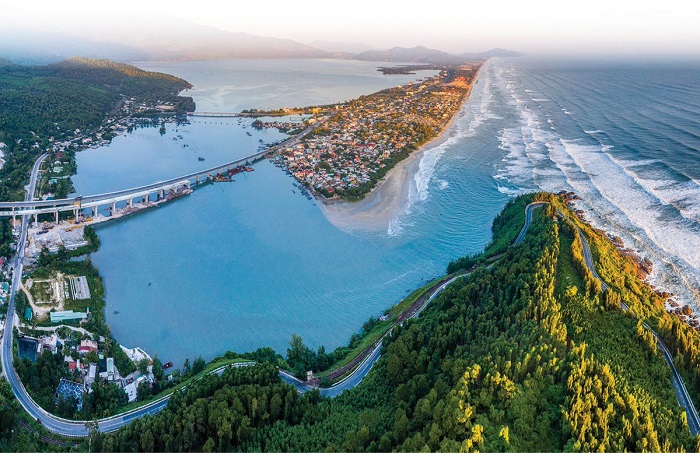
2. Lang Co beach

lang-co-hue-net-dep-tuyet-voi-va-hanh-trinh-kham-pha

One of the best beaches in Vietnam can be found close to the city of Hue. The beach is 10 kilometers long with palm trees, clear water and a number of good resorts. It is still a 60 km drive from the center. You can also choose to stay here for a night, a day trip or a stop on the way between Hue and Da Nang just before the Hai Van Pass.

3. Tombs and temples

word-image-5011-2

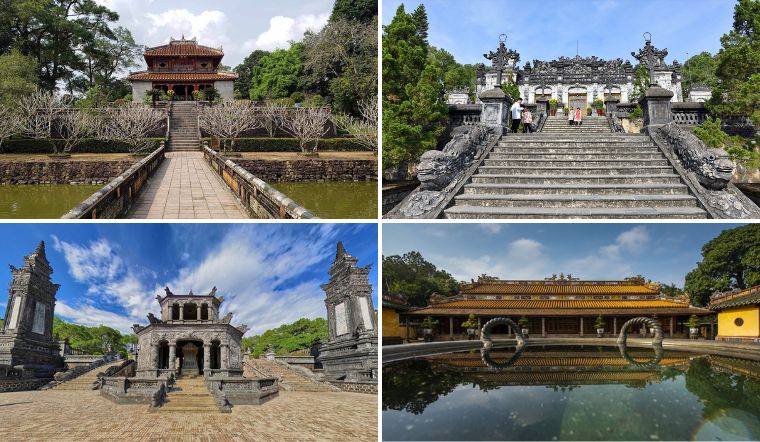
Besides the Imperial City, you can find many other tombs, temples and pagodas in and around the city of Hue. The tombs of the emperors of the Nguyen Dynasty are scattered on hills south of the city and can be reached by boat or bicycle. In total there are seven tombs: the other emperors died in exile and were buried.

The best known and most impressive are the Minh Mang Tomb, Tu Duc Tomb, Hon Chen Temple and The To Mieu Temple.

4. Hai Van Pass

97

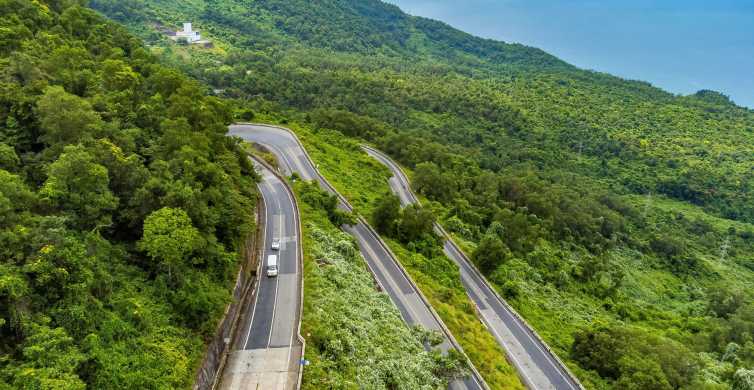
The Hai Van Pass is located between Hue and Da Nang and is one of the most stunning coastal roads in Vietnam. It is very popular to drive the road by motorbike (or on the back of one), but you can also go by car or an old army jeep. The views along the way are spectacular and you can combine to drive with a visit to some other sights along the way, such as Lang Co beach, fishing villages, the Marble Mountains and a small waterfall.

  • Tip:Excited to go? Check out our Hai Van Pass tours here, including behind on the motorbike of an Easy Rider, a comfortable car or by military jeep!

5. Bach Ma National Park

Bach-Ma-National-Pack-Tour

Bach Ma National Park is an old French hill station that extends over 40,000 hectares and offers great hiking trails, dilapidated French villas, waterfalls, a campsite and lots of wildlife.

The best way is to go on a Bach Ma national park trekking tour through the forest. There are several routes to choose from. The nicest routes bring you along some small lakes and waterfalls. Also make sure to visit the peak with amazing views over the forest. 

6. Dong Ba market

Anh 1(1)_12_7_2022_15_15_26_375_CH

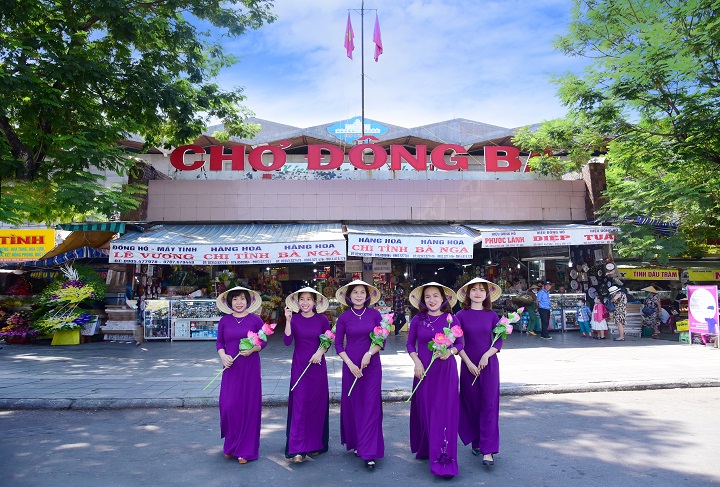
Dong Ba market is the largest market in Central Vietnam and is the perfect place to see the local life. It is a lively market hall where you can buy handicrafts, vegetables, fruit, meat and clothing.

The market is not far from the citadel and on the Perfume River, so you can easily combine a visit with other sights. Walk around the market to watch locals negotiate and get their daily groceries. It is a unique and above all authentic experience.

7. Dragon boat trip on the Perfume River

jpg

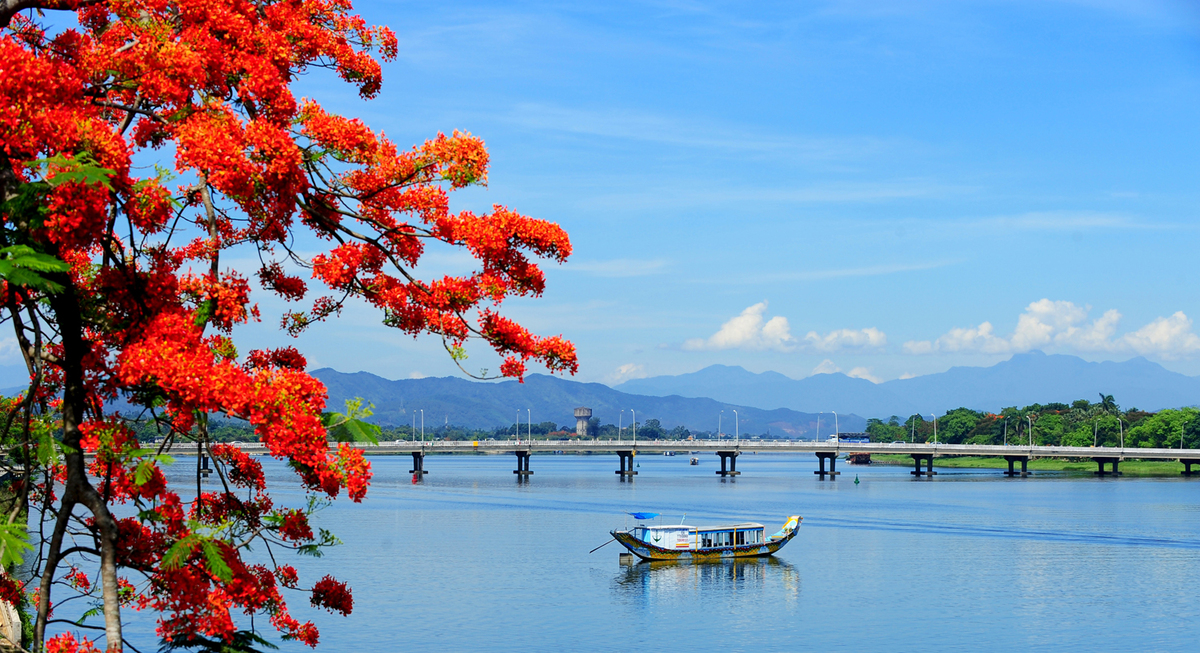
The perfume river flows through the middle of the city and can be a relaxing break from city life. Boat trips, pedal boats and dinner cruises are available.

The best way to discover the river is by a dragon boat ride – they are not to be missed. From the boat you can see the local life on shore and the fishermen and transport boats on the water. There are also a number of riverside temples that you can visit on a dragon boat tour.

8. Cycling

camnhi-204410034433-trai-nghiem-o-hue

With less traffic than other major cities, Hue is arguably the best city for cycling in Vietnam. Many tourists choose to ride a bicycle along the banks of the Huong River, to the Citadel. You can also visit a number of temples a little further from the center. Some accommodations lend bicycles for free, otherwise you can rent a bicycle cheaply in the center of the city.

If you are a fanatic cyclist, you can also choose to cycle out of the city and explore the quiet countryside. You can also take a bike tour through Hue countryside so a guide can show you the way. It’s a very calming experience, and quite authentic, as you pass through areas where few other travelers go.

  • Tip:If you prefer not to cycle yourself, you can enjoy a traditional cyclo ride. A cyclo is a three-wheeled bicycle taxi that appeared in Vietnam during the French colonial era. Local Vietnam offers various cyclo rides in Hue. View all tours in Hue here to see your options.

9. DMZ

photo6jpg

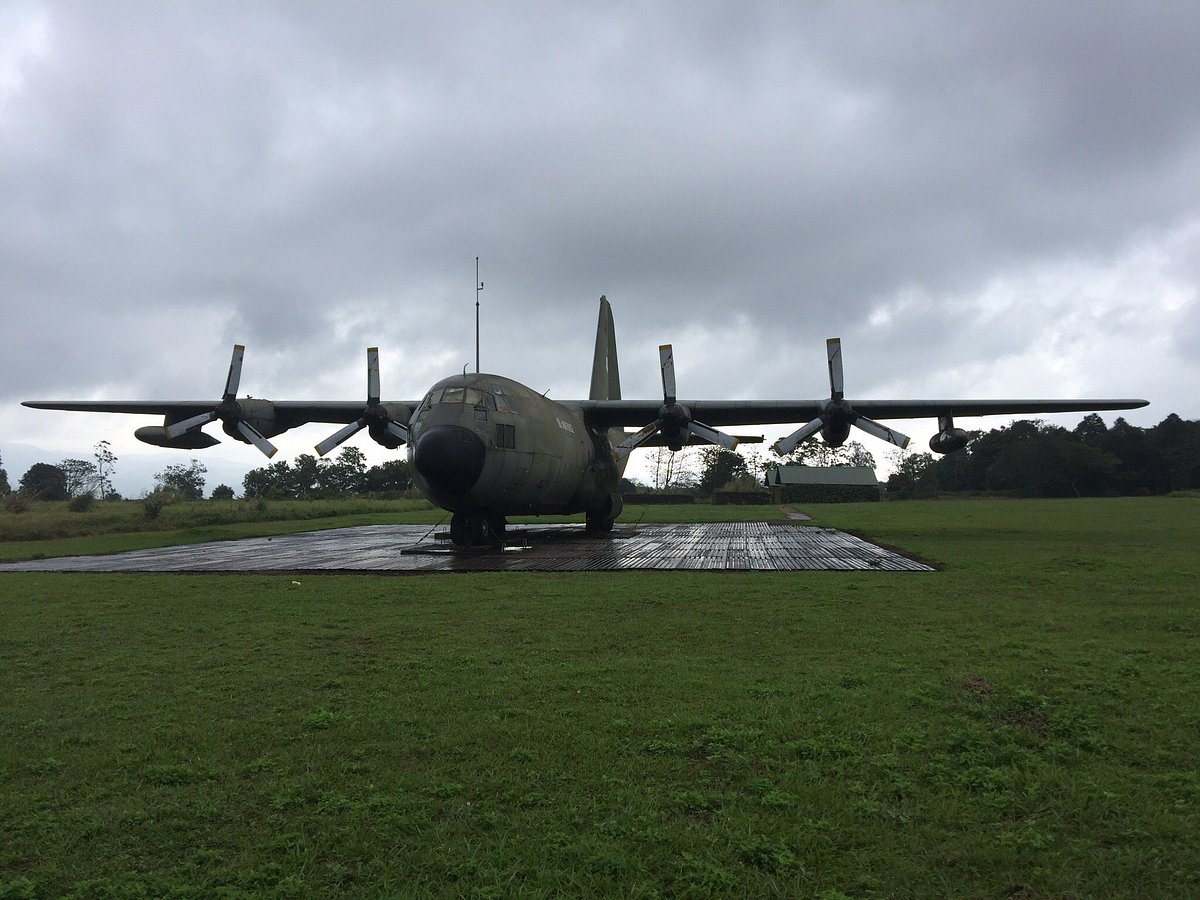
During the Vietnam War, there was fierce fighting in the city of Hue, which damaged many historic buildings. But the city is also adjacent to the DMZ – Vietnam’s Demilitarized Zone. Here you will find the border between the former North Vietnam and South Vietnam. There are still a number of sights that you can visit in this area where you can get an idea of how it went. On a tour of the DMZ you usually visit the Hien Luong Bridge which is right on the border, an abandoned American base with abandoned vehicles and the Vinh Moc Tunnels, a tunnel system where an entire village lived to shelter from the bombs.

  • Tip:If you want to see this area, have a look at our DMZ tour by small group. If you are also planning to go to Phong Nha after or before Hue, you can also do a sightseeing transfer through the DMZ between these two destinations.

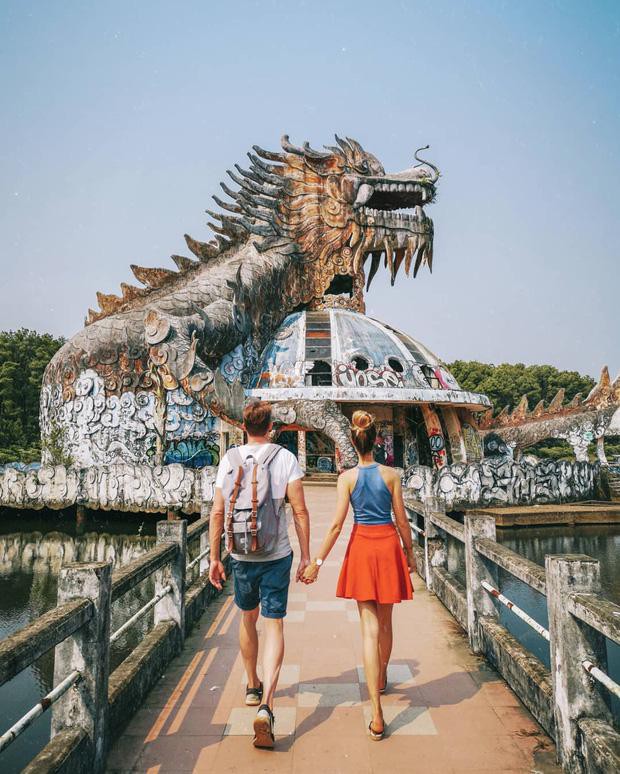
10. Hue abandoned water park

Tung-len-bao-My-vi-qua-kinh-di-nhung-cong

Photography enthusiasts and urban explorers will want to go here. Ho Thuy Tien is a small abandoned water park on a lake not too far from the city.

The water park has been abandoned for over 10 years. Certain parts are ruins, overgrown and broken, it feels a bit like you’ve walked into a horror movie. In the middle of the lake is a dragon’s head, the main attraction. All around you will find empty swimming pools and dirty slides.

It is not an official tourist attraction and in some places there is glass on the floor, so watch out and don’t wear flip flops.

Best hotels & hostels in Hue

Where to stay

The best area to stay in Hue is the city center, in the area closest to the imperial city, the main attraction of Hue, located on the banks of the river. Here you will find the vast majority of hotels in the city. The area also offers a wide variety of restaurants, bars and shops nearby.

Best hotels & hostels in Hue

Budget hotels & hostels

  • Hue Happy Homestay
  • Sunny A Hotel
  • Jade Hotel Hue
  • Hong Thien Ruby Hotel

Mid range hotel

  • Beaulieu Boutique Hotel
  • The Scarlett Boutique Hotel Hue
  • Moonlight Hotel Hue

High end hotel & resort

  • Pilgrimage Village Boutique Resort & Spa
  • Vedana Lagoon Wellness Resort & Spa
  • Indochine Palace Hotel

Food & drinking

Restaurants

Hue is known for its imperial cuisine, originally prepared for the emperor. Although the food emphasis more on presentation than on taste, an imperial banquet is worth it. If you are a street food lover, then Hue is also the right place for you.

  1. Serene Cuisine Restaurant
  2. Risotto Restaurant
  3. ZUCCA Restaurant
  4. Golden Rice
  5. Elegante Restarant
  6. Madam Thu Restaurant
  7. Family Home Restaurant
  8. Nina’s Cafe
  9.  Les Jardins de La Carambole
  10.  Hanh Restaurant

Nightlife

There is is a lot to do at night in Hanoi. You can join the locals with a beer on the street, go clubbing, chill in a bar or enjoy a impressive performance in the Opera House.

  1. Explore the illuminated sights in the evening
  2. DMZ Bar
  3. Why Not? Bar
  4. Secret Lounge Hue
  5. Le’s Garden Hue
  6. Brown Eyes Bar
  7. One For The Road

How to get there

Lorem ipsum dolor sit amet, consectetur adipiscing elit. Ut elit tellus, luctus nec ullamcorper mattis, pulvinar dapibus leo.

Flights to Hue

Hue has a small international airport, with daily flights from Ho Chi Minh City and Hanoi. Hue’s Phu Bai International Airport is currently served by Vietnam Airlines, Vietjet and JetStar Pacific.

Buses to Hue

Hue is connected by bus to other cities in Central Vietnam. Buses run daily from Hoi An and make the journey to Hue in about three and a half hours. There are also daily buses from other cities, such as Ninh Binh, Phong Nha, Dong Hoi, Da Nang and even from Ho Chi Minh City and Hanoi.

Trains to Hue

Hue train station is one of the many stops on the Hanoi to Ho Chi Minh City train route that goes through the largest part of Vietnam. The train journey from Hue to Da Nang is a very beautiful route that is even worth doing as an excursion.

Private transportation

A great alternative is getting private transportation. The route between Hue and Da Nang/Hoi An goes over the Hai Van pass, a stunning coastal road. On the way there are a few sights that you can visit too.

If you go north to Phong Nha, you can visit the sights that are located in the DMZ.

You can either go by Easy Rider or private car for both routes.

How to get around

Taxis are everywhere in Hue, although there are a few that take you on a rather detour if you don’t know the area. To prevent this, look out for the Green Mai Linh or yellow Taxi Vang, which use both meters.

Cyclos and motor taxis are very popular. Drivers will name an amount they think they can get, so you have to come up with a price that you think is reasonable.

Cycling is best suited for those who want to visit the sights themselves in and around the center of Hue. There are numerous hotels with bikes and bicycle shops.

Itinerary 2 days in Hue

Day 1

The first morning in Hue you start with a walk around Hue Citadel and the imperial city. In the afternoon you rent a bike or a motor-taxi to the Thien Mu pagoda along the romantic Perfume River. If you have more time, you can cycle even further. At night you take a boat trip along the Perfume River, where you can enjoy live music.

Day 2

Take a day trip. Choose to go through the DMZ and visit the Vinh Moc Tunnels and the Khe Sanh Combat Base.

Or make a trekking in Bach Ma national park.

Make your plan to Vietnam right now by apply a Vietnam visa at vietnamvisapro.net. We, a reputable and reliable Visa service, will assist you turn your plan into reality at the very first step.