Posted on 5 Comments

Travel Advisory 2026: Why Vietnam Continues to Be a Safe and Budget-Friendly Destination Despite Global Tensions

In recent months, geopolitical tensions in several regions have created uncertainty for international travelers. Conflicts in certain areas, combined with rising fuel prices and adjustments to global flight routes, are beginning to influence travel decisions for both tourists and business travelers worldwide.

As airlines respond by rerouting flights and managing higher operational costs, many travelers are becoming more selective about their destinations. Increasingly, people are prioritizing countries that offer political stability, safety, and convenient accessibility.

Amid these global uncertainties, Vietnam continues to stand out as one of the safest and most reliable travel destinations in Asia. With its peaceful environment, rapidly developing tourism infrastructure, and traveler-friendly Vietnam visa policies, the country remains an attractive choice for visitors planning to travel to Vietnam in the coming months.

To make the journey even smoother, Vietnamvisa provides convenient travel services that simplify the entire process—from applying for a Vietnam visa online to arranging arrival support, helping travelers enter the country quickly and enjoy a stress-free travel experience.

Vietnam Is Located Far from Current Global Conflict Zones

One of the main reasons Vietnam continues to be considered a safe travel destination is its favorable geographical location.

Geopolitical tensions today are mainly centered in regions like the Middle East and parts of Eastern Europe. Vietnam, situated in Southeast Asia, is geographically far from these areas and remains unaffected by the ongoing conflicts.

This distance offers travelers greater peace of mind when planning international trips. Compared with destinations located closer to unstable regions, Vietnam provides a calm and secure environment where visitors can explore and enjoy their journey without concerns about disruptions linked to global tensions.

Major cities such as Hanoi and Ho Chi Minh City, along with coastal destinations like Da Nang, continue to welcome millions of travelers each year, supported by reliable tourism services and well-developed infrastructure.

Vietnam Tourism Remains Fully Operational

Despite global uncertainties, Vietnam’s tourism industry continues to operate smoothly.

Hotels, restaurants, tour operators, transportation services, and tourist attractions throughout the country continue to welcome international visitors as normal. Iconic destinations such as Ha Long Bay, Hoi An Ancient Town, and Phu Quoc Island remain open and ready to receive travelers.

Visitors can still experience everything that has made Vietnam one of the fastest-growing tourism destinations in Asia, including:

  • Cultural heritage sites
  • World-famous cuisine
  • Scenic natural landscapes
  • Affordable luxury travel experiences

Vietnam’s government and tourism authorities also implement strict safety and stability measures to provide international visitors with a secure and comfortable travel environment.

Easy Air Travel Across Asia

Another significant advantage for travelers visiting Vietnam is the extensive network of flight connections across Asia.

Despite some airlines adjusting routes due to global tensions, Vietnam continues to maintain strong air connectivity with many of the region’s major aviation hubs.

Some of the key hubs offering frequent flights to Vietnam include:

  • Seoul
  • Tokyo
  • Singapore
  • Bangkok
  • Kuala Lumpur
  • Hong Kong

These cities act as key transit hubs, enabling travelers to reach Vietnam without depending on flight routes that may pass through potentially affected areas.

In addition, many major international cities offer direct flights to Vietnam’s main gateways, including Noi Bai International Airport, Tan Son Nhat International Airport, and Da Nang International Airport, providing convenient access for international visitors.

Vietnam Remains One of the Most Affordable Travel Destinations in Asia for 2026

While rising fuel prices may drive up airfares globally, Vietnam still delivers outstanding value once travelers arrive.

Compared to many international destinations, travel costs in Vietnam remain highly affordable. Visitors can experience high-quality services at budget-friendly prices, including:

  • Comfortable hotels
  • Delicious local cuisine
  • Private transportation
  • Guided tours
  • Cultural activities

For travelers worried about rising travel costs worldwide, Vietnam remains an attractive destination where visitors can enjoy diverse experiences, rich culture, and beautiful landscapes without exceeding their budget.

Vietnam Visa Guide: Easy and Convenient Application Options

Another key reason Vietnam appeals to international travelers is its convenient and accessible visa policy.

Most visitors can easily apply for a Vietnam eVisa online before their trip. This digital system allows travelers to submit their applications electronically and receive approval prior to departure, making the process simple and time-saving.

For those who prefer extra support, Vietnamvisapro offers professional visa assistance, helping travelers complete the application quickly and accurately.

These services include:

  • Vietnam eVisa support
  • Visa on arrival approval letter
  • Urgent visa processing

With professional visa assistance, travelers can avoid common application errors and minimize the risk of processing delays.

????Book it here:https://vietnamvisapro.net/en/apply-online.html

Vietnam: A Safe and Smart Destination for Travelers in 2026

During periods of global uncertainty, travelers tend to prioritize destinations that provide safety, stability, and great value for money.

Vietnam continues to stand out by offering all of these advantages. Known for its peaceful atmosphere, well-developed travel infrastructure, and visitor-friendly visa policies, the country remains one of Asia’s most attractive destinations.

Whether traveling for business or leisure, international visitors can enjoy a seamless journey with the support of services from Vietnamvisapro, including visa assistance, fast-track airport services and private airport transfers.

For those seeking a destination that combines safety, convenience, and rich experiences, Vietnam continues to be an excellent choice for 2026 and beyond.

Posted on

Advantages of Applying for a Vietnam e-Visa Online

In today’s digital age, traditional visa applications—often burdened with complex paperwork and the need to visit embassies or consulates—are being replaced by more modern and convenient methods. Among these, the Vietnam e-Visa stands out as a fast, simple, and efficient online solution highly valued by international travelers and business professionals alike.

What is Vietnam e-Visa?

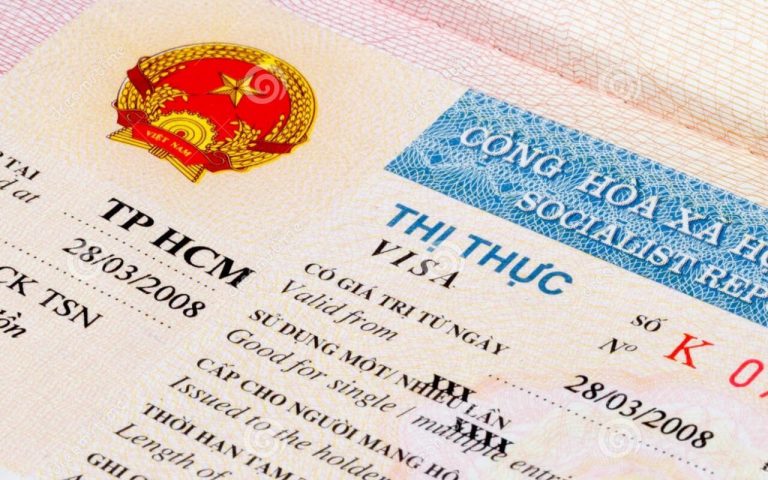
The Vietnam e-Visa is an electronic travel authorization issued by the Vietnam Immigration Department for foreigners wishing to visit Vietnam for a short stay. Applicants no longer need to visit a Vietnamese embassy or consulate in person — the entire process, from application to visa issuance, can be completed online through the official immigration website.

This e-Visa is typically valid for up to 90 days and may be issued for single or multiple entries, making it ideal for travelers visiting Vietnam for tourism or short-term business purposes.

Top Benefits of Getting Your Vietnam E-Visa Online

1. Cost-Effective

Applying for a Vietnam e-Visa online is typically more cost-effective than using traditional visa methods. Since there are no courier or embassy service fees, travelers can avoid extra expenses. The official e-Visa fee is fixed and transparent, enabling accurate budgeting with no hidden charges. This makes it an ideal choice for tourists, business travelers, and anyone looking to save on travel costs.

2. Convenience and Time-Saving

One of the greatest advantages of applying for a Vietnam e-Visa online is its exceptional convenience. Instead of spending hours visiting an embassy or consulate, applicants can easily complete the entire process from the comfort of their home—or anywhere with internet access. The online system operates 24/7, allowing travelers to apply at any time without worrying about office hours or public holidays.

The application process is simple and user-friendly, requiring only basic personal and travel details. Once submitted, the e-Visa is usually processed within four business days, dramatically cutting down waiting time compared to traditional visa applications.

3. Simplified Entry Process

With an e-Visa, travelers can skip the long queues at Vietnamese embassies or visa-on-arrival counters. The e-Visa is digitally connected to the traveler’s passport, enabling a seamless entry through designated international airports and border checkpoints. This streamlined process speeds up immigration, minimizes stress, and saves valuable time for travelers.

4. Secure and Reliable

Vietnam’s e-Visa system is operated through the government’s official portal, guaranteeing a secure and reliable application process. All online payments are handled via protected gateways, and applicants receive confirmation directly by email. As a fully digital document, the e-Visa minimizes the risk of loss or damage often associated with traditional paper visas or passport stamps.

5. Versatility to Suit Every Travel Purpose

Vietnam’s e-Visa accommodates various travel purposes, such as tourism, business, and official trips. Its flexibility allows travelers of all kinds to enter the country without dealing with complicated visa procedures. Typically, the e-Visa permits multiple entries or single  and a stay of up to 90 days, making it ideal for short-term travel.

6. Easy Access for Visitors of All Nationalities

Vietnam’s e-Visa system is open to citizens from more than 200 countries, offering easy access to a wide range of international travelers. This inclusive policy promotes tourism, facilitates global business exchange, and strengthens Vietnam’s international connectivity.

7. Easy to Track and Manage

Applicants can easily monitor the progress of their e-Visa applications online. With the digital format, travelers can securely store a copy of their visa on their electronic devices, minimizing the risk of losing essential travel documents.

8. Promotes Tourism and Drives Economic Development

By streamlining the visa process, Vietnam has made it easier for tourists and business travelers to visit, boosting the nation’s economic growth. The convenience of the e-Visa system also inspires spontaneous trips and encourages visitors to return.

10. Seamless Integration with Other Travel Services

Many online platforms that assist with e-Visa applications also offer additional services such as travel insurance, airport transfers, and guided tours. This integration provides a seamless travel planning experience from visa application to arrival.

Essential tips for a smooth Vietnam e-Visa application

  • Only applicable to some countries: Not all countries are granted e-Visa. You need to check the list of eligible countries on the official website.
  • Duration and number of entries: The e-Visa permits multiple entries or single  and a stay of up to 90 days
  • Print and bring a hard copy: Although it is an electronic visa, you still need to print it out and bring it with you when you arrive at the border gate.
  • Avoid fake websites: Only submit your application and payment on the official website of the Vietnam Immigration Department to ensure safety.

The Vietnam e-Visa system has revolutionized the way travelers enter the country, offering a fast, affordable, and eco-friendly alternative to traditional visa processes. With its simplicity, security, and convenience, it’s the ideal solution for anyone eager to explore Vietnam. From the vibrant streets of Ho Chi Minh City and the serene waterways of the Mekong Delta to the sun-kissed shores of Phu Quoc, obtaining your e-Visa in advance guarantees a seamless travel experience from beginning to end.

If Vietnam is on your travel list, applying for your e-Visa online is easily one of the smartest and most efficient choices you can make!

Posted on

Top 8 must-visit places in North Vietnam

North Vietnam boasts the enchanting capital of Hanoi, breathtaking mountain ranges, mist-covered peaks, lush valleys, ancient rice terraces, diverse ethnic communities, and stunning turquoise islands. Wherever you venture, you’re sure to discover something remarkable. Join us as we explore Vietnam Travel’s list of must-visit destinations in North Vietnam.

1. Hanoi

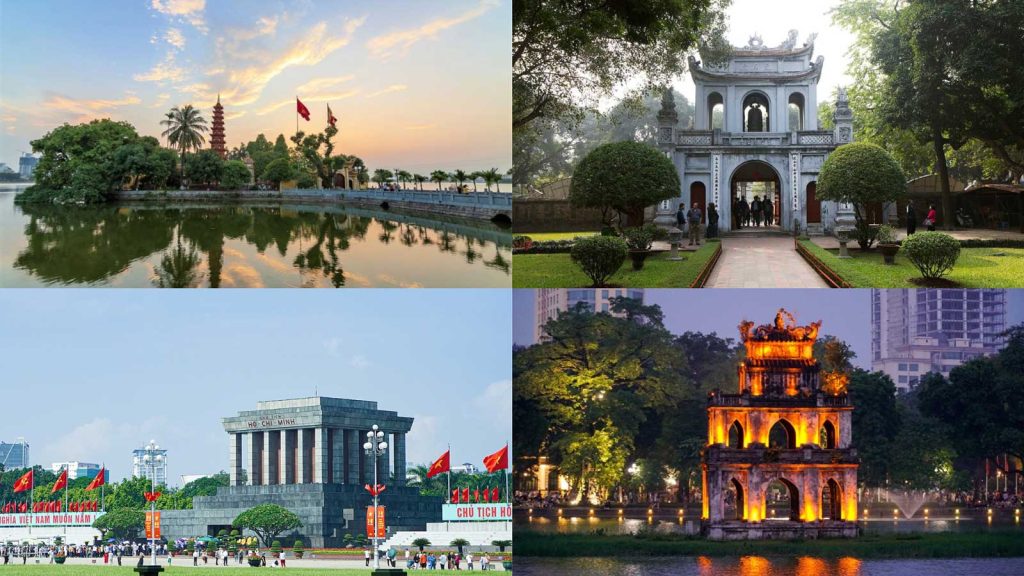
Hanoi is undoubtedly a must-visit destination in North Vietnam. Its beautifully preserved French colonial architecture, ancient pagodas, historic temples, and unique museums, alongside tranquil lakes and other captivating spots, will leave you enchanted. The city is perfect for exploring on foot or by cyclo, allowing you to wander through the hidden alleyways and lively markets of the charming Old Quarter. Here, you can savor local specialties and indulge in delicious Vietnamese cuisine just like the locals do. Hanoi’s eclectic charm has something for everyone. Be sure to spend at least 2 to 3 days uncovering its hidden beauty and visiting key sites, such as the Ho Chi Minh Complex, the Presidential Palace, One Pillar Pagoda, the Temple of Literature (Vietnam’s first university), West Lake, the serene Tran Quoc Pagoda, and Quan Thanh Temple.

2. Ninh Binh

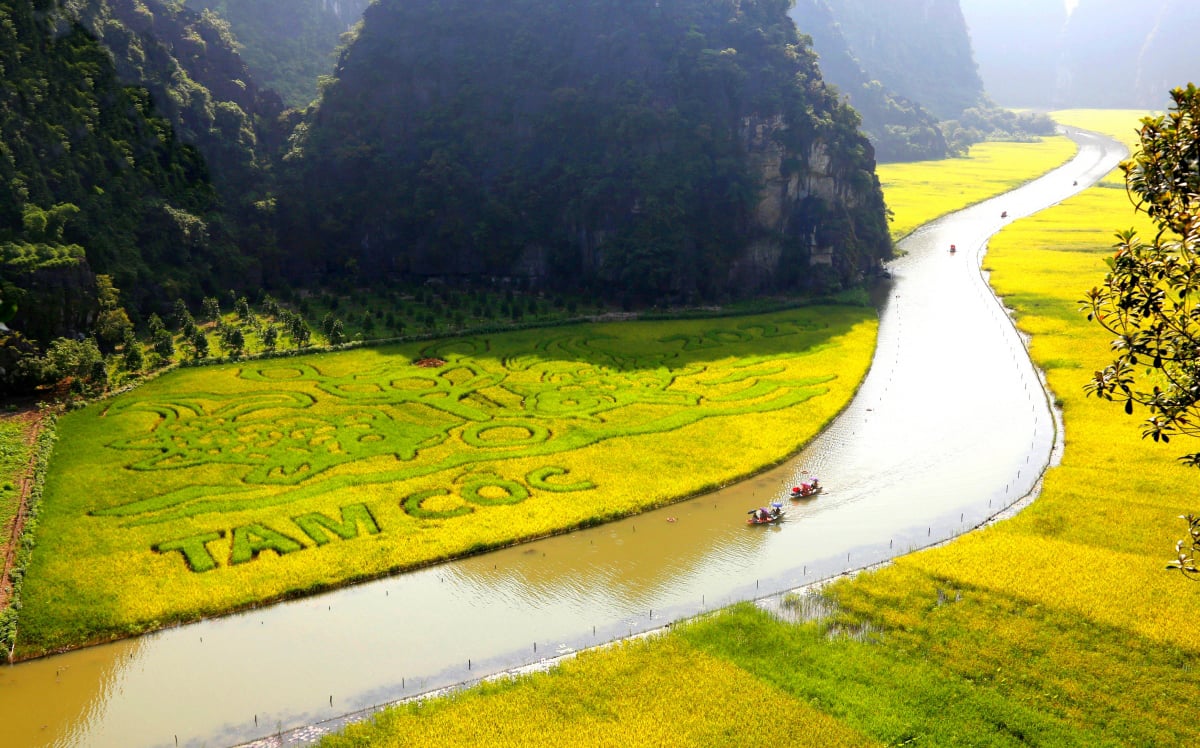
Often called “Halong Bay on land,” Ninh Binh is a must-visit destination in North Vietnam. Just a two-hour drive from Hanoi, it’s perfect for a day trip if you’re short on time. A visit to Ninh Binh should definitely include a boat ride through Trang An or Tam Coc, where you can take in stunning limestone formations, lush greenery, and serene landscapes along tranquil waterways that weave through dark grottoes. This boat trip typically lasts about two hours. Additionally, you can explore highlights like Bai Dinh Pagoda—the largest in Vietnam—Bich Dong Pagoda, the ancient capital of Hoa Lu, Phat Diem Cathedral, Mua Cave, and Cuc Phuong National Park.

3. Mai Chau

Just a short distance from Hanoi, Mai Chau offers a perfect escape from the hustle and bustle of city life, immersing you in the tranquility of a mountainous village. You can unwind in Lac or Poong Cong villages, rent a bike to explore the surrounding countryside, and discover your own serene moments among the rice paddies. This picturesque region, with its lush jungles, bamboo groves, tea plantations, and waterfalls, is ideal for leisurely walks and short treks to remote ethnic villages like Hang Kia and Pa Co.

The White and Black Thai communities are the largest ethnic groups in this area, known for their wooden stilt houses. Spending at least one night in a stilt house homestay is highly recommended to immerse yourself in the local customs and culture. You’ll have the opportunity to connect with residents, share a meal with your host, and enjoy traditional dance performances in the evening.

4. Sapa

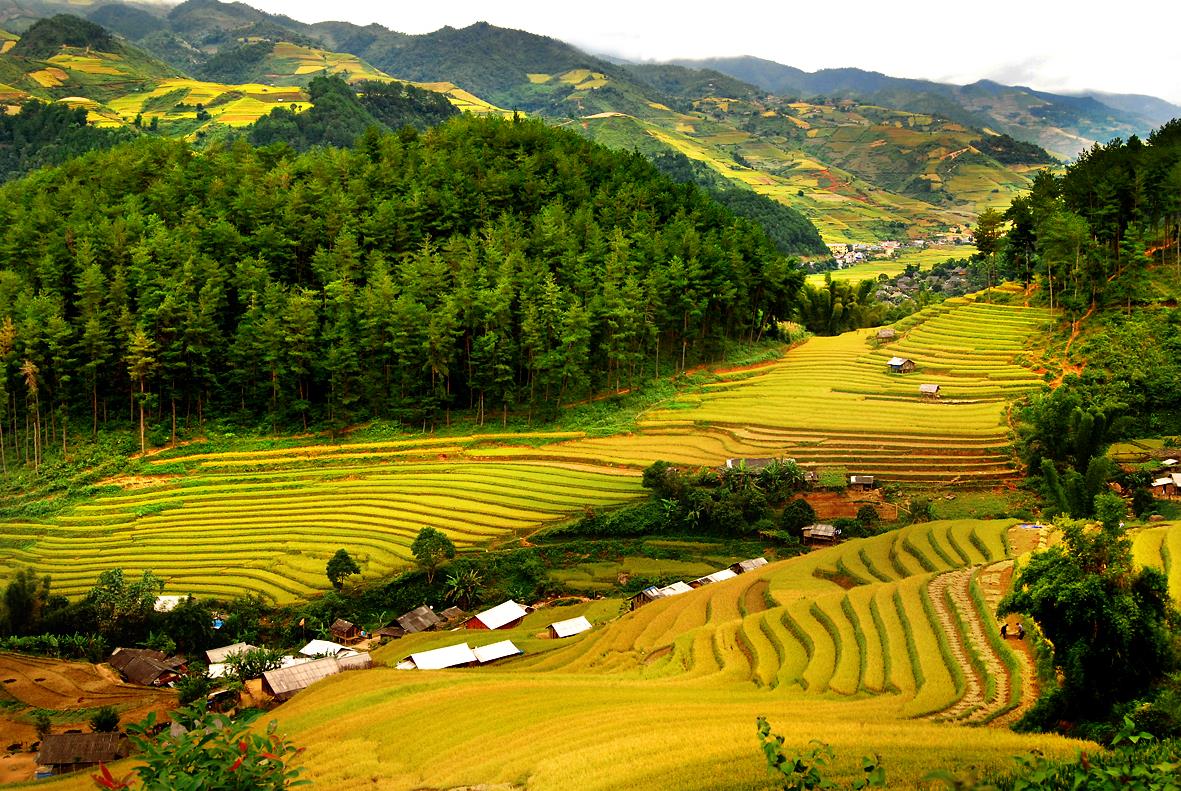
Sapa captivates visitors with its stunning mountain backdrop, picturesque terraced rice fields, and rich cultural diversity among its many ethnic minorities. A guided hike through expansive valleys adorned with these rice terraces offers a unique experience, leading you through remote hill tribe villages like Cat Cat, Y Linh Ho, Lao Chai, Ta Van, and Ta Giang Phinh. Additionally, local ethnic markets provide a fantastic opportunity to immerse yourself in the daily lives and cultures of the H’mong, Dzao, and Dzay communities. Be sure to explore Bac Ha market on Sundays, Coc Ly market on Tuesdays, and Can Cau market on Saturdays, where you’ll find a vibrant array of goods, including local fruits, vegetables, honey, corn wine, colorful fabrics, clothing, embroidered items, and livestock like horses, cows, and buffalo.

5. Ha Giang

Ha Giang is a mountainous province located in northeastern Vietnam, approximately 300 km from Hanoi. It shares a 270 km border with Yunnan province in southern China, earning it the nickname “Vietnam’s final frontier.” Nearly 90% of Ha Giang’s population consists of ethnic minorities, contributing to the area’s rich and distinctive cultural heritage. The traditional practices and customs of these groups are diverse and captivating, drawing many travelers eager to explore these unique cultural facets.

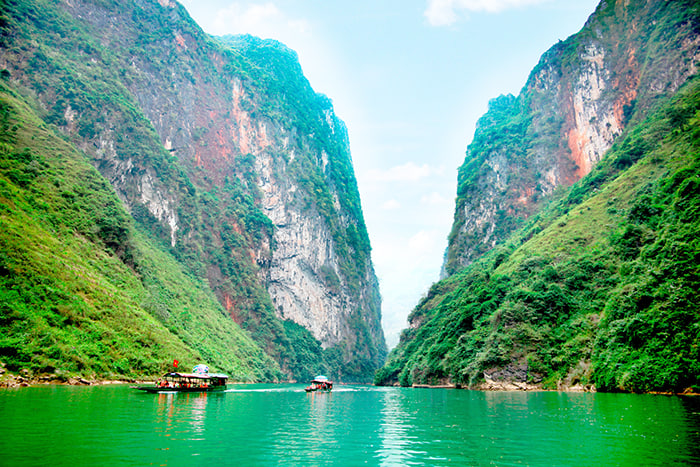
Ha Giang is best experienced on a two-wheeled road trip, allowing you to fully appreciate the stunning landscapes and the unique charm of its remote towns and minority villages. The journey from Yen Minh to the Dong Van Karst Plateau Geopark, followed by a ride across the breathtaking Ma Pi Leng Pass—one of Vietnam’s four great passes—towards Meo Vac promises to be an unforgettable adventure.

6. Cao Bang – Ban Gioc Waterfall

Nestled in a remote part of Northern Vietnam, Cao Bang is renowned for its rich biodiversity, featuring a wealth of endemic flora and fauna, along with five major river systems and 47 lakes. This region is home to nine distinct ethnic groups, including the Tay, Nung, Mong, Kinh, Dao, and San Chay, each with their own unique crafts, traditional festivals, folk arts, customs, and lifestyles. This cultural diversity adds to Cao Bang’s fame and allure.

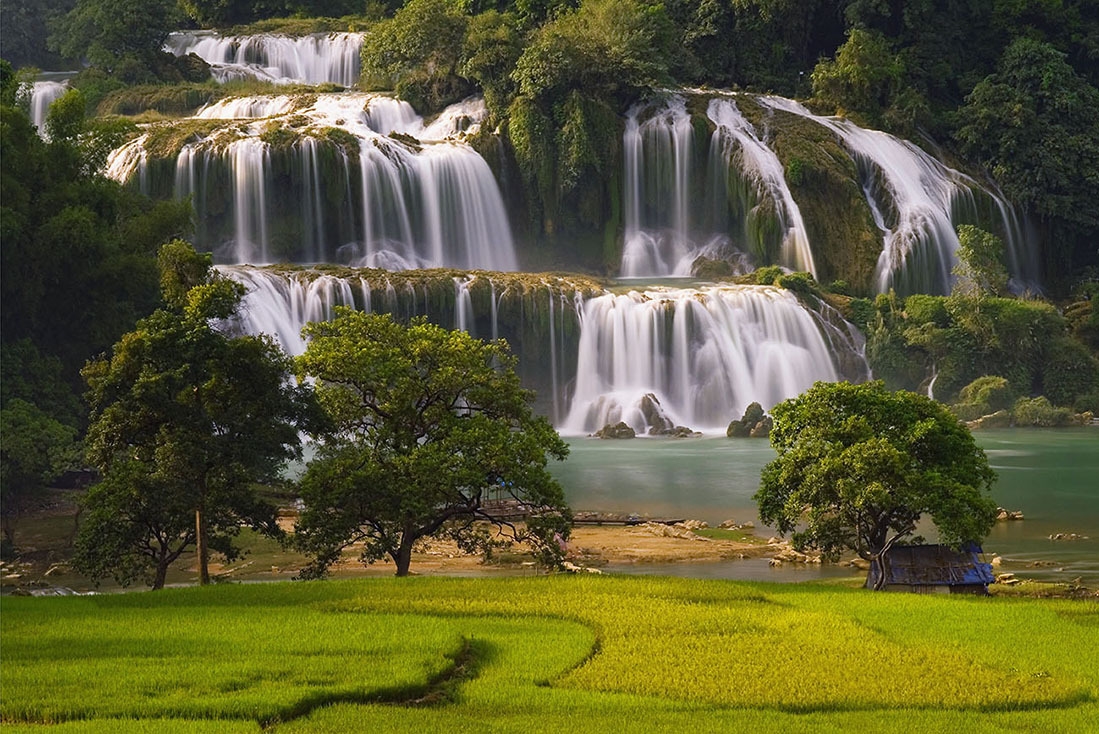
Cao Bang is home to many remarkable landscapes and historical sites that you won’t want to miss. Highlights include the Pac Bo historical site, where President Ho Chi Minh lived and worked during the early days of Vietnam’s revolution; the stunning Ban Gioc waterfalls, the largest in Vietnam; Nguom Ngao Cave; the Thang Hen lake system; and the Phat Tich Truc Lam Ban Gioc Pagoda, among others.

7. Halong Bay

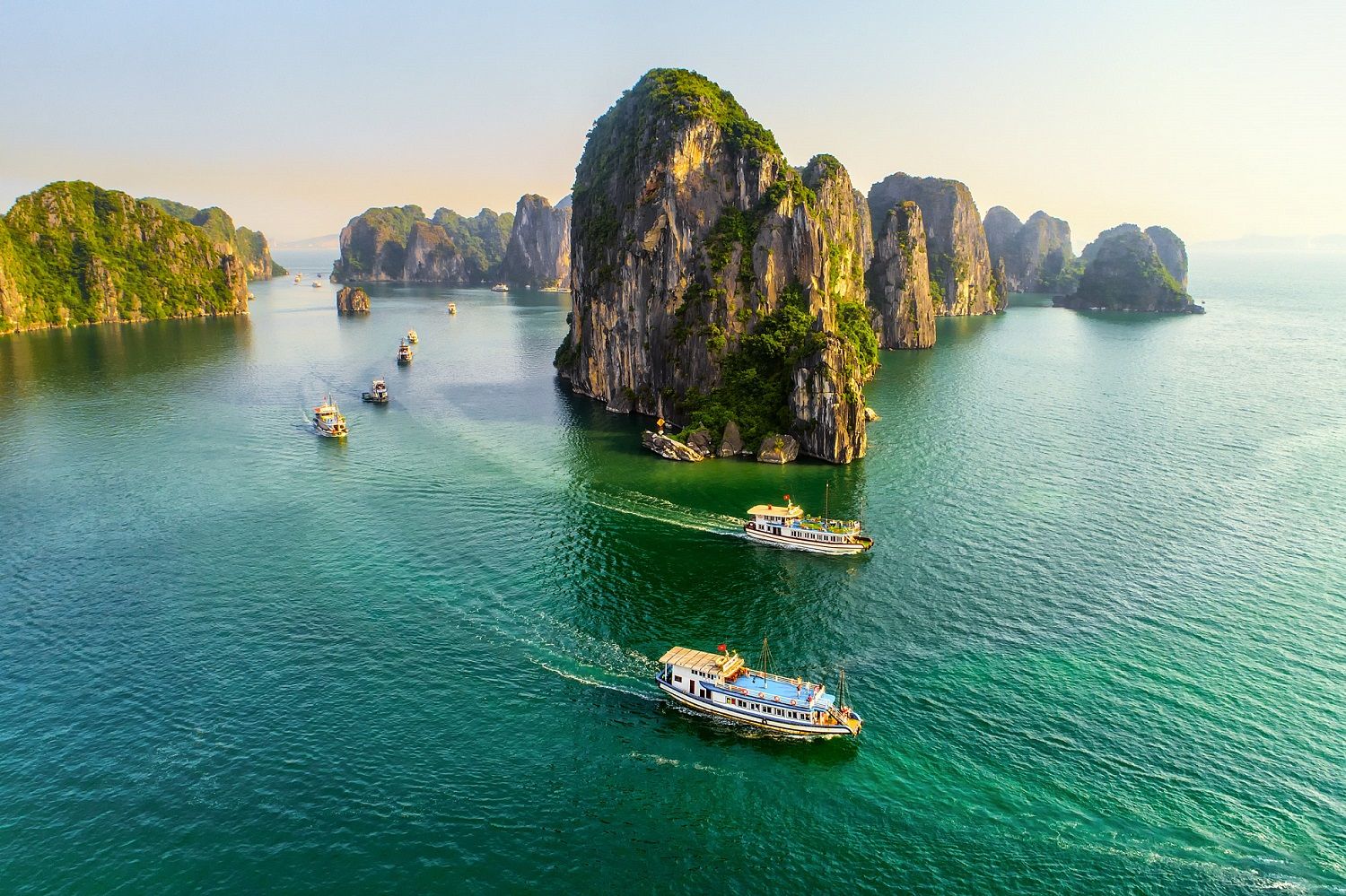
No trip to North Vietnam is complete without a visit to Halong Bay, one of the Seven Natural Wonders of the World, featuring over 2,000 stunning limestone islands and cliffs. While there are many ways to explore this breathtaking area, an overnight cruise is the best option, allowing you to fully appreciate the spectacular scenery. You’ll have the chance to get up close to the magnificent karst cliffs, rocky spires, and hidden caves, all while enjoying the misty clouds and clear turquoise waters. Relaxing with a cocktail on the sundeck is a delightful way to unwind, but if you’re seeking adventure, Halong Bay offers plenty of activities, such as visiting fishing villages by boat, kayaking, exploring hidden caves, swimming, and even night squid fishing.

8. Cat Ba Island

Nestled between Bai Tu Long Bay and Ha Long Bay, Cat Ba Island attracts numerous travelers eager to discover its stunning natural landscapes. The island is home to three beautiful Cat Co beaches, known for their soft yellow sands, crystal-clear waters, gentle waves, and refreshing breezes. While Cat Co 1 and Cat Co 3 are connected by a scenic cliffside path, making them perfect for leisurely strolls, the third beach offers a quieter, more secluded atmosphere ideal for romantic getaways. Visitors can enjoy a variety of adventurous activities, such as motorboating or kayaking to explore nearby islets, hiking through the national park, or cycling around the island. The best time to visit Cat Ba Island is from April to November, when the weather is ideal for beach outings. However, it can get quite crowded during the summer months of June to August, making accommodation difficult to secure due to the influx of domestic tourists.

Start planning your trip to Vietnam today by getting your visa at vietnamvisapro.net. As a trusted and reliable visa service, we’re here to help you turn your travel dreams into reality from the very first step.

Posted on

3 not to miss things when traveling to Vietnam

Well-prepared before an oversea trip is important so in order to have a perfect trip in Vietnam, there are a lot of things you should know before travel to this country. In this article, we will provide you the information 3 basic things that everyone needs to consider including Vietnam visa requirement, best time to visit Vietnam, and unit of currency that can be used in the country.

1.Vietnam visa requirement

One of the most important documents you need to have before coming to Vietnam is Vietnam visa if your nationality is not included in Vietnam visa exemption list. There are 3 normal ways to get Vietnam visa which are mentioned clearly as below

  • Vietnam visa through Vietnam Embassy

You can get Vietnam visa by this traditional way after 4-5 working days with full visa stamp already stick in original passport. Besides, the required documents to submit and fees when applying for Vietnam visa at Vietnam Embassy in each country are not the same therefore, it is highly recommended to contact the nearest Vietnam Embassy or Consulate.

  • Vietnam Visa on arrival with vietnamvisapro.net

This kind of Vietnam visa will be obtained when you arrive at any Vietnam international airport which explains why Vietnam visa on arrival is only acceptable for foreigners who travel to Vietnam by air. The whole application process will be online until you get an approval letter before getting on board and finally get visa stamped at Vietnam airports by submitting other documents required. Full process of this convenient way of Vietnam visa application can be found at http://vietnamvisapro.net/

  • Vietnam e-visa

Vietnam e-visa which is a newly launched method is applicable for foreigners who wish to have one-single entry visa with vacation purpose. There are also some conditions if you plan to have Vietnam e visa such as your nationality must be on the list of 157 countries and your stay in Vietnam is no more than 90 days. For more details of Vietnam e-visa, please check out http://vietnamvisapro.net/

2. Best time to visit Vietnam

The whole Vietnam is a tropical country but the weather in Vietnam is not the same in every region as each region (the Northern, the Central, and the Southern) has its own weather. Therefore, it is not easy to recommend as the best time to travel to Vietnam. However, generally speaking, autumn (often lasts from September to December) and spring (often lasts from March to April) can be considered as the most favorable seasons in the whole country. It is the time that you can not only enjoy the good weather but also take part in some interesting festivals, especially Tet (Vietnam Lunar New Year). If you want to know the specific weather of the destinations in Vietnam that you wish to visit, checking weather forecast is highly recommended.

3. Currency used in Vietnam

The currency of Vietnam is Vietnam Dong therefore, it is necessary for you to exchange amount of Vietnam Dong before traveling to Vietnam. There is another currency that is widely used in this country is US dollar; however, it is only possible for you to make a payment by US dollar in big hotels, travel agents, restaurants, and flight booking. It is not difficult for you to exchange Vietnam Dong and US dollar in Vietnam. You can exchange currency in every bank, ATM machine, and even jewelry shop.

Vietnam is an interesting country with a lot of beautiful destinations and many things to explore. Three things above are the necessary points for all foreigners who wish to come to Vietnam and we hope our information can help you prepare well for your trip in Vietnam.

Posted on 8,289 Comments

SOME TOP TOURIST ATTRACTIONS IN VIETNAM

Some Top Tourist Attractions in Vietnam

Before planning a trip to Vietnam, you must do a lot of research to find out the top tourist attractions to visit. Among the top tourist attractions in Vietnam, iconic sites like Ha Long Bay, the Imperial City of Hue, and the historic Old Quarter of Hanoi are must-sees. Thanks to such a huge stretch from the North to the South, over 3200 kilometers, crossing various topographies, Vietnam holds in itself a collection of mountains, deltas, rivers, caves, lagoons, ocean, canals, hills. Vietnam Travel lists top destinations below which shows the best features of the country.

>>> Apply visa to Vietnam <<<

>>> Order Fast Track Service <<<

  1. Ha Long Bay

Leading the chart of the top tourist attractions in Vietnam should not be something else but the sensational Ha Long Bay. The UNESCO World Heritage Site added another sight to see in their list presenting the world’s most spellbinding karst seascape, Ha Long Bay even twice. One was in 1991 and the other one was in 1998. Situated along the Gulf of Tonkin, there lies thousands of limestone islands scraped away by nature into breath-taking rock formations. It is highly recommended to spend an overnight tour to fully appreciate the iconic views this site has to offer.

The best times to visit Ha Long Bay are during the spring (March to May) and autumn (September to November) when the weather is mild and dry, providing ideal conditions for exploring the bay’s iconic limestone islands and enjoying outdoor activities.

If you’re interested in immersing yourself in the local culture, consider timing your visit to coincide with one of the region’s vibrant festivals or events. The Ha Long Carnival, held annually in late April or early May, is a lively celebration featuring street parades, traditional music and dance performances, and delicious local cuisine.

To fully appreciate the wonders of Ha Long Bay, an ideal duration of stay is 2-3 days. This allows ample time to embark on a cruise through the bay, exploring its hidden caves, secluded beaches, and floating villages. Additionally, you’ll have the opportunity to participate in various activities such as kayaking, hiking, and visiting nearby attractions like Cat Ba Islands.

Speaking of top activities, a Ha Long Bay cruise is an absolute must-do. These multi-day cruises offer the chance to witness the bay’s incredible scenery up close while indulging in luxurious amenities. Other popular activities include exploring the mystical caves like Sung Sot Cave, Thien Cung Cave, hiking to scenic viewpoints like Ti Top Island, and participating in water sports like kayaking or swimming in the bay’s emerald waters. Additionally, don’t miss out on discovering the fascinating things to do in Ha Long City, such as visiting local markets, enjoying fresh seafood, and experiencing the vibrant nightlife.

2. Hanoi

Hanoi, the capital of Vietnam, attracts millions of visitors each year. Hanoi has a long history of 1000 years of culture and civilization that attracts visitors of its old age. Traveling to Hanoi, you cannot miss Long Bien Bridge (over 100 years old), Hoa Lo Prison (Hilton House), Temple of Literature, Bat Trang pottery village, Hoan Kiem LakeNgoc Son Temple and many different kind of museums such at Vietnam museum of EthnologyVietnam Fine Art Museum, etc. Besides, Hanoi Old Quarter is a favorite place of many travelers.

The best times to visit Hanoi are during the spring (March to May) and autumn (September to November) when the weather is pleasant, with warm days and cool evenings. If you’re seeking to immerse yourself in the city’s vibrant cultural tapestry, consider timing your visit to coincide with one of Hanoi’s iconic festivals, such as the Lunar New Year celebrations or the Mid-Autumn Festival, both of which showcase traditional music, dance, and culinary delights.

To fully experience the city’s charm, an ideal duration of stay in Hanoi is 3-4 days. This allows ample time to explore its historic Old Quarter, visit iconic landmarks like the Temple of Literature and Ho Chi Minh Mausoleum, and indulge in the city’s renowned street food scene. Top activities in Hanoi include taking a cyclo tour through the bustling streets, attending a traditional water puppet show, exploring the Imperial Citadel of Thang Long, and embarking on a day trip to the picturesque Ninh Binh province, renowned for its stunning karst landscapes. Don’t miss out on discovering the diverse range of things to do in Hanoi, from exploring ancient temples to sampling local delicacies in bustling markets.

3. Sapa

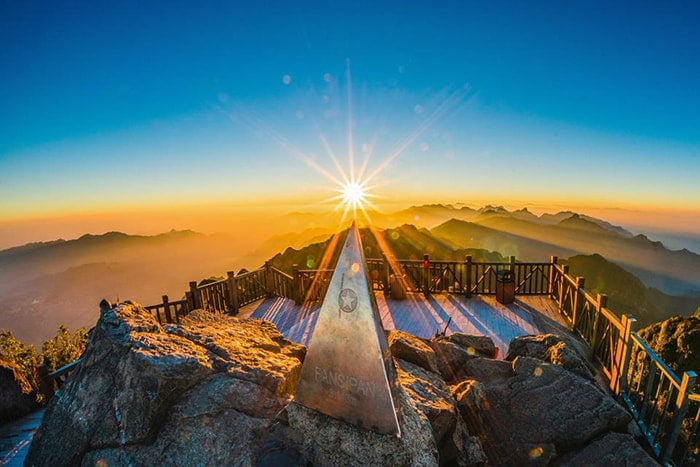
Sapa located in Lao Cai Province, about 350 km northwest of Hanoi, close to the Chinese border. Traveling to Sapa to discover the north mountainous area of Vietnam with the Hoang Lien Son range of mountains, which includes Fan Si Pan—the country’s highest peak. In Sapa, you can both enjoy the beauty of nature with stunning mountains, colorful paddy fields and experience our various culture of H’Mong ethnic minority. Here, travellers can spend their time hiking in the villages of Cat CatY Linh HoLao Chai and Ta Van Villages. If, you love to discover the remote village where less tourist travels, you can go to Can Cau Village to visit local market and Love market as well. After all, your memories to Sapa would be filled with the exotic cuisine, the colorful costumes of the ethnic minorities and the stunning of nature.

The best times to visit Sapa are during the spring (March to May) and autumn (September to November) when the weather is mild and dry, providing ideal conditions for trekking and enjoying the town’s picturesque landscapes.

If you’re interested in immersing yourself in the local culture, consider timing your visit to coincide with one of Sapa’s vibrant festivals or events, such as the Bac Ha Sunday Market or the Gau Tao Festival, where you can witness traditional dress, music, and dance performances by the region’s ethnic minority groups.

To fully appreciate the wonders of Sapa, an ideal duration of stay is 3-4 days. This allows ample time to embark on guided treks through the verdant rice terraces and visit remote hill tribe villages, as well as explore the town’s charming French colonial architecture and bustling markets.

Top activities and things to do in Sapa include trekking through the breathtaking Muong Hoa Valley, visiting the Love Waterfall and Bamboo Forest, exploring the Bac Ha Sunday Market for traditional handicrafts and textiles, and indulging in local delicacies like Thang Co (a unique sour soup). Additionally, adventurous travelers can partake in thrilling experiences like a Mt. Fansipan climb or a motorbike tour through the winding mountain roads.

4. Ninh Binh

If Ha Long Bay is the rocky limestone destination in the northern far seas, then Ninh Binh is would be the equivalent on the mainland. Located around 95km south of Hanoi, Ninh Binh and its’ neighboring area Tam Coc are filled with similar sights from the emerald green waters of Ha Long Bay. Being the perfect place to start an adventure around Vietnam and Cambodia, Nan Binh is a favored spot for tourists to post on social media, especially for its natural and untouched beauty.

In addition to the captivating natural features that Ninh Binh has to offer, the city is known to be the ancient capital of feudal Vietnam during the 11th century under the Dinh and the Early Le Dynasties. A two-day trip all around Ninh Binh would give you an ideal insight into how the ancient Vietnamese once ruled their country against the major outside force from China.

The best times to visit Ninh Binh are during the spring (March to May) and autumn (September to November) when the weather is pleasant and dry, providing ideal conditions for exploring the region’s iconic limestone landscapes and enjoying outdoor activities.

To truly appreciate the wonders of Ninh Binh, an ideal duration of stay is 2-3 days. This allows ample time to explore the breathtaking Trang An Landscape Complex, a UNESCO World Heritage Site renowned for its stunning karst formations, caves, and tranquil waterways, as well as visit nearby attractions like the ancient capital of Hoa Lu and the stunning Bai Dinh Pagoda complex.

Top activities and things to do in Ninh Binh include taking a mesmerizing boat tour through the limestone karst formations of Trang An, exploring the ancient temples and citadels of Hoa Lu, embarking on a cycling adventure through the picturesque countryside and rural villages, and indulging in the local cuisine, which features unique dishes like goat meat and specialties from the nearby Cuc Phuong National Park.

5. Phong Nha – Ke Bang National Park, Quang Binh

Located in Quang Binh province, central Vietnam, this mysterious land is endowed with breathtaking landscape of limestone mountain ranges, wild forests and stunning rivers. This place which is recognized by UNESCO World Heritage Site in 2003, famous for the largest cave in the world with whole ecosystems and forests within, called Son Doong cave. Son Dong cave is 5km long, 200m high and 150m wide. But it is not Son Dong, with more than 300 caves, many waterways, mountains and forests, Phong Nha – Ke Bang national park is now a famous destination for tourists from all over the world to trekking, hiking, cycling and kayaking.

Adventure awaits year-round in Phong Nha – Ke Bang National Park, but the dry season (March-August) offers ideal conditions for exploring. Hike through lush rainforests, delve into the world’s largest caves, or kayak on crystal-clear rivers. Aim for a stay of 2-3 days to experience the park’s highlights, like Paradise Cave or Phong Nha Cave. Don’t miss a boat trip down the Son River for a truly unforgettable experience!

6. Hue citadel

Knowing as the place of the last reign – Nguyen dynasty, Hue is considered one of Vietnam’s most historic towns and the former imperial capital of the country. The emperor’s residence, palaces, and temples are some of the historic sites left standing inside walls of the Imperial Enclosure that spans for around 2.5km along the Perfume River. Other landmarks are the citadel’s main entrance, the Ngo Mon Gate, the Thai Hoa Palace with its intricate interiors, Dien Tho Residence which serves as the Queen Mothers’ chambers and lastly the Hall of Mandarins housing its’ well-preserved ceiling murals.

Hue, Vietnam’s former imperial capital, is best explored during the dry season (February-August) when skies are clear and temperatures comfortable. History buffs will be enthralled by the city’s vibrant past, evident in its magnificent Hue Imperial Citadel and royal tombs. Hue also boasts a rich festival scene, with the Hue Festival offering a spectacular display of traditional performances and colorful parades. To fully appreciate Hue’s imperial charm and cultural treasures, a 2-3 day stay is ideal. Don’t miss a boat trip on the Perfume River, exploring bustling local markets, and indulging in Hue’s renowned royal cuisine.

7. Da Nang

Da Nang will surprise you by its modern, cleanness and nature. Da Nang has so many things to offer from Hai Van Pass, Marble Mountain, Ba Na hills to the Golden bridge. The fresh and beautiful white sand beach also Nang are also one of the reasons to hold tourist stay longer at this city. The amazing traditional food here is also one thing visitors could not resist.

Da Nang’s charm unfolds throughout the year, but the best time to visit depends on your preferences. For sunshine and warm seas ideal for swimming and lounging on the beach, April to August offers the most pleasant weather. This peak season coincides with the Da Nang International Fireworks Festival, a dazzling spectacle that usually takes place in April or May (check specific dates as they follow the lunar calendar).

If you prefer smaller crowds and don’t mind occasional rain showers, consider visiting during the shoulder seasons (September to November and March to May). You might even snag some travel bargains during this time. Three to five days is a good amount of time to explore Da Nang’s beaches, historical sites, and surrounding attractions. If you’re planning day trips to Hoi An or My Son Sanctuary, factor those into your itinerary.

Top activities in Da Nang include relaxing on pristine beaches like My Khe Beach, exploring the Marble Mountains with their stunning caves and pagodas, and getting a dose of history at the Museum of Cham Sculpture. Adventure seekers can try surfing or scuba diving, while foodies will delight in Da Nang’s fresh seafood and flavorful central Vietnamese cuisine.

8. Hoi An

Hoi An is the place where not only attracting newcomers but also encouraging many tourists to come back again. It is famous for being an ancient town where the rustic yellow-walled tubed buildings line up. The town was built and developed by the Japanese, Chinese and Vietnamese in which the Chinese architecture is the main theme throughout the whole site. The most sought-after destinations are the Thanh Ha Pottery Village, Tra Que Herb Village, and Kim Bong Carpentry Village. Besides, there are plenty of restaurants with lots of variety at cheap price, the night markets are great and the people are lovely. It truly is a paradise for visitors to go and explore.

The dry season (February to August) offers sunshine, warm temperatures, and minimal rain, making it ideal for sightseeing and outdoor activities. However, this coincides with peak tourist season. For pleasant weather with fewer crowds, consider the shoulder seasons (March to May or September to November). March to April boasts comfortable temperatures and coincides with the Full Moon Lantern Festival, transforming Hoi An into a magical spectacle with glowing lanterns illuminating the Thu Bon River.

Throughout the year, Hoi An comes alive with vibrant festivals. The Full Moon Lantern Festival, held on the 14th day of each lunar month, is a must-see, while the larger Festival of Lights in February celebrates Vietnamese traditions with lantern displays and performances.

2-3 days is a good amount of time to explore Hoi An’s captivating ancient town, with its well-preserved architecture, tailor shops, and Japanese Covered Bridge. Foodies can delve into Hoi An’s culinary scene, while beach lovers can relax on nearby Cua Dai Beach. If you’re planning day trips to My Son Sanctuary or Da Nang, factor those into your itinerary.

Discover the enchanting streets of the ancient town, a UNESCO World Heritage Site. Get custom clothing made by skilled tailors, a Hoi An specialty. Take a boat ride on the Thu Bon River, adorned with colorful lanterns at night. Learn about Hoi An’s history at museums like the Fukian Assembly Hall and the Tan Ky House. Relax on the pristine sands of Cua Dai Beach or try water sports. In the evening, take a boat trip and release floating lanterns, a beautiful local tradition. Don’t forget to explore the vibrant things to do in Hoi An, including sampling delicious local cuisine and participating in traditional lantern-making workshops.

9. Ho Chi Minh City (Saigon)

Saigon – Ho Chi Minh City is such a young and modern city born and raised for roughly over 300 years. Traveling here, you will see the attractions influenced by the French-era architecture such as Vietnam’s own Notre Dame Cathedral, the War Remnants Museum, and Ben Thanh Market. The Central Post Office, Reunification Palace are also visited by travelers.

Let’s not stop here, Sai Gon by night attracts you by its vibe and personal charming, please wander around Bui Vien streets, or taste local cuisine such as Huynh Hoa Bread (Banh my Huynh Hoa), Sauce Noodle (Bun mam), Nam Vang vermicelli (Hu tieu Nam Vang), Crab noodle (Banh canh cua), grilled pork noodle (bun thit nuong0, etc. Ho Chi Minh is also as a stop-over for tourists of they want to visit Mekong Delta, Cu Chi Tunnel, Cao Dai temple, Vung Tau and the other southern provinces.

The ideal time to visit Ho Chi Minh City is during the dry season from December to April, when the weather is most pleasant, offering clear skies and comfortable temperatures for exploring the city’s vibrant streets and historical landmarks.

The city’s calendar is dotted with cultural festivals and events, such as the exuberant Tet Festival in January or February, where the city bursts into celebrations of the Lunar New Year Attending this festival is a unique opportunity to immerse yourself in local traditions and witness the city at its most festive.

For travelers wondering about the ideal duration of stay, three to four days are recommended to fully experience the city’s top attractions and hidden gems. This allows ample time to delve into the rich history at the War Remnants Museum, marvel at the architectural wonder of the Notre-Dame Cathedral Basilica of Saigon, and indulge in the culinary delights of street food tours in District 4.

Discover the best things to do in Ho Chi Minh City, from exploring iconic attractions like the Ben Thanh Market and the Reunification Palace to immersing yourself in the vibrant atmosphere of the city’s night markets. Indulge in local delicacies, shop for souvenirs, and soak in the bustling energy of places like Binh Tay Market in Chinatown. Additionally, experience the charm of Nguyen Hue Street at night, lined with dazzling lights and bustling cafes, offering a perfect blend of culture and entertainment.

Incorporating these elements into your itinerary will ensure a memorable journey through the heart of Vietnam’s most dynamic city, where traditional charm meets modern vitality. Whether you’re a history buff, food enthusiast, or simply in search of adventure, Saigon’s warm embrace has something for everyone.

10. Phu Quoc

Unlike Bali or Thai Lan, Phu Quoc is an isolated tropical island located down South of Vietnam with 150km of coast in which you can reach there by plane at Phu Quoc International Airport. Phu Quoc is well known with many white sandy beaches and a perfect combination from mountain to forest and sea. With such a balmy weather, Phu Quoc is a good choice for all travelers who love nature and seek for a place to balance sightseeing and beaches. You can spend your time at your luxury resort or walk along the sandy beach to enjoy the fresh air or dipping yourself under the fresh green water of the sea. At the end of the day, Phu Quoc will end up with the colorful sky to complete your day with such a customized romantic dinner next to the beach. Travelling to Phu Quoc will bring you pleasant and relaxed.

The best times to visit Phu Quoc are from October to April, when the weather is dry with little rain, perfect for beach activities and exploration. This period also includes the peak tourist season, so for those seeking a quieter experience, the shoulder seasons of April to June or October provide a more tranquil atmosphere.

The island’s vibrant culture comes to life with festivals and events that are not to be missed. From the traditional Tet Festival celebrating the Lunar New Year to the Viet Traditional Music Festival, these cultural showcases offer a deep dive into the island’s rich heritage.

For an ideal visit, 2 to 5 days in Phu Quoc allow for a comprehensive experience, giving you enough time to explore the central town of Phu Quoc Islands, the serene Phu Quoc beaches likes Khem beach, Sao beach, Long beach, the bustling south, and the untouched eastern part of the island.

Top activities in Phu Quoc include exploring the Phu Quoc National Park, lounging on the pristine Sao Beach, and indulging in the tranquility of Khem Beach. For adventure seekers, snorkeling, scuba diving, and trekking are among the must-do activities. Whether you’re looking to immerse yourself in nature, enjoy the local cuisine, or simply relax on the beach, Phu Quoc caters to all desires, making it a must-visit destination on your Vietnam journey.