Posted on

Hanoi and Ho Chi Minh City Named Among the World’s Best Cities to Visit in 2025

Amid a world full of incredible travel spots, Vietnam continues to shine, with Hanoi and Ho Chi Minh City named among the Best Cities on Earth in The Telegraph Travel Awards 2025.

Selected by nearly 20,000 readers worldwide, this prestigious ranking places Hanoi in an impressive 31st position—outperforming other iconic Asian cities like Bangkok (40th), Mumbai (43rd), Kuala Lumpur (68th), and Dubai (73rd).

Hanoi proudly ranks 10th in the regional category for the best cities outside Europe and the Americas.

The ancient house No.87 Ma May Street , Hanoi built in the late 19th century. Photo:collected

Meanwhile, Ho Chi Minh City secures the 77th spot, steadily gaining international recognition for its vibrant city life and unique mix of historic charm and contemporary appeal.

Hanoi: A living tapestry of Vietnamese culture

For travelers, Hanoi unfolds like a poetic blend of history, culture, and genuine charm. As The Telegraph puts it, an ideal city is one that “brings together historical depth, distinctive beauty, exceptional cuisine, vibrant culture, and a wealth of experiences to discover”—a description Hanoi embodies effortlessly.

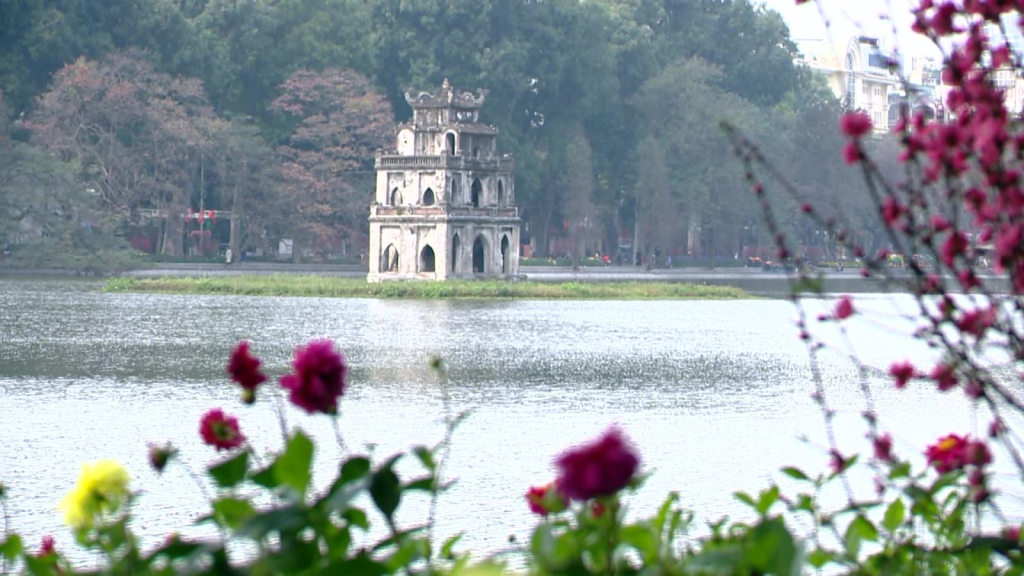
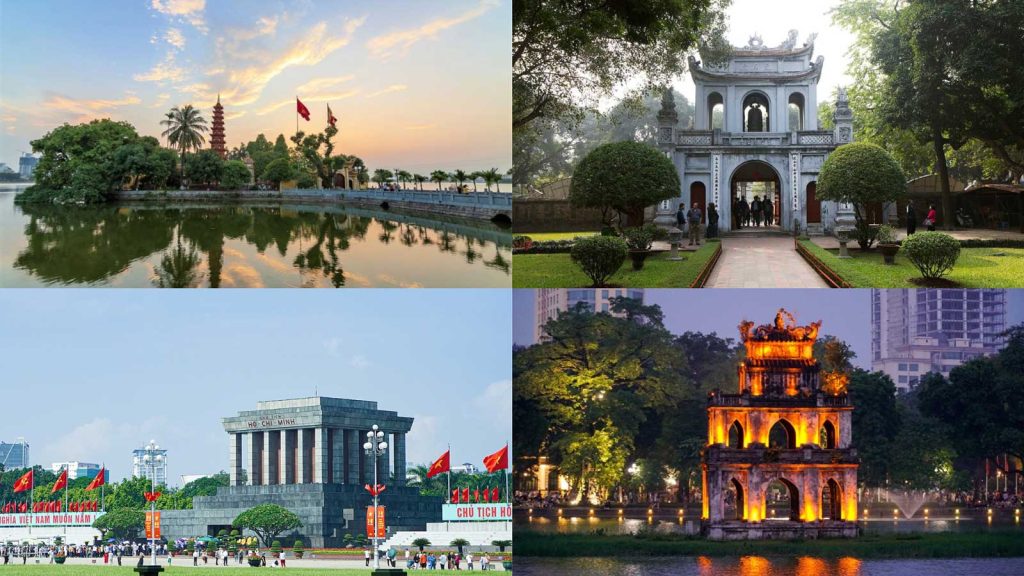
From the evocative charm of its 36 ancient streets in the Old Quarter to the refined elegance of French colonial architecture, every corner of Hanoi whispers a tale of history and culture. Landmarks such as the Temple of Literature, the iconic Hoan Kiem Lake, and the vibrant Old Quarter pulse with a distinct energy, captivating both first-time visitors and those returning for more.

Egg coffee and young sticky rice are two Hanoi’s specialties.Photo: collected

Hanoi continues to garner praise from international media. In 2025, Travel + Leisure included the city in its list of 15 Dream International Vacations That Are Surprisingly Affordable, spotlighting Hanoi’s rich thousand-year heritage, sophisticated cuisine, and impressively low travel costs.

Welcoming more than 18.36 million visitors—including 4.21 million international tourists—in the first seven months of 2025, Hanoi has solidified its reputation as a top global travel destination.

For Emma Watson, a visitor from the United Kingdom, Hanoi feels like a living postcard. “I spent a week discovering hidden cafés tucked behind art galleries, joined a cooking class in a charming colonial villa, and even watched a traditional water puppet performance. It’s one of those cities that blends timeless charm with modern flair,” she told The Hanoi Times.

Ho Chi Minh City: The beating heart of the south

In southern Vietnam, Ho Chi Minh City pulses with a distinct energy—vibrant, fast-moving, and firmly focused on the future.

Photo: collected

Formerly known as the “Pearl of the Orient,” this vibrant metropolis stands as Vietnam’s largest economic powerhouse, where history and modernity intertwine. As described by The Telegraph, it’s a city of contrasts—motorbikes weaving through neon-lit avenues, towering skyscrapers neighboring ancient pagodas, and sleek shopping malls sharing space with war memorials and remnants of French colonial architecture.

Earlier this year, The Independent spotlighted Ho Chi Minh City’s rich and multifaceted character: “In a marriage of tradition and modernity, Ho Chi Minh City is the metropolis where pagodas meet skyscrapers and innovative commerce hubs thrive.” Travelers are often captivated by the striking Notre Dame Cathedral, moved by the powerful exhibits at the War Remnants Museum, and intrigued by the descent into the Cu Chi Tunnels—a poignant glimpse into Vietnam’s enduring spirit.

Notre Dame Cathedral .Photo: collected

In July 2025 alone, Ho Chi Minh City welcomed nearly 700,000 international visitors—a remarkable 75% increase compared to the same month last year and more than 26 million total arrivals so far this year, the city is proving itself not only as a dynamic business hub but also as a vibrant destination for global travelers in search of culture, energy, and adventure.

Miguel Rodriguez, a traveler from Spain, remarked, “Ho Chi Minh City is pure energy. From buzzing rooftop bars to the haunting depths of historic tunnels, every moment felt like an adventure I didn’t want to end. The food was incredible—dishes like banh xeobanh mi, and com tam (steamed broken rice) were not only delicious but cheaper than a cup of coffee back in Madrid. What stood out most, though, was the warmth and friendliness of the people.”

Banh Mi.Photo: collected

Vietnam is a country of vivid contrasts, most clearly seen in its two major cities. In the north, Hanoi captivates with its tranquil lakes, ancient temples, and enduring sense of tradition. In the south, Ho Chi Minh City buzzes with modern energy—alive with dynamic street scenes, contemporary creativity, and a nightlife that never sleeps.

Each city tells a different story, yet both form two essential chapters of the Vietnamese experience. Whether you’re a history buff, a foodie, a backpacker, or a luxury traveler, these two cities have something unforgettable in store for you.

If you have the opportunity to visit Vietnam, don’t miss the chance to explore Hanoi and Ho Chi Minh City, where many fascinating experiences await.And don’t forget to order visa to Vietnam at vietnamvisapro before departing to this wonderful place.We as a trusted and reliable visa service, we are here to help turn your dream vacation into reality from the very first step.

Posted on

A Guide to Tourism in Hau Giang

If you’re planning a trip to Vietnam, Hau Giang is definitely worth a visit. If it’s next on your itinerary, keep reading to learn more about what this province has to offer.

Hau Giang province belongs to the Mekong Delta River region (Source: Collected)

Overview

Hau Giang is a small province situated in the heart of the Mekong Delta. It features a complex network of waterways totaling 2,300 kilometers in length. Bordering Can Tho City—the hub of the Southwest region—Hau Giang is one of the region’s key rice-producing areas. The province is rich in agricultural potential, with diverse fruit crops, plentiful freshwater fish and shrimp resources, and active cattle farming.

The Can Tho Bridge over the Mekong Delta River in Hau Giang province, Vietnam(Source: Collected)

The Nga Bay Floating Market is regarded as the largest trading hub in the western region, vividly reflecting the customs and daily lifestyle of the local people.

  • Area: 1.621,8 km²
  • Population: 733.017 people
  • Provincial Capital: Vi Thanh City
  • Districts: Nga Bay Town, Phung Hiep, Vi Thuy, Long My, Chau Thanh, and Chau Thanh A
History

Before 1976, Hau Giang was part of Can Tho and Rach Gia. In March 1976, the former Hau Giang province was created by merging three administrative units of equal status: Can Tho province, Soc Trang province, and Can Tho city.

Since 2004, Hau Giang has been reestablished with its current administrative divisions, including Vi Thanh Town and the districts of Chau Thanh, Chau Thanh A, Long My, Phung Hiep, and Vi Thuy.

Geography

Hau Giang is located in the heart of the Mekong Delta and is characterized by a dense network of rivers and canals, which facilitates efficient river transportation. It shares its northern border with Can Tho and Vinh Long, its southern border with Bac Lieu, its western border with Kien Giang, and its eastern border with Soc Trang.

Vi Thanh city is 230 km away from Ho Chi Minh City, accessible via National Highway No. 61.

Climate

Hau Giang is situated in the central belt of the Northern Hemisphere, close to the equator, and experiences a tropical monsoon climate with two distinct seasons. During the rainy season, the Southwest wind brings humid air, while the Northeast wind in the dry season creates a cool and pleasant atmosphere. The region maintains a consistent average temperature of around 27°C throughout the year, contributing to a generally cool and dry environment. April is typically the hottest month, with temperatures reaching up to 35°C, while December is the coolest.

The dry season in Hau Giang lasts from May to October(Source: Collected)

Tourism

Thanks to its abundant waterways, Hau Giang is known for its iconic floating markets, especially the renowned Phung Hiep Market. In addition, the Long My historical site preserves many powerful remnants and stories from the wartime era.

Hau Giang province holds great potential for tourism development, yet it faces challenges in infrastructure and souvenir offerings. Both domestic and international tourists are increasingly drawn to natural attractions such as gardens, rivers, forests, mountains, and pristine beaches. To tap into this demand, Hau Giang is implementing several projects aimed at boosting tourism, with a strong focus on eco-tourism that blends entertainment, dining, and resort experiences.

Unlike other regions in the South that have two distinct seasons of rain and sun, Hau Giang enjoys a moderate climate throughout the year. You can visit this province anytime you want, but the best time to explore its beauty is from October to September of the following year, when the weather is dry and pleasant.

If you’re looking to experience the peaceful and laid-back lifestyle of Hau Giang’s waterways, there are several budget-friendly hotels available, with prices starting at just \$10 per night. Here are a few hotels in Hau Giang you might want to consider:

  • Guest house of Provincial Party Committee of Hau Giang: Located on Nguyen Cong Tru street in Ward 1, Vi Thanh City. Phone: 0711 3581806
  • An Phuong Hotel: Located on No. 58, Nguyen Cong Tru street in Ward 1, Vi Thanh City. Phone: 0711 3580 212
  • Phuong Nhu Hotel: Located on 57, 3/2 street in Ward 5, Vi Thanh City. Phone: 0711 3581 469
  • Phong Nha Hotel: Located on Doan Thi Diem street in Ward 1, Vi Thanh City. Phone: 0711 3580 282
  • Ai Van Hotel: Located on Tran Hung Dao street in Ward 1, Vi Thanh City. Phone: 0711 3877 548
  • Thanh Huong Hotel: Located on 45-4, Hai Thuong Lan Ong street in Ward 1, Vi Thanh City. Phone: 0711 3876 361
  • Huynh Tuoi Hotel: Located on 3/2 street in Zone 3, Ward 5, Vi Thanh City. Phone: 0711 3876 776, 876 999
  • Thanh Dat Hotel: Located on 263, Nguyen Cong Tru street in Ward 1, Vi Thanh City. Phone: 0711 3877149
  • Hanh Xuan Hotel: Located on 02 Nguyen Cong Tru street in Ward 1, Vi Thanh City. Phone: 0711 3876215
Top 10 Attractions In Hau Giang

Nga Bay Floating Market:

This is the largest and most vibrant floating market in the West, offering a glimpse into the traditional trading practices and lifestyle of the locals. Located at the convergence of seven rivers—Cai Con, Bung Tau, Mang Ca, Soc Trang, Lai Hieu, Xeo Mon, and Xeo Dong—the market comes alive each day from 2-3 am as boats from various regions converge to conduct business. On these boats, you’ll find a wide range of goods, including fruits, vegetables, household items, and seafood. You can also sample local dishes and drinks, such as noodles, coffee, and cake soup, all served right on the boats. The market is approximately 30 kilometers from the center of Can Tho city.

Nga Bay Floating Market(Source: Collected)

Tay Do Ecotourism Area:

This serene and picturesque resort boasts lush green gardens, a variety of birds and animals, and a range of entertainment options. It draws numerous visitors seeking a peaceful escape to relax and rejuvenate after a busy work schedule or holiday. The resort features a blend of modern and traditional-style accommodations, including charming restaurants and cozy motels.

To access the cultural area, you’ll first cross a replica of the My Thuan suspension bridge. Afterward, you’ll encounter a lake connected to a network of winding waterways that guide you to tranquil beaches adorned with coconut trees, toads, and durian trees. Along the way, you’ll find spacious, open-air houses, motels, and restaurants offering a variety of famous dishes for you to enjoy.

Tay Do Ecotourism Area(Source: Collected)

Ba Bai Base:

This historical site offers a chance to explore photos and artifacts from the people of Can Tho during the period of 1972-1975. It features the base of the Can Tho Provincial Party Committee and a collection of wartime photographs from that era. Mr. Tran Van Thu, the site’s curator, shared that it attracts over 80,000 visitors annually. To enhance the tourism experience, the site will undergo renovations and expand its displays, including items like a telegraph, office equipment, a cannon shelter, and a secret tunnel.

Lung Ngoc Hoang Nature Reserve:

This biological reserve, located in the melaleuca forests, is both rare and ecologically diverse. Its flora is wild and distinctive, providing a long-term home to rare and valuable animal species. The reserve also hosts a variety of bird species, and during the wet season, thousands of waterfowl migrate here, creating a vibrant and exceptional natural spectacle.

Lung Ngoc Hoang Nature Reserve(Source: Collected)

Long My Cultural And Historical Site:

This area is a historical revolutionary base in Hau Giang province and the southwestern region, known for its role in the struggle against French colonialists and the U.S. During your visit to Long My, you can explore the Uncle Ho Temple in Luong Tam commune, established by the local Party and militia in 1969 following the passing of President Ho Chi Minh. The temple, located on a 1-hectare site, was restored and has become a place of tribute, attracting many visitors every year on May 19 and September 2. Additionally, you can visit the distinctive stork garden in Xa Phien commune, which was created in 1986. The garden is home to tens of thousands of storks and over 30 species of birds native to the Southern river region. Long My offers a captivating blend of cultural and ecological attractions in Hau Giang.

Long My Cultural And Historical Site (Source: Collected)

The Victory Relic Of 75:

The victory relic of the 75 enemy battalions, which took place in 1973, was officially recognized by the Ministry of Culture and Information as a historical landmark, designated as the “Event Memorial Place,” on July 20, 1997. Each year, the local community organizes various cultural, entertainment, and sports activities for union members and young people in the commune to participate in. At the site, visitors can admire an 8-meter-high monument located at its center, with a 20-meter-high coconut leaf sculpture standing behind it.

Adjacent to the monument is a large relief measuring 20 meters long and 4 meters high, depicting several groups of statues that represent the three army divisions and their three main attack points. The relief also portrays other significant events from the war. In addition to the monument, visitors can explore various artifacts on display. Annual events, festivals, and traditional days are also held here for the public to enjoy.

Vo Truong Toan University:

Located in Vietnam, this European-inspired university resembles the iconic “Hogwarts Magic Academy” from the Harry Potter films. Its fairy-tale architecture features towering buildings that stretch into the sky, blending grandeur, mystery, and timelessness. Designed as a “University City,” the campus follows modern international standards, offering top-notch quality. It functions as a self-contained mini-city, catering to all the needs of its residents.

Vo Truong Toan University (Source: Collected)

Xa No Park:

Xa No Park is one of Hau Giang’s most popular attractions, located alongside a picturesque river with a well-planned layout. It serves as a beloved spot for entertainment and community activities for the local people. The Xa No Canal, known as the “rice road” of the southwestern region due to its economic significance, flows near the park. Positioned along the canal’s banks, Xa No Park is considered one of the longest parks in the country, offering both aesthetic beauty and a welcoming atmosphere for visitors.

The park’s pathways are paved with tiles, and the grounds are adorned with lush greenery, including Javan red areca, Filipino ornamental coconut, bananas, queen palms, red willows, and mausoleum trees. Additionally, elegant white stone sculptures enhance its charm. At night, the park comes alive with colorful lights, creating a stunning, vibrant scene. Xa No Park’s unique allure captivates all who visit, making it a must-see destination in Hau Giang.

Phu Huu Tourist Area:

Located in the heart of Hau Giang, this riverfront resort offers a perfect blend of nature and adventure. Surrounded by lush greenery and shady coconut trees, it’s an ideal getaway for relaxation and fun. You can immerse yourself in the local culture by dressing up as a garden farmer and capturing beautiful moments in the scenic surroundings or exploring the vibrant gardens. For those seeking excitement, there are various activities to enjoy with friends, including fish slapping games, canoeing, and swinging. To wrap up your visit, indulge in some mouthwatering rustic dishes that are hard to find anywhere else.

Phu Huu Tourist Area (Source: Collected)

Vi Hung Church:

This stunning church is situated beside the tranquil and picturesque Xa No canal. Its striking architecture blends various styles, with the main structure reflecting the classic design of a Roman church, while the curved, prominent roof draws inspiration from Vietnamese temples. Every weekend and during Christmas, the church attracts not only Catholics for services but also many visitors who come to explore this beautiful landmark in Hau Giang.

Vi Hung Church (Source: Collected)

Transportation

Traveling to Hau Giang takes the National Highway No. 61, which connects Vi Thanh to Bac Lieu, Kien Giang, and Can Tho.

With the information about Hau Giang summarized above, hopefully, you will have a complete and meaningful journey to this beautiful place. Pack your luggage now to take in the scenery, enjoy the local delicacies, and feel the warm-heartedness of the people here.

Most importantly, don’t forget to order visa to Vietnam at https://vietnamvisapro.com/  before departing to this wonderful place.We as a trusted and reliable visa service, we are here to help turn your dream vacation into reality from the very first step.

Posted on

The Hung Kings Temple Festival is one of Vietnam’s biggest

In this article, we invite you to delve into the vibrant traditions, folklore, and customs that make the Hung King Temple Festival a beloved and memorable experience for both locals and visitors.

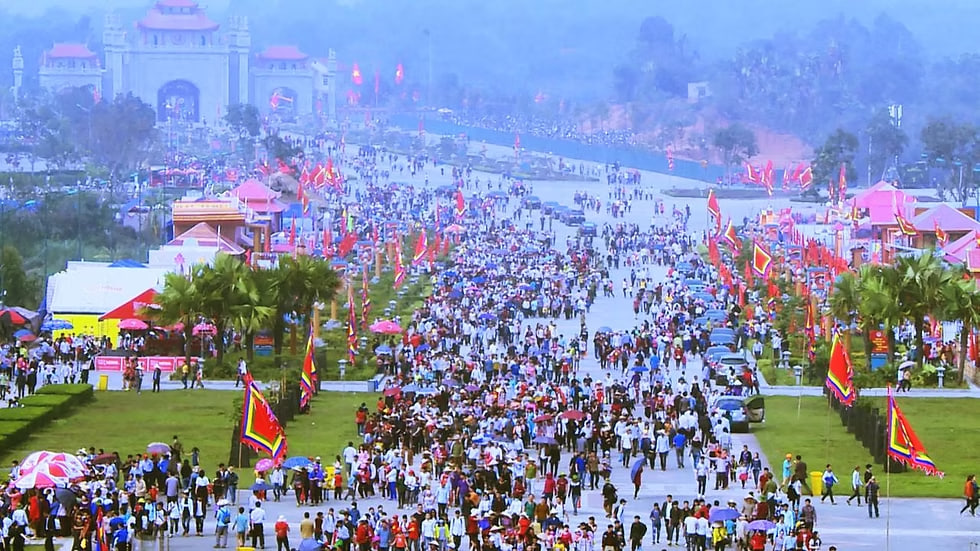
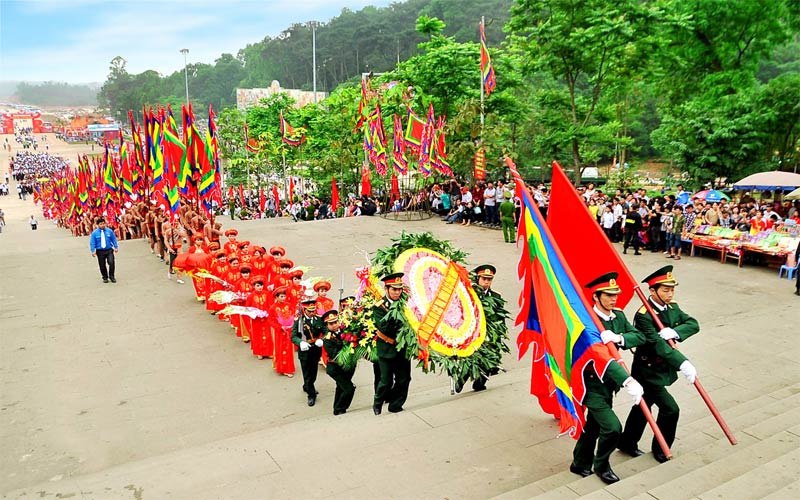
Hung King Festival is a national holiday in Vietnam (Source: Collected)

Among Vietnam’s most cherished celebrations is the Hung King Temple Festival, a long-standing event that holds deep historical significance. As a key experience in Vietnam’s cultural landscape, the festival honors the revered Hung Kings. Join us as we embark on an intriguing journey through history, exploring the rich traditions and spiritual importance of this treasured annual event.

1.An Overview of the Hung King Temple Festival

1.1. What is the Hung King festival?

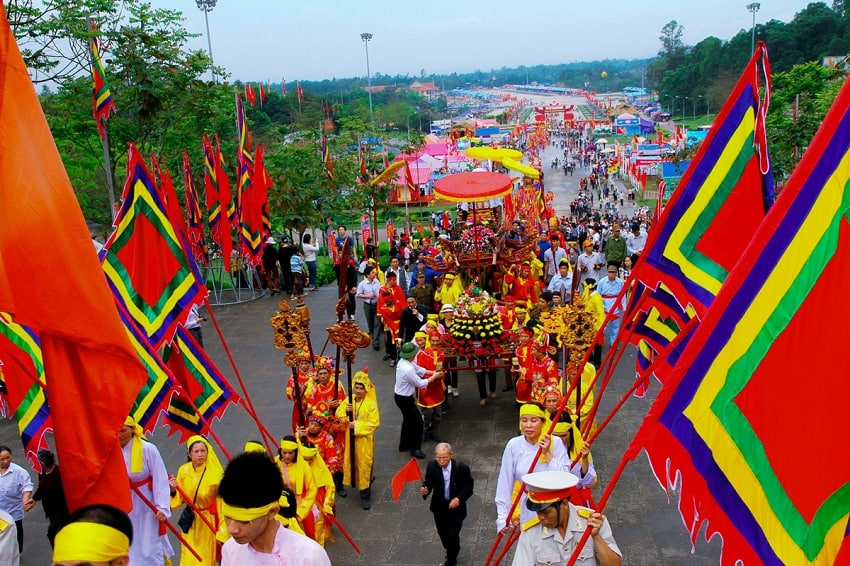
The Hung King Temple Festival, also known as the Hung Kings’ Death Anniversary, is one of Vietnam’s most important and cherished celebrations. Held every year on the 10th day of the third lunar month, the festival honors the legendary Hung Kings, regarded as the ancient ancestors and founders of the Vietnamese nation. This deeply meaningful event carries great spiritual significance for the Vietnamese people, as it commemorates the Hung Kings’ contributions and sacrifices in shaping the nation’s identity and civilization.

The Hung King Temple Festival has become a public holiday since 2007 (Source: Collected)

1.2. History of Hung King Temple Festival

The origins of Hung King Temple Festival are steeped in ancient legend, tracing back thousands of years to the era of the mythical Lac Long Quan. Known for his incredible strength  and affinity for water, Lac Long Quan governed the Lac-Viet tribe and laid the foundation for what would become Vietnam. The turning point came when De Lai, king of a northern tribe, visited the south with his daughter Au Co. Admiring Lac Long Quan’s talents, De Lai arranged for his daughter to marry the legendary king.

Au Co became pregnant and gave birth to a remarkable membranous sac containing one hundred eggs. To everyone’s amazement, each egg hatched into a beautiful baby, all of whom became the ancestors of Vietnam, known as the “Dragon and Fairy descendants.” The eldest son of Lac Long Quan and Au Co, King Hung I, established his kingdom in Phong Chau, now part of Phu Tho Province, and became the first of the 18 Hung Kings who ruled the land from 2879 to 258 BC.

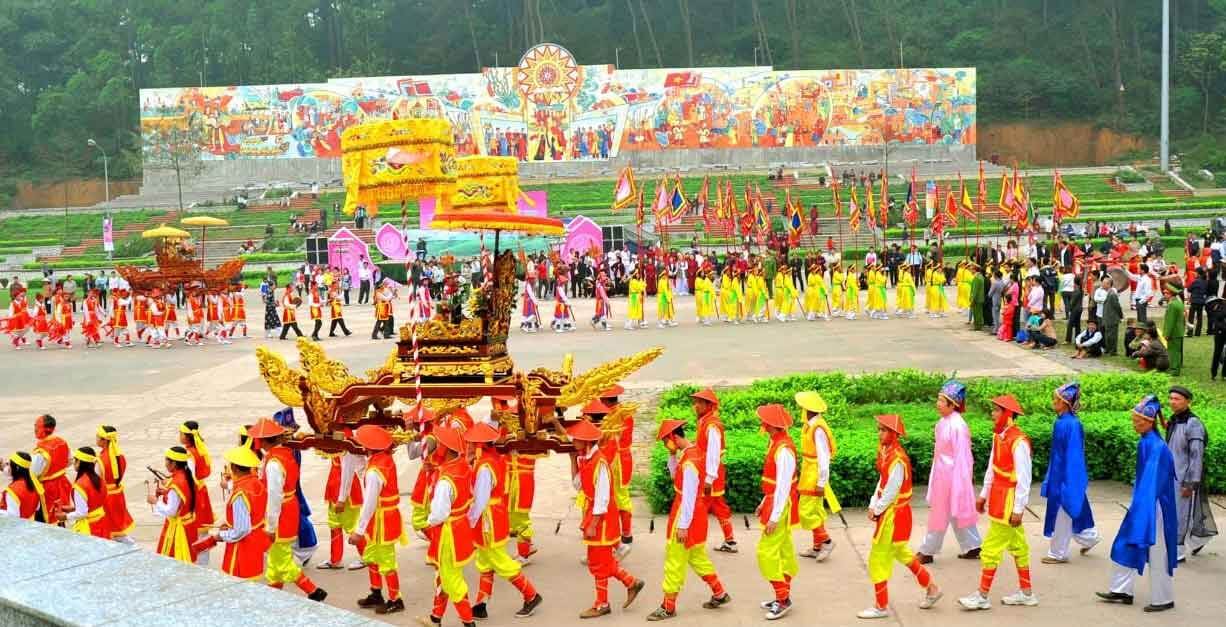
Hung King Temple Festival became one of the greatest national holidays (Source: Collected)

The reign of the Hung Kings represents a remarkable and illustrious chapter in Vietnam’s history, laying the foundation for its sovereignty. Over their 18 generations of leadership, they nurtured the nation’s fundamental values, promoting a deep sense of unity, mutual respect, patriotism, and determination in the face of adversity.

1.3. Where and when does the Hung King Temple Festival take place?

  • Time: Hung temple festival takes place annually from the 8th to the 11th day of the third lunar month. The highlight of the festival falls on the 10th day of the third lunar month, which has been designated as one of the national Vietnam holidays by the Vietnamese National Assembly to honor the anniversary of Hung King’s death.
  • Location: The main ceremony is held at the Hung Temple, situated on Nghia Linh Mountain in Hy Cuong Commune, Viet Tri City, Phu Tho Province, approximately 90 kilometers northwest of Hanoi.
The Hung King Temple Festival in Phu Tho province (Source: Collected)

There are various ways to travel to the revered Hung Temple and join in the celebrations. For those prioritizing convenience and comfort, traveling by car is the most popular option. Visitors can hire a private car or take a taxi from Hanoi to Phu Tho Province, with the journey typically taking around 2 to 3 hours, depending on traffic.

Motorbikes, on the other hand, provide a more adventurous way to travel. Both locals and thrill-seeking travelers often choose to ride their motorbikes to Phu Tho Province, relishing the beautiful landscapes and the freedom of the open road. However, it’s important to follow traffic rules and regulations to ensure a safe trip. For those who prefer public transportation, buses run from Hanoi to Phu Tho Province. While the bus ride may take a bit longer, it’s a more affordable choice for those on a budget.

2.What to discover at the Hung Kings Temple Festival?

2.1. Religious rituals

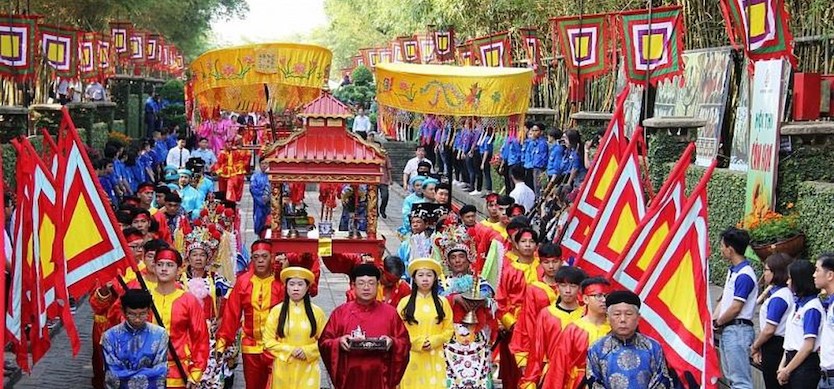
Hung temple festival offers a plethora of cultural treasures to explore, with religious rituals standing at the heart of the celebration. Central to the festival are the solemn and elaborate religious ceremonies conducted by Buddhist monks and dignitaries, paying homage to the revered Hung Kings and their contributions to the nation’s history. These rituals reflect the deep-rooted spiritual beliefs and reverence for the ancestors, fostering a sense of unity and identity among the attendees.

The religious ceremony at Hung King Temple Festival (Source: Collected)

2.2. Cultural activities

Colorful and graceful, these performances highlight traditional Vietnamese dance, music, and folk songs, telling stories of the nation’s history and legends. The dances, often paired with the rhythmic sounds of traditional instruments, capture the grace and beauty that define Vietnamese culture.

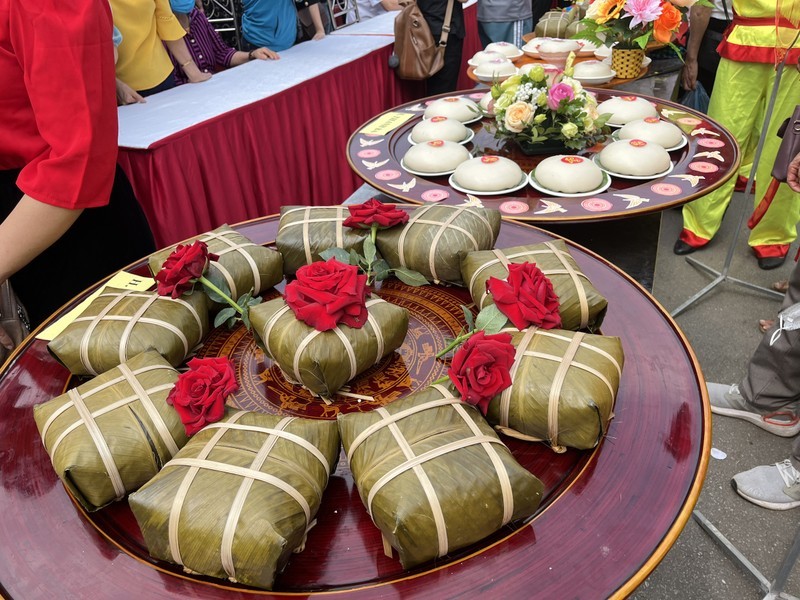
The festival also provides a fantastic chance for visitors to savor authentic Vietnamese cuisine. A wide range of food stalls and local vendors showcase an enticing selection of traditional dishes, each highlighting the distinct flavors and regional specialties of Vietnam. From savory pho to the iconic Chung cake and Giay cake, the diverse array of Vietnamese foods at the festival offers a delicious treat for the senses, turning it into a truly enjoyable culinary journey.

Chung cake and Giay cake are a must-have traditional Vietnamese food during Hung King Temple Festival (Source: Collected)

Throughout the festival grounds, attendees can discover a variety of cultural exhibitions and handmade craft displays. Artisans from various regions of Vietnam present their expertise, showcasing traditional techniques in pottery, embroidery, and other native crafts.

3 .Helpful Tips for Participating in the Hung King Festival in Vietnam

By applying these helpful tips, you can fully immerse yourself in the Hung King Temple Festival, embracing both its cultural richness and spiritual significance.

  • Dress modestly and respectfully: Choose clothing that covers your shoulders and knees, and wear comfortable attire suitable for walking and standing throughout the event.
  • Embrace the Culture: Dive into the rich Vietnamese traditions by taking part in cultural activities and ceremonies. Engage in incense and food offerings to connect with the festival’s spiritual significance.
  • Respect Photography Guidelines: Some areas may have restrictions on photography, especially during religious ceremonies, so be mindful of the rules.
  • Be Prepared for Crowds: As a national festival, expect large crowds, particularly during peak times. Stay patient and courteous as you move through the busy festival grounds.
Ha Long Bay, a UNESCO heritage (Source: Collected)

Besides Hung King Temple Festival, be sure to explore Vietnam’s top destinations, each showcasing the country’s diverse beauty and charm. Discover the vibrant capital city of Hanoi, steeped in history and culture; unwind on the pristine beaches of Phu Quoc and Nha Trang, perfect for relaxation and water sports; and wander through the picturesque ancient town of Hoi An, famous for its well-preserved architecture and handcrafted goods. Experience the modern allure of Da Nang with its striking bridges and lively markets, and take a breathtaking cruise through the iconic Ha Long Bay, with its limestone peaks and emerald waters. Each of these exceptional spots offers a unique glimpse into Vietnam’s landscapes, traditions, and people, complementing the captivating celebration of the Hung King Temple Festival.

The Hung King Temple Festival is a beloved and historic celebration that is deeply intertwined with Vietnam’s cultural heritage. From the awe-inspiring religious ceremonies that radiate spiritual significance to the lively cultural events that highlight the core of Vietnam’s traditions, the festival presents a rich array of experiences. As both visitors and locals immerse themselves in this captivating event, they witness the lasting legacy of the Hung King Temple Festival, which stands as a powerful reminder of the strong connection between the people, their ancestors, and the nation’s cherished history.

Come and experience Hung King Temple in Phu Tho,Vietnam on your next trip, and create unforgettable memories when in by securing your Vietnam visa at https://vietnamvisapro.com/. As a trusted and reliable visa service, we are here to help turn your dream vacation into reality from the very first step.

Posted on

7 Stunning Swimming Pools in Vietnam

What’s a trip to Vietnam without soaking up the sun by the pool? There’s no better way to relax than lounging in comfort, sipping on fresh coconuts, enjoying a good book, and basking under clear blue skies — with refreshing swims in between, naturally! For those who love a great pool, here are seven exceptional swimming spots across Vietnam. Dive in and enjoy!

Ideal for laps: Intercontinental Danang Sun Peninsula Resort, Da Nang

With a name like The L_o_n_g Pool, you might have certain expectations for the signature pool at the Intercontinental in Da Nang — and they won’t disappoint. The pool is not only long but also surrounded by lush greenery, featuring striped blue loungers placed on private platforms over the water. It also boasts a separate Jacuzzi pool and offers stunning views of the beach and its serene, turquoise waters. Find your perfect spot, unwind, and enjoy the soothing jungle sounds and refreshing breezes from the nearby Son Tra Peninsula.

Ideal for breathtaking views: Topas Ecolodge, Sapa

The two mountaintop pools at Topas Ecolodge take the concept of an ‘infinity pool’ to a whole new level. Rather than overlooking the ocean, the serene blue water seamlessly merges with the sky above the towering peaks of Hoang Lien National Park. The picturesque upper pool is heated with eco-friendly technology, while the adults-only lower pool features a Jacuzzi. You might find yourself lingering longer than planned, captivated by the stunning views and dramatic landscapes—an experience that’s hard to beat!

Ideal for beachside luxury: The Four Seasons Nam Hai, Hoi An

At The Four Seasons Nam Hai, three stunning infinity pools beckon for a refreshing dip. Unsure which one to choose? We suggest starting with the Beachfront Pool, also called the Purple Pool. This Olympic-sized retreat is framed by luxurious brown loungers and towering palm trees, offering a serene escape. Relax and unwind while gazing at the vibrant blues of the East Sea. If hunger strikes, delicious Vietnamese dishes are just a short walk away at La Sen Restaurant.

Ideal for immersing yourself in nature: Amanoi, Ninh Thuan.

Some pools focus on the views, and that’s certainly the case at Amanoi in Central Vietnam. This five-star retreat boasts another infinity pool perched on its cliffs, but the 50-meter infinity pool at the Beach Club truly highlights the dramatic Ninh Thuan coastline and Vinh Hy Bay. A swim here is made even more memorable by the sight of wild birds, fishing boats, and rugged boulders, offering an unforgettable sense of place.

Ideal for family fun: Intercontinental Phu Quoc Long Beach, Phu Quoc

The Intercontinental Resort in Phu Quoc offers guests four stunning pools, but our top pick is the Vista Pool. Nestled with vine-covered cabanas and daybeds, it’s an ideal spot to unwind, whether you’re enjoying afternoon tea or indulging in a scoop of the resort’s homemade ice cream. Sun loungers, perched above the water, are surrounded by lush shrubs and vibrant greenery. The gentle sea breeze from Long Beach rustles the palm trees above, providing a calming backdrop for hours of relaxation.

Ideal for traditional poolside ambiance: Victoria Hoi An Resort & Spa, Hoi An.

This Indochine-inspired beach resort in Hoi An has long been a favorite among travelers, largely due to its stunning pool. The pool, the heart of the property, is surrounded by lush palms and offers breathtaking views of the waves and Cham Islands in the distance. The elegant blue-and-white color scheme evokes a nostalgic, timeless era of travel, and from within the pool, the sea vistas are truly spectacular.

Ideal for a tropical getaway: JW Marriott Phu Quoc Emerald Bay, Phu Quoc

You’ve probably seen photos of the Shell Pool at the JW Marriott in Phu Quoc, but for true water lovers, the resort’s stunning Sand Pool, which overlooks the pristine Khem Beach, is the real gem. Like everything else in this beachfront paradise designed by Bill Bensley, the pool offers a lavish and whimsical experience. However, it’s the tropical elements, including frangipani trees and vibrant flowering bushes, that truly make swimming here a delightful escape.

Come and experience stunning swimming pools in Vietnam on your next trip, and create unforgettable memories of Vietnam by securing your Vietnam visa at https://vietnamvisapro.com/. As a trusted and reliable visa service, we are here to help turn your dream vacation into reality from the very first step.

Posted on

Khuoi Ky Ancient Stone Village – The Timeless Charm of a Century-Old Village in Cao Bang

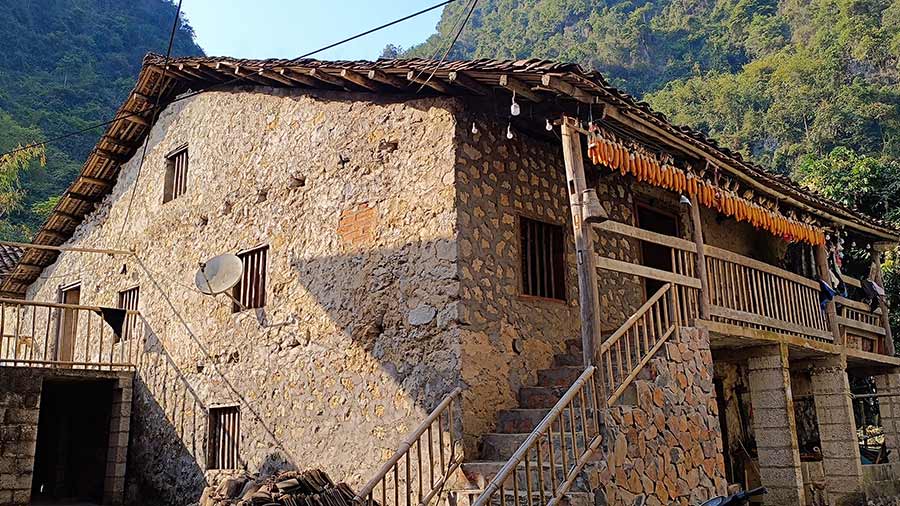
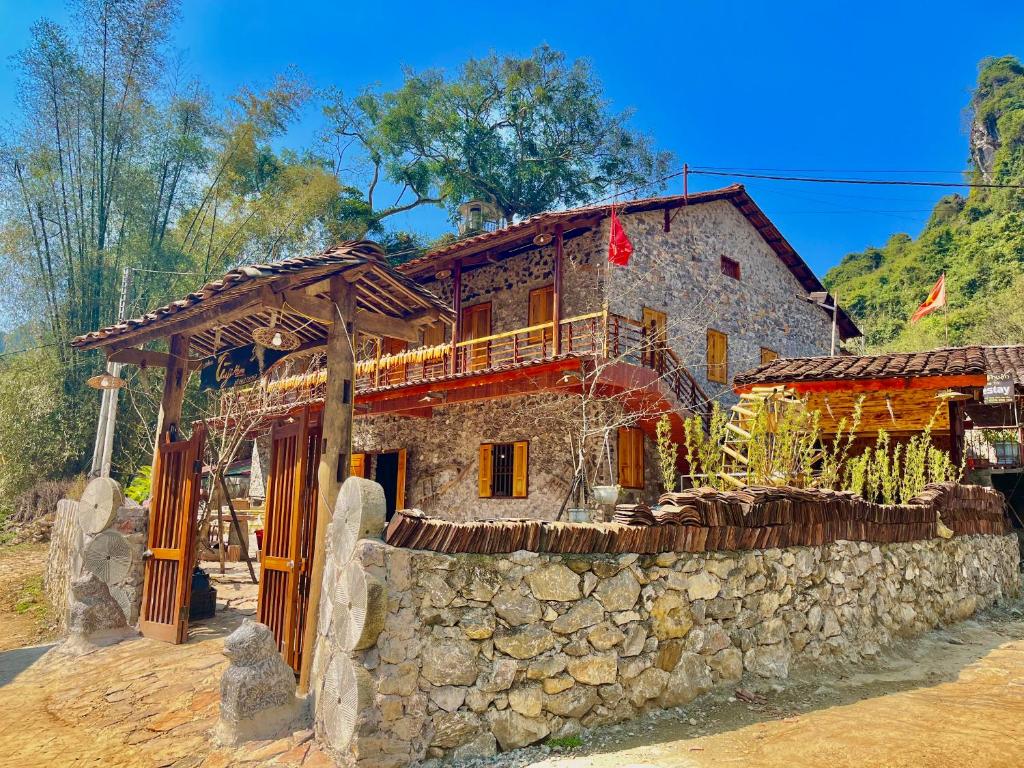
Khuoi Ky Stone Village, located in Dam Thuy commune, Trung Khanh district, Cao Bang province, is renowned for its distinctive stone stilt houses. These structures, with their ancient characteristics, reflect the traditional culture of the Northeastern mountains and forests. It’s a must-visit destination for anyone exploring the area.

                                         Ancient stone house architecture in Khuoi Ky

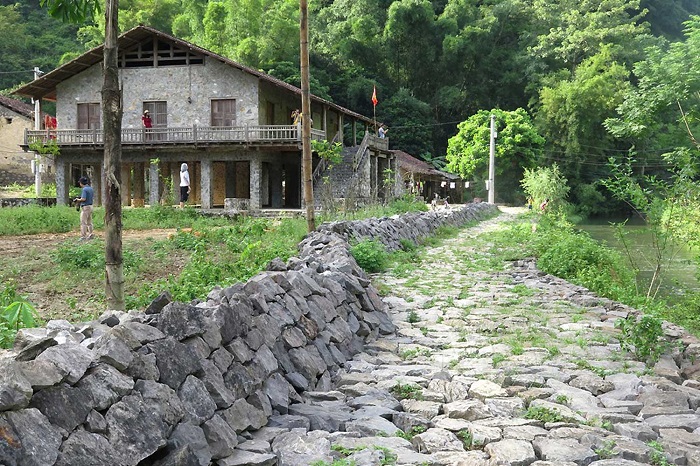
Khuoi Ky Stone Village boasts a unique architectural charm, reflecting its 400-year history, set against a backdrop of wild mountains and lush forests. The village takes its name from the refreshing green stream that flows at its entrance. Visitors to the village can not only breathe in the crisp, fresh air and experience tranquility, but also explore a variety of intriguing sights that offer a stark contrast to the bustle of city life.

Scenery in the ancient stone village of Khuoi Ky

Khuoi Ky village, with its expansive area, is nestled against a solid mountain and faces a flowing stream, keeping the atmosphere fresh year-round. The village retains the cultural and spiritual essence of the Tay ethnic group, with homes constructed entirely of stone and roofed with traditional yin-yang tiles. Stone plays a central role in the daily lives of the villagers, who regard it as a sacred material that symbolizes protection for their community.

Homestay in Khuoi Ky

When visiting Khuoi Ky, guests can indulge in the unique specialties and traditional dishes of the Tay ethnic group. They can also take part in bamboo dancing, listen to Then singing, or enjoy the soothing sounds of the Tinh lute. Additionally, visitors can experience a variety of activities such as rice planting, firewood gathering, and fishing in the streams.

Khuoi Ky village, with its stunning landscapes, rich cultural heritage, and distinctive architecture, is steadily emerging as a popular destination for both domestic and international visitors.

The road to Khuoi Ky village

Come and experience Khuoi Ky in Cao Bang on your next trip, and create unforgettable memories of Vietnam by securing your Vietnam visa at https://vietnamvisapro.com/. As a trusted and reliable visa service, we are here to help turn your dream vacation into reality from the very first step.

Posted on

4 best destinations and things to do in Vietnam in spring

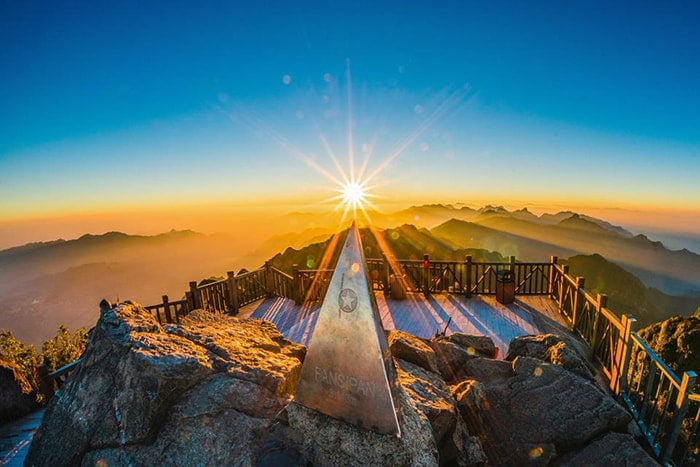
Situated in a tropical climate zone, Northern Vietnam experiences four distinct seasons, each offering unique experiences, attractions, and natural beauty. Spring, from January to March, is considered the best time to explore the region. Here are some suggestion for your choice to visit the Northern Vietnam in Spring.

1.Sapa town – Lao Cai city

It has become one of the most popular destinations, not just for foreign tourists, but also for locals in recent times. The stunning natural beauty will leave you in awe, with its captivating landscapes featuring mountains, hills, terraced fields, and more.

Sa Pa in spring paints a beautiful picture that captivates everyone at first glance. The weather, a perfect 15-18 degrees, adds to the charm of the season. The air is filled with the vibrant colors of blooming flowers like peach blossoms, plum blossoms, le flowers, orchids, and terra cotta blooms. From January to March, as the region celebrates the Lunar New Year, you can experience the festive atmosphere with a variety of unique local activities.

2.Dong Van stone plateau – Ha Giang

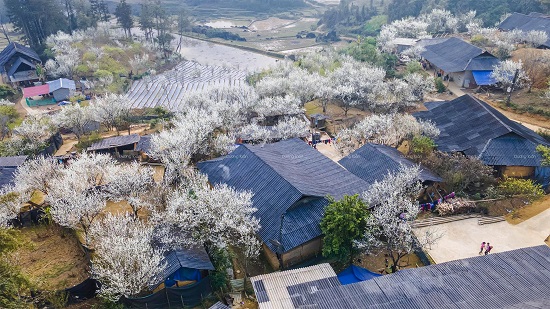
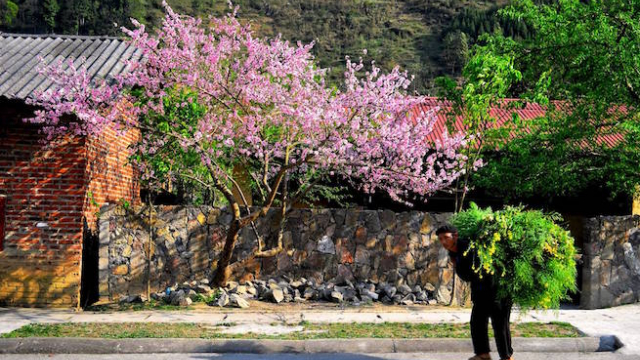
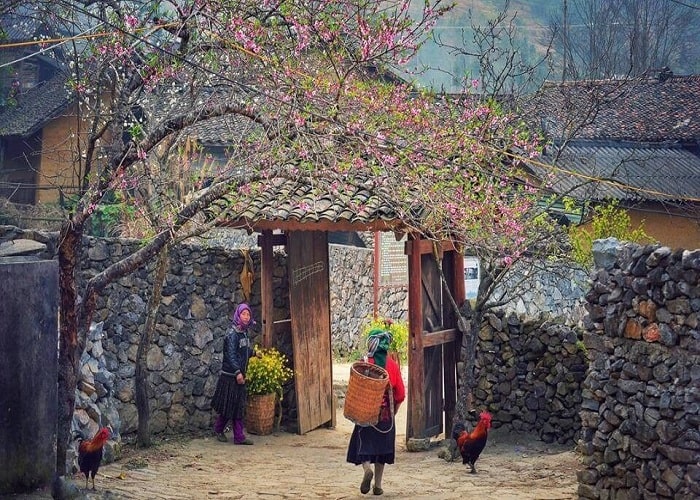
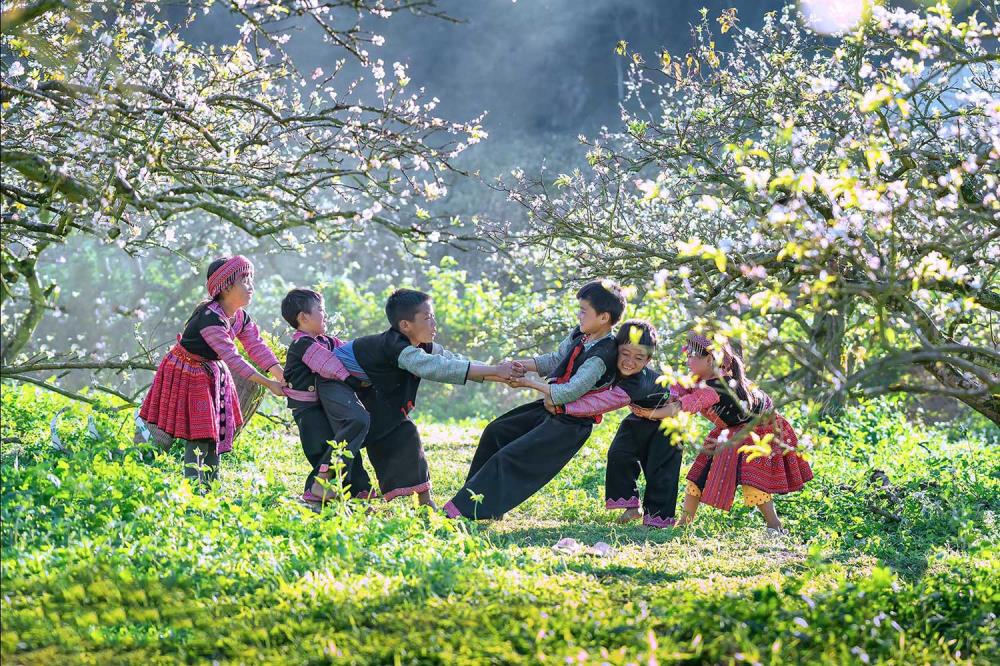
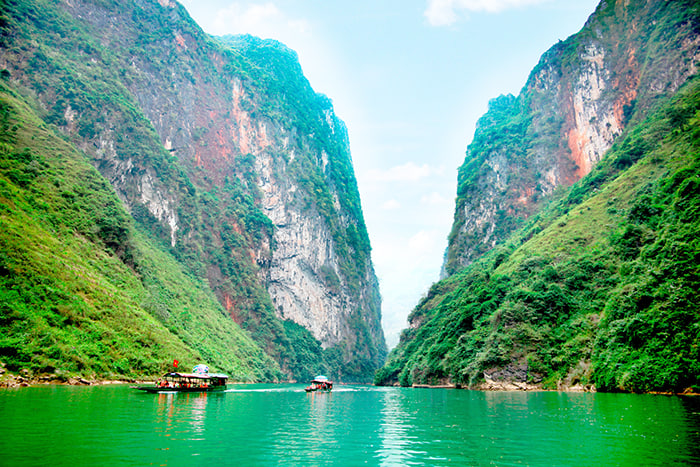
In spring, the captivating beauty of both the people and nature in Dong Van will draw you in. As you travel along the mountain roads, you’ll be greeted by the vibrant colors of blooming flowers and lush trees.

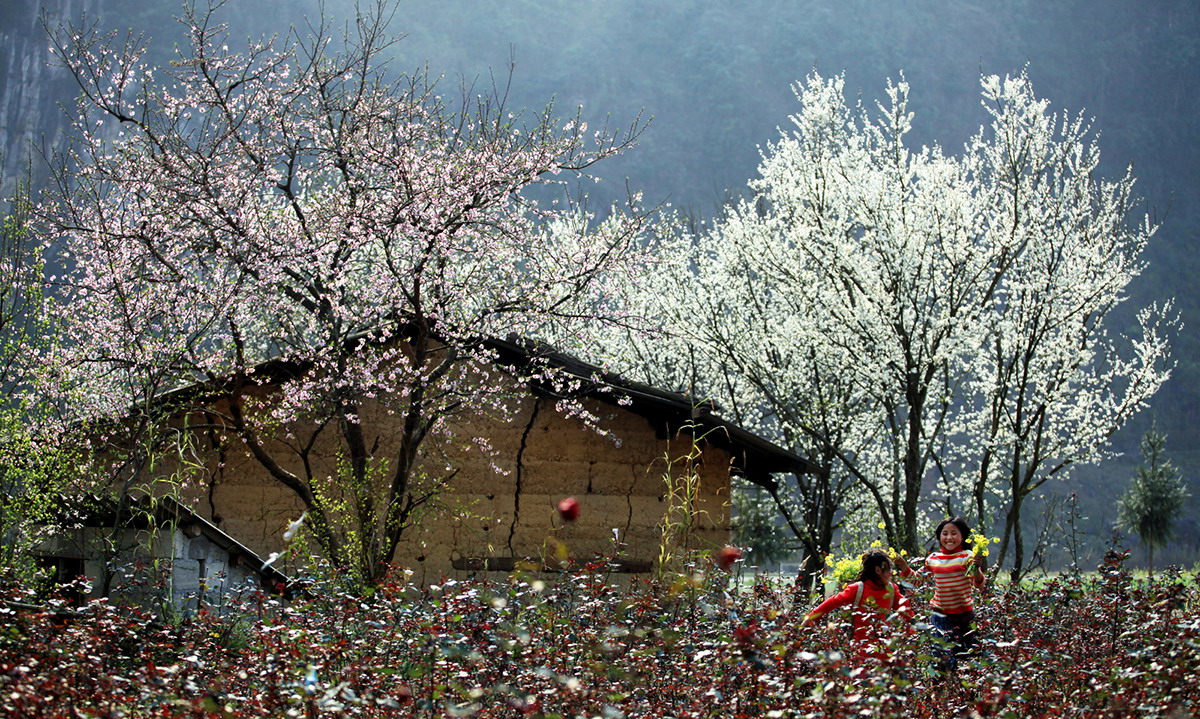
The red and the pink of the peach blossom; the white of the plum blossom; the yellow of the chrysanthemum; the purple of the five-petaled flowers—these vibrant colors stand out against the gray stone and the blue of the leaves. During the Tet holiday, visitors are treated to beautiful scenes of majestic nature and the people there. As you travel through Quan Ba Mountain along the Happiness Road, you can witness the misty landscape with sunlight streaming over the mountains and clouds drifting by.

3.Moc Chau Plateau- Son La

Moc Chau is a captivating region in the Northwest, known for its mysterious and profound beauty. Each season brings a unique charm, but perhaps the most enchanting is spring, when peach and plum blossoms bloom in vibrant hues. This floral season enhances the rustic allure of the countryside, creating a picturesque scene in the heart of spring.

The soft rays of the sun seem to dissolve the mist and chill, transforming each scene like the awakening from a deep slumber. Along Highway 6, as it crosses the pass to Moc Chau, travelers are greeted by a paradise where plum blossoms blanket the white hills in a sea of blooming flowers.

4.Hanoi

Spring is a great time to visit the capital city. Popular attractions include Hoan Kiem Lake, the Temple of Literature, the Imperial Citadel of Thang Long, and West Lake Water Park. During the holiday season, the city is adorned with beautiful decorations. Visitors can also explore various pagodas, such as Tran Quoc Pagoda and West Lake Palace, where they can enjoy a peaceful atmosphere and make wishes for good fortune.

There are plenty of exciting things to explore during your spring holiday in Vietnam. Before you head out, don’t forget to double-check your Vietnam visa to ensure a hassle-free journey from the very beginning.

Secure your Vietnam visa today at vietnamvisapro.net, where we provide reliable visa services to help make your dream vacation a reality from the very beginning.

Posted on

Top 8 must-visit places in North Vietnam

North Vietnam boasts the enchanting capital of Hanoi, breathtaking mountain ranges, mist-covered peaks, lush valleys, ancient rice terraces, diverse ethnic communities, and stunning turquoise islands. Wherever you venture, you’re sure to discover something remarkable. Join us as we explore Vietnam Travel’s list of must-visit destinations in North Vietnam.

1. Hanoi

Hanoi is undoubtedly a must-visit destination in North Vietnam. Its beautifully preserved French colonial architecture, ancient pagodas, historic temples, and unique museums, alongside tranquil lakes and other captivating spots, will leave you enchanted. The city is perfect for exploring on foot or by cyclo, allowing you to wander through the hidden alleyways and lively markets of the charming Old Quarter. Here, you can savor local specialties and indulge in delicious Vietnamese cuisine just like the locals do. Hanoi’s eclectic charm has something for everyone. Be sure to spend at least 2 to 3 days uncovering its hidden beauty and visiting key sites, such as the Ho Chi Minh Complex, the Presidential Palace, One Pillar Pagoda, the Temple of Literature (Vietnam’s first university), West Lake, the serene Tran Quoc Pagoda, and Quan Thanh Temple.

2. Ninh Binh

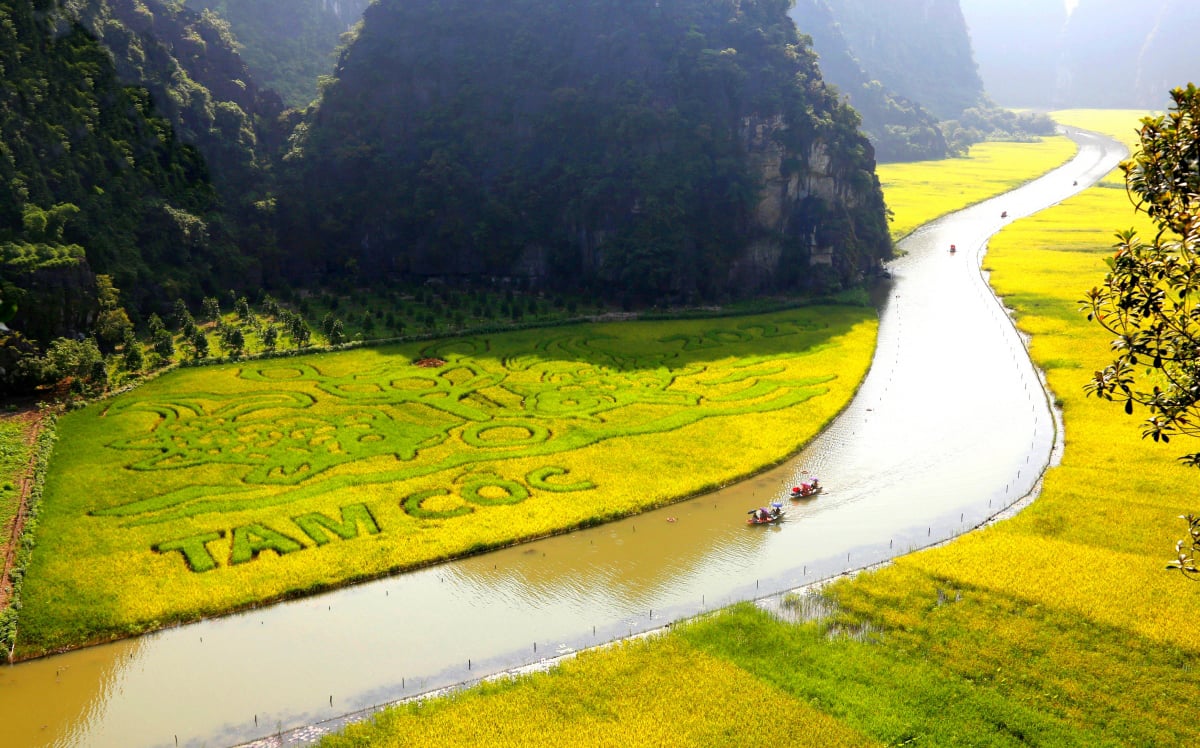
Often called “Halong Bay on land,” Ninh Binh is a must-visit destination in North Vietnam. Just a two-hour drive from Hanoi, it’s perfect for a day trip if you’re short on time. A visit to Ninh Binh should definitely include a boat ride through Trang An or Tam Coc, where you can take in stunning limestone formations, lush greenery, and serene landscapes along tranquil waterways that weave through dark grottoes. This boat trip typically lasts about two hours. Additionally, you can explore highlights like Bai Dinh Pagoda—the largest in Vietnam—Bich Dong Pagoda, the ancient capital of Hoa Lu, Phat Diem Cathedral, Mua Cave, and Cuc Phuong National Park.

3. Mai Chau

Just a short distance from Hanoi, Mai Chau offers a perfect escape from the hustle and bustle of city life, immersing you in the tranquility of a mountainous village. You can unwind in Lac or Poong Cong villages, rent a bike to explore the surrounding countryside, and discover your own serene moments among the rice paddies. This picturesque region, with its lush jungles, bamboo groves, tea plantations, and waterfalls, is ideal for leisurely walks and short treks to remote ethnic villages like Hang Kia and Pa Co.

The White and Black Thai communities are the largest ethnic groups in this area, known for their wooden stilt houses. Spending at least one night in a stilt house homestay is highly recommended to immerse yourself in the local customs and culture. You’ll have the opportunity to connect with residents, share a meal with your host, and enjoy traditional dance performances in the evening.

4. Sapa

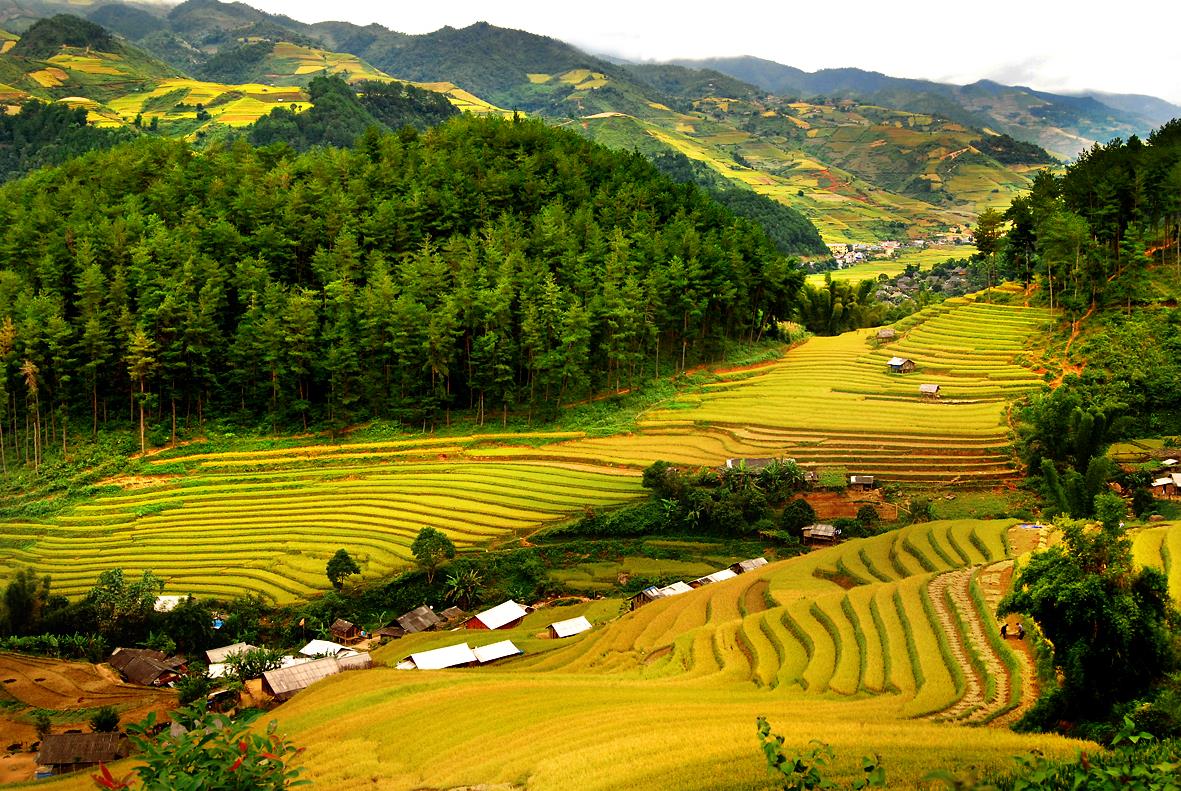
Sapa captivates visitors with its stunning mountain backdrop, picturesque terraced rice fields, and rich cultural diversity among its many ethnic minorities. A guided hike through expansive valleys adorned with these rice terraces offers a unique experience, leading you through remote hill tribe villages like Cat Cat, Y Linh Ho, Lao Chai, Ta Van, and Ta Giang Phinh. Additionally, local ethnic markets provide a fantastic opportunity to immerse yourself in the daily lives and cultures of the H’mong, Dzao, and Dzay communities. Be sure to explore Bac Ha market on Sundays, Coc Ly market on Tuesdays, and Can Cau market on Saturdays, where you’ll find a vibrant array of goods, including local fruits, vegetables, honey, corn wine, colorful fabrics, clothing, embroidered items, and livestock like horses, cows, and buffalo.

5. Ha Giang

Ha Giang is a mountainous province located in northeastern Vietnam, approximately 300 km from Hanoi. It shares a 270 km border with Yunnan province in southern China, earning it the nickname “Vietnam’s final frontier.” Nearly 90% of Ha Giang’s population consists of ethnic minorities, contributing to the area’s rich and distinctive cultural heritage. The traditional practices and customs of these groups are diverse and captivating, drawing many travelers eager to explore these unique cultural facets.

Ha Giang is best experienced on a two-wheeled road trip, allowing you to fully appreciate the stunning landscapes and the unique charm of its remote towns and minority villages. The journey from Yen Minh to the Dong Van Karst Plateau Geopark, followed by a ride across the breathtaking Ma Pi Leng Pass—one of Vietnam’s four great passes—towards Meo Vac promises to be an unforgettable adventure.

6. Cao Bang – Ban Gioc Waterfall

Nestled in a remote part of Northern Vietnam, Cao Bang is renowned for its rich biodiversity, featuring a wealth of endemic flora and fauna, along with five major river systems and 47 lakes. This region is home to nine distinct ethnic groups, including the Tay, Nung, Mong, Kinh, Dao, and San Chay, each with their own unique crafts, traditional festivals, folk arts, customs, and lifestyles. This cultural diversity adds to Cao Bang’s fame and allure.

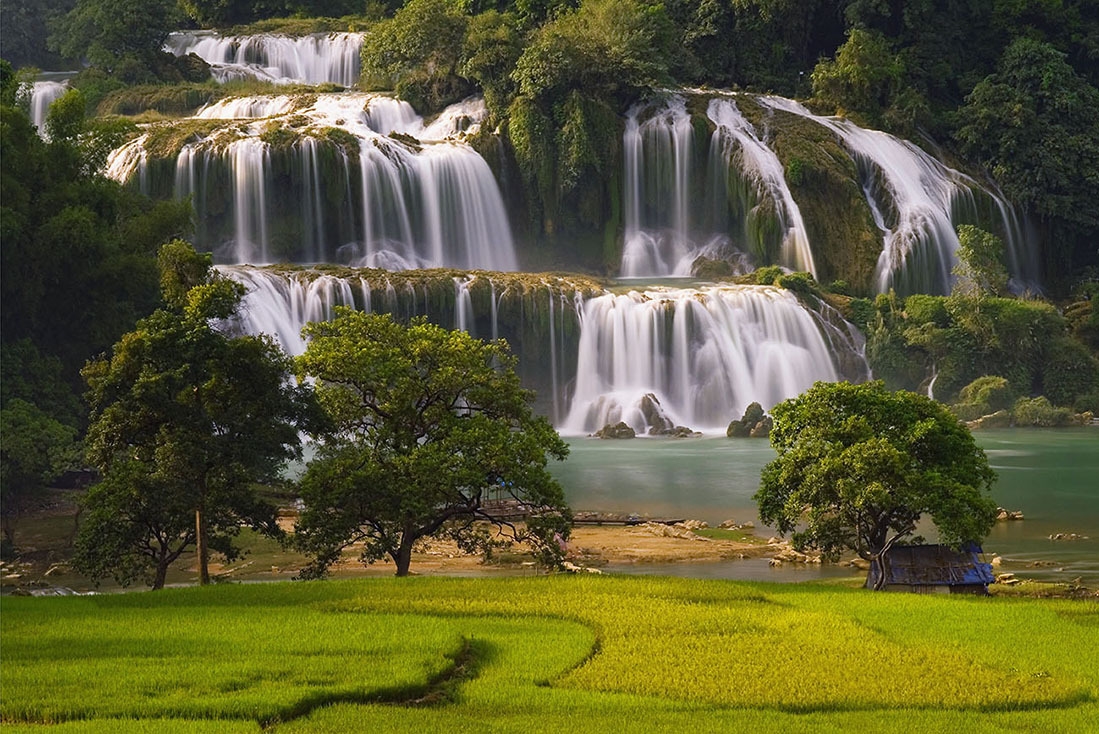
Cao Bang is home to many remarkable landscapes and historical sites that you won’t want to miss. Highlights include the Pac Bo historical site, where President Ho Chi Minh lived and worked during the early days of Vietnam’s revolution; the stunning Ban Gioc waterfalls, the largest in Vietnam; Nguom Ngao Cave; the Thang Hen lake system; and the Phat Tich Truc Lam Ban Gioc Pagoda, among others.

7. Halong Bay

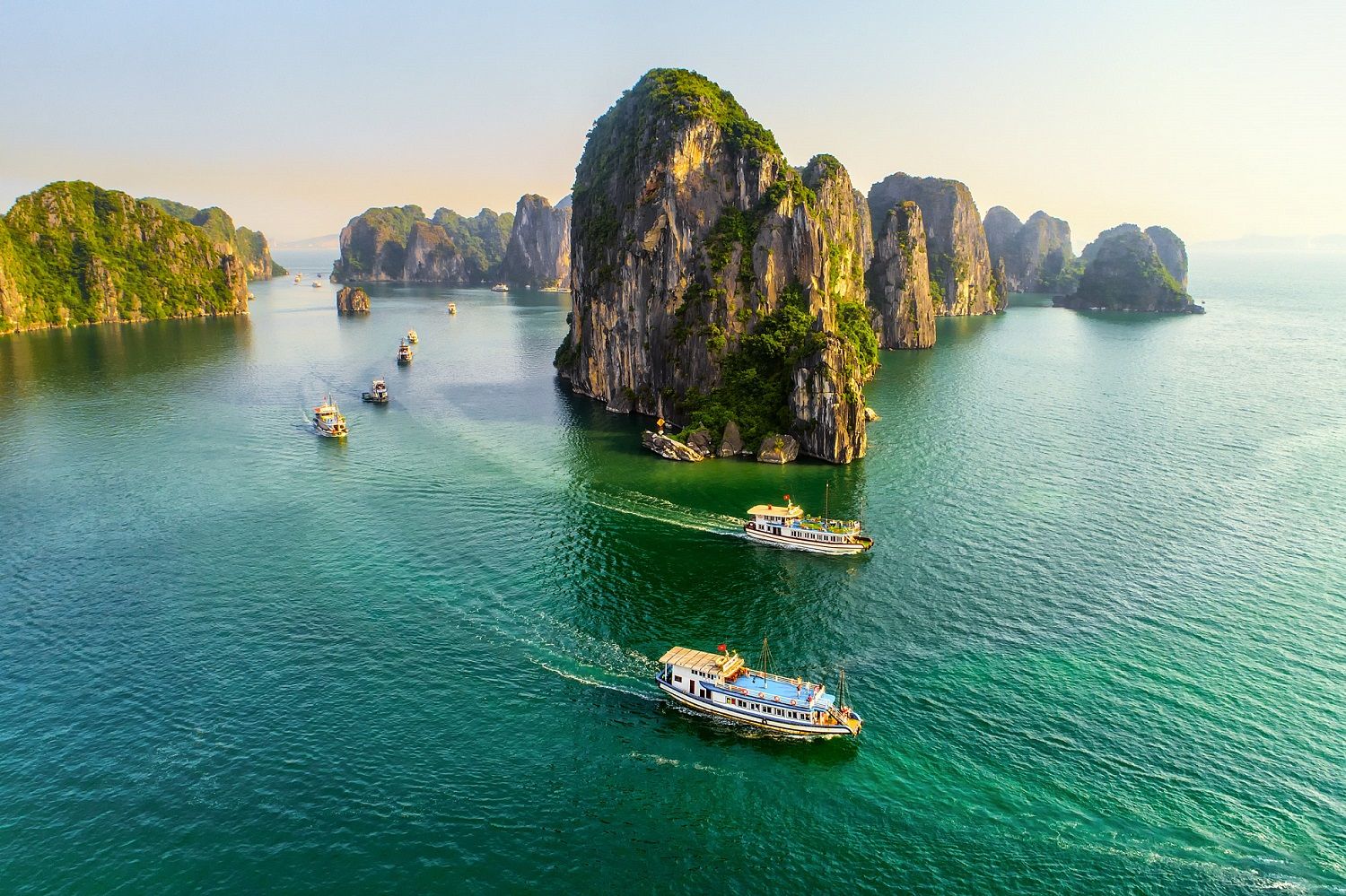
No trip to North Vietnam is complete without a visit to Halong Bay, one of the Seven Natural Wonders of the World, featuring over 2,000 stunning limestone islands and cliffs. While there are many ways to explore this breathtaking area, an overnight cruise is the best option, allowing you to fully appreciate the spectacular scenery. You’ll have the chance to get up close to the magnificent karst cliffs, rocky spires, and hidden caves, all while enjoying the misty clouds and clear turquoise waters. Relaxing with a cocktail on the sundeck is a delightful way to unwind, but if you’re seeking adventure, Halong Bay offers plenty of activities, such as visiting fishing villages by boat, kayaking, exploring hidden caves, swimming, and even night squid fishing.

8. Cat Ba Island

Nestled between Bai Tu Long Bay and Ha Long Bay, Cat Ba Island attracts numerous travelers eager to discover its stunning natural landscapes. The island is home to three beautiful Cat Co beaches, known for their soft yellow sands, crystal-clear waters, gentle waves, and refreshing breezes. While Cat Co 1 and Cat Co 3 are connected by a scenic cliffside path, making them perfect for leisurely strolls, the third beach offers a quieter, more secluded atmosphere ideal for romantic getaways. Visitors can enjoy a variety of adventurous activities, such as motorboating or kayaking to explore nearby islets, hiking through the national park, or cycling around the island. The best time to visit Cat Ba Island is from April to November, when the weather is ideal for beach outings. However, it can get quite crowded during the summer months of June to August, making accommodation difficult to secure due to the influx of domestic tourists.

Start planning your trip to Vietnam today by getting your visa at vietnamvisapro.net. As a trusted and reliable visa service, we’re here to help you turn your travel dreams into reality from the very first step.

Posted on

The best five-star hotels in Hanoi.

Hanoi, as one of Vietnam’s busiest travel hubs, presents a diverse selection of hotels catering to various preferences and budgets. For travelers seeking exceptional comfort and service, a 5-star accommodation is an excellent choice, offering luxury and an enhanced overall experience. Here we recommends a list of the top 5-star hotels in Hanoi, ranked based on factors such as service quality, customer care, and location. This list is provided in no particular order to assist travelers in making informed decisions.

1.Sofitel Legend Metropole Hanoi

Sofitel Legend Metropole Hanoi opened its doors in 1901, thanks to two private French investors. Over the years, it has become a historic landmark in Hanoi, celebrated for its significant role in the city’s history and heritage. Known for its long-standing tradition of luxury, the hotel serves as an elegant venue for prestigious events and is a favored meeting spot for both business and leisure travelers.

Located in the heart of Vietnam’s capital, this hotel is just a 5-minute walk from the Hanoi Opera House and 10 minutes from Hoan Kiem Lake. It boasts 364 rooms and suites, blending the original colonial charm of the historic Metropole Wing with the stylish neo-classical elegance of the newer Opera Wing. Each accommodation is equipped with air conditioning, broadband internet, a flat-screen TV, and premium bathroom amenities.

Sofitel Legend Metropole Hanoi offers a range of dining options, including popular Asian and Vietnamese dishes at Spices Garden, a Parisian-inspired café at La Terrasse, the bespoke cocktail bar and whisky lounge Angelina, and the multi-award-winning French restaurant Le Beaulieu.

Address: 15 Ngo Quyen, Hoan Kiem, Hanoi.
Number of rooms: 364.
Price: ~370 – 900 USD/ room/ night.

2. The Oriental Jade Hotel

The Oriental Jade Hotel boasts 120 bright and spacious premium guest rooms and suites, each providing breathtaking views of Hoan Kiem Lake, St. Joseph’s Cathedral, and the Hanoi Old Quarter. Each room elegantly combines classic décor with modern furnishings for optimal comfort, featuring complimentary Wi-Fi, flat-screen satellite TVs, alarm clocks, 220V electric adapters, individual safes, minibars, air conditioning with personalized thermostats, and hair dryers. Room service is available daily until 10 PM.

The Oriental Jade Hotel has a perfect location in central Hanoi which allows guests to explore the city within walking distance. There is a traditional Vietnamese spa providing the ultimate relaxation after a full-day tour, a cozy restaurant with a wide range of Vietnamese and Western cuisines, a phenomenal rooftop swimming pool and a sky bar featuring panoramic views of the city… Last but not least, the staff here are so friendly and helpful to deliver exceptional services to guests.

Address: 94 Hang Trong, Hoan Kiem, Hanoi.
Number of rooms: 120.
Price: ~150 – 420 USD/ room/ night.

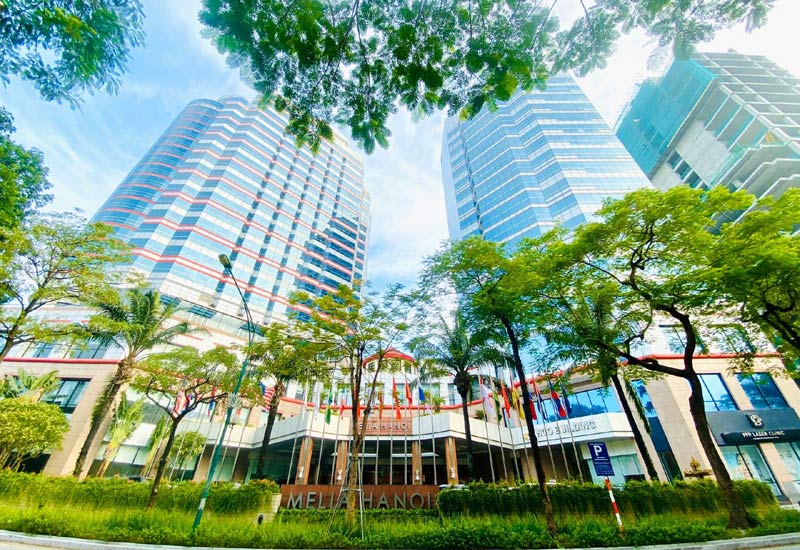
3. Melia Hotel Hanoi

Meliá Hanoi is ideally situated close to major attractions, making it an excellent choice for travelers seeking luxurious accommodations, top-notch amenities, and welcoming service. The hotel features an outdoor swimming pool, a fitness center, and offers massage and sauna services for ultimate relaxation.

Guests at Meliá Hanoi can indulge in two exceptional dining options: El Oriental, which offers exquisite local Vietnamese cuisine, and El Patio, featuring a diverse array of international dishes. For relaxation, Cava Lounge provides a delightful selection of drinks, while Meliá Deli tempts visitors with a delectable array of breads, cakes, and other baked treats.

Additionally, Meliá Hanoi is an ideal choice for business travelers, as it boasts the largest conference and meeting facilities in the country. Equipped with state-of-the-art technology and top-notch amenities, the hotel is the perfect venue for significant meetings, memorable receptions, and vibrant events.

Address: 44 Ly Thuong Kiet, Tran Hung Dao, Hoan Kiem, Hanoi.
Number of rooms: 306.
Price: ~150 – 280 USD/ room/ night.

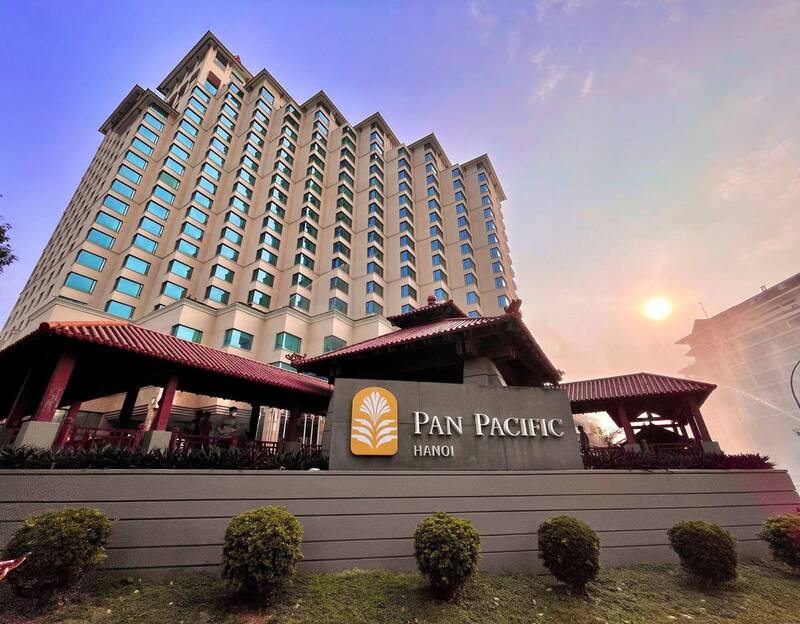
4. Pan Pacific Hanoi

Pan Pacific Hotel is situated by West Lake, Hanoi’s largest freshwater lake, just a 10-minute drive from popular attractions like Hoan Kiem Lake, the Ho Chi Minh Mausoleum, and Dong Xuan Market. The hotel boasts 273 elegantly designed rooms and suites, alongside 56 fully equipped serviced suites ideal for long-term stays. Each room showcases a contemporary aesthetic, adorned with warm yellow and neutral tones, modern furnishings, and touches of Vietnamese design.

With 12 adaptable meeting spaces, including a spacious pillar-less ballroom that accommodates up to 450 guests, Pan Pacific Hotel is the perfect setting for corporate events and grand banquets. Guests can enjoy an indoor all-season swimming pool, a well-equipped fitness center, or relax with a rejuvenating massage at the in-house spa, which offers a variety of treatments. Dining options abound, from a tempting international buffet at the all-day dining restaurant to authentic Cantonese dishes at Ming Restaurant. For those looking to unwind with a drink, the Summit Lounge on the rooftop offers stunning panoramic city views, while the Song Hong Bar provides a cozy atmosphere.

Address: 1 Thanh Nien, Ba Dinh, Hanoi.
Number of rooms: 273
Price: ~150 – 250 USD/ room/ night.

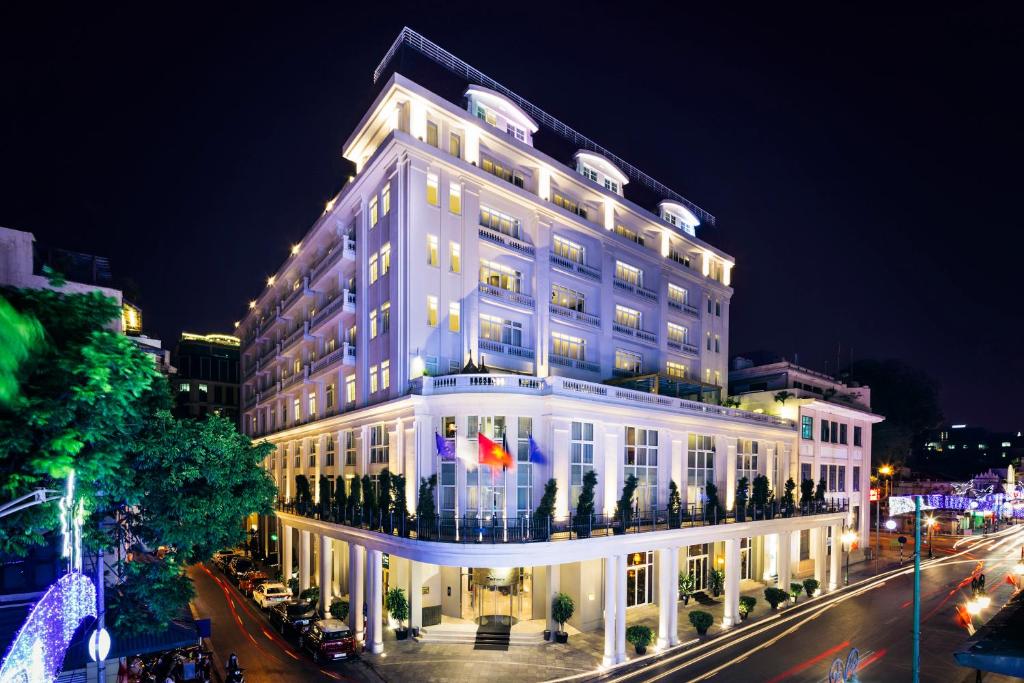
5. Hotel de l’Opera Hanoi – Mgallery

Sit in the heart of Hanoi, Hotel de l’Opera Hanoi – Mgallery is within walking distance of several famous attractions including Hoan Kiem Lake, Thang Long Water Puppet Theatre, Hanoi Opera House, Hanoi Old Quarter… The hotel has 107 guestrooms and suites which are fitted with European-style designer furnishings and feature walls with artwork. After a full day of activities, guests can relax at Hanoi’s only heated semi-outdoor swimming pool, enjoy soothing massages at Santé Spa or recharge at fitness center. All are located on the 3rd floor.

Hotel de l’Opera Hanoi presents its culinary offerings in exquisite settings. Café Lautrec features à la carte and buffet dining available all day, while Satine specializes in classic Vietnamese dishes, showcasing a variety of local specialties. Additionally, La Fee Verte is celebrated for its signature Absinthe.

Address: 29 Trang Tien, Hoan Kiem, Hanoi.
Number of rooms: 107
Price: ~180 – 260 USD/ room/ night.

6. InterContinental Hanoi Westlake

The InterContinental Hanoi Westlake is nestled on the tranquil waters of the city’s largest freshwater lake, adjacent to the historic 800-year-old Golden Lotus Pagoda (Kim Lien Pagoda). The hotel offers 293 spacious air-conditioned guestrooms and suites, with 132 situated in two distinctive Island Pavilions that rise above the scenic waters of West Lake. Each room showcases a contemporary Vietnamese design, featuring cream-colored walls and dark timber floors and furnishings. Guests can enjoy private balconies with views of either West Lake, the swimming pool, or the city of Hanoi.

The hotel features a fully equipped fitness center, along with yoga and Pilates classes. Guests can unwind with soothing massage services or plan day trips through the tour desk. There are three on-site restaurants that provide a daily breakfast, a modern French brasserie, authentic Vietnamese dishes, and Italian cuisine. For cocktails or delightful afternoon teas, the Sunset Bar and Diplomat Lounge are the perfect spots to relax.

Address: 5 Tu Hoa, Tay Ho, Hanoi.
Number of rooms: 293
Price: ~150 – 360 USD/ room/ night.

7. Apricot Hotel

Just a short stroll from Hoan Kiem Lake, Apricot Hotel boasts a striking neo-classical design infused with artistic Vietnamese elements. With 123 elegantly appointed rooms, the hotel showcases original paintings and sculptures by celebrated Vietnamese artists, offering a sophisticated atmosphere for our esteemed guests. Each air-conditioned room and suite is thoughtfully designed, featuring a wardrobe, in-room safe, work desk, seating area, and a flat-screen TV.

For those seeking a tranquil escape, the hotel’s library on the 9th floor is the perfect spot. The property also boasts a stylish rooftop bar serving a curated selection of drinks, along with two dining options featuring delicious Vietnamese and Western cuisine. Special dietary meals can be prepared upon request. Conveniently located, the hotel is close to notable attractions in Hanoi, including the Thang Long Water Puppet Theater, St. Joseph Cathedral, and the Hanoi Opera House.

Address: 136 Hang Trong, Hoan Kiem, Hanoi.
Number of rooms: 107
Price: ~180 – 640 USD/ room/ night.

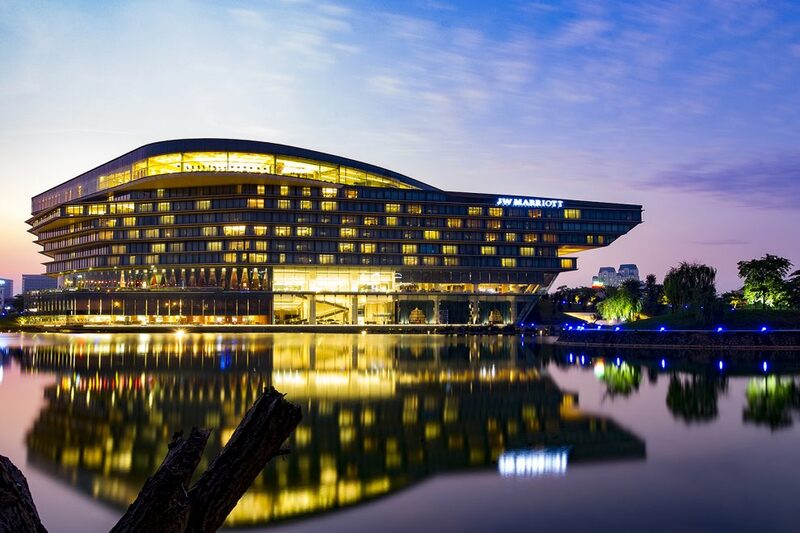
8. JW Marriott Hotel Hanoi

In contrast to the hotels situated in or near the Old Quarter, the JW Marriott Hotel Hanoi is located in the new town, approximately 11 kilometers from Hoan Kiem Lake. This contemporary 5-star hotel offers world-class services and carefully curated amenities, designed to meet the needs of modern travelers. Notably, the JW Marriott Hotel Hanoi was selected to host U.S. President Barack Obama’s delegation during his inaugural diplomatic visit to Vietnam in 2016.

With 449 spacious and luxurious rooms featuring floor-to-ceiling windows, guests can enjoy stunning views of Vietnam’s capital or the tranquil lake. The hotel offers a range of recreational facilities, including a sparkling indoor swimming pool, a full-service spa, a 24-hour fitness center, and several meeting venues with two grand ballrooms. Dining options are abundant, with five on-site restaurants offering diverse cuisines such as Vietnamese, Japanese, Korean, and Mediterranean. Guests can also enjoy light snacks at the Lounge, fresh seafood at the French Grill, and contemporary Japanese dishes at Akira Back. Whether visiting for business or leisure, the JW Marriott Hotel Hanoi caters to all needs.

For those looking to immerse themselves in the contrast between historic Hanoi and its modern skyline, a stay of one or two nights at the JW Marriott is highly recommended to witness the dynamic development of Vietnam’s capital.

Address: 8 Do Duc Duc, Me Tri, South Tu Liem, Hanoi.
Number of rooms: 449
Price: ~180 – 500 USD/ room/ night.

Start planning your trip to Vietnam today by getting your visa at vietnamvisapro.net. As a trusted and reliable visa service, we’re here to help you turn your travel dreams into reality from the very first step.
Posted on

Ha Nam is emerging as Asia’s top tourism destination.

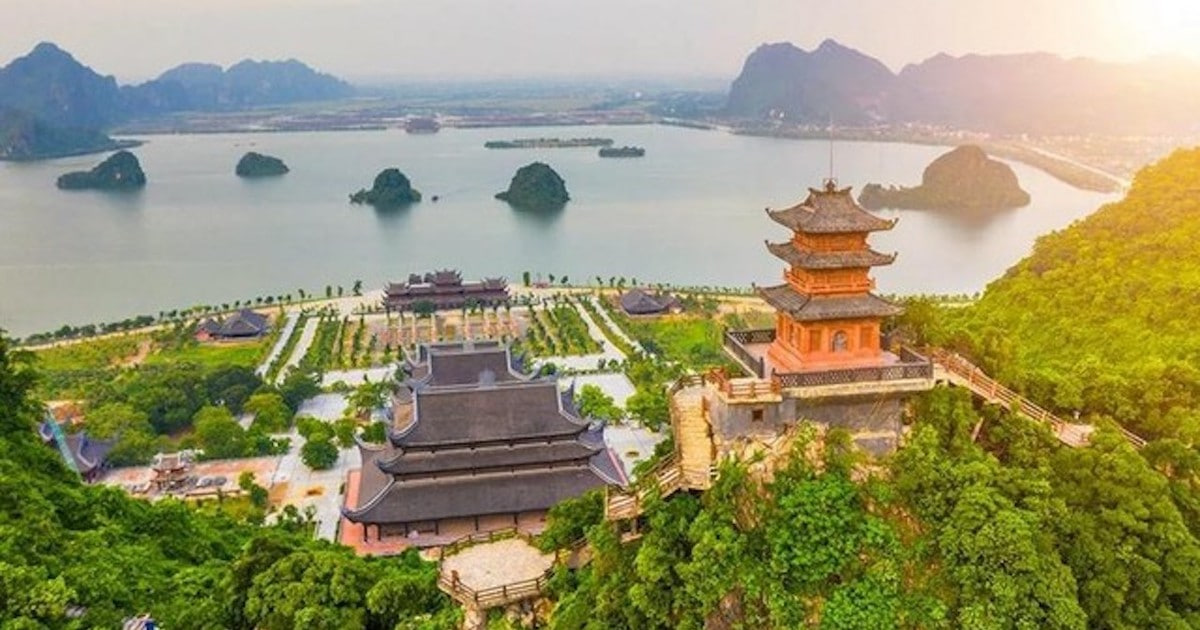
Located about 65 km south of Hanoi, Ha Nam is a promising gateway province with significant potential for spiritual, cultural, ecological, and culinary tourism. It is rich in history and culture, boasting nearly 2,000 relics, including national treasures, special national relics, and a variety of traditional festivals and craft villages. The province is also home to renowned natural attractions like Tam Chuc Lake, Ba Hang Lake, Doi Mountain, Chau River, and Cam Mountain, which draw both domestic and international tourists.

photo_2024-10-23_15-32-35

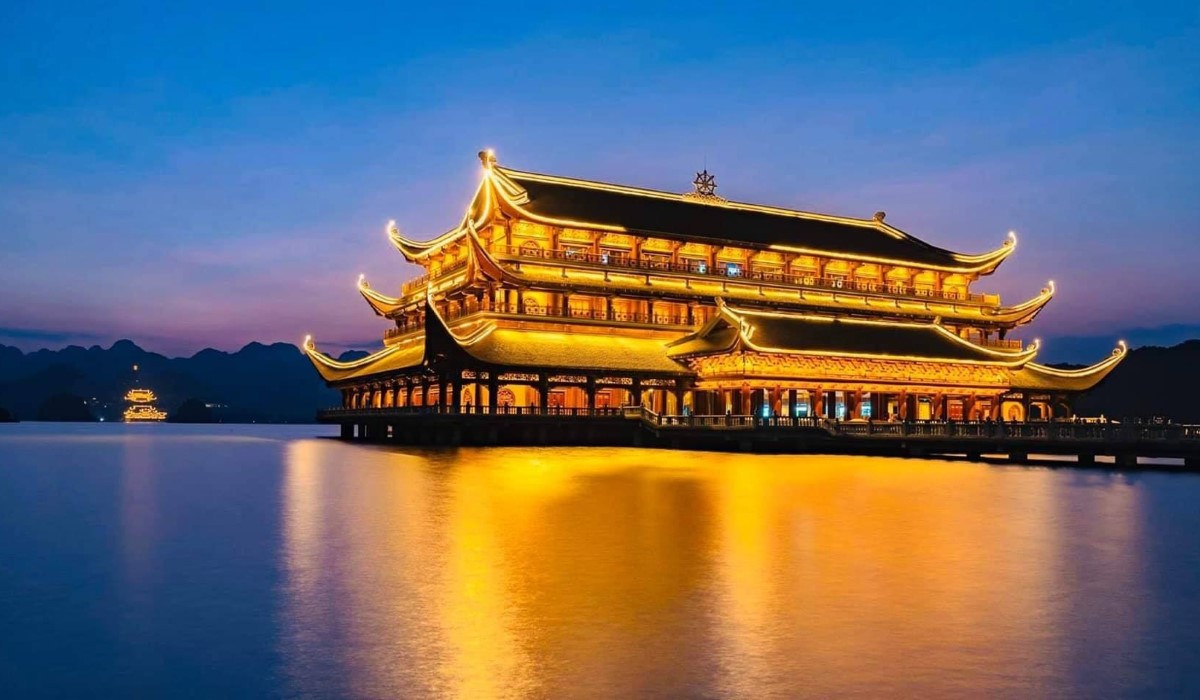
This year, Ha Nam won the title of “Asia’s Leading Emerging Tourism Destination” at the World Travel Awards, often referred to as the “Oscars of the travel industry.” The province triumphed over notable contenders such as Okinawa (Japan), Phnom Penh (Cambodia), and Sumba Island (Indonesia), with the results determined by votes from travel professionals and the public.                                                                Tam Chuc Pagoda

A must-visit destination in Ha Nam is the Tam Chuc Spiritual Scenic Complex, which features one of the largest pagodas in the world. Covering an impressive 5,100 hectares, this area is renowned for its breathtaking natural beauty and tranquil ambiance, attracting countless visitors each year. With its pristine landscapes and towering limestone mountains, the Tam Chuc national tourist area is part of a significant heritage site that includes Huong Pagoda, Tam Chuc Pagoda, and Bai Dinh Pagoda. In 2019, Tam Chuc Pagoda hosted the 16th United Nations Day of Vesak Celebrations, drawing millions of Buddhist followers and tourists from around the globe.

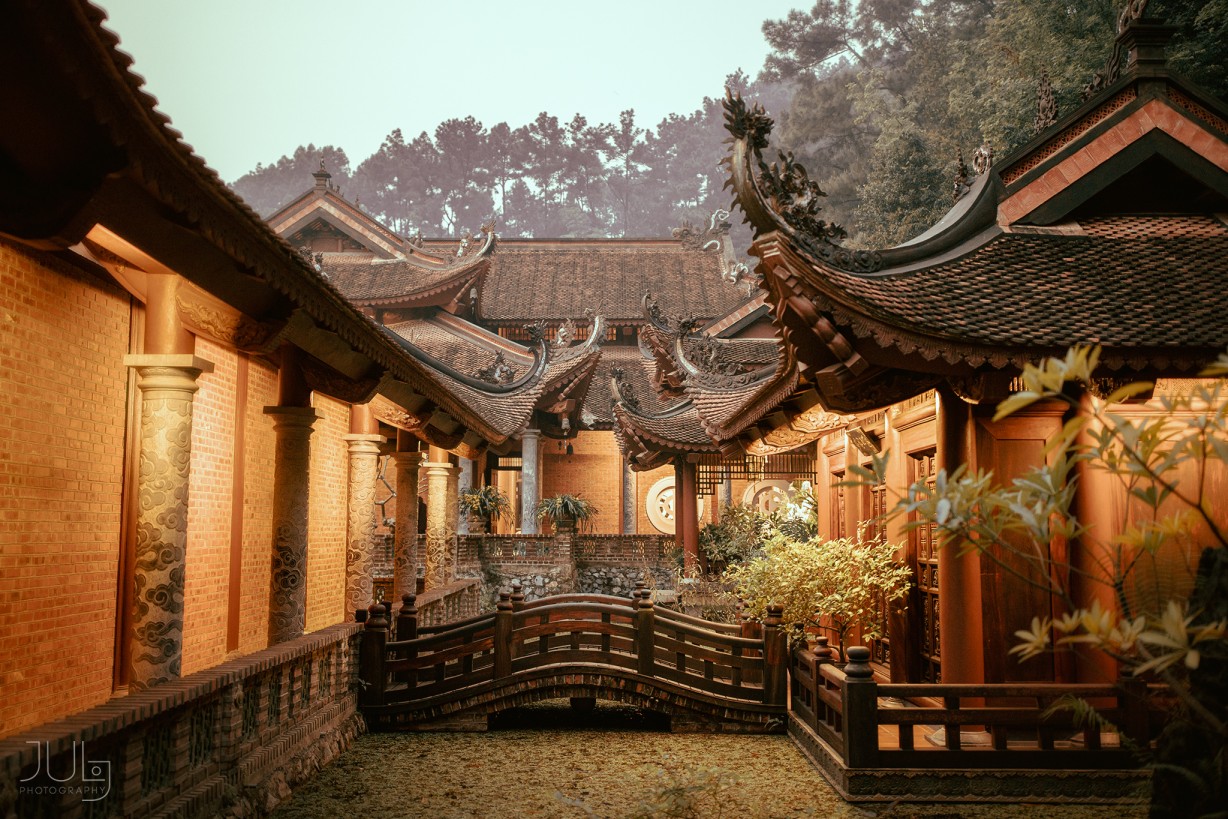
Another remarkable site is Dia Tang Phi Lai Pagoda in Ninh Trung village. Nearly 1,000 years old and recently restored, this pagoda is strategically positioned with its back against a mountain, nestled within a lush pine forest and overlooking a spacious field, making it feel almost secluded from nearby residential areas. Its beautiful architecture, set against the serene backdrop of mountains and forests, imbues the pagoda with an ethereal charm that enchants all who visit.                                                 Dia Tang Phi Lai Pagoda

The cuisine of the province makes a memorable impact with its signature dishes, such as Phu Ly grilled spring rolls, perch rice paper, Vu Dai village braised fish, Dam village “banh chung,” and Dai Hoang royal banana. Last year, Ha Nam was recognized at the World Travel Awards 2023 as the “World’s Leading Local Cultural Destination.”

Start planning your trip to Vietnam today by getting your visa at vietnamvisapro.net. As a trusted and reliable visa service, we’re here to help you turn your travel dreams into reality from the very first step.
Posted on

Pu Luong, Thanh Hoa: A Hidden Gem

If you’re looking to escape the city’s heat and stress without venturing too far, consider Pu Luong in Thanh Hoa Province. Here, you can immerse yourself in the stunning natural beauty of mountains and forests, enjoy fresh breezes, and take in the picturesque scenery. Located about 160 km southwest of Hanoi, Pu Luong is a popular weekend retreat, known for its lush rice fields, palm groves, traditional waterwheels, and cascading waterfalls.

When is the Best Time to Visit Pu Luong

The ideal time to visit Pu Luong is from late May to early June, when the young rice fields are lush and vibrant, offering a serene experience for both mind and soul. Even during the hot summer months, Pu Luong enjoys a comfortable climate due to its location in a low limestone mountain area, surrounded by tropical rainforests and a sparse population. September and October mark the harvest season, transforming the terraced fields into a stunning golden landscape that feels both opulent and dreamlike. However, any time of year is perfect for a visit, allowing you to relax and immerse yourself in the beauty of nature.

How to get to Pu Luong

The most common way to reach Pu Luong in Thanh Hoa is by motorbike or car, both of which can be easily rented in Hanoi. Alternatively, you can take a limousine from Giap Bat or My Dinh stations, with the journey taking approximately 4.5 hours. It’s highly recommended to stop in Ninh Binh or Mai Chau along the way to fully appreciate the stunning landscapes of Northern Vietnam.

Things to do in Pu Luong

Hiking

In Pu Luong, you’ll find picturesque country roads leading up to hilltops. Along the journey, you can explore quaint villages and stroll through local plantations. The panoramic views of the mountains and valleys are truly stunning. Early risers will be rewarded with a spectacular sunrise atop the hills, where they can witness the sun dispelling the thick mist enveloping the mountains—a breathtaking experience that makes the hike worthwhile.

Biking

In contrast to the busy streets of the city center, visitors to Pu Luong may spot a local on a motorbike now and then. Here, bicycles are the primary mode of transportation. Riding along the scenic roads of Pu Luong allows for fresh air and a sense of tranquility. Some mountain trails present a challenge for adventurous cyclists. Many homestays in Pu Luong offer free bicycle rentals to their guests.

Explore the ethnic villages within the Pu Luong Nature Reserve.

Pu Luong Nature Reserve, one of Vietnam’s hidden gems for ecotourism and trekking, was established in 1999 to safeguard its rich biodiversity. Spanning over 17,600 hectares, this area boasts a stunning blend of untouched forests, terraced rice fields, and charming ethnic villages. It is home to the Thai and Muong communities, where visitors can admire traditional stilt houses, witness local harvests, and savor authentic regional cuisine. Notable attractions within the reserve include Pu Luong Peak, Don Village, and the villages of Son, Ba, and Muoi, each offering unique experiences for explorers.

Discover the Pho Doan market.

Visitors can explore Pho Doan Market to immerse themselves in the local culture of ethnic communities. Situated in Lung Niem Commune, Ba Thuoc District, Thanh Hoa Province, the market features vibrant trading activities where you can find local products from the Kinh, Muong, and Thai minorities, sourced from nearby areas like Tan Lac and Lac Son Districts in Hoa Binh Province. The offerings are simple yet diverse, including traditional silk garments, tube wine, mountain vegetables, and fresh fruits.

Take in the breathtaking views from the peak of Pu Luong Mountain.

Adventure seekers will delight in conquering the 1,700-meter peak. At the summit, clouds drift lazily among stilt houses and terraced fields below, creating a picturesque scene that feels almost dreamlike. Everything seems to pause—time stands still, leaving only the tranquil beauty of the landscape.

Discover the beauty of Hieu Waterfall.

Hieu Waterfall, located in Hieu Village within Co Long Commune, is a charming community-based ecotourism spot. This picturesque waterfall features five smaller cascades, with crystal-clear blue-green waters that can be enjoyed throughout the year, making it a lovely place for occasional swimming.

In addition to the waterfall, you’ll find bamboo water wheels scattered throughout Pu Luong. These iconic structures are emblematic of the region and its Thai ethnic community. They play a vital role in agriculture by drawing water from nearby streams and rivers to irrigate the lush terraced rice fields that surround the area.

Start planning your trip to Vietnam today by getting your visa at vietnamvisapro.net. As a trusted and reliable visa service, we’re here to help you turn your travel dreams into reality from the very first step.