Posted on

Vietnam’s Weather and Top Destinations to Explore in May

Despite the complex weather patterns, May is still a great time to visit Vietnam. As a transitional month between spring and summer, the country experiences increased rainfall and rising temperatures. In Hanoi and northern Vietnam, the heat and humidity start to build, accompanied by more frequent showers—yet the weather remains comfortable enough for outdoor activities. Along the central coast, hot and sunny days make it one of the best regions to explore during this time. Meanwhile, southern Vietnam begins its gradual shift into the rainy season. Let’s take a closer look at the weather and top destinations to visit in Vietnam during May.

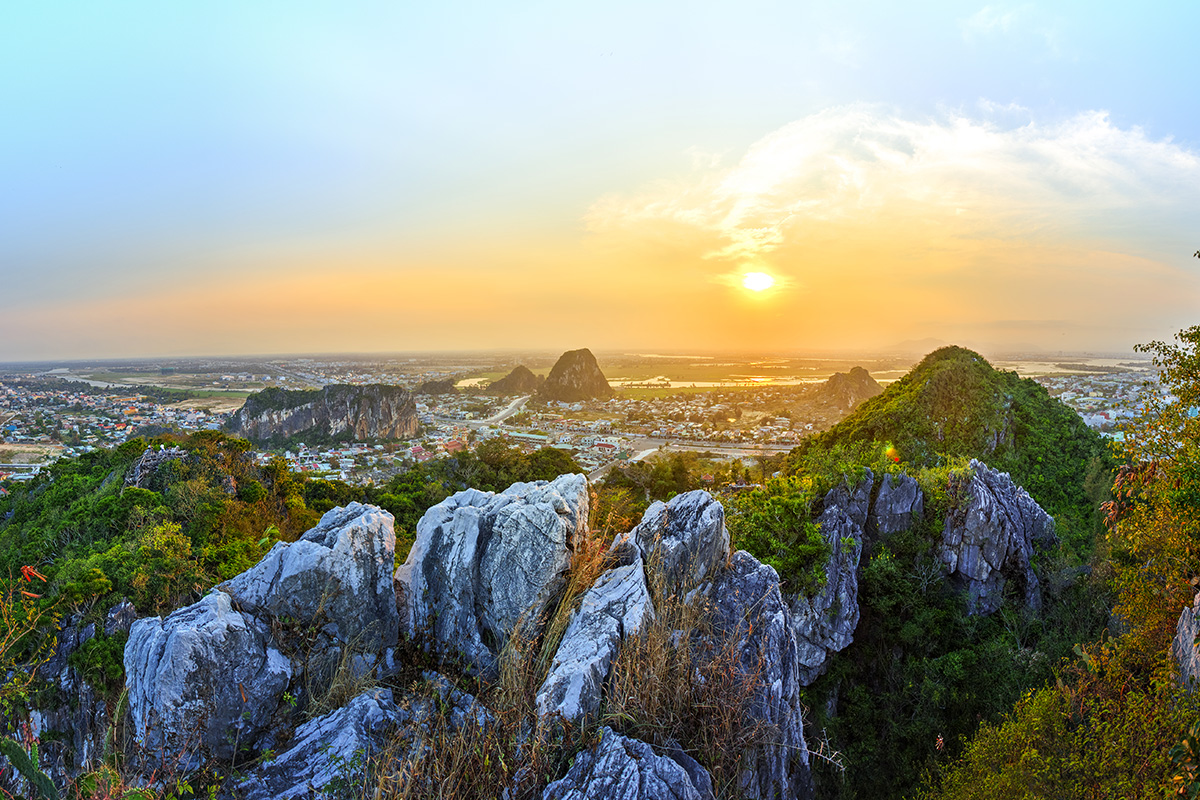
(Source: Collected)

1.Weather by Region in May.

1.1 Northern Vietnam

Popular destinations: Hanoi, Halong Bay, Cat Ba, Sapa, Ha Giang, Mu Cang Chai, Ninh Binh, Mai Chau, etc.

Halong Bay(Source: Collected)

May in northern Vietnam marks a pleasant shift into summer, with temperatures typically ranging from 24 to 36 degrees Celsius. It’s an excellent time to visit both the northern and central regions of the country. However, travelers should be prepared for occasional weather disruptions, including storms or tropical depressions that may lead to changes in plans, such as canceled boat tours in Ha Long Bay. The mountainous areas like Mu Cang Chai and Sapa enjoy comfortable weather during this period, as local hill tribes begin planting rice on the terraced fields. In contrast, Ha Giang, located further east, tends to experience heavier rainfall. Despite this, May remains a wonderful time to explore Ha Long Bay, a UNESCO World Heritage Site.

1.2 Central Vietnam

Popular destinations: Hoian, Danang, Hue, Nha Trang, Quy Nhon, Dalat, etc.

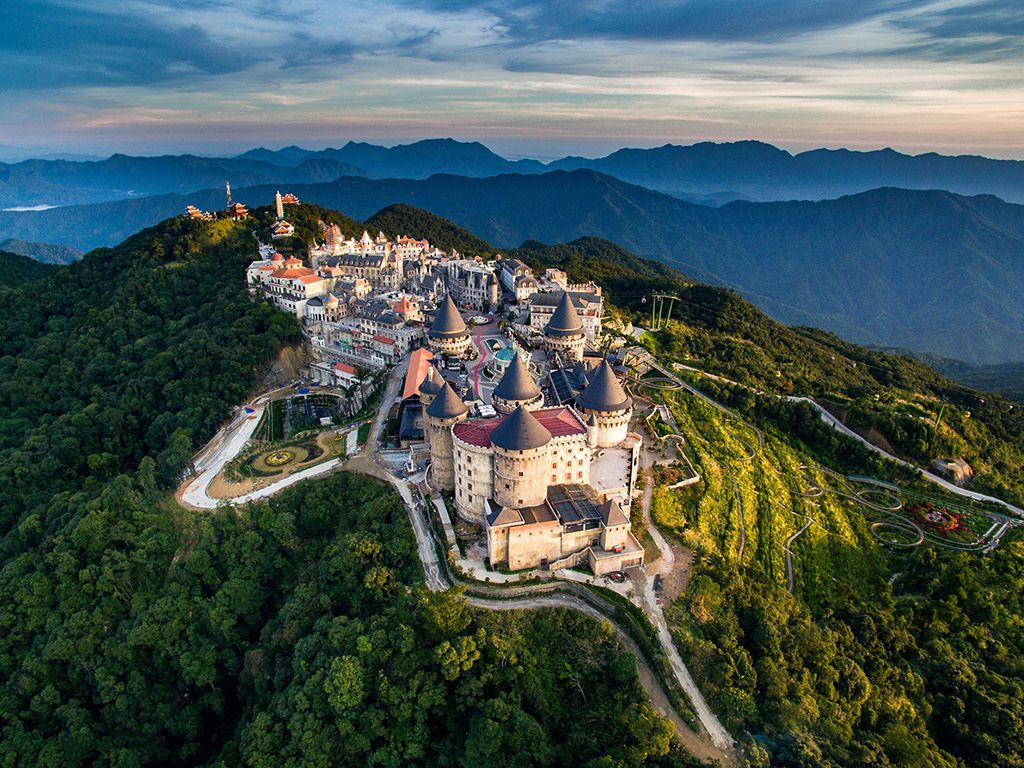
Ba Na Hills(Source: Collected)

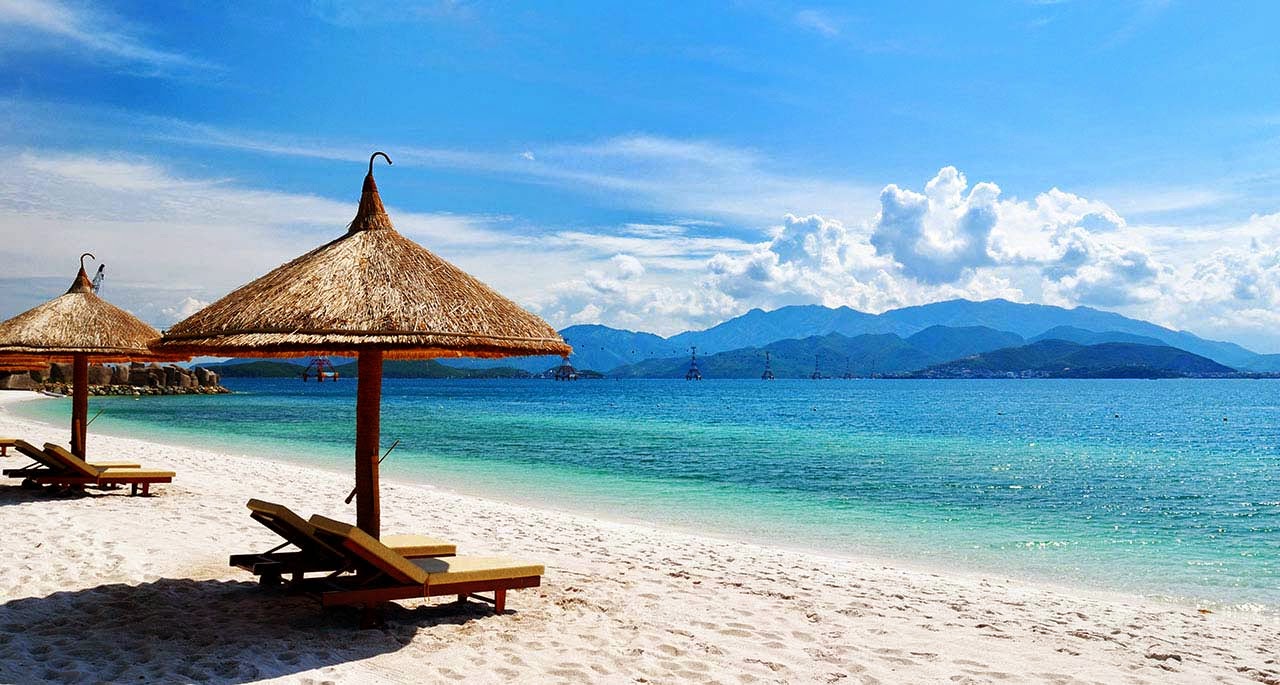
May brings some of the best weather to Central Vietnam, with sunshine dominating the forecast and minimal rainfall to disrupt outdoor activities. Temperatures rise steadily, often reaching the upper 20s to as high as 38°C (upper 80s to 100°F). This hot, dry climate makes it a perfect time to enjoy the beaches of Da Nang, Hoi An, and Nha Trang. With long, sunny days, it’s an ideal month for snorkeling, diving, or simply relaxing by the sea. Just be sure to prepare for the heat—pack light, breathable clothing, sunscreen, and a hat to stay comfortable.

1.3 Southern Vietnam

Popular destinations: Ho Chi Minh City, Phan Thiet & Mui Ne, Mekong Delta, Long Hai & Ho Tram, Con Dao & Phu Quoc, etc.

Phan Thiet & Mui Ne(Source: Collected)

In May, South Vietnam begins its transition into the rainy season, though the change is gradual and mild. Here’s what you can expect:

  • Temperature: Expect hot and humid days with highs ranging from 28 to 36 degrees Celsius (82 to 97 degrees Fahrenheit).
  • Rainfall: While the rainy season technically starts in May, the rain usually comes in short, afternoon bursts. You’ll still enjoy plenty of sunshine.
  • Humidity: Humidity levels hover between 60-70%, making it feel even warmer.

Overall, May remains a great time to visit South Vietnam. The occasional rain showers offer a refreshing break from the heat and are unlikely to cause major disruptions to your travel plans.

2. Places to go in Vietnam in May & Useful Tips.

With average temperatures ranging from 20 to 30°C, the Mu Cang Chai and Sapa regions remain mostly dry, making them ideal for trekking. In particular, the terraced rice fields of northern Vietnam are at their most stunning during this time. May marks the “falling water season,” when fresh water cascades from one terrace to the next, and the fields shimmer with vibrant green and golden hues from the new rice crop.

Sapa(Source: Collected)

Best known for its vibrant “butterfly season” in April and May, Cuc Phuong National Park is an ideal destination for wildlife enthusiasts and adventure-seeking travelers.

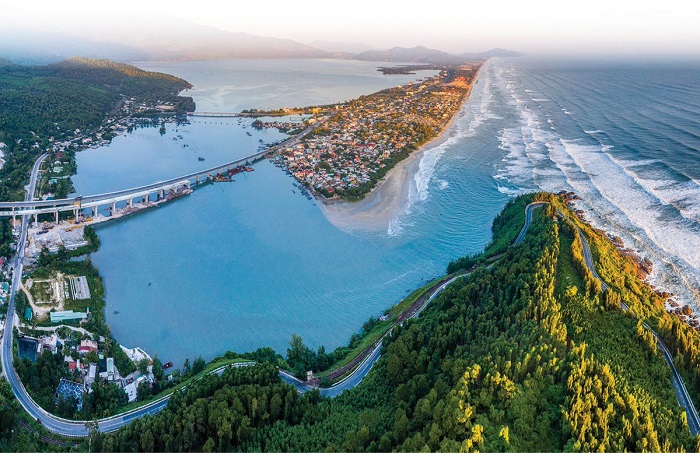
Protected by the Truong Son mountain range, Central Vietnam experiences significantly less rainfall in May compared to other regions of the country. It’s an excellent time to visit its beautiful beaches, such as the pristine white sands of Nha Trang, the calm, warm waters of Quy Nhon, or the more secluded Lang Co Bay. Additionally, combining beach time with cultural exploration in Hue and Hoi An—both UNESCO World Heritage Sites—would make for an unforgettable experience.

The South is known for its hot, humid weather and frequent rainfall, but it enjoys slightly cooler temperatures compared to previous months. Therefore, visiting Ho Chi Minh City’s main attractions and air-conditioned museums remains a great option.

The island in South – Con Dao is still in favorable diving conditions during this month. Don’t miss it.

Con Dao(Source: Collected)

As the hot, rainy season approaches, with increased rainfall across the country throughout the month, it’s essential to pack rain gear, insect repellent, and summer clothing. Don’t forget to bring a sunhat, sunglasses, or a parasol to shield yourself from UV rays. If you’re heading to mountainous regions or the Central Highlands, make sure to include a couple of warm layers for the cooler early mornings and late nights.

At the start of the month, during the April 30-May 2 holiday, city dwellers often head out of town for a quick getaway, making it a busy time, particularly at the beaches. However, later in the month, you can still enjoy the best beaches under glorious sunshine, but without the earlier crowds. Another advantage of May is that tour prices and accommodation rates tend to drop, or are more negotiable, making it an ideal time to visit.

3. May Events

3.1 International Labor Day (nationwide).

(Source: Collected)

Originating from the labor movement of American workers, May 1st became both an anniversary and a day of action for the global workers’ movement. Today, International Labor Day on May 1st is celebrated as a festival for the working people of Vietnam, symbolizing solidarity and friendship with workers worldwide.

3.2 Dien Bien Phu Victory Day (7 May).

(Source: Collected)

Dien Bien Phu Victory Day is observed in Vietnam on May 7. It marks the victory of Vietnam over French forces in 1954, which influenced the negotiations over the future of Indochina during the Geneva Conference.

 3.3 Liberation Day of Hai Phong (13 May) & Hoa Phuong Do Festival (Red Flamboyant Festival).

(Source: Collected)

Hai Phong is home to Cat Ba National Park, Cat Ba Island and Lan Ha Bay where is as beautiful as Halong Bay but less touristic.

13 May 1955 was Liberation Day of Hai Phong when the images of French soldiers finally withdrawing from the North of Vietnam at Ben Nghien (Do Son District, Hai Phong) and this city were completely liberated.

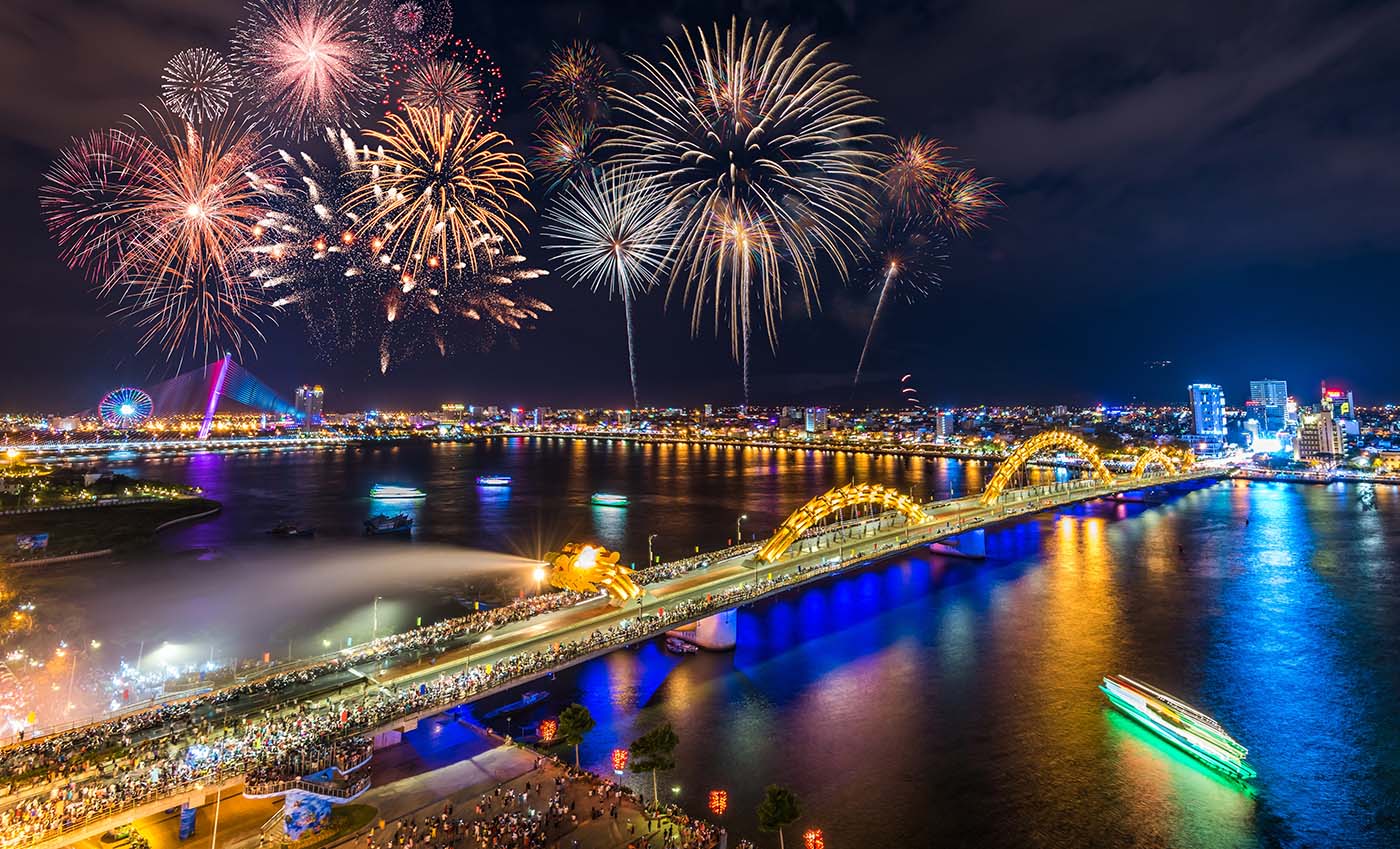
Also in May, the red flamboyant, symbolizing Hai Phong, blooms throughout the city, marking the occasion of the Hoa Phuong Do Festival. This festival, held in Vietnam’s third-largest city, celebrates the anniversary of Liberation Day. The event will feature a lively carnival parade and art performances from both local and international troupes. Additionally, a spectacular low-range fireworks display will light up the night during the opening ceremony.

3.4 President Ho Chi Minh’s birthday celebration (19 May).

Ho Chi Minh Mausoleum(Source: Collected)

Every year on May 19, all Vietnamese people will celebrate the birthday of the great father and leader of Vietnam – President Ho Chi Minh  (19/5/1890) with a wide range of activities and campaigns. Our hearts will be towards the late President in the most respectful and grateful manner. On this anniversary, another ceremony is also held in Nghe An – the hometown of late President Ho Chi Minh.

3.5 Vesak – Celebrating Buddha’s Birthday.

(Source: Collected)

Vesak is the festival commemorating Buddha’s birth, enlightenment and death. This holy day is annually celebrated in the 15th day of the 4th lunar calendar (April or May – varying by year) by buddhists around the world. In Vietnam, many festivals are held around this day to make special efforts for looking back ourselves and bringing happiness to everyone.

3.6 Doan Ngo Festival.

(Source: Collected)

Also known as Tet Sau Bo (sau bo = worms, pests), Doan Ngo Festival is annually celebrated on the 5th day of the 5th lunar month (May or June – varying by year). This is one the most essential holidays along with traditional Tet holiday and Mid-Autumn Festival in Vietnam. On this day, families prepare special kinds of food and unique ceremonies while farmers remove insects and pests from crops and greens. In spite of common tradition, the diversity in celebration approach is well-reflected within each region of Vietnam, such as Festival of Delicious Fruit celebrated in Cho Lach (Lach Market), Ben Tre Province or Festival of Southern Fruit celebrated in Suoi Tien Amusement Park, Ho Chi Minh City.

With the details shared above, we hope you’ll have a memorable and fulfilling journey to Vietnam this May. Pack your luggage now to take in the scenery to immerse yourself in the stunning landscapes, savor the delicious local cuisine, and experience the warmth and hospitality of the Vietnamese people.

Most importantly, don’t forget to order visa to Vietnam at https://vietnamvisapro.com/ before departing .As a trusted and reliable visa service, we are here to help turn your dream vacation into reality from the very first step.

Posted on

Top Romantic Destinations for a Honeymoon in Vietnam

Vietnam is an ideal honeymoon destination, offering breathtaking landscapes, vibrant culture, and a wide variety of delicious cuisine. Whether you’re dreaming of relaxing on sun-kissed beaches, discovering bustling cities, or exploring natural wonders, Vietnam has something to suit every couple’s taste. In this article, discover the top honeymoon spots in Vietnam and the best activities to enjoy together.

Vietnam boasts a wide range of romantic destinations and unforgettable experiences, making it an ideal choice for your honeymoon (Source: Collected)

With its rich culture, warm hospitality, delicious Vietnamese cuisine, and breathtaking natural landscapes, Vietnam consistently ranks among the top recommended destinations for honeymooners. The country offers countless stunning locations that promise unforgettable and meaningful honeymoon experiences. Drawing on our professional expertise in the tourism industry, we’ve curated a selection of the best honeymoon spots in Vietnam to help you plan the trip of a lifetime.

Sapa: Breathtaking Terraced Rice Fields in the Clouds

(Source: Collected)

No visitor to the northern mountains of Vietnam can overlook the breathtaking beauty of Sapa. Renowned as one of the top honeymoon destinations in the country, Sapa offers year-round charm. This misty town is nestled among towering mountains, vibrant valleys, and stunning terraced rice fields. It’s also home to a rich mosaic of ethnic minority groups, including the Hmong, Red Dao, Giay, Xa Pho, and Tay, each with their own unique languages, traditions, and colorful attire. What could be more romantic than a honeymoon where you’re surrounded not only by awe-inspiring natural scenery but also by a rich and diverse cultural tapestry? Whether you’re exploring Muong Hoa Valley, visiting the Love Waterfall, climbing to Heaven’s Gate, or dancing at the famous “Love Market,” you’ll find flowers in bloom throughout the year, adding an extra touch of magic to your journey.

Ha Long Bay: A Breathtaking UNESCO World Heritage Site

Ha Long Bay is a must-visit destination for any traveler coming to Vietnam (Source: Collected)

A major draw for international travelers visiting Northern Vietnam is Ha Long Bay, a UNESCO World Heritage Site recognized twice for its outstanding beauty. This stunning destination features a breathtaking landscape of white sandy beaches, towering limestone islands, crystal-clear waters, lush greenery, and mysterious caves filled with stalactites and stalagmites. It’s no surprise that a trip to Ha Long Bay promises countless romantic experiences.

An overnight cruise is the ideal way to fully enjoy your honeymoon, offering unforgettable moments such as watching the sun rise and set over the bay, kayaking on emerald waters, swimming in the sea, or exploring the awe-inspiring caves. For an especially intimate touch, a private candlelit dinner with fresh seafood can even be arranged right in the middle of the bay, just for you and your partner. To make the most of your honeymoon, a 3-day, 2-night cruise package is highly recommended.

Kayaking in Ha Long Bay (Source: Collected)

Ninh Binh: A Perfectly Serene Getaway for Honeymooners

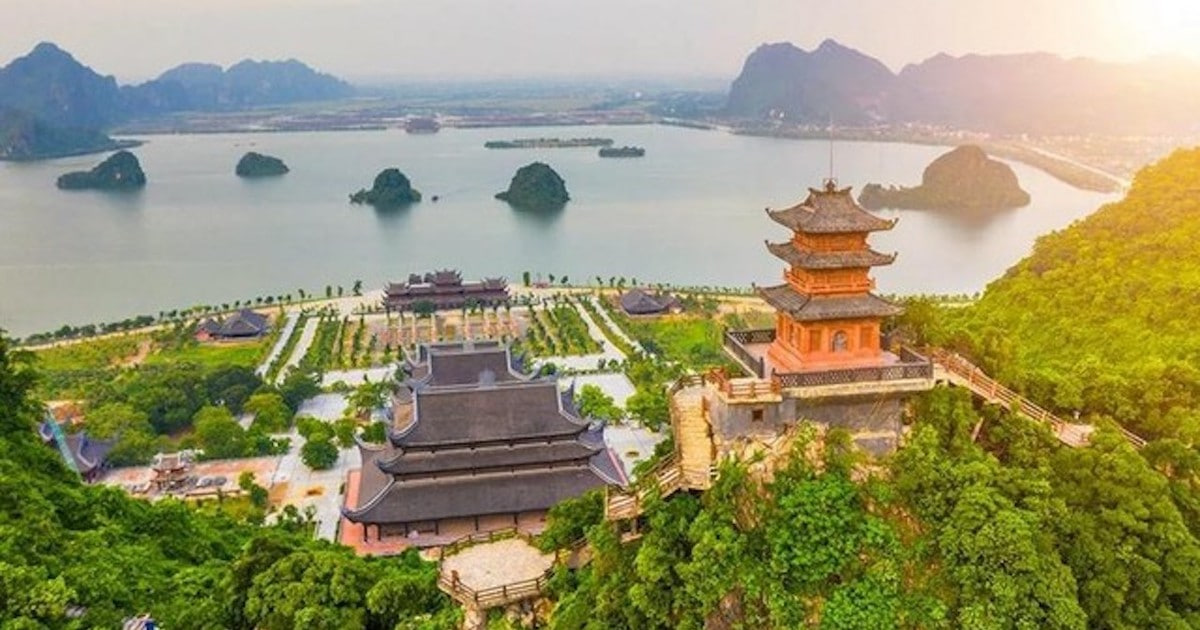
Chosen as the main filming location for Kong: Skull Island in 2016, Ninh Binh captivates honeymooners with its breathtaking landscapes and rich historical charm. In this ancient former capital, you and your partner can drift along in a paddle boat through stunning grottos and lush rice paddies in Tam Coc Bich Dong or Trang An, or embark on a spiritual journey to Bai Dinh Pagoda—one of the largest in Southeast Asia. For a more intimate experience, couples can cycle through serene villages and capture scenic views of limestone mountains that date back millions of years.

Source: Collected)

Hue: A Regal Love Story in Vietnam’s Imperial City

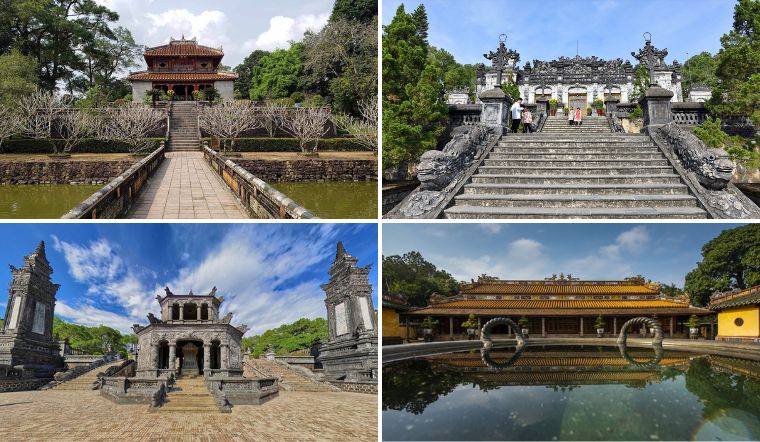
If you’re looking to explore an authentic and well-preserved Oriental palace so Hue offers a wealth of historical treasures, including its ancient imperial citadel complex, temples, and tombs from Vietnam’s last feudal dynasty. For a truly unique royal experience, you can participate in a royal banquet dinner, where you’ll dress as nobles, enjoy traditional court music, and savor delicately prepared dishes adorned with intricate garnishes. Hue is also home to beautiful, long stretches of white sand beaches like Canh Duong, Thuan An, and Ham Rong. Another reason Hue captivates visitors is the warmth and generosity of its people, who are always ready to lend a hand to those in need, without hesitation.

 (Source: Collected)

Hoi An: Ranks the 2nd position in Top 10 Destinations For Couples In Asia by Luxeinacity’s travel experts.

Nestled in the heart of Vietnam, Hoi An is a captivating fusion of Japanese, Chinese, and Vietnamese culture and architecture. The town retains its original charm, with 1,068 ancient houses, 19 grand pagodas, 43 sacred shrines, 5 assembly halls, 11 historic wells, a central bridge, and 44 timeworn tombs. The town’s old-world allure shines not just during the day, but also at night. At any moment, you can take a small sampan ride along the river, offering a unique perspective of local life. As night falls, the entire town is bathed in the warm glow of vibrant traditional lanterns in all shapes and sizes. It’s the perfect moment to take your sweetheart’s hand and stroll through these enchanting streets, immersing yourselves in the simple yet profound beauty of love.

Hoi An has been ranked as the second-best destination for couples in Asia by travel experts at Luxeinacity (Source: Collected)

Dalat: The Valley Of Love

Dalat’s cool climate makes it a perfect destination to visit year-round. Visitors are drawn to its lush green plateaus, rolling hills, pine forests, waterfalls, charming colonial-style buildings, and luxurious resorts. Key attractions include Ponguar Waterfall, Linh Phuoc Pagoda, the quirky Crazy House, Central Flower Park, the historic Old Train Station, and Emperor Bao Dai’s Summer Palace. Here, you can start your day with a cup of coffee or enjoy a serene ride on a swan-shaped paddleboat at the picturesque Xuan Huong Lake. Stroll hand in hand along vibrant flower paths to deepen your romantic connection. A visit to Da Lat Market offers a lively local shopping experience, where you can explore a wide variety of unique regional goods.

(Source: Collected)

Nha Trang – A place where the mountains embrace the ocean

Unlike Da Lat’s dreamy, romantic beauty, Nha Trang offers couples an array of stunning white sand beaches and crystal-clear waters. A must-try experience here is relaxing in the hot mineral springs, indulging in mud baths, or enjoying a rejuvenating massage under cascading water. Vinpearl Land is another fantastic destination, featuring a long cable car ride and hundreds of international-standard games. After a day of fun, visitors can explore the Tri Nguyen Aquarium, unwind at Ta Gu, marvel at the Yang Bay waterfall, or uncover the secrets of the ancient Ponagar Tower. Known as Vietnam’s “Gold Coast,” Nha Trang boasts high-end shopping, luxurious beach resorts, and beachfront restaurants. It’s the perfect place for island hopping, offering activities like diving, snorkeling, seafood dining, swimming, or simply relaxing by the beach.

(Source: Collected)

Mui Ne: Desert By The Sea

Mui Ne has evolved from a peaceful fishing village into a popular surf and beach destination. The vast red and white sand dunes, shaped by ocean winds, create a stunning desert-like landscape by the sea. A walk along the muddy Fairy Stream, passing impressive limestone cliffs and lush forest, leads to a vibrant waterfall at the end. Located just a 4-hour drive from Ho Chi Minh City, Mui Ne is one of the closest beautiful beach spots. It’s the perfect place for honeymooners to unwind and enjoy a beach getaway at the end of their Vietnam trip before heading home.

Mui Ne, Phan Thiet, with its stunning sand dunes and picturesque beaches, has become a perfect destination for honeymooning couples (Source: Collected)
Phu Quoc: A Tropical Paradise in Southern Vietnam

If you’re looking for a romantic getaway in a secluded setting, Phu Quoc is one of the best honeymoon destinations to consider. While it’s an isolated island, Phu Quoc is easily accessible by boat or plane. You’ll be captivated by the island’s serene atmosphere, with its crystal-clear waters, soft golden sands, and picturesque beaches, especially the stunning “Starfish Beach.” Known as the most beautiful beach on the island, it boasts pristine white sand, shady coconut trees, and dramatic karst cliffs that overlook the sea. Phu Quoc also offers a wide range of activities for you and your partner, including sunbathing on scenic beaches, relaxing in the shade, snorkeling in vibrant underwater ecosystems, or watching a breathtaking sunset from luxurious beach resorts. This peaceful paradise is also a haven for nature enthusiasts, with jungle trails, lush mountain hikes, and a diverse array of wildlife to explore. You can also enjoy fresh seafood and tropical fruits at affordable prices, perfect for a romantic dinner after the sun sets.

(Source: Collected)
While the full list is extensive, the above are the top spots chosen by honeymooners. Whether you’re looking to explore an ancient town, a rural province, a mountainous region, a breathtaking bay, or a stunning beach, our travel experts will tailor the perfect honeymoon itinerary based on your unique travel preferences.

But most importantly, don’t forget to order visa to Vietnam at  https://vietnamvisapro.com/ before departing to this wonderful places.As a exactly and reliable visa service, we are here to help turn your dream vacation into reality from the very first step.

Posted on

The Hung Kings Temple Festival is one of Vietnam’s biggest

In this article, we invite you to delve into the vibrant traditions, folklore, and customs that make the Hung King Temple Festival a beloved and memorable experience for both locals and visitors.

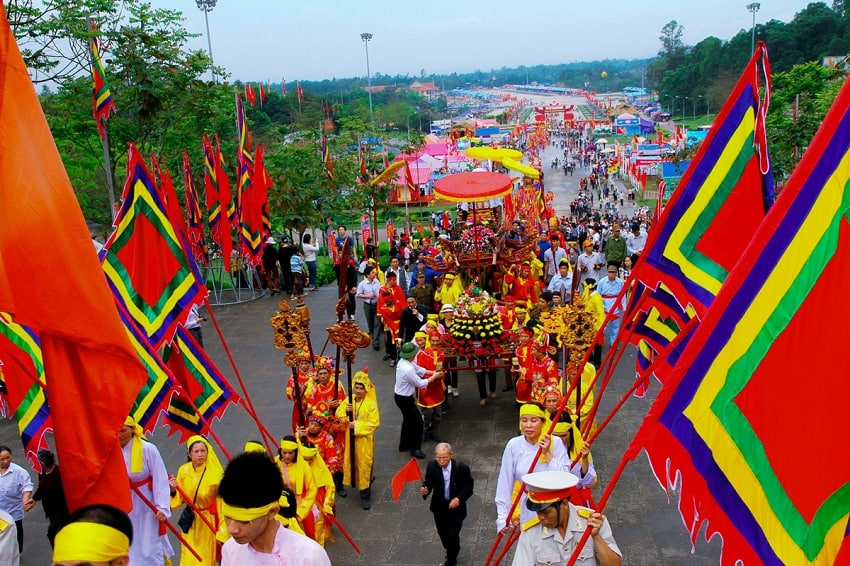
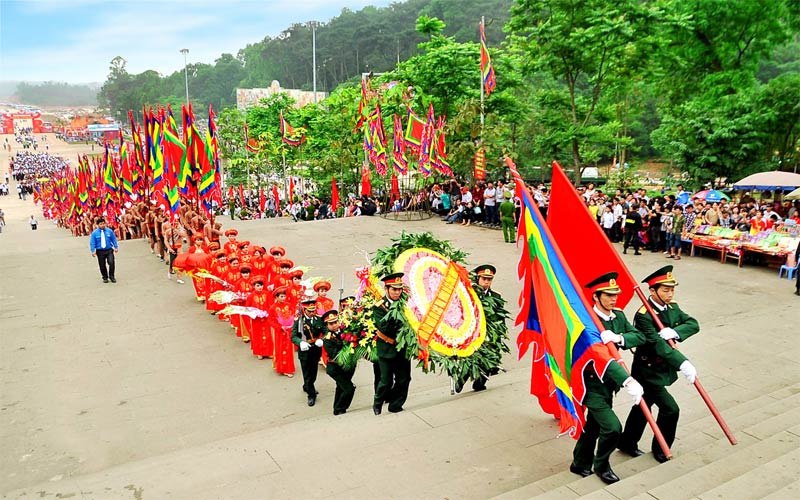
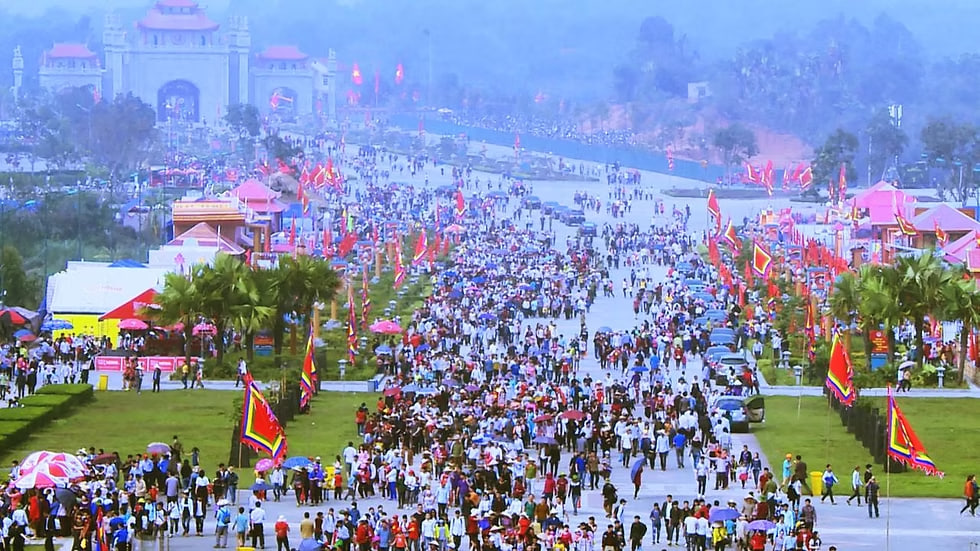
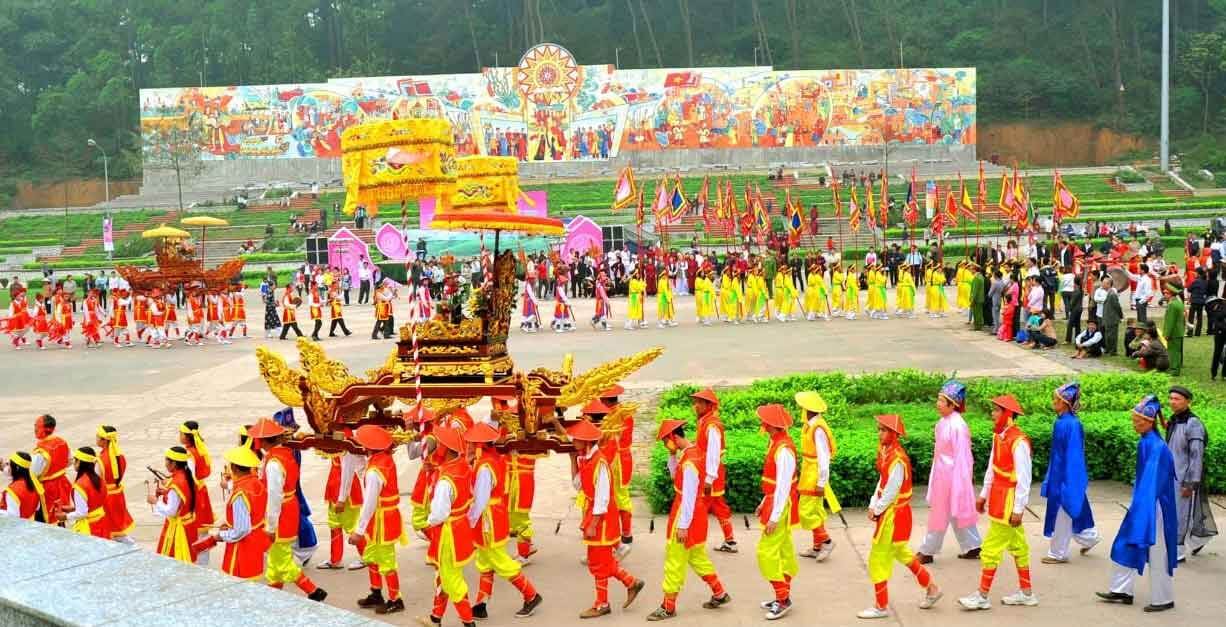
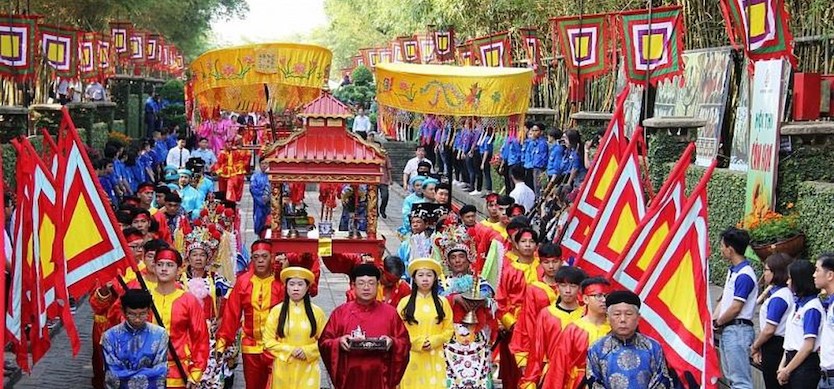
Hung King Festival is a national holiday in Vietnam (Source: Collected)
Among Vietnam’s most cherished celebrations is the Hung King Temple Festival, a long-standing event that holds deep historical significance. As a key experience in Vietnam’s cultural landscape, the festival honors the revered Hung Kings. Join us as we embark on an intriguing journey through history, exploring the rich traditions and spiritual importance of this treasured annual event.

1.An Overview of the Hung King Temple Festival

1.1. What is the Hung King festival?

The Hung King Temple Festival, also known as the Hung Kings’ Death Anniversary, is one of Vietnam’s most important and cherished celebrations. Held every year on the 10th day of the third lunar month, the festival honors the legendary Hung Kings, regarded as the ancient ancestors and founders of the Vietnamese nation. This deeply meaningful event carries great spiritual significance for the Vietnamese people, as it commemorates the Hung Kings’ contributions and sacrifices in shaping the nation’s identity and civilization.

The Hung King Temple Festival has become a public holiday since 2007 (Source: Collected)
1.2. History of Hung King Temple Festival

The origins of Hung King Temple Festival are steeped in ancient legend, tracing back thousands of years to the era of the mythical Lac Long Quan. Known for his incredible strength  and affinity for water, Lac Long Quan governed the Lac-Viet tribe and laid the foundation for what would become Vietnam. The turning point came when De Lai, king of a northern tribe, visited the south with his daughter Au Co. Admiring Lac Long Quan’s talents, De Lai arranged for his daughter to marry the legendary king.

Au Co became pregnant and gave birth to a remarkable membranous sac containing one hundred eggs. To everyone’s amazement, each egg hatched into a beautiful baby, all of whom became the ancestors of Vietnam, known as the “Dragon and Fairy descendants.” The eldest son of Lac Long Quan and Au Co, King Hung I, established his kingdom in Phong Chau, now part of Phu Tho Province, and became the first of the 18 Hung Kings who ruled the land from 2879 to 258 BC.

Hung King Temple Festival became one of the greatest national holidays (Source: Collected)
The reign of the Hung Kings represents a remarkable and illustrious chapter in Vietnam’s history, laying the foundation for its sovereignty. Over their 18 generations of leadership, they nurtured the nation’s fundamental values, promoting a deep sense of unity, mutual respect, patriotism, and determination in the face of adversity.

1.3. Where and when does the Hung King Temple Festival take place?

  • Time: Hung temple festival takes place annually from the 8th to the 11th day of the third lunar month. The highlight of the festival falls on the 10th day of the third lunar month, which has been designated as one of the national Vietnam holidays by the Vietnamese National Assembly to honor the anniversary of Hung King’s death.
  • Location: The main ceremony is held at the Hung Temple, situated on Nghia Linh Mountain in Hy Cuong Commune, Viet Tri City, Phu Tho Province, approximately 90 kilometers northwest of Hanoi.
The Hung King Temple Festival in Phu Tho province (Source: Collected)
There are various ways to travel to the revered Hung Temple and join in the celebrations. For those prioritizing convenience and comfort, traveling by car is the most popular option. Visitors can hire a private car or take a taxi from Hanoi to Phu Tho Province, with the journey typically taking around 2 to 3 hours, depending on traffic.

Motorbikes, on the other hand, provide a more adventurous way to travel. Both locals and thrill-seeking travelers often choose to ride their motorbikes to Phu Tho Province, relishing the beautiful landscapes and the freedom of the open road. However, it’s important to follow traffic rules and regulations to ensure a safe trip. For those who prefer public transportation, buses run from Hanoi to Phu Tho Province. While the bus ride may take a bit longer, it’s a more affordable choice for those on a budget.

2.What to discover at the Hung Kings Temple Festival?

2.1. Religious rituals

Hung temple festival offers a plethora of cultural treasures to explore, with religious rituals standing at the heart of the celebration. Central to the festival are the solemn and elaborate religious ceremonies conducted by Buddhist monks and dignitaries, paying homage to the revered Hung Kings and their contributions to the nation’s history. These rituals reflect the deep-rooted spiritual beliefs and reverence for the ancestors, fostering a sense of unity and identity among the attendees.

The religious ceremony at Hung King Temple Festival (Source: Collected)
2.2. Cultural activities

Colorful and graceful, these performances highlight traditional Vietnamese dance, music, and folk songs, telling stories of the nation’s history and legends. The dances, often paired with the rhythmic sounds of traditional instruments, capture the grace and beauty that define Vietnamese culture.

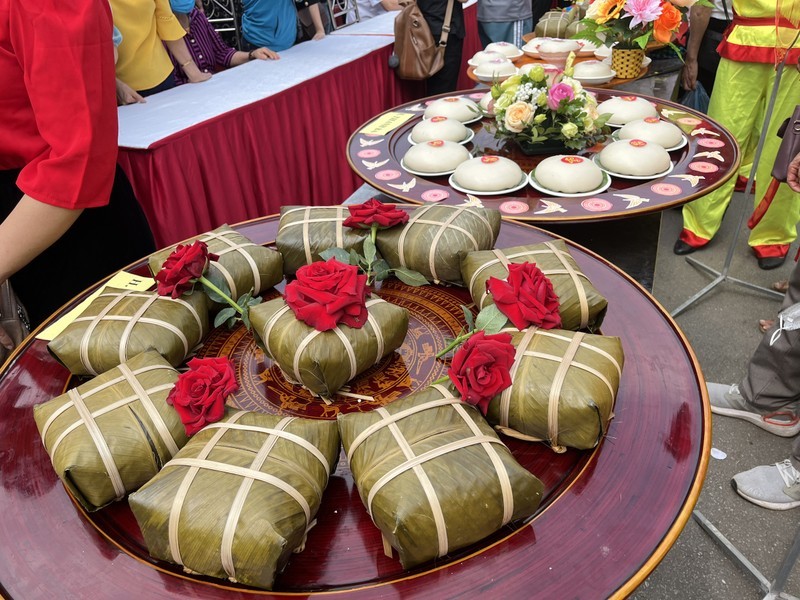
The festival also provides a fantastic chance for visitors to savor authentic Vietnamese cuisine. A wide range of food stalls and local vendors showcase an enticing selection of traditional dishes, each highlighting the distinct flavors and regional specialties of Vietnam. From savory pho to the iconic Chung cake and Giay cake, the diverse array of Vietnamese foods at the festival offers a delicious treat for the senses, turning it into a truly enjoyable culinary journey.

Chung cake and Giay cake are a must-have traditional Vietnamese food during Hung King Temple Festival (Source: Collected)
Throughout the festival grounds, attendees can discover a variety of cultural exhibitions and handmade craft displays. Artisans from various regions of Vietnam present their expertise, showcasing traditional techniques in pottery, embroidery, and other native crafts.

3 .Helpful Tips for Participating in the Hung King Festival in Vietnam

By applying these helpful tips, you can fully immerse yourself in the Hung King Temple Festival, embracing both its cultural richness and spiritual significance.

  • Dress modestly and respectfully: Choose clothing that covers your shoulders and knees, and wear comfortable attire suitable for walking and standing throughout the event.
  • Embrace the Culture: Dive into the rich Vietnamese traditions by taking part in cultural activities and ceremonies. Engage in incense and food offerings to connect with the festival’s spiritual significance.
  • Respect Photography Guidelines: Some areas may have restrictions on photography, especially during religious ceremonies, so be mindful of the rules.
  • Be Prepared for Crowds: As a national festival, expect large crowds, particularly during peak times. Stay patient and courteous as you move through the busy festival grounds.
Ha Long Bay, a UNESCO heritage (Source: Collected)
Besides Hung King Temple Festival, be sure to explore Vietnam’s top destinations, each showcasing the country’s diverse beauty and charm. Discover the vibrant capital city of Hanoi, steeped in history and culture; unwind on the pristine beaches of Phu Quoc and Nha Trang, perfect for relaxation and water sports; and wander through the picturesque ancient town of Hoi An, famous for its well-preserved architecture and handcrafted goods. Experience the modern allure of Da Nang with its striking bridges and lively markets, and take a breathtaking cruise through the iconic Ha Long Bay, with its limestone peaks and emerald waters. Each of these exceptional spots offers a unique glimpse into Vietnam’s landscapes, traditions, and people, complementing the captivating celebration of the Hung King Temple Festival.

The Hung King Temple Festival is a beloved and historic celebration that is deeply intertwined with Vietnam’s cultural heritage. From the awe-inspiring religious ceremonies that radiate spiritual significance to the lively cultural events that highlight the core of Vietnam’s traditions, the festival presents a rich array of experiences. As both visitors and locals immerse themselves in this captivating event, they witness the lasting legacy of the Hung King Temple Festival, which stands as a powerful reminder of the strong connection between the people, their ancestors, and the nation’s cherished history.

Come and experience Hung King Temple in Phu Tho,Vietnam on your next trip, and create unforgettable memories when in by securing your Vietnam visa at https://vietnamvisapro.com/. As a trusted and reliable visa service, we are here to help turn your dream vacation into reality from the very first step.

Posted on

Khuoi Ky Ancient Stone Village – The Timeless Charm of a Century-Old Village in Cao Bang

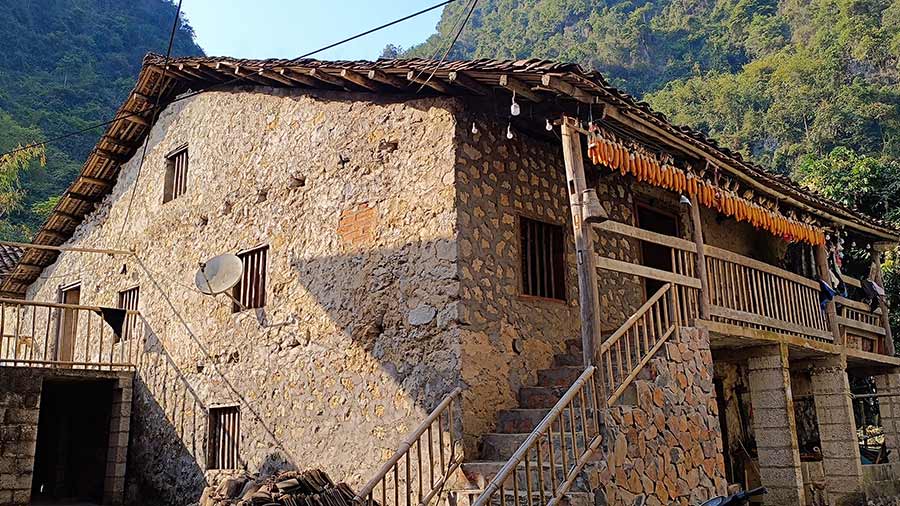
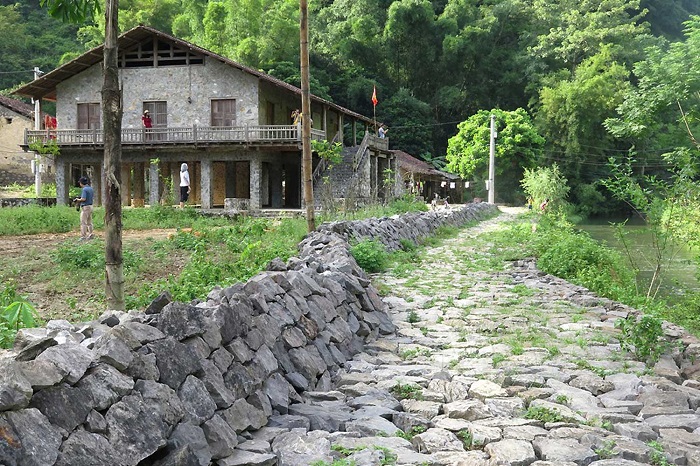
Khuoi Ky Stone Village, located in Dam Thuy commune, Trung Khanh district, Cao Bang province, is renowned for its distinctive stone stilt houses. These structures, with their ancient characteristics, reflect the traditional culture of the Northeastern mountains and forests. It’s a must-visit destination for anyone exploring the area.

                                         Ancient stone house architecture in Khuoi Ky

Khuoi Ky Stone Village boasts a unique architectural charm, reflecting its 400-year history, set against a backdrop of wild mountains and lush forests. The village takes its name from the refreshing green stream that flows at its entrance. Visitors to the village can not only breathe in the crisp, fresh air and experience tranquility, but also explore a variety of intriguing sights that offer a stark contrast to the bustle of city life.

Scenery in the ancient stone village of Khuoi Ky

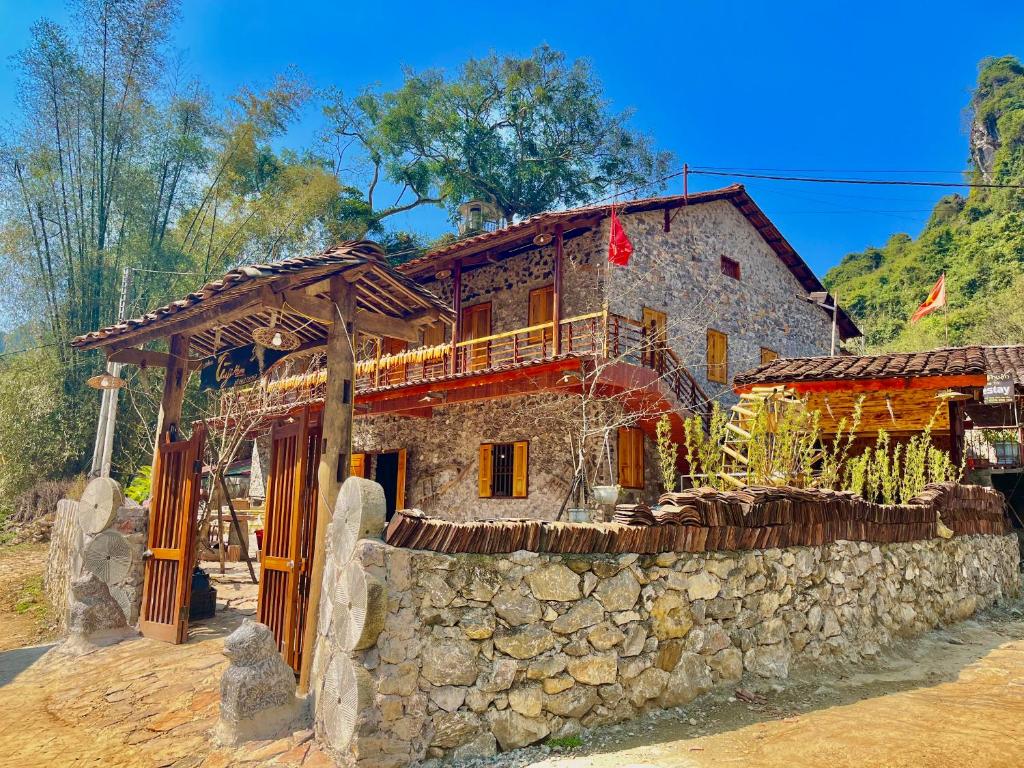
Khuoi Ky village, with its expansive area, is nestled against a solid mountain and faces a flowing stream, keeping the atmosphere fresh year-round. The village retains the cultural and spiritual essence of the Tay ethnic group, with homes constructed entirely of stone and roofed with traditional yin-yang tiles. Stone plays a central role in the daily lives of the villagers, who regard it as a sacred material that symbolizes protection for their community.

Homestay in Khuoi Ky

When visiting Khuoi Ky, guests can indulge in the unique specialties and traditional dishes of the Tay ethnic group. They can also take part in bamboo dancing, listen to Then singing, or enjoy the soothing sounds of the Tinh lute. Additionally, visitors can experience a variety of activities such as rice planting, firewood gathering, and fishing in the streams.

Khuoi Ky village, with its stunning landscapes, rich cultural heritage, and distinctive architecture, is steadily emerging as a popular destination for both domestic and international visitors.

The road to Khuoi Ky village

Come and experience Khuoi Ky in Cao Bang on your next trip, and create unforgettable memories of Vietnam by securing your Vietnam visa at https://vietnamvisapro.com/. As a trusted and reliable visa service, we are here to help turn your dream vacation into reality from the very first step.

Posted on

4 best destinations and things to do in Vietnam in spring

Situated in a tropical climate zone, Northern Vietnam experiences four distinct seasons, each offering unique experiences, attractions, and natural beauty. Spring, from January to March, is considered the best time to explore the region. Here are some suggestion for your choice to visit the Northern Vietnam in Spring.

1.Sapa town – Lao Cai city

It has become one of the most popular destinations, not just for foreign tourists, but also for locals in recent times. The stunning natural beauty will leave you in awe, with its captivating landscapes featuring mountains, hills, terraced fields, and more.

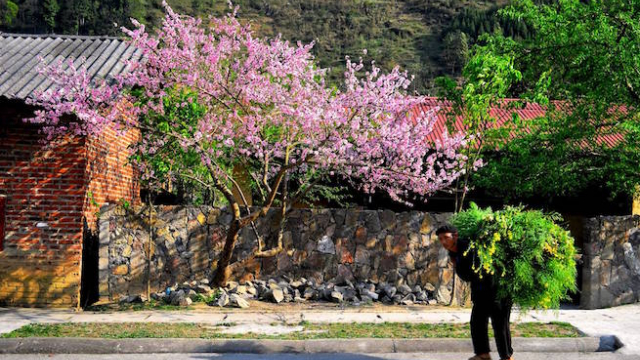
Sa Pa in spring paints a beautiful picture that captivates everyone at first glance. The weather, a perfect 15-18 degrees, adds to the charm of the season. The air is filled with the vibrant colors of blooming flowers like peach blossoms, plum blossoms, le flowers, orchids, and terra cotta blooms. From January to March, as the region celebrates the Lunar New Year, you can experience the festive atmosphere with a variety of unique local activities.

2.Dong Van stone plateau – Ha Giang

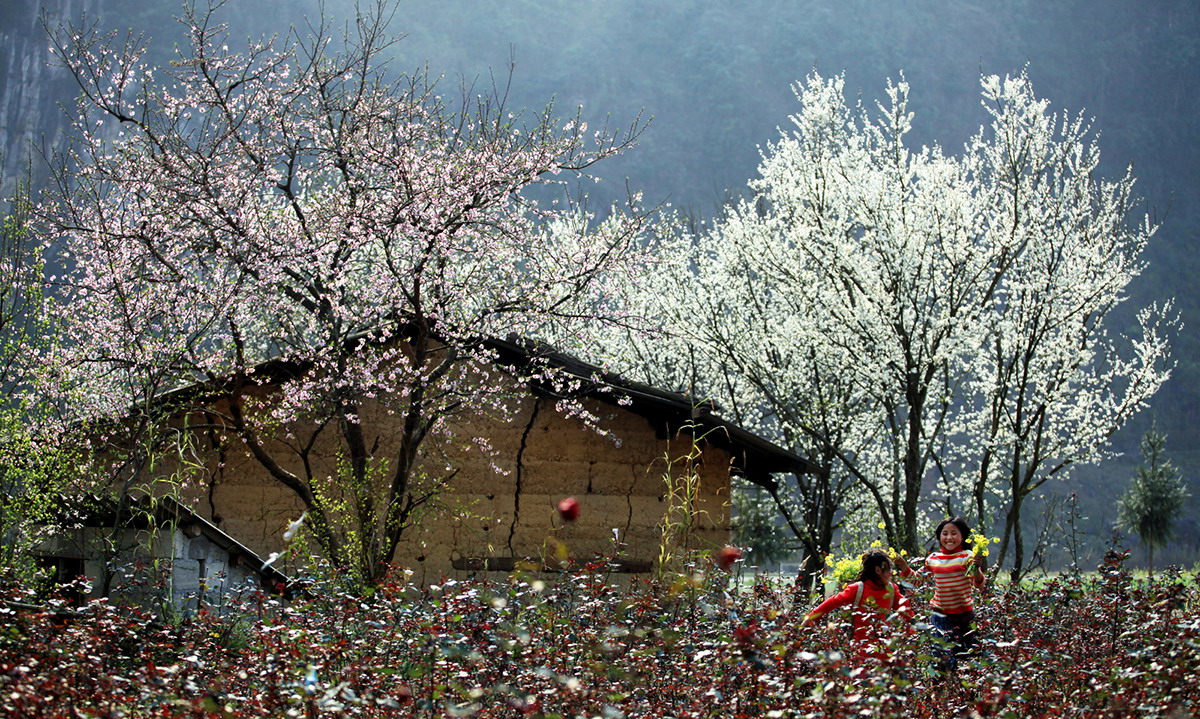
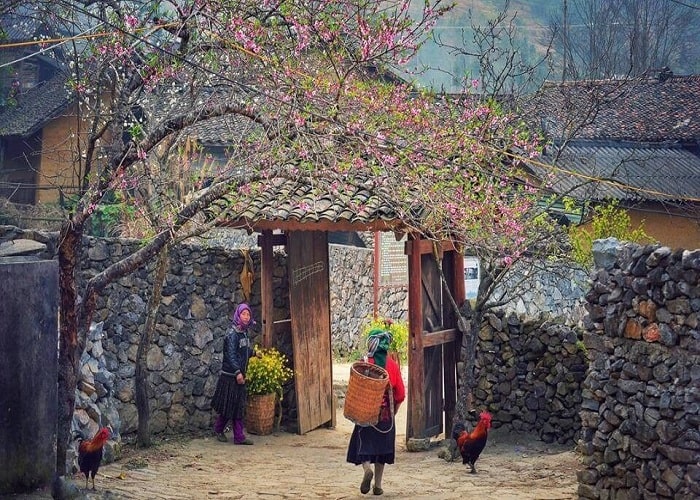
In spring, the captivating beauty of both the people and nature in Dong Van will draw you in. As you travel along the mountain roads, you’ll be greeted by the vibrant colors of blooming flowers and lush trees.

The red and the pink of the peach blossom; the white of the plum blossom; the yellow of the chrysanthemum; the purple of the five-petaled flowers—these vibrant colors stand out against the gray stone and the blue of the leaves. During the Tet holiday, visitors are treated to beautiful scenes of majestic nature and the people there. As you travel through Quan Ba Mountain along the Happiness Road, you can witness the misty landscape with sunlight streaming over the mountains and clouds drifting by.

3.Moc Chau Plateau- Son La

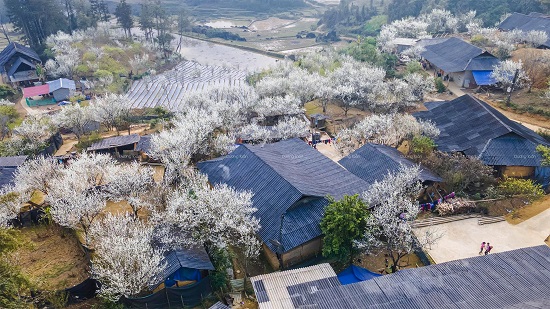
Moc Chau is a captivating region in the Northwest, known for its mysterious and profound beauty. Each season brings a unique charm, but perhaps the most enchanting is spring, when peach and plum blossoms bloom in vibrant hues. This floral season enhances the rustic allure of the countryside, creating a picturesque scene in the heart of spring.

The soft rays of the sun seem to dissolve the mist and chill, transforming each scene like the awakening from a deep slumber. Along Highway 6, as it crosses the pass to Moc Chau, travelers are greeted by a paradise where plum blossoms blanket the white hills in a sea of blooming flowers.

4.Hanoi

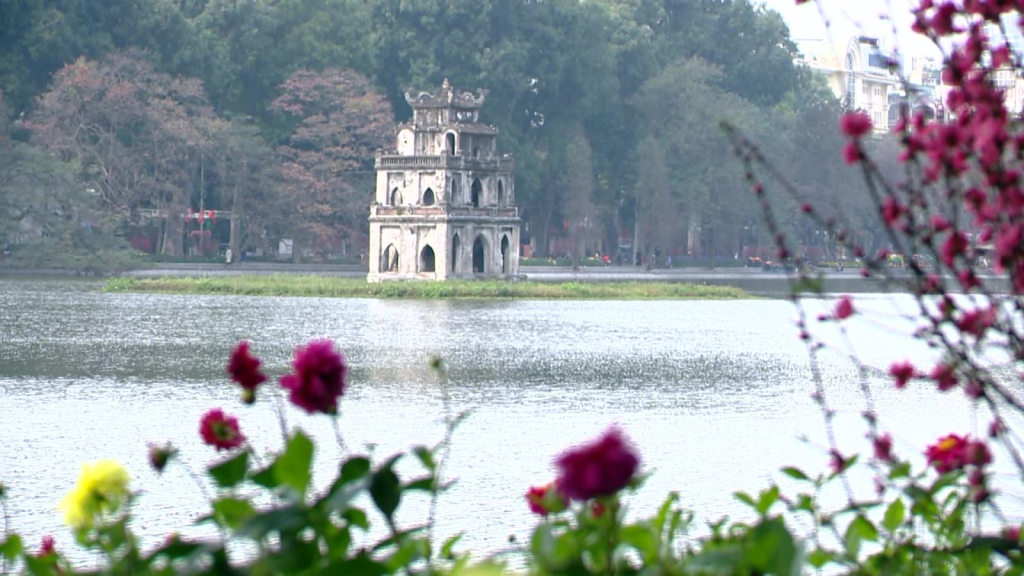
Spring is a great time to visit the capital city. Popular attractions include Hoan Kiem Lake, the Temple of Literature, the Imperial Citadel of Thang Long, and West Lake Water Park. During the holiday season, the city is adorned with beautiful decorations. Visitors can also explore various pagodas, such as Tran Quoc Pagoda and West Lake Palace, where they can enjoy a peaceful atmosphere and make wishes for good fortune.

There are plenty of exciting things to explore during your spring holiday in Vietnam. Before you head out, don’t forget to double-check your Vietnam visa to ensure a hassle-free journey from the very beginning.

Secure your Vietnam visa today at vietnamvisapro.net, where we provide reliable visa services to help make your dream vacation a reality from the very beginning.

Posted on

Ha Nam is emerging as Asia’s top tourism destination.

Located about 65 km south of Hanoi, Ha Nam is a promising gateway province with significant potential for spiritual, cultural, ecological, and culinary tourism. It is rich in history and culture, boasting nearly 2,000 relics, including national treasures, special national relics, and a variety of traditional festivals and craft villages. The province is also home to renowned natural attractions like Tam Chuc Lake, Ba Hang Lake, Doi Mountain, Chau River, and Cam Mountain, which draw both domestic and international tourists.

photo_2024-10-23_15-32-35

This year, Ha Nam won the title of “Asia’s Leading Emerging Tourism Destination” at the World Travel Awards, often referred to as the “Oscars of the travel industry.” The province triumphed over notable contenders such as Okinawa (Japan), Phnom Penh (Cambodia), and Sumba Island (Indonesia), with the results determined by votes from travel professionals and the public.                                                                Tam Chuc Pagoda

A must-visit destination in Ha Nam is the Tam Chuc Spiritual Scenic Complex, which features one of the largest pagodas in the world. Covering an impressive 5,100 hectares, this area is renowned for its breathtaking natural beauty and tranquil ambiance, attracting countless visitors each year. With its pristine landscapes and towering limestone mountains, the Tam Chuc national tourist area is part of a significant heritage site that includes Huong Pagoda, Tam Chuc Pagoda, and Bai Dinh Pagoda. In 2019, Tam Chuc Pagoda hosted the 16th United Nations Day of Vesak Celebrations, drawing millions of Buddhist followers and tourists from around the globe.

Another remarkable site is Dia Tang Phi Lai Pagoda in Ninh Trung village. Nearly 1,000 years old and recently restored, this pagoda is strategically positioned with its back against a mountain, nestled within a lush pine forest and overlooking a spacious field, making it feel almost secluded from nearby residential areas. Its beautiful architecture, set against the serene backdrop of mountains and forests, imbues the pagoda with an ethereal charm that enchants all who visit.                                                 Dia Tang Phi Lai Pagoda

The cuisine of the province makes a memorable impact with its signature dishes, such as Phu Ly grilled spring rolls, perch rice paper, Vu Dai village braised fish, Dam village “banh chung,” and Dai Hoang royal banana. Last year, Ha Nam was recognized at the World Travel Awards 2023 as the “World’s Leading Local Cultural Destination.”

Start planning your trip to Vietnam today by getting your visa at vietnamvisapro.net. As a trusted and reliable visa service, we’re here to help you turn your travel dreams into reality from the very first step.

Posted on

10 Best Things To Do in Ho Chi Minh City

Ho Chi Minh City (or known by its old name – Sai Gon) captures tourists’ hearts due to not only the image of a vibrant and charming city, converging all the conveniences of a modern metropolis but also many attractions that we can spend time on exploring and enjoying with fun.
In order to help you know more about this city, please enjoy our list of Top 10 best things to do in Ho Chi Minh City (also famous tourist attractions in Saigon) below.

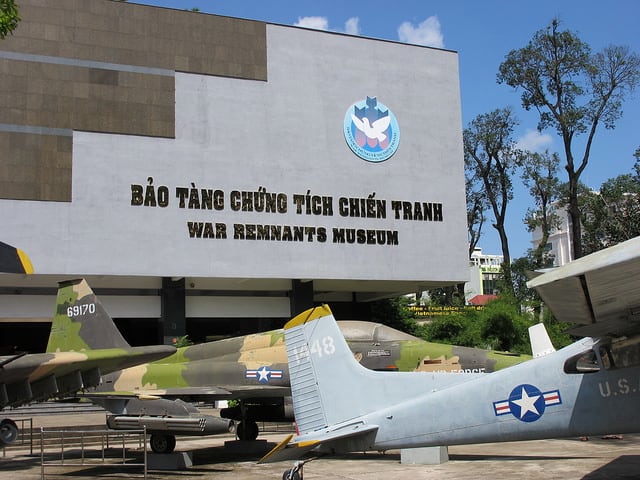
1. War Remnants Museum

The first tourist site to visit in Ho Chi Minh City is War Remnants Museum, one of the most popular museums in Vietnam housing memory related to the Vietnam War and the First Indochina War in Vietnam. 
Established by the Vietnamese government, this museum has opened from September 4th, 1975 as the Exhibition House for the US and Puppet Crimes. In 1990, this has changed to the Exhibition House for Crimes of War and Aggression. In 1995, when President Bill Clinton visited Vietnam, this finally changed to War Remnants Museum till today.
Highlights:
This museum has more than 20,000 documents, exhibits, and films, in which more than 1,500 documents, artifacts, and films have been applied to introduce in public.
In this museum, visitors can have a chance to see so much military equipment of the US and Vietnam military in so many rooms from the Legend AK 47, UH-1  helicopter to M48 tank, T-54 tank. 
Especially, tourists can see “tiger case”, a place where South Vietnamese soldiers kept their political prisoners. Besides, they can look at many photographs in the Vietnam War, including black-white ones. 
This place is like the evidence of the crime and the consequences of war that the US and its allies have caused to Vietnam. Visiting this museum is worth of rewarding things to do in Ho Chi Minh City. 

Location: 28 Vo Van Tan street, District 3, Ho Chi Minh City, Vietnam
Opening hours: 7:30 –18:00 every day

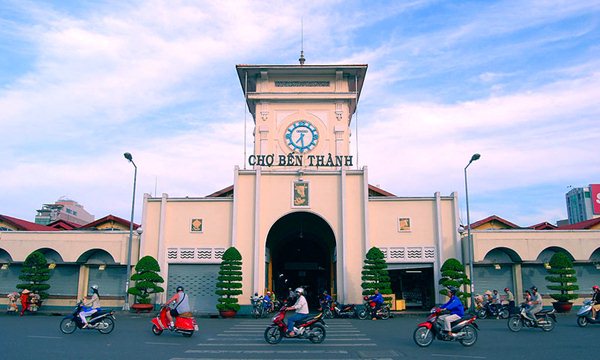
2. Ben Thanh Market

Ben Thanh Market is a symbol and one of the largest markets in Ho Chi Minh City. For a tourist, this market is a perfect place for searching many items from handicrafts, textiles to local cuisine. 
Established in the 17th century, this place was created by vendors near Sai Gon River. In 1870, the fire destroyed the total market and the French rebuilt it. In 1912, New Ben Thanh Market was established and it still existed today. 
Highlights:
What can be found here? Well, first of all, it is real Vietnamese food. In the market, you can eat various kinds of dishes like Banh cuon, Banh xeo, Hu tieu, etc. Beer is also a cheap-price item (only from 2-5 $).
Besides, local clothes and handicrafts are also famous. You can buy everything from clothes, bags to shoes, sweets, etc. Handicrafts created by excellent carpenters are best-selling. 
Especially, since Ben Thanh market is an ancient tourist attraction in Ho Chi Minh City, so all services are quite regulated and there is no tourist solicitation phenomenon. I can ensure that do not buy anything in Ben Thanh Market is a miserable experience for you!

Location: Le Loi Street,  District 1, Ho Chi Minh, Vietnam
Opening hours: 6:00 –24:00 every day

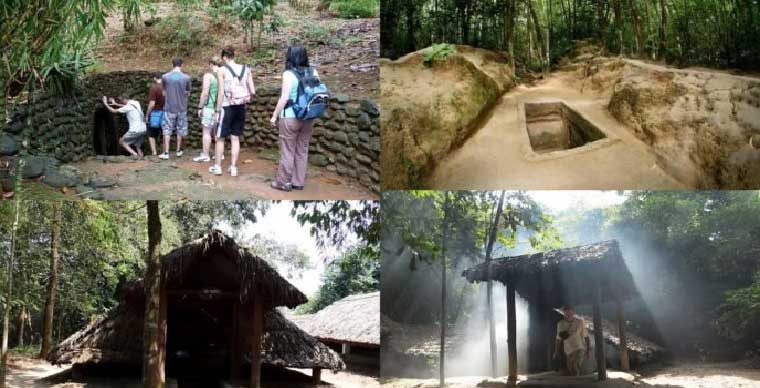
3. Cu Chi Tunnels

This 75-mile tunnel is a real “witness” of massive war in Vietnam. It tells tourists about the strong will of Vietnamese people and soldiers when competing with the giant US in nearly 20 years.
In 1948 during the war against the French, Viet Minh soldiers built the tunnels to help them evade French soldiers near the area and have the ability to communicate with the villagers. This is also a place for the people sheltering from foreign invaders. In the Vietnam War, this was extended over approximately 250 km and considered as an important base for Viet Cong to win American soldiers.
Highlights: 
In Cu Chi,  there are two different tunnel display sites, namely Ben Dinh and Ben Duoc. To experience a unique thing to do in Ho Chi Minh City, visitors can crawl around in the tunnels in safe conditions. 
Besides, Cu Chi also has a shooting range for tourists to enjoy the strange feelings. The price for a bullet ranges from $1.1 (CARBIN) to $1.8 (AK 47 and M60).
To get to Cu Chi, you have many choices to choose from, including motorbike, car, bus or speedboat!

Location:  45 km northwest of Ho Chi Minh City
Opening hours: 07:00 – 17:00 every day, including Sunday!

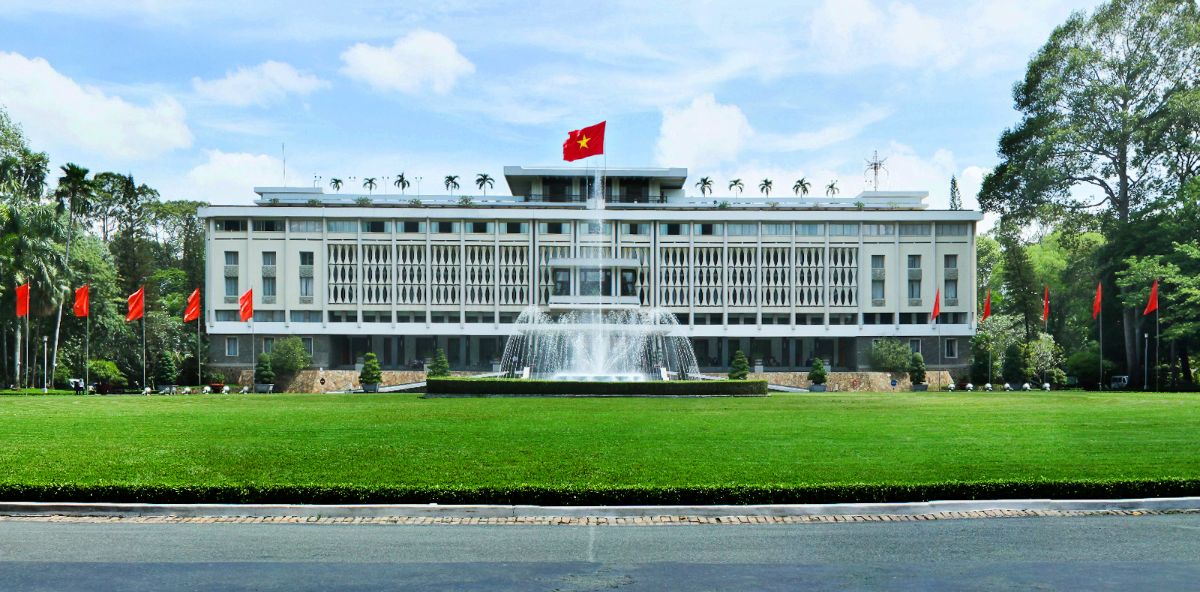
4. Independence Palace

Independence Palace, formerly Reunification Palace, is a famous site when it comes to attractions as well as things to do in Ho Chi Minh City, Vietnam. This place is the home and workplace for the President of South Vietnam from 1954 to 1975. It also was the place that remarked the end of the Vietnam War on April 30th, 1975.
In history, on 23 February 1868, Pierre-Paul de La Grandière, Governor of Cochinchina of France Empire, built a new palace for working. The building process continued until 1873. The designer of palace is Ngo Viet Thu – the first Vietnamese architect winning the First Grand Prize of Rome. After finishing, the palace was named Norodom Palace in the name of the king of Cambodia, King Norodom (1834–1904). 
In World War II, this is an important headquarters of Japanese officials.  On 7 September 1954, Norodom Palace had become the main office of the State of Vietnam. In 1955, Ngo Dinh Diem became president of the Republic of Vietnam and renamed the palace into Independence Palace.  On 30 April 1975, a tank of the North Vietnamese bulldozed over the main gate, ending the Vietnam War. In November 1975, this was renamed Reunification Palace.
Highlights:
Reunification Palace has five levels. The first floor has the Conference Hall, the Cabinet Room and the State of Banqueting Hall. 
The Second floor has the Ambassador Chamber, the President Reception Room, the President Office, National Security Council Chamber, and Vice-Presidential Reception Room. 
On the third floor, there is a card-playing room, a library, and a cinema while the fourth houses a casino. Reunification Palace rooftop terrace is fitted with a heliport. Under the place, there is a basement like a hideout for President including Command Central with so much communication equipment.
This destination, through so many historical events, is like a real “witness” in the Vietnam War and Indochina War. When visiting Ho Chi Minh City, don’t miss this place to learn and know more about a part of the history of this city.

Location: 135 Nam Ky Khoi Nghia Street, District 1, Ho Chi Minh City
Opening hours: 08:00 – 11:00 & 13:00 – 16:00 every day

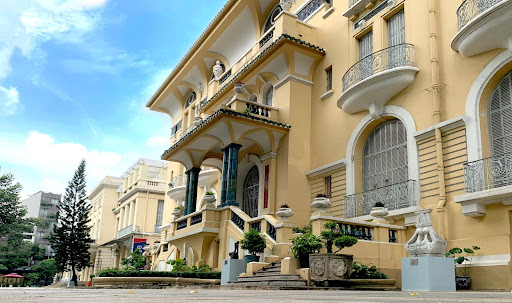
5. Ho Chi Minh City Museum of Fine Arts

The next site to add to your itinerary is Ho Chi Minh City Museum of Fine Arts, a major art museum in the city.
Many years ago, in the 20th century, this place belonged to Hui Bon Hoa, a famous and rich tradesman in Sai Gon at that time. This was designed and constructed by a French architect Rivera in 1929 as a villa for the Hua family. After 1975, the new government took over this place to Vietnam Exhibition Center and Ho Chi Minh City People’s Committee to manage in 1987 and changed it to a public museum until now. 
Highlights:
The museum is about 3514 square meters with over 20,000 works of art from many places in Vietnam. It has three floors with a basement. The first floor has a gallery of artworks for domestic and international arts display. The second floor has both paintings and sculptures of Vietnamese and non-Vietnamese artists while the third floor holds a collection of arts from 7th century to early 20th-century. 
Nowadays, this place has become one of the best destinations for a tourist when visiting Saigon. You should pay a visit to this site to see various works of fine arts and many valuable and attractive pictures in this museum.

Location: 97A – Pho Duc Chinh Street, District 1, Ho Chi Minh City
Opening hours: 9:00 – 18:00 (Tuesday-Sunday, closed on Monday)

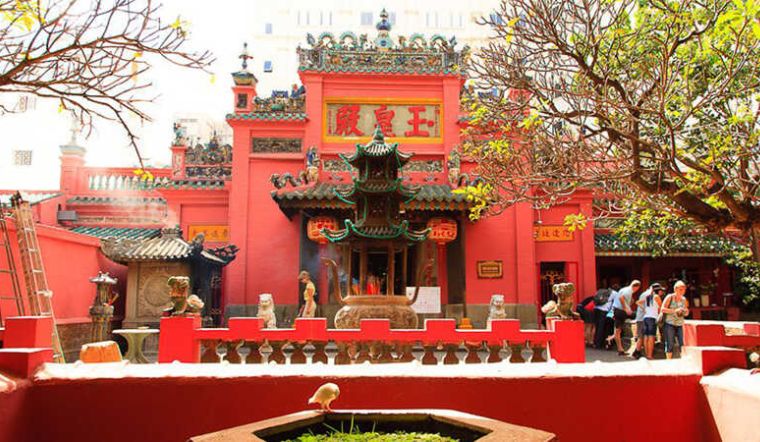
6. Jade Emperor Pagoda

Jade Emperor Pagoda or Jade Emperor Temple is a Taoist and Buddhist pagoda. This is one of the most beautiful and atmospheric temples in Saigon. Built in 1892 by a community of Chinese immigrants with their leaders Liu Ming, this pagoda is a representation of Mahayanist branch of Buddhism in Vietnam and it is the only place where the Jade Emperor is worshipped in Vietnam. 
From 1984, it was renamed into the new Chinese name Phuoc Hai Tu (Sea of Blessing Temple). It is also more and more famous when U.S. President Barack Obama visited this place during his state trip to Vietnam on 22 May 2016.
Highlights: 
The structure of the temple can be divided into two separate parts: courtyard and inside the temple. Passing through the main door to the temple, you will arrive at the courtyard divided into three parts.
In the first half of the courtyard, there is a small turret with a statue of Dharmapala, a Buddhist philosopher. After this first part is a small pond with many turtles and benches. The last part of the courtyard, so-called incinerator, is a chimney-shaped structure where worshippers can burn papers of which the smoke is believed to be able to reach their ancestors in heaven.
Inside the temple, there are many artworks with a set of about 300 ancient statues, including 100 made from wooden cardboard, presenting a meeting of genies with the Jade Emperor in the pagoda. The pagoda’s worshipping area consists of three parts, the main chamber, and the other two departments. The main chamber worships Jade Emperor, the Buddha, and genies. The largest statue in the pagoda is the Jade Emperor in a meeting with genies.
For tourists with troubles in real life, they can go here to pray and see beautiful scenes that can help them feel more balanced and relaxed. 

Location: 73 Mai Thi Luu, District 3, Ho Chi Minh City
Opening hours: 08:00 – 17:00 every day
Entrance fee: No entrance fee but visitors can make donations.

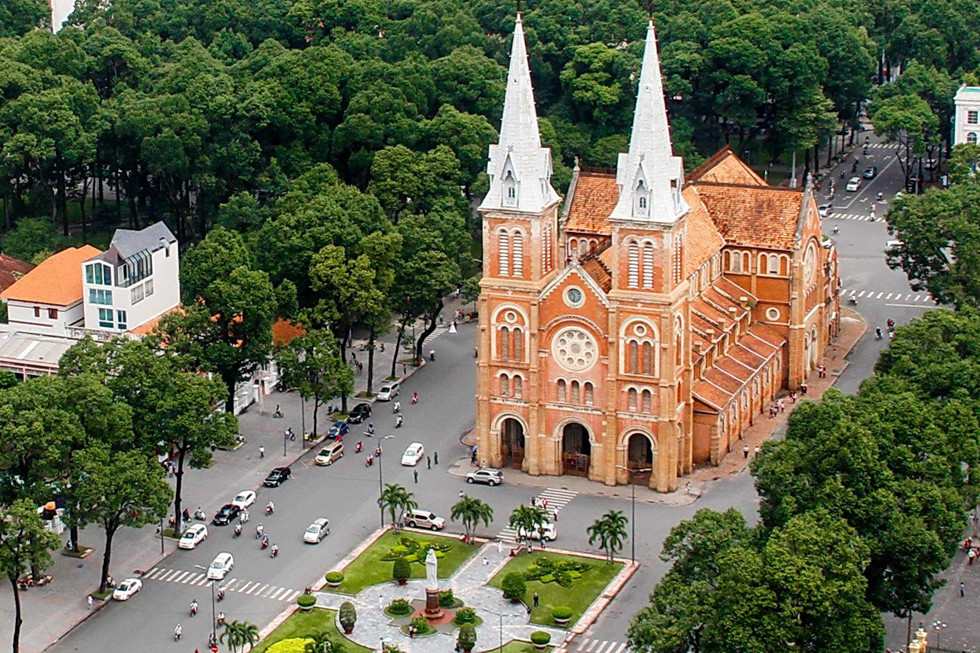
7. Saigon Notre Dame Cathedral

Saigon Notre Dame Cathedral, aka Saigon Notre-Dame Cathedral Basilica or Cathedral Basilica of Our Lady of The Immaculate Conception, is one of the few remaining strongholds of Catholicism in Vietnam and also considered the most attractive tourist attraction in Ho Chi Minh City. 
Built from 1863 to 1880 by the French architects, the cathedral is  60m high. Initially, it was called Saigon Church. The name Notre-Dame Cathedral was named after Bishop of the Church held a ceremony to install the statue of Peaceful Notre Dame in 1959. In 1962, Vatican anointed it as Saigon Chief Cathedral. Since then, this cathedral is called Saigon Notre-Dame Cathedral Basilica.
Highlights:
Its design shows the influence of France and Christianity. At the time it was built, all the materials were directly imported from France. The two bell towers, each with a height of 60.5m and 6 bronze bells have just been added in 1895. The appearance of these bell towers increases the value of the cathedral’s unique architecture. 
When you visit the cathedral, don’t forget to spend time walking around to enjoy its fresh atmosphere as well as special architecture.
This is an interesting place to visit when you are in Saigon because you can not only marvel at its gorgeous architecture but also see a lot of worshippers. However, remember that it is like any holy places around the world. That’s why you should dress appropriately and avoid disturbing the worshippers when visiting the cathedral.

Location: No.1 Cong Xa Paris Street, Ben Nghe, District 1, Ho Chi Minh City
Opening hours: 08:00 – 17:00  every day

8. Saigon Central Post Office

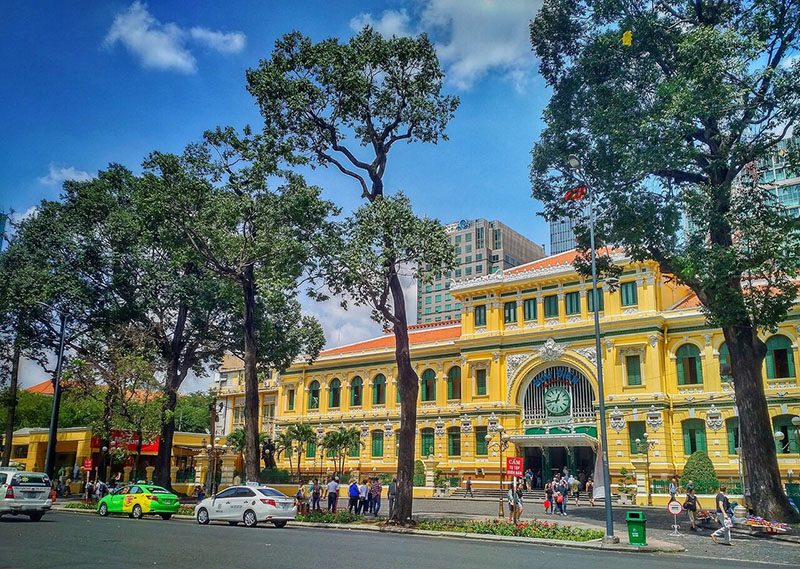
Ho Chi Minh City Post Office or Saigon Central Post Office is the main post office and one of the most attractive tourist attractions in Ho Chi Minh City. The building was built around 1886 – 1891 by a French architect Alfred Foulhoux. The structure in the post office is reserved perfectly. Today, it has been the busiest post office in Vietnam.
Highlights:
Inside the post office, the structure of this place is a mixture of Gothic, Renaissance and French style. Walking inside, the building is big with a lot of space. The ceiling was designed with an arc shape with two rows of steel pillars. All the pillars in the front hall of the building are intricately decorated. This makes the building look more stable and larger. 
Post Office has all kinds of traditional postal services like mailing, selling postcards, or stamps. Foreign money exchange is also available. Inside the post office, you can buy souvenirs or write letters on wooden tables.
Don’t forget Mr. Duong Van Ngo – an old man sitting at the end of a long wooden table. Mr. Ngo has been working here since he was 17, as a polyglot public letter writer and a translator. When he retires, he often helps people write letters in English and French. He says that he loves the job and also suggests you going to other attractions in Ho Chi Minh City to visit.
Through many historical events, this post office still stands and plays an important role in the history of the city. If you want to know more about the unique structure of French colonies and the history of Saigon, this place should not be ignored!

Location: No. 2 Cong Xa Paris, Ben Nghe, District 1, Ho Chi Minh City 
Opening hours: 07:00 – 19:00 every day

9. Saigon Opera House

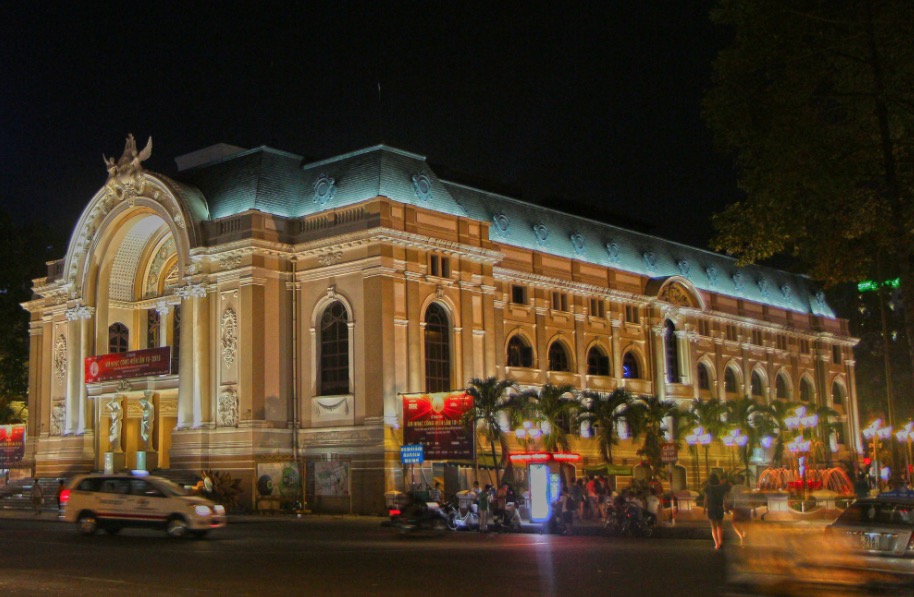
Certified as a national relic in 2012, Municipal Theatre of Ho Chi Minh City, also known as Saigon Municipal Opera House, stays on top of the must-visit Ho Chi Minh City attractions. 
Saigon Opera House was built in 1898 by the French architect – Eugene Ferret in the Belle Epoque style.  After 1956, this was used as home to part of the government of South Vietnam. After 1975, it was again used as a theatre, and restored in 1995. 
Inside the building, it has a main seating floor with two levels of seating above which can accommodate up to 1,800 people. 
In order to celebrate the 300th birthday of Saigon, the government invited some famous architects and artists to restore the house in 1998. 
Highlights:
Today, the building has so many modern devices like electric appliances, lighting, sound systems, and safety equipment. 
The Opera House is surrounded by new plazas and hotels, which allow you to combine a trip to the Opera House with a shopping tour.

Location:  7 Lam Son Square, District 1, Ho Chi Minh City.
Opening hours:  8:00 a.m. to 5:30 p.m daily

10. Bitexco Financial Tower

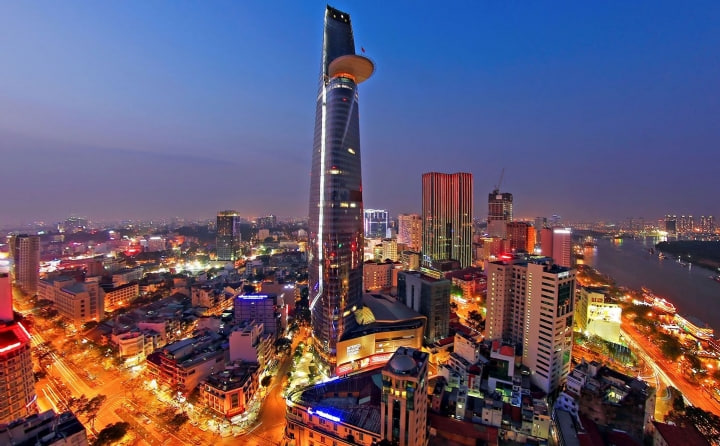
Bitexco Financial Tower, a new modern symbol of Ho Chi Minh City, is a skyscraper where Bitexco Group houses the Ho Chi Minh City office. With 68 floors and three basements, it has a height of 262.5 meters.
The tower is owned by Bitexco Group, a Vietnamese multi-industry corporation and is designed by Carlos Zapata, Design Principal and Founder of Carlos Zapata Studio, with French company AREP as the architect of record. The inspiration for the shape of the skyscraper is from Vietnam’s national flower, the Lotus.
Highlights: 
Sky Deck in Bitexco Tower has a 360-degree view across the city and the Saigon River. Visitors can have a panorama of District 1 from this by a binocular. Great views are enjoyed from the 50th and 51st-floor restaurants, particularly at night. There are also local art exhibitions where you can buy souvenirs for your relatives.

Location: 36 Ho Tung Mau Street, District 1, Ho Chi Minh City
Opening hours: 09:30-21:30 every day 
Entrance fee: $10/person in Skydeck.

Plan well before your cruise to make your every moment in Ho Chi Minh City unforgettable.Make your plan to Vietnam right now by apply a Vietnam visa at vietnamvisapro.net. We, a reputable and reliable Visa service, will assist you turn your plan into reality at the very first step

Posted on

Da Nang best things to do & travel guide

Da Nang is halfway between the capital Hanoi in the north and Ho Chi Minh city in the south. It is the fourth largest city in Vietnam. Apart from some historical sites, the famous Hai Van Pass, the Son Tra peninsula and the beaches are the main reason for staying here.

5 reasons to visit Da Nang

  1. Drive motorbike over the Hai Van Pass
  2. Explore the Son Tra peninsula
  3. Rock climbing at the Marble Mountains
  4. Relax on the beach
  5. Watch the fire show of the dragon bridge

What is in this Da Nang travel guide

Practical information

Recommended days to stay

If you are in Da Nang in the right season, it is a great place to stay for a few days at the beach. If you are desire a bit more culture and things to do, it is recommended to skip this city and stay in the neighboring town of Hoi An.

ATM’s & money exchange

There are ATMs everywhere in the city, including a number at international banks.

Local events and holidays

  • Danang International Fireworks Festival: Held in the months of May or June, with spectacular displays of international fireworks teams illuminating the river and bridges.
Best time to visit
  • Dry season: April – August
  • Monsoon season: September – March
  • Warmest months: June – August (with the highest average temperature of 35 ° C)
  • Coolest months: November – January (with lowest average temperature of 18 ° C)

10 best things to do in Da Nang

Not long ago, Da Nang was a port town like so many can be found in Vietnam. However, in a short time Da Nang has developed into one of the largest and most modern cities in Vietnam. The beautiful beaches of Da Nang and the surrounding area have made the city one of the best beach destination in Vietnam.

There are lots of things to do in Da Nang, but especially around it. It is located right between the two ancient cities of Hoi An and Hue and you can find impressive national parks and stunning coastal roads.

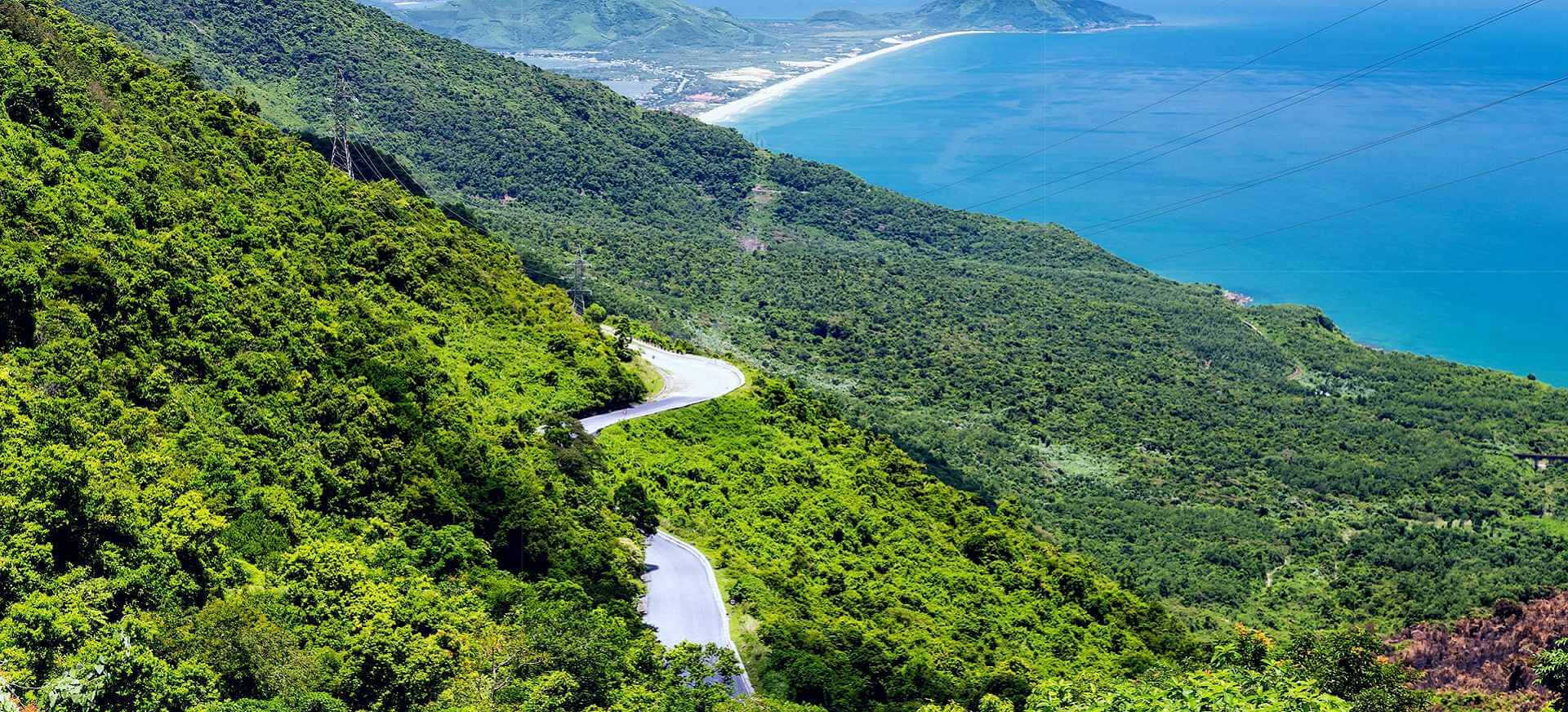
1. Hai Van Pass

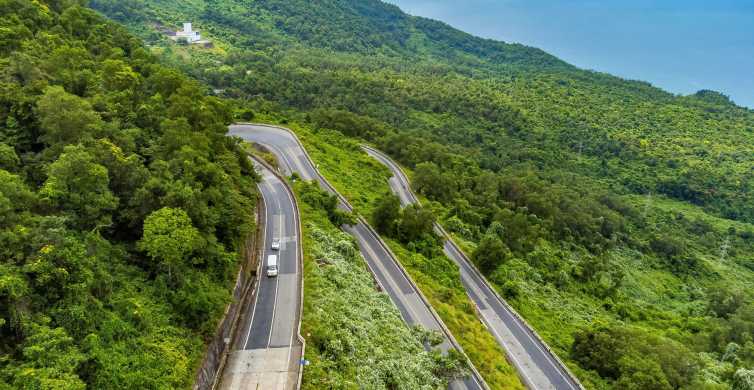
The Hai Van Pass is at number one of the top 10 things to do in Da Nang. Made famous in an episode of the Top Gear TV show, the Hai Van Pass is now a must-do for thousands of motorcycle enthusiasts and adventurers looking for alternative things to do in Da Nang. 

This 21 km long mountain pass between Da Nang and Hue offers some of the most incredible ocean views. A new highway tunnel that has been built ensures that the traffic over the mountain pass is minimal. Rent a scooter in the city and leave early in the morning if you plan to be back in Da Nang the same day. 

2. Son Tra

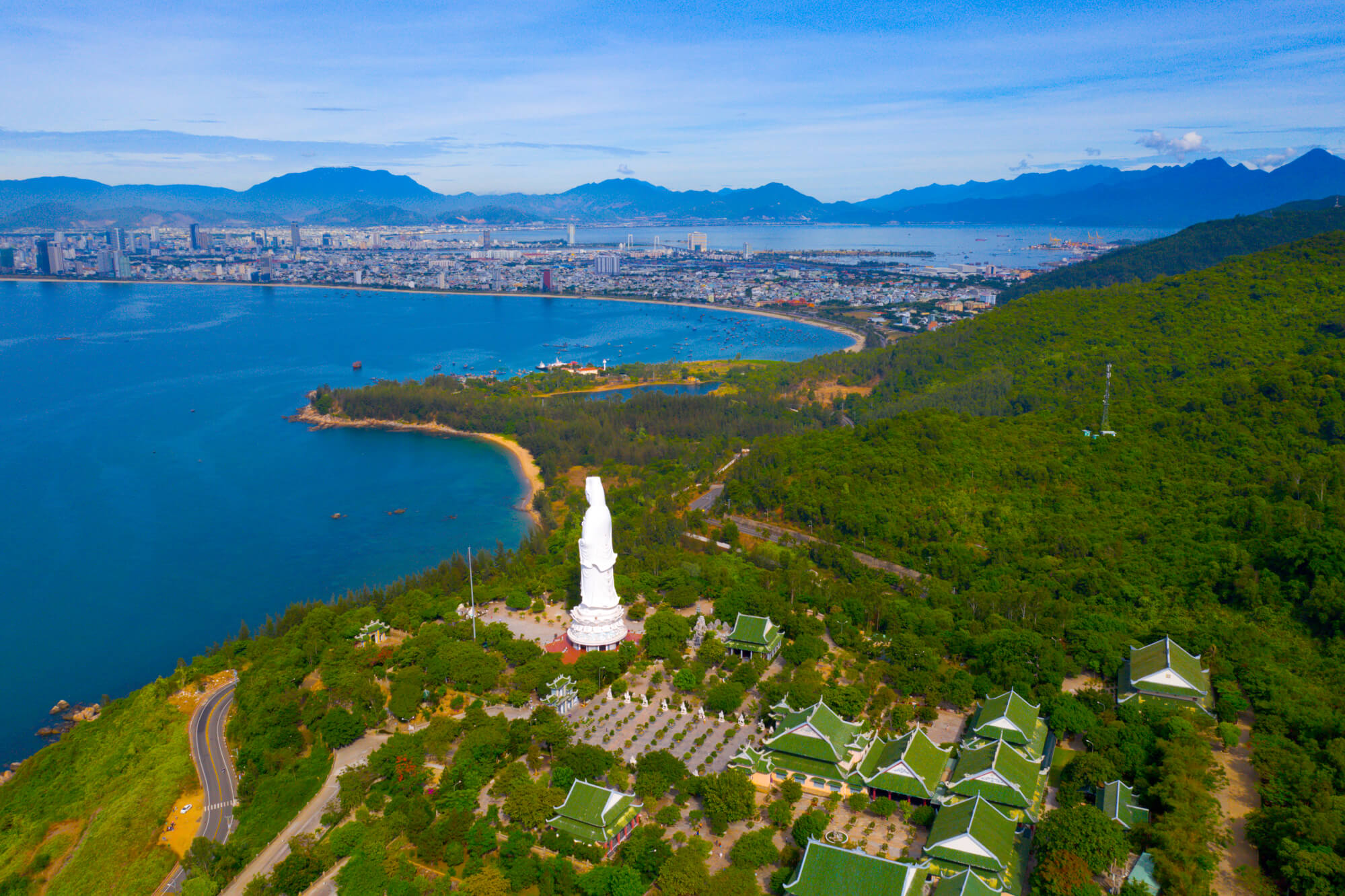
The beautiful rainforest that juts out into the sea from the city of Da Nang is called the Son Tra peninsula. Rent a scooter to ride the newly constructed road to the end of the peninsula and view the nature reserve and head to the top for a great view. If you are lucky you can see a very rare monkey, the red Duoc Langur. There are also a host of unspoilt beaches along the peninsula, making it one of the most beautiful and unspoilt sights in Da Nang.

3. Marble Mountains

The Marble Mountains are a cluster of marble and limestone hills just 7 km from the city and one of the best sights in Da Nang. The mountains are full of caves, tunnels and Buddhist shrines that you can discover. You can climb to the top of the mountains for spectacular views of the entire area. If you are more adventurous, you can also rock climbing and abseiling in the Marble Mountains.

4. Ba Na Hills

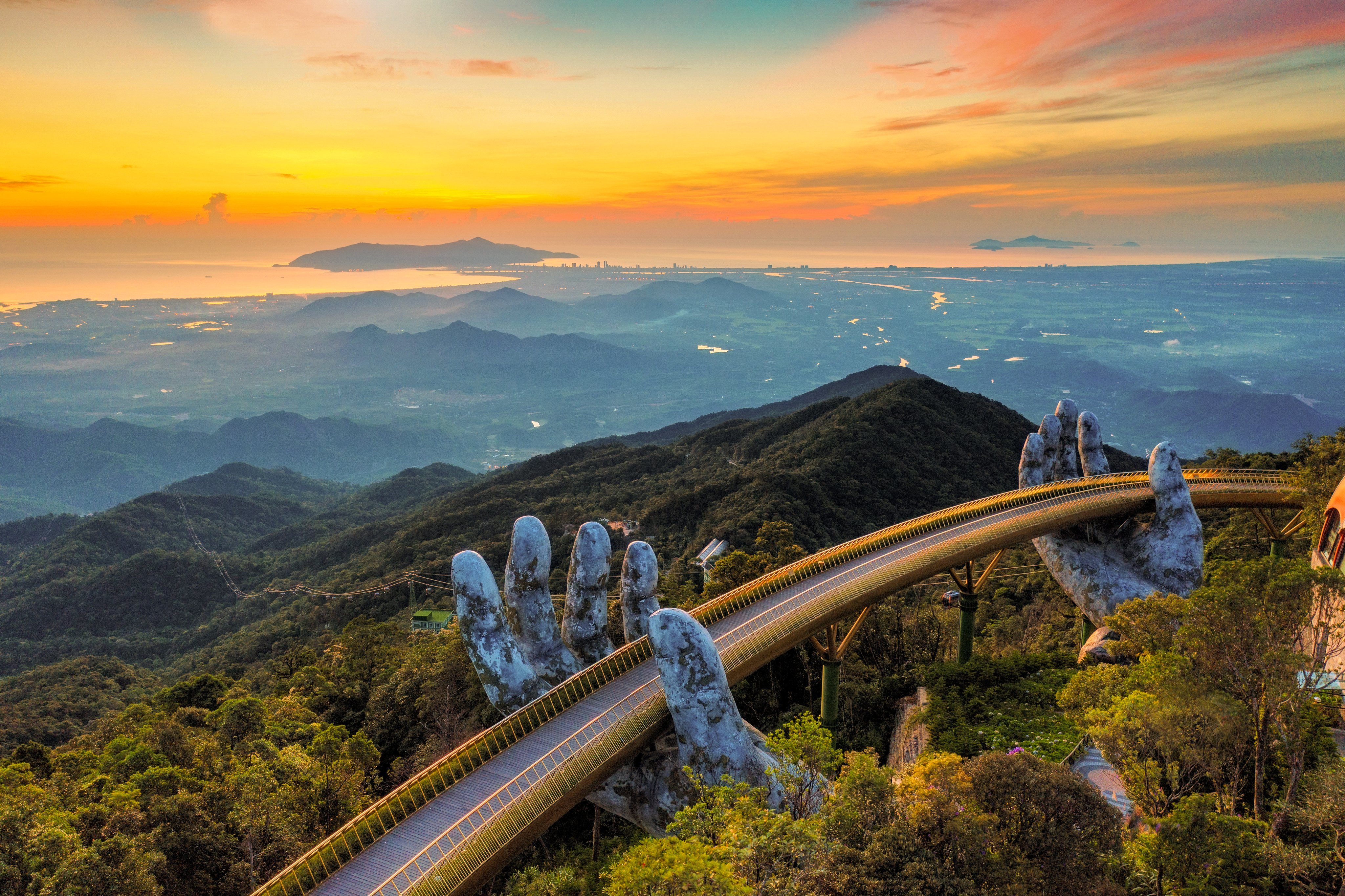
Ba Na Hills is one of the best known landmarks in Da Nang, particularly for Vietnamese tourists. It is one of the newest and most exciting projects in Vietnam. It is a mountain village on top of a mountain that looks like a medieval castle, but within these stone walls are modern accommodations, restaurants and a Fantasy Park full of exciting attractions. The newest addition is the golden bridge that is being held by two giant stone hands.

5. Relax on the beaches

The best beaches in Da Nang are known for their clear water and fine sand. The more popular beaches, such as My Khe and Non Nuoc, are relatively close to the city center and are often full of locals during the weekend and on public holidays. You can also find plenty of local restaurants with fresh fish and Da Nang specialties at affordable prices. Beaches further from the city are often a lot quieter. View here the list of the most beautiful beaches in Da Nang.

6. Dragon Bridge

The Dragon Bridge is a long bridge with six lanes and a popular place among photographers. This unique bridge is built in the shape of a golden dragon. Although it is a beautiful sight at any time of the day, Dragon Bridge is special (and full of tourists) during the weekend because it is illuminated with colorful LEDs as the fire exhales and water spits out from 9 p.m.

7. Cham Island

If you want to see coral reefs, colorful fish, tropical beaches and islets, then the best thing to do in Da Nang is taking a trip to Cham Island. It is actually a cluster of beautiful islands that are only an hour’s boat ride from Da Nang. It is a great day trip or you can spend the night there. In a day trip you visit a few islands, you go snorkeling and you can relax on the beach.

8. Cham Museum

Cham Museum shows the age-old culture, lifestyle and customs of the indigenous Cham tribe in Vietnam, dating back to 192AD. Founded during colonial French rule in 1915, it is known as the only museum of its kind in the world. Cham Museum Da Nang is divided into ten rooms, where 300 terracotta and stone sculptures from the 7th to the 15th century are exhibited.

9. My Son

My Son is approximately a 40-minute drive from Da Nang. There are several companies that organize trips there, or you can drive there yourself with a scooter. This attraction is not as big as Angkor Wat in Cambodia, but it does offer a good insight into the past of the country. There is a small museum at the entrance and all the ruins have information boards.

10. Hoi An

The most famous landmark in the region is the old town of Hoi An. If you do not plan to stay in Hoi An, this is the best thing you can do from Da Nang. Read here how to travel from Da Nang to Hoi An. In this well-preserved old trading city you can easily spend a whole day seeing and visiting old buildings, markets and the lanterns that give a nice atmosphere in the evening.

Best hotels & hostels in Da Nang

Where to stay

On the beach – One of the best things to do in Da Nang is enjoying it’s beautiful beaches. So for obvious reasons this is the best place to stay. There is a very long strip along the beach with different neighborhoods like Son Tra, An Thuong, My An and Khue My. This is also the place with the most hotels and (western) restaurants.

Near the river – The Han River is a very popular place to find a hotel in Da Nang with many restaurants, bars and good nightlife.

Staying in Hoi An – Most tourists choose to stay in Hoi An for a better atmosphere and take a day trip to Da Nang. It is only 45 minutes from Da Nang to Hoi An.

Best hostels & hotels in Da Nang

Budget hotels & hostels

  • Barney’S Danang Backpackers House
  • Travellers Nest Hostel
  • Danang Backpackers Hoste

Mid range hotel

  • Halina Hotel and Apartment
  • Mitisa Hotel Danang
  • John Boutique Villa Apartment
  • Frangipani Boutique Hotel Da Nang
  • Avora Hotel

High end hotel & resort

  • Monarque Hotel Danang
  • Grandvrio Ocean Resort Danang
  • InterContinental Danang Sun Peninsula Resort
Food & drinking

Restaurants

There are many places where you can eat well in the city of Danang. Due to its location, in the middle of Vietnam, you can find many types of food from the rest of the country. In addition to local dishes, there are also many international style restaurants, with dishes like pizza, pasta, hamburgers and Indian food .

  1. Thien Ly Danang-style
  2. Madame Hanh
  3. Market’s
  4. Tamarind Tree Restaurant Da Nang
  5. Sofia Restaurant
  6. Red Sky Bar & Restaurant
  7. Lam Vien Restaurant
  8. Madame Lân
  9. Ngon Villa Danang
  10. Burger Bros

Nightlife

The nightlife and nightlife in Da Nang consists of a collection of rooftop bars, sophisticated lounges, friendly expat bars and lively night clubs.

Rooftop bars

  • Sky 36
  • Brilliant Top Bar

Clubs

  • New Phuong Dong Nightclub
  • Golden Pine
  • OQ Bar

Bar & live music

  • The Daw
  • Seventeen Saloon
  • Bamboo Bar 2
  • 7 Bridges Brewery

How to get there

Lorem ipsum dolor sit amet, consectetur adipiscing elit. Ut elit tellus, luctus nec ullamcorper mattis, pulvinar dapibus leo.

Flights to Da Nang

The busy Danang airport has many domestic connections and popular international flights to Kuala Lumpur, Hong Kong and Singapore. There are also a growing number of connections with Laos, China, Taiwan and South Korea. Domestic flights to destinations such as Ho Chi Minh City, Hanoi, Dalat and Nha Trang are operated by regional airlines, including Vietnam Airlines, VietJet Air and Jetstar.

Busses to Hanoi

Buses run regularly between Da Nang, Hue and Hoi An. There is a large Danang bus station in Dien Bien Phu Street, 3 kilometers west of the city center. From there, there are buses to all major destinations in Vietnam, including Quy Nhon, Hue, Nha Trang and Hanoi.

Buses run regularly between Da Nang, Hue and Hoi An. There is a large Danang bus station in Dien Bien Phu Street, 3 kilometers west of the city center. From there, there are buses to all major destinations in Vietnam, including Quy Nhon, Hue, Nha Trang and Hanoi.

Trains to Da Nang

The Da Nang train station is just outside the city center and you will find a train connection that can take you anywhere in Vietnam. The train ride to Hue is one of the best in the country and is worth taking on itself as an excursion.

How to get around

Grab / Taxi: Getting a Grab taxi anywhere in Da Nang is pretty easy. This saves money compared to a normal taxi. You just have to download the app and have an internet or data connection. To avoid expensive taxis, you must choose a well-known taxi brand: Mai Linh Taxi, Vinasun Taxi, Tien Sa Taxi.

Motorbike rental: Traveling by motorbike is the most fun option of all. The average price for renting a motorcycle is 130,000 VND ($ 6) per day.

Private car: If you want to make a day trip to certain places of interest or a place outside Da Nang, you can rent a car with driver.

More tips for traveling in Da Nang

Where to go next?

It is very easy to travel from Da Nang to other cities in Vietnam due to its airport with very good domestic connections. You can fly to Phu Quoc, Ho Chi Minh City, Hanoi, Dalat or Nha Trang. In addition it is also located a 45 minute ride to Hoi An and a 1,5 hour ride to Hue.

Da Nang with kids

Da Nang is a great place to bring children. There is a huge beach where they can play, different attraction parks such as Ba Na Hills and Asia Park and plenty of day trips you can do from here.

Language

Da Nang is a very international city, so most people in hotels and restaurants speak a descent word of English.

Plan well before your cruise to make your every moment in Vietnam unforgettable.Make your plan to Vietnam right now by apply a Vietnam visa at vietnamvisapro.net. We, a reputable and reliable Visa service, will assist you turn your plan into reality at the very first step

Posted on

Dalat best things to do & travel guide

Dalat is clearly one of the highlights of Vietnam, especially if you like adrenaline. Dalat is completely different from any other place in Vietnam. The weather is spring-like cool instead of tropical hot, the city is littered with elegant French-colonial villas instead of a grim socialist architecture, and the farms around are littered with strawberries and flowers instead of rice.

5 reasons to visit Dalat

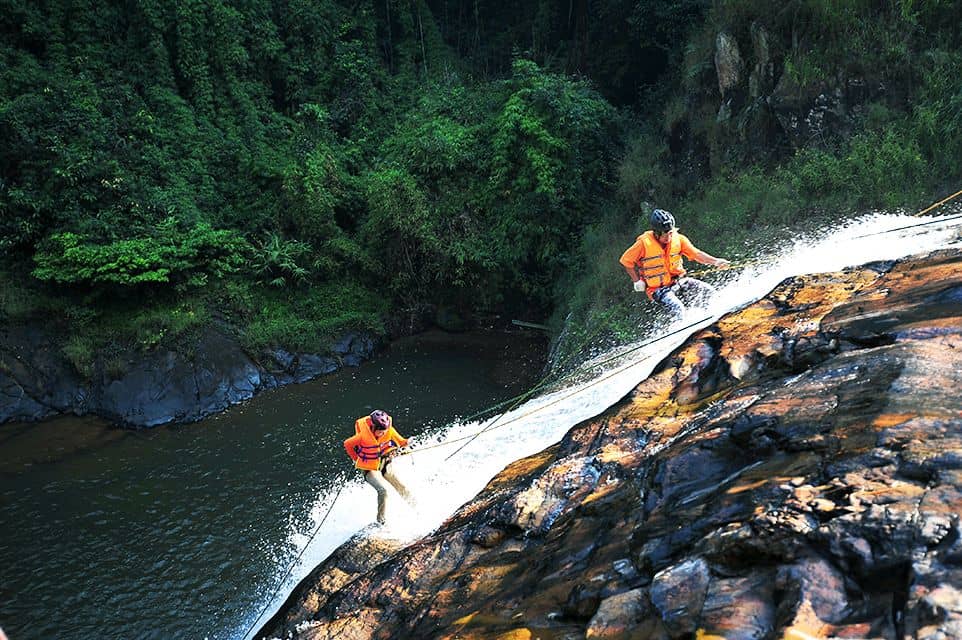
  1. Increase the adrenaline pace with mountain biking, white water rafting, canyoning or a climbing adventure in the hills around Dalat.
  2. Jump on a motorbike and explore the waterfalls, lakes and forests in the area.
  3. In the early morning, gibbons wanted to track down and then search for crocodiles in the Cat Tien National Park.
  4. Visit the local farms and plantations.
  5. Enjoy local food, which comes directly from the area.

What is in this Dalat travel guide

  • Practical information
  • Best time to visit
  • 10 best things to do
  • Best hotels & hostels
  • Food & drinking
  • How to get there
  • How to get around
  • Itinerary

Practical information

Recommended days to stay

If you like adventure it is recommended to stay around 3 days in Dalat, so you have time to do some activities as well as driving through the area and visiting the waterfalls, forests and lakes.

ATM’s & money exchange

Dalat is a relative big town with enough ATM’s.

Local events and holidays

Dalat Flower Festival – A cultural festival which takes place every other year between late December and early January, with the purpose of exhibiting flowers, vegetables and ornamental plants from the local as well as other regions within the country

Best time to visit

  • Spring (January-March) – Season of trees and flowers; between 20 and 28 degrees
  • Summer (April – June) – Season of fog and warm weather; between 24 and 31 degrees
  • Autumn (July – September) – Season of rain; between 24 and 31
  • Winter (October to December) – Season of flowers on the hills; between 20 and 26 degrees

10 best things to do in Dalat

Dalat is a cool mountain town for both Vietnamese and travelers who want to escape the heat and smog of the larger cities. Most people come here so that they can relax and enjoy the natural sights in Dalat, such as the lakes, forests, hills and plantations. But there is also a lot of action for those who want to make their heart beat in perhaps the adventure capital of Vietnam. These are the 10 best things to do in Dalat.

1. Canyoning in Dalat

Without a doubt, canyoning is the best thing to do in Dalat. Especially for the real adventurous travelers it is one of the highlights in Vietnam. During canyoning in Dalat you abseil from waterfalls, jump from cliffs into the river, enjoy a zipline above the water, float in a river and slide down a natural water slide.

2. Explore waterfalls

There are many different waterfalls in Dalat. Some of these are not far from the city and are therefore easy to visit, but others require a long drive. The most famous is the Datanla waterfall. Here you will also find a mountain toboggan roller coaster, cable car and the place where you will find the popular canyoning.

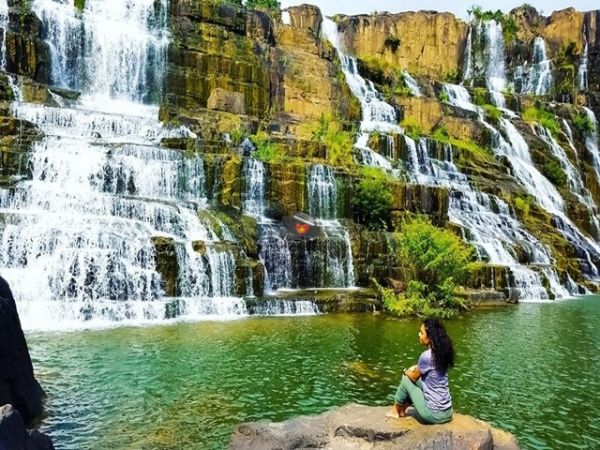
The Pongour waterfall is one of the most beautiful waterfalls, where the water flows down several steps. The forests around the waterfall give it an extra magical atmosphere.

The Elephant Waterfall is another impressive waterfall that is a little closer to the city. The path that leads to the waterfall is a bit tricky, but well worth a visit.

A number of other waterfalls around and in Dalat are Bao Dai waterfall, Prenn waterfall and Tiger waterfall.

3. Mountain biking

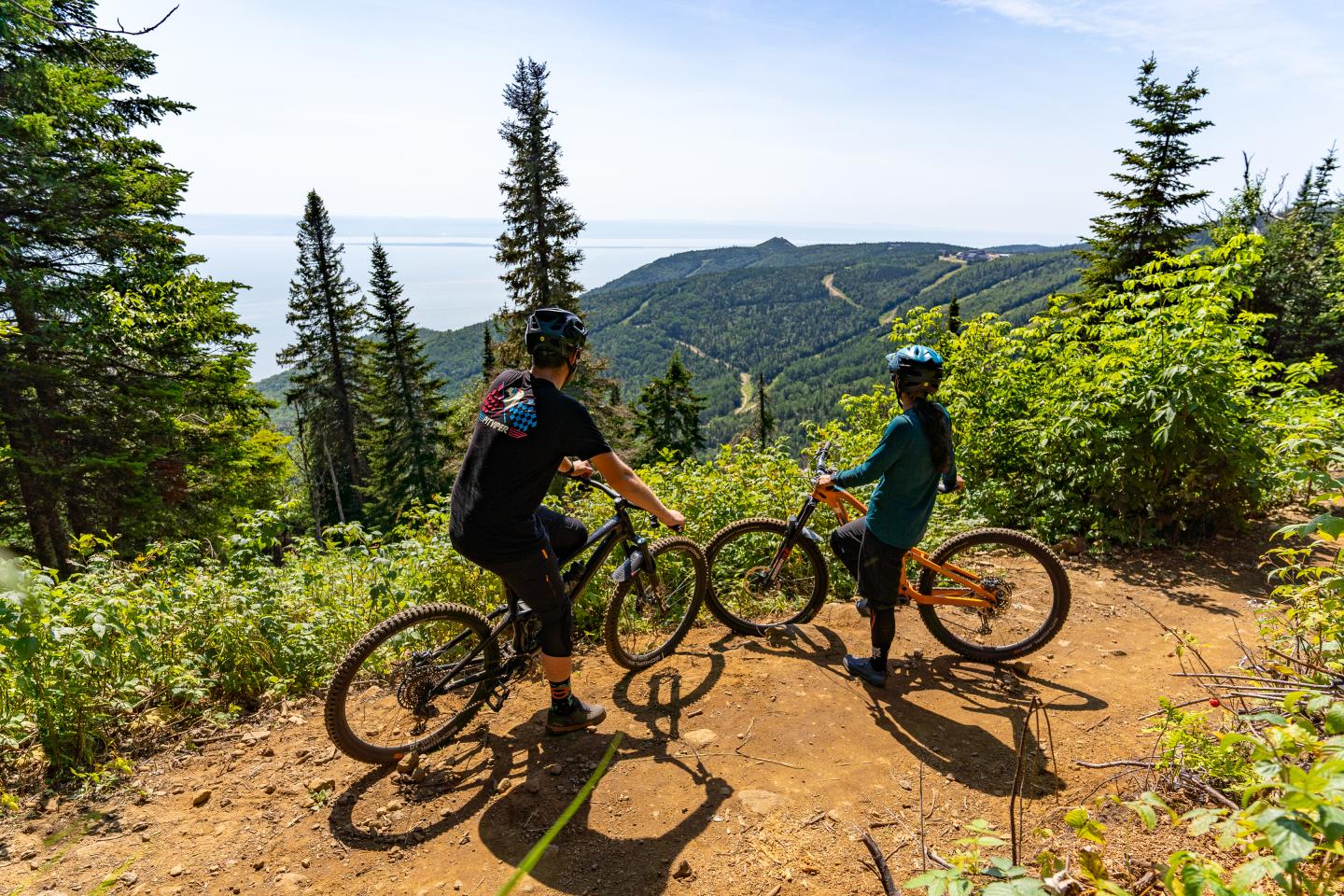
Dalat is a paradise for mountain bikers, with some great single-track, technical descents, mountain climbing and once on top, breathtaking views of fields, forests and mountains. Mountain biking is therefore one of the best things to do in Dalat and a great way to explore the region.

4. Trekking

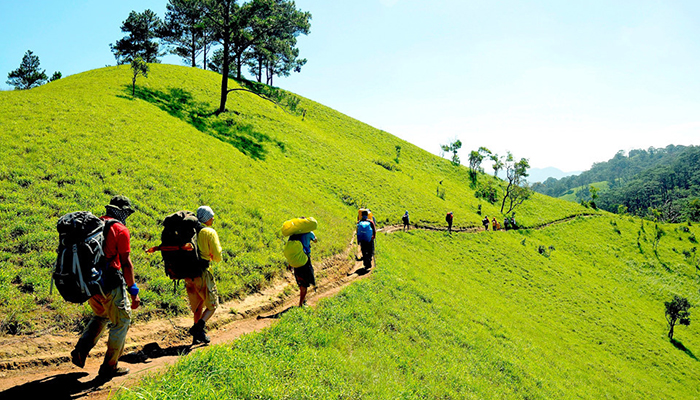
Relaxed walks or adventurous treks through nature and along forest paths are another way to discover the beauty of this area. It is full of many natural sights in Dalat where you can find interesting animals and birds. Some tours can lead you to caves, waterfalls, lakes, volcanic peaks, minority villages, suspension bridges and farmland. The best known treks are to the top of Lang Biang Mountain and treks through the Bidoup Nui Ba National Park.

5. Easy Rider Tour

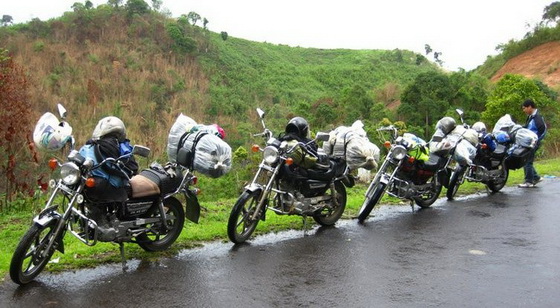
Would you like to explore the forests, lakes, waterfalls and plantations of Dalat, but would you rather not be in a car or would you rather not drive a motorcycle yourself? The Dalat easy riders are the perfect solution! Easy Riders are experienced guides who take behind travelers to popular sights, as well as places that all these local guides know where to find a more authentic experience. They can be found all over Vietnam today, but are originally from Dalat. This is therefore the best place to take an Easy Rider in Vietnam.

These motorcycle guides drive around the city, but you can also book them in advance. They often have a book with reviews and pre-made routes, but you can also indicate your wishes. It is possible to take a day tour to a waterfall, plantations and forests, but you can even take a multi-day easy rider tour, where you can choose to go through the central highlands or drive to the coast and continue along one of the most beautiful coastal roads in Vietnam.

6. Coffee shops

Vietnam is the second largest coffee exporter in the world, just after Brazil and most coffee comes from the central highlands, where Dalat is located. So what better place than to have a coffee in this region?

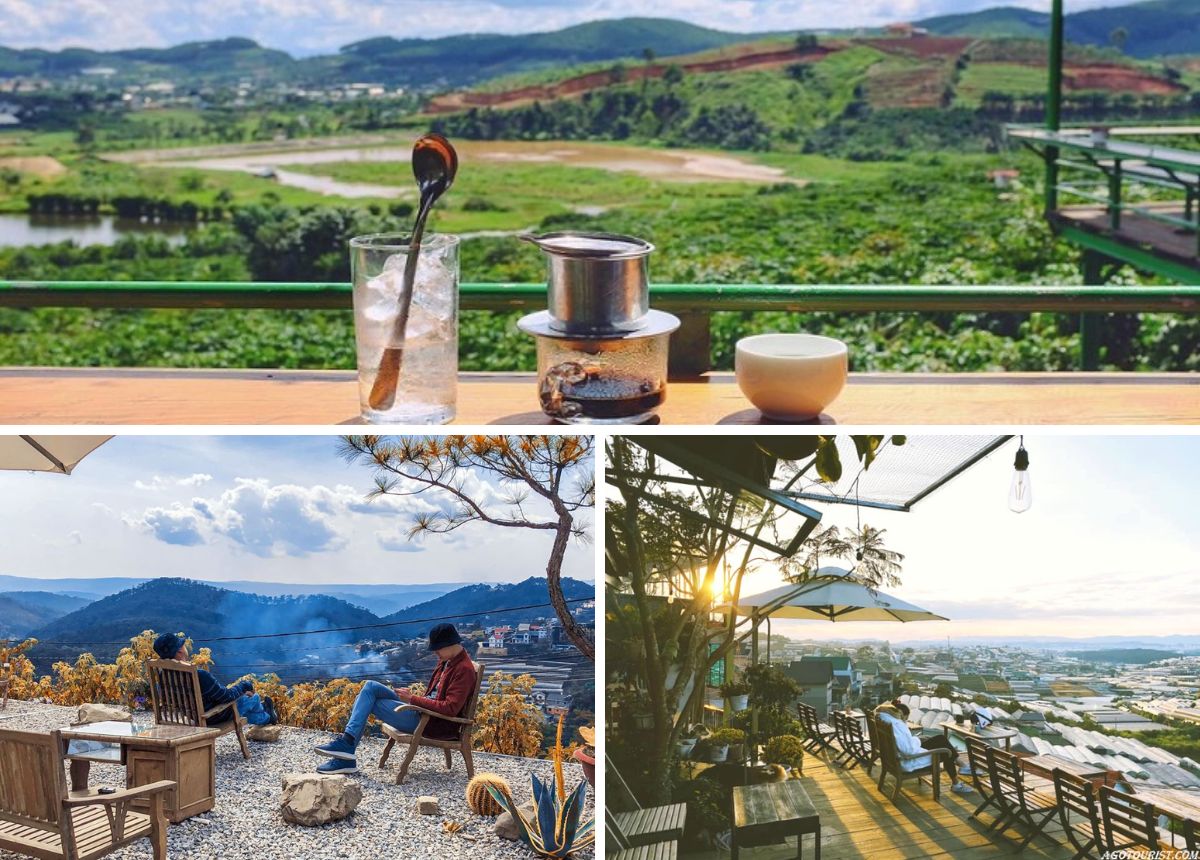
In addition to coffee in Vietnam, a whole culture has also developed around coffee shops, and Dalat is the capital of this. It is more than a place where you come to drink coffee, but also where you come for the environment. These small coffee bars are often uniquely decorated or have a special theme and others have are situated in a unique environment. For example, you will find coffee shops in Dalat on top of mountains with a beautiful view over the forests or greenhouses that are lid in the evening. Enjoy the view over a lake or the city. And coffee shops in less good locations are uniquely decorated or with a special theme, such as Harry Potter, fairy tales or a jungle theme.

7. Tuyen Lam lake

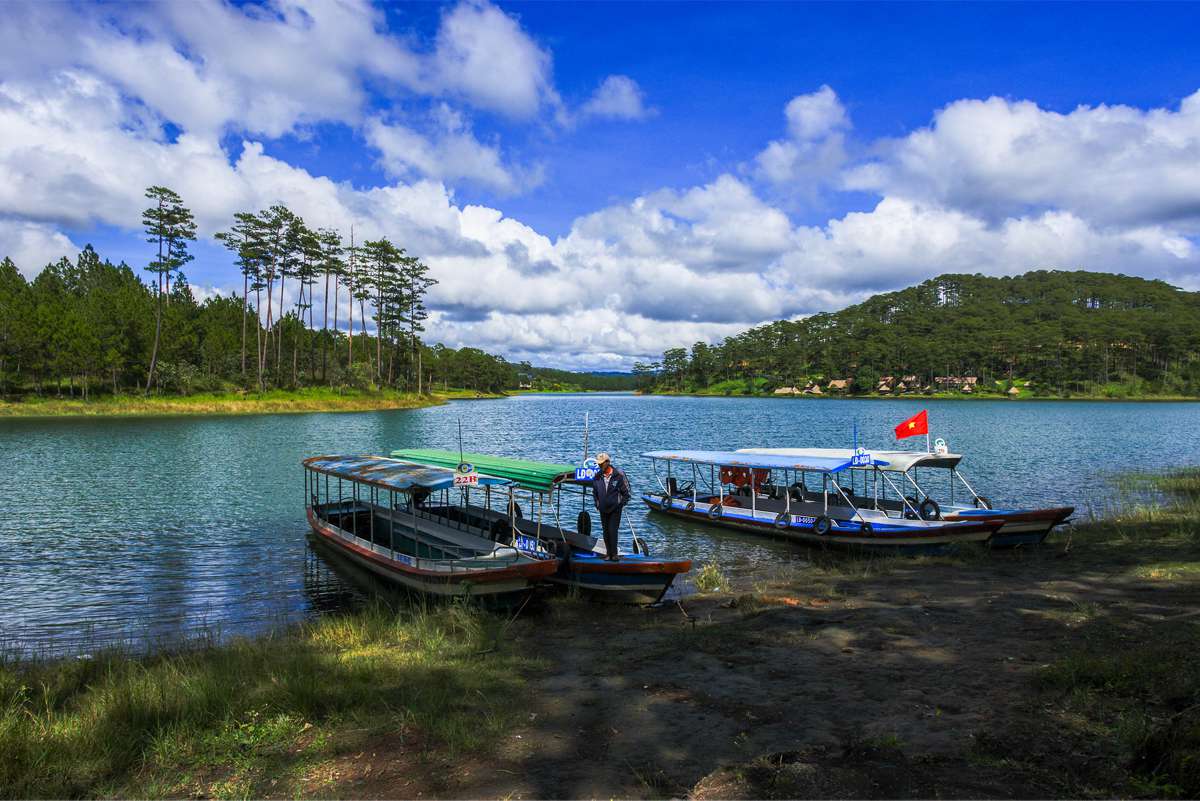
Tuyen Lam Lake is the most beautiful lake in the Dalat area and is also called Paradise Lake. The lake is surrounded by a green pine forest and gives a peaceful feeling in a beautiful landscape. In addition to enjoying the romantic scenery around the lake, you can go horse riding, climbing, fishing and kayaking. You can combine a visit to this lake with the cable car to Truc Lam Pagoda, which is right next to the lake.

8. Dalat night market

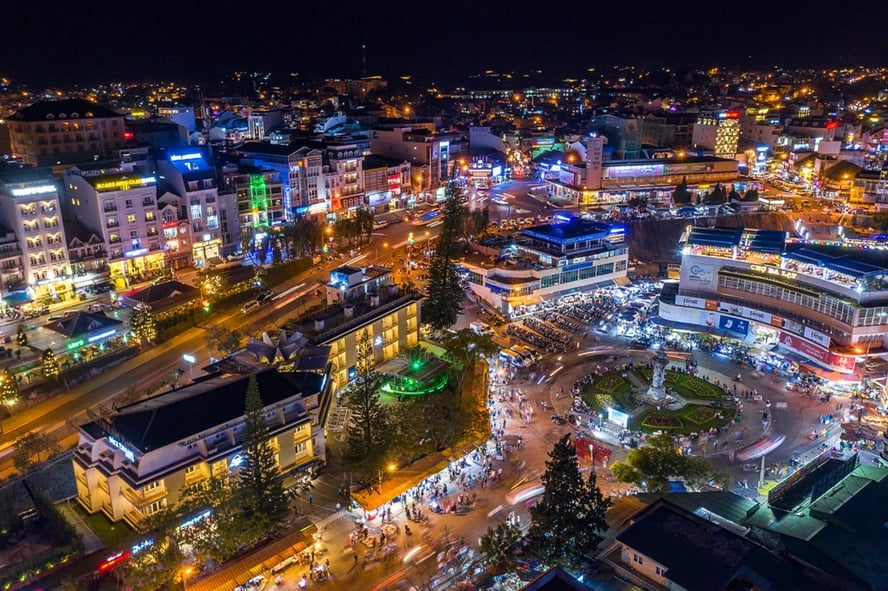
The best thing to do in Dalat at night is a visit to the Dalat night market. When the night market is open in the weekend, the central market area is pure madness, with thousands of people shopping and socializing. It is a lively scene apart from the usual relaxed pace of the city. Even on weekday evenings, the area is rich with inviting scents from all street vendors.

9. Coffee and tea plantations

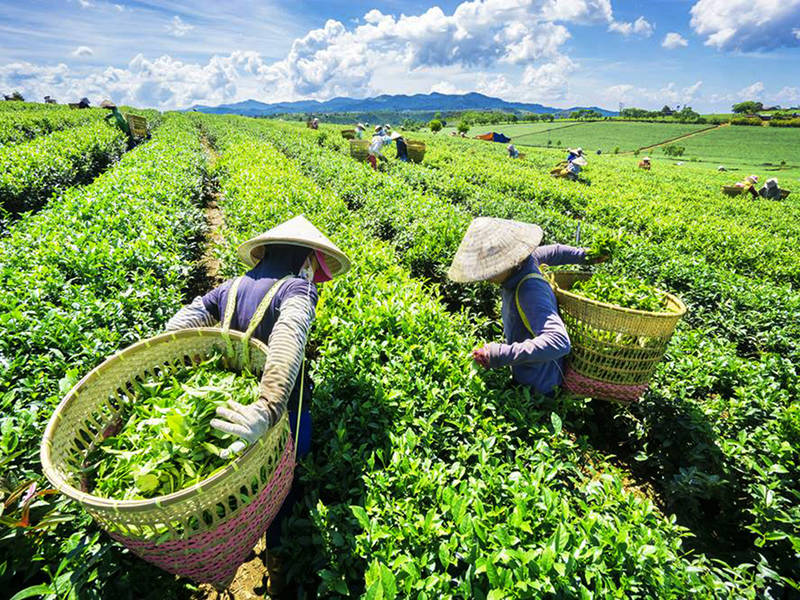
Vietnam is one of the world’s largest coffee exporters and many of the highlands around Dalat are used for plantations. The central highlands of Vietnam offer the ideal climate for growing tea and coffee. When you drive through the Dalat region you will pass large plantations of both coffee and tea and depending on the season there will be countless tarps on the road where coffee beans dry in the sun.

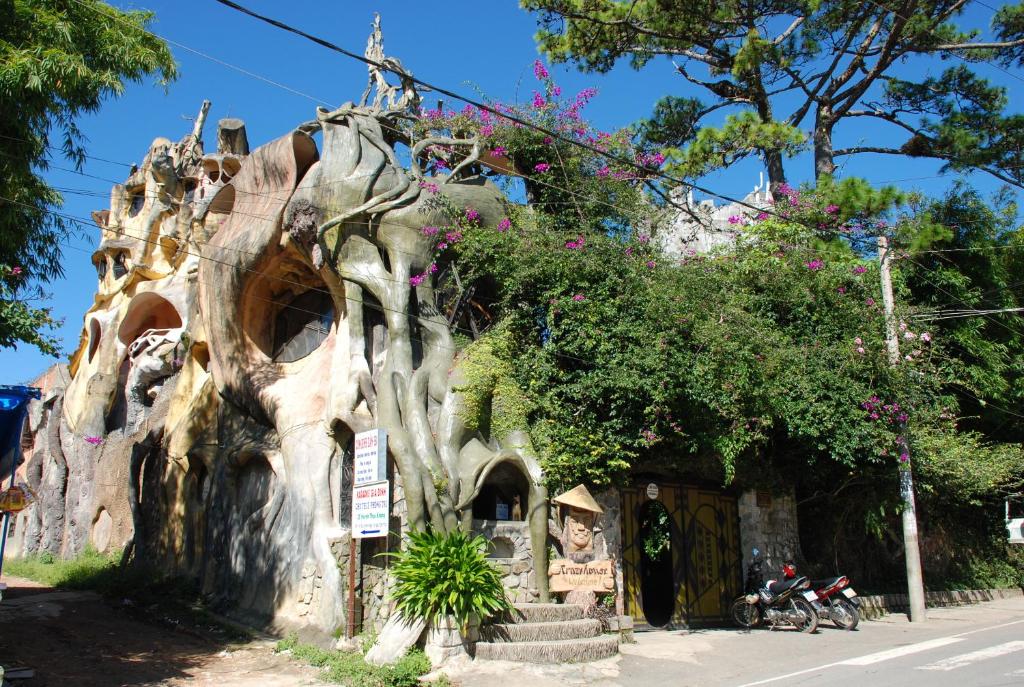
10. Crazy house

The Crazy House in Dalat offers a bizarre structure and completely unique experience. It is officially called the Hang Nga Guesthouse & Art Gallery, but is known as Crazy House for its bizarre and crazy design. With many revolving corridors and odd spaces, this is something completely different.

You can choose to stay here overnight, altough you have to keep in mind it is also a tourist attraction. A better option might be just visiting this place for an hour.

Best hotels & hostels in Dalat

Where to stay

Staying in the center – Located near the Dalat night market, suitable for shopping, eating and relaxing, most means of transport (taxi, motorcycle, bicycle) are available, with many beautiful views that are worth seeing, including Xuan Huong Lake, the flower garden of the city of Dalat.

Hotels outside the city of Dalat – Staying further away from the city center also has some unique advantages: a peaceful and quiet atmosphere, less touristy and a cheaper price. Although it takes you more time to travel to the market or other highlights of the city, in return you get a beautiful landscape to enjoy, as well as more private space to relax.

Best hotels & hostels in Dalat

Budget hotels & hostels

  • The Lake House
  • Gaia hostel
  • Magnolia
  • Cozy Nook Hostel
  • Mr.Peace Backpacker’s House

Mid range hotel

  • La Vie En Rose Villa
  • Tasme Hotel
  • Boutique Stop and Go
  • Tulip Hotel
  • Iris Dalat Hotel
  • Sam Tuyền Lâm Resort

High end hotel & resort

  • Zen Valley Dalat Resort
  • Swiss Belresort Tuyen Lam
  • Terracotta Hotel and Resort Dalat

Food & drinking

Restaurants

Dalat has numerous restaurants to serve varied visitors, of all shapes and sizes, ranging from local Dalat dishes to central and South Vietnamese dishes and a large number of Western and French-inspired eateries, bars and restaurants. The city has a reputation for high-quality fresh produce and is also the source of some of the best coffee in Vietnam.

Restaurants
1. Artist Alley Restaurant
2. Le Chalet Dalat
3. Goc Ha Thanh Restaurant
4. Da Quy Restaurant
5. Chu Quan Bbq Grill

Cafe / coffee shop
1. An cafe
2. Me Linh Coffee Garden
3. Wednesday’s Violet book cafe
4. Ma Rung Lu Quan (Ma Rung Inn)
5. Panorama Cafe Dalat
6. Cafe Nông Trại Vui Vẻ

Nightlife

The nightlife in Dalat is quiet compared to other cities in Vietnam because it is best known as a place for rest and relaxation. However, you can still find a handful of great bars and pubs until late in the evening:

  1. Dalat Night Market
  2. Maze bar
  3. The Escape Bar
  4. Beepub Hostel & Bar
  5. Rain Nightclub
  6. V Club Da Lat

How to get there

Flights to Dalat

There are regular flights with Vietnam Airlines, VietJet Air and Jetstar, including a daily service to Danang (1¼ hour), four daily to Hanoi (1¾ hour) and HCMC (45 minutes), and twice a week to Can Tho (1¼ hour) ).

Busses to Dalat

Dalat is an important bus stop for open bus tickets. The Sinh Tourist has daily buses to Mui Ne, Nha Trang and HCMC.

Dalat’s long-distance bus station is 1.5 km south of Xuan Huong Lake and is dominated by Phuong Trang buses that offer free hotel pick-ups and drop-offs and buses to all major regional destinations.

How to get around

Motorbike: The bets way to get around is by motorbike/scooter. Rent is 150,000d to 200,000d per day. It is understandable if you don’t want to drive around yourself, as the roads in Vietnam as not very safe. In this case we highly recommend doing a Easy Rider tour.

Car: Alternatively you can travel by comfortable car. Daily rental (with driver) starts at around $ 50.

Taxi: For within the city you can use taxis. Uses Mai Linh for reliable service.

More tips for traveling in Dalat

Where to go next?

From the city you can easily travel by bus or car to the coast cities of Nha Trang (if you are planning to go north) and Mui Ne (if you are planning to go south). You can also go by bus or flight to to Ho Chi Minh City. It is possible to go straight to Hoi An / Da Nang by bus, but it is not recommended to takes these long bus trips. There are flights available too from Dalat to Da Nang.

You can also choose to continue your journey through the central highlands and visit destinations such as Dak Lak, Kon Tum and Pleiku.

Dalat with kids

Dalat is a nice destination in Vietnam with kids, especially if they are a little older. You can take wonderful walks through the forest, mountain biking and kayaking. There are also plenty of sights that you can visit in the city and the surrounding area.

Plan well before your cruise to make your every moment in Vietnam unforgettable.Make your plan to Vietnam right now by apply a Vietnam visa at vietnamvisapro.net. We, a reputable and reliable Visa service, will assist you turn your plan into reality at the very first step

Posted on

Travel guide & Hue best things to do

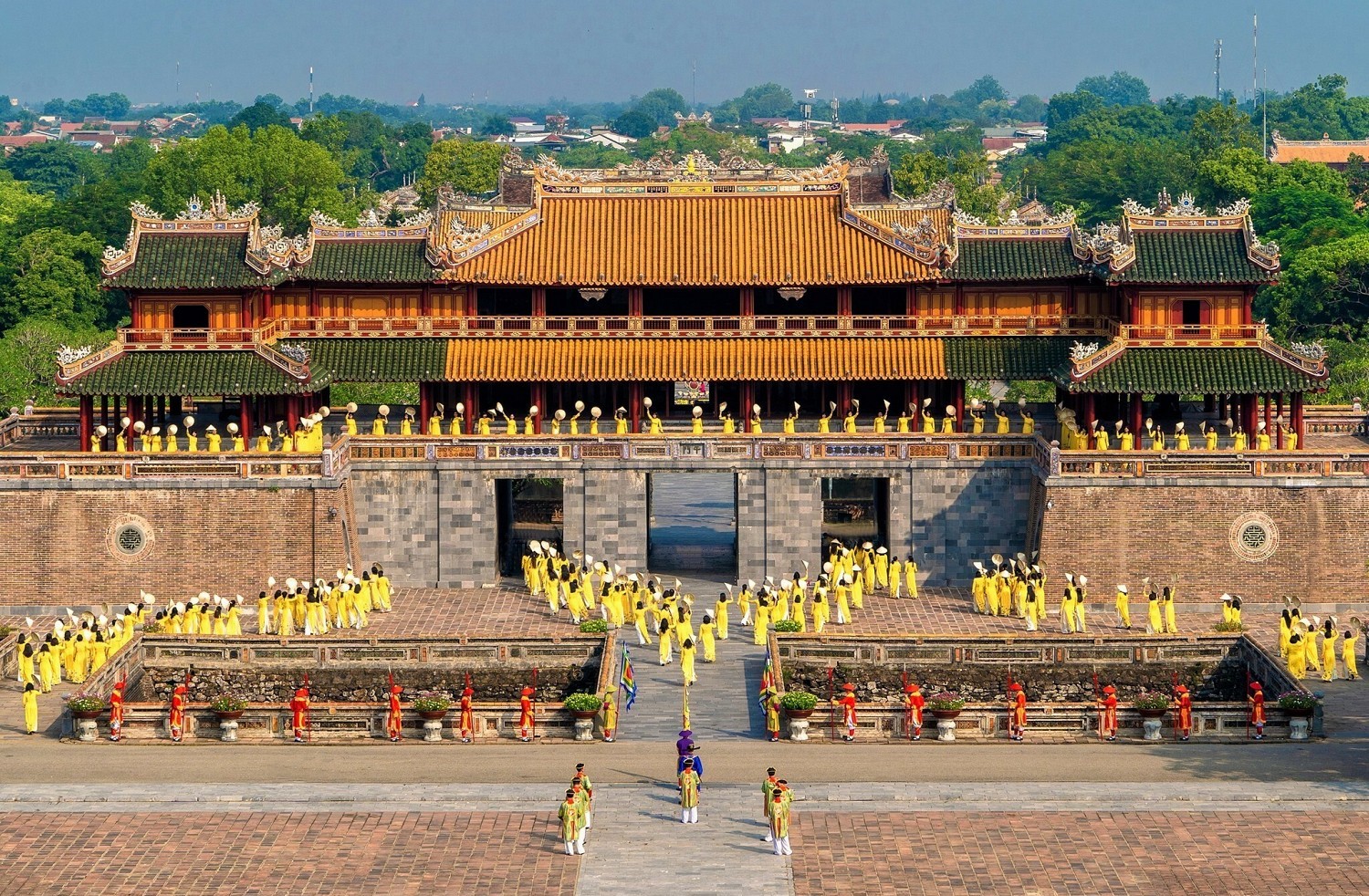
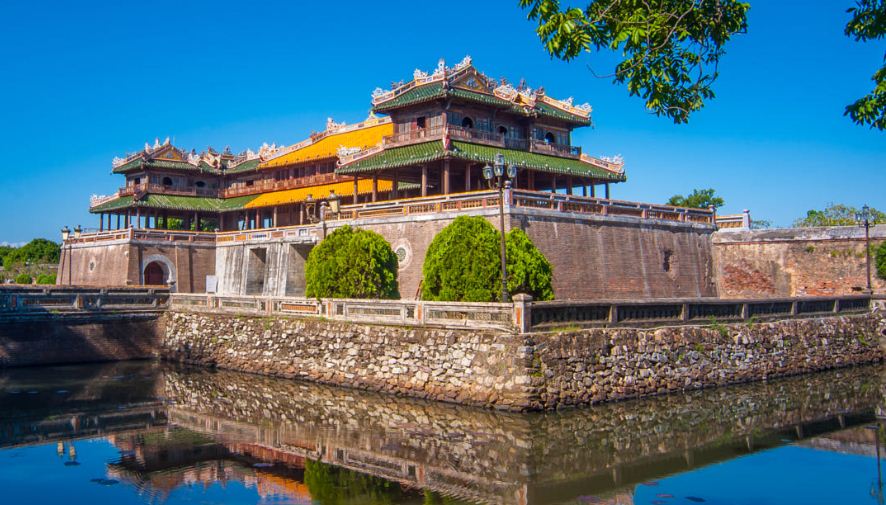
The ancient city of Hue was the capital of Vietnam during the Nguyen dynasty at the beginning of the 19th century and during the Vietnam-US war some of the most intense conflicts took place in this region. One of the main tourist attractions of Hue is the Royal Palace of the imperial city. There are also a number of places of interest left over from the Vietnam War, such as a military base and tunnels in the DMZ.

hue-1703993015802526812140


Recommended days to stay

Most of the temples and city you can see within one day. You can choose to stay another day or two if you want to make a day trip to the DMZ or Bach Ma National Park.

ATM’s & money exchange

Hue is a big city, there are plenty of ATMs to be found.

Local events and holidays

  • Hue Festival: This art festival is held in even years with local and international artists at historic buildings, street parades, sampan races and markets.

Best time to visit

  • The best travel time: From January to April, with 20 to 25 degrees and almost no rain.
  • Dry season: The complete season that there is little or no rainfall is from March to August.

10 best things to do in Hue

The city is a beautiful mix of old and new buildings that are mainly separated by the Parfume River. Hue was the imperial capital of Vietnam between 1802 and 1945. Although many beautiful buildings have been lost as a result of the wars, Hue is busy restoring various highlights in the city.

1. Hue Imperial Citadel

Hue-Imperial-City-Vietnam-2

Without a doubt, the most impressive and best thing to do in Hue is a visit to the Imperial City. In the walled Hue Imperial City, also known as the Citadel, you will find the Forbidden Purple City, dozens of royal tombs, pagodas, temples, royal rooms, a library and a museum.

You can easily walk around here for 3 hours to visit everything. A guide is not necessary but recommended if you want to learn more about the history and the times when there was fierce fighting here during the Vietnam War.

2. Lang Co beach

lang-co-hue-net-dep-tuyet-voi-va-hanh-trinh-kham-pha

One of the best beaches in Vietnam can be found close to the city of Hue. The beach is 10 kilometers long with palm trees, clear water and a number of good resorts. It is still a 60 km drive from the center. You can also choose to stay here for a night, a day trip or a stop on the way between Hue and Da Nang just before the Hai Van Pass.

3. Tombs and temples

word-image-5011-2

Besides the Imperial City, you can find many other tombs, temples and pagodas in and around the city of Hue. The tombs of the emperors of the Nguyen Dynasty are scattered on hills south of the city and can be reached by boat or bicycle. In total there are seven tombs: the other emperors died in exile and were buried.

The best known and most impressive are the Minh Mang Tomb, Tu Duc Tomb, Hon Chen Temple and The To Mieu Temple.

4. Hai Van Pass

97

The Hai Van Pass is located between Hue and Da Nang and is one of the most stunning coastal roads in Vietnam. It is very popular to drive the road by motorbike (or on the back of one), but you can also go by car or an old army jeep. The views along the way are spectacular and you can combine to drive with a visit to some other sights along the way, such as Lang Co beach, fishing villages, the Marble Mountains and a small waterfall.

  • Tip:Excited to go? Check out our Hai Van Pass tours here, including behind on the motorbike of an Easy Rider, a comfortable car or by military jeep!

5. Bach Ma National Park

Bach-Ma-National-Pack-Tour

Bach Ma National Park is an old French hill station that extends over 40,000 hectares and offers great hiking trails, dilapidated French villas, waterfalls, a campsite and lots of wildlife.

The best way is to go on a Bach Ma national park trekking tour through the forest. There are several routes to choose from. The nicest routes bring you along some small lakes and waterfalls. Also make sure to visit the peak with amazing views over the forest. 

6. Dong Ba market

Anh 1(1)_12_7_2022_15_15_26_375_CH

Dong Ba market is the largest market in Central Vietnam and is the perfect place to see the local life. It is a lively market hall where you can buy handicrafts, vegetables, fruit, meat and clothing.

The market is not far from the citadel and on the Perfume River, so you can easily combine a visit with other sights. Walk around the market to watch locals negotiate and get their daily groceries. It is a unique and above all authentic experience.

7. Dragon boat trip on the Perfume River

jpg

The perfume river flows through the middle of the city and can be a relaxing break from city life. Boat trips, pedal boats and dinner cruises are available.

The best way to discover the river is by a dragon boat ride – they are not to be missed. From the boat you can see the local life on shore and the fishermen and transport boats on the water. There are also a number of riverside temples that you can visit on a dragon boat tour.

8. Cycling

camnhi-204410034433-trai-nghiem-o-hue

With less traffic than other major cities, Hue is arguably the best city for cycling in Vietnam. Many tourists choose to ride a bicycle along the banks of the Huong River, to the Citadel. You can also visit a number of temples a little further from the center. Some accommodations lend bicycles for free, otherwise you can rent a bicycle cheaply in the center of the city.

If you are a fanatic cyclist, you can also choose to cycle out of the city and explore the quiet countryside. You can also take a bike tour through Hue countryside so a guide can show you the way. It’s a very calming experience, and quite authentic, as you pass through areas where few other travelers go.

  • Tip:If you prefer not to cycle yourself, you can enjoy a traditional cyclo ride. A cyclo is a three-wheeled bicycle taxi that appeared in Vietnam during the French colonial era. Local Vietnam offers various cyclo rides in Hue. View all tours in Hue here to see your options.

9. DMZ

photo6jpg

During the Vietnam War, there was fierce fighting in the city of Hue, which damaged many historic buildings. But the city is also adjacent to the DMZ – Vietnam’s Demilitarized Zone. Here you will find the border between the former North Vietnam and South Vietnam. There are still a number of sights that you can visit in this area where you can get an idea of how it went. On a tour of the DMZ you usually visit the Hien Luong Bridge which is right on the border, an abandoned American base with abandoned vehicles and the Vinh Moc Tunnels, a tunnel system where an entire village lived to shelter from the bombs.

  • Tip:If you want to see this area, have a look at our DMZ tour by small group. If you are also planning to go to Phong Nha after or before Hue, you can also do a sightseeing transfer through the DMZ between these two destinations.

10. Hue abandoned water park

Tung-len-bao-My-vi-qua-kinh-di-nhung-cong

Photography enthusiasts and urban explorers will want to go here. Ho Thuy Tien is a small abandoned water park on a lake not too far from the city.

The water park has been abandoned for over 10 years. Certain parts are ruins, overgrown and broken, it feels a bit like you’ve walked into a horror movie. In the middle of the lake is a dragon’s head, the main attraction. All around you will find empty swimming pools and dirty slides.

It is not an official tourist attraction and in some places there is glass on the floor, so watch out and don’t wear flip flops.

Best hotels & hostels in Hue

Where to stay

The best area to stay in Hue is the city center, in the area closest to the imperial city, the main attraction of Hue, located on the banks of the river. Here you will find the vast majority of hotels in the city. The area also offers a wide variety of restaurants, bars and shops nearby.

Best hotels & hostels in Hue

Budget hotels & hostels

  • Hue Happy Homestay
  • Sunny A Hotel
  • Jade Hotel Hue
  • Hong Thien Ruby Hotel

Mid range hotel

  • Beaulieu Boutique Hotel
  • The Scarlett Boutique Hotel Hue
  • Moonlight Hotel Hue

High end hotel & resort

  • Pilgrimage Village Boutique Resort & Spa
  • Vedana Lagoon Wellness Resort & Spa
  • Indochine Palace Hotel

Food & drinking

Restaurants

Hue is known for its imperial cuisine, originally prepared for the emperor. Although the food emphasis more on presentation than on taste, an imperial banquet is worth it. If you are a street food lover, then Hue is also the right place for you.

  1. Serene Cuisine Restaurant
  2. Risotto Restaurant
  3. ZUCCA Restaurant
  4. Golden Rice
  5. Elegante Restarant
  6. Madam Thu Restaurant
  7. Family Home Restaurant
  8. Nina’s Cafe
  9.  Les Jardins de La Carambole
  10.  Hanh Restaurant

Nightlife

There is is a lot to do at night in Hanoi. You can join the locals with a beer on the street, go clubbing, chill in a bar or enjoy a impressive performance in the Opera House.

  1. Explore the illuminated sights in the evening
  2. DMZ Bar
  3. Why Not? Bar
  4. Secret Lounge Hue
  5. Le’s Garden Hue
  6. Brown Eyes Bar
  7. One For The Road

How to get there

Lorem ipsum dolor sit amet, consectetur adipiscing elit. Ut elit tellus, luctus nec ullamcorper mattis, pulvinar dapibus leo.

Flights to Hue

Hue has a small international airport, with daily flights from Ho Chi Minh City and Hanoi. Hue’s Phu Bai International Airport is currently served by Vietnam Airlines, Vietjet and JetStar Pacific.

Buses to Hue

Hue is connected by bus to other cities in Central Vietnam. Buses run daily from Hoi An and make the journey to Hue in about three and a half hours. There are also daily buses from other cities, such as Ninh Binh, Phong Nha, Dong Hoi, Da Nang and even from Ho Chi Minh City and Hanoi.

Trains to Hue

Hue train station is one of the many stops on the Hanoi to Ho Chi Minh City train route that goes through the largest part of Vietnam. The train journey from Hue to Da Nang is a very beautiful route that is even worth doing as an excursion.

Private transportation

A great alternative is getting private transportation. The route between Hue and Da Nang/Hoi An goes over the Hai Van pass, a stunning coastal road. On the way there are a few sights that you can visit too.

If you go north to Phong Nha, you can visit the sights that are located in the DMZ.

You can either go by Easy Rider or private car for both routes.

How to get around

Taxis are everywhere in Hue, although there are a few that take you on a rather detour if you don’t know the area. To prevent this, look out for the Green Mai Linh or yellow Taxi Vang, which use both meters.

Cyclos and motor taxis are very popular. Drivers will name an amount they think they can get, so you have to come up with a price that you think is reasonable.

Cycling is best suited for those who want to visit the sights themselves in and around the center of Hue. There are numerous hotels with bikes and bicycle shops.

Itinerary 2 days in Hue

Day 1

The first morning in Hue you start with a walk around Hue Citadel and the imperial city. In the afternoon you rent a bike or a motor-taxi to the Thien Mu pagoda along the romantic Perfume River. If you have more time, you can cycle even further. At night you take a boat trip along the Perfume River, where you can enjoy live music.

Day 2

Take a day trip. Choose to go through the DMZ and visit the Vinh Moc Tunnels and the Khe Sanh Combat Base.

Or make a trekking in Bach Ma national park.

Make your plan to Vietnam right now by apply a Vietnam visa at vietnamvisapro.net. We, a reputable and reliable Visa service, will assist you turn your plan into reality at the very first step.