Posted on

Top of 12 Vietnamese destinations stole a British writer’s heart.

In a country where each visit could potentially uncover something new, a British journalist describes 12 places, from buzzing cities to hideaways, that capture the essence of Vietnam.

According to Claire Boobbyer, Vietnam, home to 99 million people and over 3,000 kilometers of coastline, is bursting with reasons to explore.

>>> Apply Visa to Vietnam <<<

>>> Order Fast Track Service <<<

She first visited the country in 2004 and has returned many times since.

In her article for The Times, she recommends 12 destinations, each one rich in identity, culture, nature, and experiences.

  1. Hanoi’s Old Quarter

“Hanoi is noisy, traffic-choked and beautiful all at once,” she writes of the capital city.

The city is full of lakes, charm, and history.

At its heart is the Old Quarter, a maze of temples, food stalls, shops, and hotels packed into narrow streets. Boobbyer recommends learning how to dodge motorbikes while on a street food tour or while exploring French villas and historic landmarks like the Ho Chi Minh Mausoleum, the Temple of Literature, Hoa Lo Prison, and the Museum of Ethnology.

  • Ha Giang Province

Up in the far north, Ha Giang borders China and offers what Boobbyer calls “an otherworldly landscape.” It is a region of sugarloaf peaks, mountain passes, and rice paddies carved into steep hills.

She suggests exploring Red Dao and Hmong villages, browsing local markets and glimpsing traditions like weaving.

On the way, she recommends stopping in Mu Cang Chai for its terraced fields.

  • Ha Long Bay

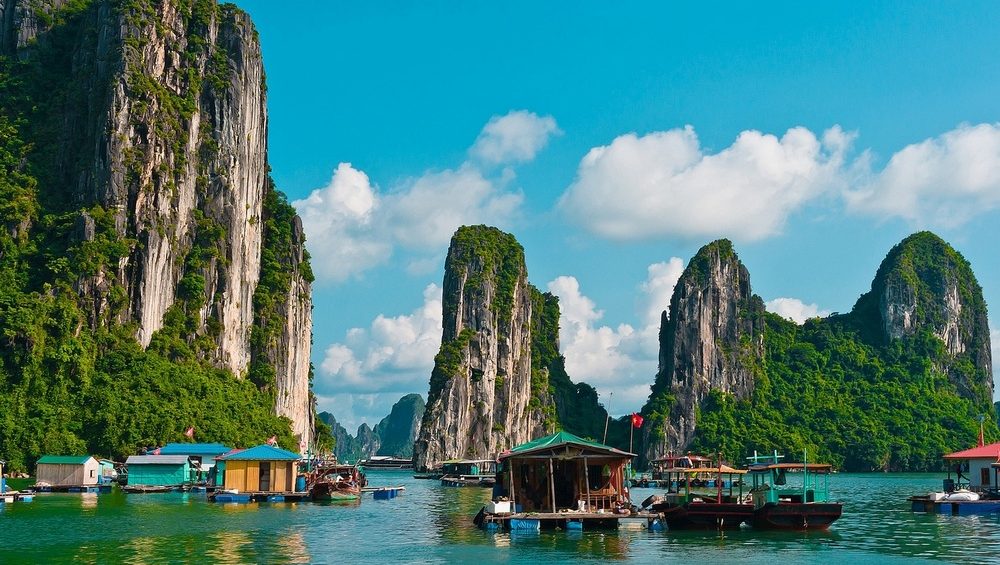
Ha Long Bay (also written as Halong Bay) is one of Vietnam’s most famous natural landmarks and a UNESCO World Heritage Site. Ha Long Bay has one of Vietnam’s most iconic landscapes, with limestone outcrops rising from the waters. No matter the weather, misty or sunny, the bay always feels magical.

Ha Long Bay made up of thousands of limestone karsts and islets that rise dramatically from the emerald waters. This place formed over 500 million years through processes of erosion, tectonic activity, and sea level changes. Some caves, arches, and grottoes are scattered throughout — popular ones include Sung Sot Cave (Surprise Cave) and Thien Cung Cave (Heavenly Palace Cave).

  • Bai Tu Long Bay

For a more peaceful experience, Boobbyer recommends venturing farther out to Bai Tu Long Bay, just east of Ha Long. The “fortress” of limestone towers, as she describes it, lies beyond the reach of most cruises and offers an escape from the crowds.

You also can enjoy  as trekking Bai Tu Long National Park on islands like Ba Mun and Tra Ngọ; wildlife spotting, cave exploration (Bat Cave), and archaeological sites within Van Đon port area and join local fishermen for squid fishing, aquaculture tours, or pearl farming visits in Cap La or Vung Vieng to learn about traditional livelihoods in some authentic villages there.

She suggests spending at least two nights to explore a place where the scenery is just as stunning but with fewer boats.

  • Pu Luong Nature Reserve

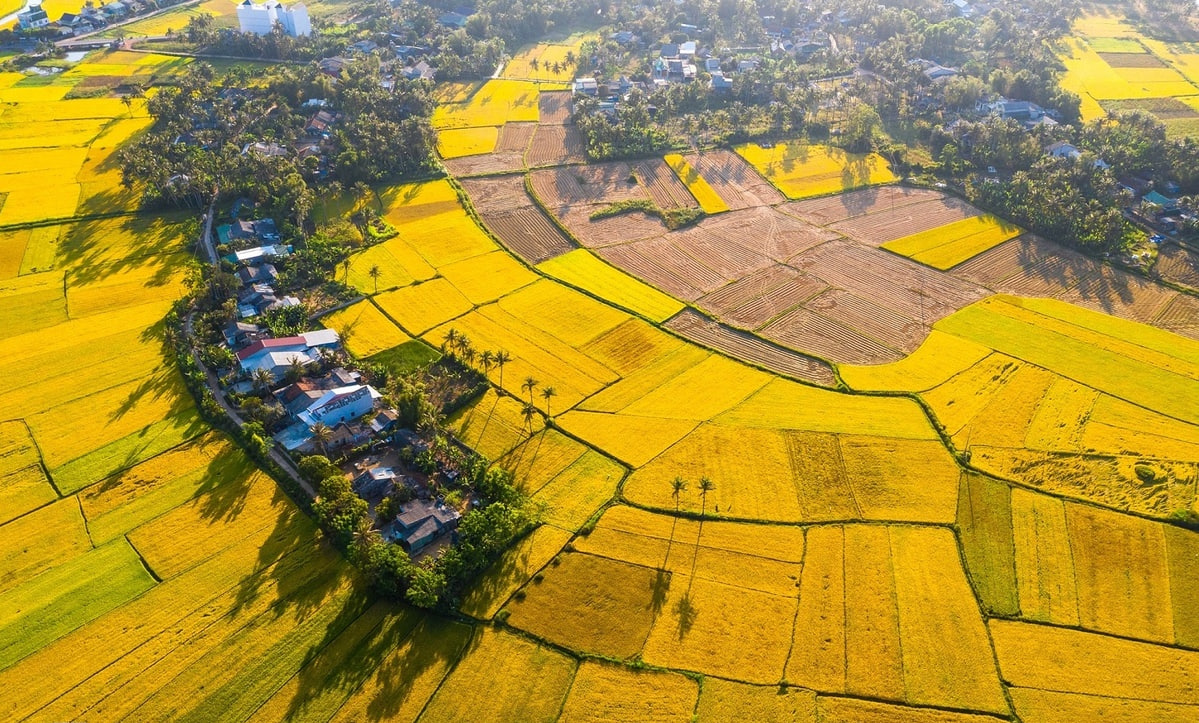
Pu Luong sits in western Thanh Hoa Province, near the Vietnam – Laos border, and spans more than 17,000 hectares. Boobbyer highlights its landscapes of green rice paddies, Muong villages and streams lined with water wheels. Here, travelers can trek through orchards, glide down rivers on bamboo rafts or unwind at eco-retreats tucked deep inside nature.

  • Hue City

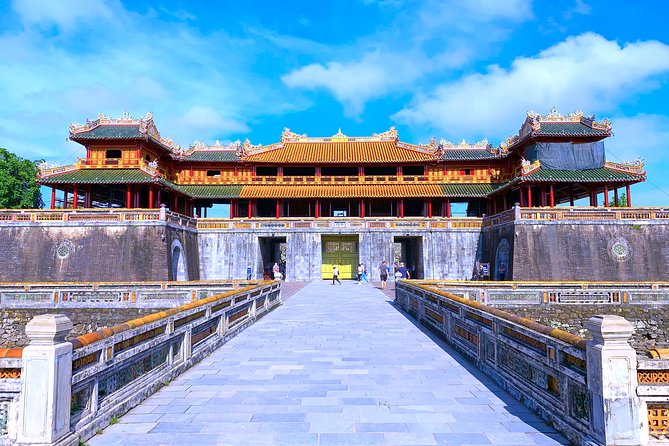
Hue was home to Vietnam’s last emperors, and traces of that royal past still shape the city. Boobbyer highlights the citadel, built in the style of Beijing’s Forbidden City, and the tombs set along the Perfume River, where gardens, statues and streams reflect Confucian and feng shui design.

Often skipped for Hoi An, Hue deserves a stop for its history and cuisine. Many of the dishes once served to emperors are still enjoyed today. From here, it is also possible to visit the former border that once divided North and South Vietnam.

  • Da Nang

To Claire, Da Nang blends modern energy with echoes of the past. The city’s long curve of golden sand, once known to American GIs as China Beach, is now home to luxury escapes like the Four Seasons and the InterContinental Danang Sun Peninsula.

Beyond the beaches, Da Nang invites discovery. Claire highlights the Museum of Cham Sculpture, where sandstone carvings offer a window into the ancient Cham civilization. And at night, the Dragon Bridge bursts to life, breathing fire and water in a show that reflects the city’s spirit.

  • Hoi An

Though Hoi An has become one of Vietnam’s most popular destinations, it still holds on to a sense of calm. A trading port in the 17th century, the town retains its heritage in the form of Chinese temples, shop-houses and age-old crafts.

Ocher homes line narrow streets beside the Thu Bon River, glowing with lanterns at night. Boobbyer recommends Hoi An for its atmosphere, street food from cao lau (thick rice noodles) to banh mi, and its tailors, who can craft made-to-measure clothing in just a few days.

For a quieter escape, Claire suggests heading a few kilometers out to An Bang Beach, where you will find palm trees and gentle waves.

  • Ho Chi Minh City

With more than nine million people and nearly as many motorbikes, HCMC pulses with nonstop energy.

Boobbyer describes it as “heady”, full of street food, neon lights and a growing scene of craft beer and cocktails. She suggests exploring the city from the back of a motorbike, the most immersive way to take in its chaos.

  1. Mekong Delta

“The liquid fingers of the Mekong slink through southern Vietnam into the sea,” Boobbyer writes, describing a region shaped by water.

Its appeal lies in everyday moments: floating markets, fruit farms, temples and churches, and a rural life shaped by Vietnamese, Khmer and Cham heritages.

  1. Da Lat

Boobbyer calls Da Lat “a quirky place.” Once a French hill station in the pine-covered highlands, it is filled with early 20th-century villas, some now hotels or museums, flower gardens, waterfalls, markets, and even a golf course. Today the town is filled with bars and cute cafés.

  1. Con Dao Archipelago

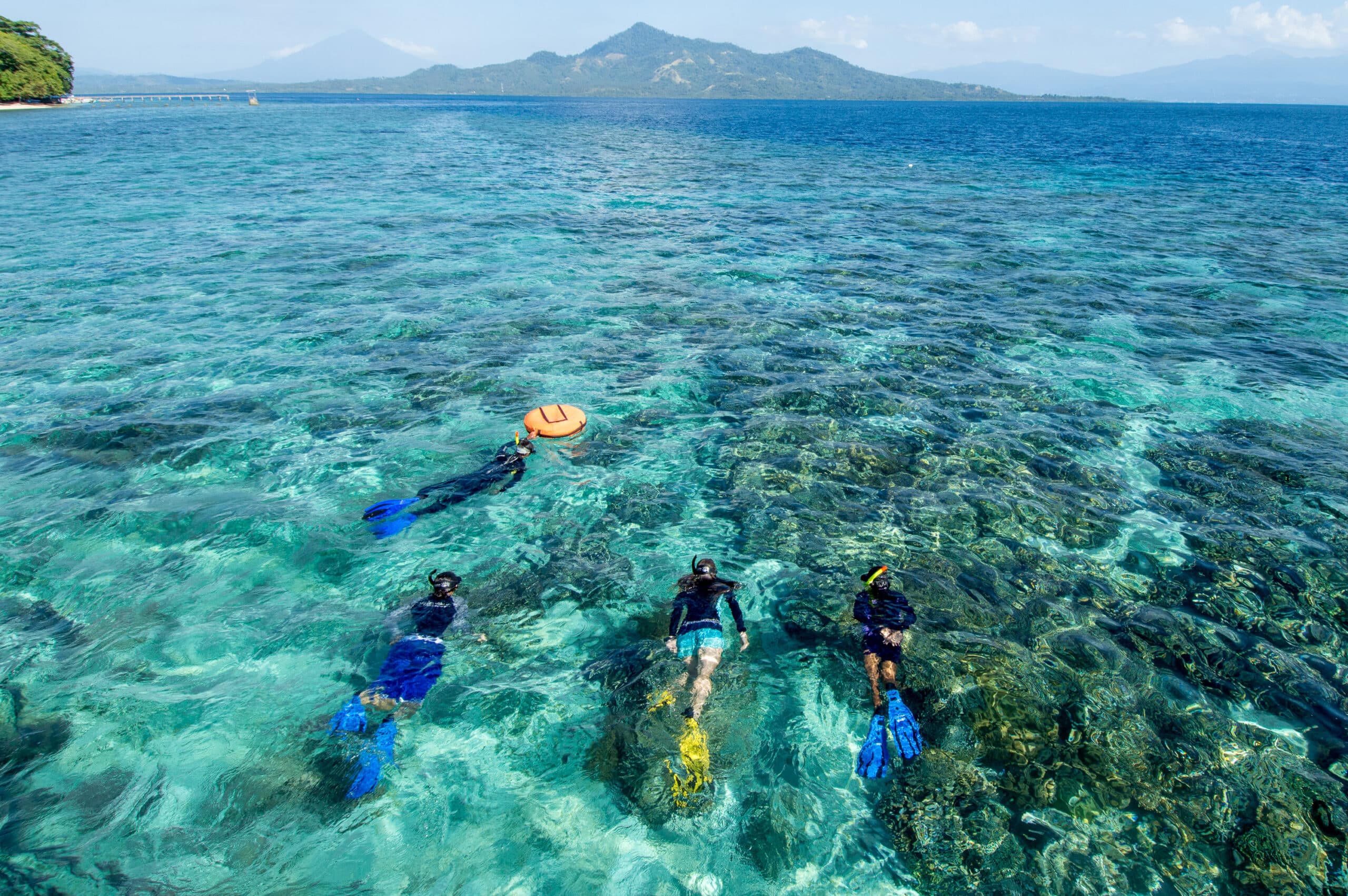
Once used as a prison island by the French and later the Americans, Con Dao has transformed into a nature destination. Today this archipelago is a Ramsar-recognized wetland, and home to sea turtle nesting sites, coral reefs, dugongs, and dolphins.

Much of the island is protected, making it ideal for hiking or snorkeling. Visitors can also explore historical landmarks like the Con Dao Museum and Hang Duong Cemetery, where thousands of Vietnamese revolutionaries are buried.

A different perspective on the people, the scenery or even a local dish yet to be tried was what Boobbyer discovered during her visits. She says she is drawn back by the hospitality, energy and variety of experiences Vietnam has to offer.

“Vietnam is one of those countries where every return reveals something new.”

Source: VNExpress International.

Photo: Collected.

 Adventure travel in Northern VietnamApply For Vietnam Visaapply Vietnam visaApply visa vietnamBeach resorts in Da NangBest places to visit in VietnamBest trekking routes in VietnamBook E-visa Vietnambook visa vietnamCheap Vietnam VisaCon DaoDa LatDa NangE-visa VietnamEco-tourism in Pu Luong Nature Reserveevisa VietnamEvisa Vietnam onlineexpedited e-visaexpedited E-visa to Vietnamexpedited Vietnam E-visaExploring Vietnamese culture and heritageFloating markets in Mekong DeltaFrench colonial towns in VietnamGet a Vietnam visaGet Vietnam Visaget vietnam visa onlineget visa to vietnamget visa VietnamHa GiangHa Giang mountain sceneryhalong bayHanoiHidden gems in VietnamHistorical sites in Hue CityHo Chi Minh Cityhoi anHue VietnamLantern festival in Hoi AnMekong DeltaMost beautiful caves in Ha Long Baymultiple entry visamy vietnam visaNature in VietnamOrder Vietnam E-VisaPeaceful travel spots in VietnamPu Luongquick vietnam evisarush vietnam visaSnorkeling in Con Dao IslandStreet food tour in VietnamThings to do in Hanoi Old QuarterTop nature destinations in VietnamTravel guide to Bai Tu Long BayUrgent Vietnam VisaVietnamVietnam citiesVietnam CultureVietnam DestinationsVietnam E-visaVietnam EvisaVietnam TourismVietnam touristVietnam travelVietnam vacationVietnam VisaVietnam visa costVietnam Visa Exemption
Posted on

Khuoi Ky Ancient Stone Village – The Timeless Charm of a Century-Old Village in Cao Bang

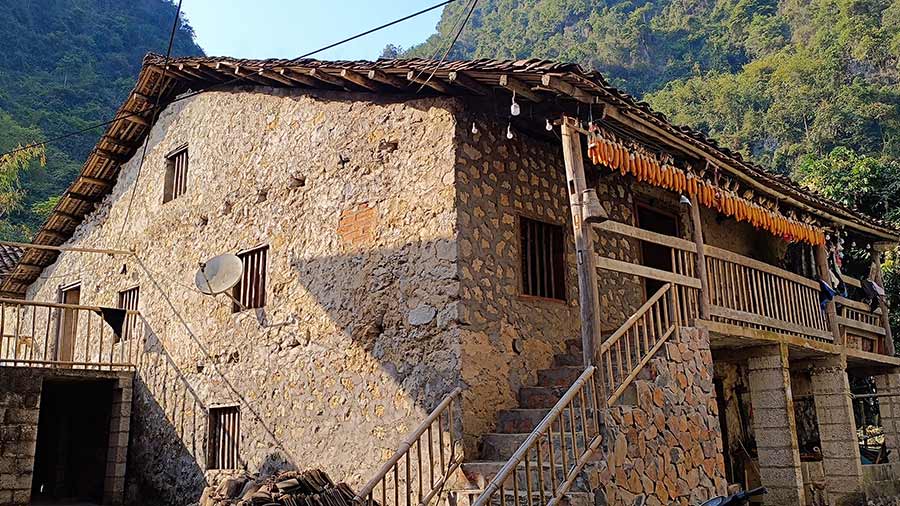
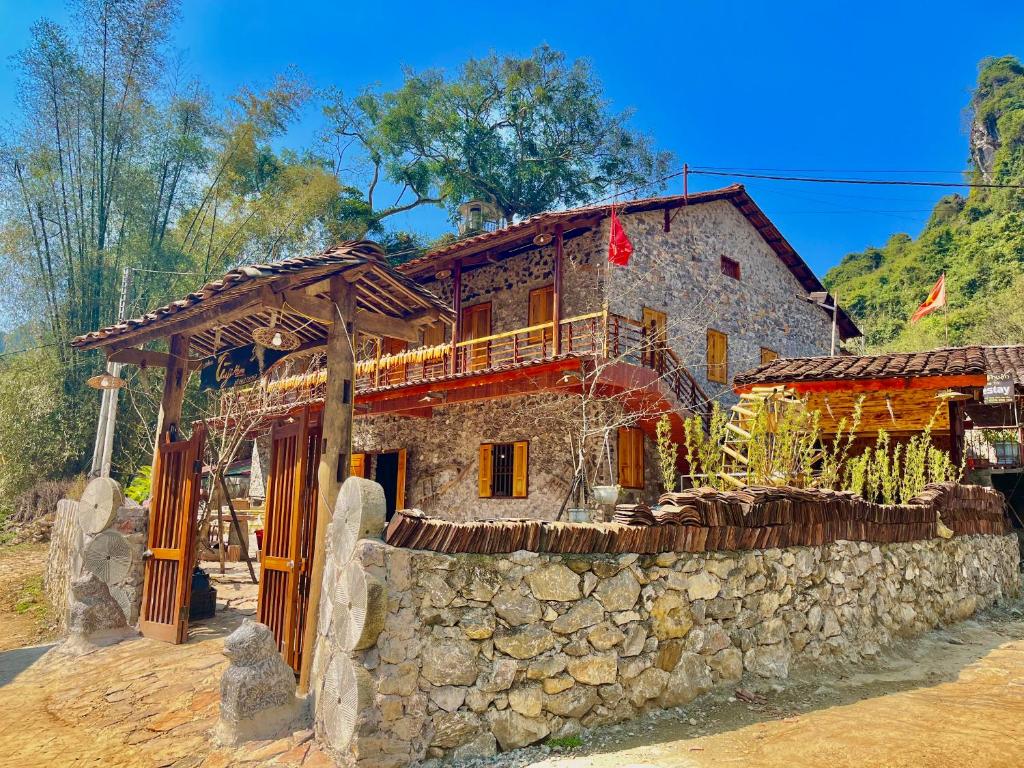
Khuoi Ky Stone Village, located in Dam Thuy commune, Trung Khanh district, Cao Bang province, is renowned for its distinctive stone stilt houses. These structures, with their ancient characteristics, reflect the traditional culture of the Northeastern mountains and forests. It’s a must-visit destination for anyone exploring the area.

                                         Ancient stone house architecture in Khuoi Ky

Khuoi Ky Stone Village boasts a unique architectural charm, reflecting its 400-year history, set against a backdrop of wild mountains and lush forests. The village takes its name from the refreshing green stream that flows at its entrance. Visitors to the village can not only breathe in the crisp, fresh air and experience tranquility, but also explore a variety of intriguing sights that offer a stark contrast to the bustle of city life.

Scenery in the ancient stone village of Khuoi Ky

Khuoi Ky village, with its expansive area, is nestled against a solid mountain and faces a flowing stream, keeping the atmosphere fresh year-round. The village retains the cultural and spiritual essence of the Tay ethnic group, with homes constructed entirely of stone and roofed with traditional yin-yang tiles. Stone plays a central role in the daily lives of the villagers, who regard it as a sacred material that symbolizes protection for their community.

Homestay in Khuoi Ky

When visiting Khuoi Ky, guests can indulge in the unique specialties and traditional dishes of the Tay ethnic group. They can also take part in bamboo dancing, listen to Then singing, or enjoy the soothing sounds of the Tinh lute. Additionally, visitors can experience a variety of activities such as rice planting, firewood gathering, and fishing in the streams.

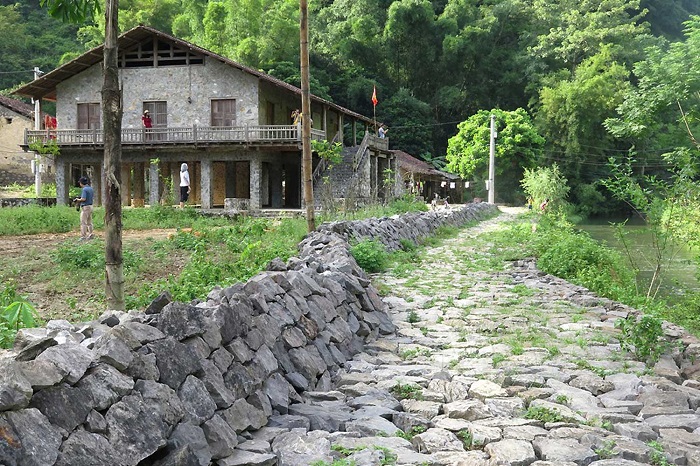
Khuoi Ky village, with its stunning landscapes, rich cultural heritage, and distinctive architecture, is steadily emerging as a popular destination for both domestic and international visitors.

The road to Khuoi Ky village

Come and experience Khuoi Ky in Cao Bang on your next trip, and create unforgettable memories of Vietnam by securing your Vietnam visa at https://vietnamvisapro.com/. As a trusted and reliable visa service, we are here to help turn your dream vacation into reality from the very first step.

Posted on

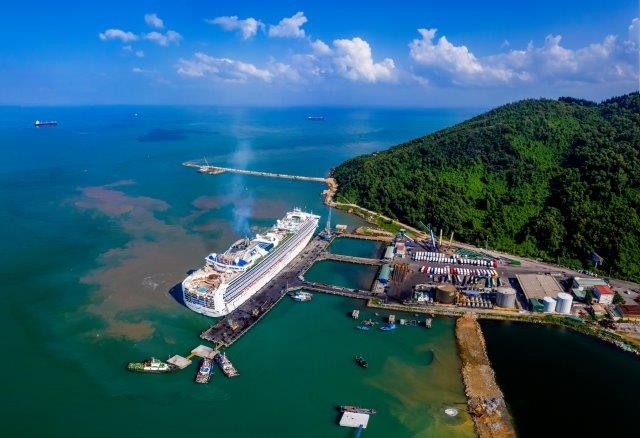
Full-Day Tour to Hue Imperial City from Chan May Port

Hue City Day Tour Overview

Take a journey back in time and discover the grandeur of Hue, Vietnam’s former imperial capital, on this day tour from Chan May Port to Hue City. Explore the majestic citadel and peaceful temples of the vast Imperial City, immersing yourself in the history of Vietnam’s last royal dynasty. Enjoy a leisurely cruise along the Perfume River aboard a traditional dragon boat, visiting the Thien Mu Pagoda and its fascinating historical relics. This unforgettable tour offers a deep dive into the culture and history of Vietnam’s final feudal kingdom, showcasing its remarkable imperial architecture and enduring legacy. With convenient round-trip port transfers and a knowledgeable tour guide, this experience promises to be truly unforgettable.

Key Highlights of the Chan May Port to Hue City Day Tour

  • Explore Hue’s top attraction, the historic Citadel, home to the Imperial City, the Forbidden Purple City, and the Emperor’s Private Residence.
  • Savor a meal with local flavors
  • Embark on a scenic boat ride along the stunning Perfume River and make a stop at Thien Mu Pagoda, a Buddhist monastery known for its historical significance, particularly the tragic moment in 1963 when a monk self-immolated in protest against the harsh treatment of Buddhist clergy.
  • Explore the peaceful Khai Dinh Royal Tomb, crafted to harmonize with its natural surroundings and constructed based on feng shui principles.

Detailed Itinerary

08:00 Pick up at the port outside, we will depart to Hue to visit the Citadel, Hue’s prime attraction, which contains the Imperial City, the Forbidden Purple Cityand the Emperor’s Private Residence. Hue Citadel was built from 1804 to 1833 under the Nguyen Dynasty (the last feudalist kingdom in Vietnam).

The grounds of the Imperial City are protected by 2-kilometer fortified ramparts and ringed by a moat. Inside the Citadel, there are many different construction works such as: Imperial City Gates, Purple Forbidden City, Temples and places of worshipping, pavilions, gardens, etc.

We will have a short break for lunch then take a boat trip on the Perfume River with a stopover at Thien Mu Pagoda, which is an active Buddhist monastery with its origins dating back to 1601. One of its most poignant displays is a car belonging to a former monk, who in 1963, drove to Sai Gon and set himself alight to protest against the South Vietnamese regime and its cruel treatment of Buddhist monks and followers. 

We finally visit the serene Khai Dinh Royal Tomb, designed to blend in with its natural surroundings and built on principles of feng-shui.

16:00 Our driver takes you back to Chan May Portdrops you off at around 17:30. 

Notice: Visitors must wear shirts with sleeves and pants that cover the knees when visiting the Hue Citadel.

Inclusions

  • Outside port pickup and drop-off, transportation with air-conditioning by private 7-seat car
  • Bottled drinking water, 2 bottles/person
  • Sightseeing fees
  • Boat on Perfume River
  • Lunch at a local restaurant
  • Private English speaking guide

Exclusions

  • Travel insurance
  • Personal expenses
  • Tips/Gratuities
  • Beverages in meal
  • Souvenir photos
  • VAT

Come and experience Hue on your next trip, and create unforgettable memories of Vietnam by securing your Vietnam visa at https://vietnamvisapro.net/. As a trusted and reliable visa service, we are here to help turn your dream vacation into reality from the very first step.

Posted on

Ha Nam is emerging as Asia’s top tourism destination.

Located about 65 km south of Hanoi, Ha Nam is a promising gateway province with significant potential for spiritual, cultural, ecological, and culinary tourism. It is rich in history and culture, boasting nearly 2,000 relics, including national treasures, special national relics, and a variety of traditional festivals and craft villages. The province is also home to renowned natural attractions like Tam Chuc Lake, Ba Hang Lake, Doi Mountain, Chau River, and Cam Mountain, which draw both domestic and international tourists.

photo_2024-10-23_15-32-35

This year, Ha Nam won the title of “Asia’s Leading Emerging Tourism Destination” at the World Travel Awards, often referred to as the “Oscars of the travel industry.” The province triumphed over notable contenders such as Okinawa (Japan), Phnom Penh (Cambodia), and Sumba Island (Indonesia), with the results determined by votes from travel professionals and the public.                                                                Tam Chuc Pagoda

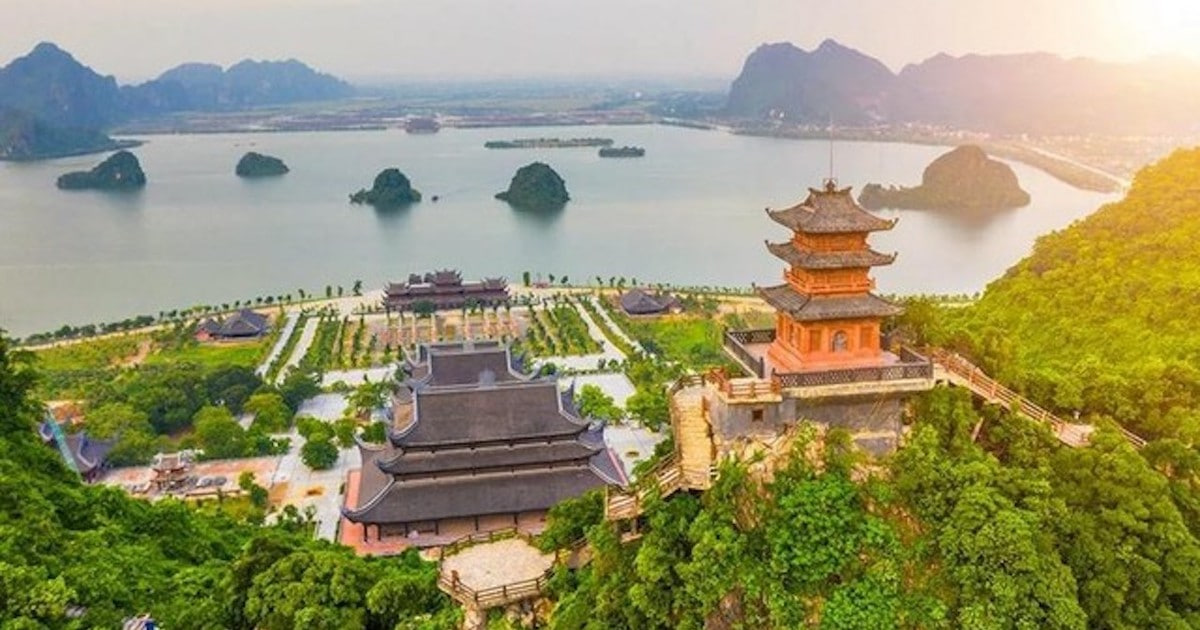
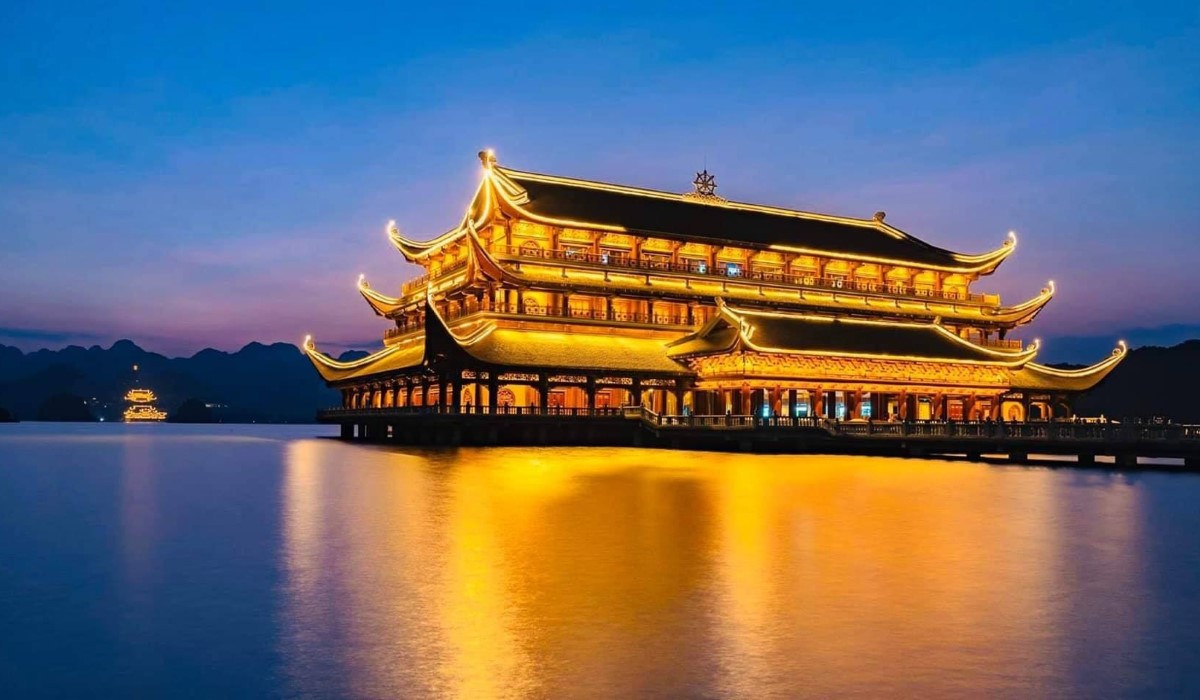
A must-visit destination in Ha Nam is the Tam Chuc Spiritual Scenic Complex, which features one of the largest pagodas in the world. Covering an impressive 5,100 hectares, this area is renowned for its breathtaking natural beauty and tranquil ambiance, attracting countless visitors each year. With its pristine landscapes and towering limestone mountains, the Tam Chuc national tourist area is part of a significant heritage site that includes Huong Pagoda, Tam Chuc Pagoda, and Bai Dinh Pagoda. In 2019, Tam Chuc Pagoda hosted the 16th United Nations Day of Vesak Celebrations, drawing millions of Buddhist followers and tourists from around the globe.

Another remarkable site is Dia Tang Phi Lai Pagoda in Ninh Trung village. Nearly 1,000 years old and recently restored, this pagoda is strategically positioned with its back against a mountain, nestled within a lush pine forest and overlooking a spacious field, making it feel almost secluded from nearby residential areas. Its beautiful architecture, set against the serene backdrop of mountains and forests, imbues the pagoda with an ethereal charm that enchants all who visit.                                                 Dia Tang Phi Lai Pagoda

The cuisine of the province makes a memorable impact with its signature dishes, such as Phu Ly grilled spring rolls, perch rice paper, Vu Dai village braised fish, Dam village “banh chung,” and Dai Hoang royal banana. Last year, Ha Nam was recognized at the World Travel Awards 2023 as the “World’s Leading Local Cultural Destination.”

Start planning your trip to Vietnam today by getting your visa at vietnamvisapro.net. As a trusted and reliable visa service, we’re here to help you turn your travel dreams into reality from the very first step.

Posted on

Things to know about Notre Dame Cathedral of Saigon

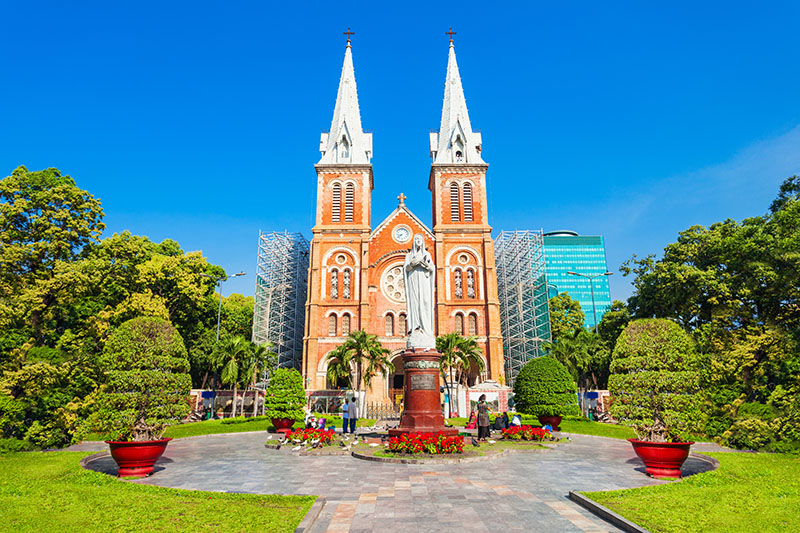
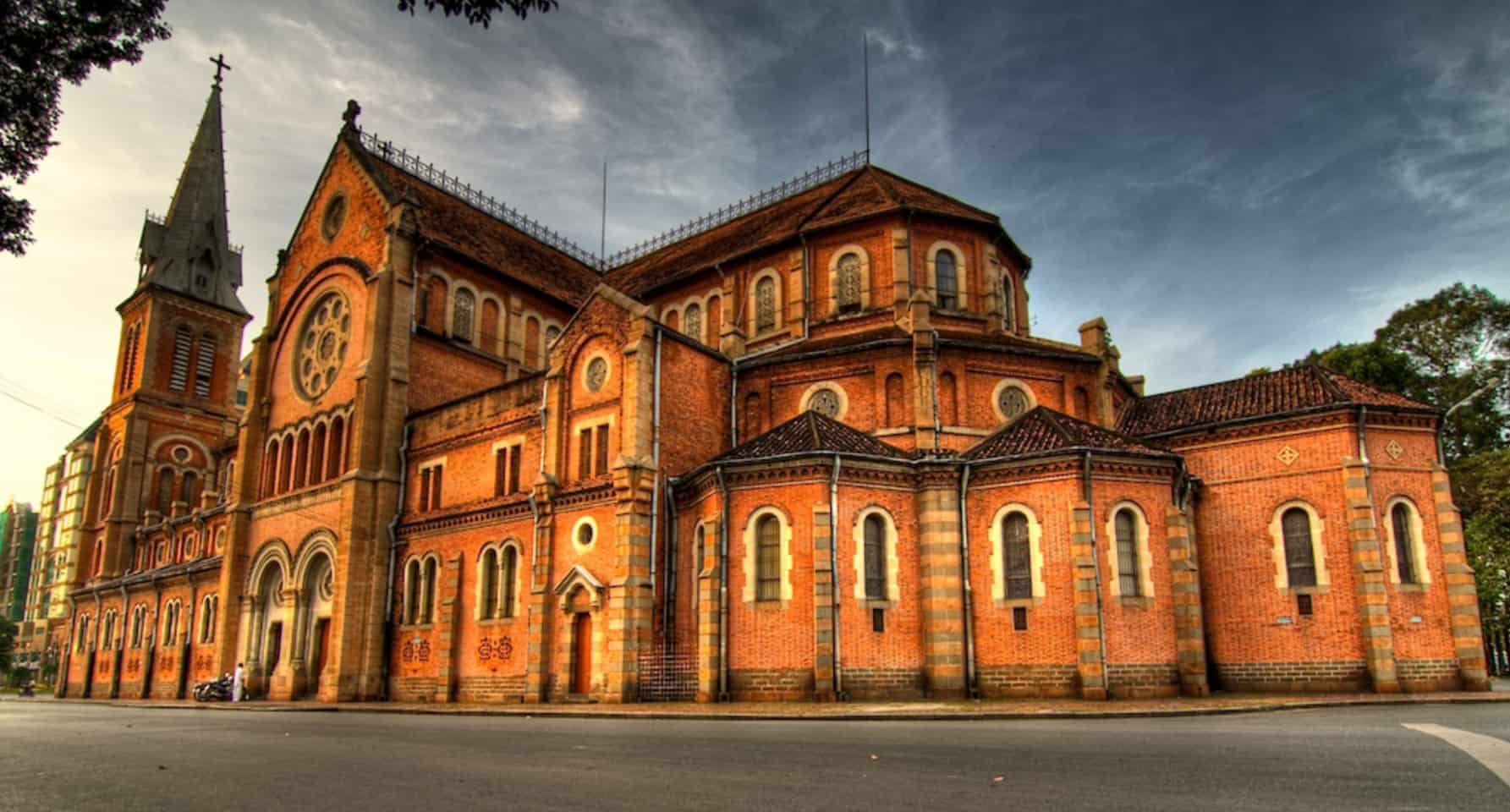
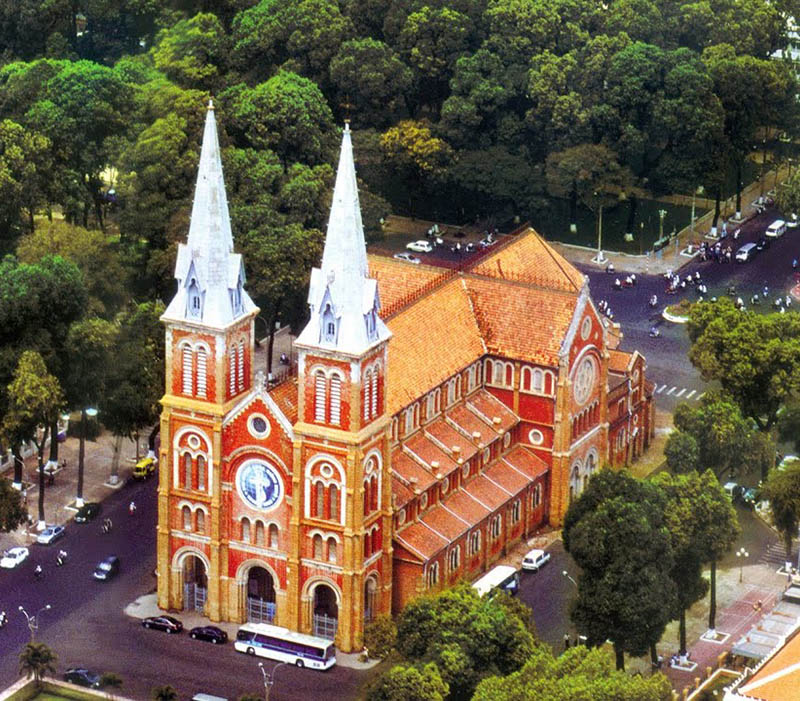
“Nha Tho Duc Ba Sai Gon” which is known as Notre Dame Cathedral Saigon has an official name as Immaculate Conception Cathedral Basilica in English and Cathédrale Notre-Dame de Saïgon in French. This French-built cathedral occupies scenic Paris Square in the heart of Ho Chi Minh City at 1 Cong Xa Paris, Ben Nghe, District 1, Notre Dame Cathedral. It is one of the oldest religious architectural works in Saigon. Combining to other constructions such as Central Post Office, Reunification Palace, Opera House, etc. Notre Dame Cathedral contributes to create a unique architectural complex, which is the symbol of urban architecture of the most dynamic city, Saigon – Ho Chi Minh city.

Notre Dame Cathedral Basilica of Saigon or Cathedral Basilica of Our Lady of The Immaculate Conception in Ho Chi Minh City, Vietnam

History

Immediately after occupying Saigon, the French established a church to serve as a place of worship for Catholics in the army. The first church was located on today’s Ngo Duc Ke street, which is an old Vietnamese temple abandoned due to the chaos of the war.
This first church quickly became small with an increasing number of believers. In 1863, Governor Louis Adolphe Bonard decided to build a wooden church on the banks of the Charner Canal (Kinh Lon). This canal was later filled and built into Nguyen Hue Street today. Father Dominique Lefèbvre put the first stone for the construction of this church, then named it as Saigon Cathedral. However, due to the wooden construction, the church was soon destroyed by termites. Thus, in preparation for a new solid church on the growing land, in August 1876, the Governor of Cochinchina – Victor Auguste Duperré organized a competition to select designs for the new church.
Architect J.Bourad was chosen with a modified Roman architecture project combining with Gothic characters. And he also won the bid to build this historic building. The original construction site was proposed in three places, and finally the Paris Commune Square was chosen. The front of the church turns to the Southeast, towards Nguyen Du Street, the back heads to the current Le Duan Street. The construction was done fairly quickly, nearly 3 years. On 11th April 1880, a blessing ceremony and inauguration ceremony of Saigon Cathedral was solemnly celebrated by Bishop Colombert with the participation of Cochinchina Governor – Charles Le Myre de Vilers.
All construction materials for the church such as cement, steel, tile, stained glass, bells, etc. were all transported from France. The outside of the buildings, for instance, was built totally of red bricks from Marseille without plastered or cemented. However, it still remains fresh orange-red color until today. In the beginning, the Church was called the State Church, because all the construction funding was provided by the French State, with an amount of up to 2,500,000 francs at that time.
In 1895, the church built two more bell towers, each tower was 57.6 m high and had 6 large copper bells. At the top of the tower is a crucifix with a height of 3.50m. Overall height from the ground to the top of the crucifix is 60.50m.
In 1958, the governor of the Saigon at that time, Father Joseph Pham Van Thien, ordered a statue of the Mother of Peace on white marble. The statue was carved in Italy and transported to Saigon by sea in 1959. After that, Société d’Entreprises Company has erected a statue of Our Lady on a stone pedestal that has been empty since 1945 in front of the church.
At the end of the ceremony of the National Congregation of the Holy Mother, Cardinal Aganianian from Rome blessed the statue in the afternoon of 17th February 1959. From this event, the Church was named Notre Dame Cathedral. On December 5, 1959, the Holy See allowed to hold anointment ceremony, conferring the Saigon Cathedral to the basilica. Since then, the official name of the cathedral is the Notre Dame Cathedral in Saigon.
In 1960, the Holy See erected Roman Catholic dioceses in Vietnam with three archbishops in Hanoi, Hue and Saigon. The church became the cathedral of the archbishop of Saigon to this day.

1-10

Know before you go

  1. Saigon Notre Dame Cathedral is open:

– Monday – Saturday: 08.00 AM – 11.00 AM
– Monday – Saturday: 14.00 PM – 16.00 PM
If you have a chance to take a look inside, then remember to enter the sided gate, which is open every day while the main gate opens only during Sunday Mass. Many tourists visiting Notre Dame Cathedral would like to attend the mass, but do not know the exact mass schedule of the Notre Dame. Please have a look at this schedule, hopefully you will choose the mass frame that match your itinerary
– Weekday Mass: at 05.30 AM and 5.30 PM.
– Sunday Mass: at 05.30 AM; 06.45 AM; 08.00 AM; 09.30 AM; 16.00 PM; 17.30 PM; 18.30 PM. (The Sunday Mass at 9.30 AM is in English)

  1. No entrance fee is required to visit this place but we recommend booking Saigon Notre Dame Cathedral tours ahead of time to secure your spot. See all Saigon Notre Dame Cathedral tours on Vietnam Travel.

However, the cathedral is under is undergoing large-scale renovation, the renovation is expected to last for 3 years (6/2017 – end 2020). The church is closed to tourists during this time but remains a site of worship for Vietnamese Catholics every Sunday where a mass is held at 09.30 AM in both Vietnamese and English. You can still admire the scenery or take pictures from the surrounding grounds.

nha-tho-duc-ba-sai-gon-ruc-ro-1692570394
  1. Others

– Please dress appropriately and avoid disturbing the worshipers when visiting.
– Don’t use flashlight inside Cathedral.
– From the Notre Dame Cathedral Saigon, you can visit other attractions nearby:
o Central Post Office
o The Independence Palace
o People’s Committee Building
o Ho Chi Minh’s book street
o If you have time, please pass by Diamond Plaza, 30/4 Park and sip a cup of coffee while view the local life and enjoy peaceful moment.  This is most properous part of HCM City and most of cafe or shop in this area is more expensive than the rest of the country.
o You can also try several delicious street foods around the Cathedral area such as: Banh Canh Cua, Banh Xeo, Banh My, Bun Rieu, Bun Mam…

Make your plan to Vietnam right now by apply a Vietnam visa at vietnamvisapro.net. We, a reputable and reliable Visa service, will assist you turn your plan into reality at the very first step.

Posted on

Quy Nhon 2024 : best things to do & travel guide

Quy Nhon city is bordered by beautiful beaches and the surrounding landscape is also breathtaking. Life here also feels much more authentic.

5 reasons to visit Quy Nhon

  1. Visit local fishing villages
  2. Beach hopping to secluded beaches
  3. Snorkel and swim around the islands
  4. Explore Champa architecture at Cham temples
  5. Enjoy the sunset at Eo Gio

Best time to visit

From March to August it is the dry season, when there is little rain. However, the best months are between January and March, when the worst of the rain is over and when it doesn’t get as hot as during the summer months.

10 best things to do in Quy Nhon

The best things to do in Quy Nhon are mainly the activities you can do on and around the beach. This region has one of the most beautiful beaches in Vietnam. Relax with a book on the beach, visit islands or go snorkeling.

1. Stay overnight in Bai Xep

1

Although the city of Quy Nhon is already not touristy, staying in Bai Xep is even more fun and authentic. Bai Xep can be found in a small fishing village 12 kilometers from the city center. It started with two hostels that settled in this village right on the beach, but nowadays there are already some more accommodations here, including a luxury resort next door.

Yet you still feel the real authentic atmosphere of the fishing village here. There is not much to do here except to enjoy the beach and take a boat trip to the nearby island where you can snorkel well.

2. Explore beaches

Besides Bai Xep, many more beaches can be found here. One of the best things to do in Quy Nhon is beach hopping, where you drive along the coast and choose beaches along the way to enjoy yourself. 

You don’t necessarily have to get out of town to find beautiful beaches, because Municipal Beach, the main beach along the city’s strip, is already beautiful. The waves are often calm here, making it an ideal place for swimming. There are a number of bars right on the beach where you can enjoy the sunset with a cocktail.

3. Island hopping

There are a number of small islands off the coast of Quy Nhon. Some are so small that you can only sail and snorkel around them. Many resorts can arrange boat trips to these islands, often combined with snorkeling.

The most famous islands where you can go are Ky Co Island and Kho Island. Khy Co is a remote island with a beautiful beach and crystal clear water that is so inviting that you have to go swimming. Kho Island is a good place to see coral reefs. Hon Kho is also a turtle conservation center.

4. Sunset at Eo Gio

eo-gio-quy-nhon-4_1703490354

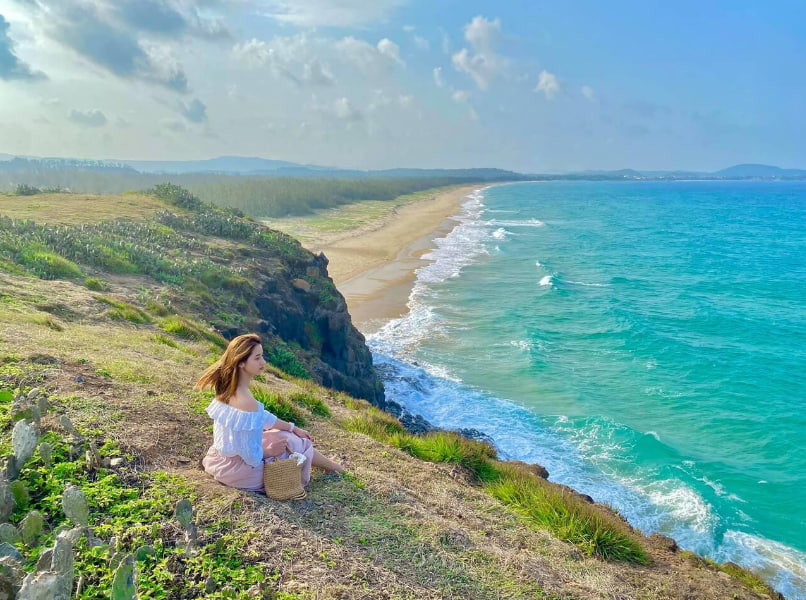
One of the other great things to do in Quy Nhon is wathing the beautiful sunset at the ocean. The best place to do this is at Eo Gio. You can of course also visit this place during the day.

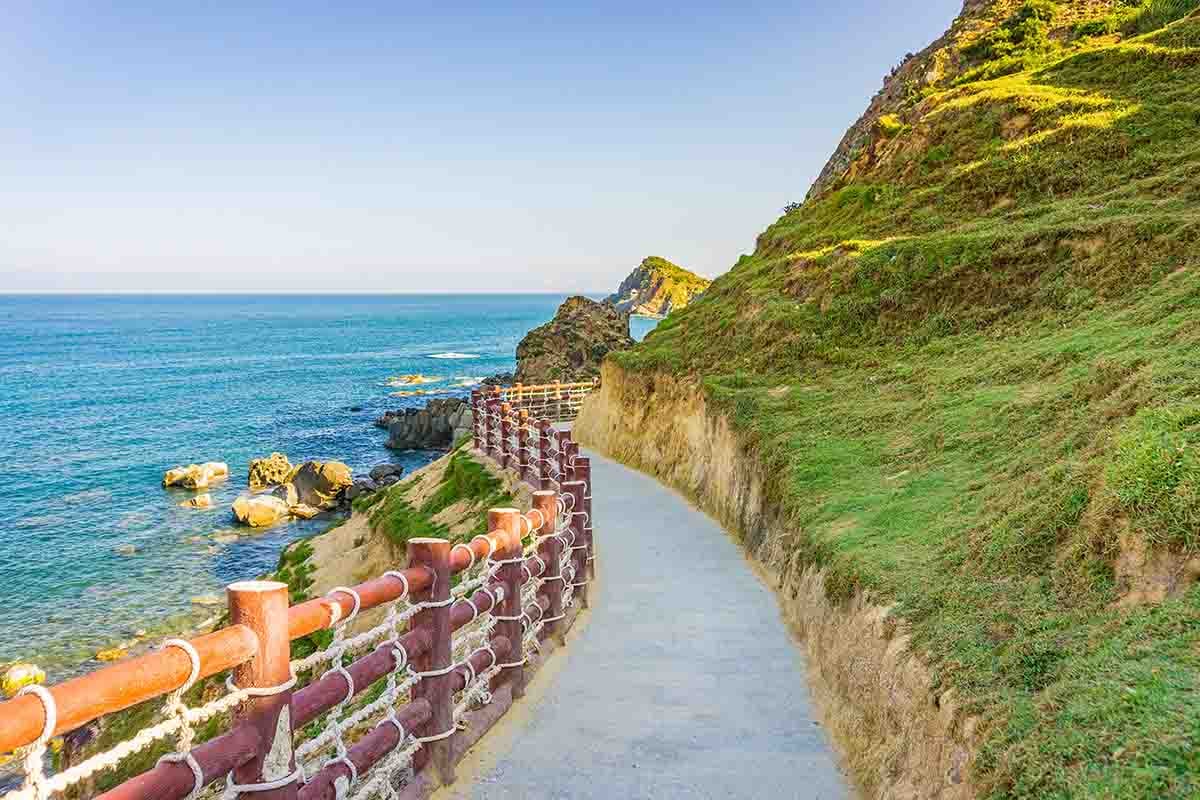
Eo Gio, known as the Windy Pass, is a naturally rocky structure in the sea. It is a beautiful landscape of rough cliffs that fall straight into the water and is fun to explore.

5. Dune sliding

sandboarding

Mui Ne isn’t the only place in Vietnam where you can find sand dunes so big it feels like you’ve landed in a desert. The Phuong Mai dunes are huge and can be found next to the beach of Nhon Ly. It is not only a place to take beautiful photos, but you can also enjoy sandboarding of the dunes.

You can combine a visit to these dunes with Hải Nam fishing village. A nice local and authentic village with a nice beach and island in front of it.

6. Cham towers

po-nagar-cham-towers-3_1701485608

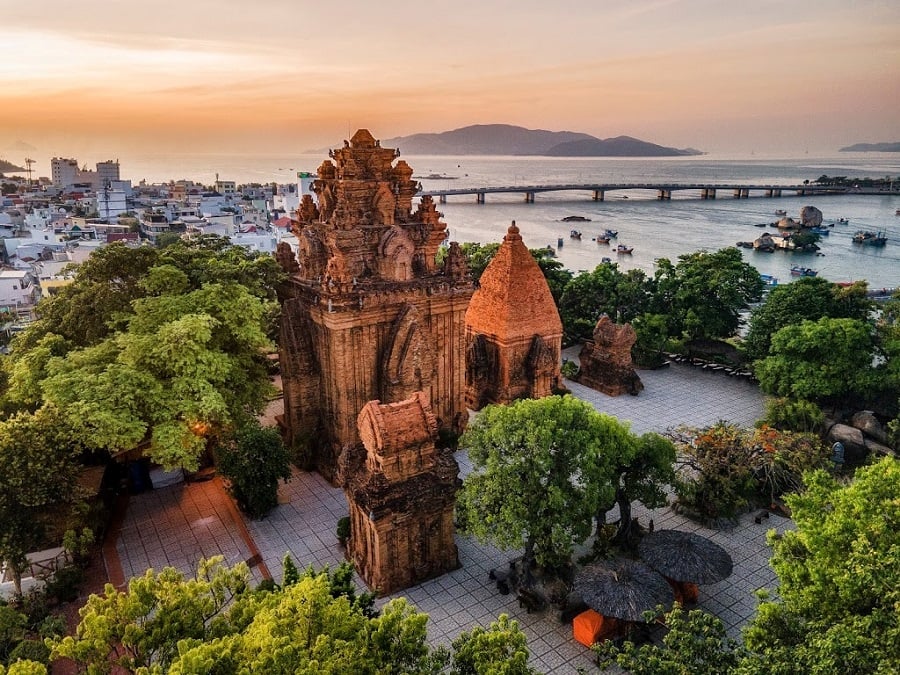
In the vicinity of Quy Nhon you will also find several Cham Towers. These come from the same era and culture as the temples you find in My Son, near Hoi An. They are not difficult to spot when driving through this area as they are usually on top of a hill. It is a mighty sight to see such an old building on a hill from the distance. There is also a Cham tower on the beach in the town of Quy Nhon. The two most famous Cham towers here are Thap Banh It and Thap Doi.

7. Fishing villages

Vung-Vieng-Fishing-Village-1000x565

Quy Nhon feels very authentic and what you should do is explore the local life. Stop in one of the fishing villages to see how the fishermen make a living. When you drive along the coast you will come across dozens of small villages. In the sea in front of the village you can see all the blue fishing boats floating in the distance and on the beach you can see the basket boats that they use to paddle to their boat or to check the nets that are close to shore.

8. Snorkeling

Siladen_Snorkeling_20190827-DSC_7680-scaled

Quy Nhon is one of the best places to go snorkeling in Vietnam. In the first place that the coral around some places are very beautiful and the sea is also a lot calmer; especially at the parts of coast where there are islands in front or in the bays. Unfortunately, Vietnamese are very efficient fishermen, so many large fish have disappeared due to fishing.

It is not a problem if you do not have a snorkel set with you, as these can often be rented at the resorts, hostels and homestays by the sea. Also, usually snorkeling is included during the boat trips to the islands.

9. Countryside of Quy Nhon

12 1

When you’ve seen enough beaches and sea, you can visit the rugged countryside. These are places where tourists never come, not even Vietnamese, so expect a very authentic lifestyle. There are many rice fields and villages in the area. You do have to go out with a motorcycle or rent a car with a driver.

10. Eat great food

dac-san-quy-nhon-1

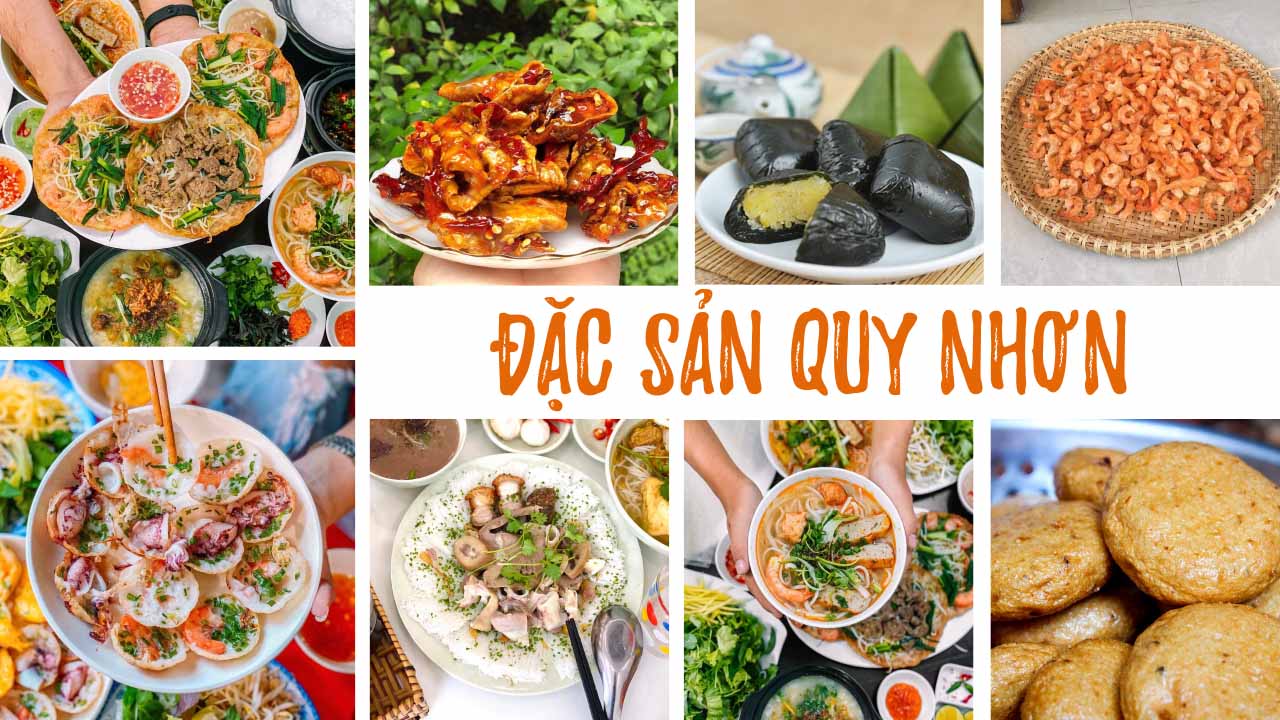
You’ll find everywhere great food in Vietnam, but in Quy Nhon you should definitely try a few things. Because of the location at the sea you will of course find delicious seafood here. If you don’t like seafood you can try a number of other dishes, such as Ban Xeo (very different from the Ban Xeo you find in the south), cuốn, one of the best fresh spring rolls in the country and bún thịt nướng, one of the best dry noodles.

Best hotels & hostels in Quy Nhon

Where to stay

Bai Xep – A charming place 10 km south of the city, not so long ago what made this just a simple fishing village. It is the favorite place for backpackers to stay in Quy Nhon, but for other travelers this village is more advisable than in the city of Quy Nhon.

Quy Nhon city – Accommodation in the city is spread over a four-kilometer beach. There is enough choice of resorts, hotels and other small to medium sized accommodations, depending on the budget.

Secluded beaches – On more secluded beaches you will find backpacker hostels such as Bai Bau, Bai Rang and Nhon Hai. It doesn’t get much more authentic here.

Best hotels & hostels in Quy Nhon

Budget hotels & hostels

  • Life’s A Beach
  • Big Tree Backpackers
  • John & Paul Inn

Mid range hotel

  • Life’s a Beach Apartments
  • Seagull Hotel

High end hotel & resort

  • AVANI Quy Nhon Resort & Spa

Food & drinking

Restaurants

Quy Nhon a surprisingly good city to eat. The local seafood along the beach are cheap and delicious. And some of the local specialties are also worth seeing. There are numerous small seafood restaurants along the beach north of the large statue of Ho Chi Minh with his father.

Nightlife

The nightlife in Quy Nhon is small but growing. There are no night clubs, but there are places where you can have a drink. Locals often gather around the beach in the evenings to enjoy a cold beer.

In Bai Xep all hotels and hostels have a bar, so you certainly won’t get thirsty. Go to Life’s a Beach Backpackers for wild nights and drinking games.

How to get there

Flights to Quy Nhon

Quy Nhon has an airport. There are daily domestic flights from Ho Chi Minh City and Hanoi. The airport is called Phu Cat and is 30 kilometers from the city of Quy Nhon. A taxi or shuttle bus will take you from the airport to the city.

Buses to Quy Nhon

Quy Nhon is located between Nha Trang and Hoi An. The bus ride from Hoi An takes approximately 9 hours, the bus from Nha Trang 4 hours. There are also direct buses to and from Dalat (8 hours) and Pleiku (3 hours).

Trains to Quy Nhon

Quy Nhon train station is located in Dieu Tri, about 10 kilometers outside the city. From the train station you can take a bus or taxi to Quy Nhon.