Posted on

Hanoi and Ho Chi Minh City Named Among the World’s Best Cities to Visit in 2025

Amid a world full of incredible travel spots, Vietnam continues to shine, with Hanoi and Ho Chi Minh City named among the Best Cities on Earth in The Telegraph Travel Awards 2025.

Selected by nearly 20,000 readers worldwide, this prestigious ranking places Hanoi in an impressive 31st position—outperforming other iconic Asian cities like Bangkok (40th), Mumbai (43rd), Kuala Lumpur (68th), and Dubai (73rd).

Hanoi proudly ranks 10th in the regional category for the best cities outside Europe and the Americas.

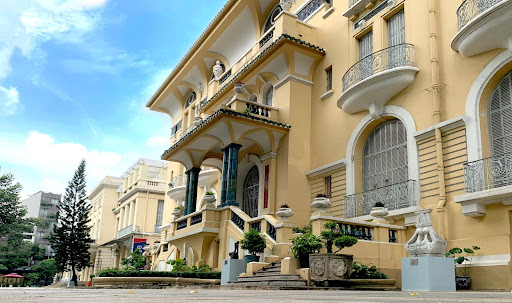
The ancient house No.87 Ma May Street , Hanoi built in the late 19th century. Photo:collected

Meanwhile, Ho Chi Minh City secures the 77th spot, steadily gaining international recognition for its vibrant city life and unique mix of historic charm and contemporary appeal.

Hanoi: A living tapestry of Vietnamese culture

For travelers, Hanoi unfolds like a poetic blend of history, culture, and genuine charm. As The Telegraph puts it, an ideal city is one that “brings together historical depth, distinctive beauty, exceptional cuisine, vibrant culture, and a wealth of experiences to discover”—a description Hanoi embodies effortlessly.

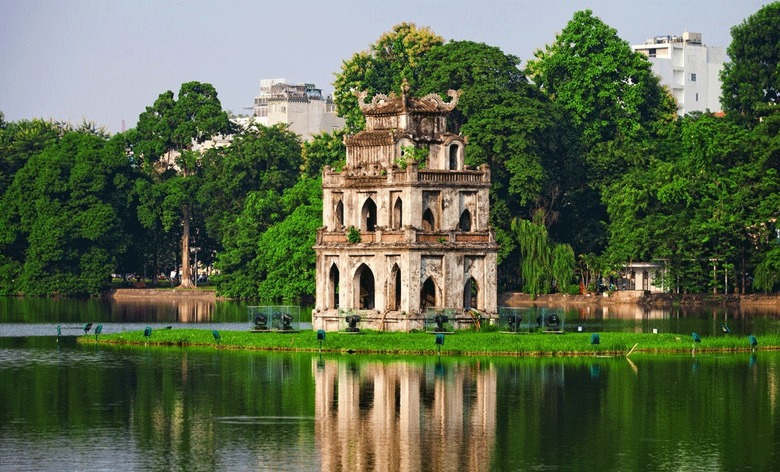
From the evocative charm of its 36 ancient streets in the Old Quarter to the refined elegance of French colonial architecture, every corner of Hanoi whispers a tale of history and culture. Landmarks such as the Temple of Literature, the iconic Hoan Kiem Lake, and the vibrant Old Quarter pulse with a distinct energy, captivating both first-time visitors and those returning for more.

Egg coffee and young sticky rice are two Hanoi’s specialties.Photo: collected

Hanoi continues to garner praise from international media. In 2025, Travel + Leisure included the city in its list of 15 Dream International Vacations That Are Surprisingly Affordable, spotlighting Hanoi’s rich thousand-year heritage, sophisticated cuisine, and impressively low travel costs.

Welcoming more than 18.36 million visitors—including 4.21 million international tourists—in the first seven months of 2025, Hanoi has solidified its reputation as a top global travel destination.

For Emma Watson, a visitor from the United Kingdom, Hanoi feels like a living postcard. “I spent a week discovering hidden cafés tucked behind art galleries, joined a cooking class in a charming colonial villa, and even watched a traditional water puppet performance. It’s one of those cities that blends timeless charm with modern flair,” she told The Hanoi Times.

Ho Chi Minh City: The beating heart of the south

In southern Vietnam, Ho Chi Minh City pulses with a distinct energy—vibrant, fast-moving, and firmly focused on the future.

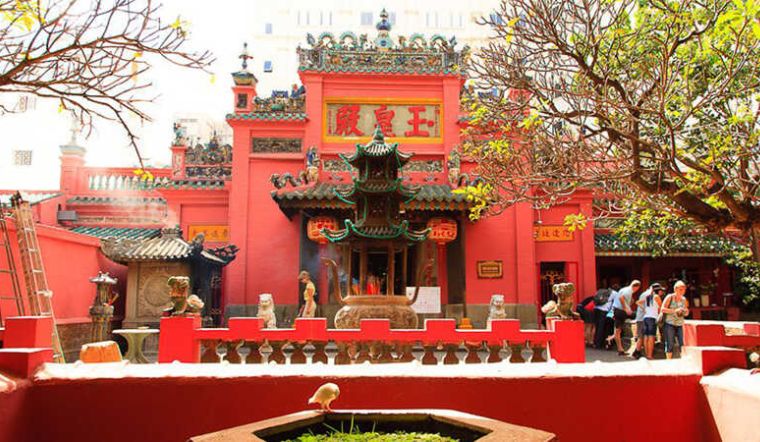
Photo: collected

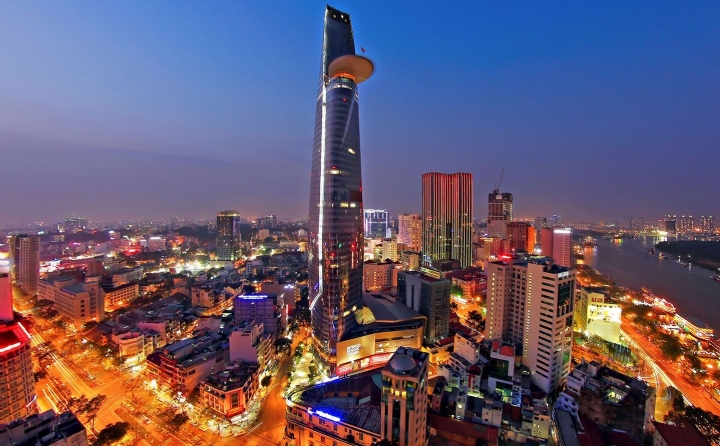
Formerly known as the “Pearl of the Orient,” this vibrant metropolis stands as Vietnam’s largest economic powerhouse, where history and modernity intertwine. As described by The Telegraph, it’s a city of contrasts—motorbikes weaving through neon-lit avenues, towering skyscrapers neighboring ancient pagodas, and sleek shopping malls sharing space with war memorials and remnants of French colonial architecture.

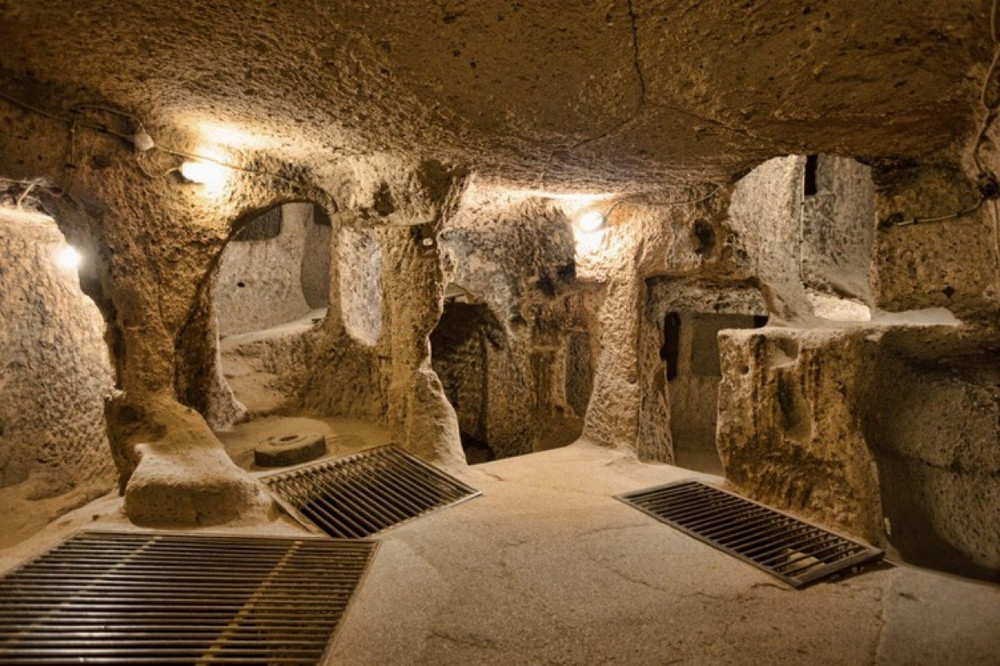
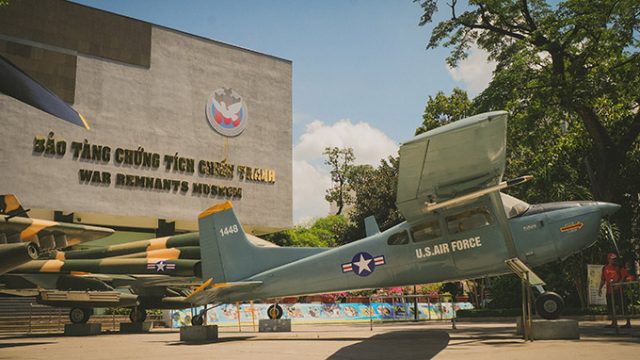
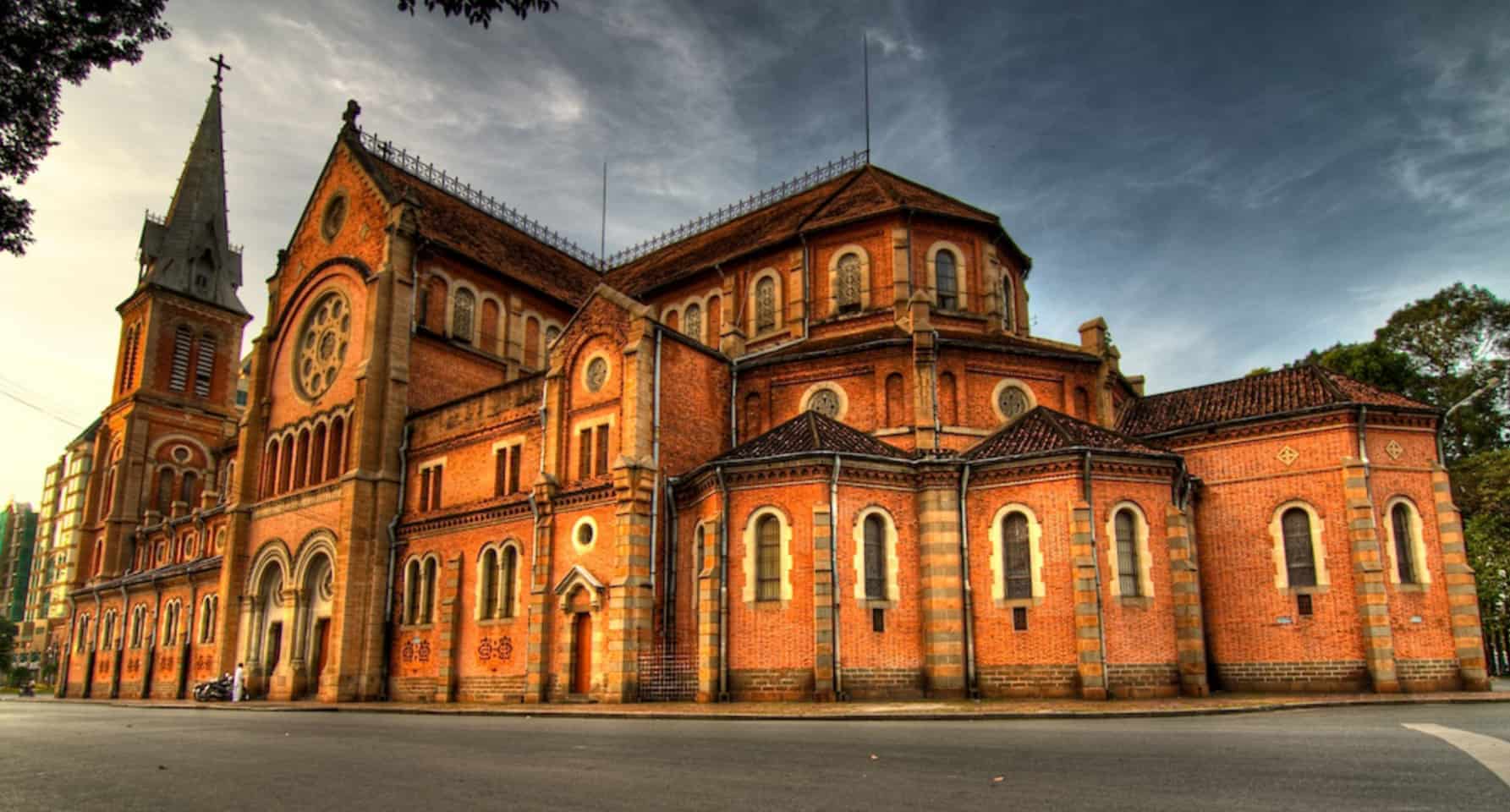
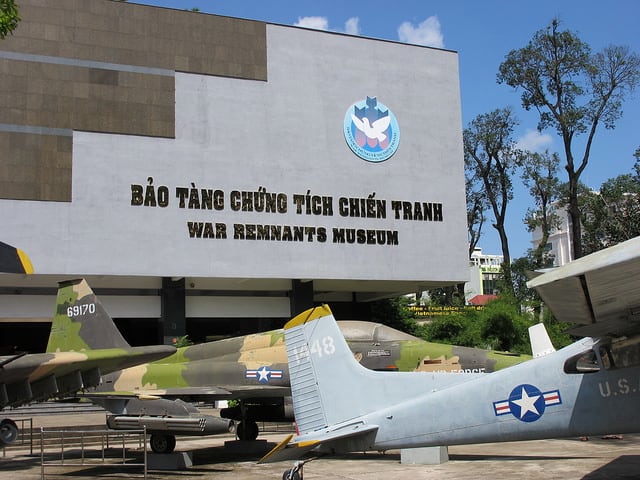
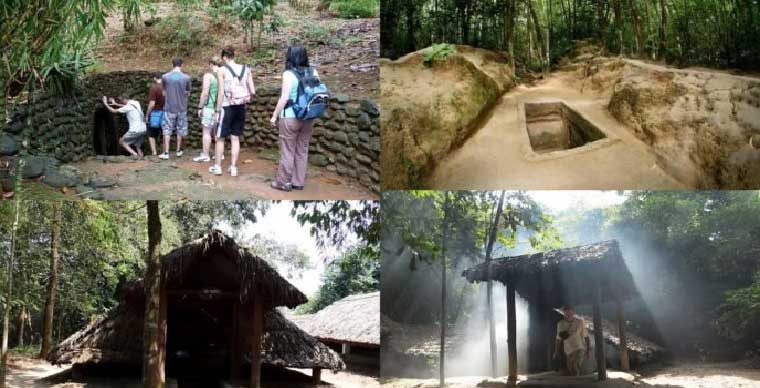
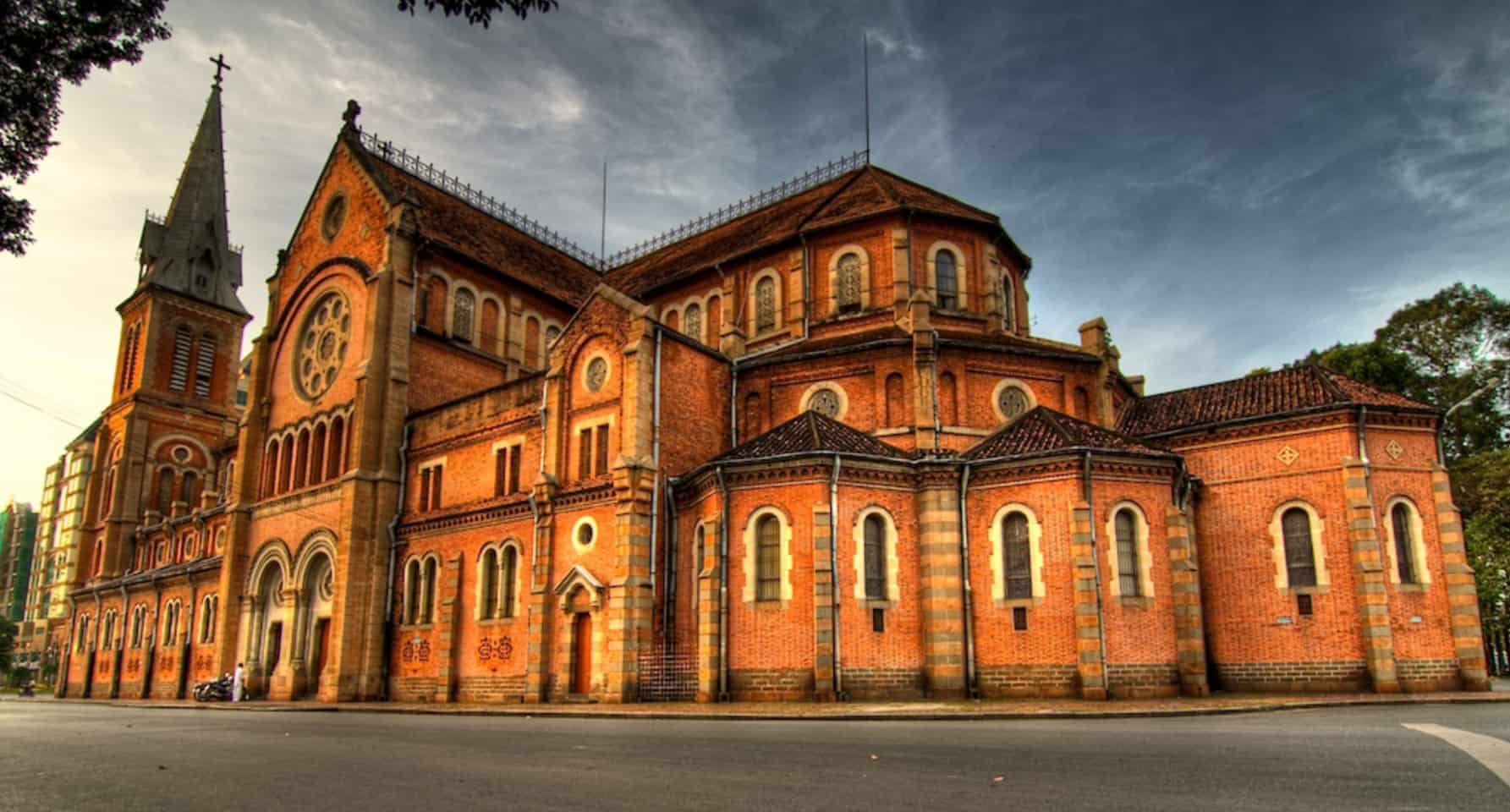
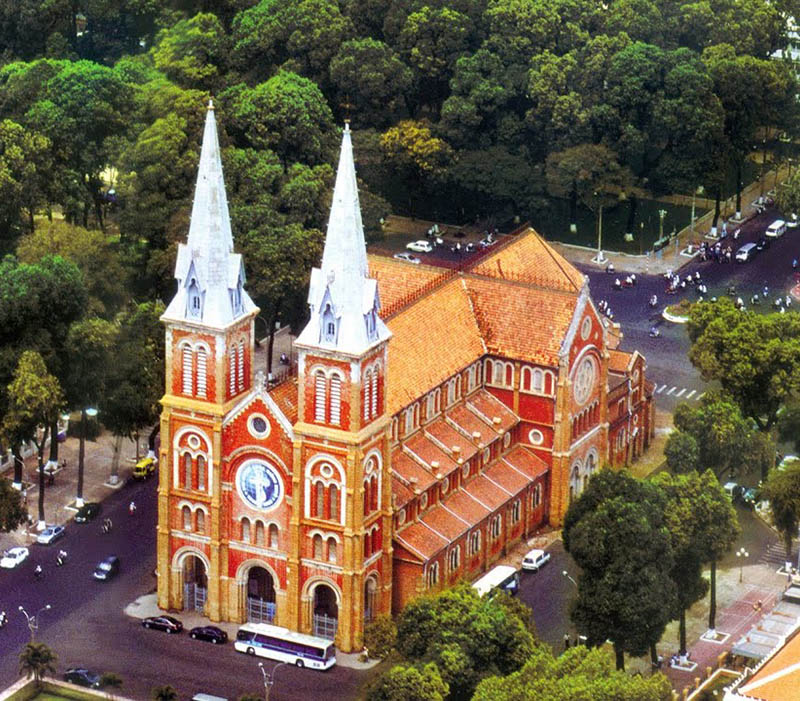
Earlier this year, The Independent spotlighted Ho Chi Minh City’s rich and multifaceted character: “In a marriage of tradition and modernity, Ho Chi Minh City is the metropolis where pagodas meet skyscrapers and innovative commerce hubs thrive.” Travelers are often captivated by the striking Notre Dame Cathedral, moved by the powerful exhibits at the War Remnants Museum, and intrigued by the descent into the Cu Chi Tunnels—a poignant glimpse into Vietnam’s enduring spirit.

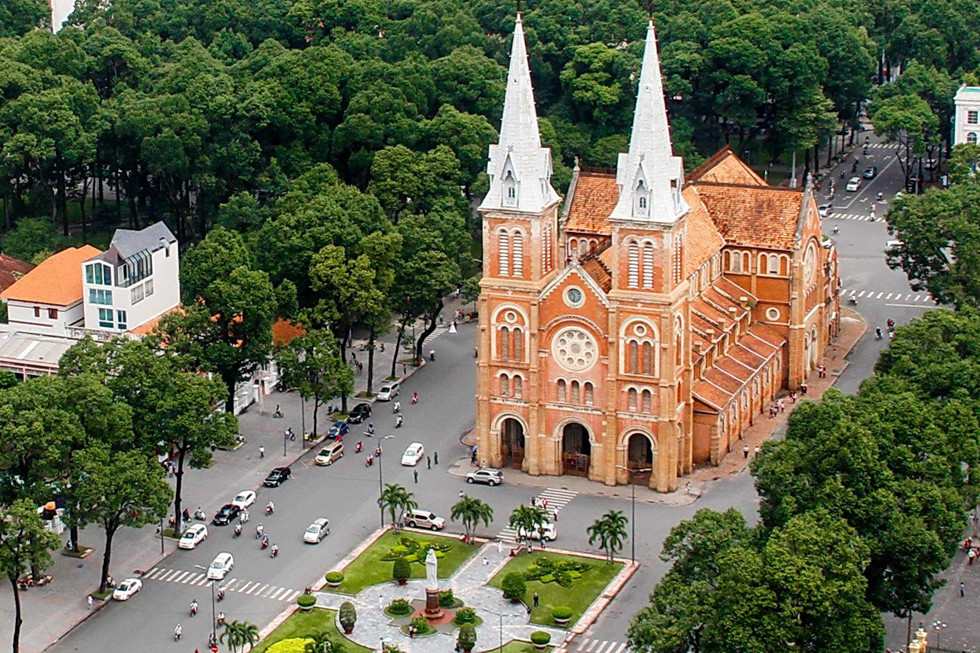
Notre Dame Cathedral .Photo: collected

In July 2025 alone, Ho Chi Minh City welcomed nearly 700,000 international visitors—a remarkable 75% increase compared to the same month last year and more than 26 million total arrivals so far this year, the city is proving itself not only as a dynamic business hub but also as a vibrant destination for global travelers in search of culture, energy, and adventure.

Miguel Rodriguez, a traveler from Spain, remarked, “Ho Chi Minh City is pure energy. From buzzing rooftop bars to the haunting depths of historic tunnels, every moment felt like an adventure I didn’t want to end. The food was incredible—dishes like banh xeobanh mi, and com tam (steamed broken rice) were not only delicious but cheaper than a cup of coffee back in Madrid. What stood out most, though, was the warmth and friendliness of the people.”

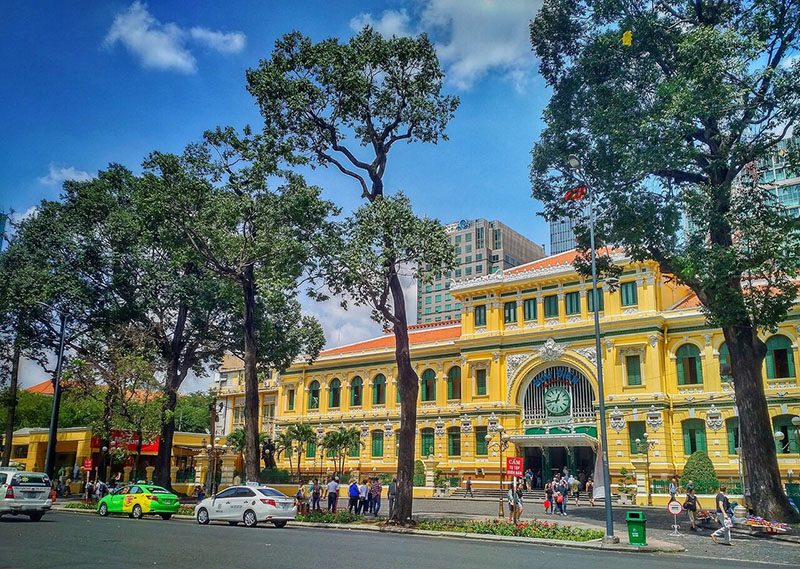
Banh Mi.Photo: collected

Vietnam is a country of vivid contrasts, most clearly seen in its two major cities. In the north, Hanoi captivates with its tranquil lakes, ancient temples, and enduring sense of tradition. In the south, Ho Chi Minh City buzzes with modern energy—alive with dynamic street scenes, contemporary creativity, and a nightlife that never sleeps.

Each city tells a different story, yet both form two essential chapters of the Vietnamese experience. Whether you’re a history buff, a foodie, a backpacker, or a luxury traveler, these two cities have something unforgettable in store for you.

If you have the opportunity to visit Vietnam, don’t miss the chance to explore Hanoi and Ho Chi Minh City, where many fascinating experiences await.And don’t forget to order visa to Vietnam at vietnamvisapro before departing to this wonderful place.We as a trusted and reliable visa service, we are here to help turn your dream vacation into reality from the very first step.

Posted on

Vietnam’s Weather and Top Destinations to Explore in May

Despite the complex weather patterns, May is still a great time to visit Vietnam. As a transitional month between spring and summer, the country experiences increased rainfall and rising temperatures. In Hanoi and northern Vietnam, the heat and humidity start to build, accompanied by more frequent showers—yet the weather remains comfortable enough for outdoor activities. Along the central coast, hot and sunny days make it one of the best regions to explore during this time. Meanwhile, southern Vietnam begins its gradual shift into the rainy season. Let’s take a closer look at the weather and top destinations to visit in Vietnam during May.

(Source: Collected)

1.Weather by Region in May.

1.1 Northern Vietnam

Popular destinations: Hanoi, Halong Bay, Cat Ba, Sapa, Ha Giang, Mu Cang Chai, Ninh Binh, Mai Chau, etc.

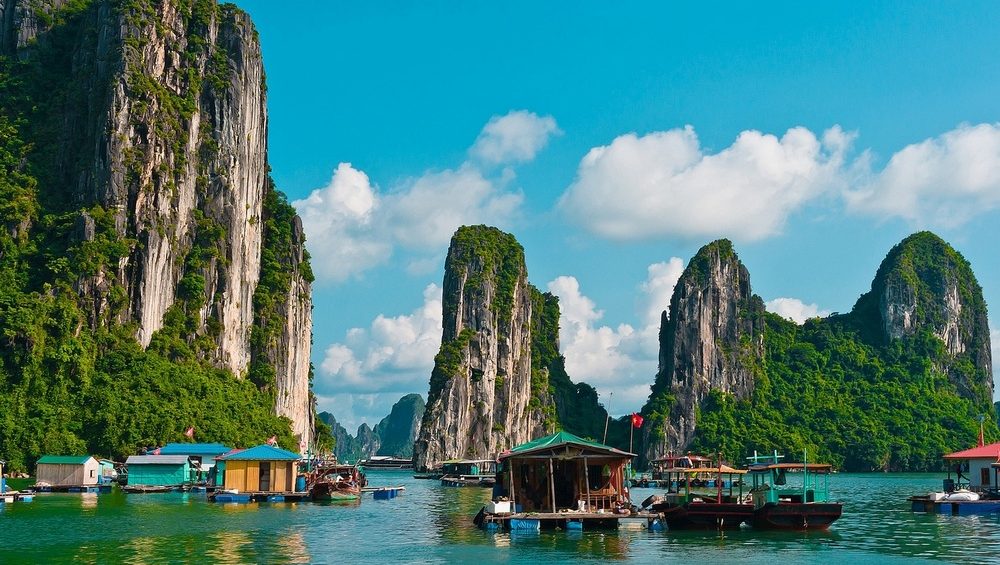
Halong Bay(Source: Collected)

May in northern Vietnam marks a pleasant shift into summer, with temperatures typically ranging from 24 to 36 degrees Celsius. It’s an excellent time to visit both the northern and central regions of the country. However, travelers should be prepared for occasional weather disruptions, including storms or tropical depressions that may lead to changes in plans, such as canceled boat tours in Ha Long Bay. The mountainous areas like Mu Cang Chai and Sapa enjoy comfortable weather during this period, as local hill tribes begin planting rice on the terraced fields. In contrast, Ha Giang, located further east, tends to experience heavier rainfall. Despite this, May remains a wonderful time to explore Ha Long Bay, a UNESCO World Heritage Site.

1.2 Central Vietnam

Popular destinations: Hoian, Danang, Hue, Nha Trang, Quy Nhon, Dalat, etc.

Ba Na Hills(Source: Collected)

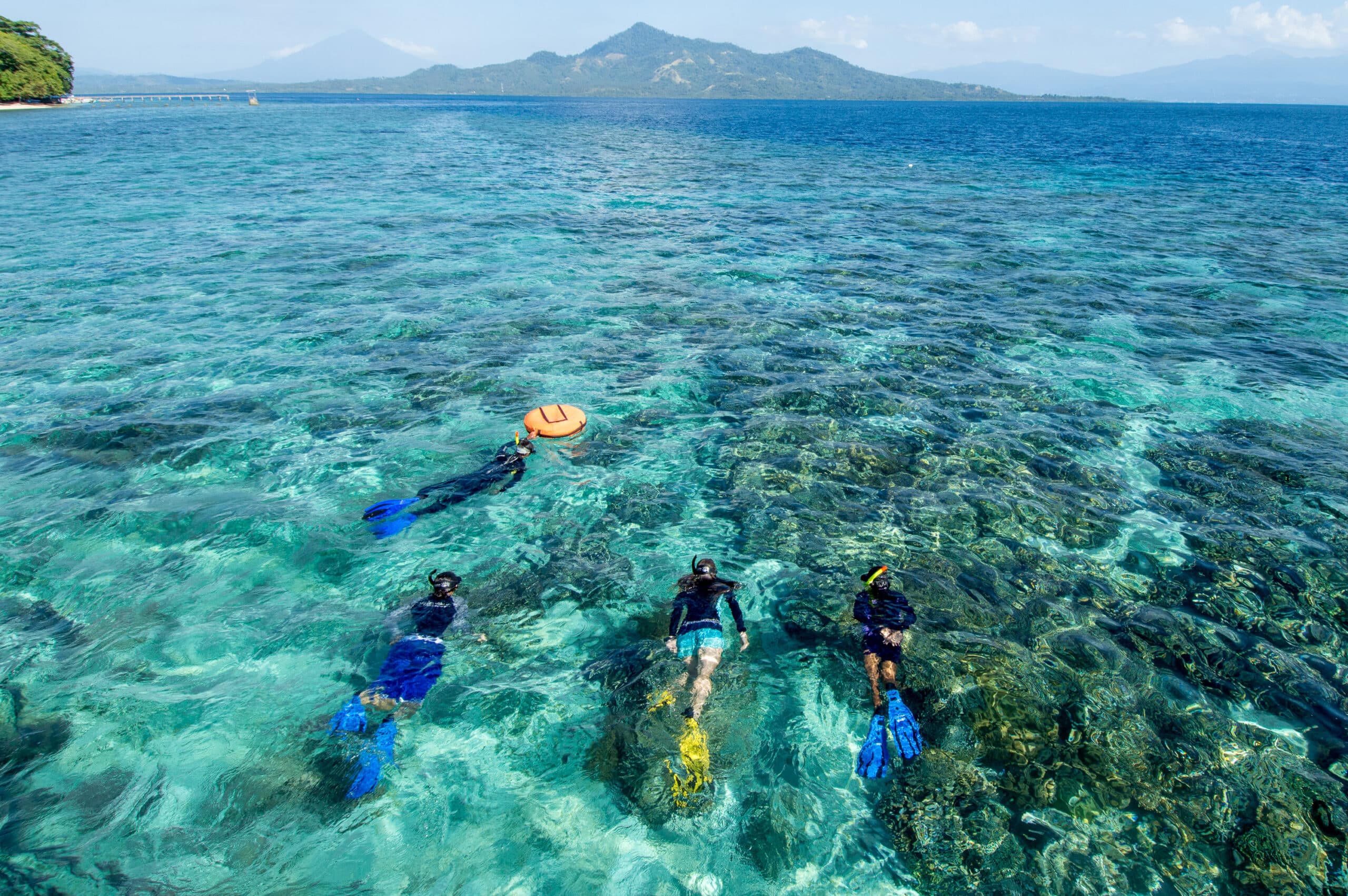
May brings some of the best weather to Central Vietnam, with sunshine dominating the forecast and minimal rainfall to disrupt outdoor activities. Temperatures rise steadily, often reaching the upper 20s to as high as 38°C (upper 80s to 100°F). This hot, dry climate makes it a perfect time to enjoy the beaches of Da Nang, Hoi An, and Nha Trang. With long, sunny days, it’s an ideal month for snorkeling, diving, or simply relaxing by the sea. Just be sure to prepare for the heat—pack light, breathable clothing, sunscreen, and a hat to stay comfortable.

1.3 Southern Vietnam

Popular destinations: Ho Chi Minh City, Phan Thiet & Mui Ne, Mekong Delta, Long Hai & Ho Tram, Con Dao & Phu Quoc, etc.

Phan Thiet & Mui Ne(Source: Collected)

In May, South Vietnam begins its transition into the rainy season, though the change is gradual and mild. Here’s what you can expect:

  • Temperature: Expect hot and humid days with highs ranging from 28 to 36 degrees Celsius (82 to 97 degrees Fahrenheit).
  • Rainfall: While the rainy season technically starts in May, the rain usually comes in short, afternoon bursts. You’ll still enjoy plenty of sunshine.
  • Humidity: Humidity levels hover between 60-70%, making it feel even warmer.

Overall, May remains a great time to visit South Vietnam. The occasional rain showers offer a refreshing break from the heat and are unlikely to cause major disruptions to your travel plans.

2. Places to go in Vietnam in May & Useful Tips.

With average temperatures ranging from 20 to 30°C, the Mu Cang Chai and Sapa regions remain mostly dry, making them ideal for trekking. In particular, the terraced rice fields of northern Vietnam are at their most stunning during this time. May marks the “falling water season,” when fresh water cascades from one terrace to the next, and the fields shimmer with vibrant green and golden hues from the new rice crop.

Sapa(Source: Collected)

Best known for its vibrant “butterfly season” in April and May, Cuc Phuong National Park is an ideal destination for wildlife enthusiasts and adventure-seeking travelers.

Protected by the Truong Son mountain range, Central Vietnam experiences significantly less rainfall in May compared to other regions of the country. It’s an excellent time to visit its beautiful beaches, such as the pristine white sands of Nha Trang, the calm, warm waters of Quy Nhon, or the more secluded Lang Co Bay. Additionally, combining beach time with cultural exploration in Hue and Hoi An—both UNESCO World Heritage Sites—would make for an unforgettable experience.

The South is known for its hot, humid weather and frequent rainfall, but it enjoys slightly cooler temperatures compared to previous months. Therefore, visiting Ho Chi Minh City’s main attractions and air-conditioned museums remains a great option.

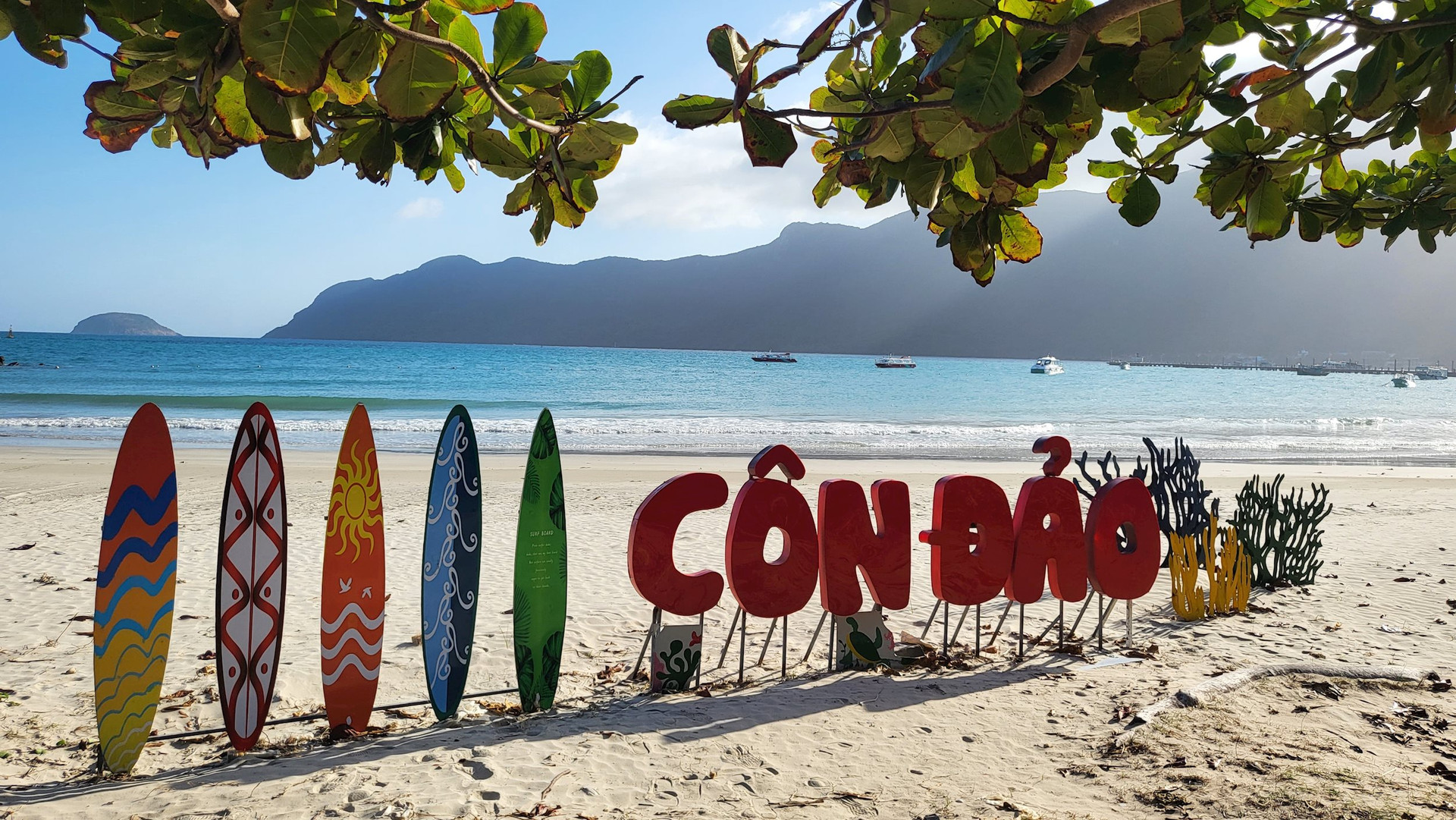
The island in South – Con Dao is still in favorable diving conditions during this month. Don’t miss it.

Con Dao(Source: Collected)

As the hot, rainy season approaches, with increased rainfall across the country throughout the month, it’s essential to pack rain gear, insect repellent, and summer clothing. Don’t forget to bring a sunhat, sunglasses, or a parasol to shield yourself from UV rays. If you’re heading to mountainous regions or the Central Highlands, make sure to include a couple of warm layers for the cooler early mornings and late nights.

At the start of the month, during the April 30-May 2 holiday, city dwellers often head out of town for a quick getaway, making it a busy time, particularly at the beaches. However, later in the month, you can still enjoy the best beaches under glorious sunshine, but without the earlier crowds. Another advantage of May is that tour prices and accommodation rates tend to drop, or are more negotiable, making it an ideal time to visit.

3. May Events

3.1 International Labor Day (nationwide).

(Source: Collected)

Originating from the labor movement of American workers, May 1st became both an anniversary and a day of action for the global workers’ movement. Today, International Labor Day on May 1st is celebrated as a festival for the working people of Vietnam, symbolizing solidarity and friendship with workers worldwide.

3.2 Dien Bien Phu Victory Day (7 May).

(Source: Collected)

Dien Bien Phu Victory Day is observed in Vietnam on May 7. It marks the victory of Vietnam over French forces in 1954, which influenced the negotiations over the future of Indochina during the Geneva Conference.

 3.3 Liberation Day of Hai Phong (13 May) & Hoa Phuong Do Festival (Red Flamboyant Festival).

(Source: Collected)

Hai Phong is home to Cat Ba National Park, Cat Ba Island and Lan Ha Bay where is as beautiful as Halong Bay but less touristic.

13 May 1955 was Liberation Day of Hai Phong when the images of French soldiers finally withdrawing from the North of Vietnam at Ben Nghien (Do Son District, Hai Phong) and this city were completely liberated.

Also in May, the red flamboyant, symbolizing Hai Phong, blooms throughout the city, marking the occasion of the Hoa Phuong Do Festival. This festival, held in Vietnam’s third-largest city, celebrates the anniversary of Liberation Day. The event will feature a lively carnival parade and art performances from both local and international troupes. Additionally, a spectacular low-range fireworks display will light up the night during the opening ceremony.

3.4 President Ho Chi Minh’s birthday celebration (19 May).

Ho Chi Minh Mausoleum(Source: Collected)

Every year on May 19, all Vietnamese people will celebrate the birthday of the great father and leader of Vietnam – President Ho Chi Minh  (19/5/1890) with a wide range of activities and campaigns. Our hearts will be towards the late President in the most respectful and grateful manner. On this anniversary, another ceremony is also held in Nghe An – the hometown of late President Ho Chi Minh.

3.5 Vesak – Celebrating Buddha’s Birthday.

(Source: Collected)

Vesak is the festival commemorating Buddha’s birth, enlightenment and death. This holy day is annually celebrated in the 15th day of the 4th lunar calendar (April or May – varying by year) by buddhists around the world. In Vietnam, many festivals are held around this day to make special efforts for looking back ourselves and bringing happiness to everyone.

3.6 Doan Ngo Festival.

(Source: Collected)

Also known as Tet Sau Bo (sau bo = worms, pests), Doan Ngo Festival is annually celebrated on the 5th day of the 5th lunar month (May or June – varying by year). This is one the most essential holidays along with traditional Tet holiday and Mid-Autumn Festival in Vietnam. On this day, families prepare special kinds of food and unique ceremonies while farmers remove insects and pests from crops and greens. In spite of common tradition, the diversity in celebration approach is well-reflected within each region of Vietnam, such as Festival of Delicious Fruit celebrated in Cho Lach (Lach Market), Ben Tre Province or Festival of Southern Fruit celebrated in Suoi Tien Amusement Park, Ho Chi Minh City.

With the details shared above, we hope you’ll have a memorable and fulfilling journey to Vietnam this May. Pack your luggage now to take in the scenery to immerse yourself in the stunning landscapes, savor the delicious local cuisine, and experience the warmth and hospitality of the Vietnamese people.

Most importantly, don’t forget to order visa to Vietnam at https://vietnamvisapro.com/ before departing .As a trusted and reliable visa service, we are here to help turn your dream vacation into reality from the very first step.

Posted on

Top Romantic Destinations for a Honeymoon in Vietnam

Vietnam is an ideal honeymoon destination, offering breathtaking landscapes, vibrant culture, and a wide variety of delicious cuisine. Whether you’re dreaming of relaxing on sun-kissed beaches, discovering bustling cities, or exploring natural wonders, Vietnam has something to suit every couple’s taste. In this article, discover the top honeymoon spots in Vietnam and the best activities to enjoy together.

Vietnam boasts a wide range of romantic destinations and unforgettable experiences, making it an ideal choice for your honeymoon (Source: Collected)

With its rich culture, warm hospitality, delicious Vietnamese cuisine, and breathtaking natural landscapes, Vietnam consistently ranks among the top recommended destinations for honeymooners. The country offers countless stunning locations that promise unforgettable and meaningful honeymoon experiences. Drawing on our professional expertise in the tourism industry, we’ve curated a selection of the best honeymoon spots in Vietnam to help you plan the trip of a lifetime.

Sapa: Breathtaking Terraced Rice Fields in the Clouds

(Source: Collected)

No visitor to the northern mountains of Vietnam can overlook the breathtaking beauty of Sapa. Renowned as one of the top honeymoon destinations in the country, Sapa offers year-round charm. This misty town is nestled among towering mountains, vibrant valleys, and stunning terraced rice fields. It’s also home to a rich mosaic of ethnic minority groups, including the Hmong, Red Dao, Giay, Xa Pho, and Tay, each with their own unique languages, traditions, and colorful attire. What could be more romantic than a honeymoon where you’re surrounded not only by awe-inspiring natural scenery but also by a rich and diverse cultural tapestry? Whether you’re exploring Muong Hoa Valley, visiting the Love Waterfall, climbing to Heaven’s Gate, or dancing at the famous “Love Market,” you’ll find flowers in bloom throughout the year, adding an extra touch of magic to your journey.

Ha Long Bay: A Breathtaking UNESCO World Heritage Site

Ha Long Bay is a must-visit destination for any traveler coming to Vietnam (Source: Collected)

A major draw for international travelers visiting Northern Vietnam is Ha Long Bay, a UNESCO World Heritage Site recognized twice for its outstanding beauty. This stunning destination features a breathtaking landscape of white sandy beaches, towering limestone islands, crystal-clear waters, lush greenery, and mysterious caves filled with stalactites and stalagmites. It’s no surprise that a trip to Ha Long Bay promises countless romantic experiences.

An overnight cruise is the ideal way to fully enjoy your honeymoon, offering unforgettable moments such as watching the sun rise and set over the bay, kayaking on emerald waters, swimming in the sea, or exploring the awe-inspiring caves. For an especially intimate touch, a private candlelit dinner with fresh seafood can even be arranged right in the middle of the bay, just for you and your partner. To make the most of your honeymoon, a 3-day, 2-night cruise package is highly recommended.

Kayaking in Ha Long Bay (Source: Collected)

Ninh Binh: A Perfectly Serene Getaway for Honeymooners

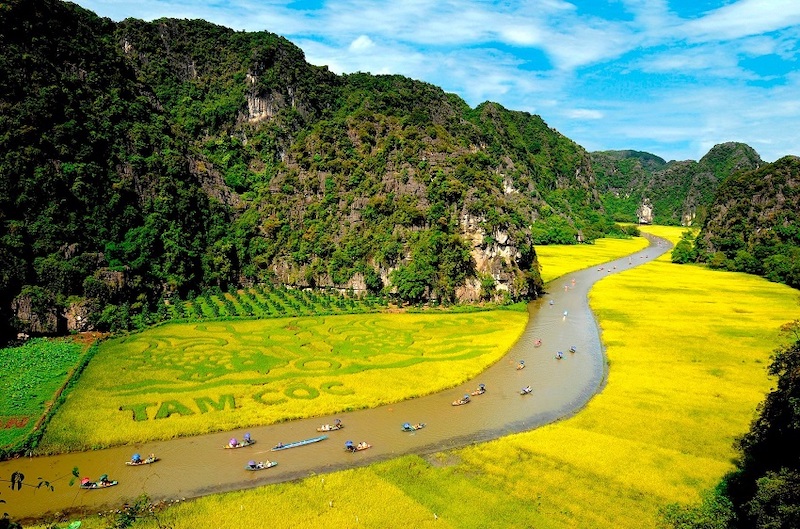
Chosen as the main filming location for Kong: Skull Island in 2016, Ninh Binh captivates honeymooners with its breathtaking landscapes and rich historical charm. In this ancient former capital, you and your partner can drift along in a paddle boat through stunning grottos and lush rice paddies in Tam Coc Bich Dong or Trang An, or embark on a spiritual journey to Bai Dinh Pagoda—one of the largest in Southeast Asia. For a more intimate experience, couples can cycle through serene villages and capture scenic views of limestone mountains that date back millions of years.

Source: Collected)

Hue: A Regal Love Story in Vietnam’s Imperial City

If you’re looking to explore an authentic and well-preserved Oriental palace so Hue offers a wealth of historical treasures, including its ancient imperial citadel complex, temples, and tombs from Vietnam’s last feudal dynasty. For a truly unique royal experience, you can participate in a royal banquet dinner, where you’ll dress as nobles, enjoy traditional court music, and savor delicately prepared dishes adorned with intricate garnishes. Hue is also home to beautiful, long stretches of white sand beaches like Canh Duong, Thuan An, and Ham Rong. Another reason Hue captivates visitors is the warmth and generosity of its people, who are always ready to lend a hand to those in need, without hesitation.

 (Source: Collected)

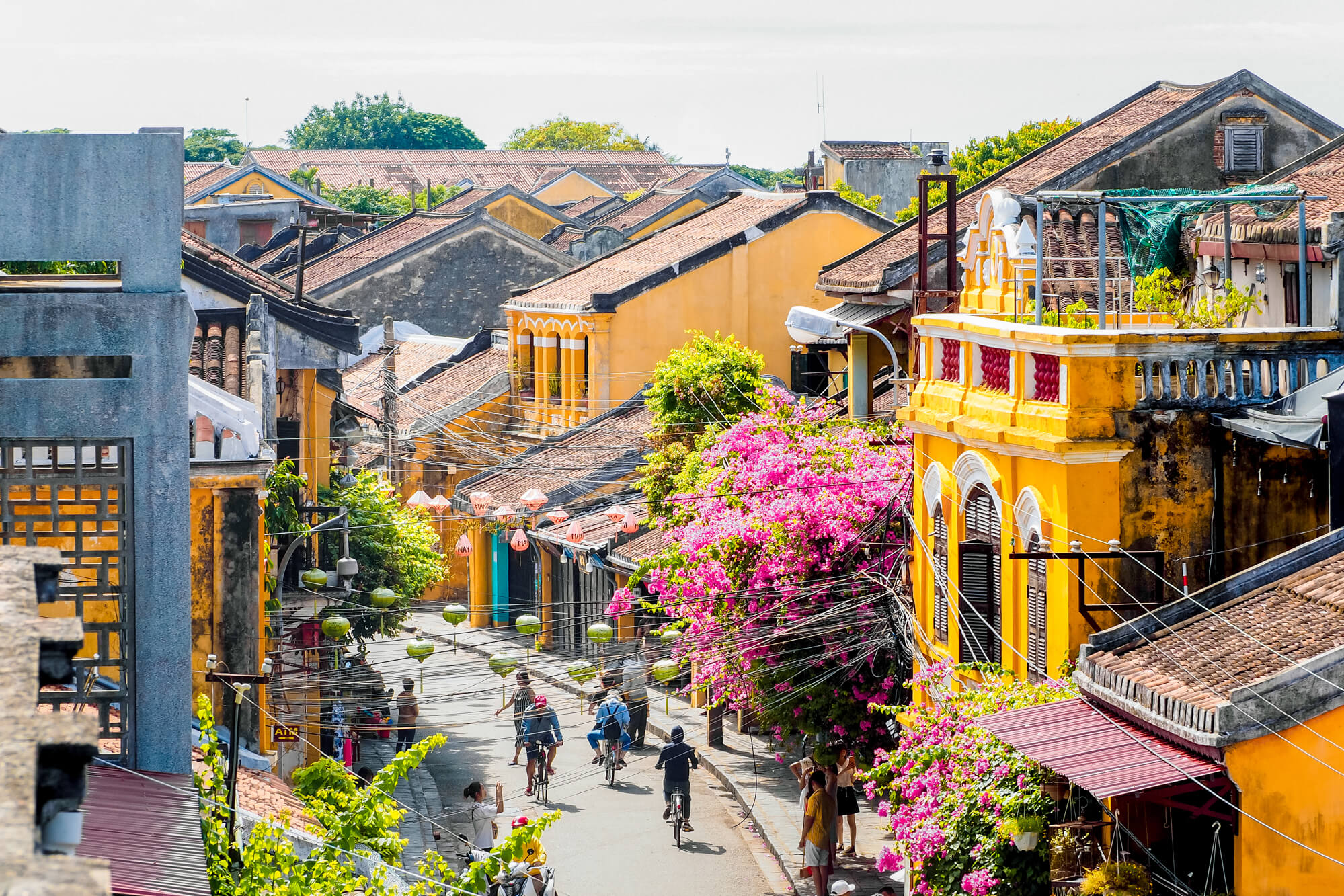
Hoi An: Ranks the 2nd position in Top 10 Destinations For Couples In Asia by Luxeinacity’s travel experts.

Nestled in the heart of Vietnam, Hoi An is a captivating fusion of Japanese, Chinese, and Vietnamese culture and architecture. The town retains its original charm, with 1,068 ancient houses, 19 grand pagodas, 43 sacred shrines, 5 assembly halls, 11 historic wells, a central bridge, and 44 timeworn tombs. The town’s old-world allure shines not just during the day, but also at night. At any moment, you can take a small sampan ride along the river, offering a unique perspective of local life. As night falls, the entire town is bathed in the warm glow of vibrant traditional lanterns in all shapes and sizes. It’s the perfect moment to take your sweetheart’s hand and stroll through these enchanting streets, immersing yourselves in the simple yet profound beauty of love.

Hoi An has been ranked as the second-best destination for couples in Asia by travel experts at Luxeinacity (Source: Collected)

Dalat: The Valley Of Love

Dalat’s cool climate makes it a perfect destination to visit year-round. Visitors are drawn to its lush green plateaus, rolling hills, pine forests, waterfalls, charming colonial-style buildings, and luxurious resorts. Key attractions include Ponguar Waterfall, Linh Phuoc Pagoda, the quirky Crazy House, Central Flower Park, the historic Old Train Station, and Emperor Bao Dai’s Summer Palace. Here, you can start your day with a cup of coffee or enjoy a serene ride on a swan-shaped paddleboat at the picturesque Xuan Huong Lake. Stroll hand in hand along vibrant flower paths to deepen your romantic connection. A visit to Da Lat Market offers a lively local shopping experience, where you can explore a wide variety of unique regional goods.

(Source: Collected)

Nha Trang – A place where the mountains embrace the ocean

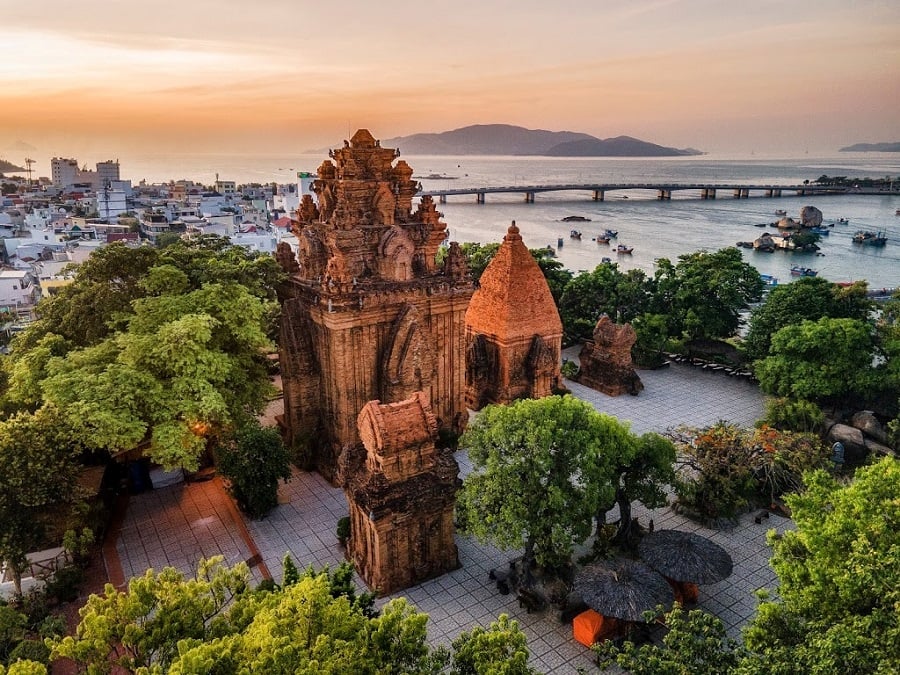
Unlike Da Lat’s dreamy, romantic beauty, Nha Trang offers couples an array of stunning white sand beaches and crystal-clear waters. A must-try experience here is relaxing in the hot mineral springs, indulging in mud baths, or enjoying a rejuvenating massage under cascading water. Vinpearl Land is another fantastic destination, featuring a long cable car ride and hundreds of international-standard games. After a day of fun, visitors can explore the Tri Nguyen Aquarium, unwind at Ta Gu, marvel at the Yang Bay waterfall, or uncover the secrets of the ancient Ponagar Tower. Known as Vietnam’s “Gold Coast,” Nha Trang boasts high-end shopping, luxurious beach resorts, and beachfront restaurants. It’s the perfect place for island hopping, offering activities like diving, snorkeling, seafood dining, swimming, or simply relaxing by the beach.

(Source: Collected)

Mui Ne: Desert By The Sea

Mui Ne has evolved from a peaceful fishing village into a popular surf and beach destination. The vast red and white sand dunes, shaped by ocean winds, create a stunning desert-like landscape by the sea. A walk along the muddy Fairy Stream, passing impressive limestone cliffs and lush forest, leads to a vibrant waterfall at the end. Located just a 4-hour drive from Ho Chi Minh City, Mui Ne is one of the closest beautiful beach spots. It’s the perfect place for honeymooners to unwind and enjoy a beach getaway at the end of their Vietnam trip before heading home.

Mui Ne, Phan Thiet, with its stunning sand dunes and picturesque beaches, has become a perfect destination for honeymooning couples (Source: Collected)

Phu Quoc: A Tropical Paradise in Southern Vietnam

If you’re looking for a romantic getaway in a secluded setting, Phu Quoc is one of the best honeymoon destinations to consider. While it’s an isolated island, Phu Quoc is easily accessible by boat or plane. You’ll be captivated by the island’s serene atmosphere, with its crystal-clear waters, soft golden sands, and picturesque beaches, especially the stunning “Starfish Beach.” Known as the most beautiful beach on the island, it boasts pristine white sand, shady coconut trees, and dramatic karst cliffs that overlook the sea. Phu Quoc also offers a wide range of activities for you and your partner, including sunbathing on scenic beaches, relaxing in the shade, snorkeling in vibrant underwater ecosystems, or watching a breathtaking sunset from luxurious beach resorts. This peaceful paradise is also a haven for nature enthusiasts, with jungle trails, lush mountain hikes, and a diverse array of wildlife to explore. You can also enjoy fresh seafood and tropical fruits at affordable prices, perfect for a romantic dinner after the sun sets.

(Source: Collected)

While the full list is extensive, the above are the top spots chosen by honeymooners. Whether you’re looking to explore an ancient town, a rural province, a mountainous region, a breathtaking bay, or a stunning beach, our travel experts will tailor the perfect honeymoon itinerary based on your unique travel preferences.

But most importantly, don’t forget to order visa to Vietnam at  https://vietnamvisapro.com/ before departing to this wonderful places.As a exactly and reliable visa service, we are here to help turn your dream vacation into reality from the very first step.

Posted on

A Guide to Tourism in Hau Giang

If you’re planning a trip to Vietnam, Hau Giang is definitely worth a visit. If it’s next on your itinerary, keep reading to learn more about what this province has to offer.

Hau Giang province belongs to the Mekong Delta River region (Source: Collected)

Overview

Hau Giang is a small province situated in the heart of the Mekong Delta. It features a complex network of waterways totaling 2,300 kilometers in length. Bordering Can Tho City—the hub of the Southwest region—Hau Giang is one of the region’s key rice-producing areas. The province is rich in agricultural potential, with diverse fruit crops, plentiful freshwater fish and shrimp resources, and active cattle farming.

The Can Tho Bridge over the Mekong Delta River in Hau Giang province, Vietnam(Source: Collected)

The Nga Bay Floating Market is regarded as the largest trading hub in the western region, vividly reflecting the customs and daily lifestyle of the local people.

  • Area: 1.621,8 km²
  • Population: 733.017 people
  • Provincial Capital: Vi Thanh City
  • Districts: Nga Bay Town, Phung Hiep, Vi Thuy, Long My, Chau Thanh, and Chau Thanh A
History

Before 1976, Hau Giang was part of Can Tho and Rach Gia. In March 1976, the former Hau Giang province was created by merging three administrative units of equal status: Can Tho province, Soc Trang province, and Can Tho city.

Since 2004, Hau Giang has been reestablished with its current administrative divisions, including Vi Thanh Town and the districts of Chau Thanh, Chau Thanh A, Long My, Phung Hiep, and Vi Thuy.

Geography

Hau Giang is located in the heart of the Mekong Delta and is characterized by a dense network of rivers and canals, which facilitates efficient river transportation. It shares its northern border with Can Tho and Vinh Long, its southern border with Bac Lieu, its western border with Kien Giang, and its eastern border with Soc Trang.

Vi Thanh city is 230 km away from Ho Chi Minh City, accessible via National Highway No. 61.

Climate

Hau Giang is situated in the central belt of the Northern Hemisphere, close to the equator, and experiences a tropical monsoon climate with two distinct seasons. During the rainy season, the Southwest wind brings humid air, while the Northeast wind in the dry season creates a cool and pleasant atmosphere. The region maintains a consistent average temperature of around 27°C throughout the year, contributing to a generally cool and dry environment. April is typically the hottest month, with temperatures reaching up to 35°C, while December is the coolest.

The dry season in Hau Giang lasts from May to October(Source: Collected)

Tourism

Thanks to its abundant waterways, Hau Giang is known for its iconic floating markets, especially the renowned Phung Hiep Market. In addition, the Long My historical site preserves many powerful remnants and stories from the wartime era.

Hau Giang province holds great potential for tourism development, yet it faces challenges in infrastructure and souvenir offerings. Both domestic and international tourists are increasingly drawn to natural attractions such as gardens, rivers, forests, mountains, and pristine beaches. To tap into this demand, Hau Giang is implementing several projects aimed at boosting tourism, with a strong focus on eco-tourism that blends entertainment, dining, and resort experiences.

Unlike other regions in the South that have two distinct seasons of rain and sun, Hau Giang enjoys a moderate climate throughout the year. You can visit this province anytime you want, but the best time to explore its beauty is from October to September of the following year, when the weather is dry and pleasant.

If you’re looking to experience the peaceful and laid-back lifestyle of Hau Giang’s waterways, there are several budget-friendly hotels available, with prices starting at just \$10 per night. Here are a few hotels in Hau Giang you might want to consider:

  • Guest house of Provincial Party Committee of Hau Giang: Located on Nguyen Cong Tru street in Ward 1, Vi Thanh City. Phone: 0711 3581806
  • An Phuong Hotel: Located on No. 58, Nguyen Cong Tru street in Ward 1, Vi Thanh City. Phone: 0711 3580 212
  • Phuong Nhu Hotel: Located on 57, 3/2 street in Ward 5, Vi Thanh City. Phone: 0711 3581 469
  • Phong Nha Hotel: Located on Doan Thi Diem street in Ward 1, Vi Thanh City. Phone: 0711 3580 282
  • Ai Van Hotel: Located on Tran Hung Dao street in Ward 1, Vi Thanh City. Phone: 0711 3877 548
  • Thanh Huong Hotel: Located on 45-4, Hai Thuong Lan Ong street in Ward 1, Vi Thanh City. Phone: 0711 3876 361
  • Huynh Tuoi Hotel: Located on 3/2 street in Zone 3, Ward 5, Vi Thanh City. Phone: 0711 3876 776, 876 999
  • Thanh Dat Hotel: Located on 263, Nguyen Cong Tru street in Ward 1, Vi Thanh City. Phone: 0711 3877149
  • Hanh Xuan Hotel: Located on 02 Nguyen Cong Tru street in Ward 1, Vi Thanh City. Phone: 0711 3876215
Top 10 Attractions In Hau Giang

Nga Bay Floating Market:

This is the largest and most vibrant floating market in the West, offering a glimpse into the traditional trading practices and lifestyle of the locals. Located at the convergence of seven rivers—Cai Con, Bung Tau, Mang Ca, Soc Trang, Lai Hieu, Xeo Mon, and Xeo Dong—the market comes alive each day from 2-3 am as boats from various regions converge to conduct business. On these boats, you’ll find a wide range of goods, including fruits, vegetables, household items, and seafood. You can also sample local dishes and drinks, such as noodles, coffee, and cake soup, all served right on the boats. The market is approximately 30 kilometers from the center of Can Tho city.

Nga Bay Floating Market(Source: Collected)

Tay Do Ecotourism Area:

This serene and picturesque resort boasts lush green gardens, a variety of birds and animals, and a range of entertainment options. It draws numerous visitors seeking a peaceful escape to relax and rejuvenate after a busy work schedule or holiday. The resort features a blend of modern and traditional-style accommodations, including charming restaurants and cozy motels.

To access the cultural area, you’ll first cross a replica of the My Thuan suspension bridge. Afterward, you’ll encounter a lake connected to a network of winding waterways that guide you to tranquil beaches adorned with coconut trees, toads, and durian trees. Along the way, you’ll find spacious, open-air houses, motels, and restaurants offering a variety of famous dishes for you to enjoy.

Tay Do Ecotourism Area(Source: Collected)

Ba Bai Base:

This historical site offers a chance to explore photos and artifacts from the people of Can Tho during the period of 1972-1975. It features the base of the Can Tho Provincial Party Committee and a collection of wartime photographs from that era. Mr. Tran Van Thu, the site’s curator, shared that it attracts over 80,000 visitors annually. To enhance the tourism experience, the site will undergo renovations and expand its displays, including items like a telegraph, office equipment, a cannon shelter, and a secret tunnel.

Lung Ngoc Hoang Nature Reserve:

This biological reserve, located in the melaleuca forests, is both rare and ecologically diverse. Its flora is wild and distinctive, providing a long-term home to rare and valuable animal species. The reserve also hosts a variety of bird species, and during the wet season, thousands of waterfowl migrate here, creating a vibrant and exceptional natural spectacle.

Lung Ngoc Hoang Nature Reserve(Source: Collected)

Long My Cultural And Historical Site:

This area is a historical revolutionary base in Hau Giang province and the southwestern region, known for its role in the struggle against French colonialists and the U.S. During your visit to Long My, you can explore the Uncle Ho Temple in Luong Tam commune, established by the local Party and militia in 1969 following the passing of President Ho Chi Minh. The temple, located on a 1-hectare site, was restored and has become a place of tribute, attracting many visitors every year on May 19 and September 2. Additionally, you can visit the distinctive stork garden in Xa Phien commune, which was created in 1986. The garden is home to tens of thousands of storks and over 30 species of birds native to the Southern river region. Long My offers a captivating blend of cultural and ecological attractions in Hau Giang.

Long My Cultural And Historical Site (Source: Collected)

The Victory Relic Of 75:

The victory relic of the 75 enemy battalions, which took place in 1973, was officially recognized by the Ministry of Culture and Information as a historical landmark, designated as the “Event Memorial Place,” on July 20, 1997. Each year, the local community organizes various cultural, entertainment, and sports activities for union members and young people in the commune to participate in. At the site, visitors can admire an 8-meter-high monument located at its center, with a 20-meter-high coconut leaf sculpture standing behind it.

Adjacent to the monument is a large relief measuring 20 meters long and 4 meters high, depicting several groups of statues that represent the three army divisions and their three main attack points. The relief also portrays other significant events from the war. In addition to the monument, visitors can explore various artifacts on display. Annual events, festivals, and traditional days are also held here for the public to enjoy.

Vo Truong Toan University:

Located in Vietnam, this European-inspired university resembles the iconic “Hogwarts Magic Academy” from the Harry Potter films. Its fairy-tale architecture features towering buildings that stretch into the sky, blending grandeur, mystery, and timelessness. Designed as a “University City,” the campus follows modern international standards, offering top-notch quality. It functions as a self-contained mini-city, catering to all the needs of its residents.

Vo Truong Toan University (Source: Collected)

Xa No Park:

Xa No Park is one of Hau Giang’s most popular attractions, located alongside a picturesque river with a well-planned layout. It serves as a beloved spot for entertainment and community activities for the local people. The Xa No Canal, known as the “rice road” of the southwestern region due to its economic significance, flows near the park. Positioned along the canal’s banks, Xa No Park is considered one of the longest parks in the country, offering both aesthetic beauty and a welcoming atmosphere for visitors.

The park’s pathways are paved with tiles, and the grounds are adorned with lush greenery, including Javan red areca, Filipino ornamental coconut, bananas, queen palms, red willows, and mausoleum trees. Additionally, elegant white stone sculptures enhance its charm. At night, the park comes alive with colorful lights, creating a stunning, vibrant scene. Xa No Park’s unique allure captivates all who visit, making it a must-see destination in Hau Giang.

Phu Huu Tourist Area:

Located in the heart of Hau Giang, this riverfront resort offers a perfect blend of nature and adventure. Surrounded by lush greenery and shady coconut trees, it’s an ideal getaway for relaxation and fun. You can immerse yourself in the local culture by dressing up as a garden farmer and capturing beautiful moments in the scenic surroundings or exploring the vibrant gardens. For those seeking excitement, there are various activities to enjoy with friends, including fish slapping games, canoeing, and swinging. To wrap up your visit, indulge in some mouthwatering rustic dishes that are hard to find anywhere else.

Phu Huu Tourist Area (Source: Collected)

Vi Hung Church:

This stunning church is situated beside the tranquil and picturesque Xa No canal. Its striking architecture blends various styles, with the main structure reflecting the classic design of a Roman church, while the curved, prominent roof draws inspiration from Vietnamese temples. Every weekend and during Christmas, the church attracts not only Catholics for services but also many visitors who come to explore this beautiful landmark in Hau Giang.

Vi Hung Church (Source: Collected)

Transportation

Traveling to Hau Giang takes the National Highway No. 61, which connects Vi Thanh to Bac Lieu, Kien Giang, and Can Tho.

With the information about Hau Giang summarized above, hopefully, you will have a complete and meaningful journey to this beautiful place. Pack your luggage now to take in the scenery, enjoy the local delicacies, and feel the warm-heartedness of the people here.

Most importantly, don’t forget to order visa to Vietnam at https://vietnamvisapro.com/  before departing to this wonderful place.We as a trusted and reliable visa service, we are here to help turn your dream vacation into reality from the very first step.

Posted on

Ho Chi Minh City best things to do and travel guide

Ho Chi Minh City, also known as Saigon, is the largest and most vibrant city in Vietnam. As the country’s business and financial hub, it boasts a rich history that spans centuries. The city is constantly buzzing with energy, offering a little bit of everything—charming shops, lively nightlife, fascinating museums, and mouthwatering cuisine. Discover all that this dynamic city has to offer in this Ho Chi Minh City travel guide.

5 compelling reasons to visit Ho Chi Minh City.

  1. Explore the history of the Vietnam War at the War Remnants Museum and the Cu Chi Tunnels.
  2. Experience the vibrant energy of the city from a rooftop bar.
  3. Savor the finest local dishes at the vibrant restaurants and lively street stalls.
  4. Make the most of the city’s convenient location to explore the Mekong Delta.
  5. Discover the markets and hidden paths off the beaten track on a motorcycle.

What is in this Ho Chi Minh City travel guide

Practical information

Suggested duration of stay

The city offers vibrant nightlife and numerous attractions where you can explore the history of the Vietnam War. It’s perfect for a 2-3 day stay, but you can extend your visit if you choose to take a day trip to the Mekong Delta.

ATM’s & money exchange

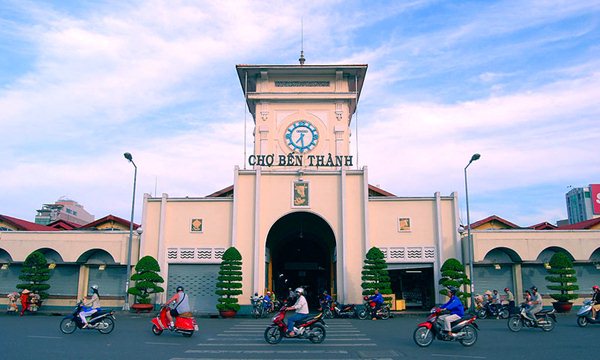
Money exchangers and gold traders at Ben Thanh Market are the top choice for both locals and visitors when it comes to currency exchange.

 Local events and holidays

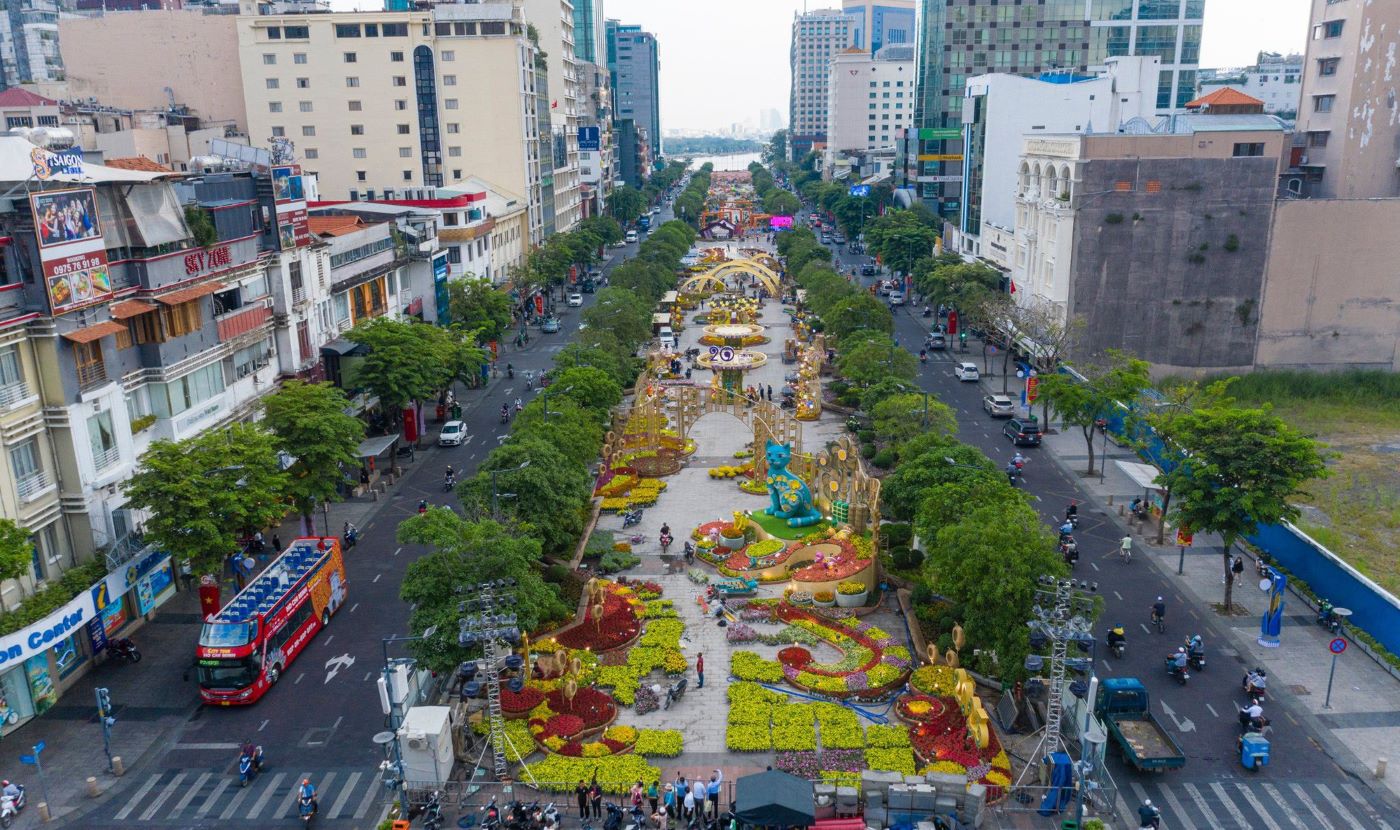
  • Tet New Year (first day of the first lunar month) – The city is partying or back to their home town. Road Nguyen Hue has a large flower exhibition.
  • Saigon Cyclo Challenge (mid-March) – Both professional and amateur cyclists compete to determine who is the fastest, with the funds raised being donated to local charities that assist underprivileged children.

Best time to visit

  • February: Hardly any rain, the least humidity and a city full of flowers for the Tet parties.
  • March: Little rain and humidity.
  • December: December is cooler than normal for HCMC and relatively dry.

10 best things to do in Ho Chi Minh City

Ho Chi Minh City, bustling with energy and lined with French colonial architecture, offers something for everyone. Whether you’re drawn to temples, museums, markets, history, architecture, parks, or simply want to experience the vibrant pulse of Vietnam’s most economically dynamic city, you’ll find plenty to explore.

1. Cu Chi Tunnels

One of the top activities in Ho Chi Minh City is taking a day trip to the Cu Chi Tunnels. As part of a war museum, these tunnels offer a deeper understanding of the Vietnam War. You can crawl through the narrow passageways to experience how the Viet Cong lived during the conflict. The site also showcases various traps they used, their underground living conditions, and abandoned military vehicles. Additionally, you can choose to test your aim at the shooting range with a variety of firearms.

2. War Remnants Museum

The War Remnants Museum is widely regarded as one of the most impactful and noteworthy museums in Vietnam, making it an essential stop. It offers a sobering and in-depth look at the horrors of the Vietnam War. Outside, you’ll find a collection of decommissioned military vehicles, including a tank, jet, helicopter, and rocket launchers. Inside, the museum showcases a range of war relics and stark, graphic photographs that depict the brutal realities of the conflict.

3. French colonial architecture

Similar to Hanoi and several other cities in Vietnam, Ho Chi Minh City boasts a wealth of architecture from the French colonial period. As the city center has evolved into a bustling modern metropolis, it creates a striking contrast to see centuries-old buildings standing alongside towering skyscrapers.

Notre Dame Cathedral

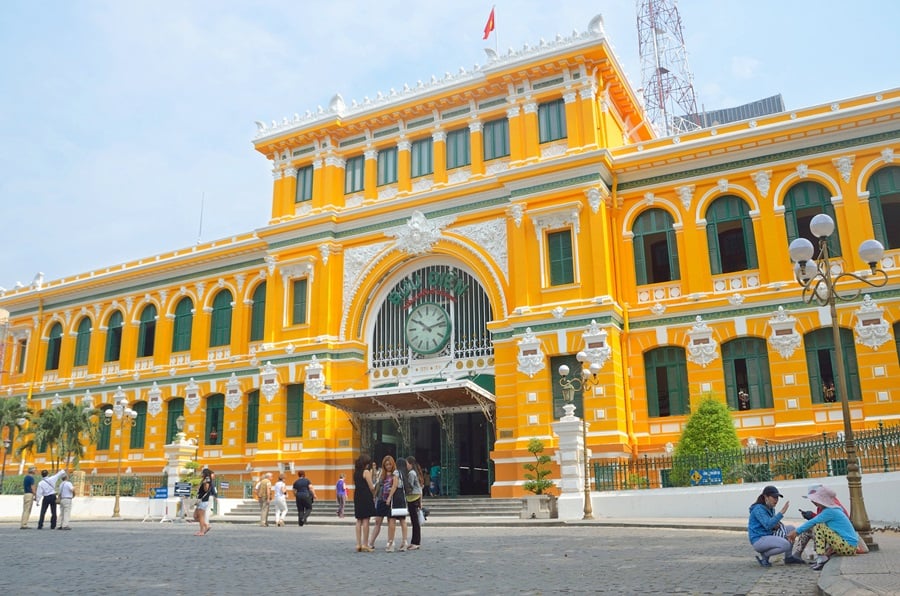
The historic Saigon Central Post Office is a must-see. It’s still operational, allowing you to send postcards to loved ones back home. Right across from it stands the stunning Saigon Notre-Dame Cathedral, built in 1863.

 Saigon Central Post Office

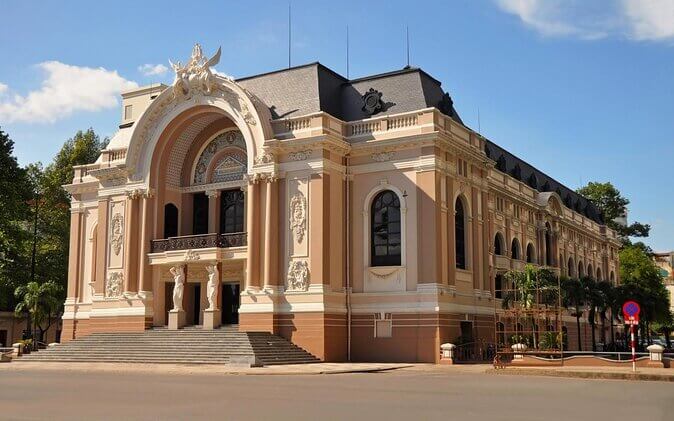
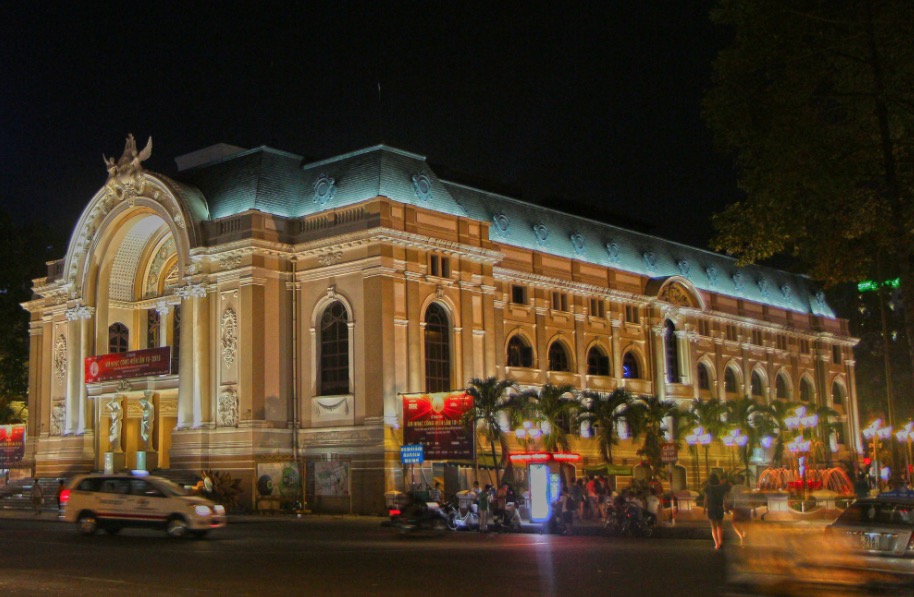
The colonial-era Saigon Opera House remains an active venue, offering a unique experience for those who attend a performance there. Nearby, you’ll also find the Ho Chi Minh City People’s Committee building, which was once the town hall.

Saigon Opera House

4.Motorbike street food tour.
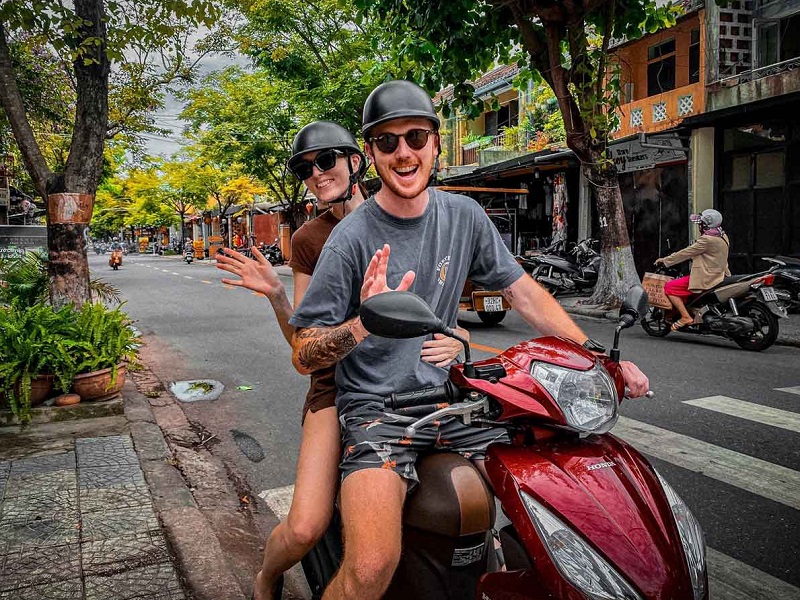
 

Food in Vietnam is considered sacred and is a source of immense pride for its people. On every street, you’ll encounter a place to eat, from upscale restaurants to humble street stalls with plastic stools. Due to the migration of people from all over the country to Saigon for economic opportunities, you can also find dishes from every region of Vietnam here.

The ultimate way to experience the city is through a street food tour. Much like in Hanoi, you’ll sample a variety of dishes, visit hidden spots in the city, and gain an authentic glimpse into local life. For an even more unforgettable adventure, consider taking the tour on the back of a motorbike with a local guide. It adds an exciting twist to an already amazing experience.

Riding on the back of a bike and enjoying meals at local stalls truly immerses you in the heart of the local culture—an unforgettable experience.

5. Nightlife

Ho Chi Minh City offers the best nightlife in Vietnam. As the country’s largest city, it boasts the most vibrant and diverse entertainment options.

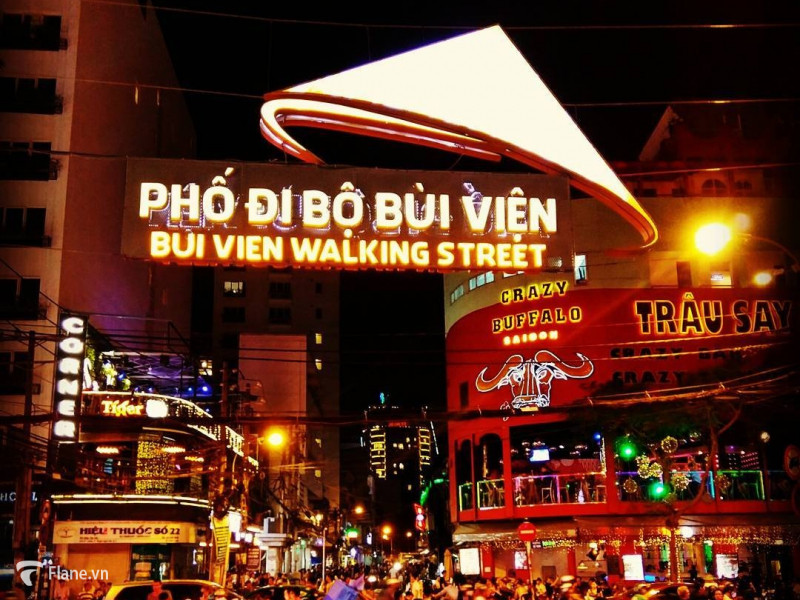
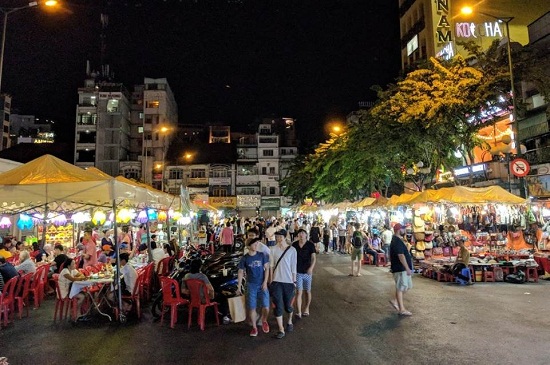
The most iconic spot for nightlife in Ho Chi Minh City is Bui Vien Street, often referred to as the backpacker street of the city, or even of all of Vietnam. It’s comparable to Bangkok’s Khao San Road – but better. This lively street is lined with bars and clubs, and you can also enjoy a drink while sitting on one of the many plastic chairs set up along the sidewalk.

Bui Vien Street

If you’re seeking a spot with a bit more flair, head to one of Ho Chi Minh City’s rooftop bars for a cocktail. The city also boasts a variety of bars and clubs, offering something for every taste—whether you’re into jazz or EDM, you’re sure to find your vibe.

6. Reunification Palace

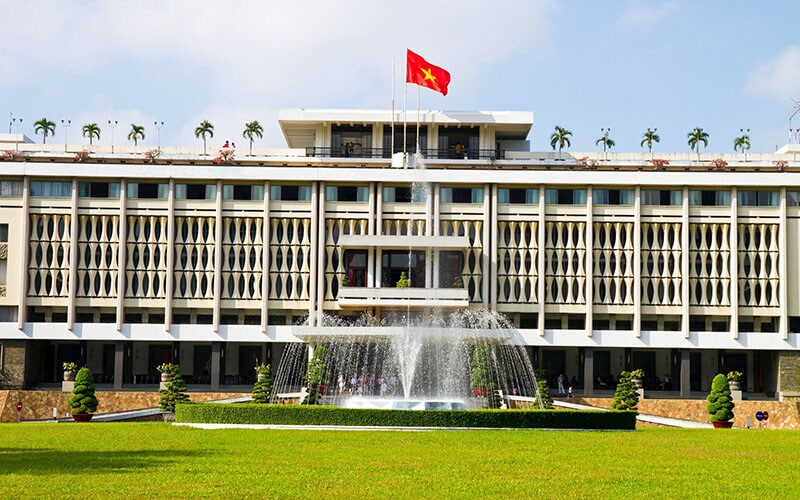
Reunification Palace

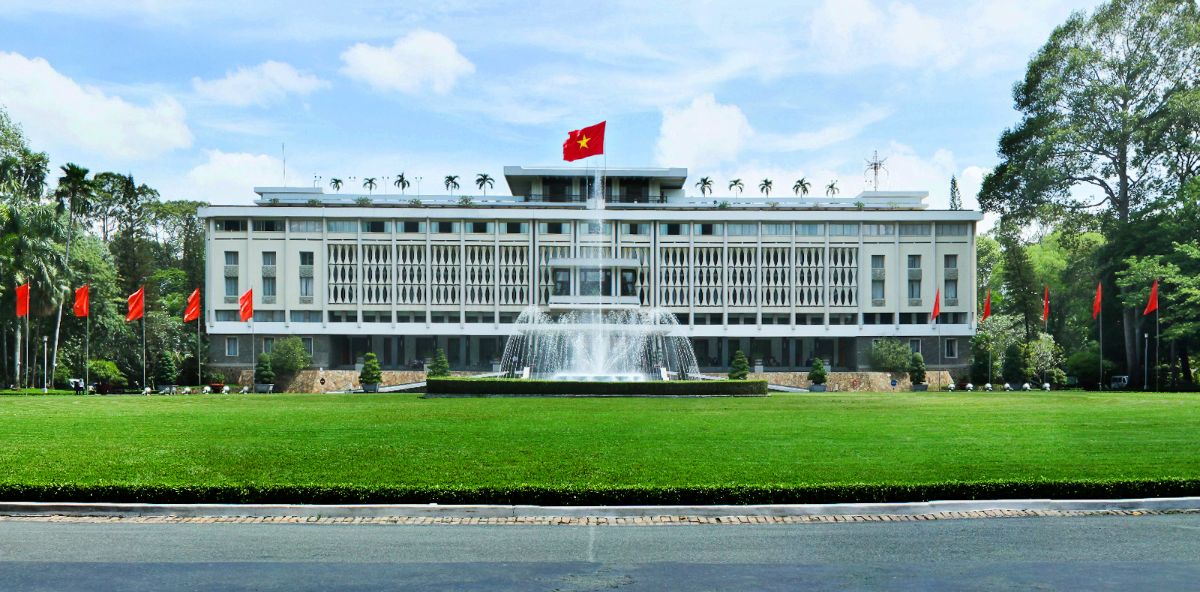
This palace served as the headquarters of the Vietnamese general until his death in 1963. It gained international fame in 1975 when a North Vietnamese tank drove through its main gate, marking the end of the Vietnam War. Today, the palace operates as a museum, offering a rare glimpse into its past, with many rooms still preserved as they were 40 years ago. Highlights include an air raid shelter and a communications room used to direct military operations.

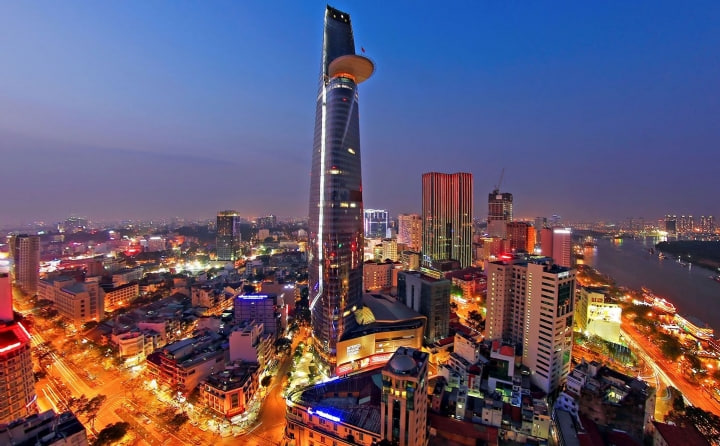
7. Bitexco Financial Tower

Bitexco was once the tallest building in the city until Landmark 81 surpassed it in 2018, becoming not only the tallest in the city but also in Southeast Asia. Despite this, Bitexco remains the most beautiful skyscraper in the city, located in the heart of the downtown area. Its design resembles a lotus flower, and it features a helicopter landing pad on its side.

Bitexco Tower

At a height of 262 meters, you’ll find a sky deck offering stunning views of the city and river, which you can visit.

8. Nguyen Hue Walking Street

For one of the best spots in the city to experience social and dating life, make your way to Nguyen Hue Walking Street. Every evening, thousands of people gather here to enjoy the lively atmosphere and cool breeze in the heart of the city.

Nguyen Hue Walking Street

The street is framed by stunning colonial-era architecture, including the Ho Chi Minh City People’s Committee building and the Opera House. Also nearby is the striking Cafe Apartments building, where each apartment hosts a unique café with its own distinctive decor—it’s a sight to behold from the street. Adding to the charm, these historic buildings are surrounded by modern skyscrapers, creating a blend of old and new.

9. Markets

Like other cities in Vietnam, Ho Chi Minh City is home to a variety of markets. These markets offer a glimpse into the daily lives of the locals. The farther you venture from the city center, the more authentic and traditional the markets become. While most markets sell everyday items like meat, fish, vegetables, fruit, household goods, and clothing, there are also specialized markets, such as those for motorbikes, flowers, and pets. Among the city’s most famous markets are Ben Thanh Market and Binh Tay Market.

10. Saigon River

The Saigon River runs directly through the city. On the opposite side of the river from the city center, you’ll enjoy a stunning view of the skyline. Additionally, there are several boat tours available to explore the river.

For instance, you can explore the Mekong Delta by speedboat, departing right from this river. It’s a faster, more scenic alternative to traveling by road. You can also enjoy a sunset tour by speedboat, complete with a cocktail at an upscale restaurant. For a more romantic or simply enjoyable experience, consider a Saigon River dinner cruise, offering delicious food paired with stunning views of the city skyline.

Best hotels & hostels in Ho Chi Minh City

Where to stay

District 1 -The city is vast, with a variety of neighborhoods, but it’s best to book your accommodation in District 1, the heart of the city. From here, you’ll be close to major attractions, restaurants, and nightlife. Additionally, most day tours offer convenient pick-up services from District 1. Due to its popularity, District 1 boasts a wide range of accommodations, from luxurious five-star hotels along the stylish Dong Khoi Street to more affordable hostels on Pham Ngu Lao and Bui Vien Streets.

Best hotels & hostels in Ho Chi Minh City

Budget hotels & hostels

  • Hangout Hostel HCM
  • The Hideout
  • Vietnam Inn Saigon
  • The Like Hostel & Cafe
  • Long Hostel

Mid range hotel

  • A&Em Art Hotel
  • The Hammock Hotel Ben Thanh
  • Triip Boutique Ben Thanh Hotel
  • C Central Hotel
  • Cititel Parkview Saigon Hote

High end hotel & resort

  • Grand Hotel Saigon
  • Sedona Suites Orchid Tower
  • Muong Thanh Saigon Centre Hotel
  • Rex Hotel Saigon
  • Novotel Saigon Centre Hotel

Food & drinking

Restaurants

It might be a bold statement, but this city could easily be considered the culinary capital of Vietnam. It showcases the finest flavors from across the country, blending northern and central regional dishes, along with a vibrant street food culture and excellent international dining options. If you’re a food lover, this is undoubtedly one of the top cities in Asia.

Local restaurants

  • Nha Hang Ngon
  • Vo Roof Garden
  • The Garlik De Tham Restaurant
  • The Deck Saigon
  • Hum Vegetarian, Lounge & Restaurant

Fine dining

  • Bun Cha 145 Bui Vien
  • Cyclo Resto
  • Bep Me In
  • Royal Saigon Restaurant Bui Vien
  • 4Ps Pizza Saigon

Nightlife

This city offers the best nightlife in Vietnam, featuring trendy rooftop bars, stylish clubs, vibrant live music venues, traditional performances, and the unique local beer-drinking experience on casual plastic seats.

  1. Bui Vien Street
  2. Rooftop bars
  3. Food tour
  4. Pub Crawl
  5. Dinner cruise
  6. Clubbing
  7. Live music bars
  8. Ben Thanh Night Market
  9. Show in Opera House
  10. Nguyen Hue Walking Street

How to get there

Flights to Ho Chi Minh City

Vietnam’s expanding network of domestic flights links Ho Chi Minh City to all other major cities, making it a great option for travelers with limited time. With affordable prices, flying to destinations like HanoiHue, Nha Trang, and Da Lat offers significant time savings.

Buses to Ho Chi Minh City

The most affordable way to travel to and from Ho Chi Minh City to other cities in Vietnam is by bus. A bus to Dalat takes about 7 hours and costs between $11 and $15, while a trip to Nha Trang takes around 22 hours and costs between $10 and $20. Bus tickets are available at travel agencies throughout the city center or directly from your hotel or hostel. There are also buses to Mui Ne and the Mekong Delta, though joining a tour can often be a more convenient option for exploring the Mekong area.

Trains to Ho Chi Minh City

Trains to northern Vietnam start from Saigon Train Station. The train to Nha Trang takes around 6.5 hours ($ 14- $ 32).

How to get around

Walking – Most of the sights are in the center nearby. A great way to explore the city is on foot.

Car and motorbike – Check with almost every hotel, tourist café or travel agency to arrange car rental. Don’t forget that the rent also includes a driver, because it is illegal for foreigners to drive in Vietnam without a Vietnamese driver’s license.

Taxi – Taxi with meter drive through the streets. The price is around 12,000d for the first kilometer; expect to pay around 25,000d (US $ 1) from Dong Khoi to Pham Ngu Lao. Use Mai Linh Taxi and Vinasun Taxi. An even better alternative is Grab (similar to Uber).

Itinerary 2 days in Ho Chi Minh City

Day 1

Embark on a city tour to discover landmarks like Ben Thanh Market, the Reunification Palace, the War Remnants Museum, the Post Office, and the Notre Dame Cathedral. In the evening, enjoy a unique food tour riding on the back of a motorcycle.

Day 2

Start your day with a trip to the Cu Chi Tunnels, which can be paired with a visit to the Cao Dai Temple. In the afternoon, wander through Chinatown. In the evening, enjoy a river cruise with dinner, and end your day at a rooftop bar.

More tips for traveling in Ho Chi Minh City


Ho Chi Minh City is situated in southern Vietnam. From here, you have the option to take a day trip to the Mekong Delta or spend several days exploring the area. If you travel north, you can choose to follow the coastal route through Mui Ne and Nha Trang or take the inland route via Dalat in the central highlands.

Come and experience Ho Chi Minh city in Vietnam on your next trip, and create unforgettable memories of Vietnam by securing your Vietnam visa at https://vietnamvisapro.com/. As a trusted and reliable visa service, we are here to help turn your dream vacation into reality from the very first step.

Posted on

Vietnam – Asia’s Natural Wonder

Vietnam has been honored as Asia’s Leading Nature Destination 2024 for the third time at the 31st World Travel Awards Asia & Oceania Gala Ceremony. This recognition reinforces Vietnam’s status as an ecotourism hotspot dedicated to biodiversity protection and conservation efforts.

Nestled along the East Sea coast, Vietnam covers over 331,000 km² and features a variety of landscapes and abundant natural resources. From the stunning mountains and steep rice terraces in the northwest to the vast caves and pristine beaches in the central region, as well as the lush rivers and orchards in the south, Vietnam offers breathtaking scenery for travelers to enjoy.

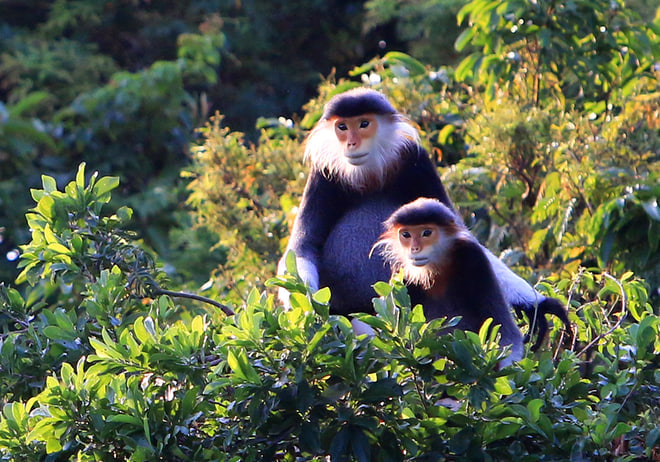
                                               Langurs on Son Tra Peninsula, Da Nang City

Vietnam is renowned for its stunning 3,260 kilometers of coastline, featuring beautiful white sand beaches bathed in golden sunshine and surrounded by crystal-clear emerald waters. Destinations like My Khe in Da Nang, Cu Lao Cham near Hoi An, Nha Trang, and Phu Quoc are perfect for a tranquil getaway, allowing visitors to unwind by the ocean and partake in thrilling beach sports.

                                                       Purple dawn in Phu Quoc

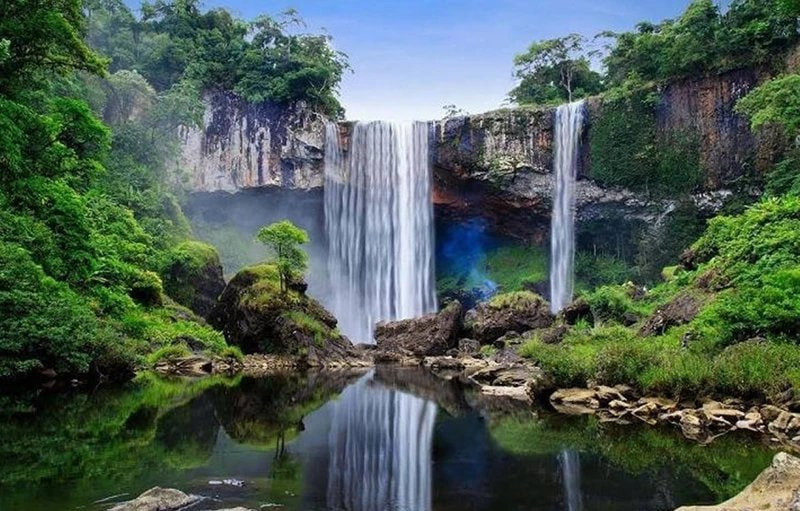
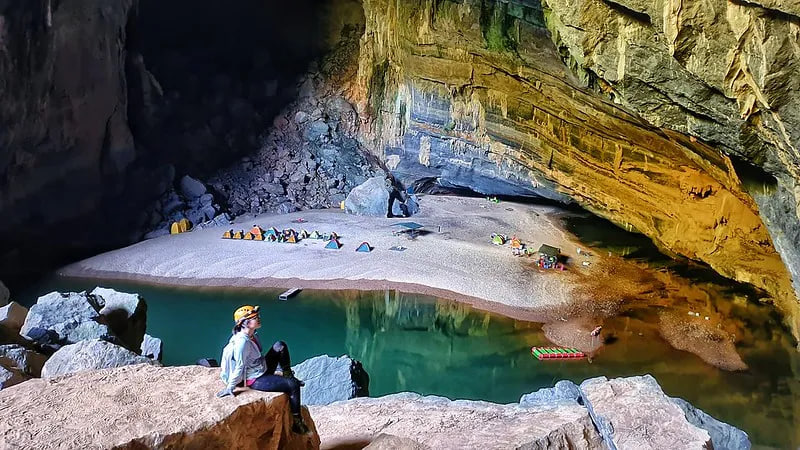
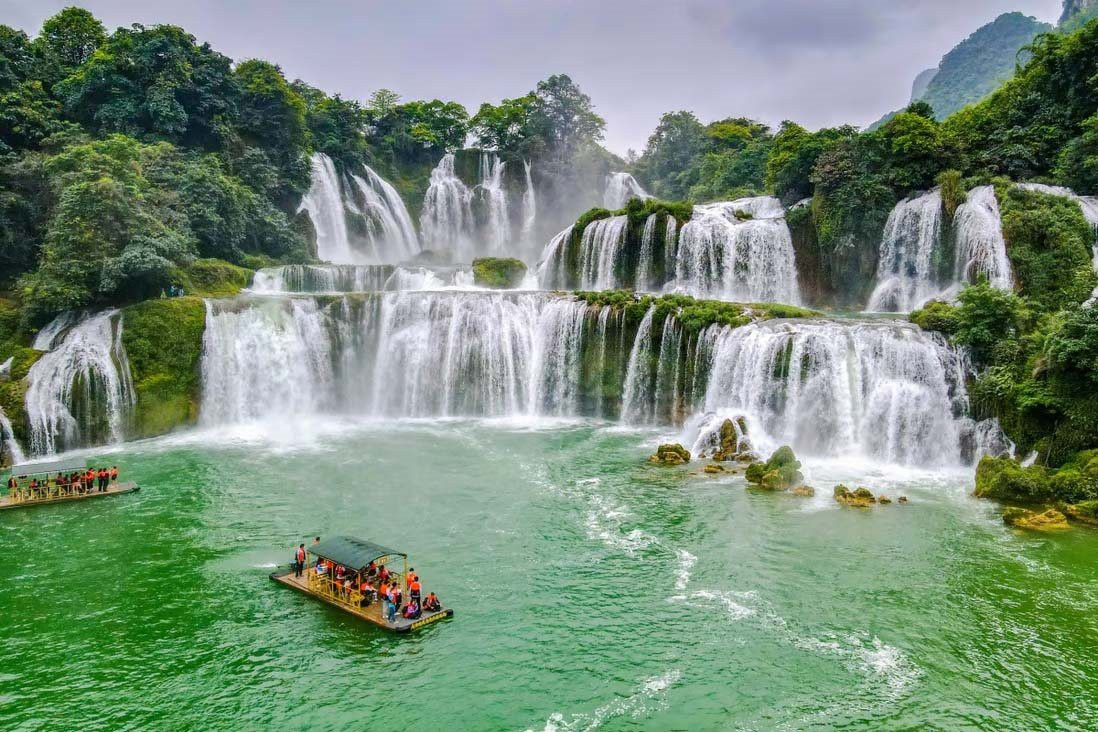
Vietnam is home to stunning mountain ranges, majestic plateaus, and fascinating caves. Adventure seekers should not miss Fansipan Peak in Lao Cai, often called the “roof of Indochina,” along with Pu Ta Leng Peak in Lai Chau, Ta Xua Peak in Son La and Yen Bai, and the breathtaking Son Doong Cave in Quang Binh, the world’s largest natural cave. Other remarkable spots include Dau Go Cave in Quang Ninh and Mua Cave in Ninh Binh. Nestled within lush forests, you’ll find enchanting waterfalls, where the sounds of flowing water, whispering winds, and chirping birds create a serene atmosphere. Must-visit waterfalls include Ban Gioc Waterfall in Cao Bang, Dai Yem Waterfall in Moc Chau, Hang En Waterfall in Gia Lai, Yang Bay Waterfall in Khanh Hoa, Pongour Waterfall in Lam Dong, and Dray Nur Waterfall in Dak Lak.

                                             Ta Xua – Paradise on earth

                                                           Tra Su Cajiput Forest

                                                      Hang En Waterfall, Gia Lai

                                                      En Cave, Quang Binh

Nature enthusiasts will be captivated by Vietnam’s diverse ecosystem, which features numerous nature reserves and national forests stretching from north to south. This region is home to a variety of endemic and rare species, including the lily, betel, Ngoc Linh ginseng, red pine, langur, saola, crested pheasant, white-necked crane, Monticola solitarius, big-headed frog (Oreobates quixensis), and various geckos and fish.

Vietnam’s stunning natural beauty, favorable climate, varied terrain, and rich resources inspire awe and joy. The harmonious blend of nature, ecology, and culture offers unique travel experiences, positioning Vietnam as a leading nature destination on the global tourism map.

Plan your trip to Vietnam now to experience the breathtaking sight  by apply a Vietnam visa at vietnamvisapro.net. We, a reputable and reliable Visa service, will assist you turn your plan into reality at the very first step

Posted on

10 Best Things To Do in Ho Chi Minh City

Ho Chi Minh City (or known by its old name – Sai Gon) captures tourists’ hearts due to not only the image of a vibrant and charming city, converging all the conveniences of a modern metropolis but also many attractions that we can spend time on exploring and enjoying with fun.
In order to help you know more about this city, please enjoy our list of Top 10 best things to do in Ho Chi Minh City (also famous tourist attractions in Saigon) below.

1. War Remnants Museum

The first tourist site to visit in Ho Chi Minh City is War Remnants Museum, one of the most popular museums in Vietnam housing memory related to the Vietnam War and the First Indochina War in Vietnam. 
Established by the Vietnamese government, this museum has opened from September 4th, 1975 as the Exhibition House for the US and Puppet Crimes. In 1990, this has changed to the Exhibition House for Crimes of War and Aggression. In 1995, when President Bill Clinton visited Vietnam, this finally changed to War Remnants Museum till today.
Highlights:
This museum has more than 20,000 documents, exhibits, and films, in which more than 1,500 documents, artifacts, and films have been applied to introduce in public.
In this museum, visitors can have a chance to see so much military equipment of the US and Vietnam military in so many rooms from the Legend AK 47, UH-1  helicopter to M48 tank, T-54 tank. 
Especially, tourists can see “tiger case”, a place where South Vietnamese soldiers kept their political prisoners. Besides, they can look at many photographs in the Vietnam War, including black-white ones. 
This place is like the evidence of the crime and the consequences of war that the US and its allies have caused to Vietnam. Visiting this museum is worth of rewarding things to do in Ho Chi Minh City. 

Location: 28 Vo Van Tan street, District 3, Ho Chi Minh City, Vietnam
Opening hours: 7:30 –18:00 every day

2. Ben Thanh Market

Ben Thanh Market is a symbol and one of the largest markets in Ho Chi Minh City. For a tourist, this market is a perfect place for searching many items from handicrafts, textiles to local cuisine. 
Established in the 17th century, this place was created by vendors near Sai Gon River. In 1870, the fire destroyed the total market and the French rebuilt it. In 1912, New Ben Thanh Market was established and it still existed today. 
Highlights:
What can be found here? Well, first of all, it is real Vietnamese food. In the market, you can eat various kinds of dishes like Banh cuon, Banh xeo, Hu tieu, etc. Beer is also a cheap-price item (only from 2-5 $).
Besides, local clothes and handicrafts are also famous. You can buy everything from clothes, bags to shoes, sweets, etc. Handicrafts created by excellent carpenters are best-selling. 
Especially, since Ben Thanh market is an ancient tourist attraction in Ho Chi Minh City, so all services are quite regulated and there is no tourist solicitation phenomenon. I can ensure that do not buy anything in Ben Thanh Market is a miserable experience for you!

Location: Le Loi Street,  District 1, Ho Chi Minh, Vietnam
Opening hours: 6:00 –24:00 every day

3. Cu Chi Tunnels

This 75-mile tunnel is a real “witness” of massive war in Vietnam. It tells tourists about the strong will of Vietnamese people and soldiers when competing with the giant US in nearly 20 years.
In 1948 during the war against the French, Viet Minh soldiers built the tunnels to help them evade French soldiers near the area and have the ability to communicate with the villagers. This is also a place for the people sheltering from foreign invaders. In the Vietnam War, this was extended over approximately 250 km and considered as an important base for Viet Cong to win American soldiers.
Highlights: 
In Cu Chi,  there are two different tunnel display sites, namely Ben Dinh and Ben Duoc. To experience a unique thing to do in Ho Chi Minh City, visitors can crawl around in the tunnels in safe conditions. 
Besides, Cu Chi also has a shooting range for tourists to enjoy the strange feelings. The price for a bullet ranges from $1.1 (CARBIN) to $1.8 (AK 47 and M60).
To get to Cu Chi, you have many choices to choose from, including motorbike, car, bus or speedboat!

Location:  45 km northwest of Ho Chi Minh City
Opening hours: 07:00 – 17:00 every day, including Sunday!

4. Independence Palace

Independence Palace, formerly Reunification Palace, is a famous site when it comes to attractions as well as things to do in Ho Chi Minh City, Vietnam. This place is the home and workplace for the President of South Vietnam from 1954 to 1975. It also was the place that remarked the end of the Vietnam War on April 30th, 1975.
In history, on 23 February 1868, Pierre-Paul de La Grandière, Governor of Cochinchina of France Empire, built a new palace for working. The building process continued until 1873. The designer of palace is Ngo Viet Thu – the first Vietnamese architect winning the First Grand Prize of Rome. After finishing, the palace was named Norodom Palace in the name of the king of Cambodia, King Norodom (1834–1904). 
In World War II, this is an important headquarters of Japanese officials.  On 7 September 1954, Norodom Palace had become the main office of the State of Vietnam. In 1955, Ngo Dinh Diem became president of the Republic of Vietnam and renamed the palace into Independence Palace.  On 30 April 1975, a tank of the North Vietnamese bulldozed over the main gate, ending the Vietnam War. In November 1975, this was renamed Reunification Palace.
Highlights:
Reunification Palace has five levels. The first floor has the Conference Hall, the Cabinet Room and the State of Banqueting Hall. 
The Second floor has the Ambassador Chamber, the President Reception Room, the President Office, National Security Council Chamber, and Vice-Presidential Reception Room. 
On the third floor, there is a card-playing room, a library, and a cinema while the fourth houses a casino. Reunification Palace rooftop terrace is fitted with a heliport. Under the place, there is a basement like a hideout for President including Command Central with so much communication equipment.
This destination, through so many historical events, is like a real “witness” in the Vietnam War and Indochina War. When visiting Ho Chi Minh City, don’t miss this place to learn and know more about a part of the history of this city.

Location: 135 Nam Ky Khoi Nghia Street, District 1, Ho Chi Minh City
Opening hours: 08:00 – 11:00 & 13:00 – 16:00 every day

5. Ho Chi Minh City Museum of Fine Arts

The next site to add to your itinerary is Ho Chi Minh City Museum of Fine Arts, a major art museum in the city.
Many years ago, in the 20th century, this place belonged to Hui Bon Hoa, a famous and rich tradesman in Sai Gon at that time. This was designed and constructed by a French architect Rivera in 1929 as a villa for the Hua family. After 1975, the new government took over this place to Vietnam Exhibition Center and Ho Chi Minh City People’s Committee to manage in 1987 and changed it to a public museum until now. 
Highlights:
The museum is about 3514 square meters with over 20,000 works of art from many places in Vietnam. It has three floors with a basement. The first floor has a gallery of artworks for domestic and international arts display. The second floor has both paintings and sculptures of Vietnamese and non-Vietnamese artists while the third floor holds a collection of arts from 7th century to early 20th-century. 
Nowadays, this place has become one of the best destinations for a tourist when visiting Saigon. You should pay a visit to this site to see various works of fine arts and many valuable and attractive pictures in this museum.

Location: 97A – Pho Duc Chinh Street, District 1, Ho Chi Minh City
Opening hours: 9:00 – 18:00 (Tuesday-Sunday, closed on Monday)

6. Jade Emperor Pagoda

Jade Emperor Pagoda or Jade Emperor Temple is a Taoist and Buddhist pagoda. This is one of the most beautiful and atmospheric temples in Saigon. Built in 1892 by a community of Chinese immigrants with their leaders Liu Ming, this pagoda is a representation of Mahayanist branch of Buddhism in Vietnam and it is the only place where the Jade Emperor is worshipped in Vietnam. 
From 1984, it was renamed into the new Chinese name Phuoc Hai Tu (Sea of Blessing Temple). It is also more and more famous when U.S. President Barack Obama visited this place during his state trip to Vietnam on 22 May 2016.
Highlights: 
The structure of the temple can be divided into two separate parts: courtyard and inside the temple. Passing through the main door to the temple, you will arrive at the courtyard divided into three parts.
In the first half of the courtyard, there is a small turret with a statue of Dharmapala, a Buddhist philosopher. After this first part is a small pond with many turtles and benches. The last part of the courtyard, so-called incinerator, is a chimney-shaped structure where worshippers can burn papers of which the smoke is believed to be able to reach their ancestors in heaven.
Inside the temple, there are many artworks with a set of about 300 ancient statues, including 100 made from wooden cardboard, presenting a meeting of genies with the Jade Emperor in the pagoda. The pagoda’s worshipping area consists of three parts, the main chamber, and the other two departments. The main chamber worships Jade Emperor, the Buddha, and genies. The largest statue in the pagoda is the Jade Emperor in a meeting with genies.
For tourists with troubles in real life, they can go here to pray and see beautiful scenes that can help them feel more balanced and relaxed. 

Location: 73 Mai Thi Luu, District 3, Ho Chi Minh City
Opening hours: 08:00 – 17:00 every day
Entrance fee: No entrance fee but visitors can make donations.

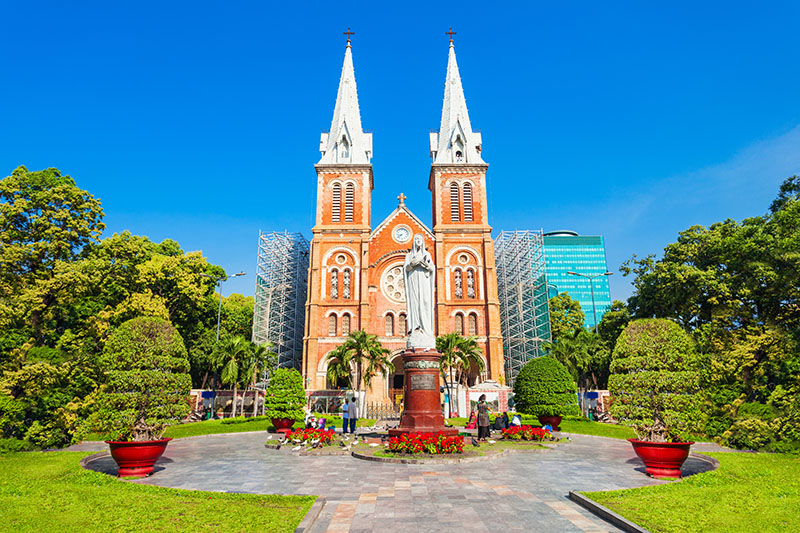
7. Saigon Notre Dame Cathedral

Saigon Notre Dame Cathedral, aka Saigon Notre-Dame Cathedral Basilica or Cathedral Basilica of Our Lady of The Immaculate Conception, is one of the few remaining strongholds of Catholicism in Vietnam and also considered the most attractive tourist attraction in Ho Chi Minh City. 
Built from 1863 to 1880 by the French architects, the cathedral is  60m high. Initially, it was called Saigon Church. The name Notre-Dame Cathedral was named after Bishop of the Church held a ceremony to install the statue of Peaceful Notre Dame in 1959. In 1962, Vatican anointed it as Saigon Chief Cathedral. Since then, this cathedral is called Saigon Notre-Dame Cathedral Basilica.
Highlights:
Its design shows the influence of France and Christianity. At the time it was built, all the materials were directly imported from France. The two bell towers, each with a height of 60.5m and 6 bronze bells have just been added in 1895. The appearance of these bell towers increases the value of the cathedral’s unique architecture. 
When you visit the cathedral, don’t forget to spend time walking around to enjoy its fresh atmosphere as well as special architecture.
This is an interesting place to visit when you are in Saigon because you can not only marvel at its gorgeous architecture but also see a lot of worshippers. However, remember that it is like any holy places around the world. That’s why you should dress appropriately and avoid disturbing the worshippers when visiting the cathedral.

Location: No.1 Cong Xa Paris Street, Ben Nghe, District 1, Ho Chi Minh City
Opening hours: 08:00 – 17:00  every day

8. Saigon Central Post Office

Ho Chi Minh City Post Office or Saigon Central Post Office is the main post office and one of the most attractive tourist attractions in Ho Chi Minh City. The building was built around 1886 – 1891 by a French architect Alfred Foulhoux. The structure in the post office is reserved perfectly. Today, it has been the busiest post office in Vietnam.
Highlights:
Inside the post office, the structure of this place is a mixture of Gothic, Renaissance and French style. Walking inside, the building is big with a lot of space. The ceiling was designed with an arc shape with two rows of steel pillars. All the pillars in the front hall of the building are intricately decorated. This makes the building look more stable and larger. 
Post Office has all kinds of traditional postal services like mailing, selling postcards, or stamps. Foreign money exchange is also available. Inside the post office, you can buy souvenirs or write letters on wooden tables.
Don’t forget Mr. Duong Van Ngo – an old man sitting at the end of a long wooden table. Mr. Ngo has been working here since he was 17, as a polyglot public letter writer and a translator. When he retires, he often helps people write letters in English and French. He says that he loves the job and also suggests you going to other attractions in Ho Chi Minh City to visit.
Through many historical events, this post office still stands and plays an important role in the history of the city. If you want to know more about the unique structure of French colonies and the history of Saigon, this place should not be ignored!

Location: No. 2 Cong Xa Paris, Ben Nghe, District 1, Ho Chi Minh City 
Opening hours: 07:00 – 19:00 every day

9. Saigon Opera House

Certified as a national relic in 2012, Municipal Theatre of Ho Chi Minh City, also known as Saigon Municipal Opera House, stays on top of the must-visit Ho Chi Minh City attractions. 
Saigon Opera House was built in 1898 by the French architect – Eugene Ferret in the Belle Epoque style.  After 1956, this was used as home to part of the government of South Vietnam. After 1975, it was again used as a theatre, and restored in 1995. 
Inside the building, it has a main seating floor with two levels of seating above which can accommodate up to 1,800 people. 
In order to celebrate the 300th birthday of Saigon, the government invited some famous architects and artists to restore the house in 1998. 
Highlights:
Today, the building has so many modern devices like electric appliances, lighting, sound systems, and safety equipment. 
The Opera House is surrounded by new plazas and hotels, which allow you to combine a trip to the Opera House with a shopping tour.

Location:  7 Lam Son Square, District 1, Ho Chi Minh City.
Opening hours:  8:00 a.m. to 5:30 p.m daily

10. Bitexco Financial Tower

Bitexco Financial Tower, a new modern symbol of Ho Chi Minh City, is a skyscraper where Bitexco Group houses the Ho Chi Minh City office. With 68 floors and three basements, it has a height of 262.5 meters.
The tower is owned by Bitexco Group, a Vietnamese multi-industry corporation and is designed by Carlos Zapata, Design Principal and Founder of Carlos Zapata Studio, with French company AREP as the architect of record. The inspiration for the shape of the skyscraper is from Vietnam’s national flower, the Lotus.
Highlights: 
Sky Deck in Bitexco Tower has a 360-degree view across the city and the Saigon River. Visitors can have a panorama of District 1 from this by a binocular. Great views are enjoyed from the 50th and 51st-floor restaurants, particularly at night. There are also local art exhibitions where you can buy souvenirs for your relatives.

Location: 36 Ho Tung Mau Street, District 1, Ho Chi Minh City
Opening hours: 09:30-21:30 every day 
Entrance fee: $10/person in Skydeck.

Plan well before your cruise to make your every moment in Ho Chi Minh City unforgettable.Make your plan to Vietnam right now by apply a Vietnam visa at vietnamvisapro.net. We, a reputable and reliable Visa service, will assist you turn your plan into reality at the very first step

Posted on

Top 15 most beautiful destinations in Vietnam to visit

Vietnam attracts travelers for it’s beautiful nature, with mountains and green rice fields in the north to the fascinating rivers of the Mekong Delta in the south. But with old traditions and long history, there is a lot more in Vietnam. It has many historical sites and ancient temples. Here is an overview of the most impressive and beautiful destinations in Vietnam!

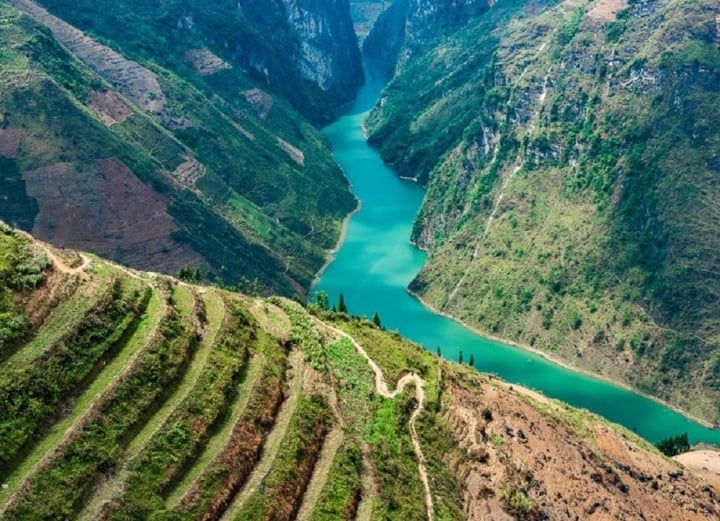
1. Ha Giang
song-nho-que-4-23445917

Ha Giang is without a doubt the most beautiful destination in Vietnam! The provionce is located on the border with China and has impressive mountains, local hill tribe villages and green valleys. Because it is not the easiest place to reach, it is less crowded and you can explore the rough beauty of Vietnam in a way that few other places are possible. If you love adventure and nature, you will love Ha Giang because of the unspoilt nature and diversity of ethnic minorities in the villages that are connected by the steep winding roads through the mountains.

2. Hoi An
5f33646335c61

Hoi An is on every list of the most beautiful destinations in Vietnam. The most atmospheric city in Vietnam and perhaps in the whole of Southeast Asia is a well-preserved old trading city. The city is full of picturesque historic houses, pagodas and cafes. It is extremely popular to buy handmade clothing. The magical atmosphere of the city comes alive in the evening when the houses, temples and shops are lit by lanterns.

3. Halong Bay
z3885040735996_7747580cb8f649e7a1604e3f84bd68b5-5

Halong Bay is one of the most touristic destinations of Vietnam, but this does not detract from the experience. The karst mountains of Halong Bay are one of the world’s most fascinating seascapes and are on the UNESCO World Heritage List. The landscape of the bay can best be seen by cruise. Choose at least a 2 day and 1 night cruise to see the iconic views of Halong Bay.

4. Dalat
1932758_7a9f572873ae196ae6d00da001afab7d

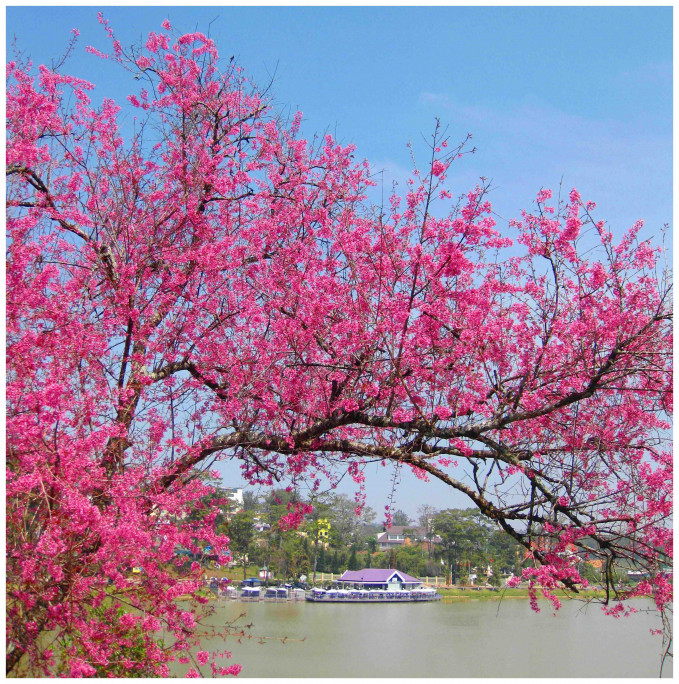
Dalat has been popular with international tourists since the time of the French colonialists. The French villas are scattered in pine forests and the entire city is centered next to a beautiful lake, with numerous nearby waterfalls and hills that contribute to the natural appeal. Dalat is also fast becoming one of the most important adventure sports hubs in Vietnam, with abseiling, canyoning, mountain biking, hiking and rafting.

5. Sapa
Settop-1658166143-6035-1658166148

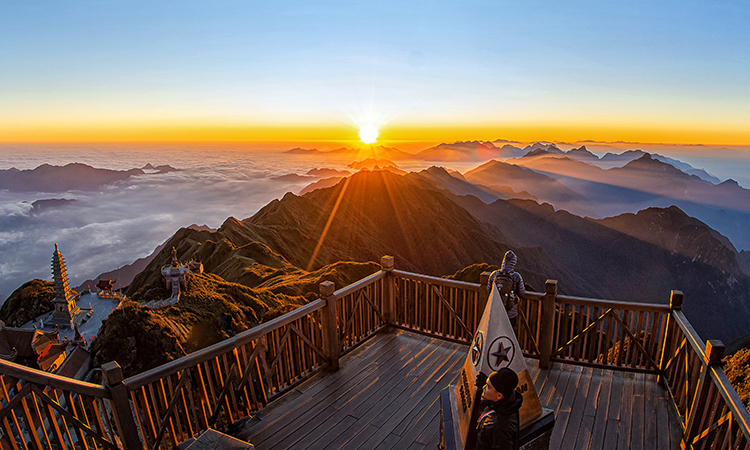
Sapa is surrounded by beautiful mountains, rice terraces and various mountain tribes in the remote northwest of Vietnam. It is a quiet village that is often used as a base for hiking in the valley and exploring the rice fields and traditional villages.

6. Phong Nha
vna_potal_chum_anh_ve_dep_cua_son_doong_hang_dong_tu_nhien_lon_nhat_the_gioi__3710474(1)

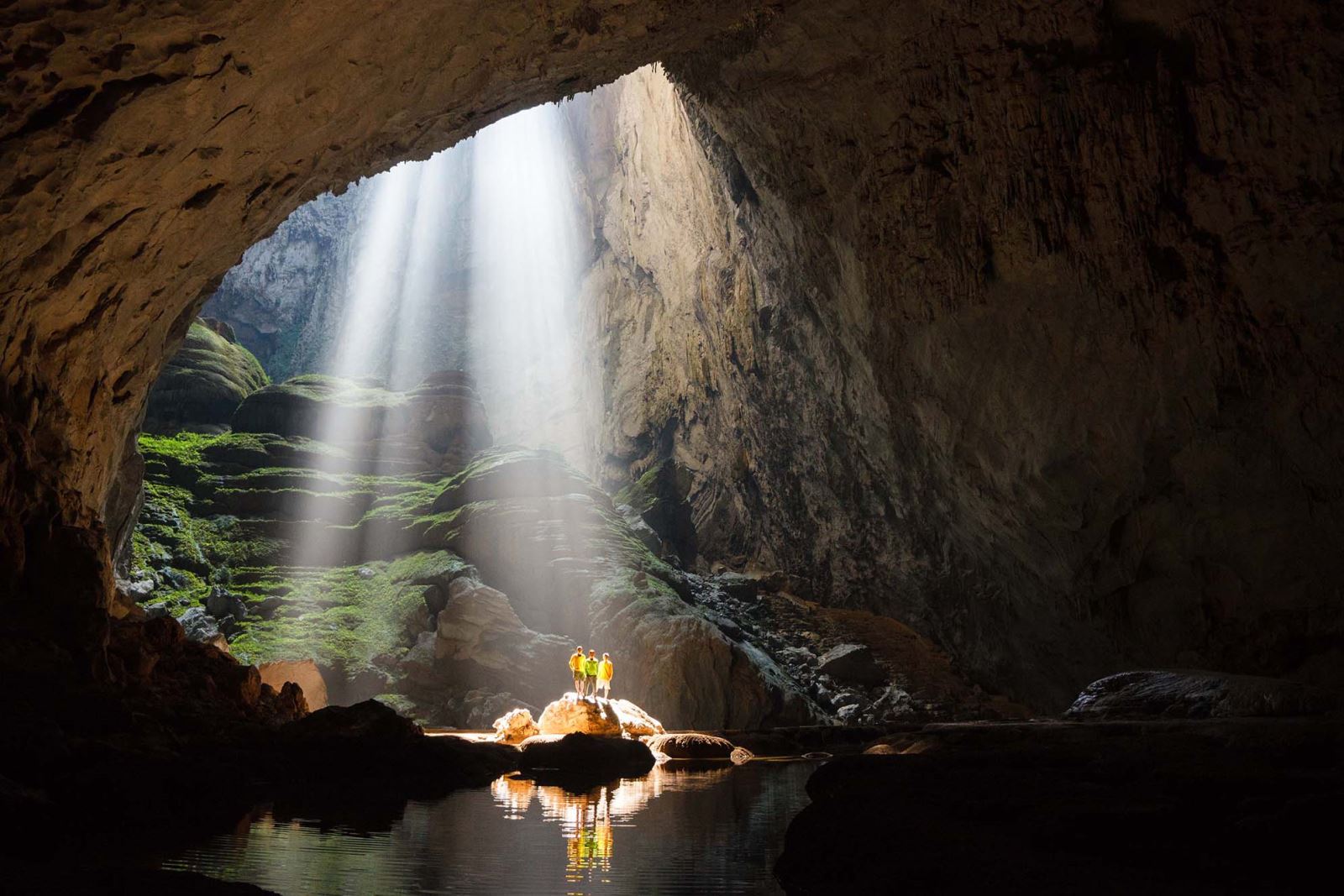
Hills covered in rainforest, and mountain rivers that run through gorges, above ground, the Phong Nha-Ke Bang region is one of the most spectacular national parks in Vietnam. Go underground for more evidence that this area should be part of your Vietnam travel route. A happy selection of travelers can experience the Hang Son Doong, the world’s largest cave, but more accessible are the ziplining and kayaking sensations of Hang Toi (Dark Cave), the Phong Nha cave and Paradise Cave.

7. Mai Chau
mai-chau-hoa-binh-co-gi-3-1681688297

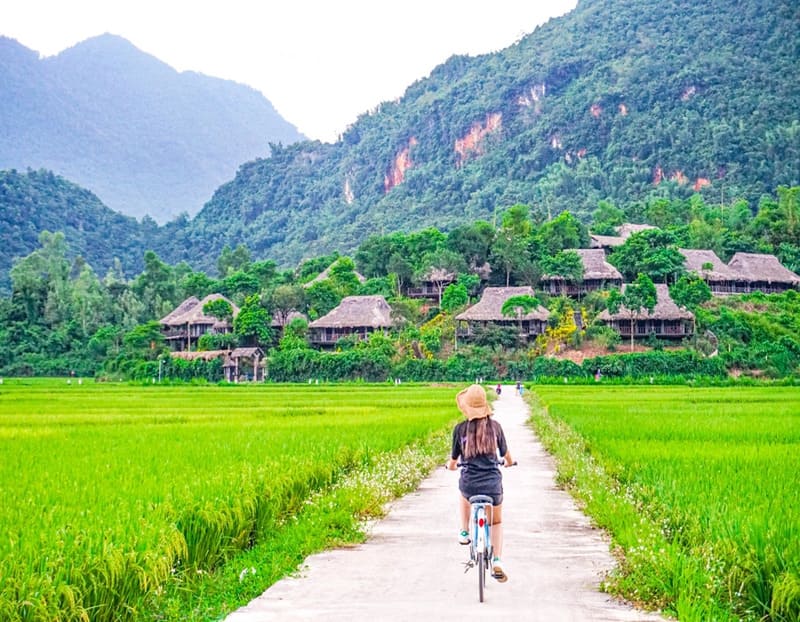
Mai Chau is a rural valley with towering cliffs, a unique culture and a relaxed atmosphere. Get on your bike and ride along the rice fields and through villages of ethnic minorities. Pu Luong Nature Reserve is located on the outskirts of Mai Chau, ideal for walking and exploring local villages, rice fields, rivers and jungle.

8. Ninh Binh
Ninh Binh Tourism

Also known as “Halong Bay on land”, Ninh Binh is full of steep karst mountains that rise amidst tranquil rice fields, rivers and dotted with temples and ancient settlements. The best way to explore the area is by taking a scenic boat trip through the mountains or by bike.

9. Hanoi
hồ-Gươm-ivivu-2

Hanoi, the capital of Vietnam, has withdrawn its hostile war-torn image as one of the best and most culturally important cities in Southeast Asia. There are countless museums that offer visitors a chance to better understand Vietnam’s history of revolution, war and art, while the confused web of streets in the historic old quarter is a great place to wander around. In addition, there are many other places of interest such as ancient temples, pagodas, markets, bridges and a historic citadel.

6. Con Dao
cd25

Once a hell on earth for a generation of political prisoners, now Con Dao is a heavenly destination of secluded beaches, unspoilt dive sites and varied nature. It is a beautiful place to look for that dream beach by bike.

11. Hue
du-lich-Hue-9604-1650366420

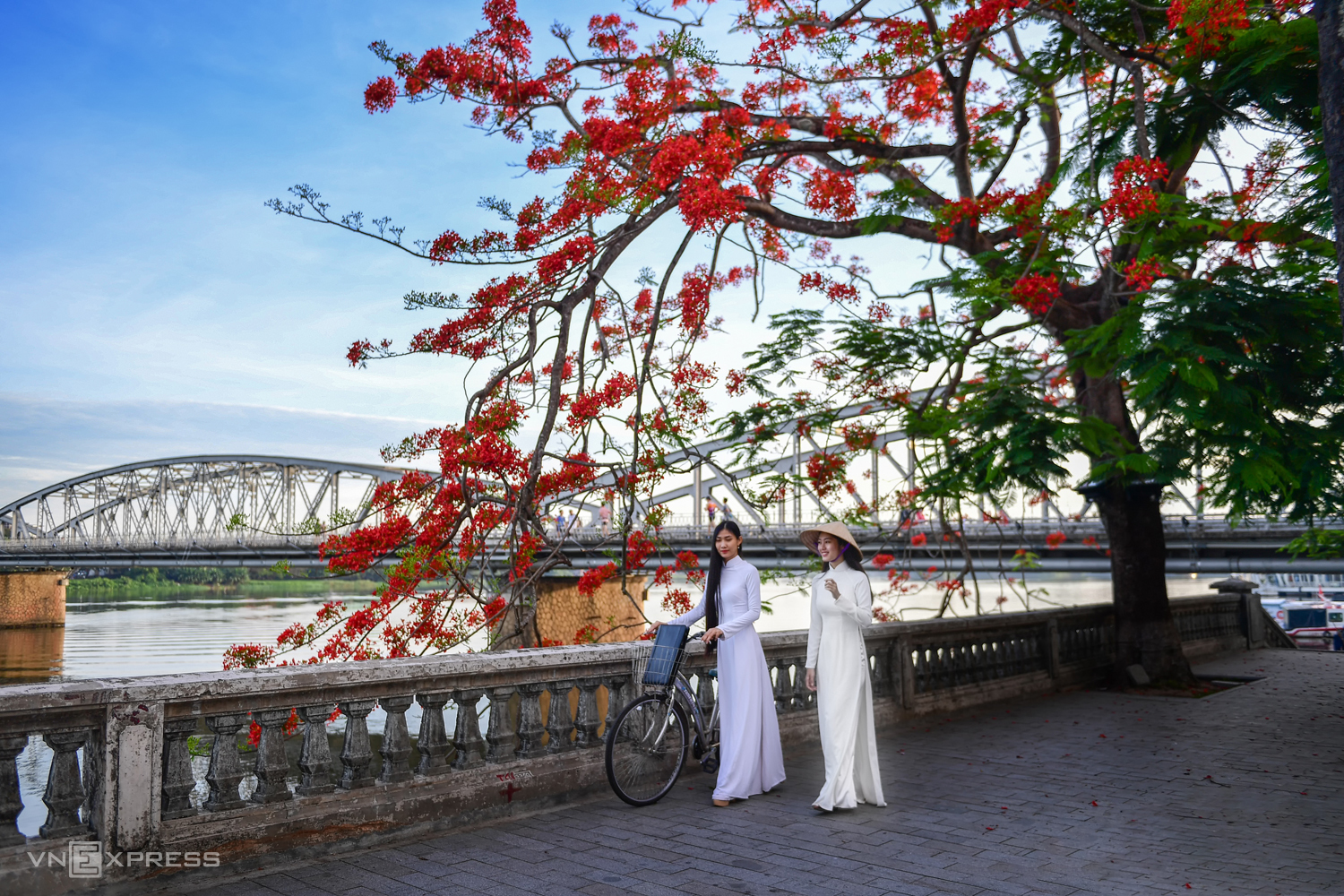
Hue was once the capital of imperial Vietnam, and much of its rich history is still preserved. Places of interest include the Citadel and the enclosed Imperial City. Much was destroyed by American bombers during the war, but there is still enough to give you an idea of the former splendor.

12. Cao Bang
1(2)

Cao Bang is another potential destination that has not yet been fully developed. Are you interested in off the beaten track destination in Vietnam, with mountains, caves and minority villages, like Ha Giang? Then add Cao Bang to your list. A trip through this province will be a unique experience with unspoiled landscapes and diverse cultures, including the biggest attraction being Ban Gioc waterfall, the largest and most impressive waterfall in Vietnam.

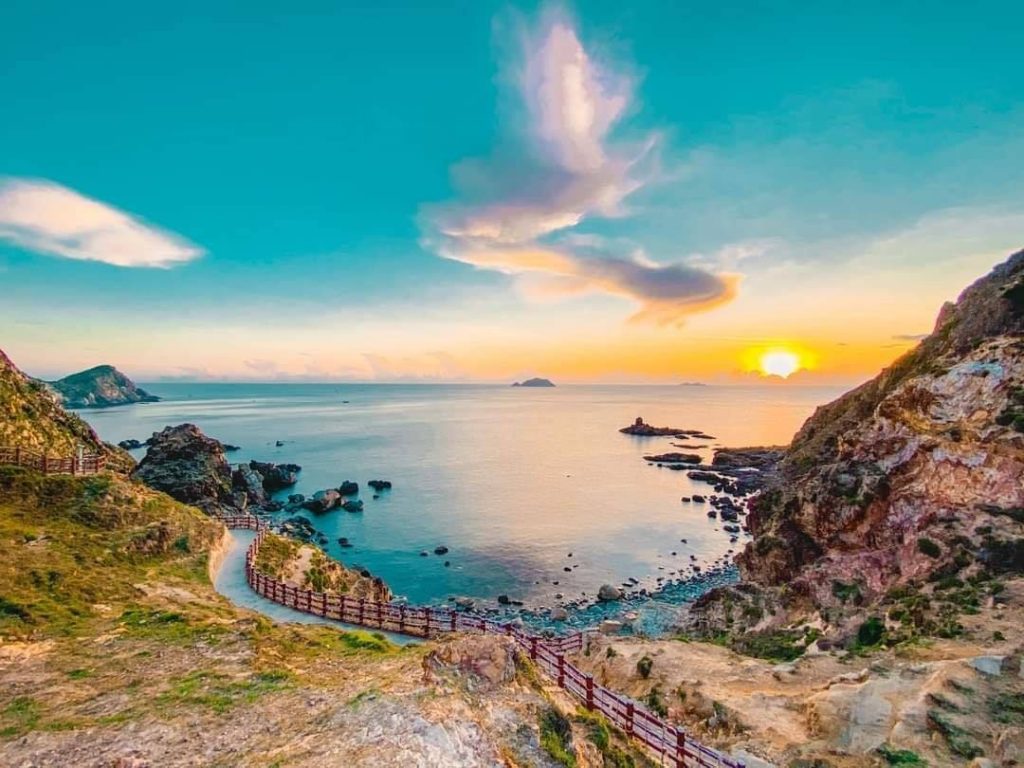
13. Quy Nhon
eo-gio-1024x768

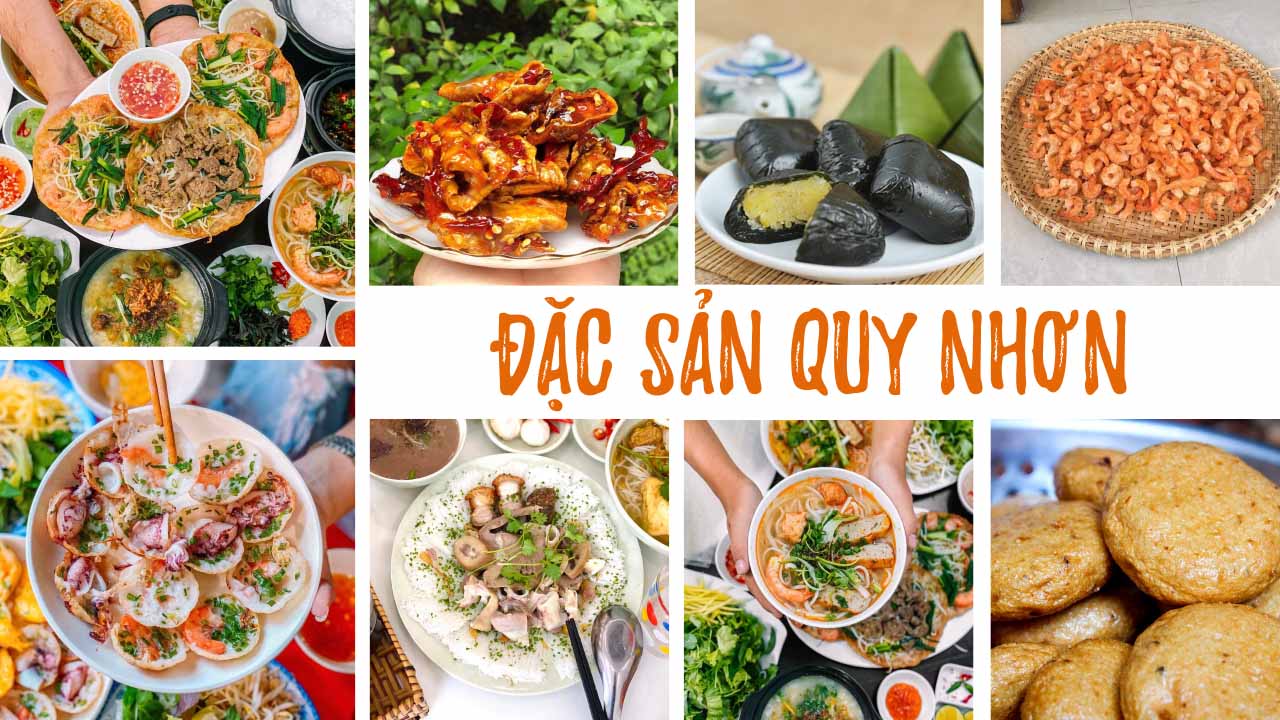
Are you looking for peace and quiet? Some relaxed beaches, Champa ruins, fish meals and an authentic experience with Vietnamese culture? Look no further than Quy Nhon. Few tourists still know this place and that is why if you are looking for a hidden place to get to know the real Vietnam and want to explore beautiful scenery and pristine beaches, Quy Nhon should be included in your travel planning.

14. Phu Quoc
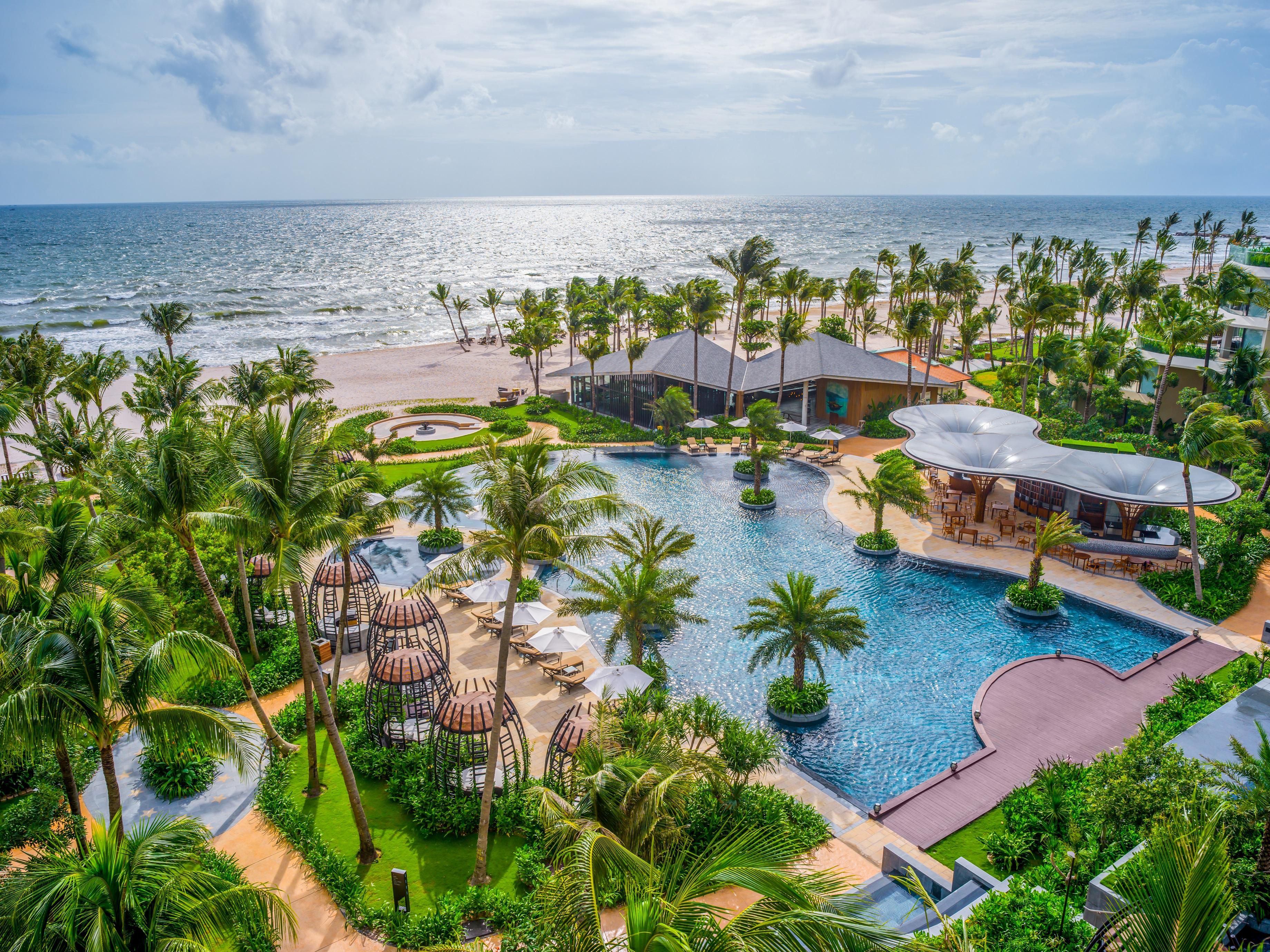
intercontinental-phu-quoc-5630347934-4x3

Here is a piece of paradise for beach lovers. The island of Phu Quoc, probably the most beautiful beach destinations in Vietnam, lies just off the coast on the border with Cambodia and has some of the most pristine beaches you’ll ever see. Parts of the island have large resorts, but others are secluded, with nothing but palm trees and the sea. The most beautiful sights here are the beaches.

15. Mekong Delta
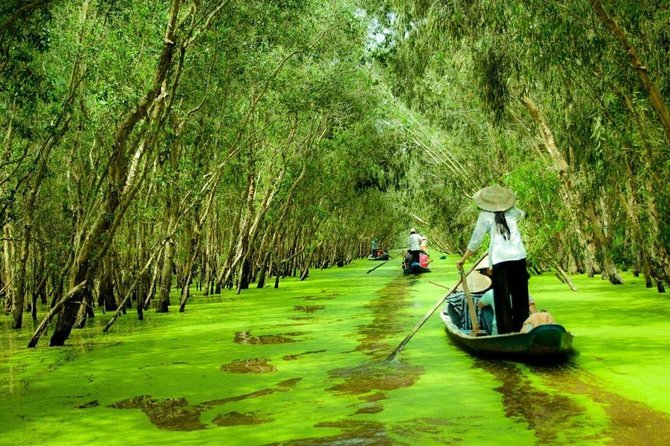
91

The Mekong Delta is a unique water world, where boats, houses and markets float on the countless rivers, canals and streams that wind their way through the landscape like arteries. The floating markets in the Mekong are one of the most popular destinations in Vietnam.

Make your plan to Vietnam right now by apply a Vietnam visa at vietnamvisapro.net. We, a reputable and reliable Visa service, will assist you turn your plan into reality at the very first step.

Posted on

Things to know about Notre Dame Cathedral of Saigon

“Nha Tho Duc Ba Sai Gon” which is known as Notre Dame Cathedral Saigon has an official name as Immaculate Conception Cathedral Basilica in English and Cathédrale Notre-Dame de Saïgon in French. This French-built cathedral occupies scenic Paris Square in the heart of Ho Chi Minh City at 1 Cong Xa Paris, Ben Nghe, District 1, Notre Dame Cathedral. It is one of the oldest religious architectural works in Saigon. Combining to other constructions such as Central Post Office, Reunification Palace, Opera House, etc. Notre Dame Cathedral contributes to create a unique architectural complex, which is the symbol of urban architecture of the most dynamic city, Saigon – Ho Chi Minh city.

Notre Dame Cathedral Basilica of Saigon or Cathedral Basilica of Our Lady of The Immaculate Conception in Ho Chi Minh City, Vietnam

History

Immediately after occupying Saigon, the French established a church to serve as a place of worship for Catholics in the army. The first church was located on today’s Ngo Duc Ke street, which is an old Vietnamese temple abandoned due to the chaos of the war.
This first church quickly became small with an increasing number of believers. In 1863, Governor Louis Adolphe Bonard decided to build a wooden church on the banks of the Charner Canal (Kinh Lon). This canal was later filled and built into Nguyen Hue Street today. Father Dominique Lefèbvre put the first stone for the construction of this church, then named it as Saigon Cathedral. However, due to the wooden construction, the church was soon destroyed by termites. Thus, in preparation for a new solid church on the growing land, in August 1876, the Governor of Cochinchina – Victor Auguste Duperré organized a competition to select designs for the new church.
Architect J.Bourad was chosen with a modified Roman architecture project combining with Gothic characters. And he also won the bid to build this historic building. The original construction site was proposed in three places, and finally the Paris Commune Square was chosen. The front of the church turns to the Southeast, towards Nguyen Du Street, the back heads to the current Le Duan Street. The construction was done fairly quickly, nearly 3 years. On 11th April 1880, a blessing ceremony and inauguration ceremony of Saigon Cathedral was solemnly celebrated by Bishop Colombert with the participation of Cochinchina Governor – Charles Le Myre de Vilers.
All construction materials for the church such as cement, steel, tile, stained glass, bells, etc. were all transported from France. The outside of the buildings, for instance, was built totally of red bricks from Marseille without plastered or cemented. However, it still remains fresh orange-red color until today. In the beginning, the Church was called the State Church, because all the construction funding was provided by the French State, with an amount of up to 2,500,000 francs at that time.
In 1895, the church built two more bell towers, each tower was 57.6 m high and had 6 large copper bells. At the top of the tower is a crucifix with a height of 3.50m. Overall height from the ground to the top of the crucifix is 60.50m.
In 1958, the governor of the Saigon at that time, Father Joseph Pham Van Thien, ordered a statue of the Mother of Peace on white marble. The statue was carved in Italy and transported to Saigon by sea in 1959. After that, Société d’Entreprises Company has erected a statue of Our Lady on a stone pedestal that has been empty since 1945 in front of the church.
At the end of the ceremony of the National Congregation of the Holy Mother, Cardinal Aganianian from Rome blessed the statue in the afternoon of 17th February 1959. From this event, the Church was named Notre Dame Cathedral. On December 5, 1959, the Holy See allowed to hold anointment ceremony, conferring the Saigon Cathedral to the basilica. Since then, the official name of the cathedral is the Notre Dame Cathedral in Saigon.
In 1960, the Holy See erected Roman Catholic dioceses in Vietnam with three archbishops in Hanoi, Hue and Saigon. The church became the cathedral of the archbishop of Saigon to this day.

1-10

Know before you go

  1. Saigon Notre Dame Cathedral is open:

– Monday – Saturday: 08.00 AM – 11.00 AM
– Monday – Saturday: 14.00 PM – 16.00 PM
If you have a chance to take a look inside, then remember to enter the sided gate, which is open every day while the main gate opens only during Sunday Mass. Many tourists visiting Notre Dame Cathedral would like to attend the mass, but do not know the exact mass schedule of the Notre Dame. Please have a look at this schedule, hopefully you will choose the mass frame that match your itinerary
– Weekday Mass: at 05.30 AM and 5.30 PM.
– Sunday Mass: at 05.30 AM; 06.45 AM; 08.00 AM; 09.30 AM; 16.00 PM; 17.30 PM; 18.30 PM. (The Sunday Mass at 9.30 AM is in English)

  1. No entrance fee is required to visit this place but we recommend booking Saigon Notre Dame Cathedral tours ahead of time to secure your spot. See all Saigon Notre Dame Cathedral tours on Vietnam Travel.

However, the cathedral is under is undergoing large-scale renovation, the renovation is expected to last for 3 years (6/2017 – end 2020). The church is closed to tourists during this time but remains a site of worship for Vietnamese Catholics every Sunday where a mass is held at 09.30 AM in both Vietnamese and English. You can still admire the scenery or take pictures from the surrounding grounds.

nha-tho-duc-ba-sai-gon-ruc-ro-1692570394
  1. Others

– Please dress appropriately and avoid disturbing the worshipers when visiting.
– Don’t use flashlight inside Cathedral.
– From the Notre Dame Cathedral Saigon, you can visit other attractions nearby:
o Central Post Office
o The Independence Palace
o People’s Committee Building
o Ho Chi Minh’s book street
o If you have time, please pass by Diamond Plaza, 30/4 Park and sip a cup of coffee while view the local life and enjoy peaceful moment.  This is most properous part of HCM City and most of cafe or shop in this area is more expensive than the rest of the country.
o You can also try several delicious street foods around the Cathedral area such as: Banh Canh Cua, Banh Xeo, Banh My, Bun Rieu, Bun Mam…

Make your plan to Vietnam right now by apply a Vietnam visa at vietnamvisapro.net. We, a reputable and reliable Visa service, will assist you turn your plan into reality at the very first step.

Posted on

Quy Nhon 2024 : best things to do & travel guide

Quy Nhon city is bordered by beautiful beaches and the surrounding landscape is also breathtaking. Life here also feels much more authentic.

5 reasons to visit Quy Nhon

  1. Visit local fishing villages
  2. Beach hopping to secluded beaches
  3. Snorkel and swim around the islands
  4. Explore Champa architecture at Cham temples
  5. Enjoy the sunset at Eo Gio

Best time to visit

From March to August it is the dry season, when there is little rain. However, the best months are between January and March, when the worst of the rain is over and when it doesn’t get as hot as during the summer months.

10 best things to do in Quy Nhon

The best things to do in Quy Nhon are mainly the activities you can do on and around the beach. This region has one of the most beautiful beaches in Vietnam. Relax with a book on the beach, visit islands or go snorkeling.

1. Stay overnight in Bai Xep

1

Although the city of Quy Nhon is already not touristy, staying in Bai Xep is even more fun and authentic. Bai Xep can be found in a small fishing village 12 kilometers from the city center. It started with two hostels that settled in this village right on the beach, but nowadays there are already some more accommodations here, including a luxury resort next door.

Yet you still feel the real authentic atmosphere of the fishing village here. There is not much to do here except to enjoy the beach and take a boat trip to the nearby island where you can snorkel well.

2. Explore beaches

Besides Bai Xep, many more beaches can be found here. One of the best things to do in Quy Nhon is beach hopping, where you drive along the coast and choose beaches along the way to enjoy yourself. 

You don’t necessarily have to get out of town to find beautiful beaches, because Municipal Beach, the main beach along the city’s strip, is already beautiful. The waves are often calm here, making it an ideal place for swimming. There are a number of bars right on the beach where you can enjoy the sunset with a cocktail.

3. Island hopping

There are a number of small islands off the coast of Quy Nhon. Some are so small that you can only sail and snorkel around them. Many resorts can arrange boat trips to these islands, often combined with snorkeling.

The most famous islands where you can go are Ky Co Island and Kho Island. Khy Co is a remote island with a beautiful beach and crystal clear water that is so inviting that you have to go swimming. Kho Island is a good place to see coral reefs. Hon Kho is also a turtle conservation center.

4. Sunset at Eo Gio

eo-gio-quy-nhon-4_1703490354

One of the other great things to do in Quy Nhon is wathing the beautiful sunset at the ocean. The best place to do this is at Eo Gio. You can of course also visit this place during the day.

Eo Gio, known as the Windy Pass, is a naturally rocky structure in the sea. It is a beautiful landscape of rough cliffs that fall straight into the water and is fun to explore.

5. Dune sliding

sandboarding

Mui Ne isn’t the only place in Vietnam where you can find sand dunes so big it feels like you’ve landed in a desert. The Phuong Mai dunes are huge and can be found next to the beach of Nhon Ly. It is not only a place to take beautiful photos, but you can also enjoy sandboarding of the dunes.

You can combine a visit to these dunes with Hải Nam fishing village. A nice local and authentic village with a nice beach and island in front of it.

6. Cham towers

po-nagar-cham-towers-3_1701485608

In the vicinity of Quy Nhon you will also find several Cham Towers. These come from the same era and culture as the temples you find in My Son, near Hoi An. They are not difficult to spot when driving through this area as they are usually on top of a hill. It is a mighty sight to see such an old building on a hill from the distance. There is also a Cham tower on the beach in the town of Quy Nhon. The two most famous Cham towers here are Thap Banh It and Thap Doi.

7. Fishing villages

Vung-Vieng-Fishing-Village-1000x565

Quy Nhon feels very authentic and what you should do is explore the local life. Stop in one of the fishing villages to see how the fishermen make a living. When you drive along the coast you will come across dozens of small villages. In the sea in front of the village you can see all the blue fishing boats floating in the distance and on the beach you can see the basket boats that they use to paddle to their boat or to check the nets that are close to shore.

8. Snorkeling

Siladen_Snorkeling_20190827-DSC_7680-scaled

Quy Nhon is one of the best places to go snorkeling in Vietnam. In the first place that the coral around some places are very beautiful and the sea is also a lot calmer; especially at the parts of coast where there are islands in front or in the bays. Unfortunately, Vietnamese are very efficient fishermen, so many large fish have disappeared due to fishing.

It is not a problem if you do not have a snorkel set with you, as these can often be rented at the resorts, hostels and homestays by the sea. Also, usually snorkeling is included during the boat trips to the islands.

9. Countryside of Quy Nhon

12 1

When you’ve seen enough beaches and sea, you can visit the rugged countryside. These are places where tourists never come, not even Vietnamese, so expect a very authentic lifestyle. There are many rice fields and villages in the area. You do have to go out with a motorcycle or rent a car with a driver.

10. Eat great food

dac-san-quy-nhon-1

You’ll find everywhere great food in Vietnam, but in Quy Nhon you should definitely try a few things. Because of the location at the sea you will of course find delicious seafood here. If you don’t like seafood you can try a number of other dishes, such as Ban Xeo (very different from the Ban Xeo you find in the south), cuốn, one of the best fresh spring rolls in the country and bún thịt nướng, one of the best dry noodles.

Best hotels & hostels in Quy Nhon

Where to stay

Bai Xep – A charming place 10 km south of the city, not so long ago what made this just a simple fishing village. It is the favorite place for backpackers to stay in Quy Nhon, but for other travelers this village is more advisable than in the city of Quy Nhon.

Quy Nhon city – Accommodation in the city is spread over a four-kilometer beach. There is enough choice of resorts, hotels and other small to medium sized accommodations, depending on the budget.

Secluded beaches – On more secluded beaches you will find backpacker hostels such as Bai Bau, Bai Rang and Nhon Hai. It doesn’t get much more authentic here.

Best hotels & hostels in Quy Nhon

Budget hotels & hostels

  • Life’s A Beach
  • Big Tree Backpackers
  • John & Paul Inn

Mid range hotel

  • Life’s a Beach Apartments
  • Seagull Hotel

High end hotel & resort

  • AVANI Quy Nhon Resort & Spa

Food & drinking

Restaurants

Quy Nhon a surprisingly good city to eat. The local seafood along the beach are cheap and delicious. And some of the local specialties are also worth seeing. There are numerous small seafood restaurants along the beach north of the large statue of Ho Chi Minh with his father.

Nightlife

The nightlife in Quy Nhon is small but growing. There are no night clubs, but there are places where you can have a drink. Locals often gather around the beach in the evenings to enjoy a cold beer.

In Bai Xep all hotels and hostels have a bar, so you certainly won’t get thirsty. Go to Life’s a Beach Backpackers for wild nights and drinking games.

How to get there

Flights to Quy Nhon

Quy Nhon has an airport. There are daily domestic flights from Ho Chi Minh City and Hanoi. The airport is called Phu Cat and is 30 kilometers from the city of Quy Nhon. A taxi or shuttle bus will take you from the airport to the city.

Buses to Quy Nhon

Quy Nhon is located between Nha Trang and Hoi An. The bus ride from Hoi An takes approximately 9 hours, the bus from Nha Trang 4 hours. There are also direct buses to and from Dalat (8 hours) and Pleiku (3 hours).

Trains to Quy Nhon

Quy Nhon train station is located in Dieu Tri, about 10 kilometers outside the city. From the train station you can take a bus or taxi to Quy Nhon.