Posted on

Advantages of Applying for a Vietnam e-Visa Online

In today’s digital age, traditional visa applications—often burdened with complex paperwork and the need to visit embassies or consulates—are being replaced by more modern and convenient methods. Among these, the Vietnam e-Visa stands out as a fast, simple, and efficient online solution highly valued by international travelers and business professionals alike.

What is Vietnam e-Visa?

The Vietnam e-Visa is an electronic travel authorization issued by the Vietnam Immigration Department for foreigners wishing to visit Vietnam for a short stay. Applicants no longer need to visit a Vietnamese embassy or consulate in person — the entire process, from application to visa issuance, can be completed online through the official immigration website.

This e-Visa is typically valid for up to 90 days and may be issued for single or multiple entries, making it ideal for travelers visiting Vietnam for tourism or short-term business purposes.

Top Benefits of Getting Your Vietnam E-Visa Online

1. Cost-Effective

Applying for a Vietnam e-Visa online is typically more cost-effective than using traditional visa methods. Since there are no courier or embassy service fees, travelers can avoid extra expenses. The official e-Visa fee is fixed and transparent, enabling accurate budgeting with no hidden charges. This makes it an ideal choice for tourists, business travelers, and anyone looking to save on travel costs.

2. Convenience and Time-Saving

One of the greatest advantages of applying for a Vietnam e-Visa online is its exceptional convenience. Instead of spending hours visiting an embassy or consulate, applicants can easily complete the entire process from the comfort of their home—or anywhere with internet access. The online system operates 24/7, allowing travelers to apply at any time without worrying about office hours or public holidays.

The application process is simple and user-friendly, requiring only basic personal and travel details. Once submitted, the e-Visa is usually processed within four business days, dramatically cutting down waiting time compared to traditional visa applications.

3. Simplified Entry Process

With an e-Visa, travelers can skip the long queues at Vietnamese embassies or visa-on-arrival counters. The e-Visa is digitally connected to the traveler’s passport, enabling a seamless entry through designated international airports and border checkpoints. This streamlined process speeds up immigration, minimizes stress, and saves valuable time for travelers.

4. Secure and Reliable

Vietnam’s e-Visa system is operated through the government’s official portal, guaranteeing a secure and reliable application process. All online payments are handled via protected gateways, and applicants receive confirmation directly by email. As a fully digital document, the e-Visa minimizes the risk of loss or damage often associated with traditional paper visas or passport stamps.

5. Versatility to Suit Every Travel Purpose

Vietnam’s e-Visa accommodates various travel purposes, such as tourism, business, and official trips. Its flexibility allows travelers of all kinds to enter the country without dealing with complicated visa procedures. Typically, the e-Visa permits multiple entries or single  and a stay of up to 90 days, making it ideal for short-term travel.

6. Easy Access for Visitors of All Nationalities

Vietnam’s e-Visa system is open to citizens from more than 200 countries, offering easy access to a wide range of international travelers. This inclusive policy promotes tourism, facilitates global business exchange, and strengthens Vietnam’s international connectivity.

7. Easy to Track and Manage

Applicants can easily monitor the progress of their e-Visa applications online. With the digital format, travelers can securely store a copy of their visa on their electronic devices, minimizing the risk of losing essential travel documents.

8. Promotes Tourism and Drives Economic Development

By streamlining the visa process, Vietnam has made it easier for tourists and business travelers to visit, boosting the nation’s economic growth. The convenience of the e-Visa system also inspires spontaneous trips and encourages visitors to return.

10. Seamless Integration with Other Travel Services

Many online platforms that assist with e-Visa applications also offer additional services such as travel insurance, airport transfers, and guided tours. This integration provides a seamless travel planning experience from visa application to arrival.

Essential tips for a smooth Vietnam e-Visa application

  • Only applicable to some countries: Not all countries are granted e-Visa. You need to check the list of eligible countries on the official website.
  • Duration and number of entries: The e-Visa permits multiple entries or single  and a stay of up to 90 days
  • Print and bring a hard copy: Although it is an electronic visa, you still need to print it out and bring it with you when you arrive at the border gate.
  • Avoid fake websites: Only submit your application and payment on the official website of the Vietnam Immigration Department to ensure safety.

The Vietnam e-Visa system has revolutionized the way travelers enter the country, offering a fast, affordable, and eco-friendly alternative to traditional visa processes. With its simplicity, security, and convenience, it’s the ideal solution for anyone eager to explore Vietnam. From the vibrant streets of Ho Chi Minh City and the serene waterways of the Mekong Delta to the sun-kissed shores of Phu Quoc, obtaining your e-Visa in advance guarantees a seamless travel experience from beginning to end.

If Vietnam is on your travel list, applying for your e-Visa online is easily one of the smartest and most efficient choices you can make!

Posted on

Pu Luong, Thanh Hoa: A Hidden Gem

If you’re looking to escape the city’s heat and stress without venturing too far, consider Pu Luong in Thanh Hoa Province. Here, you can immerse yourself in the stunning natural beauty of mountains and forests, enjoy fresh breezes, and take in the picturesque scenery. Located about 160 km southwest of Hanoi, Pu Luong is a popular weekend retreat, known for its lush rice fields, palm groves, traditional waterwheels, and cascading waterfalls.

When is the Best Time to Visit Pu Luong

The ideal time to visit Pu Luong is from late May to early June, when the young rice fields are lush and vibrant, offering a serene experience for both mind and soul. Even during the hot summer months, Pu Luong enjoys a comfortable climate due to its location in a low limestone mountain area, surrounded by tropical rainforests and a sparse population. September and October mark the harvest season, transforming the terraced fields into a stunning golden landscape that feels both opulent and dreamlike. However, any time of year is perfect for a visit, allowing you to relax and immerse yourself in the beauty of nature.

How to get to Pu Luong

The most common way to reach Pu Luong in Thanh Hoa is by motorbike or car, both of which can be easily rented in Hanoi. Alternatively, you can take a limousine from Giap Bat or My Dinh stations, with the journey taking approximately 4.5 hours. It’s highly recommended to stop in Ninh Binh or Mai Chau along the way to fully appreciate the stunning landscapes of Northern Vietnam.

Things to do in Pu Luong

Hiking

In Pu Luong, you’ll find picturesque country roads leading up to hilltops. Along the journey, you can explore quaint villages and stroll through local plantations. The panoramic views of the mountains and valleys are truly stunning. Early risers will be rewarded with a spectacular sunrise atop the hills, where they can witness the sun dispelling the thick mist enveloping the mountains—a breathtaking experience that makes the hike worthwhile.

Biking

In contrast to the busy streets of the city center, visitors to Pu Luong may spot a local on a motorbike now and then. Here, bicycles are the primary mode of transportation. Riding along the scenic roads of Pu Luong allows for fresh air and a sense of tranquility. Some mountain trails present a challenge for adventurous cyclists. Many homestays in Pu Luong offer free bicycle rentals to their guests.

Explore the ethnic villages within the Pu Luong Nature Reserve.

Pu Luong Nature Reserve, one of Vietnam’s hidden gems for ecotourism and trekking, was established in 1999 to safeguard its rich biodiversity. Spanning over 17,600 hectares, this area boasts a stunning blend of untouched forests, terraced rice fields, and charming ethnic villages. It is home to the Thai and Muong communities, where visitors can admire traditional stilt houses, witness local harvests, and savor authentic regional cuisine. Notable attractions within the reserve include Pu Luong Peak, Don Village, and the villages of Son, Ba, and Muoi, each offering unique experiences for explorers.

Discover the Pho Doan market.

Visitors can explore Pho Doan Market to immerse themselves in the local culture of ethnic communities. Situated in Lung Niem Commune, Ba Thuoc District, Thanh Hoa Province, the market features vibrant trading activities where you can find local products from the Kinh, Muong, and Thai minorities, sourced from nearby areas like Tan Lac and Lac Son Districts in Hoa Binh Province. The offerings are simple yet diverse, including traditional silk garments, tube wine, mountain vegetables, and fresh fruits.

Take in the breathtaking views from the peak of Pu Luong Mountain.

Adventure seekers will delight in conquering the 1,700-meter peak. At the summit, clouds drift lazily among stilt houses and terraced fields below, creating a picturesque scene that feels almost dreamlike. Everything seems to pause—time stands still, leaving only the tranquil beauty of the landscape.

Discover the beauty of Hieu Waterfall.

Hieu Waterfall, located in Hieu Village within Co Long Commune, is a charming community-based ecotourism spot. This picturesque waterfall features five smaller cascades, with crystal-clear blue-green waters that can be enjoyed throughout the year, making it a lovely place for occasional swimming.

In addition to the waterfall, you’ll find bamboo water wheels scattered throughout Pu Luong. These iconic structures are emblematic of the region and its Thai ethnic community. They play a vital role in agriculture by drawing water from nearby streams and rivers to irrigate the lush terraced rice fields that surround the area.

Start planning your trip to Vietnam today by getting your visa at vietnamvisapro.net. As a trusted and reliable visa service, we’re here to help you turn your travel dreams into reality from the very first step.

Posted on

Hoi An,Cu Lao Cham Island & Nature Reserve

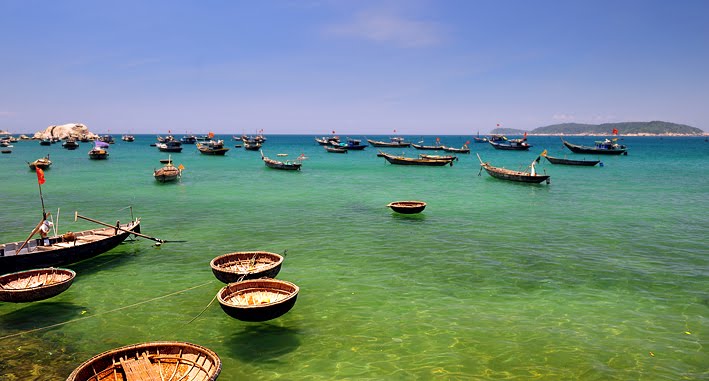
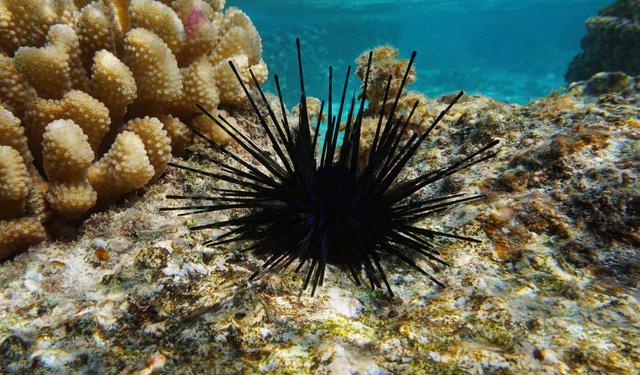
The large island consists of 8 islets, 20 km off the coast from Hoi An Ancient Town in Quang Binh Province. Cu Lao Cham Island has wonderful sand beaches, forested hills, a nature reserve and the sea. With primitive landscapes, the island is ideal for camping, swimming and scuba diving to enjoy the corals and beautiful marine life.

Location: Tan Hiep, Hoi An, Quang Nam Province

I. History of Cu Lao Cham Islands

Cham islands are supposed to be the first place where Cham people landed, coming to Quang Nam Province from Indonesia (small monuments, dikes, and basin to grow rice on terraces are hidden in the forest, the 17th-century pagodas and small temples in the two villages).

Therefore, being well-known since earlier Cham domination (from 4th to 14th century), the island became one of the main ports of Champa Kingdom. Situated some eight miles offshore Hoi An, it was also part of Hoi An historical international trading. From the 15th century till the beginning of 20th century, the old city was a meeting point for international vessels and junks.

According to archaeologists, Cu Lao Cham first settled there 3,000 years ago and established business contacts with external countries some 1,000 years ago. Up to now, Cu Lao Cham has preserved many architectural constructions which date back to the 18th and 20th century. They include the shrine dedicated to Than Yen Sao, built in 1843 at Bai Huong and Hai Tang Pagoda, built in 1753 on the western hillside of Hon Lao.

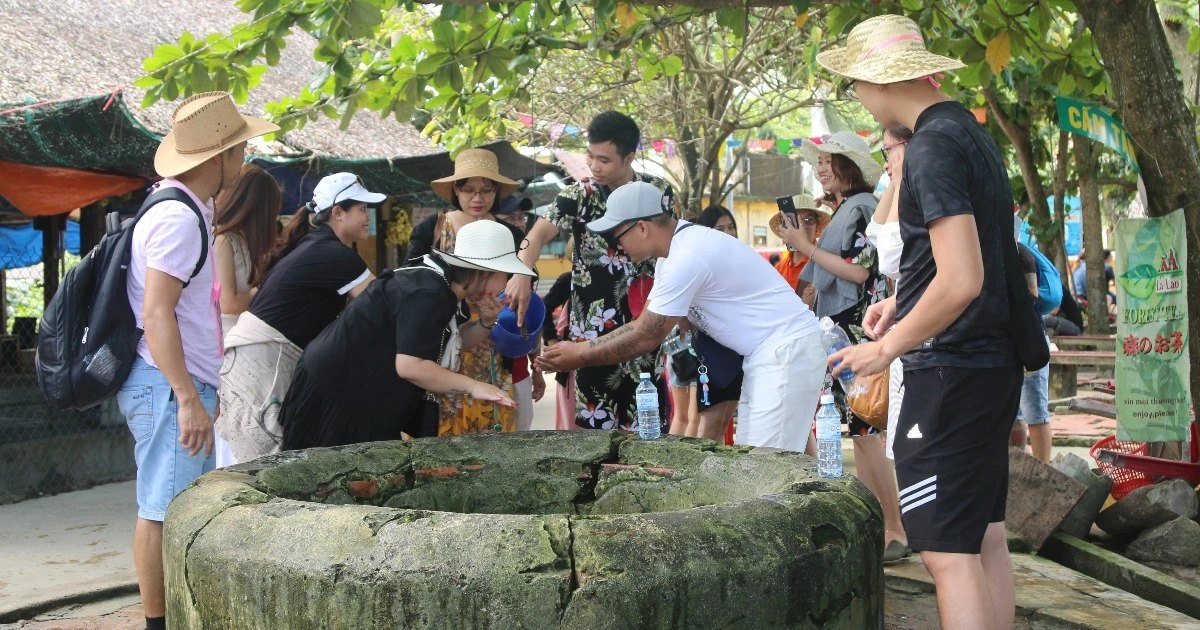
Still, Cu Lao Cham has more to offer. After a three-hour canoe trip, one may hop over to the famed Well of the Cham people.

II. Topography of Cu Lao Cham Nature Reserve

The topography of Cu Lao Cham Island is dominated by two peaks: a 517m peak in the centre of the island and a 326m peak at the western end. Natural forest here covers 532 ha of the nature reserve, equivalent to 35% of the total area, while plantation forest covers a further 30 ha.

Cham island comprises an archipelago of one large island and seven smaller islands: Hon Dai, Hon Lao, Hon Kho Me, Hon La, Hon Kho Con, Hon Ong, Hon Tai, Hon Mo. The largest island of them is Hon Lao, which covers 1,317 ha and has a circular shape at the height of 500m. There are nice beaches at Bim and Ong beach.

  • Bai Bim: Nice beaches and rock reefs, free swimming and taking photographs
  • Bai Ong: White sandy stretch, beautiful view, clear water, lots of restaurants serving specialties of Cu Lao Cham, many entertaining services for Cu Lao Cham tour
  • Bai Lang: High population with amazing tourist destinations like Champa Kingdom, suitable for understanding more about the locals’ life.
  • Bai Bac: The northern beach, peaceful and isolated place that is used to make way for exorbitant resorts and villas in the future.
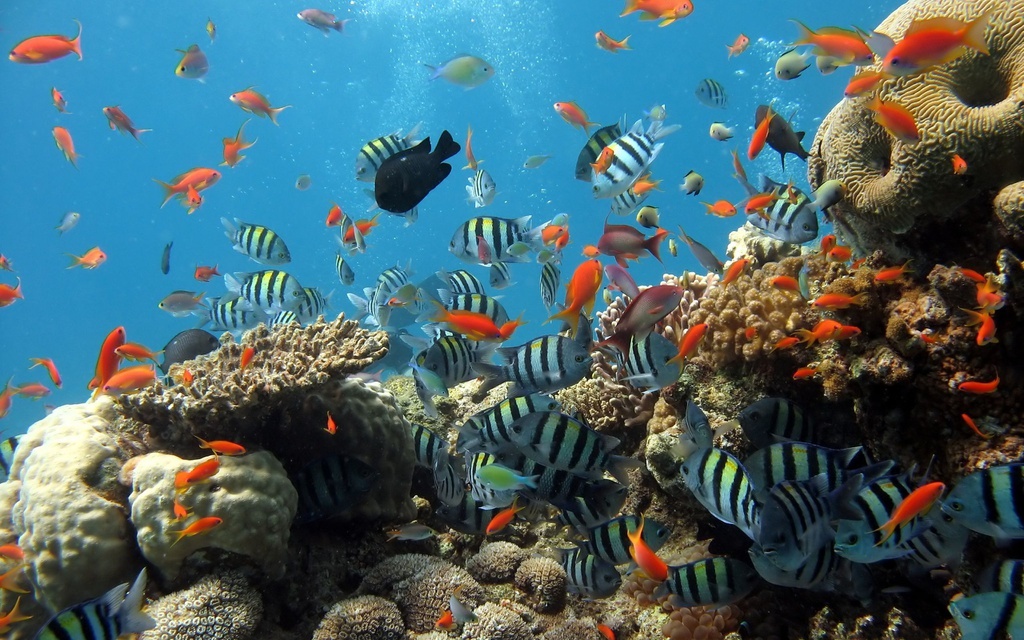
  • Bai Xep: beautiful and pristine with colorful coral reefs, great place for swimming and snorkeling.
  • Bai Chong: longer than Bai Ong, beautiful rock reefs and bridge for taking photographs, tranquil water to swim.
  • Bai Huong: tasty seafood, lots of ships and boat docking, not for swimming

III. Biodiversity Values

The island is a place where shelter for value swallow birds. The natural vegetation of the islands is a lowland evergreen forest, that is natural with a lot of woods and rare animals.

Scientists report the occurrence of macaques Macaca sp., monitor lizards Varanus sp. and pythons Python sp. To date, 265 vascular plant species have been reported from Cu Lao Cham nature reserve. Furthermore, a species of swiftlet Collocalia sp. is reported to nest on Hon Kho within the nature reserve.

Cu Lao Cham is also home to salanganes, birds whose nests have long been considered a delicacy by aristocrats and the wealthy. The nests may cost as much as US $4,000 per kilogram. On a beautiful day, tourists are able to see cliffs where salanganes build their nests and talk with salangane-nest takers.

Around the island has a lot of color corals under the water. Situated in a salty-water area, this square-bottom well, amazingly, provides clear freshwater all year round. Visiting Cu Lao Cham, tourists have a chance to view the sea swallows’ nests clinging to the towering cliffs. Cu Lao Cham wins kudos for its seafood and delicacies (octopuses, lobsters, fish’s fin, abalone, kaki, hind, cholonia’s eggs, bird’s nests) and fascinating souvenirs (pearls, conchs, tortoise-shells).

IV. What to See in Cu Lao Cham Nature Reserve?

1. Hai Tang Pagoda

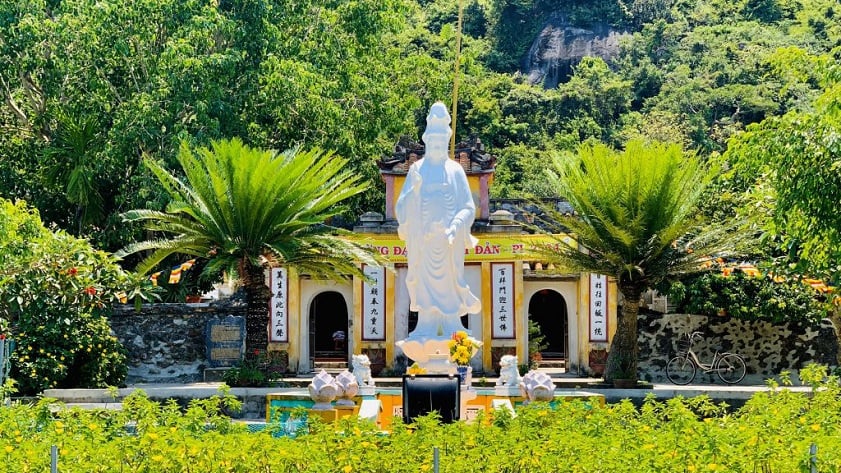
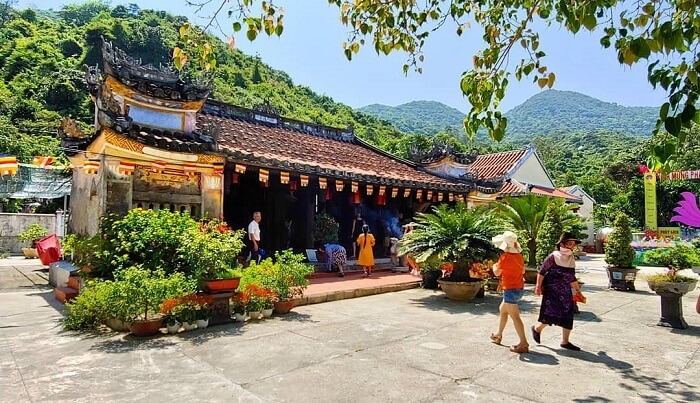
Built in 1758, this pagoda worshipped Bodhisattva, Buddha, sea god and local god. In the past, there was a storm attacking the pagoda so in 1848, local people decided to reconstruct and redecorate it. Now, it is 200 m away from its original location.

Hai Tang Pagoda lies on the foot of Hon Lao Island’s west mountain and is opposite a small valley in Cham Island. Hai means the sea and Tang means Tipitaka, which is a Buddhisst holy books containing Buddha’s words.

Location: Hon Lao Island, Cham Island

2. Cham people’s Ancient Well

This well was dug 2 hundreds years ago by Cham people but until now, it still works well and the locals can use its fresh water. Its architecture is not different from other Cham wells with a pipe shape, annular bricks management, a square pillar, and a surrounding square base. Even during the dry season, people can still use water from this well for different purposes.

Location: Xom Cam Village, Cham Island

3. Temple of Bird’s Nest Business Founders

Erected in the early 19th century, this temple is used to worship the bird’s nest business’s founders. The gods of the sea are also worshipped here, which is similar to Hai Tang Pagoda. Each year, following the Chinese calendar, on the 9th and 10th of March, local people often come here to pray for a new year with better harvests.

Location: Huong Beach, Cham Island

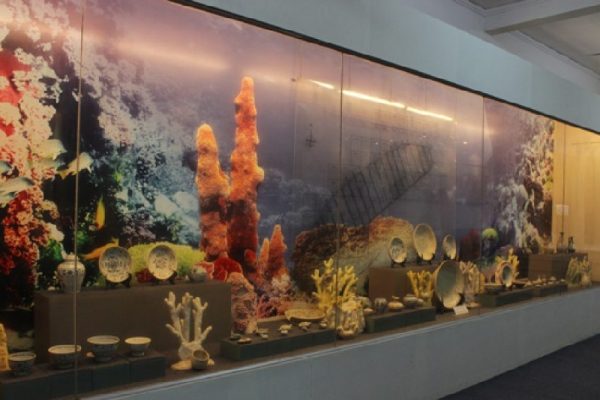
4. Cham Island Marine Museum

This museum gives you an insight of Cham’s history, traditions, customs, festivals as well as special sea creatures. In addition, you can also have a chance to know more about the lifestyle of people living on the island.

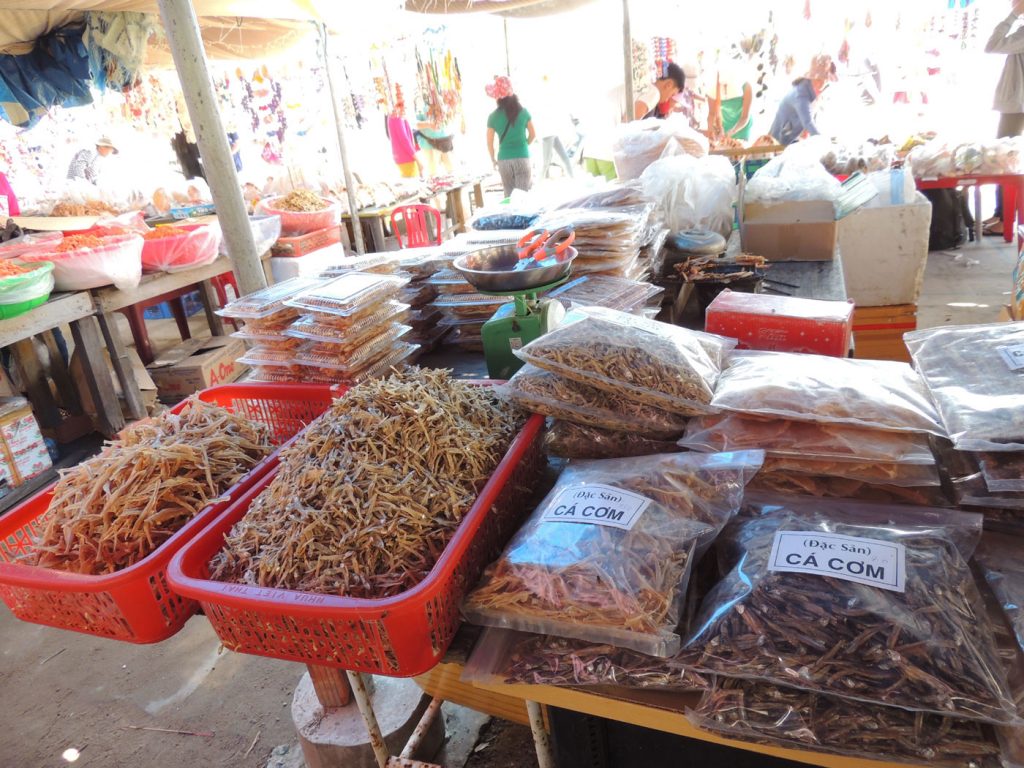
5. Tan Hiep Market

This local market is an ideal place for you to buy seafood and souvenirs. The most popular things that tourists often purchase is half-dried cuttlefish. It is because the seafood here is super cheap and fresh.

Location: Cham Island Pier

V. What to Do in Cu Lao Cham Island?

1. Camping 

With the variety of nature, Cham Island is a wonderful place to go camping. You just need to prepare everything well before going. The best choices for you are Bai Xep and Bai Bim where nature is wild and the spaces are open. Moreover, in Bai Huong and Bai Ong, you will be provided the necessary tools for an outside camp by local people.

2. Sea trekking

This is a new type of entertainment here. You just need a functional hat and you can walk under the sea by yourself. This service is an interesting experience for every person, even those are at the age of 80. Let’s imagine yourself walking into the sea seeing beautiful schools of fish as well as coral reefs, what is better than this?

3. Snorkeling 

Another great activity that allows you to see the beauty of the sea is snorkeling. The price for a snorkeling ticket with a guide and full equipment is around 200,000 VND. But remember to protect the biodiversity of the sea when going snorkeling.

4. Swimming 

Cu Lao Cham has a lot of beautiful beaches that are suitable for swimming. Almost all of them are 20 m in width and 100 to 300 m in length. The waves are gentle and the water is clear and cool. So, you will definitely have a lot of fun here.

VI. Best Time to Visit Cu Lao Cham Archipelago

The tropical monsoon climate put a huge impact on Cu Lao Cham’s weather.

So, the best time for you to visit Cu Lao Cham is between March and August.

This is the time when the weather is sunny and the water condition is great. In the remaining months, there will be heavy rain and sometimes even big storms.

If you want to snorkel or dive, you should come in June, July and August. There are a wide range of tour companies and dive centers providing trips for you during this time.

Check out the seawater temperature in Cham Islands in months of the year in the table below:

MonthAvg. Temp.Warmest Temp.Coldest Temp.Ideal Activity?
January23.1°C/73.6°F26°C/78.8°F21°C/69.8°Fx
February22.8°C/73°F25.1°C/77.2°F20°C/68°Fx
March23.7°C/74.7°F26.4°C/79.5°F21°C/69.8°Fx
April24.8°C/76.6°F27.1°C/80.8°F22°C/71.6°Fx
May26.9°C/80.4°F29°C/84.2°F25°C/77°Fx
June28.4°C/83.1°F30°C/86°F26°C/78.8°Fx
July28.9°C/84°F31°C/87.8°F27°C/80.6°Fx
August29.4°C/84.9°F31°C/87.8°F28°C/82.4°Fx
September29.2°C/84.6°F30.9°C/87.6°F27°C/80.6°Fx
October27.8°C/82°F30°C/86°F26°C/78.8°Fx
November26.3°C/79.3°F28.3°C/82.9°F24.6°C/76.3°Fx
December24.6°C/76.3°F27°C/80.6°F22°C/71.6°Fx

VII. Where to Stay in Cham Islands?

On Cu Lao Cham, there aren’t any five-star hotels or resorts, you will only find homestays and hostels. But don’t worry, the service here is very good while the price is not expensive. Here are some suggested accommodations for you.

1. Tam Hien’s Homestay

Location: Bai Ong Beach, Cham Island

Tel: 0120 618 3516

2. Hiep’s Homestay

Location: Huong Beach, Cham Island

Tel: 0986 651 448

3. Thu Trang’s Homestay

Location: Lang Beach, Cham Island

Tel: 0985 237 941

VIII. How to Get to Cu Lao Cham Islands?

To get to Cu Lao Cham, you need to arrive in Hoi An, Da Nang first. There are numerous flights from big cities like Hanoi, Ho Chi Minh to Da Nang. When you are here, you will have to choose 1 kind of transportation to get to Cham Island.

1. Private canoe

This is the quickest and most expensive way to get to Cham Island. The trip takes about 15 to 20 minutes. A private canoe can hold up to 35 people and the price varies from the size of the canoe.

2. Standard canoe

This one is cheaper than the private canoe. The price is about 300,000 VND and you have to go with other strange people in the same canoe. You will not be able to travel freely because you need to follow the company’s route.

3. Wooden Boat

The wooden boat is the cheapest way of transportation but the time you have to wait is also the longest. Normally, the boat leaves at 8 am and you will reach Cham Island at around 10 am. And you are recommended to stay one night on Cu Lao Cham if you choose this kind of traveling.

Once arriving in Cham Island, you can rent a motorbike to go to discover every corner of this place. Almost all homestays, hotels and hostels provide motorcycles for rent with a reasonable price so you do not need to worry about transportation on the island.

Close to Hoi An town, Cu Lao Cham really cherishes high potential for tourism development. There is no reason for you to not experience the beauty of this beautiful offshore land.

Make your plan to Vietnam right now by apply a Vietnam visa at vietnamvisapro.net. We, a reputable and reliable Visa service, will assist you turn your plan into reality at the very first step