Posted on

Advantages of Applying for a Vietnam e-Visa Online

In today’s digital age, traditional visa applications—often burdened with complex paperwork and the need to visit embassies or consulates—are being replaced by more modern and convenient methods. Among these, the Vietnam e-Visa stands out as a fast, simple, and efficient online solution highly valued by international travelers and business professionals alike.

What is Vietnam e-Visa?

The Vietnam e-Visa is an electronic travel authorization issued by the Vietnam Immigration Department for foreigners wishing to visit Vietnam for a short stay. Applicants no longer need to visit a Vietnamese embassy or consulate in person — the entire process, from application to visa issuance, can be completed online through the official immigration website.

This e-Visa is typically valid for up to 90 days and may be issued for single or multiple entries, making it ideal for travelers visiting Vietnam for tourism or short-term business purposes.

Top Benefits of Getting Your Vietnam E-Visa Online

1. Cost-Effective

Applying for a Vietnam e-Visa online is typically more cost-effective than using traditional visa methods. Since there are no courier or embassy service fees, travelers can avoid extra expenses. The official e-Visa fee is fixed and transparent, enabling accurate budgeting with no hidden charges. This makes it an ideal choice for tourists, business travelers, and anyone looking to save on travel costs.

2. Convenience and Time-Saving

One of the greatest advantages of applying for a Vietnam e-Visa online is its exceptional convenience. Instead of spending hours visiting an embassy or consulate, applicants can easily complete the entire process from the comfort of their home—or anywhere with internet access. The online system operates 24/7, allowing travelers to apply at any time without worrying about office hours or public holidays.

The application process is simple and user-friendly, requiring only basic personal and travel details. Once submitted, the e-Visa is usually processed within four business days, dramatically cutting down waiting time compared to traditional visa applications.

3. Simplified Entry Process

With an e-Visa, travelers can skip the long queues at Vietnamese embassies or visa-on-arrival counters. The e-Visa is digitally connected to the traveler’s passport, enabling a seamless entry through designated international airports and border checkpoints. This streamlined process speeds up immigration, minimizes stress, and saves valuable time for travelers.

4. Secure and Reliable

Vietnam’s e-Visa system is operated through the government’s official portal, guaranteeing a secure and reliable application process. All online payments are handled via protected gateways, and applicants receive confirmation directly by email. As a fully digital document, the e-Visa minimizes the risk of loss or damage often associated with traditional paper visas or passport stamps.

5. Versatility to Suit Every Travel Purpose

Vietnam’s e-Visa accommodates various travel purposes, such as tourism, business, and official trips. Its flexibility allows travelers of all kinds to enter the country without dealing with complicated visa procedures. Typically, the e-Visa permits multiple entries or single  and a stay of up to 90 days, making it ideal for short-term travel.

6. Easy Access for Visitors of All Nationalities

Vietnam’s e-Visa system is open to citizens from more than 200 countries, offering easy access to a wide range of international travelers. This inclusive policy promotes tourism, facilitates global business exchange, and strengthens Vietnam’s international connectivity.

7. Easy to Track and Manage

Applicants can easily monitor the progress of their e-Visa applications online. With the digital format, travelers can securely store a copy of their visa on their electronic devices, minimizing the risk of losing essential travel documents.

8. Promotes Tourism and Drives Economic Development

By streamlining the visa process, Vietnam has made it easier for tourists and business travelers to visit, boosting the nation’s economic growth. The convenience of the e-Visa system also inspires spontaneous trips and encourages visitors to return.

10. Seamless Integration with Other Travel Services

Many online platforms that assist with e-Visa applications also offer additional services such as travel insurance, airport transfers, and guided tours. This integration provides a seamless travel planning experience from visa application to arrival.

Essential tips for a smooth Vietnam e-Visa application

  • Only applicable to some countries: Not all countries are granted e-Visa. You need to check the list of eligible countries on the official website.
  • Duration and number of entries: The e-Visa permits multiple entries or single  and a stay of up to 90 days
  • Print and bring a hard copy: Although it is an electronic visa, you still need to print it out and bring it with you when you arrive at the border gate.
  • Avoid fake websites: Only submit your application and payment on the official website of the Vietnam Immigration Department to ensure safety.

The Vietnam e-Visa system has revolutionized the way travelers enter the country, offering a fast, affordable, and eco-friendly alternative to traditional visa processes. With its simplicity, security, and convenience, it’s the ideal solution for anyone eager to explore Vietnam. From the vibrant streets of Ho Chi Minh City and the serene waterways of the Mekong Delta to the sun-kissed shores of Phu Quoc, obtaining your e-Visa in advance guarantees a seamless travel experience from beginning to end.

If Vietnam is on your travel list, applying for your e-Visa online is easily one of the smartest and most efficient choices you can make!

Posted on

Best time to visit Vietnam & weather

The weather and the best time to visit Vietnam vary enormously between the north and the south. Depending on where you want to spend most of your time, make sure you are prepared for the weather.

What is the best time to visit Vietnam

The best time to visit Vietnam is from December to April. The temperature is pleasant and there is almost no rain. But the best time to visit Vietnam also depends on where in Vietnam. In the north it can get quite cold in December and January. Therefore, view the weather by month for each region. March is the best month to travel throughout Vietnam.

Seasons

High season (June-July)

High season for traveling to Vietnam is usually in June and July. Although this is a peak season for the Dutch due to school holidays, the Vietnamese school holidays are also overlapping at the moment. Prepare for busy airports and full flights, especially if you plan to explore more of Southeast Asia while you are there. If you want to travel cheaply, this period, as well as during Tet (early February), may not be the best time to visit Vietnam. You will find that many hotels and flights are fully booked if you look for it at the last minute. With many people on the move, it’s best to plan in advance to get some good deals on flights and accommodation.

Low season (September-October)

This is the cheapest time to fly to Vietnam. Not only can you save a lot on airline tickets, but you also have less crowds during your holiday!

Rain season (monsoon season)

As with most destinations, you can still enjoy Vietnam during the monsoon season (April to October), but there are some reservations. You meet fewer travelers and many more mosquitoes during the rainy season. Negotiating better prices for accommodation becomes easier, and tours can be cheaper, but outdoor activities become soaked experiences. Transport delays happen. Buses may not run during long periods of heavy rainfall, because sometimes roads get flooded and become more dangerous to drive.

Typhoon season

Although nature does not always play by the rules, hurricane season (typhoon season) usually ends every December around December. The start dates depend on which part of Vietnam: north, central or south. In general from August to November and October is generally the most stormy month.

When are the rice fields the most beautiful?

If you have ever dreamed of seeing the beautiful golden rice fields, be on time, the harvest season only lasts 1 month! Vietnam has beautiful rice fields in different locations in the countryside from north to south.

Terraced fields in the mountainous provinces in the north of Vietnam are the best at the end of September and October, when the harvest season starts and then show beautiful colors.

Best time to visit Vietnam per region

North Vietnam

North Vietnam (Hanoi, Halong Bay, Sapa, Mai Chau & Ninh Binh) has a clear winter and summer season. The cool but mostly dry winter lasts from November to April, at an average temperature of 17-22 ° C with the coldest months of January – March. The summer lasts from May to October when it is hot and humid and the region has the most rainfall. July to September are often the wettest months of the year.

MonthsAverage tempratureRain per month (mm)
January17ºC18
February18ºC28
March20ºC38
April24ºC81
May28ºC197
June30ºC238
July30ºC322
August29ºC343
September28ºC252
October26ºC98
November22ºC42
December19ºC21

Central Vietnam

Central Vietnam (Hoi An, Da Nang, Hue) has warm and dry weather from mid-January to the end of August, with temperatures often reaching mid-30 degrees. During the winter months, rainfall increases with the peak levels in October and November, sometimes in the form of typhoons.

MonthsAverage tempratureRain per month (mm)
January22ºC101
February22ºC31
March24ºC12
April27ºC18
May29ºC47
June30ºC42
July30ºC99
August28ºC117
September26ºC447
October24ºC530
November22ºC221
December21ºC208

South Vietnam

With temperatures remaining constant throughout the year, the climate in the south (Ho Chi Minh City, Mekong Delta, Mui Ne, Phu Quoc) is split into two simple seasons, wet and dry. The dry season starts in November and ends in April / beginning of May, with a little warmer and more humid at the end of February to May. The wet season lasts from May to early November, with the months of June, July and August receiving the most rainfall of the year.

MonthsAverage tempratureRain per month (mm)
January27ºC15
February28ºC4
March29ºC13
April30ºC42
May29ºC221
June29ºC331
July29ºC314
August28ºC268
September27ºC334
October27ºC268
November27ºC114
December27ºC56

Weather by month

View the weather each month to see what you can expect when you are in Vietnam. Keep in mind that the explanation below is an estimate of what you can expect in Vietnam, because in practice it happens that, for example, the rainy season starts later or earlier and continues longer or shorter. You can also read more about the holidays and events per month in Vietnam.

January

During this time of the year, dry and pleasant weather can be enjoyed in most of the country, with the only exception being the northern regions. Temperatures can drop dramatically in these areas, especially in the mornings and late evenings it feels much cooler. This is especially the case for Sapa and Ha Giang. For the best beach weather you have to go to Phu Quoc with guaranteed sunshine. It is good to know that the Halong Bay can be quite blurry at this time of year and you may not get the best views.

February

The cold mornings begin to disappear in the north and hot dry weather is expected in most of the country. North Vietnam remains an exception and feels colder. Good to know is that while traveling in February during TET (Vietnamese New Year) the majority of shops, museums and restaurants are closed for about a week.

March

This is high season for travel to Vietnam and the best time to visit. Beachgoers now have a better choice of destinations, with Mui Ne, Con Dao and Nha Trang all getting good weather. Hoi An is also a great beach destination by the end of the month. This is the perfect time to visit Halong Bay, which should have a clear blue sky without haze.

April

Like March, April is the best time to visit to travel to the country and you will see more crowds, with fantastic weather everywhere.

May

It is getting hot and May offers a wonderful opportunity to miss the April high season prices. Rain has yet to come, but by the end of the month you can expect a rain shower in the northern and southern regions.

June

You may get occasional rain in the north and south of the country, but Hanoi, Mai Chau and Halong probably have a clear blue sky most of the time. The best place to be is in Central Vietnam, where the sun is still shining. Very little rain is expected in Lang Co, and Hoi An serves as a beautiful beach destination. Grab your chance in the off season before the school holidays start next month.

July

Central Vietnam is the best place to be, with hours of sunshine and little rain. The rest of Vietnam is likely to experience some showers, but not enough to influence your pleasure.

August

Central Vietnam is the best place to visit at this time of the year, although the rest of the country is still worth a visit, if you don’t mind having occasional rain. Although flights can be more expensive, hotels offer great promotions during the Vietnamese low season.

September

Catch the last sun on the central coast of Vietnam before the rain occurs more often at the end of the month. The north and south are usually very wet at this time of the year, but hotels are cheap.

October

The sun is returning to the north of the country and this is a great time to go to Sapa or leave the beaten track in Ha Giang. Although this is not the best time for a beach vacation, Vietnam has so much more to offer and traveling in October means you skip the crowds.

November

The high season begins again and many people head to Vietnam for the colder winter months in the north. By the end of the month, the entire country is generally hot and dry, with the exception of the central region, which can have some showers.

December

There is still a chance of rain in the central part of the country; however, the rest of Vietnam will be hot and dry. The beach season starts again on Phu Quoc. It is advisable to book early for the Christmas period, because there is not much available.

Make your plan to Vietnam right now by apply a Vietnam visa at vietnamvisapro.net. We, a reputable and reliable Visa service, will assist you turn your plan into reality at the very first step

Posted on

The 2024 MICHELIN Guide Vietnam Boasts 3 New One Stars, 1 First-Ever Green Star

Vietnam’s vibrant culinary scene has reached new heights with the 2024 MICHELIN Guide, which has awarded three new one-star ratings and the country’s first-ever MICHELIN Green Star. These new one-star restaurants raise the total number of Vietnam’s Michelin-starred dining establishments to seven.

New One-Star Restaurants

The 2024 edition of the MICHELIN Guide Vietnam features seven one-star restaurants in total, with three new additions.

Akuna (Ho Chi Minh City)

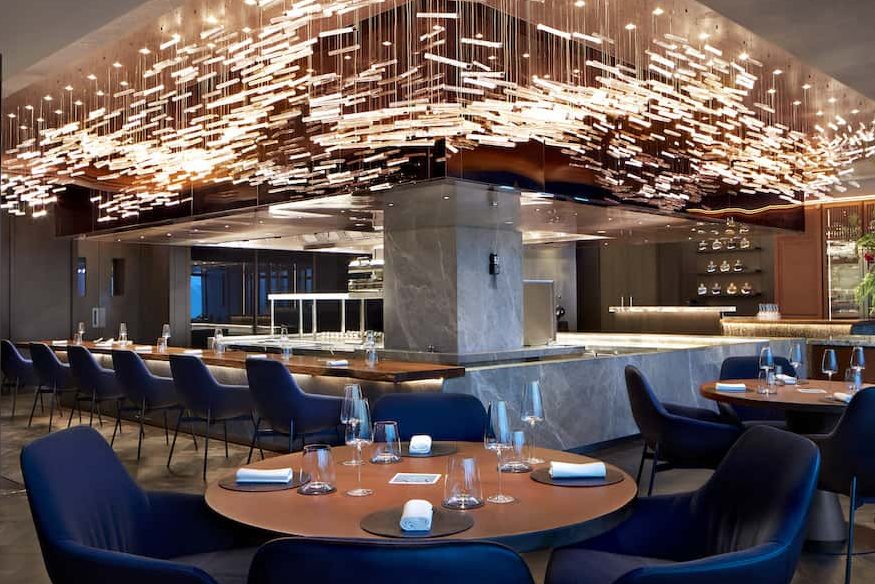
Helmed by Chef Sam Aisbett at the Le Meridien Hotel, Akuna is celebrated for its creative European dishes infused with Vietnamese influences. This fine dining establishment offers a memorable experience with its optional wine pairings that complement its innovative menu.

W0806-Akuna0238-edited
La Maison 1888 (Da Nang)

This luxurious restaurant, located at the InterContinental Danang Sun Peninsula Resort, offers a sophisticated dining experience with a five- or seven-course set menu. La Maison 1888 is known for its exquisite use of top-notch ingredients sourced from Vietnam, France, and Japan.

nha-hang-la-maison-1888-intercontinental-danang-sun-peninsula-resort-ivivu-3
The Royal Pavilion (Ho Chi Minh City)

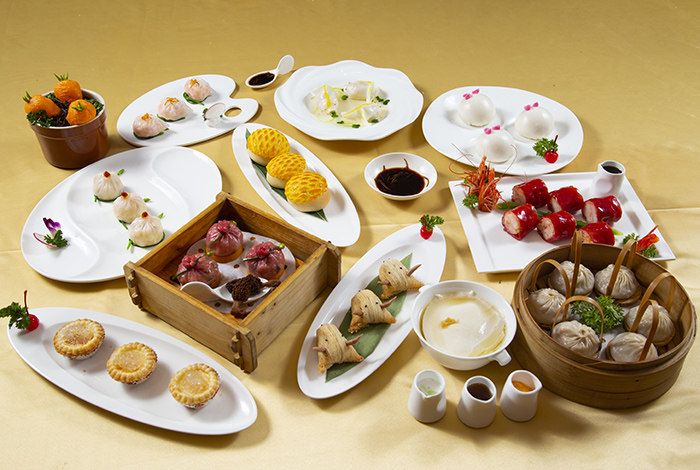
Promoted from the MICHELIN Selected category, The Royal Pavilion is renowned for its wide range of à la carte and set menus that honor Cantonese culinary heritage. Its dim sum, available only during lunchtime, is a highlight that has contributed to its elevated status.

nha-hang-long-trieu-3
Vietnam’s First MICHELIN Green Star

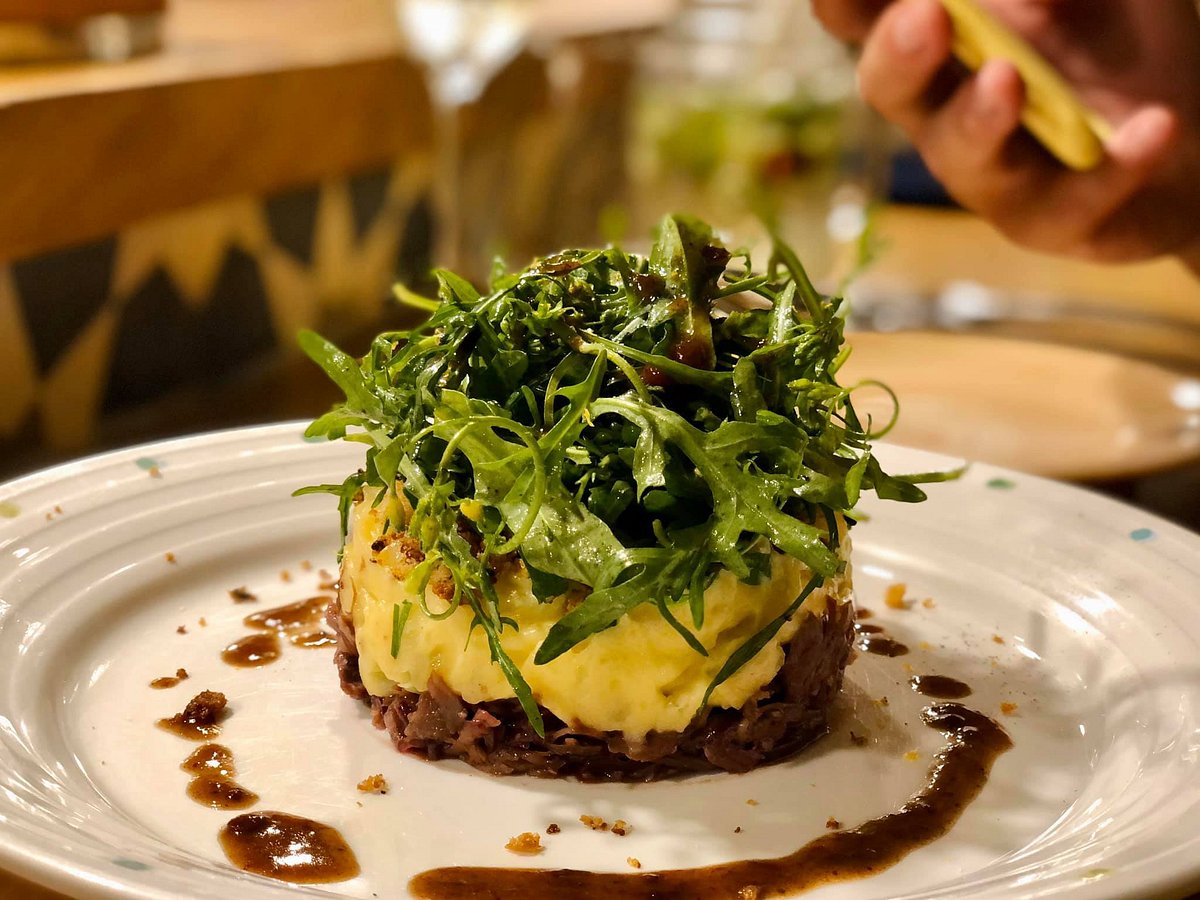
Vietnam’s inaugural MICHELIN Green Star has been awarded to Nén Danang, a MICHELIN Selected restaurant recognized for its commitment to sustainability. Since its inception in 2017, Nén Danang has emphasized the use of local ingredients and sustainable practices. The restaurant regularly shares updates about its farm on social media and collaborates with local schools to promote eco-friendly practices. This award signifies Nén Danang’s role as a leader in sustainable gastronomy in Vietnam.

duck-confit-parmentier

In addition to the seven restaurants that received the Michelin Guide’s star honor, a total of 40 new restaurants in Hanoi, HCMC, and Da Nang received Michelin Selected Awards, raising the total number of dining establishments honored in this category to 99 since last year.

So, are you ready to embark on a delicious journey through Vietnam? Grab your copy of the 2024 MICHELIN Guide and get ready to tantalize your taste buds!

Make your plan to Vietnam right now by apply a Vietnam visa at vietnamvisapro.net. We, a reputable and reliable Visa service, will assist you turn your plan into reality at the very first step

Posted on

Foodies Rejoice! 13 New Hanoi and HCMC Restaurants Join Michelin’s Bib Gourmand List

The prestigious Michelin Guide has unveiled its 2024 Bib Gourmand list for Hanoi and Ho Chi Minh City, recognizing 13 new restaurants for their quality and affordability. This year’s additions bring the total number of Bib Gourmand recipients in Vietnam to 42, showcasing the incredible diversity and deliciousness of the country’s food scene.

Hanoi’s Hidden Gems Recognized

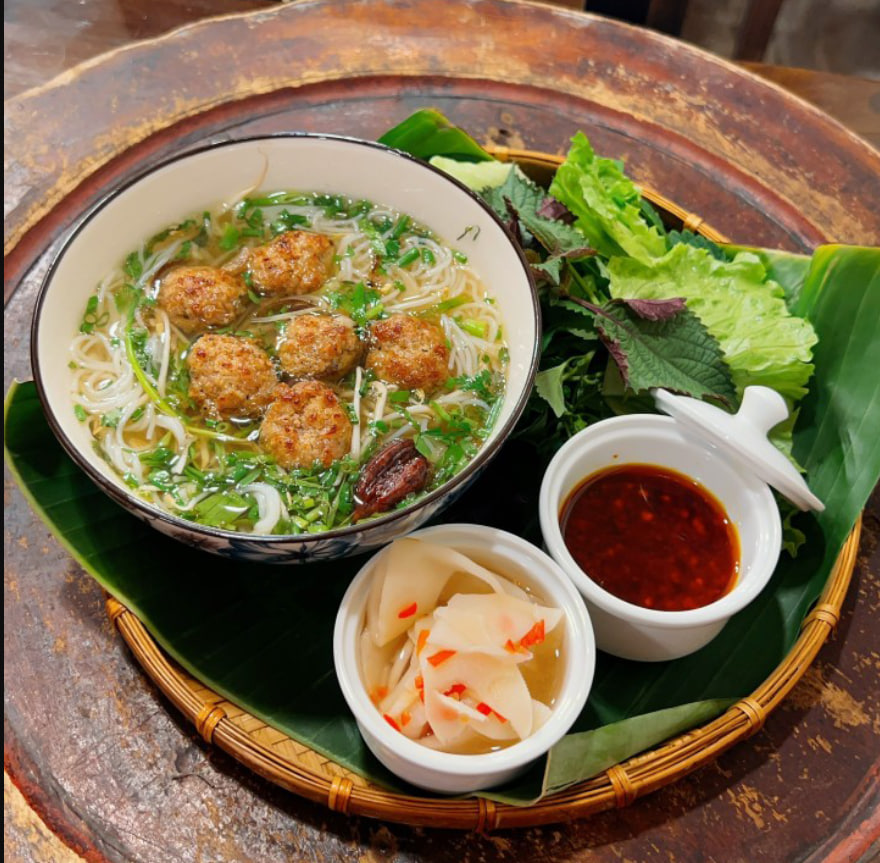
Hanoi’s food scene receives a well-deserved boost with five new additions. Bun Cha Chan, a familiar favorite known for its flavorful grilled pork with rice vermicelli, makes the cut. 

photo_2024-07-03_14-30-48

                                                                   Bun Cha Chan

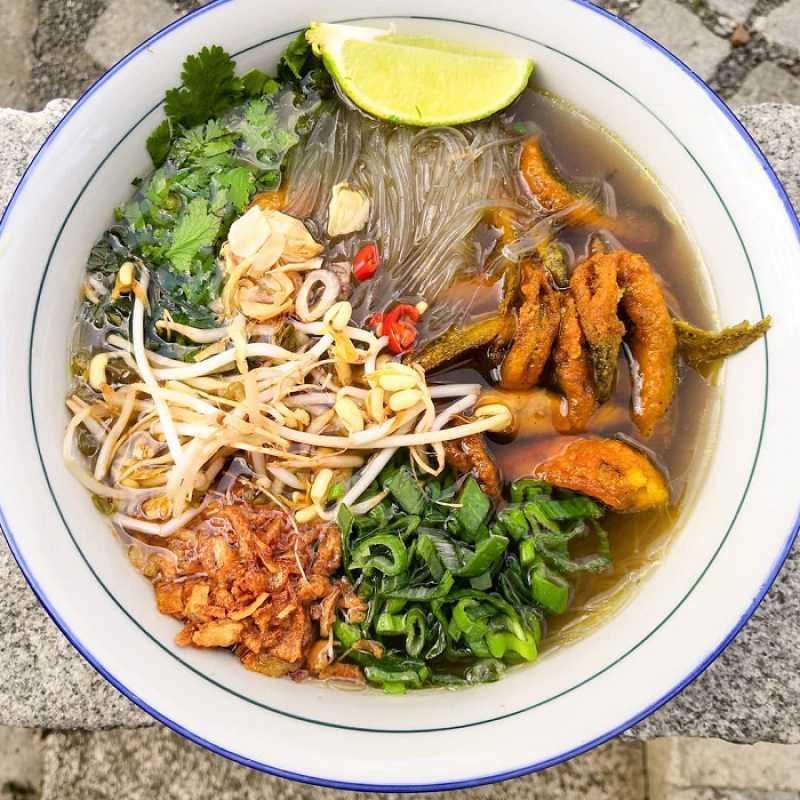
Luk Lak joins the list with its unique take on Vietnamese fare, particularly the must-try grilled pork belly dipped in an aromatic herbal sauce. Craving eel? Look no further than Mien Luon Dong Thinh, while Mr. Bay Mien Tay tempts taste buds with its signature crispy fried pancakes. Finally, Khoi Hoi‘s renowned pho noodle soup rounds out the exciting additions for Hanoi.

mien-luon-nghe-an-05-1702168247

                                                                    Mien Luon

Ho Chi Minh City’s Culinary Delights

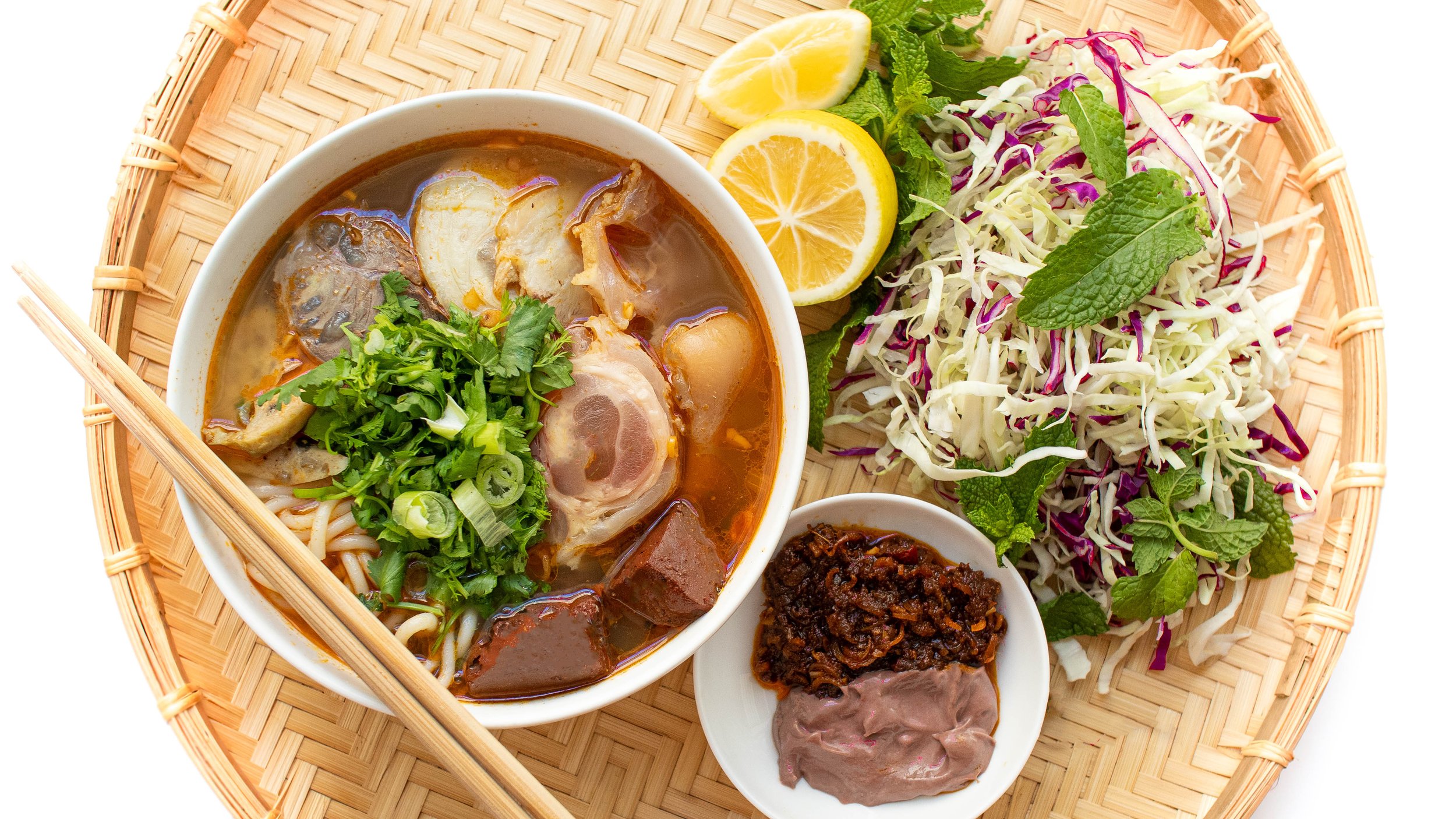
Ho Chi Minh City boasts eight new additions to the Bib Gourmand list, catering to a range of palates. Bánh Xèo 46A is renowned for its giant Vietnamese crepes overflowing with savory fillings, while Bò Kho Gánh offers a soul-warming beef stew served in a traditional stone bowl. Hue-style beef noodle soup lovers can head to Bun Bo Hue 14B, a takeout stall specializing in this flavorful dish.   Bun Bo Hue

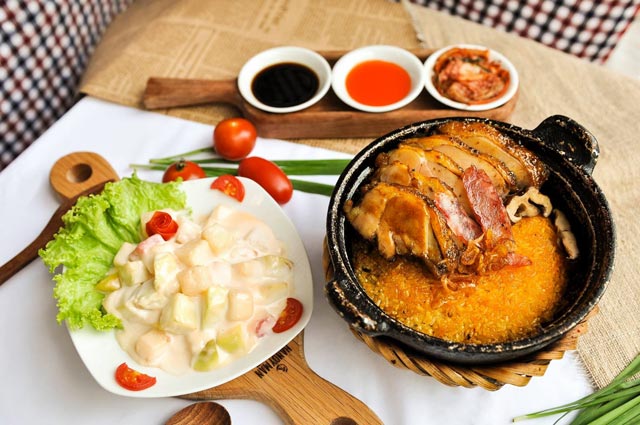
For a more extensive dining experience, Man Moi offers a diverse menu encompassing regional specialties from across Vietnam. Those seeking a European touch can visit Sol Kitchen & Bar, while Com Tho Chuyen Ky, a Cantonese eatery, promises a luxurious double-boiled silkie chicken soup. Rounding out the list are Nha Tu, and Vi Que Kitchen, each offering a unique take on Vietnamese cuisine.      Com Tho

Celebrating Vietnamese Cuisine

The Michelin Bib Gourmand designation is a significant recognition for these restaurants. Gwendal Poullennec, International Director of the Michelin Guide, highlights this by stating, “With 13 new Bib Gourmand restaurants… our 2024 selection invites gourmets to explore the charm, quality, and diverse offerings of Vietnamese cuisine.”

So, whether you’re a local or a visitor, the 2024 Bib Gourmand list provides an excellent starting point to discover the culinary gems hidden within Hanoi and Ho Chi Minh City. With its focus on affordability and quality, this list allows you to experience the depth and vibrancy of Vietnamese cuisine without breaking the bank.

Make your plan to Vietnam right now by apply a Vietnam visa at vietnamvisapro.net. We, a reputable and reliable Visa service, will assist you turn your plan into reality at the very first step