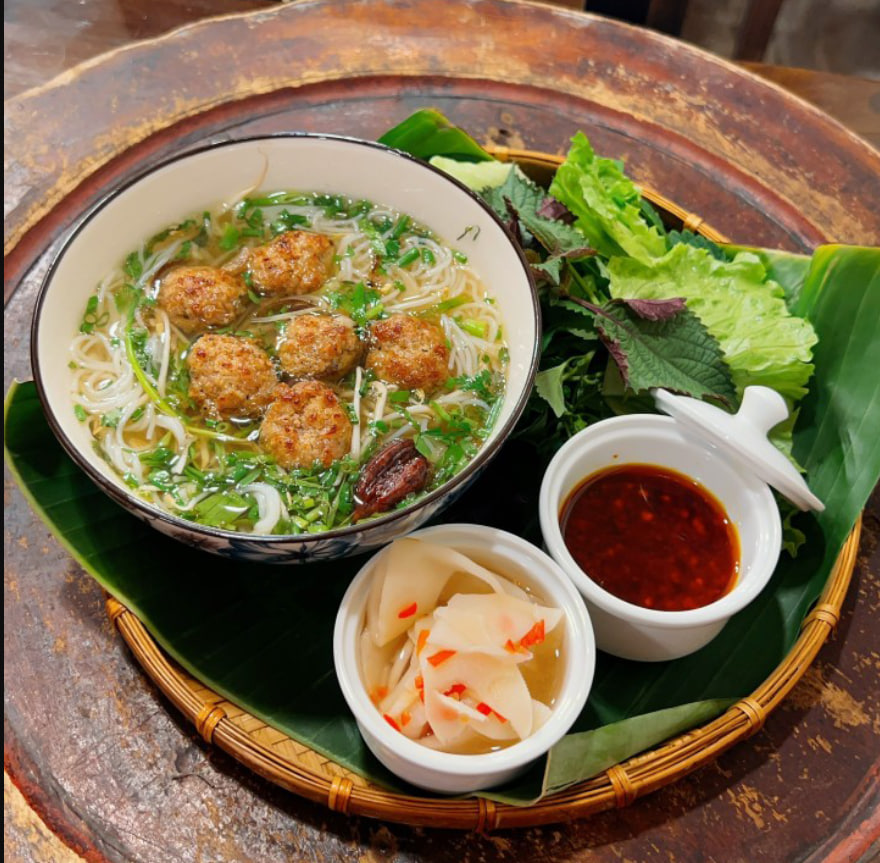
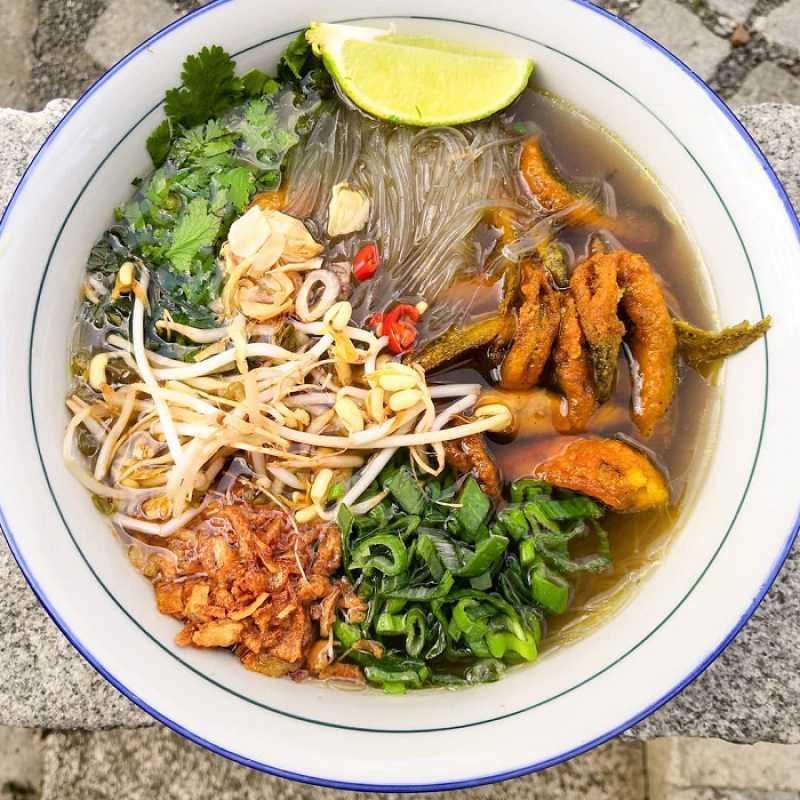
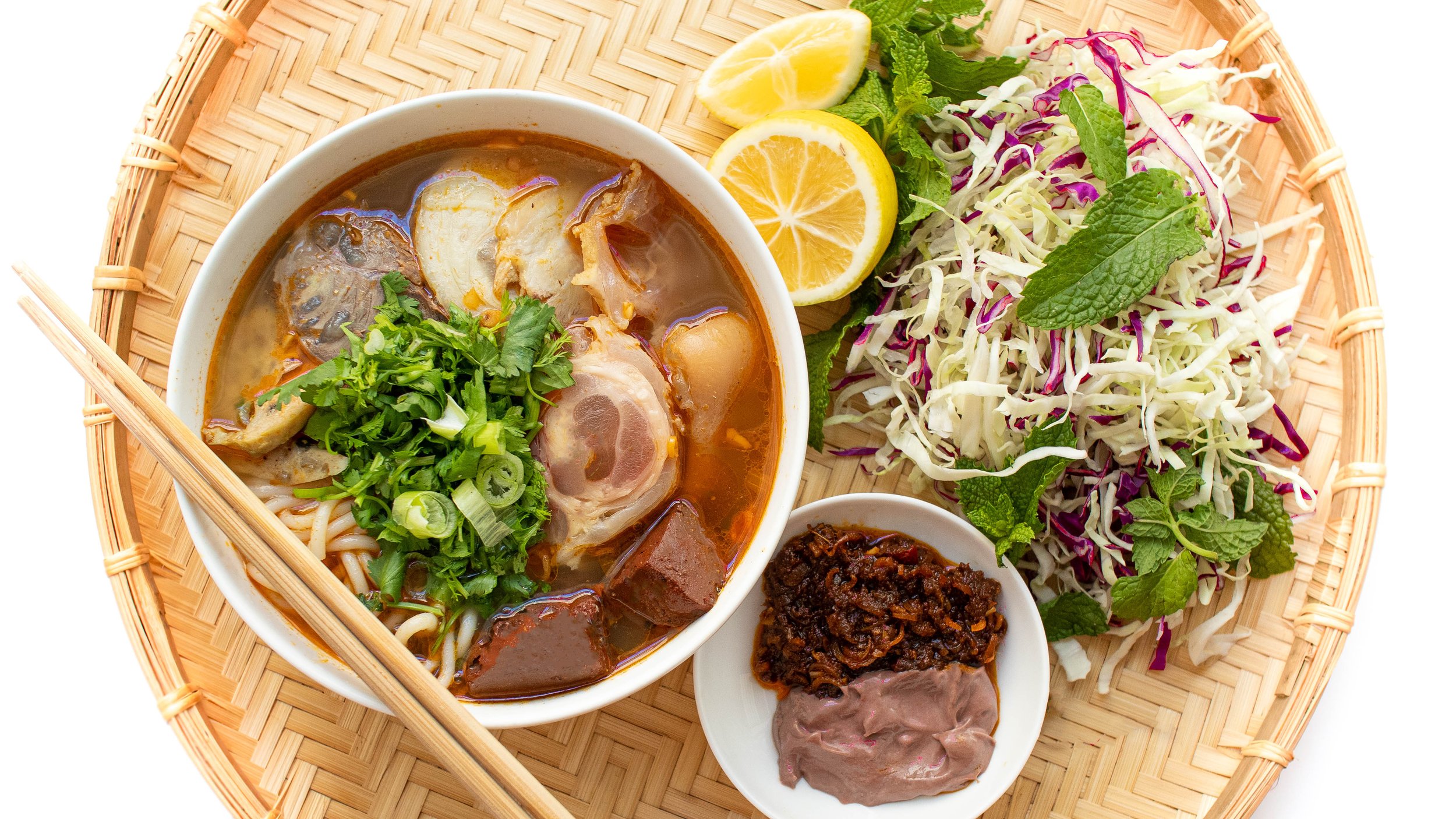
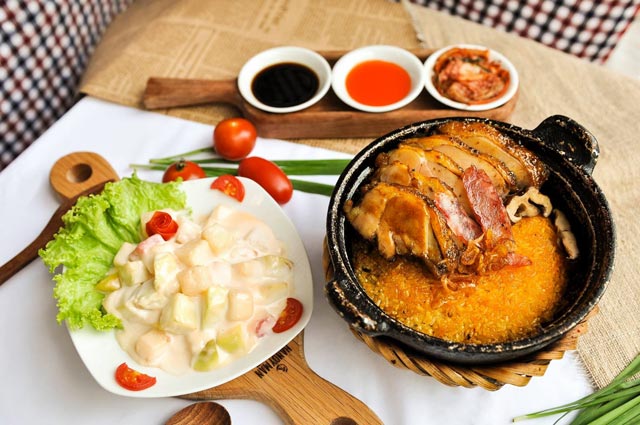
Vietnam has solidified its place on the global culinary map, scoring an impressive 96.67 points to claim the fourth spot among the world’s 15 most enticing food destinations in the Condé Nast Traveler Readers’ Choice Awards 2025.
Photo: Collected
Each Vietnamese dish embodies a piece of the nation’s cultural heritage—crafted with fresh, abundant ingredients and brought to life through the artistry and intuition of local cooks.
As Condé Nast Traveler describes: “We’ve all seen Vietnam’s golden rice fields, so it’s no wonder the country offers some of the freshest ingredients in the region. Rice appears in countless forms—steaming bowls, silky noodles, crisp spring rolls—each paired with vibrant vegetables, tender meats, and fragrant herbs.”
Photo: Collected
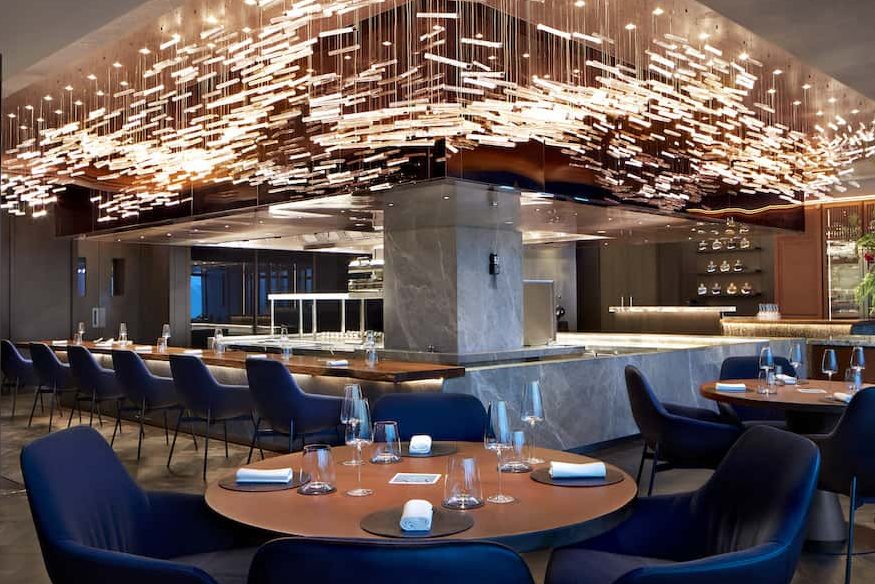
Every backpacker will be enchanted by Vietnam’s vibrant street food scene — from the bustling Cai Rang floating market to hidden gems like Xom Chieu Alley in Ho Chi Minh City, where authentic Vietnamese flavors are served at unbeatable prices. For those craving a touch of sophistication, Ciel Dining in Ho Chi Minh City, featured on our 2025 Hot List, offers an elevated culinary experience.
Vietnam delights travelers not only with its flavors but also with the authenticity and heartfelt warmth behind every meal.
Photo: Collected
Travelers can discover Vietnam’s culinary gems at every turn—from humble roadside stalls and lively floating markets in the Mekong Delta to hidden alleyway eateries and elegant restaurants in vibrant cities. The perfect balance of sweet, sour, salty, and spicy flavors makes Vietnam a true food paradise for travelers.Each dish reflects the essence of the land, the warmth of its people, and their zest for life.With its unique blend of tradition, creativity, and fresh local ingredients, Vietnam proudly stands as a must-visit destination for global food lovers seeking unforgettable culinary experiences.
Photo: Collected
Don’t miss the chance to explore Vietnam now, where many fascinating experiences await.And don’t forget to order visa to Vietnam at vietnamvisapro before departing to this wonderful place.We as a trusted and reliable visa service, we are here to help turn your dream vacation into reality from the very first step.
Hoi An, a charmingly preserved ancient town in Central Vietnam, was a bustling port city between the 15th and 18th centuries. Today, it captivates travelers with its historic wooden architecture, scenic streets, and unique culinary offerings. Recently named the fourth-best city in the world in Travel + Leisure’s 2024 World’s Best Awards, Hoi An remains a premier destination for global visitors.
1.About Hoi An Vietnam
Hoi An is a provincial city covering approximately 63.55 square kilometers, situated on the coastal plain of Quang Nam province, near the lower reaches of the Thu Bon River. The city consists of two main areas: the historic Old Quarter, known as Hoi An Ancient Town, and the surrounding modern areas. It lies about 28 kilometers south of Da Nang City and around 50 kilometers north of Tam Ky City. Its strategic location lends it considerable economic and geographic significance.
Hoi An was a bustling trading port between the 16th and 19th centuries, attracting merchant ships from around the world. The cultural exchange that took place during this period played a key role in shaping the city’s remarkable architecture, which beautifully blends Vietnamese, Chinese, and Japanese influences.
In 1998, Hoi An was designated a UNESCO World Cultural Heritage Site. More recently, in 2021, it earned the title of Asia’s Leading Cultural City Destination at the World Travel Awards. Today, the town continues to preserve its historic charm, offering visitors a unique opportunity to step back in time.
Coming here, you will be impressed by the ancient houses decorated with colorful lanterns, and the vibrant banks of Thu Bon River adorned with boats and glowing candles. You will have an ideal holiday as you sit by the river, watch the sunset, sip a can of beer, and enjoy the local delicacies.
2. Top 10 Must-Visit Tourist Attractions in Hoi An, Vietnam
Hoi An offers a wide range of attractions for you to discover, including:
2.1. Japanese Bridge Hoi An
Japanese Bridge Hoi An has become an iconic symbol of the ancient town. With a history spanning more than 400 years, this architectural landmark is often seen as the heart and soul of both the town and its people. As such, no visit to Hoi An would be truly complete without experiencing this historic site.
The bridge is situated in the heart of the ancient town, nestled between Tran Phu Street and Nguyen Thi Minh Khai Street. Constructed by Japanese traders in the mid-16th century, its design is distinctly influenced by Japanese architecture. This wooden bridge, supported by sturdy brick and stone columns, spans approximately 18 meters. From a distance, the bridge is easily recognized by its gracefully curved roof. In the evening, as lanterns illuminate the scene, the bridge’s reflection shimmers on the water, creating a mesmerizing sight.
Hoi An becomes even more romantic at night with the Japanese Bridge elegantly spanning the Hoai River (Source: Collected).
2.2. Tan Ky Old House
Tan Ky Old House is a historic structure over 200 years old and was the first to be designated as a national heritage site. Its unique architecture, which blends elements of Vietnamese, Japanese, and Chinese design, draws numerous visitors each year. The fusion of these diverse styles is evident in the intricate wooden carvings adorning the house. Despite the passage of time and the devastating flood of 1964, the house has remarkably remained in excellent condition.
Be sure to visit Tan Ky Old House during your trip to Hoi An, Vietnam (Source: Collected).
2.3. Quan Cong Temple
Quan Cong Temple is a major tourist attraction in Quang Nam, renowned for its spiritual and religious significance. It is dedicated to Guan Yu (162-220), a renowned general from China’s Three Kingdoms period. Established in 1653 during Hoi An’s peak as a prosperous trading port, the temple has long been a popular stop for merchants.
Visitors to this temple can marvel at its remarkable Chinese-influenced architecture, which includes four key structures: the vestibule, main hall, and the left and right wings. Additionally, they can admire ancient relics, like well-preserved stone steles.
Quan Cong Temple showcases traditional Chinese architectural style (Source: Collected).
2.4. Cantonese Assembly Hall
Situated in the heart of Hoi An, the Cantonese Assembly Hall is a significant historical landmark. Established in 1885, this hall showcases traditional Chinese architectural design. As you approach, the vibrant red and yellow hues of the gate and signboard will catch your eye. Inside, you can explore the rich culture and lifestyle of the Cantonese community that once resided in Hoi An centuries ago.
The Cantonese Assembly Hall is a prominent landmark on the tourism map of Hoi An, Vietnam (Source: Collected).
2.5. Hoi An Night Market
Nestled in the heart of Hoi An Ancient Town, the Hoi An Night Market is a must-visit for shopping enthusiasts. Despite the lively crowd of vendors and shoppers, the market maintains a charming atmosphere. As you stroll through, you’ll be immersed in the glow of vibrant lanterns and the enticing aroma of local dishes. The food here is simple, flavorful, and affordable, making it a truly worthwhile experience.
The Hoi An night market draws numerous both local and international visitors (Source: Collected).
2.6. Tra Que Vegetable Village
Tra Que Vegetable Village, with a history spanning over 400 years, is recognized as a national intangible cultural heritage. Situated in Cam Ha Commune, only 3 kilometers from Hoi An City, the village is renowned for its organic produce, particularly its herbs. Visitors can wander through vibrant green fields, discover how a variety of vegetables, such as lettuce, herbs, and basil, are grown, and even engage in interactive farming activities. Tra Que also offers authentic local dishes made from freshly harvested produce, providing a genuine taste of Hoi An’s agricultural heritage and a unique cultural experience.
Tra Que is a picturesque and historic farming village famous for its abundant, organic crops (Source: Collected).
2.7. An Bang Beach
An Bang Beach, situated in Cam An Ward, is a serene retreat known for its clear blue waters, soft white sands, and gentle waves lapping at the shore. Recognized by CNN as one of the top 50 beaches in the world, it draws both local and international visitors eager to soak in its natural beauty.
Unlike the other vibrant beach resorts, An Bang Beach is still mostly untouched by urban development, so you can come here to unwind and escape from the hustle and bustle of life. Besides taking a swim, you can try other activities such as parasailing, jet skiing, paddleboarding, surfing, scuba diving, and snorkeling.
An Bang is considered one of the most beautiful beaches in Hoi An, Vietnam (Source: Collected).
2.8. Cham Islands
Cham Islands, home to 950 aquatic species and 1,549 hectares of natural forest, has been recognized by UNESCO as a biosphere reserve of the world. Coming here, tourists will be completely captivated by the pristine nature and the peaceful fishing villages.
Also, this is a perfect place to learn more about the culture and religion of the locals. There are many impressive attractions for visitors to explore, including Hai Tang Temple, Cham ancient well, Temple of the Nest Craftsman, etc.
The Cham Islands are a fantastic destination for immersing yourself in nature (Source: Collected).
2.9. My Son Sanctuary
My Son Sanctuary was discovered in 1885 and designated a UNESCO World Cultural Heritage site in 1999. Once home to over 70 Cham temples, the site was severely impacted by the ravages of war, leaving only 32 towers by 1975, 20 of which remain remarkably intact. Each temple showcases a distinctive architectural style, reflecting the different historical periods of the Champa kingdom. Despite the challenges it has faced, My Son Sanctuary remains a testament to the artistic and cultural legacy of the Cham people, preserving the wisdom and essence of their generations.
My Son Sanctuary is one of the most breathtaking and impressive Cham complexes in Vietnam (Source: Collected).
2.10. Bay Mau Coconut Forest
Bay Mau Coconut Forest, just a short drive from the historic town of Hoi An, is a charming and scenic destination. This verdant mangrove forest, with its winding waterways, offers a peaceful retreat into nature. Visitors can navigate the forest by traditional basket boats, a local favorite for transportation. The lush green surroundings and calm waters create the perfect setting for a relaxing boat ride. The area is also celebrated for its rich wildlife and offers a glimpse into local fishing practices. Whether you’re seeking relaxation or a deeper connection to traditional Vietnamese culture, Bay Mau Coconut Forest promises an unforgettable experience.
The Bay Mau Coconut Forest, a peaceful mangrove region located near Hoi An (Source: Collected).
2.11. Kim Bong Carpentry Village
Kim Bong Carpentry Village, situated near Hoi An’s ancient town, is famous for its traditional woodworking techniques. This village serves as a vibrant testament to Vietnamese craftsmanship, with artisans specializing in intricate wooden carvings and furniture. Known for its elaborate wooden architecture, Kim Bong has contributed to many of Hoi An’s historic buildings. Visitors can observe master carpenters as they skillfully craft detailed designs from locally sourced timber. The village provides a rare opportunity to immerse oneself in the rich heritage of Vietnamese woodworking, highlighting the artistry and dedication of its craftsmen.
Kim Bong Village is famous for its exceptional traditional woodcrafts and detailed carvings (Source: Collected).
3.What should you eat while visiting Hoi An?
Hoi An is one of the top 25 most alluring places in the world for foodies, with diverse cuisine and distinctive flavors. The foods listed below are some of the best to try at least once while you are in the city.
3.1. Banh mi – The most renowned street food in Hoi An
Banh Mi Hoi An has a special flavor that is often referred to as “the greatest bread in the world.” Among many bread shops, Banh Mi Phuong stands out with its menu of more than 20 different fillings for bread, including chicken, salad, pate, burgers, spring rolls, and more. Depending on the fillings, a loaf may cost from 20,000 to 40,000 VND.
Make sure to try Banh Mi Phuong at least once during your visit to Hoi An (Source: Collected).
3.2. Quang noodles – A signature dish of Hoi An cuisine
Similar to Hanoi’s pho and Hue’s beef rice noodles, Quang noodles are considered the “soul” of Quang Nam cuisine. What sets Quang noodles apart is the flavorful broth, tender rice flour noodles, and an assortment of toppings that can include chicken, barbecue pork, shrimp, or fish. A bowl of Quang noodles typically costs between 15,000 and 25,000 VND.
Quang noodles is a must-try dish when visiting Hoi An, Vietnam (Source: Collected).
3.3. Cao Lau – A delicious local specialty from the ancient town of Hoi An.
Cao Lau offers a unique blend of Chinese-inspired flavors. The dish features golden noodles, tender char siu, crispy deep-fried pork rind, bean sprouts, and a light drizzle of savory gravy. Savoring a bowl of Cao Lau on a balcony while watching the lively streets of Hoi An is an experience unlike any other. A bowl typically costs between 30,000 and 60,000 VND.
Savoring a bowl of Cao Lau is one of the top experiences in Hoi An, Vietnam (Source: Collected).
3.4. Chicken rice – A delicious Vietnamese dish in the style of Hoi An.
Hoi An chicken rice is renowned throughout Vietnam for its distinct flavors. The dish features fragrant, golden sticky rice, tender chicken, and a tangy-sweet pickled salad, all complemented by a special sauce. You can enjoy a delicious plate of shredded chicken rice from Hoi An for only from 20,000 VND.
Hoi An Chicken Rice is a beloved dish among visitors to Hoi An (Source: Collected).
3.5. Banh dap (smashed rice pancake)
When you visit Hoi An Quang Nam, don’t forget to try banh dap. The smashed rice pancake is covered with mussels, then dipped in a delicious seasoned fish sauce. After being stir-fried, the mussels become very juicy and has the sweetness of seafood. The cost typically ranges between 15,000 and 50,000 VND/dish.
Banh dap Hoi An is a humble yet delicious dish (Source: Collected).
3.6. Banh xeo (Vietnamese pancake)
Tourists are frequently enchanted by the crispy texture of Vietnamese pancakes, filled with flavorful fresh shrimp and meat. The rich soy sauce and aromatic peanuts come together to form a sauce that delights even the most discerning palates. A serving of banh xeo typically ranges from 10,000 to 20,000 VND.
Banh Xeo in Hoi An (Source: Collected)
4.The Complete Guide for Your Trip to Hoi An, Vietnam
4.1. Best time to visit
With to its pleasant climate, Hoi An is a great destination to visit year-round. Specifically, the weather in Hoi An, Vietnam varies by season as follows:
. The dry season (from February to August): The best time to visit Hoi An is between February and April, when the weather is cool and sunny, with occasional light rain. This period is perfect for enjoying outdoor activities. From May to August, rainfall is nearly nonexistent, leading to very hot days. If you plan to visit during this time, be sure to pack sunscreen or other sun protection accessories.
. The rainy season (from September to the end of January) Hoi An has prolonged rainfall at this time, which makes it difficult for visitors to move around. If you come in this season, you should check the weather forecast and plan the suitable itinerary beforehand.
4.2. How to get to and get around Hoi An?
➟ Going to Hoi An Vietnam
By plane:Going by plane is the quickest way to reach Hoi An. From Hanoi or Ho Chi Minh City, you can fly to Da Nang and then go to Hoi An by bus or taxi. The journey will only take you an hour and cost between 400,000 and 1,600,000 VND/trip.
By train:With a total travel time of between 15 and 20 hours, your train will make stops at Da Nang Station or Tra Kieu Station. The trip should cost between 230,000 and 2,224,000 VND, depending on the route and the seat type.
By coach:You can take a coach from Hanoi or Ho Chi Minh City to Hoi An. The trip should cost between 320,000 and 480,000 VND.
➟ Getting around in Hoi An
By bicycle: This is the best way for you to get around and experience the tranquility of the old town. Many hotels in Hoi An offer free bicycles for their guests, or you can hire a bike at around 40,000 VND/day.
By motorbike: To travel between many locations in Hoi An with ease, you can rent a motorbike. The rental is between 120,000 and 150,000 VND/day.
By taxi: In Hoi An, the fare of a 4-seat taxi ranges from 11,000 to 15,000 VND/kilometer for trips under 30 kilometers and from 9,000 to 12,000 VND/kilometer for trips over 31 kilometers.
By cyclo: In Hoi An, cyclos are frequently seen. The ideal place to find a cyclo is Phan Chau Trinh or Tran Phu Street. The fare is often around 150,000 VND/trip/hour.
4.3. Where to stay in Hoi An Vietnam?
Hoi An’s Ancient Town, a designated UNESCO World Heritage Site, is highly walkable and ideal for pedestrians.
If it’s your first time visiting Hoi An, consider staying in or near the Old Town. This area is ideal for newcomers thanks to its central location, easy access to major attractions, and pedestrian-friendly streets.
Search for hotels in Ancient Town Hoi An (on Agoda / Booking)
The five-star Little Riverside Hoi An offers a tranquil setting along the Thu Bon River.
The Little Riverside Hoi An is situated along the peaceful Thu Bon River and quiet (Source: Collected).
The Hoi an Central Hotel sits on a livelier street
The Hoian Central Hotel on Nguyen Duy Hieu Street (Source: Collected).
The five-star Little Riverside Hoi An and the three-star Hoian Central Hotel are both excellent accommodation choices located on the eastern edge of Hoi An’s Old Town.
Finding low-key coffee shops and enjoying the river ambiance is one things to do in Hoi An. There are also great opportunities to interact with locals and have some cheap, tasty coffee
With the detailed information about Hoi An and travel tips summarized above, hopefully, you will have a complete and meaningful journey to this beautiful city. Pack your luggage now to take in the scenery, enjoy the local delicacies, and feel the warm-heartedness of the people here.
Most importantly, don’t forget to order visa to Vietnam at https://vietnamvisapro.com/before departing to this wonderful place.We as a trusted and reliable visa service, we are here to help turn your dream vacation into reality from the very first step.
Ha Long Bay, located on the western coast of the Gulf of Tonkin in Vietnam, is a renowned tourist hotspot. Known for its stunning landscape dotted with thousands of majestic islands and surrounded by a variety of nearby attractions, the bay draws countless visitors each year.
Ha Long Bay the Northern tourist paradise
(Source: Collected)
Recognized by UNESCO as one of the seven natural wonders of the world, Ha Long Bay in Vietnam is a must-visit destination for travelers from all over the globe. If you and your family are planning a trip to Quang Ninh in Vietnam and are eager to discover the beauty of Ha Long Bay, this article will be an invaluable guide for your journey.
1.Overview of Ha Long City and Ha Long Bay, Vietnam
Located about 180 kilometers from Hanoi, Ha Long is a first-class provincial city in Quang Ninh Province, widely regarded as a top tourist destination in Northern Vietnam. With its prime location and natural beauty, Ha Long draws millions of visitors from both within the country and around the world each year.
One of the key reasons Ha Long is so well-known is the stunning beauty of Ha Long Bay. Spanning 1,553 square kilometers, the bay is dotted with 1,960 limestone islands of various sizes, each uniquely shaped. Recognized multiple times by UNESCO as a natural wonder of the world, Ha Long Bay is considered a once-in-a-lifetime destination that every traveler should experience.
Ha Long Bay is recognized as a world cultural and natural heritage by UNESCO
(Source: Collected)
In addition, the modern transportation system plays a key role in boosting tourism in Ha Long. Over the years, the city has experienced remarkable economic growth. Its facilities and infrastructure have been developed in a well-planned and high-quality manner. As a result, Ha Long is fully equipped to meet all your needs—whether you’re looking for entertainment, relaxation, shopping, or dining,…when you visit.
Ha Long is worth a visit once in your life
(Source: Collected)
2.When is the best time to visit Ha Long Bay?
The weather in Ha Long varies from month to month, with each season offering its own unique charm. That’s why it’s important to check the forecast before planning your trip. If you’re heading to Ha Long Bay in Vietnam, consider traveling during one of the following periods:
From April to June: This is the perfect moment to escape the hustle and bustle of everyday life with a tour to Ha Long. The weather is pleasantly warm and mostly sunny, making it an ideal time for sightseeing or relaxing under the sun with your family and friends on the area’s stunning beaches.
From June to August: This is the peak season, meaning many families are visiting the city with their children for summer vacation. As a result, the number of tourists rises, driving up the cost of rooms and services. To ensure a budget-friendly trip, it’s important to plan ahead.
From late November to Tet Holiday: At this time, Ha Long Bay in Vietnam usually welcomes a large number of foreign tourists. Compared to the peak season, it is relatively less crowded so you can have more private space to experience Ha Long tourism in the best way.
The best time to visit Ha Long Bay in Vietnam is from April to June
(Source: Collected)
3. How to get to Ha Long, Vietnam?
With the synchronous development of transportation infrastructure, it is very easy for you to go to Ha Long from Hanoi by the following means:
3.1. By motorbike
From Hanoi and some Northern provinces, you can go to Bac Ninh by motorbike via Highway 18. Then, make your way to Pha Lai Ward in Chi Linh District, Hai Duong Province. After going to Dong Trieu Town – the western gateway of Quang Ninh Province and continuing past Uong Bi City, you will arrive in Ha Long City.
With this route, it will take you about 4 – 5 hours to travel. For those who like going backpacking, this will be a great experience. However, you should beware of danger by maintaining an appropriate speed, wearing a helmet with glasses and wearing long-sleeved clothing during the journey.
3.2. By car
Traveling by car is a time-saving way for your Ha Long trip in Vietnam. From the center of Hanoi, you need to follow the directions on Hanoi – Ha Long Highway to reach Ha Long City quickly and safely. In comparison to traveling by motorbike, it offers shorter travel time which is only about 2 – 2.5 hours.
3.3. By public transport
In addition to private vehicles, you can also use public transport such as taxis, coaches, trains or buses to go to Ha Long. Also, if you depart from the Southern provinces, you can take a plane which lands at Cat Bi Airport in Hai Phong or Van Don Airport in Quang Ninh. From these places, it is very convenient for you to visit Ha Long Bay in Vietnam and explore its beauty.
4. Top 7 Most Popular Tourist Attractions in Ha Long City
Here are more information about Ha Long Bay in Vietnam and some famous destinations in Ha Long City you should know:
4.1. Ha Long Bay in Vietnam
Ha Long Bay possesses the majestic and poetic natural beauty with thousands of large and small islands as well as many unique caves. Each year, it attracts a large number of tourists who come to explore some splendid tourist attractions here such as Dragon Eye Island, Ti Top Island, Con Coc Island, Ngoc Vung Island, Sung Sot Cave,…
Ha Long Bay in Vietnam is a not to be missed destination
(Source: Collected)
4.2. Tuan Chau Island
Lying in the Northwest of Ha Long Bay in Vietnam, Tuan Chau Island covers an area of about 2.2 square kilometers. It is blessed with stunning beaches, lush vegetation and rich archeological values. Coming to Tuan Chau Island, you should not forget to participate in some beach activities and visit Tuan Chau Park to explore numerous wonderful things.
Many tourists love visiting Tuan Chau Island when traveling to Ha Long in Vietnam
(Source: Collected)
4.3. Quang Ninh Museum
Considered as a miniature model of the province, Quang Ninh Museum is known as a great pride of Ha Long people. Not only having unique architecture, this place also stores a lot of important and meaningful cultural information. Therefore, if you intend to pay a trip to Ha Long City, put this place in your checklist!
The front of Quang Ninh Museum
(Source: Collected)
4.4. Cua Van Fishing Village
Cua Van Fishing Village is one of the top-rated Ha Long tourist destinations that you should visit once. Coming there, you will have a chance to immerse yourself in a peaceful place with many charming natural landscapes. Besides, some activities to experience and discover the livelihood of fishermen here will make you extremely excited.
Cua Van Fishing Village is on the top of the most beautiful fishing villages in Vietnam
(Source: Collected)
4.5. Bai Tho Mountain
Bai Tho Mountain is a famous tourist destination for those who love adventure. The mountain has an altitude of over 200 meters and is located right in the center of Ha Long City which is very close to the sea. It is considered as a masterpiece that Mother Nature has bestowed upon Quang Ninh Province. From here, you can see the whole romantic scenery of Ha Long Bay in Vietnam.
From Bai Tho Mountain you can get a full view of the beautiful bay
(Source: Collected)
4.6. Bai Chay Beach
Bai Chay is an artificial beach with a length of up to 1,000 meters and a width of more than 100 meters. It is recognized as the largest Ha Long beach to have clear blue water and a clean white sandy shore. A straight row of trees is also the highlight of this place. It will provide a great background for tourists to take a lot of amazing photos.
Bai Chay Beach attracts a large number of tourists
(Source: Collected)
4.7. Hon Gai Beach
Hon Gai Beach is one of the most invested artificial beaches in the North of Vietnam. Specifically, it has a length of 900 meters and a width of 185 meters. With such a scale, Hon Gai Beach has become a Ha Long tourist destination that has gained a lot of love from domestic and foreign tourists.
Hon Gai Beach A beautiful tourist destination
(Source: Collected)
4.8. Lan Ha Bay & Bai Tu Long Bay
Located to the south and east of Cat Ba town, Lan Ha Bay is technically part of Halong Bay and is home to over 300 karst islands and limestone outcrops, as your guide will tell you. These islands are just as stunning as those in Halong Bay, with the added bonus of numerous white-sand beaches. Since it’s a bit farther from Halong City, fewer tourist boats make their way here, giving Lan Ha Bay a more secluded charm. The best way to organize sailing and kayaking trips in the area is from Cat Ba town.
Lan Ha bay
(Source: Collected)
Bai Tu Long Bay, undoubtedly a hidden gem on the northeastern side of Halong, enchants visitors with its untouched beauty and peaceful atmosphere. In contrast to its more well-known neighbor, Bai Tu Long Bay remains largely unspoiled and less crowded, making it the perfect retreat for nature enthusiasts. With its crystal-clear waters and dramatic limestone karsts, the bay offers a tranquil setting for unforgettable cruising experiences.
Bai Tu Long Bay The Hidden Beauty of Halong Bay
(Source: Collected)
Immerse yourself in the charm of the bay’s scenic fishing villages, where everyday life unfolds amidst breathtaking coastal views. Dive into the area’s vibrant marine ecosystem, teeming with a variety of species. Explore Bai Tu Long Bay, where the gentle waves bring peace and every sunset creates a stunning masterpiece across the sky.
5. What to eat in Ha Long?
No trip to Ha Long is truly complete without trying the following dishes at least once:
5.1. Grilled chopped squid
For the question of what to eat in Ha Long, the first answer is a very delicious dish – grilled chopped squid. It is a famous food of Ha Long and one of the most unique specialties in Vietnam. Its main ingredients come from the sea and all of them are pounded completely by hand, and then processed according to the recipe passed down by generations.
Enjoying grilled chopped squid is a must try experience in Ha Long City
(Source: Collected)
5.2. Peanut-worm
Peanut-worm is an extremely valuable sea worm that you should enjoy once when visiting Ha Long Bay. Each kilogram of dried peanut-worm costs up to 4 – 5 million VND. When coming to this city, do not forget to enjoy the specialties from peanut-worm which can be processed in many different ways such as frying, boiling, grilling,…
Peanut worm dishes are highly nutritious
(Source: Collected)
5.3. Stir-fried snails with soy sauce
Without guise leaves and cooking oil, Ha Long people stir-fry snails with saw leaves, desiccated coconut and lime leaves. As for the dipping sauce, it is taken from the soy sauce used to stir-fry the snails before. Stir-fried snails with the mix of crispy, greasy and spicy flavor will definitely bring you an unforgettable experience.
Ha Long specialty Stir fried snails with soy sauce
(Source: Collected)
5.4. Grilled oysters
Grilled oysters with onion fat is a rustic dish in Quang Ninh that is loved by many tourists. The shells of oysters are pried on one side with scallion oil added on top and then grilled on a charcoal stove. When you hear the sizzling sound, add a few small broken peanuts and enjoy the dish.
Grilled oysters are a must try delicacy in Ha Long
(Source: Collected)
5.5. Seafood vermicelli
As a sea region with a rich source of seafood, Ha Long is very famous for seafood dishes. The rich sweetness of the broth along with the firm texture of the meat, the dried shrimp and the grilled chopped squid are the outstanding features of this dish. All of these create a delicious bowl of seafood vermicelli for you to try.
Seafood vermicelli is a standout dish in Ha Long’s culinary scene (Source: Collected)
7. Some tips for enjoying an affordable trip to Ha Long, Vietnam.
If you and your family are planning a trip to Ha Long City and want to make the most of your visit, here are some travel tips to help you save money.
To ensure a well-planned vacation, it’s recommended to make reservations 3 weeks to 1 month ahead of time.
Plastic utensils, water bottles, and plastic bags are not allowed on the boat when visiting Ha Long Bay. However, you can purchase drinks on board, with prices ranging from 20,000 to 30,000 VND each.
If you purchase tickets to visit various attractions, make sure to keep the ticket stub for your next destination, as the staff at each location will check it.
Ha Long is an ideal destination for your next vacation with your loved one. We hope the helpful the above useful information about Ha Long Bay and Ha Long City will help for you and your family have an unforgettable trip filled with fun. Don’t forget to order visa to Vietnam at https://vietnamvisapro.com/ before departing to this wonderful place.We as a trusted and reliable visa service, we are here to help turn your dream vacation into reality from the very first step.
Vietnam’s vibrant culinary scene has reached new heights with the 2024 MICHELIN Guide, which has awarded three new one-star ratings and the country’s first-ever MICHELIN Green Star. These new one-star restaurants raise the total number of Vietnam’s Michelin-starred dining establishments to seven.
New One-Star Restaurants
The 2024 edition of the MICHELIN Guide Vietnam features seven one-star restaurants in total, with three new additions.
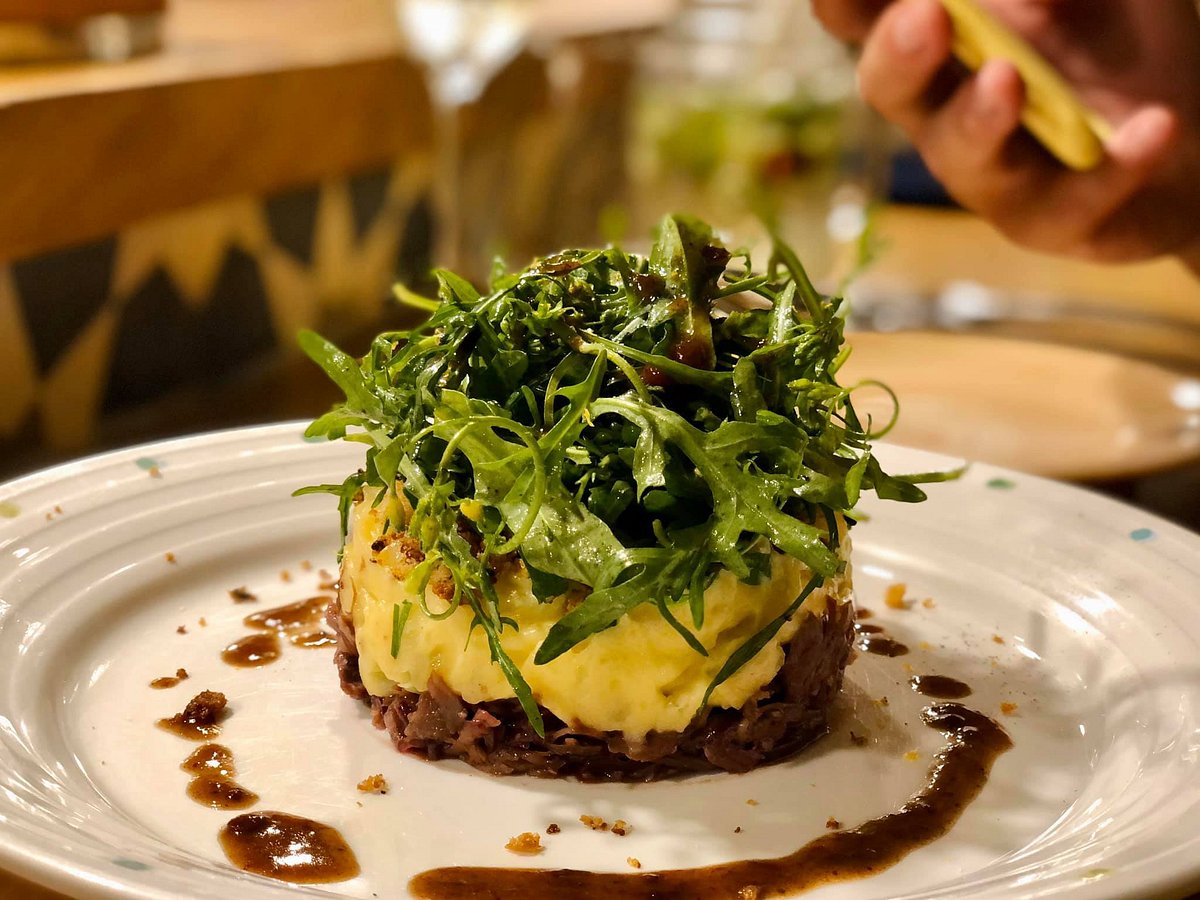
Akuna (Ho Chi Minh City)
Helmed by Chef Sam Aisbett at the Le Meridien Hotel, Akuna is celebrated for its creative European dishes infused with Vietnamese influences. This fine dining establishment offers a memorable experience with its optional wine pairings that complement its innovative menu.
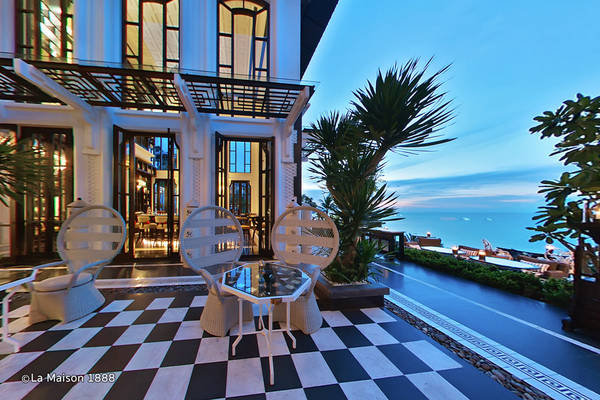
La Maison 1888 (Da Nang)
This luxurious restaurant, located at the InterContinental Danang Sun Peninsula Resort, offers a sophisticated dining experience with a five- or seven-course set menu. La Maison 1888 is known for its exquisite use of top-notch ingredients sourced from Vietnam, France, and Japan.
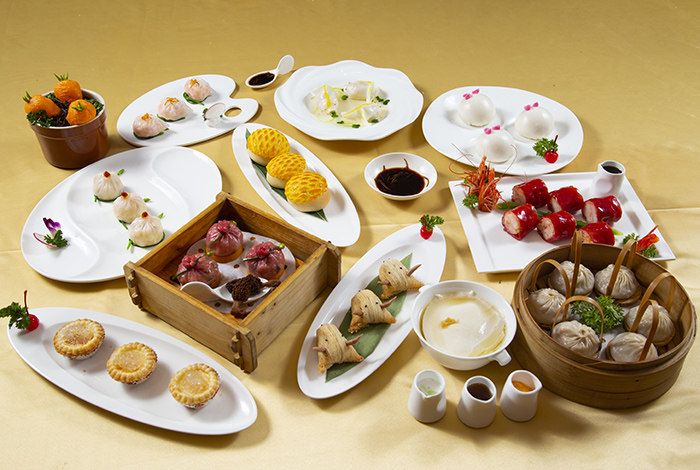
The Royal Pavilion (Ho Chi Minh City)
Promoted from the MICHELIN Selected category, The Royal Pavilion is renowned for its wide range of à la carte and set menus that honor Cantonese culinary heritage. Its dim sum, available only during lunchtime, is a highlight that has contributed to its elevated status.
Vietnam’s First MICHELIN Green Star
Vietnam’s inaugural MICHELIN Green Star has been awarded to Nén Danang, a MICHELIN Selected restaurant recognized for its commitment to sustainability. Since its inception in 2017, Nén Danang has emphasized the use of local ingredients and sustainable practices. The restaurant regularly shares updates about its farm on social media and collaborates with local schools to promote eco-friendly practices. This award signifies Nén Danang’s role as a leader in sustainable gastronomy in Vietnam.
In addition to the seven restaurants that received the Michelin Guide’s star honor, a total of 40 new restaurants in Hanoi, HCMC, and Da Nang received Michelin Selected Awards, raising the total number of dining establishments honored in this category to 99 since last year.
So, are you ready to embark on a delicious journey through Vietnam? Grab your copy of the 2024 MICHELIN Guide and get ready to tantalize your taste buds!
Make your plan to Vietnam right now by apply a Vietnam visa at vietnamvisapro.net. We, a reputable and reliable Visa service, will assist you turn your plan into reality at the very first step
The prestigious Michelin Guide has unveiled its 2024 Bib Gourmand list for Hanoi and Ho Chi Minh City, recognizing 13 new restaurants for their quality and affordability. This year’s additions bring the total number of Bib Gourmand recipients in Vietnam to 42, showcasing the incredible diversity and deliciousness of the country’s food scene.
Hanoi’s Hidden Gems Recognized
Hanoi’s food scene receives a well-deserved boost with five new additions. Bun Cha Chan, a familiar favorite known for its flavorful grilled pork with rice vermicelli, makes the cut.
Bun Cha Chan
Luk Lak joins the list with its unique take on Vietnamese fare, particularly the must-try grilled pork belly dipped in an aromatic herbal sauce. Craving eel? Look no further than Mien Luon Dong Thinh, while Mr. Bay Mien Tay tempts taste buds with its signature crispy fried pancakes. Finally, Khoi Hoi‘s renowned pho noodle soup rounds out the exciting additions for Hanoi.
Mien Luon
Ho Chi Minh City’s Culinary Delights
Ho Chi Minh City boasts eight new additions to the Bib Gourmand list, catering to a range of palates. Bánh Xèo 46A is renowned for its giant Vietnamese crepes overflowing with savory fillings, while Bò Kho Gánh offers a soul-warming beef stew served in a traditional stone bowl. Hue-style beef noodle soup lovers can head to Bun Bo Hue 14B, a takeout stall specializing in this flavorful dish. Bun Bo Hue
For a more extensive dining experience, Man Moi offers a diverse menu encompassing regional specialties from across Vietnam. Those seeking a European touch can visit Sol Kitchen & Bar, while Com Tho Chuyen Ky, a Cantonese eatery, promises a luxurious double-boiled silkie chicken soup. Rounding out the list are Nha Tu, and Vi Que Kitchen, each offering a unique take on Vietnamese cuisine. Com Tho
Celebrating Vietnamese Cuisine
The Michelin Bib Gourmand designation is a significant recognition for these restaurants. Gwendal Poullennec, International Director of the Michelin Guide, highlights this by stating, “With 13 new Bib Gourmand restaurants… our 2024 selection invites gourmets to explore the charm, quality, and diverse offerings of Vietnamese cuisine.”
So, whether you’re a local or a visitor, the 2024 Bib Gourmand list provides an excellent starting point to discover the culinary gems hidden within Hanoi and Ho Chi Minh City. With its focus on affordability and quality, this list allows you to experience the depth and vibrancy of Vietnamese cuisine without breaking the bank.
Make your plan to Vietnam right now by apply a Vietnam visa at vietnamvisapro.net. We, a reputable and reliable Visa service, will assist you turn your plan into reality at the very first step
Nestled amidst the breathtaking mountainous landscape of northwestern Vietnam, Sapa offers a captivating blend of cultural charm and natural beauty. But planning a trip to this enchanting destination requires consideration of its unique weather patterns. From the crisp, cool air of winter to the misty embrace of summer, Sapa’s climate fluctuates dramatically throughout the year. Understanding the intricacies of Sapa’s weather can help you choose the best time to visit, pack effectively, and make the most of your outdoor adventures. This comprehensive guide provides a detailed breakdown of Sapa’s weather, encompassing its climate, seasons, rainfall patterns, temperature variations, and tips for navigating unpredictable conditions.
Sapa Vietnam Weather Overview
Sapa’s weather is characterized by its mountainous setting, which profoundly influences its climate. Situated in the Hoang Lien Son mountain range, Sapa enjoys a subtropical highland climate, marked by distinct seasons and notable temperature variations throughout the year. The town’s elevation, ranging from 1,500 to 1,650 meters, contributes to its cooler temperatures than those found at lower altitudes.
What is the climate like in Sapa?
Sapa experiences a diverse range of weather conditions throughout the year, from chilly winters to warm summers. The climate is significantly influenced by its location in the mountains, leading to distinct seasons and unpredictable temperature swings. The mountain terrain creates varying microclimates within the Sapa region, resulting in localized weather variations.
Key aspects of Sapa’s climate:
Subtropical Highland Climate: Sapa’s climate belongs to the subtropical highland category, characterized by distinct seasons and significant temperature fluctuations.
Mountainous Influence: The presence of the Hoang Lien Son mountain range plays a crucial role in shaping Sapa’s weather, leading to cool temperatures, frequent rainfall, and occasional fog.
Elevation: Sapa’s elevation, ranging from 1,500 to 1,650 meters, contributes to its cooler temperatures compared to lower altitudes.
Microclimates: The mountainous terrain fosters diverse microclimates within the Sapa region, leading to variations in weather patterns within close proximity.
When is the best time to visit Sapa for good weather?
The ideal time to visit Sapa depends on your personal preferences for weather and activities.
Spring (March – May): Spring offers pleasant weather with milder temperatures, occasional rain, and vibrant greenery. It is a good time for hiking, trekking, and exploring rice terraces.
Autumn (September – November): Autumn presents clear skies, comfortable temperatures, and stunning autumn foliage, perfect for photography and leisurely walks.
Winter (December – February): Winter in Sapa brings chilly temperatures, occasional snow, and breathtaking winter scenery. It’s ideal for enjoying a cozy atmosphere and experiencing the unique charm of Sapa in winter.
Average temperatures throughout the year in Sapa
Sapa experiences a wide range of temperatures throughout the year, with distinct variations across the seasons. Here’s a breakdown of average monthly temperatures:
Month
Average High (°C)
Average Low (°C)
January
14
6
February
16
7
March
18
9
April
21
11
May
23
14
June
25
16
July
25
17
August
24
17
September
23
15
October
20
12
November
17
9
December
15
7
Seasons in Sapa Vietnam
Sapa experiences four distinct seasons, each offering unique characteristics and appeal. Understanding these seasons will help you choose the time that best suits your travel preferences.
Winter in Sapa
Winter in Sapa (December – February) is a magical time, characterized by crisp, cool air, occasionally dusted with snow. The landscape transforms into a breathtaking spectacle of frosty mountains, misty valleys, and snow-covered rooftops.
Temperature: Average high temperatures range from 14°C to 16°C, while average lows hover around 6°C to 7°C. Snowfall is infrequent but can occur, especially in higher elevations.
Weather: Days are often sunny and clear, with occasional fog and misty mornings. Nights are cold and crisp, requiring warm clothing.
Activities: Winter offers the perfect setting for cozying up in a local café, savoring traditional cuisine, and admiring the snow-capped landscapes. Enjoying winter festivals, like the Sapa Winter Festival, provides a unique cultural experience.
Spring in Sapa
Spring in Sapa (March – May) heralds the arrival of warmer days and lush greenery. As the weather transitions from winter’s chill to the warmth of summer, the landscape comes alive with vibrant colors.
Temperature: Average temperatures gradually rise from 18°C to 23°C, making it comfortable for outdoor activities. Nights are cool, with average lows ranging from 9°C to 14°C.
Weather: The weather is generally pleasant, with sunshine, occasional showers, and milder temperatures. Foggy mornings may occur.
Activities: Spring is ideal for hiking and trekking, immersing yourself in nature, and witnessing the beauty of blooming flowers and flourishing rice terraces.
Summer in Sapa
Summer in Sapa (June – August) is the wettest season, characterized by warm temperatures, high humidity, and frequent rainfall. While the weather can be unpredictable, it also brings an enchanting misty ambiance to Sapa’s scenery.
Temperature: Average temperatures range from 24°C to 25°C, with high humidity and frequent rain showers. Nights are warm, with average lows ranging from 16°C to 17°C.
Weather: The weather is often cloudy and rainy, with occasional bursts of sunshine. Foggy days are common, adding a mystical touch to the landscape.
Activities: Summer is a great time to explore Sapa’s waterfalls, immerse yourself in the local markets, and enjoy the tranquility of the misty mountains.
Autumn in Sapa
Autumn in Sapa (September – November) is a magical time with warm days, cool nights, and a vibrant tapestry of fall colors. As the season progresses, the mountains transform into a breathtaking canvas of reds, yellows, and oranges.
Temperature: Temperatures drop from 23°C to 17°C, offering pleasant days and cool evenings. Nights are crisp, with average lows ranging from 15°C to 9°C.
Weather: The weather is generally sunny and clear, with crisp air and occasional showers. The skies are often clear and blue, perfect for photography.
Activities: Autumn is ideal for hiking, biking, exploring the local culture, and capturing the stunning scenery of Sapa’s fall foliage.
Rainfall in Sapa
Sapa experiences a significant amount of rainfall, particularly during the summer months. Understanding the rainfall patterns is crucial for planning your trip.
How much rain does Sapa receive?
Sapa receives an average of 2,000 mm of rainfall per year, with significant variations across the seasons.
Month
Average Rainfall (mm)
January
134
February
127
March
153
April
178
May
220
June
335
July
503
August
493
September
345
October
216
November
112
December
90
Rainy season in Sapa
The rainy season in Sapa typically runs from June to August, with the heaviest rainfall occurring in July and August. During this period, expect frequent showers, occasional downpours, and high humidity.
Impact: Rainy season can make outdoor activities challenging, especially hiking and trekking. However, it can also create a mystical atmosphere with misty mountains and waterfalls.
Preparation: Packing a waterproof jacket, umbrella, and appropriate footwear is essential.
Impact of rainfall on travel plans
Rainfall can impact your travel plans in Sapa.
Transportation: Heavy rainfall can affect road conditions, leading to delays or cancellations for transportation.
Outdoor Activities: Hiking and trekking can be challenging during heavy rain, as trails can become slippery and muddy.
Photography: Cloudy skies and rain can limit photography opportunities, but also add a unique and atmospheric quality to photographs.
Temperature variations in Sapa
Sapa experiences significant temperature variations throughout the year, with distinct differences between daytime and nighttime temperatures.
Daytime temperatures in Sapa
Daytime temperatures in Sapa generally range from 14°C to 25°C, depending on the season. Spring and autumn offer comfortable daytime temperatures, while summer brings warmer days with high humidity.
Warmest Months: July and August are the warmest months, with average highs reaching 25°C.
Nighttime temperatures in Sapa
Nighttime temperatures in Sapa can be significantly cooler than daytime temperatures, especially during winter. Average lows range from 6°C to 17°C, depending on the season.
Coldest Months: January and December are the coldest months, with average lows around 6°C to 7°C.
Variations in temperature by season
Winter (December – February): Daytime highs average 14°C to 16°C, while overnight lows dip to 6°C to 7°C.
Spring (March – May): Temperatures gradually rise, with daytime highs reaching 23°C and overnight lows ranging from 9°C to 14°C.
Summer (June – August): Warm days with average highs of 24°C to 25°C and humid nights with lows around 16°C to 17°C.
Autumn (September – November): Pleasant days with average highs ranging from 23°C to 17°C and cool nights with lows from 15°C to 9°C.
Weather conditions for outdoor activities
Sapa’s diverse weather patterns can influence your enjoyment of outdoor activities. Understanding the best weather conditions for specific activities is crucial for a successful trip.
Trekking and hiking in Sapa
Trekking and hiking are popular activities in Sapa, offering breathtaking views and cultural immersion.
Best Weather: Spring and autumn provide optimal conditions for trekking. The weather is pleasant, with clear skies and comfortable temperatures.
Considerations: Avoid trekking during periods of heavy rainfall, as trails can become slippery and muddy. Pack layers of clothing to adjust to temperature fluctuations.
Cycling tours in Sapa
Cycling tours offer a unique way to explore Sapa’s scenic landscapes and charming villages.
Best Weather: Autumn is ideal for cycling tours with clear skies, pleasant temperatures, and dry trails.
Considerations: Spring can also be enjoyable for cycling, but be prepared for occasional showers. Avoid cycling during heavy rainfall, as roads can become slippery.
Best weather for outdoor adventures
Hiking and trekking: Spring (March – May) and autumn (September – November) offer the most favorable conditions.
Cycling tours: Autumn (September – November) is the ideal time for cycling tours, with clear skies and dry trails.
Waterfall exploration: Summer (June – August) is the wettest season, perfect for witnessing waterfalls at their fullest.
Packing tips for Sapa weather
Packing appropriately for Sapa’s diverse weather is crucial for a comfortable and enjoyable trip.
Essential items to pack for all seasons
Waterproof jacket: A waterproof jacket is essential for all seasons, especially during the rainy season.
Comfortable walking shoes: Pack sturdy walking shoes for hiking and exploring Sapa’s cobblestone streets.
Layers of clothing: Pack layers of clothing to adjust to temperature fluctuations throughout the day.
Sunglasses and sun hat: Protect yourself from the sun, especially during the summer months.
Insect repellent: Mosquitoes can be prevalent, especially during the warmer months.
First-aid kit: Pack a basic first-aid kit for minor injuries.
Clothing recommendations for different times of the year
Winter (December – February): Pack warm clothes, including sweaters, jackets, scarves, gloves, and a hat. Consider thermal underwear for extra warmth.
Spring (March – May): Pack light layers, including sweaters, a light jacket, and a waterproof jacket.
Summer (June – August): Pack light, breathable clothing, such as t-shirts, shorts, and dresses. Pack a waterproof jacket for rain showers.
Autumn (September – November): Pack comfortable layers, including sweaters, a light jacket, and a waterproof jacket.
Tips for staying comfortable in changing weather conditions
Layer your clothing: Wearing layers allows you to easily adjust to temperature fluctuations.
Pack a raincoat or umbrella: Be prepared for sudden rain showers, especially during the rainy season.
Carry a small pack with essentials: Keep a small backpack packed with a waterproof jacket, sunscreen, insect repellent, and water.
Stay hydrated: It’s important to stay hydrated, especially in the hot and humid weather.
Be prepared for fog: Fog can be common in Sapa, especially in the mornings and evenings. Pack a scarf or face mask to protect your face.
Local weather patterns in Sapa
Sapa’s weather is influenced by its unique geographical features and local weather patterns.
Influence of nearby geographical features on Sapa’s weather
Hoang Lien Son Mountain Range: The Hoang Lien Son mountain range plays a major role in shaping Sapa’s weather, creating a cooler and wetter climate compared to lower altitudes.
Fansipan Peak: Sapa’s proximity to Fansipan, the highest peak in Southeast Asia, influences its weather patterns, particularly in terms of snowfall and fog.
Muong Hoa Valley: The Muong Hoa Valley, which surrounds Sapa, contributes to the area’s unique microclimates and distinct weather patterns.
Microclimates within the Sapa region
The mountainous terrain of Sapa creates various microclimates within the region, leading to variations in weather patterns within close proximity.
Hilltop villages: Hilltop villages experience cooler temperatures and higher rainfall compared to lower lying areas.
Valleys: Valleys often experience milder temperatures and less rainfall than hilltop villages.
Rice terraces: The areas surrounding rice terraces can experience unique microclimates, influenced by water bodies and elevation.
Weather forecasting accuracy in Sapa
Weather forecasting in Sapa can be challenging due to the mountainous terrain and the influence of microclimates.
Accuracy: Forecasts for Sapa can be accurate in terms of overall weather patterns, but may vary in accuracy for specific locations and times.
Local awareness: Paying attention to local weather patterns, such as fog and rainfall, can help you stay informed and adjust your plans accordingly.
Important Notes
Weather can be unpredictable in Sapa, so it’s crucial to stay informed and adaptable.
Importance of checking weather updates before traveling to Sapa
Before your trip: Check weather forecasts for Sapa before your trip, and be aware of potential weather conditions.
During your trip: Stay updated on local weather patterns during your trip by checking forecasts and speaking with locals.
Flexibility in travel plans based on weather forecasts
Be flexible: Be prepared to adjust your travel plans if necessary, depending on weather conditions.
Alternative activities: Have backup plans for indoor activities in case of rain or bad weather.
Frequently asked questions
What is the hottest month in Sapa? July and August are the hottest months in Sapa, with average highs reaching 25°C.
What is the coldest month in Sapa? January and December are the coldest months, with average lows around 6°C to 7°C.
Does it snow in Sapa? Snowfall is infrequent in Sapa, but it can occur in higher elevations during the winter months.
What should I pack for Sapa? Pack layers of clothing, a waterproof jacket, comfortable walking shoes, sunglasses, a sun hat, insect repellent, and a basic first-aid kit.
Sapa’s weather adds an element of excitement and unpredictability to your travel experience. By understanding its climate, seasons, and rainfall patterns, you can prepare for anything and make the most of your adventures in this captivating region. From the chilly embrace of winter to the misty charm of summer, Sapa offers a unique and unforgettable experience throughout the year. Embrace the weather as part of your journey and enjoy the beauty of this enchanting destination.
Make your plan to Sapa,Vietnam right now by apply a Vietnam visa at vietnamvisapro.net. We, a reputable and reliable Visa service, will assist you turn your plan into reality at the very first step.


 Hoi An becomes even more romantic at night with the Japanese Bridge elegantly spanning the Hoai River (Source: Collected).
 Be sure to visit Tan Ky Old House during your trip to Hoi An, Vietnam (Source: Collected).
 Quan Cong Temple showcases traditional Chinese architectural style (Source: Collected).
 The Hoi An night market draws numerous both local and international visitors (Source: Collected).
 Tra Que is a picturesque and historic farming village famous for its abundant, organic crops (Source: Collected).
 An Bang is considered one of the most beautiful beaches in Hoi An, Vietnam (Source: Collected).
 The Cham Islands are a fantastic destination for immersing yourself in nature (Source: Collected).
 My Son Sanctuary is one of the most breathtaking and impressive Cham complexes in Vietnam (Source: Collected).
 The Bay Mau Coconut Forest, a peaceful mangrove region located near Hoi An (Source: Collected).
 Kim Bong Village is famous for its exceptional traditional woodcrafts and detailed carvings (Source: Collected).
 Make sure to try Banh Mi Phuong at least once during your visit to Hoi An (Source: Collected).
 Quang noodles is a must-try dish when visiting Hoi An, Vietnam (Source: Collected).
 Savoring a bowl of Cao Lau is one of the top experiences in Hoi An, Vietnam (Source: Collected).
 Hoi An Chicken Rice is a beloved dish among visitors to Hoi An (Source: Collected).
 Banh dap Hoi An is a humble yet delicious dish (Source: Collected).
 Banh Xeo in Hoi An (Source: Collected)
 The Little Riverside Hoi An is situated along the peaceful Thu Bon River and quiet (Source: Collected).
 The Hoian Central Hotel on Nguyen Duy Hieu Street (Source: Collected).
 Ha Long Bay the Northern tourist paradise
 Ha Long is worth a visit once in your life
 The best time to visit Ha Long Bay in Vietnam is from April to June
 Ha Long Bay in Vietnam is a not to be missed destination
 Many tourists love visiting Tuan Chau Island when traveling to Ha Long in Vietnam
  The front of Quang Ninh Museum
 Cua Van Fishing Village is on the top of the most beautiful fishing villages in Vietnam
 From Bai Tho Mountain you can get a full view of the beautiful bay
 Bai Chay Beach attracts a large number of tourists
  Hon Gai Beach A beautiful tourist destination
  Lan Ha bay
  Bai Tu Long Bay The Hidden Beauty of Halong Bay
  Enjoying grilled chopped squid is a must try experience in Ha Long City
  Peanut worm dishes are highly nutritious
  Ha Long specialty Stir fried snails with soy sauce
 Grilled oysters are a must try delicacy in Ha Long