Cha ca La Vong – one of world’s top 10 seafood dishes
Cha ca La Vong, featuring turmeric-marinated fish with dill and noodle, has earned ninth place in TasteAtlas’s 2025 ranking of the world’s top seafood dishes.
The ranking by the international magazine drew on more than 35,800 diner ratings, with around 23,600 verified as authentic.
Cha ca La Vong (turmeric fish with dill and noodles) dates back to 1871, when the Doan family first served it at 14 Hang Son Street in Hanoi during Vietnam’s early resistance against French colonial rule. The dish was named “La Vong” after a statue that stood outside the family’s home.
Firm fish, often catfish, cod, or tilapia, is marinated in turmeric, galangal, shrimp paste, and fish sauce. Diners cook it at the table with dill and then savor it with herbs, peanuts, and vermicelli.
Over nearly 150 years, it has remained a local specialty, once favored by resistance fighters in the Old Quarter, and is now a must-try for travelers visiting Hanoi.
Earlier this year, cha ca La Vong also ranked 4th among Asia’s best fish dishes.
Originating during early Vietnamese wars against the colonial French, cha ca or cha ca La Vong was first made by the Doan family at 14 Hang Son Street in 1871. Diners began referring to it as cha ca La Vong due to a statue named La Vong at the family’s doorstep.
This recipe serves about 4 to 6 people, takes approximately 90 minutes to prepare, and provides around 2,017 calories in total.
Ingredients
– 1 kg fish fillet: Crystal eyed catfish are highly recommended. Snapper, sea bass, catfish, and tilapia are also good choices
– 1 galangal root
– 1 fresh turmeric root
– Spices: fish sauce, shrimp paste, MSG, pepper, ca cuong – lethocerus indicus extract (optional)
– Clean the fish by removing any scales, entrails, or impurities.
– Then, remove the bones from the fish fillet and cut it into rectangular pieces.
– Cut the fish intestines into bite-sized pieces.
– Finely filter sour Vietnamese fermented rice.
– Pound and squeeze the galangal to extract its juice.
– Crush the turmeric, add a splash of lime juice or sour Vietnamese fermented rice to preserve the turmeric’s color.
– Wash and chop dill, scallions, water mint, and coriander.
– Trim the ends of the spring onions into small pieces and soak them in a bowl of ice water to crisp them up, while adding a splash of vinegar to reduce their pungency.
– Place the fish in a bowl and pour turmeric juice over it, ensuring to coat the surface evenly to eliminate any fishy odors.
– Add galangal juice, 3 – 4 tablespoons of melted pork fat, 3 tablespoons of filtered sour Vietnamese fermented rice, 3 tablespoons of fish sauce, 1 tablespoon of shrimp paste, 1 teaspoon of MSG, 1 teaspoon of pepper, and 1/2 teaspoon of salt.
– Thoroughly mix the ingredients and marinate for at least 2 hours.
– If time allows, wrap the bowl with plastic wrap and refrigerate overnight.
2. Cooking process
– Grill the fish over charcoal (or bake in the oven) until each piece is golden brown and firm.
– If charcoal is unavailable, you can grill the fish in an oil-free fryer or oven.
– After grilling, allow the fish to cool.
– When ready to serve, heat a pan and add pork fat, scallions, dill, and water mint.
– Roast peanuts until golden and crispy.
– After roasting, rub the peanuts to remove the shells, and set them aside for later use.
– In a bowl, mix together 3 tablespoons of shrimp paste, 1 tablespoon of sugar, and 1 teaspoon of Vietnamese rice wine.
– Squeeze the juice of 1 lime into the bowl with the shrimp paste mixture.
– Whisk the ingredients thoroughly to ensure they are well combined.
– If available, add a drop or two of ca cuong extract to the mixture to impart a unique aroma. Ca cuong is a water bug found in ponds, lakes, swamps, and fields. When grilled, it releases a strong, spicy scent that can be used as a dipping sauce condiment.
– Spread a layer of dill and scallions on a cast iron pan to keep warm.
– Arrange the grilled fish on top.
– Pour pork fat or chicken fat into the pan and heat.
– Stir-fry the fish until hot.
3. Final product
– The outer surface of each piece of fish is golden yellow in color, and when you slice it open, you’ll find that the inside is soft and sweet.
– The shrimp paste should achieve a balanced taste of savory and sweet.
– The dish is typically served with shrimp paste for dipping, along with vermicelli, water mint, roasted peanuts, and sesame rice cracker.
Hoi An, a charmingly preserved ancient town in Central Vietnam, was a bustling port city between the 15th and 18th centuries. Today, it captivates travelers with its historic wooden architecture, scenic streets, and unique culinary offerings. Recently named the fourth-best city in the world in Travel + Leisure’s 2024 World’s Best Awards, Hoi An remains a premier destination for global visitors.
1.About Hoi An Vietnam
Hoi An is a provincial city covering approximately 63.55 square kilometers, situated on the coastal plain of Quang Nam province, near the lower reaches of the Thu Bon River. The city consists of two main areas: the historic Old Quarter, known as Hoi An Ancient Town, and the surrounding modern areas. It lies about 28 kilometers south of Da Nang City and around 50 kilometers north of Tam Ky City. Its strategic location lends it considerable economic and geographic significance.
Hoi An was a bustling trading port between the 16th and 19th centuries, attracting merchant ships from around the world. The cultural exchange that took place during this period played a key role in shaping the city’s remarkable architecture, which beautifully blends Vietnamese, Chinese, and Japanese influences.
In 1998, Hoi An was designated a UNESCO World Cultural Heritage Site. More recently, in 2021, it earned the title of Asia’s Leading Cultural City Destination at the World Travel Awards. Today, the town continues to preserve its historic charm, offering visitors a unique opportunity to step back in time.
Coming here, you will be impressed by the ancient houses decorated with colorful lanterns, and the vibrant banks of Thu Bon River adorned with boats and glowing candles. You will have an ideal holiday as you sit by the river, watch the sunset, sip a can of beer, and enjoy the local delicacies.
2. Top 10 Must-Visit Tourist Attractions in Hoi An, Vietnam
Hoi An offers a wide range of attractions for you to discover, including:
2.1. Japanese Bridge Hoi An
Japanese Bridge Hoi An has become an iconic symbol of the ancient town. With a history spanning more than 400 years, this architectural landmark is often seen as the heart and soul of both the town and its people. As such, no visit to Hoi An would be truly complete without experiencing this historic site.
The bridge is situated in the heart of the ancient town, nestled between Tran Phu Street and Nguyen Thi Minh Khai Street. Constructed by Japanese traders in the mid-16th century, its design is distinctly influenced by Japanese architecture. This wooden bridge, supported by sturdy brick and stone columns, spans approximately 18 meters. From a distance, the bridge is easily recognized by its gracefully curved roof. In the evening, as lanterns illuminate the scene, the bridge’s reflection shimmers on the water, creating a mesmerizing sight.
Hoi An becomes even more romantic at night with the Japanese Bridge elegantly spanning the Hoai River (Source: Collected).
2.2. Tan Ky Old House
Tan Ky Old House is a historic structure over 200 years old and was the first to be designated as a national heritage site. Its unique architecture, which blends elements of Vietnamese, Japanese, and Chinese design, draws numerous visitors each year. The fusion of these diverse styles is evident in the intricate wooden carvings adorning the house. Despite the passage of time and the devastating flood of 1964, the house has remarkably remained in excellent condition.
Be sure to visit Tan Ky Old House during your trip to Hoi An, Vietnam (Source: Collected).
2.3. Quan Cong Temple
Quan Cong Temple is a major tourist attraction in Quang Nam, renowned for its spiritual and religious significance. It is dedicated to Guan Yu (162-220), a renowned general from China’s Three Kingdoms period. Established in 1653 during Hoi An’s peak as a prosperous trading port, the temple has long been a popular stop for merchants.
Visitors to this temple can marvel at its remarkable Chinese-influenced architecture, which includes four key structures: the vestibule, main hall, and the left and right wings. Additionally, they can admire ancient relics, like well-preserved stone steles.
Quan Cong Temple showcases traditional Chinese architectural style (Source: Collected).
2.4. Cantonese Assembly Hall
Situated in the heart of Hoi An, the Cantonese Assembly Hall is a significant historical landmark. Established in 1885, this hall showcases traditional Chinese architectural design. As you approach, the vibrant red and yellow hues of the gate and signboard will catch your eye. Inside, you can explore the rich culture and lifestyle of the Cantonese community that once resided in Hoi An centuries ago.
The Cantonese Assembly Hall is a prominent landmark on the tourism map of Hoi An, Vietnam (Source: Collected).
2.5. Hoi An Night Market
Nestled in the heart of Hoi An Ancient Town, the Hoi An Night Market is a must-visit for shopping enthusiasts. Despite the lively crowd of vendors and shoppers, the market maintains a charming atmosphere. As you stroll through, you’ll be immersed in the glow of vibrant lanterns and the enticing aroma of local dishes. The food here is simple, flavorful, and affordable, making it a truly worthwhile experience.
The Hoi An night market draws numerous both local and international visitors (Source: Collected).
2.6. Tra Que Vegetable Village
Tra Que Vegetable Village, with a history spanning over 400 years, is recognized as a national intangible cultural heritage. Situated in Cam Ha Commune, only 3 kilometers from Hoi An City, the village is renowned for its organic produce, particularly its herbs. Visitors can wander through vibrant green fields, discover how a variety of vegetables, such as lettuce, herbs, and basil, are grown, and even engage in interactive farming activities. Tra Que also offers authentic local dishes made from freshly harvested produce, providing a genuine taste of Hoi An’s agricultural heritage and a unique cultural experience.
Tra Que is a picturesque and historic farming village famous for its abundant, organic crops (Source: Collected).
2.7. An Bang Beach
An Bang Beach, situated in Cam An Ward, is a serene retreat known for its clear blue waters, soft white sands, and gentle waves lapping at the shore. Recognized by CNN as one of the top 50 beaches in the world, it draws both local and international visitors eager to soak in its natural beauty.
Unlike the other vibrant beach resorts, An Bang Beach is still mostly untouched by urban development, so you can come here to unwind and escape from the hustle and bustle of life. Besides taking a swim, you can try other activities such as parasailing, jet skiing, paddleboarding, surfing, scuba diving, and snorkeling.
An Bang is considered one of the most beautiful beaches in Hoi An, Vietnam (Source: Collected).
2.8. Cham Islands
Cham Islands, home to 950 aquatic species and 1,549 hectares of natural forest, has been recognized by UNESCO as a biosphere reserve of the world. Coming here, tourists will be completely captivated by the pristine nature and the peaceful fishing villages.
Also, this is a perfect place to learn more about the culture and religion of the locals. There are many impressive attractions for visitors to explore, including Hai Tang Temple, Cham ancient well, Temple of the Nest Craftsman, etc.
The Cham Islands are a fantastic destination for immersing yourself in nature (Source: Collected).
2.9. My Son Sanctuary
My Son Sanctuary was discovered in 1885 and designated a UNESCO World Cultural Heritage site in 1999. Once home to over 70 Cham temples, the site was severely impacted by the ravages of war, leaving only 32 towers by 1975, 20 of which remain remarkably intact. Each temple showcases a distinctive architectural style, reflecting the different historical periods of the Champa kingdom. Despite the challenges it has faced, My Son Sanctuary remains a testament to the artistic and cultural legacy of the Cham people, preserving the wisdom and essence of their generations.
My Son Sanctuary is one of the most breathtaking and impressive Cham complexes in Vietnam (Source: Collected).
2.10. Bay Mau Coconut Forest
Bay Mau Coconut Forest, just a short drive from the historic town of Hoi An, is a charming and scenic destination. This verdant mangrove forest, with its winding waterways, offers a peaceful retreat into nature. Visitors can navigate the forest by traditional basket boats, a local favorite for transportation. The lush green surroundings and calm waters create the perfect setting for a relaxing boat ride. The area is also celebrated for its rich wildlife and offers a glimpse into local fishing practices. Whether you’re seeking relaxation or a deeper connection to traditional Vietnamese culture, Bay Mau Coconut Forest promises an unforgettable experience.
The Bay Mau Coconut Forest, a peaceful mangrove region located near Hoi An (Source: Collected).
2.11. Kim Bong Carpentry Village
Kim Bong Carpentry Village, situated near Hoi An’s ancient town, is famous for its traditional woodworking techniques. This village serves as a vibrant testament to Vietnamese craftsmanship, with artisans specializing in intricate wooden carvings and furniture. Known for its elaborate wooden architecture, Kim Bong has contributed to many of Hoi An’s historic buildings. Visitors can observe master carpenters as they skillfully craft detailed designs from locally sourced timber. The village provides a rare opportunity to immerse oneself in the rich heritage of Vietnamese woodworking, highlighting the artistry and dedication of its craftsmen.
Kim Bong Village is famous for its exceptional traditional woodcrafts and detailed carvings (Source: Collected).
3.What should you eat while visiting Hoi An?
Hoi An is one of the top 25 most alluring places in the world for foodies, with diverse cuisine and distinctive flavors. The foods listed below are some of the best to try at least once while you are in the city.
3.1. Banh mi – The most renowned street food in Hoi An
Banh Mi Hoi An has a special flavor that is often referred to as “the greatest bread in the world.” Among many bread shops, Banh Mi Phuong stands out with its menu of more than 20 different fillings for bread, including chicken, salad, pate, burgers, spring rolls, and more. Depending on the fillings, a loaf may cost from 20,000 to 40,000 VND.
Make sure to try Banh Mi Phuong at least once during your visit to Hoi An (Source: Collected).
3.2. Quang noodles – A signature dish of Hoi An cuisine
Similar to Hanoi’s pho and Hue’s beef rice noodles, Quang noodles are considered the “soul” of Quang Nam cuisine. What sets Quang noodles apart is the flavorful broth, tender rice flour noodles, and an assortment of toppings that can include chicken, barbecue pork, shrimp, or fish. A bowl of Quang noodles typically costs between 15,000 and 25,000 VND.
Quang noodles is a must-try dish when visiting Hoi An, Vietnam (Source: Collected).
3.3. Cao Lau – A delicious local specialty from the ancient town of Hoi An.
Cao Lau offers a unique blend of Chinese-inspired flavors. The dish features golden noodles, tender char siu, crispy deep-fried pork rind, bean sprouts, and a light drizzle of savory gravy. Savoring a bowl of Cao Lau on a balcony while watching the lively streets of Hoi An is an experience unlike any other. A bowl typically costs between 30,000 and 60,000 VND.
Savoring a bowl of Cao Lau is one of the top experiences in Hoi An, Vietnam (Source: Collected).
3.4. Chicken rice – A delicious Vietnamese dish in the style of Hoi An.
Hoi An chicken rice is renowned throughout Vietnam for its distinct flavors. The dish features fragrant, golden sticky rice, tender chicken, and a tangy-sweet pickled salad, all complemented by a special sauce. You can enjoy a delicious plate of shredded chicken rice from Hoi An for only from 20,000 VND.
Hoi An Chicken Rice is a beloved dish among visitors to Hoi An (Source: Collected).
3.5. Banh dap (smashed rice pancake)
When you visit Hoi An Quang Nam, don’t forget to try banh dap. The smashed rice pancake is covered with mussels, then dipped in a delicious seasoned fish sauce. After being stir-fried, the mussels become very juicy and has the sweetness of seafood. The cost typically ranges between 15,000 and 50,000 VND/dish.
Banh dap Hoi An is a humble yet delicious dish (Source: Collected).
3.6. Banh xeo (Vietnamese pancake)
Tourists are frequently enchanted by the crispy texture of Vietnamese pancakes, filled with flavorful fresh shrimp and meat. The rich soy sauce and aromatic peanuts come together to form a sauce that delights even the most discerning palates. A serving of banh xeo typically ranges from 10,000 to 20,000 VND.
Banh Xeo in Hoi An (Source: Collected)
4.The Complete Guide for Your Trip to Hoi An, Vietnam
4.1. Best time to visit
With to its pleasant climate, Hoi An is a great destination to visit year-round. Specifically, the weather in Hoi An, Vietnam varies by season as follows:
. The dry season (from February to August): The best time to visit Hoi An is between February and April, when the weather is cool and sunny, with occasional light rain. This period is perfect for enjoying outdoor activities. From May to August, rainfall is nearly nonexistent, leading to very hot days. If you plan to visit during this time, be sure to pack sunscreen or other sun protection accessories.
. The rainy season (from September to the end of January) Hoi An has prolonged rainfall at this time, which makes it difficult for visitors to move around. If you come in this season, you should check the weather forecast and plan the suitable itinerary beforehand.
4.2. How to get to and get around Hoi An?
➟ Going to Hoi An Vietnam
By plane:Going by plane is the quickest way to reach Hoi An. From Hanoi or Ho Chi Minh City, you can fly to Da Nang and then go to Hoi An by bus or taxi. The journey will only take you an hour and cost between 400,000 and 1,600,000 VND/trip.
By train:With a total travel time of between 15 and 20 hours, your train will make stops at Da Nang Station or Tra Kieu Station. The trip should cost between 230,000 and 2,224,000 VND, depending on the route and the seat type.
By coach:You can take a coach from Hanoi or Ho Chi Minh City to Hoi An. The trip should cost between 320,000 and 480,000 VND.
➟ Getting around in Hoi An
By bicycle: This is the best way for you to get around and experience the tranquility of the old town. Many hotels in Hoi An offer free bicycles for their guests, or you can hire a bike at around 40,000 VND/day.
By motorbike: To travel between many locations in Hoi An with ease, you can rent a motorbike. The rental is between 120,000 and 150,000 VND/day.
By taxi: In Hoi An, the fare of a 4-seat taxi ranges from 11,000 to 15,000 VND/kilometer for trips under 30 kilometers and from 9,000 to 12,000 VND/kilometer for trips over 31 kilometers.
By cyclo: In Hoi An, cyclos are frequently seen. The ideal place to find a cyclo is Phan Chau Trinh or Tran Phu Street. The fare is often around 150,000 VND/trip/hour.
4.3. Where to stay in Hoi An Vietnam?
Hoi An’s Ancient Town, a designated UNESCO World Heritage Site, is highly walkable and ideal for pedestrians.
If it’s your first time visiting Hoi An, consider staying in or near the Old Town. This area is ideal for newcomers thanks to its central location, easy access to major attractions, and pedestrian-friendly streets.
Search for hotels in Ancient Town Hoi An (on Agoda / Booking)
The five-star Little Riverside Hoi An offers a tranquil setting along the Thu Bon River.
The Little Riverside Hoi An is situated along the peaceful Thu Bon River and quiet (Source: Collected).
The Hoi an Central Hotel sits on a livelier street
The Hoian Central Hotel on Nguyen Duy Hieu Street (Source: Collected).
The five-star Little Riverside Hoi An and the three-star Hoian Central Hotel are both excellent accommodation choices located on the eastern edge of Hoi An’s Old Town.
Finding low-key coffee shops and enjoying the river ambiance is one things to do in Hoi An. There are also great opportunities to interact with locals and have some cheap, tasty coffee
With the detailed information about Hoi An and travel tips summarized above, hopefully, you will have a complete and meaningful journey to this beautiful city. Pack your luggage now to take in the scenery, enjoy the local delicacies, and feel the warm-heartedness of the people here.
Most importantly, don’t forget to order visa to Vietnam at https://vietnamvisapro.com/before departing to this wonderful place.We as a trusted and reliable visa service, we are here to help turn your dream vacation into reality from the very first step.
The Michelin Guide has revealed the top 10 most exciting culinary destinations for 2025, with Da Nang, a central city in Vietnam, standing out as a notable new addition due to its fresh seafood and dishes bursting with local flavors.
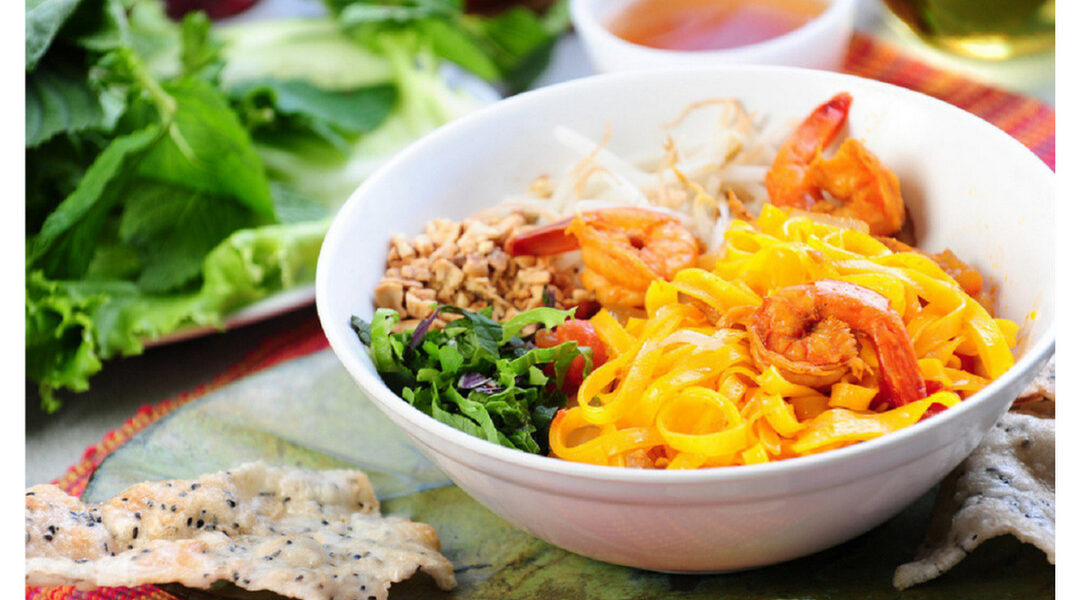
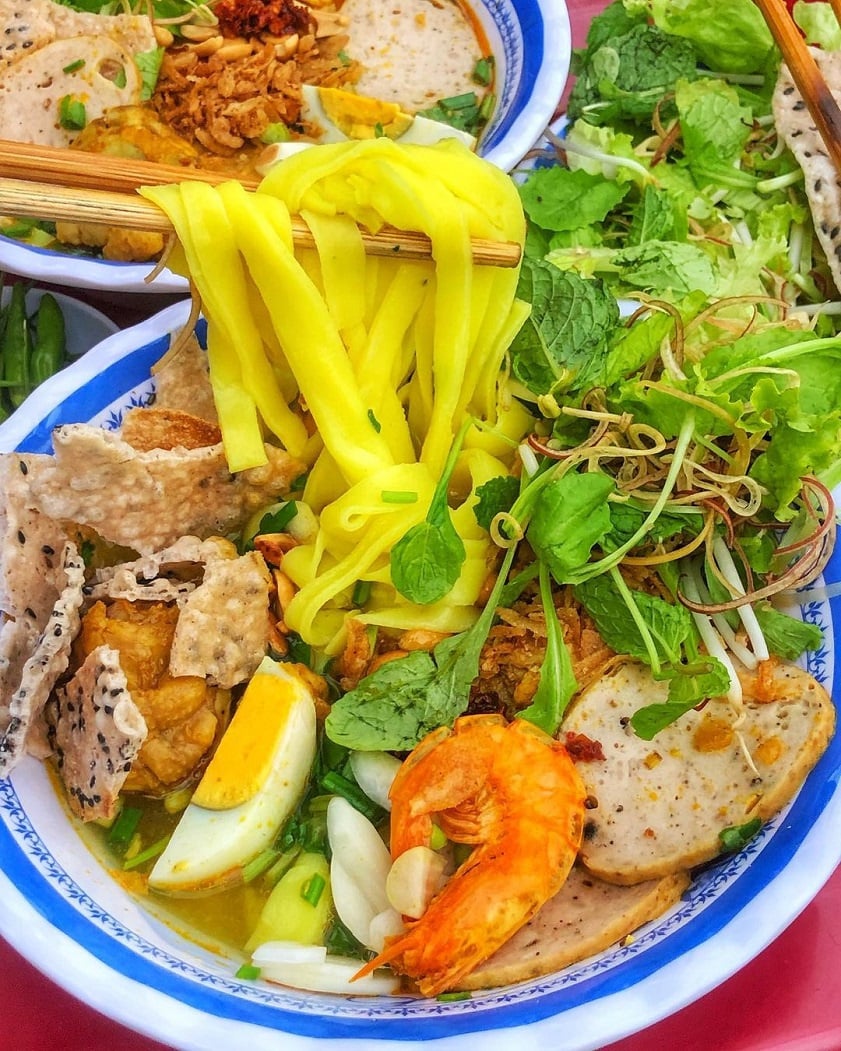
Mi quang in Da Nang
The Michelin Guide highlights that food has always been a vital part of travel, influencing how people engage with cultures and explore destinations worldwide. The expanding variety of restaurants reflects the significant role food plays in bridging the gap between travelers and locals, offering an immersive experience into a place’s history and traditions. Since the Michelin Guide’s arrival in Da Nang in June 2024, the city’s culinary scene has attracted growing attention from both local and international media and tourists.
Situated by the sea, Da Nang offers a vibrant culinary scene focused on fresh seafood like prawns, squid, clams, and snails. The city’s dining options range from casual street stalls to upscale restaurants, providing a variety of choices to suit every taste and budget, from budget-friendly meals to luxurious dining experiences.
In addition, Da Nang is situated close to the historic town of Hoi An, a UNESCO World Heritage Site, and the former imperial city of Hue, both famous for their rich architecture, culture, and cuisine.
At present, Da Nang boasts 36 restaurants and eateries listed in the Michelin Guide, including 16 Bib Gourmand selections (Michelin’s top-value recommendations) and one One-Star restaurant.
The Michelin Guide highlights “mi quang” and “bun cha ca” as essential dishes to try in Da Nang.
Mi Quang is a signature dish from central Vietnam, known for its flat rice noodles made from a combination of rice flour and yellow egg noodles.
Mi Quang
The dish is served with a light but flavorful broth and aromatic meat.It is typically accompanied by lime, chilli, and an assortment of fresh greens such as banana blossom, lettuce, coriander and spring onions.
Mi Quang offers different variations based on the main protein, including options like prawn and pork, chicken, or fish. It’s a versatile meal that can be enjoyed at any time of the day.
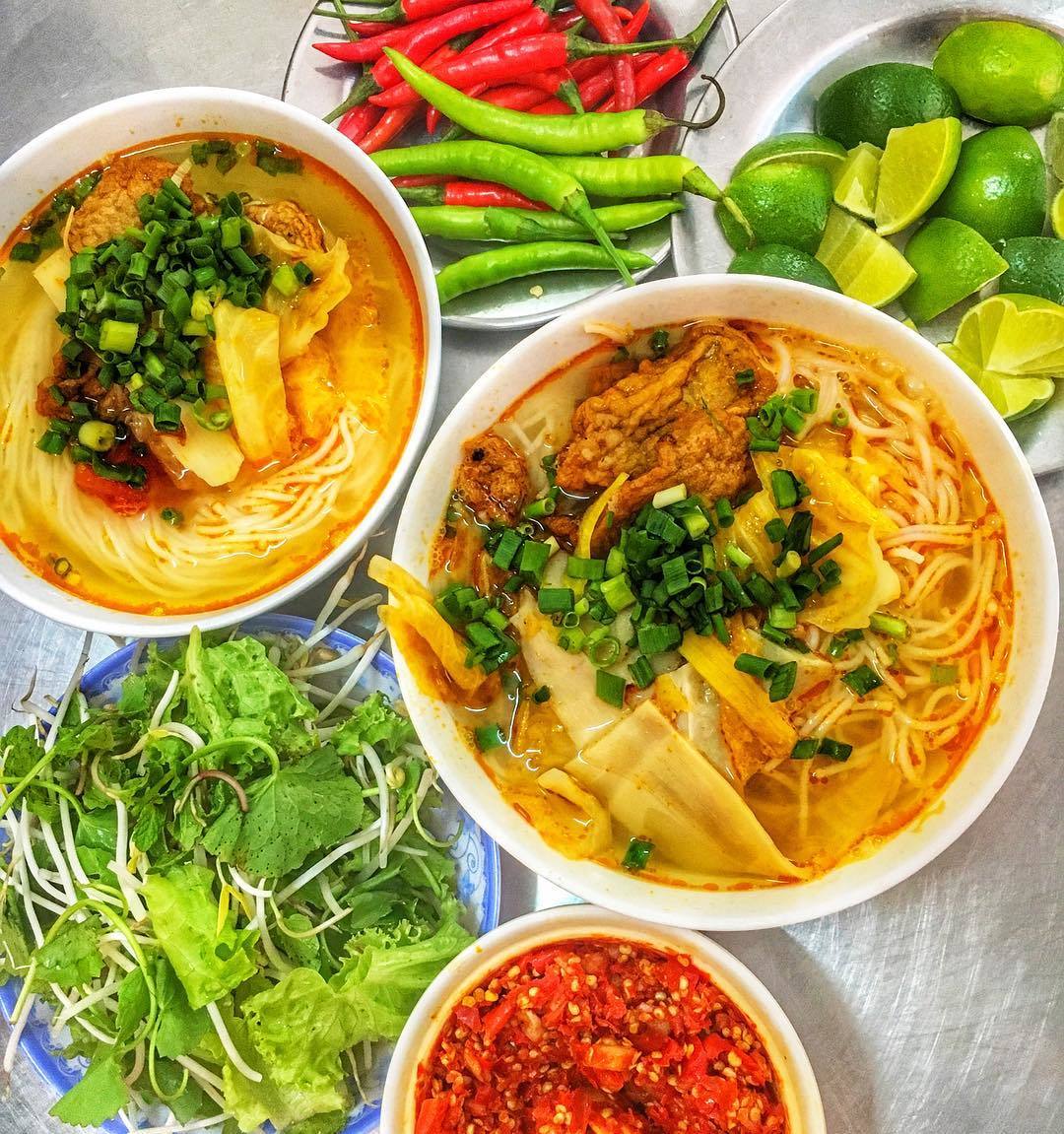
Meanwhile,bun cha ca is a flavorful noodle soup featuring a sweet and sour broth crafted from fish bones. Diners can opt for traditional fishcakes or add tuna or mackerel for a unique twist and variety.
Bun Cha Ca Da Nang
This dish can be found easily across Da Nang, with popular restaurants located along streets like Nguyen Chi Thanh and Le Hong Phong.
Da Nang’s addition to the esteemed Michelin Guide will help elevate the city’s culinary scene and introduce Vietnamese cuisine to food enthusiasts and culture seekers around the globe.
Earlier, the US-based travel site Travel Off Path named Da Nang and Hoi An among the top five most budget-friendly travel destinations in Asia for 2025.
Come and enjoy the delicious food of Da Nang in Vietnam on your next trip, and create unforgettable memories of Vietnam by securing your Vietnam visa at https://vietnamvisapro.com/ .As a trusted and reliable visa service, we are here to help turn your dream vacation into reality from the very first step.


 Hoi An becomes even more romantic at night with the Japanese Bridge elegantly spanning the Hoai River (Source: Collected).
 Be sure to visit Tan Ky Old House during your trip to Hoi An, Vietnam (Source: Collected).
 Quan Cong Temple showcases traditional Chinese architectural style (Source: Collected).
 The Hoi An night market draws numerous both local and international visitors (Source: Collected).
 Tra Que is a picturesque and historic farming village famous for its abundant, organic crops (Source: Collected).
 An Bang is considered one of the most beautiful beaches in Hoi An, Vietnam (Source: Collected).
 The Cham Islands are a fantastic destination for immersing yourself in nature (Source: Collected).
 My Son Sanctuary is one of the most breathtaking and impressive Cham complexes in Vietnam (Source: Collected).
 The Bay Mau Coconut Forest, a peaceful mangrove region located near Hoi An (Source: Collected).
 Kim Bong Village is famous for its exceptional traditional woodcrafts and detailed carvings (Source: Collected).
 Make sure to try Banh Mi Phuong at least once during your visit to Hoi An (Source: Collected).
 Quang noodles is a must-try dish when visiting Hoi An, Vietnam (Source: Collected).
 Savoring a bowl of Cao Lau is one of the top experiences in Hoi An, Vietnam (Source: Collected).
 Hoi An Chicken Rice is a beloved dish among visitors to Hoi An (Source: Collected).
 Banh dap Hoi An is a humble yet delicious dish (Source: Collected).
 Banh Xeo in Hoi An (Source: Collected)
 The Little Riverside Hoi An is situated along the peaceful Thu Bon River and quiet (Source: Collected).
 The Hoian Central Hotel on Nguyen Duy Hieu Street (Source: Collected).