Posted on

The Hung Kings Temple Festival is one of Vietnam’s biggest

In this article, we invite you to delve into the vibrant traditions, folklore, and customs that make the Hung King Temple Festival a beloved and memorable experience for both locals and visitors.

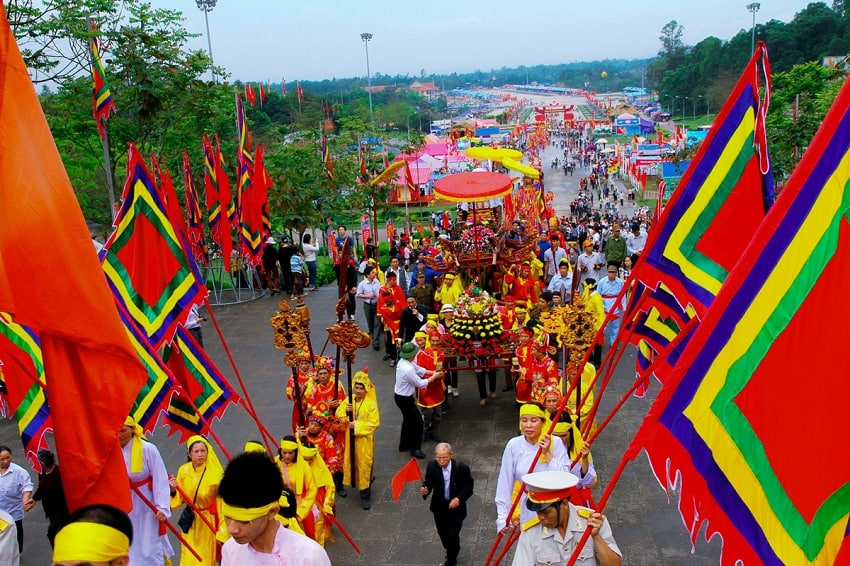
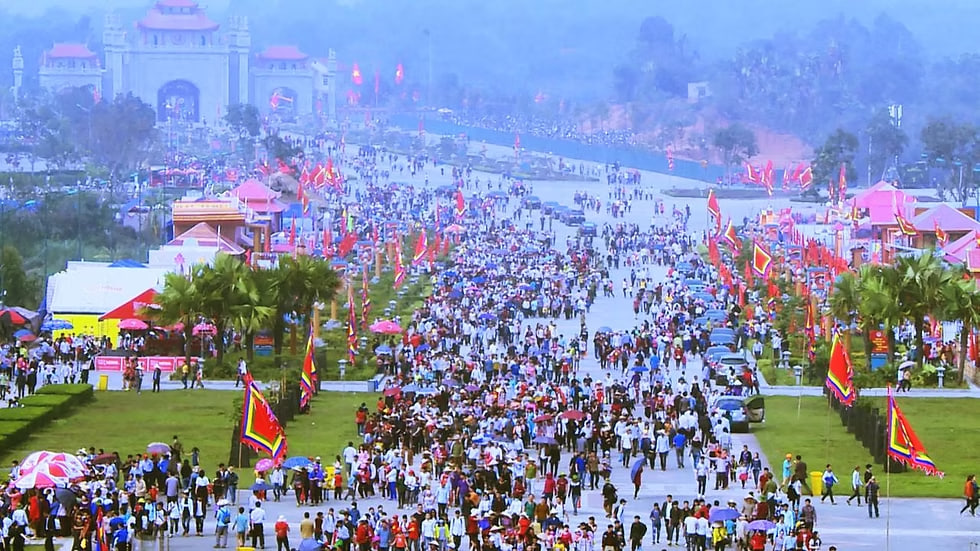
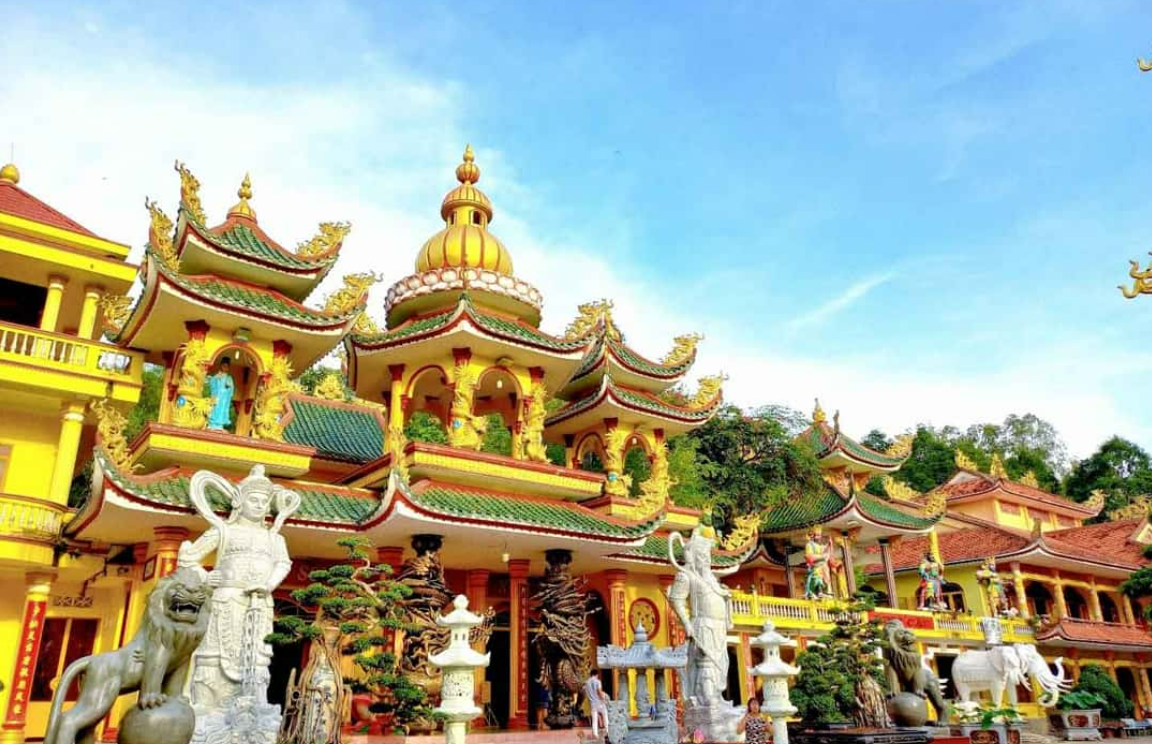
Hung King Festival is a national holiday in Vietnam (Source: Collected)

Among Vietnam’s most cherished celebrations is the Hung King Temple Festival, a long-standing event that holds deep historical significance. As a key experience in Vietnam’s cultural landscape, the festival honors the revered Hung Kings. Join us as we embark on an intriguing journey through history, exploring the rich traditions and spiritual importance of this treasured annual event.

1.An Overview of the Hung King Temple Festival

1.1. What is the Hung King festival?

The Hung King Temple Festival, also known as the Hung Kings’ Death Anniversary, is one of Vietnam’s most important and cherished celebrations. Held every year on the 10th day of the third lunar month, the festival honors the legendary Hung Kings, regarded as the ancient ancestors and founders of the Vietnamese nation. This deeply meaningful event carries great spiritual significance for the Vietnamese people, as it commemorates the Hung Kings’ contributions and sacrifices in shaping the nation’s identity and civilization.

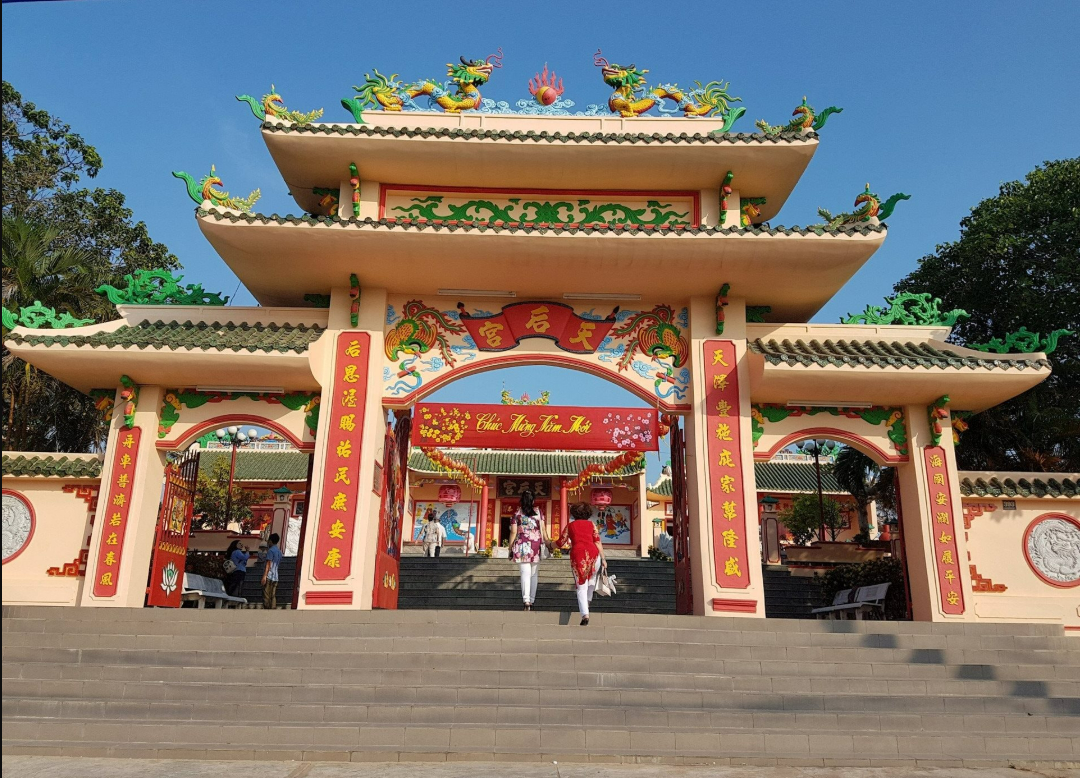
The Hung King Temple Festival has become a public holiday since 2007 (Source: Collected)

1.2. History of Hung King Temple Festival

The origins of Hung King Temple Festival are steeped in ancient legend, tracing back thousands of years to the era of the mythical Lac Long Quan. Known for his incredible strength  and affinity for water, Lac Long Quan governed the Lac-Viet tribe and laid the foundation for what would become Vietnam. The turning point came when De Lai, king of a northern tribe, visited the south with his daughter Au Co. Admiring Lac Long Quan’s talents, De Lai arranged for his daughter to marry the legendary king.

Au Co became pregnant and gave birth to a remarkable membranous sac containing one hundred eggs. To everyone’s amazement, each egg hatched into a beautiful baby, all of whom became the ancestors of Vietnam, known as the “Dragon and Fairy descendants.” The eldest son of Lac Long Quan and Au Co, King Hung I, established his kingdom in Phong Chau, now part of Phu Tho Province, and became the first of the 18 Hung Kings who ruled the land from 2879 to 258 BC.

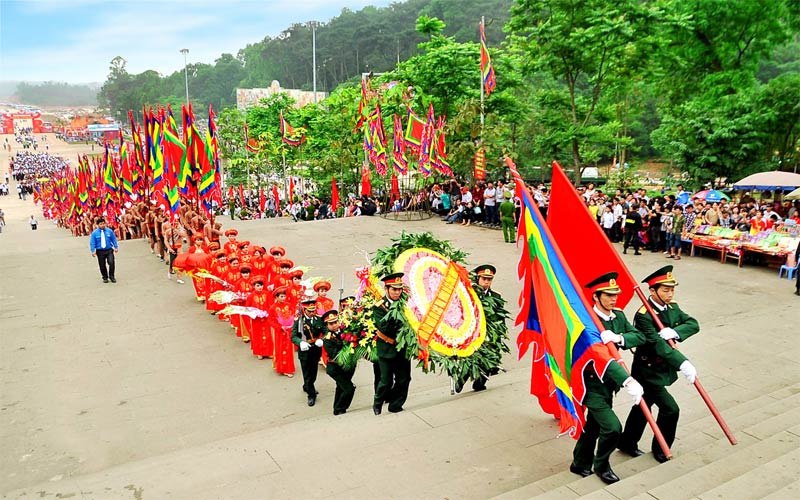
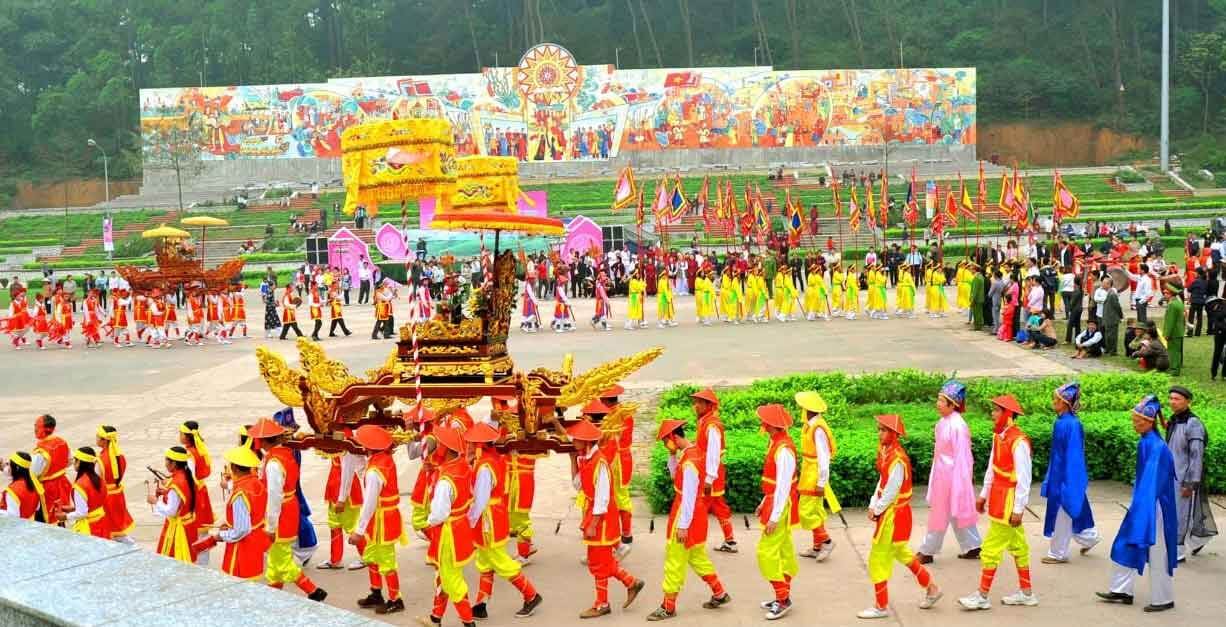
Hung King Temple Festival became one of the greatest national holidays (Source: Collected)

The reign of the Hung Kings represents a remarkable and illustrious chapter in Vietnam’s history, laying the foundation for its sovereignty. Over their 18 generations of leadership, they nurtured the nation’s fundamental values, promoting a deep sense of unity, mutual respect, patriotism, and determination in the face of adversity.

1.3. Where and when does the Hung King Temple Festival take place?

  • Time: Hung temple festival takes place annually from the 8th to the 11th day of the third lunar month. The highlight of the festival falls on the 10th day of the third lunar month, which has been designated as one of the national Vietnam holidays by the Vietnamese National Assembly to honor the anniversary of Hung King’s death.
  • Location: The main ceremony is held at the Hung Temple, situated on Nghia Linh Mountain in Hy Cuong Commune, Viet Tri City, Phu Tho Province, approximately 90 kilometers northwest of Hanoi.
The Hung King Temple Festival in Phu Tho province (Source: Collected)

There are various ways to travel to the revered Hung Temple and join in the celebrations. For those prioritizing convenience and comfort, traveling by car is the most popular option. Visitors can hire a private car or take a taxi from Hanoi to Phu Tho Province, with the journey typically taking around 2 to 3 hours, depending on traffic.

Motorbikes, on the other hand, provide a more adventurous way to travel. Both locals and thrill-seeking travelers often choose to ride their motorbikes to Phu Tho Province, relishing the beautiful landscapes and the freedom of the open road. However, it’s important to follow traffic rules and regulations to ensure a safe trip. For those who prefer public transportation, buses run from Hanoi to Phu Tho Province. While the bus ride may take a bit longer, it’s a more affordable choice for those on a budget.

2.What to discover at the Hung Kings Temple Festival?

2.1. Religious rituals

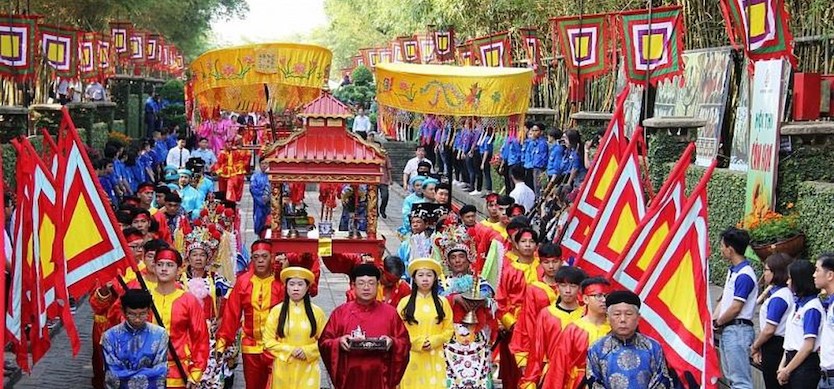
Hung temple festival offers a plethora of cultural treasures to explore, with religious rituals standing at the heart of the celebration. Central to the festival are the solemn and elaborate religious ceremonies conducted by Buddhist monks and dignitaries, paying homage to the revered Hung Kings and their contributions to the nation’s history. These rituals reflect the deep-rooted spiritual beliefs and reverence for the ancestors, fostering a sense of unity and identity among the attendees.

The religious ceremony at Hung King Temple Festival (Source: Collected)

2.2. Cultural activities

Colorful and graceful, these performances highlight traditional Vietnamese dance, music, and folk songs, telling stories of the nation’s history and legends. The dances, often paired with the rhythmic sounds of traditional instruments, capture the grace and beauty that define Vietnamese culture.

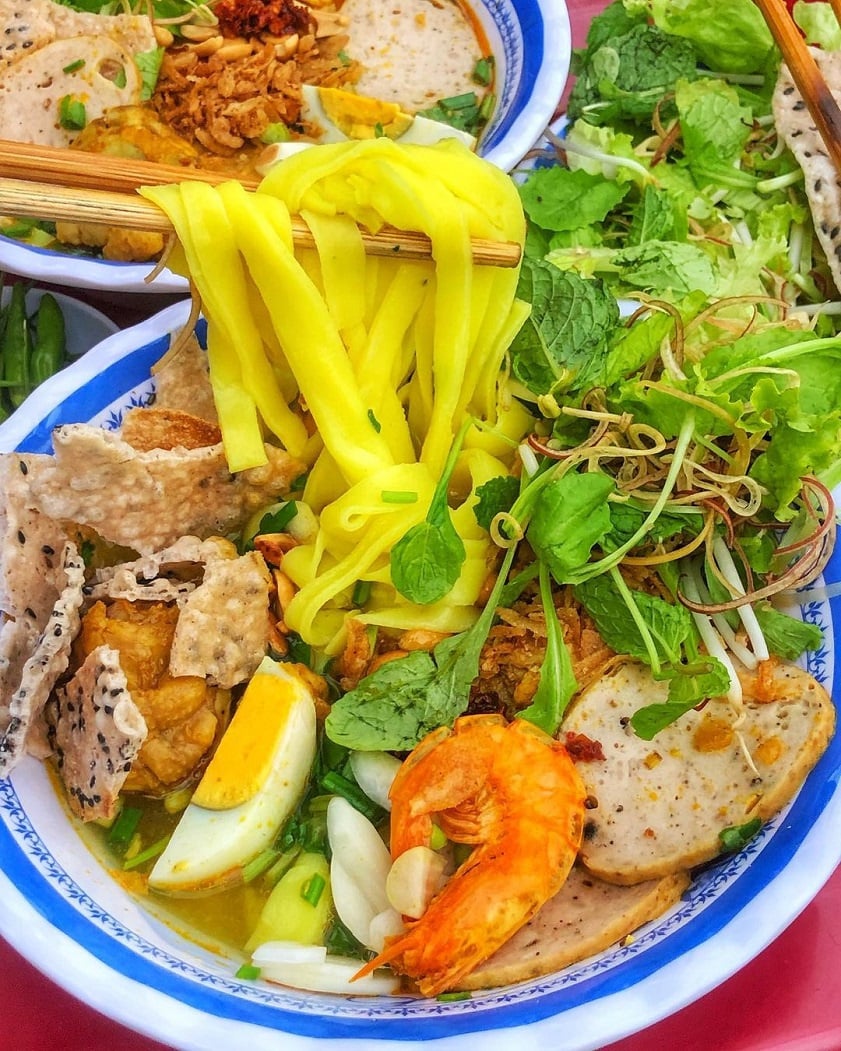
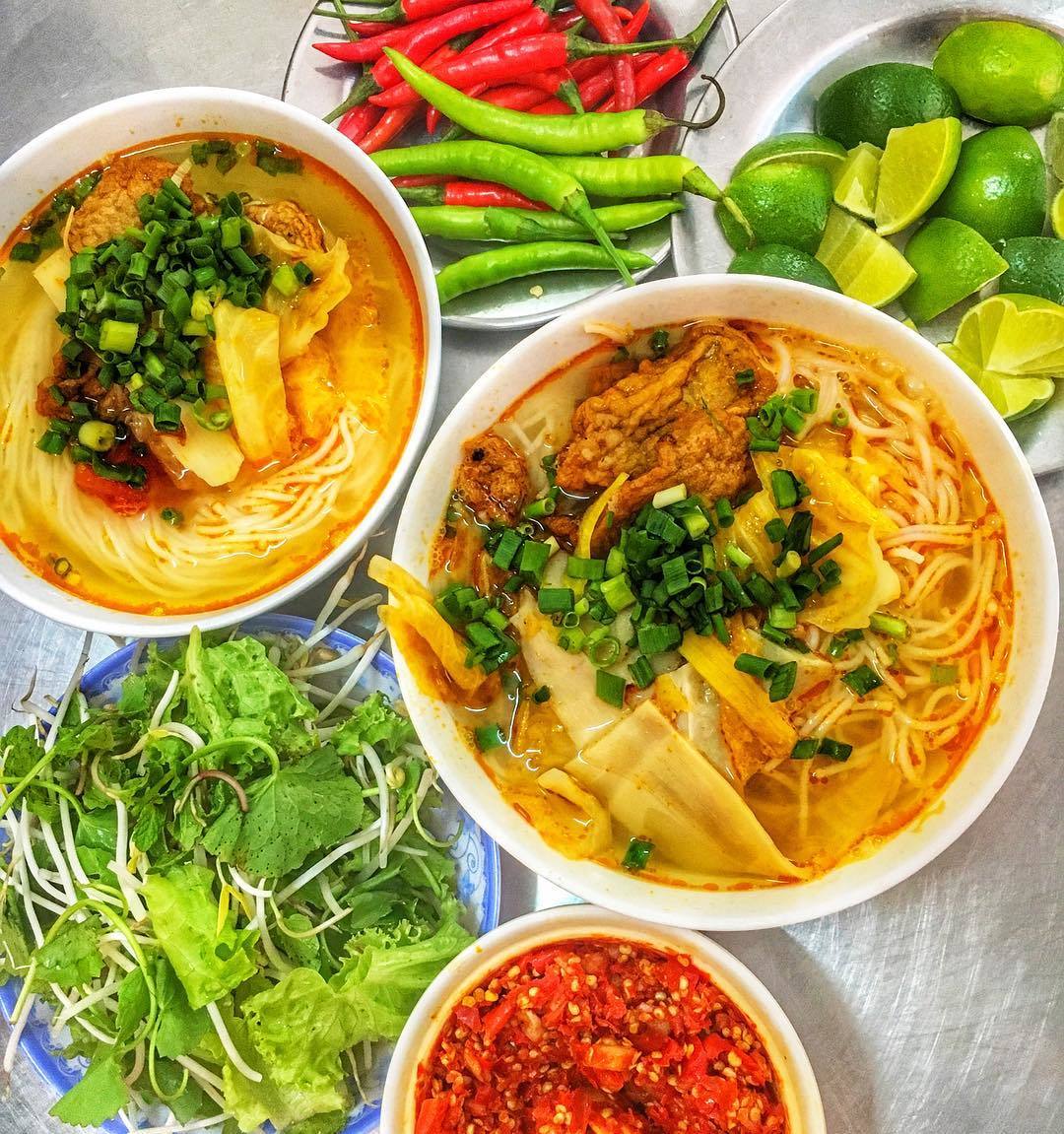
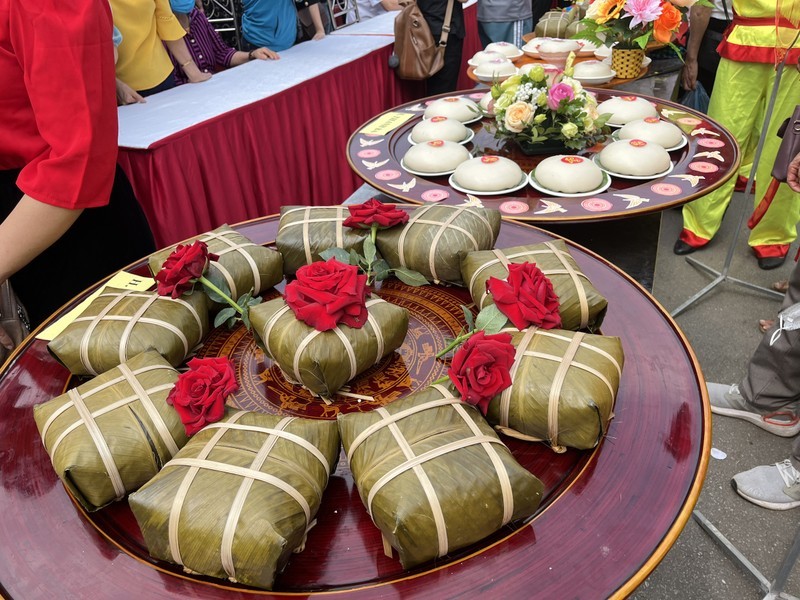
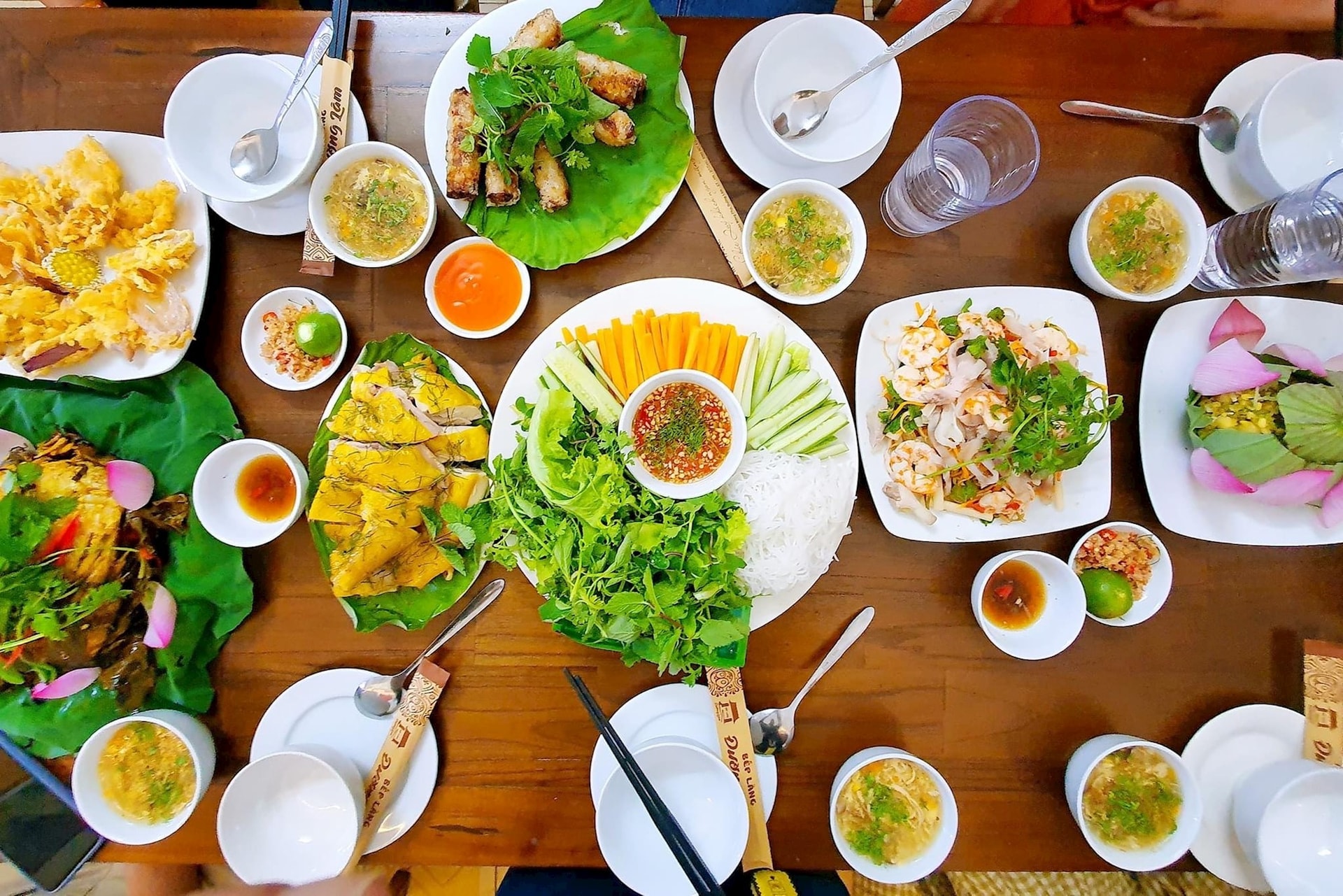
The festival also provides a fantastic chance for visitors to savor authentic Vietnamese cuisine. A wide range of food stalls and local vendors showcase an enticing selection of traditional dishes, each highlighting the distinct flavors and regional specialties of Vietnam. From savory pho to the iconic Chung cake and Giay cake, the diverse array of Vietnamese foods at the festival offers a delicious treat for the senses, turning it into a truly enjoyable culinary journey.

Chung cake and Giay cake are a must-have traditional Vietnamese food during Hung King Temple Festival (Source: Collected)

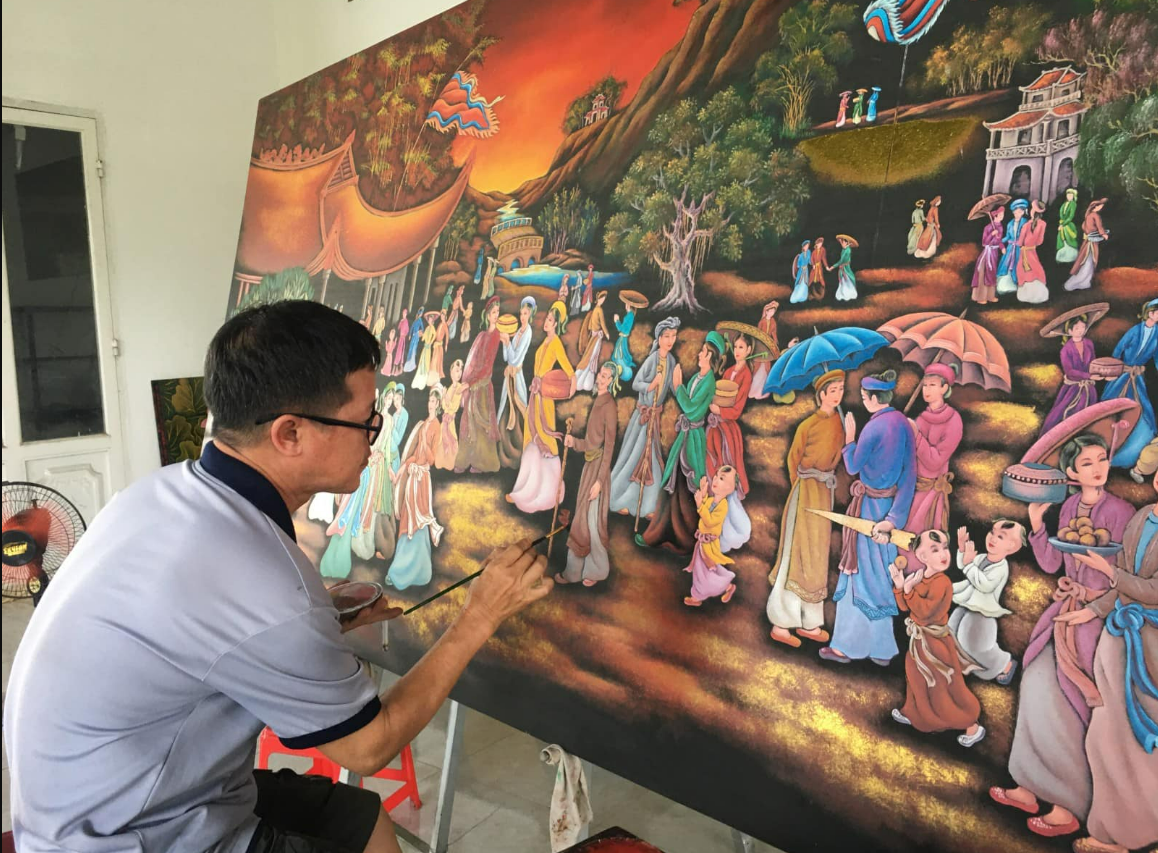
Throughout the festival grounds, attendees can discover a variety of cultural exhibitions and handmade craft displays. Artisans from various regions of Vietnam present their expertise, showcasing traditional techniques in pottery, embroidery, and other native crafts.

3 .Helpful Tips for Participating in the Hung King Festival in Vietnam

By applying these helpful tips, you can fully immerse yourself in the Hung King Temple Festival, embracing both its cultural richness and spiritual significance.

  • Dress modestly and respectfully: Choose clothing that covers your shoulders and knees, and wear comfortable attire suitable for walking and standing throughout the event.
  • Embrace the Culture: Dive into the rich Vietnamese traditions by taking part in cultural activities and ceremonies. Engage in incense and food offerings to connect with the festival’s spiritual significance.
  • Respect Photography Guidelines: Some areas may have restrictions on photography, especially during religious ceremonies, so be mindful of the rules.
  • Be Prepared for Crowds: As a national festival, expect large crowds, particularly during peak times. Stay patient and courteous as you move through the busy festival grounds.
Ha Long Bay, a UNESCO heritage (Source: Collected)

Besides Hung King Temple Festival, be sure to explore Vietnam’s top destinations, each showcasing the country’s diverse beauty and charm. Discover the vibrant capital city of Hanoi, steeped in history and culture; unwind on the pristine beaches of Phu Quoc and Nha Trang, perfect for relaxation and water sports; and wander through the picturesque ancient town of Hoi An, famous for its well-preserved architecture and handcrafted goods. Experience the modern allure of Da Nang with its striking bridges and lively markets, and take a breathtaking cruise through the iconic Ha Long Bay, with its limestone peaks and emerald waters. Each of these exceptional spots offers a unique glimpse into Vietnam’s landscapes, traditions, and people, complementing the captivating celebration of the Hung King Temple Festival.

The Hung King Temple Festival is a beloved and historic celebration that is deeply intertwined with Vietnam’s cultural heritage. From the awe-inspiring religious ceremonies that radiate spiritual significance to the lively cultural events that highlight the core of Vietnam’s traditions, the festival presents a rich array of experiences. As both visitors and locals immerse themselves in this captivating event, they witness the lasting legacy of the Hung King Temple Festival, which stands as a powerful reminder of the strong connection between the people, their ancestors, and the nation’s cherished history.

Come and experience Hung King Temple in Phu Tho,Vietnam on your next trip, and create unforgettable memories when in by securing your Vietnam visa at https://vietnamvisapro.com/. As a trusted and reliable visa service, we are here to help turn your dream vacation into reality from the very first step.

Posted on

A Heritage Train Route Connecting Hue and Da Nang

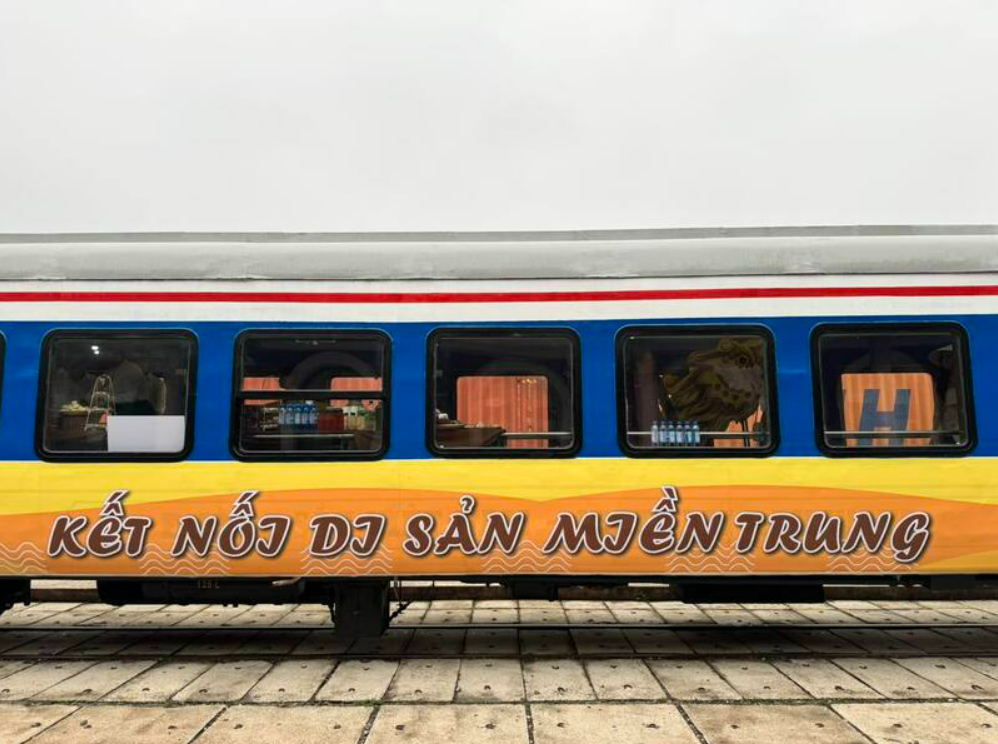
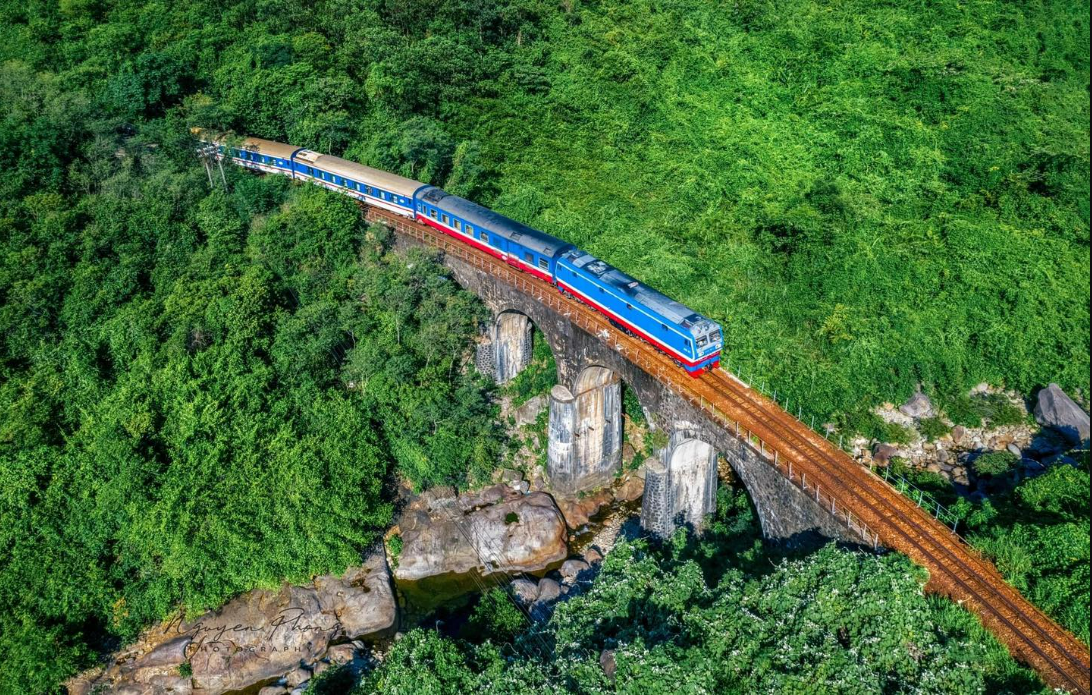
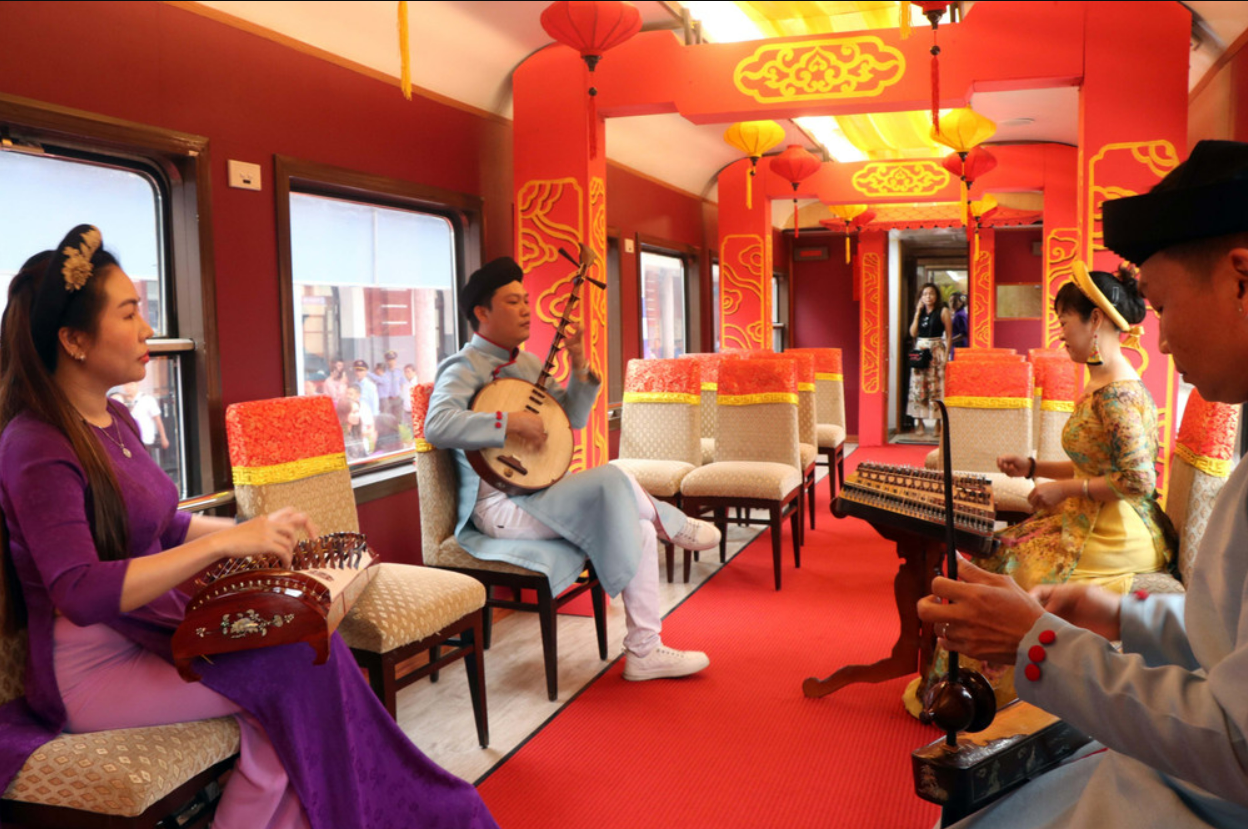
A new train route, dubbed the “Central heritage Connection,” has begun service between Hue and Da Nang. This exciting collaboration between the People’s Committees of Thua Thien hue Province and Da Nang City, along with Vietnam Railways Corporation, offers tourists a unique way to explore the scenic journey between these two captivating cities.

>>> Apply Visa to Vietnam <<<

>>> Order Fast Track Service <<<

At the launch held at Huế Station, General Director of the Vietnam Railways Corporation Đặng Sỹ Mạnh said the route is part of the efforts by Thừa Thiên-Huế and Đà Nẵng to enhance their connectivity and promote tourism. It is a new product that combines transportation and tourism services, promising new and interesting experiences of history, culture, and heritage for passengers.

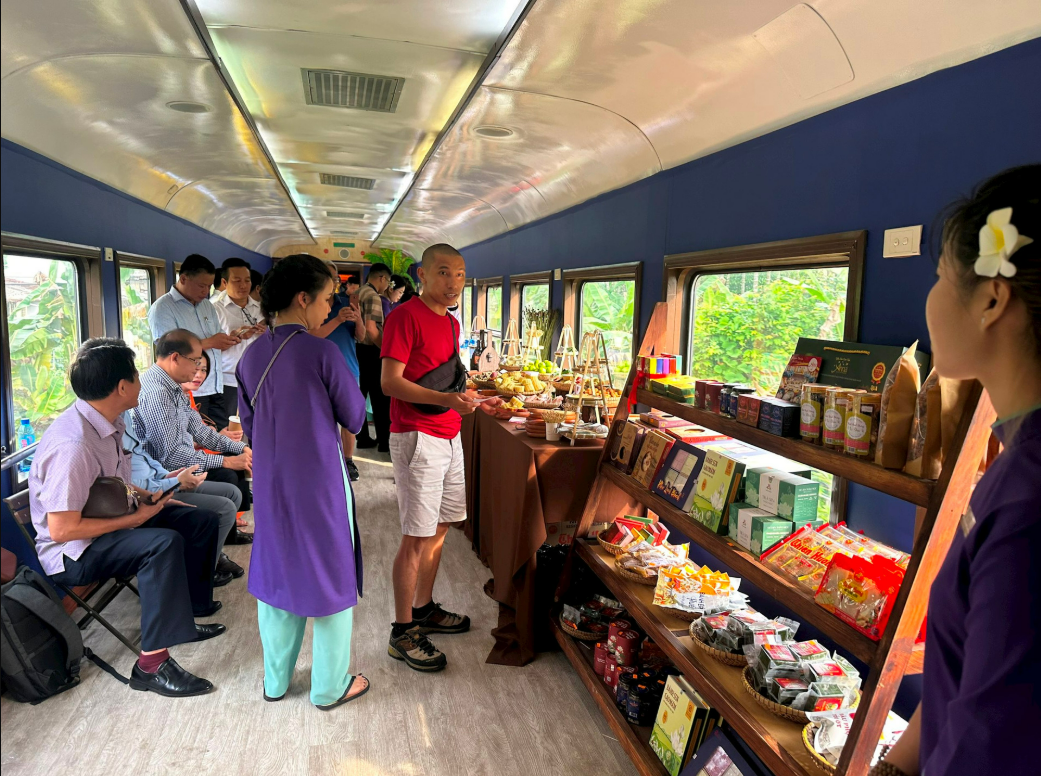
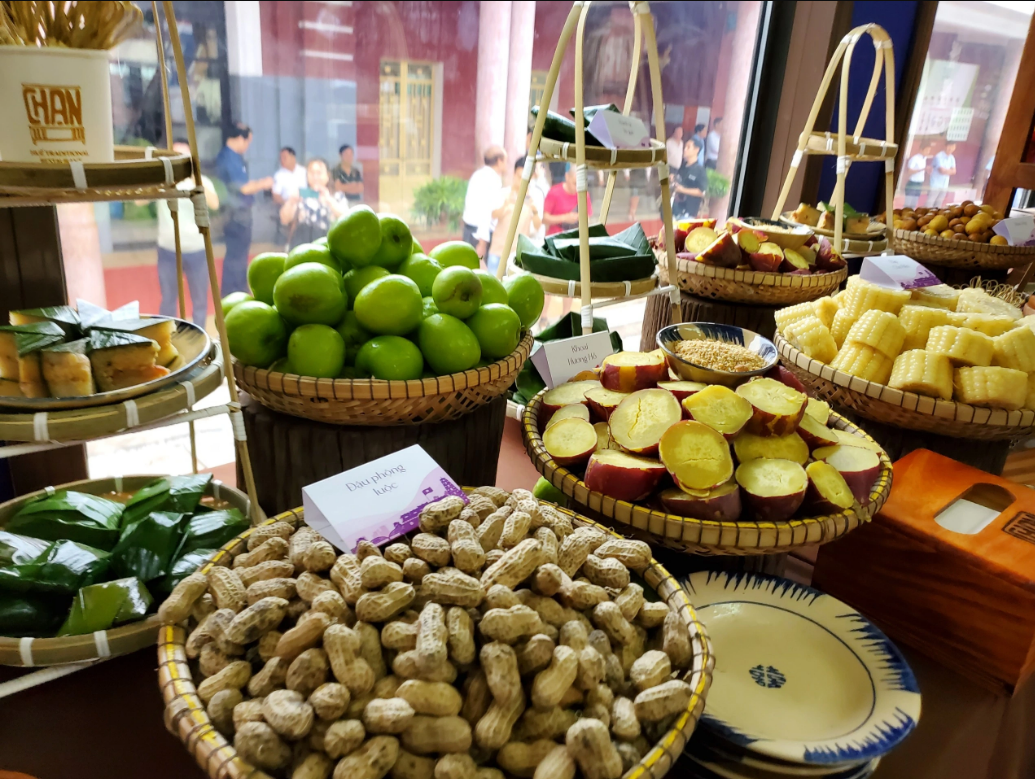
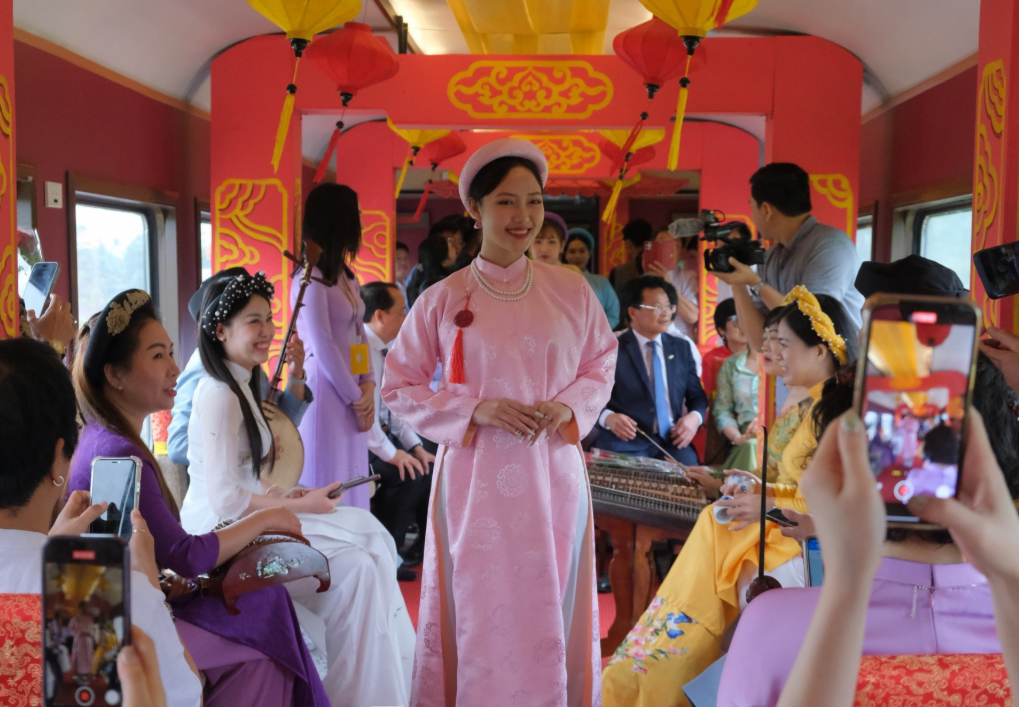
Boasting five modern, air-conditioned soft-eat coaches and a communal activities carriage, the train has quickly become a hit with travelers. Passengers are treated to both the culinary specialties of Hue and Da Nang and vibrant cultural and artistic performances by local artists. Additionally, VIP lounges at both Da Nang and Hue stations ensure passenger convenience.

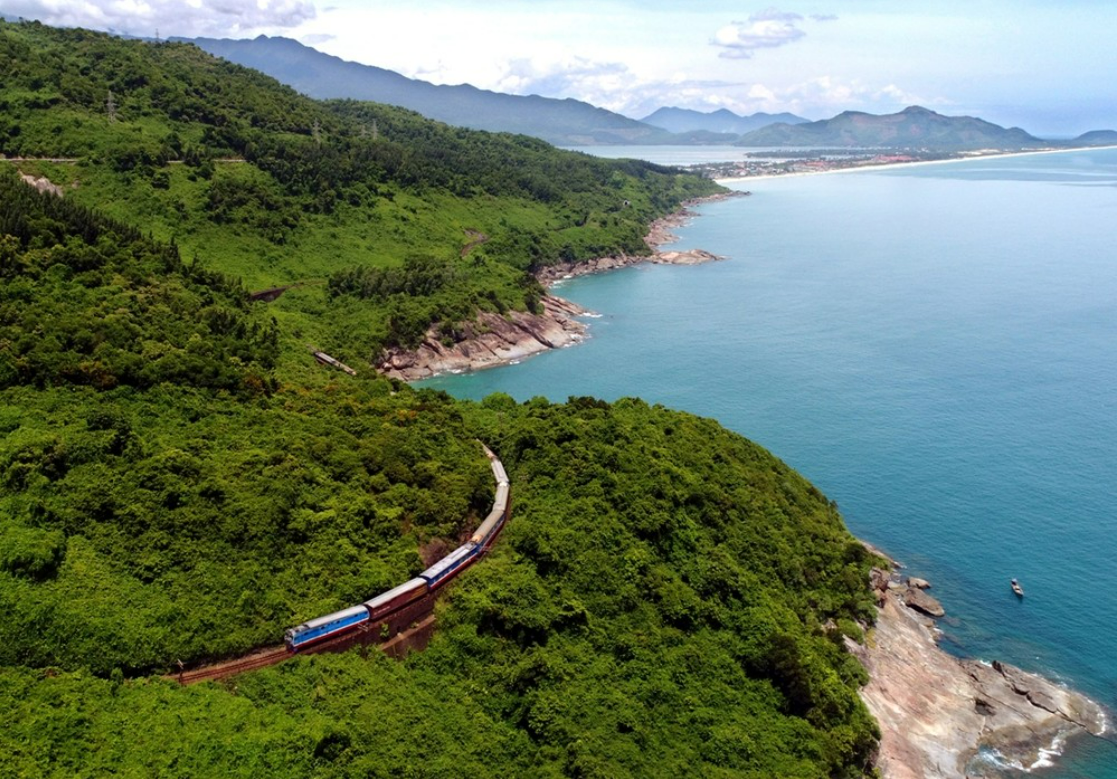
During the about three hours of this train journey, tourists can admire the magnificent natural beauty along Hải Vân Pass, dubbed thiên hạ đệ nhất hùng quan (the world’s most marvelous wonder) and also among the 10 most beautiful drives in the world as selected by renowned US magazine Travel Leisure, with one side being Trường Sơn Mountain Range and the other the sea before reaching Đà Nẵng, which boasts one of the six most beautiful beaches on the planet. With two daily departures from each station, one in the morning and one in the afternoon, tourists can experience both sunrise and sunset over Lang Co Bay, one of the world’s most beautiful bays.

The journey doesn’t end at the station. Convenient bike rental systems with QR code scanning are available outside both Da Nang and Hue stations, allowing tourists to easily explore local attractions at their own pace. Thua Thien Hue Province further sweetens the deal with discounted entry to its tourist sites for train ticket holders (valid for one visit per ticket).

On the way back, from Đà Nẵng to Huế, they can set foot in the former capital of Huế, home to various heritage sites.

The train also equipped with wi-fi to ensure better experiences for passengers.

The launch of the “Central Heritage Connection” signifies a major step forward in regional tourism, spearheaded by the People’s Committees of Hue and Da Nang. This innovative train service marks the beginning of Vietnam Railways’ vision of seamlessly integrating transportation with tourism development. More than just enhancing connectivity between Hue and Da Nang, the route offers a unique and enriching experience for both domestic and international visitors exploring these historically rich and vibrant cities

DEPARTURE TIMES FOR THE “CENTRAL HERITAGE CONNECTION” TRAIN:
From HueFrom Da Nang
– Train HD1 departs Hue Station at 7:45am and arrives at Da Nang Station at 10:35am.– Train HD2 departs Da Nang Station at 7:50am and arrives at Hue Station at 11:05am.
– Train HD3 departs Hue Station at 2:25pm and arrives at Da Nang Station at 5:40pm.– Train hd4 departs da Nang station at 3:00pm and arrives at Hue Station at 5:45pm.
The fare is 150,000 dong (6 US dollars), and monthly tickets are 900,000 dong (36 US dollars).

 Apply For Vietnam Visaapply Vietnam visaApply visa vietnamBook E-visa Vietnambook visa vietnamCheap Vietnam VisaE-visa Vietnamevisa VietnamEvisa Vietnam onlineexpedited e-visaexpedited E-visa to Vietnamexpedited Vietnam E-visaGet a Vietnam visaGet Vietnam Visaget vietnam visa onlineget visa to vietnamget visa Vietnammultiple entry visamy vietnam visaOrder Vietnam E-Visaquick vietnam evisarush vietnam visaUrgent Vietnam VisaVietnamVietnam E-visaVietnam EvisaVietnam touristVietnam travelVietnam vacationVietnam VisaVietnam visa costVietnam Visa ExemptionVietnam Visa for India citizensVietnam Visa For IndiansVietnam Visa for South Africa citizensVietnam Visa In IndiaVietnam visa in South AfricaVIetnam VIsa on arrivalVietnam VIsa onlineVietnam visa provisa for vietnam Visa On Arrivalvisa onlineVisa to VietnamVisa Vietnam

Posted on

Exploring Binh Duong – a historical and cultural city.

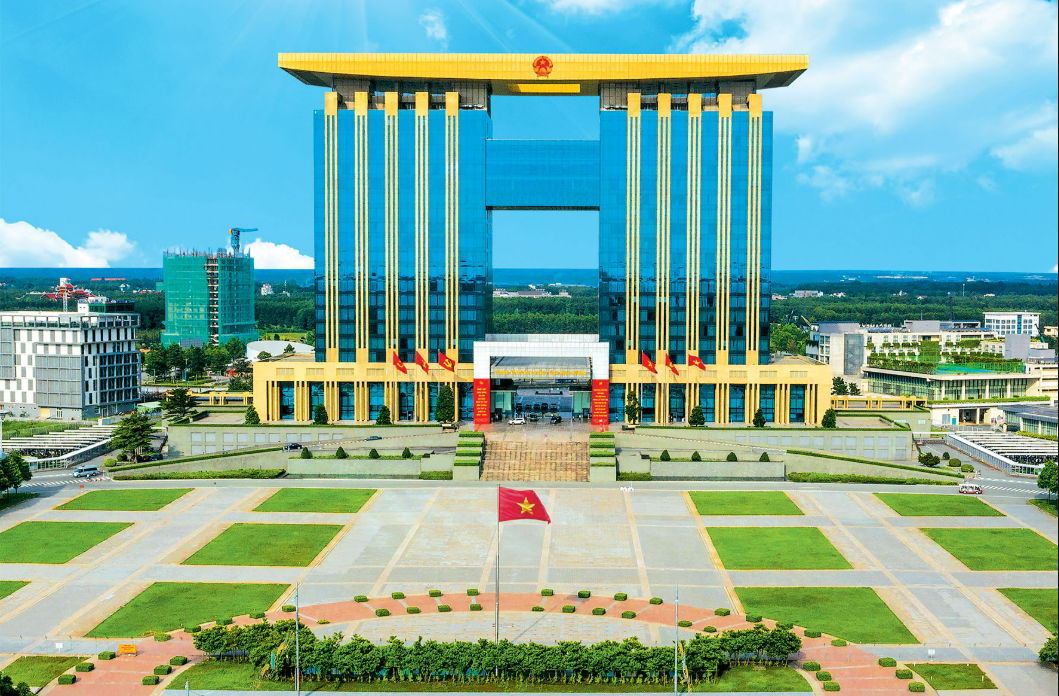
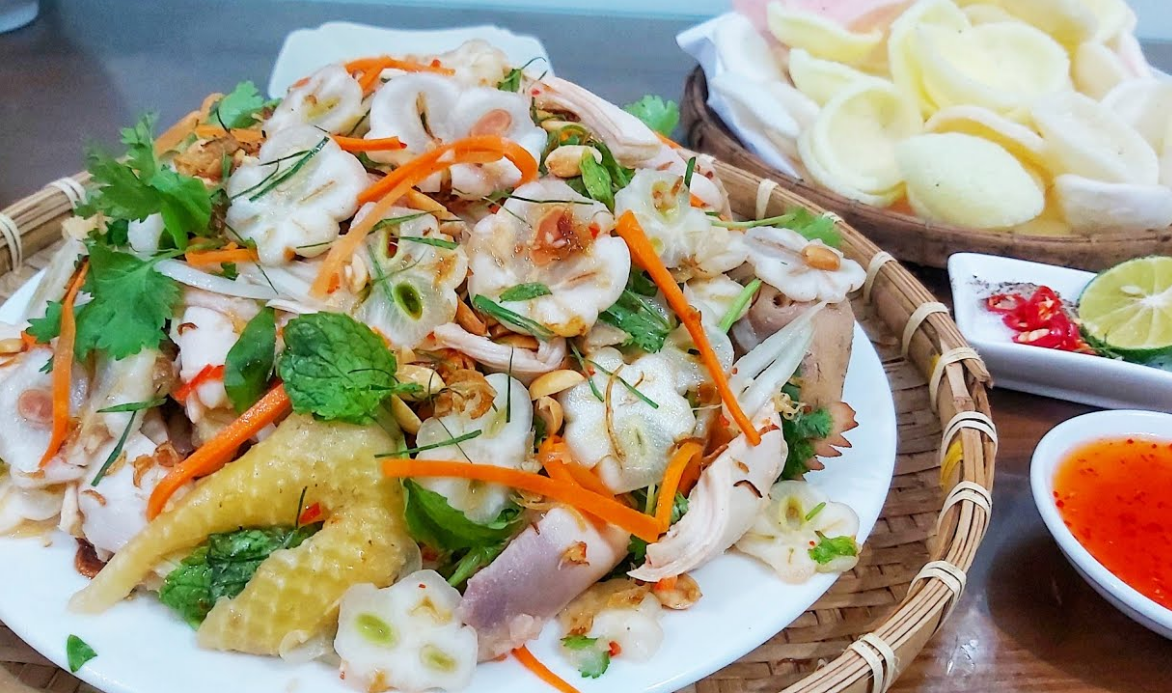
Binh Duong Province, a satellite of Ho Chi Minh City, encompasses historic destinations and fruit orchards, showcasing specialties such as mangosteen chicken salad amidst ongoing urban development.

The central city of Binh Duong is Thu Dau Mot, located approximately 30 kilometers from Ho Chi Minh City.

>>> Apply Visa to Vietnam <<<

>>> Order Fast Track Service <<<

Binh Duong has a climate that allows visitors to travel year-round. The best time to visit Binh Duong falls around January, marked by clear skies as the rainy season ends.

April is an ideal time for outdoor activities such as picnics and camping. Moving into the months from May to August, Binh Duong transitions into its fruit harvest season. This season offers an opportunity for visitors to pick and take home a variety of fruits as gifts.

WHERE TO VISIT

Within a 40-kilometer radius from the center of Thu Dau Mot City, Binh Duong offers several places for tourists to explore.

Dai Nam Park

The Dai Nam Park, in Hiep An Ward, Thu Dau Mot City, stands out as one of Southeast Asia’s largest tourist areas, covering approximately 260 hectares.

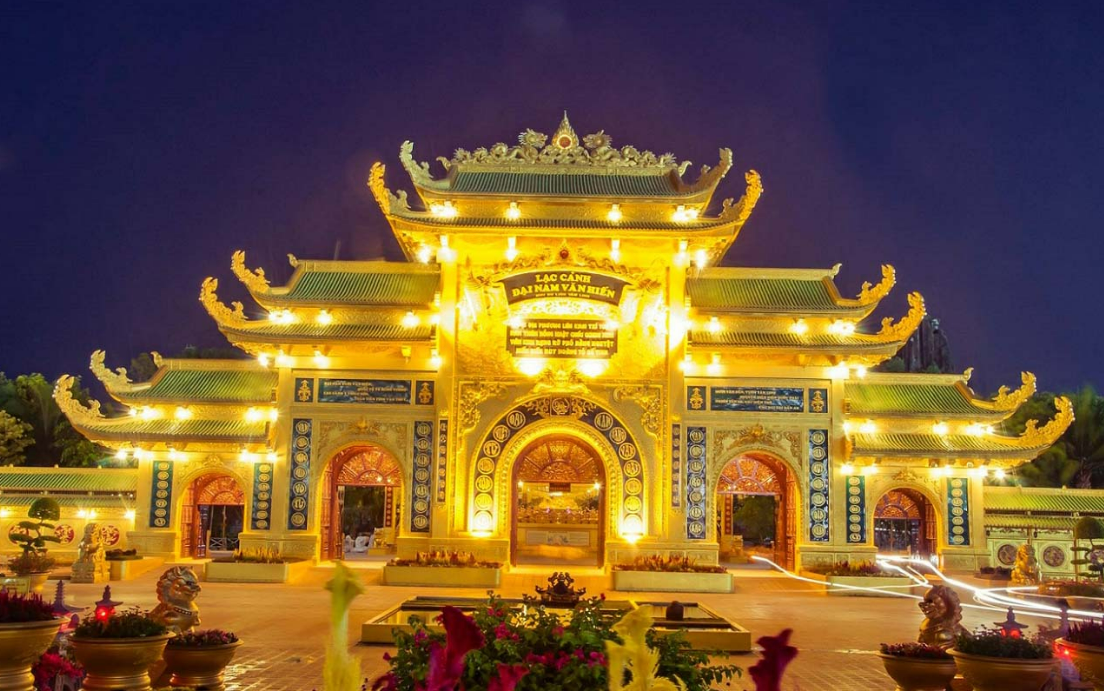
Offering panoramic views of mountains, rivers, and lakes, Dai Nam features various entertainment services such as the Kim Dien – Golden Temple, Dai Nam Beach, an amusement park, an “open” zoo, and the Dai Nam racetrack.

The area operates daily from 8 a.m. to 5 p.m.

Hoi Khanh Pagoda

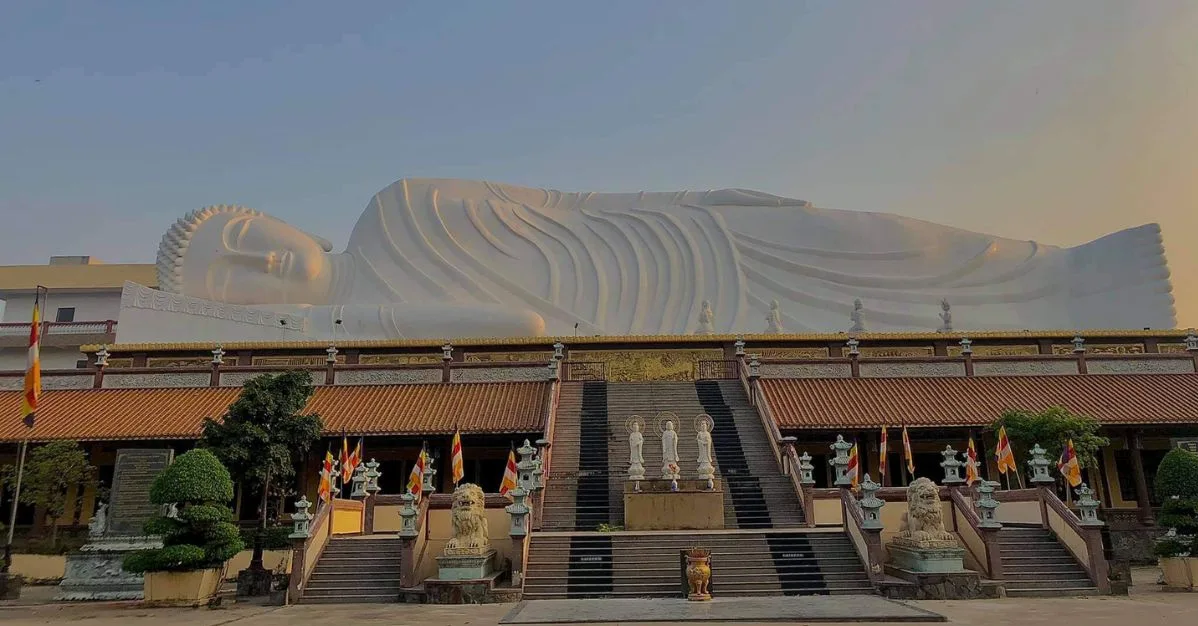
Built in 1741 in Thu Dau Mot City, the Hoi Khanh Pagoda stands as an ancient temple with significant cultural and historical value. Recognized by the Asian Records Organization, it houses the longest resting Buddha statue in Asia.

The pagoda preserves several relics and antiques for hundreds of years. Additionally, it holds historical significance, being associated with the activities of Nguyen Sinh Sac, the father of President Ho Chi Minh. From 1923 to 1926, Sac, along with two others, established the Patriotic Honor Society at this site.

Kawazo Phu Thinh ecotourism area

The ecotourism area provides a temporary escape from the city’s hustle and bustle. Upon visiting, you’ll discover a tranquil miniature countryside featuring green gardens and fish ponds. Visitors can participate in activities, such as catching fish in the pond, enjoying zipline games, or paddling on the lake using standup paddle boarding.

Phu Cuong Cathedral

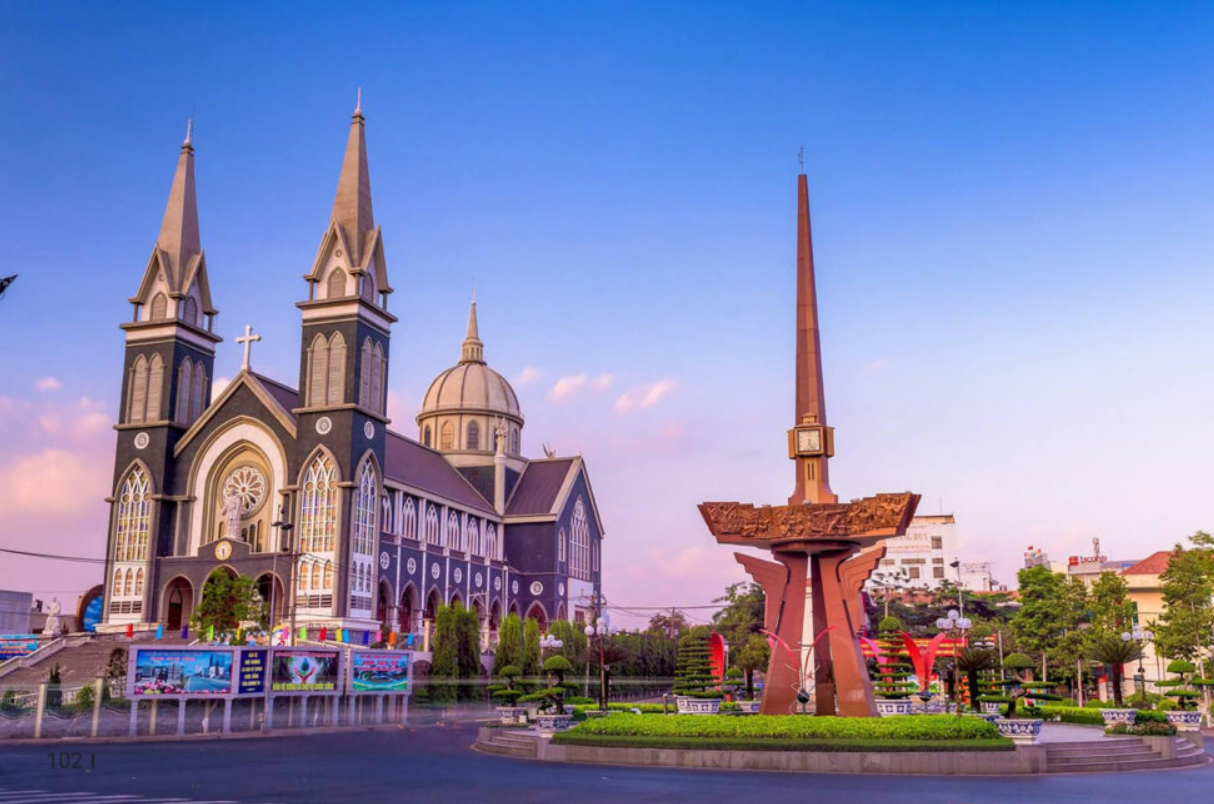
The Phu Cuong Cathedral, also known as Diocese of Phu Cuong Diocese, dates back to 1864 and boasts Gothic architecture crafted from brick. The architectural marvel combines typical Catholic church features, such as a dome, pointed roof, and arched windows, drawing parallels to the My Tho Cathedral.

Phu An Bamboo Village

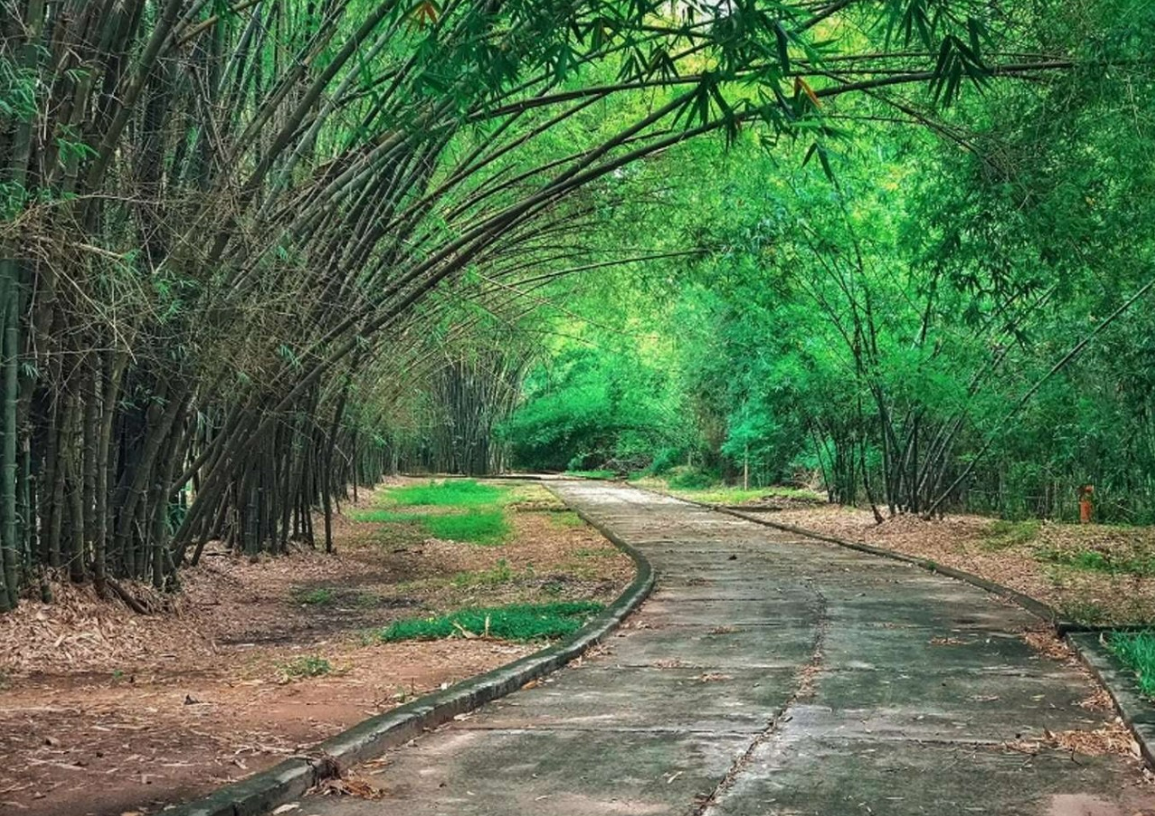
The Phu An Bamboo Village is nestled in the heart of the first bamboo ecosystem conservation area in Vietnam. The village is home to approximately 1,500 bamboo bushes, featuring a diverse collection of 17 bamboo varieties, accounting for 90% of Vietnam’s bamboo varieties, including rare species.

Phu An was honored with the Equator Award from the United Nations Development Program (UNDP) in 2010 for its commitment to biodiversity protection, community development, and climate change response.

In 2016, it earned membership in the Association of Botanical Gardens in the French-speaking region of the world.

Dai Hung Pottery Village

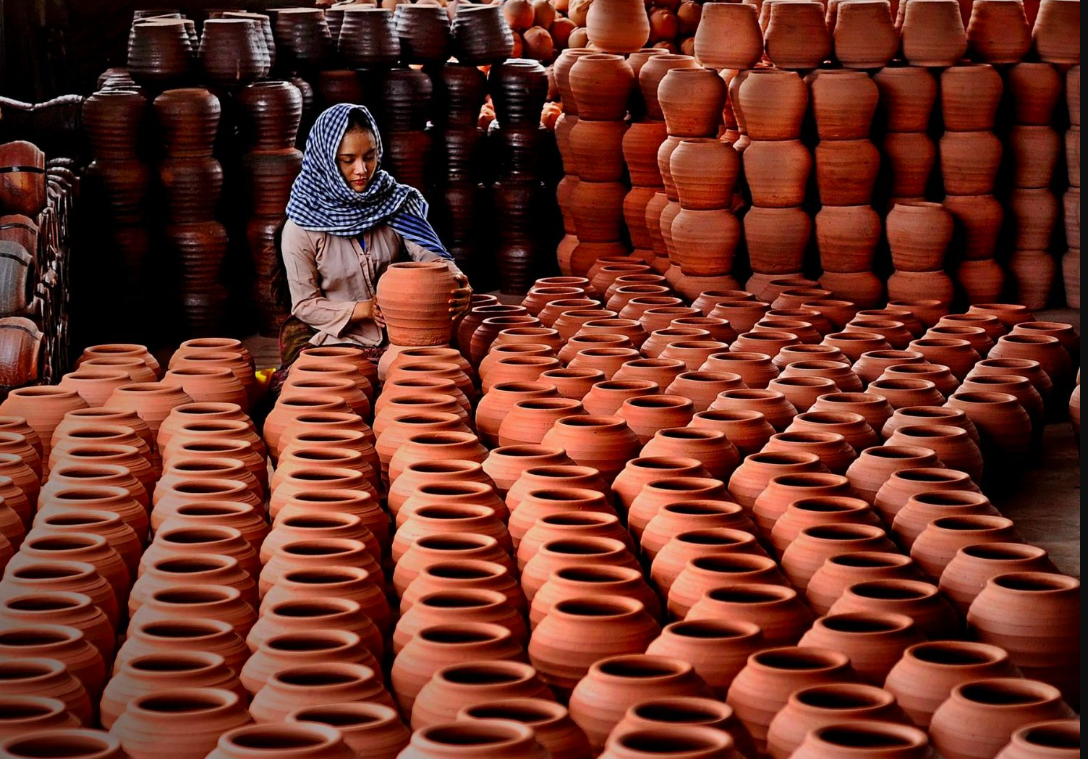
The Dai Hung Pottery Village, in Hamlet 1, Tuong Binh Hiep Commune, Thu Dau Mot City, is approximately 3 kilometers north of the city center. This pottery kiln has a history of 150 years, spanning nearly 11,000 m2, it stands as the largest handmade ceramic production facility in Binh Duong.

Truc Lam Thanh Nguyen Monastery

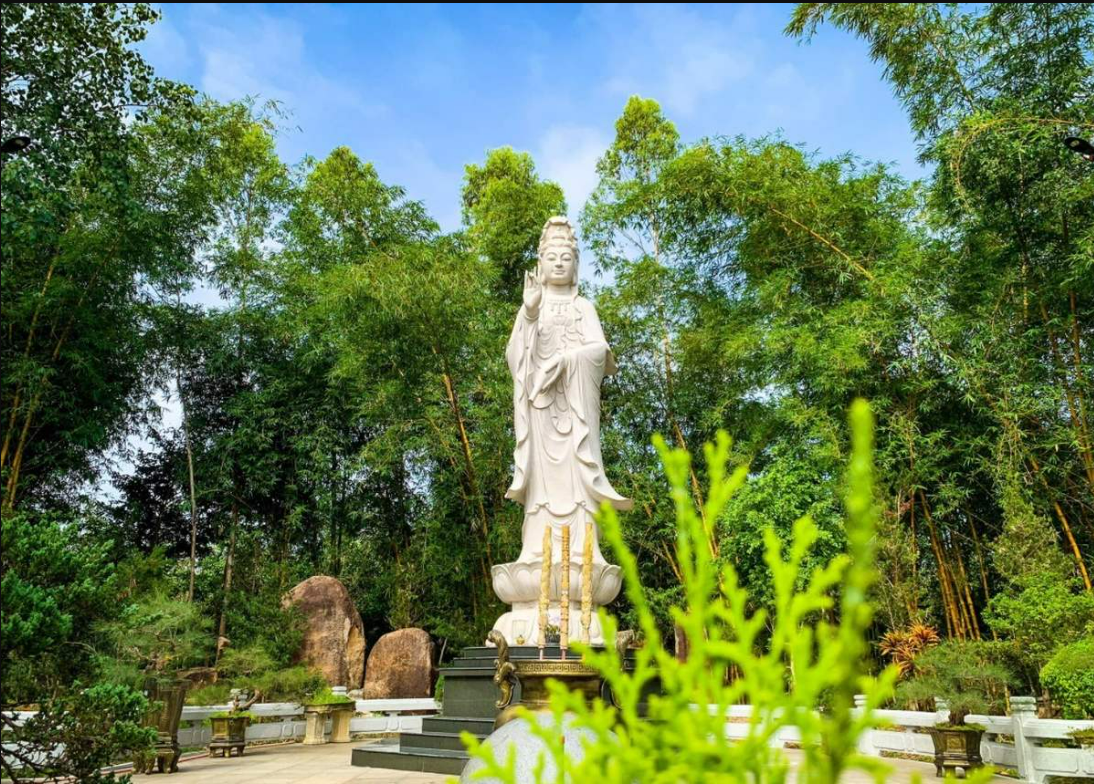
The Truc Lam Thanh Nguyen Monastery, the first Zen monastery associated with the Truc Lam Yen Tu Zen sect in Binh Duong Province, is situated in Cay Kho Hamlet, Tam Lap Commune, Phu Giao District. Covering an expanse of over 10 hectares, the monastery is nestled in the heart of a rubber and flower forest.

Dau Tieng Lake

The Dau Tieng Lake, an artificial reservoir spanning three provinces—Tay Ninh, Binh Duong, and Binh Phuoc—began construction in 1981.

At Dau Tieng Lake, visitors can enjoy strolling along the lake, and engaging in various games. Setting up a tent for an overnight camping experience on the lake’s shore is also a worthwhile activity to try with friends and family.

Thai Son Pagoda

Thai Son Pagoda is situated halfway up the Cau Mountain, approximately 50 meters above sea level, in Tha La Hamlet, Dinh Thanh Commune, Dau Tieng District. The pagoda’s campus covers more than 5 hectares and features notable structures such as the three-entrance gate, the Cuu Trung Dai Pagoda standing at 36 meters with 9 floors, a 12 meters-tall statue of Avalokiteśvara Bodhisattva.

Upon exploring Thai Son Pagoda, visitors can ascend about 1,000 stone steps to reach the mountain’s summit. From there, a panoramic view unfolds, showcasing the Cau mountain range and Dau Tieng Lake. Additionally, the site boasts a 300-year-old fig tree and a variety of rare trees.

Thien Hau Pagoda

Thien Hau Pagoda, commonly known as Ba Pagoda, is located on Nguyen Du Street in Thu Dau Mot City. It is a well-known pilgrimage site for people from Binh Duong, Ho Chi Minh City, and nearby provinces.

The Ba Pagoda Festival, celebrated annually for three days from the 13th to the 15th day of the first lunar month, is regarded as the largest cultural festival in Binh Duong. The festival features various special programs, including worship ceremonies, lantern auctions, and a procession of Thien Hau’s palanquin.

Phu Loi Prison

Located on December 1 Street, Phu Loi Ward, Thu Dau Mot City, Phu Loi Prison stands as one of the prominent historical prisons in the south, established in 1957 to detain and torment thousands of revolutionary soldiers over eight years (1957-1964). Beyond its historical importance, a visit offers a cultural and educational experience, showcasing Vietnam’s fight for independence. Open daily from 8 a.m. to 4 p.m., admission is free, inviting all to explore and understand Vietnam’s history.

Tuong Binh Hiep Lacquer Village

Tuong Binh Hiep Lacquer Village, with centuries of tradition, reveals the intricate art of crafting lacquerware. Artisans use materials like wood, ceramic, and fabric to create a variety of products, from tables and chairs to paintings and vases.

Broken bridge left from Vietnam War

The broken bridge in Be River is a historical landmark in Phu Giao District, visible on DT 741 Street. Its split appearance, reminiscent of an unfinished project, tells the story of the Vietnam War. Originally constructed by France in 1925-1926 for colonial purposes, it played a vital role in expanding rubber plantations in Phu Giao and Phuoc Long districts, serving as a crucial route to the provinces in the Central Highlands.

In 1975, during the Vietnam War, Vietnamese forces launched a successful attack on U.S.’s positions in Binh My and Binh Co communes. Faced with overwhelming opposition, the enemy forces in Phu Giao District withdrew across the broken bridge. The U.S. commander ordered the destruction of the bridge using mines to impede the pursuit by Vietnamese forces. Today, the bridge remains as a testament to history.

WHAT TO EAT

More than 50% of the population in Binh Duong Province, home to many industrial parks, consists of immigrants, resulting in a diverse and rich cuisine that combines various ingredients.

Mangosteen chicken salad

Although available in many restaurants, this dish can only be enjoyed during mangosteen season, typically from April to June. The dish is particularly suitable for hot weather.

Banh beo bi (Steamed rice cake with shredded pork skin)

Banh beo bi has a history of over 100 years at Bung Market, An Thanh Commune, Thuan An City. The steamed rice cake from this locality is served along with shredded pork skin and lean meat compared to other regions.

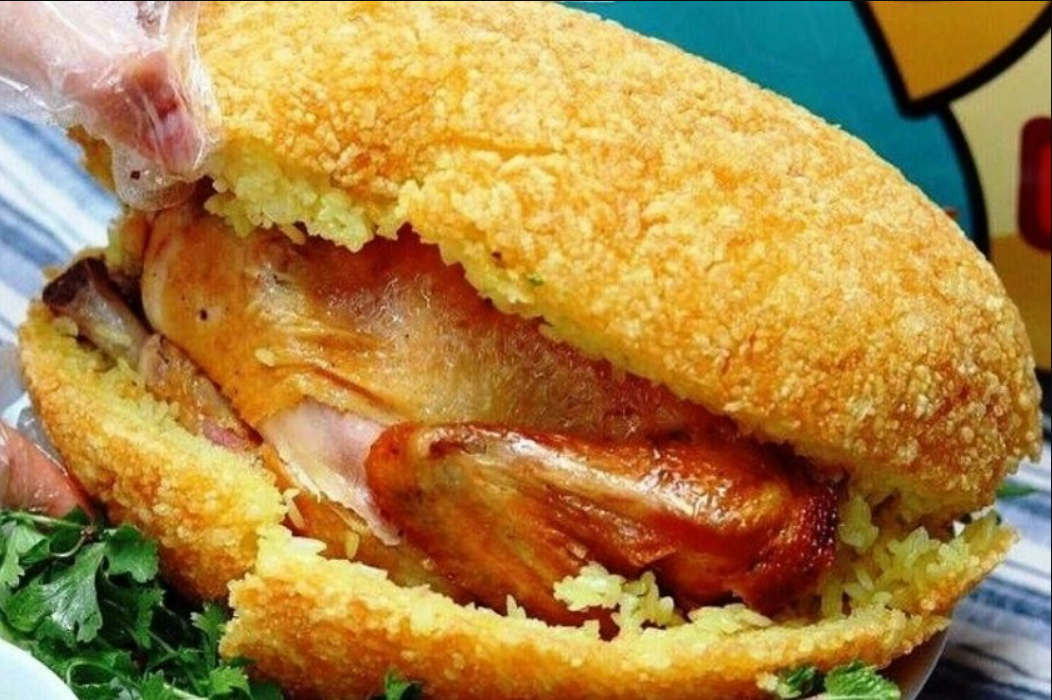
Roasted chicken with puffed sticky rice

After the sticky rice is cooked, it is fried, causing it to swell to the size of a ball with a crispy outer layer and a sticky, fragrant inside. Before roasting, the chicken is marinated and coated with honey to give the skin an attractive yellow color.

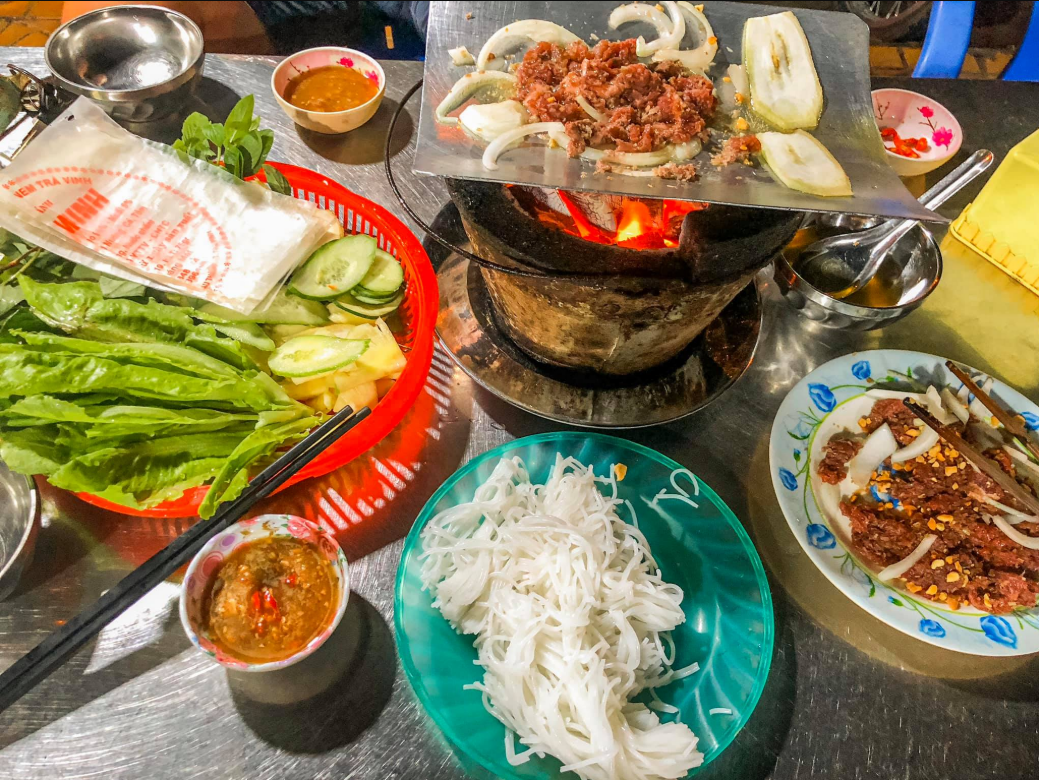
Grilled beef on tile

True to its name, this dish features beef grilled on tiles. The beef’s natural thin layer of fat eliminates the need for additional cooking oil or fat. As the meat is placed on the hot tile, the smoke spreads with the fragrant aroma of beef.

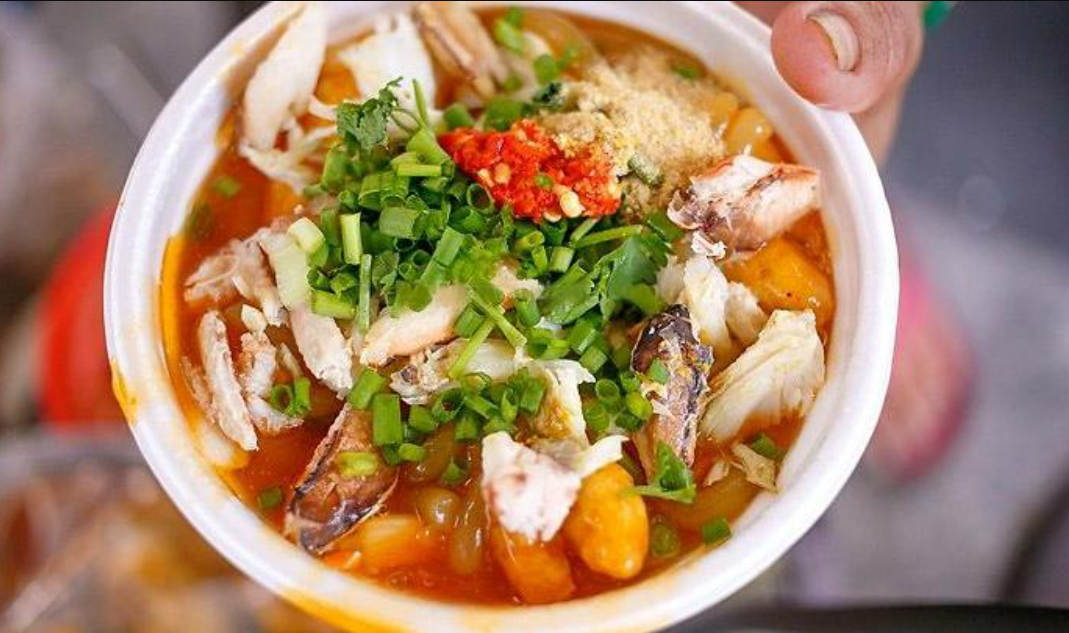
Pork tongue crab noodle soup

One of the popular dishes in Binh Duong, this noodle soup features rolled pork tongue prepared in the style of char siu meat. This noodle soup offers a savory and sweet flavor, blending a mix of meat, bones, tongue, and tofu. Each eatery also offers its distinct seasoning secrets.

Taro and eel porridge

Taro and eel porridge, made from swamp eels, taro, and white rice, features hearty meat with a sweeter flavor upon cooking. The dish’s quality relies on the eel preparation, as it should be neither slimy nor has a fishy odor. The blend of simple ingredients results in a rich specialty, perfect for comforting the body, particularly on rainy days.

Sources: VNExpress.

 Apply For Vietnam Visaapply Vietnam visaApply visa vietnamBook E-visa Vietnambook visa vietnamCheap Vietnam VisaE-visa Vietnamevisa VietnamEvisa Vietnam onlineexpedited e-visaexpedited E-visa to Vietnamexpedited Vietnam E-visaGet a Vietnam visaGet Vietnam Visaget vietnam visa onlineget visa to vietnamget visa Vietnammultiple entry visamy vietnam visaOrder Vietnam E-Visaquick vietnam evisarush vietnam visaUrgent Vietnam VisaVietnamVietnam E-visaVietnam EvisaVietnam touristVietnam travelVietnam vacationVietnam VisaVietnam visa costVietnam Visa ExemptionVietnam Visa for India citizensVietnam Visa For IndiansVietnam Visa for South Africa citizensVietnam Visa In IndiaVietnam visa in South AfricaVIetnam VIsa on arrivalVietnam VIsa onlineVietnam visa provisa for vietnam Visa On Arrivalvisa onlineVisa to VietnamVisa Vietnam

Posted on

Dai Beach in Phu Quoc: Explore the Unspoiled Beauty and Perfect Shores

Phu Quoc, famous for its unspoiled beauty and stunning beaches, is often referred to as “heaven on earth” and draws countless visitors each year. If you’re planning to spend your vacation there, make sure to visit Dai Beach – a must-see destination that will leave a lasting impression as soon as you arrive.

Bai Dai is located on the western side of Phu Quoc Island, where the Gulf of Thailand meets Vietnam. The coastline spans about 15 kilometers, stretching from the northwest shore of Ganh Dau Cape to Cua Can. Bai Dai has played a significant role in earning Phu Quoc the nickname “Pearl Island.”

Location: In the northwest of Phu Quoc Island
Opening hours: 24/7

1.Highlights of Dai Beach

The name Bai Dai (Dai Beach) comes from its impressive length of 15 kilometers, which translates to “long beach.” Situated near the ancient forests in the north-western part of Phu Quoc Island, the beach enjoys a stable climate, with pleasant temperatures and refreshing winds throughout the year.

In recent years, Bai Dai has garnered positive reviews and attracted widespread attention from both Vietnamese tourists and international visitors, establishing itself as one of Phu Quoc’s most popular destinations, especially during the peak travel season. Notably, a 2018 report by ABC News recognized Bai Dai, ranking it among the top five most pristine and beautiful beaches in the world.

Recently, with the rise of high-end developments and innovative projects along most of Phu Quoc’s beaches, more resorts, hotels, and specialized tourism services have been established at Dai Beach. However, visitors need not worry, as Dai Beach has implemented its own policies to preserve its traditional charm.

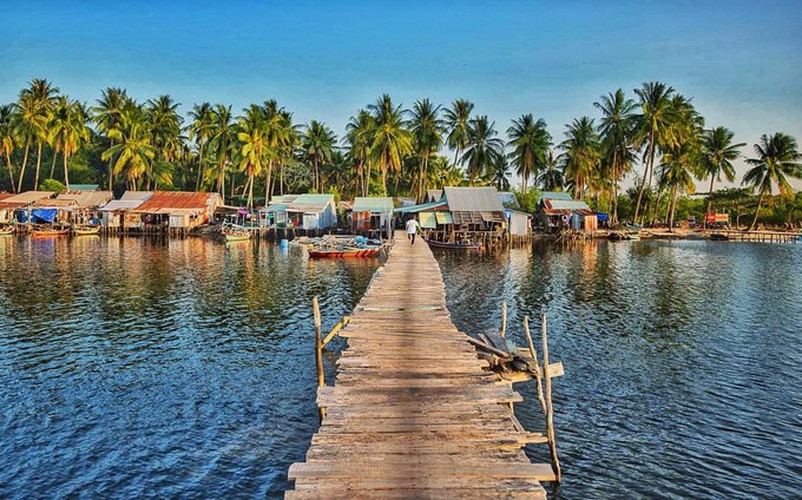
When visiting Bai Dai, tourists can immerse themselves in the deep blue sea while also exploring vibrant night markets, touring aquaculture factories, and discovering fish sauce production sites. Additionally, you can learn about the way of life in the local fishing villages.

II. What to See & Do in Dai Beach?

1. Amazing Beach

Dai Beach features an endless stretch of golden sand, paired with crystal-clear blue waters and a constant flow of choppy waves. What makes it even more captivating is how the ocean’s color shifts throughout the day, changing from light blue to soft pink and deep purple as the sea level rises and falls.

Dai Beach is also surrounded by lush poplar hills, rocky shores, fishing villages, and coconut forests, all of which together create a stunningly picturesque landscape that is perfect for visitors.

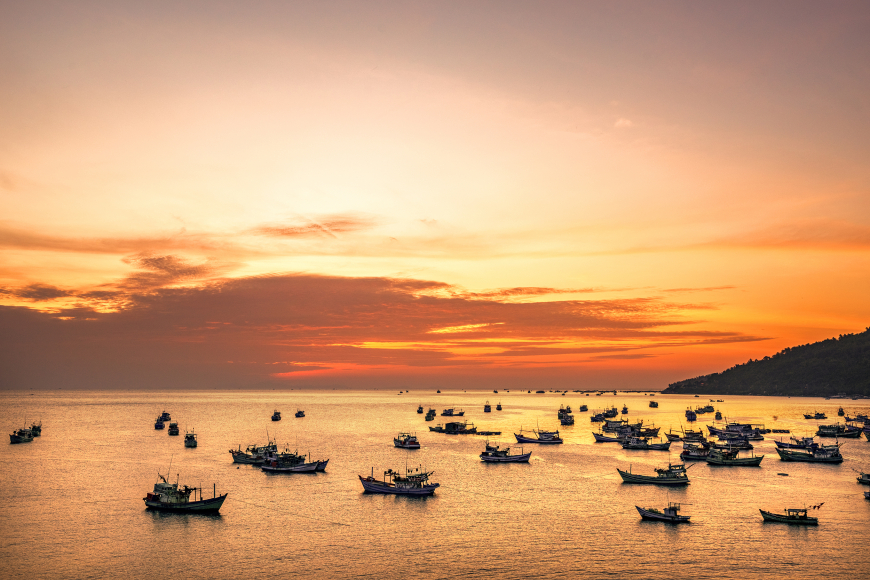
Additionally, experiencing a sunrise or sunset on the beach is an unforgettable and essential moment for anyone who visits. It’s often said that these moments showcase the true essence of nature, as the ocean returns to its peaceful state, gently erasing our worries and fatigue. For this reason, it’s rare to find anyone who would pass up the chance to gaze at the breathtaking ocean while traveling here.

2. Visiting Doi Moi Islet

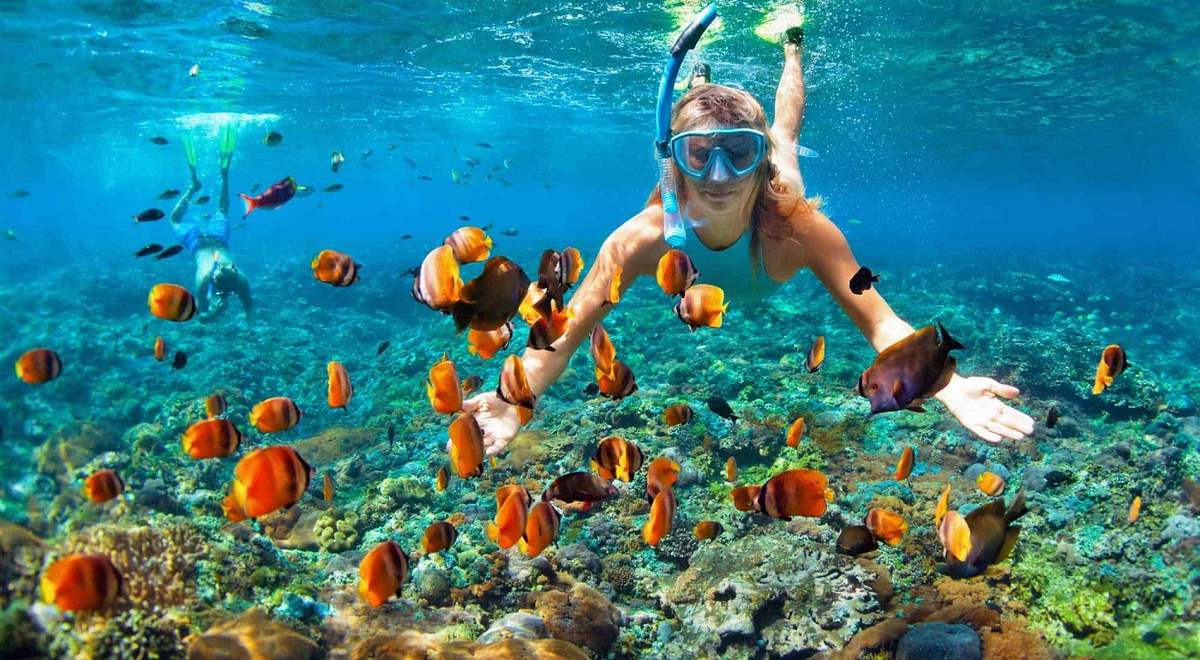
As tourists stroll along the beachfront, they may spot a small islet about 800 meters away, known as Doi Moi. This islet features a pristine white sandbank stretching 50 meters in length and is a popular spot for fishing, diving, and exploring marine life, including vibrant coral reefs.

Also, be sure to explore other nearby attractions like Dinh Cau, Bai Sao Beach, An Thoi Harbour, Ganh Dau, and more.

3. Having Fun with Your Traveling Companions

If you’re planning to spend more than one day at Dai Beach, it’s a good idea to bring along fishing gear and BBQ supplies for a beachside cookout. In addition to typical beach activities like relaxing and swimming, visitors can enjoy hosting a small BBQ party right on the shore.

Dai Beach is famous for its stunning scenery, but what truly sets it apart, both locally and in Phu Quoc, is its rich and diverse marine ecosystem, home to a variety of sea creatures like shrimp, crabs, and sea urchins. The region’s temperate climate and thriving wildlife ensure that the seafood is always of the highest freshness. If you’re not into fishing or lack the skills, you can easily purchase fresh seafood directly from local fishermen or the nearby seafood market.

An animated evening on the beach with a seafood BBQ party with friends is bound to be a blast. It’s the perfect opportunity to have fun, engage in recreational activities, and chat with others. However, if you prefer some solitude, you can still enjoy the night by taking peaceful strolls along the coast, breathing in the sea air, and clearing your mind. For this reason, it’s recommended that tourists spend more than one day at Dai Beach.

III. How to Get to Dai Beach?

To get to Dai Beach, travelers can take a direct flight from Hanoi or Saigon to the destination. The transportation options to Dai Beach are quite accessible and convenient. Once you arrive at the center of Duong Dong District, you will have two options to choose from:

  • Take the main road from Duong Dong to Cua Can, pass over Cua Can Bridge, and then turn left. Continue straight until you reach Vung Bau Beach, the first beach you’ll come across. Follow the road along this beach, and it will lead you to Dai Beach.
  • Continue along the main road from Duong Dong to Cua Can. After crossing the Cua Can Bridge, keep going straight until you reach Vinpearl. Look for the closest path there, which will lead you to Dai Beach.

Dai Beach is a stunning natural paradise that still preserves the untouched qualities of a pristine shoreline. Its beauty is so captivating that it could easily mesmerize anyone who sets foot on its sands. Ready to experience this breathtaking spot? Don’t wait any longer—let’s pack up and head out now!

Come and experience Dai Beach in Phu Quoc on your next trip, and create unforgettable memories of Vietnam by securing your Vietnam visa at https://vietnamvisapro.com/. As a trusted and reliable visa service, we are here to help turn your dream vacation into reality from the very first step.

Posted on

Experiencing the local cuisine in Ho Chi Minh City

If you have just one day in Ho Chi Minh City, make it a day of eating. This vibrant city is overflowing with incredible food. People from all corners of Vietnam come to Ho Chi Minh City for work, bringing their hometown recipes that, over time, have shaped the city’s exciting and diverse culinary scene. Here’s our insider guide to five must-try dishes.

Broken rice makes for a nutritious breakfast.

If you ask anyone in Ho Chi Minh City, they’ll tell you that Com Tam (broken rice) is the breakfast of choice. This dish is one of the few that originated in the city itself. In the past, the broken rice grains were considered imperfect and not suitable for sale, so farmers would keep them for themselves. The ‘’Tấm’’ rice grains have become a symbol of simplicity and elegance, so much so that in the Vietnamese version of Cinderella, the heroine is named ‘’Tấm’’, while the villainous stepsister is called ‘’Cám’’, after another type of rice byproduct.

Try it:Com tam Ba Ghien, 84 Đang Van Ngu Str., Phu Nhuan District, HCMC

‘’Cơm tấm’’ is the perfect way to kick off your day, with its delicious combination of honey-glazed barbecued pork chops, sunny-side-up eggs, spring onions, and pickled papaya all served over a bed of rice. While traditionally a breakfast dish, you can now enjoy cơm tấm at any meal. Everyone in Ho Chi Minh City has their go-to spot, but don’t hesitate to try the one nearest to you—it’s likely just as tasty. Drizzle some sweet fish sauce over everything, and dig in!

Snails, Seafood, and Skewers.

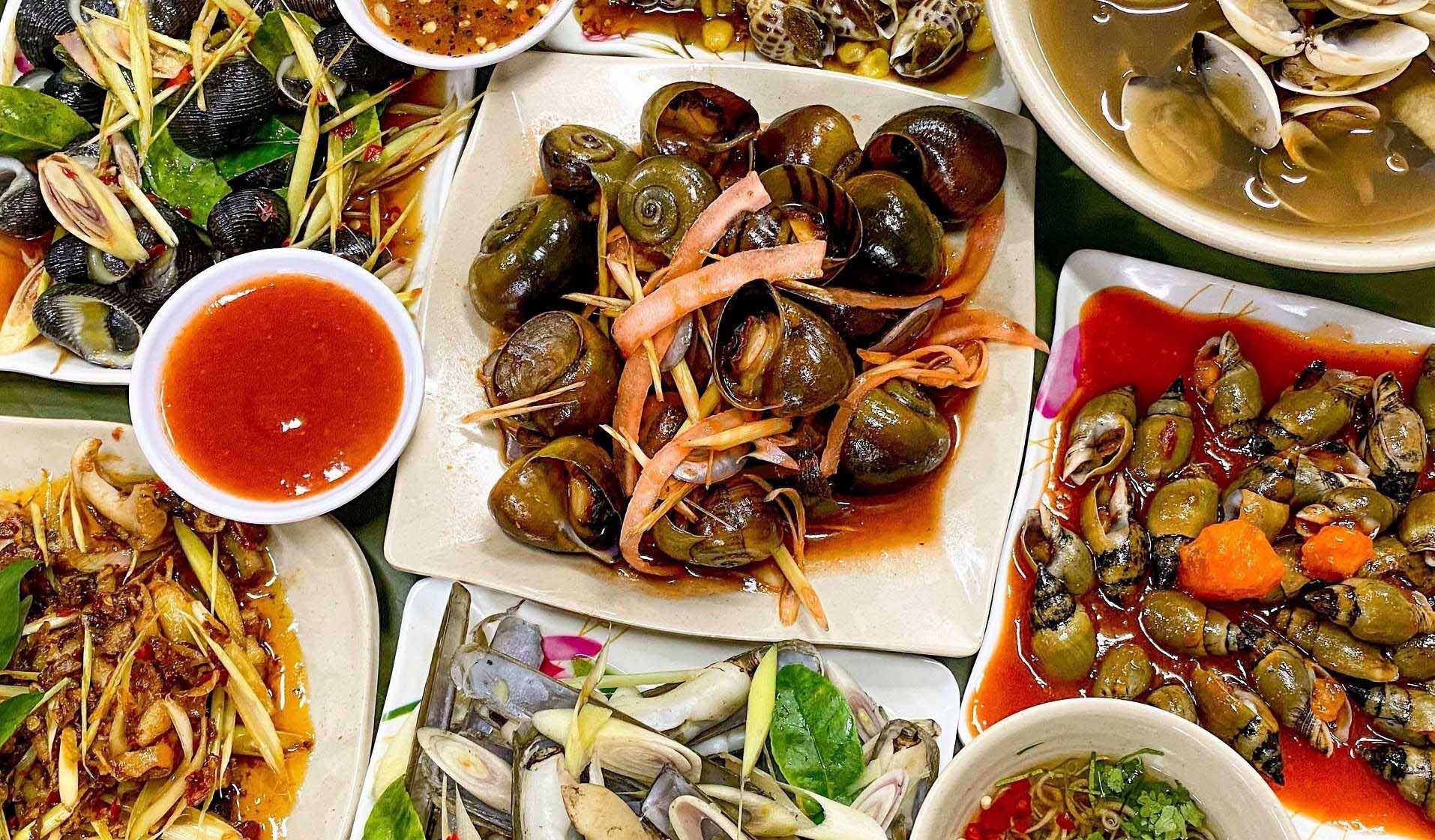
District 4 is famous for its vibrant sidewalk BBQ seafood and snail spots. The narrow street of Vĩnh Khánh comes alive as night falls. By around 6 pm, it transforms into a bustling hub, with locals and visitors alike gathering to enjoy a cold beer paired with snails and seafood skewers, every day of the week. For food enthusiasts seeking to soak in the lively energy of Ho Chi Minh City, the eateries along the Nhiêu Lộc – Thị Nghè Canal (bờ kè area), a branch of the Saigon River that winds through the city, are a must-visit.

Try it: Lô C – chung cư Nguyễn Thiện Thuật, Phường 1, Quận 3, Hồ Chí Minh, Việt Nam

Snails might seem unusual to some, but they’re actually one of the city’s signature dishes. At snail restaurants, you’ll find fresh catches of the day displayed in baskets or trays, offering up to twenty different varieties to choose from. Whether stir-fried with butter and garlic, grilled with sea salt and chili, or stewed in coconut milk, each preparation complements its specific type of snail. Local favorites include sweet snails, cockles, and razor clams. Feeling uncertain about which to pick? Just ask the other diners what they’re having, and they’ll gladly offer recommendations.

The diverse varieties of Hu Tieu.

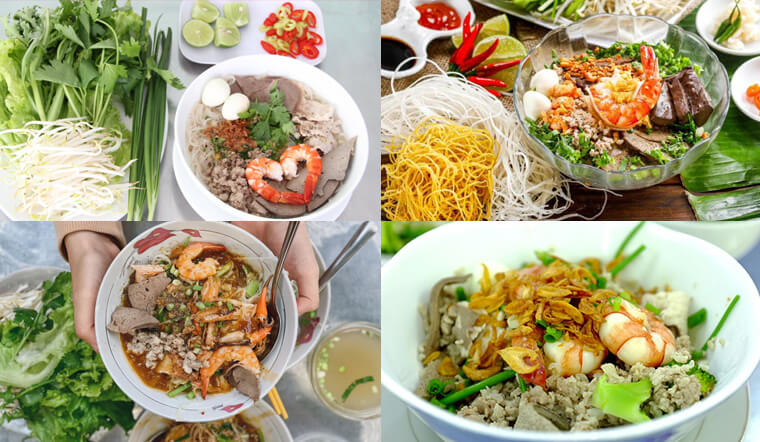
The city’s vibrant cultural diversity has given rise to countless variations of many dishes, and ‘’hủ tiếu’’ stands out as one of the most iconic. With roots in Chinese, Cambodian, and Vietnamese cuisines, this dish has evolved and adapted over time, yet it remains beloved by Vietnamese people everywhere. A popular version, ‘’hủ tiếu’’ Nam Vang (Phnom Penh rice noodles), is commonly found on small carts around the city. This satisfying bowl features delicate rice noodles soaked in a rich, boiling bone broth, topped with shrimp, pork, quail eggs, and a sprinkle of fried garlic.

Try it:Hu tieu Ba Hoang, 56 Vo Van Tan Str., District 3, HCMC

One must-try dish you shouldn’t miss is ‘’hủ tiếu’’ Sa Đec, which hails from the former Sa Đec province in the Mekong Delta. This flavorful noodle dish is topped with a distinctive sweet sauce, characteristic of the Delta region. As you sink your teeth into the rice noodles, you’ll experience their unique chewy texture. A side of mung bean sprouts and fresh lettuce brings a refreshing crunch to each bite.

Banh Mi

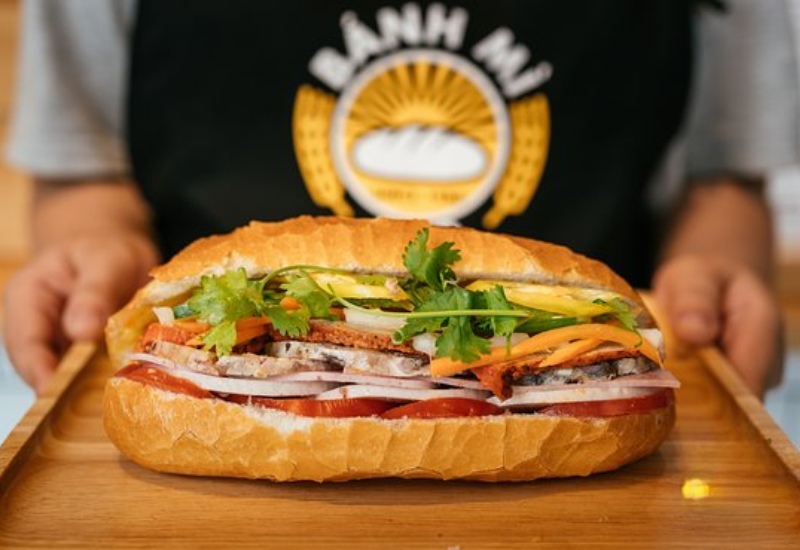
‘’Bánh mì’’ is available throughout Vietnam, with each region adding its own unique twist to the classic sandwich. In Ho Chi Minh City, the traditional bánh mì features char siu pork, homemade pâté, creamy butter, pickled papaya, and spicy chili peppers. Some vendors even craft their own special sauce, perfectly bringing all the flavors together.ì huỳnh ha

‘’Bánh mì Huỳnh Hoa’’ is a firm favourite among locals. Known for their generous fillings and spectacular flavours, the small shop always has a line of dedicated diners waiting in front, no matter what time of day. Each one sets you back 42,000 VNĐ, and is almost twice as big as your average ‘’bánh mì’’. But size is not the only thing that sets Huỳnh Hoa apart. Every wonderful bite contains equal measures of all the fantastic tastes and textures. In the words of the Huỳnh Hoa’s owner: “This is no ordinary bánh mì!” 

Goi Cuon (Spring rolls)

For those of us who grew up in Ho Chi Minh City, ‘’gỏi cuốn’’ (fresh spring rolls) are a nostalgic childhood favorite. Many of us enjoyed these spring rolls as a quick snack after school, often from street vendors lining the sidewalks. A plate of ‘’gỏi cuốn’’ is easy to find at any local food stall—just grab a plastic stool, place your order, and discover for yourself why this simple dish holds such a special place in our hearts.

Try it: Goi cuon Minh, 84/33 Bui Vien Str., District 1, HCMC

Freshness is the essence of ‘’gỏi cuốn’’. Crisp lettuce and aromatic herbs are carefully wrapped with rice noodles, tender steamed pork, and a plump prawn. The simplicity of the dish allows each ingredient to shine in its purest form. The key distinction between an outstanding gỏi cuốn and a mediocre one, however, is its dipping sauce. The rich, fermented sauce may take some getting used to, but once you try it, you’ll understand the bold kick it adds to the dish. After hours of exploring the city, there’s nothing better than enjoying some gỏi cuốn and a refreshing iced tea as a well-deserved break. Plus, these vibrant rolls are sure to add some flair to your Instagram feed.

???????????? Come and enjoy the delicious food of Ho Chi Minh City in Vietnam on your next trip, and create unforgettable memories of Vietnam by securing your Vietnam visa at https://vietnamairportservice.com/ .As a trusted and reliable visa service, we are here to help turn your dream vacation into reality from the very first step.

Posted on

Ho Chi Minh City best things to do and travel guide

Ho Chi Minh City, also known as Saigon, is the largest and most vibrant city in Vietnam. As the country’s business and financial hub, it boasts a rich history that spans centuries. The city is constantly buzzing with energy, offering a little bit of everything—charming shops, lively nightlife, fascinating museums, and mouthwatering cuisine. Discover all that this dynamic city has to offer in this Ho Chi Minh City travel guide.

5 compelling reasons to visit Ho Chi Minh City.

  1. Explore the history of the Vietnam War at the War Remnants Museum and the Cu Chi Tunnels.
  2. Experience the vibrant energy of the city from a rooftop bar.
  3. Savor the finest local dishes at the vibrant restaurants and lively street stalls.
  4. Make the most of the city’s convenient location to explore the Mekong Delta.
  5. Discover the markets and hidden paths off the beaten track on a motorcycle.

What is in this Ho Chi Minh City travel guide

Practical information

Suggested duration of stay

The city offers vibrant nightlife and numerous attractions where you can explore the history of the Vietnam War. It’s perfect for a 2-3 day stay, but you can extend your visit if you choose to take a day trip to the Mekong Delta.

ATM’s & money exchange

Money exchangers and gold traders at Ben Thanh Market are the top choice for both locals and visitors when it comes to currency exchange.

 Local events and holidays

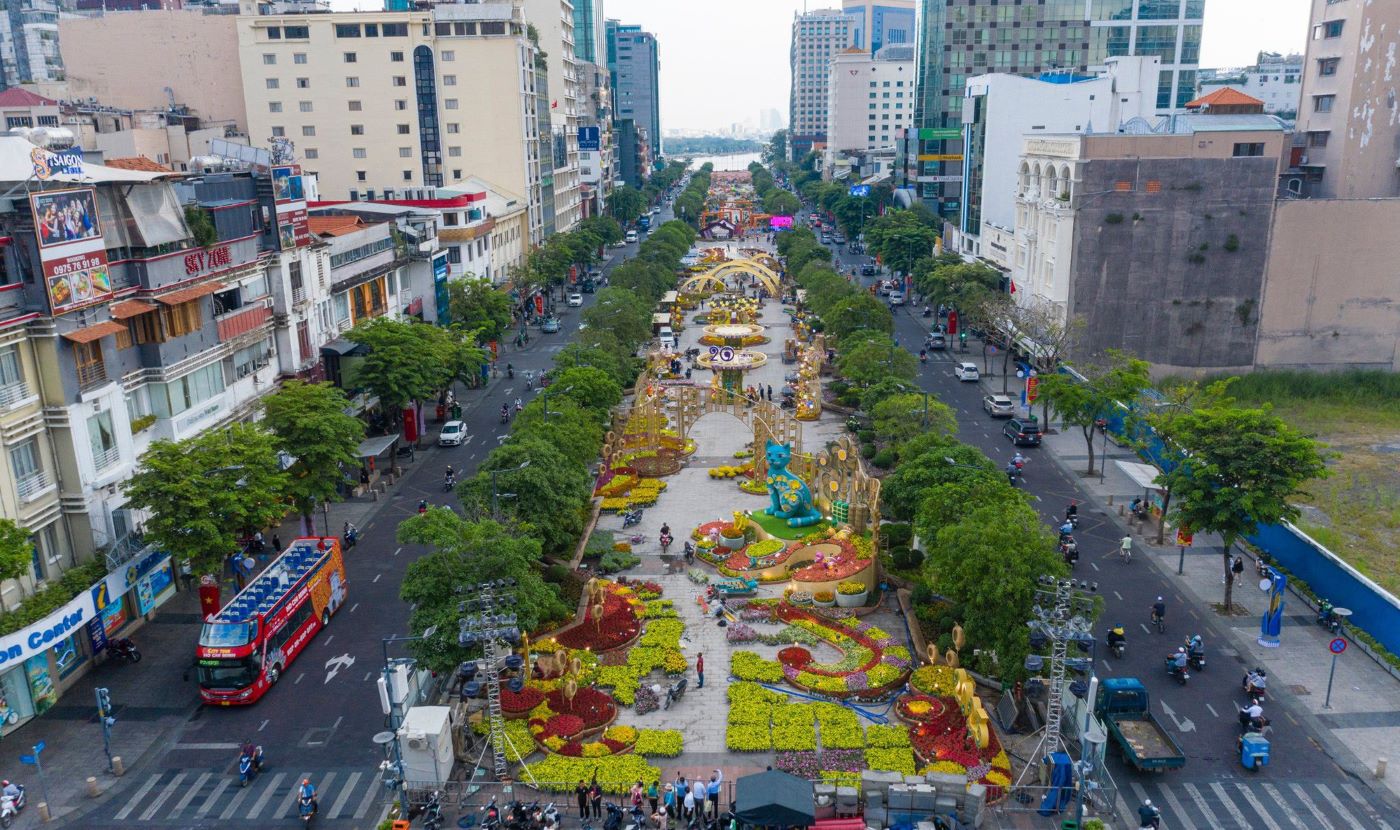
  • Tet New Year (first day of the first lunar month) – The city is partying or back to their home town. Road Nguyen Hue has a large flower exhibition.
  • Saigon Cyclo Challenge (mid-March) – Both professional and amateur cyclists compete to determine who is the fastest, with the funds raised being donated to local charities that assist underprivileged children.

Best time to visit

  • February: Hardly any rain, the least humidity and a city full of flowers for the Tet parties.
  • March: Little rain and humidity.
  • December: December is cooler than normal for HCMC and relatively dry.

10 best things to do in Ho Chi Minh City

Ho Chi Minh City, bustling with energy and lined with French colonial architecture, offers something for everyone. Whether you’re drawn to temples, museums, markets, history, architecture, parks, or simply want to experience the vibrant pulse of Vietnam’s most economically dynamic city, you’ll find plenty to explore.

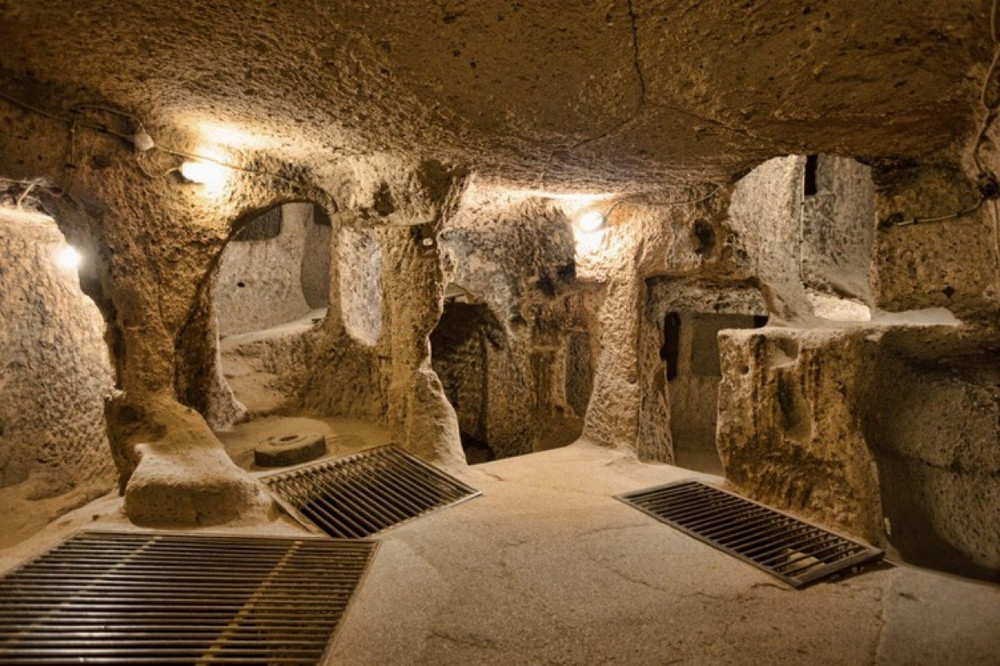
1. Cu Chi Tunnels

One of the top activities in Ho Chi Minh City is taking a day trip to the Cu Chi Tunnels. As part of a war museum, these tunnels offer a deeper understanding of the Vietnam War. You can crawl through the narrow passageways to experience how the Viet Cong lived during the conflict. The site also showcases various traps they used, their underground living conditions, and abandoned military vehicles. Additionally, you can choose to test your aim at the shooting range with a variety of firearms.

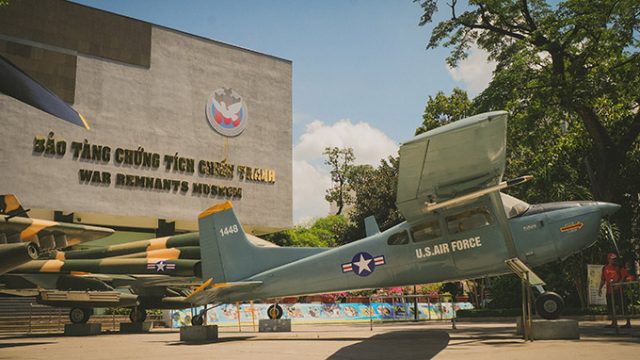
2. War Remnants Museum

The War Remnants Museum is widely regarded as one of the most impactful and noteworthy museums in Vietnam, making it an essential stop. It offers a sobering and in-depth look at the horrors of the Vietnam War. Outside, you’ll find a collection of decommissioned military vehicles, including a tank, jet, helicopter, and rocket launchers. Inside, the museum showcases a range of war relics and stark, graphic photographs that depict the brutal realities of the conflict.

3. French colonial architecture

Similar to Hanoi and several other cities in Vietnam, Ho Chi Minh City boasts a wealth of architecture from the French colonial period. As the city center has evolved into a bustling modern metropolis, it creates a striking contrast to see centuries-old buildings standing alongside towering skyscrapers.

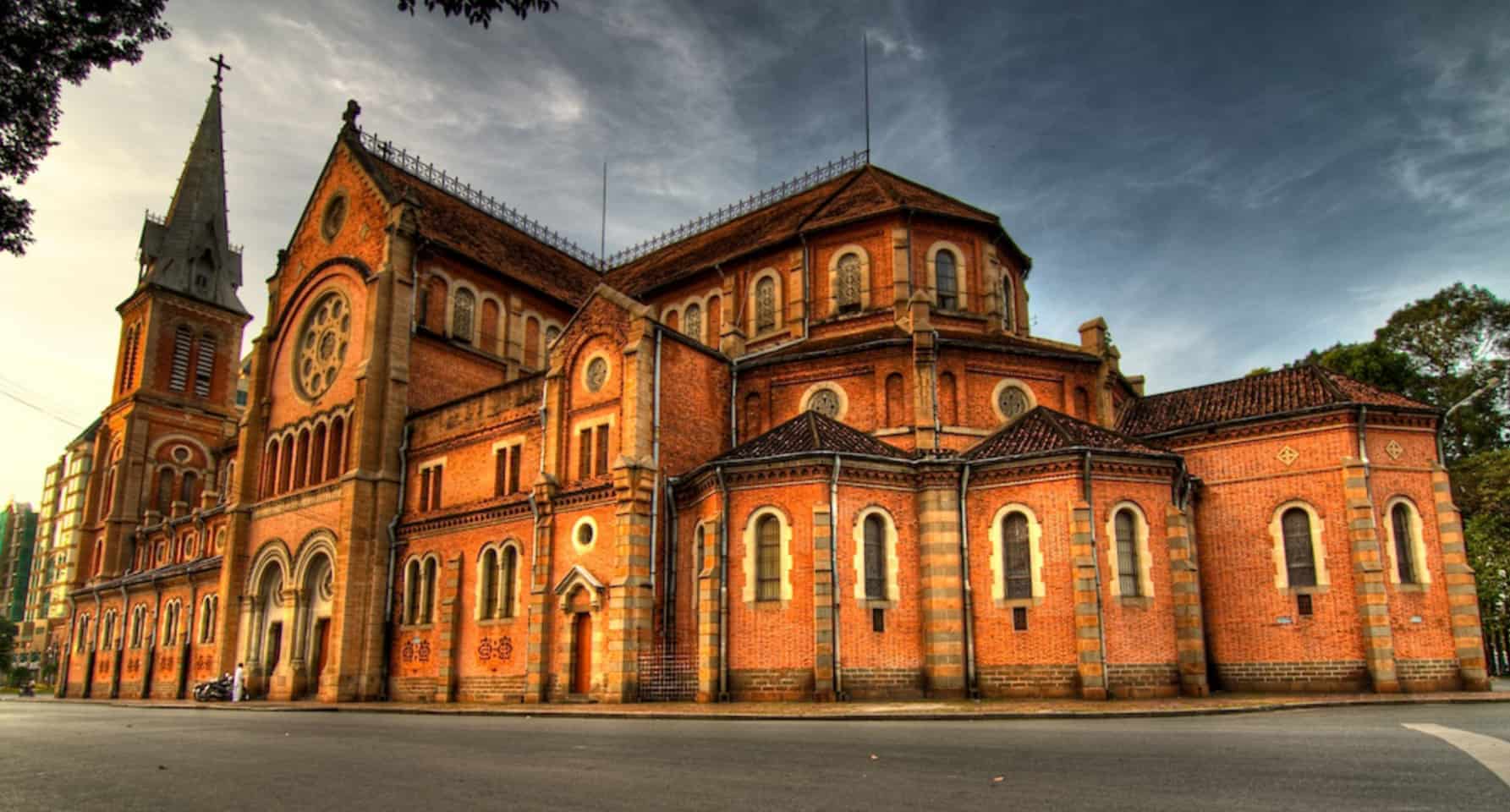
Notre Dame Cathedral

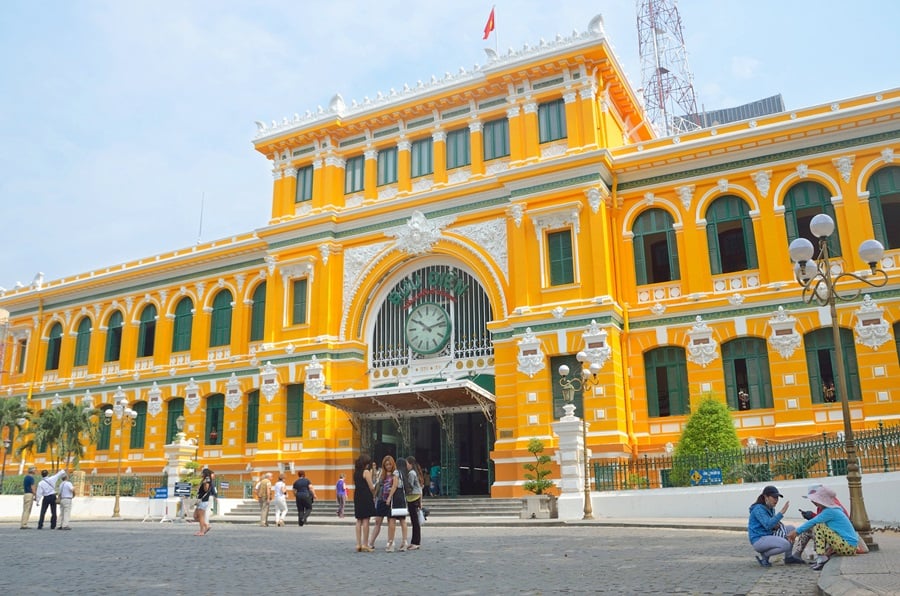
The historic Saigon Central Post Office is a must-see. It’s still operational, allowing you to send postcards to loved ones back home. Right across from it stands the stunning Saigon Notre-Dame Cathedral, built in 1863.

 Saigon Central Post Office

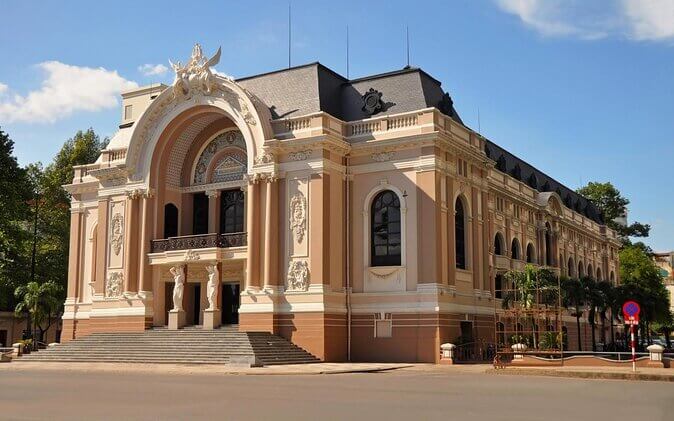
The colonial-era Saigon Opera House remains an active venue, offering a unique experience for those who attend a performance there. Nearby, you’ll also find the Ho Chi Minh City People’s Committee building, which was once the town hall.

Saigon Opera House

4.Motorbike street food tour.
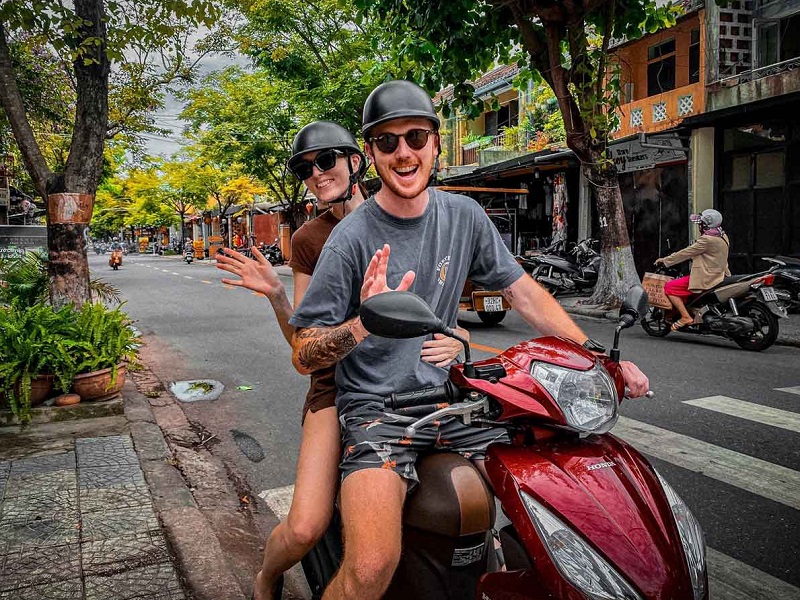
 

Food in Vietnam is considered sacred and is a source of immense pride for its people. On every street, you’ll encounter a place to eat, from upscale restaurants to humble street stalls with plastic stools. Due to the migration of people from all over the country to Saigon for economic opportunities, you can also find dishes from every region of Vietnam here.

The ultimate way to experience the city is through a street food tour. Much like in Hanoi, you’ll sample a variety of dishes, visit hidden spots in the city, and gain an authentic glimpse into local life. For an even more unforgettable adventure, consider taking the tour on the back of a motorbike with a local guide. It adds an exciting twist to an already amazing experience.

Riding on the back of a bike and enjoying meals at local stalls truly immerses you in the heart of the local culture—an unforgettable experience.

5. Nightlife

Ho Chi Minh City offers the best nightlife in Vietnam. As the country’s largest city, it boasts the most vibrant and diverse entertainment options.

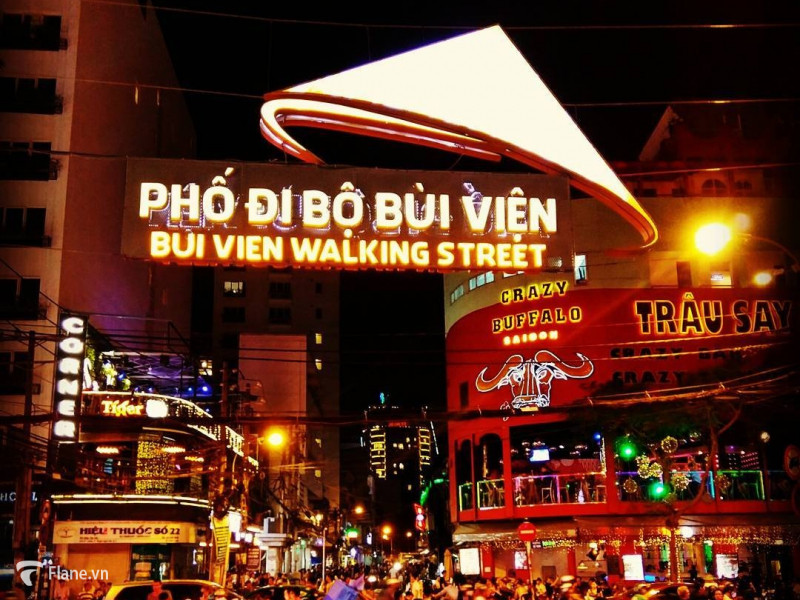
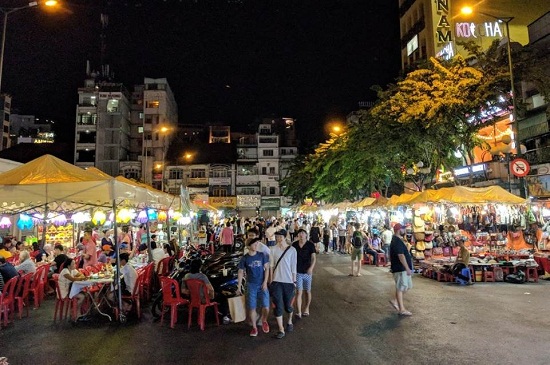
The most iconic spot for nightlife in Ho Chi Minh City is Bui Vien Street, often referred to as the backpacker street of the city, or even of all of Vietnam. It’s comparable to Bangkok’s Khao San Road – but better. This lively street is lined with bars and clubs, and you can also enjoy a drink while sitting on one of the many plastic chairs set up along the sidewalk.

Bui Vien Street

If you’re seeking a spot with a bit more flair, head to one of Ho Chi Minh City’s rooftop bars for a cocktail. The city also boasts a variety of bars and clubs, offering something for every taste—whether you’re into jazz or EDM, you’re sure to find your vibe.

6. Reunification Palace

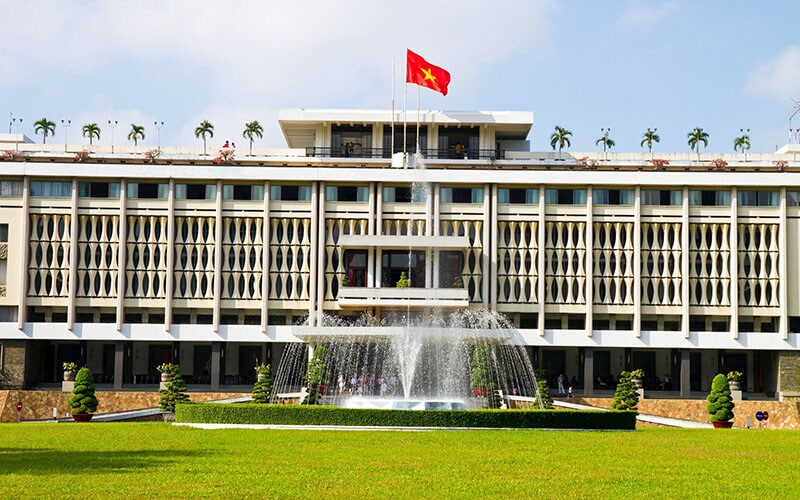
Reunification Palace

This palace served as the headquarters of the Vietnamese general until his death in 1963. It gained international fame in 1975 when a North Vietnamese tank drove through its main gate, marking the end of the Vietnam War. Today, the palace operates as a museum, offering a rare glimpse into its past, with many rooms still preserved as they were 40 years ago. Highlights include an air raid shelter and a communications room used to direct military operations.

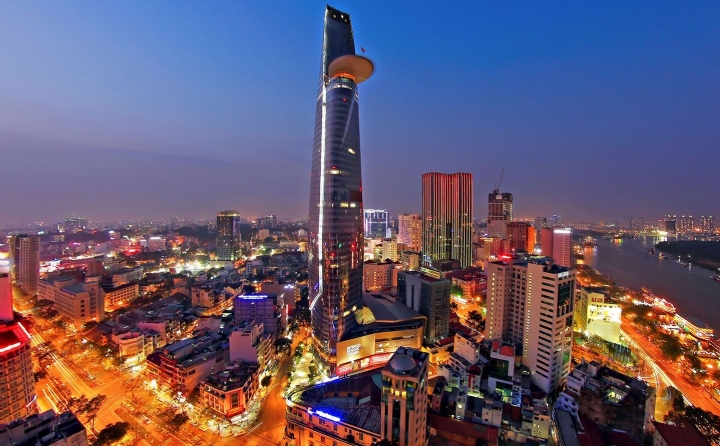
7. Bitexco Financial Tower

Bitexco was once the tallest building in the city until Landmark 81 surpassed it in 2018, becoming not only the tallest in the city but also in Southeast Asia. Despite this, Bitexco remains the most beautiful skyscraper in the city, located in the heart of the downtown area. Its design resembles a lotus flower, and it features a helicopter landing pad on its side.

Bitexco Tower

At a height of 262 meters, you’ll find a sky deck offering stunning views of the city and river, which you can visit.

8. Nguyen Hue Walking Street

For one of the best spots in the city to experience social and dating life, make your way to Nguyen Hue Walking Street. Every evening, thousands of people gather here to enjoy the lively atmosphere and cool breeze in the heart of the city.

Nguyen Hue Walking Street

The street is framed by stunning colonial-era architecture, including the Ho Chi Minh City People’s Committee building and the Opera House. Also nearby is the striking Cafe Apartments building, where each apartment hosts a unique café with its own distinctive decor—it’s a sight to behold from the street. Adding to the charm, these historic buildings are surrounded by modern skyscrapers, creating a blend of old and new.

9. Markets

Like other cities in Vietnam, Ho Chi Minh City is home to a variety of markets. These markets offer a glimpse into the daily lives of the locals. The farther you venture from the city center, the more authentic and traditional the markets become. While most markets sell everyday items like meat, fish, vegetables, fruit, household goods, and clothing, there are also specialized markets, such as those for motorbikes, flowers, and pets. Among the city’s most famous markets are Ben Thanh Market and Binh Tay Market.

10. Saigon River

The Saigon River runs directly through the city. On the opposite side of the river from the city center, you’ll enjoy a stunning view of the skyline. Additionally, there are several boat tours available to explore the river.

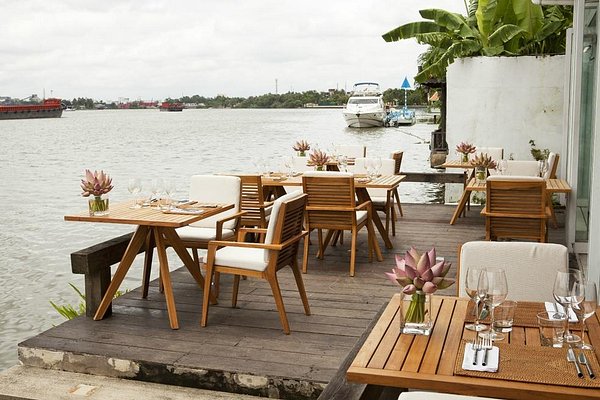
For instance, you can explore the Mekong Delta by speedboat, departing right from this river. It’s a faster, more scenic alternative to traveling by road. You can also enjoy a sunset tour by speedboat, complete with a cocktail at an upscale restaurant. For a more romantic or simply enjoyable experience, consider a Saigon River dinner cruise, offering delicious food paired with stunning views of the city skyline.

Best hotels & hostels in Ho Chi Minh City

Where to stay

District 1 -The city is vast, with a variety of neighborhoods, but it’s best to book your accommodation in District 1, the heart of the city. From here, you’ll be close to major attractions, restaurants, and nightlife. Additionally, most day tours offer convenient pick-up services from District 1. Due to its popularity, District 1 boasts a wide range of accommodations, from luxurious five-star hotels along the stylish Dong Khoi Street to more affordable hostels on Pham Ngu Lao and Bui Vien Streets.

Best hotels & hostels in Ho Chi Minh City

Budget hotels & hostels

  • Hangout Hostel HCM
  • The Hideout
  • Vietnam Inn Saigon
  • The Like Hostel & Cafe
  • Long Hostel

Mid range hotel

  • A&Em Art Hotel
  • The Hammock Hotel Ben Thanh
  • Triip Boutique Ben Thanh Hotel
  • C Central Hotel
  • Cititel Parkview Saigon Hote

High end hotel & resort

  • Grand Hotel Saigon
  • Sedona Suites Orchid Tower
  • Muong Thanh Saigon Centre Hotel
  • Rex Hotel Saigon
  • Novotel Saigon Centre Hotel

Food & drinking

Restaurants

It might be a bold statement, but this city could easily be considered the culinary capital of Vietnam. It showcases the finest flavors from across the country, blending northern and central regional dishes, along with a vibrant street food culture and excellent international dining options. If you’re a food lover, this is undoubtedly one of the top cities in Asia.

Local restaurants

  • Nha Hang Ngon
  • Vo Roof Garden
  • The Garlik De Tham Restaurant
  • The Deck Saigon
  • Hum Vegetarian, Lounge & Restaurant

Fine dining

  • Bun Cha 145 Bui Vien
  • Cyclo Resto
  • Bep Me In
  • Royal Saigon Restaurant Bui Vien
  • 4Ps Pizza Saigon

Nightlife

This city offers the best nightlife in Vietnam, featuring trendy rooftop bars, stylish clubs, vibrant live music venues, traditional performances, and the unique local beer-drinking experience on casual plastic seats.

  1. Bui Vien Street
  2. Rooftop bars
  3. Food tour
  4. Pub Crawl
  5. Dinner cruise
  6. Clubbing
  7. Live music bars
  8. Ben Thanh Night Market
  9. Show in Opera House
  10. Nguyen Hue Walking Street

How to get there

Flights to Ho Chi Minh City

Vietnam’s expanding network of domestic flights links Ho Chi Minh City to all other major cities, making it a great option for travelers with limited time. With affordable prices, flying to destinations like HanoiHue, Nha Trang, and Da Lat offers significant time savings.

Buses to Ho Chi Minh City

The most affordable way to travel to and from Ho Chi Minh City to other cities in Vietnam is by bus. A bus to Dalat takes about 7 hours and costs between $11 and $15, while a trip to Nha Trang takes around 22 hours and costs between $10 and $20. Bus tickets are available at travel agencies throughout the city center or directly from your hotel or hostel. There are also buses to Mui Ne and the Mekong Delta, though joining a tour can often be a more convenient option for exploring the Mekong area.

Trains to Ho Chi Minh City

Trains to northern Vietnam start from Saigon Train Station. The train to Nha Trang takes around 6.5 hours ($ 14- $ 32).

How to get around

Walking – Most of the sights are in the center nearby. A great way to explore the city is on foot.

Car and motorbike – Check with almost every hotel, tourist café or travel agency to arrange car rental. Don’t forget that the rent also includes a driver, because it is illegal for foreigners to drive in Vietnam without a Vietnamese driver’s license.

Taxi – Taxi with meter drive through the streets. The price is around 12,000d for the first kilometer; expect to pay around 25,000d (US $ 1) from Dong Khoi to Pham Ngu Lao. Use Mai Linh Taxi and Vinasun Taxi. An even better alternative is Grab (similar to Uber).

Itinerary 2 days in Ho Chi Minh City

Day 1

Embark on a city tour to discover landmarks like Ben Thanh Market, the Reunification Palace, the War Remnants Museum, the Post Office, and the Notre Dame Cathedral. In the evening, enjoy a unique food tour riding on the back of a motorcycle.

Day 2

Start your day with a trip to the Cu Chi Tunnels, which can be paired with a visit to the Cao Dai Temple. In the afternoon, wander through Chinatown. In the evening, enjoy a river cruise with dinner, and end your day at a rooftop bar.

More tips for traveling in Ho Chi Minh City


Ho Chi Minh City is situated in southern Vietnam. From here, you have the option to take a day trip to the Mekong Delta or spend several days exploring the area. If you travel north, you can choose to follow the coastal route through Mui Ne and Nha Trang or take the inland route via Dalat in the central highlands.

Come and experience Ho Chi Minh city in Vietnam on your next trip, and create unforgettable memories of Vietnam by securing your Vietnam visa at https://vietnamvisapro.com/. As a trusted and reliable visa service, we are here to help turn your dream vacation into reality from the very first step.

Posted on

7 Stunning Swimming Pools in Vietnam

What’s a trip to Vietnam without soaking up the sun by the pool? There’s no better way to relax than lounging in comfort, sipping on fresh coconuts, enjoying a good book, and basking under clear blue skies — with refreshing swims in between, naturally! For those who love a great pool, here are seven exceptional swimming spots across Vietnam. Dive in and enjoy!

Ideal for laps: Intercontinental Danang Sun Peninsula Resort, Da Nang

With a name like The L_o_n_g Pool, you might have certain expectations for the signature pool at the Intercontinental in Da Nang — and they won’t disappoint. The pool is not only long but also surrounded by lush greenery, featuring striped blue loungers placed on private platforms over the water. It also boasts a separate Jacuzzi pool and offers stunning views of the beach and its serene, turquoise waters. Find your perfect spot, unwind, and enjoy the soothing jungle sounds and refreshing breezes from the nearby Son Tra Peninsula.

Ideal for breathtaking views: Topas Ecolodge, Sapa

The two mountaintop pools at Topas Ecolodge take the concept of an ‘infinity pool’ to a whole new level. Rather than overlooking the ocean, the serene blue water seamlessly merges with the sky above the towering peaks of Hoang Lien National Park. The picturesque upper pool is heated with eco-friendly technology, while the adults-only lower pool features a Jacuzzi. You might find yourself lingering longer than planned, captivated by the stunning views and dramatic landscapes—an experience that’s hard to beat!

Ideal for beachside luxury: The Four Seasons Nam Hai, Hoi An

At The Four Seasons Nam Hai, three stunning infinity pools beckon for a refreshing dip. Unsure which one to choose? We suggest starting with the Beachfront Pool, also called the Purple Pool. This Olympic-sized retreat is framed by luxurious brown loungers and towering palm trees, offering a serene escape. Relax and unwind while gazing at the vibrant blues of the East Sea. If hunger strikes, delicious Vietnamese dishes are just a short walk away at La Sen Restaurant.

Ideal for immersing yourself in nature: Amanoi, Ninh Thuan.

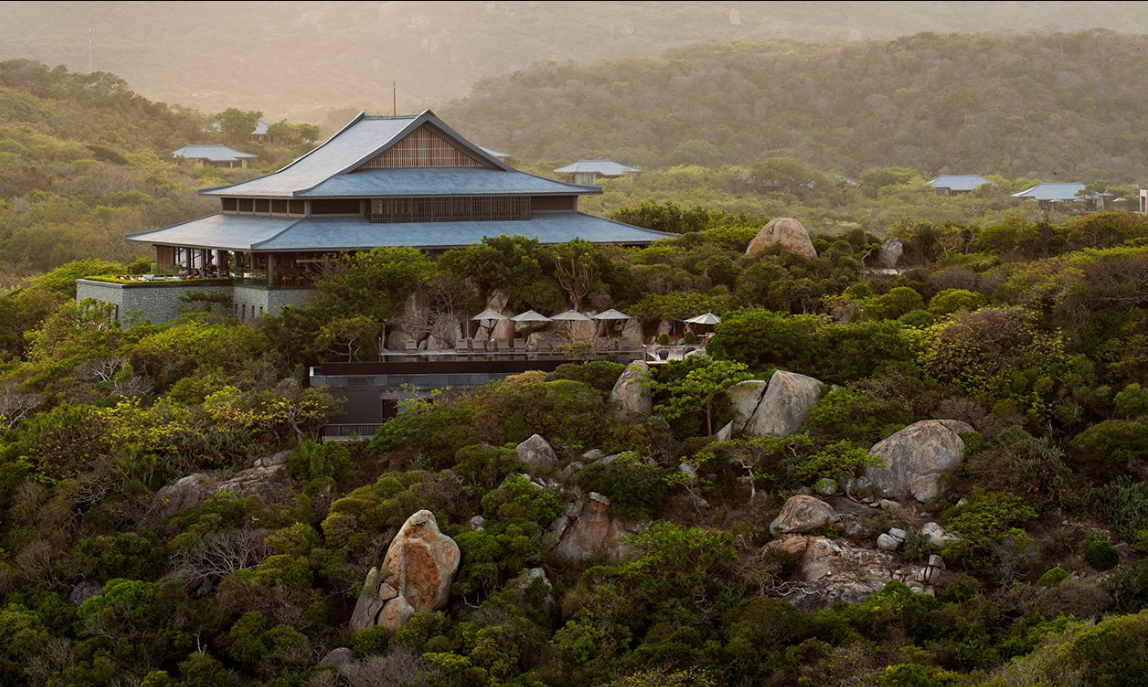
Some pools focus on the views, and that’s certainly the case at Amanoi in Central Vietnam. This five-star retreat boasts another infinity pool perched on its cliffs, but the 50-meter infinity pool at the Beach Club truly highlights the dramatic Ninh Thuan coastline and Vinh Hy Bay. A swim here is made even more memorable by the sight of wild birds, fishing boats, and rugged boulders, offering an unforgettable sense of place.

Ideal for family fun: Intercontinental Phu Quoc Long Beach, Phu Quoc

The Intercontinental Resort in Phu Quoc offers guests four stunning pools, but our top pick is the Vista Pool. Nestled with vine-covered cabanas and daybeds, it’s an ideal spot to unwind, whether you’re enjoying afternoon tea or indulging in a scoop of the resort’s homemade ice cream. Sun loungers, perched above the water, are surrounded by lush shrubs and vibrant greenery. The gentle sea breeze from Long Beach rustles the palm trees above, providing a calming backdrop for hours of relaxation.

Ideal for traditional poolside ambiance: Victoria Hoi An Resort & Spa, Hoi An.

This Indochine-inspired beach resort in Hoi An has long been a favorite among travelers, largely due to its stunning pool. The pool, the heart of the property, is surrounded by lush palms and offers breathtaking views of the waves and Cham Islands in the distance. The elegant blue-and-white color scheme evokes a nostalgic, timeless era of travel, and from within the pool, the sea vistas are truly spectacular.

Ideal for a tropical getaway: JW Marriott Phu Quoc Emerald Bay, Phu Quoc

You’ve probably seen photos of the Shell Pool at the JW Marriott in Phu Quoc, but for true water lovers, the resort’s stunning Sand Pool, which overlooks the pristine Khem Beach, is the real gem. Like everything else in this beachfront paradise designed by Bill Bensley, the pool offers a lavish and whimsical experience. However, it’s the tropical elements, including frangipani trees and vibrant flowering bushes, that truly make swimming here a delightful escape.

Come and experience stunning swimming pools in Vietnam on your next trip, and create unforgettable memories of Vietnam by securing your Vietnam visa at https://vietnamvisapro.com/. As a trusted and reliable visa service, we are here to help turn your dream vacation into reality from the very first step.
Posted on

A Significant Weekend in Ha Noi

Let’s discover the beauty of Vietnam’s capital in less than 48 hours. From culinary highlights to architectural gems, historic sites to rooftop bars or from quiet streets to crowded noisy places, this two-day Hanoi itinerary will give you a well-rounded taste of Hanoi.

>>> Apply Visa to Vietnam <<<

>>> Order Fast Track Service <<<

  1. Saturday morning – explore Old Quarter

When in Hanoi, do as the Hanoians do: greet the day with a steaming bowl of “pho”. For more than 40 years, “Pho Thin” owner Nguyen Trong Thin has been serving up bowls of “pho” with a special flair that has made his version of “pho” one of the most popular in Hanoi.

Next, take a stroll around Hoan Kiem Lake. A 15th-century legend says a giant turtle in the lake recovered the magical sword Emperor Ly Thai To used to defeat the Chinese. On the northern side, the picturesque Ngoc Son Temple sits on a small island.

Give your feet a break and see the Old Quarter by way of cyclo, a type of pedal-powered rickshaw. If you’re keen to do a little shopping, you’ll find several enticing boutiques tucked away on Silk Street (Hàng Gai).

  1. Saturday afternoon – discover fascinating and mystery history.

Time to eat! Make your way to the Sofitel Legend Metropole for a tantalizing Vietnamese buffet lunch at Spices Garden. Priced at 780,000 VND, it’s well worth the chance to sample a wide variety of fantastic Vietnamese dishes. Afterwards, check out the hotel’s beautiful interiors.

Tips for you: For a less pricey lunch option, take your pick from the street stalls on Ngõ Tràng Tiền, where tasty noodles, fried rice and real Hanoian Bún Đậu go for two dollars a plate.

After lunch and maybe a street-side coffee, set off to your next stop, the Temple of Literature. Built in honour of Confucius and established in 1076, this is also the site of Vietnam’s oldest university. Admire the traditional-style architecture, the ponds, and ancient stone stelae.

  1. Saturday evening – like a Hanoian

If you fancy street food, take a quick stroll to Lý Văn Phức for barbecue chicken with a side of grilled honey bread and spicy chilli sauce. Or grab a cab to Ngũ Xã street on Truc Bach Lake to try the capital’s famous “Pho Cuon” and other local favourites.

As night descends, head back to the intersection of Tạ Hiện and Lương Ngọc Quyến. This is “Bia Hoi Corner,” where pubs spill out onto the street in true Vietnamese fashion. Park yourself on a little stool and order a glass of freshly brewed beer (15,000 VND) straight from the barrels.

  1. Sunday morning – Integrate into Hanoian traditions

Kickstart day two with a brew unique to Hanoi, egg coffee or cà phê trứng. The founder father of Giảng Cafe is none other than the creator of the recipe himself. Giang’s substitution of fresh milk for whisked eggs during French War food shortages birthed this famous hybrid.

Quickly make your way to the Ho Chi Minh Mausoleum, an imposing marble stronghold situated in the centre of the grandiose Ba Dinh Square. If you want a chance to see the embalmed body of Ho Chi Minh, dress modestly and come early: the last entry is at 10:15 a.m.

Noted: The mausoleum shuts down annually between September 4 to November 4, when the body is sent to Russia for upkeep.
Bún chả became an overnight sensation after Anthony Bourdain and President Barack Obama lunched at Bún chả Hương Liên on the show ‘No Reservations’. Dip the cold rice vermicelli and the fresh herbs in the bowl of sauce, pork belly and grilled pork patties, and enjoy.

  1. Sunday afternoon – Vietnamese culture is shrunken in a snapshot.

A 20-minute taxi drive from the centre, the Museum of Ethnology is dedicated to the traditions of Vietnam’s 54 ethnic groups. A first-class experience, the 40,000 VND ticket covers all areas of this three-part complex, including a garden with full-scale replicas of ethnic homes.

On your way back to town, stop by West Lake. The 17-km shoreline is lined with hip cafes, ancient pagodas and picturesque gardens, perfect for cyclists. The Hanoi Bicycle Collective is your one-stop for bike rentals (60,000 VND for up to six hours.)

  1. Sunday evening – Ha Noi in a new perspective

Conclude your Hanoian adventure at Highway 4. With four locations, quirky decor and an even quirkier menu, you won’t be disappointed. Indulge in the local tipple, a Vietnamese spirit called rượu, made from sticky rice and flavoured with local fruits.

Make your last view of Hanoi one from the top. A number of fantastic rooftop bars are sprinkled around the city, but for classy cocktails and a mesmerizing view, look no further than the well-placed seat at The Summit, on the top of Pan Pacific Hotel. Have a perfect weekend in Hanoi!!!
 Apply For Vietnam Visaapply Vietnam visaApply visa vietnamBook E-visa Vietnambook visa vietnamCheap Vietnam VisaE-visa Vietnamevisa VietnamEvisa Vietnam onlineexpedited e-visaexpedited E-visa to Vietnamexpedited Vietnam E-visaGet a Vietnam visaGet Vietnam Visaget vietnam visa onlineget visa to vietnamget visa Vietnammultiple entry visamy vietnam visaOrder Vietnam E-Visaquick vietnam evisarush vietnam visaUrgent Vietnam VisaVietnamVietnam E-visaVietnam EvisaVietnam touristVietnam travelVietnam vacationVietnam VisaVietnam visa costVietnam Visa ExemptionVietnam Visa for India citizensVietnam Visa For IndiansVietnam Visa for South Africa citizensVietnam Visa In IndiaVietnam visa in South AfricaVIetnam VIsa on arrivalVietnam VIsa onlineVietnam visa provisa for vietnam Visa On Arrivalvisa onlineVisa to VietnamVisa Vietnam

Posted on

Vietnamese souvenirs that an U.S travellers should buy

No matter where you travel, whether with a small backpack or a large suitcase, you’re likely to want to bring a piece of your destination back home. In this post, we’ll highlight some must-buy souvenirs in Vietnam for U.S. travelers, as well as visitors from around the world.

1.Conical Hats

The conical hat, or “nón lá,” is a vital part of Vietnamese culture and a symbol of the country’s identity. It is also a popular souvenir for visitors to Vietnam. Often worn by locals, the hat serves as both protection from the sun and rain. Its design can vary, with different styles seen across the northern and southern regions of the country.

“Non la”

2.Silk

For centuries, silk has been seen as a symbol of wealth and luxury. In Vietnam, silk scarves are the most common type, and they can be found in nearly every market across the country. As soon as you step into a market, you’ll likely be captivated by the vibrant colors of the silk on display.

Silk

Van Phuc Silk Village is famous for its premium-quality silk. A visit to the village offers an opportunity to learn about its history and the traditional silk-making process. In the past, silk and silk products were considered luxury items, often sold at high prices, but today they are much more affordable.

When visiting Vietnam, it’s common advice to purchase silk as a gift for your family and friends back home.

3.Hand Embroidery

In addition to the souvenirs mentioned above, hand-embroidery is a popular gift from Vietnam worth considering. The embroidered pictures often capture the beauty of landscapes, the wildness of animals like birds and tigers, or the freshness of flowers and trees. Occasionally, scenes of daily life are also featured in these intricate designs.

Hand Embroidery Picture

They are frequently displayed at workshops or art galleries, where you can immerse yourself in the world of art and, of course, make them a part of your own collection.

4.Ceramic

Vietnamese history is clearly reflected in the shapes and colors of its ceramic products. If you have the chance, it is highly recommended to visit the Bat Trang Ceramic Village to gain a deeper understanding of the connection between history and ceramics, including aspects such as shapes, sizes, and materials.

Bat Trang Ceramic

Bat Trang Village is an excellent spot for buying ceramic products, with prices ranging from $1 to $1,000, depending on the quality of the ceramics.

5.Painting

Vietnam boasts a rich variety of traditional and stunning paintings, including Dong Ho paintings, oil paintings, and more. Each style has its own unique charm. For example, Dong Ho paintings often depict folk tales or legends such as the story of Ba Trung or Thuy Kieu. If you’re a fan of Dong Ho art, be sure to visit Dong Ho village to find the perfect piece to take home.

Dong Ho paintings

In contrast, oil painting encompasses a broader range of subjects, including portraits, natural landscapes, and abstract works.

If you’re an American interested in Vietnam’s culture and people, you’ll need a visa before traveling to the country. In this case, a Vietnam visa on arrival and e-visa are highly recommended.

How to get a visa for Vietnam from USA

 US travelers must obtain a Vietnam visa before entering the country. For detailed information on Vietnam visa requirements for US citizens, visit:https://vietnamvisapro.com/

This visa application process is entirely online and involves just a few simple steps:

  • Complete the online application form with the necessary details about yourself and your trips. Make sure to review all the information you’ve entered to confirm its accuracy.
  • Once payment is made (via Debit/Credit Card), a visa will be sent to you within 1 to 2 business days(depending on the processing time you have selected). For detailed information on service fees, please visit our website:https://vietnamvisapro.com/en/visa-fee.html
  • You can have your visa stamped at any of the five international airports in Vietnam: Hanoi, Hai Phong, Cam Ranh, Da Nang, and Ho Chi Minh City.

If you encounter any issues with your visa application, please feel free to reach out to us via email at evisa@vietnamvisapro.com or call us at (+84)-972472806 Or (+84)-964262310. We are here to assist you and we will try to help you at our best.

Posted on

Top things need to do in Cat Ba Island.

Cat Ba Island, located 145 km east of Hanoi, is the main island in Northern Vietnam and the second-largest island in the country, after Phu Quoc. Cat Ba Island – This beautiful destination has it all, from stunning landscapes and beaches to exciting outdoor activities. Discover the best experiences Cat Ba below.

>>> Apply Visa to Vietnam <<<

>>> Order Fast Track Service <<<

  1. Hiking Cat Ba National Park

Hiking in Cat Ba National Park is a favored activity among the top things to do in Cat Ba for adventurous souls. The trails here wind through diverse ecosystems teeming with wildlife. Whether you prefer exploring caves or ascending peaks, Cat Ba National Park offers a rich tapestry of natural wonders for visitors to behold.

  1. Lan Ha Bay

Once belonging to Ha Long Bay, Lan Ha Bay was named an independent Archipelago in an effort to maintain the natural biodiversity.

It is quite a surreal experience to cruise amongst the ageless cliffs and let your eyes explore the picturesque horizon.

Traveling as a group, including children and seniors, is best done by booking a bay tour, which typically includes swimming. However, this option is significantly more expensive, costing around 1.1-1.3 million VND.

  1. Soak in Viet Hai village

The largest floating village in Vietnam (Cai Beo) can be accessed via the Cai Beo port.

The floating houseboats and inviting smiles of local villagers will be an everlasting memento.

The local might invite you to visit their houses or mingle with you to experience the unique way of life here.

You should visit the mountain village of Viet Hai and do your very own walking tour around.

Here you will learn about the local lifestyle and the surroundings, bringing more meaning and appreciation to what you experience in Cat Ba.

There are three ways to enter the village: Doing a kayak, using a boat, or trekking throughout the Cat Ba National Park.

  1. Go swimming

On a scorching summer day, one of the most exciting things to do in Cat Ba is diving into the clear, blue waters of Cat Ba Beach. While the popular Cat Co beaches can get crowded, there are secret spots for a more peaceful swim. Tourists can hire boats to move to Monkey Island or Tung Thu Beach to enjoy the peaceful atmosphere and gentle waves. For the adventurous, the wild beaches at Lan Ha Bay offer a chance to connect with nature. Whether it is tranquility or excitement you seek, being immersed in the sea here will definitely be one of the most unforgettable experiences in your Cat Ba trip.

  1. Observe langurs’ life in Monkey Island, Cat Ba

Monkey Island, once known as Cat Dua Cat Ba Island for its wild pineapples, offers a chance to observe langurs in their natural habitat. With unspoiled beauty and over 20 friendly monkeys, it is rightly called Monkey Island. Here, you can play, feed, and watch these intelligent creatures perform tricks. It is a unique and enchanting experience that brings you close to nature and the island’s inhabitants.

  1. Try night squid fishing 

Trying squid fishing at night in Cat Ba adds an interesting twist to your entertainment options, though it can be a bit pricey at around 500,000 VND for a short trip. To give it a shot, you can ask your hotel to set it up or approach the local rafters and boat folks at the town’s main wharf. As the sun sets, the waters come alive, offering a unique chance to enjoy the serene beauty of the nighttime sea and perhaps even catch some squid.

  1. Experience Cat Ba rock climbing

Cat Ba Island offers tourists some great spots to experience Cat Ba rock climbing. Among the favorites are Dau Be Island and Ben Beo Mountain Cliff, conveniently located near the town center. For a unique experience with stunning sea views, it is suggested that you check out the cliffs at Ba Trai Dao Island, a bit further down. You can rent climbing gear here, but if you are new, it is smart to have a certified guide. They will make sure that you are safe and have a good time.

  1. Watch the sunset at Cannon Fort

One of the most popular things to do in Cat Ba is watching the sunset from Cannon Fort. Situated on a strategic hill, it offers a stunning 360-degree panorama, especially during sunrise and sunset. The hill’s historical importance adds depth to the experience. You can reach the fort by motorbike, car, or a short walk. The fort is open from 7 a.m. to 6 p.m. on weekdays, with an entry fee of 40,000 VND per person.

  1. Explore mystic caves in Cat Ba Island

Another activity that attracts numerous tourists is discovering the mysteries of Cat Ba Island’s enchanting caves. Two remarkable ones, Hospital Cave and Trung Trang Cave, have stories to tell. Quan Y Cave was a wartime field hospital built from 1963 to 1965. Inside, you will find a surprising layout with 17 rooms across three floors, including treatment and rehab areas and even a movie room. The bomb-proof door design is a relic from those times.

Trung Trang Cave, in the same direction, stretches about 300 meters through the mountain. You will be in awe stepping into a world of sparkling formations made by dripping water over 6 million years. Plus, there are fascinating stalactites and stalagmites of all shapes. The cave also holds ancient Vietnamese remnants that add to its allure.

  1. Enjoy a feast of fresh seafood

When on Cat Ba Island, tourists should not miss out on the seafood feast. There are a bunch of yummy options like geoduck clams, lobster, snapper, and more. You can get them grilled, stir-fried, or steamed at the restaurants, or you can savor these tasty dishes at Cat Ba Market. For a special experience, you can try dining on rafts by the sea. Imagine enjoying seafood while feeling the sea breeze – it is not just a meal, it is a whole island vibe on your plate.

 Apply For Vietnam Visaapply Vietnam visaApply visa vietnamBook E-visa Vietnambook visa vietnamCheap Vietnam VisaE-visa Vietnamevisa VietnamEvisa Vietnam onlineexpedited e-visaexpedited E-visa to Vietnamexpedited Vietnam E-visaGet a Vietnam visaGet Vietnam Visaget vietnam visa onlineget visa to vietnamget visa Vietnammultiple entry visamy vietnam visaOrder Vietnam E-Visaquick vietnam evisarush vietnam visaUrgent Vietnam VisaVietnamVietnam E-visaVietnam EvisaVietnam touristVietnam travelVietnam vacationVietnam VisaVietnam visa costVietnam Visa ExemptionVietnam Visa for India citizensVietnam Visa For IndiansVietnam Visa for South Africa citizensVietnam Visa In IndiaVietnam visa in South AfricaVIetnam VIsa on arrivalVietnam VIsa onlineVietnam visa provisa for vietnam Visa On Arrivalvisa onlineVisa to VietnamVisa Vietnam