Posted on

Sapa, Vietnam : Weather,Climate, Seasons

Nestled amidst the breathtaking mountainous landscape of northwestern Vietnam, Sapa offers a captivating blend of cultural charm and natural beauty. But planning a trip to this enchanting destination requires consideration of its unique weather patterns. From the crisp, cool air of winter to the misty embrace of summer, Sapa’s climate fluctuates dramatically throughout the year. Understanding the intricacies of Sapa’s weather can help you choose the best time to visit, pack effectively, and make the most of your outdoor adventures. This comprehensive guide provides a detailed breakdown of Sapa’s weather, encompassing its climate, seasons, rainfall patterns, temperature variations, and tips for navigating unpredictable conditions.

Sapa Vietnam Weather Overview

Sapa’s weather is characterized by its mountainous setting, which profoundly influences its climate. Situated in the Hoang Lien Son mountain range, Sapa enjoys a subtropical highland climate, marked by distinct seasons and notable temperature variations throughout the year. The town’s elevation, ranging from 1,500 to 1,650 meters, contributes to its cooler temperatures than those found at lower altitudes.

What is the climate like in Sapa?

Sapa experiences a diverse range of weather conditions throughout the year, from chilly winters to warm summers. The climate is significantly influenced by its location in the mountains, leading to distinct seasons and unpredictable temperature swings. The mountain terrain creates varying microclimates within the Sapa region, resulting in localized weather variations.

Key aspects of Sapa’s climate:

  • Subtropical Highland Climate: Sapa’s climate belongs to the subtropical highland category, characterized by distinct seasons and significant temperature fluctuations.
  • Mountainous Influence: The presence of the Hoang Lien Son mountain range plays a crucial role in shaping Sapa’s weather, leading to cool temperatures, frequent rainfall, and occasional fog.
  • Elevation: Sapa’s elevation, ranging from 1,500 to 1,650 meters, contributes to its cooler temperatures compared to lower altitudes.
  • Microclimates: The mountainous terrain fosters diverse microclimates within the Sapa region, leading to variations in weather patterns within close proximity.

When is the best time to visit Sapa for good weather?

The ideal time to visit Sapa depends on your personal preferences for weather and activities.

  • Spring (March – May): Spring offers pleasant weather with milder temperatures, occasional rain, and vibrant greenery. It is a good time for hiking, trekking, and exploring rice terraces.
  • Autumn (September – November): Autumn presents clear skies, comfortable temperatures, and stunning autumn foliage, perfect for photography and leisurely walks.
  • Winter (December – February): Winter in Sapa brings chilly temperatures, occasional snow, and breathtaking winter scenery. It’s ideal for enjoying a cozy atmosphere and experiencing the unique charm of Sapa in winter.

Average temperatures throughout the year in Sapa

Sapa experiences a wide range of temperatures throughout the year, with distinct variations across the seasons. Here’s a breakdown of average monthly temperatures:

MonthAverage High (°C)Average Low (°C)
January146
February167
March189
April2111
May2314
June2516
July2517
August2417
September2315
October2012
November179
December157

Seasons in Sapa Vietnam

Sapa experiences four distinct seasons, each offering unique characteristics and appeal. Understanding these seasons will help you choose the time that best suits your travel preferences.

Winter in Sapa

Winter in Sapa (December – February) is a magical time, characterized by crisp, cool air, occasionally dusted with snow. The landscape transforms into a breathtaking spectacle of frosty mountains, misty valleys, and snow-covered rooftops.

  • Temperature: Average high temperatures range from 14°C to 16°C, while average lows hover around 6°C to 7°C. Snowfall is infrequent but can occur, especially in higher elevations.
  • Weather: Days are often sunny and clear, with occasional fog and misty mornings. Nights are cold and crisp, requiring warm clothing.
  • Activities: Winter offers the perfect setting for cozying up in a local café, savoring traditional cuisine, and admiring the snow-capped landscapes. Enjoying winter festivals, like the Sapa Winter Festival, provides a unique cultural experience.

Spring in Sapa

Spring in Sapa (March – May) heralds the arrival of warmer days and lush greenery. As the weather transitions from winter’s chill to the warmth of summer, the landscape comes alive with vibrant colors.

  • Temperature: Average temperatures gradually rise from 18°C to 23°C, making it comfortable for outdoor activities. Nights are cool, with average lows ranging from 9°C to 14°C.
  • Weather: The weather is generally pleasant, with sunshine, occasional showers, and milder temperatures. Foggy mornings may occur.
  • Activities: Spring is ideal for hiking and trekking, immersing yourself in nature, and witnessing the beauty of blooming flowers and flourishing rice terraces.

Summer in Sapa

Summer in Sapa (June – August) is the wettest season, characterized by warm temperatures, high humidity, and frequent rainfall. While the weather can be unpredictable, it also brings an enchanting misty ambiance to Sapa’s scenery.

  • Temperature: Average temperatures range from 24°C to 25°C, with high humidity and frequent rain showers. Nights are warm, with average lows ranging from 16°C to 17°C.
  • Weather: The weather is often cloudy and rainy, with occasional bursts of sunshine. Foggy days are common, adding a mystical touch to the landscape.
  • Activities: Summer is a great time to explore Sapa’s waterfalls, immerse yourself in the local markets, and enjoy the tranquility of the misty mountains.

Autumn in Sapa

Autumn in Sapa (September – November) is a magical time with warm days, cool nights, and a vibrant tapestry of fall colors. As the season progresses, the mountains transform into a breathtaking canvas of reds, yellows, and oranges.

  • Temperature: Temperatures drop from 23°C to 17°C, offering pleasant days and cool evenings. Nights are crisp, with average lows ranging from 15°C to 9°C.
  • Weather: The weather is generally sunny and clear, with crisp air and occasional showers. The skies are often clear and blue, perfect for photography.
  • Activities: Autumn is ideal for hiking, biking, exploring the local culture, and capturing the stunning scenery of Sapa’s fall foliage.

Rainfall in Sapa

Sapa experiences a significant amount of rainfall, particularly during the summer months. Understanding the rainfall patterns is crucial for planning your trip.

How much rain does Sapa receive?

Sapa receives an average of 2,000 mm of rainfall per year, with significant variations across the seasons.

MonthAverage Rainfall (mm)
January134
February127
March153
April178
May220
June335
July503
August493
September345
October216
November112
December90

Rainy season in Sapa

The rainy season in Sapa typically runs from June to August, with the heaviest rainfall occurring in July and August. During this period, expect frequent showers, occasional downpours, and high humidity.

  • Impact: Rainy season can make outdoor activities challenging, especially hiking and trekking. However, it can also create a mystical atmosphere with misty mountains and waterfalls.
  • Preparation: Packing a waterproof jacket, umbrella, and appropriate footwear is essential.

Impact of rainfall on travel plans

Rainfall can impact your travel plans in Sapa.

  • Transportation: Heavy rainfall can affect road conditions, leading to delays or cancellations for transportation.
  • Outdoor Activities: Hiking and trekking can be challenging during heavy rain, as trails can become slippery and muddy.
  • Photography: Cloudy skies and rain can limit photography opportunities, but also add a unique and atmospheric quality to photographs.

Temperature variations in Sapa

Sapa experiences significant temperature variations throughout the year, with distinct differences between daytime and nighttime temperatures.

Daytime temperatures in Sapa

Daytime temperatures in Sapa generally range from 14°C to 25°C, depending on the season. Spring and autumn offer comfortable daytime temperatures, while summer brings warmer days with high humidity.

  • Warmest Months: July and August are the warmest months, with average highs reaching 25°C.

Nighttime temperatures in Sapa

Nighttime temperatures in Sapa can be significantly cooler than daytime temperatures, especially during winter. Average lows range from 6°C to 17°C, depending on the season.

  • Coldest Months: January and December are the coldest months, with average lows around 6°C to 7°C.

Variations in temperature by season

  • Winter (December – February): Daytime highs average 14°C to 16°C, while overnight lows dip to 6°C to 7°C.
  • Spring (March – May): Temperatures gradually rise, with daytime highs reaching 23°C and overnight lows ranging from 9°C to 14°C.
  • Summer (June – August): Warm days with average highs of 24°C to 25°C and humid nights with lows around 16°C to 17°C.
  • Autumn (September – November): Pleasant days with average highs ranging from 23°C to 17°C and cool nights with lows from 15°C to 9°C.

Weather conditions for outdoor activities

Sapa’s diverse weather patterns can influence your enjoyment of outdoor activities. Understanding the best weather conditions for specific activities is crucial for a successful trip.

Trekking and hiking in Sapa

Trekking and hiking are popular activities in Sapa, offering breathtaking views and cultural immersion.

  • Best Weather: Spring and autumn provide optimal conditions for trekking. The weather is pleasant, with clear skies and comfortable temperatures.
  • Considerations: Avoid trekking during periods of heavy rainfall, as trails can become slippery and muddy. Pack layers of clothing to adjust to temperature fluctuations.

Cycling tours in Sapa

Cycling tours offer a unique way to explore Sapa’s scenic landscapes and charming villages.

  • Best Weather: Autumn is ideal for cycling tours with clear skies, pleasant temperatures, and dry trails.
  • Considerations: Spring can also be enjoyable for cycling, but be prepared for occasional showers. Avoid cycling during heavy rainfall, as roads can become slippery.

Best weather for outdoor adventures

  • Hiking and trekking: Spring (March – May) and autumn (September – November) offer the most favorable conditions.
  • Cycling tours: Autumn (September – November) is the ideal time for cycling tours, with clear skies and dry trails.
  • Waterfall exploration: Summer (June – August) is the wettest season, perfect for witnessing waterfalls at their fullest.

Packing tips for Sapa weather

Packing appropriately for Sapa’s diverse weather is crucial for a comfortable and enjoyable trip.

Essential items to pack for all seasons

  • Waterproof jacket: A waterproof jacket is essential for all seasons, especially during the rainy season.
  • Comfortable walking shoes: Pack sturdy walking shoes for hiking and exploring Sapa’s cobblestone streets.
  • Layers of clothing: Pack layers of clothing to adjust to temperature fluctuations throughout the day.
  • Sunglasses and sun hat: Protect yourself from the sun, especially during the summer months.
  • Insect repellent: Mosquitoes can be prevalent, especially during the warmer months.
  • First-aid kit: Pack a basic first-aid kit for minor injuries.

Clothing recommendations for different times of the year

  • Winter (December – February): Pack warm clothes, including sweaters, jackets, scarves, gloves, and a hat. Consider thermal underwear for extra warmth.
  • Spring (March – May): Pack light layers, including sweaters, a light jacket, and a waterproof jacket.
  • Summer (June – August): Pack light, breathable clothing, such as t-shirts, shorts, and dresses. Pack a waterproof jacket for rain showers.
  • Autumn (September – November): Pack comfortable layers, including sweaters, a light jacket, and a waterproof jacket.

Tips for staying comfortable in changing weather conditions

  • Layer your clothing: Wearing layers allows you to easily adjust to temperature fluctuations.
  • Pack a raincoat or umbrella: Be prepared for sudden rain showers, especially during the rainy season.
  • Carry a small pack with essentials: Keep a small backpack packed with a waterproof jacket, sunscreen, insect repellent, and water.
  • Stay hydrated: It’s important to stay hydrated, especially in the hot and humid weather.
  • Be prepared for fog: Fog can be common in Sapa, especially in the mornings and evenings. Pack a scarf or face mask to protect your face.

Local weather patterns in Sapa

Sapa’s weather is influenced by its unique geographical features and local weather patterns.

Influence of nearby geographical features on Sapa’s weather

  • Hoang Lien Son Mountain Range: The Hoang Lien Son mountain range plays a major role in shaping Sapa’s weather, creating a cooler and wetter climate compared to lower altitudes.
  • Fansipan Peak: Sapa’s proximity to Fansipan, the highest peak in Southeast Asia, influences its weather patterns, particularly in terms of snowfall and fog.
  • Muong Hoa Valley: The Muong Hoa Valley, which surrounds Sapa, contributes to the area’s unique microclimates and distinct weather patterns.

Microclimates within the Sapa region

The mountainous terrain of Sapa creates various microclimates within the region, leading to variations in weather patterns within close proximity.

  • Hilltop villages: Hilltop villages experience cooler temperatures and higher rainfall compared to lower lying areas.
  • Valleys: Valleys often experience milder temperatures and less rainfall than hilltop villages.
  • Rice terraces: The areas surrounding rice terraces can experience unique microclimates, influenced by water bodies and elevation.

Weather forecasting accuracy in Sapa

Weather forecasting in Sapa can be challenging due to the mountainous terrain and the influence of microclimates.

  • Accuracy: Forecasts for Sapa can be accurate in terms of overall weather patterns, but may vary in accuracy for specific locations and times.
  • Local awareness: Paying attention to local weather patterns, such as fog and rainfall, can help you stay informed and adjust your plans accordingly.

Important Notes

Weather can be unpredictable in Sapa, so it’s crucial to stay informed and adaptable.

Importance of checking weather updates before traveling to Sapa

  • Before your trip: Check weather forecasts for Sapa before your trip, and be aware of potential weather conditions.
  • During your trip: Stay updated on local weather patterns during your trip by checking forecasts and speaking with locals.

Flexibility in travel plans based on weather forecasts

  • Be flexible: Be prepared to adjust your travel plans if necessary, depending on weather conditions.
  • Alternative activities: Have backup plans for indoor activities in case of rain or bad weather.

Frequently asked questions

What is the hottest month in Sapa? July and August are the hottest months in Sapa, with average highs reaching 25°C.

What is the coldest month in Sapa? January and December are the coldest months, with average lows around 6°C to 7°C.

Does it snow in Sapa? Snowfall is infrequent in Sapa, but it can occur in higher elevations during the winter months.

What should I pack for Sapa? Pack layers of clothing, a waterproof jacket, comfortable walking shoes, sunglasses, a sun hat, insect repellent, and a basic first-aid kit.

Sapa’s weather adds an element of excitement and unpredictability to your travel experience. By understanding its climate, seasons, and rainfall patterns, you can prepare for anything and make the most of your adventures in this captivating region. From the chilly embrace of winter to the misty charm of summer, Sapa offers a unique and unforgettable experience throughout the year. Embrace the weather as part of your journey and enjoy the beauty of this enchanting destination.

Make your plan to Sapa,Vietnam right now by apply a Vietnam visa at vietnamvisapro.net. We, a reputable and reliable Visa service, will assist you turn your plan into reality at the very first step.
Posted on

Best time to visit Hanoi-How many days in Hanoi is enough?

Hanoi, the capital city of Vietnam, is a bustling metropolis that offers a unique blend of traditional and modern culture. From its ancient temples and pagodas to its vibrant street markets and trendy cafes, Hanoi has something for everyone. But with so much to see and do, it can be overwhelming to plan a trip to this vibrant city. One of the most common questions among travelers is how many days are enough to explore Hanoi. In this blog post, we will answer this question and also discuss the best time to visit Hanoi.

Hanoi is worth being visited?

Before we dive into the ideal duration of a trip to Hanoi, let’s first address the question of whether Hanoi is worth being visited at all. The short answer is yes! Hanoi is a must-visit destination for anyone traveling to Vietnam. It is a city steeped in history, culture, and delicious food. Here are some reasons why Hanoi is worth being visited:

  • Rich history: Hanoi has a long and fascinating history, dating back over a thousand years. The city has been influenced by various cultures, including Chinese, French, and Vietnamese, which is reflected in its architecture, cuisine, and traditions.
  • Vibrant culture: Hanoi is a city that never sleeps. Its streets are always buzzing with activity, from street vendors selling their wares to locals practicing tai chi in the parks. The city also hosts numerous festivals and events throughout the year, showcasing its rich cultural heritage.
  • Delicious food: Hanoi is known for its mouth-watering street food, from pho (noodle soup) to banh mi (baguette sandwich). The city is a food lover’s paradise, with countless options to satisfy any craving.
  • Affordable: Compared to other popular destinations in Southeast Asia, Hanoi is relatively affordable. Accommodation, food, and transportation are all reasonably priced, making it an ideal destination for budget travelers.

How Many Days in Hanoi is Enough?

Now that we have established that Hanoi is worth being visited, let’s discuss “How many days in Hanoi is enough?“. The answer to this question depends on your travel style, budget, and personal preferences. Some travelers may be content with a quick one-day visit, while others may want to spend a week or more in Hanoi. To help you decide, here are three suggested itineraries for 1, 2, and 3 days in Hanoi.

Itinerary: 1 day in Hanoi

If you only have one day to spare in Hanoi, don’t worry; you can still experience the best of the city. Here is a suggested itinerary for a jam-packed day in Hanoi:

TimeActivity
8:00 AMStart your day with a bowl of pho at one of the many street food stalls in the Old Quarter.
9:00 AMVisit Hoan Kiem Lake, a picturesque lake in the heart of the city. Take a stroll around the lake and admire the Ngoc Son Temple located on a small island in the middle of the lake.
10:00 AMExplore the bustling streets of the Old Quarter, where you can find everything from souvenirs to traditional handicrafts. Don’t forget to bargain with the vendors!
12:00 PMStop for lunch at a local restaurant and try some authentic Vietnamese dishes like bun cha (grilled pork with noodles) or banh xeo (savory pancake).
1:30 PMVisit the Temple of Literature, Vietnam’s first university, and a beautiful example of traditional Vietnamese architecture.
3:00 PMTake a cyclo (bicycle rickshaw) tour around the French Quarter, where you can see the colonial buildings and tree-lined boulevards.
5:00 PMHead to the Ho Chi Minh Mausoleum, where you can pay your respects to Vietnam’s beloved leader.
6:00 PMEnjoy a traditional water puppet show, a unique form of Vietnamese entertainment that dates back to the 11th century.
7:30 PMEnd your day with a dinner cruise on the Red River, where you can enjoy stunning views of the city at night.

This itinerary may seem hectic, but it will give you a taste of Hanoi’s top attractions in just one day. Keep in mind that you may not have time to fully explore each destination, but it will give you a good overview of the city.

Itinerary: 2 days in Hanoi

If you have two days to spend in Hanoi, you can slow down the pace and explore the city in more depth. Here is a suggested itinerary for two days in Hanoi:

Day 1TimeActivity
 8:00 AMStart your day with a cup of Vietnamese coffee and some banh mi from a street vendor.
 9:00 AMVisit the Ho Chi Minh Complex, which includes the Ho Chi Minh Mausoleum, Ho Chi Minh’s stilt house, and the One Pillar Pagoda.
 11:00 AMExplore the Vietnam Museum of Ethnology, which showcases the country’s diverse ethnic groups and their cultures.
 1:00 PMStop for lunch at a local restaurant and try some regional specialties like bun bo nam bo (beef noodle salad) or cha ca (grilled fish with turmeric and dill).
 2:30 PMTake a leisurely walk around West Lake, the largest lake in Hanoi. You can also visit the Tran Quoc Pagoda, one of the oldest Buddhist temples in Vietnam.
 4:00 PMHead to the Thang Long Water Puppet Theater for another water puppet show.
 6:00 PMEnjoy a traditional Vietnamese dinner at one of the many restaurants in the Old Quarter.
Day 2TimeActivity
 8:00 AMStart your day with a visit to the Hoa Lo Prison Museum, also known as the “Hanoi Hilton.” This museum offers a glimpse into Vietnam’s turbulent history.
 10:00 AMVisit the Imperial Citadel of Thang Long, a UNESCO World Heritage Site that served as the political center of Vietnam for over a thousand years.
 12:00 PMStop for lunch at a local restaurant and try some northern Vietnamese dishes like bun thang (chicken noodle soup) or banh cuon (steamed rice rolls).
 1:30 PMExplore the Temple of the Jade Mountain, dedicated to Confucius and his disciples.
 3:00 PMTake a stroll around the Hoan Kiem Lake and visit the Ngoc Son Temple.
 5:00 PMEnd your day with a sunset cruise on the Perfume River, where you can enjoy stunning views of the city.

This two-day itinerary allows for a more relaxed pace, giving you enough time to fully explore each destination. You can also add or remove activities based on your interests.

Itinerary: 3 days in Hanoi

If you have three days to spend in Hanoi, you can take your time and explore the city at a leisurely pace. Here is a suggested itinerary for three days in Hanoi:

Day 1TimeActivity
 8:00 AMStart your day with a bowl of pho at one of the many street food stalls in the Old Quarter.
 9:00 AMVisit the Ho Chi Minh Complex, which includes the Ho Chi Minh Mausoleum, Ho Chi Minh’s stilt house, and the One Pillar Pagoda.
 11:00 AMExplore the Vietnam Museum of Ethnology, which showcases the country’s diverse ethnic groups and their cultures.
 1:00 PMStop for lunch at a local restaurant and try some regional specialties like bun bo nam bo (beef noodle salad) or cha ca (grilled fish with turmeric and dill).
 2:30 PMTake a leisurely walk around West Lake, the largest lake in Hanoi. You can also visit the Tran Quoc Pagoda, one of the oldest Buddhist temples in Vietnam.
 4:00 PMHead to the Thang Long Water Puppet Theater for another water puppet show.
 6:00 PMEnjoy a traditional Vietnamese dinner at one of the many restaurants in the Old Quarter.
Day 2TimeActivity
 8:00 AMStart your day with a visit to the Hoa Lo Prison Museum, also known as the “Hanoi Hilton.” This museum offers a glimpse into Vietnam’s turbulent history.
 10:00 AMVisit the Imperial Citadel of Thang Long, a UNESCO World Heritage Site that served as the political center of Vietnam for over a thousand years.
 12:00 PMStop for lunch at a local restaurant and try some northern Vietnamese dishes like bun thang (chicken noodle soup) or banh cuon (steamed rice rolls).
 1:30 PMExplore the Temple of the Jade Mountain, dedicated to Confucius and his disciples.
 3:00 PMTake a stroll around the Hoan Kiem Lake and visit the Ngoc Son Temple.
 5:00 PMEnd your day with a sunset cruise on the Perfume River, where you can enjoy stunning views of the city.
Day 3TimeActivity
 8:00 AMStart your day with a visit to the Bat Trang Ceramic Village, located just outside of Hanoi. Here, you can learn about traditional ceramic making and even try your hand at making your own pottery.
 10:00 AMVisit the Vietnam Fine Arts Museum, which showcases a collection of Vietnamese art from ancient times to the present day.
 12:00 PMStop for lunch at a local restaurant and try some more Vietnamese delicacies.
 2:00 PMTake a trip to the outskirts of Hanoi to visit the Thay Pagoda and Tay Phuong Pagoda, two beautiful Buddhist temples nestled in the mountains.
 6:00 PMEnjoy a farewell dinner at one of Hanoi’s rooftop restaurants, where you can take in the stunning views of the city while enjoying delicious food.

This three-day itinerary allows for a more immersive experience in Hanoi, giving you enough time to explore the city’s top attractions and also venture out to nearby destinations.

Best time to visit Hanoi

Now that we have discussed how many days are enough to explore Hanoi, let’s talk about the best time to visit the city. Hanoi has a tropical climate, with hot and humid summers and cool, dry winters. The best time to visit Hanoi is during the spring (March-May) and autumn (September-November) months when the weather is pleasant, and there is less chance of rain.

If you don’t mind the heat and humidity, you can also visit Hanoi during the summer months (June-August). However, be prepared for occasional heavy rains and high temperatures. The winter months (December-February) are also a good time to visit Hanoi, but it can get quite chilly, especially in the evenings.

Another factor to consider when planning your trip to Hanoi is the festivals and events that take place throughout the year. Some of the most popular festivals include Tet (Vietnamese New Year), which usually falls in January or February, and the Mid-Autumn Festival, which takes place in September or October. These festivals offer a unique opportunity to experience Vietnamese culture and traditions.

FAQs

1. Is Hanoi safe for tourists?
Yes, Hanoi is generally considered a safe city for tourists. However, like any other destination, it is always advisable to take precautions and be aware of your surroundings.

2. What is the currency used in Hanoi?
The official currency of Vietnam is the Vietnamese dong (VND). However, US dollars are widely accepted in tourist areas.

3. What is the best way to get around Hanoi?
The best way to get around Hanoi is by walking or using public transportation. Taxis and ride-hailing services like Grab are also available, but make sure to negotiate the fare before getting in.

4. What are some must-try dishes in Hanoi?
Some must-try dishes in Hanoi include pho (noodle soup), banh mi (baguette sandwich), bun cha (grilled pork with noodles), and banh xeo (savory pancake).

5. Is it necessary to tip in Hanoi?
Tipping is not expected in Hanoi, but it is always appreciated for exceptional service.

Conclusion

In conclusion, the number of days you should spend in Hanoi depends on your travel style and preferences. However, we recommend spending at least two to three days in the city to fully experience its rich culture and history. The best time to visit Hanoi is during the spring or autumn months, when the weather is pleasant and there are many festivals and events to enjoy. With this guide, we hope you can plan the perfect trip to Hanoi and make the most out of your time in this vibrant city.

Make your plan to Hanoi,Vietnam right now by apply a Vietnam visa at vietnamvisapro.net. We, a reputable and reliable Visa service, will assist you turn your plan into reality at the very first step

Posted on

A COMPREHENSIVE GUIDE-GET TO HO CHI MINH CITY FROM CAMBODIA

Are you planning a trip to Ho Chi Minh City from Cambodia? This bustling city, also known as Saigon, is a popular tourist destination in Vietnam. With its rich history, vibrant culture, and delicious cuisine, it’s no wonder that many travelers are drawn to this enchanting city. However, before you can immerse yourself in all that Ho Chi Minh City has to offer, you need to figure out the best way to get there from Cambodia. In this blog post, we will guide you through the various transportation options, border crossings, visa requirements, and cultural etiquette to help you plan your journey seamlessly.85Planning Your Journey: Key Considerations
Before embarking on your journey to Ho Chi Minh City, there are a few key considerations that you should keep in mind.
Time of Travel
The first thing to consider is the time of travel. The weather in both Cambodia and Ho Chi Minh City can be hot and humid, so it’s important to plan your trip during the cooler months. The best time to visit Ho Chi Minh City is from December to April when the weather is dry and pleasant. Avoid traveling during the monsoon season, which runs from May to November, as heavy rains can disrupt your plans.
Budget
Another important factor to consider is your budget. The cost of traveling from Cambodia to Ho Chi Minh City can vary depending on your mode of transport. If you’re on a tight budget, overland routes may be a more affordable option compared to flying. However, if you value convenience and time, then flying might be the better choice for you.
Itinerary
Your itinerary will also play a crucial role in deciding how you get to Ho Chi Minh City. If you have limited time and want to maximize your stay in the city, then flying would be the most efficient option. On the other hand, if you have a more flexible schedule and want to explore the countryside along the way, then overland routes may be a better fit for you
Border Crossings: A Comprehensive Overview
There are several border crossings between Cambodia and Vietnam that you can use to get to Ho Chi Minh City. Here’s a breakdown of the most popular ones:
Bavet/Moc Bai Border Crossing
This is the most popular border crossing for travelers going from Cambodia to Ho Chi Minh City. It connects Bavet in Cambodia to Moc Bai in Vietnam and is located about 70 kilometers from Ho Chi Minh City. This border crossing is open 24/7 and is accessible by bus, taxi, or private car.
Kaam Samnor/Vinh Xuong Border Crossing
Located near Chau Doc in Vietnam and Kandal Province in Cambodia, this border crossing is another popular option for travelers. It is open from 7 am to 5 pm and can be accessed by bus, taxi, or private car.
Phnom Den/Tinh Bien Border Crossing
This border crossing connects Takeo Province in Cambodia to An Giang Province in Vietnam. It is open from 7 am to 5 pm and can be reached by bus, taxi, or private car.
Prek Chak/ Ha Tien Border Crossing
This border crossing connects Kampot Province in Cambodia to Ha Tien in Vietnam. It is open from 7 am to 5 pm and can be accessed by bus, taxi, or private car.
Visa Information: Essential Requirements and Regulations
Before traveling to Ho Chi Minh City from Cambodia, it’s important to understand the visa requirements and regulations. Here’s what you need to know:
Visa Exemption
Citizens of most countries will need a visa to enter Vietnam, while citizens of certain countries are exempt from needing a visa for stays of up to 45 days. These exemptions include citizens of ASEAN countries, South Korea, Japan, Russia, and several European countries.
E-Visa
Citizens of the countries, including Cambodia, can apply for an Vietnam e-visa online. The process is simple and can be done through the Vietnam Immigration Department’s website. An e-visa allows you to stay in Vietnam for up to 90 days and is valid for single/multiple entry.
Visa on Arrival
If you’re not eligible for an e-visa, you can also apply for a visa on arrival. This option requires you to obtain a visa approval letter from a travel agency or tour company before arriving in Vietnam. Once you arrive at the airport, you will need to present this letter along with your passport and pay a stamping fee to get your visa.
Transportation Options: Exploring Various Modes of Travel
There are several transportation options available for traveling from Cambodia to Ho Chi Minh City. Let’s take a closer look at each one:
By Flight
Flying is the most convenient and fastest way to get to Ho Chi Minh City from Cambodia. There are daily flights from Phnom Penh and Siem Reap to Ho Chi Minh City, with a flight time of about an hour. However, this option can be quite expensive, especially during peak season.
By Bus
Taking a bus is a popular choice among budget travelers. There are many bus companies that offer direct routes from various cities in Cambodia to Ho Chi Minh City. The journey can take anywhere from 6 to 12 hours, depending on your starting point and the border crossing you choose.
By Train
Traveling by train is another affordable option, but it is not as popular as taking a bus. The train journey from Phnom Penh to Ho Chi Minh City takes about 12 hours and involves a change of trains at the border. However, the scenery along the way is breathtaking, making it a great option for those who want to enjoy the countryside.
By Private Car
For a more comfortable and hassle-free journey, you can also hire a private car to take you from Cambodia to Ho Chi Minh City. This option is more expensive than taking a bus or train, but it offers more flexibility and convenience.
Border Formalities: Tips for a Smooth Passage
Crossing the border from Cambodia to Vietnam can be a bit daunting, but with proper preparation, it can be a smooth and hassle-free process. Here are some tips to keep in mind:
Have Your Documents Ready
Make sure to have all your travel documents, including your passport, visa, and any other necessary paperwork, ready before reaching the border. This will save you time and prevent any delays.
Be Prepared to Pay Fees
When crossing the border, you may be required to pay various fees, such as visa fees, stamping fees, and road tolls. Make sure to have enough cash on hand to cover these expenses.
Arrival in Ho Chi Minh City: Welcoming the Enchanting City
After a long journey, you’ll finally arrive in Ho Chi Minh City, ready to explore all that it has to offer. Here are some tips to help you get settled:
Getting Around
The most convenient way to get around the city is by using ride-hailing apps like Grab or Go-Viet. Taxis are also available, but make sure to negotiate the fare before getting in.
Accommodation
Ho Chi Minh City offers a wide range of accommodation options, from budget hostels to luxury hotels. Make sure to book your accommodation in advance, especially during peak season.
Must-See Attractions
No trip to Ho Chi Minh City is complete without visiting some of its top attractions, such as the War Remnants Museum, Ben Thanh Market, and the Cu Chi Tunnels. Make sure to plan your itinerary accordingly to make the most of your stay.
Conclusion
Traveling from Cambodia to Ho Chi Minh City is a relatively easy and straightforward process, with several options available for different budgets and preferences. Whether you choose to fly, take a bus, or embark on a boat journey, you’ll be able to experience the unique cultures and landscapes of both countries. Just make sure to plan ahead and have all the necessary documents and information before embarking on your trip. Happy travels!
Posted on 208 Comments

Airport Fast Track Service and its advantages

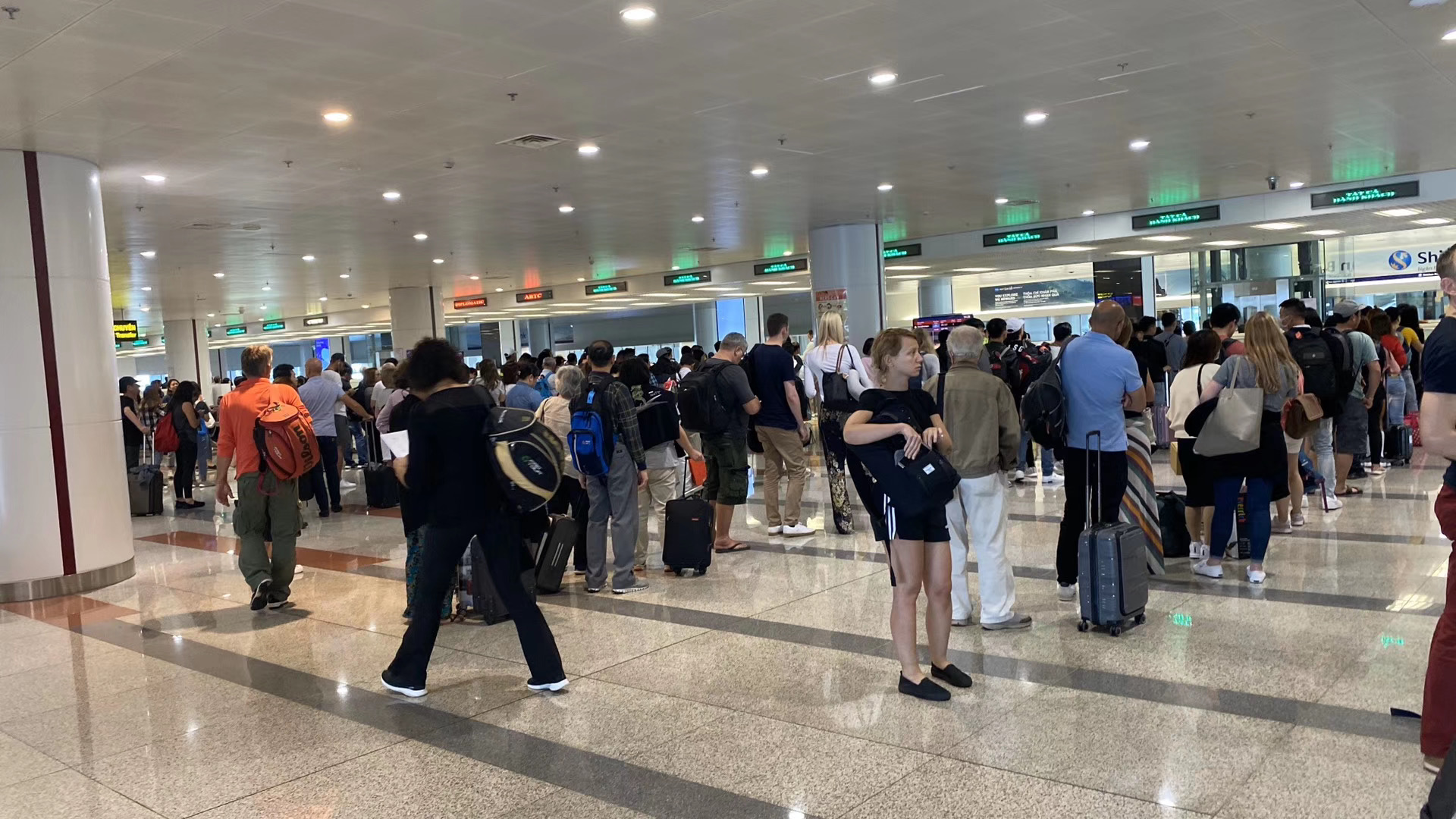
Airport Fast Track Service is a premium service that allows you to skip the long queues at immigration and customs. This can save you a significant amount of time, especially at busy airports.

BENEFITS WE CAN GIVE YOU

– Prompt assistance via phone, live chat and email is always available.

– Services implement quickly, no wasting time.

– Being met and guided from the arrival gate.

– Get Visa stamp fast, without getting in line.

– Be assisted and escorted through Immigration checkpoint.

– Baggage porters available on request.

– Clear Terms & Conditions guarantee protect customers’ right.

Airport Fast Track Service can be a great way to save time, reduce stress, and get priority treatment when you travel. If you are looking for a way to make your journey more enjoyable, then airport fast track service is a great option.

For using our Airport Fast Track Service, kindly send the information of your name + number of people + flight information to our email https://vietnam-airport.net/ We will support you at any time.

Posted on

What do I need to inform you in case I wish to use your private car pickup?

In order to well arrange the car for you, please let us know your flight number and landing time in Vietnam and the number of people in your group as well. Also pls make the order on my website: https://vietnam-airport.net/

Posted on

What do I need to inform you in case I wish to use the arrival fast-track service?

In order for us to arrange the fast-track service for you, please let us know your flight number and landing time in Vietnam. Also pls make the order on my website: https://vietnam-airport.net/

Posted on

How long does it take me to get my Vietnam visa stamped if I do it myself?

Normally, the visa stamping process at Vietnam airport may take you 15 – 20 minutes, even 30-45 minutes during peak time.

Posted on

Why should I use the arrival fast-track service?

When using this service, you will get certain benefits as follows:

  • Getting visa stamped/sticker at landing visa counter without staying in line;
  • Having baggage collected by our staff in case of using our Full VIP fast-track service;
Posted on

Clarify the difference between your visa and VIP fast-track service

Please be kindly informed that normally, when using Vietnam visa, you will need to go through two gates at Vietnam airport to complete your immigration procedure: visa counter and Passport Control gate.

With the VIP visa fast-track service, our staff at Vietnam airport will assist you to get visa stamped/sticker quickly at the first gate – visa counter. And then you will go through the second gate and complete the procedure there by our representative at Vietnam airport who will assist you to go through these two gates quickly.