Posted on

Tay Ninh: one of the best attractive destinations in Vietnam

Are you wondering where is Tay Ninh in Vietnam? Look no further than this Tay Ninh Vietnam map, which will also show you the many attractions in this southern province.

If you are planning a Vietnam travel adventure, the Tay Ninh Vietnam map should definitely be on your radar! Located in South Vietnam, Tay Ninh is known for its rich cultural heritage and stunning natural landscapes. From the majestic Ba Den Mountain to the magnificent Cao Dai Temple, there is a wealth of attractions to discover during your trip in this province.

>>> Apply Visa to Vietnam <<<

>>> Order Fast Track Service <<<

1. Where is Tay Ninh in Vietnam? How many districts are there on the Tay Ninh Vietnam map?

Tay Ninh, a province situated in South Vietnam, is nestled in the southeastern region. It borders Binh Duong and Binh Phuoc to the east, Ho Chi Minh City and Long An to the south, and shares a 240-kilometer-long border with Cambodia to the west and north. Besides the city of Tay Ninh, the province comprises 8 districts, including Tan Bien, Tan Chau, Duong Minh Chau, Chau Thanh, Hoa Thanh, Ben Cau, Go Dau, and Trang Bang.

Vietnam Tay Ninh promises a captivating journey for all travellers. This Tay Ninh Vietnam map will reveal the diverse landscapes and cultural wonders that this place has to offer.

2. Which places on the Tay Ninh Vietnam map are worth visiting for tourists?

2.1. Ba Den Mountain – one of the top attractions near Ho Chi Minh City

Situated just 11 kilometres away from the center of Tay Ninh City, Ba Den Mountain holds a significant place on the Tay Ninh Vietnam map. This Tay Ninh Mountain stands as the “roof” of South Vietnam, soaring to a height of 986 meters and covering an area of 24 square kilometres. It captivates visitors with its rich history and breathtaking landscapes. Ascending Ba Den Tay Ninh Mountain ensures an unforgettable adventure for both seasoned climbers and newcomers alike, regardless of the path you choose.

2.2. Tay Ninh Holy See (Cao Dai Temple)

Tay Ninh Holy See, also known as Cao Dai Temple, serves as the spiritual heart of Caodaism in Vietnam. Situated just 5 kilometres away from the center of Tay Ninh City, this temple showcases a unique blend of Eastern and Western architectural styles. As the largest Cao Dai religious site on the Tay Ninh Vietnam map, it attracts both pilgrims and tourists alike. The captivating ambiance and profound spiritual significance here make it a must-visit on any journey to Tay Ninh.

2.3. Dau Tieng Lake

Dau Tieng Lake, the largest man-made lake in Vietnam, spanning an impressive 27,000 hectares, is a picturesque reservoir stretching across the provinces of Tay Ninh, Binh Duong, and Binh Phuoc. The majority of its expanse lies within the Tay Ninh Vietnam map. Many visitors flock here for camping trips, where they can witness breathtaking sunrises and sunsets or even spend a memorable night for a delightful picnic.

2.4. Lo Go – Xa Mat National Park

Tay Ninh Province Vietnam is home to a remarkable natural treasure named Lo Go – Xa Mat National Park. Situated on the Tay Ninh Vietnam map, covering an extensive area of 18,765 hectares, this park serves as a transitional zone between the Central Highlands and the southeastern region.

As one of the noteworthy Vietnamnational parks, Lo Go – Xa Mat is dedicated to conserving a wide variety of rare and precious flora and fauna. Thanks to its diverse terrains, visitors can indulge in a plethora of fascinating activities, including forest trekking, cycling through lush landscapes, camping, picnicking by the picturesque Da Ha Waterfall, and taking a boat ride along the scenic Vam Co Dong River.

2.5. Truc Stream

Truc Stream, a hidden gem on the Tay Ninh Vietnam map, is one of the delightful attractions near Ho Chi Minh City that will enchant nature enthusiasts. This serene stream offers a refreshing respite from the hectic pace of city life. Here, visitors can immerse themselves in the tranquility of the surroundings while taking leisurely strolls along the banks or simply basking in the peaceful ambiance. The crystal-clear water of Truc Stream invites you to dip your feet, providing a soothing escape on a hot day.

2.6. Chot Mat Tower

Chot Mat Tower (also known as Chop Mat) stands as one of the few remaining ancient towers in South Vietnam. This tower is a significant relic of the Oc Eo civilization, bearing witness to the rich cultural heritage of the area. Historians estimate that this tower was constructed in the 8th century, yet it was not until the mid-19th century that French archaeologists discovered it. As a mysterious piece of history on the Tay Ninh Vietnam map, Chot Mat Tower invites visitors to delve into the intriguing past of Tay Ninh South Vietnam, offering a glimpse into the ancient civilization that once flourished in the region.

2.7. Rocky Mountain Lake

Rocky Mountain Lake, also known as Ho Nui Da, is an essential stop on your Tay Ninh Vietnam map. Situated in Ba Den Mountain, a visit to this place allows you to engage in various activities with friends and family, such as trekking along the trails leading to the lake, camping, and participating in team-building games. The best time to visit Rocky Mountain Lake is during the dry season, from December to April. So, plan your Tay Ninh tour accordingly to enjoy the enchanting beauty of this natural gem.

2.8. Go Chua Fruit Garden

On the Tay Ninh Vietnam map, if you seek a tranquil natural space where you can indulge in an abundance of delicious fruits, Go Chua Fruit Garden is a must-visit. Often overlooked by many, this hidden gem is a perfect retreat for relaxation and fruit feasting. Fruit enthusiasts will be delighted by the abundant selection available here. So, make sure to come and savor the delights of this lesser-known gem during your Tay Ninh Vietnam trip.

2.9. Go Ken Pagoda

Amidst the tranquil beauty of Tay Ninh, you will discover Go Ken Pagoda, a hidden treasure among the enticing Tay Ninh Vietnam attractions. With a history spanning over a hundred years, this ancient pagoda exudes a serene ambiance and spiritual charm. Within the pagoda’s grounds lie various sacred structures, including a 25-meter-tall statue of Avalokitesvara Bodhisattva standing amidst a lotus pond, a statue of Buddha, and a nine-story Stupa. Go Ken Pagoda is a true gem among Vietnamese pagodas, and a visit here promises to enrich your spiritual journey.

2.10. Ma Thien Lanh Valley

Ma Thien Lanh Valley is a mesmerizing landscape shaped by the convergence of Ba Den Mountain, Phung Mountain, and Heo Mountain. From the summit of Ba Den Mountain, the valley seems to unfold like a tranquil basin, adorned with hidden caves and serene lakes. Undoubtedly, Ma Thien Lanh Valley promises to be an enthralling attraction for any Tay Ninh Vietnam trip. This natural wonderland offers a range of beloved activities, such as trekking, camping, or simply enjoying a leisurely picnic.

Tay Ninh Province Vietnam beckons curious travelers with its alluring charm. As you traverse the Tay Ninh Vietnam map, you will uncover not only cultural treasures but also natural wonders like the mystical Ba Den Mountain and the serene Dau Tieng Lake. Each stop on the map promises a new adventure, making your Tay Ninh tour unique and memorable.

 Apply For Vietnam Visaapply Vietnam visaApply visa vietnambook visa vietnamCheap Vietnam VisaE-visa Vietnamevisa Vietnamexpedited e-visaexpedited Vietnam E-visaGet a Vietnam visaGet Vietnam Visaget vietnam visa onlineget visa to vietnamget visa Vietnammultiple entry visamy vietnam visaquick vietnam evisarush vietnam visatourist visaUrgent Vietnam VisaVietnamVietnam E-visaVietnam EmbassyVietnam touristVietnam travelVietnam vacationVietnam VisaVietnam visa costVietnam Visa ExemptionVietnam Visa FeeVietnam Visa for India citizensVietnam Visa For IndiansVietnam visa for IsraelisVietnam Visa for South Africa citizensVietnam Visa In IndiaVietnam visa in South AfricaVIetnam VIsa on arrivalVietnam VIsa onlineVietnam visa proVisa Approval Lettervisa for vietnamVisa On Arrivalvisa onlineVisa to VietnamVisa Vietnam

Posted on

        Ninh Thuan: beyond Sun, Wind and Beach.

Stunning beaches and sand dunes, lush green mountains, and vibrant culture are all glowing words whenever people mention Ninh Thuan, a beautiful province in the south-central region of Vietnam. Whether you are looking for a beach break or an adventurous trekking trip up the hill, Ninh Thuan is sure to satisfy every craving heart in the world.

Ninh Thuan is a cradle full of surprises. Being sandwiched between the world-famous beach resort towns of Nha Trang and Mui Ne, it is also home to a world biosphere reserve, Cham heritage site and UNESCO’s Intangible Cultural Heritage in Need of Urgent Safeguarding.

As mentioned, Ninh Thuan located in the South-Central region, the provincial capital is Phan Rang – Thap Cham city, 340 km from Ho Chi Minh City, bordering Khanh Hoa to the north and Binh Thuan to the south. With its special location, Ninh Thuan is the host to some of the country’s most stunning natural wonders. From its pristine beaches to its lush forests, Ninh Thuan offers a wealth of opportunities for exploration and discovery.

>>> Apply visa to Vietnam <<<

Best time to visit Ninh Thuan

Despite being hot all year round, Ninh Thuan is, obviously, a hotspot drawing tourists. For those who fancy blue sea, white sand and crispy sunshine, travelling from May to August will be the perfect time to enjoy beaches in Ninh Thuan. It is not the peak season so you can have a peaceful heart, mind and soul.

August to October screaming festival time. The province is its busiest, culturally, with unique festivals of the Cham people, including the “Kate Festival” held late September and early October to mark the end of one harvest season.

There are several means of transport to reach Ninh Thuan. If you take the train, you get off at Thap Cham Station. If you take a plane, the nearest airport is Cam Ranh (Khanh Hoa), nearly 70 km from Phan Rang – Thap Cham city. Other vehicles such as cars or motorbikes can access via National Highway.

Looking for a shelter? Ninh Thuan offers a wide range of accommodations from motels, hotels to camping tents.


What to explore

Nui Chua National Park

About 30 minutes driving from Phan Rang-Thap Cham City, this UNESCO’s biosphere reserve shelters 765 animal species, of which 46 are on the Red List of the International Union for Conservation of Nature, including the red-shanked douc langurs. Trekking and camping are few tourism activities allowed in the national park. Visitors can trek through towering mountains, fast-flowing streams, giant rocks, mountain cliffs, and dense jungles. The most popular trek is a three-day trekking route from Hang Da Hamlet to O Liem River. During the trekking, visitors can pitch a camp in the heart of the forest, if lucky enough, visitors can have an opportunity to learn traditional wet rice farming methods of the Raglai ethnic minority community and many unique cultural practices. Register in advance with the management board of the park to ensure your safety.

Rai Cave

Nestled in the Nui Chua Biosphere Reserve, Rai Cave owns a system of beautiful, extraordinary caves, a masterpiece of nature and otter habitat. This is also the place with the most beautiful coral reef in the region, stretching for kilometres, with many species and colours creating a colourful picture. There are no tourism services here, but visitors can bring their own tents to camp overnight.

Vinh Hy Bay

 It is no doubt to say Ninh Thuan Province is a paradise for beach lovers since it is well known for stunning beaches, white sand, crystal clear waters and lush vegetation. Being known as one of the 4 most beautiful bays in Vietnam, Vinh Hy Bay is an unmissable place in Ninh Thuan. Close to Nui Chua National Park, the Bay has its wild, natural and primitive beauty. Added some fun to swimming and watersports by the Bay, renting a glass-bottom boat to watch the marine life and colourful coral reefs is a great experience.

The sea route

Phan Rang – Vinh Hy – Cam Ranh and Phan Rang – Binh Thuan are two sea routes with gorgeous views of nature. From Phan Rang – Thap Cham City, following the coastal road to the North and South, the scenery of green beaches, white salt fields, sheep grazing fields, vineyards… open up in visitors’ eyes. A part of Nui Chua Biosphere Reserve also lies in this route.

Bau Truc Pottery Village

About 10 km from Phan Rang-Thap Cham City, lies the Bau Truc Pottery Village, with the Art of pottery-making of Chăm people, a UNESCO’s Intangible Cultural Heritage in Need of Urgent Safeguarding, and one of the two most ancient pottery villages in Southeast Asia. All ceramic products in Bau Truc are handmade as artisans do not use a potter’s wheel to shape the clay. Come and experience the crafting of beautiful ceramic products to bring as gifts.

Nam Cuong sand dune

Being dubbed as a miniature desert of Ninh Thuan, the dunes change colours depending on the angle of the sun and cloud. Visitors to this miniature desert can see the sight of Cham women in their traditional attires, silhouetting on the soft sand, carrying jars of water on their heads. The best time to admire the beauty of the sand dunes is between 5am and 7am, when sunshine makes the sands glow golden.

Po Klong Garai Tower

About 7 km from Phan Rang-Thap Cham City, lies the most majestic tower complex of the Cham People, the Po Klong Garai. This architectural masterpiece is a place to perform the worshipping. Cham people garther here to celebrate the “Kate Festival,” praying for a good harvest every October. The week-long festival marks the Cham calendar’s de facto New Year at the onset of a new harvest.

An Hoa Sheep farm

With the year-round hot and sunny weather, Ninh Thuan is considered as the “holy land” of sheep. Many of Ninh Thuan’s shepherds belong to the Cham ethnic minority. Local shepherds usually take their flocks at around 8 a.m to nearby hills where they graze on wild grass. This is the ideal time to watch the sheep and take arresting photographs.

Vine yards

Despite the year-round hot weather, Ninh Thuan is an ideal land for grapes and apples growing. Ninh Thuan people also grow black grapes used to make wine besides green and red ones. On the Ninh Thuan – Nha Trang route, visitors can pass by vineyards of An Thai, Ba Moi… to take a photo, picking and buying grape products.

What to eat

Banh Can (mini pancakes) is a common food of the Cham people in Ninh Thuan. Other must-try dishes in Ninh Thuan can be named: Banh canh cha ca (fish cake noodles); chicken rice; Jellyfish noodle soup; Vietnamese white sardine salad …

Posted on

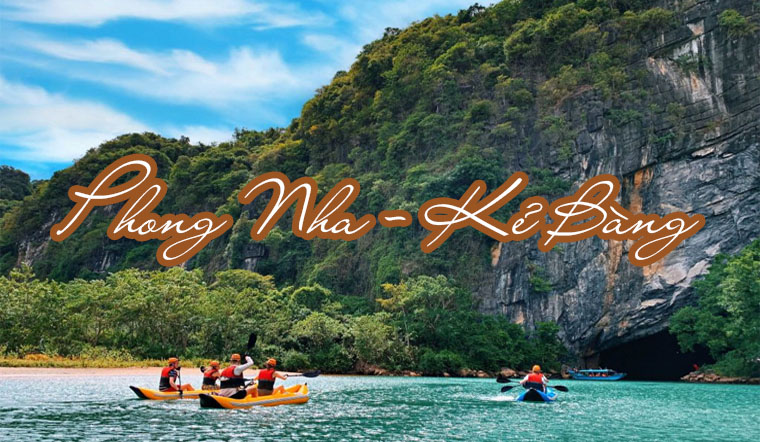
Phong Nha – Ke Bang National Park: home of the World’s largest cave

Vietnam boasts numerous amazing places to visit, various off-the-beaten-track tourist attractions and hidden gems in Vietnam are waiting to be explored. Phong Nha – Ke Bang National Park is one of them.

kinh-nghiem-du-lich-kham-pha-dong-phong-nha-ke-bang-quang-binh-202107051210588725

Phong Nha-Ke Bang National Park is located in Bo Trach and Minh Hoa Districts, Quang Binh Province. Inscribed on the World Heritage List in 2003, the Park covered 85,754 hectares. With this extension, the site covers a total surface area of 123,326 hectares (a 46 % increase).

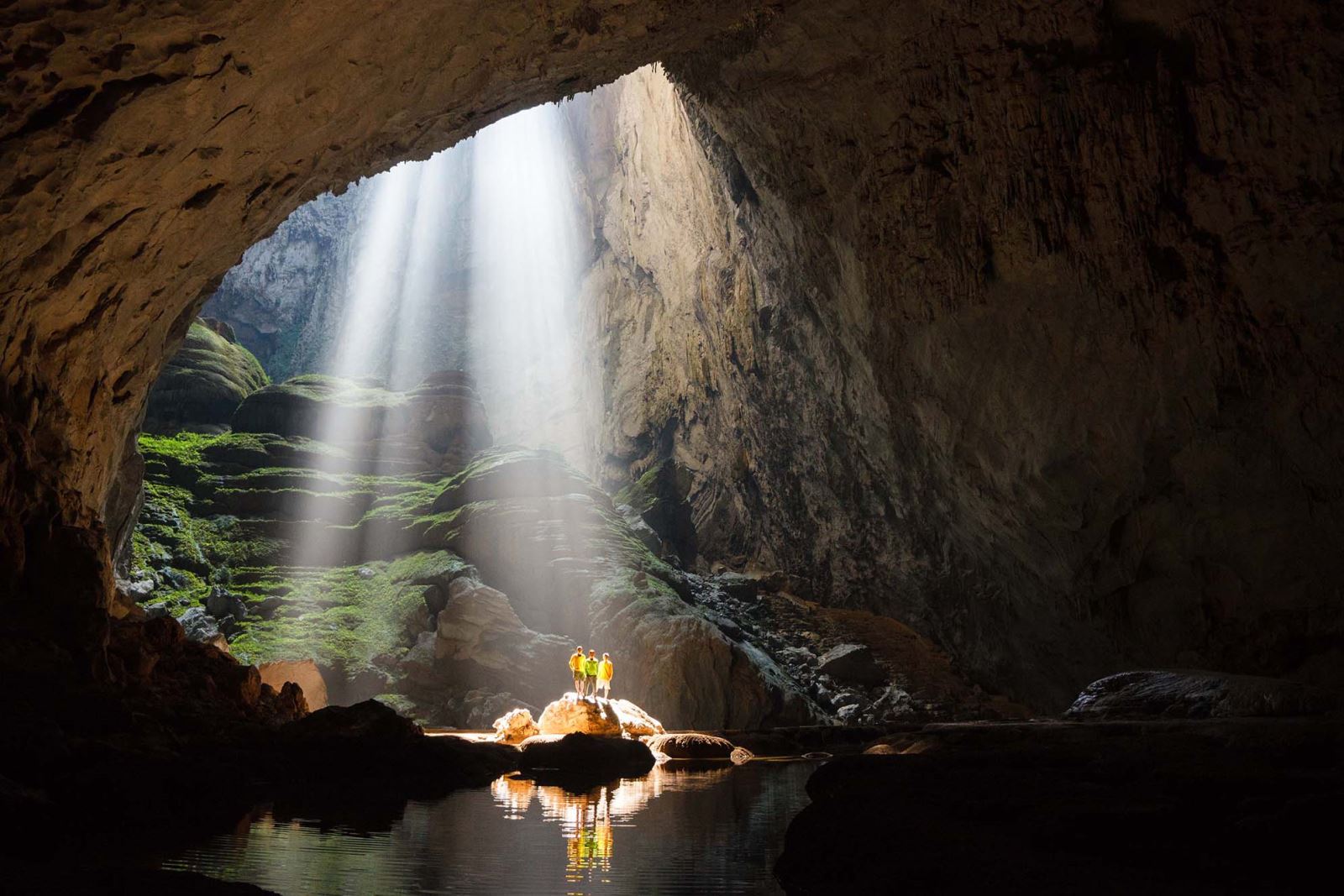
The property contains and protects over 300 caves and underground rivers making it one of the most outstanding limestone karst ecosystems in the world. A variety of cave types including: dry caves, terraced caves, suspended caves, dendritic caves and intersecting caves. Noticeably the Son Doong Cave, first explored in 2009, is believed to be the world’s largest cave.

vna_potal_chum_anh_ve_dep_cua_son_doong_hang_dong_tu_nhien_lon_nhat_the_gioi__3710474(1)

he park also has diverse flora and fauna, including many rare and endangered species. Visitors can explore the natural wonders scattered around the park and indulge in various recreational activities such as trekking, kayaking, and cycling.

Best time to visit Phong Nha – Ke Bang National Park is from March to August, during the dry season.

Phong Nha – Ke Bang National Park is truly a wonderful underground world since it consists of caves, lake, river, beach and reef, incredible stalactites… In case you only know about Phong Nha – Ke Bang National Park via the Son Doong Cave adventure tour. Here, you can enjoy tons of activities that bring you closer to nature.

Explore Phong Nha – Ke Bang National Park by wheels

Cycling and motorbike tours are highly recommended as this is the best approach to unveiling hidden gems of Phong Nha – Ke Bang National Park. Feel the exhilarating rush of wind as you traverse picturesque pathways, absorbing the verdant panoramas and the abundant biodiversity that graces the park. For another level and pumping your adrenaline by navigating winding routes on a motorbike that lead to concealed alcoves and awe-inspiring vantage points. Whatever vehicles you choose, both avenues yield a distinct viewpoint, enabling an intimate connection with the park’s multifaceted landscape.

Wander and Trek

Taking a leisure stroll or embarking on a rewarding hiking adventure are the best ways to let you immerse yourself in the natural wonders of Phong Nha – Ke Bang. With the diverse landscapes, the park offers a captivating journey. Wander through lush forests, revealing hidden streams and delicate flora, visitors will be embraced by the tranquil amble. For those seeking a more adventurous experience, getting into hiking paths lead to panoramic viewpoints that offer breathtaking vistas of the surrounding karst formations.

Visit Phong Nha – Ke Bang botanical garden

The 40-ha botanical garden located in the centre of the Phong Nha – Ke Bang National Park, the garden is an attractive eco-tourism destination with 500 plant species, including 133 rare and precious ones. The botanical garden is a natural forest with six major tourism sites: the 30-metre high Gio (Wind) Waterfall, Vang Anh Lake, a specimen showroom, a 3-km natural pathway, plant nursery and precious and rare plant areas. Walking on the pathway, tourists can see monkeys and porcupines in the wild and in a semi-wild zone.

Visitors can camp or rent rooms overnight and enjoy local food made from chicken, spring shrimp, river fish and pigs bred in forests.

Enjoy zipline and mud bath in Chay River – Toi (Dark) Cave

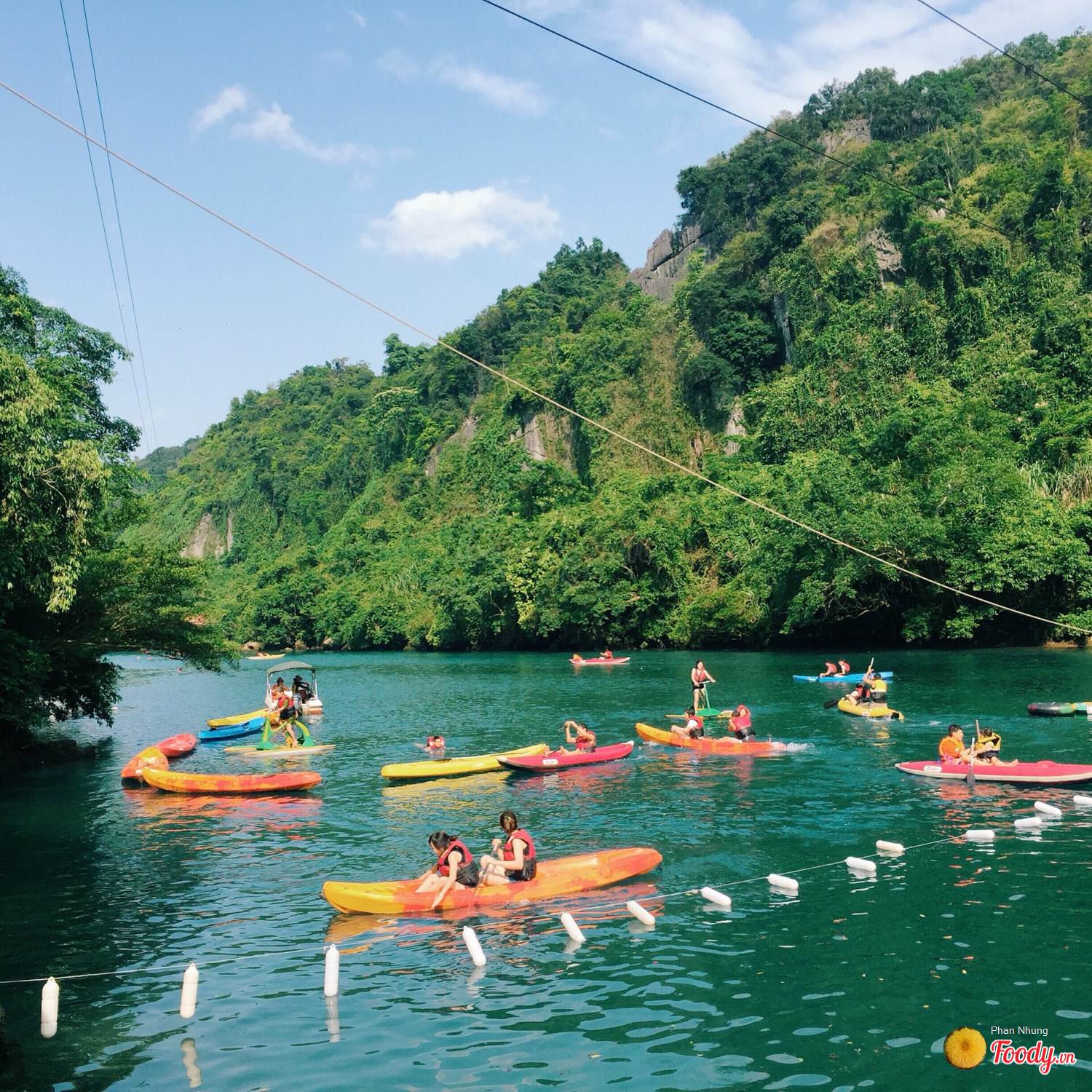
foody-hang-toi-quang-binh-755-635982523463766379

Chay River – Dark Cave is located in Son Trach Commune, Bo Trach District (Quang Binh Province), is an attractive destination with many fun activities such as zipline, kayaking, mud bath. Visitors often come here to enjoy the cool and fresh air.

Zipline is truly a highlight activity in Chay River. This activity includes two routes: a 400m zipline from the observatory to the mouth of Dark Cave and a short zipline from the bank to the middle of the river and then release in the water of the Chay River. Free your soul within a minute, feel the light wind over a distance of more than 400m from the observatory to the mouth of Dark Cave.

To reach Dark Cave, visitors can choose to zipline to the cave entrance or swim or kayak for sightseeing and having fun. Visitors can put themselves into the pit of pure dilute mud that is eroded and refined by the limestone mountains.

Overnight camping and caving

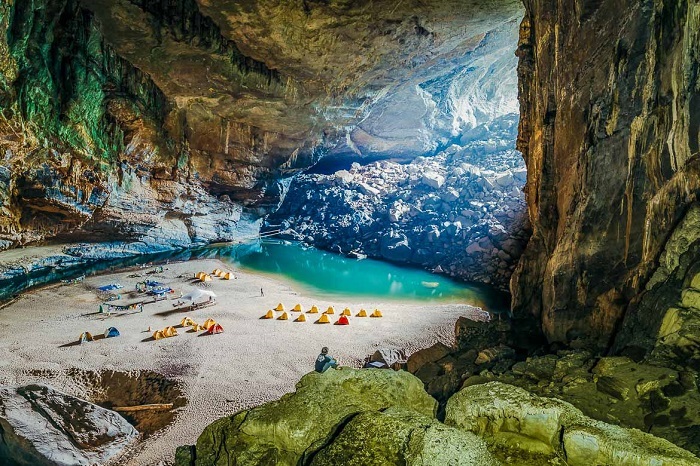
One of the immersive experiences amidst the natural wonders of Phong Nha – Ke Bang National Park is to camp and cave overnight at the park. Spending the night within the heart of these ancient limestone formations, surrounded by the secrets of the underground world. The caves glow up with headlamps illuminating your path, the whole place turns into a mystic allure. This kind of activity is recommended with the companion of expert guides so you can be delighted by the park’s geology, history, and the unique ecosystems that thrive within.

thoi-tiet-quang-binh-1_1643163438-5

Make your plan to Vietnam right now by apply a Vietnam visa at vietnamvisapro.net. We, a reputable and reliable Visa service, will assist you turn your plan into reality at the very first step.

Posted on

Things to know about Notre Dame Cathedral of Saigon

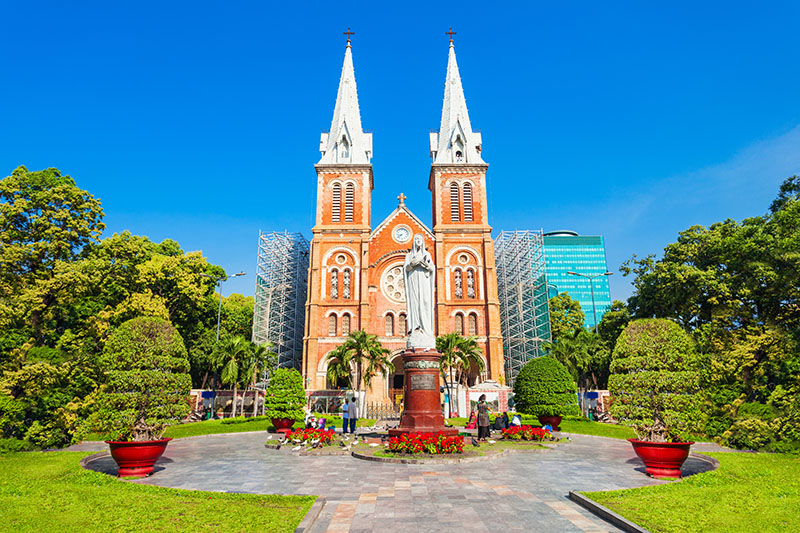
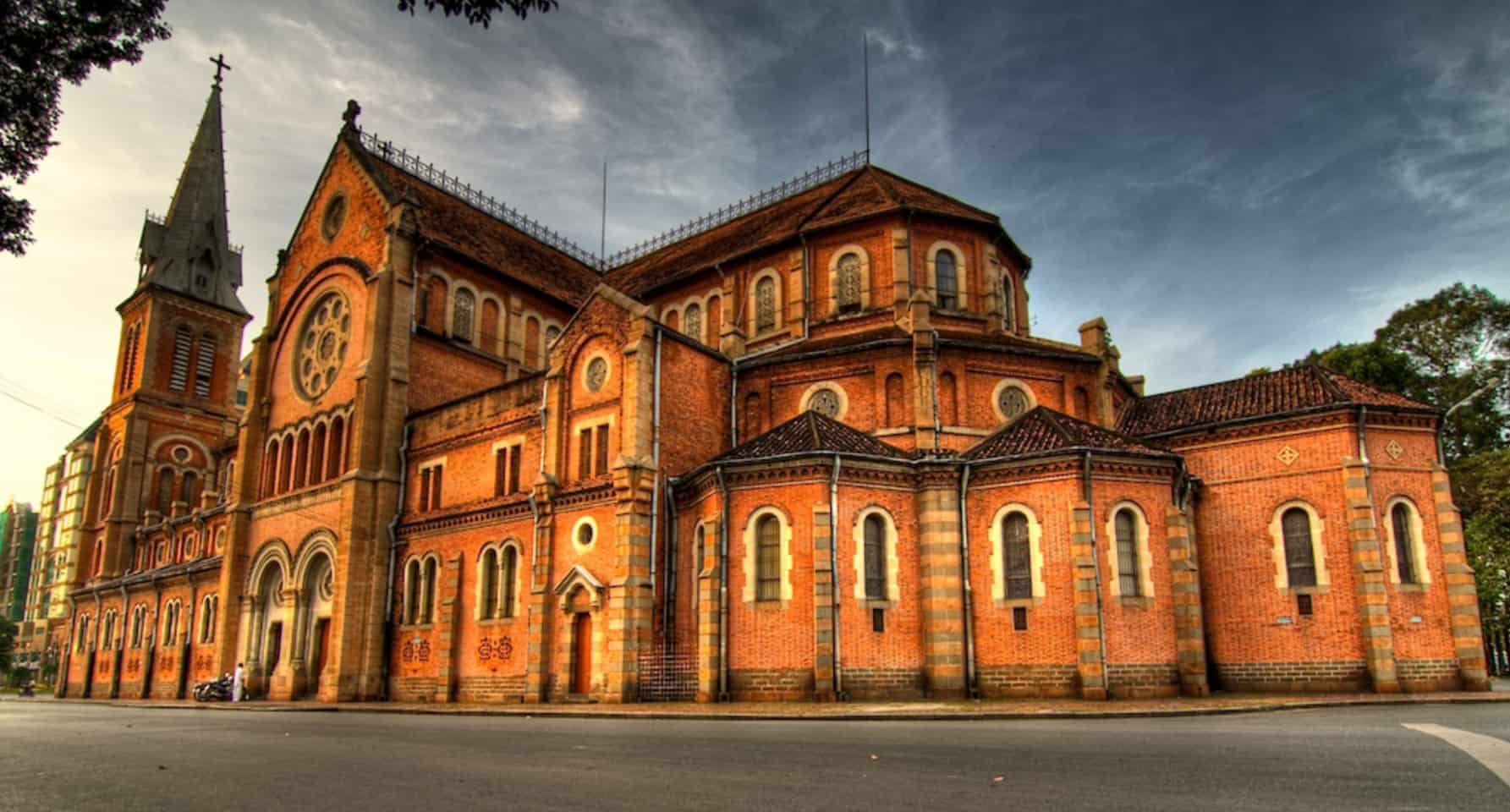
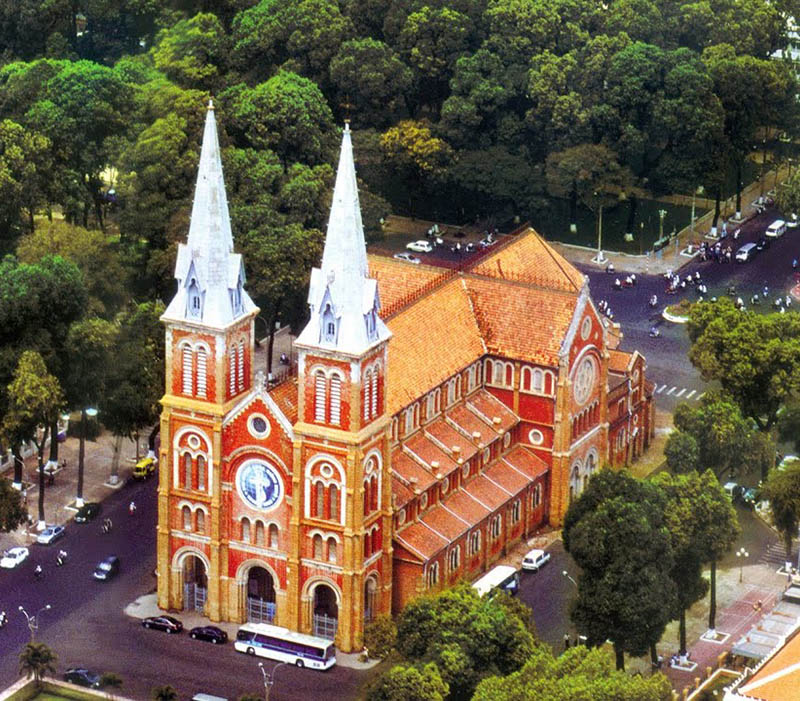
“Nha Tho Duc Ba Sai Gon” which is known as Notre Dame Cathedral Saigon has an official name as Immaculate Conception Cathedral Basilica in English and Cathédrale Notre-Dame de Saïgon in French. This French-built cathedral occupies scenic Paris Square in the heart of Ho Chi Minh City at 1 Cong Xa Paris, Ben Nghe, District 1, Notre Dame Cathedral. It is one of the oldest religious architectural works in Saigon. Combining to other constructions such as Central Post Office, Reunification Palace, Opera House, etc. Notre Dame Cathedral contributes to create a unique architectural complex, which is the symbol of urban architecture of the most dynamic city, Saigon – Ho Chi Minh city.

Notre Dame Cathedral Basilica of Saigon or Cathedral Basilica of Our Lady of The Immaculate Conception in Ho Chi Minh City, Vietnam

History

Immediately after occupying Saigon, the French established a church to serve as a place of worship for Catholics in the army. The first church was located on today’s Ngo Duc Ke street, which is an old Vietnamese temple abandoned due to the chaos of the war.
This first church quickly became small with an increasing number of believers. In 1863, Governor Louis Adolphe Bonard decided to build a wooden church on the banks of the Charner Canal (Kinh Lon). This canal was later filled and built into Nguyen Hue Street today. Father Dominique Lefèbvre put the first stone for the construction of this church, then named it as Saigon Cathedral. However, due to the wooden construction, the church was soon destroyed by termites. Thus, in preparation for a new solid church on the growing land, in August 1876, the Governor of Cochinchina – Victor Auguste Duperré organized a competition to select designs for the new church.
Architect J.Bourad was chosen with a modified Roman architecture project combining with Gothic characters. And he also won the bid to build this historic building. The original construction site was proposed in three places, and finally the Paris Commune Square was chosen. The front of the church turns to the Southeast, towards Nguyen Du Street, the back heads to the current Le Duan Street. The construction was done fairly quickly, nearly 3 years. On 11th April 1880, a blessing ceremony and inauguration ceremony of Saigon Cathedral was solemnly celebrated by Bishop Colombert with the participation of Cochinchina Governor – Charles Le Myre de Vilers.
All construction materials for the church such as cement, steel, tile, stained glass, bells, etc. were all transported from France. The outside of the buildings, for instance, was built totally of red bricks from Marseille without plastered or cemented. However, it still remains fresh orange-red color until today. In the beginning, the Church was called the State Church, because all the construction funding was provided by the French State, with an amount of up to 2,500,000 francs at that time.
In 1895, the church built two more bell towers, each tower was 57.6 m high and had 6 large copper bells. At the top of the tower is a crucifix with a height of 3.50m. Overall height from the ground to the top of the crucifix is 60.50m.
In 1958, the governor of the Saigon at that time, Father Joseph Pham Van Thien, ordered a statue of the Mother of Peace on white marble. The statue was carved in Italy and transported to Saigon by sea in 1959. After that, Société d’Entreprises Company has erected a statue of Our Lady on a stone pedestal that has been empty since 1945 in front of the church.
At the end of the ceremony of the National Congregation of the Holy Mother, Cardinal Aganianian from Rome blessed the statue in the afternoon of 17th February 1959. From this event, the Church was named Notre Dame Cathedral. On December 5, 1959, the Holy See allowed to hold anointment ceremony, conferring the Saigon Cathedral to the basilica. Since then, the official name of the cathedral is the Notre Dame Cathedral in Saigon.
In 1960, the Holy See erected Roman Catholic dioceses in Vietnam with three archbishops in Hanoi, Hue and Saigon. The church became the cathedral of the archbishop of Saigon to this day.

1-10

Know before you go

  1. Saigon Notre Dame Cathedral is open:

– Monday – Saturday: 08.00 AM – 11.00 AM
– Monday – Saturday: 14.00 PM – 16.00 PM
If you have a chance to take a look inside, then remember to enter the sided gate, which is open every day while the main gate opens only during Sunday Mass. Many tourists visiting Notre Dame Cathedral would like to attend the mass, but do not know the exact mass schedule of the Notre Dame. Please have a look at this schedule, hopefully you will choose the mass frame that match your itinerary
– Weekday Mass: at 05.30 AM and 5.30 PM.
– Sunday Mass: at 05.30 AM; 06.45 AM; 08.00 AM; 09.30 AM; 16.00 PM; 17.30 PM; 18.30 PM. (The Sunday Mass at 9.30 AM is in English)

  1. No entrance fee is required to visit this place but we recommend booking Saigon Notre Dame Cathedral tours ahead of time to secure your spot. See all Saigon Notre Dame Cathedral tours on Vietnam Travel.

However, the cathedral is under is undergoing large-scale renovation, the renovation is expected to last for 3 years (6/2017 – end 2020). The church is closed to tourists during this time but remains a site of worship for Vietnamese Catholics every Sunday where a mass is held at 09.30 AM in both Vietnamese and English. You can still admire the scenery or take pictures from the surrounding grounds.

nha-tho-duc-ba-sai-gon-ruc-ro-1692570394
  1. Others

– Please dress appropriately and avoid disturbing the worshipers when visiting.
– Don’t use flashlight inside Cathedral.
– From the Notre Dame Cathedral Saigon, you can visit other attractions nearby:
o Central Post Office
o The Independence Palace
o People’s Committee Building
o Ho Chi Minh’s book street
o If you have time, please pass by Diamond Plaza, 30/4 Park and sip a cup of coffee while view the local life and enjoy peaceful moment.  This is most properous part of HCM City and most of cafe or shop in this area is more expensive than the rest of the country.
o You can also try several delicious street foods around the Cathedral area such as: Banh Canh Cua, Banh Xeo, Banh My, Bun Rieu, Bun Mam…

Make your plan to Vietnam right now by apply a Vietnam visa at vietnamvisapro.net. We, a reputable and reliable Visa service, will assist you turn your plan into reality at the very first step.

Posted on

Quy Nhon 2024 : best things to do & travel guide

Quy Nhon city is bordered by beautiful beaches and the surrounding landscape is also breathtaking. Life here also feels much more authentic.

5 reasons to visit Quy Nhon

  1. Visit local fishing villages
  2. Beach hopping to secluded beaches
  3. Snorkel and swim around the islands
  4. Explore Champa architecture at Cham temples
  5. Enjoy the sunset at Eo Gio

Best time to visit

From March to August it is the dry season, when there is little rain. However, the best months are between January and March, when the worst of the rain is over and when it doesn’t get as hot as during the summer months.

10 best things to do in Quy Nhon

The best things to do in Quy Nhon are mainly the activities you can do on and around the beach. This region has one of the most beautiful beaches in Vietnam. Relax with a book on the beach, visit islands or go snorkeling.

1. Stay overnight in Bai Xep

1

Although the city of Quy Nhon is already not touristy, staying in Bai Xep is even more fun and authentic. Bai Xep can be found in a small fishing village 12 kilometers from the city center. It started with two hostels that settled in this village right on the beach, but nowadays there are already some more accommodations here, including a luxury resort next door.

Yet you still feel the real authentic atmosphere of the fishing village here. There is not much to do here except to enjoy the beach and take a boat trip to the nearby island where you can snorkel well.

2. Explore beaches

Besides Bai Xep, many more beaches can be found here. One of the best things to do in Quy Nhon is beach hopping, where you drive along the coast and choose beaches along the way to enjoy yourself. 

You don’t necessarily have to get out of town to find beautiful beaches, because Municipal Beach, the main beach along the city’s strip, is already beautiful. The waves are often calm here, making it an ideal place for swimming. There are a number of bars right on the beach where you can enjoy the sunset with a cocktail.

3. Island hopping

There are a number of small islands off the coast of Quy Nhon. Some are so small that you can only sail and snorkel around them. Many resorts can arrange boat trips to these islands, often combined with snorkeling.

The most famous islands where you can go are Ky Co Island and Kho Island. Khy Co is a remote island with a beautiful beach and crystal clear water that is so inviting that you have to go swimming. Kho Island is a good place to see coral reefs. Hon Kho is also a turtle conservation center.

4. Sunset at Eo Gio

eo-gio-quy-nhon-4_1703490354

One of the other great things to do in Quy Nhon is wathing the beautiful sunset at the ocean. The best place to do this is at Eo Gio. You can of course also visit this place during the day.

Eo Gio, known as the Windy Pass, is a naturally rocky structure in the sea. It is a beautiful landscape of rough cliffs that fall straight into the water and is fun to explore.

5. Dune sliding

sandboarding

Mui Ne isn’t the only place in Vietnam where you can find sand dunes so big it feels like you’ve landed in a desert. The Phuong Mai dunes are huge and can be found next to the beach of Nhon Ly. It is not only a place to take beautiful photos, but you can also enjoy sandboarding of the dunes.

You can combine a visit to these dunes with Hải Nam fishing village. A nice local and authentic village with a nice beach and island in front of it.

6. Cham towers

po-nagar-cham-towers-3_1701485608

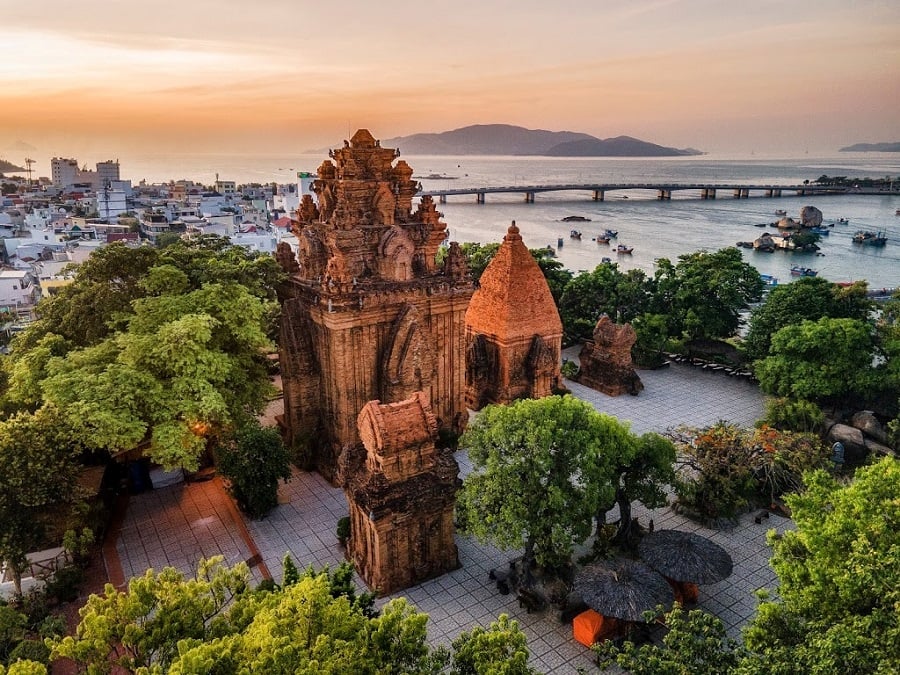
In the vicinity of Quy Nhon you will also find several Cham Towers. These come from the same era and culture as the temples you find in My Son, near Hoi An. They are not difficult to spot when driving through this area as they are usually on top of a hill. It is a mighty sight to see such an old building on a hill from the distance. There is also a Cham tower on the beach in the town of Quy Nhon. The two most famous Cham towers here are Thap Banh It and Thap Doi.

7. Fishing villages

Vung-Vieng-Fishing-Village-1000x565

Quy Nhon feels very authentic and what you should do is explore the local life. Stop in one of the fishing villages to see how the fishermen make a living. When you drive along the coast you will come across dozens of small villages. In the sea in front of the village you can see all the blue fishing boats floating in the distance and on the beach you can see the basket boats that they use to paddle to their boat or to check the nets that are close to shore.

8. Snorkeling

Siladen_Snorkeling_20190827-DSC_7680-scaled

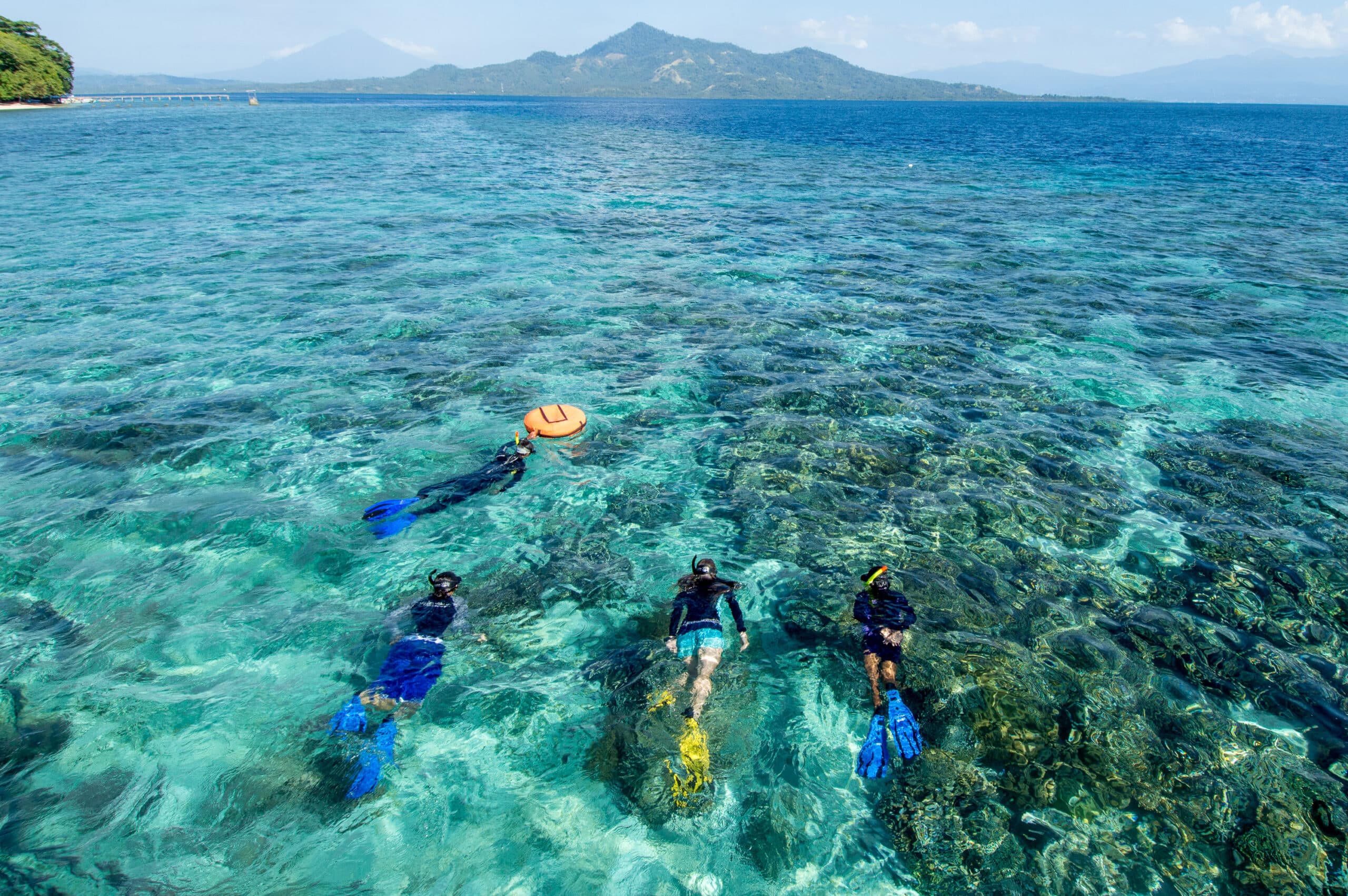
Quy Nhon is one of the best places to go snorkeling in Vietnam. In the first place that the coral around some places are very beautiful and the sea is also a lot calmer; especially at the parts of coast where there are islands in front or in the bays. Unfortunately, Vietnamese are very efficient fishermen, so many large fish have disappeared due to fishing.

It is not a problem if you do not have a snorkel set with you, as these can often be rented at the resorts, hostels and homestays by the sea. Also, usually snorkeling is included during the boat trips to the islands.

9. Countryside of Quy Nhon

12 1

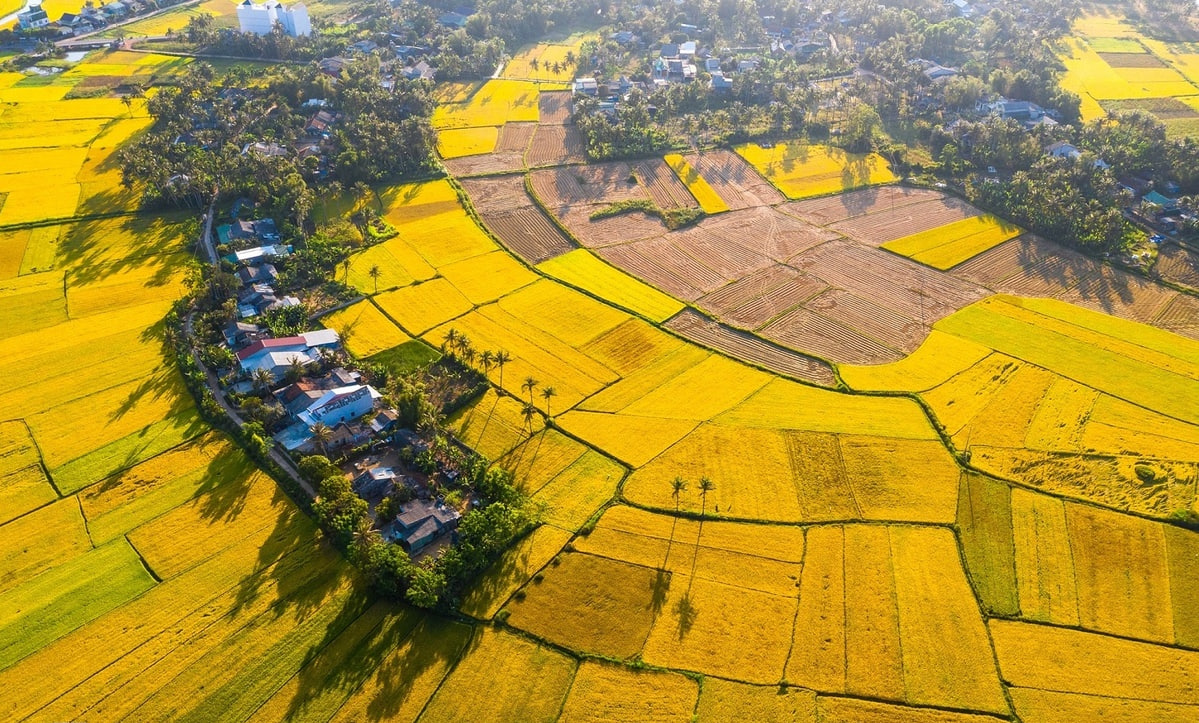
When you’ve seen enough beaches and sea, you can visit the rugged countryside. These are places where tourists never come, not even Vietnamese, so expect a very authentic lifestyle. There are many rice fields and villages in the area. You do have to go out with a motorcycle or rent a car with a driver.

10. Eat great food

dac-san-quy-nhon-1

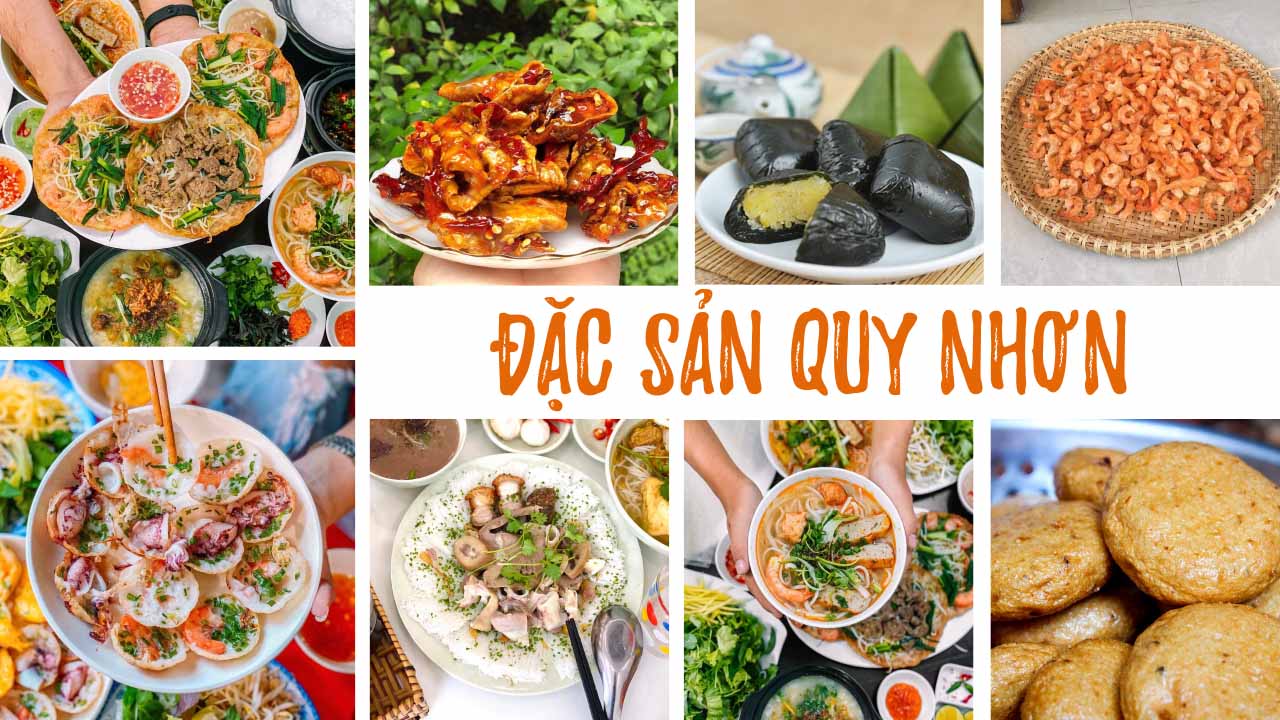
You’ll find everywhere great food in Vietnam, but in Quy Nhon you should definitely try a few things. Because of the location at the sea you will of course find delicious seafood here. If you don’t like seafood you can try a number of other dishes, such as Ban Xeo (very different from the Ban Xeo you find in the south), cuốn, one of the best fresh spring rolls in the country and bún thịt nướng, one of the best dry noodles.

Best hotels & hostels in Quy Nhon

Where to stay

Bai Xep – A charming place 10 km south of the city, not so long ago what made this just a simple fishing village. It is the favorite place for backpackers to stay in Quy Nhon, but for other travelers this village is more advisable than in the city of Quy Nhon.

Quy Nhon city – Accommodation in the city is spread over a four-kilometer beach. There is enough choice of resorts, hotels and other small to medium sized accommodations, depending on the budget.

Secluded beaches – On more secluded beaches you will find backpacker hostels such as Bai Bau, Bai Rang and Nhon Hai. It doesn’t get much more authentic here.

Best hotels & hostels in Quy Nhon

Budget hotels & hostels

  • Life’s A Beach
  • Big Tree Backpackers
  • John & Paul Inn

Mid range hotel

  • Life’s a Beach Apartments
  • Seagull Hotel

High end hotel & resort

  • AVANI Quy Nhon Resort & Spa

Food & drinking

Restaurants

Quy Nhon a surprisingly good city to eat. The local seafood along the beach are cheap and delicious. And some of the local specialties are also worth seeing. There are numerous small seafood restaurants along the beach north of the large statue of Ho Chi Minh with his father.

Nightlife

The nightlife in Quy Nhon is small but growing. There are no night clubs, but there are places where you can have a drink. Locals often gather around the beach in the evenings to enjoy a cold beer.

In Bai Xep all hotels and hostels have a bar, so you certainly won’t get thirsty. Go to Life’s a Beach Backpackers for wild nights and drinking games.

How to get there

Flights to Quy Nhon

Quy Nhon has an airport. There are daily domestic flights from Ho Chi Minh City and Hanoi. The airport is called Phu Cat and is 30 kilometers from the city of Quy Nhon. A taxi or shuttle bus will take you from the airport to the city.

Buses to Quy Nhon

Quy Nhon is located between Nha Trang and Hoi An. The bus ride from Hoi An takes approximately 9 hours, the bus from Nha Trang 4 hours. There are also direct buses to and from Dalat (8 hours) and Pleiku (3 hours).

Trains to Quy Nhon

Quy Nhon train station is located in Dieu Tri, about 10 kilometers outside the city. From the train station you can take a bus or taxi to Quy Nhon.

Posted on

Three Vietnamese Destinations Shine with ASEAN Clean Tourist City Awards 2024

In a significant recognition of their commitment to cleanliness, waste management, and environmental awareness, three enchanting Vietnamese destinations – Hue, Vung Tau, and Quy Nhon – have been honored with the prestigious ASEAN Clean Tourist City Awards 2024. The announcement took place at the ASEAN Tourism Forum 2024, held in the picturesque capital of Laos, Vientiane, from January 22 to 27, 2024. This accolade not only celebrates the beauty and cultural richness of these destinations but also highlights their dedication to sustainable tourism practices.

These three places have previously received the ASEAN Clean Tourism City Award. Quy Nhon received the honor in 2020, while Vung Tau and Hue had each received it three times before.

The recognition was based on 108 criteria divided into seven major categories: environmental management, cleanliness, waste management, environmental protection and cleanliness awareness-building, the presence of green spaces, health safety, urban safety, and security, and the quality of tourism infrastructure and facilities.

Huế: Preserving Imperial Grandeur with Cleanliness
image001

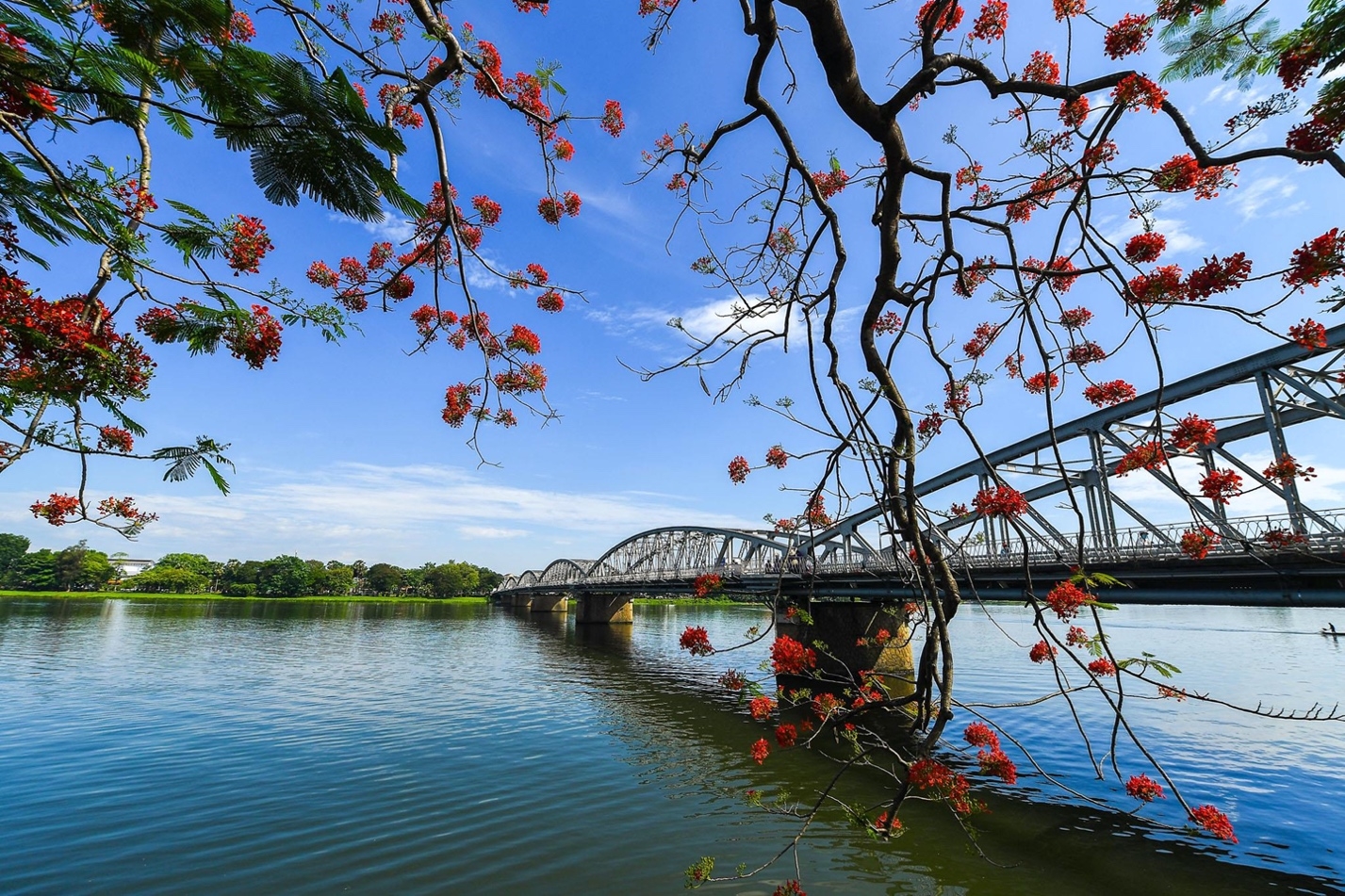
Nestled along the picturesque Perfume River, the ancient city of Hue is renowned for its imperial history and architectural marvels. The city has seamlessly blended its historical charm with a modern commitment to cleanliness and sustainability. From the well-preserved citadel to the vibrant markets, Hue has become a shining example of a destination that values both its rich heritage and the environment. The ASEAN Clean Tourist City Award recognizes Hue’s efforts to maintain its imperial grandeur while adopting eco-friendly practices.

Vũng Tàu: Where Pristine Beaches Meet Environmental Consciousness
Tổng-quan-du-lịch-Vũng-Tàu-ivivu

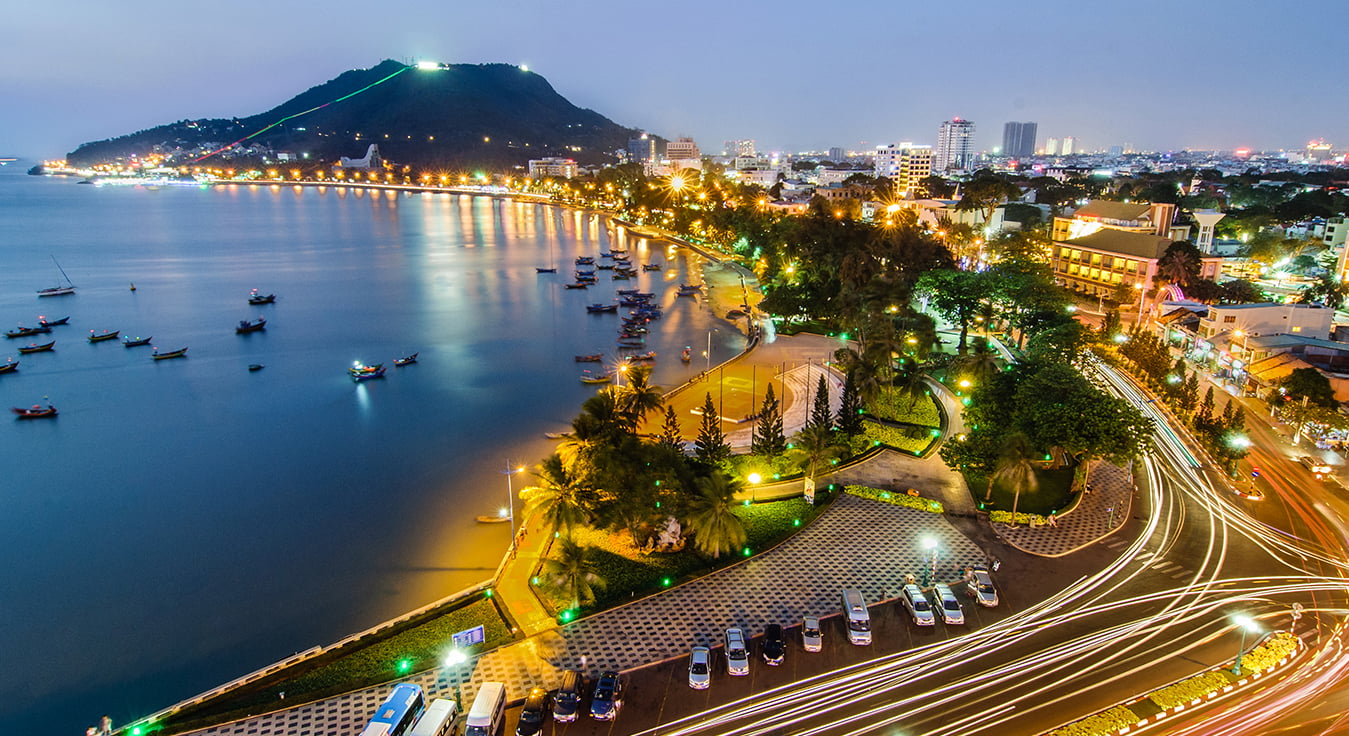
Vũng Tàu, a coastal gem with stunning beaches and panoramic views, has been recognized for its pristine landscapes and a dedication to environmental preservation. The city’s authorities have implemented innovative waste management systems and initiatives to ensure the cleanliness of its beaches and public spaces. Vung Tau’s recognition at the ASEAN Clean Tourist City Awards is a testament to its commitment to providing a delightful and sustainable experience for both locals and tourists.

Quy Nhơn: Balancing Natural Beauty and Environmental Responsibility
eo-gio-1024x768

Quy Nhơn, known for its tranquil beaches and pristine landscapes, has struck the perfect balance between preserving its natural beauty and promoting environmental responsibility. The city’s efforts in waste management and environmental education have not gone unnoticed, earning it a well-deserved place among the recipients of the ASEAN Clean Tourist City Awards. Quy Nhon stands as a model destination that demonstrates how responsible tourism can enhance the allure of a place without compromising its ecological integrity.

The ASEAN Clean Tourist City Awards 2024 have cast a spotlight on three remarkable Vietnamese destinations – Hue, Vung Tauand Quy Nhon – for their dedication to cleanliness, waste management, and environmental awareness. These cities not only showcase the diverse beauty of Vietnam but also serve as inspiring examples for other destinations aiming to harmonize tourism with sustainability. As Hue, Vung Tau, and Quy Nhon continue to welcome visitors with open arms, their commitment to a cleaner and greener future will undoubtedly make them even more appealing to travelers seeking responsible and enriching experiences.

Make your plan to Vietnam right now by apply a Vietnam visa at vietnamvisapro.net. We, a reputable and reliable Visa service, will assist you turn your plan into reality at the very first step.

Posted on

Binh Thuan Tourism Guide 2024

Coming to Binh Thuan province, there are more to discover than just the stretching beaches and mountains. Read more about this fantastic place right here.

DCIMPANORAMA100_0201DJI

Overview

Binh Thuan locates in the South Central Coast of Vietnam, features scenic beaches, and what’s left of Champa Kingdom. The capital city Phan Thiet has the densest population, which encompasses Mui Ne, the world-famous tourist attraction. It’s renowned for giant sand dunes and a long coastline filled with luxurious resorts.

Not only famous for sea life, but Binh Thuan is also a sacred land that is divine to Cham people, those are the descendants of the Cham principality of Panduranga. It is a well-known land of many prominent artists, poets, and historical figures.

  • Area: 7.812,8 km²
  • Population: 1.230.808 people (2019)
  • Provincial Captital: Phan Thiet
  • Districts: La Gi Town, Tuy Phong, Bac Binh, Ham Thuan Bac, Ham Thuan Nam, Ham Tan, Duc Linh, Tanh Linh, Phu Quy

History

Binh Thuan was the home of Huyen Chan princess after she got married to the king of Champa, Jaya Sinhavarman III, in 1306. After the fall of Vijaya in 1471, Binh Thuan belonged to Vietnam. This land was also the base of Phan Chu Trinh and Tran Quy Cap during their revolution against the French in the Indochina War.

Geography

Binh Thuan is located in the south-central region of Vietnam, bordering Ninh Thuan, Lam Dong, Dong Nai, Ba Ria – Vung Tau provinces and the East Sea.

Binh Thuan has the north bordering Lam Dong, the northeast to Ninh Thuan, the west to Dong Nai, and the southeast to Ba Ria – Vung Tau. The coastal line in the southwest stretches 192 km is where the community lives and works on fishing trade.

The highest point of the province lies in Tanh Linh with mountainous terrain in the northwest. The demographics in 2007 show that forests in the northwest and northeast cover 50 % of the land of Binh Thuan.

Climate

Binh Thuan has a tropical monsoon climate with two distinct seasons: dry and rainy. The dry season lasts from December to April, while the rainy season lasts from May to November.

Located in the subtropical monsoon tropical climate, Binh Thuan is sunny, windy, and no winter. The dry season is long in Binh Thuan. It lasts from November to April of the next year, making the atmosphere fairly arid. Rain focuses in August, September, and October.

Tourism

With the long coastline stretching nearly 200 km, beaches in Phan Thiet, Binh Thuan are among the hotspot for those who want to grasp an oceanic breeze that is not far from Ho Chi Minh City. Mui Ne is a city of gold where world-class investors flock into building luxurious resorts and hotels.

unnamed

Lagi township is also an attraction to both locals and foreigners with the wild beaches that just get into development and the divine Thay Thim temple.

Not far from Phan Thiet is the Ta Cu mountain, where tourists can hike and reach the pagoda on the peak. It features a giant statue of recessed Buddha and his disciples. From here, the view opens to the horizon with spectacular sights that seem to be endless to the eyes.

4-DJI-0298-2893-1524732755

Transportation

From Ho Chi Minh City, a drive takes 4-6 hours on 200km to Phan Thiet. Binh Thuan is 250km from Nha Trang and accessible by train, too. The express train stops by Muong Man and Phan Thiet station

Make your plan to Binh Thuan,Vietnam right now by apply a Vietnam visa at vietnamvisapro.net. We, a reputable and reliable Visa service, will assist you turn your plan into reality at the very first step


Posted on

Exploring Hanoi’s Old Quarter on Foot-Hanoi Free Walking Tours

Hanoi, the vibrant capital of Vietnam, is a city that seamlessly blends its rich historical heritage with the rapid modernization of the present day. One of the best ways to experience the heart and soul of this enchanting destination is through the Hanoi Free Walking Tours, which offer visitors an immersive and authentic exploration of the city’s most captivating sights and local culture.

History of Hanoi Free Walking Tours

The Origins of Hanoi Free Walking Tours

Hanoi’s free walking tours have their roots in the early 2000s, when a group of passionate local students and young professionals recognized the value in sharing their city’s remarkable history and traditions with foreign visitors. Inspired by the success of similar initiatives in other parts of the world, they decided to establish a free walking tour program that would showcase Hanoi’s unique charm and allow travelers to connect with the city on a deeper level.

The Emergence of a Thriving Community

As word of the Hanoi Free Walking Tours spread, the initiative quickly gained popularity among both locals and tourists alike. The tours were led by knowledgeable and enthusiastic guides who were eager to share their love for Hanoi, and the experience quickly became a must-do activity for anyone visiting the city.

The Evolution of Hanoi Free Walking Tours

Over the years, the Hanoi Free Walking Tours have evolved and expanded, with new routes and themes being introduced to cater to the diverse interests of visitors. Today, the tours cover a wide range of topics, from the city’s rich historical heritage and architectural landmarks to its vibrant street life, local cuisine, and thriving arts and culture scene.

Best Routes for Hanoi Free Walking Tours

Hanoi Walking Tour Map

Exploring the Old Quarter

The Hanoi Old Quarter is the heart and soul of the city, and it’s no surprise that it’s one of the most popular destinations for free walking tours. Winding through the narrow, bustling streets, visitors can immerse themselves in the rich history and lively atmosphere of this centuries-old trading hub.

Discovering the French Quarter

Hanoi’s French Quarter is a testament to the city’s colonial past, with its grand, tree-lined boulevards and elegant colonial-era buildings. The free walking tours in this area offer a fascinating glimpse into the city’s colonial heritage and the enduring influence of French culture.

Navigating the Lakeside Neighborhoods

Hanoi is home to several picturesque lakes, and the free walking tours that explore these waterfront neighborhoods offer a more serene and tranquil experience. Visitors can stroll along the Hoan Kiem Lake, admire the stunning architecture, and immerse themselves in the city’s peaceful, community-oriented lifestyle.

Uncovering the Hidden Gems

Beyond the main tourist attractions, Hanoi is filled with countless hidden gems waiting to be discovered. The free walking tours that venture off the beaten path allow visitors to uncover the city’s lesser-known treasures, from local markets and artisanal workshops to historic landmarks and vibrant community hubs.

Benefits of Joining Hanoi Free Walking Tours

Insider Knowledge and Personalized Experiences

The Hanoi Free Walking Tours are led by knowledgeable local guides who possess a deep understanding of the city’s history, culture, and traditions. These guides are passionate storytellers who can offer insider insights and personalized experiences that go beyond the typical tourist itinerary.

Unparalleled Immersion in Local Life

By exploring the city on foot, visitors gain a unique and immersive perspective on Hanoi’s daily life. They can interact with locals, observe their customs and routines, and gain a deeper appreciation for the city’s vibrant street culture and community-oriented lifestyle.

Cost-Effective and Flexible Exploration

One of the main advantages of Hanoi Free Walking Tours is their affordability. As the name suggests, these tours are entirely free of charge, making them an accessible option for travelers of all budgets. Additionally, the flexible nature of the tours allows visitors to tailor their experience to their own interests and pace.

Sustainable and Eco-Friendly Exploration

By opting for a walking tour, visitors can reduce their carbon footprint and contribute to a more sustainable form of tourism. The Hanoi Free Walking Tours also support the local economy by connecting visitors directly with the city’s residents and small businesses.

Tips for Enjoying Hanoi Free Walking Tours

Dress Comfortably and Prepare for the Weather

Hanoi can be hot and humid, especially during the summer months, so it’s essential to dress in lightweight, breathable clothing and wear comfortable walking shoes. It’s also a good idea to bring a hat, sunscreen, and a water bottle to stay hydrated.

Familiarize Yourself with the Meeting Point

Most Hanoi Free Walking Tours have a designated meeting point, often in a central and easily accessible location. It’s important to arrive at the meeting point on time and to familiarize yourself with the location beforehand to ensure a seamless start to the tour.

Bring Cash for Tipping and Optional Activities

While the Hanoi Free Walking Tours are free of charge, it’s customary to tip your guide at the end of the tour. Additionally, some tours may offer optional activities or visits to local shops and businesses, for which you may need to bring cash.

Stay Engaged and Ask Questions

The Hanoi Free Walking Tours are designed to be interactive and engaging, so don’t hesitate to ask your guide questions or share your own insights and experiences. The more engaged you are, the more you’ll learn and the more memorable your tour will be.

Popular Landmarks Covered in Hanoi Free Walking Tours

1. The Temple of Literature

Hanoi_Temple_of_Literature_(cropped)

One of the most iconic landmarks in Hanoi, the Temple of Literature is a well-preserved Confucian temple that dates back to the 11th century. The temple complex, which also housed Việt Nam’s first national university, offers a fascinating glimpse into the country’s rich cultural and educational heritage.

2. The Vietnam Fine Arts Museum

The Vietnam Fine Arts Museum is home to a diverse collection of artworks spanning various historical periods and artistic traditions. Visitors can explore paintings, sculptures, and other works that reflect the country’s vibrant artistic legacy and the themes of patriotism and national identity.

3. The Hanoi Flag Tower

The Hanoi Flag Tower is a historic landmark that has stood as a symbol of the city for centuries. Originally built during the Nguyen Dynasty in the early 19th century, the tower is a remnant of the city’s fortified citadel and offers stunning views of the surrounding area.

4. Hanoi Train Street

-5316-1663583398

Hanoi Train Street is a unique and thrilling feature of Hanoi’s Old Quarter, where a busy rail line runs precariously close to residential buildings and shops. The Hanoi Walking Tours offer visitors the chance to experience the excitement and adrenaline of this one-of-a-kind urban landscape.

5. Saint Joseph’s Cathedral

St-Josephs-Cathedral-01

Saint Joseph’s Cathedral is a stunning example of French colonial architecture, with its impressive neo-gothic facade and intricate stone carvings. The cathedral, which has stood in Hanoi’s heart for over a century, remains an important religious and cultural landmark.

6. Ly Quoc Su Street

Ly Quoc Su Street is a vibrant and historic thoroughfare in the Old Quarter, known for its bustling shops, artisanal workshops, and the Ly Quoc Su Temple, which dates back to the 11th century Ly Dynasty.

7. Hang Gai Street

Hang Gai Street, or “Silk Street,” is a hub of textile and fashion-related businesses, offering visitors the opportunity to browse high-quality silk garments, accessories, and other locally crafted products.

8. Hang Quat Street

Hang Quat Street is renowned for its shops selling traditional Vietnamese fans, Buddhist statues, and other cultural artifacts, making it a popular destination for those seeking authentic souvenirs and handicrafts.

9. Hang Can – Cha Ca Street

Cha Ca Street, named after the famous Cha Ca La Vong dish, a quintessential Hanoi culinary delight, is a must-visit for food lovers exploring the city’s vibrant street food scene.

10. Lan Ong Street

Lan Ong Street in the Old Quarter is a fascinating area where you can find a significant community of ethnic Chinese selling traditional herbs and medicines from historic storefronts. The street is lined with charming interiors featuring dark-wood cabinets, drawers, buckets, and bins filled with a unique variety of dried goods. The original buildings on this street date back to the 17th century, including the former communal house at no. 40 which now serves as an elementary school. Keep an eye out for the low roofs, narrow entries, and moss-covered tile roofs of the original Chinese homes along the length of the street.

11. Hang Duong Street

Hang Duong Street, also known as Sugar Street, is famous for its traditional buildings. One notable structure is the communal house located at no. 38 Hang Duong St. As you head north, it can be found on the left side. The communal house features a beautiful banyan tree in its courtyard and has a mysterious charm with its smoky interior. On weekends, Hang Duong Street transforms into a pedestrian area, bustling with a market selling tourist souvenirs and local products.

Just a brief deviation from Hang Duong Street is the Thanh Ha Communal House, dating back to the 13th century. You can easily reach this historical site by taking a short stroll eastward on Ngo Gach Street, also known as Brick Street.

12. Dong Xuan Market

Dong-Xuan-Market-Information-Travel-Guide

Dong Xuan Market is situated on Dong Xuan Street, but can also be accessed from Cau Dong or Hang Khoai Street with a short walk from the nearest stop. Established in the early 20th Century, it is now Hanoi’s largest wholesale market. The market offers a wide variety of goods, including electronics, silk, clothing, and fresh produce such as chicken, meat, and vegetables. Additionally, it is known for its vibrant night food scene, featuring numerous street-food vendors.

13. Old East Gate (O Quang Chuong)

O-Quan-Chuong-638x400

The O Quan Chuong gate is the sole surviving entrance of the Thang Long citadel, showcasing both architectural beauty and preserving the historical significance of ancient Hanoi. As the last standing old city gate in Hanoi, O Quan Chuong symbolizes the legacy of the Thang Long capital and serves as a testament to the resilience of the local people in resisting foreign aggression.

14. Hang Buom Street

Hang Buom (Sail Street) was situated next to a small tributary of the To Lich River, serving as a hub for goods brought into the city. Local merchant vessels frequented Hang Buom for ship repairs. Noteworthy sights include colonial buildings, traditional Vietnamese houses, and a communal house at no. 22 Hang Buom.

At no. 76 Hang Buom Street stands the Bach Ma Temple, dating back to A.D. 1010. This temple venerates the White Horse of folklore, believed to have guided King Ly in defending his city. Inside, visitors will find a grand courtyard with imposing red pillars, along with Buddhist statues and altars.

15. Ma May Street

Ma May Street marks the start of the bustling budget tourist area in the Old Quarter. Amidst Internet cafes and tourist restaurants, visitors can admire a mix of traditional and colonial architecture. Noteworthy landmarks include the Huong Tuong Communal House at no. 64 Ma May, and the captivating Heritage House Hanoi at no. 87 Ma May. For a nominal fee of 10,000 VND, guests can enjoy an insightful tour of this restored traditional house led by a knowledgeable guide dressed in an elegant ao dai gown, providing valuable insights into life in the Old Quarter from centuries past.

16. Luong Ngoc Quyen Street

There is a cluster of snack food stalls offering a range of traditional cakes such as Banh Day, Banh Gio, and Banh Chin Tang May. This bustling area attracts crowds in both summer and winter who gather to sit and enjoy beer. Feel free to take a break and join them for a local beer or some snacks.

17. Hang Bac Street

You are situated in the bustling backpacker district known as Hang Bac, which translates to “Silver Street.” Here, you can still discover artisans and vendors specializing in silver and gold jewelry. This area offers excellent shopping opportunities and a wide array of goods and services.

Notably, at no. 72 Hang Bac, you will find the renowned Golden Bell theater, which served as a strategic location for troops during the resistance against the French following the August Revolution in 1945.

18. Hoan Kiem Lake & Ngoc Son Temple

000quangr+bá+HN

Exploring the lake side and capturing some photos of the green water surface would be a delightful experience. Visiting Ngoc Son temple located on the northern end of the lake is highly recommended. To reach the temple, you can cross the red Bridge of the Rising Sun. This area offers one of the best views in the city. Conclude your walking tour by relaxing at a lakeside cafe, indulging in some ice cream, or watching a water puppet show.

While there are still some old streets like Hang Ngang, Hang Dao, or Hang Ma Street left to explore, it is advisable to save them for a night trip. Hanoi’s charm truly shines at night on these streets, as bustling trading stores make way for street-food stalls and souvenir shops. The ambiance is further enhanced by the sight of twinkling red lanterns adorning Hang Ma Street.

How to Book a Hanoi Free Walking Tour

Booking a Hanoi Free Walking Tour is typically a straightforward process. Many tour operators and local organizations offer these tours, and visitors can often find information and sign up for them through their hotel concierge, local tourism offices, or by searching online.

It’s worth noting that while the tours themselves are free of charge, some operators may suggest a voluntary tip or donation at the end of the tour to support the guides and the continued operation of the program.

Local Guides for Hanoi Free Walking Tours

The success of the Hanoi Free Walking Tours is largely due to the dedicated and knowledgeable local guides who lead them. These individuals are passionate about their city and are eager to share its rich history, culture, and traditions with visitors from around the world.

Many of the guides are university students or young professionals who have undergone training to become experts in Hanoi’s history, architecture, and cultural heritage. They possess excellent language skills and a deep understanding of the city’s unique charm, allowing them to provide engaging and informative tours.

One of the key advantages of the Hanoi Free Walking Tours is the opportunity for visitors to connect with these local guides on a personal level. The tours often include interactive elements, such as visits to local businesses, markets, and community hubs, where visitors can engage directly with the guides and gain a more authentic understanding of daily life in the city.

Cultural Experiences in Hanoi Free Walking Tours

In addition to exploring the city’s historical landmarks and architectural wonders, the Hanoi Free Walking Tours also offer visitors the chance to immerse themselves in the local culture and traditions.

Discovering Traditional Crafts and Artisanal Workshops

Many of the tours include visits to artisanal workshops and small businesses, where visitors can witness the intricate processes behind the creation of traditional Vietnamese crafts, such as silk weaving, lacquerware, and ceramic production.

Experiencing Vibrant Street Life and Local Markets

The Hanoi Free Walking Tours often take visitors through the bustling local markets and lively street scenes, where they can observe the daily routines and interactions of the city’s residents, as well as sample the diverse array of street food and local produce.

Engaging with the Performing Arts and Cultural Traditions

Some tours may also incorporate visits to cultural performance venues, where visitors can witness traditional Vietnamese music, dance, and theater, or participate in interactive workshops that showcase the country’s rich artistic heritage.

Safety Measures for Hanoi Free Walking Tours

The Hanoi Free Walking Tours are generally safe and well-organized, but as with any travel experience, it’s important to take certain precautions to ensure your personal safety and the security of your belongings.

Staying Vigilant and Aware of Your Surroundings

While Hanoi is generally a safe city, it’s important to remain aware of your surroundings, especially in crowded areas and when navigating the busy streets. Follow the guidance of your tour guide and keep a close eye on your personal items.

Staying Hydrated and Seeking Shade

Hanoi can be hot and humid, so it’s crucial to stay hydrated throughout the tour and seek shade whenever possible. Bring a water bottle and wear appropriate clothing and sun protection.

Respecting Local Customs and Traditions

When visiting cultural and religious sites, it’s important to be respectful of local customs and traditions. Follow the guidance of your tour guide and be mindful of any dress code or etiquette requirements.

Securing Your Belongings

While instances of theft are relatively rare on the Hanoi Free Walking Tours, it’s still a good idea to keep your valuables secure and to avoid flaunting expensive items.

The Hanoi Free Walking Tours offer a unique and unparalleled opportunity for visitors to immerse themselves in the rich tapestry of this captivating Vietnamese city. From exploring the vibrant Old Quarter and discovering the city’s colonial heritage to uncovering hidden gems and engaging with the local culture, these tours provide an authentic and enriching experience that is truly priceless.

Whether you’re a first-time visitor or a seasoned traveler, the Hanoi Free Walking Tours are an essential part of any journey to this remarkable destination. By connecting with passionate local guides and engaging with the city on a deeply personal level, you’ll gain a deeper appreciation for Hanoi’s history, traditions, and the enduring spirit of its people.

So, if you’re planning a visit to Hanoi, be sure to set aside time for a Hanoi Walking Tour. It’s an experience that will not only leave you with lasting memories but also a profound understanding of this captivating city and its vibrant culture.

Make your plan to Hanoi ,Vietnam right now by apply a Vietnam visa at vietnamvisapro.net. We, a reputable and reliable Visa service, will assist you turn your plan into reality at the very first step.

 Best of VietnamHanoi Old QuarterHanoi tourHanoi VietnamNorth VietnamVietnam DestinationsVietnam tourVietnam travelVietnam Travel guideVietnam Travel InformationWhere to go in Vietnam

Posted on

Some Experiences You Need to Do in Cao Bang

Tucked away in a remote area of Northern Vietnam, Cao Bang Province is bursting with beautiful geo-cultural sites. With five major river systems and 47 lakes, water plays a vital role in shaping the landscape and local life. Much of Cao Bang is protected as UNESCO Global Geopark. The province’s extraordinary diversity makes it a spectacular place to explore, especially for adventure travellers. Here are seven stops in Cao Bang you must not miss.

>>> Apply Visa to Vietnam <<<

>>> Order Fast Track Service <<<

Bản Giốc Waterfall

Located on the border between China and Vietnam, Bản Giốc is the fourth largest waterfall in the world. Measuring 300 meters wide, the falls are absolutely breathtaking in size. The vast area and range of different falls and pools within the park is captivating. Set in a striking valley and surrounded by lush jungle, Bản Giốc feels like a paradise of its own. 

TIP: The best time to visit is during the dry season from October to April. At the end of the dry season, a daily release of water from the dam-controlled Quây Sơn River takes place between 10:30am and 1:00pm, bringing the falls up to their full flow.  

Trúc Lâm Phật Tích Pagoda

A short but steep walk brings you to this traditional Vietnamese-style temple. The design of Trúc Lâm pagoda fits perfectly into the hillside. As you climb higher to the main temple area, a valley filled with karsts unfolds below. A stunning spot not far from Bản Giốc Waterfalls, Trúc Lâm Pagoda can easily be visited in the same day.

Ngườm Ngao Cave

The Ngườm Ngao cave system has some of the most unique stalactite formations in Southeast Asia. As you step foot into the cave, the formations change with each new cavern. The entire cave system is 2,144 meters long, but local authorities have only opened 948 meters to visitors to preserve its natural beauty.

TIP: Don’t forget to bring drinking water for this trip: the one-kilometre walk can easily take an hour or more. 

Thang Hen Lake System

The Thang Hen Lakes are made up of 36 miniature lakes that are all connected through caves and underground passageways. In the rainy season, water levels rise to form a single lake, which meanders through a valley of karst peaks for over 300 kilometres. While the lake is picturesque, it’s the rock formations and scenes of daily life that make Thang Hen worth visiting. 

TIP: Hire a local guide to bring you to Tuyệt Tình Cốc, also known as The Mountains Eye. This single karst peak is home to a cave that runs through one side to the other, forming a giant hole in the mountain.  

Ethnic minority groups

Cao Bằng Province has over nine ethnic groups, which have lived in these valleys for centuries. The Tày, Nùng, Dao, and H’mong are some of the most well-known, and each minority has its own special crafts and way of living. To experience ethnic culture, visit a minority craft village with one of the local guides, or book an ethnic homestay during your trip.

Cao Bằng City

Anchored around the Sông Bằng River, Cao Bằng City has grown into a bustling centre of development. With a small but contemporary selection of hotels, shops, and restaurants, it’s the perfect base for exploring the rest of the province. You’ll find many northern specialities to try in town, such as Phở Chua (sour noodle soup) and Bánh Cuốn (steamed rice rolls). Cao Bang City also has several festivals which are unique to the region. 

Pác Bó Historical Complex

Pác Bó Historical Complex is a memorial and museum founded on the site where Hồ Chí Minh began his revolution. Here you can take a look at the cave where Ho Chi Minh lived in hiding, and the river where he fished and wrote poetry. This tasteful tribute to the life and work of Ho Chi Minh is an important pilgrimage spot for the Vietnamese.

Cao Bang Travel Tips

Transport to Cao Bang

The distance from Hanoi to Cao Bang City is around 280 kilometres. Travel time can be around eight hours depending on type of transportation. Day and overnight buses are available from Hanoi to Cao Bang. Buses leave from the My Dinh Bus Station. Private charter and group tours to Cao Bang are also available. Local and online travel agencies can help you book your trip.

When to Visit Cao Bang

The best time to visit Cao Bang is during the dry season, from October to April. It’s worth noting that North Vietnam can get quite cold during the winter months, from November to February, so pack accordingly. Rainy season — from May to September in North Vietnam — can be beautiful, just be prepared for hot and humid weather.   

Posted on

Ha Giang: markedly different geography and culture makes a difference

Ha Giang is just 300 kilometres from Hanoi, but the life that unfolds in the province is a world apart from most other places, given its topography and ethnic diversity.

BEST TIME TO VISIT

Between September and November is the most ideal time to visit Ha Giang with dry climate and cool weather with average temperatures of 28 degrees Celsius.

From the end of September to early October marks the ripening of its terraced rice fields, which are a spellbinding sight.

Buckwheat flowers blooming in November is another unique sight in the northern highland’s province.

>>> Apply Visa to Vietnam <<<

>>> Order Fast Track Service <<<

WHAT TO EXPLORE

Nestled in the middle of a valley, the Dong Van Old Quarter, also called Dong Van Old Town, is a unique gem in Vietnam’s final frontier that is surrounded by high Rocky Mountains and limestone formations.

The old town was formed in the early 20th century with a few Hmong, Tay and Chinese families settling down here.

Now, the town has 40 two-storied houses with a touch of Chinese architecture such as yin-yang tiled roofs, yellow walls and red lanterns hung on the gables.

Since 2006, the town has attracted tourists by organizing a lantern festival on the 14th, 15th and 16th days of each lunar month, around the full moon time. All the local families hang red lanterns, display their special product – ethnic brocade – and sell their traditional food to boost tourism, somewhat like what the more famous Hoi An ancient town has been doing.

A cup of coffee at the Pho Co Café, one of the few places that have retained its Chinese-Vietnamese architecture, is a highly recommended experience.

Another cultural-commercial highlight of the town is its flea market, held every Sunday morning. It is a place to shop for local products made by ethnic minorities such as the Mong, Dao, Giay, and Tay and a place for young women to hang out with friends in their colorful traditional costumes, shopping and having fun.

Located in Sa Phin Valley of Dong Van District, the Hmong King’s Palace, the seat of the H’mong kings Vuong Chi Thanh and Vuong Chinh Duc, who ruled over the region during the French colonial era up until Vietnam regained independence in 1945, takes visitors to another age.

The palace consists of six two-storied houses with a total of 64 rooms, all connected to each other. The architecture features the Qing Dynasty style, with green pebbles, pine woods and terra-cotta tiles as the main building materials.

Admission fees cost VND20,000 per person.

Leaving Dong Van Town, a 25-kilometer road through steep paths and rugged mountains leads to the Lung Cu Flag Tower, which proclaims the nation’s territory and sovereignty, and is mark of pride for all Vietnamese citizens.

Built at the summit of Rong Mountain at the height of 1,700 meters above sea level, the octagonal monument is 33 meters tall and on top of the tower flies a 54-square-meter flag that represents 54 ethnic groups in Vietnam.

Visitors have to climb 389 stone steps and another 140 steps on a spiral iron staircase to get to the tower. A panoramic view of Ha Giang awaits those who reach the summit.

The Ma Pi Leng Pass is often described as one of the four most dangerous passes in Vietnam. Soaring over the pass is a mountain 2,000 meters high that is hugged tight by the Hanh Phuc (Happiness) Road connecting Ha Giang Town with the districts of Dong Van and Meo Vac.

The road was completed in 1965 after 11 years of construction mostly by workers belonging to the Hmong ethnic group.

Negotiating the pass is a tough task even for the most seasoned travellers and some foreign tourists have died driving off the pass.

“Ma Pi Leng pass is such a wonder of the world which lies right on the border of Vietnam and China. The pass offers breathtaking landscapes and exotic walking trails along the mount. Love this!” said Victor from Denmark.

“This might be one of the most beautiful places I’ve ever been to. A bit dangerous, I suggest you pay for a service with a driver,” Zupanc Nina wrote on Tripadvisor.

Currently, some tour operators also offer one-day tours for inexperienced tourists to navigate Ma Pi Leng Pass. Experienced tour guides will take them through the rugged curves and steep cliffs.

A boat trip on the Nho Que River’s turquoise waters at the foot of Ma Pi Leng Pass is another highly recommended travel experience.

Hire a motorbike taxi (xe om) to reach the pier and pay VND100,000 per person for a 30-minute boat trip.

Visitors can also request special photo stops along their way down Tu San, known as one of Southeast Asia’s deepest canyons.

There are 23 tourist boats that transport thousands of visitors who come to admire this majestic wonder every year.

“Before the Covid-19 outbreak, this place was crowded with tourists during weekends and holidays. Now we only get tourists traveling in groups to ensure safety,” said boatman Trieu Chuong.

Along both sides of the river are rice fields planted by the Giay people.

Pho Tro, a small village on the outskirts of Pho Bang Town in Dong Van District, is characterized by traditional ‘trinh tuong’ houses with yin-yang tiled roofs.

As part of a rural renovation program, local authorities have improved infrastructure to develop tourism here. The village now has spacious headquarters and an elementary school. Cemented pathways provide easy access to every house. Households have received subsidies under the program to build bathrooms and indoor toilets.

As noted earlier, visiting Ha Giang from September until November is an opportunity to visit Hoang Su Phi District, famous for 3,000 hectares of terraced rice fields that form wavy, mesmerising golden yellow carpets.

There aren’t many places to stay in Hoang Su Phi, but homestays are available in villages or motels in Vinh Quang Town for VND250,000 to 550,000 ($10.68 to 23.50) a night.

It gets cold at nights and early in the morning, so taking a jacket along is a good idea when visiting Hoang Su Phi. Extra care has to be taken when driving on the road from Ha Giang Town to Hoang Su Phi because it’s narrow, winding and crowded with trucks.

WHERE TO STAY

Built atop a mountain in Yen Dinh Commune in Bac Me District, the P’apiu Resort is particularly favored by well-to-do couples who wish to enjoy a peaceful, secluded atmosphere and green landscapes.

The resort is also unique in that all its staff are local ethnic minority residents. Room prices start from VND9.8 million a night.

The Hmong Village resort in Quang Ba District, around 50 kilometers northeast of Ha Giang Town, has 25 bungalows surrounded by green trees and picturesque natural scenery.

Bungalows designed in the shape of rattan baskets that Hmong women sling on their backs to carry rice and other things are a distinctive feature of the resort.

It also has a community guesthouse that can accommodate up to 40 people at VND400,000 a night. A night’s stay in the bungalow’s costs from VND2.4 million ($105.31).

To gaze up on the rice terraced fields during the golden season from their windows, the Hoang Su Phi Lodge and Kinh Homestay in Nam Hong Village are ideal options.

Dong Van and Meo Vac districts offer budget-friendly homestays with prices ranging from VND100,000-230,000 per night.

WHAT TO EAT

Given the diversity of ethnic minority communities who live in Ha Giang, a culinary exploration of the province is a rewarding exercise.

The xoi ngu sac (five-colored sticky rice) – red, yellow, blue, purple and white – is made by using fruits, roots and leaves of plants. Glutinous rice is soaked in water for 6-8 hours and divided into five parts. Apart from the original white color, the other parts are dyed with a natural food coloring agent and steamed until tender.

The dish can be found at the weekly flea market in Dong Van Town.

From mid-October onwards, the Ha Giang rock plateau blooms with buckwheat flowers, a season which has already made the place a major tourist attraction. Residents use these flowers to make a signature dish – triangle buckwheat cake – that is difficult to find elsewhere.

The buckwheat seeds are harvested, dried and crushed into fine powder. The power is mixed with water to make flat round cakes that are then steamed for about 10 minutes. The cakes bought at the markets can be taken home as a special gift.

Tourists can buy this cake from street food vendors or food stalls in the Dong Van flea market.

Thang den is another signature dish made with glutinous rice flour in Ha Giang. It looks like banh troi, the cake with a sweet filling that is popular in Hanoi.

The thang den is made by mixing glutinous rice flour with sugar, shaped into balls and steamed. They are served with a syrup made with sweetened coconut milk and ginger. A bowl of thang den is topped with peanuts and/or black sesame seeds.

Though the steamed rice roll, banh cuon, is a popular dish in the north of the country, the version in Ha Giang is quite different. It is filled with pork/egg and mushroom, topped with dried shallots and served with a bowl of delicious bone broth flavored with fresh coriander, chopped scallions and Vietnamese pork sausage.

In Ha Giang’s chilly mornings, a bowl of hot broth with banh cuon makes for a great breakfast.

The most popular restaurants to try this dish are: Ms.Ha’s stall at 31 Dong Van Town; and Ms. Cuc’s stall opposite to Ha Giang Town’s social security center.

A special porridge favored by the Hmong people in Ha Giang is made of the root of the monkshood aconite plant, known as au tau, which grows on Ha Giang’s highest mountain peak, Tay Con Linh.

The process of cooking the porridge is very time-consuming, because the roots can be poisonous without being processed and cooked in the right manner.

After harvest, the roots are soaked in water for a night and then simmered on a fire for about four hours. They can then be turned into dough and mixed with glutinous rice and pork trotters.

The porridge is only sold at night and is served with fried minced pork, pepper, herbs and sour bamboo shoots.

You can find this treat at Ngan Ha Restaurant at 161 Tran Hung Dao Street.

The black chicken hotpot is a not-to-be-missed dish on a cold day in Ha Giang. It is normally had with cabbage, peas and other vegetables that make the hotpot sweeter.

Unlike ga ac, a kind of black chicken in the Mekong Delta, the Hmong variety is a rare breed found in the northwestern mountainous provinces of Son La, Lai Chau, Lao Cai and Bac Kan. It is a favorite of the Hmong people, who believe that it helps enhance human vitality, including libido, and is good medicine for heart disease.

The hotpot is served at Oanh Hieu Restaurant in Dong Van Town and at Phan’s Restaurant on Hai Ba Trung Street.

HOW TO GET THERE

Ha Giang Town is 300 kilometers from Hanoi and the most popular method of transportation is by overnight sleeper bus, for which tickets can be booked/bought at the My Dinh Bus Station. The journey of around six hours to reach Ha Giang Town costs VND200,000-350,000 ($8.54-15) per person.

On arrival, hiring a motorbike for VND150,000 a day is probably the best way to explore the undulating paths that embrace the province’s mountainous terrain.

With one’s own motorbike, take National Route 2 to Vinh Yen Town, turn into National Route 2C past Tuyen Quang and Viet Quang towns to reach Ha Giang. This is the easier route, though slightly longer.

Source: VNExpress International