Posted on

Hanoi and Ho Chi Minh City: Among Top 100 Cities Globally

In a testament to their economic dynamism and cultural allure, Hanoi and Ho Chi Minh City, the two vibrant metropolises of Vietnam, have secured prestigious positions among the top 100 cities globally. This data comes from a collaboration between Euromonitor International, a leading global market research company, and Lighthouse Data, a data company renowned for its comprehensive insights, with Ho Chi Minh City ranked 85th and Hanoi at 98th.

Global experts assessed and ranked cities according to 55 indicators encompassing six aspects: economic and commercial efficacy; tourism outcomes; infrastructure for tourism; tourist policies and allure; health and security; and sustainability.

Hanoi: A Haven of Tradition and Modernity
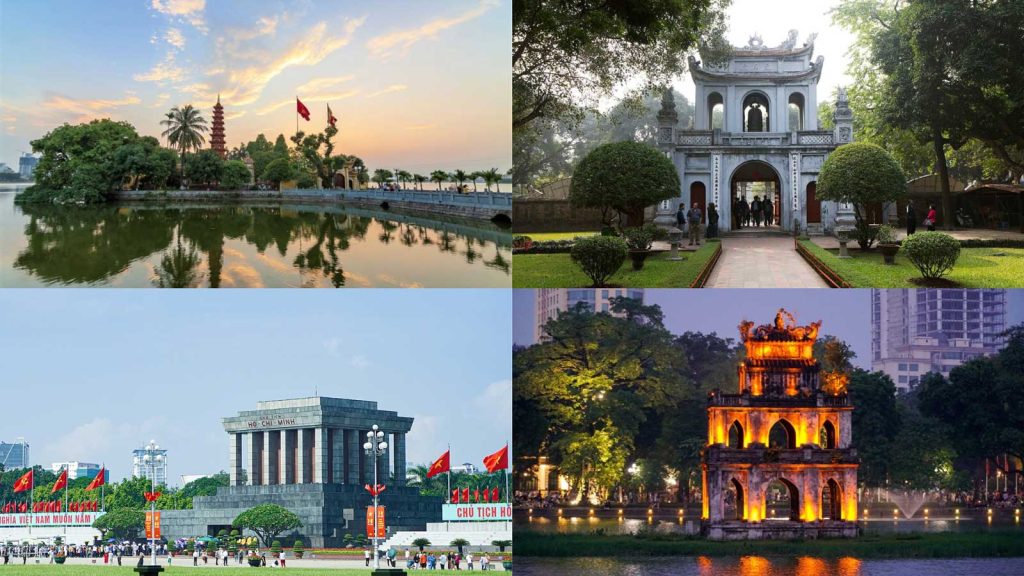
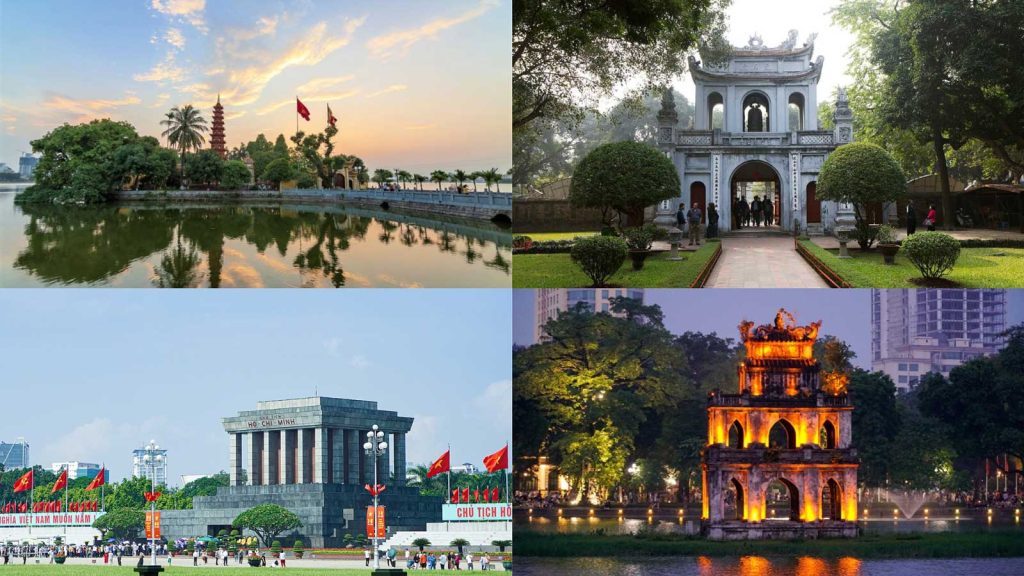
du lich ha noi(4)

Hanoi, the capital city of Vietnam, is a captivating blend of tradition and modernity. Steeped in history, Hanoi’s Old Quarter is a maze of narrow streets adorned with colonial architecture, ancient temples, and bustling markets. The city’s inclusion in the top 100 cities globally is a testament to its economic growth, vibrant culture, and the resilience of its people. From the tranquility of Hoan Kiem Lake to the energy of the local markets, Hanoi offers a diverse and immersive experience for residents and visitors alike.

Ho Chi Minh City: The Southern Economic Powerhouse
du lich ha noi(4)

Formerly known as Saigon, Ho Chi Minh City has emerged as a bustling economic hub in Southeast Asia. The city’s inclusion in the global top 100 cities is a recognition of its rapid development, modern infrastructure, and the entrepreneurial spirit that permeates its streets. From the iconic Ben Thanh Market to the soaring skyscrapers that define its skyline, Ho Chi Minh City encapsulates the spirit of progress and innovation, making it a key player on the world stage.

Factors Behind the Rankings

The rankings of Hanoi and Ho Chi Minh City among the top 100 cities globally consider various factors, including economic performance, tourism appeal, quality of life, and overall city attractiveness. Both cities have demonstrated resilience and adaptability in the face of global challenges, making them standout destinations that offer a unique blend of tradition, modernity, and economic vitality.

As Hanoi and Ho Chi Minh City bask in the global spotlight, the recognition by Euromonitor International and Lighthouse Data opens up new opportunities for these cities. Whether you are drawn to the historic charm of Hanoi or the dynamic energy of Ho Chi Minh City, the global acknowledgment positions these Vietnamese cities as key players in the ever-evolving landscape of global urban centers. As they continue to grow and evolve, Hanoi and Ho Chi Minh City invite the world to explore the richness they have to offer, making them not just cities, but global destinations that captivate the imagination.

Make your plan to Vietnam right now by apply a Vietnam visa at vietnamvisapro.net. We, a reputable and reliable Visa service, will assist you turn your plan into reality at the very first step.

Posted on

Travel guide & Hue best things to do

The ancient city of Hue was the capital of Vietnam during the Nguyen dynasty at the beginning of the 19th century and during the Vietnam-US war some of the most intense conflicts took place in this region. One of the main tourist attractions of Hue is the Royal Palace of the imperial city. There are also a number of places of interest left over from the Vietnam War, such as a military base and tunnels in the DMZ.

hue-1703993015802526812140


Recommended days to stay

Most of the temples and city you can see within one day. You can choose to stay another day or two if you want to make a day trip to the DMZ or Bach Ma National Park.

ATM’s & money exchange

Hue is a big city, there are plenty of ATMs to be found.

Local events and holidays

  • Hue Festival: This art festival is held in even years with local and international artists at historic buildings, street parades, sampan races and markets.

Best time to visit

  • The best travel time: From January to April, with 20 to 25 degrees and almost no rain.
  • Dry season: The complete season that there is little or no rainfall is from March to August.

10 best things to do in Hue

The city is a beautiful mix of old and new buildings that are mainly separated by the Parfume River. Hue was the imperial capital of Vietnam between 1802 and 1945. Although many beautiful buildings have been lost as a result of the wars, Hue is busy restoring various highlights in the city.

1. Hue Imperial Citadel

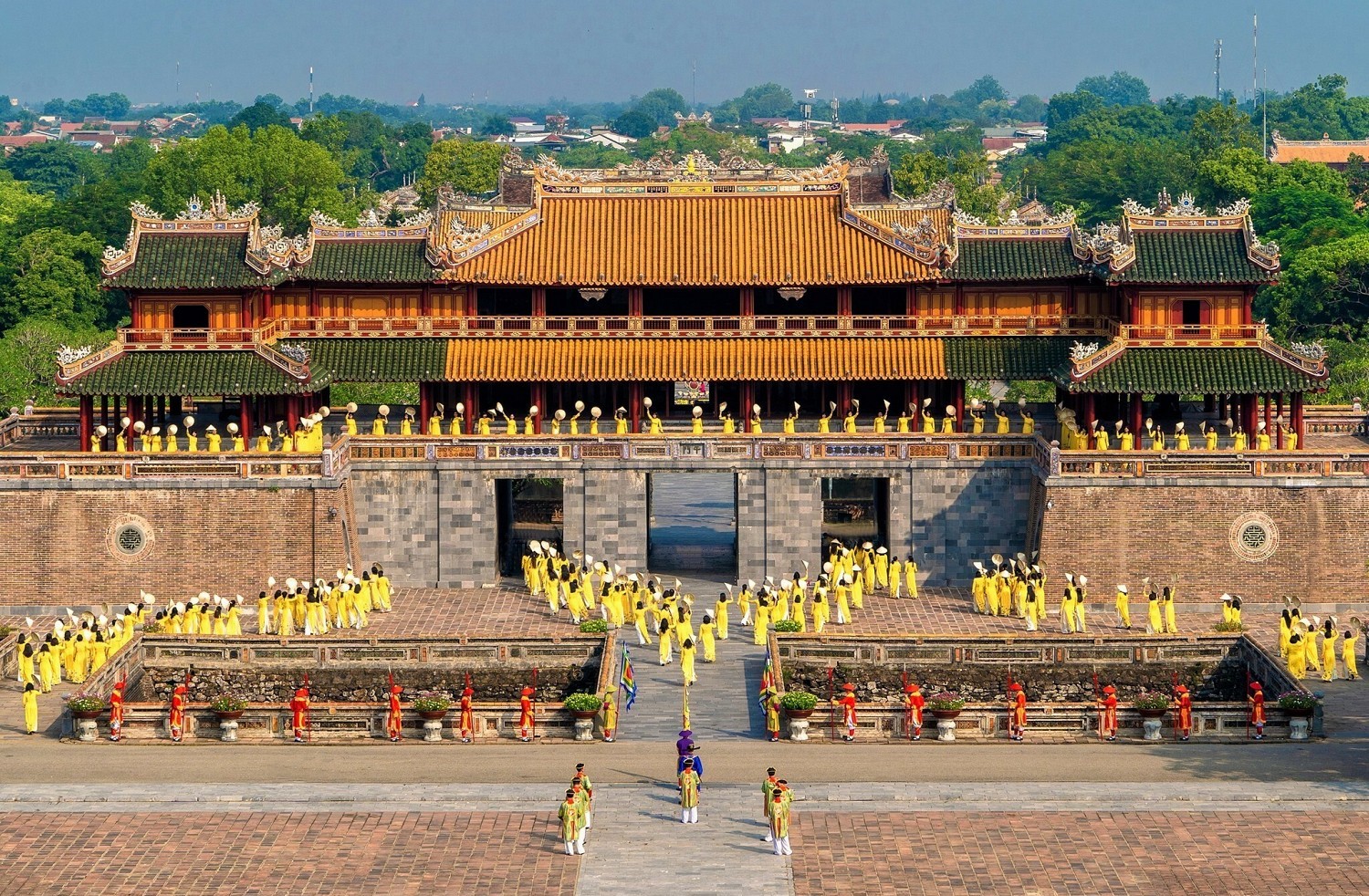
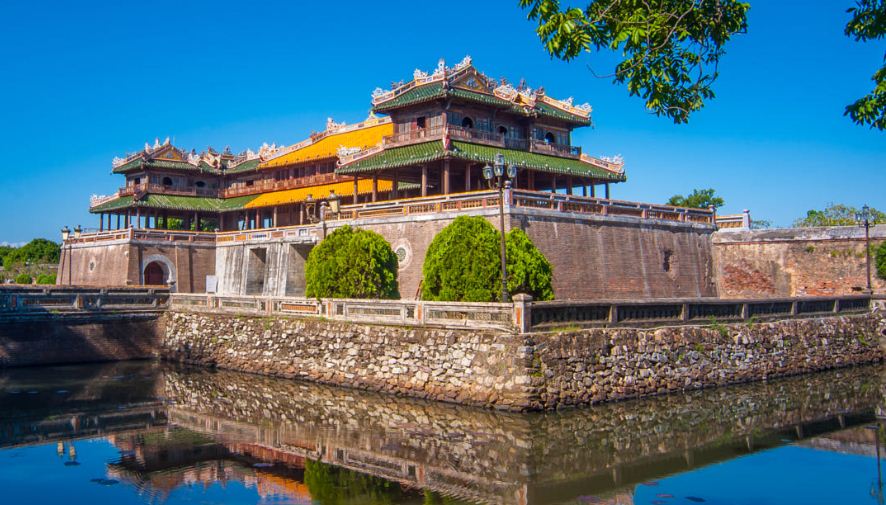
Hue-Imperial-City-Vietnam-2

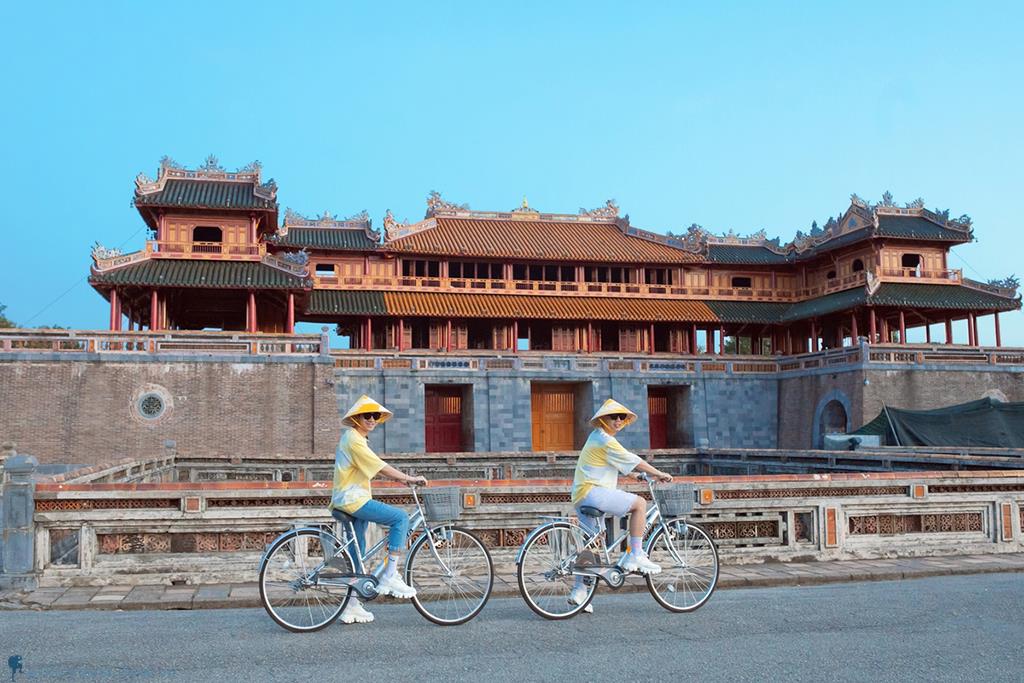
Without a doubt, the most impressive and best thing to do in Hue is a visit to the Imperial City. In the walled Hue Imperial City, also known as the Citadel, you will find the Forbidden Purple City, dozens of royal tombs, pagodas, temples, royal rooms, a library and a museum.

You can easily walk around here for 3 hours to visit everything. A guide is not necessary but recommended if you want to learn more about the history and the times when there was fierce fighting here during the Vietnam War.

2. Lang Co beach

lang-co-hue-net-dep-tuyet-voi-va-hanh-trinh-kham-pha

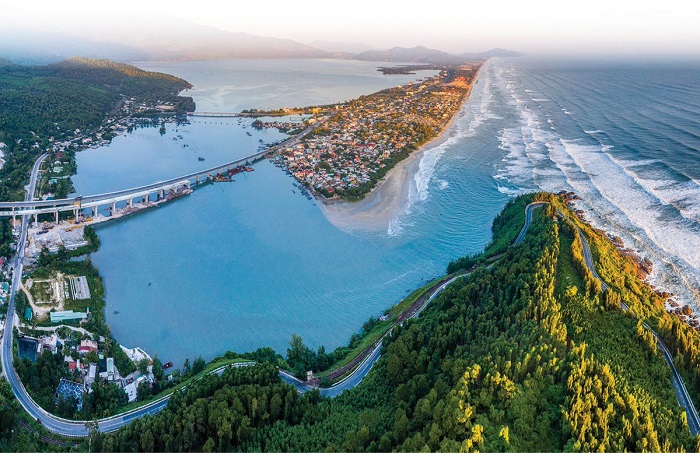
One of the best beaches in Vietnam can be found close to the city of Hue. The beach is 10 kilometers long with palm trees, clear water and a number of good resorts. It is still a 60 km drive from the center. You can also choose to stay here for a night, a day trip or a stop on the way between Hue and Da Nang just before the Hai Van Pass.

3. Tombs and temples

word-image-5011-2

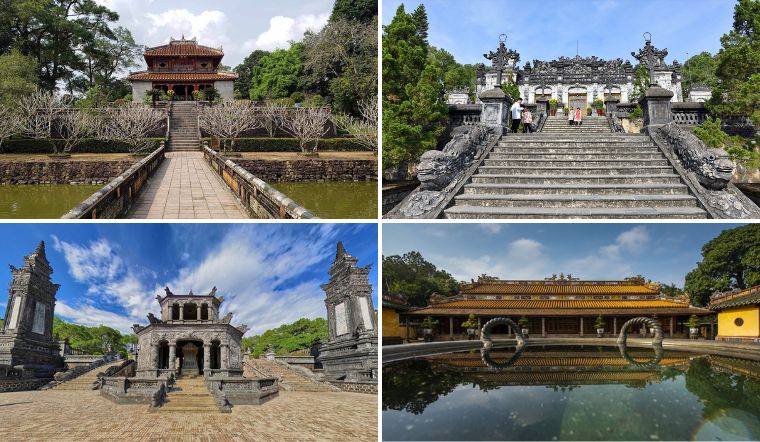
Besides the Imperial City, you can find many other tombs, temples and pagodas in and around the city of Hue. The tombs of the emperors of the Nguyen Dynasty are scattered on hills south of the city and can be reached by boat or bicycle. In total there are seven tombs: the other emperors died in exile and were buried.

The best known and most impressive are the Minh Mang Tomb, Tu Duc Tomb, Hon Chen Temple and The To Mieu Temple.

4. Hai Van Pass

97

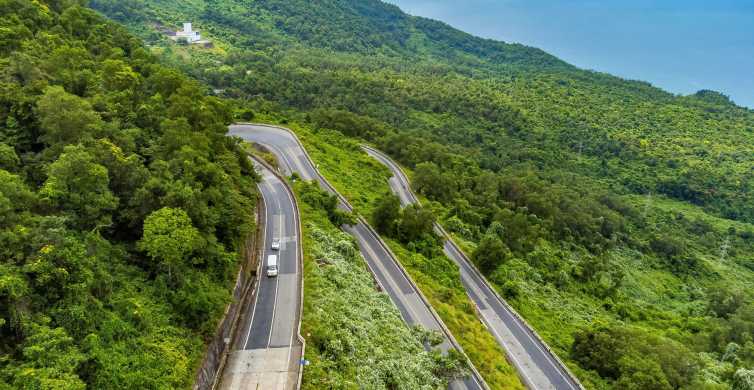
The Hai Van Pass is located between Hue and Da Nang and is one of the most stunning coastal roads in Vietnam. It is very popular to drive the road by motorbike (or on the back of one), but you can also go by car or an old army jeep. The views along the way are spectacular and you can combine to drive with a visit to some other sights along the way, such as Lang Co beach, fishing villages, the Marble Mountains and a small waterfall.

  • Tip:Excited to go? Check out our Hai Van Pass tours here, including behind on the motorbike of an Easy Rider, a comfortable car or by military jeep!

5. Bach Ma National Park

Bach-Ma-National-Pack-Tour

Bach Ma National Park is an old French hill station that extends over 40,000 hectares and offers great hiking trails, dilapidated French villas, waterfalls, a campsite and lots of wildlife.

The best way is to go on a Bach Ma national park trekking tour through the forest. There are several routes to choose from. The nicest routes bring you along some small lakes and waterfalls. Also make sure to visit the peak with amazing views over the forest. 

6. Dong Ba market

Anh 1(1)_12_7_2022_15_15_26_375_CH

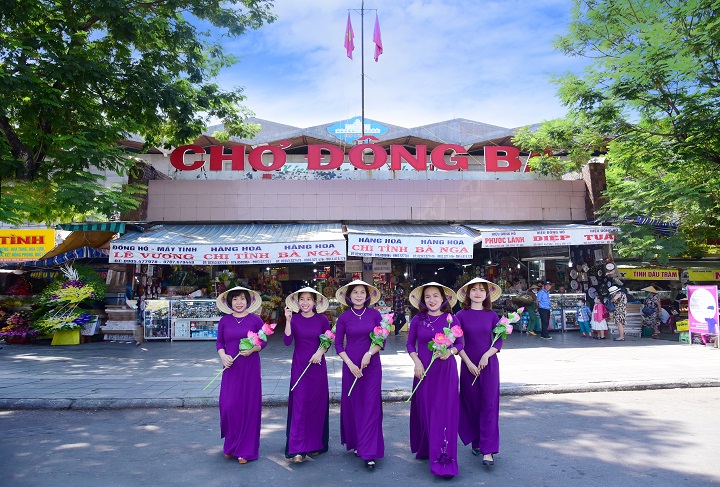
Dong Ba market is the largest market in Central Vietnam and is the perfect place to see the local life. It is a lively market hall where you can buy handicrafts, vegetables, fruit, meat and clothing.

The market is not far from the citadel and on the Perfume River, so you can easily combine a visit with other sights. Walk around the market to watch locals negotiate and get their daily groceries. It is a unique and above all authentic experience.

7. Dragon boat trip on the Perfume River

jpg

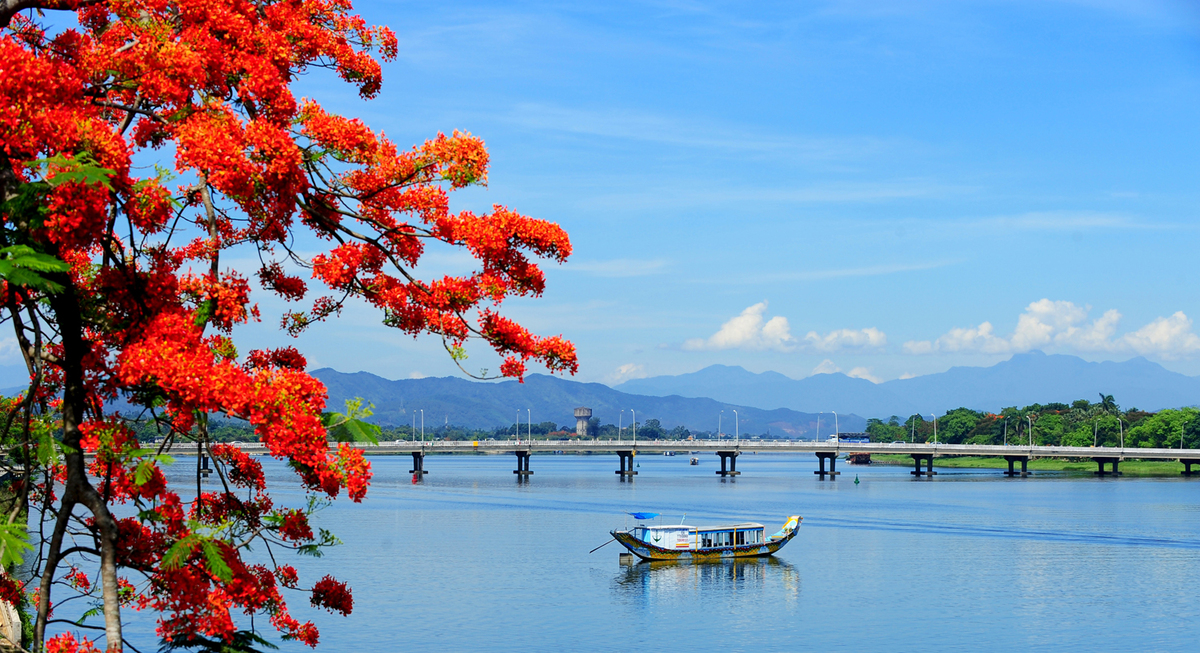
The perfume river flows through the middle of the city and can be a relaxing break from city life. Boat trips, pedal boats and dinner cruises are available.

The best way to discover the river is by a dragon boat ride – they are not to be missed. From the boat you can see the local life on shore and the fishermen and transport boats on the water. There are also a number of riverside temples that you can visit on a dragon boat tour.

8. Cycling

camnhi-204410034433-trai-nghiem-o-hue

With less traffic than other major cities, Hue is arguably the best city for cycling in Vietnam. Many tourists choose to ride a bicycle along the banks of the Huong River, to the Citadel. You can also visit a number of temples a little further from the center. Some accommodations lend bicycles for free, otherwise you can rent a bicycle cheaply in the center of the city.

If you are a fanatic cyclist, you can also choose to cycle out of the city and explore the quiet countryside. You can also take a bike tour through Hue countryside so a guide can show you the way. It’s a very calming experience, and quite authentic, as you pass through areas where few other travelers go.

  • Tip:If you prefer not to cycle yourself, you can enjoy a traditional cyclo ride. A cyclo is a three-wheeled bicycle taxi that appeared in Vietnam during the French colonial era. Local Vietnam offers various cyclo rides in Hue. View all tours in Hue here to see your options.

9. DMZ

photo6jpg

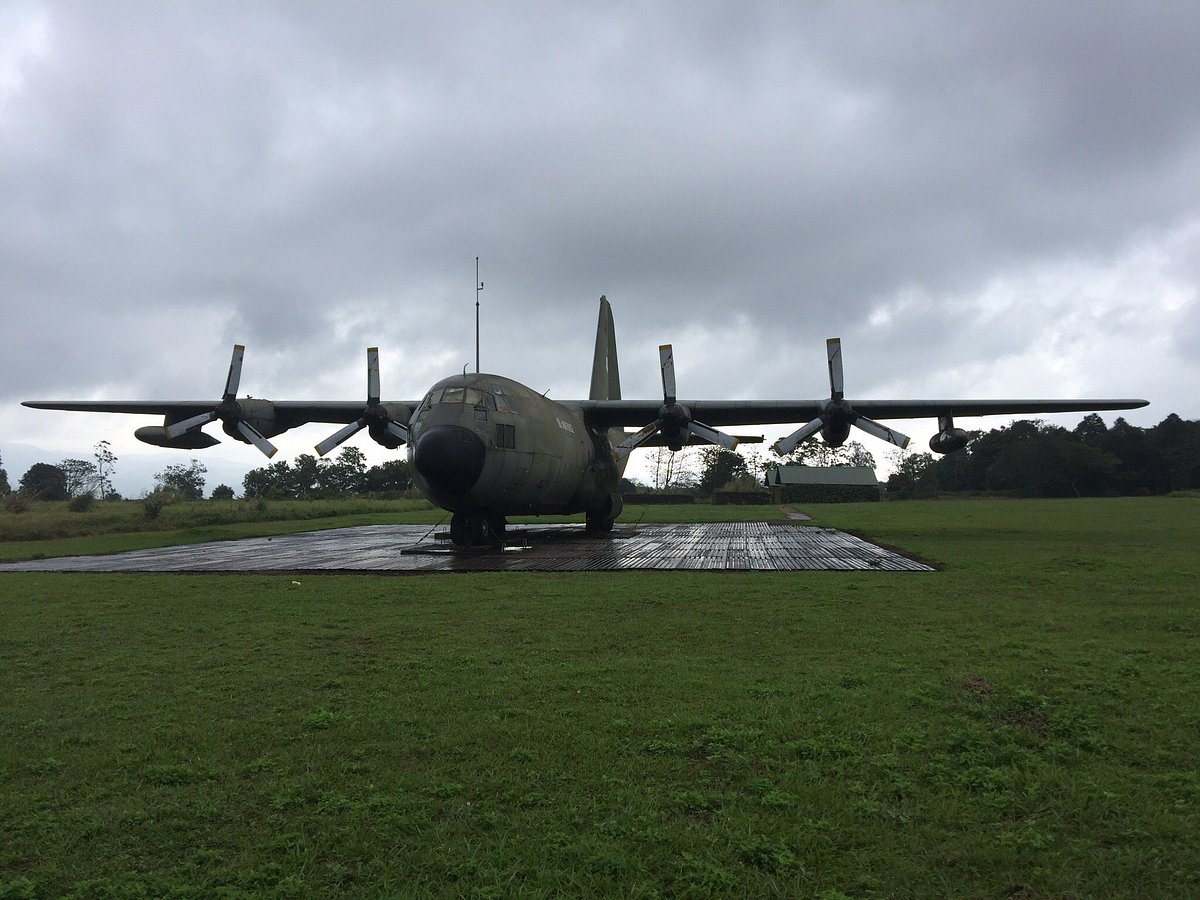
During the Vietnam War, there was fierce fighting in the city of Hue, which damaged many historic buildings. But the city is also adjacent to the DMZ – Vietnam’s Demilitarized Zone. Here you will find the border between the former North Vietnam and South Vietnam. There are still a number of sights that you can visit in this area where you can get an idea of how it went. On a tour of the DMZ you usually visit the Hien Luong Bridge which is right on the border, an abandoned American base with abandoned vehicles and the Vinh Moc Tunnels, a tunnel system where an entire village lived to shelter from the bombs.

  • Tip:If you want to see this area, have a look at our DMZ tour by small group. If you are also planning to go to Phong Nha after or before Hue, you can also do a sightseeing transfer through the DMZ between these two destinations.

10. Hue abandoned water park

Tung-len-bao-My-vi-qua-kinh-di-nhung-cong

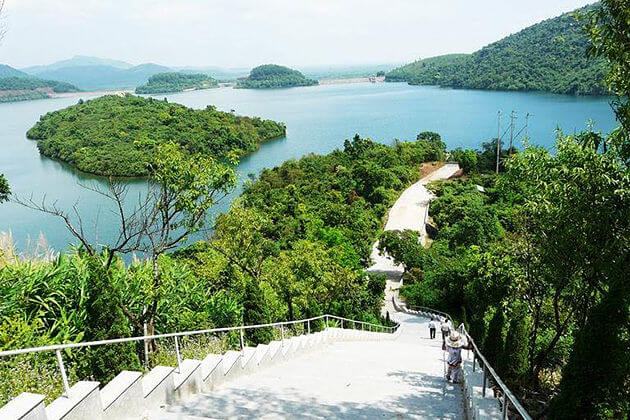
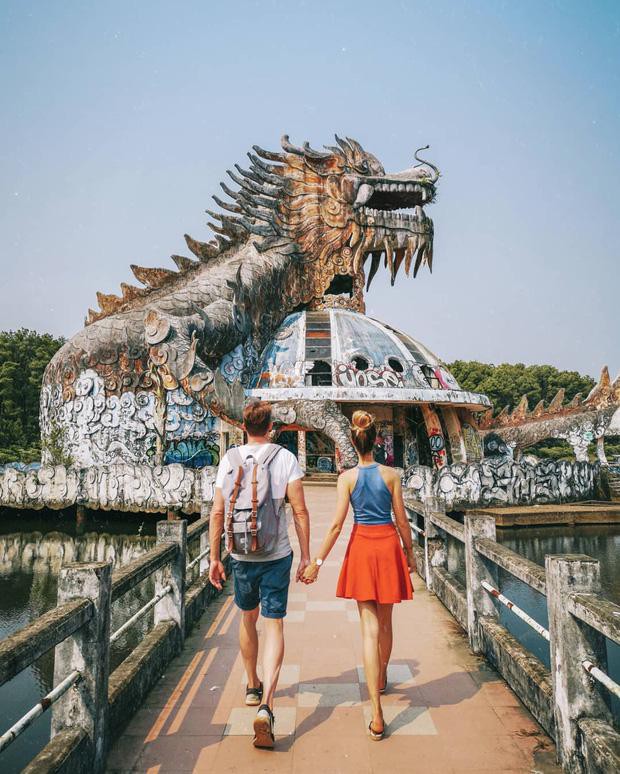
Photography enthusiasts and urban explorers will want to go here. Ho Thuy Tien is a small abandoned water park on a lake not too far from the city.

The water park has been abandoned for over 10 years. Certain parts are ruins, overgrown and broken, it feels a bit like you’ve walked into a horror movie. In the middle of the lake is a dragon’s head, the main attraction. All around you will find empty swimming pools and dirty slides.

It is not an official tourist attraction and in some places there is glass on the floor, so watch out and don’t wear flip flops.

Best hotels & hostels in Hue

Where to stay

The best area to stay in Hue is the city center, in the area closest to the imperial city, the main attraction of Hue, located on the banks of the river. Here you will find the vast majority of hotels in the city. The area also offers a wide variety of restaurants, bars and shops nearby.

Best hotels & hostels in Hue

Budget hotels & hostels

  • Hue Happy Homestay
  • Sunny A Hotel
  • Jade Hotel Hue
  • Hong Thien Ruby Hotel

Mid range hotel

  • Beaulieu Boutique Hotel
  • The Scarlett Boutique Hotel Hue
  • Moonlight Hotel Hue

High end hotel & resort

  • Pilgrimage Village Boutique Resort & Spa
  • Vedana Lagoon Wellness Resort & Spa
  • Indochine Palace Hotel

Food & drinking

Restaurants

Hue is known for its imperial cuisine, originally prepared for the emperor. Although the food emphasis more on presentation than on taste, an imperial banquet is worth it. If you are a street food lover, then Hue is also the right place for you.

  1. Serene Cuisine Restaurant
  2. Risotto Restaurant
  3. ZUCCA Restaurant
  4. Golden Rice
  5. Elegante Restarant
  6. Madam Thu Restaurant
  7. Family Home Restaurant
  8. Nina’s Cafe
  9.  Les Jardins de La Carambole
  10.  Hanh Restaurant

Nightlife

There is is a lot to do at night in Hanoi. You can join the locals with a beer on the street, go clubbing, chill in a bar or enjoy a impressive performance in the Opera House.

  1. Explore the illuminated sights in the evening
  2. DMZ Bar
  3. Why Not? Bar
  4. Secret Lounge Hue
  5. Le’s Garden Hue
  6. Brown Eyes Bar
  7. One For The Road

How to get there

Lorem ipsum dolor sit amet, consectetur adipiscing elit. Ut elit tellus, luctus nec ullamcorper mattis, pulvinar dapibus leo.

Flights to Hue

Hue has a small international airport, with daily flights from Ho Chi Minh City and Hanoi. Hue’s Phu Bai International Airport is currently served by Vietnam Airlines, Vietjet and JetStar Pacific.

Buses to Hue

Hue is connected by bus to other cities in Central Vietnam. Buses run daily from Hoi An and make the journey to Hue in about three and a half hours. There are also daily buses from other cities, such as Ninh Binh, Phong Nha, Dong Hoi, Da Nang and even from Ho Chi Minh City and Hanoi.

Trains to Hue

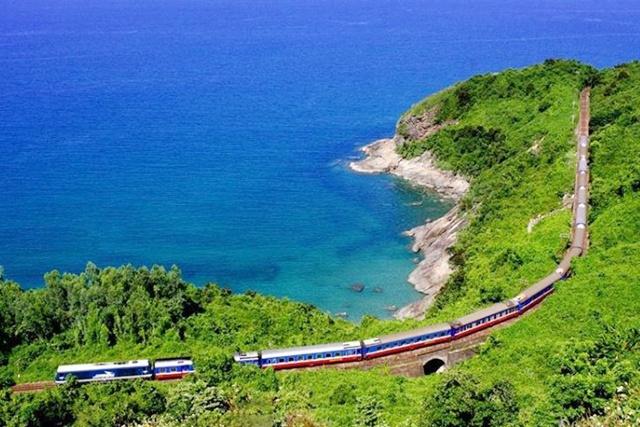
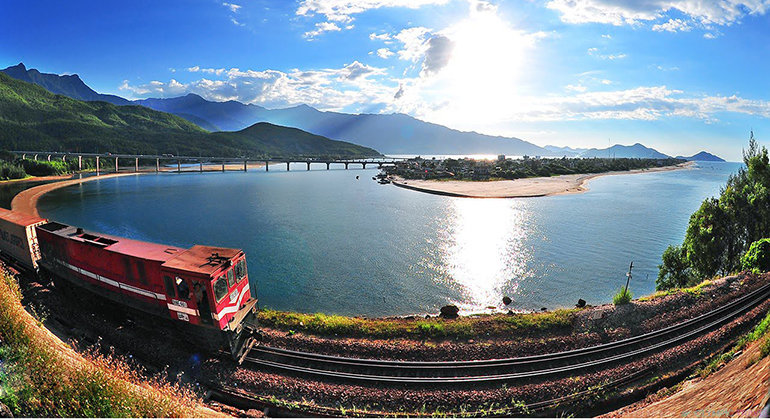
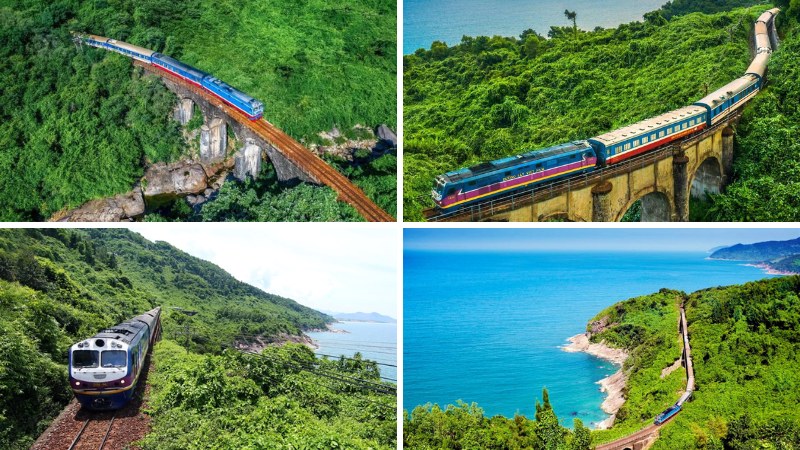
Hue train station is one of the many stops on the Hanoi to Ho Chi Minh City train route that goes through the largest part of Vietnam. The train journey from Hue to Da Nang is a very beautiful route that is even worth doing as an excursion.

Private transportation

A great alternative is getting private transportation. The route between Hue and Da Nang/Hoi An goes over the Hai Van pass, a stunning coastal road. On the way there are a few sights that you can visit too.

If you go north to Phong Nha, you can visit the sights that are located in the DMZ.

You can either go by Easy Rider or private car for both routes.

How to get around

Taxis are everywhere in Hue, although there are a few that take you on a rather detour if you don’t know the area. To prevent this, look out for the Green Mai Linh or yellow Taxi Vang, which use both meters.

Cyclos and motor taxis are very popular. Drivers will name an amount they think they can get, so you have to come up with a price that you think is reasonable.

Cycling is best suited for those who want to visit the sights themselves in and around the center of Hue. There are numerous hotels with bikes and bicycle shops.

Itinerary 2 days in Hue

Day 1

The first morning in Hue you start with a walk around Hue Citadel and the imperial city. In the afternoon you rent a bike or a motor-taxi to the Thien Mu pagoda along the romantic Perfume River. If you have more time, you can cycle even further. At night you take a boat trip along the Perfume River, where you can enjoy live music.

Day 2

Take a day trip. Choose to go through the DMZ and visit the Vinh Moc Tunnels and the Khe Sanh Combat Base.

Or make a trekking in Bach Ma national park.

Make your plan to Vietnam right now by apply a Vietnam visa at vietnamvisapro.net. We, a reputable and reliable Visa service, will assist you turn your plan into reality at the very first step.

Posted on

Top 15 most beautiful destinations in Vietnam to visit

Vietnam attracts travelers for it’s beautiful nature, with mountains and green rice fields in the north to the fascinating rivers of the Mekong Delta in the south. But with old traditions and long history, there is a lot more in Vietnam. It has many historical sites and ancient temples. Here is an overview of the most impressive and beautiful destinations in Vietnam!

1. Ha Giang
song-nho-que-4-23445917

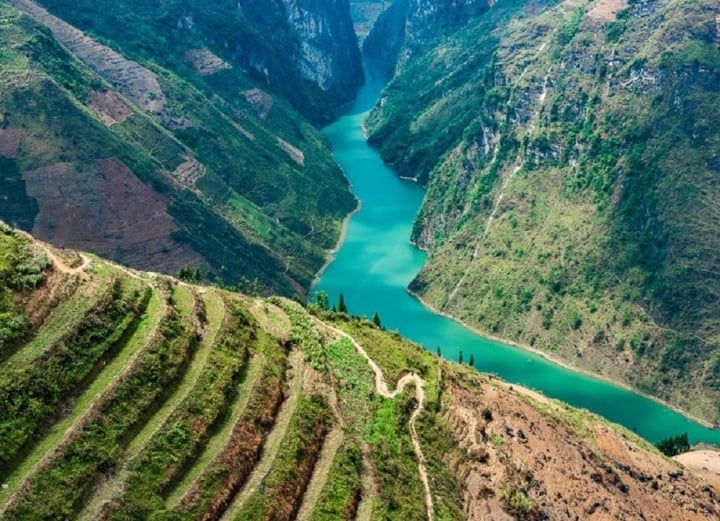
Ha Giang is without a doubt the most beautiful destination in Vietnam! The provionce is located on the border with China and has impressive mountains, local hill tribe villages and green valleys. Because it is not the easiest place to reach, it is less crowded and you can explore the rough beauty of Vietnam in a way that few other places are possible. If you love adventure and nature, you will love Ha Giang because of the unspoilt nature and diversity of ethnic minorities in the villages that are connected by the steep winding roads through the mountains.

2. Hoi An
5f33646335c61

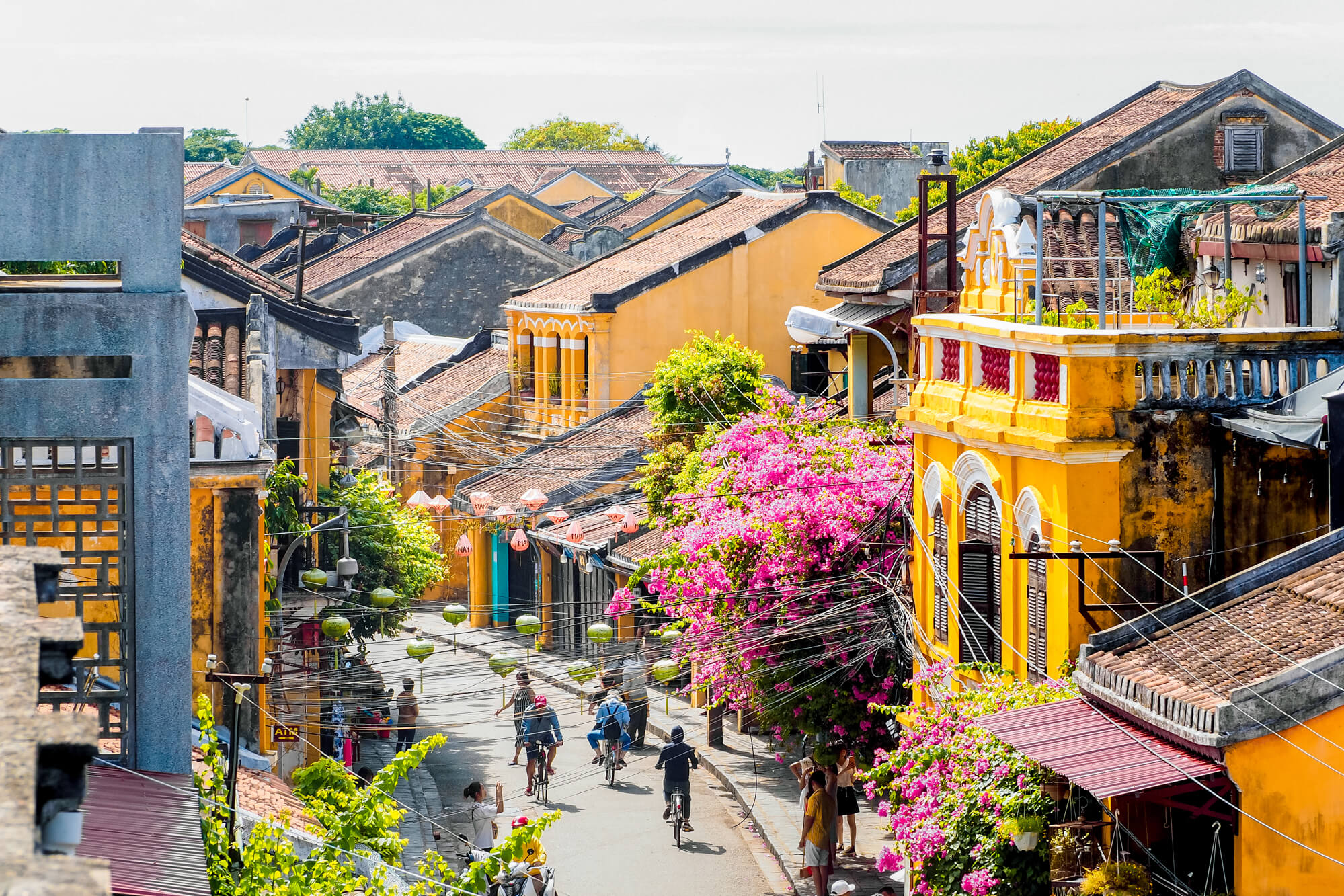
Hoi An is on every list of the most beautiful destinations in Vietnam. The most atmospheric city in Vietnam and perhaps in the whole of Southeast Asia is a well-preserved old trading city. The city is full of picturesque historic houses, pagodas and cafes. It is extremely popular to buy handmade clothing. The magical atmosphere of the city comes alive in the evening when the houses, temples and shops are lit by lanterns.

3. Halong Bay
z3885040735996_7747580cb8f649e7a1604e3f84bd68b5-5

Halong Bay is one of the most touristic destinations of Vietnam, but this does not detract from the experience. The karst mountains of Halong Bay are one of the world’s most fascinating seascapes and are on the UNESCO World Heritage List. The landscape of the bay can best be seen by cruise. Choose at least a 2 day and 1 night cruise to see the iconic views of Halong Bay.

4. Dalat
1932758_7a9f572873ae196ae6d00da001afab7d

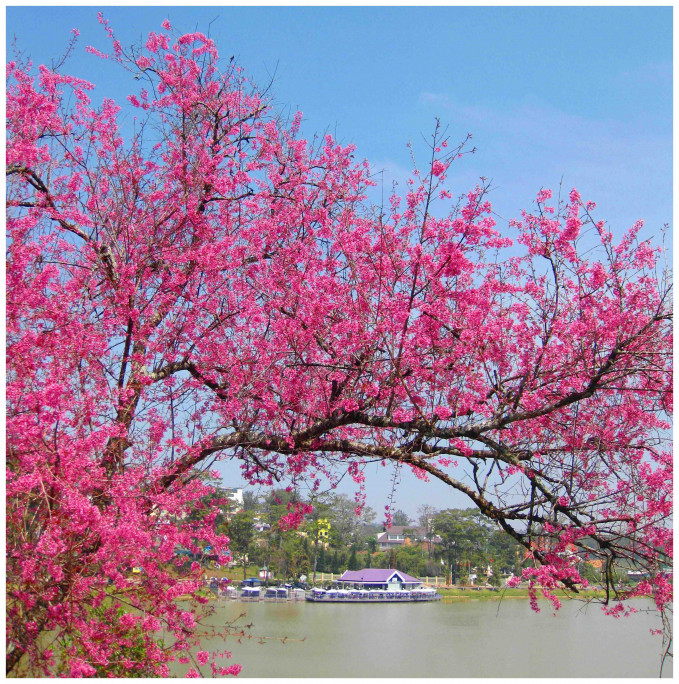
Dalat has been popular with international tourists since the time of the French colonialists. The French villas are scattered in pine forests and the entire city is centered next to a beautiful lake, with numerous nearby waterfalls and hills that contribute to the natural appeal. Dalat is also fast becoming one of the most important adventure sports hubs in Vietnam, with abseiling, canyoning, mountain biking, hiking and rafting.

5. Sapa
Settop-1658166143-6035-1658166148

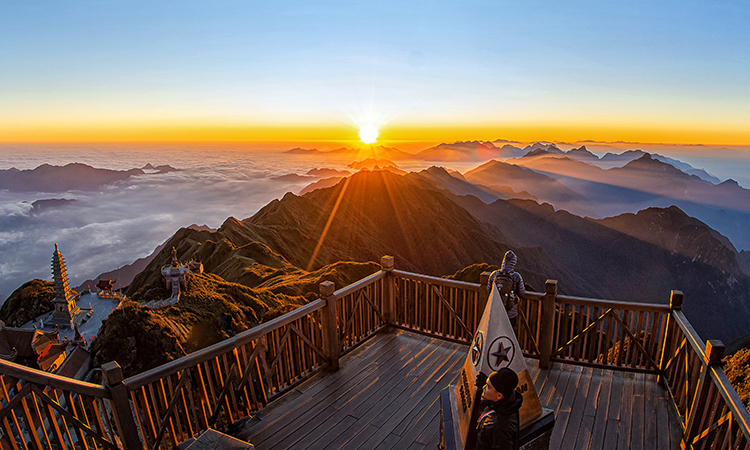
Sapa is surrounded by beautiful mountains, rice terraces and various mountain tribes in the remote northwest of Vietnam. It is a quiet village that is often used as a base for hiking in the valley and exploring the rice fields and traditional villages.

6. Phong Nha
vna_potal_chum_anh_ve_dep_cua_son_doong_hang_dong_tu_nhien_lon_nhat_the_gioi__3710474(1)

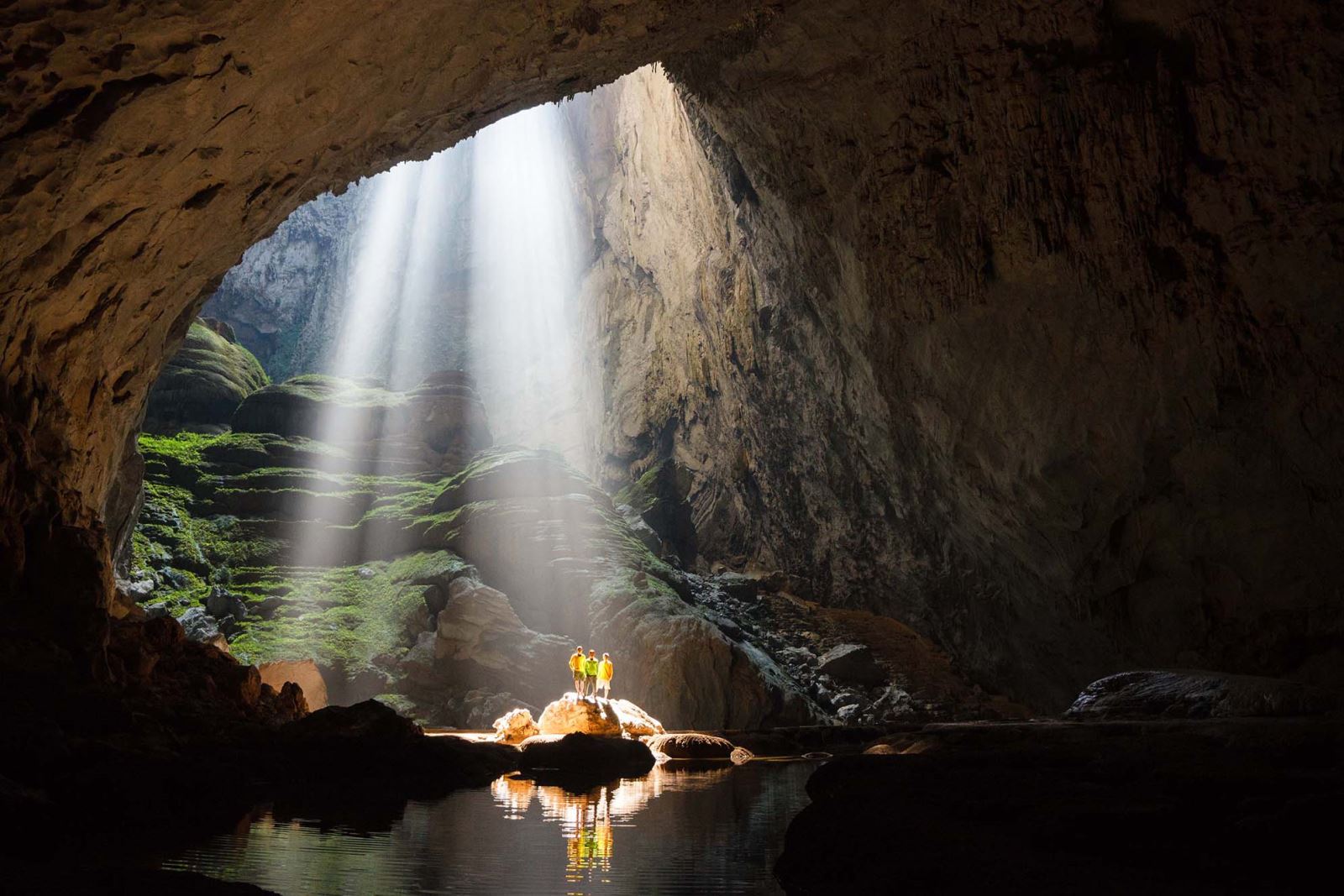
Hills covered in rainforest, and mountain rivers that run through gorges, above ground, the Phong Nha-Ke Bang region is one of the most spectacular national parks in Vietnam. Go underground for more evidence that this area should be part of your Vietnam travel route. A happy selection of travelers can experience the Hang Son Doong, the world’s largest cave, but more accessible are the ziplining and kayaking sensations of Hang Toi (Dark Cave), the Phong Nha cave and Paradise Cave.

7. Mai Chau
mai-chau-hoa-binh-co-gi-3-1681688297

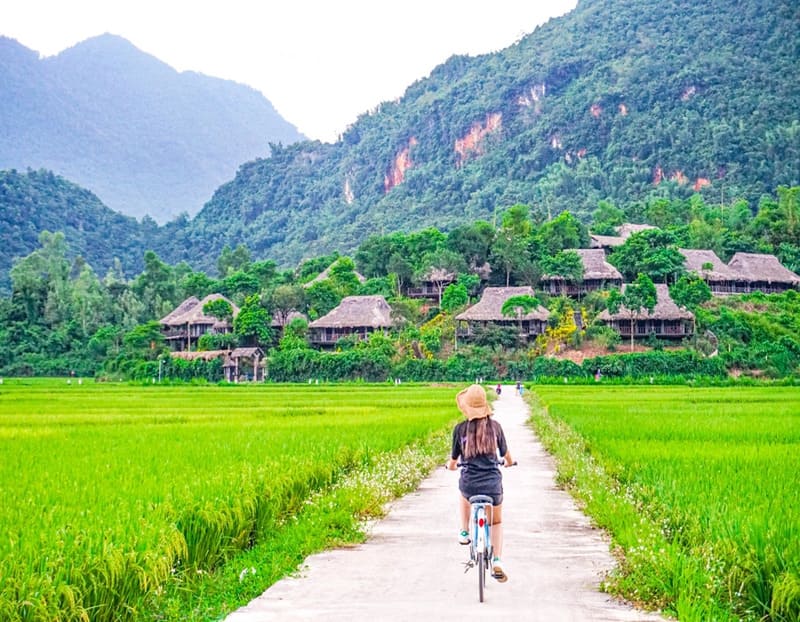
Mai Chau is a rural valley with towering cliffs, a unique culture and a relaxed atmosphere. Get on your bike and ride along the rice fields and through villages of ethnic minorities. Pu Luong Nature Reserve is located on the outskirts of Mai Chau, ideal for walking and exploring local villages, rice fields, rivers and jungle.

8. Ninh Binh
Ninh Binh Tourism

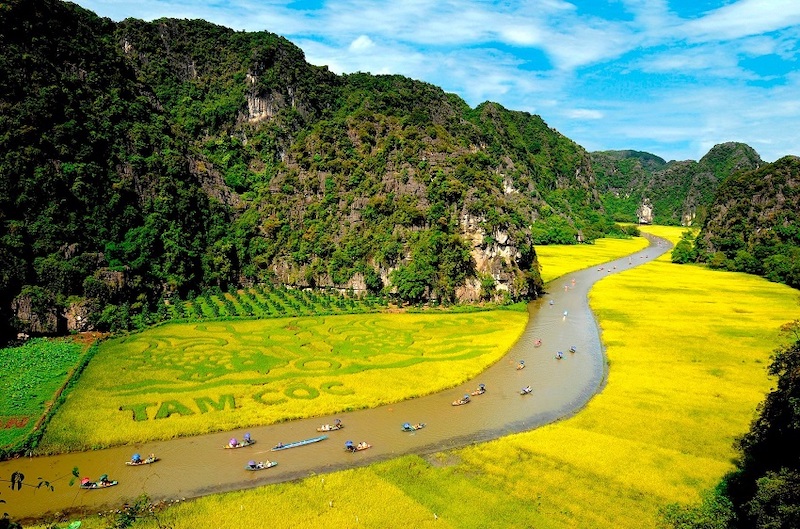
Also known as “Halong Bay on land”, Ninh Binh is full of steep karst mountains that rise amidst tranquil rice fields, rivers and dotted with temples and ancient settlements. The best way to explore the area is by taking a scenic boat trip through the mountains or by bike.

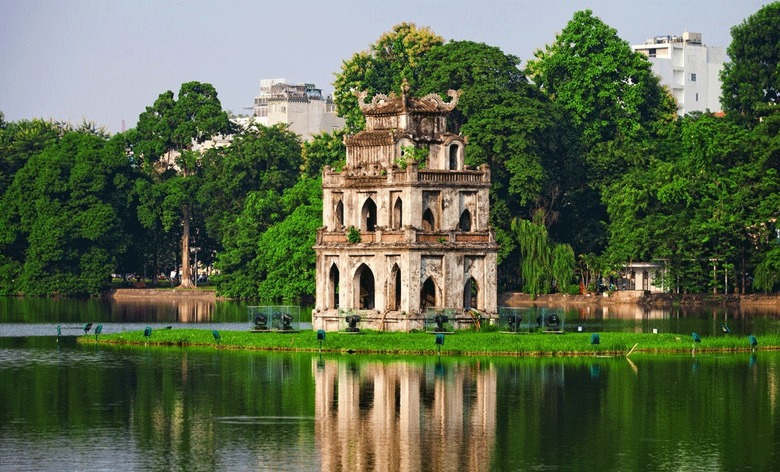
9. Hanoi
hồ-Gươm-ivivu-2

Hanoi, the capital of Vietnam, has withdrawn its hostile war-torn image as one of the best and most culturally important cities in Southeast Asia. There are countless museums that offer visitors a chance to better understand Vietnam’s history of revolution, war and art, while the confused web of streets in the historic old quarter is a great place to wander around. In addition, there are many other places of interest such as ancient temples, pagodas, markets, bridges and a historic citadel.

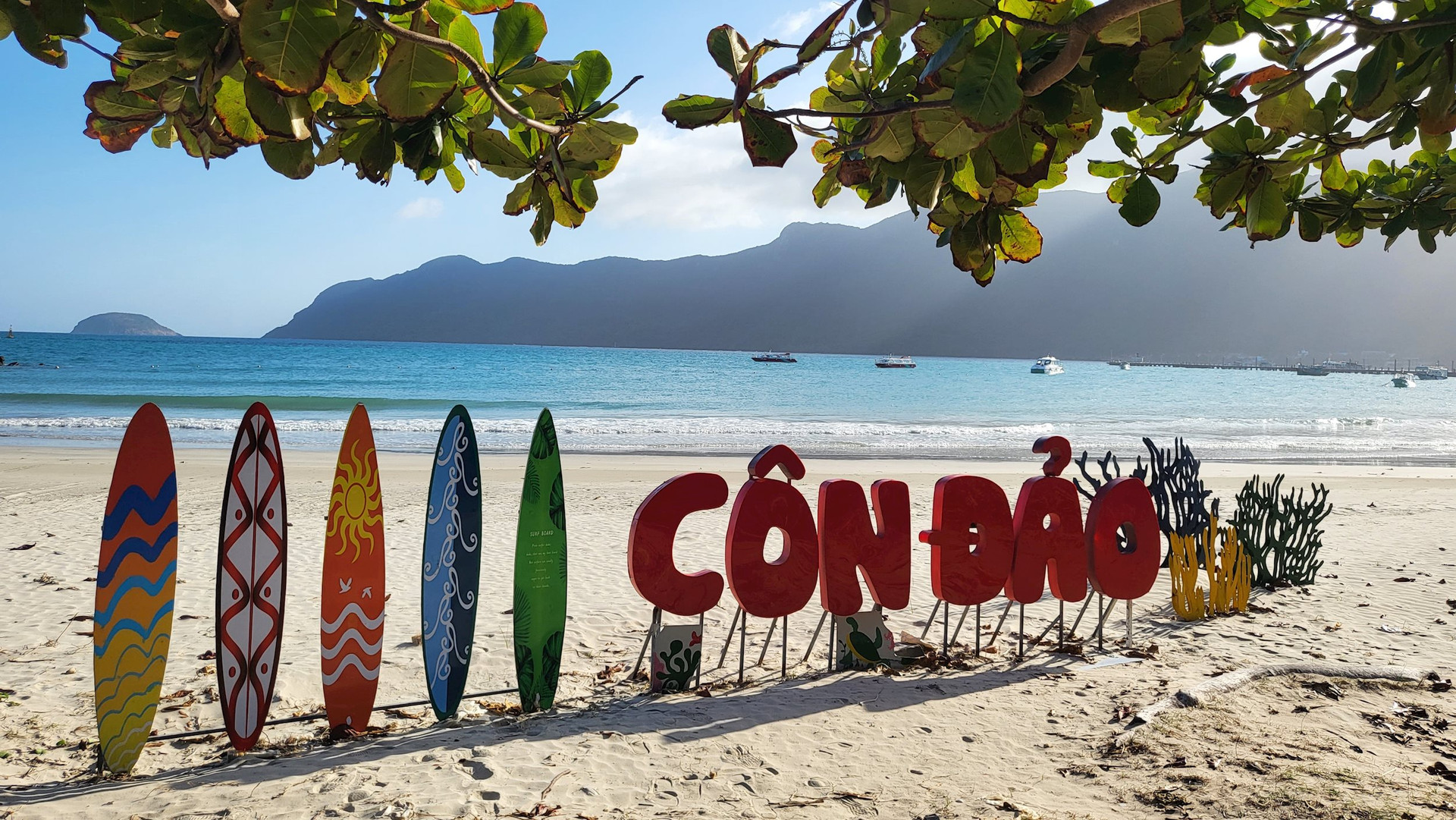
6. Con Dao
cd25

Once a hell on earth for a generation of political prisoners, now Con Dao is a heavenly destination of secluded beaches, unspoilt dive sites and varied nature. It is a beautiful place to look for that dream beach by bike.

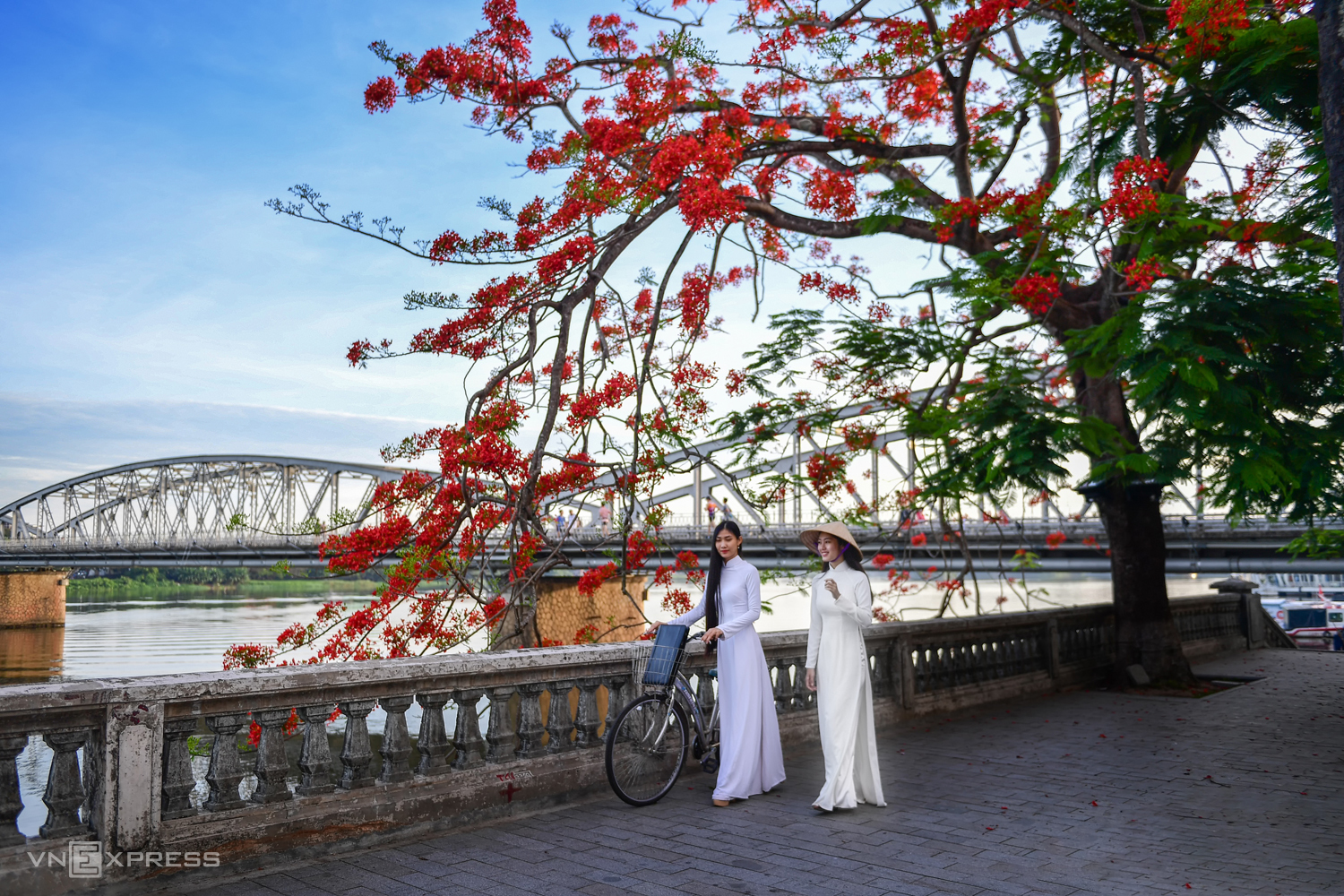
11. Hue
du-lich-Hue-9604-1650366420

Hue was once the capital of imperial Vietnam, and much of its rich history is still preserved. Places of interest include the Citadel and the enclosed Imperial City. Much was destroyed by American bombers during the war, but there is still enough to give you an idea of the former splendor.

12. Cao Bang
1(2)

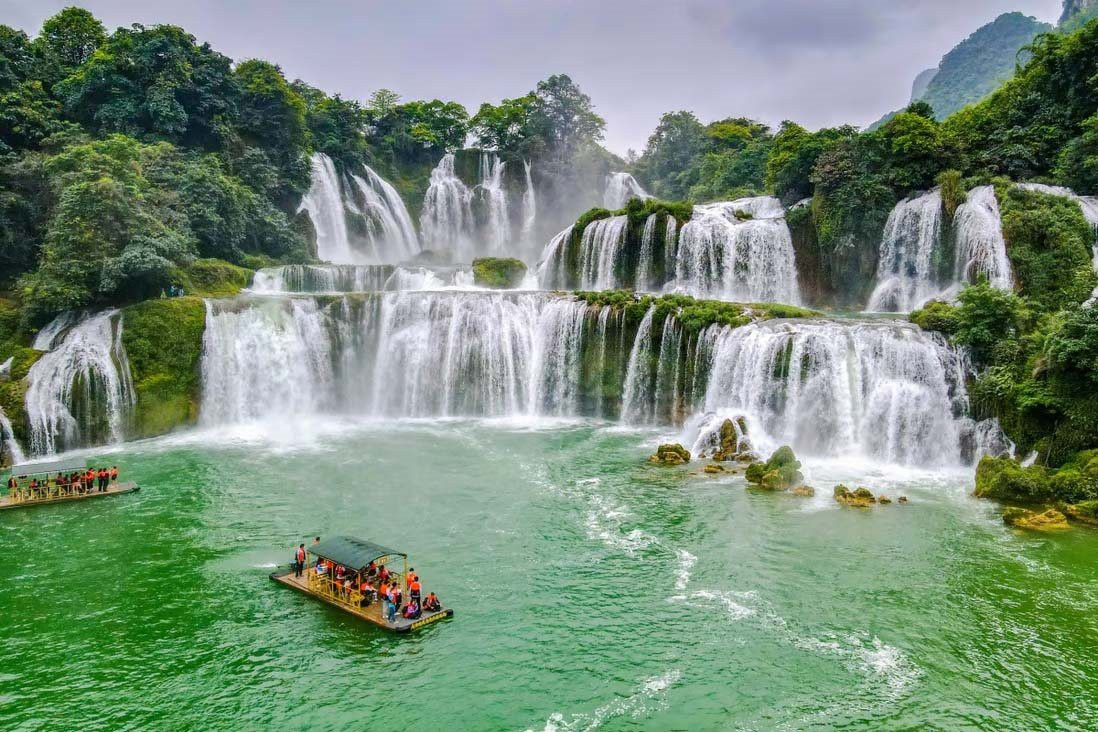
Cao Bang is another potential destination that has not yet been fully developed. Are you interested in off the beaten track destination in Vietnam, with mountains, caves and minority villages, like Ha Giang? Then add Cao Bang to your list. A trip through this province will be a unique experience with unspoiled landscapes and diverse cultures, including the biggest attraction being Ban Gioc waterfall, the largest and most impressive waterfall in Vietnam.

13. Quy Nhon
eo-gio-1024x768

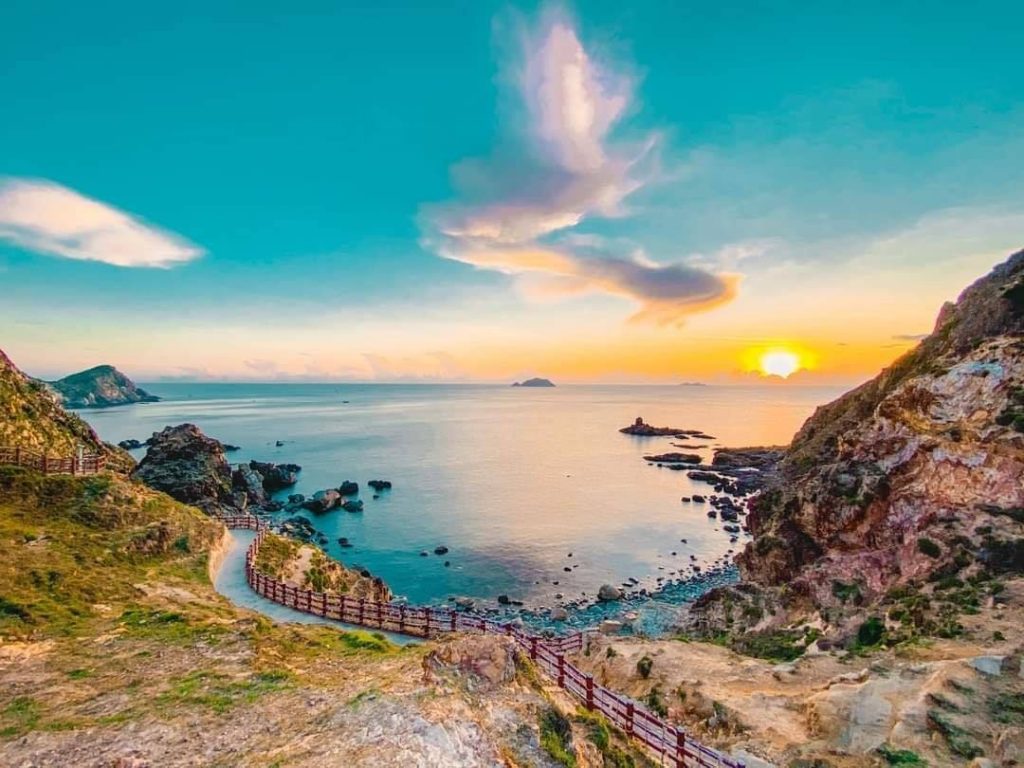
Are you looking for peace and quiet? Some relaxed beaches, Champa ruins, fish meals and an authentic experience with Vietnamese culture? Look no further than Quy Nhon. Few tourists still know this place and that is why if you are looking for a hidden place to get to know the real Vietnam and want to explore beautiful scenery and pristine beaches, Quy Nhon should be included in your travel planning.

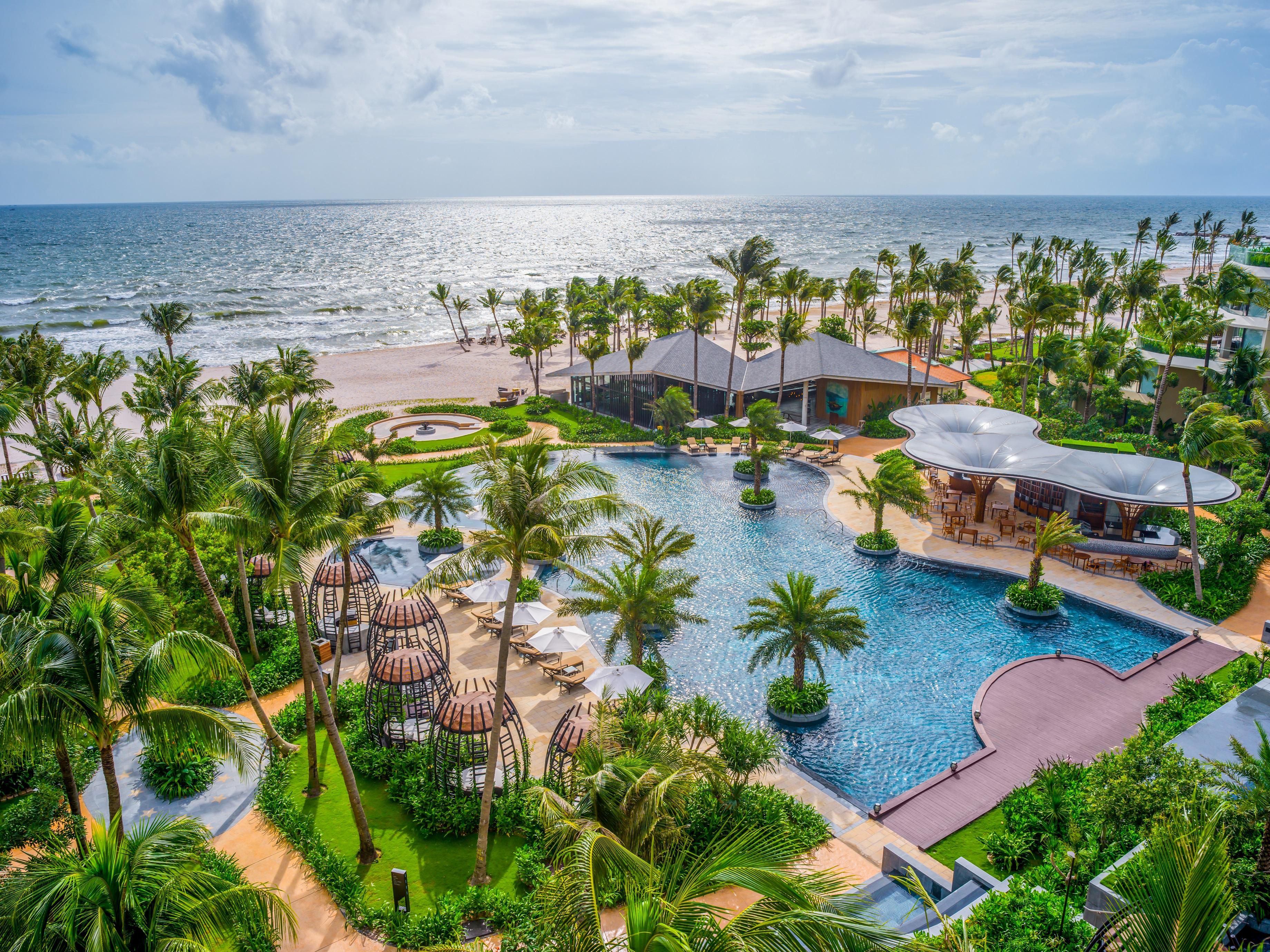
14. Phu Quoc
intercontinental-phu-quoc-5630347934-4x3

Here is a piece of paradise for beach lovers. The island of Phu Quoc, probably the most beautiful beach destinations in Vietnam, lies just off the coast on the border with Cambodia and has some of the most pristine beaches you’ll ever see. Parts of the island have large resorts, but others are secluded, with nothing but palm trees and the sea. The most beautiful sights here are the beaches.

15. Mekong Delta
91

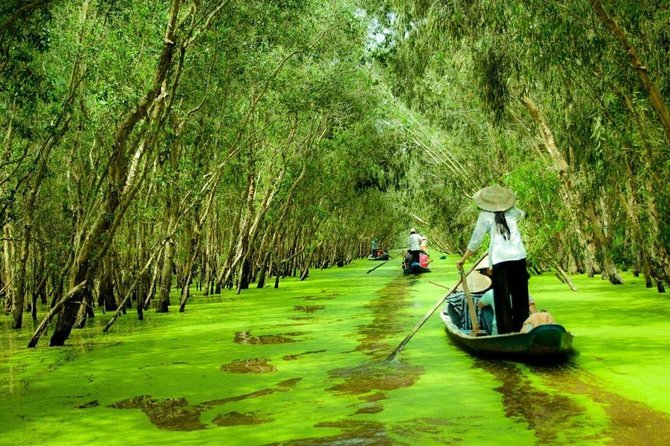
The Mekong Delta is a unique water world, where boats, houses and markets float on the countless rivers, canals and streams that wind their way through the landscape like arteries. The floating markets in the Mekong are one of the most popular destinations in Vietnam.

Make your plan to Vietnam right now by apply a Vietnam visa at vietnamvisapro.net. We, a reputable and reliable Visa service, will assist you turn your plan into reality at the very first step.

Posted on

Unveiling Vietnam’s Central Heritage: A Train Journey from Hue to Da Nang

Vietnam’s Central region, a captivating blend of rich history and stunning landscapes, is beautifully connected by the Hue to Da Nang tourist train. This scenic railway journey is more than just a mode of transportation—it’s an immersive experience that links two of Vietnam’s most significant cultural destinations, offering travelers a unique opportunity to explore the heart of the country.

eo-h-i-van-ranh-gi-i-hai-t-nh-hu-1709359498237
What Is Hue To Da Nang Tourist Train?

The tourist train Hue to Da Nang is a substantial enterprise introduced by the authorities and Vietnam Railway Corporation. This project’s name, Central Heritage Connection, evokes its aim to bridge the two heritage cities of Hue and Da Nang via a gorgeous railway route. Indeed, it features a pleasant rail ride, breathtaking panoramic scenes, and on-board cultural activities.

This tourist train line has gone into operation on March 26th, 2024, on the occasion of the 49th anniversary of Hue Liberation Day.

hue-to-da-nang-by-train
Heritage train Schedule

The Hue to Danang tourist train service provides daily runs of 2 pairs of tourist trains—HD1-2 and HD3-4. There are two round-trip rides in the morning and afternoon between the two locales. Its travel time ranges from 3 to 3.5 hours, but you should spare 30 minutes or more for the boarding process.

See the Hue to Da Nang train times, as follows:

SectionTrainStarting StationDeparture TimeTerminal StationArrival TimeDuration
MorningHD1Hue Station07:45Da Nang Station10:352 hours 50 minutes
HD2Da Nang Station07:50Hue Station11:053 hours 15 minutes
AfternoonHD3Hue Station14:25Da Nang Station17:403 hours 15 minutes
HD4Da Nang Station15:00Hue Station17:452 hours 45 minutes

Moreover, there will be a 10-minute pause at Lang Co Station for visitors to enjoy Lang Co Bay.

Hue Da Nang Tourist Train Ticket Price

The Hue Da Nang tourist train price is about 180,000 VND per ticket (around 8 USD). It’s applied until the end of 2024. Please note that the ticket price can be changed on Weekends, Holiday,.. due to overbooked passengers

Besides buying directly at the stations, tourists can get Hue Da Nang tourist train tickets online via official or authorized websites. Vietnam Railway Station’s official website is https://dsvn.vn/ and its hotline is (+84) 1900575725.

Why Should You Go On Hue-Da Nang Tourist Train?

The train journey itself is an experience not to be missed. Lonely Planet has recognized the Hue-Da Nang railway line as one of the six most beautiful routes in Vietnam, and for good reason. Passengers are treated to breathtaking vistas of the Hai Van Pass, a dramatic mountain route hugging the coastline. Lang Co Bay, with its pristine turquoise waters, and the vast Tam Giang Lagoon System, Southeast Asia’s largest lagoon, unfold like paintings as the train traverses the landscape.

trai-nghiem-doan-tau-lua-ket-noi-di-san-mien-trung-tu-hue-di-da-nang-202406241647170056

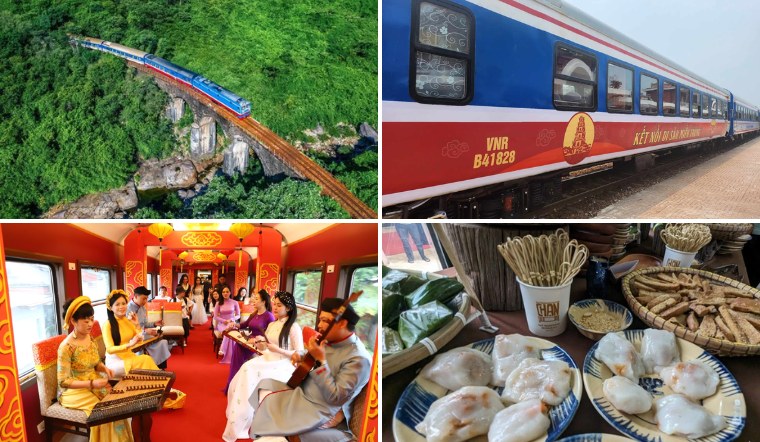
This isn’t just a scenic route; it’s a cultural immersion. The train boasts ten carriages, including comfortable seating for relaxation. But the true stars are the two community carriages. Here, Vietnamese culture comes alive with captivating performances showcasing traditional music and dance. Local delicacies tantalize taste buds, offering a chance to savor the region’s unique flavors.

trai-nghiem-doan-tau-lua-ket-noi-di-san-mien-trung-tu-hue-di-da-nang-202406241701396550

For those seeking an extra touch of luxury, VIP waiting rooms are available at both Da Nang and Hue stations. Whether you’re a history buff or a nature enthusiast, the Hue to Da Nang Tourist Train caters to all. It provides a comfortable, stylish, and unforgettable way to travel between these two iconic cities.

So, ditch the ordinary and embark on a journey through Vietnam’s heritage. Book your ticket on the Central Heritage Connection and discover the magic that unfolds between Hue and Da Nang.

Make your plan to Vietnam right now by apply a Vietnam visa at vietnamvisapro.net. We, a reputable and reliable Visa service, will assist you turn your plan into reality at the very first step.

Posted on

15 Most Incredible Pagodas & Temples in Vietnam

Vietnam temples play an important role in spiritual life of local people. Temples in Vietnam is dedicated to the Saints of the Nation or the Heroes who were respected as the Saint. We listed the most famous temples that you could be able to access in Vietnam with brief information and updated photos. During your Vietnam visit, you should visit these sites if your time is permitted to get to know more about Vietnam Culture and religious life in this Communist country.

>>> Apply Visa to Vietnam <<<

>>> Order Fast- track Service <<<

1. Quan Thanh Temple, Hanoi

Located by West Lake Hanoi, Quan Thanh Temple is worshiping Tran Vu guardian spirit – one of four guardian spite in protect Thang Long (later is Hanoi) in the early time. In 1677 during the reign of King Le, artisans from the nearby Ngu Xa village offered the Temple a very large statue of Tran Vu in black bronze, which remains today. This statue is measured 3.96 metres (13.0 ft) in height, weight around 3,600 kilograms (7,900 lb) and depicts Tran Vu as a deity with his two symbolic animals, the serpent and the turtle. Considered a masterpiece of Vietnamese bronze casting and sculpture, it is the second biggest bronze statue in Vietnam. This artwork is evidence of the advanced technical standard of bronze casting and sculpture of Vietnamese artisans in the 17th century. Legend has it that Quan Thanh Temple was established during the reign of Emperor Ly (reigned 1010–1028. Nowadays it become one of the leading tourist attractions in Hanoi.

2. Tran Quoc Pagoda, Hanoi

This is the oldest Buddhist temple in Hanoi, is located on a small island near the southeastern shore of Hanoi’s West Lake (Ho Tay)

Tran Quoc Pagoda was originally constructed in the sixth century during the reign of Emperor Lý Nam Đế (from 544 until 548), thus giving it an age of more than 1,450 years. When founded the temple was named Khai Quoc (National Founding) and was cited on the shores of the Red River, outside of the Yen Phu Dyke. When confronted with the river’s encroachment, the temple was relocated in 1615 to Kim Ngu (Golden Fish) islet of Ho Tay (West Lake) where it is now situated. A small causeway links it to Thanh Nien Road. There are more local people visit the pagoda in the first and 15th of lunar month. This is one of most famous temple in Hanoi and the must see in the City Tour Itinerary of Hanoi.

3. Temple of Literature, Hanoi

Van Mieu was dedicated to Confucius in Hanoi. The temple also hosts the Imperial Academy – Vietnam’s first national university. The temple was built in 1070 at the time of Ly Emperor. It is one of several temples in Vietnam which is dedicated to Confucius, sages and scholars. The temple is located to the south of the Imperial Citadel of Thang Long. The various pavilions, halls, statues and stelae of doctors The temple was reconstructed during the Tran dynasty (1225–1400) and in the subsequent dynasties. For nearly two centuries, despite wars and disasters, the temple has preserved ancient Vietnamese temple architecture of many dynasties as well as precious relics. Major restorations have taken place in 1920, 1954 and 2000. The Temple is an important stop when visit Hanoi City.

4. Ngoc Son Temple, Hanoi

Ngoc Son Temple translates to English “The Jade Mountain Temple” is located on a small islet on Hoan Kiem lake, Hanoi. The temple is dedicated to Confucian and Taoist philosophers and General Tran Hung Dao – a hero in Vietnam in Tran dynasty. Inside the temple, there is a dry remains of Old Turtle which related to the legend of Hoan Kiem Lake. Ngoc Son temple is connected to the Ten Shape Tower by a Red wooden bridge. It became one of the top tourist attractions in Hanoi.

5. Perfume Pagoda, Ha Tay, Hanoi

Perfume Pagoda (Chua Huong) lies in Huong Son commune, My Duc district, Hanoi (Former Ha Tay). The Pagoda is the site of a religious festival which draws large numbers of pilgrims up to 4 thousand a day during March. My personal experience, you should visit this temple in the rest of the year and avoid this festival time so the trip will be more relaxing in slow pace and you could enjoy the beauty of this sacred temple and the tranquillity of a mountainous area which is only 90 minutes’ drive from Hanoi.

During the day trip to Perfume pagoda. You could take an hour of rowing sampan along Yen River to Ben Yen and visit Thien Tru pagoda. As a foreign traveller, you should skip Den Trinh (Reception Temple) which normally for local. Next you will continue your hiking to Tien Son cave and visit a temple inside the cave. Then continue to Huong Tich Pagoda. Another bigger Temple inside the cave with stalagmite and stalactite hanging from the ceilings. On the way out, you may stop to visit Giai Oan temple if your time is permitted otherwise, you could go back straight to boat station for the trip back to your car parking.

The most beautiful part of the trip is the hiking to Huong Tich and the most beautiful temple of Huong compound is Thien Tru Pagoda. The current site of Thien Tru which existed during Le reign dated in 15th century. Legend claims that the site was discovered over 2000 years ago by a monk meditating in the area, who named the site after a Tibetan Mountain where Lord Buddha practiced asceticism

Parts of the pagoda was destroying during Vietnam Wars, and it was restored several times in 1986 and 1994. Vietnam Travel organize the day trip to Perfume pagoda, more information & the best deals, please contact their travel consultant.

6. But Thap Pagoda, Bac Ninh

But Thap Pagoda is a Buddhist temple located by the dyke of the Duong River in Bac Ninh Province just an hour drive from Hanoi.

The temple was built in the 13th century. The temple houses the biggest Buddha statue with a thousand eyes and a thousand arms. But Thap Temple is one of the most famous pagodas in Viet Nam. Inside, there are various valuable ancient objects and statues, which are Vietnamese masterpieces of 17th-century wood carving. During the same time the temple had become famous for the venerable abbot and Zen Buddhist master

The pagoda has 10 buildings spreading for 100 meters from the three-entrance gate to the belltower and back house. Inside the temple are more than 50 statues of different sizes including the Triad Buddha, Manjusri (Van Thu) on a blue lion and Samanta Bhadra (Pho Hien) on a white elephant. The most remarkable is the thousand-handed and thousand-eyed Guanyin, which is described as a sculptural masterpiece of Vietnam. The architecture, sculpture and decoration of the temple were exclusively confined to the 17th century, so it was the best intact and typical example of Vietnam’s classical Buddhist art. Travelers should visit But Thap Pagoda in the half day trip of Vietnam Travel or you will combine But Thap Pagoda with Dong Ho Village and Bat Trang Village in a day vicinity tour from Hanoi.

7. One Pillar Pagoda, Hanoi

The One Pillar Pagoda is located near HCM museum in Hanoi. The temple was built by Ly Emperor in 11th century. The pagoda has only One pillar as the shape of a lotus flower with a stem. The building related to the dream of Ly King who was granted a child from Buddha on lotus blossom. Later his dream come true, and a Monk advise him to build pagoda with a pillar in the middle of a lotus pond, similar to the one he saw in the dream.

The temple was first built of wood on a single stone pillar 1.25 m in diameter and 4 m in height, and it is designed to resemble a lotus blossom, which is a Buddhist symbol of purity, since a lotus blossoms in a muddy pond. In 1954, the French Union forces destroyed the pagoda before withdrawing from Vietnam after the First Indochina War. It was restored afterward. One Pillar pagoda is one of the must see in Hanoi today.

8. Tran Temple in Nam Dinh

Tran Temple Complex is located in Nam Dinh province about 2-and-a-half-hour drive from Hanoi. The Temple is dedicated to national hero Tran Hung Dao who led Vietnamese fight off Northern evasion in 13th Century. Many local people visit Tran Temple after the TET. Traveler should visit Tran temple when you travel from Ninh Binh to Hai Phong or Halong Bay. A shot visit of 30 minutes to an hour is good enough to see the beautiful statues and sacred objects was displayed in these 3 nice buildings.

9. Bai Dinh pagoda, Ninh Binh

Bai Dinh Temple Spiritual and Cultural Complex is a complex of Buddhist temples on Bai Dinh Mountain in Ninh Binh Province, about 2-hour drive from Hanoi. The compound consists of the original old temple and a newly created larger temple. It is considered the largest complex of Buddhist temples in Vietnam and has become a popular site for Buddhist pilgrimages from across the country. You should combine the trip to Bai Dinh with visit to Hoa Lu ancient Citadel, Tam Coc or Cuc Phuong National Park… which all located in Ninh Binh province.

10. Hung Temple, Phu Tho

Hung Temple is in Phong Chau District, Phu Tho province about 2 hour drive from Hanoi.

It is the most sacred of the historic sites by the Vietnamese. The complex consisting of several temples dedicated to the cult of Hung King – the first descendants the mythological founders of the Vietnamese.

Legend recounts that in his search for a site for his court, Hung King I travelled to 99 places but found none to his satisfaction. Upon reaching the village of Hy Cuong, The King’s mount abruptly stopped and whinnied. The king climbed the highest peak Mount Nghia Linh nearby where he scanned the four directions. It was then that he proclaimed the site as fitting of his capital.

The festival of Hung Temple is in April, and it is National holidays in Vietnam. During the festival thousands of local people visit the Temple and pay respect to the King as the Ancestor of nation.

11. Thien Mu Pagoda, Hue

Thien Mu is iconic seven-story pagoda is regarded as the unofficial symbol of Hue. The pagoda sits on ha Khe hill about 5 km from central of Hue by the bank of Perfume River. Visitor could access Thien Mu pagoda by boat or by car.

Built in 1601, it was related to the dream of Nguyen Lord. According to the royal annals, First Nguyen Lord while traveling the vicinity, was told of the local legend in which an old lady, known as Thien Mu (in Vietnamese “Celestial Lady”), dressed in red and blue sat at the site, rubbing her cheeks. She foretold that a lord would come and erect a pagoda on the hill to pray for the country’s prosperity. She then vanished after making her prophecy. Upon hearing this, First Nguyen Lord ordered the construction of a temple at the site, so it became the pagoda we visit today. Thien Mu pagoda is one of the must see when you visit Hue City.

12. Truc Lam Zen Monastery

Truc Lam temple is a Zen Buddhist temple located on the top of Phuong Hoang hill in vicinity of Da Lat

Truc Lam bell tower is clearly seen from far distance. The tiled roof of the pagoda is also prominent, contrasting against the green of surrounding pine woods. The entrance of the temple is somewhat isolated, so there is a direct entrance to the temple with 61 steps or climbing, or the person can go directly past the Lake and then climb 222 steps past the triple gated entrance to enter the main courtyard in front of the temple. Truc Lam monastery is in the list of sites to visit in Da Lat.

13. Vinh Nghiem Pagoda, HCM City

Vinh Nghiem Pagoda is the biggest pagoda in HCM City. The pagoda covers an area of 6,000 square metres (65,000 sq ft) in District 3 about 30 minutes’ drive from city center. This is the first concrete built pagoda in Vietnamese traditional architecture with is the 7-story, 40-metre-high (130 ft) tower. This pagoda houses and worship of one Buddha and two bodhisattvas. In 1964, two monks originally from the North came South Vietnam from North Vietnam to spread Buddhism started the construction of Vinh Nghiem Pagoda. Nowadays, Vinh Nghiem pagoda is one of the must see in HCM City.

14. Cao Dai Temple, Tay Ninh

Cao Dai temple is headquartering of the newest religion in Vietnam. Caodaism is a monotheistic syncretic religion officially established in the city of Tay Ninh in 1926.  Cao Dai Temple is 2-hour drive from HCM City. The 30 minutes celebration at noontime (Starts exactly at Noon time, so you should manage the time and don’t miss it). The symbol of the faith is the Left Eye of God, representing the yang (masculine, ordaining, positive and expansive) activity of the male creator, which is balanced by the yin activity of Mother Goddess, the Queen Mother of the West, the feminine, nurturing and restorative mother of humanity. Statistics in 2015. There are about 2.5 million Cao Dai followers. You should combine the visit to Cao Dai temple with Cu Chi tunnels in the full day trip from HCM City.

15. Ba Chua Xu Temple, An Giang

Ba Chua Xu Temple is located in Chai Doc city, An Giang province. Ba Chua Xu translated to Vietnamese is “Holy Mother of the Realm” is a prosperity goddess of southern Vietnam. She is a tutelary of business, health, and a protector of the Vietnamese border. She is considered prestigious and is worshipped in her temple in Vinh Te village at the foot of Sam Mountain about 5km from Chau Doc.

The festival at this temple last for 3 days is held in the village at the beginning of the rainy season, beginning on the twenty-third day of the fourth lunar month, in her honor.  Travelers could reach to Ba Chua Xu Temple when you visit Chau Doc City.

 Apply For Vietnam Visaapply Vietnam visaApply visa vietnambook visa vietnamCheap Vietnam VisaE-visa Vietnamevisa Vietnamexpedited e-visaexpedited Vietnam E-visaGet a Vietnam visaGet Vietnam Visaget vietnam visa onlineget visa to vietnamget visa Vietnammultiple entry visamy vietnam visaquick vietnam evisarush vietnam visatourist visaUrgent Vietnam VisaVietnamVietnam E-visaVietnam EmbassyVietnam touristVietnam travelVietnam vacationVietnam VisaVietnam visa costVietnam Visa ExemptionVietnam Visa FeeVietnam Visa for India citizensVietnam Visa For IndiansVietnam visa for IsraelisVietnam Visa for South Africa citizensVietnam Visa In IndiaVietnam visa in South AfricaVIetnam VIsa on arrivalVietnam VIsa onlineVietnam visa proVisa Approval Lettervisa for vietnamVisa On Arrivalvisa onlineVisa to VietnamVisa Vietnam
Posted on

Top 8 Rice Fields in Vietnam

Vietnam is primarily an agricultural country with a strong history in the cultivation of rice. In fact, it is thought that rice has been grown in Vietnam throughout its 4,000-year history. Around 80% of Vietnam’s population works in the rice fields or jobs related to growing, harvesting and the production of rice. Images of terraced green or golden rice fields have become synonymous with Vietnam.

Depending on the rainfall, most of areas in Vietnam yield two rice crops per year. The harvest season typically lasts from 3 weeks to one month, depending on the area. This article will provide harvesting times for the most popular areas, the best times to visit the rice fields and helpful location pointers for capturing the most beautiful photographs. Get your cameras ready!

>>> Apply Visa to Vietnam <<<

>>> Order Fast Track Service <<<

1. Rice Fields in Tam Coc

The beautiful area of Tam Coc is located only 90 kilometres south of Hanoi in the lush province of Ninh Binh. Although this area can be done in a day trip, Vietnam Travel suggests two days to fully enjoy and explore the caves, cruise the river and have time to take in the natural beauty. Because water levels are high in Tam Coc, farmers must wait until levels lower to plant rice and the area only produces one crop of rice per year.

The best time to take photos of rice field in Tam Coc from first three weeks of May when the fields rice turn gold which indicates they are ready to harvest. To capture the best photos, use a drone or climb up to the mystical Mua Cave for the best views of the Ngo Dong River, limestone caves and karstic rock formations.

2. Rice Fields in Bac Son Valley

Bac Son, known as the Valley of Sunshine, is located about 250 kilometres south of Hanoi. There is a new highway, number 7, which makes the trip very comfortable and convenient. To fully enjoy the valley and all Bac Son has to offer, a two-daytrip is recommended. Harvest takes place in September but besides the beautiful rice fields there is much to see and do here. Trek through the villages of the Tay people, explore the caves, waterfalls and learn about the culture of the local people. For a truly unique experience, consider a homestay with a local family to really experience the destination to its fullest!

For the best photographs, hike to Viba Peak, about 600 meters high for a spectacular view of the entire valley.

Don’t forget to taste some homemade rice wine and “cheers” with local family. Below is footage that Vietnam Travel Media made in Quynh Son, Bac Son in June 2020.

3. Rice Terraces in Sapa

One of the top and most intriguing destinations in Vietnam, is the mountainous area of Sapa. Mount Fansipan, the highest peak in Vietnam, reaches more than 3,140 meters above sea level. What once used to be a grueling trek up to the peak can now be visited by cable car. The views from the top of the peak are outstanding and overlook the peaceful countryside. Sapa is particularly interesting because it is home of more than a dozen different hill tribe ethnic groups. The colorfully dressed ethnic groups, such as the Red Dzao and the Hmong working on the terraced rice fields make for the most stunning photographs.

Sapa is an area that doesn’t get a whole lot of rain and for this reason yields only one rice crop per year. Therefore, the harvest time in Sapa is about from the last week in August to the last week in September; with the best time for photos is mid-September.

The best way to see the area is to spend three to four days an explore the surrounding area by renting a jeep or motorbike. There are five routes that we highly recommend for exploring the area:
• Route 1: Sapa – Cat Cat – Sin Chai (closest to the town).
• Route 2: Sapa – Y Linh Ho – Lao Chai – Ta Van (the most popular trekking route).
• Route 3: Sapa – Sa Seng – Hau Thao (less touristic, best for sunset).
• Route 4: Sapa – Thanh Kim (closed to Topas Ecolodge, less visited, best for biking).
• Route 5: Sapa – Ban Khoang – Ta Giang Phinh (best to combination with visits to the Silver Waterfalls and Tram Ton Pass, also less visited by tourists).

Another great way to explore Sapa is to allow one of our private guides to take you off the beaten path for an adventure you will never forget. Getaway from the crowds and meet and talk with many friendly local people, visit their farms and share a meal at their tables: an experience not shared by mass crowds or tours.

4. Terraced Rice Paddies in Mu Cang Chai

Situated in Yen Bai Province and about 300 kilometers from Hanoi, Mu Cang Chai is a more remote area therefore a three-day stay is recommended. There are many ways to get there from Hanoi whether it is by private car, train or bus. Private car is recommended to allow freedom to stop and take photos as desired.

Harvest in Mu Cang Chai follows the same as Sapa therefore it is suggested you book your accommodation/meals well in advance. Although the area is relatively poor and undeveloped, there is a large number of local tourists and photographers that visit this area for the sheer natural beauty of these terraced rice fields.

5. Rice Paddies in Hoang Su Phi

Located about 300km away from Hanoi, the unique terrain of Hoang Su Phi can be found. With green forests, deep valleys and steep mountains, the diverse geography of the area offers spectacular views of mother nature’s creation.

Due to the high terrain of Hoang Su Phi, cultivating crops has not been easy for the local people; hence the terraced hillsides. The serene, terraced hills are also home of twelve different ethnic minority groups. Crops grow once a year in this region and the ideal way to explore is to hike through the hills to capture local life against the clear blue sky. Rice begins to ripen in the autumn which creates weaving shades of green and yellow. The colors, festivals and crops are a photographer’s feast for the eyes!

Tourists coming to Hoang Su Phi often combine their visit with Ha Giang’s highlights such as Dong Van Karst Plateau Geopark, Lung Cu Flag Tower, Quan Ba Twin Mountains and Ma Pi Leng Pass. The much less visited area of Ha Giang is an attractive cultural destination offering beautiful and spectacular scenery. There are many undiscovered places waiting you to see and to grab nice photos. If you love adventure, get off the beaten track and explore the hidden charms of the country for a real life experience in this North Vietnam Grand Adventure tour package (11 Days) as it brings you to heavenly striking terraces and green gardens, including Hoang Su Phi.

6. Rice Terraces in Y Ty

Roughly 7 hours from Hanoi is Y Ty , a mountainous village of Bat Xat District, located in the Lao Cai Province. This is an ideal destination to combine with Sapa or Bac Ha for a memorable four-day trip into the Hill Tribe country.

Y Ty (or Y Ti) is home of the Hmong, Dzao, Giay, Ha Nhi – the hill tribe with most the beautiful and colorful dress in Vietnam. The colors of their dress contrasted against the mountains, blue sky and rice fields is a photographer’s heaven. The trip to Y Ty has even more to offer besides stunning photographs.

For generation after generation, the Hmong people have been building these terraces in order to utilize the land to grow their rice. When you visit, learn the secret Hmong technique of how they build and equally irrigate these terraces. These techniques help make the location not only unique but truly beautiful. Harvest takes place for a month from Sept till beginning of October.

7. Rice Fields in Mai Chau

Located about 146km or roughly about a 3-hour drive from Hanoi, drive through some of the most picturesque mountains and rolling hills on your way to Mai Chau. Although both Ban Lac and Pom Coong are gaining popularity with tourists, a Vietnam Travel driver and guide can show you the hidden gems away from the usual tourist path. Our guides are experts in the area and strive to provide most authentic and memorable experiences.

The best time to visit and photograph the rice fields is in mid-August. The season lasts for two weeks, and these fields and tiny Thai villages are not to be missed by any lover of photography!

8. Rice Fields in Mekong Delta

The Mekong Delta is a large area which comprises of six provinces located along the mighty river. This is where the myriads of rice field colors can be seen. The best time for photography is during May (when farmers water the fields) and the August harvest but the area attracts visitors all year long. The various stages of the rice fields from freshly plowed deep green to glistening golden threads are a feast for the eyes. To enjoy the best views of the rice fields, hike up Co To mountain, the third longest mountain in the range of Seven Mountains (with 5,800 meters in length and 614 meters in height). The region offers so much to see from peaceful Khmer Temples to local life along the mighty Mekong. Don’t forget that it is easy to travel between Vietnam & Cambodia via the Mekong River and its delta region where you could stop and get best photos of rice fields.

 Apply For Vietnam Visaapply Vietnam visaApply visa vietnambook visa vietnamCheap Vietnam VisaE-visa Vietnamevisa Vietnamexpedited e-visaexpedited Vietnam E-visaGet a Vietnam visaGet Vietnam Visaget vietnam visa onlineget visa to vietnamget visa Vietnammultiple entry visamy vietnam visaquick vietnam evisarush vietnam visatourist visaUrgent Vietnam VisaVietnamVietnam E-visaVietnam EmbassyVietnam touristVietnam travelVietnam vacationVietnam VisaVietnam visa costVietnam Visa ExemptionVietnam Visa FeeVietnam Visa for India citizensVietnam Visa For IndiansVietnam visa for IsraelisVietnam Visa for South Africa citizensVietnam Visa In IndiaVietnam visa in South AfricaVIetnam VIsa on arrivalVietnam VIsa onlineVietnam visa proVisa Approval Lettervisa for vietnamVisa On Arrivalvisa onlineVisa to VietnamVisa Vietnam
Posted on

Best time to visit Vietnam & weather

The weather and the best time to visit Vietnam vary enormously between the north and the south. Depending on where you want to spend most of your time, make sure you are prepared for the weather.

What is the best time to visit Vietnam

The best time to visit Vietnam is from December to April. The temperature is pleasant and there is almost no rain. But the best time to visit Vietnam also depends on where in Vietnam. In the north it can get quite cold in December and January. Therefore, view the weather by month for each region. March is the best month to travel throughout Vietnam.

Seasons

High season (June-July)

High season for traveling to Vietnam is usually in June and July. Although this is a peak season for the Dutch due to school holidays, the Vietnamese school holidays are also overlapping at the moment. Prepare for busy airports and full flights, especially if you plan to explore more of Southeast Asia while you are there. If you want to travel cheaply, this period, as well as during Tet (early February), may not be the best time to visit Vietnam. You will find that many hotels and flights are fully booked if you look for it at the last minute. With many people on the move, it’s best to plan in advance to get some good deals on flights and accommodation.

Low season (September-October)

This is the cheapest time to fly to Vietnam. Not only can you save a lot on airline tickets, but you also have less crowds during your holiday!

Rain season (monsoon season)

As with most destinations, you can still enjoy Vietnam during the monsoon season (April to October), but there are some reservations. You meet fewer travelers and many more mosquitoes during the rainy season. Negotiating better prices for accommodation becomes easier, and tours can be cheaper, but outdoor activities become soaked experiences. Transport delays happen. Buses may not run during long periods of heavy rainfall, because sometimes roads get flooded and become more dangerous to drive.

Typhoon season

Although nature does not always play by the rules, hurricane season (typhoon season) usually ends every December around December. The start dates depend on which part of Vietnam: north, central or south. In general from August to November and October is generally the most stormy month.

When are the rice fields the most beautiful?

If you have ever dreamed of seeing the beautiful golden rice fields, be on time, the harvest season only lasts 1 month! Vietnam has beautiful rice fields in different locations in the countryside from north to south.

Terraced fields in the mountainous provinces in the north of Vietnam are the best at the end of September and October, when the harvest season starts and then show beautiful colors.

Best time to visit Vietnam per region

North Vietnam

North Vietnam (Hanoi, Halong Bay, Sapa, Mai Chau & Ninh Binh) has a clear winter and summer season. The cool but mostly dry winter lasts from November to April, at an average temperature of 17-22 ° C with the coldest months of January – March. The summer lasts from May to October when it is hot and humid and the region has the most rainfall. July to September are often the wettest months of the year.

MonthsAverage tempratureRain per month (mm)
January17ºC18
February18ºC28
March20ºC38
April24ºC81
May28ºC197
June30ºC238
July30ºC322
August29ºC343
September28ºC252
October26ºC98
November22ºC42
December19ºC21

Central Vietnam

Central Vietnam (Hoi An, Da Nang, Hue) has warm and dry weather from mid-January to the end of August, with temperatures often reaching mid-30 degrees. During the winter months, rainfall increases with the peak levels in October and November, sometimes in the form of typhoons.

MonthsAverage tempratureRain per month (mm)
January22ºC101
February22ºC31
March24ºC12
April27ºC18
May29ºC47
June30ºC42
July30ºC99
August28ºC117
September26ºC447
October24ºC530
November22ºC221
December21ºC208

South Vietnam

With temperatures remaining constant throughout the year, the climate in the south (Ho Chi Minh City, Mekong Delta, Mui Ne, Phu Quoc) is split into two simple seasons, wet and dry. The dry season starts in November and ends in April / beginning of May, with a little warmer and more humid at the end of February to May. The wet season lasts from May to early November, with the months of June, July and August receiving the most rainfall of the year.

MonthsAverage tempratureRain per month (mm)
January27ºC15
February28ºC4
March29ºC13
April30ºC42
May29ºC221
June29ºC331
July29ºC314
August28ºC268
September27ºC334
October27ºC268
November27ºC114
December27ºC56

Weather by month

View the weather each month to see what you can expect when you are in Vietnam. Keep in mind that the explanation below is an estimate of what you can expect in Vietnam, because in practice it happens that, for example, the rainy season starts later or earlier and continues longer or shorter. You can also read more about the holidays and events per month in Vietnam.

January

During this time of the year, dry and pleasant weather can be enjoyed in most of the country, with the only exception being the northern regions. Temperatures can drop dramatically in these areas, especially in the mornings and late evenings it feels much cooler. This is especially the case for Sapa and Ha Giang. For the best beach weather you have to go to Phu Quoc with guaranteed sunshine. It is good to know that the Halong Bay can be quite blurry at this time of year and you may not get the best views.

February

The cold mornings begin to disappear in the north and hot dry weather is expected in most of the country. North Vietnam remains an exception and feels colder. Good to know is that while traveling in February during TET (Vietnamese New Year) the majority of shops, museums and restaurants are closed for about a week.

March

This is high season for travel to Vietnam and the best time to visit. Beachgoers now have a better choice of destinations, with Mui Ne, Con Dao and Nha Trang all getting good weather. Hoi An is also a great beach destination by the end of the month. This is the perfect time to visit Halong Bay, which should have a clear blue sky without haze.

April

Like March, April is the best time to visit to travel to the country and you will see more crowds, with fantastic weather everywhere.

May

It is getting hot and May offers a wonderful opportunity to miss the April high season prices. Rain has yet to come, but by the end of the month you can expect a rain shower in the northern and southern regions.

June

You may get occasional rain in the north and south of the country, but Hanoi, Mai Chau and Halong probably have a clear blue sky most of the time. The best place to be is in Central Vietnam, where the sun is still shining. Very little rain is expected in Lang Co, and Hoi An serves as a beautiful beach destination. Grab your chance in the off season before the school holidays start next month.

July

Central Vietnam is the best place to be, with hours of sunshine and little rain. The rest of Vietnam is likely to experience some showers, but not enough to influence your pleasure.

August

Central Vietnam is the best place to visit at this time of the year, although the rest of the country is still worth a visit, if you don’t mind having occasional rain. Although flights can be more expensive, hotels offer great promotions during the Vietnamese low season.

September

Catch the last sun on the central coast of Vietnam before the rain occurs more often at the end of the month. The north and south are usually very wet at this time of the year, but hotels are cheap.

October

The sun is returning to the north of the country and this is a great time to go to Sapa or leave the beaten track in Ha Giang. Although this is not the best time for a beach vacation, Vietnam has so much more to offer and traveling in October means you skip the crowds.

November

The high season begins again and many people head to Vietnam for the colder winter months in the north. By the end of the month, the entire country is generally hot and dry, with the exception of the central region, which can have some showers.

December

There is still a chance of rain in the central part of the country; however, the rest of Vietnam will be hot and dry. The beach season starts again on Phu Quoc. It is advisable to book early for the Christmas period, because there is not much available.

Make your plan to Vietnam right now by apply a Vietnam visa at vietnamvisapro.net. We, a reputable and reliable Visa service, will assist you turn your plan into reality at the very first step
Posted on

The 2024 MICHELIN Guide Vietnam Boasts 3 New One Stars, 1 First-Ever Green Star

Vietnam’s vibrant culinary scene has reached new heights with the 2024 MICHELIN Guide, which has awarded three new one-star ratings and the country’s first-ever MICHELIN Green Star. These new one-star restaurants raise the total number of Vietnam’s Michelin-starred dining establishments to seven.

New One-Star Restaurants

The 2024 edition of the MICHELIN Guide Vietnam features seven one-star restaurants in total, with three new additions.
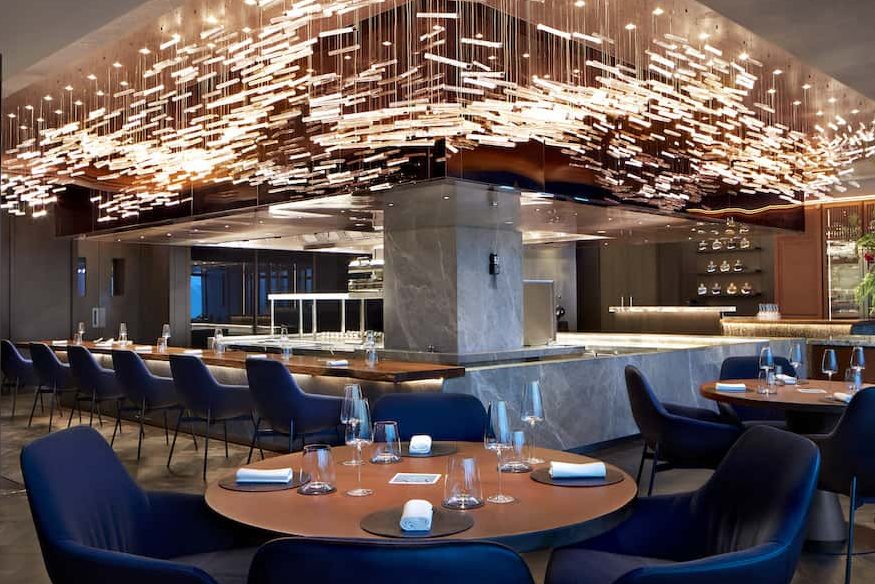
Akuna (Ho Chi Minh City)

Helmed by Chef Sam Aisbett at the Le Meridien Hotel, Akuna is celebrated for its creative European dishes infused with Vietnamese influences. This fine dining establishment offers a memorable experience with its optional wine pairings that complement its innovative menu.

W0806-Akuna0238-edited
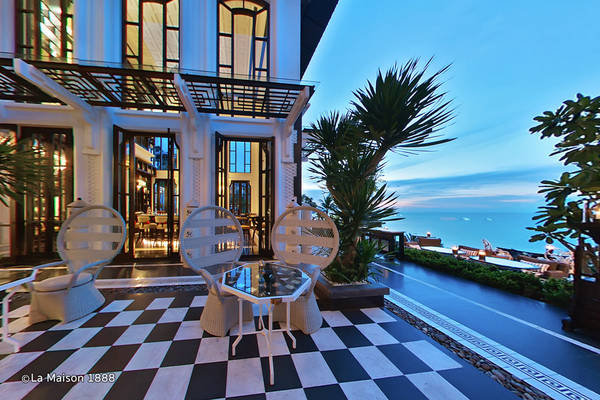
La Maison 1888 (Da Nang)

This luxurious restaurant, located at the InterContinental Danang Sun Peninsula Resort, offers a sophisticated dining experience with a five- or seven-course set menu. La Maison 1888 is known for its exquisite use of top-notch ingredients sourced from Vietnam, France, and Japan.

nha-hang-la-maison-1888-intercontinental-danang-sun-peninsula-resort-ivivu-3
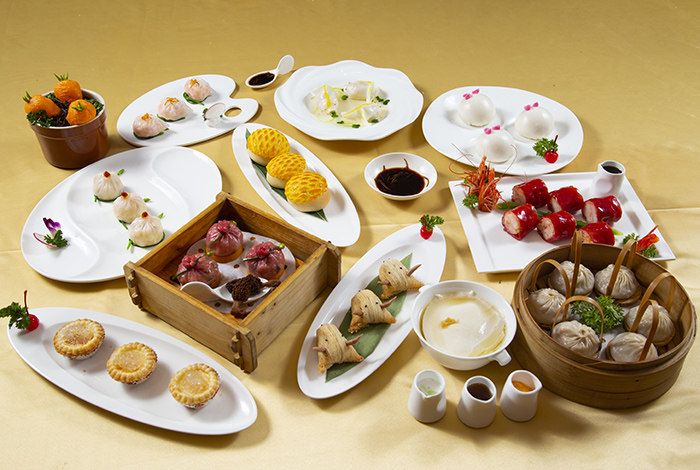
The Royal Pavilion (Ho Chi Minh City)

Promoted from the MICHELIN Selected category, The Royal Pavilion is renowned for its wide range of à la carte and set menus that honor Cantonese culinary heritage. Its dim sum, available only during lunchtime, is a highlight that has contributed to its elevated status.

nha-hang-long-trieu-3
Vietnam’s First MICHELIN Green Star

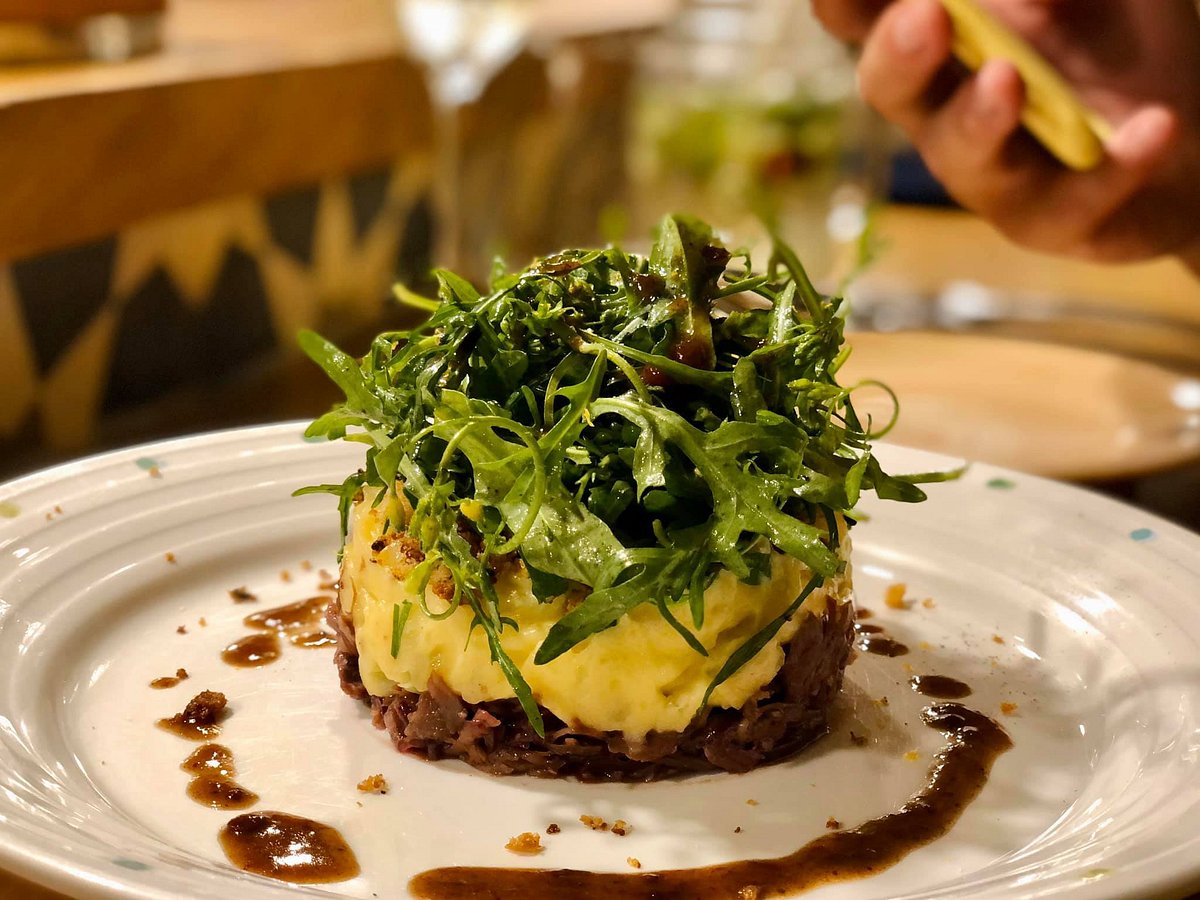
Vietnam’s inaugural MICHELIN Green Star has been awarded to Nén Danang, a MICHELIN Selected restaurant recognized for its commitment to sustainability. Since its inception in 2017, Nén Danang has emphasized the use of local ingredients and sustainable practices. The restaurant regularly shares updates about its farm on social media and collaborates with local schools to promote eco-friendly practices. This award signifies Nén Danang’s role as a leader in sustainable gastronomy in Vietnam.

duck-confit-parmentier

In addition to the seven restaurants that received the Michelin Guide’s star honor, a total of 40 new restaurants in Hanoi, HCMC, and Da Nang received Michelin Selected Awards, raising the total number of dining establishments honored in this category to 99 since last year.

So, are you ready to embark on a delicious journey through Vietnam? Grab your copy of the 2024 MICHELIN Guide and get ready to tantalize your taste buds!

Make your plan to Vietnam right now by apply a Vietnam visa at vietnamvisapro.net. We, a reputable and reliable Visa service, will assist you turn your plan into reality at the very first step
Posted on

Foodies Rejoice! 13 New Hanoi and HCMC Restaurants Join Michelin’s Bib Gourmand List

The prestigious Michelin Guide has unveiled its 2024 Bib Gourmand list for Hanoi and Ho Chi Minh City, recognizing 13 new restaurants for their quality and affordability. This year’s additions bring the total number of Bib Gourmand recipients in Vietnam to 42, showcasing the incredible diversity and deliciousness of the country’s food scene.
Hanoi’s Hidden Gems Recognized

Hanoi’s food scene receives a well-deserved boost with five new additions. Bun Cha Chan, a familiar favorite known for its flavorful grilled pork with rice vermicelli, makes the cut. 

photo_2024-07-03_14-30-48

                                                                   Bun Cha Chan

Luk Lak joins the list with its unique take on Vietnamese fare, particularly the must-try grilled pork belly dipped in an aromatic herbal sauce. Craving eel? Look no further than Mien Luon Dong Thinh, while Mr. Bay Mien Tay tempts taste buds with its signature crispy fried pancakes. Finally, Khoi Hoi‘s renowned pho noodle soup rounds out the exciting additions for Hanoi.

mien-luon-nghe-an-05-1702168247

                                                                    Mien Luon

Ho Chi Minh City’s Culinary Delights

Ho Chi Minh City boasts eight new additions to the Bib Gourmand list, catering to a range of palates. Bánh Xèo 46A is renowned for its giant Vietnamese crepes overflowing with savory fillings, while Bò Kho Gánh offers a soul-warming beef stew served in a traditional stone bowl. Hue-style beef noodle soup lovers can head to Bun Bo Hue 14B, a takeout stall specializing in this flavorful dish.   Bun Bo Hue

For a more extensive dining experience, Man Moi offers a diverse menu encompassing regional specialties from across Vietnam. Those seeking a European touch can visit Sol Kitchen & Bar, while Com Tho Chuyen Ky, a Cantonese eatery, promises a luxurious double-boiled silkie chicken soup. Rounding out the list are Nha Tu, and Vi Que Kitchen, each offering a unique take on Vietnamese cuisine.      Com Tho

Celebrating Vietnamese Cuisine

The Michelin Bib Gourmand designation is a significant recognition for these restaurants. Gwendal Poullennec, International Director of the Michelin Guide, highlights this by stating, “With 13 new Bib Gourmand restaurants… our 2024 selection invites gourmets to explore the charm, quality, and diverse offerings of Vietnamese cuisine.”

So, whether you’re a local or a visitor, the 2024 Bib Gourmand list provides an excellent starting point to discover the culinary gems hidden within Hanoi and Ho Chi Minh City. With its focus on affordability and quality, this list allows you to experience the depth and vibrancy of Vietnamese cuisine without breaking the bank.

Make your plan to Vietnam right now by apply a Vietnam visa at vietnamvisapro.net. We, a reputable and reliable Visa service, will assist you turn your plan into reality at the very first step

Posted on

Flights to Vietnam

Looking to book flights to Vietnam for your upcoming trip? Securing a plane ticket to Vietnam can often be one of the major expenses when planning your travel. To help you find the most affordable options, we’ve put together some practical tips to guide you in booking the cheapest airline tickets for your Vietnam tour.

Tips for booking the cheapest flight ticket to Vietnam

1. Avoid high season

When it comes to booking the cheapest flight ticket to Vietnam, the best way to safe money on your ticket is is to avoid the high season.

During the high season, there is a surge in demand for flights to Vietnam, leading to increased prices. Many tourists visit Vietnam during holidays, festivals, and the summer months, resulting in higher competition for flight bookings. Airlines take advantage of this increased demand to maximize their profits.

If you choose to travel during the low season or shoulder season, you’ll find more affordable flight options. These seasons are characterized by fewer tourists, and airlines may offer discounted fares to attract travelers. By planning your trip during these periods, you can potentially save a significant amount of money on your flight tickets.

2. Book in advanced

As the travel date approaches, airlines tend to increase their prices due to the principle of supply and demand. Popular flights fill up quickly, leaving fewer seats available at lower fares. By booking in advance, you have a better chance of accessing early bird discounts and promotional offers, allowing you to secure more affordable flight tickets.

3. Set price alert

A useful tip for finding the cheapest flight ticket to Vietnam is to set price alerts. This can be done through various flight search platforms, such as Skyscanner, which offers a handy feature for tracking price fluctuations.

When searching for flights to a specific destination, like Ho Chi Minh City, you can utilize the “Set price alerts” option. By selecting this feature, you will receive email notifications whenever there are changes in the flight ticket prices. This allows you to keep track of any potential price drops or increases.

4. Try different booking platforms

To find the cheapest flight ticket to Vietnam, it is recommended to try different booking platforms. There are several reliable platforms available, such as Momondo, Google Flights, Skyscanner, and even checking directly on the airline’s website.

Each booking platform may have access to different airlines, deals, and discounts, so it’s worth exploring multiple options. Momondo, Google Flights, and Skyscanner are popular flight search engines that don’t sell flight tickets themself, but compare fares from various airlines and online travel agencies.

5. Check different airports

When searching for the cheapest flight ticket to Vietnam, it is advisable to check different airports and explore various options beyond the primary destinations. Consider the following strategies:

  1. Compare Hanoi and Ho Chi Minh City: Flight prices can vary depending on the airport you choose to fly to or from. Sometimes, flying to or from Hanoi may be cheaper than Ho Chi Minh City, or vice versa. By comparing prices for both airports, you can potentially find more affordable options.
  2. Consider neighboring countries: Exploring flights from neighboring countries can sometimes lead to cost savings. For example, flying to a major hub like Bangkok, Thailand, and then taking a separate flight to Vietnam might be more economical. Be sure to compare the total cost, including the price of both flights and any additional expenses or transit time involved.
  3. Look for nearby airports: Are there any airports you can consider flying from. Especially if you live in Europe, you can easily consider flying via an airport of another country.

6. Be flexible

Being flexible is a key tip when searching for the cheapest flight ticket to Vietnam. It involves considering various factors, such as travel dates, times, and even the day of the week, to maximize your chances of finding affordable fares. Here’s why flexibility can greatly assist you in finding that elusive cheap ticket:

  • The day of the week and the time of the flight can also impact the ticket prices. Flying during weekends, when many people prefer to travel, can often be more expensive. Conversely, flights during weekdays, especially Tuesdays and Wednesdays, tend to be cheaper due to lower demand. Additionally, opting for early morning or late-night flights, which are less popular, can sometimes result in lower fares.
  • Stay open to different airlines: Don’t limit yourself to a specific airline when searching for the best price.
  • Alternative airports and routes: As mentioned earlier, considering different airports and alternative routes.

International Airports in Vietnam

Vietnam has several international airports that serve as gateways to the country. The major international airports in Vietnam are:

  1. Noi Bai International Airport (HAN) – Located in Hanoi, the capital city of Vietnam, Noi Bai International Airport is the largest airport in northern Vietnam and serves as a major international gateway.
  2. Tan Son Nhat International Airport (SGN) – Situated in Ho Chi Minh City (formerly known as Saigon), Tan Son Nhat International Airport is the busiest airport in Vietnam and is the main international airport in the southern region.
  3. Da Nang International Airport (DAD) – Located in the coastal city of Da Nang, Da Nang International Airport serves as a significant hub in central Vietnam and offers both domestic and international flights.
  4. Cam Ranh International Airport (CXR) – Situated in Khanh Hoa Province, Cam Ranh International Airport serves the popular tourist destination of Nha Trang and handles a growing number of international flights.
  5. Phu Quoc International Airport (PQC) – Located on Phu Quoc Island in the Gulf of Thailand, Phu Quoc International Airport is an important gateway for travelers visiting this tropical paradise and offers international connections.
  6. Can Tho International Airport (VCA) – Located in Can Tho, a city in the Mekong Delta region, Can Tho International Airport provides international flights to connect the delta area with other destinations.

Flying to Hanoi or Ho Chi Minh City

When deciding whether to fly into Ho Chi Minh City or Hanoi, there are a few factors to consider.

Firstly, a majority of travelers choose to start their Vietnam journey in the south by flying into Ho Chi Minh City (formerly Saigon). This is partly because flight prices to Ho Chi Minh City are often cheaper compared to Hanoi. The larger number of international flights to Ho Chi Minh City contributes to the competitive pricing.

Additionally, Ho Chi Minh City is often seen as offering a somewhat “softer” landing culturally for first-time visitors to Vietnam. The city has a more cosmopolitan and modern vibe, with a blend of traditional and contemporary attractions. This can be advantageous for travelers who prefer a smoother transition into the country’s cultural nuances. However, it’s important to note that this aspect may be subjective, and some travelers may prefer the bustling charm of Hanoi.

On the other hand, Hanoi’s airport, Noi Bai International Airport, is known for being more modern and efficient. Travelers often find that everything, including immigration procedures, tends to move faster at this airport compared to Ho Chi Minh City’s airport. However, it’s worth considering that Noi Bai International Airport is located further away from the city center, which may require additional travel time and logistics to reach your destination.

Flying from Europe to Vietnam

Direct flights

  1. London, United Kingdom: London Heathrow Airport (LHR) is a common departure point for direct flights to both Ho Chi Minh City and Hanoi.
  2. Paris, France: Paris Charles de Gaulle Airport (CDG) is another major hub with direct flights to Ho Chi Minh City and Hanoi.
  3. Frankfurt, Germany: Frankfurt Airport (FRA) serves as a connection point for several airlines offering direct flights to Vietnam.

Airlines

Popular airlines flying between Europe and Vietnam:

  • KLM (stopover at Singapore or Kuala Lumpur)
  • Emirates (stopover at Dubai)
  • Vietnam Airlines (stopover at Frankfurt)
  • Etihad Airways (stopover at Abu Dhabi)
  • Malaysia Airlines (stopover at Singapore or Kuala Lumpur)
  • Cathay Pacific (stopover at Hong Kong)
  • China Southern (stopover at Guangzhou)

Cost for flight ticket

A rough estimate for a round-trip economy class ticket between Europe and Vietnam can range from approximately $600 to $1,500 USD or more, depending on season, date, airline and flight route.

Flight time

Direct flights between Europe and Vietnam have an average duration of around 12 hours. For flights that include a transit or layover, the total travel time can range from approximately 15 to 22 hours.

Flying from United States & Canada to Vietnam

Direct flights

  • San Francisco, California: San Francisco International Airport (SFO) is the only airport offering direct flights between United States and Vietnam.

There are no direct flights from Canada.

Airlines

Popular airlines flying between both Canada and the United Sates with Vietnam:

  • Korean Air (stopover at Seoul, Korea)
  • China Airlines (stopover at Taipei, Taiwan)
  • ANA (stopover at Tokyo, Japan)
  • Delta(stopover at Seoul, Korea)
  • Cathay Pacific (Hong Kong)

Cost for flight ticket

A rough estimate, a round-trip economy class ticket between the United States and Vietnam can range from approximately $700 to $1,500 USD or more.

Flight time

The only direct flight from the US to Vietnam is from San Francisco, which typically takes a bit more than 16 hours.

For flights from Los Angeles, the average duration is around 18 to 22 hours, including transit. This also applies to flights departing from Vancouver, Canada. From New York, the fastest flights would have an average duration of around 21 hours, including transit.

It’s important to note that these are average durations and can vary based on factors such as flight connections, layover times, and the specific airline you choose. While it is possible to find flights with longer durations that can extend the total travel time to over 30 hours, it is generally recommended to search for flights with shorter durations.

Flying from Australia & New Zeeland to Vietnam

Direct flights

  • Melbourne, Victoria: Melbourne Airport (MEL) offers direct flights between Australia and Vietnam.
  • Sydney, New South Wales: Sydney Airport (SYD) is a common departure point for direct flights to both Ho Chi Minh City and Hanoi.

Airlines

  • Jetstar (direct flight between Melbourne and Vietnam)
  • VietJet Air (direct flight between Melbourne and Vietnam)
  • Vietnam Airlines (direct flight between both Sydney and Melbourne with Vietnam)
  • Air Asia (stopover in Kuala Lumpur, Malaysia)
  • Thai Airways (stopover in Bangkok, Thailand)

Cost for flight ticket

A rough estimate, a round-trip economy class ticket between Australia and Vietnam can range from approximately $500 to $1,200 USD or more, depending on the factors mentioned above.

Flight time

Direct flights from both Sydney and Melbourne to Vietnam have an average duration of about 9 hours. Flights with a stopover or transit typically take between 12 to 16 hours. The fastest connection from New Zealand to Vietnam takes a little over 14 hours, although most flights have a total duration of around 20 hours, including the transit time.

Flying from Asia to Vietnam

Many people use the cheaper option of a flight to Vietnam via Bangkok, Singapore or Hong Kong. A stay in one of these cities can be incorporated into your schedule, often at very little extra cost. You can save even more by booking a cheap flight ticket from Bangkok, Kuala Lumpur or Singapore to Vietnam with a budget airline, such as Jetstar, Tiger Airways and Air Asia.

Regional air connections from Asia to Vietnam are getting better and better. You can fly from many cities in Cambodia, Laos, Malaysia and Thailand and there are also plenty of options from South Korea, Japan and China. Budget options are increasing every year: from Singapore you can choose from Jetstar, Scoot, Silk Air and Vietjet Air, and from Bangkok you can take AirAsia, Jetstar, Lion Air, Nok Air or Vietjet. There are also plenty of options from Kuala Lumpur.

Make your plan to Vietnam right now by apply a Vietnam visa at vietnamvisapro.net. We, a reputable and reliable Visa service, will assist you turn your plan into reality at the very first step