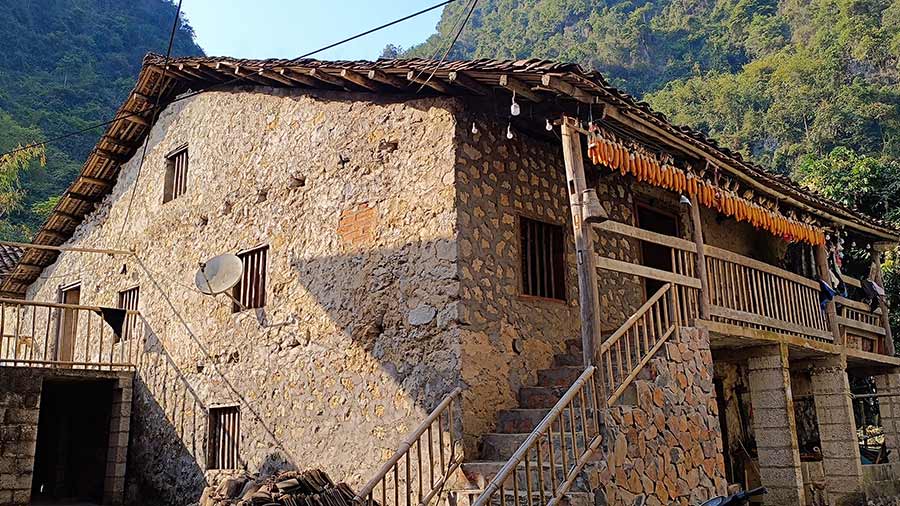
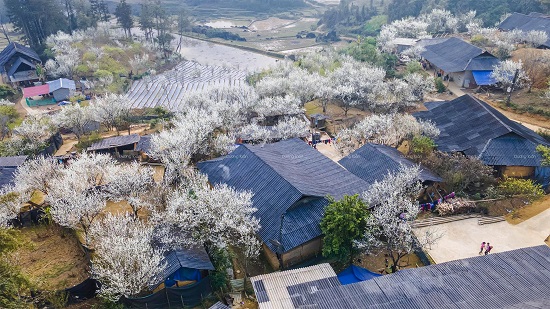
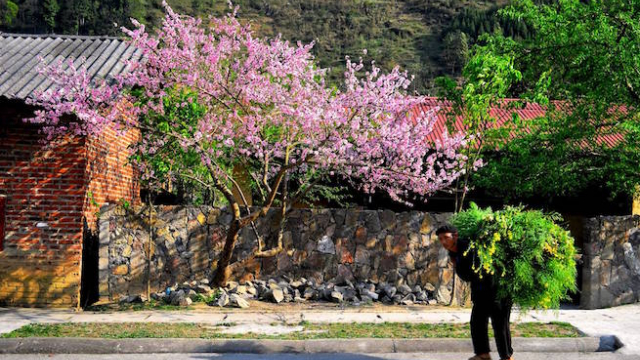
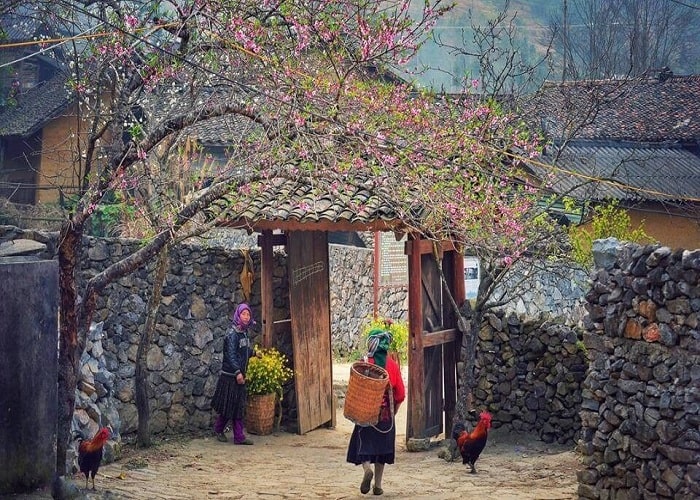
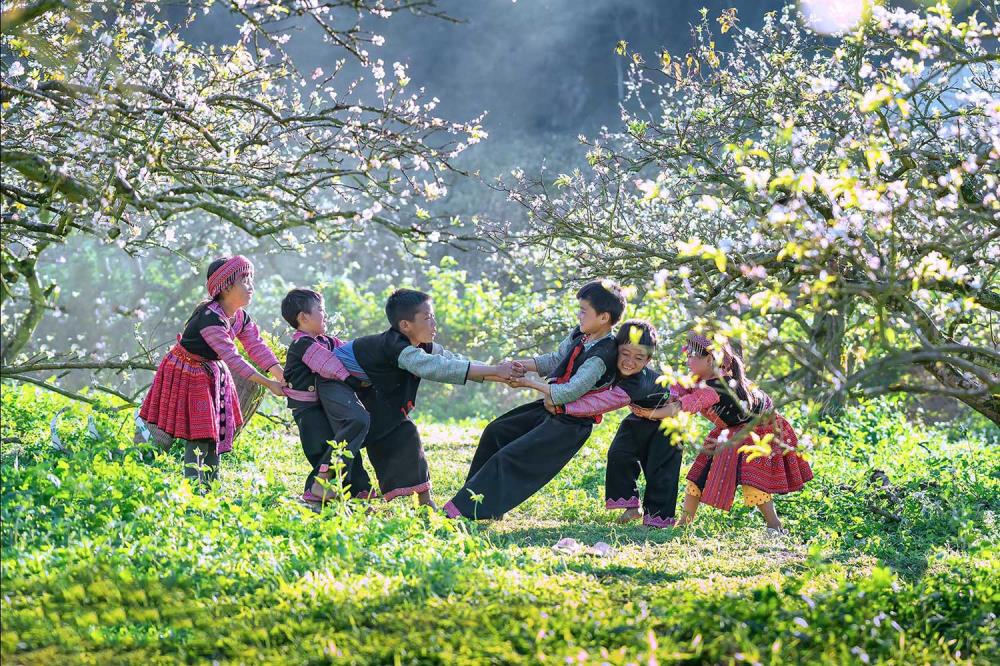
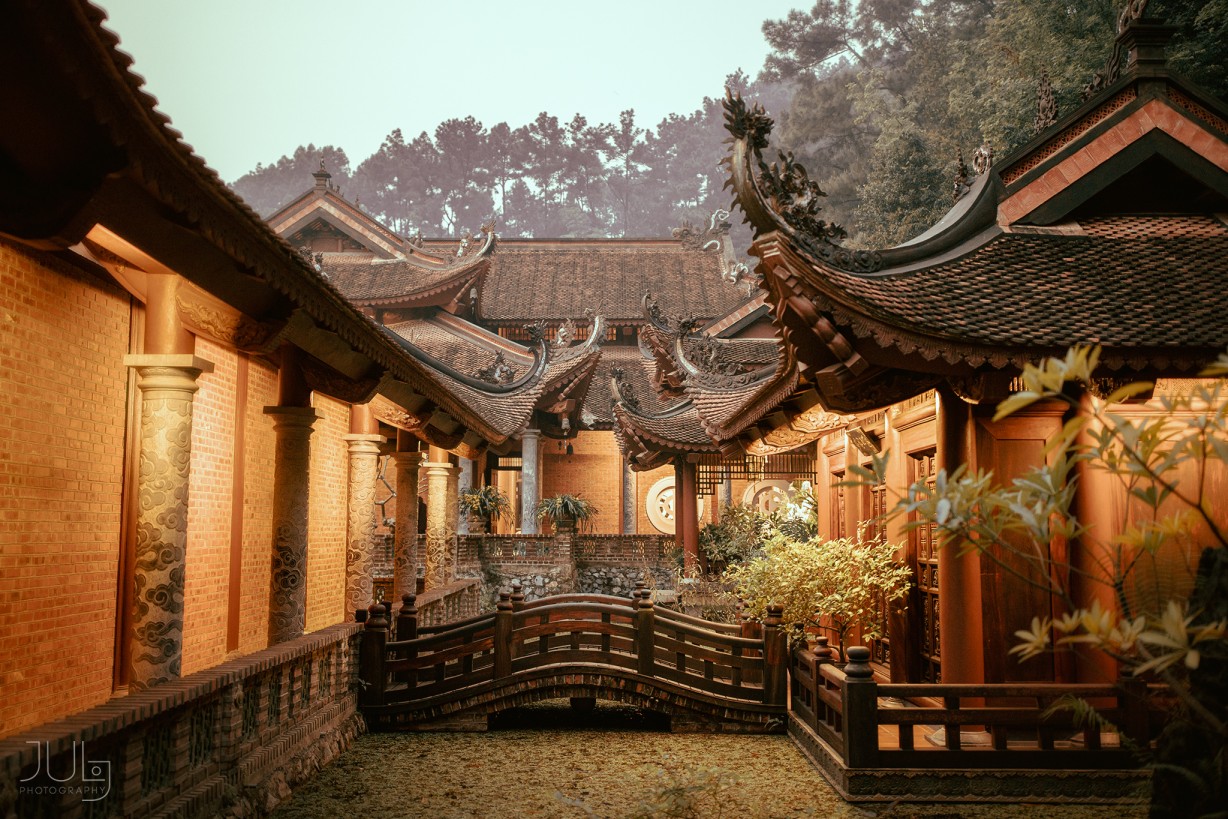
Khuoi Ky Stone Village, located in Dam Thuy commune, Trung Khanh district, Cao Bang province, is renowned for its distinctive stone stilt houses. These structures, with their ancient characteristics, reflect the traditional culture of the Northeastern mountains and forests. It’s a must-visit destination for anyone exploring the area.
Ancient stone house architecture in Khuoi Ky
Khuoi Ky Stone Village boasts a unique architectural charm, reflecting its 400-year history, set against a backdrop of wild mountains and lush forests. The village takes its name from the refreshing green stream that flows at its entrance. Visitors to the village can not only breathe in the crisp, fresh air and experience tranquility, but also explore a variety of intriguing sights that offer a stark contrast to the bustle of city life.
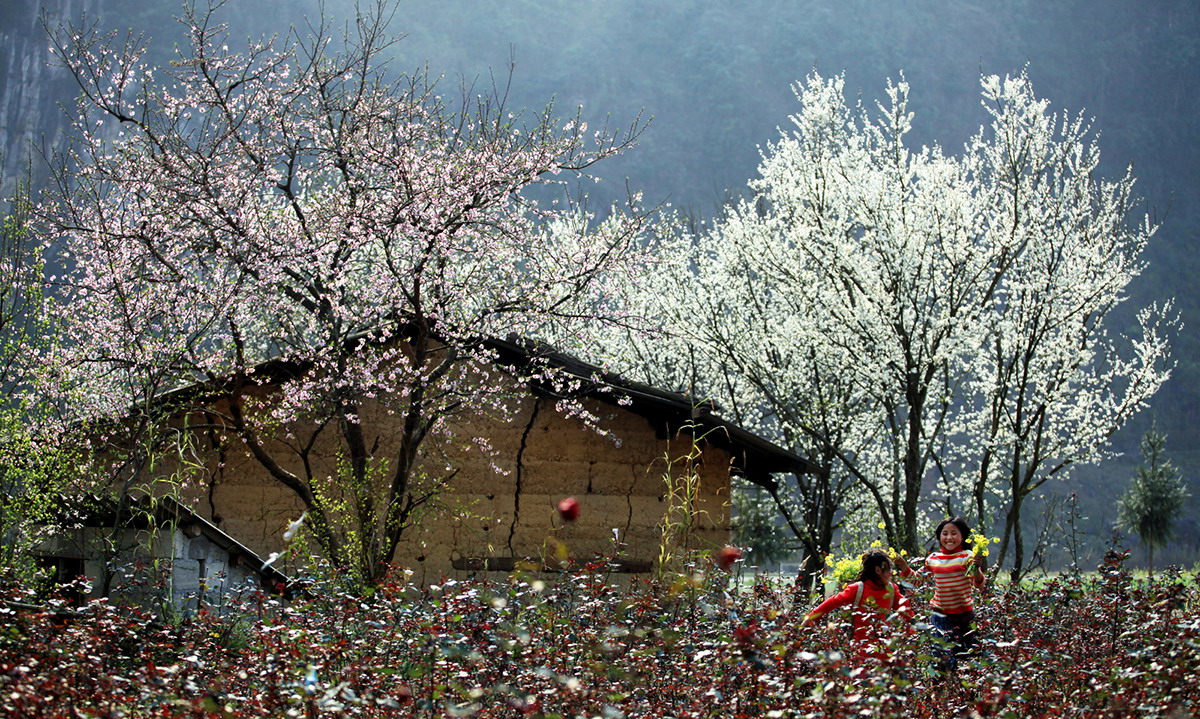
Scenery in the ancient stone village of Khuoi Ky
Khuoi Ky village, with its expansive area, is nestled against a solid mountain and faces a flowing stream, keeping the atmosphere fresh year-round. The village retains the cultural and spiritual essence of the Tay ethnic group, with homes constructed entirely of stone and roofed with traditional yin-yang tiles. Stone plays a central role in the daily lives of the villagers, who regard it as a sacred material that symbolizes protection for their community.
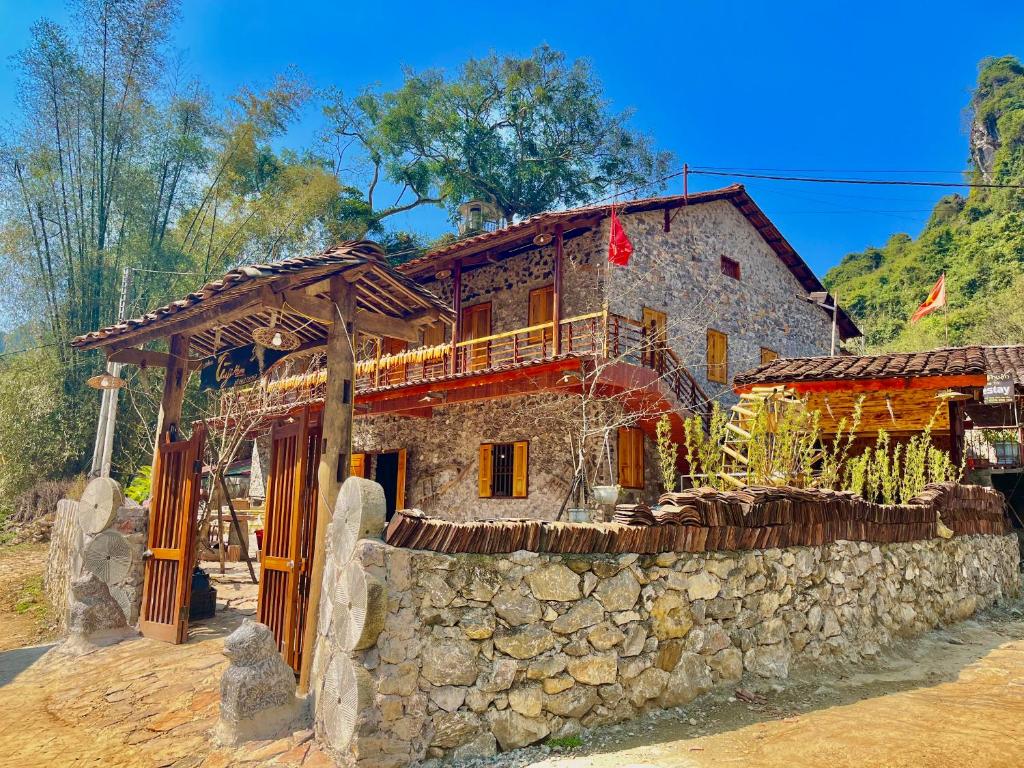
Homestay in Khuoi Ky
When visiting Khuoi Ky, guests can indulge in the unique specialties and traditional dishes of the Tay ethnic group. They can also take part in bamboo dancing, listen to Then singing, or enjoy the soothing sounds of the Tinh lute. Additionally, visitors can experience a variety of activities such as rice planting, firewood gathering, and fishing in the streams.
Khuoi Ky village, with its stunning landscapes, rich cultural heritage, and distinctive architecture, is steadily emerging as a popular destination for both domestic and international visitors.
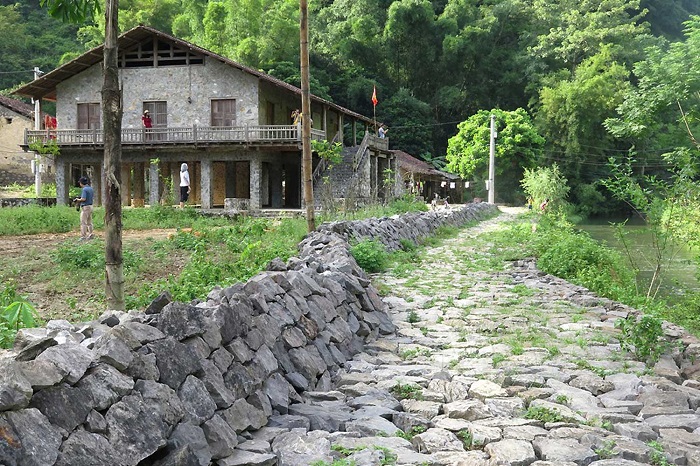
The road to Khuoi Ky village
Come and experience Khuoi Ky in Cao Bang on your next trip, and create unforgettable memories of Vietnam by securing your Vietnam visa at https://vietnamvisapro.com/. As a trusted and reliable visa service, we are here to help turn your dream vacation into reality from the very first step.
Situated in a tropical climate zone, Northern Vietnam experiences four distinct seasons, each offering unique experiences, attractions, and natural beauty. Spring, from January to March, is considered the best time to explore the region. Here are some suggestion for your choice to visit the Northern Vietnam in Spring.
It has become one of the most popular destinations, not just for foreign tourists, but also for locals in recent times. The stunning natural beauty will leave you in awe, with its captivating landscapes featuring mountains, hills, terraced fields, and more.
Sa Pa in spring paints a beautiful picture that captivates everyone at first glance. The weather, a perfect 15-18 degrees, adds to the charm of the season. The air is filled with the vibrant colors of blooming flowers like peach blossoms, plum blossoms, le flowers, orchids, and terra cotta blooms. From January to March, as the region celebrates the Lunar New Year, you can experience the festive atmosphere with a variety of unique local activities.
In spring, the captivating beauty of both the people and nature in Dong Van will draw you in. As you travel along the mountain roads, you’ll be greeted by the vibrant colors of blooming flowers and lush trees.
The red and the pink of the peach blossom; the white of the plum blossom; the yellow of the chrysanthemum; the purple of the five-petaled flowers—these vibrant colors stand out against the gray stone and the blue of the leaves. During the Tet holiday, visitors are treated to beautiful scenes of majestic nature and the people there. As you travel through Quan Ba Mountain along the Happiness Road, you can witness the misty landscape with sunlight streaming over the mountains and clouds drifting by.
3.Moc Chau Plateau- Son La
Moc Chau is a captivating region in the Northwest, known for its mysterious and profound beauty. Each season brings a unique charm, but perhaps the most enchanting is spring, when peach and plum blossoms bloom in vibrant hues. This floral season enhances the rustic allure of the countryside, creating a picturesque scene in the heart of spring.
The soft rays of the sun seem to dissolve the mist and chill, transforming each scene like the awakening from a deep slumber. Along Highway 6, as it crosses the pass to Moc Chau, travelers are greeted by a paradise where plum blossoms blanket the white hills in a sea of blooming flowers.
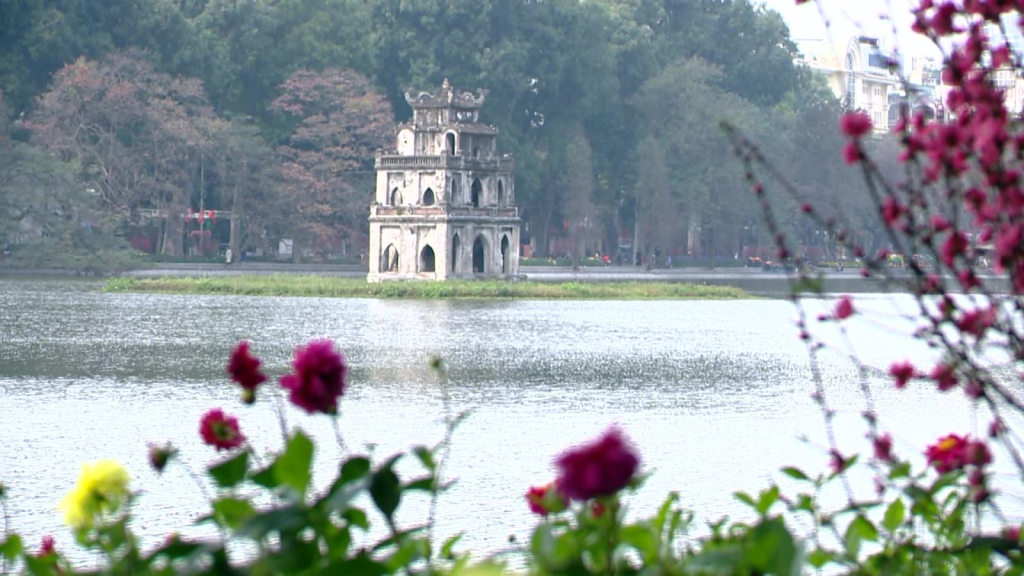
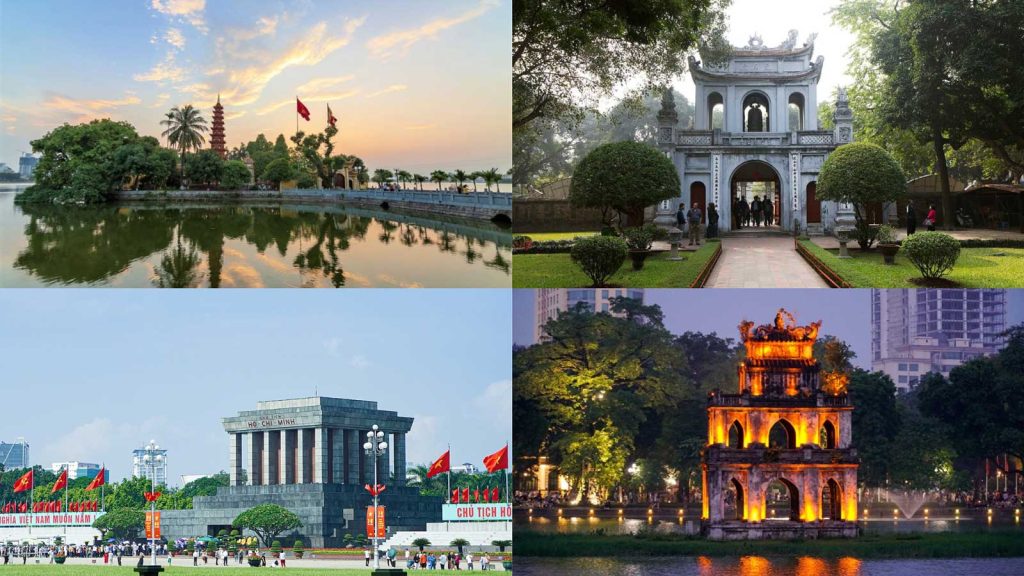
Spring is a great time to visit the capital city. Popular attractions include Hoan Kiem Lake, the Temple of Literature, the Imperial Citadel of Thang Long, and West Lake Water Park. During the holiday season, the city is adorned with beautiful decorations. Visitors can also explore various pagodas, such as Tran Quoc Pagoda and West Lake Palace, where they can enjoy a peaceful atmosphere and make wishes for good fortune.
There are plenty of exciting things to explore during your spring holiday in Vietnam. Before you head out, don’t forget to double-check your Vietnam visa to ensure a hassle-free journey from the very beginning.
Secure your Vietnam visa today at vietnamvisapro.net, where we provide reliable visa services to help make your dream vacation a reality from the very beginning.
North Vietnam boasts the enchanting capital of Hanoi, breathtaking mountain ranges, mist-covered peaks, lush valleys, ancient rice terraces, diverse ethnic communities, and stunning turquoise islands. Wherever you venture, you’re sure to discover something remarkable. Join us as we explore Vietnam Travel’s list of must-visit destinations in North Vietnam.
1. Hanoi
Hanoi is undoubtedly a must-visit destination in North Vietnam. Its beautifully preserved French colonial architecture, ancient pagodas, historic temples, and unique museums, alongside tranquil lakes and other captivating spots, will leave you enchanted. The city is perfect for exploring on foot or by cyclo, allowing you to wander through the hidden alleyways and lively markets of the charming Old Quarter. Here, you can savor local specialties and indulge in delicious Vietnamese cuisine just like the locals do. Hanoi’s eclectic charm has something for everyone. Be sure to spend at least 2 to 3 days uncovering its hidden beauty and visiting key sites, such as the Ho Chi Minh Complex, the Presidential Palace, One Pillar Pagoda, the Temple of Literature (Vietnam’s first university), West Lake, the serene Tran Quoc Pagoda, and Quan Thanh Temple.
2. Ninh Binh
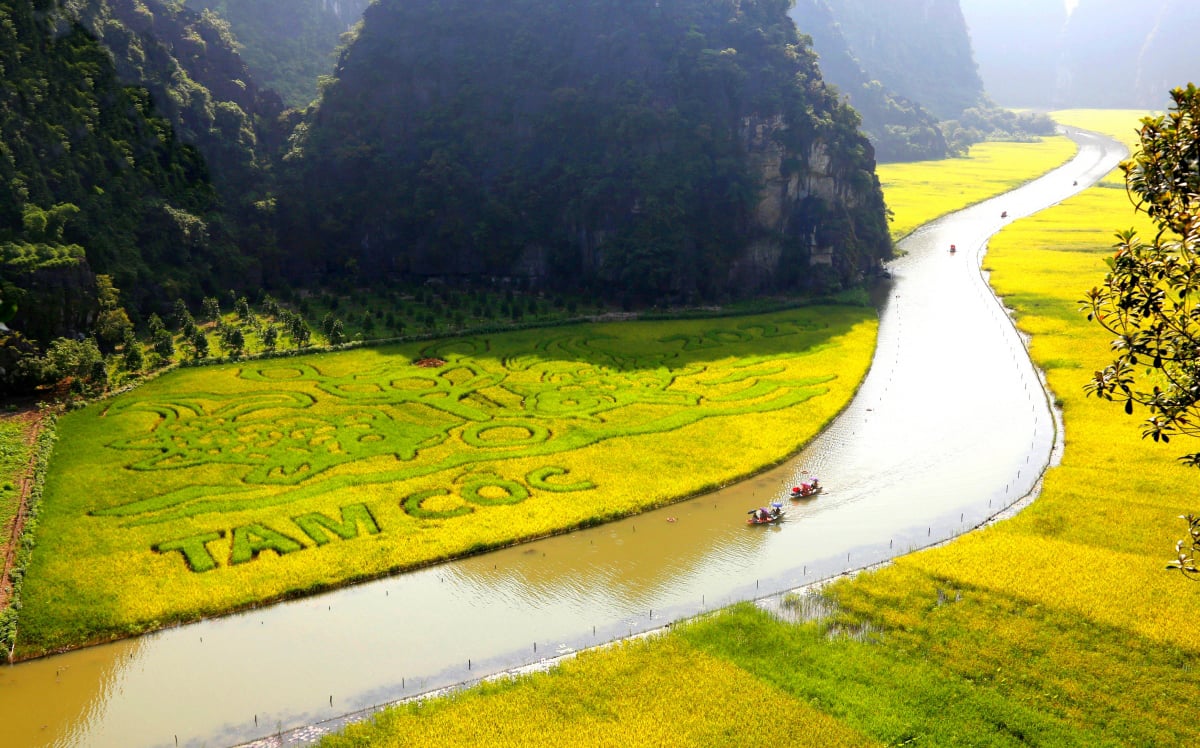
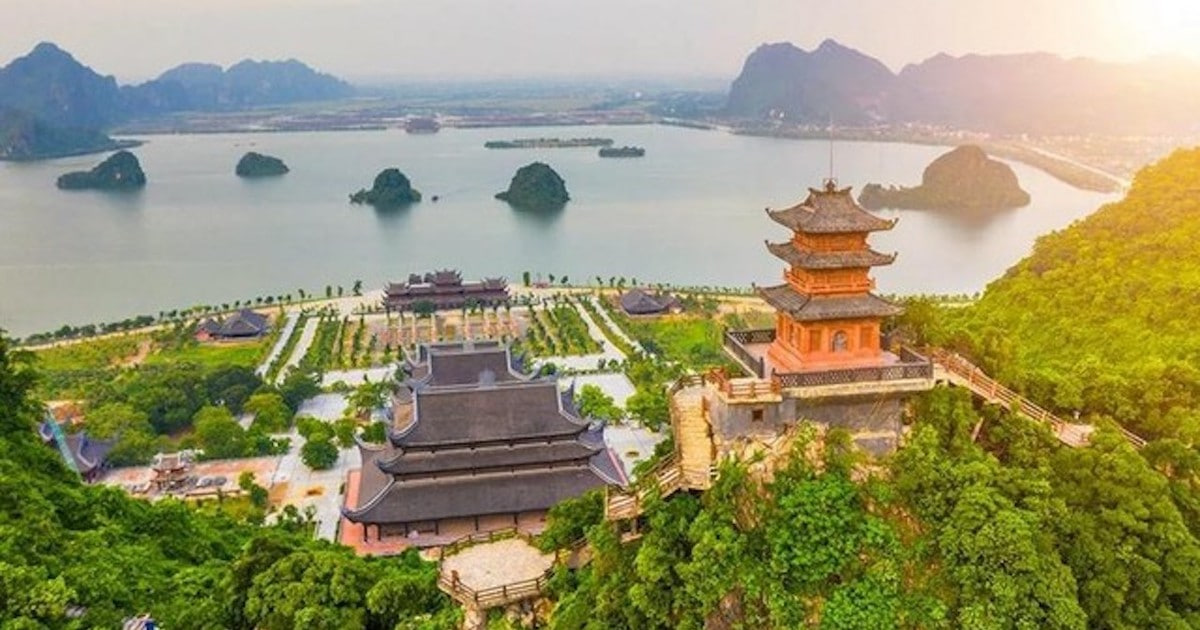
Often called “Halong Bay on land,” Ninh Binh is a must-visit destination in North Vietnam. Just a two-hour drive from Hanoi, it’s perfect for a day trip if you’re short on time. A visit to Ninh Binh should definitely include a boat ride through Trang An or Tam Coc, where you can take in stunning limestone formations, lush greenery, and serene landscapes along tranquil waterways that weave through dark grottoes. This boat trip typically lasts about two hours. Additionally, you can explore highlights like Bai Dinh Pagoda—the largest in Vietnam—Bich Dong Pagoda, the ancient capital of Hoa Lu, Phat Diem Cathedral, Mua Cave, and Cuc Phuong National Park.
3. Mai Chau
Just a short distance from Hanoi, Mai Chau offers a perfect escape from the hustle and bustle of city life, immersing you in the tranquility of a mountainous village. You can unwind in Lac or Poong Cong villages, rent a bike to explore the surrounding countryside, and discover your own serene moments among the rice paddies. This picturesque region, with its lush jungles, bamboo groves, tea plantations, and waterfalls, is ideal for leisurely walks and short treks to remote ethnic villages like Hang Kia and Pa Co.
The White and Black Thai communities are the largest ethnic groups in this area, known for their wooden stilt houses. Spending at least one night in a stilt house homestay is highly recommended to immerse yourself in the local customs and culture. You’ll have the opportunity to connect with residents, share a meal with your host, and enjoy traditional dance performances in the evening.
4. Sapa
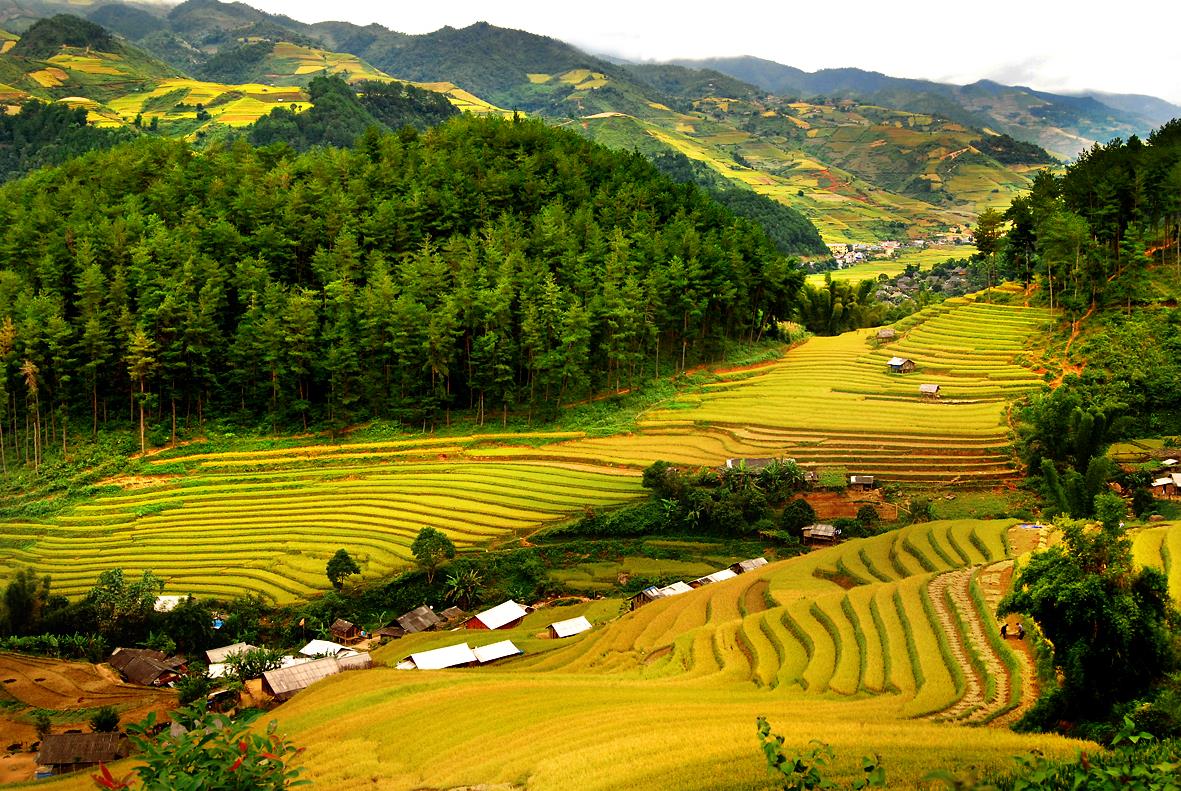
Sapa captivates visitors with its stunning mountain backdrop, picturesque terraced rice fields, and rich cultural diversity among its many ethnic minorities. A guided hike through expansive valleys adorned with these rice terraces offers a unique experience, leading you through remote hill tribe villages like Cat Cat, Y Linh Ho, Lao Chai, Ta Van, and Ta Giang Phinh. Additionally, local ethnic markets provide a fantastic opportunity to immerse yourself in the daily lives and cultures of the H’mong, Dzao, and Dzay communities. Be sure to explore Bac Ha market on Sundays, Coc Ly market on Tuesdays, and Can Cau market on Saturdays, where you’ll find a vibrant array of goods, including local fruits, vegetables, honey, corn wine, colorful fabrics, clothing, embroidered items, and livestock like horses, cows, and buffalo.
5. Ha Giang
Ha Giang is a mountainous province located in northeastern Vietnam, approximately 300 km from Hanoi. It shares a 270 km border with Yunnan province in southern China, earning it the nickname “Vietnam’s final frontier.” Nearly 90% of Ha Giang’s population consists of ethnic minorities, contributing to the area’s rich and distinctive cultural heritage. The traditional practices and customs of these groups are diverse and captivating, drawing many travelers eager to explore these unique cultural facets.
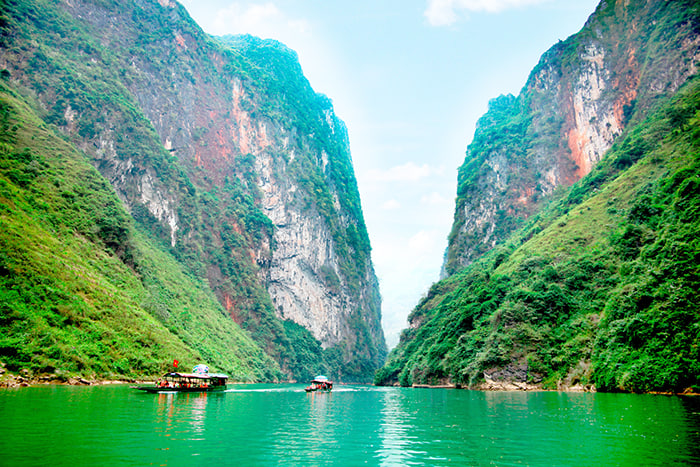
Ha Giang is best experienced on a two-wheeled road trip, allowing you to fully appreciate the stunning landscapes and the unique charm of its remote towns and minority villages. The journey from Yen Minh to the Dong Van Karst Plateau Geopark, followed by a ride across the breathtaking Ma Pi Leng Pass—one of Vietnam’s four great passes—towards Meo Vac promises to be an unforgettable adventure.
6. Cao Bang – Ban Gioc Waterfall
Nestled in a remote part of Northern Vietnam, Cao Bang is renowned for its rich biodiversity, featuring a wealth of endemic flora and fauna, along with five major river systems and 47 lakes. This region is home to nine distinct ethnic groups, including the Tay, Nung, Mong, Kinh, Dao, and San Chay, each with their own unique crafts, traditional festivals, folk arts, customs, and lifestyles. This cultural diversity adds to Cao Bang’s fame and allure.
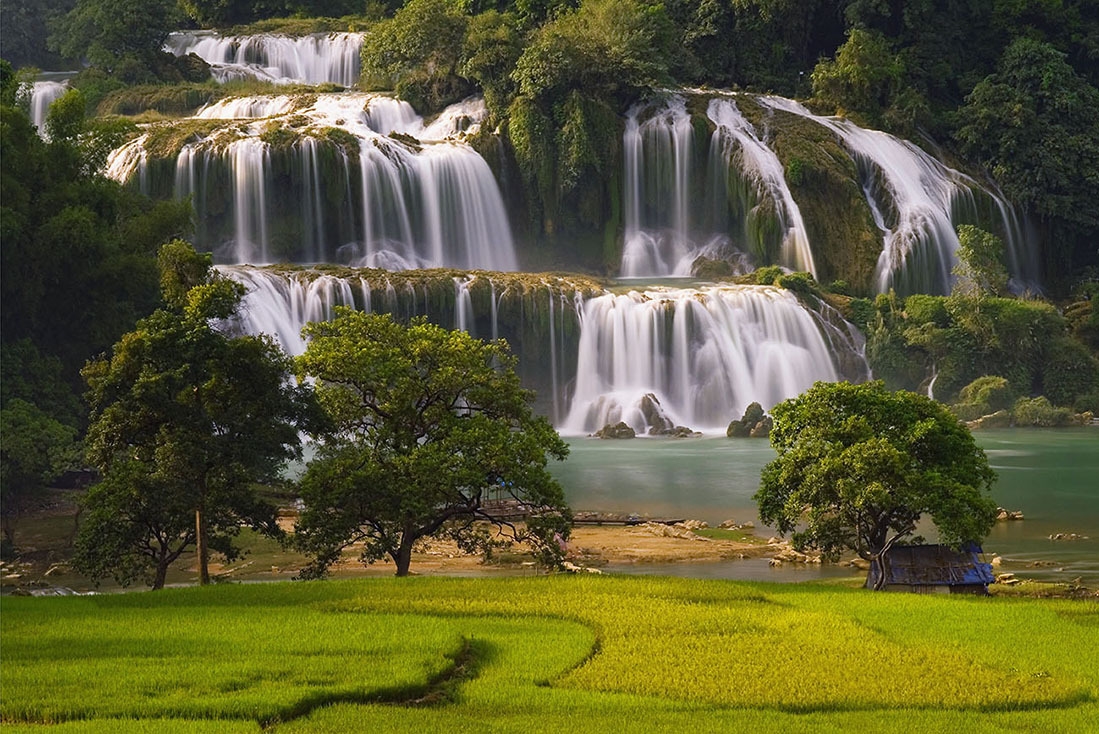
Cao Bang is home to many remarkable landscapes and historical sites that you won’t want to miss. Highlights include the Pac Bo historical site, where President Ho Chi Minh lived and worked during the early days of Vietnam’s revolution; the stunning Ban Gioc waterfalls, the largest in Vietnam; Nguom Ngao Cave; the Thang Hen lake system; and the Phat Tich Truc Lam Ban Gioc Pagoda, among others.
7. Halong Bay
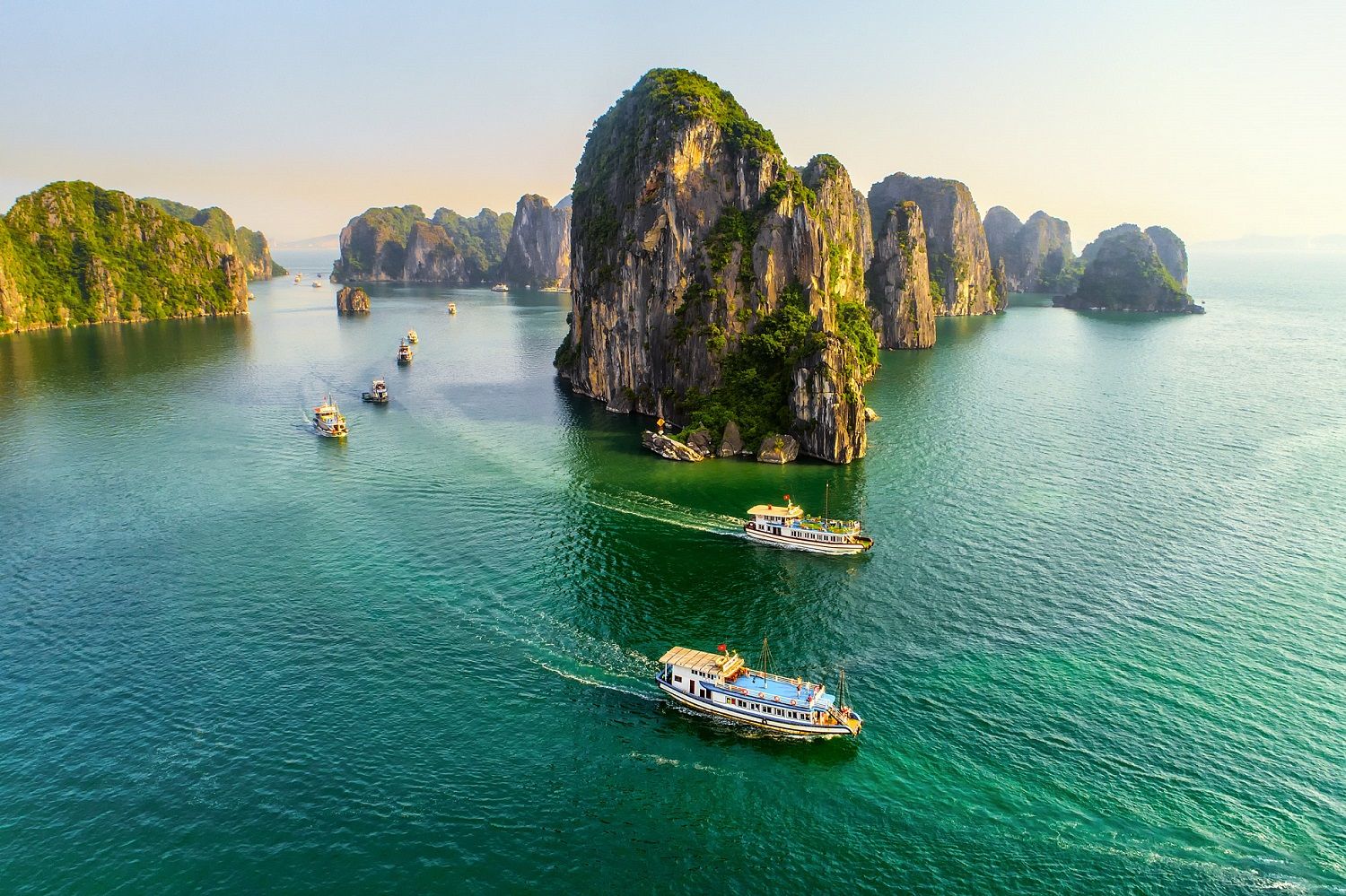
No trip to North Vietnam is complete without a visit to Halong Bay, one of the Seven Natural Wonders of the World, featuring over 2,000 stunning limestone islands and cliffs. While there are many ways to explore this breathtaking area, an overnight cruise is the best option, allowing you to fully appreciate the spectacular scenery. You’ll have the chance to get up close to the magnificent karst cliffs, rocky spires, and hidden caves, all while enjoying the misty clouds and clear turquoise waters. Relaxing with a cocktail on the sundeck is a delightful way to unwind, but if you’re seeking adventure, Halong Bay offers plenty of activities, such as visiting fishing villages by boat, kayaking, exploring hidden caves, swimming, and even night squid fishing.
8. Cat Ba Island
Nestled between Bai Tu Long Bay and Ha Long Bay, Cat Ba Island attracts numerous travelers eager to discover its stunning natural landscapes. The island is home to three beautiful Cat Co beaches, known for their soft yellow sands, crystal-clear waters, gentle waves, and refreshing breezes. While Cat Co 1 and Cat Co 3 are connected by a scenic cliffside path, making them perfect for leisurely strolls, the third beach offers a quieter, more secluded atmosphere ideal for romantic getaways. Visitors can enjoy a variety of adventurous activities, such as motorboating or kayaking to explore nearby islets, hiking through the national park, or cycling around the island. The best time to visit Cat Ba Island is from April to November, when the weather is ideal for beach outings. However, it can get quite crowded during the summer months of June to August, making accommodation difficult to secure due to the influx of domestic tourists.
Start planning your trip to Vietnam today by getting your visa at vietnamvisapro.net. As a trusted and reliable visa service, we’re here to help you turn your travel dreams into reality from the very first step.
Hanoi, as one of Vietnam’s busiest travel hubs, presents a diverse selection of hotels catering to various preferences and budgets. For travelers seeking exceptional comfort and service, a 5-star accommodation is an excellent choice, offering luxury and an enhanced overall experience. Here we recommends a list of the top 5-star hotels in Hanoi, ranked based on factors such as service quality, customer care, and location. This list is provided in no particular order to assist travelers in making informed decisions.
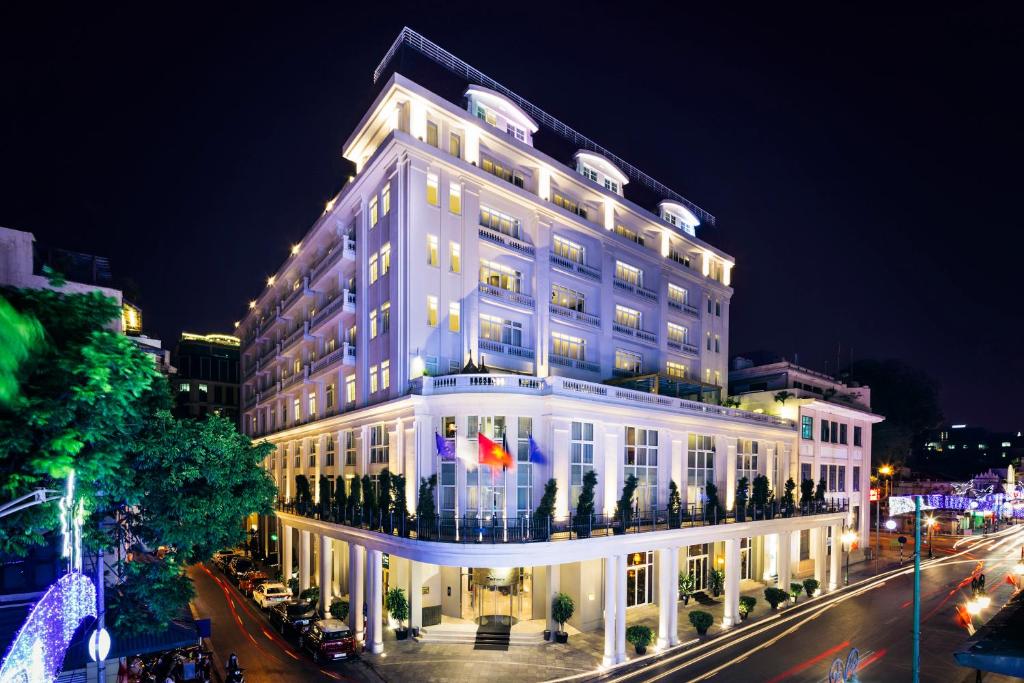
1.Sofitel Legend Metropole Hanoi
Sofitel Legend Metropole Hanoi opened its doors in 1901, thanks to two private French investors. Over the years, it has become a historic landmark in Hanoi, celebrated for its significant role in the city’s history and heritage. Known for its long-standing tradition of luxury, the hotel serves as an elegant venue for prestigious events and is a favored meeting spot for both business and leisure travelers.
Located in the heart of Vietnam’s capital, this hotel is just a 5-minute walk from the Hanoi Opera House and 10 minutes from Hoan Kiem Lake. It boasts 364 rooms and suites, blending the original colonial charm of the historic Metropole Wing with the stylish neo-classical elegance of the newer Opera Wing. Each accommodation is equipped with air conditioning, broadband internet, a flat-screen TV, and premium bathroom amenities.
Sofitel Legend Metropole Hanoi offers a range of dining options, including popular Asian and Vietnamese dishes at Spices Garden, a Parisian-inspired café at La Terrasse, the bespoke cocktail bar and whisky lounge Angelina, and the multi-award-winning French restaurant Le Beaulieu.
Address: 15 Ngo Quyen, Hoan Kiem, Hanoi. Number of rooms: 364. Price: ~370 – 900 USD/ room/ night.
2. The Oriental Jade Hotel
The Oriental Jade Hotel boasts 120 bright and spacious premium guest rooms and suites, each providing breathtaking views of Hoan Kiem Lake, St. Joseph’s Cathedral, and the Hanoi Old Quarter. Each room elegantly combines classic décor with modern furnishings for optimal comfort, featuring complimentary Wi-Fi, flat-screen satellite TVs, alarm clocks, 220V electric adapters, individual safes, minibars, air conditioning with personalized thermostats, and hair dryers. Room service is available daily until 10 PM.
The Oriental Jade Hotel has a perfect location in central Hanoi which allows guests to explore the city within walking distance. There is a traditional Vietnamese spa providing the ultimate relaxation after a full-day tour, a cozy restaurant with a wide range of Vietnamese and Western cuisines, a phenomenal rooftop swimming pool and a sky bar featuring panoramic views of the city… Last but not least, the staff here are so friendly and helpful to deliver exceptional services to guests.
Address: 94 Hang Trong, Hoan Kiem, Hanoi. Number of rooms: 120. Price: ~150 – 420 USD/ room/ night.
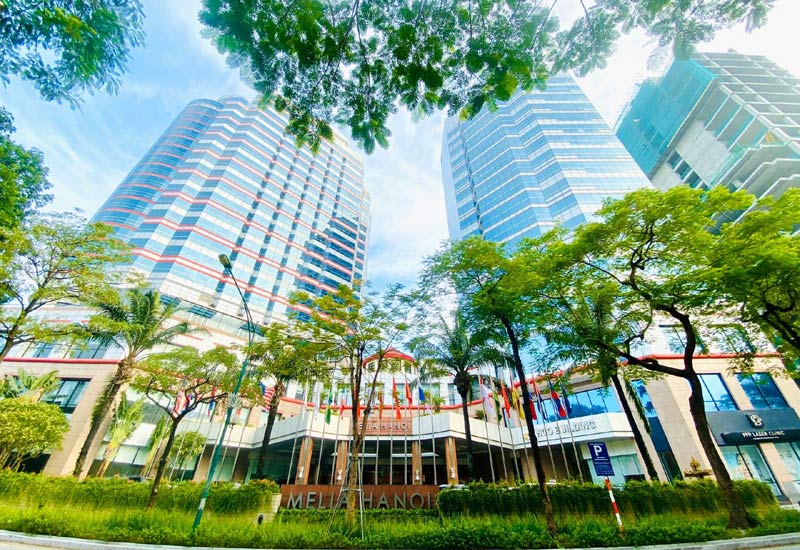
3. Melia Hotel Hanoi
Meliá Hanoi is ideally situated close to major attractions, making it an excellent choice for travelers seeking luxurious accommodations, top-notch amenities, and welcoming service. The hotel features an outdoor swimming pool, a fitness center, and offers massage and sauna services for ultimate relaxation.
Guests at Meliá Hanoi can indulge in two exceptional dining options: El Oriental, which offers exquisite local Vietnamese cuisine, and El Patio, featuring a diverse array of international dishes. For relaxation, Cava Lounge provides a delightful selection of drinks, while Meliá Deli tempts visitors with a delectable array of breads, cakes, and other baked treats.
Additionally, Meliá Hanoi is an ideal choice for business travelers, as it boasts the largest conference and meeting facilities in the country. Equipped with state-of-the-art technology and top-notch amenities, the hotel is the perfect venue for significant meetings, memorable receptions, and vibrant events.
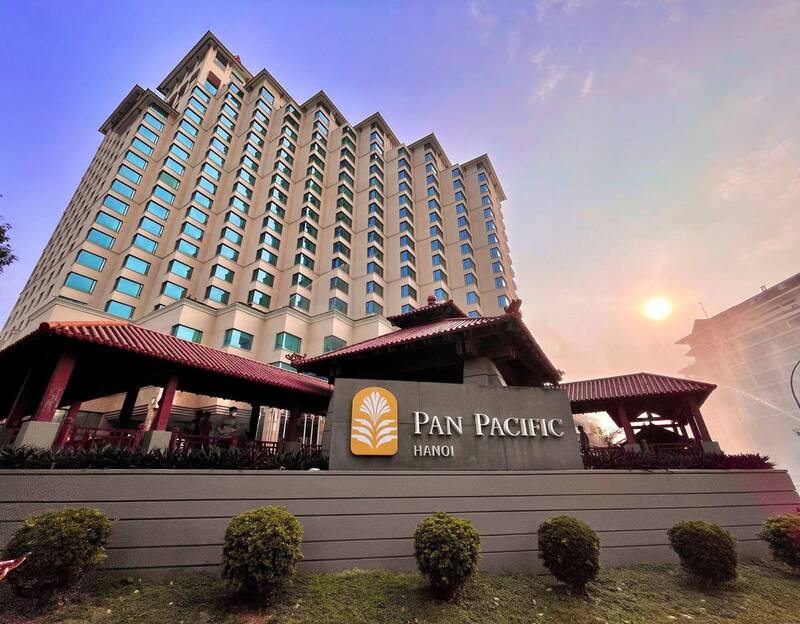
Pan Pacific Hotel is situated by West Lake, Hanoi’s largest freshwater lake, just a 10-minute drive from popular attractions like Hoan Kiem Lake, the Ho Chi Minh Mausoleum, and Dong Xuan Market. The hotel boasts 273 elegantly designed rooms and suites, alongside 56 fully equipped serviced suites ideal for long-term stays. Each room showcases a contemporary aesthetic, adorned with warm yellow and neutral tones, modern furnishings, and touches of Vietnamese design.
With 12 adaptable meeting spaces, including a spacious pillar-less ballroom that accommodates up to 450 guests, Pan Pacific Hotel is the perfect setting for corporate events and grand banquets. Guests can enjoy an indoor all-season swimming pool, a well-equipped fitness center, or relax with a rejuvenating massage at the in-house spa, which offers a variety of treatments. Dining options abound, from a tempting international buffet at the all-day dining restaurant to authentic Cantonese dishes at Ming Restaurant. For those looking to unwind with a drink, the Summit Lounge on the rooftop offers stunning panoramic city views, while the Song Hong Bar provides a cozy atmosphere.
Address: 1 Thanh Nien, Ba Dinh, Hanoi. Number of rooms: 273 Price: ~150 – 250 USD/ room/ night.
5. Hotel de l’Opera Hanoi – Mgallery
Sit in the heart of Hanoi, Hotel de l’Opera Hanoi – Mgallery is within walking distance of several famous attractions including Hoan Kiem Lake, Thang Long Water Puppet Theatre, Hanoi Opera House, Hanoi Old Quarter… The hotel has 107 guestrooms and suites which are fitted with European-style designer furnishings and feature walls with artwork. After a full day of activities, guests can relax at Hanoi’s only heated semi-outdoor swimming pool, enjoy soothing massages at Santé Spa or recharge at fitness center. All are located on the 3rd floor.
Hotel de l’Opera Hanoi presents its culinary offerings in exquisite settings. Café Lautrec features à la carte and buffet dining available all day, while Satine specializes in classic Vietnamese dishes, showcasing a variety of local specialties. Additionally, La Fee Verte is celebrated for its signature Absinthe.
Address: 29 Trang Tien, Hoan Kiem, Hanoi. Number of rooms: 107 Price: ~180 – 260 USD/ room/ night.
6. InterContinental Hanoi Westlake
The InterContinental Hanoi Westlake is nestled on the tranquil waters of the city’s largest freshwater lake, adjacent to the historic 800-year-old Golden Lotus Pagoda (Kim Lien Pagoda). The hotel offers 293 spacious air-conditioned guestrooms and suites, with 132 situated in two distinctive Island Pavilions that rise above the scenic waters of West Lake. Each room showcases a contemporary Vietnamese design, featuring cream-colored walls and dark timber floors and furnishings. Guests can enjoy private balconies with views of either West Lake, the swimming pool, or the city of Hanoi.
The hotel features a fully equipped fitness center, along with yoga and Pilates classes. Guests can unwind with soothing massage services or plan day trips through the tour desk. There are three on-site restaurants that provide a daily breakfast, a modern French brasserie, authentic Vietnamese dishes, and Italian cuisine. For cocktails or delightful afternoon teas, the Sunset Bar and Diplomat Lounge are the perfect spots to relax.
Address: 5 Tu Hoa, Tay Ho, Hanoi. Number of rooms: 293 Price: ~150 – 360 USD/ room/ night.
7. Apricot Hotel
Just a short stroll from Hoan Kiem Lake, Apricot Hotel boasts a striking neo-classical design infused with artistic Vietnamese elements. With 123 elegantly appointed rooms, the hotel showcases original paintings and sculptures by celebrated Vietnamese artists, offering a sophisticated atmosphere for our esteemed guests. Each air-conditioned room and suite is thoughtfully designed, featuring a wardrobe, in-room safe, work desk, seating area, and a flat-screen TV.
For those seeking a tranquil escape, the hotel’s library on the 9th floor is the perfect spot. The property also boasts a stylish rooftop bar serving a curated selection of drinks, along with two dining options featuring delicious Vietnamese and Western cuisine. Special dietary meals can be prepared upon request. Conveniently located, the hotel is close to notable attractions in Hanoi, including the Thang Long Water Puppet Theater, St. Joseph Cathedral, and the Hanoi Opera House.
Address: 136 Hang Trong, Hoan Kiem, Hanoi. Number of rooms: 107 Price: ~180 – 640 USD/ room/ night.
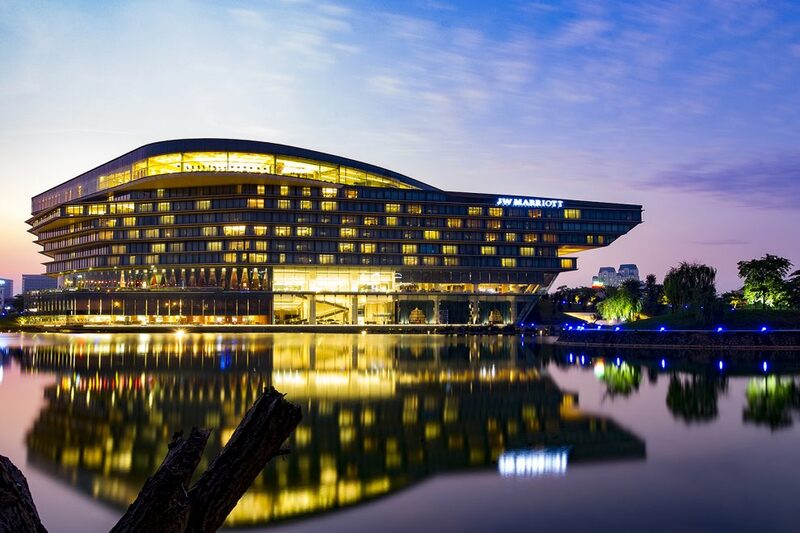
8. JW Marriott Hotel Hanoi
In contrast to the hotels situated in or near the Old Quarter, the JW Marriott Hotel Hanoi is located in the new town, approximately 11 kilometers from Hoan Kiem Lake. This contemporary 5-star hotel offers world-class services and carefully curated amenities, designed to meet the needs of modern travelers. Notably, the JW Marriott Hotel Hanoi was selected to host U.S. President Barack Obama’s delegation during his inaugural diplomatic visit to Vietnam in 2016.
With 449 spacious and luxurious rooms featuring floor-to-ceiling windows, guests can enjoy stunning views of Vietnam’s capital or the tranquil lake. The hotel offers a range of recreational facilities, including a sparkling indoor swimming pool, a full-service spa, a 24-hour fitness center, and several meeting venues with two grand ballrooms. Dining options are abundant, with five on-site restaurants offering diverse cuisines such as Vietnamese, Japanese, Korean, and Mediterranean. Guests can also enjoy light snacks at the Lounge, fresh seafood at the French Grill, and contemporary Japanese dishes at Akira Back. Whether visiting for business or leisure, the JW Marriott Hotel Hanoi caters to all needs.
For those looking to immerse themselves in the contrast between historic Hanoi and its modern skyline, a stay of one or two nights at the JW Marriott is highly recommended to witness the dynamic development of Vietnam’s capital.
Address: 8 Do Duc Duc, Me Tri, South Tu Liem, Hanoi. Number of rooms: 449 Price: ~180 – 500 USD/ room/ night.
Start planning your trip to Vietnam today by getting your visa at vietnamvisapro.net. As a trusted and reliable visa service, we’re here to help you turn your travel dreams into reality from the very first step.
Located about 65 km south of Hanoi, Ha Nam is a promising gateway province with significant potential for spiritual, cultural, ecological, and culinary tourism. It is rich in history and culture, boasting nearly 2,000 relics, including national treasures, special national relics, and a variety of traditional festivals and craft villages. The province is also home to renowned natural attractions like Tam Chuc Lake, Ba Hang Lake, Doi Mountain, Chau River, and Cam Mountain, which draw both domestic and international tourists.
This year, Ha Nam won the title of “Asia’s Leading Emerging Tourism Destination” at the World Travel Awards, often referred to as the “Oscars of the travel industry.” The province triumphed over notable contenders such as Okinawa (Japan), Phnom Penh (Cambodia), and Sumba Island (Indonesia), with the results determined by votes from travel professionals and the public. Tam Chuc Pagoda
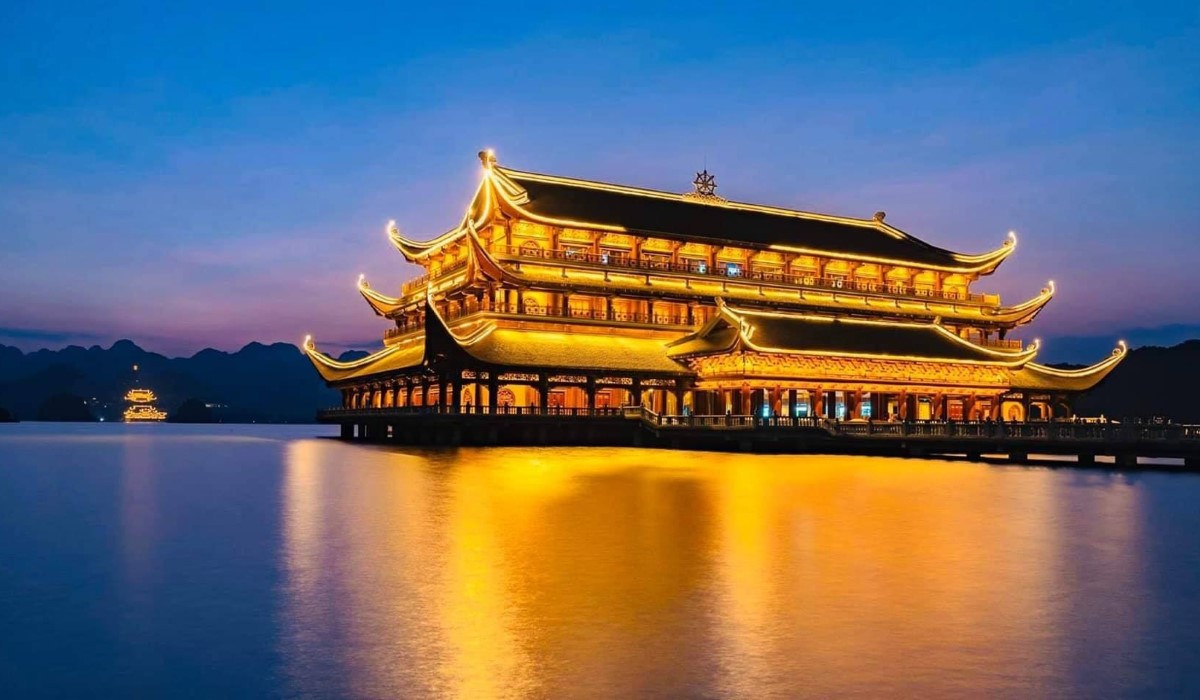
A must-visit destination in Ha Nam is the Tam Chuc Spiritual Scenic Complex, which features one of the largest pagodas in the world. Covering an impressive 5,100 hectares, this area is renowned for its breathtaking natural beauty and tranquil ambiance, attracting countless visitors each year. With its pristine landscapes and towering limestone mountains, the Tam Chuc national tourist area is part of a significant heritage site that includes Huong Pagoda, Tam Chuc Pagoda, and Bai Dinh Pagoda. In 2019, Tam Chuc Pagoda hosted the 16th United Nations Day of Vesak Celebrations, drawing millions of Buddhist followers and tourists from around the globe.
Another remarkable site is Dia Tang Phi Lai Pagoda in Ninh Trung village. Nearly 1,000 years old and recently restored, this pagoda is strategically positioned with its back against a mountain, nestled within a lush pine forest and overlooking a spacious field, making it feel almost secluded from nearby residential areas. Its beautiful architecture, set against the serene backdrop of mountains and forests, imbues the pagoda with an ethereal charm that enchants all who visit. Dia Tang Phi Lai Pagoda
The cuisine of the province makes a memorable impact with its signature dishes, such as Phu Ly grilled spring rolls, perch rice paper, Vu Dai village braised fish, Dam village “banh chung,” and Dai Hoang royal banana. Last year, Ha Nam was recognized at the World Travel Awards 2023 as the “World’s Leading Local Cultural Destination.”
Start planning your trip to Vietnam today by getting your visa at vietnamvisapro.net. As a trusted and reliable visa service, we’re here to help you turn your travel dreams into reality from the very first step.
If you’re looking to escape the city’s heat and stress without venturing too far, consider Pu Luong in Thanh Hoa Province. Here, you can immerse yourself in the stunning natural beauty of mountains and forests, enjoy fresh breezes, and take in the picturesque scenery. Located about 160 km southwest of Hanoi, Pu Luong is a popular weekend retreat, known for its lush rice fields, palm groves, traditional waterwheels, and cascading waterfalls.
When is the Best Time to Visit Pu Luong
The ideal time to visit Pu Luong is from late May to early June, when the young rice fields are lush and vibrant, offering a serene experience for both mind and soul. Even during the hot summer months, Pu Luong enjoys a comfortable climate due to its location in a low limestone mountain area, surrounded by tropical rainforests and a sparse population. September and October mark the harvest season, transforming the terraced fields into a stunning golden landscape that feels both opulent and dreamlike. However, any time of year is perfect for a visit, allowing you to relax and immerse yourself in the beauty of nature.
How to get to Pu Luong
The most common way to reach Pu Luong in Thanh Hoa is by motorbike or car, both of which can be easily rented in Hanoi. Alternatively, you can take a limousine from Giap Bat or My Dinh stations, with the journey taking approximately 4.5 hours. It’s highly recommended to stop in Ninh Binh or Mai Chau along the way to fully appreciate the stunning landscapes of Northern Vietnam.
Things to do in Pu Luong
Hiking
In Pu Luong, you’ll find picturesque country roads leading up to hilltops. Along the journey, you can explore quaint villages and stroll through local plantations. The panoramic views of the mountains and valleys are truly stunning. Early risers will be rewarded with a spectacular sunrise atop the hills, where they can witness the sun dispelling the thick mist enveloping the mountains—a breathtaking experience that makes the hike worthwhile.
Biking
In contrast to the busy streets of the city center, visitors to Pu Luong may spot a local on a motorbike now and then. Here, bicycles are the primary mode of transportation. Riding along the scenic roads of Pu Luong allows for fresh air and a sense of tranquility. Some mountain trails present a challenge for adventurous cyclists. Many homestays in Pu Luong offer free bicycle rentals to their guests.
Explore the ethnic villages within the Pu Luong Nature Reserve.
Pu Luong Nature Reserve, one of Vietnam’s hidden gems for ecotourism and trekking, was established in 1999 to safeguard its rich biodiversity. Spanning over 17,600 hectares, this area boasts a stunning blend of untouched forests, terraced rice fields, and charming ethnic villages. It is home to the Thai and Muong communities, where visitors can admire traditional stilt houses, witness local harvests, and savor authentic regional cuisine. Notable attractions within the reserve include Pu Luong Peak, Don Village, and the villages of Son, Ba, and Muoi, each offering unique experiences for explorers.
Discover the Pho Doan market.
Visitors can explore Pho Doan Market to immerse themselves in the local culture of ethnic communities. Situated in Lung Niem Commune, Ba Thuoc District, Thanh Hoa Province, the market features vibrant trading activities where you can find local products from the Kinh, Muong, and Thai minorities, sourced from nearby areas like Tan Lac and Lac Son Districts in Hoa Binh Province. The offerings are simple yet diverse, including traditional silk garments, tube wine, mountain vegetables, and fresh fruits.
Take in the breathtaking views from the peak of Pu Luong Mountain.
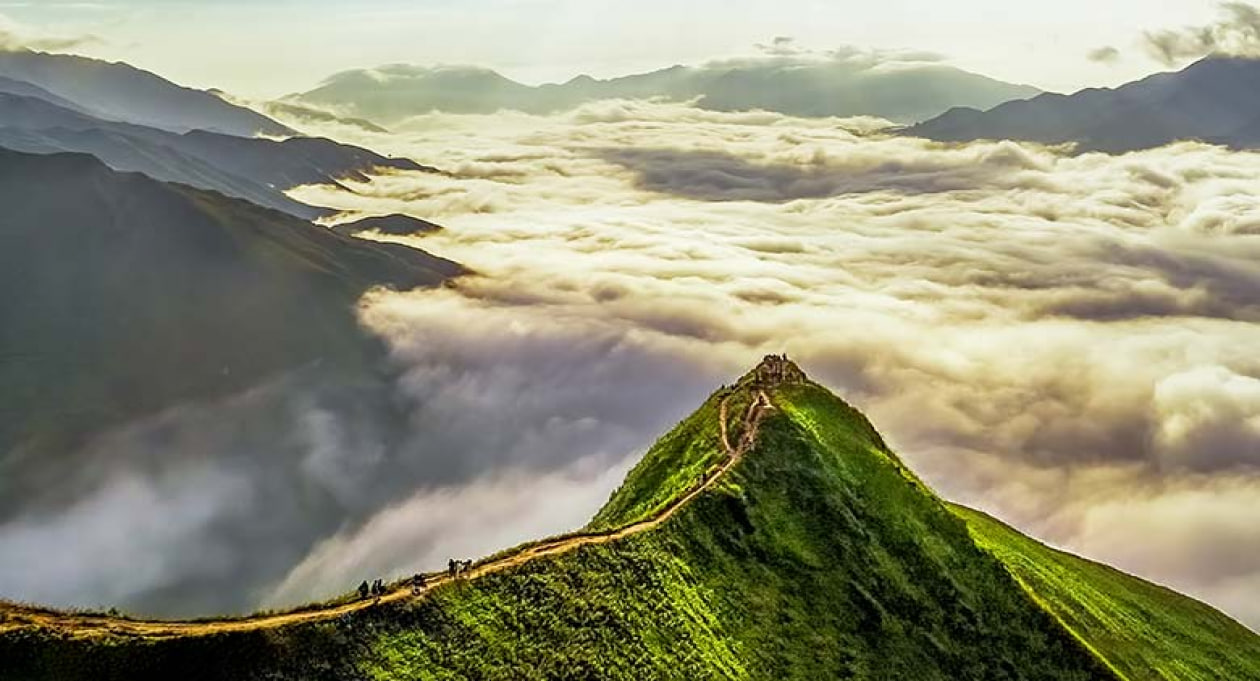
Adventure seekers will delight in conquering the 1,700-meter peak. At the summit, clouds drift lazily among stilt houses and terraced fields below, creating a picturesque scene that feels almost dreamlike. Everything seems to pause—time stands still, leaving only the tranquil beauty of the landscape.
Discover the beauty of Hieu Waterfall.
Hieu Waterfall, located in Hieu Village within Co Long Commune, is a charming community-based ecotourism spot. This picturesque waterfall features five smaller cascades, with crystal-clear blue-green waters that can be enjoyed throughout the year, making it a lovely place for occasional swimming.
In addition to the waterfall, you’ll find bamboo water wheels scattered throughout Pu Luong. These iconic structures are emblematic of the region and its Thai ethnic community. They play a vital role in agriculture by drawing water from nearby streams and rivers to irrigate the lush terraced rice fields that surround the area.
Start planning your trip to Vietnam today by getting your visa at vietnamvisapro.net. As a trusted and reliable visa service, we’re here to help you turn your travel dreams into reality from the very first step.
In the 2024 Travel+Leisure list for the most loved resorts in Southeast Asia, Vietnam has 3 representatives: Alma Cam Ranh, New World Phu Quoc, and Hyatt Regency Danang.
The rankings are part of the annual World’s Best Awards, which assess accommodations based on criteria like facilities, location, service quality, food, and value. The esteemed 2024 awards were shaped by over 700,000 votes from readers, international travelers, and experts, all aiming to highlight exceptional services in the tourism sector and guide tourists to the best destinations.
Taking the top spot, Alma Cam Ranh was also honored as the 2nd Best Hotel in Asia and ranked 9th in the Top 100 Best Hotels in the World. Travel+Leisure praised Alma for its distinctive offerings, including 12 swimming pools, a 6,500 m² water park, a science museum, and a cinema, all designed with families in mind. For adult guests, the resort features a spa and 14 diverse restaurants and bars to enjoy.
Alma Cam Ranh Resort
New World Phu Quoc Resort, nestled along Khem Beach—ranked as one of the world’s 50 most beautiful beaches by U.S. News & World Report with a score of 97.64—boasts 375 villas set amidst lush coconut trees. Designed to reflect the charm of fishing villages, these villas are constructed using eco-friendly materials such as wood and bamboo. The resort also features a fitness center, a studio, a 16-treatment-room spa, and a kids’ club.
New World Phu Quoc Resort
Hyatt Regency Danang Resort and Spa, located at the base of the Marble Mountains in Da Nang, is ranked fifth. It features 198 guestrooms and suites, 160 apartments, and 22 villas with views of Non Nuoc Beach. The resort offers five outdoor swimming pools and is close to three UNESCO World Heritage Sites: the Imperial City of Hue, the ancient town of Hoi An, and the My Son Sanctuary ruins.
Hyatt Regency Danang Resort and Spa
As Vietnam enchants the world with its varied landscapes and welcoming hospitality, these three resorts shine as prime examples of the country’s dedication to offering remarkable experiences for visitors. Their recognition by Travel+Leisure underscores not only their excellence but also Vietnam’s rising significance in global travel. For travelers in search of a harmonious mix of luxury, culture, and natural beauty, these resorts invite exploration, revealing the enchanting allure of Vietnam.
Start planning your trip to Vietnam today by getting your visa at vietnamvisapro.net. As a trusted and reliable visa service, we’re here to help you turn your travel dreams into reality from the very first step.
Vietnam has been honored as Asia’s Leading Nature Destination 2024 for the third time at the 31st World Travel Awards Asia & Oceania Gala Ceremony. This recognition reinforces Vietnam’s status as an ecotourism hotspot dedicated to biodiversity protection and conservation efforts.
Nestled along the East Sea coast, Vietnam covers over 331,000 km² and features a variety of landscapes and abundant natural resources. From the stunning mountains and steep rice terraces in the northwest to the vast caves and pristine beaches in the central region, as well as the lush rivers and orchards in the south, Vietnam offers breathtaking scenery for travelers to enjoy.
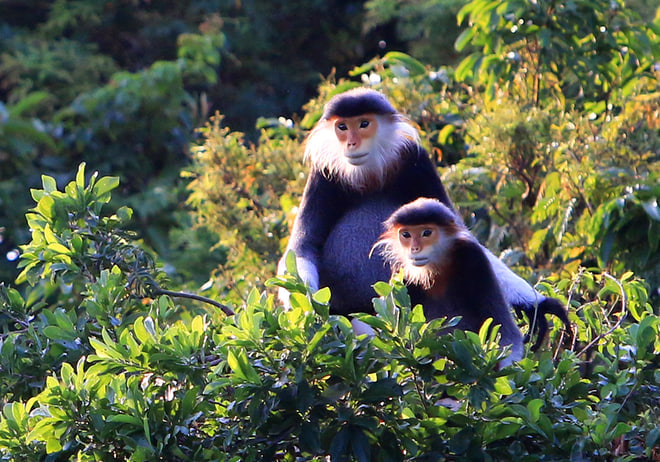
Langurs on Son Tra Peninsula, Da Nang City
Vietnam is renowned for its stunning 3,260 kilometers of coastline, featuring beautiful white sand beaches bathed in golden sunshine and surrounded by crystal-clear emerald waters. Destinations like My Khe in Da Nang, Cu Lao Cham near Hoi An, Nha Trang, and Phu Quoc are perfect for a tranquil getaway, allowing visitors to unwind by the ocean and partake in thrilling beach sports.
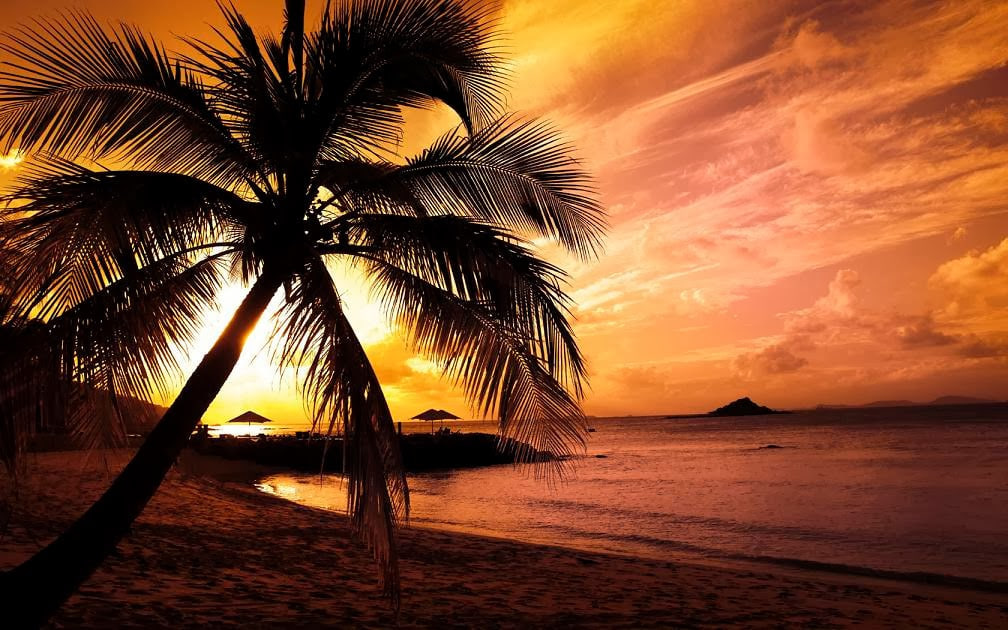
Purple dawn in Phu Quoc
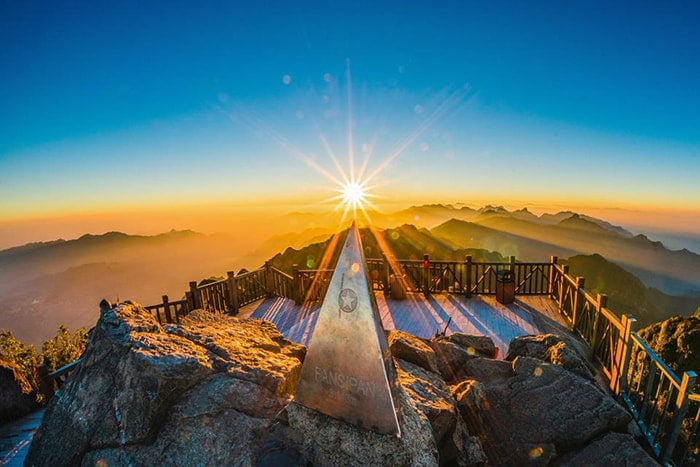
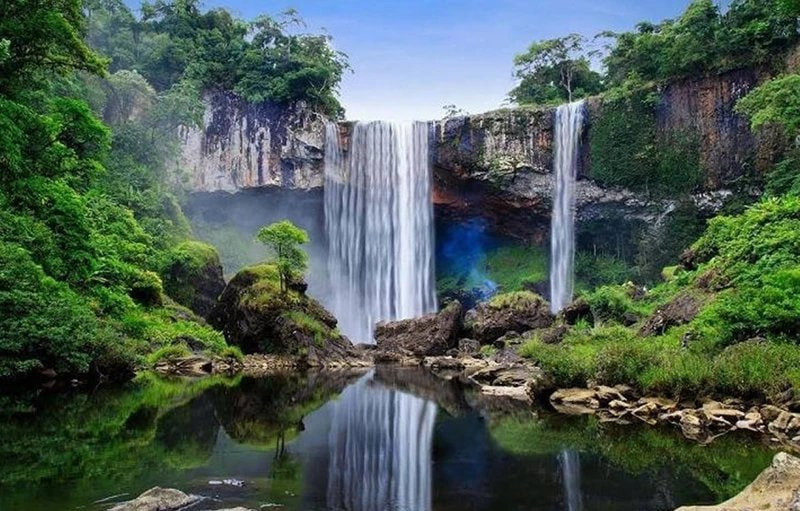
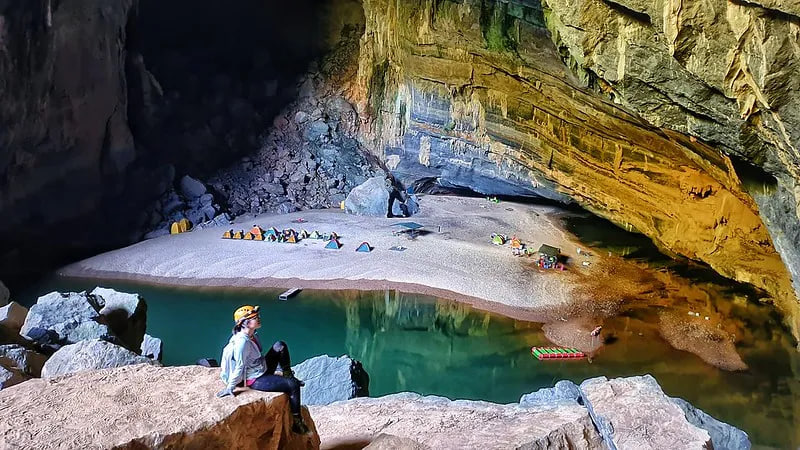
Vietnam is home to stunning mountain ranges, majestic plateaus, and fascinating caves. Adventure seekers should not miss Fansipan Peak in Lao Cai, often called the “roof of Indochina,” along with Pu Ta Leng Peak in Lai Chau, Ta Xua Peak in Son La and Yen Bai, and the breathtaking Son Doong Cave in Quang Binh, the world’s largest natural cave. Other remarkable spots include Dau Go Cave in Quang Ninh and Mua Cave in Ninh Binh. Nestled within lush forests, you’ll find enchanting waterfalls, where the sounds of flowing water, whispering winds, and chirping birds create a serene atmosphere. Must-visit waterfalls include Ban Gioc Waterfall in Cao Bang, Dai Yem Waterfall in Moc Chau, Hang En Waterfall in Gia Lai, Yang Bay Waterfall in Khanh Hoa, Pongour Waterfall in Lam Dong, and Dray Nur Waterfall in Dak Lak.
Ta Xua – Paradise on earth
Tra Su Cajiput Forest
Hang En Waterfall, Gia Lai
En Cave, Quang Binh
Nature enthusiasts will be captivated by Vietnam’s diverse ecosystem, which features numerous nature reserves and national forests stretching from north to south. This region is home to a variety of endemic and rare species, including the lily, betel, Ngoc Linh ginseng, red pine, langur, saola, crested pheasant, white-necked crane, Monticola solitarius, big-headed frog (Oreobates quixensis), and various geckos and fish.
Vietnam’s stunning natural beauty, favorable climate, varied terrain, and rich resources inspire awe and joy. The harmonious blend of nature, ecology, and culture offers unique travel experiences, positioning Vietnam as a leading nature destination on the global tourism map.
Plan your trip to Vietnam now to experience the breathtaking sight by apply a Vietnam visa at vietnamvisapro.net. We, a reputable and reliable Visa service, will assist you turn your plan into reality at the very first step
Ho Chi Minh City (or known by its old name – Sai Gon) captures tourists’ hearts due to not only the image of a vibrant and charming city, converging all the conveniences of a modern metropolis but also many attractions that we can spend time on exploring and enjoying with fun.
In order to help you know more about this city, please enjoy our list of Top 10 best things to do in Ho Chi Minh City (also famous tourist attractions in Saigon) below.
1. War Remnants Museum
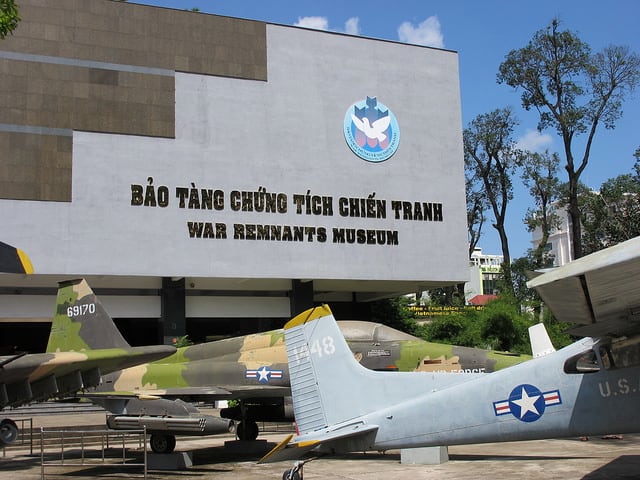
The first tourist site to visit in Ho Chi Minh City is War Remnants Museum, one of the most popular museums in Vietnam housing memory related to the Vietnam War and the First Indochina War in Vietnam. Established by the Vietnamese government, this museum has opened from September 4th, 1975 as the Exhibition House for the US and Puppet Crimes. In 1990, this has changed to the Exhibition House for Crimes of War and Aggression. In 1995, when President Bill Clinton visited Vietnam, this finally changed to War Remnants Museum till today. Highlights: This museum has more than 20,000 documents, exhibits, and films, in which more than 1,500 documents, artifacts, and films have been applied to introduce in public. In this museum, visitors can have a chance to see so much military equipment of the US and Vietnam military in so many rooms from the Legend AK 47, UH-1 helicopter to M48 tank, T-54 tank. Especially, tourists can see “tiger case”, a place where South Vietnamese soldiers kept their political prisoners. Besides, they can look at many photographs in the Vietnam War, including black-white ones. This place is like the evidence of the crime and the consequences of war that the US and its allies have caused to Vietnam. Visiting this museum is worth of rewarding things to do in Ho Chi Minh City.
Location: 28 Vo Van Tan street, District 3, Ho Chi Minh City, Vietnam Opening hours: 7:30 –18:00 every day
2. Ben Thanh Market
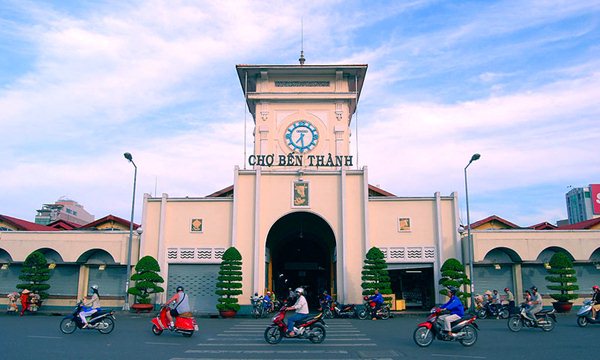
Ben Thanh Market is a symbol and one of the largest markets in Ho Chi Minh City. For a tourist, this market is a perfect place for searching many items from handicrafts, textiles to local cuisine. Established in the 17th century, this place was created by vendors near Sai Gon River. In 1870, the fire destroyed the total market and the French rebuilt it. In 1912, New Ben Thanh Market was established and it still existed today. Highlights: What can be found here? Well, first of all, it is real Vietnamese food. In the market, you can eat various kinds of dishes like Banh cuon, Banh xeo, Hu tieu, etc. Beer is also a cheap-price item (only from 2-5 $). Besides, local clothes and handicrafts are also famous. You can buy everything from clothes, bags to shoes, sweets, etc. Handicrafts created by excellent carpenters are best-selling. Especially, since Ben Thanh market is an ancient tourist attraction in Ho Chi Minh City, so all services are quite regulated and there is no tourist solicitation phenomenon. I can ensure that do not buy anything in Ben Thanh Market is a miserable experience for you!
Location: Le Loi Street, District 1, Ho Chi Minh, Vietnam Opening hours: 6:00 –24:00 every day
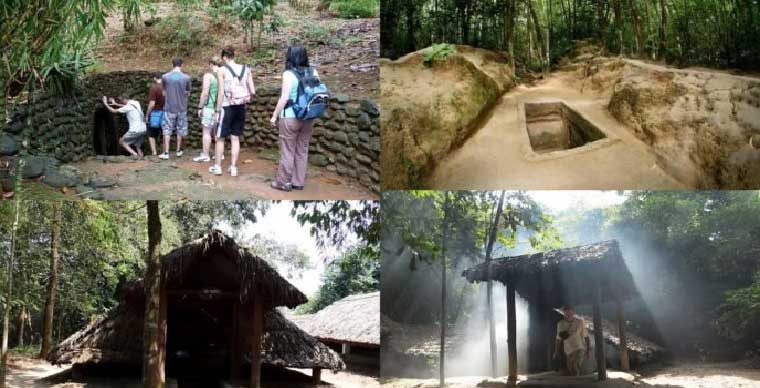
3. Cu Chi Tunnels
This 75-mile tunnel is a real “witness” of massive war in Vietnam. It tells tourists about the strong will of Vietnamese people and soldiers when competing with the giant US in nearly 20 years. In 1948 during the war against the French, Viet Minh soldiers built the tunnels to help them evade French soldiers near the area and have the ability to communicate with the villagers. This is also a place for the people sheltering from foreign invaders. In the Vietnam War, this was extended over approximately 250 km and considered as an important base for Viet Cong to win American soldiers. Highlights: In Cu Chi, there are two different tunnel display sites, namely Ben Dinh and Ben Duoc. To experience a unique thing to do in Ho Chi Minh City, visitors can crawl around in the tunnels in safe conditions. Besides, Cu Chi also has a shooting range for tourists to enjoy the strange feelings. The price for a bullet ranges from $1.1 (CARBIN) to $1.8 (AK 47 and M60). To get to Cu Chi, you have many choices to choose from, including motorbike, car, bus or speedboat!
Location: 45 km northwest of Ho Chi Minh City Opening hours: 07:00 – 17:00 every day, including Sunday!
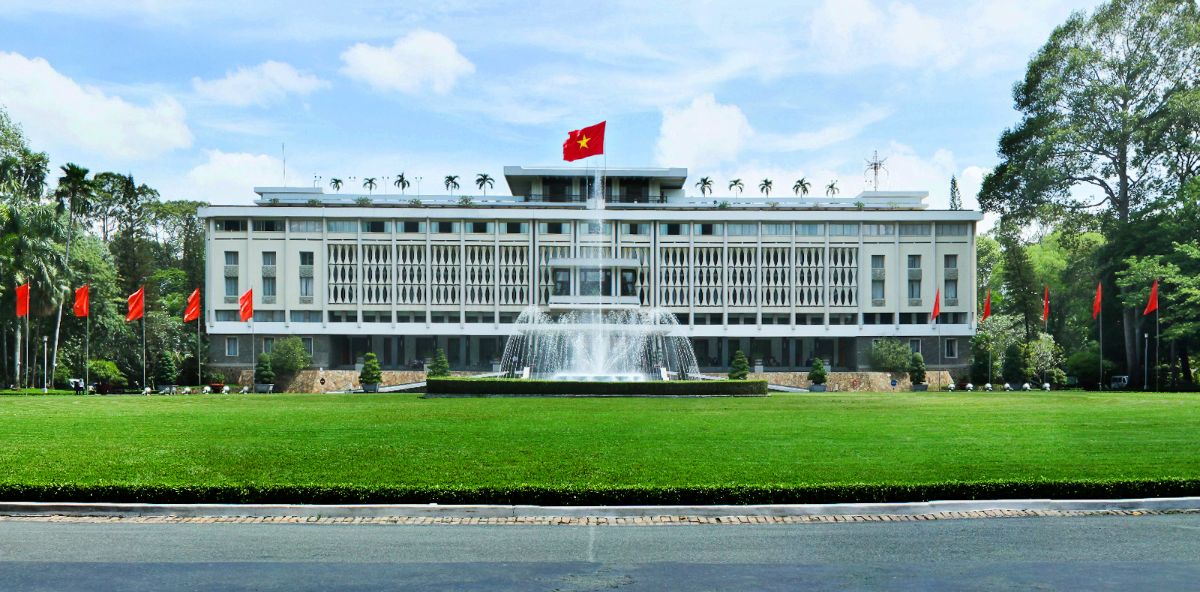
4. Independence Palace
Independence Palace, formerly Reunification Palace, is a famous site when it comes to attractions as well as things to do in Ho Chi Minh City, Vietnam. This place is the home and workplace for the President of South Vietnam from 1954 to 1975. It also was the place that remarked the end of the Vietnam War on April 30th, 1975. In history, on 23 February 1868, Pierre-Paul de La Grandière, Governor of Cochinchina of France Empire, built a new palace for working. The building process continued until 1873. The designer of palace is Ngo Viet Thu – the first Vietnamese architect winning the First Grand Prize of Rome. After finishing, the palace was named Norodom Palace in the name of the king of Cambodia, King Norodom (1834–1904). In World War II, this is an important headquarters of Japanese officials. On 7 September 1954, Norodom Palace had become the main office of the State of Vietnam. In 1955, Ngo Dinh Diem became president of the Republic of Vietnam and renamed the palace into Independence Palace. On 30 April 1975, a tank of the North Vietnamese bulldozed over the main gate, ending the Vietnam War. In November 1975, this was renamed Reunification Palace. Highlights: Reunification Palace has five levels. The first floor has the Conference Hall, the Cabinet Room and the State of Banqueting Hall. The Second floor has the Ambassador Chamber, the President Reception Room, the President Office, National Security Council Chamber, and Vice-Presidential Reception Room. On the third floor, there is a card-playing room, a library, and a cinema while the fourth houses a casino. Reunification Palace rooftop terrace is fitted with a heliport. Under the place, there is a basement like a hideout for President including Command Central with so much communication equipment. This destination, through so many historical events, is like a real “witness” in the Vietnam War and Indochina War. When visiting Ho Chi Minh City, don’t miss this place to learn and know more about a part of the history of this city.
Location: 135 Nam Ky Khoi Nghia Street, District 1, Ho Chi Minh City Opening hours: 08:00 – 11:00 & 13:00 – 16:00 every day
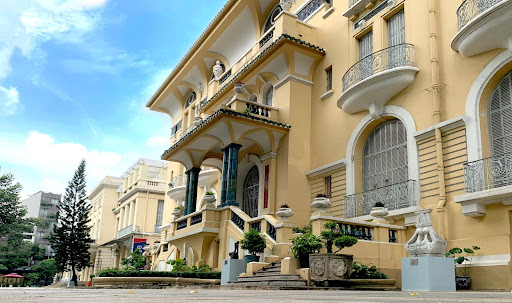
5. Ho Chi Minh City Museum of Fine Arts
The next site to add to your itinerary is Ho Chi Minh City Museum of Fine Arts, a major art museum in the city. Many years ago, in the 20th century, this place belonged to Hui Bon Hoa, a famous and rich tradesman in Sai Gon at that time. This was designed and constructed by a French architect Rivera in 1929 as a villa for the Hua family. After 1975, the new government took over this place to Vietnam Exhibition Center and Ho Chi Minh City People’s Committee to manage in 1987 and changed it to a public museum until now. Highlights: The museum is about 3514 square meters with over 20,000 works of art from many places in Vietnam. It has three floors with a basement. The first floor has a gallery of artworks for domestic and international arts display. The second floor has both paintings and sculptures of Vietnamese and non-Vietnamese artists while the third floor holds a collection of arts from 7th century to early 20th-century. Nowadays, this place has become one of the best destinations for a tourist when visiting Saigon. You should pay a visit to this site to see various works of fine arts and many valuable and attractive pictures in this museum.
Location: 97A – Pho Duc Chinh Street, District 1, Ho Chi Minh City Opening hours: 9:00 – 18:00 (Tuesday-Sunday, closed on Monday)
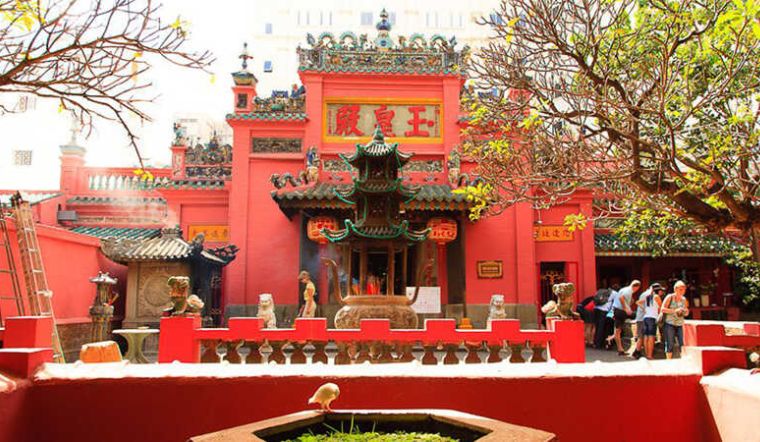
6. Jade Emperor Pagoda
Jade Emperor Pagoda or Jade Emperor Temple is a Taoist and Buddhist pagoda. This is one of the most beautiful and atmospheric temples in Saigon. Built in 1892 by a community of Chinese immigrants with their leaders Liu Ming, this pagoda is a representation of Mahayanist branch of Buddhism in Vietnam and it is the only place where the Jade Emperor is worshipped in Vietnam. From 1984, it was renamed into the new Chinese name Phuoc Hai Tu (Sea of Blessing Temple). It is also more and more famous when U.S. President Barack Obama visited this place during his state trip to Vietnam on 22 May 2016. Highlights: The structure of the temple can be divided into two separate parts: courtyard and inside the temple. Passing through the main door to the temple, you will arrive at the courtyard divided into three parts. In the first half of the courtyard, there is a small turret with a statue of Dharmapala, a Buddhist philosopher. After this first part is a small pond with many turtles and benches. The last part of the courtyard, so-called incinerator, is a chimney-shaped structure where worshippers can burn papers of which the smoke is believed to be able to reach their ancestors in heaven. Inside the temple, there are many artworks with a set of about 300 ancient statues, including 100 made from wooden cardboard, presenting a meeting of genies with the Jade Emperor in the pagoda. The pagoda’s worshipping area consists of three parts, the main chamber, and the other two departments. The main chamber worships Jade Emperor, the Buddha, and genies. The largest statue in the pagoda is the Jade Emperor in a meeting with genies. For tourists with troubles in real life, they can go here to pray and see beautiful scenes that can help them feel more balanced and relaxed.
Location: 73 Mai Thi Luu, District 3, Ho Chi Minh City Opening hours: 08:00 – 17:00 every day Entrance fee: No entrance fee but visitors can make donations.
7. Saigon Notre Dame Cathedral
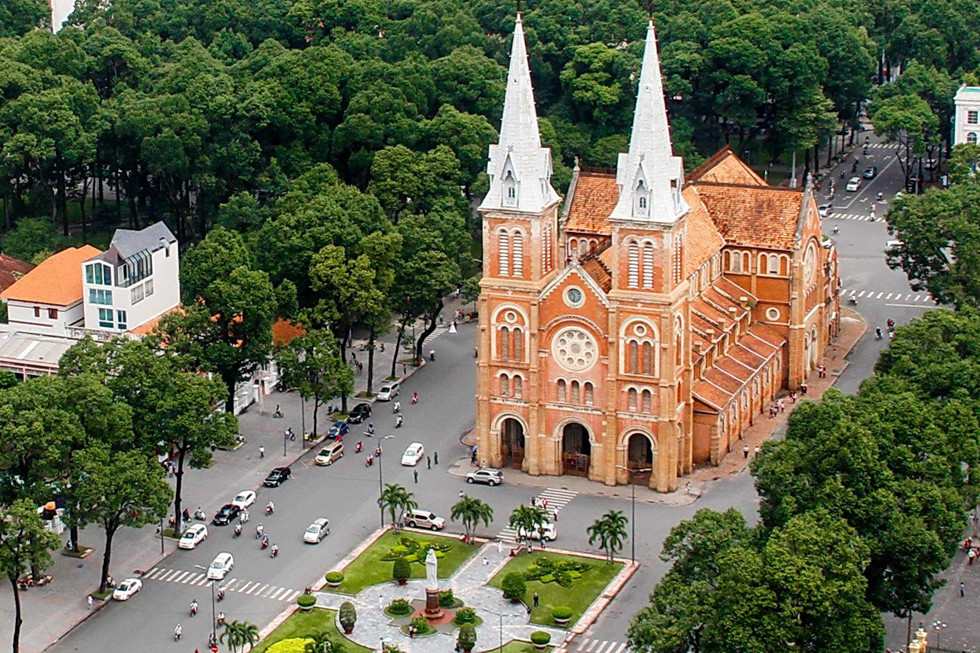
Saigon Notre Dame Cathedral, aka Saigon Notre-Dame Cathedral Basilica or Cathedral Basilica of Our Lady of The Immaculate Conception, is one of the few remaining strongholds of Catholicism in Vietnam and also considered the most attractive tourist attraction in Ho Chi Minh City. Built from 1863 to 1880 by the French architects, the cathedral is 60m high. Initially, it was called Saigon Church. The name Notre-Dame Cathedral was named after Bishop of the Church held a ceremony to install the statue of Peaceful Notre Dame in 1959. In 1962, Vatican anointed it as Saigon Chief Cathedral. Since then, this cathedral is called Saigon Notre-Dame Cathedral Basilica. Highlights: Its design shows the influence of France and Christianity. At the time it was built, all the materials were directly imported from France. The two bell towers, each with a height of 60.5m and 6 bronze bells have just been added in 1895. The appearance of these bell towers increases the value of the cathedral’s unique architecture. When you visit the cathedral, don’t forget to spend time walking around to enjoy its fresh atmosphere as well as special architecture. This is an interesting place to visit when you are in Saigon because you can not only marvel at its gorgeous architecture but also see a lot of worshippers. However, remember that it is like any holy places around the world. That’s why you should dress appropriately and avoid disturbing the worshippers when visiting the cathedral.
Location: No.1 Cong Xa Paris Street, Ben Nghe, District 1, Ho Chi Minh City Opening hours: 08:00 – 17:00 every day
8. Saigon Central Post Office
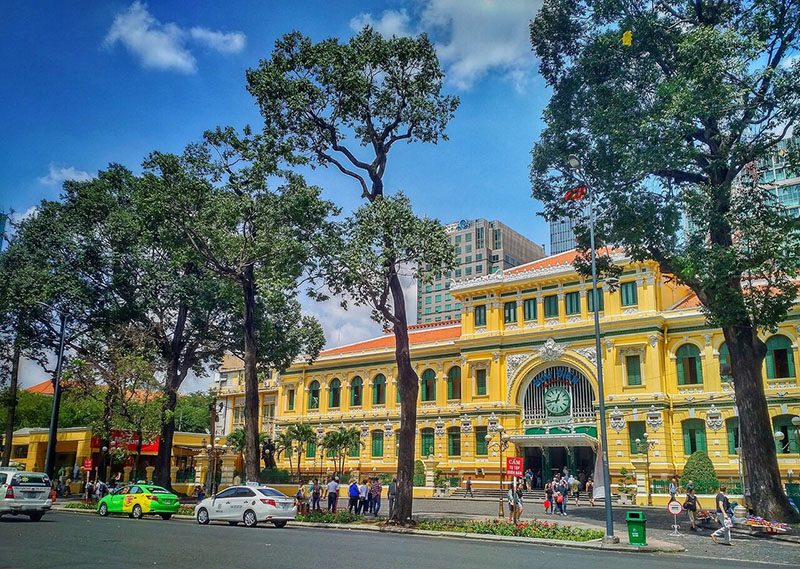
Ho Chi Minh City Post Office or Saigon Central Post Office is the main post office and one of the most attractive tourist attractions in Ho Chi Minh City. The building was built around 1886 – 1891 by a French architect Alfred Foulhoux. The structure in the post office is reserved perfectly. Today, it has been the busiest post office in Vietnam. Highlights: Inside the post office, the structure of this place is a mixture of Gothic, Renaissance and French style. Walking inside, the building is big with a lot of space. The ceiling was designed with an arc shape with two rows of steel pillars. All the pillars in the front hall of the building are intricately decorated. This makes the building look more stable and larger. Post Office has all kinds of traditional postal services like mailing, selling postcards, or stamps. Foreign money exchange is also available. Inside the post office, you can buy souvenirs or write letters on wooden tables. Don’t forget Mr. Duong Van Ngo – an old man sitting at the end of a long wooden table. Mr. Ngo has been working here since he was 17, as a polyglot public letter writer and a translator. When he retires, he often helps people write letters in English and French. He says that he loves the job and also suggests you going to other attractions in Ho Chi Minh City to visit. Through many historical events, this post office still stands and plays an important role in the history of the city. If you want to know more about the unique structure of French colonies and the history of Saigon, this place should not be ignored!
Location: No. 2 Cong Xa Paris, Ben Nghe, District 1, Ho Chi Minh City Opening hours: 07:00 – 19:00 every day
9. Saigon Opera House
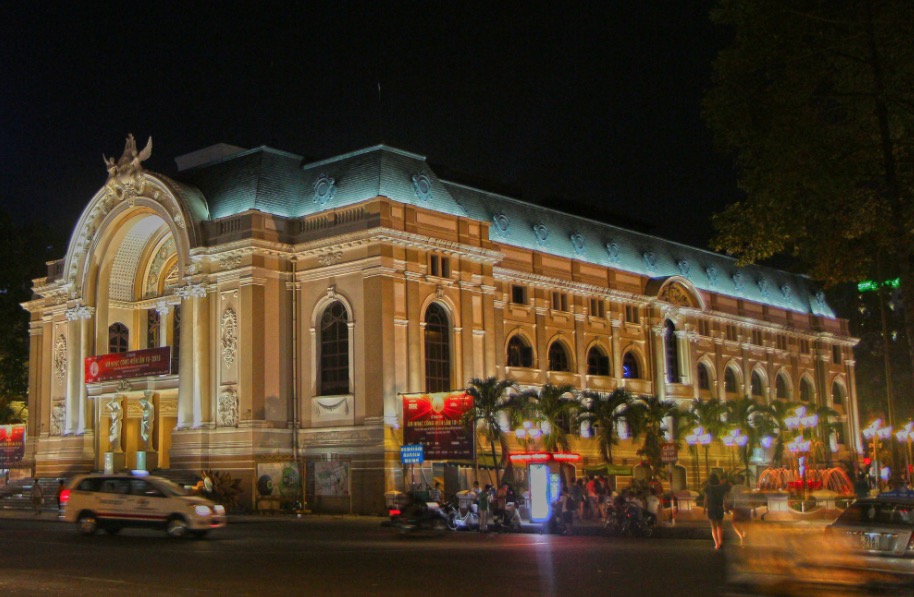
Certified as a national relic in 2012, Municipal Theatre of Ho Chi Minh City, also known as Saigon Municipal Opera House, stays on top of the must-visit Ho Chi Minh City attractions. Saigon Opera House was built in 1898 by the French architect – Eugene Ferret in the Belle Epoque style. After 1956, this was used as home to part of the government of South Vietnam. After 1975, it was again used as a theatre, and restored in 1995. Inside the building, it has a main seating floor with two levels of seating above which can accommodate up to 1,800 people. In order to celebrate the 300th birthday of Saigon, the government invited some famous architects and artists to restore the house in 1998. Highlights: Today, the building has so many modern devices like electric appliances, lighting, sound systems, and safety equipment. The Opera House is surrounded by new plazas and hotels, which allow you to combine a trip to the Opera House with a shopping tour.
Location: 7 Lam Son Square, District 1, Ho Chi Minh City. Opening hours: 8:00 a.m. to 5:30 p.m daily
10. Bitexco Financial Tower
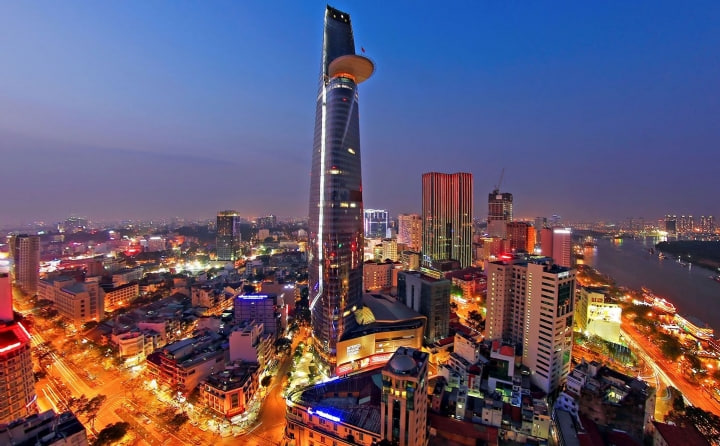
Bitexco Financial Tower, a new modern symbol of Ho Chi Minh City, is a skyscraper where Bitexco Group houses the Ho Chi Minh City office. With 68 floors and three basements, it has a height of 262.5 meters. The tower is owned by Bitexco Group, a Vietnamese multi-industry corporation and is designed by Carlos Zapata, Design Principal and Founder of Carlos Zapata Studio, with French company AREP as the architect of record. The inspiration for the shape of the skyscraper is from Vietnam’s national flower, the Lotus. Highlights: Sky Deck in Bitexco Tower has a 360-degree view across the city and the Saigon River. Visitors can have a panorama of District 1 from this by a binocular. Great views are enjoyed from the 50th and 51st-floor restaurants, particularly at night. There are also local art exhibitions where you can buy souvenirs for your relatives.
Location: 36 Ho Tung Mau Street, District 1, Ho Chi Minh City Opening hours: 09:30-21:30 every day Entrance fee: $10/person in Skydeck.
Plan well before your cruise to make your every moment in Ho Chi Minh City unforgettable.Make your plan to Vietnam right now by apply a Vietnam visa at vietnamvisapro.net. We, a reputable and reliable Visa service, will assist you turn your plan into reality at the very first step
Da Nang is halfway between the capital Hanoi in the north and Ho Chi Minh city in the south. It is the fourth largest city in Vietnam. Apart from some historical sites, the famous Hai Van Pass, the Son Tra peninsula and the beaches are the main reason for staying here.
5 reasons to visit Da Nang
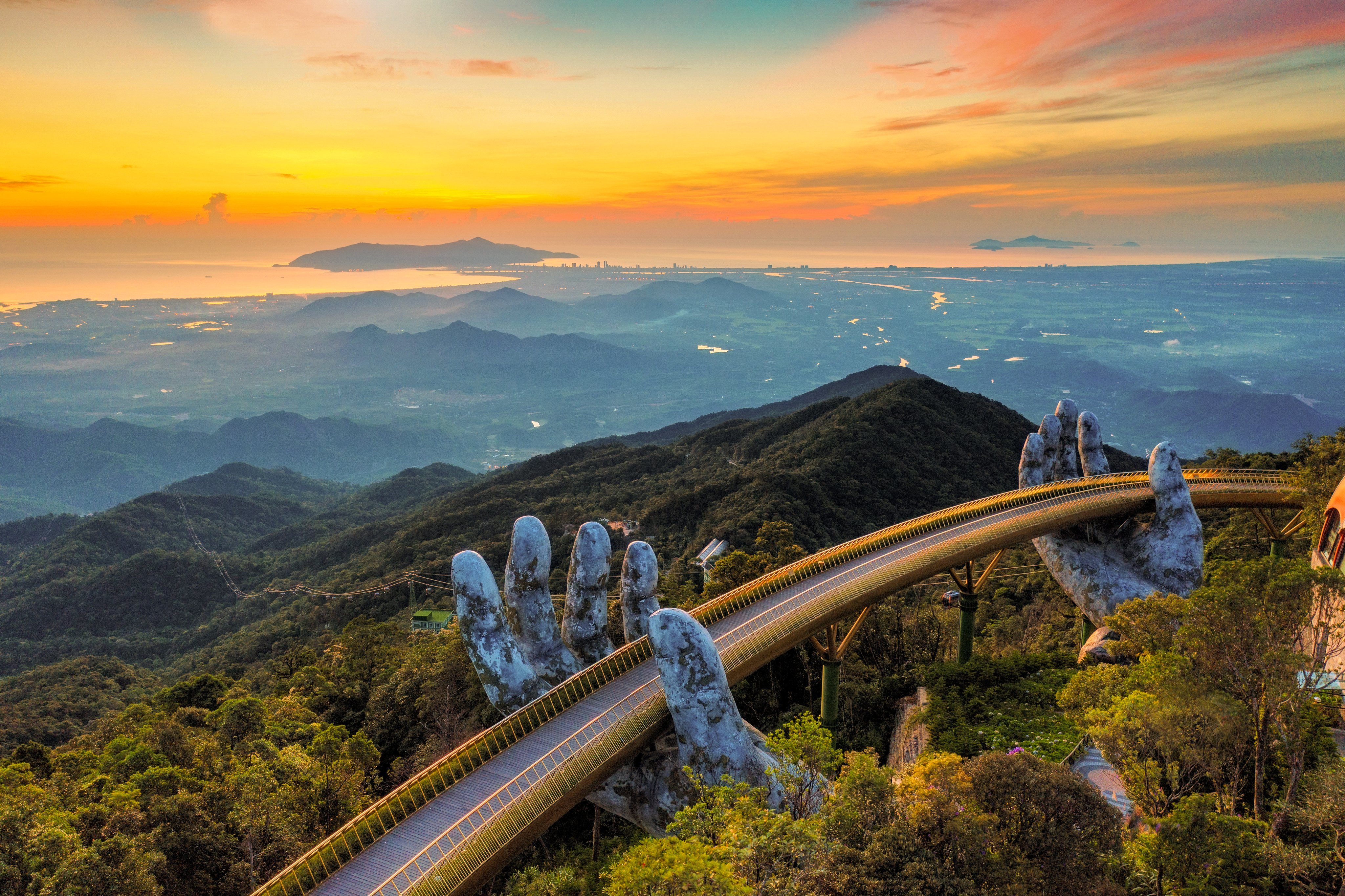
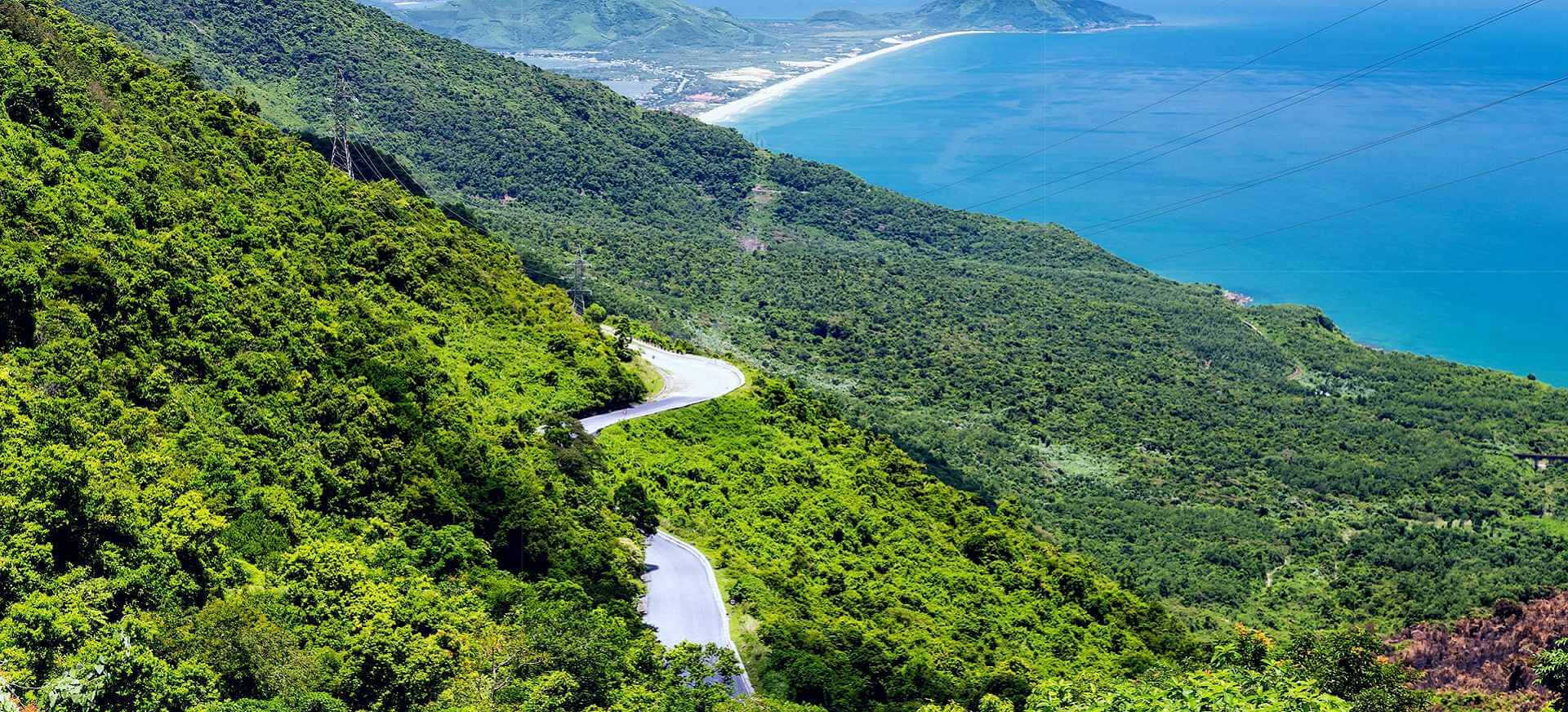
Drive motorbike over the Hai Van Pass
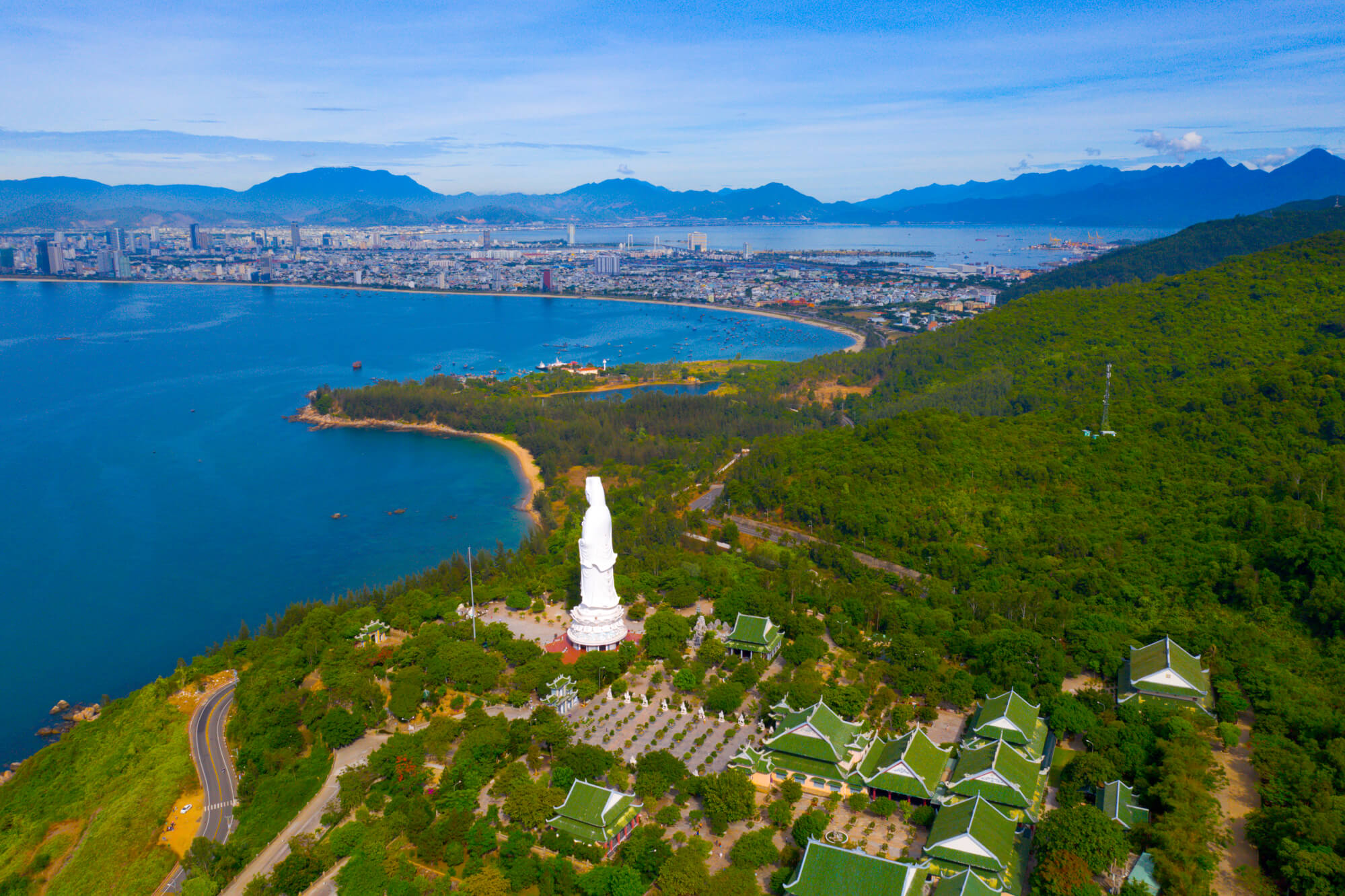
Explore the Son Tra peninsula
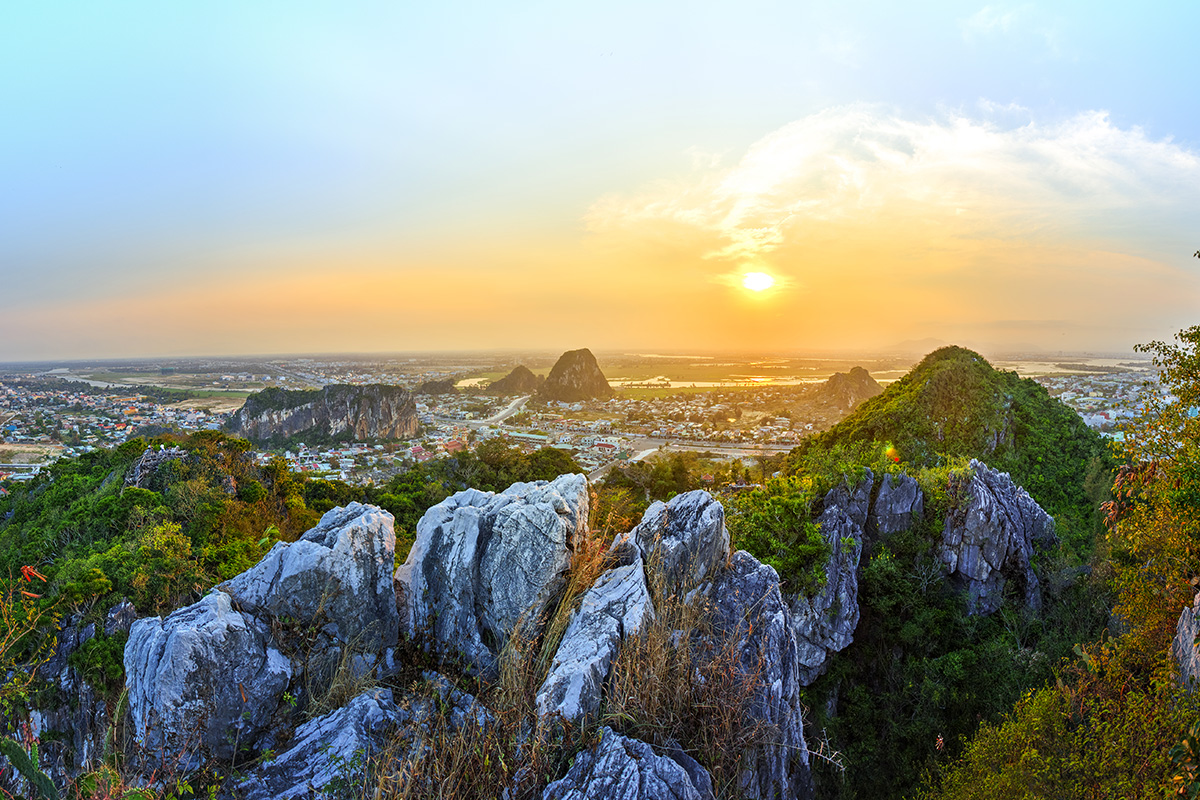
Rock climbing at the Marble Mountains
Relax on the beach
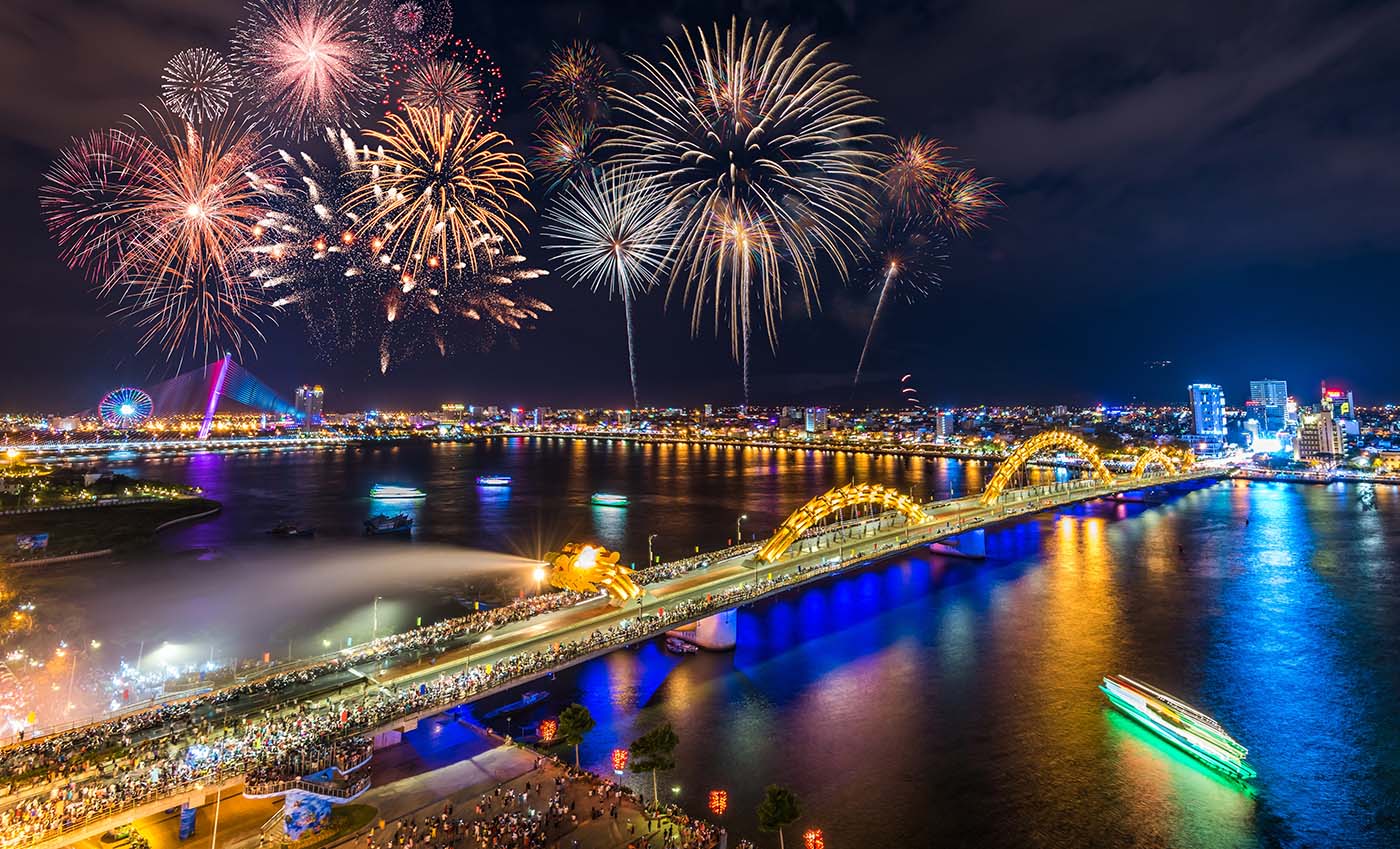
Watch the fire show of the dragon bridge
What is in this Da Nang travel guide
Practical information
Recommended days to stay
If you are in Da Nang in the right season, it is a great place to stay for a few days at the beach. If you are desire a bit more culture and things to do, it is recommended to skip this city and stay in the neighboring town of Hoi An.
ATM’s & money exchange
There are ATMs everywhere in the city, including a number at international banks.
Local events and holidays
Danang International Fireworks Festival: Held in the months of May or June, with spectacular displays of international fireworks teams illuminating the river and bridges.
Best time to visit
Dry season: April – August
Monsoon season: September – March
Warmest months: June – August (with the highest average temperature of 35 ° C)
Coolest months: November – January (with lowest average temperature of 18 ° C)
10 best things to do in Da Nang
Not long ago, Da Nang was a port town like so many can be found in Vietnam. However, in a short time Da Nang has developed into one of the largest and most modern cities in Vietnam. The beautiful beaches of Da Nang and the surrounding area have made the city one of the best beach destination in Vietnam.
There are lots of things to do in Da Nang, but especially around it. It is located right between the two ancient cities of Hoi An and Hue and you can find impressive national parks and stunning coastal roads.
1. Hai Van Pass
The Hai Van Pass is at number one of the top 10 things to do in Da Nang. Made famous in an episode of the Top Gear TV show, the Hai Van Pass is now a must-do for thousands of motorcycle enthusiasts and adventurers looking for alternative things to do in Da Nang.
This 21 km long mountain pass between Da Nang and Hue offers some of the most incredible ocean views. A new highway tunnel that has been built ensures that the traffic over the mountain pass is minimal. Rent a scooter in the city and leave early in the morning if you plan to be back in Da Nang the same day.
2. Son Tra
The beautiful rainforest that juts out into the sea from the city of Da Nang is called the Son Tra peninsula. Rent a scooter to ride the newly constructed road to the end of the peninsula and view the nature reserve and head to the top for a great view. If you are lucky you can see a very rare monkey, the red Duoc Langur. There are also a host of unspoilt beaches along the peninsula, making it one of the most beautiful and unspoilt sights in Da Nang.
3. Marble Mountains
The Marble Mountains are a cluster of marble and limestone hills just 7 km from the city and one of the best sights in Da Nang. The mountains are full of caves, tunnels and Buddhist shrines that you can discover. You can climb to the top of the mountains for spectacular views of the entire area. If you are more adventurous, you can also rock climbing and abseiling in the Marble Mountains.
4. Ba Na Hills
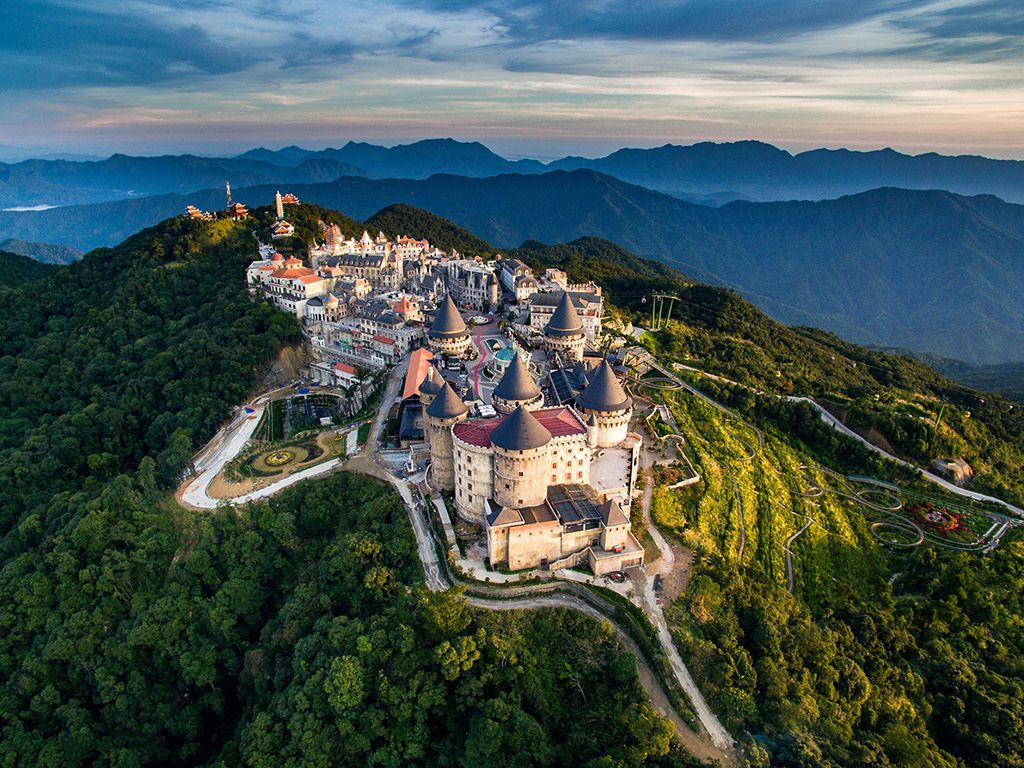
Ba Na Hills is one of the best known landmarks in Da Nang, particularly for Vietnamese tourists. It is one of the newest and most exciting projects in Vietnam. It is a mountain village on top of a mountain that looks like a medieval castle, but within these stone walls are modern accommodations, restaurants and a Fantasy Park full of exciting attractions. The newest addition is the golden bridge that is being held by two giant stone hands.
5. Relax on the beaches
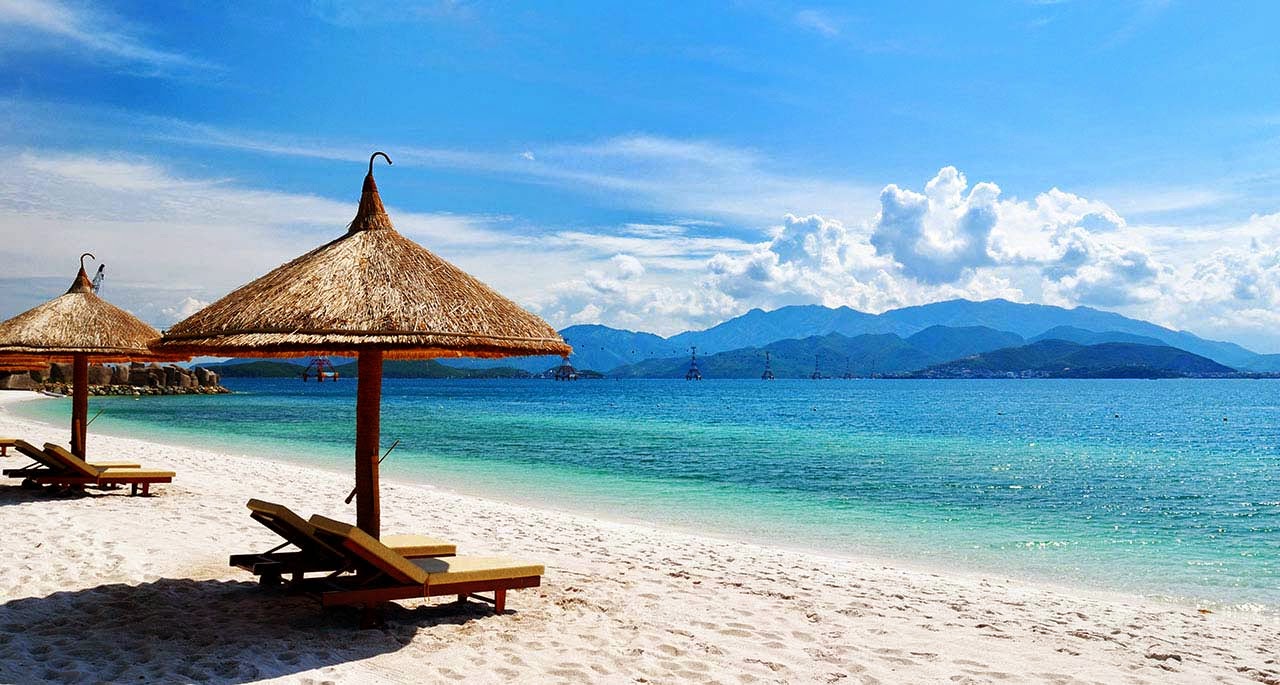
The best beaches in Da Nang are known for their clear water and fine sand. The more popular beaches, such as My Khe and Non Nuoc, are relatively close to the city center and are often full of locals during the weekend and on public holidays. You can also find plenty of local restaurants with fresh fish and Da Nang specialties at affordable prices. Beaches further from the city are often a lot quieter. View here the list of the most beautiful beaches in Da Nang.
6. Dragon Bridge
The Dragon Bridge is a long bridge with six lanes and a popular place among photographers. This unique bridge is built in the shape of a golden dragon. Although it is a beautiful sight at any time of the day, Dragon Bridge is special (and full of tourists) during the weekend because it is illuminated with colorful LEDs as the fire exhales and water spits out from 9 p.m.
7. Cham Island
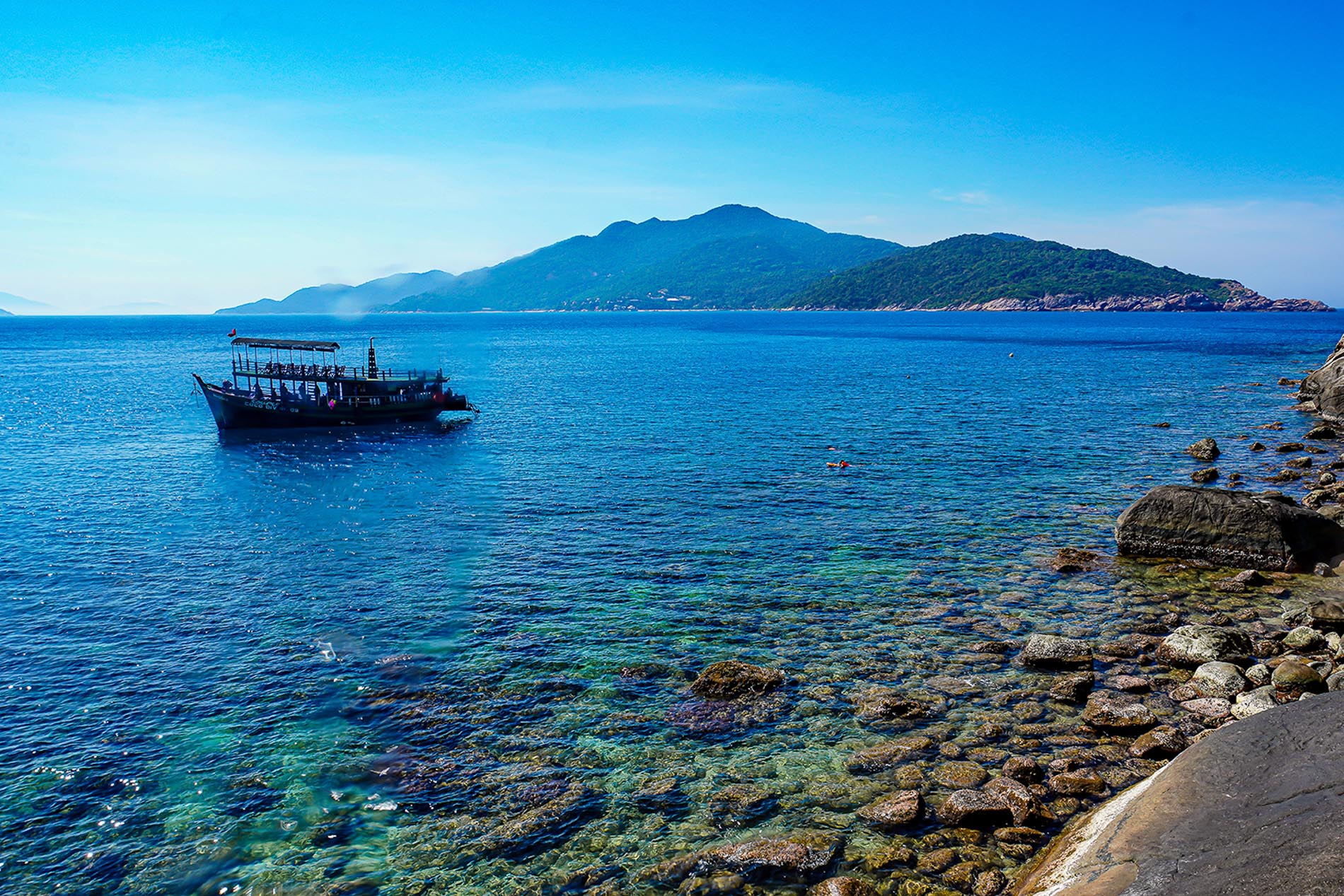
If you want to see coral reefs, colorful fish, tropical beaches and islets, then the best thing to do in Da Nang is taking a trip to Cham Island. It is actually a cluster of beautiful islands that are only an hour’s boat ride from Da Nang. It is a great day trip or you can spend the night there. In a day trip you visit a few islands, you go snorkeling and you can relax on the beach.
8. Cham Museum
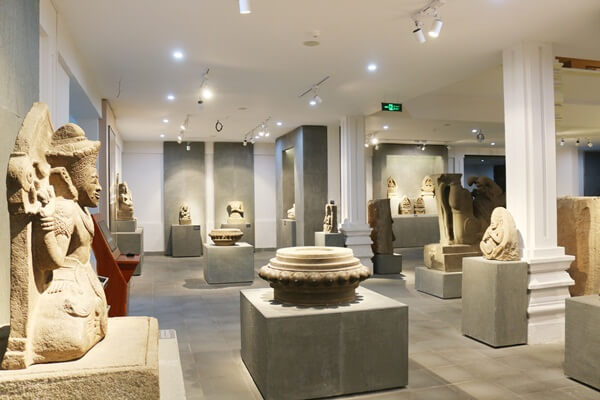
Cham Museum shows the age-old culture, lifestyle and customs of the indigenous Cham tribe in Vietnam, dating back to 192AD. Founded during colonial French rule in 1915, it is known as the only museum of its kind in the world. Cham Museum Da Nang is divided into ten rooms, where 300 terracotta and stone sculptures from the 7th to the 15th century are exhibited.
9. My Son
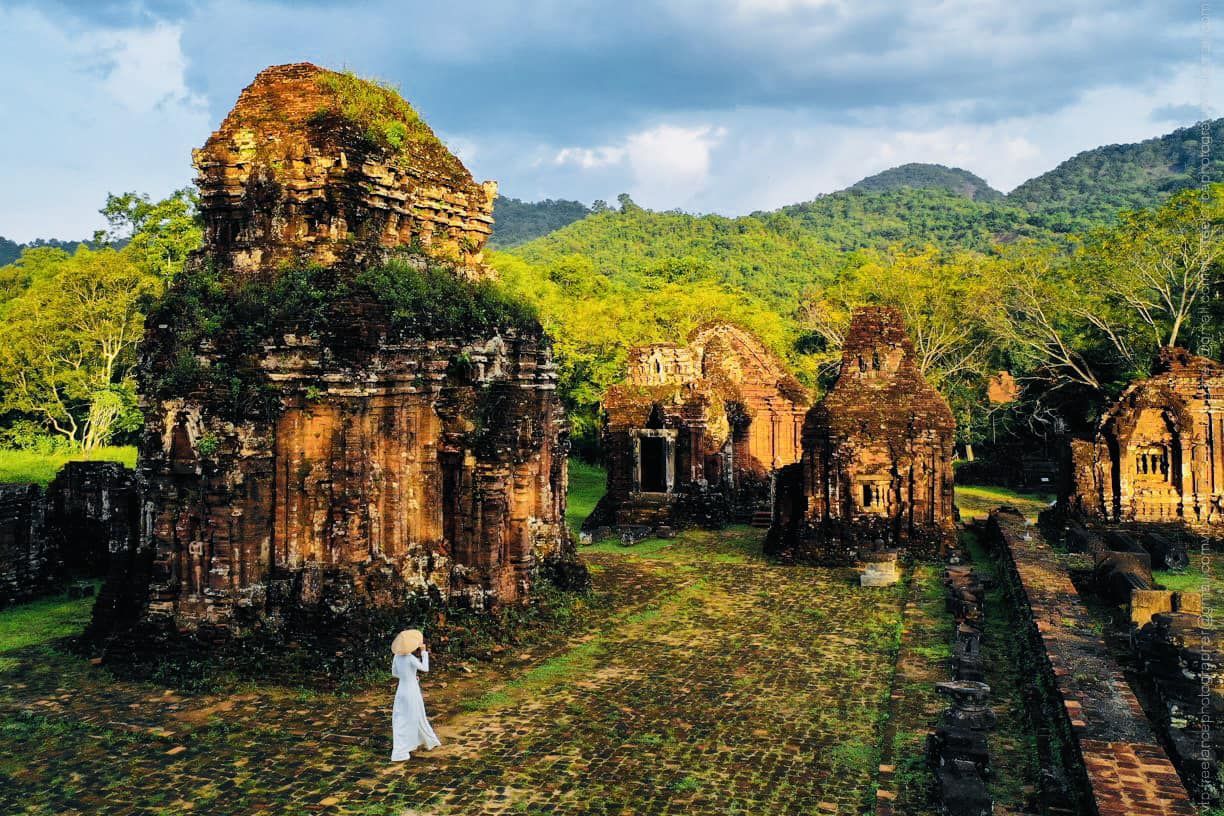
My Son is approximately a 40-minute drive from Da Nang. There are several companies that organize trips there, or you can drive there yourself with a scooter. This attraction is not as big as Angkor Wat in Cambodia, but it does offer a good insight into the past of the country. There is a small museum at the entrance and all the ruins have information boards.
10. Hoi An
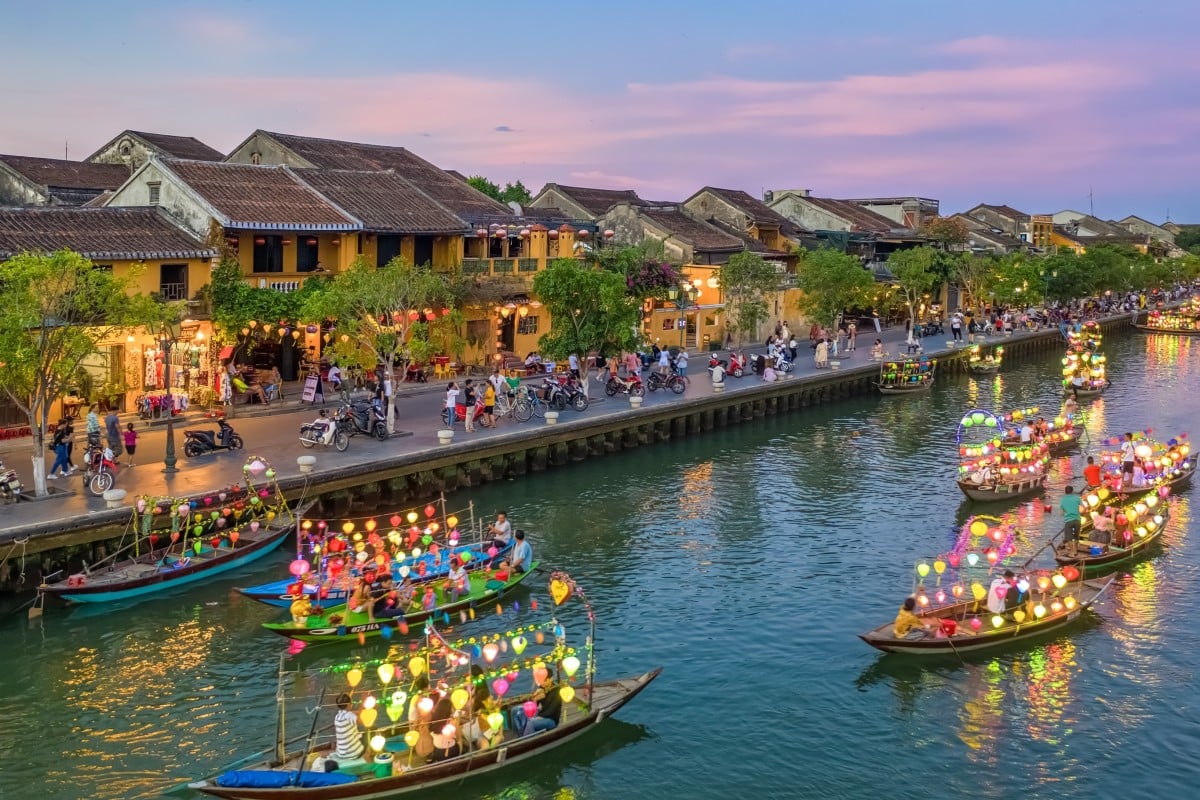
The most famous landmark in the region is the old town of Hoi An. If you do not plan to stay in Hoi An, this is the best thing you can do from Da Nang. Read here how to travel from Da Nang to Hoi An. In this well-preserved old trading city you can easily spend a whole day seeing and visiting old buildings, markets and the lanterns that give a nice atmosphere in the evening.
Best hotels & hostels in Da Nang
Where to stay
On the beach – One of the best things to do in Da Nang is enjoying it’s beautiful beaches. So for obvious reasons this is the best place to stay. There is a very long strip along the beach with different neighborhoods like Son Tra, An Thuong, My An and Khue My. This is also the place with the most hotels and (western) restaurants.
Near the river – The Han River is a very popular place to find a hotel in Da Nang with many restaurants, bars and good nightlife.
Staying in Hoi An – Most tourists choose to stay in Hoi An for a better atmosphere and take a day trip to Da Nang. It is only 45 minutes from Da Nang to Hoi An.
Best hostels & hotels in Da Nang
Budget hotels & hostels
Barney’S Danang Backpackers House
Travellers Nest Hostel
Danang Backpackers Hoste
Mid range hotel
Halina Hotel and Apartment
Mitisa Hotel Danang
John Boutique Villa Apartment
Frangipani Boutique Hotel Da Nang
Avora Hotel
High end hotel & resort
Monarque Hotel Danang
Grandvrio Ocean Resort Danang
InterContinental Danang Sun Peninsula Resort
Food & drinking
Restaurants
There are many places where you can eat well in the city of Danang. Due to its location, in the middle of Vietnam, you can find many types of food from the rest of the country. In addition to local dishes, there are also many international style restaurants, with dishes like pizza, pasta, hamburgers and Indian food .
Thien Ly Danang-style
Madame Hanh
Market’s
Tamarind Tree Restaurant Da Nang
Sofia Restaurant
Red Sky Bar & Restaurant
Lam Vien Restaurant
Madame Lân
Ngon Villa Danang
Burger Bros
Nightlife
The nightlife and nightlife in Da Nang consists of a collection of rooftop bars, sophisticated lounges, friendly expat bars and lively night clubs.
Rooftop bars
Sky 36
Brilliant Top Bar
Clubs
New Phuong Dong Nightclub
Golden Pine
OQ Bar
Bar & live music
The Daw
Seventeen Saloon
Bamboo Bar 2
7 Bridges Brewery
How to get there
Lorem ipsum dolor sit amet, consectetur adipiscing elit. Ut elit tellus, luctus nec ullamcorper mattis, pulvinar dapibus leo.
Flights to Da Nang
The busy Danang airport has many domestic connections and popular international flights to Kuala Lumpur, Hong Kong and Singapore. There are also a growing number of connections with Laos, China, Taiwan and South Korea. Domestic flights to destinations such as Ho Chi Minh City, Hanoi, Dalat and Nha Trang are operated by regional airlines, including Vietnam Airlines, VietJet Air and Jetstar.
Busses to Hanoi
Buses run regularly between Da Nang, Hue and Hoi An. There is a large Danang bus station in Dien Bien Phu Street, 3 kilometers west of the city center. From there, there are buses to all major destinations in Vietnam, including Quy Nhon, Hue, Nha Trang and Hanoi.
Buses run regularly between Da Nang, Hue and Hoi An. There is a large Danang bus station in Dien Bien Phu Street, 3 kilometers west of the city center. From there, there are buses to all major destinations in Vietnam, including Quy Nhon, Hue, Nha Trang and Hanoi.
Trains to Da Nang
The Da Nang train station is just outside the city center and you will find a train connection that can take you anywhere in Vietnam. The train ride to Hue is one of the best in the country and is worth taking on itself as an excursion.
How to get around
Grab / Taxi: Getting a Grab taxi anywhere in Da Nang is pretty easy. This saves money compared to a normal taxi. You just have to download the app and have an internet or data connection. To avoid expensive taxis, you must choose a well-known taxi brand: Mai Linh Taxi, Vinasun Taxi, Tien Sa Taxi.
Motorbike rental: Traveling by motorbike is the most fun option of all. The average price for renting a motorcycle is 130,000 VND ($ 6) per day.
Private car: If you want to make a day trip to certain places of interest or a place outside Da Nang, you can rent a car with driver.
More tips for traveling in Da Nang
Where to go next?
It is very easy to travel from Da Nang to other cities in Vietnam due to its airport with very good domestic connections. You can fly to Phu Quoc, Ho Chi Minh City, Hanoi, Dalat or Nha Trang. In addition it is also located a 45 minute ride to Hoi An and a 1,5 hour ride to Hue.
Da Nang with kids
Da Nang is a great place to bring children. There is a huge beach where they can play, different attraction parks such as Ba Na Hills and Asia Park and plenty of day trips you can do from here.
Language
Da Nang is a very international city, so most people in hotels and restaurants speak a descent word of English.
Plan well before your cruise to make your every moment in Vietnam unforgettable.Make your plan to Vietnam right now by apply a Vietnam visa at vietnamvisapro.net. We, a reputable and reliable Visa service, will assist you turn your plan into reality at the very first step