Posted on

Vietnam Flag: History, Meaning & Attractions

Each country has its own national flag, which represents and symbolizes that country. A national flag is typically designed with specific meanings for its colours and symbols. Visiting Vietnam, tourists can often see the national flag with the red background and yellow five-pointed star in the centre. The design and color of Vietnam national flag is very simple but has its own special meanings and has always been the national pride of all Vietnamese. This article will help you understand more about the history and meaning of Vietnamese flag.

>>> Apply Visa to Vietnam <<<

>>> Order Fast Track Service <<<

1. History of Vietnamese Flag.

The Vietnamese flag is identified by its people and the global community today predates a unified and independent Vietnam. It first appeared in the southern uprising (Nam Kỳ Khởi Nghĩa) on 23 November 1940, against French rule in Southern Vietnam. The Vietnamese flag was designed by Nguyen Huu Tien (Nguyễn Hữu Tiến), a leader of the uprising who was arrested by the French in advance of the failed uprising and executed 28 August 1941.

In 1941, the flag of Vietnam was displayed at a conference, at which the Viet Minh (a communist group) was founded by the leader Ho Chi Minh to support the locals in the war against the French colonial government. On 17 August 1945, the Viet Minh proclaimed it as the national flag of Vietnam at the meeting held in the village of Tan Trao in the North.

As World War II drew to a close, the Japanese surrendered, the Viet Minh entered Hanoi and Ho Chi Minh declared Vietnam independent and the flag became the official emblem of North Vietnam or the Democratic Republic of Vietnam on 02 September 1945. And later then, 2 September was chosen as Vietnam Independence Day, the day Vietnam was recognized as an independent nation in the world.

Meanwhile, French troops returned in October and restored colonial rules in the South. Under French sponsorship, the South of Vietnam was controlled by Southern government, officially called as the Republic of Vietnam and had its own flag with a yellow background and three horizontal red stripes in the middle.

On March 1946, the National Assembly voted to keep the Viet Minh flag and after the Geneva Accord between France and Vietnam in 1954, the Democratic Republic of Vietnam became the national government. The Vietnamese flag was modified in 1955, making the central star slightly smaller with straighter edges.

With the defeat of American and South Vietnamese forces in 1975, communists ruled the entire country and the government and flag of the South disappeared. The 1945 flag was adopted in the South when the two halves of the country were unified as the Socialist Republic of Vietnam on 02 July 1976. And today the red flag with a yellow star is used throughout Vietnam.

Vietnam is among 59 countries with star on national flags (Source: https://www.worldatlas.com/articles/country-flags-with-stars.html). Star’s meaning and symbolism on a flag is not worldwide because each country may have a specific reason for including star on flag.

2. What is Vietnam Flag Meaning?

The National Flag of the Socialist Republic of Vietnam is rectangular in shape, its width is equal to two thirds of its length (the proportion is 2:3), in the middle of red background is a bright five-pointed golden star.

Vietnam flag meaning and origins can be traced all the way back to the French Revolution of 1789 when a plain red flag became the symbol of left-wing politics. Overtime the symbolism evolved and the basic color scheme was adopted by socialist and then communist causes. Since then, that red core has become a foundation for a number of communist or democratic-socialist nations such as China, North Korea, Macedonia.

What originated as a symbol of left-wing politics in 18th-century France has morphed into something much different in Vietnam today. Vietnam flag colors include red and yellow with special meanings. According to the designer Nguyen Huu Tien, the red background represents blood – a symbol of bloodshed, struggle and the success of revolution, while the yellow foreground represents “the color of our race’s skin”. The five points of the central star stands for the five principal classes composing the political front – businessmen, farmers, workers, intellectuals and military.

On every special national holidays such as Reunification Day, Independence Day, Tet Holidays and traditional festivals, locals proudly hang their Vietnamese flags right at their houses’ entrances. That’s also a meaningful way to remember the Vietnamese soldiers who sacrificed themselves in the wars to protect our country’s peace and independence.

3. Vietnam’s Flag As Tourist Attractions.

Below is the list of Vietnam flag towers in some tourist attractions all over Vietnam. These Vietnamese symbols are very meaningful to all Vietnamese people.

3.1. Hanoi Flag Tower.

Hanoi Flag Tower was built in the early 19th century and is renowned as one of the few remaining pre-war relics of Hanoi. The tower was built from 1805 to 1812 during the reign of Emperor Gia Long as an observatory. In the past, most of the constructions in the inlying area of Hanoi were destroyed through the wars. However, Hanoi Flag Tower was one of rare architecture works which still remains today.

Moreover, the image of Flag Tower has been embedded in many remarkable historic events. After The August Revolution’s success in 1945, Vietnam’s flag flew on the top of the Hanoi Flag Tower for the first time, and on October 10th, 1954 – the capital liberation day. In 1989, this structure was recognized as a historical site and the image of the 200-year-old flagpole was printed on the first banknotes of the Democratic Republic of Vietnam.

The Vietnam flag with yellow star can be seen at the top of 33m tower. It has been hung on there since 1986 and each flag is used within two to three weeks on average. With original construction purpose as a watch tower; Hanoi Flag Tower offers a breathtaking view for the watchers standing on it. The top of the tower is an octagonal room with eight windows overlooking to eight directions, offering enough space for six people.

Located on Dien Bien Phu Street, Hanoi Flag Tower is a historic landmark that tourists who arrive in Hanoi should visit once. It is the most intact and the largest historical site in the complex of the Thang Long Imperial Citadel, located on the campus of the Military History Museum. After visiting the flagpole, tourists can pay a visit to the museum (closed on Mondays and Fridays).

3.2. The ceremony of Raising and Lowering the Vietnam National Flag at Ba Dinh Square (in front of Ho Chi Minh Mausoleum).

While traveling in Hanoi, you can experience impressive moments of flag raising and lowering ceremony at 6 A.M and 9 P.M everyday (whether it is sunny or rainy) at Ba Dinh Square with excited orchestra and national anthem performed by military solders in white uniforms. The delegation carrying out the Vietnamese flag consists of 34 soldiers, typically new soldiers of the Vietnam Armed Unit for National Liberation, the forerunner of the Vietnam People & Army. Interestingly, despite its solemnity during the moment of flag salutation rituals, the square is then back again a popular gathering place for the locals: families who want a walk, elderly who want to exercise and friends who want to hang out.

3.3. Hue Flag Tower.

Hue Flag Tower is located opposite the main entrance to Hue’s Imperial City, overlooking the river. It was officially built under the reign of Gia Long Emperor in 1807 then renovated and remodeled continuously in 1829, 1831 and 1840. Hue Flag Tower includes two main parts: tower and flagpole. The tower was constructed by brick and has the shape of the three tiered pyramid. Each cube platform was placed on the top of the next one in descending order from bottom to top. Through the ups and downs of history and natural disasters, the flagpole had been destroyed and rebuilt several times. The steel-core flagpole we can see today was constructed by the Contemporary Council of Central Vietnam in 1948. Hue Flag Tower, together with Ngo Mon Gate, witnessed the significant event to mark the end of the absolute monarchy on 30th August 1945. On this day, thousands of locals observed the abdication ceremony of Bao Dai Emperor. The transfer of king’s sword and seal represented the independence of Vietnam government under the leadership of Ho Chi Minh President. On this occasion, Vietnamese flag freely flied over the Hue Flag Tower to mark this important historical event. In spring of 1968, Vietnam red flag with yellow star was hung on the tower in 26 days and nights in the pride of Hue’s soldiers and citizens.

3.4. Lung Cu Flagpole.

Located at Vietnam’s northernmost tip, Lung Cu Flagpole is a sacred symbol of country’s sovereignty. It’s located in the peak of Dragon Mountain (at altitude of nearly 1,500m above sea level), Lung Cu Commune, just 24km North of Dong Van, Ha Giang Province. The proud flagpole can be seen from miles away. From a distance, Lung Cu Flagpole is an amazing sight with the view dominated by giant boulders and the national flag flying above Dragon Mountain, all set to the backdrop of magnificent forests.

It is said that the first flagpole has existed here for almost a thousand years, since national hero Ly Thuong Kiet first made one out of conifer wood. Generation upon generation of Vietnamese have taken care of the flagpole and built it to the nowadays size. Its height is 1468.73 m and has similar design to the Hanoi Flag Tower, with eight bronze drums guarding the eight sides of the octagonal tower. The national flag of Vietnam flies flutteringly at the top of the 135-stair tower has the size of 54m², representing 54 ethnic groups living in Vietnam’s territory.

Standing on top of Dragon Mount, visitors can admire the hogback landform made from riding cones, which in turns consist of steadily titled in one direction limestone layers. To the northeast and southwest, there are two lakes right at the food of the mountain, considered as “dragon eyes” by locals.

Ha Giang itself is beautiful at any time of year, with endless scenery to inspire visitors. Among many gorgeous attractions in Ha Giang such as Quan Ba Twin Mountain, Dong Van Hill tribe market, Meo Vac, Ma Pi Leng Pass etc., Lung Cu Flagpole is one milestone that should not to be missed.

3.5. Nation Flag tower in Ca Mau – the southern cape of Vietnam.

It was built in 2016 and completed in 2019 at Vietnam’s southern tip. The first level is 4 meters high, while the second and third level are 4.4 and 6 meters high. The height of the tower is 24.5 meters. The Vietnam flag tower was in the tourist area of Cabo Ca Mau, near other important local monuments.
The architecture of the tower resembles that of Hanoi with a solid and modern structure, which could withstand adverse weather conditions.
Ca Mau welcomed one million tourists in 2019, among those 30,000 were foreigners. The province is striving to receive at least two million visitors per year from 2020 on. The replica of Hanoi Flag Tower in Ca Mau cape is expected to be a spotlight of the region, thereby, attract more visitors to a nice destination in the southern of Vietnam.

 Apply For Vietnam Visaapply Vietnam visaApply visa vietnambook visa vietnamCheap Vietnam VisaE-visa Vietnamevisa Vietnamexpedited e-visaexpedited Vietnam E-visaGet a Vietnam visaGet Vietnam Visaget vietnam visa onlineget visa to vietnamget visa Vietnammultiple entry visamy vietnam visaquick vietnam evisarush vietnam visatourist visaUrgent Vietnam VisaVietnamVietnam E-visaVietnam EmbassyVietnam touristVietnam travelVietnam vacationVietnam VisaVietnam visa costVietnam Visa ExemptionVietnam Visa FeeVietnam Visa for India citizensVietnam Visa For IndiansVietnam visa for IsraelisVietnam Visa for South Africa citizensVietnam Visa In IndiaVietnam visa in South AfricaVIetnam VIsa on arrivalVietnam VIsa onlineVietnam visa proVisa Approval Lettervisa for vietnamVisa On Arrivalvisa onlineVisa to VietnamVisa Vietnam

Posted on

Nine of the Best Tourist Islands in Vietnam

Vietnam’s reputation as a beach destination is growing, and it’s slowly becoming a favorite sun-soaked holiday in Southeast Asia for beach lovers. With 3,000 kilometers of coastline, Vietnam has undergone substantial growth, resulting in a wide range of resorts and hotels, and tourist facilities in beach cities. However, even though city beaches and seaside resorts are beautiful, noise and traffic often aren’t far.

Therefore, if you are looking for off-the-beaten-track beach destinations, Vietnam’s islands are exactly where you should look for because they offer a wonderful place to relax with deserted white sand beaches, enjoy local cuisine and hospitality and give you the chance to experience the quintessence of Vietnam. In this article, we’ve come up with a list of the top best tourist islands to visit in Vietnam (listed from the North to the South), which may be useful to help you choose which islands to include in your next adventure in our beautiful country.

>>> Apply Visa to Vietnam <<<

>>> Order Fast Track Service <<<

1. Co To Island, Quang Ninh

The paradise of white sand and blue sea is not only found in Central and South Vietnam. Co To Archipelago in Quang Ninh Province – one of the most beautiful destinations of North Vietnam, also attracts tourists with pristine beaches, white sand and blue water. This is an archipelago with more than 50 large and small islands. Locals living in Northern Vietnam take the short vacation to Co To in summer time to explore beautiful sediments, wonderful sandy beaches, small paths through the primeval forests, fresh delicious seafood and other interesting activities. From 2016, foreigners don’t have to obtain a permit from the governmental authorities. Foreign travellers now are free to visit Co To Island.

Co To has just recently developed for tourism, so high-end accommodations and luxury eating, and entertainment services are hard to find here. Co To, however, is still in the travel buckled list due to its wild nature, local friendliness, and the irresistible fresh seafood.

2. Cat Ba Island, Hai Phong

Cat Ba is one of the largest islands in Northern Vietnam, surrounded by Bai Tu Long Bay and HaLong Bay and the paradise of relaxation in the Gulf of Tonkin.

If you’re already in the north of Vietnam and are visiting Ha Long Bay or Lan Ha Bay, Cat Ba Island should also be included on your itinerary. Several overnight cruises choose Viet Hai Village in the secluded eastern area of Cat Ba as one of the most highlights in their cruise itinerary. You will take a walking tour around the gorgeous village and its attractively wild borders, then ride bicycles around the rainforest and rice fields of the local farmers.

With travellers having more time to stay overnight in the island, there are more attractions to offer. Cat Ba is famous for three small beaches named Cat Co 1, 2, 3 with soft yellow sand and crystal-clear water, luminous waves and bracing winds. While Cat Co 1 and 3 are linked by a cliffside path that’s great to stroll anytime, day or night, the other is a quieter retreat, perfect for romantic getaways.

There are interesting remnants of the Vietnam War for those who are intersted in Vietnam history. You can check out the historic Cannon Fort, a military site which was used by the Japanese during WWII, the French during the Indochina War and the Viet Cong during the Vietnam War. Perched on a 177-meter-high hill, it offers panoramic views of the bay and made for a great defensive point back in the day. Hospital Cave is another cool place to explore. Half cave, half bunker this three-story building has 17 rooms, one operating theater and a natural cavern which was used as a cinema.

3. Cham Island, Quang Nam

Lying 18km offshore from Hoi An, the Cham Island (known locally as Cu Lao Cham) occupies beautiful sand beaches, forested hills, and breathtaking landscapes. It is a group of 8 small islands, which has been recognized by UNESCO as the World Biosphere Reserve (Cu Lao Cham Marine Park).

From the busy streets of the World Heritage Hoi An Town to the soft sands and quiet Cham Island, it’s only a short boat ride (30 minute speedboat) but it gives a complete change of scenery. With the picturesque and pristine setting, Cham Island is an ideal place for island seekers but are tight on time because they can take a day trip from Danang or Hoi An with Vietnam Travel. This trip departs daily and includes the returned speedboat transfer, a visit to the island’s main town, snorkeling to explore corals and colorful marine life, seafood lunch on the beach and some time to relax and swim before heading back to the mainland in the afternoon.

4. Ly Son Island, Quang Ngai

Ly Son Island, formerly known as Re Isle (Cu Lao Re) of Quang Ngai Province, off the South Central Cost of Vietnam. It takes around one hour to travel on speedboat from the mainland to Ly Son Island. In recent years, it has become increasingly popular with young Vietnamese travellers, but foreigners have not caught on to this trend yet. That makes Ly Son a great place for those who seek for a place that has not yet been over-dominated by mass tourism.

Five prominent mountains in the middle of the vast ocean and blue sky capture the whole view of island. You can climb to the hills for great view of the ocean and garlic and onion fields because the rocky beaches are not suitable for you to linger and relax. Growing mild, fragrant garlic and onions are also characteristics only to stumble on in this island. Ly Son cuisine uses these two ingredients liberally to create yummy seafood specialties you won’t easily find elsewhere.

If you want to fulfill your beach dream, small Ly Son Island (also called as An Binh Island) is definitely a must-try experience. Just 15-minute boat from Ly Son Island, you will find beaches of white sands, swaying palm trees and clear blue waters.

5. Hon Tre Island, Khanh Hoa

Hon Tre Island, just off the coast of Nha Trang, is best known for housing Vinpearl Amusement ParkGetting to Hon Tre Island from Nha Trang is fairly easy thanks to daily ferries and speedboat transfers from Cau Da Port, near the Oceanographic Museum. For those heading to Vinpearl Amusement Park, they can enjoy a 10-minute cable car ride from the port. Roundtrip cable car tickets cost VND 880,000 per adult and VND 660,000 per child, inclusive of access to all games (except water sports) in the park. Vinpearl Cable Car is a 3,320 metre long gondola lift, which links Nha Trang mainland with Hon Tre Island, is the world’s longest cable car over the sea.

You will find a massive aquarium, amphitheatre, shopping mall, and a variety of rides to enjoy on the island. Another highlight is Bai Tru Beach, located adjacent to the park. Despite the immense development on the island, nature lovers can still enjoy a hiking day on Hon Tre Mountain or enjoy a peaceful retreat from Bay Lagoon to the bustling town centre.

The best time to visit Hon Tre Island is during the dry season, around mid-February until May. If you’re a fan of diving activity, plan your visit between April and August to enjoy clear waters in coral-rich dive sites around Hon Tre Island.

Attractions on Hon Tre Island mostly resulted from the private business investment of luxury all-inclusive resorts, expansive amusement park and cultural village. However, there are plenty of natural beaches that are great for water sports, beach volleyball, and sunbathing.

6. Binh Ba Island, Khanh Hoa

If you are looking for a beach destination to escape away from the noisy and overcrowded cities, Binh Ba Island is among the best place to spend your time. Historically speaking, it was a military island with restrictions on outsiders entering this island. In the recent years, the rules has been lossened and Binh Ba has become a hot name on the lips of domestic tourists, even it’s still a new destination for international visitors. This island is only 15 km from Cam Ranh Airport60 km from Nha Trang City and can be reached in within 90 minute boat.

The day starts in Binh Ba earlier than other places because it’s in the eastern-most island of Vietnam. Don’t miss the chance to catch the sunrise from one of the beautiful beaches when you are here and take the advantages of the gentle morning light to explore rich and colorful marine life. Binh Ba island possesses lots of beaches, but the most famous beaches are Bai Chuong beach, Bai Nom beach, and Nha Cu beach. All three are practically deserted and have soft sands and clear waters.

Apart from its incredible scenery, the island has a culinary sumptuousness to fascinate every food lovers. Binh Ba Island is also locally known as the “Lobster Island” because you can try very fresh lobster with reasonable price here. You can find from clams and spiny lobsters to shrimp and prawns in this island, so be sure to work up an appetite and try them all.
There are some great viewpoints complete with old artillery and watchtowers. Since there is still a military presence today, be aware and respectful of “no entry” and “no photo” signs.

7. Con Dao Islands, Ba Ria – Vung Tau

Con Dao Islands, or also called as Con Dao National Park, are an archipelago of sixteen mostly uninhabited islets just off the southern coast of Ba Ria – Vung Tau Province. With about one-hour flight from Ho Chi Minh City, Con Dao is a great escape from noisy bustling cities, immerse yourselves in striking natural beauty surrounded by granite cliffs and crystal blue water.
It was ranked the 4th in the top 10 must-see places in Asia in 2016 by Lonely Planet magazine; and was named on a list of the best secret islands on Earth compiled by the New York-based site Travel + Leisure.

Island-hopping and diving are popular activities on Con Dao Islands, where you can explore most of the isolated islets and spot various wildlife. In terms of tourism infrastructure, Con Dao is still primitive with not many choices for accommodation. The most luxurious Six Senses resort, part of a chain of luxury hotels in exotic destinations around the world, has its own private beach and is a great getaway from everything.

Beaches aside, Con Dao is also known as a spiritual destination where you can see the evidence of a period of dramatic time, with the prison system established and ran by French colonist and American military. Con Dao Prison was once called “the Hell on Earth” where hundreds of Vietnamese political prisoners were detained and cruelly tortured during wartime. Home to beautiful, unspoiled beaches, a fresh and delicious cuisine, a rich biodiversity, and significant historical values, Con Dao Island promises to be the ideal vacation destination.

8. Nam Du Island, Kien Giang

Nam Du Archipelago, around 40 kilometers away from Phu Quoc Island, is becoming an attractive destination for backpackers heading to the Mekong Delta province of Kien Giang. Reachable by ferry from Rach Gia (2.5-hour ferry) or Phu Quoc (1.5-hour ferry), Nam Du is another great getaway when island-hopping in Vietnam. This pristine island has 21 islets, 11 islets of which are inhabited, while the others remain completely untouched.

The immense blue sea and sky, imposing mountains erupting amidst the ocean, endless evergreen primeval forests, long stunning beaches and splendid rock cliffs of Nam Du Archipelago in Kien Giang Province have seen it compared to the “New Wonder of the World” – Ha Long Bay in Quang Ninh Province. Formed from a volcano, it has numerous six-meter creeks which are advantageous for transportation. As it is endowed with high mountains, Nam Du also is suggested as a great spot for offshore fishermen to flee rough storms.

The best time to visit Nam Du Island is from December to April when the sea is peaceful and turquoise, the temperature is comfortable, and the weather is consistent and sunny. Spend few days here to immerse in this island’s rich natural beauty and join local fishermen as they get some of the freshest fish and seafood you’ll ever have.

Foreigners need a valid passport, visa, residence papers and “permits for entry into maritime boundary areas issued by provincial-level public security departments” to go to Nam Du Island. However, Nam Du is off limits to foreigners because Nam Du businesses cater to mainly “package tourists and tour group”, please check with us for foreigner’s permission information to travel to Nam Du, which is best worth to spend your beach holiday when you want to extend your Mekong Delta tour.

9. Phu Quoc Island, Kien Giang

Finally, it can’t be somewhere other than Phu Quoc being in this list of best islands in Vietnam. Phu Quoc Island with 150km of coast, off Vietnam’s southern province of Kien Giang, is considered one of the most accessible and affordable getaways for Vietnamese and foreigners alike. You can reach there by plane at Phu Quoc International Airport, it offers a 30-day visa-free policy and multiple friendly tourism services.

Phu Quoc is well known with many white sandy beaches and a perfect combination from mountain to forest and sea. With such a balmy weather, Phu Quoc is a good choice for all travelers who love nature and seek for a place to balance sightseeing and beaches. You can spend your time at your luxury resort or walk along the sandy beach to enjoy the fresh air or dipping yourself under the fresh green water of the sea. At the end of the day, Phu Quoc will end up with the colorful sky to complete your day with such a customized romantic dinner next to the beach.

The Phu Quoc National Park covers around 50% of the island, which means you can experience more adventurous activities like riding around the island, hiking through jungle or trekking to mountains if you want to move away from the gorgeous palm covered beaches. Aside from beach-side activities, visitors can also explore local fishing villages, fish sauce factory, pepper plantation, or express your admiration for political and wartime convicts in former prisons. Phu Quoc, with its spectacular landscapes and wild nature, rich history and local culture, must be in the bucket list of all travel addicts.

Being one of the most popular beach vacation destinations in Vietnam, it is not difficult for tourists to find suitable accommodation in Phu Quoc. From affordable hostels to luxurious beach resorts, Phu Quoc has a variety of accommodations suitable for your taste and budget plan. Here are some suggested luxury hotels, resorts for you to look: JW Marriott Phu Quoc Emerald Bay Resort & Spa, MGallery La Veranda Resort Phu Quoc, Premier Village Phu Quoc Resort, Salinda Resort Phu Quoc Island, Novotel Phu Quoc Resort, Chen Sea Resort & Spa…

 Apply For Vietnam Visaapply Vietnam visaApply visa vietnambook visa vietnamCheap Vietnam VisaE-visa Vietnamevisa Vietnamexpedited e-visaexpedited Vietnam E-visaGet a Vietnam visaGet Vietnam Visaget vietnam visa onlineget visa to vietnamget visa Vietnammultiple entry visamy vietnam visaquick vietnam evisarush vietnam visatourist visaUrgent Vietnam VisaVietnamVietnam E-visaVietnam EmbassyVietnam touristVietnam travelVietnam vacationVietnam VisaVietnam visa costVietnam Visa ExemptionVietnam Visa FeeVietnam Visa for India citizensVietnam Visa For IndiansVietnam visa for IsraelisVietnam Visa for South Africa citizensVietnam Visa In IndiaVietnam visa in South AfricaVIetnam VIsa on arrivalVietnam VIsa onlineVietnam visa proVisa Approval Lettervisa for vietnamVisa On Arrivalvisa onlineVisa to VietnamVisa Vietnam

Posted on

Best time to visit Vietnam & weather

The weather and the best time to visit Vietnam vary enormously between the north and the south. Depending on where you want to spend most of your time, make sure you are prepared for the weather.

What is the best time to visit Vietnam

The best time to visit Vietnam is from December to April. The temperature is pleasant and there is almost no rain. But the best time to visit Vietnam also depends on where in Vietnam. In the north it can get quite cold in December and January. Therefore, view the weather by month for each region. March is the best month to travel throughout Vietnam.

Seasons

High season (June-July)

High season for traveling to Vietnam is usually in June and July. Although this is a peak season for the Dutch due to school holidays, the Vietnamese school holidays are also overlapping at the moment. Prepare for busy airports and full flights, especially if you plan to explore more of Southeast Asia while you are there. If you want to travel cheaply, this period, as well as during Tet (early February), may not be the best time to visit Vietnam. You will find that many hotels and flights are fully booked if you look for it at the last minute. With many people on the move, it’s best to plan in advance to get some good deals on flights and accommodation.

Low season (September-October)

This is the cheapest time to fly to Vietnam. Not only can you save a lot on airline tickets, but you also have less crowds during your holiday!

Rain season (monsoon season)

As with most destinations, you can still enjoy Vietnam during the monsoon season (April to October), but there are some reservations. You meet fewer travelers and many more mosquitoes during the rainy season. Negotiating better prices for accommodation becomes easier, and tours can be cheaper, but outdoor activities become soaked experiences. Transport delays happen. Buses may not run during long periods of heavy rainfall, because sometimes roads get flooded and become more dangerous to drive.

Typhoon season

Although nature does not always play by the rules, hurricane season (typhoon season) usually ends every December around December. The start dates depend on which part of Vietnam: north, central or south. In general from August to November and October is generally the most stormy month.

When are the rice fields the most beautiful?

If you have ever dreamed of seeing the beautiful golden rice fields, be on time, the harvest season only lasts 1 month! Vietnam has beautiful rice fields in different locations in the countryside from north to south.

Terraced fields in the mountainous provinces in the north of Vietnam are the best at the end of September and October, when the harvest season starts and then show beautiful colors.

Best time to visit Vietnam per region

North Vietnam

North Vietnam (Hanoi, Halong Bay, Sapa, Mai Chau & Ninh Binh) has a clear winter and summer season. The cool but mostly dry winter lasts from November to April, at an average temperature of 17-22 ° C with the coldest months of January – March. The summer lasts from May to October when it is hot and humid and the region has the most rainfall. July to September are often the wettest months of the year.

MonthsAverage tempratureRain per month (mm)
January17ºC18
February18ºC28
March20ºC38
April24ºC81
May28ºC197
June30ºC238
July30ºC322
August29ºC343
September28ºC252
October26ºC98
November22ºC42
December19ºC21

Central Vietnam

Central Vietnam (Hoi An, Da Nang, Hue) has warm and dry weather from mid-January to the end of August, with temperatures often reaching mid-30 degrees. During the winter months, rainfall increases with the peak levels in October and November, sometimes in the form of typhoons.

MonthsAverage tempratureRain per month (mm)
January22ºC101
February22ºC31
March24ºC12
April27ºC18
May29ºC47
June30ºC42
July30ºC99
August28ºC117
September26ºC447
October24ºC530
November22ºC221
December21ºC208

South Vietnam

With temperatures remaining constant throughout the year, the climate in the south (Ho Chi Minh City, Mekong Delta, Mui Ne, Phu Quoc) is split into two simple seasons, wet and dry. The dry season starts in November and ends in April / beginning of May, with a little warmer and more humid at the end of February to May. The wet season lasts from May to early November, with the months of June, July and August receiving the most rainfall of the year.

MonthsAverage tempratureRain per month (mm)
January27ºC15
February28ºC4
March29ºC13
April30ºC42
May29ºC221
June29ºC331
July29ºC314
August28ºC268
September27ºC334
October27ºC268
November27ºC114
December27ºC56

Weather by month

View the weather each month to see what you can expect when you are in Vietnam. Keep in mind that the explanation below is an estimate of what you can expect in Vietnam, because in practice it happens that, for example, the rainy season starts later or earlier and continues longer or shorter. You can also read more about the holidays and events per month in Vietnam.

January

During this time of the year, dry and pleasant weather can be enjoyed in most of the country, with the only exception being the northern regions. Temperatures can drop dramatically in these areas, especially in the mornings and late evenings it feels much cooler. This is especially the case for Sapa and Ha Giang. For the best beach weather you have to go to Phu Quoc with guaranteed sunshine. It is good to know that the Halong Bay can be quite blurry at this time of year and you may not get the best views.

February

The cold mornings begin to disappear in the north and hot dry weather is expected in most of the country. North Vietnam remains an exception and feels colder. Good to know is that while traveling in February during TET (Vietnamese New Year) the majority of shops, museums and restaurants are closed for about a week.

March

This is high season for travel to Vietnam and the best time to visit. Beachgoers now have a better choice of destinations, with Mui Ne, Con Dao and Nha Trang all getting good weather. Hoi An is also a great beach destination by the end of the month. This is the perfect time to visit Halong Bay, which should have a clear blue sky without haze.

April

Like March, April is the best time to visit to travel to the country and you will see more crowds, with fantastic weather everywhere.

May

It is getting hot and May offers a wonderful opportunity to miss the April high season prices. Rain has yet to come, but by the end of the month you can expect a rain shower in the northern and southern regions.

June

You may get occasional rain in the north and south of the country, but Hanoi, Mai Chau and Halong probably have a clear blue sky most of the time. The best place to be is in Central Vietnam, where the sun is still shining. Very little rain is expected in Lang Co, and Hoi An serves as a beautiful beach destination. Grab your chance in the off season before the school holidays start next month.

July

Central Vietnam is the best place to be, with hours of sunshine and little rain. The rest of Vietnam is likely to experience some showers, but not enough to influence your pleasure.

August

Central Vietnam is the best place to visit at this time of the year, although the rest of the country is still worth a visit, if you don’t mind having occasional rain. Although flights can be more expensive, hotels offer great promotions during the Vietnamese low season.

September

Catch the last sun on the central coast of Vietnam before the rain occurs more often at the end of the month. The north and south are usually very wet at this time of the year, but hotels are cheap.

October

The sun is returning to the north of the country and this is a great time to go to Sapa or leave the beaten track in Ha Giang. Although this is not the best time for a beach vacation, Vietnam has so much more to offer and traveling in October means you skip the crowds.

November

The high season begins again and many people head to Vietnam for the colder winter months in the north. By the end of the month, the entire country is generally hot and dry, with the exception of the central region, which can have some showers.

December

There is still a chance of rain in the central part of the country; however, the rest of Vietnam will be hot and dry. The beach season starts again on Phu Quoc. It is advisable to book early for the Christmas period, because there is not much available.

Make your plan to Vietnam right now by apply a Vietnam visa at vietnamvisapro.net. We, a reputable and reliable Visa service, will assist you turn your plan into reality at the very first step

Posted on

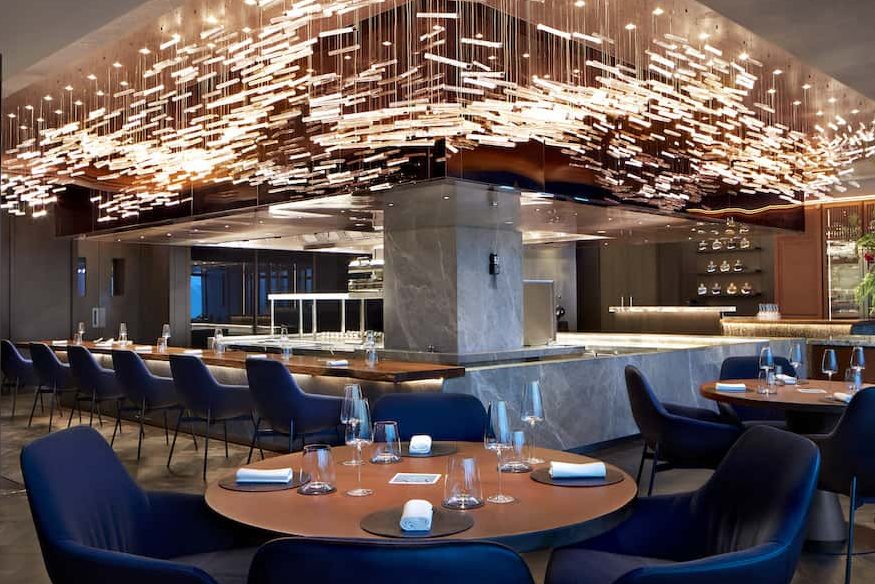
The 2024 MICHELIN Guide Vietnam Boasts 3 New One Stars, 1 First-Ever Green Star

Vietnam’s vibrant culinary scene has reached new heights with the 2024 MICHELIN Guide, which has awarded three new one-star ratings and the country’s first-ever MICHELIN Green Star. These new one-star restaurants raise the total number of Vietnam’s Michelin-starred dining establishments to seven.

New One-Star Restaurants

The 2024 edition of the MICHELIN Guide Vietnam features seven one-star restaurants in total, with three new additions.

Akuna (Ho Chi Minh City)

Helmed by Chef Sam Aisbett at the Le Meridien Hotel, Akuna is celebrated for its creative European dishes infused with Vietnamese influences. This fine dining establishment offers a memorable experience with its optional wine pairings that complement its innovative menu.

W0806-Akuna0238-edited
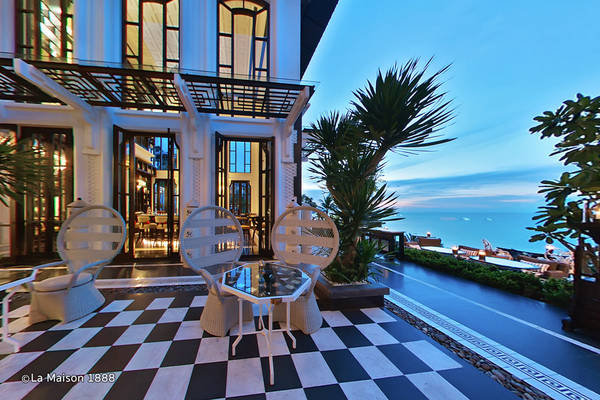
La Maison 1888 (Da Nang)

This luxurious restaurant, located at the InterContinental Danang Sun Peninsula Resort, offers a sophisticated dining experience with a five- or seven-course set menu. La Maison 1888 is known for its exquisite use of top-notch ingredients sourced from Vietnam, France, and Japan.

nha-hang-la-maison-1888-intercontinental-danang-sun-peninsula-resort-ivivu-3
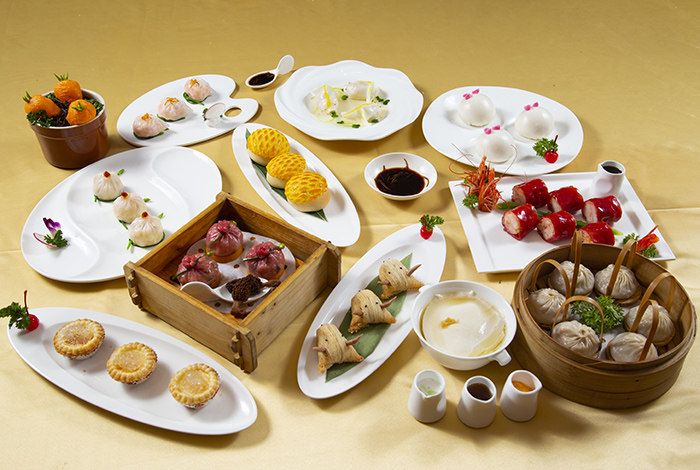
The Royal Pavilion (Ho Chi Minh City)

Promoted from the MICHELIN Selected category, The Royal Pavilion is renowned for its wide range of à la carte and set menus that honor Cantonese culinary heritage. Its dim sum, available only during lunchtime, is a highlight that has contributed to its elevated status.

nha-hang-long-trieu-3
Vietnam’s First MICHELIN Green Star

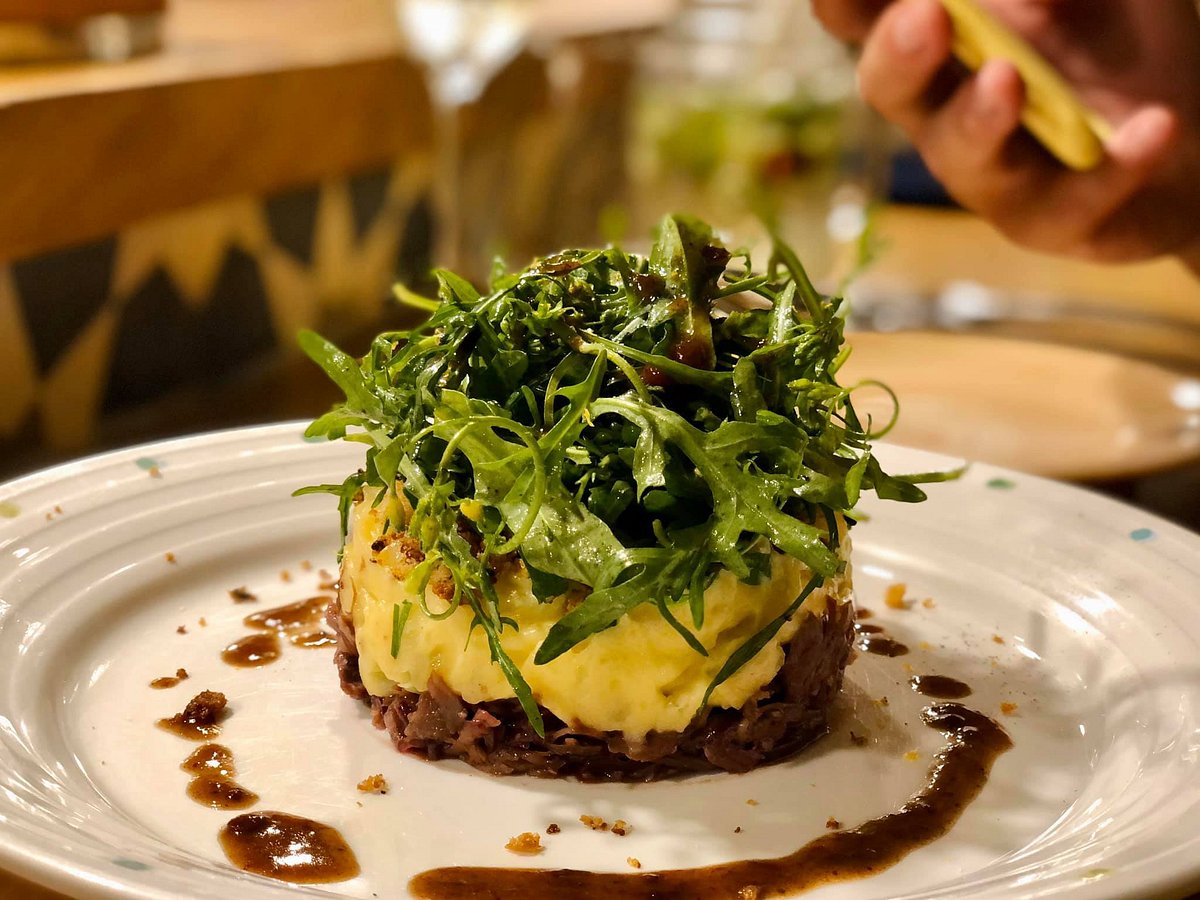
Vietnam’s inaugural MICHELIN Green Star has been awarded to Nén Danang, a MICHELIN Selected restaurant recognized for its commitment to sustainability. Since its inception in 2017, Nén Danang has emphasized the use of local ingredients and sustainable practices. The restaurant regularly shares updates about its farm on social media and collaborates with local schools to promote eco-friendly practices. This award signifies Nén Danang’s role as a leader in sustainable gastronomy in Vietnam.

duck-confit-parmentier

In addition to the seven restaurants that received the Michelin Guide’s star honor, a total of 40 new restaurants in Hanoi, HCMC, and Da Nang received Michelin Selected Awards, raising the total number of dining establishments honored in this category to 99 since last year.

So, are you ready to embark on a delicious journey through Vietnam? Grab your copy of the 2024 MICHELIN Guide and get ready to tantalize your taste buds!

Make your plan to Vietnam right now by apply a Vietnam visa at vietnamvisapro.net. We, a reputable and reliable Visa service, will assist you turn your plan into reality at the very first step

Posted on

Foodies Rejoice! 13 New Hanoi and HCMC Restaurants Join Michelin’s Bib Gourmand List

The prestigious Michelin Guide has unveiled its 2024 Bib Gourmand list for Hanoi and Ho Chi Minh City, recognizing 13 new restaurants for their quality and affordability. This year’s additions bring the total number of Bib Gourmand recipients in Vietnam to 42, showcasing the incredible diversity and deliciousness of the country’s food scene.

Hanoi’s Hidden Gems Recognized

Hanoi’s food scene receives a well-deserved boost with five new additions. Bun Cha Chan, a familiar favorite known for its flavorful grilled pork with rice vermicelli, makes the cut. 

photo_2024-07-03_14-30-48

                                                                   Bun Cha Chan

Luk Lak joins the list with its unique take on Vietnamese fare, particularly the must-try grilled pork belly dipped in an aromatic herbal sauce. Craving eel? Look no further than Mien Luon Dong Thinh, while Mr. Bay Mien Tay tempts taste buds with its signature crispy fried pancakes. Finally, Khoi Hoi‘s renowned pho noodle soup rounds out the exciting additions for Hanoi.

mien-luon-nghe-an-05-1702168247

                                                                    Mien Luon

Ho Chi Minh City’s Culinary Delights

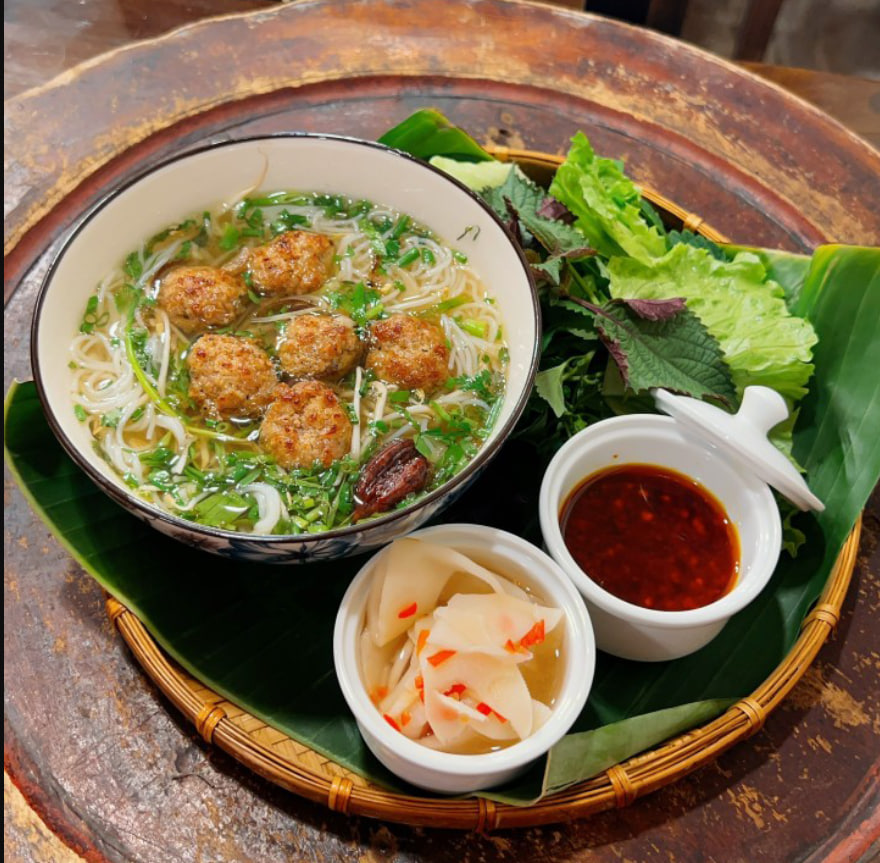
Ho Chi Minh City boasts eight new additions to the Bib Gourmand list, catering to a range of palates. Bánh Xèo 46A is renowned for its giant Vietnamese crepes overflowing with savory fillings, while Bò Kho Gánh offers a soul-warming beef stew served in a traditional stone bowl. Hue-style beef noodle soup lovers can head to Bun Bo Hue 14B, a takeout stall specializing in this flavorful dish.   Bun Bo Hue

For a more extensive dining experience, Man Moi offers a diverse menu encompassing regional specialties from across Vietnam. Those seeking a European touch can visit Sol Kitchen & Bar, while Com Tho Chuyen Ky, a Cantonese eatery, promises a luxurious double-boiled silkie chicken soup. Rounding out the list are Nha Tu, and Vi Que Kitchen, each offering a unique take on Vietnamese cuisine.      Com Tho

Celebrating Vietnamese Cuisine

The Michelin Bib Gourmand designation is a significant recognition for these restaurants. Gwendal Poullennec, International Director of the Michelin Guide, highlights this by stating, “With 13 new Bib Gourmand restaurants… our 2024 selection invites gourmets to explore the charm, quality, and diverse offerings of Vietnamese cuisine.”

So, whether you’re a local or a visitor, the 2024 Bib Gourmand list provides an excellent starting point to discover the culinary gems hidden within Hanoi and Ho Chi Minh City. With its focus on affordability and quality, this list allows you to experience the depth and vibrancy of Vietnamese cuisine without breaking the bank.

Make your plan to Vietnam right now by apply a Vietnam visa at vietnamvisapro.net. We, a reputable and reliable Visa service, will assist you turn your plan into reality at the very first step

Posted on

Three Vietnamese Destinations Shine with ASEAN Clean Tourist City Awards 2024

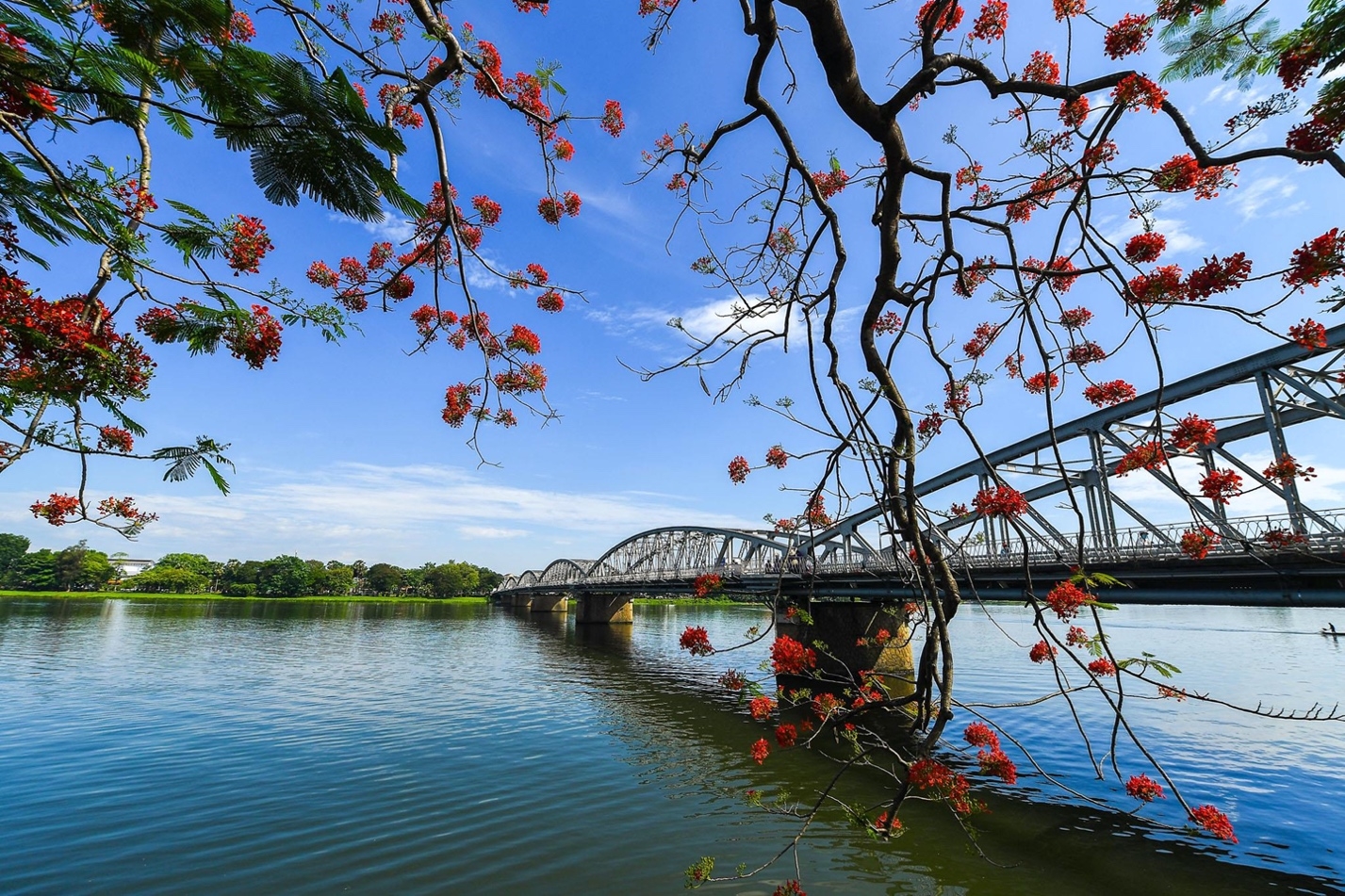
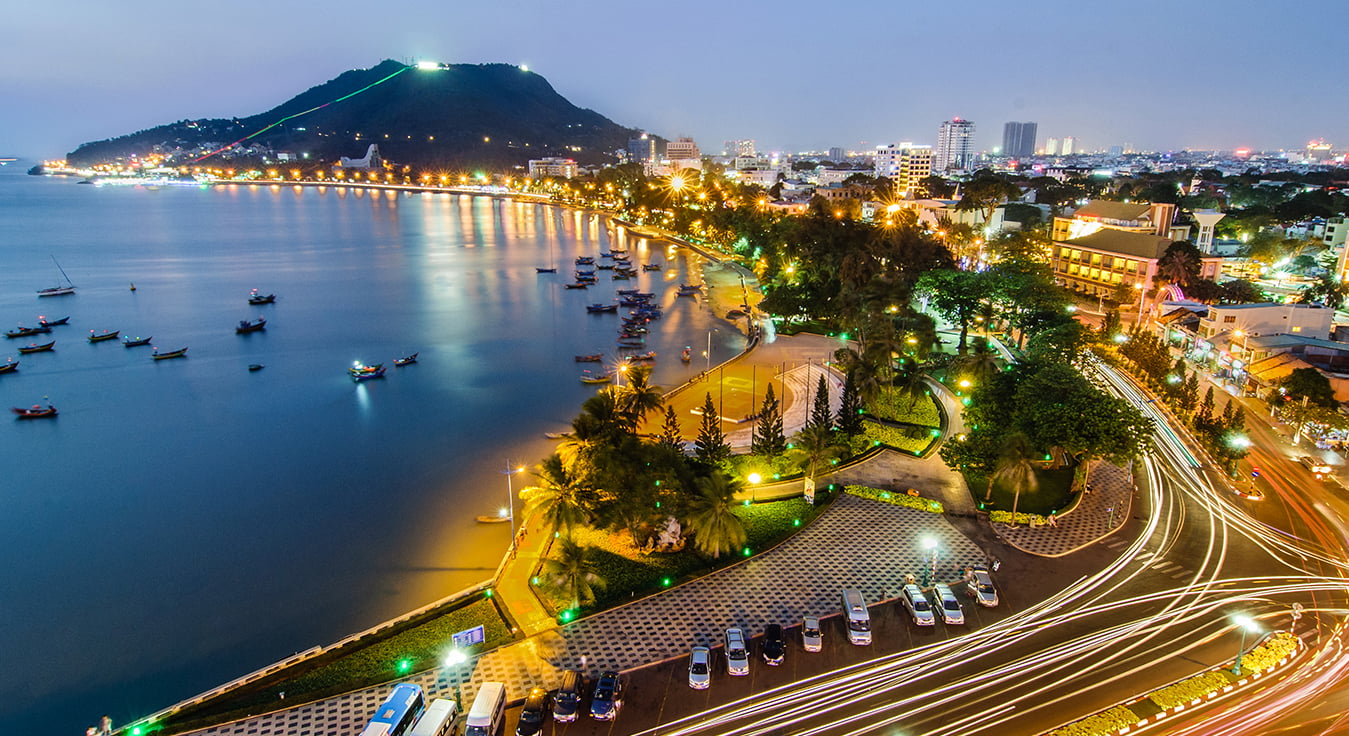
In a significant recognition of their commitment to cleanliness, waste management, and environmental awareness, three enchanting Vietnamese destinations – Hue, Vung Tau, and Quy Nhon – have been honored with the prestigious ASEAN Clean Tourist City Awards 2024. The announcement took place at the ASEAN Tourism Forum 2024, held in the picturesque capital of Laos, Vientiane, from January 22 to 27, 2024. This accolade not only celebrates the beauty and cultural richness of these destinations but also highlights their dedication to sustainable tourism practices.

These three places have previously received the ASEAN Clean Tourism City Award. Quy Nhon received the honor in 2020, while Vung Tau and Hue had each received it three times before.

The recognition was based on 108 criteria divided into seven major categories: environmental management, cleanliness, waste management, environmental protection and cleanliness awareness-building, the presence of green spaces, health safety, urban safety, and security, and the quality of tourism infrastructure and facilities.

Huế: Preserving Imperial Grandeur with Cleanliness
image001

Nestled along the picturesque Perfume River, the ancient city of Hue is renowned for its imperial history and architectural marvels. The city has seamlessly blended its historical charm with a modern commitment to cleanliness and sustainability. From the well-preserved citadel to the vibrant markets, Hue has become a shining example of a destination that values both its rich heritage and the environment. The ASEAN Clean Tourist City Award recognizes Hue’s efforts to maintain its imperial grandeur while adopting eco-friendly practices.

Vũng Tàu: Where Pristine Beaches Meet Environmental Consciousness
Tổng-quan-du-lịch-Vũng-Tàu-ivivu

Vũng Tàu, a coastal gem with stunning beaches and panoramic views, has been recognized for its pristine landscapes and a dedication to environmental preservation. The city’s authorities have implemented innovative waste management systems and initiatives to ensure the cleanliness of its beaches and public spaces. Vung Tau’s recognition at the ASEAN Clean Tourist City Awards is a testament to its commitment to providing a delightful and sustainable experience for both locals and tourists.

Quy Nhơn: Balancing Natural Beauty and Environmental Responsibility
eo-gio-1024x768

Quy Nhơn, known for its tranquil beaches and pristine landscapes, has struck the perfect balance between preserving its natural beauty and promoting environmental responsibility. The city’s efforts in waste management and environmental education have not gone unnoticed, earning it a well-deserved place among the recipients of the ASEAN Clean Tourist City Awards. Quy Nhon stands as a model destination that demonstrates how responsible tourism can enhance the allure of a place without compromising its ecological integrity.

The ASEAN Clean Tourist City Awards 2024 have cast a spotlight on three remarkable Vietnamese destinations – Hue, Vung Tauand Quy Nhon – for their dedication to cleanliness, waste management, and environmental awareness. These cities not only showcase the diverse beauty of Vietnam but also serve as inspiring examples for other destinations aiming to harmonize tourism with sustainability. As Hue, Vung Tau, and Quy Nhon continue to welcome visitors with open arms, their commitment to a cleaner and greener future will undoubtedly make them even more appealing to travelers seeking responsible and enriching experiences.

Make your plan to Vietnam right now by apply a Vietnam visa at vietnamvisapro.net. We, a reputable and reliable Visa service, will assist you turn your plan into reality at the very first step.

Posted on

Exploring Hanoi’s Old Quarter on Foot-Hanoi Free Walking Tours

Hanoi, the vibrant capital of Vietnam, is a city that seamlessly blends its rich historical heritage with the rapid modernization of the present day. One of the best ways to experience the heart and soul of this enchanting destination is through the Hanoi Free Walking Tours, which offer visitors an immersive and authentic exploration of the city’s most captivating sights and local culture.

History of Hanoi Free Walking Tours

The Origins of Hanoi Free Walking Tours

Hanoi’s free walking tours have their roots in the early 2000s, when a group of passionate local students and young professionals recognized the value in sharing their city’s remarkable history and traditions with foreign visitors. Inspired by the success of similar initiatives in other parts of the world, they decided to establish a free walking tour program that would showcase Hanoi’s unique charm and allow travelers to connect with the city on a deeper level.

The Emergence of a Thriving Community

As word of the Hanoi Free Walking Tours spread, the initiative quickly gained popularity among both locals and tourists alike. The tours were led by knowledgeable and enthusiastic guides who were eager to share their love for Hanoi, and the experience quickly became a must-do activity for anyone visiting the city.

The Evolution of Hanoi Free Walking Tours

Over the years, the Hanoi Free Walking Tours have evolved and expanded, with new routes and themes being introduced to cater to the diverse interests of visitors. Today, the tours cover a wide range of topics, from the city’s rich historical heritage and architectural landmarks to its vibrant street life, local cuisine, and thriving arts and culture scene.

Best Routes for Hanoi Free Walking Tours

Hanoi Walking Tour Map

Exploring the Old Quarter

The Hanoi Old Quarter is the heart and soul of the city, and it’s no surprise that it’s one of the most popular destinations for free walking tours. Winding through the narrow, bustling streets, visitors can immerse themselves in the rich history and lively atmosphere of this centuries-old trading hub.

Discovering the French Quarter

Hanoi’s French Quarter is a testament to the city’s colonial past, with its grand, tree-lined boulevards and elegant colonial-era buildings. The free walking tours in this area offer a fascinating glimpse into the city’s colonial heritage and the enduring influence of French culture.

Navigating the Lakeside Neighborhoods

Hanoi is home to several picturesque lakes, and the free walking tours that explore these waterfront neighborhoods offer a more serene and tranquil experience. Visitors can stroll along the Hoan Kiem Lake, admire the stunning architecture, and immerse themselves in the city’s peaceful, community-oriented lifestyle.

Uncovering the Hidden Gems

Beyond the main tourist attractions, Hanoi is filled with countless hidden gems waiting to be discovered. The free walking tours that venture off the beaten path allow visitors to uncover the city’s lesser-known treasures, from local markets and artisanal workshops to historic landmarks and vibrant community hubs.

Benefits of Joining Hanoi Free Walking Tours

Insider Knowledge and Personalized Experiences

The Hanoi Free Walking Tours are led by knowledgeable local guides who possess a deep understanding of the city’s history, culture, and traditions. These guides are passionate storytellers who can offer insider insights and personalized experiences that go beyond the typical tourist itinerary.

Unparalleled Immersion in Local Life

By exploring the city on foot, visitors gain a unique and immersive perspective on Hanoi’s daily life. They can interact with locals, observe their customs and routines, and gain a deeper appreciation for the city’s vibrant street culture and community-oriented lifestyle.

Cost-Effective and Flexible Exploration

One of the main advantages of Hanoi Free Walking Tours is their affordability. As the name suggests, these tours are entirely free of charge, making them an accessible option for travelers of all budgets. Additionally, the flexible nature of the tours allows visitors to tailor their experience to their own interests and pace.

Sustainable and Eco-Friendly Exploration

By opting for a walking tour, visitors can reduce their carbon footprint and contribute to a more sustainable form of tourism. The Hanoi Free Walking Tours also support the local economy by connecting visitors directly with the city’s residents and small businesses.

Tips for Enjoying Hanoi Free Walking Tours

Dress Comfortably and Prepare for the Weather

Hanoi can be hot and humid, especially during the summer months, so it’s essential to dress in lightweight, breathable clothing and wear comfortable walking shoes. It’s also a good idea to bring a hat, sunscreen, and a water bottle to stay hydrated.

Familiarize Yourself with the Meeting Point

Most Hanoi Free Walking Tours have a designated meeting point, often in a central and easily accessible location. It’s important to arrive at the meeting point on time and to familiarize yourself with the location beforehand to ensure a seamless start to the tour.

Bring Cash for Tipping and Optional Activities

While the Hanoi Free Walking Tours are free of charge, it’s customary to tip your guide at the end of the tour. Additionally, some tours may offer optional activities or visits to local shops and businesses, for which you may need to bring cash.

Stay Engaged and Ask Questions

The Hanoi Free Walking Tours are designed to be interactive and engaging, so don’t hesitate to ask your guide questions or share your own insights and experiences. The more engaged you are, the more you’ll learn and the more memorable your tour will be.

Popular Landmarks Covered in Hanoi Free Walking Tours

1. The Temple of Literature

Hanoi_Temple_of_Literature_(cropped)

One of the most iconic landmarks in Hanoi, the Temple of Literature is a well-preserved Confucian temple that dates back to the 11th century. The temple complex, which also housed Việt Nam’s first national university, offers a fascinating glimpse into the country’s rich cultural and educational heritage.

2. The Vietnam Fine Arts Museum

The Vietnam Fine Arts Museum is home to a diverse collection of artworks spanning various historical periods and artistic traditions. Visitors can explore paintings, sculptures, and other works that reflect the country’s vibrant artistic legacy and the themes of patriotism and national identity.

3. The Hanoi Flag Tower

The Hanoi Flag Tower is a historic landmark that has stood as a symbol of the city for centuries. Originally built during the Nguyen Dynasty in the early 19th century, the tower is a remnant of the city’s fortified citadel and offers stunning views of the surrounding area.

4. Hanoi Train Street

-5316-1663583398

Hanoi Train Street is a unique and thrilling feature of Hanoi’s Old Quarter, where a busy rail line runs precariously close to residential buildings and shops. The Hanoi Walking Tours offer visitors the chance to experience the excitement and adrenaline of this one-of-a-kind urban landscape.

5. Saint Joseph’s Cathedral

St-Josephs-Cathedral-01

Saint Joseph’s Cathedral is a stunning example of French colonial architecture, with its impressive neo-gothic facade and intricate stone carvings. The cathedral, which has stood in Hanoi’s heart for over a century, remains an important religious and cultural landmark.

6. Ly Quoc Su Street

Ly Quoc Su Street is a vibrant and historic thoroughfare in the Old Quarter, known for its bustling shops, artisanal workshops, and the Ly Quoc Su Temple, which dates back to the 11th century Ly Dynasty.

7. Hang Gai Street

Hang Gai Street, or “Silk Street,” is a hub of textile and fashion-related businesses, offering visitors the opportunity to browse high-quality silk garments, accessories, and other locally crafted products.

8. Hang Quat Street

Hang Quat Street is renowned for its shops selling traditional Vietnamese fans, Buddhist statues, and other cultural artifacts, making it a popular destination for those seeking authentic souvenirs and handicrafts.

9. Hang Can – Cha Ca Street

Cha Ca Street, named after the famous Cha Ca La Vong dish, a quintessential Hanoi culinary delight, is a must-visit for food lovers exploring the city’s vibrant street food scene.

10. Lan Ong Street

Lan Ong Street in the Old Quarter is a fascinating area where you can find a significant community of ethnic Chinese selling traditional herbs and medicines from historic storefronts. The street is lined with charming interiors featuring dark-wood cabinets, drawers, buckets, and bins filled with a unique variety of dried goods. The original buildings on this street date back to the 17th century, including the former communal house at no. 40 which now serves as an elementary school. Keep an eye out for the low roofs, narrow entries, and moss-covered tile roofs of the original Chinese homes along the length of the street.

11. Hang Duong Street

Hang Duong Street, also known as Sugar Street, is famous for its traditional buildings. One notable structure is the communal house located at no. 38 Hang Duong St. As you head north, it can be found on the left side. The communal house features a beautiful banyan tree in its courtyard and has a mysterious charm with its smoky interior. On weekends, Hang Duong Street transforms into a pedestrian area, bustling with a market selling tourist souvenirs and local products.

Just a brief deviation from Hang Duong Street is the Thanh Ha Communal House, dating back to the 13th century. You can easily reach this historical site by taking a short stroll eastward on Ngo Gach Street, also known as Brick Street.

12. Dong Xuan Market

Dong-Xuan-Market-Information-Travel-Guide

Dong Xuan Market is situated on Dong Xuan Street, but can also be accessed from Cau Dong or Hang Khoai Street with a short walk from the nearest stop. Established in the early 20th Century, it is now Hanoi’s largest wholesale market. The market offers a wide variety of goods, including electronics, silk, clothing, and fresh produce such as chicken, meat, and vegetables. Additionally, it is known for its vibrant night food scene, featuring numerous street-food vendors.

13. Old East Gate (O Quang Chuong)

O-Quan-Chuong-638x400

The O Quan Chuong gate is the sole surviving entrance of the Thang Long citadel, showcasing both architectural beauty and preserving the historical significance of ancient Hanoi. As the last standing old city gate in Hanoi, O Quan Chuong symbolizes the legacy of the Thang Long capital and serves as a testament to the resilience of the local people in resisting foreign aggression.

14. Hang Buom Street

Hang Buom (Sail Street) was situated next to a small tributary of the To Lich River, serving as a hub for goods brought into the city. Local merchant vessels frequented Hang Buom for ship repairs. Noteworthy sights include colonial buildings, traditional Vietnamese houses, and a communal house at no. 22 Hang Buom.

At no. 76 Hang Buom Street stands the Bach Ma Temple, dating back to A.D. 1010. This temple venerates the White Horse of folklore, believed to have guided King Ly in defending his city. Inside, visitors will find a grand courtyard with imposing red pillars, along with Buddhist statues and altars.

15. Ma May Street

Ma May Street marks the start of the bustling budget tourist area in the Old Quarter. Amidst Internet cafes and tourist restaurants, visitors can admire a mix of traditional and colonial architecture. Noteworthy landmarks include the Huong Tuong Communal House at no. 64 Ma May, and the captivating Heritage House Hanoi at no. 87 Ma May. For a nominal fee of 10,000 VND, guests can enjoy an insightful tour of this restored traditional house led by a knowledgeable guide dressed in an elegant ao dai gown, providing valuable insights into life in the Old Quarter from centuries past.

16. Luong Ngoc Quyen Street

There is a cluster of snack food stalls offering a range of traditional cakes such as Banh Day, Banh Gio, and Banh Chin Tang May. This bustling area attracts crowds in both summer and winter who gather to sit and enjoy beer. Feel free to take a break and join them for a local beer or some snacks.

17. Hang Bac Street

You are situated in the bustling backpacker district known as Hang Bac, which translates to “Silver Street.” Here, you can still discover artisans and vendors specializing in silver and gold jewelry. This area offers excellent shopping opportunities and a wide array of goods and services.

Notably, at no. 72 Hang Bac, you will find the renowned Golden Bell theater, which served as a strategic location for troops during the resistance against the French following the August Revolution in 1945.

18. Hoan Kiem Lake & Ngoc Son Temple

000quangr+bá+HN

Exploring the lake side and capturing some photos of the green water surface would be a delightful experience. Visiting Ngoc Son temple located on the northern end of the lake is highly recommended. To reach the temple, you can cross the red Bridge of the Rising Sun. This area offers one of the best views in the city. Conclude your walking tour by relaxing at a lakeside cafe, indulging in some ice cream, or watching a water puppet show.

While there are still some old streets like Hang Ngang, Hang Dao, or Hang Ma Street left to explore, it is advisable to save them for a night trip. Hanoi’s charm truly shines at night on these streets, as bustling trading stores make way for street-food stalls and souvenir shops. The ambiance is further enhanced by the sight of twinkling red lanterns adorning Hang Ma Street.

How to Book a Hanoi Free Walking Tour

Booking a Hanoi Free Walking Tour is typically a straightforward process. Many tour operators and local organizations offer these tours, and visitors can often find information and sign up for them through their hotel concierge, local tourism offices, or by searching online.

It’s worth noting that while the tours themselves are free of charge, some operators may suggest a voluntary tip or donation at the end of the tour to support the guides and the continued operation of the program.

Local Guides for Hanoi Free Walking Tours

The success of the Hanoi Free Walking Tours is largely due to the dedicated and knowledgeable local guides who lead them. These individuals are passionate about their city and are eager to share its rich history, culture, and traditions with visitors from around the world.

Many of the guides are university students or young professionals who have undergone training to become experts in Hanoi’s history, architecture, and cultural heritage. They possess excellent language skills and a deep understanding of the city’s unique charm, allowing them to provide engaging and informative tours.

One of the key advantages of the Hanoi Free Walking Tours is the opportunity for visitors to connect with these local guides on a personal level. The tours often include interactive elements, such as visits to local businesses, markets, and community hubs, where visitors can engage directly with the guides and gain a more authentic understanding of daily life in the city.

Cultural Experiences in Hanoi Free Walking Tours

In addition to exploring the city’s historical landmarks and architectural wonders, the Hanoi Free Walking Tours also offer visitors the chance to immerse themselves in the local culture and traditions.

Discovering Traditional Crafts and Artisanal Workshops

Many of the tours include visits to artisanal workshops and small businesses, where visitors can witness the intricate processes behind the creation of traditional Vietnamese crafts, such as silk weaving, lacquerware, and ceramic production.

Experiencing Vibrant Street Life and Local Markets

The Hanoi Free Walking Tours often take visitors through the bustling local markets and lively street scenes, where they can observe the daily routines and interactions of the city’s residents, as well as sample the diverse array of street food and local produce.

Engaging with the Performing Arts and Cultural Traditions

Some tours may also incorporate visits to cultural performance venues, where visitors can witness traditional Vietnamese music, dance, and theater, or participate in interactive workshops that showcase the country’s rich artistic heritage.

Safety Measures for Hanoi Free Walking Tours

The Hanoi Free Walking Tours are generally safe and well-organized, but as with any travel experience, it’s important to take certain precautions to ensure your personal safety and the security of your belongings.

Staying Vigilant and Aware of Your Surroundings

While Hanoi is generally a safe city, it’s important to remain aware of your surroundings, especially in crowded areas and when navigating the busy streets. Follow the guidance of your tour guide and keep a close eye on your personal items.

Staying Hydrated and Seeking Shade

Hanoi can be hot and humid, so it’s crucial to stay hydrated throughout the tour and seek shade whenever possible. Bring a water bottle and wear appropriate clothing and sun protection.

Respecting Local Customs and Traditions

When visiting cultural and religious sites, it’s important to be respectful of local customs and traditions. Follow the guidance of your tour guide and be mindful of any dress code or etiquette requirements.

Securing Your Belongings

While instances of theft are relatively rare on the Hanoi Free Walking Tours, it’s still a good idea to keep your valuables secure and to avoid flaunting expensive items.

The Hanoi Free Walking Tours offer a unique and unparalleled opportunity for visitors to immerse themselves in the rich tapestry of this captivating Vietnamese city. From exploring the vibrant Old Quarter and discovering the city’s colonial heritage to uncovering hidden gems and engaging with the local culture, these tours provide an authentic and enriching experience that is truly priceless.

Whether you’re a first-time visitor or a seasoned traveler, the Hanoi Free Walking Tours are an essential part of any journey to this remarkable destination. By connecting with passionate local guides and engaging with the city on a deeply personal level, you’ll gain a deeper appreciation for Hanoi’s history, traditions, and the enduring spirit of its people.

So, if you’re planning a visit to Hanoi, be sure to set aside time for a Hanoi Walking Tour. It’s an experience that will not only leave you with lasting memories but also a profound understanding of this captivating city and its vibrant culture.

Make your plan to Hanoi ,Vietnam right now by apply a Vietnam visa at vietnamvisapro.net. We, a reputable and reliable Visa service, will assist you turn your plan into reality at the very first step.

 Best of VietnamHanoi Old QuarterHanoi tourHanoi VietnamNorth VietnamVietnam DestinationsVietnam tourVietnam travelVietnam Travel guideVietnam Travel InformationWhere to go in Vietnam

Posted on

A COMPREHENSIVE GUIDE-GET TO HO CHI MINH CITY FROM CAMBODIA

Are you planning a trip to Ho Chi Minh City from Cambodia? This bustling city, also known as Saigon, is a popular tourist destination in Vietnam. With its rich history, vibrant culture, and delicious cuisine, it’s no wonder that many travelers are drawn to this enchanting city. However, before you can immerse yourself in all that Ho Chi Minh City has to offer, you need to figure out the best way to get there from Cambodia. In this blog post, we will guide you through the various transportation options, border crossings, visa requirements, and cultural etiquette to help you plan your journey seamlessly.85Planning Your Journey: Key Considerations
Before embarking on your journey to Ho Chi Minh City, there are a few key considerations that you should keep in mind.
Time of Travel
The first thing to consider is the time of travel. The weather in both Cambodia and Ho Chi Minh City can be hot and humid, so it’s important to plan your trip during the cooler months. The best time to visit Ho Chi Minh City is from December to April when the weather is dry and pleasant. Avoid traveling during the monsoon season, which runs from May to November, as heavy rains can disrupt your plans.
Budget
Another important factor to consider is your budget. The cost of traveling from Cambodia to Ho Chi Minh City can vary depending on your mode of transport. If you’re on a tight budget, overland routes may be a more affordable option compared to flying. However, if you value convenience and time, then flying might be the better choice for you.
Itinerary
Your itinerary will also play a crucial role in deciding how you get to Ho Chi Minh City. If you have limited time and want to maximize your stay in the city, then flying would be the most efficient option. On the other hand, if you have a more flexible schedule and want to explore the countryside along the way, then overland routes may be a better fit for you
Border Crossings: A Comprehensive Overview
There are several border crossings between Cambodia and Vietnam that you can use to get to Ho Chi Minh City. Here’s a breakdown of the most popular ones:
Bavet/Moc Bai Border Crossing
This is the most popular border crossing for travelers going from Cambodia to Ho Chi Minh City. It connects Bavet in Cambodia to Moc Bai in Vietnam and is located about 70 kilometers from Ho Chi Minh City. This border crossing is open 24/7 and is accessible by bus, taxi, or private car.
Kaam Samnor/Vinh Xuong Border Crossing
Located near Chau Doc in Vietnam and Kandal Province in Cambodia, this border crossing is another popular option for travelers. It is open from 7 am to 5 pm and can be accessed by bus, taxi, or private car.
Phnom Den/Tinh Bien Border Crossing
This border crossing connects Takeo Province in Cambodia to An Giang Province in Vietnam. It is open from 7 am to 5 pm and can be reached by bus, taxi, or private car.
Prek Chak/ Ha Tien Border Crossing
This border crossing connects Kampot Province in Cambodia to Ha Tien in Vietnam. It is open from 7 am to 5 pm and can be accessed by bus, taxi, or private car.
Visa Information: Essential Requirements and Regulations
Before traveling to Ho Chi Minh City from Cambodia, it’s important to understand the visa requirements and regulations. Here’s what you need to know:
Visa Exemption
Citizens of most countries will need a visa to enter Vietnam, while citizens of certain countries are exempt from needing a visa for stays of up to 45 days. These exemptions include citizens of ASEAN countries, South Korea, Japan, Russia, and several European countries.
E-Visa
Citizens of the countries, including Cambodia, can apply for an Vietnam e-visa online. The process is simple and can be done through the Vietnam Immigration Department’s website. An e-visa allows you to stay in Vietnam for up to 90 days and is valid for single/multiple entry.
Visa on Arrival
If you’re not eligible for an e-visa, you can also apply for a visa on arrival. This option requires you to obtain a visa approval letter from a travel agency or tour company before arriving in Vietnam. Once you arrive at the airport, you will need to present this letter along with your passport and pay a stamping fee to get your visa.
Transportation Options: Exploring Various Modes of Travel
There are several transportation options available for traveling from Cambodia to Ho Chi Minh City. Let’s take a closer look at each one:
By Flight
Flying is the most convenient and fastest way to get to Ho Chi Minh City from Cambodia. There are daily flights from Phnom Penh and Siem Reap to Ho Chi Minh City, with a flight time of about an hour. However, this option can be quite expensive, especially during peak season.
By Bus
Taking a bus is a popular choice among budget travelers. There are many bus companies that offer direct routes from various cities in Cambodia to Ho Chi Minh City. The journey can take anywhere from 6 to 12 hours, depending on your starting point and the border crossing you choose.
By Train
Traveling by train is another affordable option, but it is not as popular as taking a bus. The train journey from Phnom Penh to Ho Chi Minh City takes about 12 hours and involves a change of trains at the border. However, the scenery along the way is breathtaking, making it a great option for those who want to enjoy the countryside.
By Private Car
For a more comfortable and hassle-free journey, you can also hire a private car to take you from Cambodia to Ho Chi Minh City. This option is more expensive than taking a bus or train, but it offers more flexibility and convenience.
Border Formalities: Tips for a Smooth Passage
Crossing the border from Cambodia to Vietnam can be a bit daunting, but with proper preparation, it can be a smooth and hassle-free process. Here are some tips to keep in mind:
Have Your Documents Ready
Make sure to have all your travel documents, including your passport, visa, and any other necessary paperwork, ready before reaching the border. This will save you time and prevent any delays.
Be Prepared to Pay Fees
When crossing the border, you may be required to pay various fees, such as visa fees, stamping fees, and road tolls. Make sure to have enough cash on hand to cover these expenses.
Arrival in Ho Chi Minh City: Welcoming the Enchanting City
After a long journey, you’ll finally arrive in Ho Chi Minh City, ready to explore all that it has to offer. Here are some tips to help you get settled:
Getting Around
The most convenient way to get around the city is by using ride-hailing apps like Grab or Go-Viet. Taxis are also available, but make sure to negotiate the fare before getting in.
Accommodation
Ho Chi Minh City offers a wide range of accommodation options, from budget hostels to luxury hotels. Make sure to book your accommodation in advance, especially during peak season.
Must-See Attractions
No trip to Ho Chi Minh City is complete without visiting some of its top attractions, such as the War Remnants Museum, Ben Thanh Market, and the Cu Chi Tunnels. Make sure to plan your itinerary accordingly to make the most of your stay.
Conclusion
Traveling from Cambodia to Ho Chi Minh City is a relatively easy and straightforward process, with several options available for different budgets and preferences. Whether you choose to fly, take a bus, or embark on a boat journey, you’ll be able to experience the unique cultures and landscapes of both countries. Just make sure to plan ahead and have all the necessary documents and information before embarking on your trip. Happy travels!
Posted on 8,298 Comments

SOME TOP TOURIST ATTRACTIONS IN VIETNAM

Some Top Tourist Attractions in Vietnam

Before planning a trip to Vietnam, you must do a lot of research to find out the top tourist attractions to visit. Among the top tourist attractions in Vietnam, iconic sites like Ha Long Bay, the Imperial City of Hue, and the historic Old Quarter of Hanoi are must-sees. Thanks to such a huge stretch from the North to the South, over 3200 kilometers, crossing various topographies, Vietnam holds in itself a collection of mountains, deltas, rivers, caves, lagoons, ocean, canals, hills. Vietnam Travel lists top destinations below which shows the best features of the country.

>>> Apply visa to Vietnam <<<

>>> Order Fast Track Service <<<

  1. Ha Long Bay

Leading the chart of the top tourist attractions in Vietnam should not be something else but the sensational Ha Long Bay. The UNESCO World Heritage Site added another sight to see in their list presenting the world’s most spellbinding karst seascape, Ha Long Bay even twice. One was in 1991 and the other one was in 1998. Situated along the Gulf of Tonkin, there lies thousands of limestone islands scraped away by nature into breath-taking rock formations. It is highly recommended to spend an overnight tour to fully appreciate the iconic views this site has to offer.

The best times to visit Ha Long Bay are during the spring (March to May) and autumn (September to November) when the weather is mild and dry, providing ideal conditions for exploring the bay’s iconic limestone islands and enjoying outdoor activities.

If you’re interested in immersing yourself in the local culture, consider timing your visit to coincide with one of the region’s vibrant festivals or events. The Ha Long Carnival, held annually in late April or early May, is a lively celebration featuring street parades, traditional music and dance performances, and delicious local cuisine.

To fully appreciate the wonders of Ha Long Bay, an ideal duration of stay is 2-3 days. This allows ample time to embark on a cruise through the bay, exploring its hidden caves, secluded beaches, and floating villages. Additionally, you’ll have the opportunity to participate in various activities such as kayaking, hiking, and visiting nearby attractions like Cat Ba Islands.

Speaking of top activities, a Ha Long Bay cruise is an absolute must-do. These multi-day cruises offer the chance to witness the bay’s incredible scenery up close while indulging in luxurious amenities. Other popular activities include exploring the mystical caves like Sung Sot Cave, Thien Cung Cave, hiking to scenic viewpoints like Ti Top Island, and participating in water sports like kayaking or swimming in the bay’s emerald waters. Additionally, don’t miss out on discovering the fascinating things to do in Ha Long City, such as visiting local markets, enjoying fresh seafood, and experiencing the vibrant nightlife.

2. Hanoi

Hanoi, the capital of Vietnam, attracts millions of visitors each year. Hanoi has a long history of 1000 years of culture and civilization that attracts visitors of its old age. Traveling to Hanoi, you cannot miss Long Bien Bridge (over 100 years old), Hoa Lo Prison (Hilton House), Temple of Literature, Bat Trang pottery village, Hoan Kiem LakeNgoc Son Temple and many different kind of museums such at Vietnam museum of EthnologyVietnam Fine Art Museum, etc. Besides, Hanoi Old Quarter is a favorite place of many travelers.

The best times to visit Hanoi are during the spring (March to May) and autumn (September to November) when the weather is pleasant, with warm days and cool evenings. If you’re seeking to immerse yourself in the city’s vibrant cultural tapestry, consider timing your visit to coincide with one of Hanoi’s iconic festivals, such as the Lunar New Year celebrations or the Mid-Autumn Festival, both of which showcase traditional music, dance, and culinary delights.

To fully experience the city’s charm, an ideal duration of stay in Hanoi is 3-4 days. This allows ample time to explore its historic Old Quarter, visit iconic landmarks like the Temple of Literature and Ho Chi Minh Mausoleum, and indulge in the city’s renowned street food scene. Top activities in Hanoi include taking a cyclo tour through the bustling streets, attending a traditional water puppet show, exploring the Imperial Citadel of Thang Long, and embarking on a day trip to the picturesque Ninh Binh province, renowned for its stunning karst landscapes. Don’t miss out on discovering the diverse range of things to do in Hanoi, from exploring ancient temples to sampling local delicacies in bustling markets.

3. Sapa

Sapa located in Lao Cai Province, about 350 km northwest of Hanoi, close to the Chinese border. Traveling to Sapa to discover the north mountainous area of Vietnam with the Hoang Lien Son range of mountains, which includes Fan Si Pan—the country’s highest peak. In Sapa, you can both enjoy the beauty of nature with stunning mountains, colorful paddy fields and experience our various culture of H’Mong ethnic minority. Here, travellers can spend their time hiking in the villages of Cat CatY Linh HoLao Chai and Ta Van Villages. If, you love to discover the remote village where less tourist travels, you can go to Can Cau Village to visit local market and Love market as well. After all, your memories to Sapa would be filled with the exotic cuisine, the colorful costumes of the ethnic minorities and the stunning of nature.

The best times to visit Sapa are during the spring (March to May) and autumn (September to November) when the weather is mild and dry, providing ideal conditions for trekking and enjoying the town’s picturesque landscapes.

If you’re interested in immersing yourself in the local culture, consider timing your visit to coincide with one of Sapa’s vibrant festivals or events, such as the Bac Ha Sunday Market or the Gau Tao Festival, where you can witness traditional dress, music, and dance performances by the region’s ethnic minority groups.

To fully appreciate the wonders of Sapa, an ideal duration of stay is 3-4 days. This allows ample time to embark on guided treks through the verdant rice terraces and visit remote hill tribe villages, as well as explore the town’s charming French colonial architecture and bustling markets.

Top activities and things to do in Sapa include trekking through the breathtaking Muong Hoa Valley, visiting the Love Waterfall and Bamboo Forest, exploring the Bac Ha Sunday Market for traditional handicrafts and textiles, and indulging in local delicacies like Thang Co (a unique sour soup). Additionally, adventurous travelers can partake in thrilling experiences like a Mt. Fansipan climb or a motorbike tour through the winding mountain roads.

4. Ninh Binh

If Ha Long Bay is the rocky limestone destination in the northern far seas, then Ninh Binh is would be the equivalent on the mainland. Located around 95km south of Hanoi, Ninh Binh and its’ neighboring area Tam Coc are filled with similar sights from the emerald green waters of Ha Long Bay. Being the perfect place to start an adventure around Vietnam and Cambodia, Nan Binh is a favored spot for tourists to post on social media, especially for its natural and untouched beauty.

In addition to the captivating natural features that Ninh Binh has to offer, the city is known to be the ancient capital of feudal Vietnam during the 11th century under the Dinh and the Early Le Dynasties. A two-day trip all around Ninh Binh would give you an ideal insight into how the ancient Vietnamese once ruled their country against the major outside force from China.

The best times to visit Ninh Binh are during the spring (March to May) and autumn (September to November) when the weather is pleasant and dry, providing ideal conditions for exploring the region’s iconic limestone landscapes and enjoying outdoor activities.

To truly appreciate the wonders of Ninh Binh, an ideal duration of stay is 2-3 days. This allows ample time to explore the breathtaking Trang An Landscape Complex, a UNESCO World Heritage Site renowned for its stunning karst formations, caves, and tranquil waterways, as well as visit nearby attractions like the ancient capital of Hoa Lu and the stunning Bai Dinh Pagoda complex.

Top activities and things to do in Ninh Binh include taking a mesmerizing boat tour through the limestone karst formations of Trang An, exploring the ancient temples and citadels of Hoa Lu, embarking on a cycling adventure through the picturesque countryside and rural villages, and indulging in the local cuisine, which features unique dishes like goat meat and specialties from the nearby Cuc Phuong National Park.

5. Phong Nha – Ke Bang National Park, Quang Binh

Located in Quang Binh province, central Vietnam, this mysterious land is endowed with breathtaking landscape of limestone mountain ranges, wild forests and stunning rivers. This place which is recognized by UNESCO World Heritage Site in 2003, famous for the largest cave in the world with whole ecosystems and forests within, called Son Doong cave. Son Dong cave is 5km long, 200m high and 150m wide. But it is not Son Dong, with more than 300 caves, many waterways, mountains and forests, Phong Nha – Ke Bang national park is now a famous destination for tourists from all over the world to trekking, hiking, cycling and kayaking.

Adventure awaits year-round in Phong Nha – Ke Bang National Park, but the dry season (March-August) offers ideal conditions for exploring. Hike through lush rainforests, delve into the world’s largest caves, or kayak on crystal-clear rivers. Aim for a stay of 2-3 days to experience the park’s highlights, like Paradise Cave or Phong Nha Cave. Don’t miss a boat trip down the Son River for a truly unforgettable experience!

6. Hue citadel

Knowing as the place of the last reign – Nguyen dynasty, Hue is considered one of Vietnam’s most historic towns and the former imperial capital of the country. The emperor’s residence, palaces, and temples are some of the historic sites left standing inside walls of the Imperial Enclosure that spans for around 2.5km along the Perfume River. Other landmarks are the citadel’s main entrance, the Ngo Mon Gate, the Thai Hoa Palace with its intricate interiors, Dien Tho Residence which serves as the Queen Mothers’ chambers and lastly the Hall of Mandarins housing its’ well-preserved ceiling murals.

Hue, Vietnam’s former imperial capital, is best explored during the dry season (February-August) when skies are clear and temperatures comfortable. History buffs will be enthralled by the city’s vibrant past, evident in its magnificent Hue Imperial Citadel and royal tombs. Hue also boasts a rich festival scene, with the Hue Festival offering a spectacular display of traditional performances and colorful parades. To fully appreciate Hue’s imperial charm and cultural treasures, a 2-3 day stay is ideal. Don’t miss a boat trip on the Perfume River, exploring bustling local markets, and indulging in Hue’s renowned royal cuisine.

7. Da Nang

Da Nang will surprise you by its modern, cleanness and nature. Da Nang has so many things to offer from Hai Van Pass, Marble Mountain, Ba Na hills to the Golden bridge. The fresh and beautiful white sand beach also Nang are also one of the reasons to hold tourist stay longer at this city. The amazing traditional food here is also one thing visitors could not resist.

Da Nang’s charm unfolds throughout the year, but the best time to visit depends on your preferences. For sunshine and warm seas ideal for swimming and lounging on the beach, April to August offers the most pleasant weather. This peak season coincides with the Da Nang International Fireworks Festival, a dazzling spectacle that usually takes place in April or May (check specific dates as they follow the lunar calendar).

If you prefer smaller crowds and don’t mind occasional rain showers, consider visiting during the shoulder seasons (September to November and March to May). You might even snag some travel bargains during this time. Three to five days is a good amount of time to explore Da Nang’s beaches, historical sites, and surrounding attractions. If you’re planning day trips to Hoi An or My Son Sanctuary, factor those into your itinerary.

Top activities in Da Nang include relaxing on pristine beaches like My Khe Beach, exploring the Marble Mountains with their stunning caves and pagodas, and getting a dose of history at the Museum of Cham Sculpture. Adventure seekers can try surfing or scuba diving, while foodies will delight in Da Nang’s fresh seafood and flavorful central Vietnamese cuisine.

8. Hoi An

Hoi An is the place where not only attracting newcomers but also encouraging many tourists to come back again. It is famous for being an ancient town where the rustic yellow-walled tubed buildings line up. The town was built and developed by the Japanese, Chinese and Vietnamese in which the Chinese architecture is the main theme throughout the whole site. The most sought-after destinations are the Thanh Ha Pottery Village, Tra Que Herb Village, and Kim Bong Carpentry Village. Besides, there are plenty of restaurants with lots of variety at cheap price, the night markets are great and the people are lovely. It truly is a paradise for visitors to go and explore.

The dry season (February to August) offers sunshine, warm temperatures, and minimal rain, making it ideal for sightseeing and outdoor activities. However, this coincides with peak tourist season. For pleasant weather with fewer crowds, consider the shoulder seasons (March to May or September to November). March to April boasts comfortable temperatures and coincides with the Full Moon Lantern Festival, transforming Hoi An into a magical spectacle with glowing lanterns illuminating the Thu Bon River.

Throughout the year, Hoi An comes alive with vibrant festivals. The Full Moon Lantern Festival, held on the 14th day of each lunar month, is a must-see, while the larger Festival of Lights in February celebrates Vietnamese traditions with lantern displays and performances.

2-3 days is a good amount of time to explore Hoi An’s captivating ancient town, with its well-preserved architecture, tailor shops, and Japanese Covered Bridge. Foodies can delve into Hoi An’s culinary scene, while beach lovers can relax on nearby Cua Dai Beach. If you’re planning day trips to My Son Sanctuary or Da Nang, factor those into your itinerary.

Discover the enchanting streets of the ancient town, a UNESCO World Heritage Site. Get custom clothing made by skilled tailors, a Hoi An specialty. Take a boat ride on the Thu Bon River, adorned with colorful lanterns at night. Learn about Hoi An’s history at museums like the Fukian Assembly Hall and the Tan Ky House. Relax on the pristine sands of Cua Dai Beach or try water sports. In the evening, take a boat trip and release floating lanterns, a beautiful local tradition. Don’t forget to explore the vibrant things to do in Hoi An, including sampling delicious local cuisine and participating in traditional lantern-making workshops.

9. Ho Chi Minh City (Saigon)

Saigon – Ho Chi Minh City is such a young and modern city born and raised for roughly over 300 years. Traveling here, you will see the attractions influenced by the French-era architecture such as Vietnam’s own Notre Dame Cathedral, the War Remnants Museum, and Ben Thanh Market. The Central Post Office, Reunification Palace are also visited by travelers.

Let’s not stop here, Sai Gon by night attracts you by its vibe and personal charming, please wander around Bui Vien streets, or taste local cuisine such as Huynh Hoa Bread (Banh my Huynh Hoa), Sauce Noodle (Bun mam), Nam Vang vermicelli (Hu tieu Nam Vang), Crab noodle (Banh canh cua), grilled pork noodle (bun thit nuong0, etc. Ho Chi Minh is also as a stop-over for tourists of they want to visit Mekong Delta, Cu Chi Tunnel, Cao Dai temple, Vung Tau and the other southern provinces.

The ideal time to visit Ho Chi Minh City is during the dry season from December to April, when the weather is most pleasant, offering clear skies and comfortable temperatures for exploring the city’s vibrant streets and historical landmarks.

The city’s calendar is dotted with cultural festivals and events, such as the exuberant Tet Festival in January or February, where the city bursts into celebrations of the Lunar New Year Attending this festival is a unique opportunity to immerse yourself in local traditions and witness the city at its most festive.

For travelers wondering about the ideal duration of stay, three to four days are recommended to fully experience the city’s top attractions and hidden gems. This allows ample time to delve into the rich history at the War Remnants Museum, marvel at the architectural wonder of the Notre-Dame Cathedral Basilica of Saigon, and indulge in the culinary delights of street food tours in District 4.

Discover the best things to do in Ho Chi Minh City, from exploring iconic attractions like the Ben Thanh Market and the Reunification Palace to immersing yourself in the vibrant atmosphere of the city’s night markets. Indulge in local delicacies, shop for souvenirs, and soak in the bustling energy of places like Binh Tay Market in Chinatown. Additionally, experience the charm of Nguyen Hue Street at night, lined with dazzling lights and bustling cafes, offering a perfect blend of culture and entertainment.

Incorporating these elements into your itinerary will ensure a memorable journey through the heart of Vietnam’s most dynamic city, where traditional charm meets modern vitality. Whether you’re a history buff, food enthusiast, or simply in search of adventure, Saigon’s warm embrace has something for everyone.

10. Phu Quoc

Unlike Bali or Thai Lan, Phu Quoc is an isolated tropical island located down South of Vietnam with 150km of coast in which you can reach there by plane at Phu Quoc International Airport. Phu Quoc is well known with many white sandy beaches and a perfect combination from mountain to forest and sea. With such a balmy weather, Phu Quoc is a good choice for all travelers who love nature and seek for a place to balance sightseeing and beaches. You can spend your time at your luxury resort or walk along the sandy beach to enjoy the fresh air or dipping yourself under the fresh green water of the sea. At the end of the day, Phu Quoc will end up with the colorful sky to complete your day with such a customized romantic dinner next to the beach. Travelling to Phu Quoc will bring you pleasant and relaxed.

The best times to visit Phu Quoc are from October to April, when the weather is dry with little rain, perfect for beach activities and exploration. This period also includes the peak tourist season, so for those seeking a quieter experience, the shoulder seasons of April to June or October provide a more tranquil atmosphere.

The island’s vibrant culture comes to life with festivals and events that are not to be missed. From the traditional Tet Festival celebrating the Lunar New Year to the Viet Traditional Music Festival, these cultural showcases offer a deep dive into the island’s rich heritage.

For an ideal visit, 2 to 5 days in Phu Quoc allow for a comprehensive experience, giving you enough time to explore the central town of Phu Quoc Islands, the serene Phu Quoc beaches likes Khem beach, Sao beach, Long beach, the bustling south, and the untouched eastern part of the island.

Top activities in Phu Quoc include exploring the Phu Quoc National Park, lounging on the pristine Sao Beach, and indulging in the tranquility of Khem Beach. For adventure seekers, snorkeling, scuba diving, and trekking are among the must-do activities. Whether you’re looking to immerse yourself in nature, enjoy the local cuisine, or simply relax on the beach, Phu Quoc caters to all desires, making it a must-visit destination on your Vietnam journey.

Posted on 192 Comments

Airport Fast Track Service and its advantages

Airport Fast Track Service is a premium service that allows you to skip the long queues at immigration and customs. This can save you a significant amount of time, especially at busy airports.

BENEFITS WE CAN GIVE YOU

– Prompt assistance via phone, live chat and email is always available.

– Services implement quickly, no wasting time.

– Being met and guided from the arrival gate.

– Get Visa stamp fast, without getting in line.

– Be assisted and escorted through Immigration checkpoint.

– Baggage porters available on request.

– Clear Terms & Conditions guarantee protect customers’ right.

Airport Fast Track Service can be a great way to save time, reduce stress, and get priority treatment when you travel. If you are looking for a way to make your journey more enjoyable, then airport fast track service is a great option.

For using our Airport Fast Track Service, kindly send the information of your name + number of people + flight information to our email https://vietnam-airport.net/ We will support you at any time.