Posted on

The Traditional culture – Vietnamese water puppets

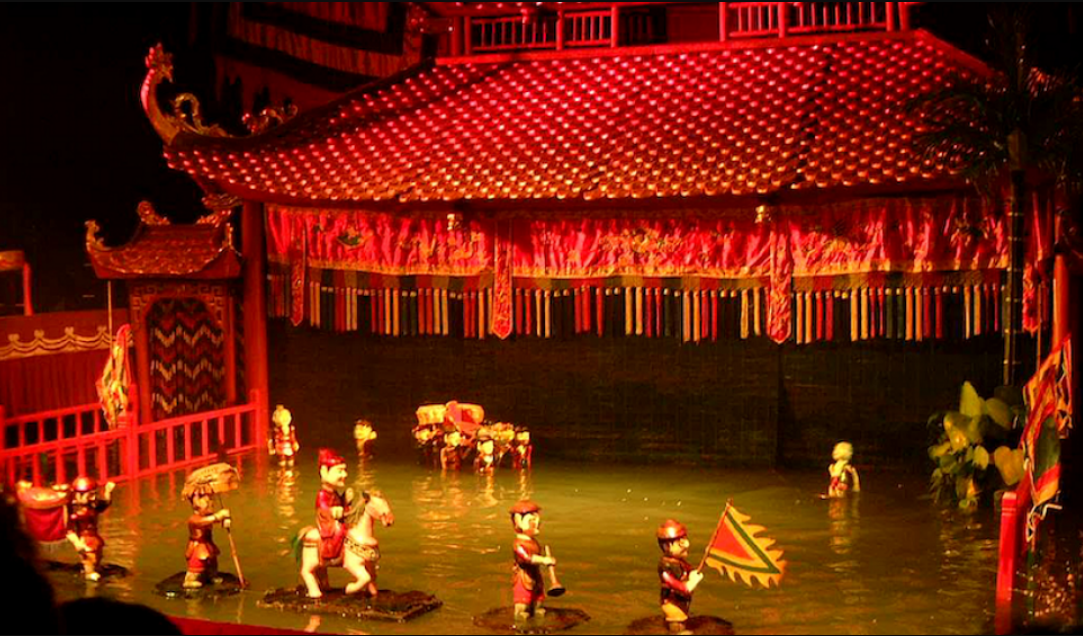
Vietnam Water Puppet goes along with history of over 4000 years. The traditional form of art was created when local working on the rice field, first it entertained the farmers then it was performed on the stages for guests during the festival. This performance was conserved through generations until today. Unlike the shadow puppetry found in other Asian countries such as Cambodia, Myanmar, Thailand, the puppet shows held throughout Vietnam take place over a waist-deep pool of water. A water puppet show will not only demonstrate for the outstanding performance but also the unique, long-established culture, customs of the S-shaped country. Considered as one of the most indigenous cultural traits of Vietnam, it would be a big miss if travellers do not watch the Vietnamese traditional puppet show in their Vietnam trip.

>>> Apply Visa to Vietnam <<<

>>> Order Fast Track Service <<<

  1. Overview of water puppetry & History

Water puppetry is a form of folk arts originating in the Red River Delta in the North of Vietnam, dating back in the 11th century. The wet rice civilization of Northern Vietnam was believed to be the cradle of nurturing this traditional art form. Being born as a communal entertainment performance during harvest time for farmers, the very first Vietnamese puppet shows weren’t just for the entertainment of villagers but were thought to keep the spirits amused enough to stay away from mischief.
Originally, simple stages were constructed around flooded rice paddies, which were available in most of ancient villages & towns. The easy formation enhanced the widespread development of the art form. The water puppet shows gradually progressed as an entertaining activity for the royals. That’s an intriguing adventure from the rice field to the citadel stages.
Until now, the water puppet shows haven’t changed significantly from the old days. Shows at this modern theatre are performed in a pool of water as the stage for the puppets.

  1. Characters:

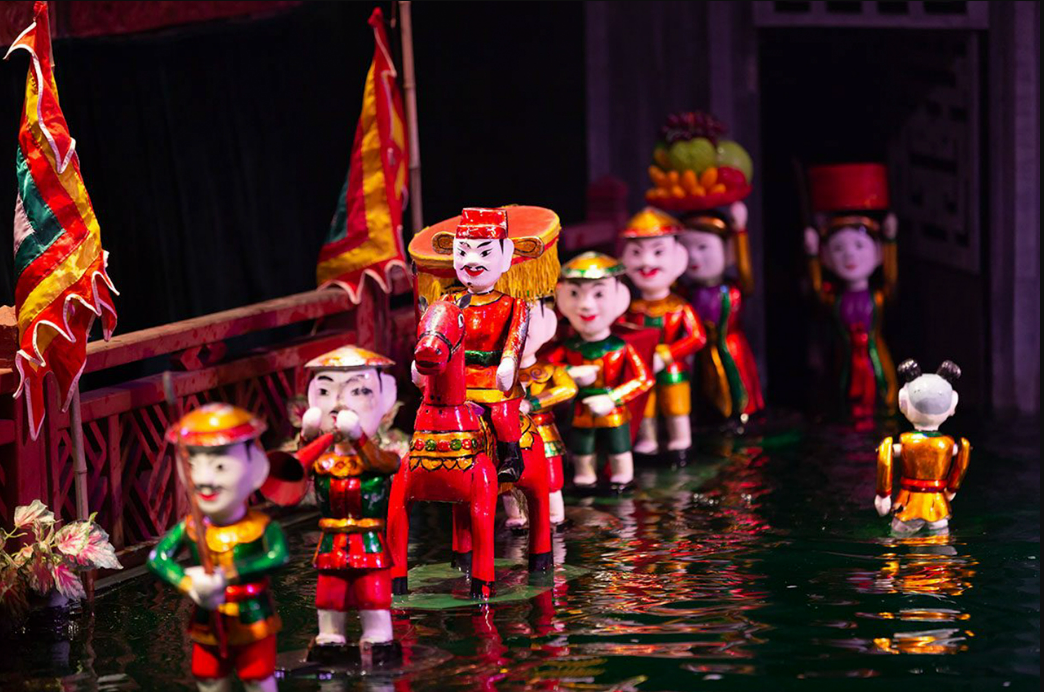
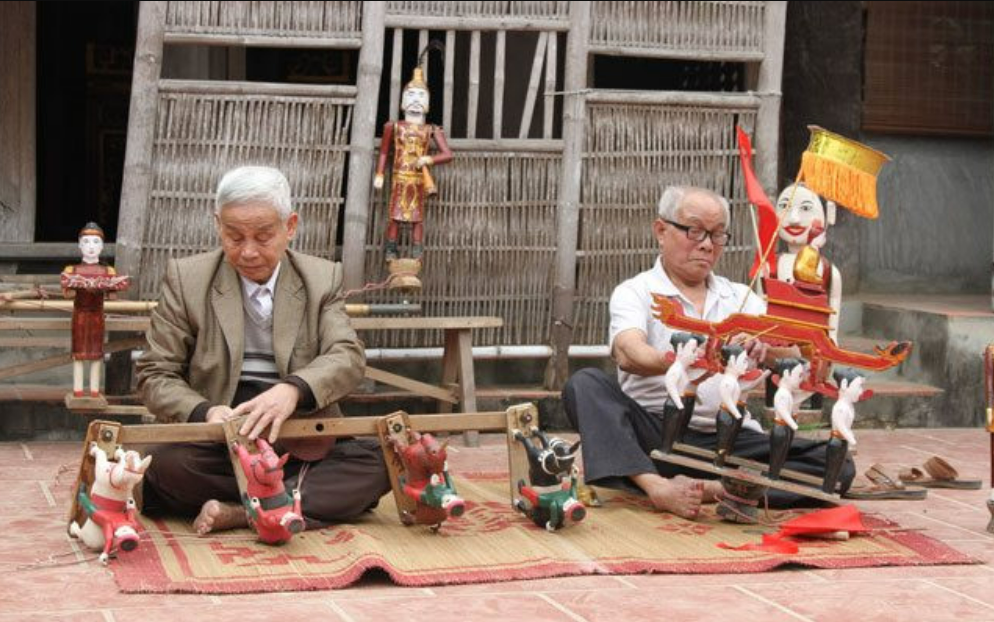
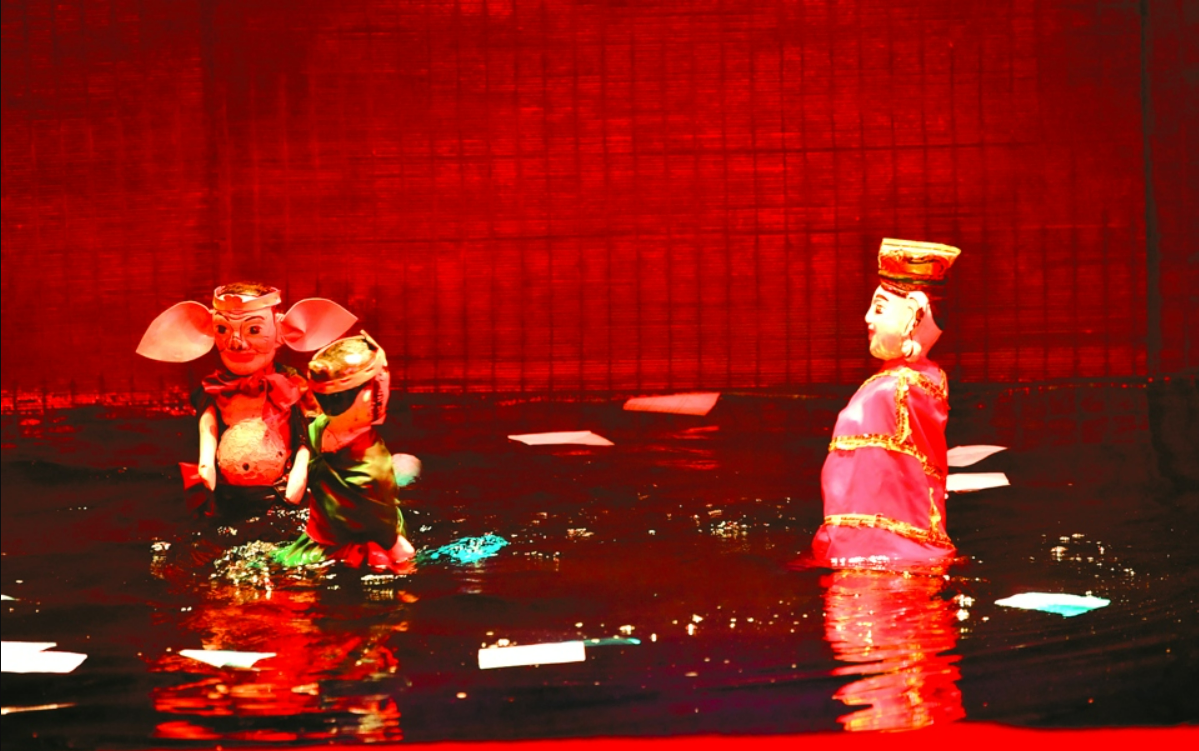
Please don’t expect realistic movements or intricate costumes found at puppet shows in other parts of Asia. The puppets are carved out of fig wood and then lacquered. Each puppet can weigh up to 15 kg. Most of the puppets look cheerful and awash in vivid colors to emphasize their own characters. For example, “Chú Tễu” is a recurrent and the most notable character in water puppetry. “Tễu” means “laugh” in ancient Vietnamese. His appearance is of a cheerful boy who often wears simple loincloth, sometimes accompanied by a simple open vest. He is very talkative and optimistic like any typical northern farmer. He sometimes acts as a narrator, sometimes as a commentator on social realities, politics, especially officials’ corruption.

  1. Performance & secrets of water puppetry

Performance today occurs on one of three venues: 1 – on traditional ponds in villages where a staging area can be set up, 2 – on portable tanks built for traveling performers, or 3 – in a specialized building where a pool stage can be constructed. This special stage requires a chest-deep pool of water. This water pavilion is called “Thủy đình” (“thủy” means nước, “đình” is a communal house) is where performance carries out. No more than eight puppeteers stand behind a split-bamboo screen decorated to resemble a temple facade, and control the puppets using long bamboo rods and string mechanism hidden beneath the water surface. Performances are accompanied by a Vietnamese orchestra playing traditional music using wooden bells, drums, bamboo flutes, horns, and cymbals.

Have you ever wondered how puppeteers can control the puppets behind the bamboo screen and still can coordinate smoothly to each other?
The secret of how water puppet shows work has been kept quiet for centuries. The puppeteers even forms their own dialect and codewords to prevent ones from overhearing talk of a particular technique.
Trying to figure out exactly how puppeteers can control the intricate movements blindly is part of the magic of each water puppet show. Great shows of skill include passing objects from puppet to puppet and other coordinated movements which have to be done by instinct rather than sight.
The musicians providing voices for the show – who, unlike the puppeteers, can see the puppets and their movements – sometimes shout codewords to warn the puppeteers when a puppet is not where it should be.
As tradition, it is adorable that Vietnamese water puppet shows are typically performed without English. The language makes little difference; the theatrics of the colorful puppets and the constant wonder of how the performers can hide beneath the water says everything best and keep puppet shows entertaining! At the end of each performance, the eight puppeteers typically come out of the water to take a dripping bow.
Some Typical Vietnamese Traditional Water Puppetry Scenes: Flag Raising, Dance of the Fairies, Water-spurting Dragon, Dance of the Four Sacred Creatures, Swinging, Thi Mau Returns her Baby, Wrestling, Planting & Pulling up Flags, Buffalo Fighting, Farming ect.

  1. Water Puppet Shows & Theaters

This tradition is unique to North Vietnam but has recently found fame on stages all over the world. It is not difficult to reserve a show ticket wherever tourists congregate in Vietnam. This popular culture show holds regular performances.

– In Saigon (Ho Chi Minh City)

The most popular water puppet venue is Golden Dragon Water Puppet Theatre, which is located inside of a giant sports complex between Tao Dan Park and the Reunification Palace.
The Golden Dragon Water Puppet Theatre in Saigon has three daily shows – 5pm, 6:30pm and 7:45pm. Tickets cost US$7.50/ show, lasting about 50 minutes each.
Address: 55B Nguyen Thi Minh Khai Street, Ben Thanh Ward, District 1, Ho Chi Minh City, Vietnam

– In Hanoi:

Thang Long Water Puppet Theatre: Conveniently located next to Hoan Kiem Lake and within walking distance of the Old Quarter, Thang Long Water Puppet Theatre is familiar place to enjoy for this traditional artform. This is only water puppet show running 365 days a year. You can’t miss it.
The Thang Long Water Puppet Theatre has four daily shows – 4:10pm, 5:20pm, 6:30pm, and 8pm, with the addition of a 3pm show during the busy winter season between October and April. Tickets cost VND 100,000 (about $4.40, read about money in Vietnam).
Address: 57B Dinh Tien Hoang, Hanoi, Vietnam
Site: thanglongwaterpuppet.org/en

Lotus Water Puppet Theater: located on the other side of Hoan Kiem Lake, this ancient theatre is a magnet for both locals and international tourists who want to see the legendary traditional Vietnamese form of art.

If you are looking for more exotic cultural spot, where you not only experience this comical water puppet performances but also meet the water puppetry’s professional craftsmen to hear their exceptional story,  Dao Thuc village is a perfect address. Nestled in Dong Anh district 20 km on the outskirts of Hanoi, the village is famous for its 300-year-old water puppetry. “Seeing is believing” is what people talk to each other when come to Dao Thuc and experience water puppetry that has been preserved down through many generations.

– Water Puppet Shows in Hue and Hoi An

The heritage town of Hoi An in Vietnam’s Central area – home to cuisine paradise, the Japanese bridge and a fantastic Old Town – has a water puppet show of its own.
The Hoi An Theater located a little outside of the Old Town operates on water puppet shows daily except Wednesdays and Sundays. The show begins at 6:30pm and at 7:15pm, lasting 45 minutes. Admission costs VND 80,000 (US$ 3.50) for adult viewers, VND 40,000 vnd (US$ 1.70) for children.
Address: Hoi An Theater, 548 Hai Ba Trung, Hoi An

In the ancient capital of Hue, the Co Do Hue Water Puppet Theatre occupies up to 160 seats, situated right in the heart of the city, and stages an impressive three shows per day, even during holidays. First show starts at the same time in any season, at 3:30pm. Summer evening shows take place at 7:30pm and 9pm, while winter evening shows take place at 6:30pm and 8:30pm.
Admission costs VND 50,000 (US$ 2.15) for adult viewers, VND 30,000 vnd (US$ 1.30) for children.
Address: 08 Le Loi, Hue, Vietnam

 Apply For Vietnam Visaapply Vietnam visaApply visa vietnamBook E-visa Vietnambook visa vietnamCheap Vietnam VisaE-visa Vietnamevisa VietnamEvisa Vietnam onlineexpedited e-visaexpedited E-visa to Vietnamexpedited Vietnam E-visaGet a Vietnam visaGet Vietnam Visaget vietnam visa onlineget visa to vietnamget visa Vietnammultiple entry visamy vietnam visaOrder Vietnam E-Visaquick vietnam evisarush vietnam visaUrgent Vietnam VisaVietnamVietnam E-visaVietnam EvisaVietnam touristVietnam travelVietnam vacationVietnam VisaVietnam visa costVietnam Visa ExemptionVietnam Visa for India citizensVietnam Visa For IndiansVietnam Visa for South Africa citizensVietnam Visa In IndiaVietnam visa in South AfricaVIetnam VIsa on arrivalVietnam VIsa onlineVietnam visa provisa for vietnam Visa On Arrivalvisa onlineVisa to VietnamVisa Vietnam

Posted on

The most famous local markets around Sapa

Northwest Vietnam is famous for its stunning natural landscapes, lush, terraced rice fields, diverse culture of different minority groups, especially unique bustling local markets. For those who love to explore the ethnic culture, learn more about the local daily life and enjoy nature beauty, visiting 8 best local markets around Sapa listed as below is a perfect way to do.

>>> Apply Visa to Vietnam <<<

>>> Order Fast Track Service <<<

  1. Sapa Market

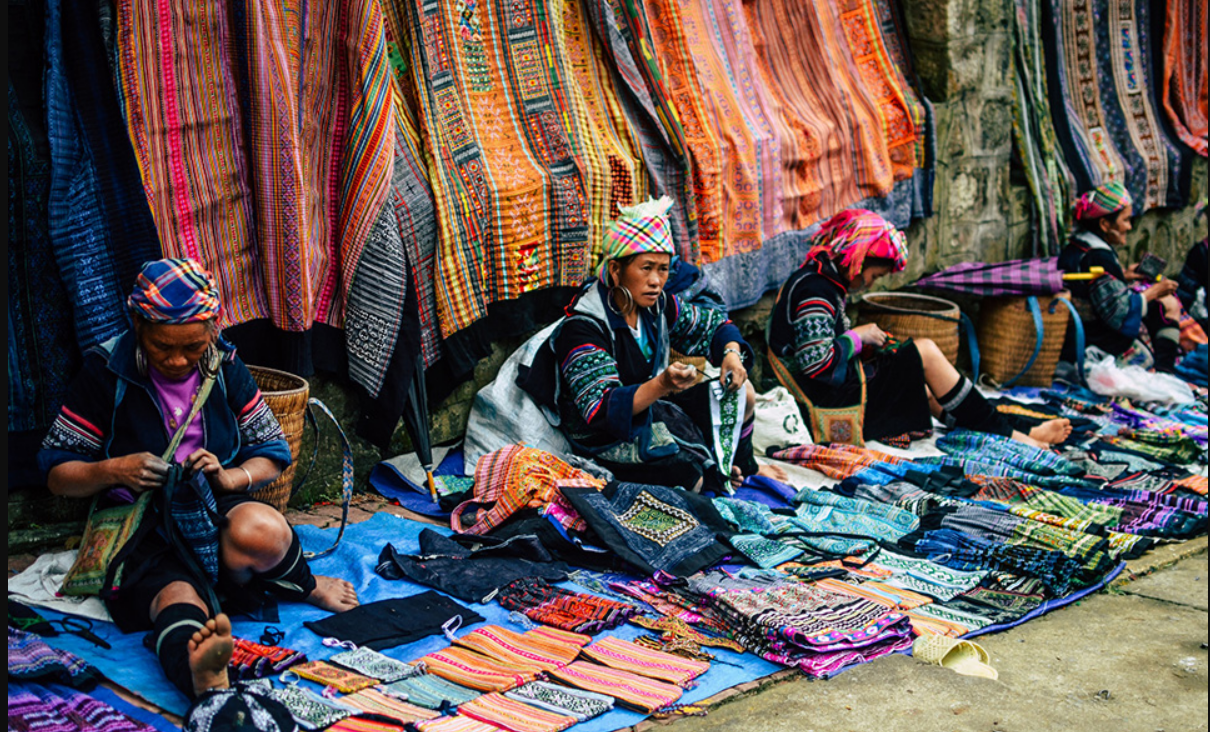
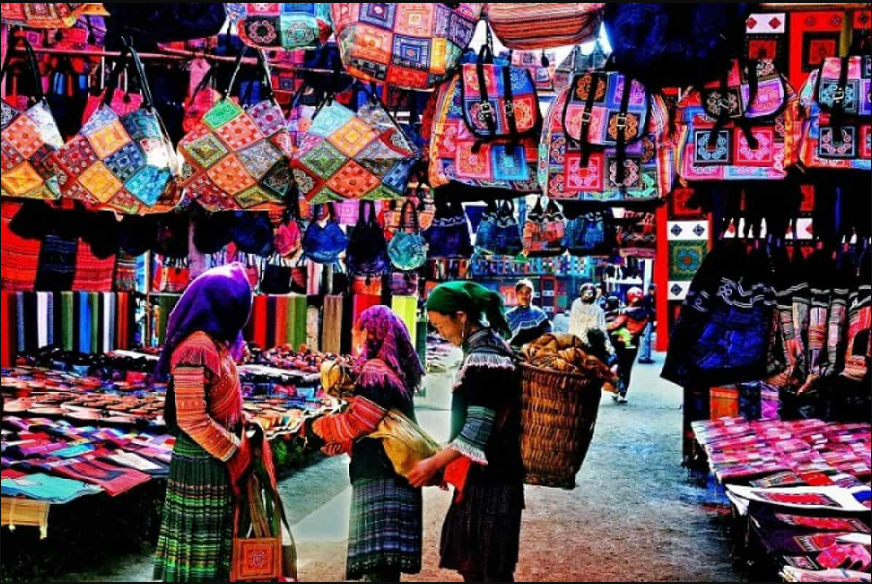
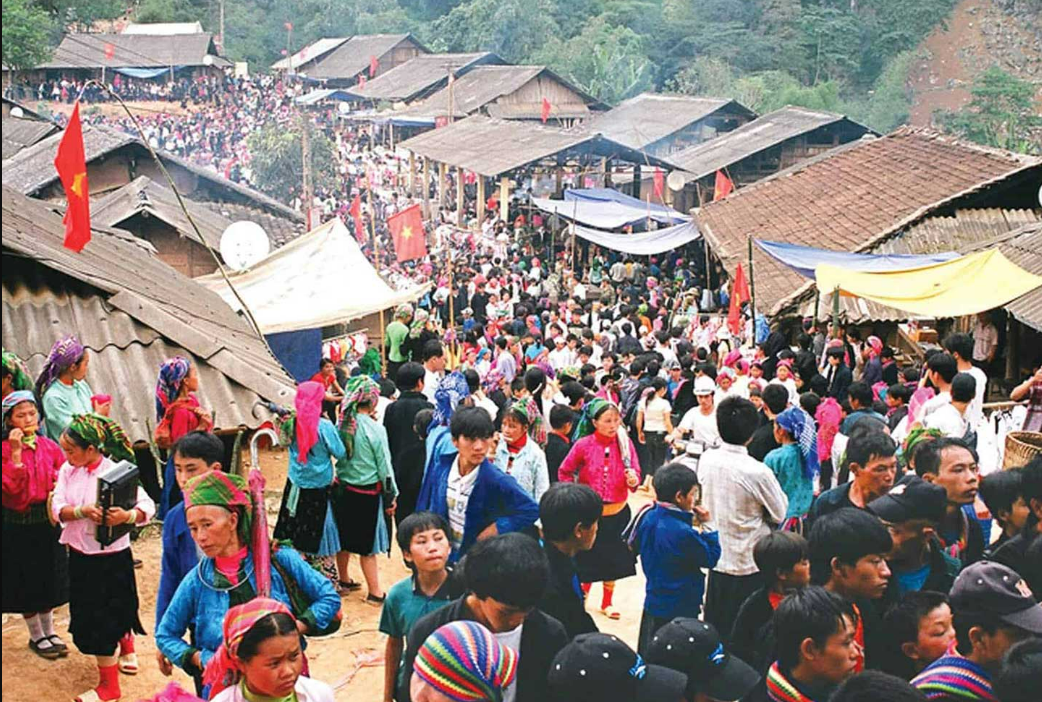
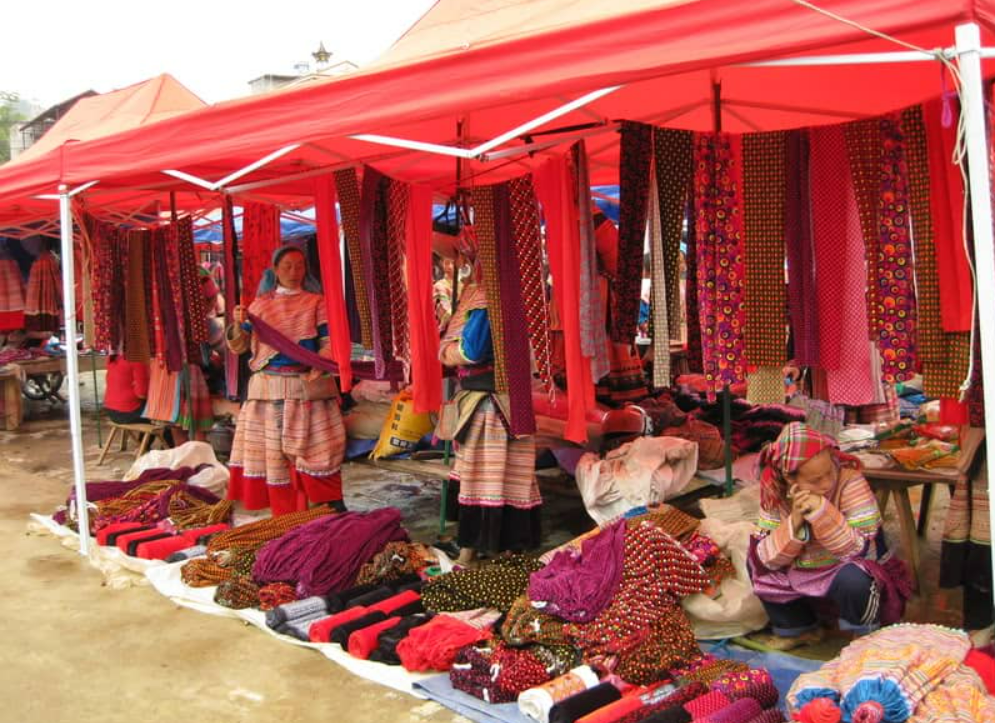
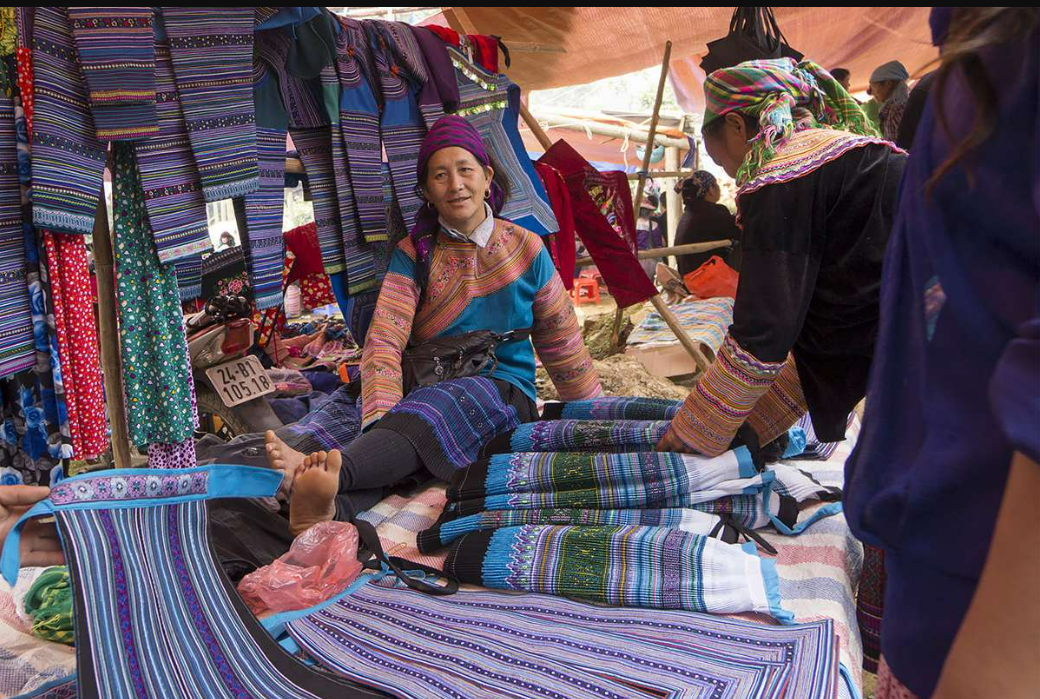
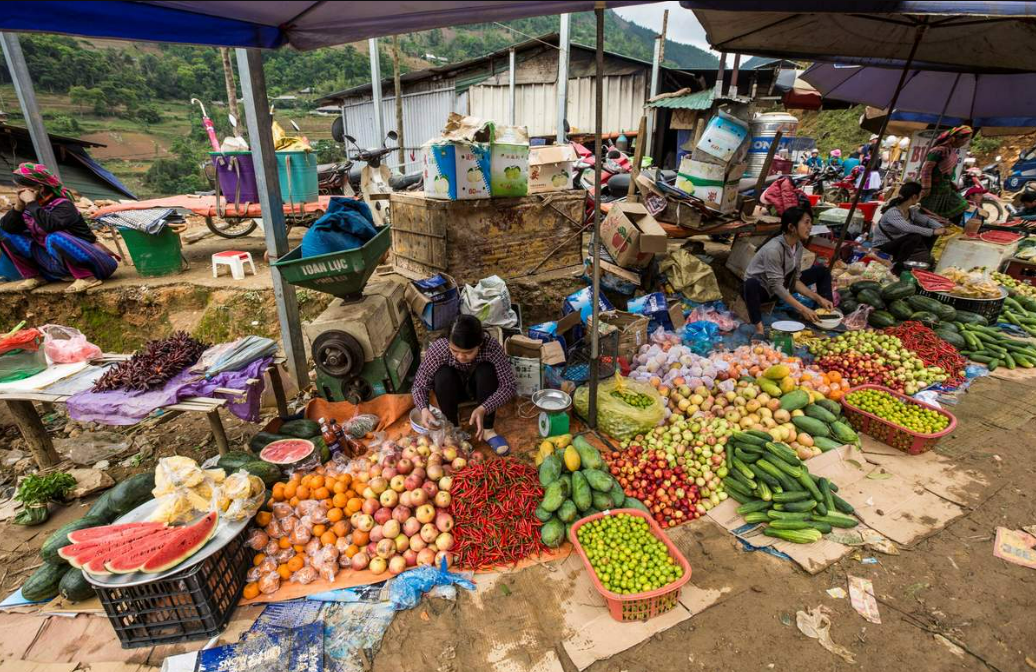
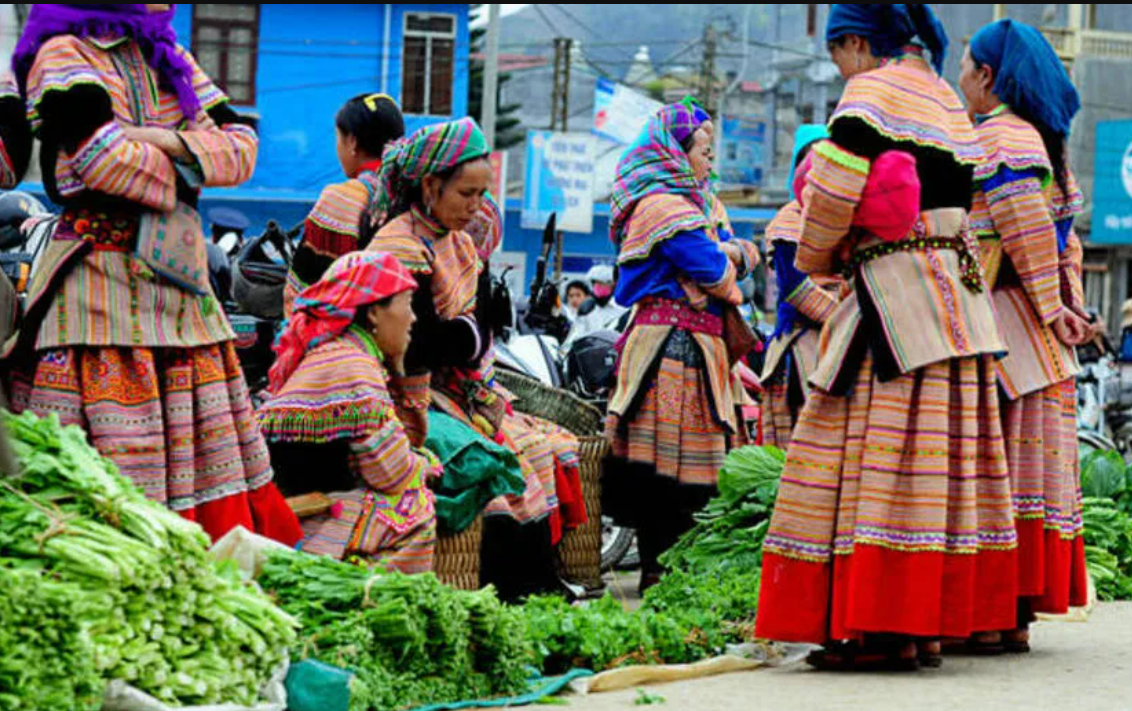
Sapa market is right in Sapa town, about 1,5km from Stone Church. Opening every day for people to buy and sell products, it is the most popular and touristic market. The most impressive feature of Sapa market is its unique brocade products in vibrant colors, and subtle patterns of the H’Mong, Dao Do, and Giay. On the other hand, such products as fruits, vegetables, and spices are also favorite goods of tourists.

Every Saturday night, Sapa Love Market would be operated, a place for young men and women from other villages come find partners. They show up sentiments and loving gestures through playing leaf-horns, traditional games, singing and dancing basing on special melodies, and if luckily, they might become husband and wife. However, due to the influence of the tourism industry, it is no longer a place to find true love; however, you can find something special here.

Time: Every morning (*Sapa Love market opens on Saturday night only)

  1. Coc Ly Market

Coc Ly is a colorful market in a mountainous area where the Nung, Tay, Black Zao and H’mong ethnic minorities frequently gather every Tuesday. Here you will find a variety of goods from local fruits, vegetables, honey and corn wine to colorful fabrics, clothes and embroidered items, horses, cows and buffalos. For ethnic locals, going to market is an interesting activity which is an important chance for them to sell and buy products, to meet friends and exchange information, to date and find partners.

Time: Every Tuesday morning
Distance from Sapa
: 80 km

  1. Sin Cheng Market

On every Wednesday, Sin Cheng market (100 km from Lao Cai Railways Station, or nearly 40km from Bac Ha Town) offers the opportunity to discover a colorful gathering point of many local minorities such as the Flower H’mong, Tay, Nung and Thu Lao.

This market is not only a place for people trading local products like buffalos, horses, vegetables, herbs, clothes…. but it is also a socialized place for the young people to meet and find partners, for the old to get away from life’s struggles, and for men to enjoy the traditional corn whiskey with their old buddy.

Time: Wednesday morning
Distance from Sapa
: 130 km

  1. Cao Son Market

Cao Son is a small market of 4 ethnic minorities of Mong, Phu La, Dao and Black Han living in Muong Khuong district. Opened every Wednesday, this colorful market is set among majestic rolling mountains, terraced rice fields and mighty Chay river. Coming here, you will have opportunity to interact with local people, see how they exchange local goods and learn about their cultures. Like other local markets, the main products in Cao son include vegetables, herbs, honey, corn wine, household items, jewelry, brocade fabric, etc.

Time: Wednesday morning
Distance from Sapa
: 90 km

  1. Lung Khau Nhin Market

Located close to the border with China, about 80km from Sapa, Lung Khau Nhin market is operated every Thursday, starting around 7.30am and closing in the early afternoon. Compared to the other local markets, Lung Khau Nhin is smaller but older. This market is a place for Black Dao, Giay, Tay and Flower H’Mong groups to exchange agricultural products such as corn, rice, soybean, peanut, vegetables, handicrafts and livestocks.

Time: Thursday morning
Distance from Sapa
: 80 km

  1. Can Cau Market

Can Cau Market is one of the most attractive outdoor markets in Sapa, specializing in cattle trade, or known as the largest buffalo market in the Northwest. This market is only 7km from the Chinese border, so do not be surprised when you see a large number of Chinese traders here. Organized every Saturday, Can Cau attracts many people from several ethnic groups surrounding like Flower H’mong, Black Dao, Red Dao, Tay… come to this market to sell and buy their products from vegetables, honey, rice, herbs, brocade fabrics to several of livestock like pigs, dogs, chickens, horses, etc.

Time: Saturday morning
Distance from Sapa
: 120 km

  1. Bac Ha Market

Bac Ha Market is typically assumed to be the largest and most famous market in Northwest region. The market takes place every Sunday, from 6.00am to 2.00pm but the best time to visit the market is in the early morning. It is so crowded with several ethnic groups such as Flower Hmong, Black Dao, Nung, Tay, Phu La, Xa Fang… They come from the surrounding hills and valleys and have to walk for some hours to take part in the market. Here you can see the local women in their beautiful handmade traditional clothing and colorful scarves focusing on selling and buying their local products such as fresh fruits, vegetables, brocade, homemade wine, etc.

Time: Sunday morning
Distance from Sapa
: 100 km.

  1. Muong Hum Market

Muong Hum market is located in a small valley in Bat Xat district, next to lovely stream and surrounded by majestic mountains. Taking place every Sunday morning, this is a place for Hmong, Dao, Ha Nhi and Giay ethnic people to gather, meet, communicate each other and trade local communities in a very traditional and intimate village setting. Muong Hum is not as famous and touristic as Sunday Bac Ha market so it offers you the authenticity and bring you the true experience of mountainous hill tribe cultures.

Time: Sunday morning
Distance from Sapa
: 45 km.

 Apply For Vietnam Visaapply Vietnam visaApply visa vietnamBook E-visa Vietnambook visa vietnamCheap Vietnam VisaE-visa Vietnamevisa VietnamEvisa Vietnam onlineexpedited e-visaexpedited E-visa to Vietnamexpedited Vietnam E-visaGet a Vietnam visaGet Vietnam Visaget vietnam visa onlineget visa to vietnamget visa Vietnammultiple entry visamy vietnam visaOrder Vietnam E-Visaquick vietnam evisarush vietnam visaUrgent Vietnam VisaVietnamVietnam E-visaVietnam EvisaVietnam touristVietnam travelVietnam vacationVietnam VisaVietnam visa costVietnam Visa ExemptionVietnam Visa for India citizensVietnam Visa For IndiansVietnam Visa for South Africa citizensVietnam Visa In IndiaVietnam visa in South AfricaVIetnam VIsa on arrivalVietnam VIsa onlineVietnam visa provisa for vietnam Visa On Arrivalvisa onlineVisa to VietnamVisa Vietnam

Posted on

Discovery Nam Du Island

Discovery Nam Du Island

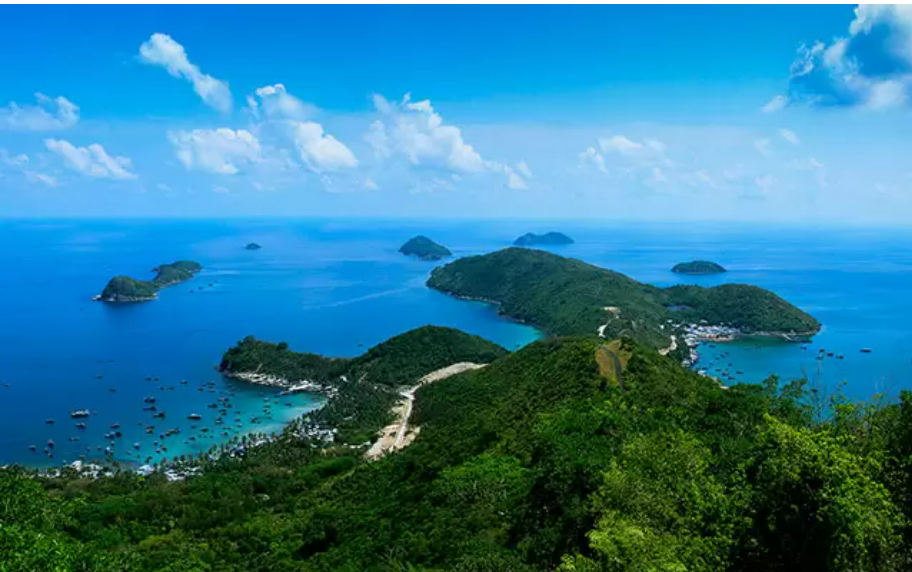
Nam Du Island, around 40 kilometers away from Phu Quoc, is becoming an attractive destination for backpackers heading to the Mekong Delta province of Kien Giang. This pristine island has 21 islets, 11 islets of which are inhabited, while the others remain completely untouched.

>>> Apply Visa to enter to Vietnam <<<

>>> Order Fast Track Service <<<

The immense blue sea and sky, imposing mountains erupting amidst the ocean, endless evergreen primeval forests, long stunning beaches and splendid rock cliffs of Nam Du Archipelago (Quan dao Nam Du – in Vietnamese) in Kien Giang Province have seen it compared to the “New Wonder of the World” – Halong Bay in Quang Ninh Province.

The archipelago stretches over two communes of An Son and Nam Du with a population of 10,000 people working in fishing and sea-related services. Formed from a volcano, it has numerous six-meter creeks which are advantageous for transportation. As it is endowed with high mountains, Nam Du also is suggested as a great spot for offshore fishermen to flee rough storms.

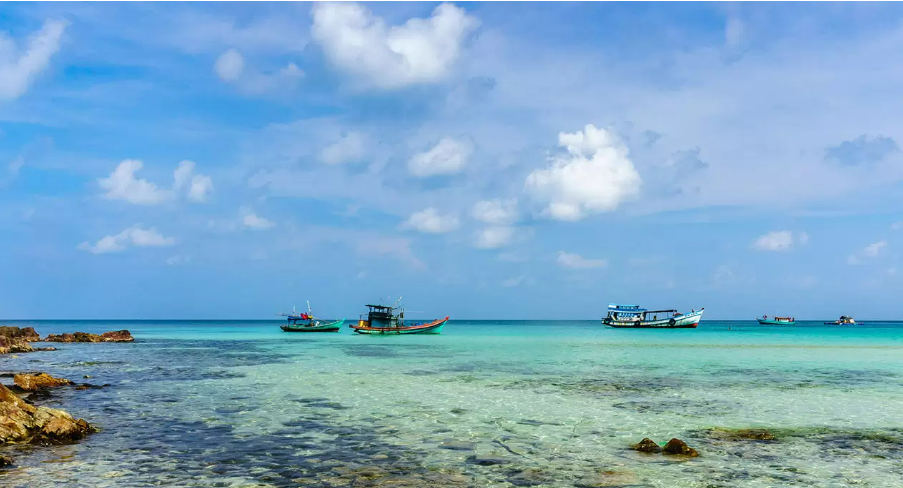
There are two main seasons in Nam Du: dry season (from November to May) and rainy season (from May to October). The rainy season is characterized by rain, and during the peak of this season from July to September, it may have a lot more rain and rough seas. Hence, the best time to visit Nam Du Island is from December to April when the sea is peaceful and turquoise, the temperature is comfortable, and the weather is consistent and sunny.

HOW TO GET TO NAM DU ISLAND

By Plane
You can take a flight from Ho Chi Minh City or Phu Quoc to Rach Gia Airport (Kien Giang Province) and then take a bus or taxi from the airport to Rach Gia wharf to catch a ferry to Nam Du.

Ferry to Nam Du Island from Rach Gia
At the Rach Gia ferry wharf, you can take Phu Quoc Express Boat, Superdong Speed-boat or Ngoc Thanh Ferry to Nam Du Island. The Phu Quoc Express Boat and Superdong Speed-boat are efficient, orderly, air-con and comfortable. Seating is assigned and you get a bottle of water, a refresher towel and entertainment on flat-screen TVs.

FerryRouteDepartureArrivalAdultChild
Phu Quoc Express
VIP Catamaran
Rach Gia – Nam Du6:30
——-
11:45
8:30
——-
13:45
250,000 VND200,000 VND
Nam Du – Rach Gia9:00
——-
14:30
11:00
——-
17:30
Ngoc ThanhRach Gia – Nam Du7:309:45205,000 VND145,000 VND
Nam Du – Rach Gia12:1514:30
SuperdongRach Gia – Nam Du7:209:50210,000 VND150,000 VND
8:4511:15
Nam Du – Rach Gia11:0013:30
11:5015:20

GETTING AROUND NAM DU ISLAND
By Boat
: To explore the surrounding islands like Hon Lon and visit some beautiful places, you can rent a private boat or join in a group. Find a boat of the local people at the main pier on Hon Lon Island.

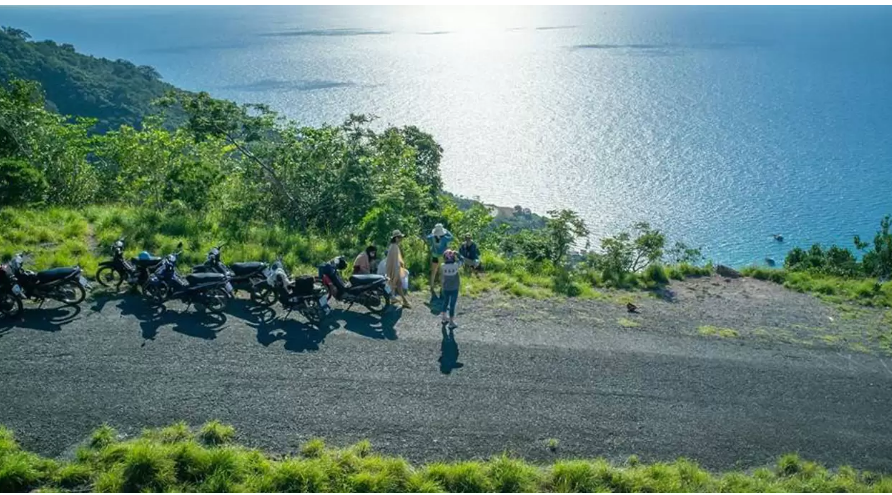
By Motorbike: The main road to Hon Lon Island is paved and you can rent a motorbike from your motel/guesthouse for about 150,000 VND – 200,000 VND per day. One of the most memorable things to do in Nam Du Island is to ride around the coast at sunset. The scenery is so stunning, and the ocean sunset is absolutely gorgeous.

By “Xe om”: You can also hire a motorbike taxi driver to visit some of the popular sites on Hon Lon. Sometimes, they will be a tour guide showing what and where you should visit on Nam Du Island.

ACCOMMODATIONS ON NAM DU
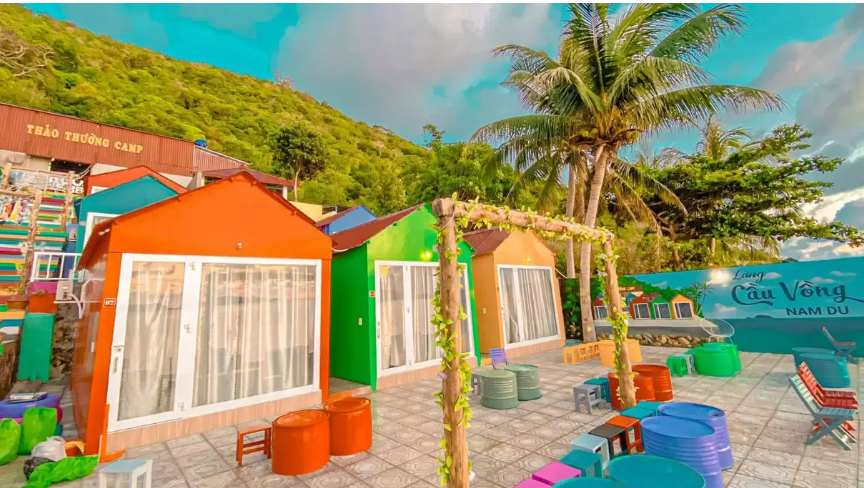
Almost hotels, guesthouses in Nam Du Island are motel and they are still basic. There are two ways to spend your night on Nam Du Island, rent a hotel’s room or choose homestay with the locals. For those who like experience, you can rent a tent in beach to spend your night.

The majority of the accommodation options in Nam Du are available on Hon Lon Island. They range from simple guesthouse to motels and price vary from 100,000 VND to 500,000 VND per night. You should check and book a room in advance, especially on the weekends. To enjoy the sound of sea waves with an ocean view, you can book a room in Phuong Vu Hotel (outside of Cu Tron Town), Humiso Resort, Thao Thuong Camp, Kim Yen Motel, Thuy Diep Motel and Sau Co Motel in Hon Lon Island.

Camping on Nam Du Island is also popular for tourists who want to have a special experience. Hon Dau Island is the most suitable beach for overnight cause of coconuts and long sandy beach, price for rent beach is 30,000VND and 40,000VND per night for rent a tent.

KEY SITES
Hon Lon Island
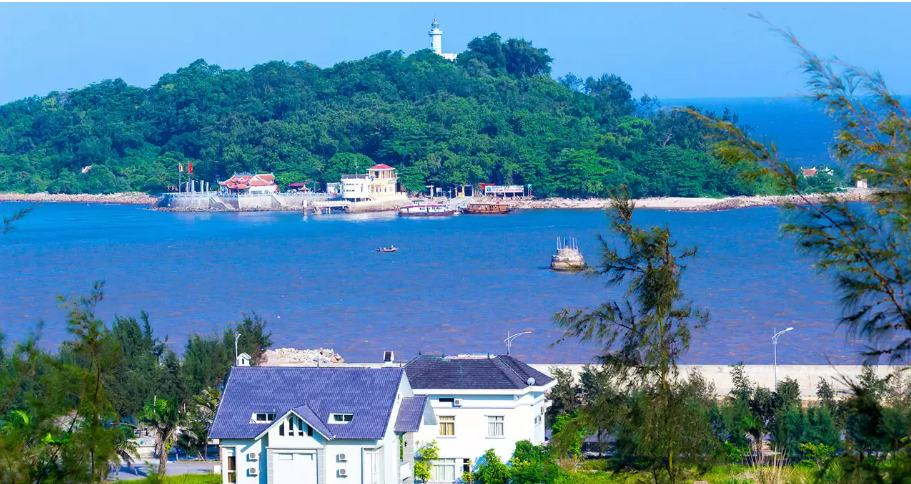
Hon Lon, also known as Big Island, locally called Cu Tron islet, is Nam Du’s largest island on Nam Du, where you can find most accommodations, restaurants and the ferry dock. Hon Lon Island is famous for its lighthouse, a restricted military zone and has some stunning beaches: Dat Do Beach, Nhun Beach, Men Beach and Mam Beach. And Men Beach is the most beautiful one of Nam Du Archipelago with green row of coconut, white sands and blue sea.

Hon Dau Island
A must-see location is Dau Islet, which is 95 percent forest and also boasts shady, picturesque coconut gardens, simple yellow sand beach. Tourists should take a boat trip around the whole archipelago, cruising along Nom Ngoai, Dam, Hang, Moc, and Tre islands’ beautiful rocky beaches.

Hon Ngang Island
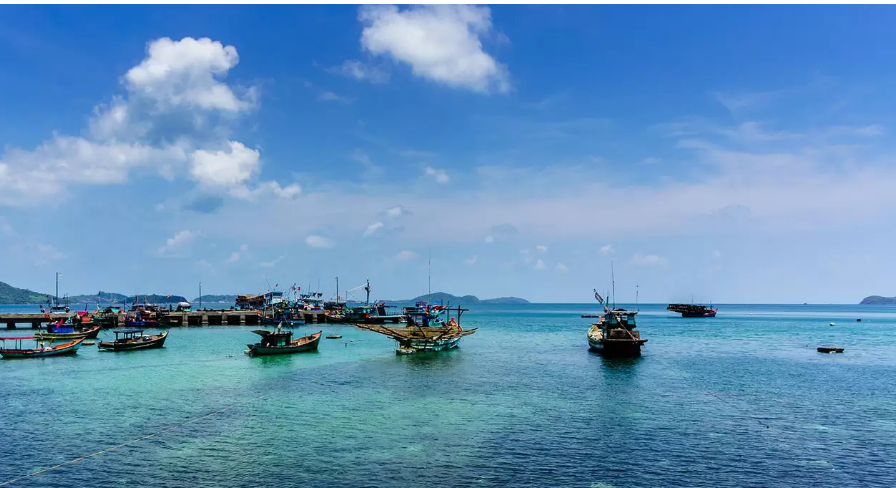
Hon Ngang is the center island of Nam Du, where most of the people live. It takes 30 minutes to get here from Hon Lon by boat. There is no means of transport on this island, you have to walk around to explore the island, visit the pier to see a sea inundated with fishing boats and fish farms for a photo opportunity. Tourists can also rent a room in the local’s guesthouse for an overnight stay.

Hon Mau Island
Mau Island is about 2 square kilometers and has a small fishing village with a hundred households. This is famous for beautiful beaches lined with coconut trees and Chuong beach is the best because it is the only real white sand beach. Other beaches are Nam beach, Nom beach, Da Den beach and Da Trang beach. Hon Mau is rapidly expanding to accommodate the tourist surge and there is now a sizable community found on the island that cater to the growing tourism sector.

Hai Bo Dap Island
Hai Bo Dap is an uninhabited island that is surrounded by coral. Most island hopping tours stop here for camping, swimming, snorkeling and fishing. One of the unique features of this island is its natural bridge that connects two islands together to form Hai Bo Dap. This natural sea bridge can only be seen at low tide.

WHAT TO EXPLORE ON NAM DU ISLAND ARCHIPELAGO
Trekking and Hiking

For people who love some sport activities, trekking to Nhum Beach is a great experience, you need to hike along a small trail, pass the towns fresh water supply source, and down through a densely forested area teeming with wildlife. The trail eventually leads to a rocky beach and the best time to hike this trail is before sunrise.

Snorkelling
Nam Du Archipelago is plentiful marine life and coral reefs, and Hon Dau Island is a perfect destination for diving, snorkelling that offers you a discovery of the colorful world of wonderful coral reefs. You can snorkel from shore, join a tour, or charter your own boat and don’t forget to bring your swimsuit and your swimming goggles.

Sunrises and sunsets
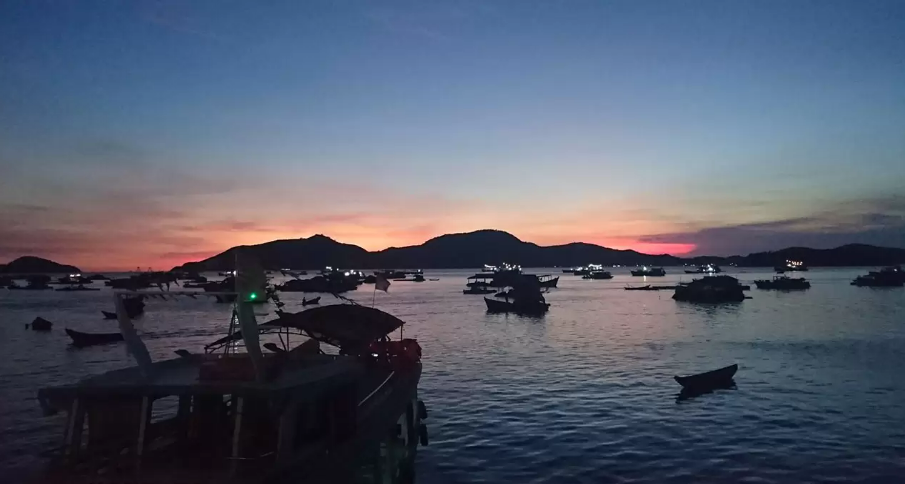
Nam Du’s Ocean sunrises and sunsets are some of the best you will ever see in Vietnam and since the island is so small you can actually watch from a single location. The pier at Hon Lon Island is a perfect spot to watch the sunrise right behind Hon Dau Island. Be sure to keep an eye out above to spot the few hawks in the area. Meanwhile, sunset along the coastal road on Hon Lon Island is breathtaking. Stop anywhere along this road and watch an amazing ocean sunset.

Fishing and foraging on Nam Du
You can either fish from the main pier, commission a small boat, or rent a boat. There are also night squid and baby octopus fishing excursions that may be of interest to you. You can also forage for your own food as all the Nam Du Island are blessed with many wild edibles and seafood such as sea snails, oysters, clams and sea urchins.

Nam Du Lighthouse
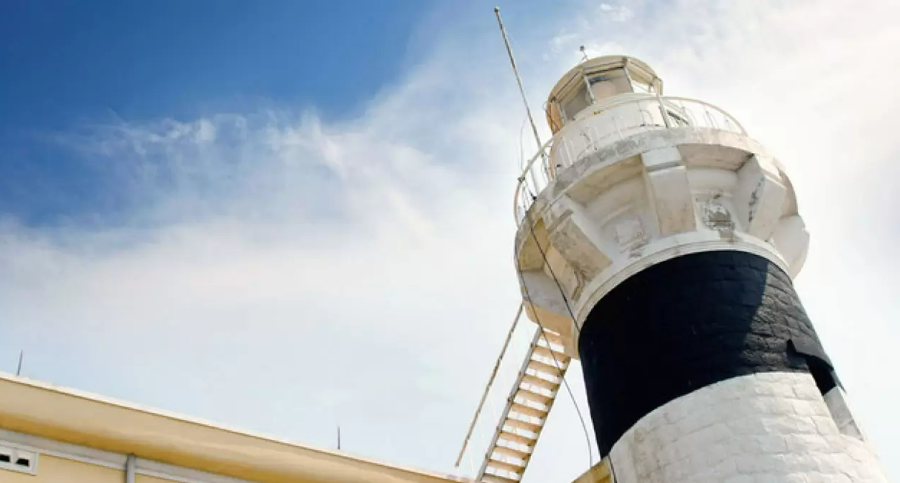
Nam Du Lighthouse is located on the top of Hon Lon Island, 300 meters above the sea level and it is considered to be the highest lighthouse in all of Vietnam. With this height, tourists can see the most beautiful panorama of Nam Du island. However, it is a restricted military zone and most visitors to Nam Du will not be able to visit it without “tipping” someone or being invited by the military.

Temples and pagodas
There are two colorful temples called Mieu Ba Chua Xu and Ngu Thanh Mieu. Mieu Ba Chua Xu is near Tret Beach having a beautiful statue of Ba. Ngu Thanh Mieu is near Bai Ngu, worships whales and you can see their bones on display.

Nam Du Island discovery tour
Discover the Nam Du Archipelago by joining a full or half day tour of the Nam Du Islands. The itinerary for these tours consists of visiting the popular islands, swimming at calm bays, snorkeling in areas that have good coral, and visiting Nam Du’s best beaches. There are 2 tours available, a full day tour or half day tour so you should consider with your schedule.

SPECIAL FOODS ON NAM DU ISLAND
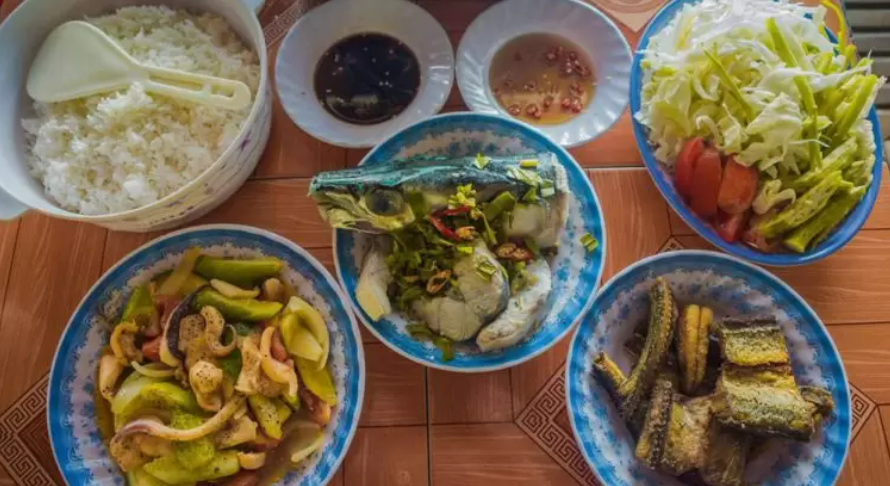
Nam Du Island specialty dish is Blue bonefish or “Xuong Xanh”, as this green colored fish is quite abundant in and around the Gulf of Thailand. It is of served grilled or a dried version is fried.

Grilled scallop with fat and onion
Scallops are a popular seafood with delicious ivory flesh without toughness, suitable for both fried and roasted, and is one of the materials to be processed into a variety of delicious and nutritious dishes such as: fried scallop with salt and pepper, grilled scallop with fat and union.

Steamed squid with ginger
During the breeding season, squids contain many eggs, for more than 70% of a squid. With Squid eggs, you can make many a tasty dish like: fried squid eggs with chili fried ruffled squid, but the most striking is still steamed squid with ginger.

PERMITS FOR FOREIGNERS
Nam Du is a popular tourist attraction among Vietnamese people. Foreigners are only allowed on the island with a permit. Foreigners need a valid passport, visa, residence papers and “permits for entry into maritime boundary areas issued by provincial-level public security departments” to go to Nam Du Island. However, Nam Du is off limits to foreigners because Nam Du businesses cater to mainly “package tourists and tour group”, please check for foreigner’s permission information to travel to Nam Du, which is best worth to spend your beach holiday when you want to extend your trip.

 Apply For Vietnam Visaapply Vietnam visaApply visa vietnamBook E-visa Vietnambook visa vietnamCheap Vietnam VisaE-visa Vietnamevisa VietnamEvisa Vietnam onlineexpedited e-visaexpedited E-visa to Vietnamexpedited Vietnam E-visaGet a Vietnam visaGet Vietnam Visaget vietnam visa onlineget visa to vietnamget visa Vietnammultiple entry visamy vietnam visaOrder Vietnam E-Visaquick vietnam evisarush vietnam visaUrgent Vietnam VisaVietnamVietnam E-visaVietnam EvisaVietnam touristVietnam travelVietnam vacationVietnam VisaVietnam visa costVietnam Visa ExemptionVietnam Visa for India citizensVietnam Visa For IndiansVietnam Visa for South Africa citizensVietnam Visa In IndiaVietnam visa in South AfricaVIetnam VIsa on arrivalVietnam VIsa onlineVietnam visa provisa for vietnam Visa On Arrivalvisa onlineVisa to VietnamVisa Vietnam

Posted on

Perfume River in Hue, Vietnam

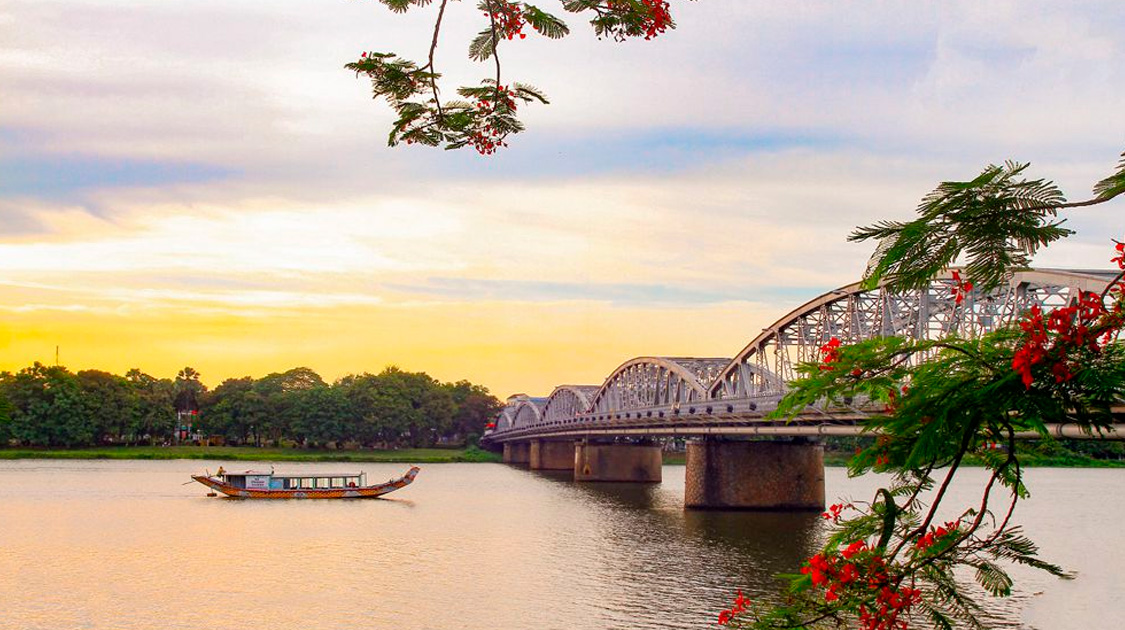
A visitor to Hue once remarked after his vacation here: “A visit to Hue would not be complete without a boat excursion on the gentle Perfume River, or else you cannot feel the romance of Hue”. The Perfume River (Vietnamese: Sông Hương or Hương Giang) is a river that crosses the capital city of Hue, in the central Vietnamese province of Thua Thien Hue. Perfume River or Huong River is around 80 kilometers long, and owes its name to the fact that it flows through many forests of aromatic plants before reaching Hue, bringing with it a pure and fresh aroma.

The Origin of Perfume River

The Perfume River has two sources, both of which begin in the Truong Son Mountain range and meet at Bang Lang Fork. The Ta Trach (Left Tributary) originates in the Truong Dong mountains and flows northwest towards Bang Lang Fork. The shorter Huu Trach (Right Tributary) flows through the Tuan ferry, landing towards Bang Lang Fork.

Then it flows in south-north direction passing the temples of Hon Chen and Ngoc Tran, and  turns north-west, meandering through the Nguyet Bieu and Luong Quan plains. From this, the River then continuously flows int the north-east direction to Hue city, only an echo of Truong Son mountain, and passes the rest place of the Nguyen Emperors. The river of green water continues its itinerary, passing Hen Islet and various villages, crossing the Sinh junction, which is known as the capital of ancient Chau Hoa, before emptying into the Tam Giang Lagoon.

From Bang Lang to Thuan An estuary, the Perfume River is 30 km long and runs very slowly (as the river level is not much above sea level). The Perfume River darkens as it winds along the foot of Ngoc Tran Mountain – home of the Jade Cup Temple – where there is a very deep abyss.

Artist Inspiration of Huong River

The poetic romantic Perfume River is the deep inspirations to numerous artists, poets, and composers;

                                             “Who turns to Hue

                                                  Who comes back to Ngu Mount

                                                  Who comes back to Huong River

                                                  The river water never sinks

                                                  Ngu Mount birds fly back to friends

                                                  Whoever are children of Hue remember to return…”

are the beautiful lyrics of a famous song, “Who comes to Hue”, written by Duy Khanh. In the autumn, flowers from orchards upriver from Hue fall into the water, giving the river a perfume-like aroma, and a beautiful poetic view. I have asked several artists about the reason for their inspiring love for Perfume River, and received nearly the same answer: “Well, my inspiration derives from the pure water, the fascinating landscape, and the gentle bridge over the river”.

What to Do at Perfume River?

1.Boat along the River

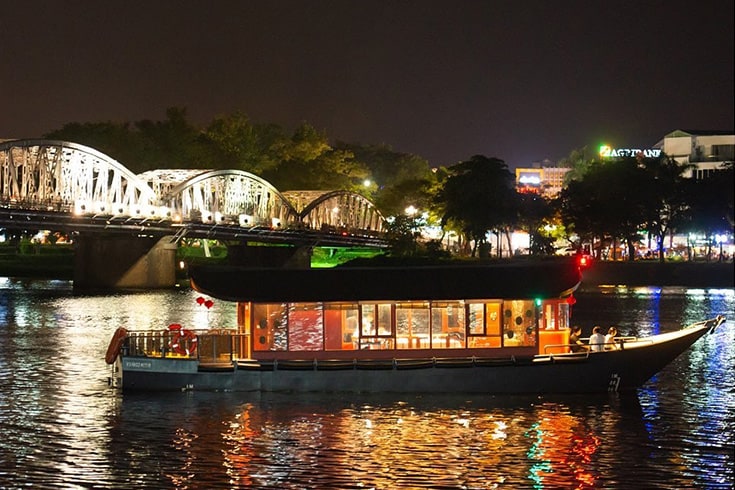
Today, travellers coming to Hue could not miss a while of boating along the river. Most of them admit that this is one of the most beautiful and extremely splendid riverside landscape (especially at night when lights are on) that they have ever visited!

2.Visit Some Nearby Hue Attractions

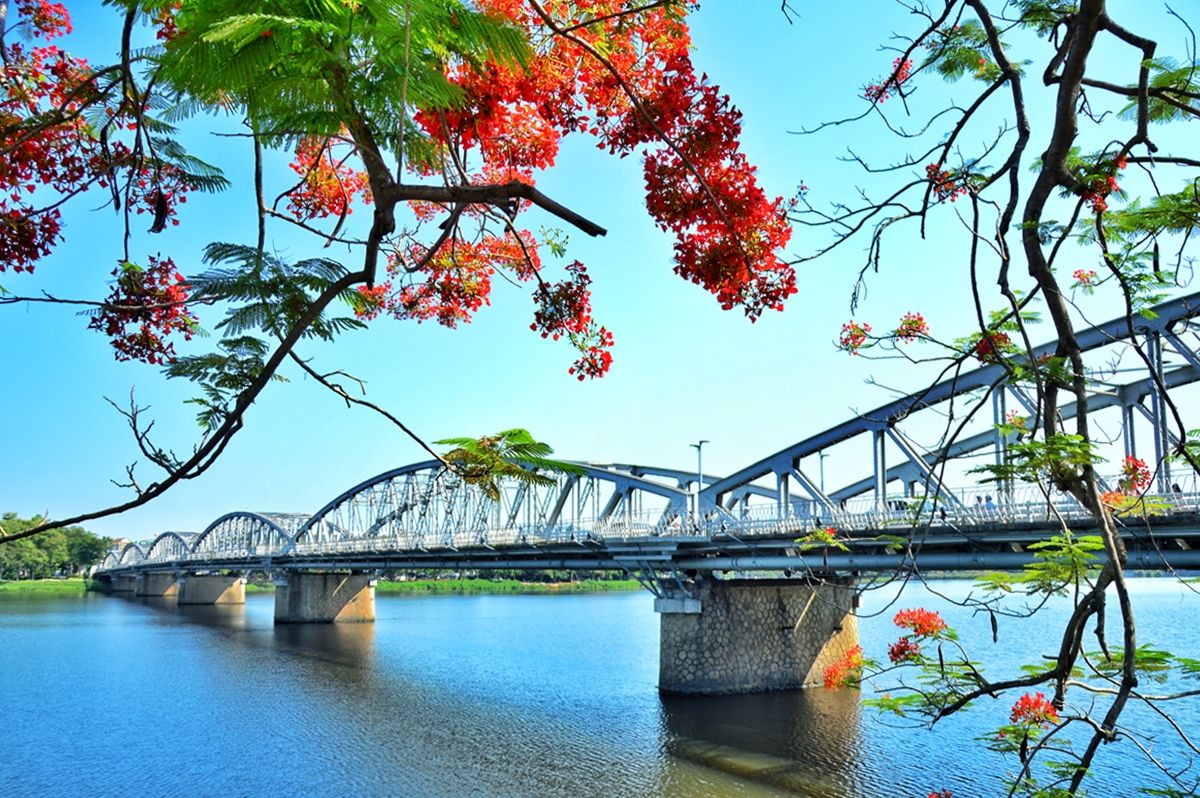
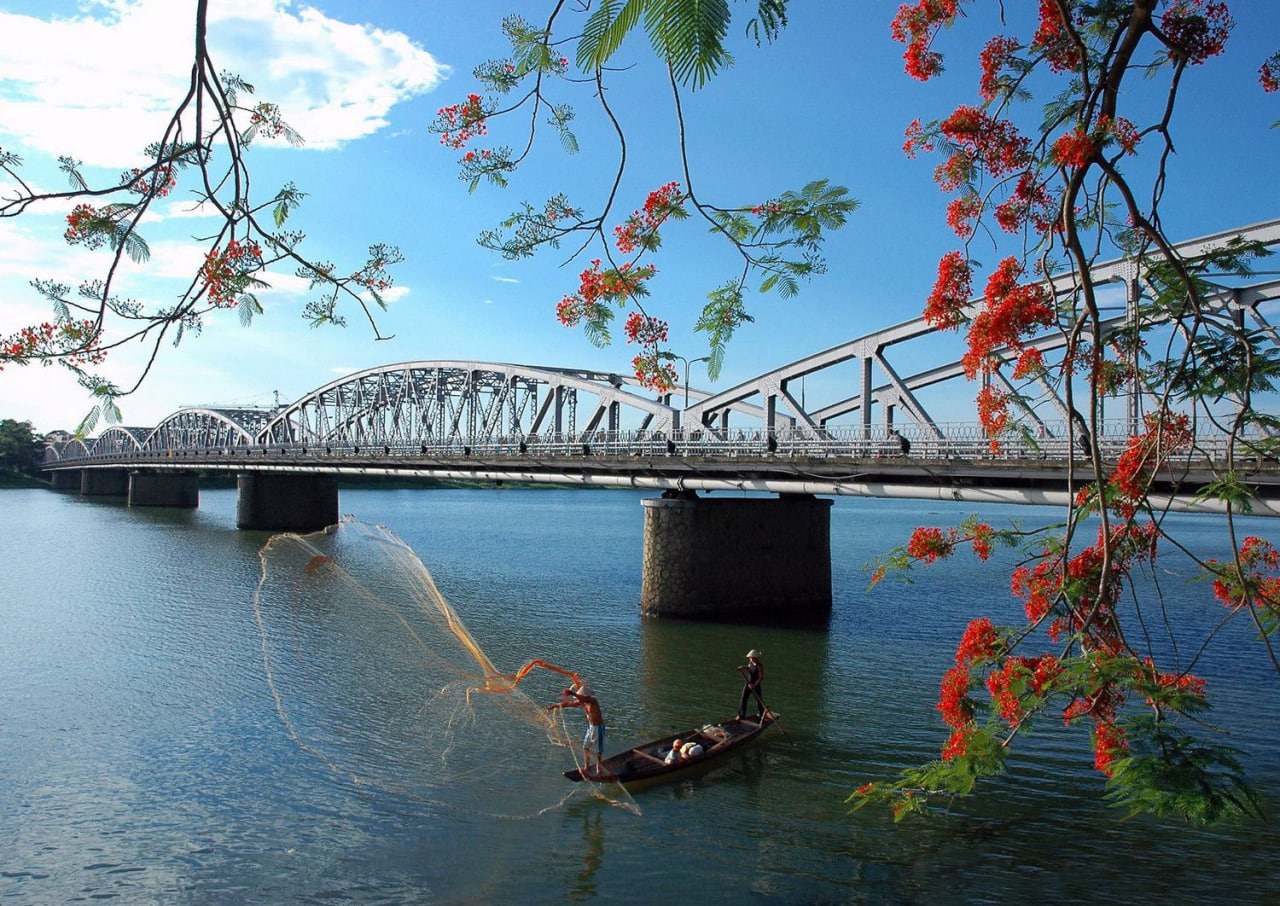
As mentioned, the river flows through a series of beauty-spots, taking visitors to every corner of the ancient citadel when you travel by boat. Along the river, you can visit Da Vien, Phu Xuan, and Truong Tien Bridge, come to the Tomb of Minh Mang, Hon Chen Shrine, Thien Mu Pagoda, and finally to bathe in the sea. Upstream, at the Tomb of Thien Tho, you can hear the rustling of the pine tree, which may help you become a… poet!

When the night comes, the surface of the river glistens under the moonlight, and the songs of the boat rowers can be heard breaking the silence. Just come here and you will feel the pure atmosphere of romance and beauty!

As one of the most popular attractions in Hue, a boat ride or cruise on the Huong River in Hue is included in a lot of classic Hue city tours or day trips. Pick the most suitable itinerary for you and start exploring the beauty of this poetic river and city today!

Make your plan to Vietnam right now by apply a Vietnam visa at vietnamvisapro.net. We, a reputable and reliable Visa service, will assist you turn your plan into reality at the very first step
Posted on

Top 7 Best Markets in Ho Chi Minh City

For the shopping enthusiasts and first-time visitors, the best markets in Ho Chi Minh are must-visits place. Mostly located in District 1, these markets bring you a brand new shopping experience, totally different from the supermarkets and commercial malls you have visited. So what market in Ho Chi Minh should you visit? Let’s take a look at this list of 7 best markets in Ho Chi Minh City, Vietnam.

1. Ben Thanh  Market

Why go: Ben Thanh market is the most popular name when mentioning about shopping. As the biggest market in HCMC, you can find all the stuff you need right here in District 1. It’s a great place to buy branded goods, handicrafts, Vietnamese art, and souvenirs. It is so big that you may find it difficult to navigate at times but worth your visiting. If you are not going to buy anything and tired of bargaining too much, let’s find eating stalls inside the market. You can simply cool off with a cold drink or get a taste of hawker-style Vietnamese cuisine. Especially, the market becomes more vibrant when night falls. All the restaurants around the market open their doors welcome the guests with the mouth-watering scents of fried noodles, barbecued fish and meats. It is totally on top 1 market for enjoying the authentically Vietnamese market.
Insider tip

  • If you go in the early morning, you can get a better price as some traders offer “morning price” to bring them luck.
  • If you are not a local, the price is often inflated up 2 or 3 times than normal. So, you can try to bargain and just haggle your way down.
  • If you don’t want to buy anything, then just look for a moment and walk along. Do not touch the items and put it down. The vendors don’t like it.

Location: Ben Thanh, District 1, Ho Chi Minh City
Opening hours: Daily 6:00 am – 00:00 pm

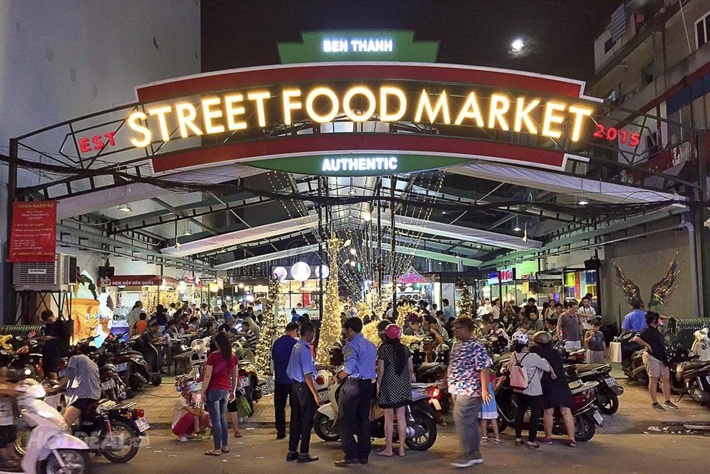
2. Ben Thanh Street Food Market

Why go: Ben Thanh street food market is a highlight in Ho Chi Minh City as a food heaven. For food lovers, it is a must-visit place to enjoy a wonderful dining experience with tasty specialties from many countries as well as tasty dishes from all regions of Vietnam. Also, the guests can discover the hustle and bustle of nightlife in the heart of Saigon at the same time. Some traditional Vietnamese dishes you should try: bun ca Long Xuyen (noodles with fish), bun mam (noodles with broth made of fermented fish), com tam la sen (Vietnamese broken rice wrapped in lotus leaf), chao tom (grilled shrimp mousse on a sugarcane stick), and grilled seafood. The price is very cheap, starts at VND 25.000. The Thai, Japanese, Korean, and Indian dishes are also easy to find in this street food market.

Insider tip: At high times, the market usually lack sufficient seating. So, it is better to avoid the lunchtime and dinner time.

Location: 26-28-30 Thu Khoa Huan Street, District 1, Ho Chi Minh City
Opening hours: 10:00 am – 09:00 pm

3. Binh Tay Market

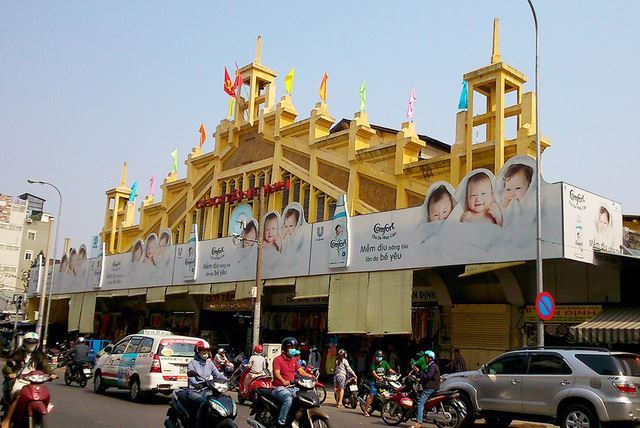
Why go: Binh Tay market is located in the center of the largest Chinatown district in Vietnam. Constructed by the French in the 1880s, it is a great example of French architecture. Unlike Ben Thanh Market, this market mainly provides the Saigoners with its wide range of fresh fruits, poultry, vegetables, meat and seafood from all regions of Vietnam. Also known as Cho Lon Chinatown Market, it is a two-storey building along Thap Muoi Street. Though the goods are not as various as other markets in downtown Hanoi, you can find an assortment of handicrafts, textiles, and lacquerware here. Apart from the interesting cultural and historical aspects, Binh Tay market also attracts the customers for experiencing the local lifestyle and sampling delicious unique Vietnamese-Chinese delicacies.

Insider tip

  • While you are walking around Binh Tay market, be careful of your belongings. Especially when you are taking photos, be cautious and don’t be too attached to anything you take with you.
  • It’s better to visit the market in the early morning to buy the fresh food such as meat and seafood in outdoor wet market. The fresh food is the best to create a delicious meal.
  • Significantly influenced by Chinese culture, some popular dishes you should try include: Chinese-style roast duck, black chicken braised with Chinese medicine, Pha Lau (pig’s organs), and fish curry.

Location: 57 Thap Muoi, District 6, Ho Chi Minh City
Opening hours: Daily 07:00 am – 06:00 pm

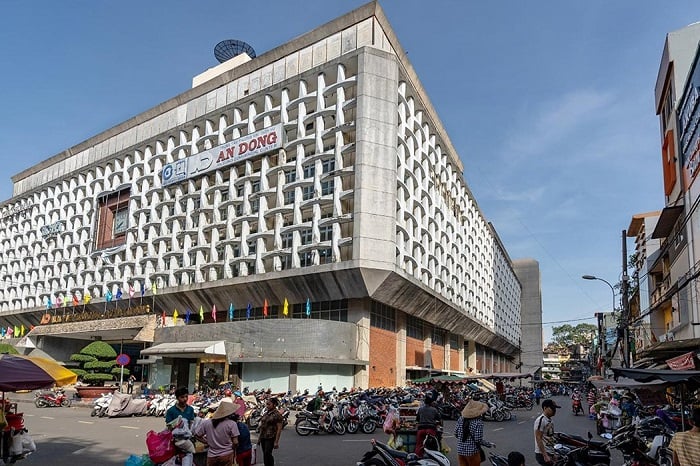
4. An Dong Market

Why go: Compared to other markets, An Dong Market has its reputation for the variety of fashion wholesalers and handicraft stalls. Located in District 5, An Dong Market occupies a four-storey indoor market and it only takes around 10 minutes to drive from downtown Ho Chi Minh City. The market is an ideal place for fashion enthusiasts because you can find a huge collection of textiles, apparel, handbags, and accessories on the first two floors and quality knitwear, trinkets, and woodwork in the top floor. The ground floor also has several stalls where you can enjoy traditional snacks, desserts, and bulk food for less than USD 1. Some recommended food to enjoy here: pho, banh xeo, goi cuon, and mi quang.
Insider tip: For an interesting contrast, let’s check out An Dong Plaza which is just next door to An Dong Market. It’s a modern and convenient shopping center. If you can’t find something in the market, you probably can find it in the Plaza but at a higher price.

Location: An Duong Vuong Street, District 5, Ho Chi Minh City
Opening hours: Daily 08:00 am – 02:00 pm

5. Tan Dinh Market

Why go: Built in 1926, Tan DInh market serves as a historical monument and also a well-known shopping location for both local people and newcomers. If you want to have a look at the Vietnamese food heaven, Tan Dinh should be on your itinerary. You can taste many different kind of food, really good food. We especially recommend “bun rieu”- one of Saigon’s signature dishes and sea snails. Besides, you can also immerse in colorful local silks in sophisticated patterns as you walk into the main area of the building. Although fabrics and food are Tan Dinh market’s specialties, the market contains a lot more commodities to make your routine much better: clothing, footwear, fresh produce, household items, accessories,… Many products has good quality but there are other ordinary products as well that you can buy at an affordable price.
Insider tip: 

  • Since the market is surrounded by some bustling streets such as Tran Quoc Toan, Nguyen Huu Cau, and Hai Ba Trung, the traffic jam could get extremely bad especially in the peak hours, so please choose your time wisely.
  • Check out the Tan Dinh Church nearby. The unique building is fully painted pink will probably give you the most memorable snapshots when in Saigon.

Location: 300 Hai Ba Trung Street, District 1, Ho Chi Minh City 
Opening hours: Daily 05:00 am – 05:00 pm

6. Russian Market

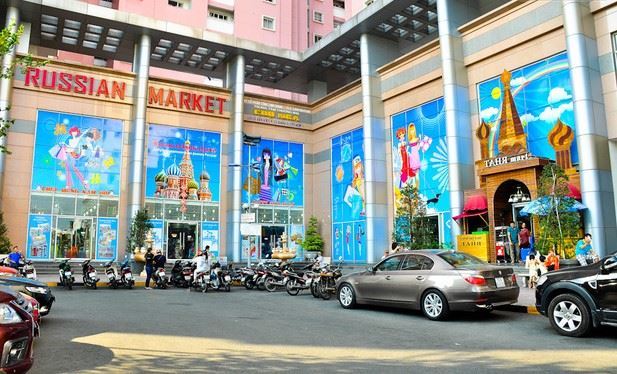
Why go: Located next to Sunland Hotel Ho Chi Minh City, the Russian Market attracts a steady following of expats and tourists from the north of Eurasia. The market is like a miniature of Russia in the center of Ho Chi Minh City. There are a lot of reasons that it becomes a must for you to pay a visit. It offers you a totally different aspect of the city. Much like its name, it brings the Russian atmosphere from the exterior decoration to the inside. The market has 3 floors for trading and packaging. With approximately 2.000 square meters and about 100 booths, the market offers various goods from clothes, shoes to unique souvenirs. The price is so reasonable that you may not need to bargain. And, another interesting thing you can find in this market is that most of the sellers used to study and work in Russia. They can speak several languages like Vietnamese, English, and Russian. They sometimes share their own stories to the customers who they like. 
Insider tip: The sellers in this market know that it’s difficult to make the customers pay, so the price is just a little higher than normal price. So please don’t bargain too much that causes sellers angry.

Location: 328 Vo Van Kiet, District 1, Ho Chi Minh City
Opening hours: 09:00 am – 07:00 pm

7. Dan Sinh Market

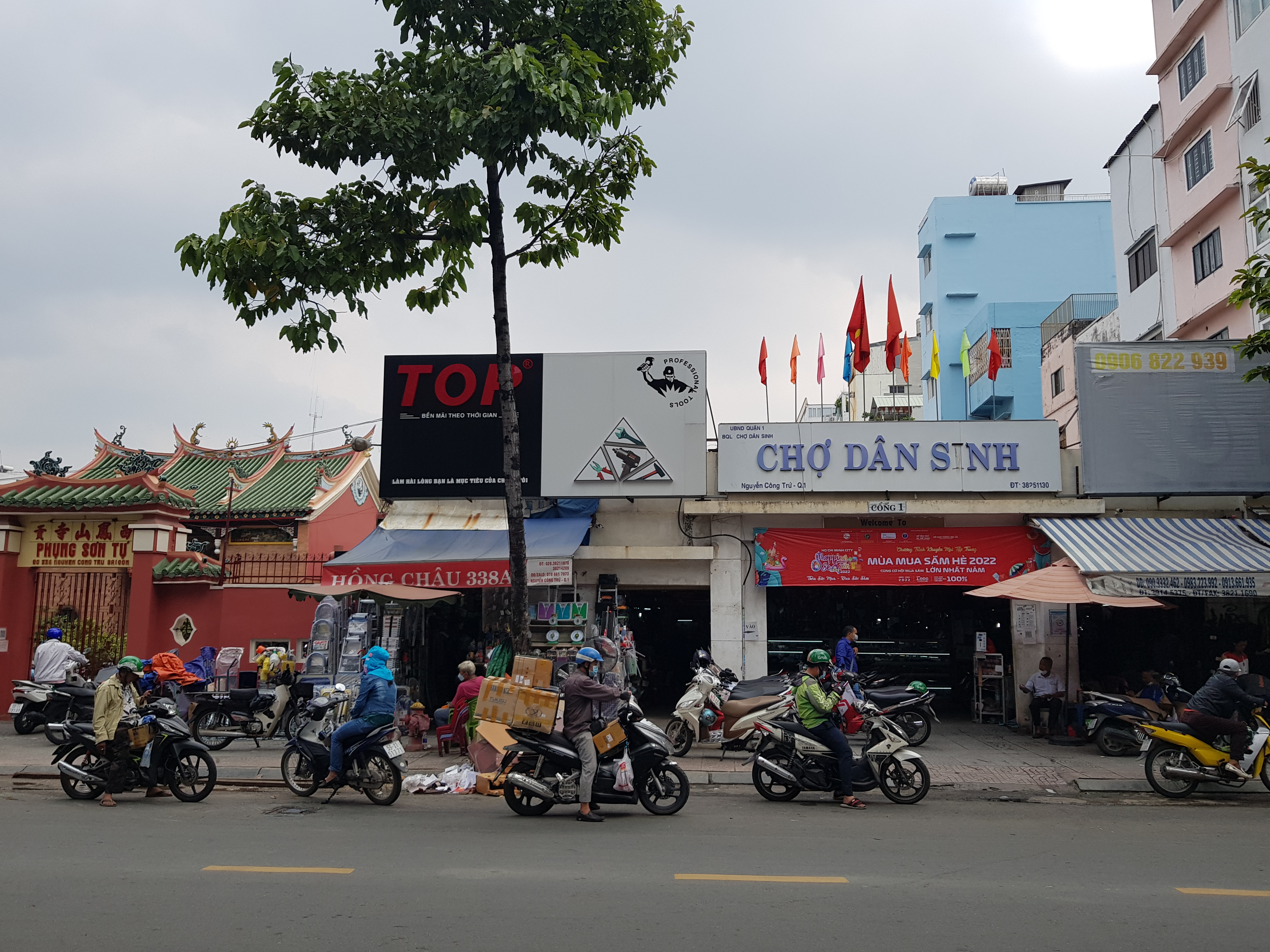
Why go: Dan Sinh Market is so called War Surplus Market. You just need a short five-minute walk from backpacking street to arrive here. The most common goods in this market are related to the Vietnam War from both infantries (the Vietnamese and the Americans). You can buy old zippo lighters, M-17 gas masks, the helmets of fighter pilots, army uniforms, and dog tags. There are also countless stalls selling different types of building materials, household hardware, plumbing pipes, and industrial machinery. And, if you are planning for a camping, this is the place to go to buy useful camping gear like water-resistant clothing, combat tents, rain boots, sleeping bags, and mosquito nets.
Insider tip: Vietnam War has ended since 41 years ago, therefore, it is very challenging to find authentic items. If you are a serious collector, it may be disheartening because more and more sellers admit that the goods are copies or reproductions. The price is always negotiable, so remember to bargain for the best prices.

Location: 104 Yersin, District 1, Ho Chi Minh City 
Opening hours: Daly 07:00 am – 06:00 pm

The above markets are the most popular markets in Saigon. They play a central role in the daily lives of locals, so it will be truly a shopping experience you won’t forget quickly to visit these markets. Make your plan to Vietnam right now by apply a Vietnam visa at vietnamvisapro.net. We, a reputable and reliable Visa service, will assist you turn your plan into reality at the very first step
Posted on

Van Phuc Silk Village Hanoi

Listed as one of more than 1,000 traditional villages in Vietnam, Van Phuc is a silk weaving village with a long history of development. The village captivates visitors not only with its unique embroidery lines and patterns, but also with its most beautiful cultural and historical tradition of the country.

>>> Apply Visa to Vietnam <<<

  1. Overview

Vietnam has a long history of silk production and Hanoi is one of the best places in the country to discover the ancient handicraft. Van Phuc Village, located 10km far from the Hanoi Old Quarter, is renowned for its traditional weaving and premium quality silk products. Like other so called “craft villages”, there’s not a strong sense of tradition here and most of the village has been turned over to modern shops selling silk wares of varying quality and appeal. Shoppers or visitors just need to spend a half-day trip or less to Van Phuc Silk Village that reveals the secrets of traditional silk weaving and offers plenty of opportunities to purchase quality silk products.

  1. History

Some documents & relics say that the weaving of Van Phuc village originated in the 9th century. It was rumored that a local girl gave birth to the rough silk weave with simple, ordinary silk products and the tradition didn’t become flourished until the 16th century, when a lot of premium items had been created with vivid, subtle patterns.

Van Phuc Silk Village once used to select as the tailor taking responsibility for making royal outfit under Nguyen Dynasty in Hue. Between 1931 and 1932 during French colonial, Van Phuc Silk, for the first time, was introduced worldwide in international exhibitions in Marseille and Paris. Since then, French clients have paid special interest in Van Phuc Silk. From 1958 to 1988, Van Phuc Silk mostly was exported to Eastern European market, and it has been popular product worldwide since 1990.

  1. Special features of Van Phuc Village’s Silk

With long tradition and well conservation by the locals, weaving has been passed from generation to generation, contributing to create unique cultural features on costumes of Vietnamese people.

All the patterns are made elaborately and sophisticatedly, each sheet of silk is a masterpiece bearing the enthusiasm and soul of each artisan. Moreover, all the processes are done by the oldest techniques that can only be achieved by Van Phuc villagers. Each stage follows strict regulations.

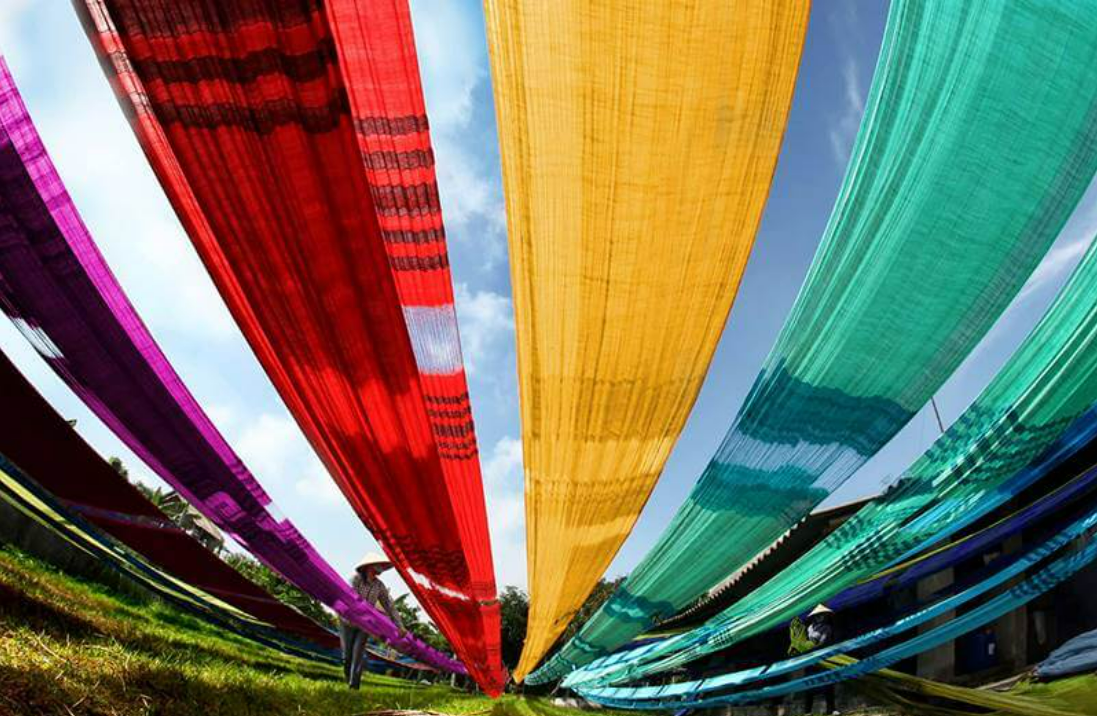
Van Phuc Silk has been known for its smooth, soft, and elegant appearance. Especially, a traditional kind of silk called Van Silk made in Van Phuc make the wearers feel cool in summer and warm in winter. Today, to satisfy various demand for silk of the market, Van Phuc handicraftsmen have expanded their silk and garment goods like embroidered silk, wrinkled silk, double layers and more colors for silk products.

  1. What to explore at Van Phuc Silk Village?

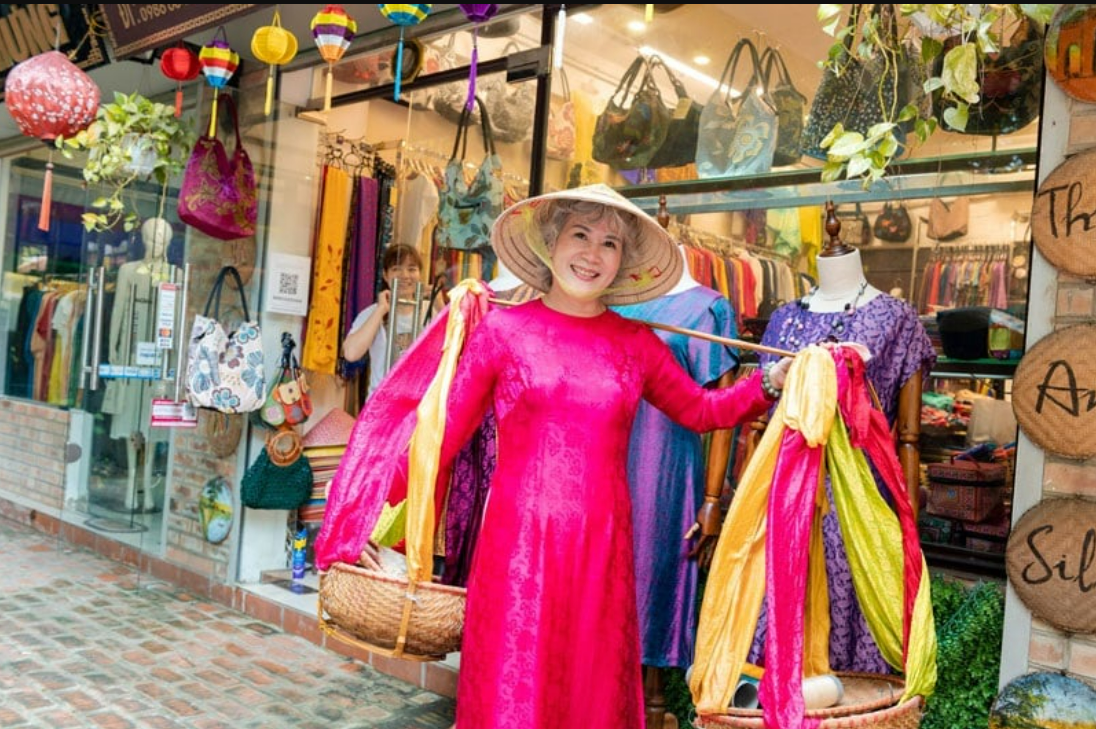
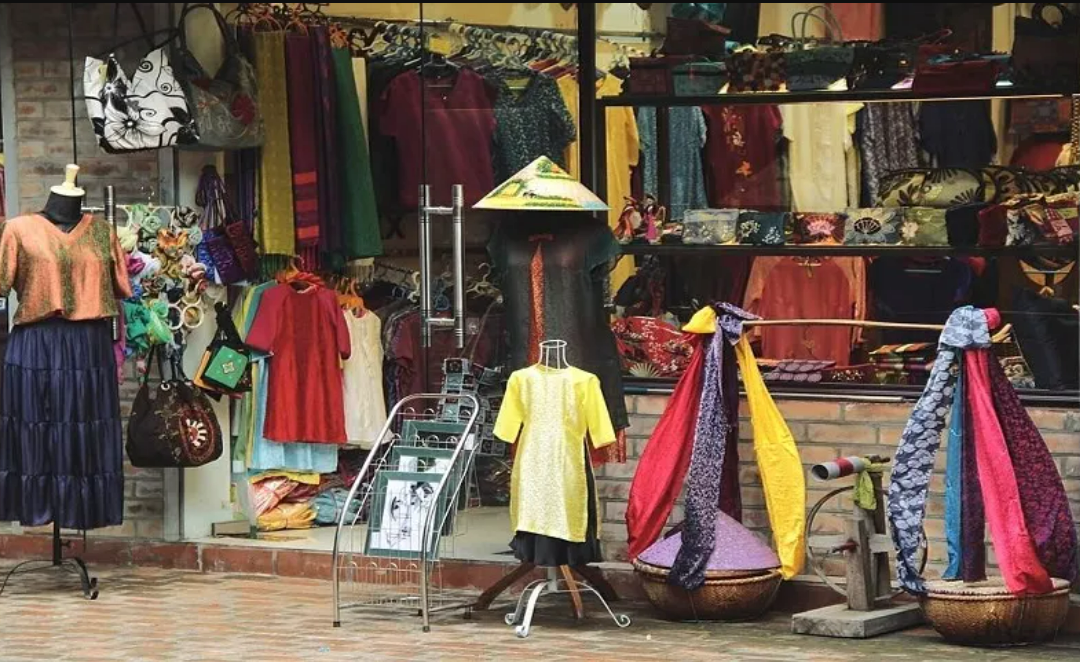
Many families in Van Phuc open their own shops in a convenient location in the village; create a “town of silk” that sell eye-catching and high-quality silk products. You may buy items available in the shop, or favorite fabric to get customized products. Most of the sellers are very friendly and can speak a basic English and French to serve foreign tourists.

Silk products of Van Phuc could vary differently from clothes to accessories like handbags or purses. Price is incredibly reasonable (the price for the meter of silk usually depends on the material, about 10 USD in average), some of the models you could bargain for a lower price even. Additionally, you could also drop in spiritual spots like Van Phuc Pagoda, or Natural Silk Protected area to understand more about the tradition of Van Phuc Village.

A highlight of a visit to Van Phuc will be an opportunity to see the old looms in operation. While some basic technology has been introduced to the process in recent years, there is still plenty of manual labour in Van Phuc’s silk production processes.

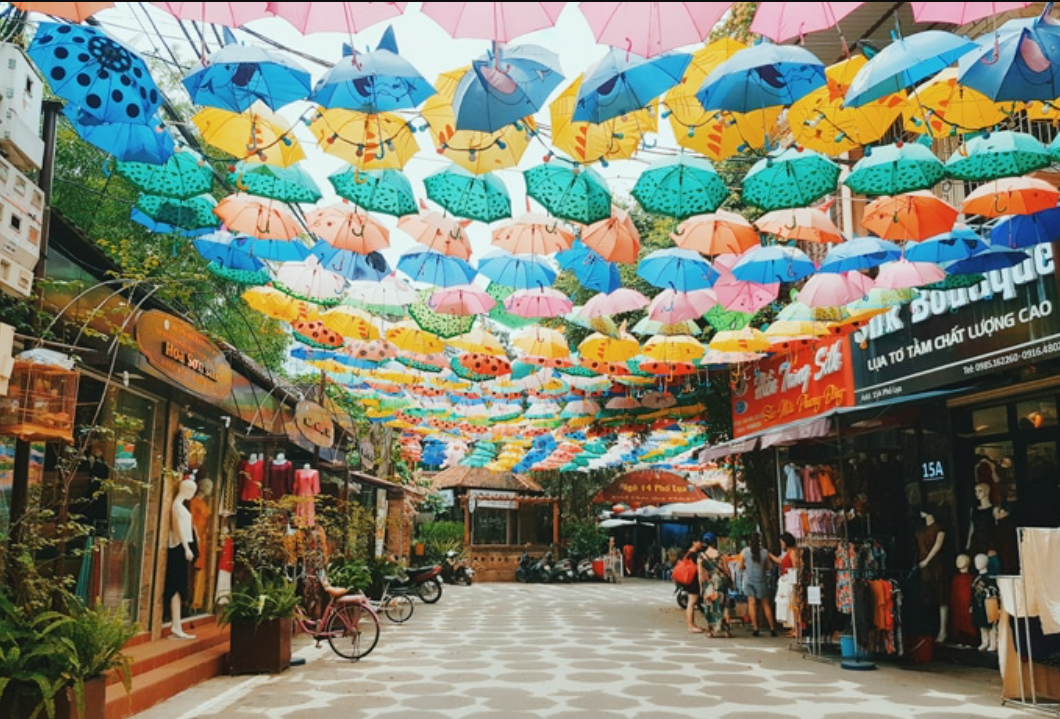
Additionally, a 100 meter-street decorated with colorful umbrellas that look no less than the art of Agueda in Portugal. Don’t skip to wander along it and snap some photos!

  1. How to get there

In a short distance to Hanoi Old Quarter, it is very convenient to access Van Phuc Silk Village.

You can easily rent a motorbike, take a taxi or catch a local bus number 02 or 21 before going on foot 500m to reach the village gate. You should travel Southwest out of Hanoi center on Nguyen Trai Road until reach the border of Ha Dong District, then turn right and drive about 3km to reach the village.

Apply For Vietnam Visaapply Vietnam visaApply visa vietnamBook E-visa Vietnambook visa vietnamCheap Vietnam VisaE-visa Vietnamevisa VietnamEvisa Vietnam onlineexpedited e-visaexpedited E-visa to Vietnamexpedited Vietnam E-visaGet a Vietnam visaGet Vietnam Visaget vietnam visa onlineget visa to vietnamget visa Vietnammultiple entry visamy vietnam visaOrder Vietnam E-Visaquick vietnam evisarush vietnam visaUrgent Vietnam VisaVietnamVietnam E-visaVietnam EvisaVietnam touristVietnam travelVietnam vacationVietnam VisaVietnam visa costVietnam Visa ExemptionVietnam Visa for India citizensVietnam Visa For IndiansVietnam Visa for South Africa citizensVietnam Visa In IndiaVietnam visa in South AfricaVIetnam VIsa on arrivalVietnam VIsa onlineVietnam visa provisa for vietnam Visa On Arrivalvisa onlineVisa to VietnamVisa Vietnam

Posted on

Guide to Halong International Cruise Port for Tourists

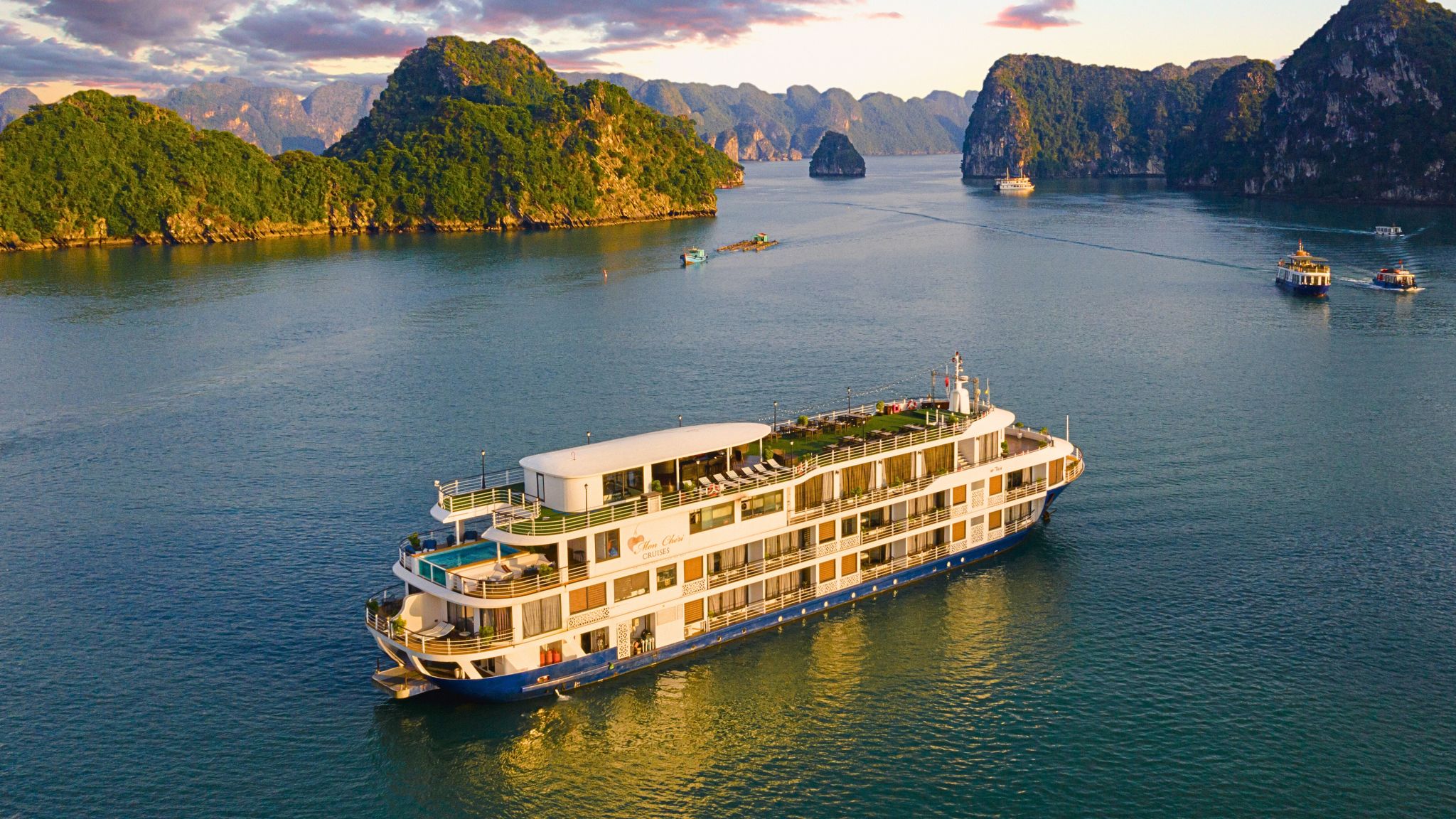
Halong International Cruise Port is a premier cruise port located close to the stunning Halong Bay, a UNESCO World Heritage site in northern Vietnam. So exactly where it is located, how to reach it from the surrounding areas, as well as what to do to fill in your cruise experience to the port, check all here.

Halong International Cruise Port Overview – Location and facilities

Ha Long International Cruise Port is the first cruise port in Vietnam with a large capacity that can accommodate the largest and most modern cruise ships to Vietnam.

The port is located on Beach Road, New Beach, Bai Chay Ward, Halong City, Quang Ninh Province (or Đường Bao Biển Bãi Cháy  Mới, Phường Bãi Cháy, Thành phố Hạ Long, Tỉnh Quảng Ninh, in Vietnamese). Its strategic location on the shore of Ha Long Bay makes it convenient for visitors to explore the area. In addition, the port is approximately 500m away from the Sunworld Ha Long Complex, an amazing playground in the city.

The Ha Long International Cruise Port has 6 wharves, of which:

  • 4 wharves for receiving cruise ships & tourist boats
  • 1 pier with 2 wharves, dedicated for heavyweight international passenger vessels.

In addition, to serve the tourists’ demands, the cruise port is also well equipped with:

  • Passenger shuttle services:  The port provides shuttle buses to take you between your cruise ship and the terminal building, as well as to nearby attractions and hotels.
  • Support services: To ensure a stress-free experience, the port offers a variety of services including luggage handling, currency exchange, and assistance with booking tours.
  • Security and safety: The port prioritizes your safety and has comprehensive security measures in place. This includes CCTV cameras, security checkpoints, and a trained emergency response team.
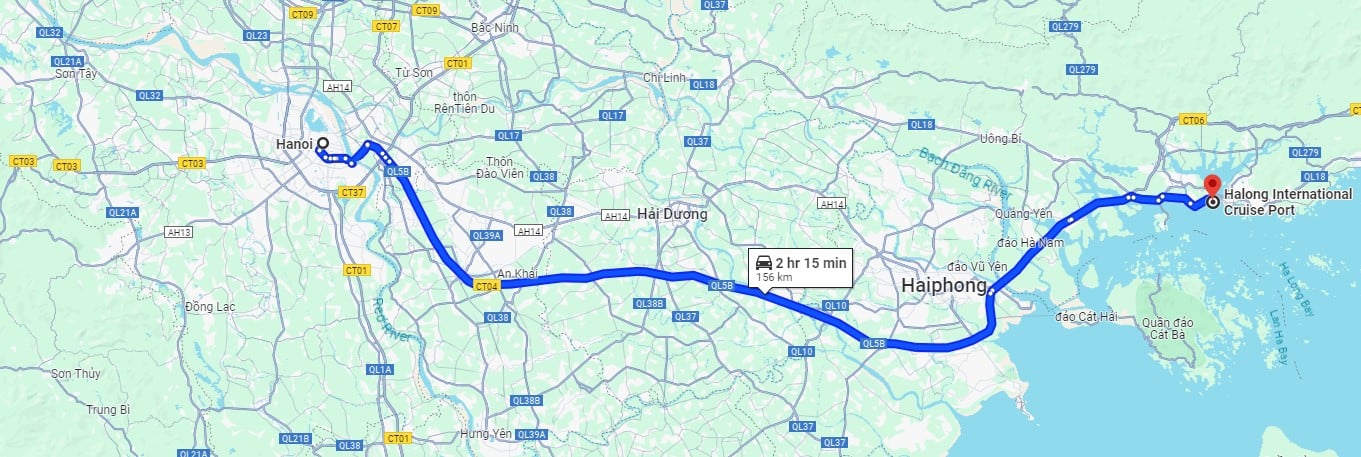
How far is Hanoi from the cruise port?

The driving distance between Hanoi and the Ha Long International Cruise Port is approximately 150-180 km, depending on the specific route taken.

Given typical driving speeds in Vietnam, the travel time from Hanoi to the Ha Long International Cruise Port would likely be around 2.5 to 3 hours.

How to get to Hanoi from Halong International Cruise port?

There are a few options for getting from the Ha Long International Cruise Port to Hanoi:

  1. Private Transfer/Taxi:
    • This is likely the most convenient and direct option.
    • You can arrange a private transfer or taxi service from the cruise port directly to your destination in Hanoi.
    • Travel time would be approximately 2.5-3 hours depending on traffic conditions.
  2. Public Bus:
    • There are regular bus services that connect Ha Long City to Hanoi.
    • You can take a bus from the Ha Long bus station, which is likely in close proximity to the cruise port.
    • Bus travel time is around 2.5-3 hours.
    • This is a more budget-friendly option compared to a private transfer.
  3. Organized Tour/Shore Excursion:
    • Some cruise lines or local tour operators may offer organized day trips or shore excursions from the Ha Long port to Hanoi.
    • This can be a convenient option if available, as the transportation and logistics are handled by the tour provider.

Regardless of the method, it’s recommended to plan your transportation in advance, especially if you have a tight schedule or specific requirements.  

How far is Halong Bay from the cruise port?

The Halong international cruise port is located on the shore of Halong bay area, so it’s quite close to each other. As such, a Halong Bay cruise is an activity that is often included in the experience during the free time from the international cruise docking in Halong.

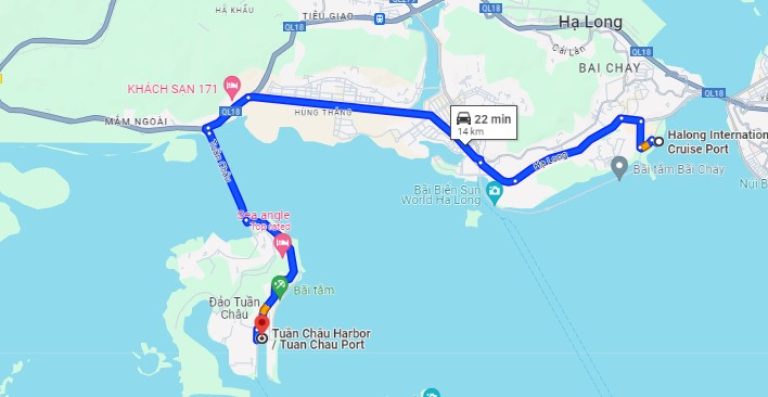
If you want to take a domestic Halong Cruise from Tuan Chau Harbor, it’s around 14km from the port, 20 minutes drive.

Cruise Lines Calling at Halong Bay International Cruise Port, Vietnam

Halong Bay is a popular destination for cruise lines, and several major players feature it in their itineraries. Here are some of the most common:

  • Regent Seven Seas Cruises:Known for their all-inclusive luxury experiences, Regent offers elegant voyages through Southeast Asia, frequently including Halong Bay as a port of call.
  • Silversea Cruises:Another luxurious option, Silversea emphasizes all-suite accommodations, personalized service, and a refined experience. Their itineraries often involve Halong Bay, providing guests with exquisite views and excursions.
  • Seabourn:Seabourn offers a similar luxury experience to Silversea, prioritizing small-ship intimacy, gourmet dining, and curated shore excursions. Halong Bay is a regular stop on their Asian voyages.
  • Holland America Line:Known for their classic elegance and relaxed atmosphere, HAL frequently features Halong Bay in their transpacific and Asia itineraries.
  • Princess Cruises:Considered a solid mid-range option, Princess Cruises offers a lively on-board experience with multiple dining options and entertainment. Their itineraries often include Halong Bay as part of their Asia sailings.
  • Royal Caribbean International:Offering a more contemporary cruise experience with innovative activities and entertainment, Royal Caribbean includes Halong Bay in their Asia itineraries, offering a range of shore excursions.
  • Viking Ocean Cruises:While their focus is on cultural immersion and exploring destinations in depth, Viking Ocean Cruises also includes voyages featuring Halong Bay.
  • Celebrity Cruises:Celebrity Cruises offers a modern, contemporary experience with a focus on stylish design and dining. They often bring their ships to Halong Bay as part of their Asia sailings.

Note: It’s important to check specific itineraries, as ports of call can vary greatly depending on the route and time of year.

Beyond the cruise lines listed, many smaller, more niche lines may also call at Halong Bay International Cruise Port. It is always best to consult the official website of your chosen cruise line to confirm port calls.

Suggested Things to Do from Halong International Cruise Port

Halong International Cruise Port serves as a gateway to a wealth of exciting shore excursion opportunities, enabling cruise passengers to explore the natural and cultural wonders around the region.

Halong Bay Cruises and Excursions

The most popular shore excursions from Halong International Cruise Port revolve around exploring the stunning Halong Bay. These excursions may include:

  • Day cruises or multi-day voyages through the bay’s limestone islands
  • Visits to the famous Sung Sot Cave and other cave systems
  • Kayaking and paddleboarding adventures
  • Excursions to floating fishing villages

These activities offer a chance to witness the breathtaking natural beauty of Halong Bay up close.

Conclusion

Halong International Cruise Port is a premier cruise destination that offers a truly exceptional experience for visitors exploring the wonders of Halong Bay and the surrounding region. With its strategic location, comprehensive facilities and services, and a diverse array of shore excursion options, the port serves as a gateway to one of Vietnam’s most captivating natural and cultural destinations.

Plan well before your cruise to make your every moment in Vietnam unforgettable.Make your plan to Vietnam right now by apply a Vietnam visa at vietnamvisapro.net. We, a reputable and reliable Visa service, will assist you turn your plan into reality at the very first step
Posted on

“Cai Rang Floating Market Culture” Tourism Festival In 2024

In response to World Tourism Day of September 27th, the 8th “Cai Rang Floating Market Culture” Tourism Festival in Can Tho city – 2024, will take place for 3 days, from August 30th to September 1st.

This year’s festival celebrates the theme: “Preserving and Promoting Cai Rang Floating Market Culture – A National Intangible Cultural Heritage, Associated with Tourism Development.” Visitors will have the chance to immerse themselves in the daily life of the locals and delve into the rich culture of the Mekong Delta.

The festival features over 130 booths, showcasing businesses from both within and outside the city. The activities are centered around preserving the unique values of the “Cai Rang Floating Market Culture.” Additionally, there are numerous events dedicated to supporting merchants, trade services, and local cuisine.

Specifically, in addition to the opening and closing ceremonies, the festival has many activities such as boat parades on the river; booths to promote tourism and trade; seminars on developing the potential of river tourism from Ho Chi Minh City to Can Tho; surveying the river tourism route from Ho Chi Minh City to Can Tho… 

Sports enthusiasts can enjoy various competitions, including the National Motorcycle Racing Tournament, Can Tho City Football Championship, and the Can Tho City Open SUP Boat Racing Tournament.

The Cai Rang District People’s Committee oversees activities like the contest for decorating and displaying models of boats, ships, and poles for selling agricultural products at Cai Rang Floating Market. They also organize a culinary competition and a contest celebrating “The Beauty of Ao Ba Ba – Past and Present.”

Beyond cultural and artistic activities, the festival emphasizes social and welfare initiatives, such as repainting boats for merchants at Cai Rang Floating Market and boat parades to collect trash from the river.

Pack your bags, book your flight, and get ready to enjoy this interesting festival in Mekong Delta regions of Vietnam.

Make your plan to Vietnam right now by apply a Vietnam visa at vietnamvisapro.net. We, a reputable and reliable Visa service, will assist you turn your plan into reality at the very first step
Posted on

3 not to miss things when traveling to Vietnam

Well-prepared before an oversea trip is important so in order to have a perfect trip in Vietnam, there are a lot of things you should know before travel to this country. In this article, we will provide you the information 3 basic things that everyone needs to consider including Vietnam visa requirement, best time to visit Vietnam, and unit of currency that can be used in the country.

1.Vietnam visa requirement

One of the most important documents you need to have before coming to Vietnam is Vietnam visa if your nationality is not included in Vietnam visa exemption list. There are 3 normal ways to get Vietnam visa which are mentioned clearly as below

  • Vietnam visa through Vietnam Embassy

You can get Vietnam visa by this traditional way after 4-5 working days with full visa stamp already stick in original passport. Besides, the required documents to submit and fees when applying for Vietnam visa at Vietnam Embassy in each country are not the same therefore, it is highly recommended to contact the nearest Vietnam Embassy or Consulate.

  • Vietnam Visa on arrival with vietnamvisapro.net

This kind of Vietnam visa will be obtained when you arrive at any Vietnam international airport which explains why Vietnam visa on arrival is only acceptable for foreigners who travel to Vietnam by air. The whole application process will be online until you get an approval letter before getting on board and finally get visa stamped at Vietnam airports by submitting other documents required. Full process of this convenient way of Vietnam visa application can be found at http://vietnamvisapro.net/

  • Vietnam e-visa

Vietnam e-visa which is a newly launched method is applicable for foreigners who wish to have one-single entry visa with vacation purpose. There are also some conditions if you plan to have Vietnam e visa such as your nationality must be on the list of 157 countries and your stay in Vietnam is no more than 90 days. For more details of Vietnam e-visa, please check out http://vietnamvisapro.net/

2. Best time to visit Vietnam

The whole Vietnam is a tropical country but the weather in Vietnam is not the same in every region as each region (the Northern, the Central, and the Southern) has its own weather. Therefore, it is not easy to recommend as the best time to travel to Vietnam. However, generally speaking, autumn (often lasts from September to December) and spring (often lasts from March to April) can be considered as the most favorable seasons in the whole country. It is the time that you can not only enjoy the good weather but also take part in some interesting festivals, especially Tet (Vietnam Lunar New Year). If you want to know the specific weather of the destinations in Vietnam that you wish to visit, checking weather forecast is highly recommended.

3. Currency used in Vietnam

The currency of Vietnam is Vietnam Dong therefore, it is necessary for you to exchange amount of Vietnam Dong before traveling to Vietnam. There is another currency that is widely used in this country is US dollar; however, it is only possible for you to make a payment by US dollar in big hotels, travel agents, restaurants, and flight booking. It is not difficult for you to exchange Vietnam Dong and US dollar in Vietnam. You can exchange currency in every bank, ATM machine, and even jewelry shop.

Vietnam is an interesting country with a lot of beautiful destinations and many things to explore. Three things above are the necessary points for all foreigners who wish to come to Vietnam and we hope our information can help you prepare well for your trip in Vietnam.

Posted on

Top 10 Famous Mountains In Vietnam

Whenever thinking of the first trip to Vietnam, the most popular places often come up in travelers’ minds are: Hanoi, Halong Bay, Sapa, Danang, Hoian, Nha Trang, Phu Quoc and Saigon. However, this beautiful country is not just all about bustling cities, Buddhist pagodas or untouched beaches, it’s also famous for spectacular mountain ranges. Mountains in Vietnam possess incredible landscape and unique features that differentiate them from the others. If you are climbing enthusiasts or you like spectacular and panorama views, don’t forget to check out the top 10 famous mountains in Vietnam.

>>> Apply Visa to Vietnam <<<

>>> Order Fast Track Service <<<

1. Fansipan Summit, Hoang Lien Mountain – Lao Cai Province.

Located about 9km west of Sapa Town, Fansipan Peak belonging to Hoang Lien Son Mountain Range, is the tallest mountain in Vietnam with an impressive height of 3,143m and was labelled as “the Rooftop of Indochina”. Fansipan means “Hua Si Pan” in local language (aka Huge Rock). Conquering the summit of Fansipan is a challenge itself as you have to be physically fit, have great experiences in hiking and trekking. It is highly recommended to hire a local guide or porter to escort your groups because he can lead you on the right and safest trekking path; help you carry some stuffs and prepare meals during the journey.

If you don’t want to take risks and can’t pass the physical tests, Fansipan Cable Car is available to meet your desire to visit the summit. The cable car was opened to public in 2016, got the Guinness World Records of the longest three – rope cable car in the world (6,292.5m) and the greatest elevation difference by a non-stop three – rope cable car (1,410m). Thanks to the massive cable car system, it takes only 15 minutes of riding and around 600 extra steps to reach the summit: instead of 2 – 3 hard trekking days. The cable cars operate from 7:30am to 5:30pm every day, with capacity of 35 passengers per car. Once you leave the station, you’ll immediately start to float high above the rice terraces and rocky cliffs below. Huge windows let you take in the sights all around, as you ascend gradually to this towering tip above the clouds.

The most suitable time for taking a visit to the mountain is from September to the next March. Especially, you can witness the magnificent landscape of Fansipan in February when various mountainous flowers in the valleys start to bloom, or breathtaking views of golden rice paddy fields in September. Despite modern commercialism with the appearance of cable car, Fansipan is still a favorite mountain destination in Vietnam and a true adventure experience – a must-do on any Sapa itinerary.

2. Yen Tu Mountain – Quang Ninh Province.

Yen Tu Mountain is located 40km away from Halong Bay in Quang Ninh Province. It belongs to the Dong Trieu Mountain Range in the north-eastern area of Vietnam. Previously, Mount Yen Tu was called as “Bach Van Son” (translated into English as” White Could Mountain”) because it is surrounded by white huge clouds around the year. Yen Tu is well known for the picturesque landscapes, ancient pagodas and especially the capital of Buddhism in Vietnam. King Tran Nhan Tong (1258-1308), the third emperor of Tran Dynasty, who guided Dai Viet army to defeat the Mongolian invaders in 1285 and 1287, decided to leave the palace and devoted his life to the Buddha. Then he established temples, meditation centers where he could perform his lectures to other monks and propagate Buddhist scriptures. Later, he co-established the Truc Lam Zen Sect, the first Vietnamese Buddhist Zen Institution. Up to now, a lot of Buddhists from around the country choose this sacred landmark to pray and pilgrimage, especially during the first three months of Lunar Calendar. That’s the time of spring festival in Yen Tu (from January to March) when the worshipers show their sincerity and wish for a new peaceful and prosper year.

In addition, Yen Tu has its own great natural diversity. There are thick bamboo and pine forests along the path to ancient pagodas and temples. In the dense forests, next to the pagodas and temples, or even at the peak of the mountain are architectural masterpieces. Dong Pagoda (Bronze Pagoda) lies in the highest peak, with the altitude of 1,068 meters above the sea.
To reach this peak, there are 2 options: on foot or by aerial tramway. The walking distance is around 6,000m with 6 hour hiking up thousands stone steps, passing through the dense green bamboo forests, stream. This option requires good physical conditions and many Buddhist pilgrims take this way because they believe that is a way of expressing their sincerity to Buddha. Another way to reach the mountain top is taking Yen Tu Aerial Tramway which was introduced in 2002. Travelling by this cable car, passengers will have an amazing experience to contemplate the whole fascinating view of the Yen Tu National Forest. From the top of Yen Tu Mount, visitors enjoy the poetic scenery of Halong Bay with thousands of limestone islands at the East or they can look to the South towards Hai Phong City with Bach Dang River flowing gently.

3. Ma Pi Leng Mountain Pass – Ha Giang Province.

Ma Pi Leng Pass is a high mountain pass at an elevation of 1.500m (4,921ft) above the sea level. It’s a part of the Dong Van Karst Plateau, lies on the Happiness Road, which connects Ha Giang City, Dong Van and Meo Vac. Happiness Road is about 200km long and was built by thousands of youth volunteers from 16 ethnic groups of 8 Vietnam Northern provinces. It took 6 years (1959-1965) to complete the construction and especially, the 20-km pass Ma Pi Leng was built by suicide troops volunteers who had to hang themselves on rock cliffs and move every centimeter to finish the dangerous 11-month building process.

The name Ma Pi Leng means literally “horse’s nose”, implying the dangerous of the topography here when mountains upstanding like horse’s bridge of the nose. It is considered as one of the “greatest four mountain passes” in the northern mountainous regions of Vietnam, together with Khau Pha in Yen Bai Province, O Quy Ho in Lao Cai Province and Pha Din in Lai Chau Province.
Conquering the legendary Ma Pi Leng Pass and stopping by the Ma Pi Leng viewpoint to look down to Nho Que River is the dream of many adventurous motorbike-riding lovers. One of the first turnout points on the road heading south is the Ma Pi Leng Skywalk, complete with a statue celebrating the construction of the Happiness Road. In addition, there’s a small museum known as the “Happiness Road Museum” which documents some of the history of the road. A bit further south, you’ll find the Ma Pi Leng Viewpoint, the best-known stop in the area because it offers a perfect view of the dramatic valley the river has carved into the mountains. Taking Ha Giang Tours with Vietnam Travel, tourists definitely will have chance to ride a bike along the Happiness Road and seeing the sunrise or sunset over Ma Pi Leng Pass. Neither words nor photos can beat the awesome experience of standing there physically among those awe-inspiring mountains.

4. Thung Khe Pass – Hoa Binh Province.

Thung Khe Pass (also known as the White Stone Pass) is located on Highway 6 connecting Mai Chau and Tan Lac Districts of Hoa Binh Province. It’s considered as the main gate to Mai Chau, Moc Chau and other beautiful destinations in the Northwest Vietnam. The pass is at an altitude of 1000m above sea level with spectacular scenery but dangerous due to steep and sharp curves. On the way to Mai Chau or Moc Chau, buses often stop at the peak of Thung Khe pass for short break. There are few local stalls setting aside to sell local specialties, such as wild herbs and vegetables, fresh corns, sticky rice. Visitors stop here to take photos, enjoy panorama view of greenery Mai Chau valley in the cool breeze.
Staying at the pass, tourists can enjoy four seasons in a day: spring in the morning, summer at noon, autumn in the afternoon and winter at nighttime. Thung Khe is really an attractive spot that you should not miss on the way to discover Northwestern regions in Vietnam.

5. Bach Ma Mountain – Thua Thien Hue Province.

Bach Ma or White Horse Mountain is a natural border between Thua Thien Hue province and Danang city. Bach Ma Mountain belongs to Bach Ma National Park, located at Phu Loc village, Nam Dong district, Hue Province. It is about 60 km to the south from Hue city centre and 90 km away from Danang city. Bach Ma is only 18km from the coast, also the only connection of Vietnam’s primeval forest between the sea and the Vietnam – Laos border. Located at an altitude of 1450 meters above sea level, Bach Ma Mountain range features typical weather of two sides of the Truong Son Mountain Range and recognized as one of the biodiversity centre in Indochina for ecological diversification.  If you are nature lovers, this region is truly a paradise with more than 1400 species of plants, including rare orchids, representing one fifth of the flora of Vietnam. In addition, the park is the home to 132 species of mammals, three of which were only discovered in the 1990s: the antelope-like saola, the Truong Son muntjac and the giant muntjac.

Not surprisingly, Bach Ma was selected to become a hill station for the colonial administration of Hue in the year of 1932. Over a hundred villas were built here to accommodate the colonial French officers and Hue’s upper-class families. When the French – Vietnam war ended in 1954, Bach Ma was soon forgotten and the villas abandoned. In the 60’s the Americans took over this region as a strategic base for their military actions controlling the stretch between Hue and Da Nang. After our independence in 1975, the Vietnamese Government stated the Bach Ma National Park at this mountain and extending the Park over the years to its current. Nowadays, this mountain is a popular summer retreat for locals and foreigners thanks to its legendary history, exotic nature with spectacular beauty, astoundingly pristine atmosphere and the cool climate all year round. The mountain trails are quite slippery during the rainy season (September – December) so tourists should avoid visiting Bach Ma Mountain in these months or should follow the instructions from experienced tour guides. The best time to visit Bach Ma National Park is from December to April, which is the dry season with low rainfall offering the perfect stretch of jungle walk.

6. Son Tra Mountain – Danang City.

Son Tra Mountain, known to American soldiers during the Vietnam War as Monkey Mountain, is located on Son Tra Peninsula, in Son Tra District, 35-minute drive from Danang City. Standing at the height of 693m above sea level, the mountain peak overlooks the Bay of Danang and the East Sea. Used to be a former U.S. military base during the Vietnam War, Monkey Mountain houses two radar domes that are now taken over by the Vietnamese military as well as a helicopter pad. The mountain is a favorite place of animal lovers and adventure seekers while traveling in Danang because it’s the rich diversified nature reserve, protected under the nationally prohibited forest regime with many rare wild animals, especially pygathrix (red-shanked douc) is on the IUCN Red List of endangered species. The lush mountain is also surrounded by unspoiled beaches such as Bai Bac, Bai Nam, Bai But and Tien Sa Beach. Thanks to its sea-oriented location, Son Tra acts as a giant screen protecting Danang City from storms and typhoons coming from the sea.

The prominent attraction set on this mountain is Linh Ung Pagoda. The stunning pagoda was built during the 18th century and houses a 67 metre-tall white statue of the Goddess of Mercy set atop a lotus-shaped platform. This is the largest pagoda by its scale and artistic architecture in Danang City. The statue of Lady Buddha facing to the sea is believed to protect the locals from strong storms. Entrance to Linh Ung Pagoda is free of charge, though it gets crowded with pilgrimages on special occasions. Additionally, Tien Sa Port at the base of the mountain’s western face, is one of the most important and largest deep-water seaports in central Vietnam. Tien Sa port welcomes thousands of international tourists from sea cruise ships visiting Vietnam annually. With its perfect location, Son Tra Mountain is a popular retreat for tourists and locals alike looking to day trip to stay away from the crazy noise of the big city.

7. Bana Hills – Danang City.

Bana Hill is a mountain top resort complex, located in the Truong Son Mountains at the west of Danang City. The station was founded and built in 1919 by French colonists to be used as a leisure destination for French tourists. Being located above 1500 metres above sea level, it offers stunning view over the East Sea and the surrounding mountains. Due to the elevation, the temperature here is significantly cooler (10 – 15 degrees) than the environment near the coast, you can revel yourselves in the typical rotation of four seasons in a single day. Bana Hills is most famous for its French village with buildings that look like medieval castles, but inside these stone walls are majestic Golden Bridge, popular hubs of endless entertainment and more.

To reach the hilltop, visitors get to take the picturesque cable car. The cable car system at Bana Hills was completed in 2013 and holds several Guinness World Records, including the widest gap between stations and the greatest change in elevation. During the cable car ride, you can enjoy the surrounding views of the lush forest leading up to your destination. In recent years, Bana Hills has get more and more attentions from tourists all over the world thanks to newly built Golden Bridge. Golden Bridge with the length of 150m and at the height of 1,414m above sea level, was officially inaugurated in June 2018 in Bana, was also voted by TIME magazine as one of the “Top 10 best destinations of the world 2018” and admired by The Guardian as “The world’s most impressive pedestrians’ bridge”.

Exploring Ba Na Hills, you will not only enjoy the spectacular views of mountains, greenery, and cities but also join a plethora of recreational activities in one of the most amazing amusement parks in Vietnam.

8. Lang Biang Mountain – Lam Dong Province.

Lang Biang Mountain is located in Lac Duong district which is 12km North of Dalat City, Lam Dong Province. Impressively standing at an altitude of 2,169 meters above sea level, Lang Biang Mountain is considered as the roof of Dalat. The mountain is the paradise for both nature lovers and adventure seekers. There are several options to reach the mountain top: by jeeps, by motorbike on a paved road. Or if you look for a physical challenge, it takes around two or three hours along a forested trail to hike to the peak. But you should be aware of four seasons within one day even Dalat’s temperatures are known as pleasant for hiking activity. Standing on the top of mountain, tourists can enjoy pleasant climate, bewitching nature and marvelous views of the whole city, forests, rivers and houses of tribal villages.


The name Lang Biang itself originated from a bittersweet love story. Long time ago, there was one couple who were deeply in love with each other. The boy was K’Lang from Lach minority and the girl was H’Biang from Chil minority. According to the long-standing feud between their tribes, they couldn’t get married so they left their hometown, got married and lived in the mountain top. When H’Biang was ill, K’Lang found many methods to help her get over the illness. He even came back to H’Biang’s village to ask for help but no one welcomed him. They even prepared poisoned arrow to kill him. Suddenly, H’Biang appeared to protect her husband from the arrow. After her death, K’Lang cried a lot and also died. His tear turned into a scream called Dankia (Golden Stream) nowadays. After their death, H’Biang’s farther realized his faults and tried to unify two tribes. To memorize the couple with profound love, the mountain range was renamed into what we call it today: Lang Biang.
Nowadays, Lang Biang is an ideal place for adventurous activities like mountain climbing, conquering high peaks, paragliding and trekking. Camping, exploring the natural flora, bird-watching and enjoying the unique culture of ethnic minority groups are recommended activities for tourists coming to Lang Biang.

9. Ba Den Mountain – Tay Ninh Province.

Located 11km in the northwest Tay Ninh, around 3-hour drive from Ho Chi Minh City, Ba Den Mountain (Black Virgin Mountain or Nui Ba Den in Vietnamese) is suitable for those who love outdoor activities and want to escape from the hustle and bustle of big cities. Together with Nui Heo (Pig Mountain), Nui Phung (Phoenix Mountain), Nui Ba Den (Black Virgin Mountain) are parts of Nui Ba Historical and Cultural Complex. At the height of 986m, this mountain is the highest mountain in the southeastern part of Vietnam because it was formed by the extinct volcano rising from the flat Mekong Delta jungle and farmland. It is also best known for pristine natural scenery and long-standing spiritual architectural complex.

The mountain name of Ba Den is translated into English as Black Virgin Mountain because it’s related to the myth about Ly Thi Thien Huong, the woman who is considered as the Black Virgin. At the end of the 18th century, there was one loving couple named Le Sy Triet and Ly Thi Thien Huong. Thien Huong was a beautiful girl with lovely tanned skin. Le Sy Triet is a young man with great intelligence and bravery. He enlisted in the army of Nguyen Hue – a general who later became King Quang Trung. When Triet was away from home, Thien Huong was forced to marry a rich man in the village. She committed suicide by jumping off the mountain edge to protect her virginity. After her death, villagers regretted her beauty and trait and built a temple on that mountain, which was changed as Ba Den Mountain (Black Virgin Mountain or Black Lady Mountain) in memory of this mysterious young lady.
Nowadays, the mountain is best known for its temples. Buddhists come to worship at Linh Sơn Thiên Thạch pagoda. There’s a large reclining Buddha statue, and many pleasant paths to explore.

The visit to Ba Den Mountain can be really dangerous and a reasonable level of fitness is required. It takes around 2.5 to 3 hours trekking on the foot path to the top of the mountain. The trail is well defined but steep, rocky and uneven in places but you can reward yourself with the stunning views along the way. However, it’s much easier to reach the mountain top thanks to newly built cable car system by Sun Group. Instead of the difficult journey as before, all visitors from the old to the young are able to move quickly and gently when visiting Ba Den Mountain. Not only helps to shorten the travel time to visit Ba Den Mountain, Ba Den cable car also helps visitors have unique and interesting experiences during the journey to conquer the roof of the South.

10. Sam Mountain – Chau Doc, An Giang Province.

Sam Mountain is often include in the Mekong Delta tours which suitable for a 3-4 day package or for a stopover between Cambodia and Vietnam by boat trip. Travelling about 6km to the west of Chau Doc Town, An Giang Province, visitors will have chance to view Sam Mountain at the height of 230m with beautiful landscapes and many historic remains. On the way to the foot of mountain, there are rice paddy fields stretching along the road’s two sides. The mountain is mainly well-known as a sacred place for Buddhists with dozens of pagodas and temples. A strong Chinese influence makes it particularly popular with ethnic Chinese. Moreover, temples at the base and surrounds can illustrate Islamic, Indian and Khmer influences.
While climbing up to the summit, don’t forget to visit temples and pagodas dotted around the foot of the mountain, such as Ba Chua Xu Temple, Tay An Pagoda, Thoai Ngoc Hau Tomb. Chua Xu Festival is annually held on the second half of the 4th lunar month and attracts lots of worshippers all over the country. If weather permits, the views from the top are spectacular and Cambodia can be easily looked out from there.

If you are planning for a truly breathtaking adventure, you definitely have to put one of the spectacular mountains of Vietnam on the bucket list of things to do while in Vietnam.

 Apply For Vietnam Visaapply Vietnam visaApply visa vietnambook visa vietnamCheap Vietnam VisaE-visa Vietnamevisa Vietnamexpedited e-visaexpedited Vietnam E-visaGet a Vietnam visaGet Vietnam Visaget vietnam visa onlineget visa to vietnamget visa Vietnammultiple entry visamy vietnam visaquick vietnam evisarush vietnam visatourist visaUrgent Vietnam VisaVietnamVietnam E-visaVietnam EmbassyVietnam touristVietnam travelVietnam vacationVietnam VisaVietnam visa costVietnam Visa ExemptionVietnam Visa FeeVietnam Visa for India citizensVietnam Visa For IndiansVietnam visa for IsraelisVietnam Visa for South Africa citizensVietnam Visa In IndiaVietnam visa in South AfricaVIetnam VIsa on arrivalVietnam VIsa onlineVietnam visa proVisa Approval Lettervisa for vietnamVisa On Arrivalvisa onlineVisa to VietnamVisa Vietnam