Posted on

15 Most Incredible Pagodas & Temples in Vietnam

Vietnam temples play an important role in spiritual life of local people. Temples in Vietnam is dedicated to the Saints of the Nation or the Heroes who were respected as the Saint. We listed the most famous temples that you could be able to access in Vietnam with brief information and updated photos. During your Vietnam visit, you should visit these sites if your time is permitted to get to know more about Vietnam Culture and religious life in this Communist country.

>>> Apply Visa to Vietnam <<<

>>> Order Fast- track Service <<<

1. Quan Thanh Temple, Hanoi

Located by West Lake Hanoi, Quan Thanh Temple is worshiping Tran Vu guardian spirit – one of four guardian spite in protect Thang Long (later is Hanoi) in the early time. In 1677 during the reign of King Le, artisans from the nearby Ngu Xa village offered the Temple a very large statue of Tran Vu in black bronze, which remains today. This statue is measured 3.96 metres (13.0 ft) in height, weight around 3,600 kilograms (7,900 lb) and depicts Tran Vu as a deity with his two symbolic animals, the serpent and the turtle. Considered a masterpiece of Vietnamese bronze casting and sculpture, it is the second biggest bronze statue in Vietnam. This artwork is evidence of the advanced technical standard of bronze casting and sculpture of Vietnamese artisans in the 17th century. Legend has it that Quan Thanh Temple was established during the reign of Emperor Ly (reigned 1010–1028. Nowadays it become one of the leading tourist attractions in Hanoi.

2. Tran Quoc Pagoda, Hanoi

This is the oldest Buddhist temple in Hanoi, is located on a small island near the southeastern shore of Hanoi’s West Lake (Ho Tay)

Tran Quoc Pagoda was originally constructed in the sixth century during the reign of Emperor Lý Nam Đế (from 544 until 548), thus giving it an age of more than 1,450 years. When founded the temple was named Khai Quoc (National Founding) and was cited on the shores of the Red River, outside of the Yen Phu Dyke. When confronted with the river’s encroachment, the temple was relocated in 1615 to Kim Ngu (Golden Fish) islet of Ho Tay (West Lake) where it is now situated. A small causeway links it to Thanh Nien Road. There are more local people visit the pagoda in the first and 15th of lunar month. This is one of most famous temple in Hanoi and the must see in the City Tour Itinerary of Hanoi.

3. Temple of Literature, Hanoi

Van Mieu was dedicated to Confucius in Hanoi. The temple also hosts the Imperial Academy – Vietnam’s first national university. The temple was built in 1070 at the time of Ly Emperor. It is one of several temples in Vietnam which is dedicated to Confucius, sages and scholars. The temple is located to the south of the Imperial Citadel of Thang Long. The various pavilions, halls, statues and stelae of doctors The temple was reconstructed during the Tran dynasty (1225–1400) and in the subsequent dynasties. For nearly two centuries, despite wars and disasters, the temple has preserved ancient Vietnamese temple architecture of many dynasties as well as precious relics. Major restorations have taken place in 1920, 1954 and 2000. The Temple is an important stop when visit Hanoi City.

4. Ngoc Son Temple, Hanoi

Ngoc Son Temple translates to English “The Jade Mountain Temple” is located on a small islet on Hoan Kiem lake, Hanoi. The temple is dedicated to Confucian and Taoist philosophers and General Tran Hung Dao – a hero in Vietnam in Tran dynasty. Inside the temple, there is a dry remains of Old Turtle which related to the legend of Hoan Kiem Lake. Ngoc Son temple is connected to the Ten Shape Tower by a Red wooden bridge. It became one of the top tourist attractions in Hanoi.

5. Perfume Pagoda, Ha Tay, Hanoi

Perfume Pagoda (Chua Huong) lies in Huong Son commune, My Duc district, Hanoi (Former Ha Tay). The Pagoda is the site of a religious festival which draws large numbers of pilgrims up to 4 thousand a day during March. My personal experience, you should visit this temple in the rest of the year and avoid this festival time so the trip will be more relaxing in slow pace and you could enjoy the beauty of this sacred temple and the tranquillity of a mountainous area which is only 90 minutes’ drive from Hanoi.

During the day trip to Perfume pagoda. You could take an hour of rowing sampan along Yen River to Ben Yen and visit Thien Tru pagoda. As a foreign traveller, you should skip Den Trinh (Reception Temple) which normally for local. Next you will continue your hiking to Tien Son cave and visit a temple inside the cave. Then continue to Huong Tich Pagoda. Another bigger Temple inside the cave with stalagmite and stalactite hanging from the ceilings. On the way out, you may stop to visit Giai Oan temple if your time is permitted otherwise, you could go back straight to boat station for the trip back to your car parking.

The most beautiful part of the trip is the hiking to Huong Tich and the most beautiful temple of Huong compound is Thien Tru Pagoda. The current site of Thien Tru which existed during Le reign dated in 15th century. Legend claims that the site was discovered over 2000 years ago by a monk meditating in the area, who named the site after a Tibetan Mountain where Lord Buddha practiced asceticism

Parts of the pagoda was destroying during Vietnam Wars, and it was restored several times in 1986 and 1994. Vietnam Travel organize the day trip to Perfume pagoda, more information & the best deals, please contact their travel consultant.

6. But Thap Pagoda, Bac Ninh

But Thap Pagoda is a Buddhist temple located by the dyke of the Duong River in Bac Ninh Province just an hour drive from Hanoi.

The temple was built in the 13th century. The temple houses the biggest Buddha statue with a thousand eyes and a thousand arms. But Thap Temple is one of the most famous pagodas in Viet Nam. Inside, there are various valuable ancient objects and statues, which are Vietnamese masterpieces of 17th-century wood carving. During the same time the temple had become famous for the venerable abbot and Zen Buddhist master

The pagoda has 10 buildings spreading for 100 meters from the three-entrance gate to the belltower and back house. Inside the temple are more than 50 statues of different sizes including the Triad Buddha, Manjusri (Van Thu) on a blue lion and Samanta Bhadra (Pho Hien) on a white elephant. The most remarkable is the thousand-handed and thousand-eyed Guanyin, which is described as a sculptural masterpiece of Vietnam. The architecture, sculpture and decoration of the temple were exclusively confined to the 17th century, so it was the best intact and typical example of Vietnam’s classical Buddhist art. Travelers should visit But Thap Pagoda in the half day trip of Vietnam Travel or you will combine But Thap Pagoda with Dong Ho Village and Bat Trang Village in a day vicinity tour from Hanoi.

7. One Pillar Pagoda, Hanoi

The One Pillar Pagoda is located near HCM museum in Hanoi. The temple was built by Ly Emperor in 11th century. The pagoda has only One pillar as the shape of a lotus flower with a stem. The building related to the dream of Ly King who was granted a child from Buddha on lotus blossom. Later his dream come true, and a Monk advise him to build pagoda with a pillar in the middle of a lotus pond, similar to the one he saw in the dream.

The temple was first built of wood on a single stone pillar 1.25 m in diameter and 4 m in height, and it is designed to resemble a lotus blossom, which is a Buddhist symbol of purity, since a lotus blossoms in a muddy pond. In 1954, the French Union forces destroyed the pagoda before withdrawing from Vietnam after the First Indochina War. It was restored afterward. One Pillar pagoda is one of the must see in Hanoi today.

8. Tran Temple in Nam Dinh

Tran Temple Complex is located in Nam Dinh province about 2-and-a-half-hour drive from Hanoi. The Temple is dedicated to national hero Tran Hung Dao who led Vietnamese fight off Northern evasion in 13th Century. Many local people visit Tran Temple after the TET. Traveler should visit Tran temple when you travel from Ninh Binh to Hai Phong or Halong Bay. A shot visit of 30 minutes to an hour is good enough to see the beautiful statues and sacred objects was displayed in these 3 nice buildings.

9. Bai Dinh pagoda, Ninh Binh

Bai Dinh Temple Spiritual and Cultural Complex is a complex of Buddhist temples on Bai Dinh Mountain in Ninh Binh Province, about 2-hour drive from Hanoi. The compound consists of the original old temple and a newly created larger temple. It is considered the largest complex of Buddhist temples in Vietnam and has become a popular site for Buddhist pilgrimages from across the country. You should combine the trip to Bai Dinh with visit to Hoa Lu ancient Citadel, Tam Coc or Cuc Phuong National Park… which all located in Ninh Binh province.

10. Hung Temple, Phu Tho

Hung Temple is in Phong Chau District, Phu Tho province about 2 hour drive from Hanoi.

It is the most sacred of the historic sites by the Vietnamese. The complex consisting of several temples dedicated to the cult of Hung King – the first descendants the mythological founders of the Vietnamese.

Legend recounts that in his search for a site for his court, Hung King I travelled to 99 places but found none to his satisfaction. Upon reaching the village of Hy Cuong, The King’s mount abruptly stopped and whinnied. The king climbed the highest peak Mount Nghia Linh nearby where he scanned the four directions. It was then that he proclaimed the site as fitting of his capital.

The festival of Hung Temple is in April, and it is National holidays in Vietnam. During the festival thousands of local people visit the Temple and pay respect to the King as the Ancestor of nation.

11. Thien Mu Pagoda, Hue

Thien Mu is iconic seven-story pagoda is regarded as the unofficial symbol of Hue. The pagoda sits on ha Khe hill about 5 km from central of Hue by the bank of Perfume River. Visitor could access Thien Mu pagoda by boat or by car.

Built in 1601, it was related to the dream of Nguyen Lord. According to the royal annals, First Nguyen Lord while traveling the vicinity, was told of the local legend in which an old lady, known as Thien Mu (in Vietnamese “Celestial Lady”), dressed in red and blue sat at the site, rubbing her cheeks. She foretold that a lord would come and erect a pagoda on the hill to pray for the country’s prosperity. She then vanished after making her prophecy. Upon hearing this, First Nguyen Lord ordered the construction of a temple at the site, so it became the pagoda we visit today. Thien Mu pagoda is one of the must see when you visit Hue City.

12. Truc Lam Zen Monastery

Truc Lam temple is a Zen Buddhist temple located on the top of Phuong Hoang hill in vicinity of Da Lat

Truc Lam bell tower is clearly seen from far distance. The tiled roof of the pagoda is also prominent, contrasting against the green of surrounding pine woods. The entrance of the temple is somewhat isolated, so there is a direct entrance to the temple with 61 steps or climbing, or the person can go directly past the Lake and then climb 222 steps past the triple gated entrance to enter the main courtyard in front of the temple. Truc Lam monastery is in the list of sites to visit in Da Lat.

13. Vinh Nghiem Pagoda, HCM City

Vinh Nghiem Pagoda is the biggest pagoda in HCM City. The pagoda covers an area of 6,000 square metres (65,000 sq ft) in District 3 about 30 minutes’ drive from city center. This is the first concrete built pagoda in Vietnamese traditional architecture with is the 7-story, 40-metre-high (130 ft) tower. This pagoda houses and worship of one Buddha and two bodhisattvas. In 1964, two monks originally from the North came South Vietnam from North Vietnam to spread Buddhism started the construction of Vinh Nghiem Pagoda. Nowadays, Vinh Nghiem pagoda is one of the must see in HCM City.

14. Cao Dai Temple, Tay Ninh

Cao Dai temple is headquartering of the newest religion in Vietnam. Caodaism is a monotheistic syncretic religion officially established in the city of Tay Ninh in 1926.  Cao Dai Temple is 2-hour drive from HCM City. The 30 minutes celebration at noontime (Starts exactly at Noon time, so you should manage the time and don’t miss it). The symbol of the faith is the Left Eye of God, representing the yang (masculine, ordaining, positive and expansive) activity of the male creator, which is balanced by the yin activity of Mother Goddess, the Queen Mother of the West, the feminine, nurturing and restorative mother of humanity. Statistics in 2015. There are about 2.5 million Cao Dai followers. You should combine the visit to Cao Dai temple with Cu Chi tunnels in the full day trip from HCM City.

15. Ba Chua Xu Temple, An Giang

Ba Chua Xu Temple is located in Chai Doc city, An Giang province. Ba Chua Xu translated to Vietnamese is “Holy Mother of the Realm” is a prosperity goddess of southern Vietnam. She is a tutelary of business, health, and a protector of the Vietnamese border. She is considered prestigious and is worshipped in her temple in Vinh Te village at the foot of Sam Mountain about 5km from Chau Doc.

The festival at this temple last for 3 days is held in the village at the beginning of the rainy season, beginning on the twenty-third day of the fourth lunar month, in her honor.  Travelers could reach to Ba Chua Xu Temple when you visit Chau Doc City.

 Apply For Vietnam Visa, apply Vietnam visa, Apply visa vietnam, book visa vietnam, Cheap Vietnam Visa, E-visa Vietnam, evisa Vietnam, expedited e-visa, expedited Vietnam E-visa, Get a Vietnam visa, Get Vietnam Visa, get vietnam visa online, get visa to vietnam, get visa Vietnam, multiple entry visa, my vietnam visa, quick vietnam evisa, rush vietnam visa, tourist visa, Urgent Vietnam Visa, Vietnam, Vietnam E-visa, Vietnam Embassy, Vietnam tourist, Vietnam travel, Vietnam vacation, Vietnam Visa, Vietnam visa cost, Vietnam Visa Exemption, Vietnam Visa Fee, Vietnam Visa for India citizens, Vietnam Visa For Indians, Vietnam visa for Israelis, Vietnam Visa for South Africa citizens, Vietnam Visa In India, Vietnam visa in South Africa, VIetnam VIsa on arrival, Vietnam VIsa online, Vietnam visa pro, Visa Approval Letter, visa for vietnam, Visa On Arrival, visa online, Visa to Vietnam, Visa Vietnam
Posted on

Best time to visit Vietnam & weather

The weather and the best time to visit Vietnam vary enormously between the north and the south. Depending on where you want to spend most of your time, make sure you are prepared for the weather.

What is the best time to visit Vietnam

The best time to visit Vietnam is from December to April. The temperature is pleasant and there is almost no rain. But the best time to visit Vietnam also depends on where in Vietnam. In the north it can get quite cold in December and January. Therefore, view the weather by month for each region. March is the best month to travel throughout Vietnam.

Seasons

High season (June-July)

High season for traveling to Vietnam is usually in June and July. Although this is a peak season for the Dutch due to school holidays, the Vietnamese school holidays are also overlapping at the moment. Prepare for busy airports and full flights, especially if you plan to explore more of Southeast Asia while you are there. If you want to travel cheaply, this period, as well as during Tet (early February), may not be the best time to visit Vietnam. You will find that many hotels and flights are fully booked if you look for it at the last minute. With many people on the move, it’s best to plan in advance to get some good deals on flights and accommodation.

Low season (September-October)

This is the cheapest time to fly to Vietnam. Not only can you save a lot on airline tickets, but you also have less crowds during your holiday!

Rain season (monsoon season)

As with most destinations, you can still enjoy Vietnam during the monsoon season (April to October), but there are some reservations. You meet fewer travelers and many more mosquitoes during the rainy season. Negotiating better prices for accommodation becomes easier, and tours can be cheaper, but outdoor activities become soaked experiences. Transport delays happen. Buses may not run during long periods of heavy rainfall, because sometimes roads get flooded and become more dangerous to drive.

Typhoon season

Although nature does not always play by the rules, hurricane season (typhoon season) usually ends every December around December. The start dates depend on which part of Vietnam: north, central or south. In general from August to November and October is generally the most stormy month.

When are the rice fields the most beautiful?

If you have ever dreamed of seeing the beautiful golden rice fields, be on time, the harvest season only lasts 1 month! Vietnam has beautiful rice fields in different locations in the countryside from north to south.

Terraced fields in the mountainous provinces in the north of Vietnam are the best at the end of September and October, when the harvest season starts and then show beautiful colors.

Best time to visit Vietnam per region

North Vietnam

North Vietnam (Hanoi, Halong Bay, Sapa, Mai Chau & Ninh Binh) has a clear winter and summer season. The cool but mostly dry winter lasts from November to April, at an average temperature of 17-22 ° C with the coldest months of January – March. The summer lasts from May to October when it is hot and humid and the region has the most rainfall. July to September are often the wettest months of the year.

MonthsAverage tempratureRain per month (mm)
January17ºC18
February18ºC28
March20ºC38
April24ºC81
May28ºC197
June30ºC238
July30ºC322
August29ºC343
September28ºC252
October26ºC98
November22ºC42
December19ºC21

Central Vietnam

Central Vietnam (Hoi An, Da Nang, Hue) has warm and dry weather from mid-January to the end of August, with temperatures often reaching mid-30 degrees. During the winter months, rainfall increases with the peak levels in October and November, sometimes in the form of typhoons.

MonthsAverage tempratureRain per month (mm)
January22ºC101
February22ºC31
March24ºC12
April27ºC18
May29ºC47
June30ºC42
July30ºC99
August28ºC117
September26ºC447
October24ºC530
November22ºC221
December21ºC208

South Vietnam

With temperatures remaining constant throughout the year, the climate in the south (Ho Chi Minh City, Mekong Delta, Mui Ne, Phu Quoc) is split into two simple seasons, wet and dry. The dry season starts in November and ends in April / beginning of May, with a little warmer and more humid at the end of February to May. The wet season lasts from May to early November, with the months of June, July and August receiving the most rainfall of the year.

MonthsAverage tempratureRain per month (mm)
January27ºC15
February28ºC4
March29ºC13
April30ºC42
May29ºC221
June29ºC331
July29ºC314
August28ºC268
September27ºC334
October27ºC268
November27ºC114
December27ºC56

Weather by month

View the weather each month to see what you can expect when you are in Vietnam. Keep in mind that the explanation below is an estimate of what you can expect in Vietnam, because in practice it happens that, for example, the rainy season starts later or earlier and continues longer or shorter. You can also read more about the holidays and events per month in Vietnam.

January

During this time of the year, dry and pleasant weather can be enjoyed in most of the country, with the only exception being the northern regions. Temperatures can drop dramatically in these areas, especially in the mornings and late evenings it feels much cooler. This is especially the case for Sapa and Ha Giang. For the best beach weather you have to go to Phu Quoc with guaranteed sunshine. It is good to know that the Halong Bay can be quite blurry at this time of year and you may not get the best views.

February

The cold mornings begin to disappear in the north and hot dry weather is expected in most of the country. North Vietnam remains an exception and feels colder. Good to know is that while traveling in February during TET (Vietnamese New Year) the majority of shops, museums and restaurants are closed for about a week.

March

This is high season for travel to Vietnam and the best time to visit. Beachgoers now have a better choice of destinations, with Mui Ne, Con Dao and Nha Trang all getting good weather. Hoi An is also a great beach destination by the end of the month. This is the perfect time to visit Halong Bay, which should have a clear blue sky without haze.

April

Like March, April is the best time to visit to travel to the country and you will see more crowds, with fantastic weather everywhere.

May

It is getting hot and May offers a wonderful opportunity to miss the April high season prices. Rain has yet to come, but by the end of the month you can expect a rain shower in the northern and southern regions.

June

You may get occasional rain in the north and south of the country, but Hanoi, Mai Chau and Halong probably have a clear blue sky most of the time. The best place to be is in Central Vietnam, where the sun is still shining. Very little rain is expected in Lang Co, and Hoi An serves as a beautiful beach destination. Grab your chance in the off season before the school holidays start next month.

July

Central Vietnam is the best place to be, with hours of sunshine and little rain. The rest of Vietnam is likely to experience some showers, but not enough to influence your pleasure.

August

Central Vietnam is the best place to visit at this time of the year, although the rest of the country is still worth a visit, if you don’t mind having occasional rain. Although flights can be more expensive, hotels offer great promotions during the Vietnamese low season.

September

Catch the last sun on the central coast of Vietnam before the rain occurs more often at the end of the month. The north and south are usually very wet at this time of the year, but hotels are cheap.

October

The sun is returning to the north of the country and this is a great time to go to Sapa or leave the beaten track in Ha Giang. Although this is not the best time for a beach vacation, Vietnam has so much more to offer and traveling in October means you skip the crowds.

November

The high season begins again and many people head to Vietnam for the colder winter months in the north. By the end of the month, the entire country is generally hot and dry, with the exception of the central region, which can have some showers.

December

There is still a chance of rain in the central part of the country; however, the rest of Vietnam will be hot and dry. The beach season starts again on Phu Quoc. It is advisable to book early for the Christmas period, because there is not much available.

Make your plan to Vietnam right now by apply a Vietnam visa at vietnamvisapro.net. We, a reputable and reliable Visa service, will assist you turn your plan into reality at the very first step

Posted on

Foodies Rejoice! 13 New Hanoi and HCMC Restaurants Join Michelin’s Bib Gourmand List

The prestigious Michelin Guide has unveiled its 2024 Bib Gourmand list for Hanoi and Ho Chi Minh City, recognizing 13 new restaurants for their quality and affordability. This year’s additions bring the total number of Bib Gourmand recipients in Vietnam to 42, showcasing the incredible diversity and deliciousness of the country’s food scene.

Hanoi’s Hidden Gems Recognized

Hanoi’s food scene receives a well-deserved boost with five new additions. Bun Cha Chan, a familiar favorite known for its flavorful grilled pork with rice vermicelli, makes the cut. 

photo_2024-07-03_14-30-48

                                                                   Bun Cha Chan

Luk Lak joins the list with its unique take on Vietnamese fare, particularly the must-try grilled pork belly dipped in an aromatic herbal sauce. Craving eel? Look no further than Mien Luon Dong Thinh, while Mr. Bay Mien Tay tempts taste buds with its signature crispy fried pancakes. Finally, Khoi Hoi‘s renowned pho noodle soup rounds out the exciting additions for Hanoi.

mien-luon-nghe-an-05-1702168247

                                                                    Mien Luon

Ho Chi Minh City’s Culinary Delights

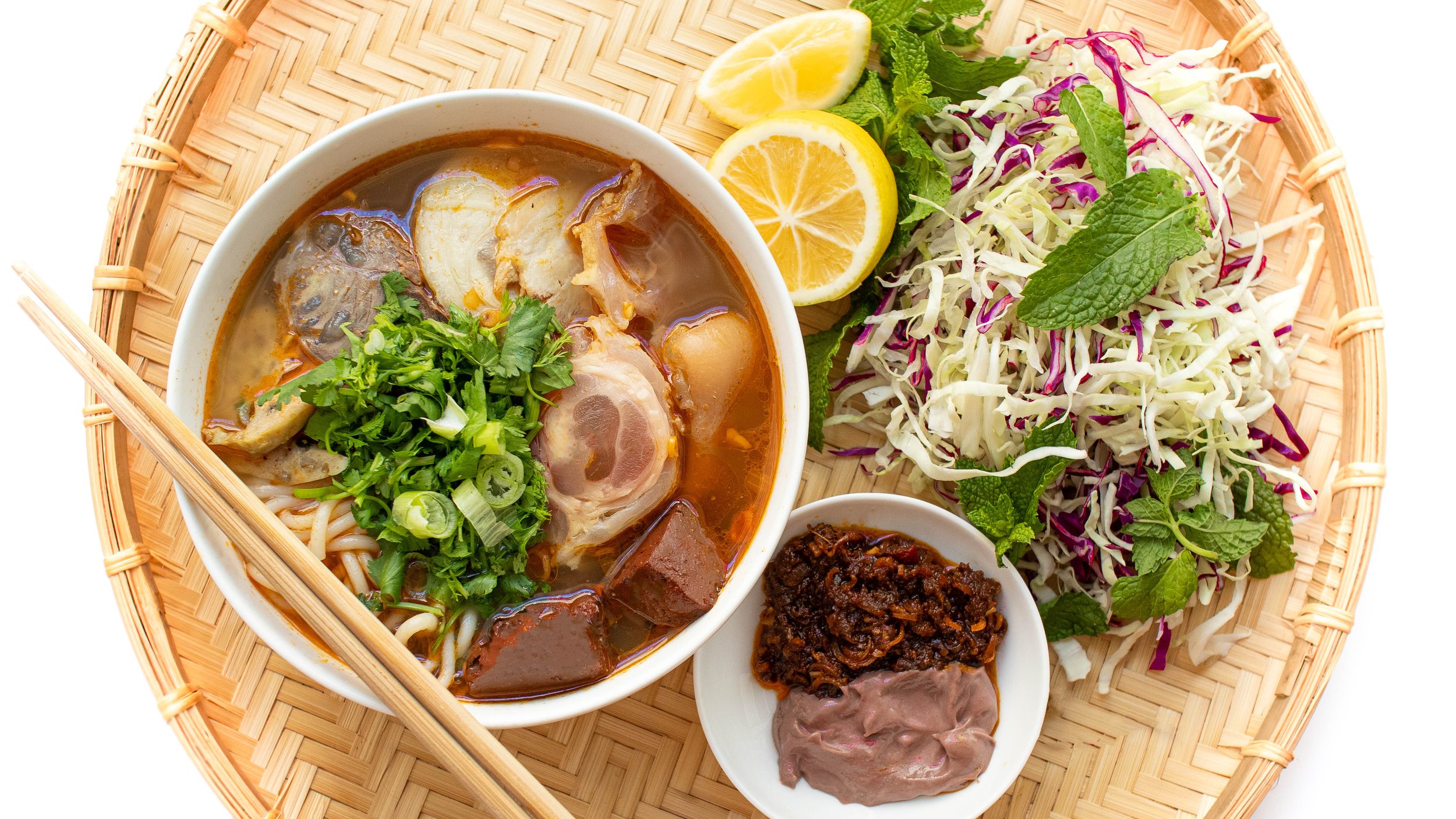
Ho Chi Minh City boasts eight new additions to the Bib Gourmand list, catering to a range of palates. Bánh Xèo 46A is renowned for its giant Vietnamese crepes overflowing with savory fillings, while Bò Kho Gánh offers a soul-warming beef stew served in a traditional stone bowl. Hue-style beef noodle soup lovers can head to Bun Bo Hue 14B, a takeout stall specializing in this flavorful dish.   Bun Bo Hue

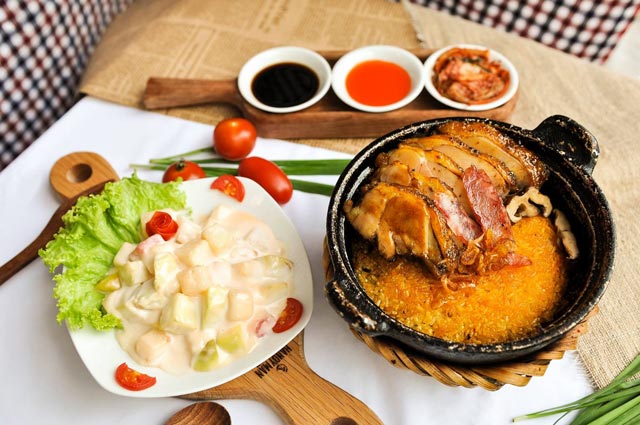
For a more extensive dining experience, Man Moi offers a diverse menu encompassing regional specialties from across Vietnam. Those seeking a European touch can visit Sol Kitchen & Bar, while Com Tho Chuyen Ky, a Cantonese eatery, promises a luxurious double-boiled silkie chicken soup. Rounding out the list are Nha Tu, and Vi Que Kitchen, each offering a unique take on Vietnamese cuisine.      Com Tho

Celebrating Vietnamese Cuisine

The Michelin Bib Gourmand designation is a significant recognition for these restaurants. Gwendal Poullennec, International Director of the Michelin Guide, highlights this by stating, “With 13 new Bib Gourmand restaurants… our 2024 selection invites gourmets to explore the charm, quality, and diverse offerings of Vietnamese cuisine.”

So, whether you’re a local or a visitor, the 2024 Bib Gourmand list provides an excellent starting point to discover the culinary gems hidden within Hanoi and Ho Chi Minh City. With its focus on affordability and quality, this list allows you to experience the depth and vibrancy of Vietnamese cuisine without breaking the bank.

Make your plan to Vietnam right now by apply a Vietnam visa at vietnamvisapro.net. We, a reputable and reliable Visa service, will assist you turn your plan into reality at the very first step

Posted on

Tay Ninh: one of the best attractive destinations in Vietnam

Are you wondering where is Tay Ninh in Vietnam? Look no further than this Tay Ninh Vietnam map, which will also show you the many attractions in this southern province.

If you are planning a Vietnam travel adventure, the Tay Ninh Vietnam map should definitely be on your radar! Located in South Vietnam, Tay Ninh is known for its rich cultural heritage and stunning natural landscapes. From the majestic Ba Den Mountain to the magnificent Cao Dai Temple, there is a wealth of attractions to discover during your trip in this province.

>>> Apply Visa to Vietnam <<<

>>> Order Fast Track Service <<<

1. Where is Tay Ninh in Vietnam? How many districts are there on the Tay Ninh Vietnam map?

Tay Ninh, a province situated in South Vietnam, is nestled in the southeastern region. It borders Binh Duong and Binh Phuoc to the east, Ho Chi Minh City and Long An to the south, and shares a 240-kilometer-long border with Cambodia to the west and north. Besides the city of Tay Ninh, the province comprises 8 districts, including Tan Bien, Tan Chau, Duong Minh Chau, Chau Thanh, Hoa Thanh, Ben Cau, Go Dau, and Trang Bang.

Vietnam Tay Ninh promises a captivating journey for all travellers. This Tay Ninh Vietnam map will reveal the diverse landscapes and cultural wonders that this place has to offer.

2. Which places on the Tay Ninh Vietnam map are worth visiting for tourists?

2.1. Ba Den Mountain – one of the top attractions near Ho Chi Minh City

Situated just 11 kilometres away from the center of Tay Ninh City, Ba Den Mountain holds a significant place on the Tay Ninh Vietnam map. This Tay Ninh Mountain stands as the “roof” of South Vietnam, soaring to a height of 986 meters and covering an area of 24 square kilometres. It captivates visitors with its rich history and breathtaking landscapes. Ascending Ba Den Tay Ninh Mountain ensures an unforgettable adventure for both seasoned climbers and newcomers alike, regardless of the path you choose.

2.2. Tay Ninh Holy See (Cao Dai Temple)

Tay Ninh Holy See, also known as Cao Dai Temple, serves as the spiritual heart of Caodaism in Vietnam. Situated just 5 kilometres away from the center of Tay Ninh City, this temple showcases a unique blend of Eastern and Western architectural styles. As the largest Cao Dai religious site on the Tay Ninh Vietnam map, it attracts both pilgrims and tourists alike. The captivating ambiance and profound spiritual significance here make it a must-visit on any journey to Tay Ninh.

2.3. Dau Tieng Lake

Dau Tieng Lake, the largest man-made lake in Vietnam, spanning an impressive 27,000 hectares, is a picturesque reservoir stretching across the provinces of Tay Ninh, Binh Duong, and Binh Phuoc. The majority of its expanse lies within the Tay Ninh Vietnam map. Many visitors flock here for camping trips, where they can witness breathtaking sunrises and sunsets or even spend a memorable night for a delightful picnic.

2.4. Lo Go – Xa Mat National Park

Tay Ninh Province Vietnam is home to a remarkable natural treasure named Lo Go – Xa Mat National Park. Situated on the Tay Ninh Vietnam map, covering an extensive area of 18,765 hectares, this park serves as a transitional zone between the Central Highlands and the southeastern region.

As one of the noteworthy Vietnamnational parks, Lo Go – Xa Mat is dedicated to conserving a wide variety of rare and precious flora and fauna. Thanks to its diverse terrains, visitors can indulge in a plethora of fascinating activities, including forest trekking, cycling through lush landscapes, camping, picnicking by the picturesque Da Ha Waterfall, and taking a boat ride along the scenic Vam Co Dong River.

2.5. Truc Stream

Truc Stream, a hidden gem on the Tay Ninh Vietnam map, is one of the delightful attractions near Ho Chi Minh City that will enchant nature enthusiasts. This serene stream offers a refreshing respite from the hectic pace of city life. Here, visitors can immerse themselves in the tranquility of the surroundings while taking leisurely strolls along the banks or simply basking in the peaceful ambiance. The crystal-clear water of Truc Stream invites you to dip your feet, providing a soothing escape on a hot day.

2.6. Chot Mat Tower

Chot Mat Tower (also known as Chop Mat) stands as one of the few remaining ancient towers in South Vietnam. This tower is a significant relic of the Oc Eo civilization, bearing witness to the rich cultural heritage of the area. Historians estimate that this tower was constructed in the 8th century, yet it was not until the mid-19th century that French archaeologists discovered it. As a mysterious piece of history on the Tay Ninh Vietnam map, Chot Mat Tower invites visitors to delve into the intriguing past of Tay Ninh South Vietnam, offering a glimpse into the ancient civilization that once flourished in the region.

2.7. Rocky Mountain Lake

Rocky Mountain Lake, also known as Ho Nui Da, is an essential stop on your Tay Ninh Vietnam map. Situated in Ba Den Mountain, a visit to this place allows you to engage in various activities with friends and family, such as trekking along the trails leading to the lake, camping, and participating in team-building games. The best time to visit Rocky Mountain Lake is during the dry season, from December to April. So, plan your Tay Ninh tour accordingly to enjoy the enchanting beauty of this natural gem.

2.8. Go Chua Fruit Garden

On the Tay Ninh Vietnam map, if you seek a tranquil natural space where you can indulge in an abundance of delicious fruits, Go Chua Fruit Garden is a must-visit. Often overlooked by many, this hidden gem is a perfect retreat for relaxation and fruit feasting. Fruit enthusiasts will be delighted by the abundant selection available here. So, make sure to come and savor the delights of this lesser-known gem during your Tay Ninh Vietnam trip.

2.9. Go Ken Pagoda

Amidst the tranquil beauty of Tay Ninh, you will discover Go Ken Pagoda, a hidden treasure among the enticing Tay Ninh Vietnam attractions. With a history spanning over a hundred years, this ancient pagoda exudes a serene ambiance and spiritual charm. Within the pagoda’s grounds lie various sacred structures, including a 25-meter-tall statue of Avalokitesvara Bodhisattva standing amidst a lotus pond, a statue of Buddha, and a nine-story Stupa. Go Ken Pagoda is a true gem among Vietnamese pagodas, and a visit here promises to enrich your spiritual journey.

2.10. Ma Thien Lanh Valley

Ma Thien Lanh Valley is a mesmerizing landscape shaped by the convergence of Ba Den Mountain, Phung Mountain, and Heo Mountain. From the summit of Ba Den Mountain, the valley seems to unfold like a tranquil basin, adorned with hidden caves and serene lakes. Undoubtedly, Ma Thien Lanh Valley promises to be an enthralling attraction for any Tay Ninh Vietnam trip. This natural wonderland offers a range of beloved activities, such as trekking, camping, or simply enjoying a leisurely picnic.

Tay Ninh Province Vietnam beckons curious travelers with its alluring charm. As you traverse the Tay Ninh Vietnam map, you will uncover not only cultural treasures but also natural wonders like the mystical Ba Den Mountain and the serene Dau Tieng Lake. Each stop on the map promises a new adventure, making your Tay Ninh tour unique and memorable.

 Apply For Vietnam Visa, apply Vietnam visa, Apply visa vietnam, book visa vietnam, Cheap Vietnam Visa, E-visa Vietnam, evisa Vietnam, expedited e-visa, expedited Vietnam E-visa, Get a Vietnam visa, Get Vietnam Visa, get vietnam visa online, get visa to vietnam, get visa Vietnam, multiple entry visa, my vietnam visa, quick vietnam evisa, rush vietnam visa, tourist visa, Urgent Vietnam Visa, Vietnam, Vietnam E-visa, Vietnam Embassy, Vietnam tourist, Vietnam travel, Vietnam vacation, Vietnam Visa, Vietnam visa cost, Vietnam Visa Exemption, Vietnam Visa Fee, Vietnam Visa for India citizens, Vietnam Visa For Indians, Vietnam visa for Israelis, Vietnam Visa for South Africa citizens, Vietnam Visa In India, Vietnam visa in South Africa, VIetnam VIsa on arrival, Vietnam VIsa online, Vietnam visa pro, Visa Approval Letter, visa for vietnam, Visa On Arrival, visa online, Visa to Vietnam, Visa Vietnam
Posted on

        Ninh Thuan: beyond Sun, Wind and Beach.

Stunning beaches and sand dunes, lush green mountains, and vibrant culture are all glowing words whenever people mention Ninh Thuan, a beautiful province in the south-central region of Vietnam. Whether you are looking for a beach break or an adventurous trekking trip up the hill, Ninh Thuan is sure to satisfy every craving heart in the world.

Ninh Thuan is a cradle full of surprises. Being sandwiched between the world-famous beach resort towns of Nha Trang and Mui Ne, it is also home to a world biosphere reserve, Cham heritage site and UNESCO’s Intangible Cultural Heritage in Need of Urgent Safeguarding.

As mentioned, Ninh Thuan located in the South-Central region, the provincial capital is Phan Rang – Thap Cham city, 340 km from Ho Chi Minh City, bordering Khanh Hoa to the north and Binh Thuan to the south. With its special location, Ninh Thuan is the host to some of the country’s most stunning natural wonders. From its pristine beaches to its lush forests, Ninh Thuan offers a wealth of opportunities for exploration and discovery.

>>> Apply visa to Vietnam <<<

Best time to visit Ninh Thuan

Despite being hot all year round, Ninh Thuan is, obviously, a hotspot drawing tourists. For those who fancy blue sea, white sand and crispy sunshine, travelling from May to August will be the perfect time to enjoy beaches in Ninh Thuan. It is not the peak season so you can have a peaceful heart, mind and soul.

August to October screaming festival time. The province is its busiest, culturally, with unique festivals of the Cham people, including the “Kate Festival” held late September and early October to mark the end of one harvest season.

There are several means of transport to reach Ninh Thuan. If you take the train, you get off at Thap Cham Station. If you take a plane, the nearest airport is Cam Ranh (Khanh Hoa), nearly 70 km from Phan Rang – Thap Cham city. Other vehicles such as cars or motorbikes can access via National Highway.

Looking for a shelter? Ninh Thuan offers a wide range of accommodations from motels, hotels to camping tents.


What to explore

Nui Chua National Park

About 30 minutes driving from Phan Rang-Thap Cham City, this UNESCO’s biosphere reserve shelters 765 animal species, of which 46 are on the Red List of the International Union for Conservation of Nature, including the red-shanked douc langurs. Trekking and camping are few tourism activities allowed in the national park. Visitors can trek through towering mountains, fast-flowing streams, giant rocks, mountain cliffs, and dense jungles. The most popular trek is a three-day trekking route from Hang Da Hamlet to O Liem River. During the trekking, visitors can pitch a camp in the heart of the forest, if lucky enough, visitors can have an opportunity to learn traditional wet rice farming methods of the Raglai ethnic minority community and many unique cultural practices. Register in advance with the management board of the park to ensure your safety.

Rai Cave

Nestled in the Nui Chua Biosphere Reserve, Rai Cave owns a system of beautiful, extraordinary caves, a masterpiece of nature and otter habitat. This is also the place with the most beautiful coral reef in the region, stretching for kilometres, with many species and colours creating a colourful picture. There are no tourism services here, but visitors can bring their own tents to camp overnight.

Vinh Hy Bay

 It is no doubt to say Ninh Thuan Province is a paradise for beach lovers since it is well known for stunning beaches, white sand, crystal clear waters and lush vegetation. Being known as one of the 4 most beautiful bays in Vietnam, Vinh Hy Bay is an unmissable place in Ninh Thuan. Close to Nui Chua National Park, the Bay has its wild, natural and primitive beauty. Added some fun to swimming and watersports by the Bay, renting a glass-bottom boat to watch the marine life and colourful coral reefs is a great experience.

The sea route

Phan Rang – Vinh Hy – Cam Ranh and Phan Rang – Binh Thuan are two sea routes with gorgeous views of nature. From Phan Rang – Thap Cham City, following the coastal road to the North and South, the scenery of green beaches, white salt fields, sheep grazing fields, vineyards… open up in visitors’ eyes. A part of Nui Chua Biosphere Reserve also lies in this route.

Bau Truc Pottery Village

About 10 km from Phan Rang-Thap Cham City, lies the Bau Truc Pottery Village, with the Art of pottery-making of Chăm people, a UNESCO’s Intangible Cultural Heritage in Need of Urgent Safeguarding, and one of the two most ancient pottery villages in Southeast Asia. All ceramic products in Bau Truc are handmade as artisans do not use a potter’s wheel to shape the clay. Come and experience the crafting of beautiful ceramic products to bring as gifts.

Nam Cuong sand dune

Being dubbed as a miniature desert of Ninh Thuan, the dunes change colours depending on the angle of the sun and cloud. Visitors to this miniature desert can see the sight of Cham women in their traditional attires, silhouetting on the soft sand, carrying jars of water on their heads. The best time to admire the beauty of the sand dunes is between 5am and 7am, when sunshine makes the sands glow golden.

Po Klong Garai Tower

About 7 km from Phan Rang-Thap Cham City, lies the most majestic tower complex of the Cham People, the Po Klong Garai. This architectural masterpiece is a place to perform the worshipping. Cham people garther here to celebrate the “Kate Festival,” praying for a good harvest every October. The week-long festival marks the Cham calendar’s de facto New Year at the onset of a new harvest.

An Hoa Sheep farm

With the year-round hot and sunny weather, Ninh Thuan is considered as the “holy land” of sheep. Many of Ninh Thuan’s shepherds belong to the Cham ethnic minority. Local shepherds usually take their flocks at around 8 a.m to nearby hills where they graze on wild grass. This is the ideal time to watch the sheep and take arresting photographs.

Vine yards

Despite the year-round hot weather, Ninh Thuan is an ideal land for grapes and apples growing. Ninh Thuan people also grow black grapes used to make wine besides green and red ones. On the Ninh Thuan – Nha Trang route, visitors can pass by vineyards of An Thai, Ba Moi… to take a photo, picking and buying grape products.

What to eat

Banh Can (mini pancakes) is a common food of the Cham people in Ninh Thuan. Other must-try dishes in Ninh Thuan can be named: Banh canh cha ca (fish cake noodles); chicken rice; Jellyfish noodle soup; Vietnamese white sardine salad …

Posted on

Phong Nha – Ke Bang National Park: home of the World’s largest cave

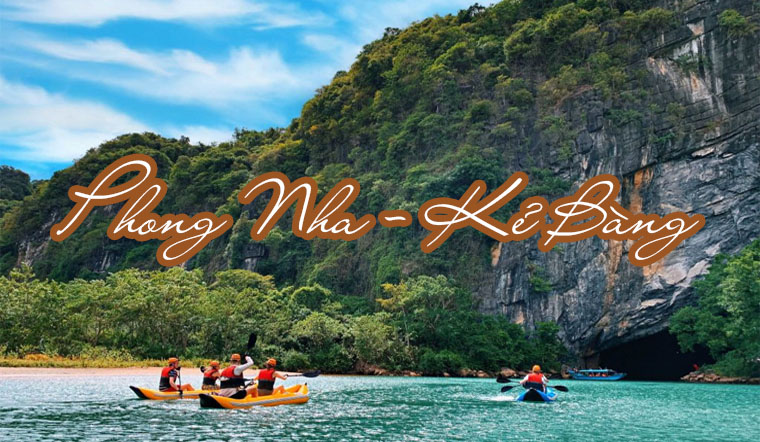
Vietnam boasts numerous amazing places to visit, various off-the-beaten-track tourist attractions and hidden gems in Vietnam are waiting to be explored. Phong Nha – Ke Bang National Park is one of them.

kinh-nghiem-du-lich-kham-pha-dong-phong-nha-ke-bang-quang-binh-202107051210588725

Phong Nha-Ke Bang National Park is located in Bo Trach and Minh Hoa Districts, Quang Binh Province. Inscribed on the World Heritage List in 2003, the Park covered 85,754 hectares. With this extension, the site covers a total surface area of 123,326 hectares (a 46 % increase).

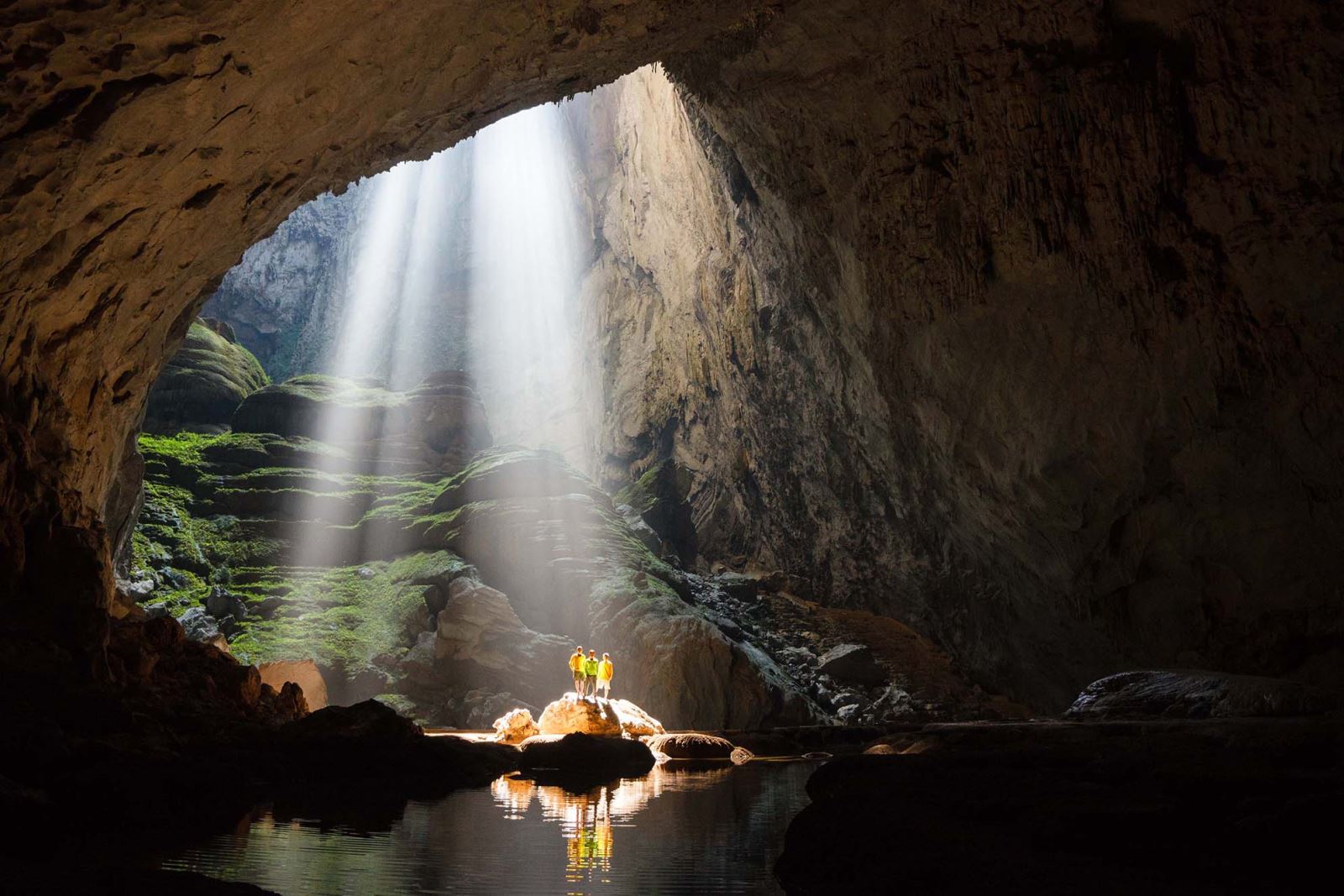
The property contains and protects over 300 caves and underground rivers making it one of the most outstanding limestone karst ecosystems in the world. A variety of cave types including: dry caves, terraced caves, suspended caves, dendritic caves and intersecting caves. Noticeably the Son Doong Cave, first explored in 2009, is believed to be the world’s largest cave.

vna_potal_chum_anh_ve_dep_cua_son_doong_hang_dong_tu_nhien_lon_nhat_the_gioi__3710474(1)

he park also has diverse flora and fauna, including many rare and endangered species. Visitors can explore the natural wonders scattered around the park and indulge in various recreational activities such as trekking, kayaking, and cycling.

Best time to visit Phong Nha – Ke Bang National Park is from March to August, during the dry season.

Phong Nha – Ke Bang National Park is truly a wonderful underground world since it consists of caves, lake, river, beach and reef, incredible stalactites… In case you only know about Phong Nha – Ke Bang National Park via the Son Doong Cave adventure tour. Here, you can enjoy tons of activities that bring you closer to nature.

Explore Phong Nha – Ke Bang National Park by wheels

Cycling and motorbike tours are highly recommended as this is the best approach to unveiling hidden gems of Phong Nha – Ke Bang National Park. Feel the exhilarating rush of wind as you traverse picturesque pathways, absorbing the verdant panoramas and the abundant biodiversity that graces the park. For another level and pumping your adrenaline by navigating winding routes on a motorbike that lead to concealed alcoves and awe-inspiring vantage points. Whatever vehicles you choose, both avenues yield a distinct viewpoint, enabling an intimate connection with the park’s multifaceted landscape.

Wander and Trek

Taking a leisure stroll or embarking on a rewarding hiking adventure are the best ways to let you immerse yourself in the natural wonders of Phong Nha – Ke Bang. With the diverse landscapes, the park offers a captivating journey. Wander through lush forests, revealing hidden streams and delicate flora, visitors will be embraced by the tranquil amble. For those seeking a more adventurous experience, getting into hiking paths lead to panoramic viewpoints that offer breathtaking vistas of the surrounding karst formations.

Visit Phong Nha – Ke Bang botanical garden

The 40-ha botanical garden located in the centre of the Phong Nha – Ke Bang National Park, the garden is an attractive eco-tourism destination with 500 plant species, including 133 rare and precious ones. The botanical garden is a natural forest with six major tourism sites: the 30-metre high Gio (Wind) Waterfall, Vang Anh Lake, a specimen showroom, a 3-km natural pathway, plant nursery and precious and rare plant areas. Walking on the pathway, tourists can see monkeys and porcupines in the wild and in a semi-wild zone.

Visitors can camp or rent rooms overnight and enjoy local food made from chicken, spring shrimp, river fish and pigs bred in forests.

Enjoy zipline and mud bath in Chay River – Toi (Dark) Cave

foody-hang-toi-quang-binh-755-635982523463766379

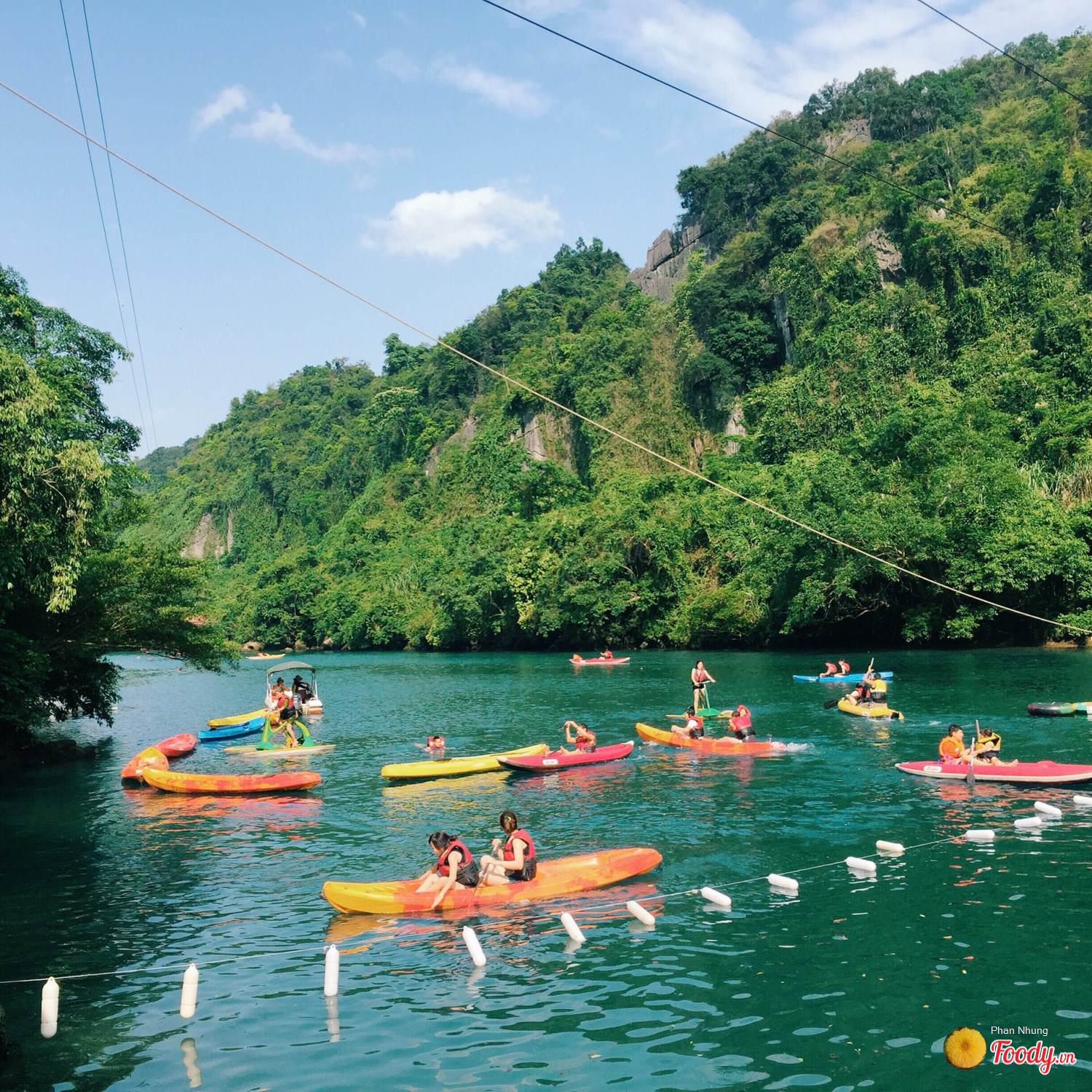
Chay River – Dark Cave is located in Son Trach Commune, Bo Trach District (Quang Binh Province), is an attractive destination with many fun activities such as zipline, kayaking, mud bath. Visitors often come here to enjoy the cool and fresh air.

Zipline is truly a highlight activity in Chay River. This activity includes two routes: a 400m zipline from the observatory to the mouth of Dark Cave and a short zipline from the bank to the middle of the river and then release in the water of the Chay River. Free your soul within a minute, feel the light wind over a distance of more than 400m from the observatory to the mouth of Dark Cave.

To reach Dark Cave, visitors can choose to zipline to the cave entrance or swim or kayak for sightseeing and having fun. Visitors can put themselves into the pit of pure dilute mud that is eroded and refined by the limestone mountains.

Overnight camping and caving

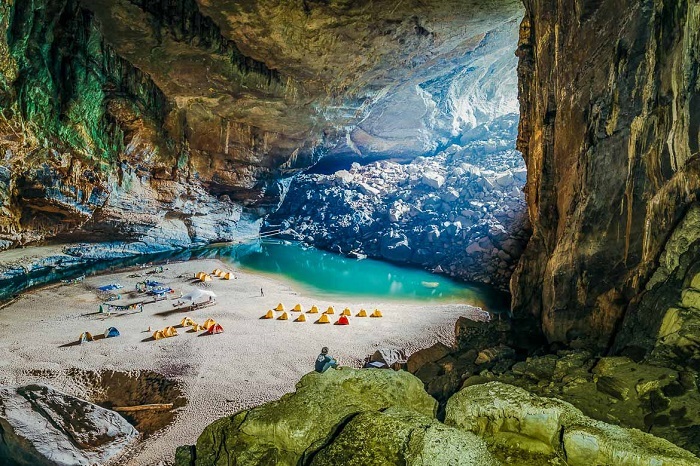
One of the immersive experiences amidst the natural wonders of Phong Nha – Ke Bang National Park is to camp and cave overnight at the park. Spending the night within the heart of these ancient limestone formations, surrounded by the secrets of the underground world. The caves glow up with headlamps illuminating your path, the whole place turns into a mystic allure. This kind of activity is recommended with the companion of expert guides so you can be delighted by the park’s geology, history, and the unique ecosystems that thrive within.

thoi-tiet-quang-binh-1_1643163438-5

Make your plan to Vietnam right now by apply a Vietnam visa at vietnamvisapro.net. We, a reputable and reliable Visa service, will assist you turn your plan into reality at the very first step.

Posted on

Things to know about Notre Dame Cathedral of Saigon

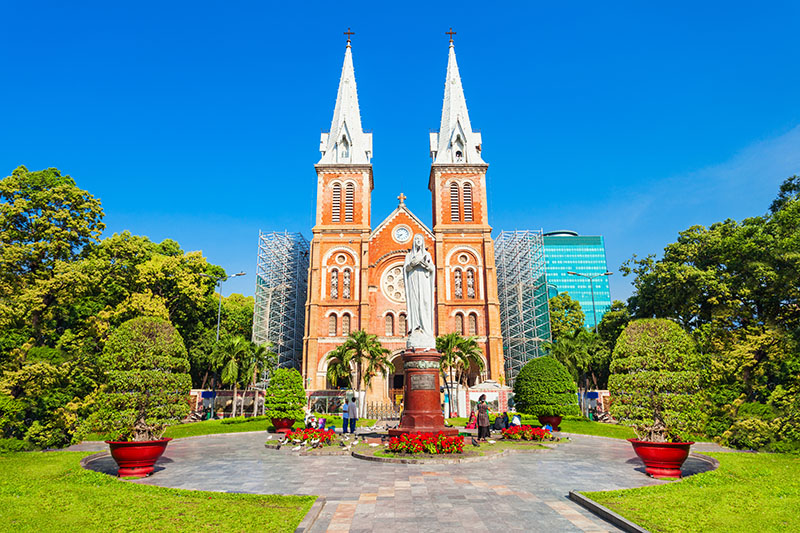
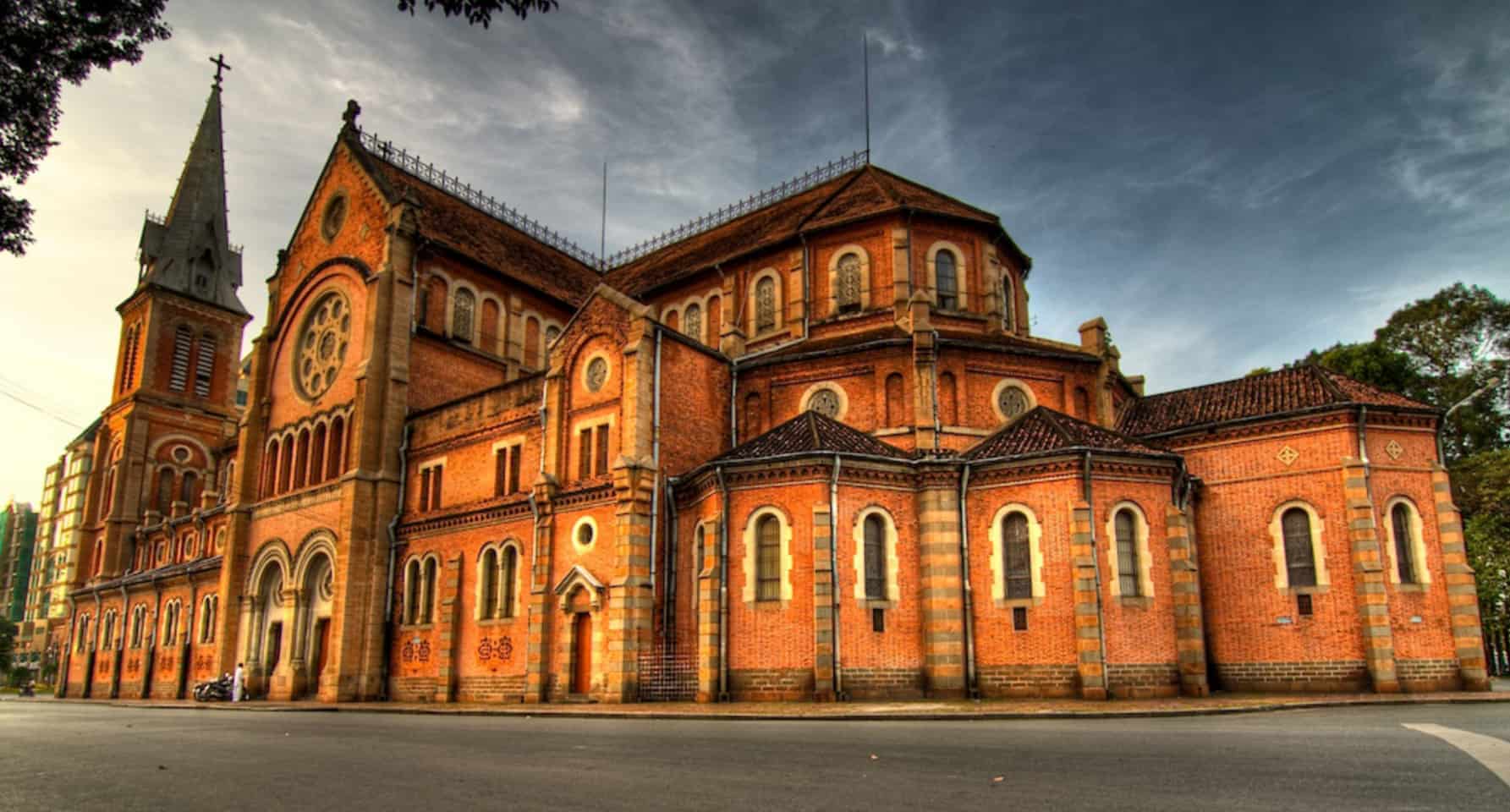
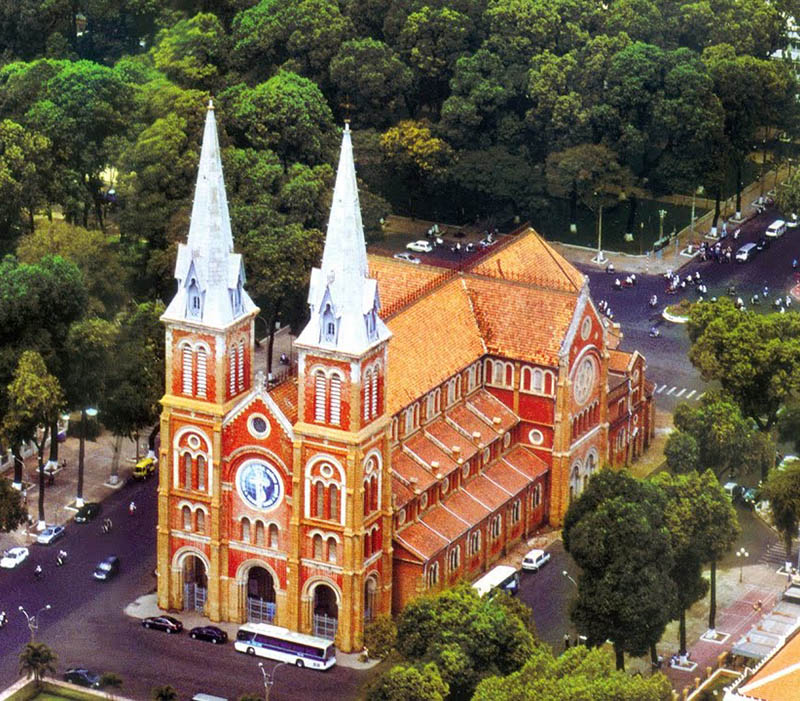
“Nha Tho Duc Ba Sai Gon” which is known as Notre Dame Cathedral Saigon has an official name as Immaculate Conception Cathedral Basilica in English and Cathédrale Notre-Dame de Saïgon in French. This French-built cathedral occupies scenic Paris Square in the heart of Ho Chi Minh City at 1 Cong Xa Paris, Ben Nghe, District 1, Notre Dame Cathedral. It is one of the oldest religious architectural works in Saigon. Combining to other constructions such as Central Post Office, Reunification Palace, Opera House, etc. Notre Dame Cathedral contributes to create a unique architectural complex, which is the symbol of urban architecture of the most dynamic city, Saigon – Ho Chi Minh city.

Notre Dame Cathedral Basilica of Saigon or Cathedral Basilica of Our Lady of The Immaculate Conception in Ho Chi Minh City, Vietnam

History

Immediately after occupying Saigon, the French established a church to serve as a place of worship for Catholics in the army. The first church was located on today’s Ngo Duc Ke street, which is an old Vietnamese temple abandoned due to the chaos of the war.
This first church quickly became small with an increasing number of believers. In 1863, Governor Louis Adolphe Bonard decided to build a wooden church on the banks of the Charner Canal (Kinh Lon). This canal was later filled and built into Nguyen Hue Street today. Father Dominique Lefèbvre put the first stone for the construction of this church, then named it as Saigon Cathedral. However, due to the wooden construction, the church was soon destroyed by termites. Thus, in preparation for a new solid church on the growing land, in August 1876, the Governor of Cochinchina – Victor Auguste Duperré organized a competition to select designs for the new church.
Architect J.Bourad was chosen with a modified Roman architecture project combining with Gothic characters. And he also won the bid to build this historic building. The original construction site was proposed in three places, and finally the Paris Commune Square was chosen. The front of the church turns to the Southeast, towards Nguyen Du Street, the back heads to the current Le Duan Street. The construction was done fairly quickly, nearly 3 years. On 11th April 1880, a blessing ceremony and inauguration ceremony of Saigon Cathedral was solemnly celebrated by Bishop Colombert with the participation of Cochinchina Governor – Charles Le Myre de Vilers.
All construction materials for the church such as cement, steel, tile, stained glass, bells, etc. were all transported from France. The outside of the buildings, for instance, was built totally of red bricks from Marseille without plastered or cemented. However, it still remains fresh orange-red color until today. In the beginning, the Church was called the State Church, because all the construction funding was provided by the French State, with an amount of up to 2,500,000 francs at that time.
In 1895, the church built two more bell towers, each tower was 57.6 m high and had 6 large copper bells. At the top of the tower is a crucifix with a height of 3.50m. Overall height from the ground to the top of the crucifix is 60.50m.
In 1958, the governor of the Saigon at that time, Father Joseph Pham Van Thien, ordered a statue of the Mother of Peace on white marble. The statue was carved in Italy and transported to Saigon by sea in 1959. After that, Société d’Entreprises Company has erected a statue of Our Lady on a stone pedestal that has been empty since 1945 in front of the church.
At the end of the ceremony of the National Congregation of the Holy Mother, Cardinal Aganianian from Rome blessed the statue in the afternoon of 17th February 1959. From this event, the Church was named Notre Dame Cathedral. On December 5, 1959, the Holy See allowed to hold anointment ceremony, conferring the Saigon Cathedral to the basilica. Since then, the official name of the cathedral is the Notre Dame Cathedral in Saigon.
In 1960, the Holy See erected Roman Catholic dioceses in Vietnam with three archbishops in Hanoi, Hue and Saigon. The church became the cathedral of the archbishop of Saigon to this day.

1-10

Know before you go

  1. Saigon Notre Dame Cathedral is open:

– Monday – Saturday: 08.00 AM – 11.00 AM
– Monday – Saturday: 14.00 PM – 16.00 PM
If you have a chance to take a look inside, then remember to enter the sided gate, which is open every day while the main gate opens only during Sunday Mass. Many tourists visiting Notre Dame Cathedral would like to attend the mass, but do not know the exact mass schedule of the Notre Dame. Please have a look at this schedule, hopefully you will choose the mass frame that match your itinerary
– Weekday Mass: at 05.30 AM and 5.30 PM.
– Sunday Mass: at 05.30 AM; 06.45 AM; 08.00 AM; 09.30 AM; 16.00 PM; 17.30 PM; 18.30 PM. (The Sunday Mass at 9.30 AM is in English)

  1. No entrance fee is required to visit this place but we recommend booking Saigon Notre Dame Cathedral tours ahead of time to secure your spot. See all Saigon Notre Dame Cathedral tours on Vietnam Travel.

However, the cathedral is under is undergoing large-scale renovation, the renovation is expected to last for 3 years (6/2017 – end 2020). The church is closed to tourists during this time but remains a site of worship for Vietnamese Catholics every Sunday where a mass is held at 09.30 AM in both Vietnamese and English. You can still admire the scenery or take pictures from the surrounding grounds.

nha-tho-duc-ba-sai-gon-ruc-ro-1692570394
  1. Others

– Please dress appropriately and avoid disturbing the worshipers when visiting.
– Don’t use flashlight inside Cathedral.
– From the Notre Dame Cathedral Saigon, you can visit other attractions nearby:
o Central Post Office
o The Independence Palace
o People’s Committee Building
o Ho Chi Minh’s book street
o If you have time, please pass by Diamond Plaza, 30/4 Park and sip a cup of coffee while view the local life and enjoy peaceful moment.  This is most properous part of HCM City and most of cafe or shop in this area is more expensive than the rest of the country.
o You can also try several delicious street foods around the Cathedral area such as: Banh Canh Cua, Banh Xeo, Banh My, Bun Rieu, Bun Mam…

Make your plan to Vietnam right now by apply a Vietnam visa at vietnamvisapro.net. We, a reputable and reliable Visa service, will assist you turn your plan into reality at the very first step.

Posted on

Three Vietnamese Destinations Shine with ASEAN Clean Tourist City Awards 2024

In a significant recognition of their commitment to cleanliness, waste management, and environmental awareness, three enchanting Vietnamese destinations – Hue, Vung Tau, and Quy Nhon – have been honored with the prestigious ASEAN Clean Tourist City Awards 2024. The announcement took place at the ASEAN Tourism Forum 2024, held in the picturesque capital of Laos, Vientiane, from January 22 to 27, 2024. This accolade not only celebrates the beauty and cultural richness of these destinations but also highlights their dedication to sustainable tourism practices.

These three places have previously received the ASEAN Clean Tourism City Award. Quy Nhon received the honor in 2020, while Vung Tau and Hue had each received it three times before.

The recognition was based on 108 criteria divided into seven major categories: environmental management, cleanliness, waste management, environmental protection and cleanliness awareness-building, the presence of green spaces, health safety, urban safety, and security, and the quality of tourism infrastructure and facilities.

Huế: Preserving Imperial Grandeur with Cleanliness
image001

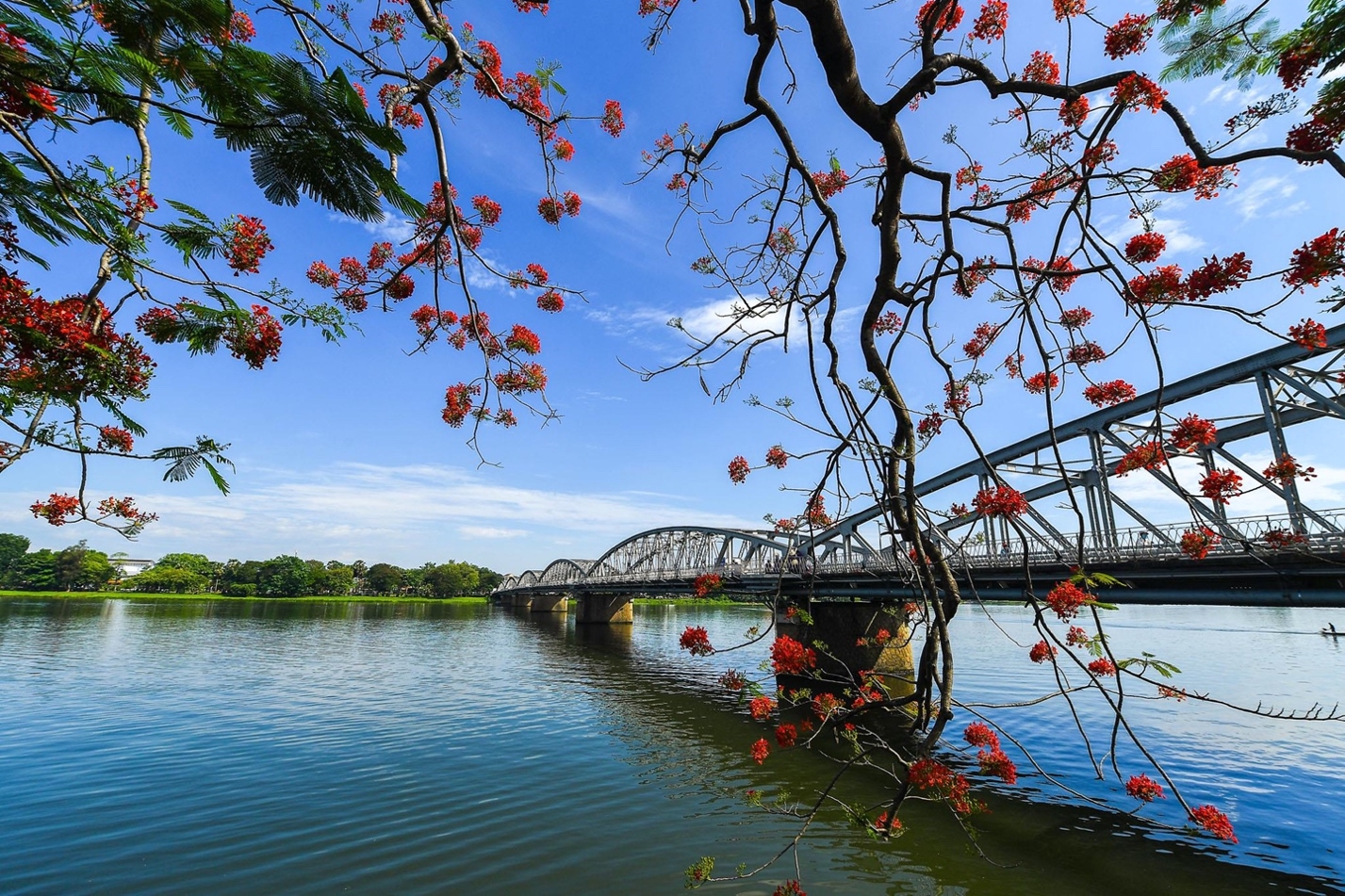
Nestled along the picturesque Perfume River, the ancient city of Hue is renowned for its imperial history and architectural marvels. The city has seamlessly blended its historical charm with a modern commitment to cleanliness and sustainability. From the well-preserved citadel to the vibrant markets, Hue has become a shining example of a destination that values both its rich heritage and the environment. The ASEAN Clean Tourist City Award recognizes Hue’s efforts to maintain its imperial grandeur while adopting eco-friendly practices.

Vũng Tàu: Where Pristine Beaches Meet Environmental Consciousness
Tổng-quan-du-lịch-Vũng-Tàu-ivivu

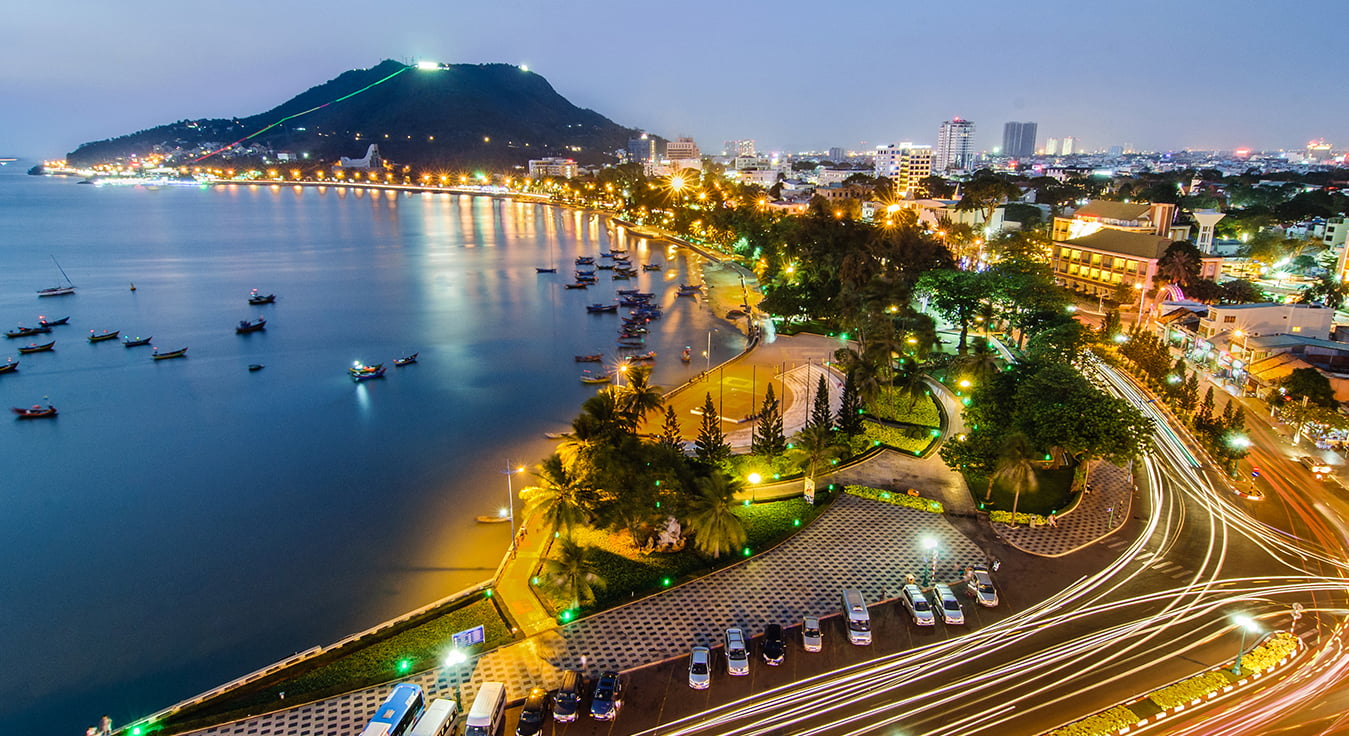
Vũng Tàu, a coastal gem with stunning beaches and panoramic views, has been recognized for its pristine landscapes and a dedication to environmental preservation. The city’s authorities have implemented innovative waste management systems and initiatives to ensure the cleanliness of its beaches and public spaces. Vung Tau’s recognition at the ASEAN Clean Tourist City Awards is a testament to its commitment to providing a delightful and sustainable experience for both locals and tourists.

Quy Nhơn: Balancing Natural Beauty and Environmental Responsibility
eo-gio-1024x768

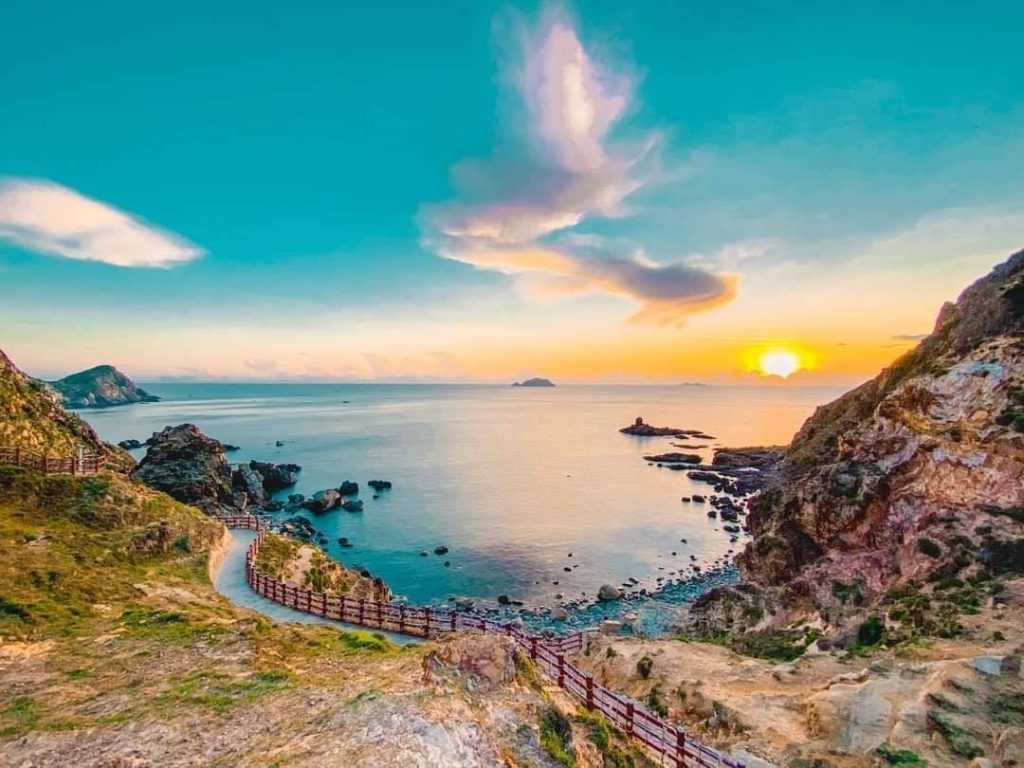
Quy Nhơn, known for its tranquil beaches and pristine landscapes, has struck the perfect balance between preserving its natural beauty and promoting environmental responsibility. The city’s efforts in waste management and environmental education have not gone unnoticed, earning it a well-deserved place among the recipients of the ASEAN Clean Tourist City Awards. Quy Nhon stands as a model destination that demonstrates how responsible tourism can enhance the allure of a place without compromising its ecological integrity.

The ASEAN Clean Tourist City Awards 2024 have cast a spotlight on three remarkable Vietnamese destinations – Hue, Vung Tau, and Quy Nhon – for their dedication to cleanliness, waste management, and environmental awareness. These cities not only showcase the diverse beauty of Vietnam but also serve as inspiring examples for other destinations aiming to harmonize tourism with sustainability. As Hue, Vung Tau, and Quy Nhon continue to welcome visitors with open arms, their commitment to a cleaner and greener future will undoubtedly make them even more appealing to travelers seeking responsible and enriching experiences.

Make your plan to Vietnam right now by apply a Vietnam visa at vietnamvisapro.net. We, a reputable and reliable Visa service, will assist you turn your plan into reality at the very first step.