Posted on

Quy Nhon 2024 : best things to do & travel guide

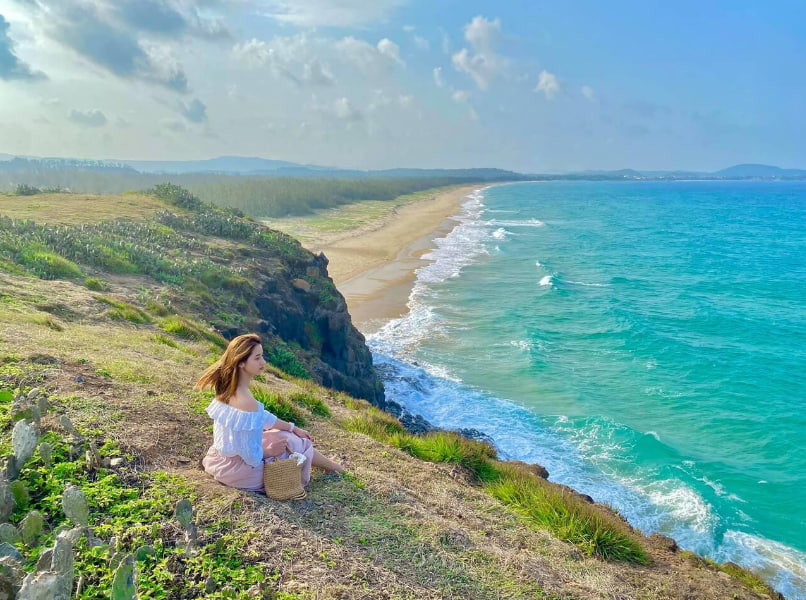
Quy Nhon city is bordered by beautiful beaches and the surrounding landscape is also breathtaking. Life here also feels much more authentic.

5 reasons to visit Quy Nhon

  1. Visit local fishing villages
  2. Beach hopping to secluded beaches
  3. Snorkel and swim around the islands
  4. Explore Champa architecture at Cham temples
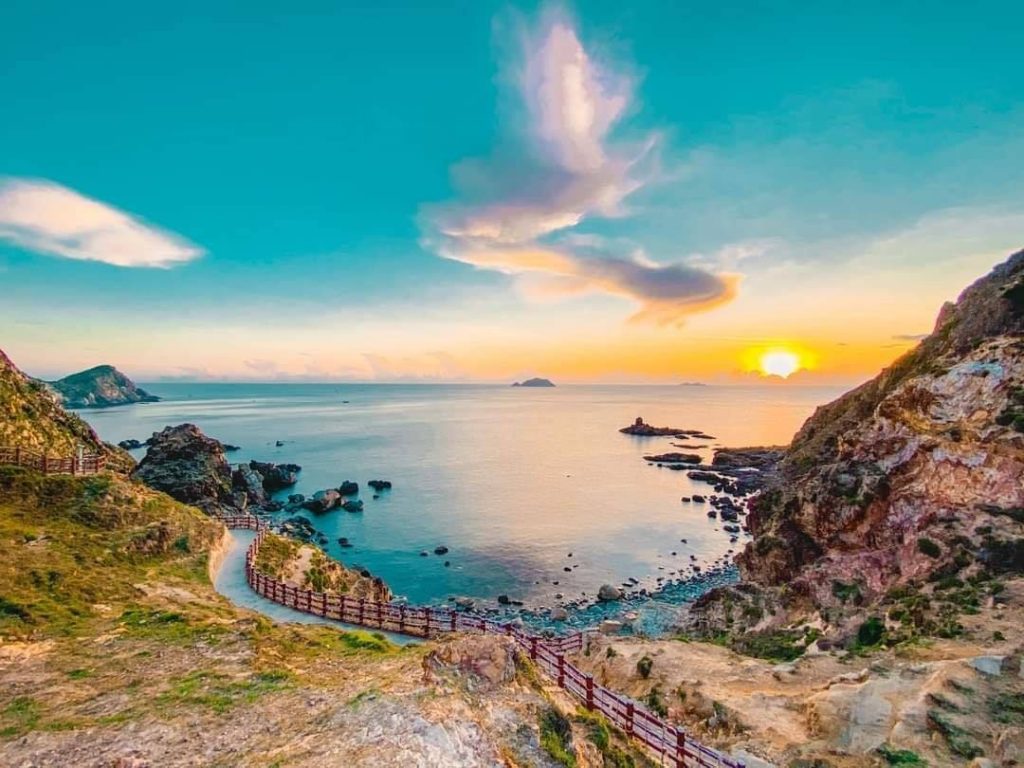
  5. Enjoy the sunset at Eo Gio

Best time to visit

From March to August it is the dry season, when there is little rain. However, the best months are between January and March, when the worst of the rain is over and when it doesn’t get as hot as during the summer months.

10 best things to do in Quy Nhon

The best things to do in Quy Nhon are mainly the activities you can do on and around the beach. This region has one of the most beautiful beaches in Vietnam. Relax with a book on the beach, visit islands or go snorkeling.

1. Stay overnight in Bai Xep

1

Although the city of Quy Nhon is already not touristy, staying in Bai Xep is even more fun and authentic. Bai Xep can be found in a small fishing village 12 kilometers from the city center. It started with two hostels that settled in this village right on the beach, but nowadays there are already some more accommodations here, including a luxury resort next door.

Yet you still feel the real authentic atmosphere of the fishing village here. There is not much to do here except to enjoy the beach and take a boat trip to the nearby island where you can snorkel well.

2. Explore beaches

Besides Bai Xep, many more beaches can be found here. One of the best things to do in Quy Nhon is beach hopping, where you drive along the coast and choose beaches along the way to enjoy yourself. 

You don’t necessarily have to get out of town to find beautiful beaches, because Municipal Beach, the main beach along the city’s strip, is already beautiful. The waves are often calm here, making it an ideal place for swimming. There are a number of bars right on the beach where you can enjoy the sunset with a cocktail.

3. Island hopping

There are a number of small islands off the coast of Quy Nhon. Some are so small that you can only sail and snorkel around them. Many resorts can arrange boat trips to these islands, often combined with snorkeling.

The most famous islands where you can go are Ky Co Island and Kho Island. Khy Co is a remote island with a beautiful beach and crystal clear water that is so inviting that you have to go swimming. Kho Island is a good place to see coral reefs. Hon Kho is also a turtle conservation center.

4. Sunset at Eo Gio

eo-gio-quy-nhon-4_1703490354

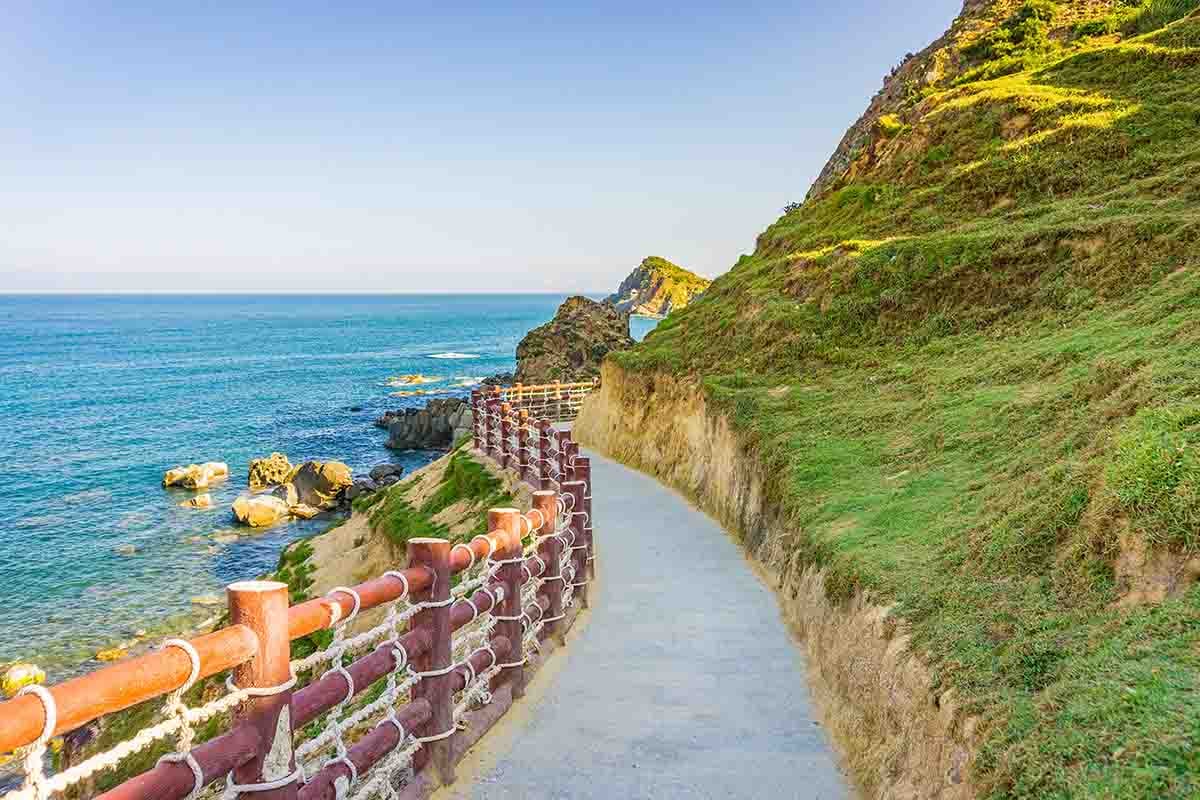
One of the other great things to do in Quy Nhon is wathing the beautiful sunset at the ocean. The best place to do this is at Eo Gio. You can of course also visit this place during the day.

Eo Gio, known as the Windy Pass, is a naturally rocky structure in the sea. It is a beautiful landscape of rough cliffs that fall straight into the water and is fun to explore.

5. Dune sliding

sandboarding

Mui Ne isn’t the only place in Vietnam where you can find sand dunes so big it feels like you’ve landed in a desert. The Phuong Mai dunes are huge and can be found next to the beach of Nhon Ly. It is not only a place to take beautiful photos, but you can also enjoy sandboarding of the dunes.

You can combine a visit to these dunes with Hải Nam fishing village. A nice local and authentic village with a nice beach and island in front of it.

6. Cham towers

po-nagar-cham-towers-3_1701485608

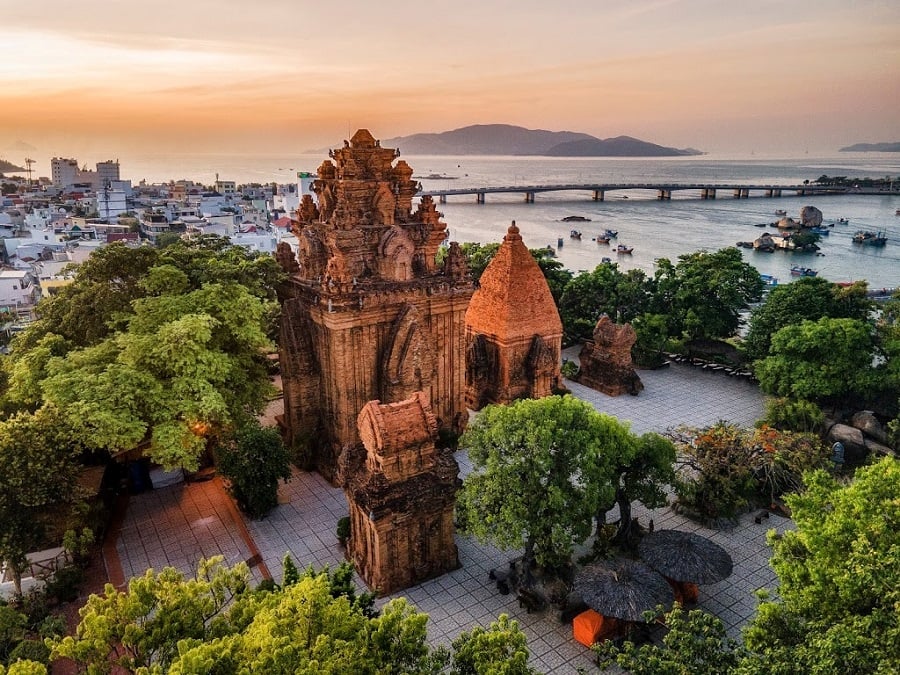
In the vicinity of Quy Nhon you will also find several Cham Towers. These come from the same era and culture as the temples you find in My Son, near Hoi An. They are not difficult to spot when driving through this area as they are usually on top of a hill. It is a mighty sight to see such an old building on a hill from the distance. There is also a Cham tower on the beach in the town of Quy Nhon. The two most famous Cham towers here are Thap Banh It and Thap Doi.

7. Fishing villages

Vung-Vieng-Fishing-Village-1000x565

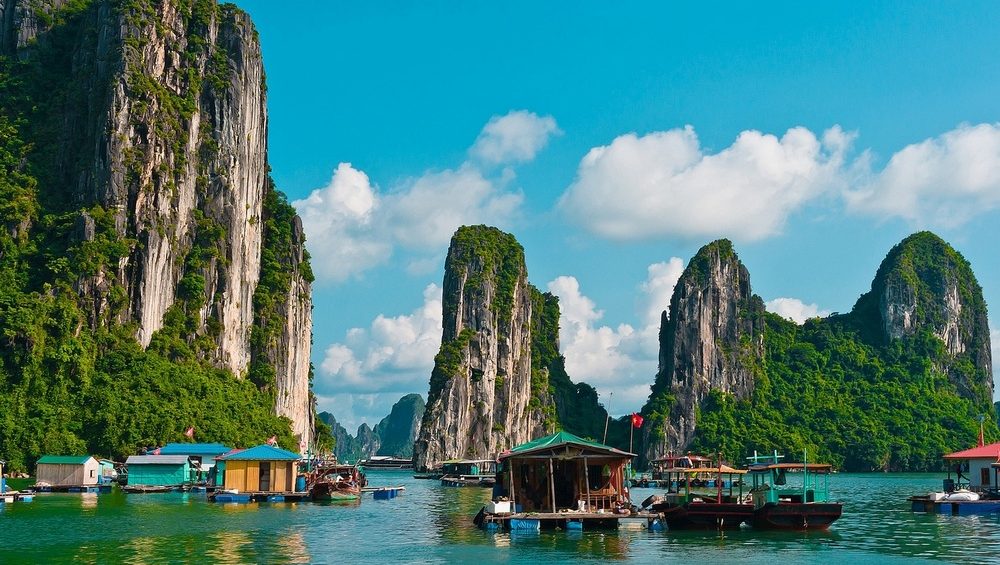
Quy Nhon feels very authentic and what you should do is explore the local life. Stop in one of the fishing villages to see how the fishermen make a living. When you drive along the coast you will come across dozens of small villages. In the sea in front of the village you can see all the blue fishing boats floating in the distance and on the beach you can see the basket boats that they use to paddle to their boat or to check the nets that are close to shore.

8. Snorkeling

Siladen_Snorkeling_20190827-DSC_7680-scaled

Quy Nhon is one of the best places to go snorkeling in Vietnam. In the first place that the coral around some places are very beautiful and the sea is also a lot calmer; especially at the parts of coast where there are islands in front or in the bays. Unfortunately, Vietnamese are very efficient fishermen, so many large fish have disappeared due to fishing.

It is not a problem if you do not have a snorkel set with you, as these can often be rented at the resorts, hostels and homestays by the sea. Also, usually snorkeling is included during the boat trips to the islands.

9. Countryside of Quy Nhon

12 1

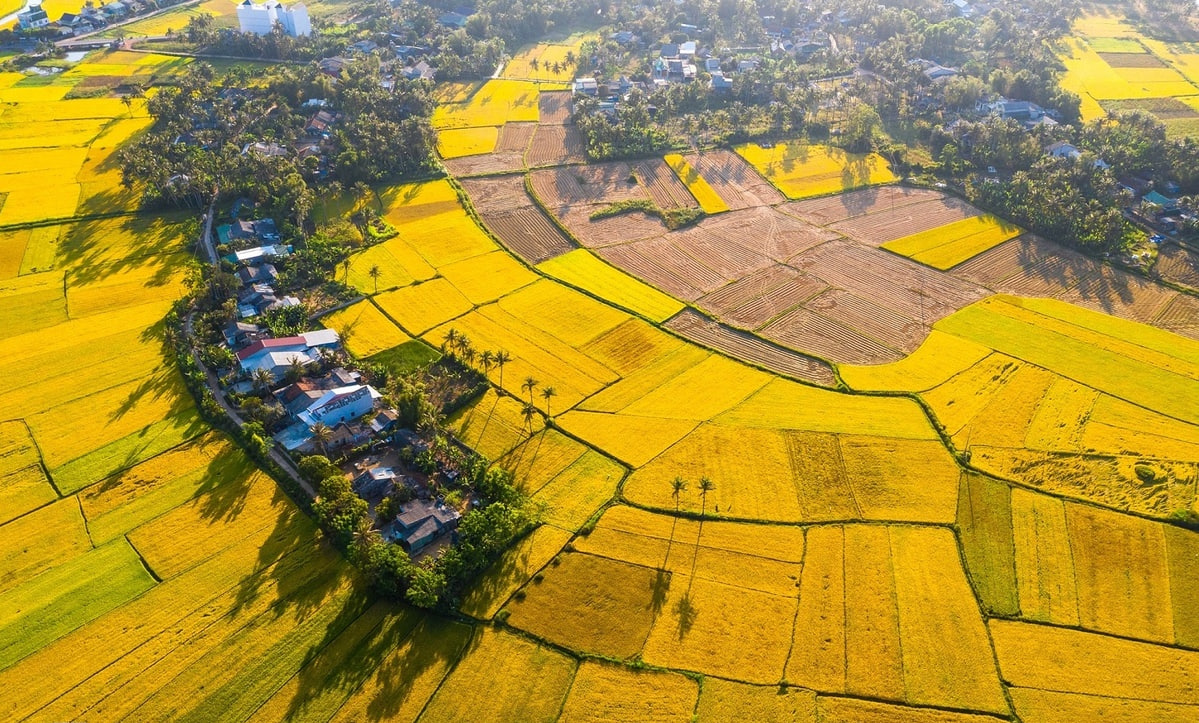
When you’ve seen enough beaches and sea, you can visit the rugged countryside. These are places where tourists never come, not even Vietnamese, so expect a very authentic lifestyle. There are many rice fields and villages in the area. You do have to go out with a motorcycle or rent a car with a driver.

10. Eat great food

dac-san-quy-nhon-1

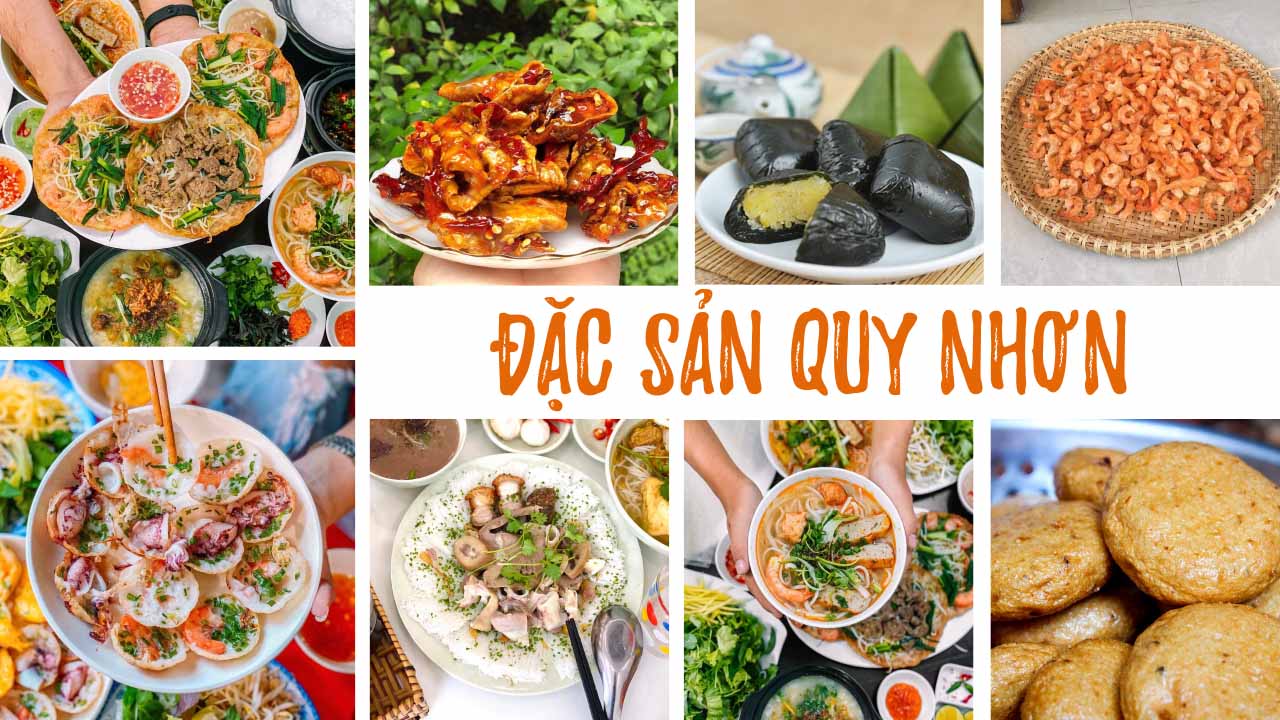
You’ll find everywhere great food in Vietnam, but in Quy Nhon you should definitely try a few things. Because of the location at the sea you will of course find delicious seafood here. If you don’t like seafood you can try a number of other dishes, such as Ban Xeo (very different from the Ban Xeo you find in the south), cuốn, one of the best fresh spring rolls in the country and bún thịt nướng, one of the best dry noodles.

Best hotels & hostels in Quy Nhon

Where to stay

Bai Xep – A charming place 10 km south of the city, not so long ago what made this just a simple fishing village. It is the favorite place for backpackers to stay in Quy Nhon, but for other travelers this village is more advisable than in the city of Quy Nhon.

Quy Nhon city – Accommodation in the city is spread over a four-kilometer beach. There is enough choice of resorts, hotels and other small to medium sized accommodations, depending on the budget.

Secluded beaches – On more secluded beaches you will find backpacker hostels such as Bai Bau, Bai Rang and Nhon Hai. It doesn’t get much more authentic here.

Best hotels & hostels in Quy Nhon

Budget hotels & hostels

  • Life’s A Beach
  • Big Tree Backpackers
  • John & Paul Inn

Mid range hotel

  • Life’s a Beach Apartments
  • Seagull Hotel

High end hotel & resort

  • AVANI Quy Nhon Resort & Spa

Food & drinking

Restaurants

Quy Nhon a surprisingly good city to eat. The local seafood along the beach are cheap and delicious. And some of the local specialties are also worth seeing. There are numerous small seafood restaurants along the beach north of the large statue of Ho Chi Minh with his father.

Nightlife

The nightlife in Quy Nhon is small but growing. There are no night clubs, but there are places where you can have a drink. Locals often gather around the beach in the evenings to enjoy a cold beer.

In Bai Xep all hotels and hostels have a bar, so you certainly won’t get thirsty. Go to Life’s a Beach Backpackers for wild nights and drinking games.

How to get there

Flights to Quy Nhon

Quy Nhon has an airport. There are daily domestic flights from Ho Chi Minh City and Hanoi. The airport is called Phu Cat and is 30 kilometers from the city of Quy Nhon. A taxi or shuttle bus will take you from the airport to the city.

Buses to Quy Nhon

Quy Nhon is located between Nha Trang and Hoi An. The bus ride from Hoi An takes approximately 9 hours, the bus from Nha Trang 4 hours. There are also direct buses to and from Dalat (8 hours) and Pleiku (3 hours).

Trains to Quy Nhon

Quy Nhon train station is located in Dieu Tri, about 10 kilometers outside the city. From the train station you can take a bus or taxi to Quy Nhon.

Posted on

Three Vietnamese Destinations Shine with ASEAN Clean Tourist City Awards 2024

In a significant recognition of their commitment to cleanliness, waste management, and environmental awareness, three enchanting Vietnamese destinations – Hue, Vung Tau, and Quy Nhon – have been honored with the prestigious ASEAN Clean Tourist City Awards 2024. The announcement took place at the ASEAN Tourism Forum 2024, held in the picturesque capital of Laos, Vientiane, from January 22 to 27, 2024. This accolade not only celebrates the beauty and cultural richness of these destinations but also highlights their dedication to sustainable tourism practices.

These three places have previously received the ASEAN Clean Tourism City Award. Quy Nhon received the honor in 2020, while Vung Tau and Hue had each received it three times before.

The recognition was based on 108 criteria divided into seven major categories: environmental management, cleanliness, waste management, environmental protection and cleanliness awareness-building, the presence of green spaces, health safety, urban safety, and security, and the quality of tourism infrastructure and facilities.

Huế: Preserving Imperial Grandeur with Cleanliness
image001

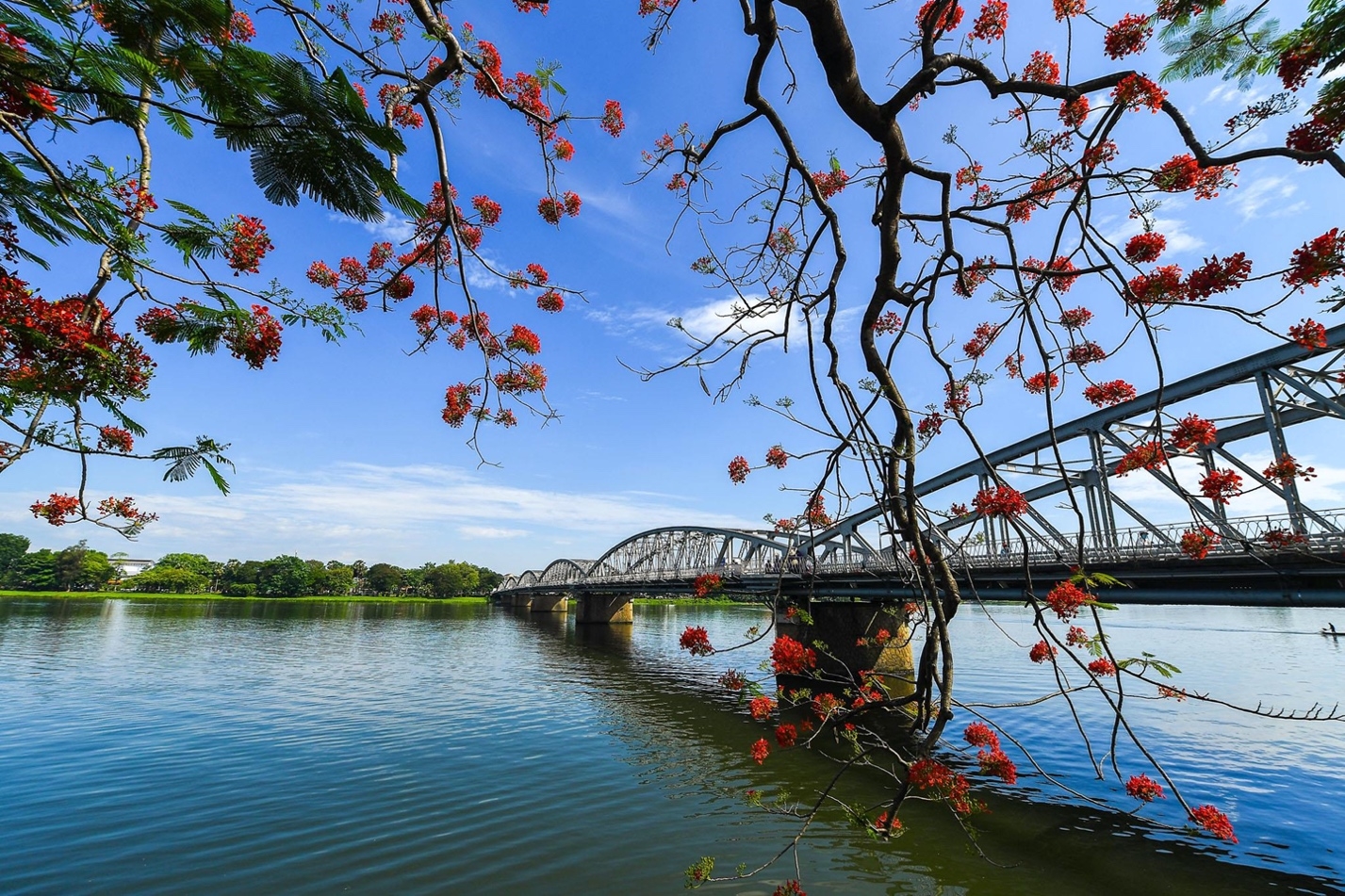
Nestled along the picturesque Perfume River, the ancient city of Hue is renowned for its imperial history and architectural marvels. The city has seamlessly blended its historical charm with a modern commitment to cleanliness and sustainability. From the well-preserved citadel to the vibrant markets, Hue has become a shining example of a destination that values both its rich heritage and the environment. The ASEAN Clean Tourist City Award recognizes Hue’s efforts to maintain its imperial grandeur while adopting eco-friendly practices.

Vũng Tàu: Where Pristine Beaches Meet Environmental Consciousness
Tổng-quan-du-lịch-Vũng-Tàu-ivivu

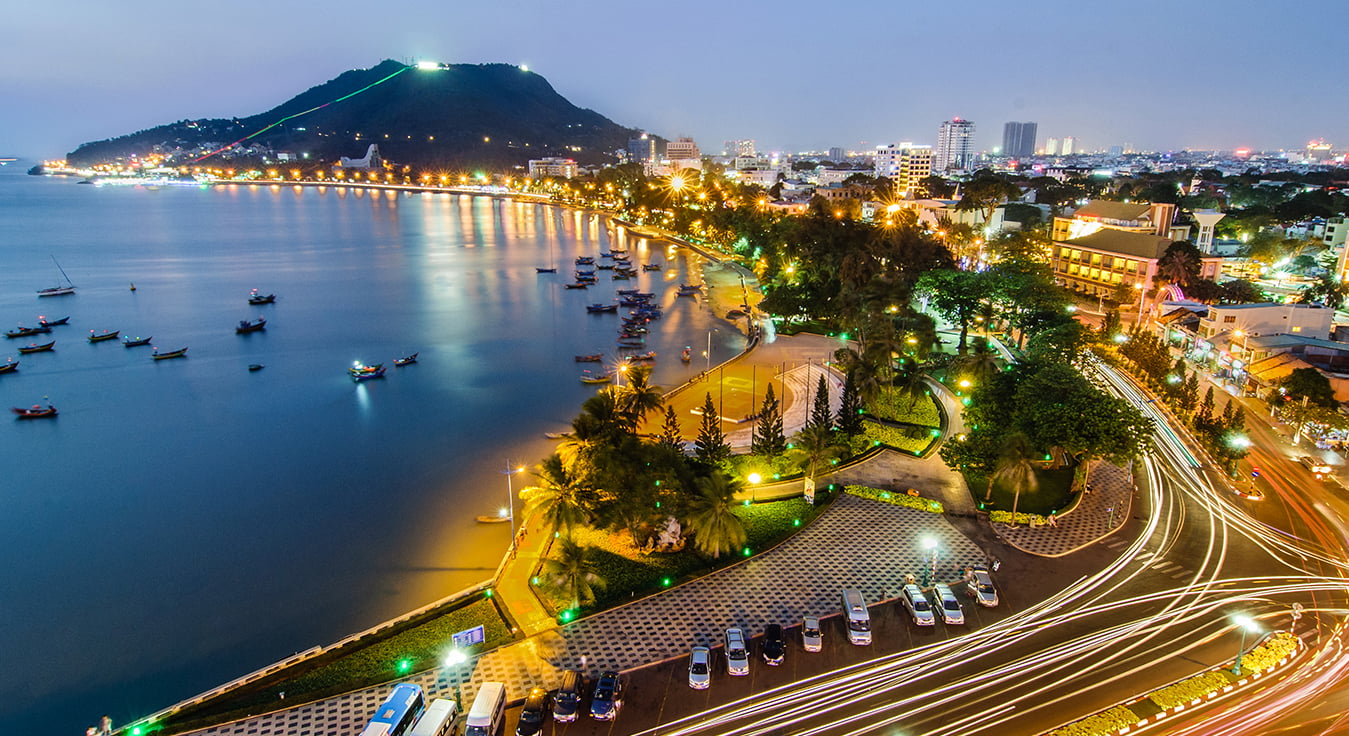
Vũng Tàu, a coastal gem with stunning beaches and panoramic views, has been recognized for its pristine landscapes and a dedication to environmental preservation. The city’s authorities have implemented innovative waste management systems and initiatives to ensure the cleanliness of its beaches and public spaces. Vung Tau’s recognition at the ASEAN Clean Tourist City Awards is a testament to its commitment to providing a delightful and sustainable experience for both locals and tourists.

Quy Nhơn: Balancing Natural Beauty and Environmental Responsibility
eo-gio-1024x768

Quy Nhơn, known for its tranquil beaches and pristine landscapes, has struck the perfect balance between preserving its natural beauty and promoting environmental responsibility. The city’s efforts in waste management and environmental education have not gone unnoticed, earning it a well-deserved place among the recipients of the ASEAN Clean Tourist City Awards. Quy Nhon stands as a model destination that demonstrates how responsible tourism can enhance the allure of a place without compromising its ecological integrity.

The ASEAN Clean Tourist City Awards 2024 have cast a spotlight on three remarkable Vietnamese destinations – Hue, Vung Tauand Quy Nhon – for their dedication to cleanliness, waste management, and environmental awareness. These cities not only showcase the diverse beauty of Vietnam but also serve as inspiring examples for other destinations aiming to harmonize tourism with sustainability. As Hue, Vung Tau, and Quy Nhon continue to welcome visitors with open arms, their commitment to a cleaner and greener future will undoubtedly make them even more appealing to travelers seeking responsible and enriching experiences.

Make your plan to Vietnam right now by apply a Vietnam visa at vietnamvisapro.net. We, a reputable and reliable Visa service, will assist you turn your plan into reality at the very first step.

Posted on

Exploring Hanoi’s Old Quarter on Foot-Hanoi Free Walking Tours

Hanoi, the vibrant capital of Vietnam, is a city that seamlessly blends its rich historical heritage with the rapid modernization of the present day. One of the best ways to experience the heart and soul of this enchanting destination is through the Hanoi Free Walking Tours, which offer visitors an immersive and authentic exploration of the city’s most captivating sights and local culture.

History of Hanoi Free Walking Tours

The Origins of Hanoi Free Walking Tours

Hanoi’s free walking tours have their roots in the early 2000s, when a group of passionate local students and young professionals recognized the value in sharing their city’s remarkable history and traditions with foreign visitors. Inspired by the success of similar initiatives in other parts of the world, they decided to establish a free walking tour program that would showcase Hanoi’s unique charm and allow travelers to connect with the city on a deeper level.

The Emergence of a Thriving Community

As word of the Hanoi Free Walking Tours spread, the initiative quickly gained popularity among both locals and tourists alike. The tours were led by knowledgeable and enthusiastic guides who were eager to share their love for Hanoi, and the experience quickly became a must-do activity for anyone visiting the city.

The Evolution of Hanoi Free Walking Tours

Over the years, the Hanoi Free Walking Tours have evolved and expanded, with new routes and themes being introduced to cater to the diverse interests of visitors. Today, the tours cover a wide range of topics, from the city’s rich historical heritage and architectural landmarks to its vibrant street life, local cuisine, and thriving arts and culture scene.

Best Routes for Hanoi Free Walking Tours

Hanoi Walking Tour Map

Exploring the Old Quarter

The Hanoi Old Quarter is the heart and soul of the city, and it’s no surprise that it’s one of the most popular destinations for free walking tours. Winding through the narrow, bustling streets, visitors can immerse themselves in the rich history and lively atmosphere of this centuries-old trading hub.

Discovering the French Quarter

Hanoi’s French Quarter is a testament to the city’s colonial past, with its grand, tree-lined boulevards and elegant colonial-era buildings. The free walking tours in this area offer a fascinating glimpse into the city’s colonial heritage and the enduring influence of French culture.

Navigating the Lakeside Neighborhoods

Hanoi is home to several picturesque lakes, and the free walking tours that explore these waterfront neighborhoods offer a more serene and tranquil experience. Visitors can stroll along the Hoan Kiem Lake, admire the stunning architecture, and immerse themselves in the city’s peaceful, community-oriented lifestyle.

Uncovering the Hidden Gems

Beyond the main tourist attractions, Hanoi is filled with countless hidden gems waiting to be discovered. The free walking tours that venture off the beaten path allow visitors to uncover the city’s lesser-known treasures, from local markets and artisanal workshops to historic landmarks and vibrant community hubs.

Benefits of Joining Hanoi Free Walking Tours

Insider Knowledge and Personalized Experiences

The Hanoi Free Walking Tours are led by knowledgeable local guides who possess a deep understanding of the city’s history, culture, and traditions. These guides are passionate storytellers who can offer insider insights and personalized experiences that go beyond the typical tourist itinerary.

Unparalleled Immersion in Local Life

By exploring the city on foot, visitors gain a unique and immersive perspective on Hanoi’s daily life. They can interact with locals, observe their customs and routines, and gain a deeper appreciation for the city’s vibrant street culture and community-oriented lifestyle.

Cost-Effective and Flexible Exploration

One of the main advantages of Hanoi Free Walking Tours is their affordability. As the name suggests, these tours are entirely free of charge, making them an accessible option for travelers of all budgets. Additionally, the flexible nature of the tours allows visitors to tailor their experience to their own interests and pace.

Sustainable and Eco-Friendly Exploration

By opting for a walking tour, visitors can reduce their carbon footprint and contribute to a more sustainable form of tourism. The Hanoi Free Walking Tours also support the local economy by connecting visitors directly with the city’s residents and small businesses.

Tips for Enjoying Hanoi Free Walking Tours

Dress Comfortably and Prepare for the Weather

Hanoi can be hot and humid, especially during the summer months, so it’s essential to dress in lightweight, breathable clothing and wear comfortable walking shoes. It’s also a good idea to bring a hat, sunscreen, and a water bottle to stay hydrated.

Familiarize Yourself with the Meeting Point

Most Hanoi Free Walking Tours have a designated meeting point, often in a central and easily accessible location. It’s important to arrive at the meeting point on time and to familiarize yourself with the location beforehand to ensure a seamless start to the tour.

Bring Cash for Tipping and Optional Activities

While the Hanoi Free Walking Tours are free of charge, it’s customary to tip your guide at the end of the tour. Additionally, some tours may offer optional activities or visits to local shops and businesses, for which you may need to bring cash.

Stay Engaged and Ask Questions

The Hanoi Free Walking Tours are designed to be interactive and engaging, so don’t hesitate to ask your guide questions or share your own insights and experiences. The more engaged you are, the more you’ll learn and the more memorable your tour will be.

Popular Landmarks Covered in Hanoi Free Walking Tours

1. The Temple of Literature

Hanoi_Temple_of_Literature_(cropped)

One of the most iconic landmarks in Hanoi, the Temple of Literature is a well-preserved Confucian temple that dates back to the 11th century. The temple complex, which also housed Việt Nam’s first national university, offers a fascinating glimpse into the country’s rich cultural and educational heritage.

2. The Vietnam Fine Arts Museum

The Vietnam Fine Arts Museum is home to a diverse collection of artworks spanning various historical periods and artistic traditions. Visitors can explore paintings, sculptures, and other works that reflect the country’s vibrant artistic legacy and the themes of patriotism and national identity.

3. The Hanoi Flag Tower

The Hanoi Flag Tower is a historic landmark that has stood as a symbol of the city for centuries. Originally built during the Nguyen Dynasty in the early 19th century, the tower is a remnant of the city’s fortified citadel and offers stunning views of the surrounding area.

4. Hanoi Train Street

-5316-1663583398

Hanoi Train Street is a unique and thrilling feature of Hanoi’s Old Quarter, where a busy rail line runs precariously close to residential buildings and shops. The Hanoi Walking Tours offer visitors the chance to experience the excitement and adrenaline of this one-of-a-kind urban landscape.

5. Saint Joseph’s Cathedral

St-Josephs-Cathedral-01

Saint Joseph’s Cathedral is a stunning example of French colonial architecture, with its impressive neo-gothic facade and intricate stone carvings. The cathedral, which has stood in Hanoi’s heart for over a century, remains an important religious and cultural landmark.

6. Ly Quoc Su Street

Ly Quoc Su Street is a vibrant and historic thoroughfare in the Old Quarter, known for its bustling shops, artisanal workshops, and the Ly Quoc Su Temple, which dates back to the 11th century Ly Dynasty.

7. Hang Gai Street

Hang Gai Street, or “Silk Street,” is a hub of textile and fashion-related businesses, offering visitors the opportunity to browse high-quality silk garments, accessories, and other locally crafted products.

8. Hang Quat Street

Hang Quat Street is renowned for its shops selling traditional Vietnamese fans, Buddhist statues, and other cultural artifacts, making it a popular destination for those seeking authentic souvenirs and handicrafts.

9. Hang Can – Cha Ca Street

Cha Ca Street, named after the famous Cha Ca La Vong dish, a quintessential Hanoi culinary delight, is a must-visit for food lovers exploring the city’s vibrant street food scene.

10. Lan Ong Street

Lan Ong Street in the Old Quarter is a fascinating area where you can find a significant community of ethnic Chinese selling traditional herbs and medicines from historic storefronts. The street is lined with charming interiors featuring dark-wood cabinets, drawers, buckets, and bins filled with a unique variety of dried goods. The original buildings on this street date back to the 17th century, including the former communal house at no. 40 which now serves as an elementary school. Keep an eye out for the low roofs, narrow entries, and moss-covered tile roofs of the original Chinese homes along the length of the street.

11. Hang Duong Street

Hang Duong Street, also known as Sugar Street, is famous for its traditional buildings. One notable structure is the communal house located at no. 38 Hang Duong St. As you head north, it can be found on the left side. The communal house features a beautiful banyan tree in its courtyard and has a mysterious charm with its smoky interior. On weekends, Hang Duong Street transforms into a pedestrian area, bustling with a market selling tourist souvenirs and local products.

Just a brief deviation from Hang Duong Street is the Thanh Ha Communal House, dating back to the 13th century. You can easily reach this historical site by taking a short stroll eastward on Ngo Gach Street, also known as Brick Street.

12. Dong Xuan Market

Dong-Xuan-Market-Information-Travel-Guide

Dong Xuan Market is situated on Dong Xuan Street, but can also be accessed from Cau Dong or Hang Khoai Street with a short walk from the nearest stop. Established in the early 20th Century, it is now Hanoi’s largest wholesale market. The market offers a wide variety of goods, including electronics, silk, clothing, and fresh produce such as chicken, meat, and vegetables. Additionally, it is known for its vibrant night food scene, featuring numerous street-food vendors.

13. Old East Gate (O Quang Chuong)

O-Quan-Chuong-638x400

The O Quan Chuong gate is the sole surviving entrance of the Thang Long citadel, showcasing both architectural beauty and preserving the historical significance of ancient Hanoi. As the last standing old city gate in Hanoi, O Quan Chuong symbolizes the legacy of the Thang Long capital and serves as a testament to the resilience of the local people in resisting foreign aggression.

14. Hang Buom Street

Hang Buom (Sail Street) was situated next to a small tributary of the To Lich River, serving as a hub for goods brought into the city. Local merchant vessels frequented Hang Buom for ship repairs. Noteworthy sights include colonial buildings, traditional Vietnamese houses, and a communal house at no. 22 Hang Buom.

At no. 76 Hang Buom Street stands the Bach Ma Temple, dating back to A.D. 1010. This temple venerates the White Horse of folklore, believed to have guided King Ly in defending his city. Inside, visitors will find a grand courtyard with imposing red pillars, along with Buddhist statues and altars.

15. Ma May Street

Ma May Street marks the start of the bustling budget tourist area in the Old Quarter. Amidst Internet cafes and tourist restaurants, visitors can admire a mix of traditional and colonial architecture. Noteworthy landmarks include the Huong Tuong Communal House at no. 64 Ma May, and the captivating Heritage House Hanoi at no. 87 Ma May. For a nominal fee of 10,000 VND, guests can enjoy an insightful tour of this restored traditional house led by a knowledgeable guide dressed in an elegant ao dai gown, providing valuable insights into life in the Old Quarter from centuries past.

16. Luong Ngoc Quyen Street

There is a cluster of snack food stalls offering a range of traditional cakes such as Banh Day, Banh Gio, and Banh Chin Tang May. This bustling area attracts crowds in both summer and winter who gather to sit and enjoy beer. Feel free to take a break and join them for a local beer or some snacks.

17. Hang Bac Street

You are situated in the bustling backpacker district known as Hang Bac, which translates to “Silver Street.” Here, you can still discover artisans and vendors specializing in silver and gold jewelry. This area offers excellent shopping opportunities and a wide array of goods and services.

Notably, at no. 72 Hang Bac, you will find the renowned Golden Bell theater, which served as a strategic location for troops during the resistance against the French following the August Revolution in 1945.

18. Hoan Kiem Lake & Ngoc Son Temple

000quangr+bá+HN

Exploring the lake side and capturing some photos of the green water surface would be a delightful experience. Visiting Ngoc Son temple located on the northern end of the lake is highly recommended. To reach the temple, you can cross the red Bridge of the Rising Sun. This area offers one of the best views in the city. Conclude your walking tour by relaxing at a lakeside cafe, indulging in some ice cream, or watching a water puppet show.

While there are still some old streets like Hang Ngang, Hang Dao, or Hang Ma Street left to explore, it is advisable to save them for a night trip. Hanoi’s charm truly shines at night on these streets, as bustling trading stores make way for street-food stalls and souvenir shops. The ambiance is further enhanced by the sight of twinkling red lanterns adorning Hang Ma Street.

How to Book a Hanoi Free Walking Tour

Booking a Hanoi Free Walking Tour is typically a straightforward process. Many tour operators and local organizations offer these tours, and visitors can often find information and sign up for them through their hotel concierge, local tourism offices, or by searching online.

It’s worth noting that while the tours themselves are free of charge, some operators may suggest a voluntary tip or donation at the end of the tour to support the guides and the continued operation of the program.

Local Guides for Hanoi Free Walking Tours

The success of the Hanoi Free Walking Tours is largely due to the dedicated and knowledgeable local guides who lead them. These individuals are passionate about their city and are eager to share its rich history, culture, and traditions with visitors from around the world.

Many of the guides are university students or young professionals who have undergone training to become experts in Hanoi’s history, architecture, and cultural heritage. They possess excellent language skills and a deep understanding of the city’s unique charm, allowing them to provide engaging and informative tours.

One of the key advantages of the Hanoi Free Walking Tours is the opportunity for visitors to connect with these local guides on a personal level. The tours often include interactive elements, such as visits to local businesses, markets, and community hubs, where visitors can engage directly with the guides and gain a more authentic understanding of daily life in the city.

Cultural Experiences in Hanoi Free Walking Tours

In addition to exploring the city’s historical landmarks and architectural wonders, the Hanoi Free Walking Tours also offer visitors the chance to immerse themselves in the local culture and traditions.

Discovering Traditional Crafts and Artisanal Workshops

Many of the tours include visits to artisanal workshops and small businesses, where visitors can witness the intricate processes behind the creation of traditional Vietnamese crafts, such as silk weaving, lacquerware, and ceramic production.

Experiencing Vibrant Street Life and Local Markets

The Hanoi Free Walking Tours often take visitors through the bustling local markets and lively street scenes, where they can observe the daily routines and interactions of the city’s residents, as well as sample the diverse array of street food and local produce.

Engaging with the Performing Arts and Cultural Traditions

Some tours may also incorporate visits to cultural performance venues, where visitors can witness traditional Vietnamese music, dance, and theater, or participate in interactive workshops that showcase the country’s rich artistic heritage.

Safety Measures for Hanoi Free Walking Tours

The Hanoi Free Walking Tours are generally safe and well-organized, but as with any travel experience, it’s important to take certain precautions to ensure your personal safety and the security of your belongings.

Staying Vigilant and Aware of Your Surroundings

While Hanoi is generally a safe city, it’s important to remain aware of your surroundings, especially in crowded areas and when navigating the busy streets. Follow the guidance of your tour guide and keep a close eye on your personal items.

Staying Hydrated and Seeking Shade

Hanoi can be hot and humid, so it’s crucial to stay hydrated throughout the tour and seek shade whenever possible. Bring a water bottle and wear appropriate clothing and sun protection.

Respecting Local Customs and Traditions

When visiting cultural and religious sites, it’s important to be respectful of local customs and traditions. Follow the guidance of your tour guide and be mindful of any dress code or etiquette requirements.

Securing Your Belongings

While instances of theft are relatively rare on the Hanoi Free Walking Tours, it’s still a good idea to keep your valuables secure and to avoid flaunting expensive items.

The Hanoi Free Walking Tours offer a unique and unparalleled opportunity for visitors to immerse themselves in the rich tapestry of this captivating Vietnamese city. From exploring the vibrant Old Quarter and discovering the city’s colonial heritage to uncovering hidden gems and engaging with the local culture, these tours provide an authentic and enriching experience that is truly priceless.

Whether you’re a first-time visitor or a seasoned traveler, the Hanoi Free Walking Tours are an essential part of any journey to this remarkable destination. By connecting with passionate local guides and engaging with the city on a deeply personal level, you’ll gain a deeper appreciation for Hanoi’s history, traditions, and the enduring spirit of its people.

So, if you’re planning a visit to Hanoi, be sure to set aside time for a Hanoi Walking Tour. It’s an experience that will not only leave you with lasting memories but also a profound understanding of this captivating city and its vibrant culture.

Make your plan to Hanoi ,Vietnam right now by apply a Vietnam visa at vietnamvisapro.net. We, a reputable and reliable Visa service, will assist you turn your plan into reality at the very first step.

 Best of VietnamHanoi Old QuarterHanoi tourHanoi VietnamNorth VietnamVietnam DestinationsVietnam tourVietnam travelVietnam Travel guideVietnam Travel InformationWhere to go in Vietnam

Posted on

Sapa, Vietnam : Weather,Climate, Seasons

Nestled amidst the breathtaking mountainous landscape of northwestern Vietnam, Sapa offers a captivating blend of cultural charm and natural beauty. But planning a trip to this enchanting destination requires consideration of its unique weather patterns. From the crisp, cool air of winter to the misty embrace of summer, Sapa’s climate fluctuates dramatically throughout the year. Understanding the intricacies of Sapa’s weather can help you choose the best time to visit, pack effectively, and make the most of your outdoor adventures. This comprehensive guide provides a detailed breakdown of Sapa’s weather, encompassing its climate, seasons, rainfall patterns, temperature variations, and tips for navigating unpredictable conditions.

Sapa Vietnam Weather Overview

Sapa’s weather is characterized by its mountainous setting, which profoundly influences its climate. Situated in the Hoang Lien Son mountain range, Sapa enjoys a subtropical highland climate, marked by distinct seasons and notable temperature variations throughout the year. The town’s elevation, ranging from 1,500 to 1,650 meters, contributes to its cooler temperatures than those found at lower altitudes.

What is the climate like in Sapa?

Sapa experiences a diverse range of weather conditions throughout the year, from chilly winters to warm summers. The climate is significantly influenced by its location in the mountains, leading to distinct seasons and unpredictable temperature swings. The mountain terrain creates varying microclimates within the Sapa region, resulting in localized weather variations.

Key aspects of Sapa’s climate:

  • Subtropical Highland Climate: Sapa’s climate belongs to the subtropical highland category, characterized by distinct seasons and significant temperature fluctuations.
  • Mountainous Influence: The presence of the Hoang Lien Son mountain range plays a crucial role in shaping Sapa’s weather, leading to cool temperatures, frequent rainfall, and occasional fog.
  • Elevation: Sapa’s elevation, ranging from 1,500 to 1,650 meters, contributes to its cooler temperatures compared to lower altitudes.
  • Microclimates: The mountainous terrain fosters diverse microclimates within the Sapa region, leading to variations in weather patterns within close proximity.

When is the best time to visit Sapa for good weather?

The ideal time to visit Sapa depends on your personal preferences for weather and activities.

  • Spring (March – May): Spring offers pleasant weather with milder temperatures, occasional rain, and vibrant greenery. It is a good time for hiking, trekking, and exploring rice terraces.
  • Autumn (September – November): Autumn presents clear skies, comfortable temperatures, and stunning autumn foliage, perfect for photography and leisurely walks.
  • Winter (December – February): Winter in Sapa brings chilly temperatures, occasional snow, and breathtaking winter scenery. It’s ideal for enjoying a cozy atmosphere and experiencing the unique charm of Sapa in winter.

Average temperatures throughout the year in Sapa

Sapa experiences a wide range of temperatures throughout the year, with distinct variations across the seasons. Here’s a breakdown of average monthly temperatures:

MonthAverage High (°C)Average Low (°C)
January146
February167
March189
April2111
May2314
June2516
July2517
August2417
September2315
October2012
November179
December157

Seasons in Sapa Vietnam

Sapa experiences four distinct seasons, each offering unique characteristics and appeal. Understanding these seasons will help you choose the time that best suits your travel preferences.

Winter in Sapa

Winter in Sapa (December – February) is a magical time, characterized by crisp, cool air, occasionally dusted with snow. The landscape transforms into a breathtaking spectacle of frosty mountains, misty valleys, and snow-covered rooftops.

  • Temperature: Average high temperatures range from 14°C to 16°C, while average lows hover around 6°C to 7°C. Snowfall is infrequent but can occur, especially in higher elevations.
  • Weather: Days are often sunny and clear, with occasional fog and misty mornings. Nights are cold and crisp, requiring warm clothing.
  • Activities: Winter offers the perfect setting for cozying up in a local café, savoring traditional cuisine, and admiring the snow-capped landscapes. Enjoying winter festivals, like the Sapa Winter Festival, provides a unique cultural experience.

Spring in Sapa

Spring in Sapa (March – May) heralds the arrival of warmer days and lush greenery. As the weather transitions from winter’s chill to the warmth of summer, the landscape comes alive with vibrant colors.

  • Temperature: Average temperatures gradually rise from 18°C to 23°C, making it comfortable for outdoor activities. Nights are cool, with average lows ranging from 9°C to 14°C.
  • Weather: The weather is generally pleasant, with sunshine, occasional showers, and milder temperatures. Foggy mornings may occur.
  • Activities: Spring is ideal for hiking and trekking, immersing yourself in nature, and witnessing the beauty of blooming flowers and flourishing rice terraces.

Summer in Sapa

Summer in Sapa (June – August) is the wettest season, characterized by warm temperatures, high humidity, and frequent rainfall. While the weather can be unpredictable, it also brings an enchanting misty ambiance to Sapa’s scenery.

  • Temperature: Average temperatures range from 24°C to 25°C, with high humidity and frequent rain showers. Nights are warm, with average lows ranging from 16°C to 17°C.
  • Weather: The weather is often cloudy and rainy, with occasional bursts of sunshine. Foggy days are common, adding a mystical touch to the landscape.
  • Activities: Summer is a great time to explore Sapa’s waterfalls, immerse yourself in the local markets, and enjoy the tranquility of the misty mountains.

Autumn in Sapa

Autumn in Sapa (September – November) is a magical time with warm days, cool nights, and a vibrant tapestry of fall colors. As the season progresses, the mountains transform into a breathtaking canvas of reds, yellows, and oranges.

  • Temperature: Temperatures drop from 23°C to 17°C, offering pleasant days and cool evenings. Nights are crisp, with average lows ranging from 15°C to 9°C.
  • Weather: The weather is generally sunny and clear, with crisp air and occasional showers. The skies are often clear and blue, perfect for photography.
  • Activities: Autumn is ideal for hiking, biking, exploring the local culture, and capturing the stunning scenery of Sapa’s fall foliage.

Rainfall in Sapa

Sapa experiences a significant amount of rainfall, particularly during the summer months. Understanding the rainfall patterns is crucial for planning your trip.

How much rain does Sapa receive?

Sapa receives an average of 2,000 mm of rainfall per year, with significant variations across the seasons.

MonthAverage Rainfall (mm)
January134
February127
March153
April178
May220
June335
July503
August493
September345
October216
November112
December90

Rainy season in Sapa

The rainy season in Sapa typically runs from June to August, with the heaviest rainfall occurring in July and August. During this period, expect frequent showers, occasional downpours, and high humidity.

  • Impact: Rainy season can make outdoor activities challenging, especially hiking and trekking. However, it can also create a mystical atmosphere with misty mountains and waterfalls.
  • Preparation: Packing a waterproof jacket, umbrella, and appropriate footwear is essential.

Impact of rainfall on travel plans

Rainfall can impact your travel plans in Sapa.

  • Transportation: Heavy rainfall can affect road conditions, leading to delays or cancellations for transportation.
  • Outdoor Activities: Hiking and trekking can be challenging during heavy rain, as trails can become slippery and muddy.
  • Photography: Cloudy skies and rain can limit photography opportunities, but also add a unique and atmospheric quality to photographs.

Temperature variations in Sapa

Sapa experiences significant temperature variations throughout the year, with distinct differences between daytime and nighttime temperatures.

Daytime temperatures in Sapa

Daytime temperatures in Sapa generally range from 14°C to 25°C, depending on the season. Spring and autumn offer comfortable daytime temperatures, while summer brings warmer days with high humidity.

  • Warmest Months: July and August are the warmest months, with average highs reaching 25°C.

Nighttime temperatures in Sapa

Nighttime temperatures in Sapa can be significantly cooler than daytime temperatures, especially during winter. Average lows range from 6°C to 17°C, depending on the season.

  • Coldest Months: January and December are the coldest months, with average lows around 6°C to 7°C.

Variations in temperature by season

  • Winter (December – February): Daytime highs average 14°C to 16°C, while overnight lows dip to 6°C to 7°C.
  • Spring (March – May): Temperatures gradually rise, with daytime highs reaching 23°C and overnight lows ranging from 9°C to 14°C.
  • Summer (June – August): Warm days with average highs of 24°C to 25°C and humid nights with lows around 16°C to 17°C.
  • Autumn (September – November): Pleasant days with average highs ranging from 23°C to 17°C and cool nights with lows from 15°C to 9°C.

Weather conditions for outdoor activities

Sapa’s diverse weather patterns can influence your enjoyment of outdoor activities. Understanding the best weather conditions for specific activities is crucial for a successful trip.

Trekking and hiking in Sapa

Trekking and hiking are popular activities in Sapa, offering breathtaking views and cultural immersion.

  • Best Weather: Spring and autumn provide optimal conditions for trekking. The weather is pleasant, with clear skies and comfortable temperatures.
  • Considerations: Avoid trekking during periods of heavy rainfall, as trails can become slippery and muddy. Pack layers of clothing to adjust to temperature fluctuations.

Cycling tours in Sapa

Cycling tours offer a unique way to explore Sapa’s scenic landscapes and charming villages.

  • Best Weather: Autumn is ideal for cycling tours with clear skies, pleasant temperatures, and dry trails.
  • Considerations: Spring can also be enjoyable for cycling, but be prepared for occasional showers. Avoid cycling during heavy rainfall, as roads can become slippery.

Best weather for outdoor adventures

  • Hiking and trekking: Spring (March – May) and autumn (September – November) offer the most favorable conditions.
  • Cycling tours: Autumn (September – November) is the ideal time for cycling tours, with clear skies and dry trails.
  • Waterfall exploration: Summer (June – August) is the wettest season, perfect for witnessing waterfalls at their fullest.

Packing tips for Sapa weather

Packing appropriately for Sapa’s diverse weather is crucial for a comfortable and enjoyable trip.

Essential items to pack for all seasons

  • Waterproof jacket: A waterproof jacket is essential for all seasons, especially during the rainy season.
  • Comfortable walking shoes: Pack sturdy walking shoes for hiking and exploring Sapa’s cobblestone streets.
  • Layers of clothing: Pack layers of clothing to adjust to temperature fluctuations throughout the day.
  • Sunglasses and sun hat: Protect yourself from the sun, especially during the summer months.
  • Insect repellent: Mosquitoes can be prevalent, especially during the warmer months.
  • First-aid kit: Pack a basic first-aid kit for minor injuries.

Clothing recommendations for different times of the year

  • Winter (December – February): Pack warm clothes, including sweaters, jackets, scarves, gloves, and a hat. Consider thermal underwear for extra warmth.
  • Spring (March – May): Pack light layers, including sweaters, a light jacket, and a waterproof jacket.
  • Summer (June – August): Pack light, breathable clothing, such as t-shirts, shorts, and dresses. Pack a waterproof jacket for rain showers.
  • Autumn (September – November): Pack comfortable layers, including sweaters, a light jacket, and a waterproof jacket.

Tips for staying comfortable in changing weather conditions

  • Layer your clothing: Wearing layers allows you to easily adjust to temperature fluctuations.
  • Pack a raincoat or umbrella: Be prepared for sudden rain showers, especially during the rainy season.
  • Carry a small pack with essentials: Keep a small backpack packed with a waterproof jacket, sunscreen, insect repellent, and water.
  • Stay hydrated: It’s important to stay hydrated, especially in the hot and humid weather.
  • Be prepared for fog: Fog can be common in Sapa, especially in the mornings and evenings. Pack a scarf or face mask to protect your face.

Local weather patterns in Sapa

Sapa’s weather is influenced by its unique geographical features and local weather patterns.

Influence of nearby geographical features on Sapa’s weather

  • Hoang Lien Son Mountain Range: The Hoang Lien Son mountain range plays a major role in shaping Sapa’s weather, creating a cooler and wetter climate compared to lower altitudes.
  • Fansipan Peak: Sapa’s proximity to Fansipan, the highest peak in Southeast Asia, influences its weather patterns, particularly in terms of snowfall and fog.
  • Muong Hoa Valley: The Muong Hoa Valley, which surrounds Sapa, contributes to the area’s unique microclimates and distinct weather patterns.

Microclimates within the Sapa region

The mountainous terrain of Sapa creates various microclimates within the region, leading to variations in weather patterns within close proximity.

  • Hilltop villages: Hilltop villages experience cooler temperatures and higher rainfall compared to lower lying areas.
  • Valleys: Valleys often experience milder temperatures and less rainfall than hilltop villages.
  • Rice terraces: The areas surrounding rice terraces can experience unique microclimates, influenced by water bodies and elevation.

Weather forecasting accuracy in Sapa

Weather forecasting in Sapa can be challenging due to the mountainous terrain and the influence of microclimates.

  • Accuracy: Forecasts for Sapa can be accurate in terms of overall weather patterns, but may vary in accuracy for specific locations and times.
  • Local awareness: Paying attention to local weather patterns, such as fog and rainfall, can help you stay informed and adjust your plans accordingly.

Important Notes

Weather can be unpredictable in Sapa, so it’s crucial to stay informed and adaptable.

Importance of checking weather updates before traveling to Sapa

  • Before your trip: Check weather forecasts for Sapa before your trip, and be aware of potential weather conditions.
  • During your trip: Stay updated on local weather patterns during your trip by checking forecasts and speaking with locals.

Flexibility in travel plans based on weather forecasts

  • Be flexible: Be prepared to adjust your travel plans if necessary, depending on weather conditions.
  • Alternative activities: Have backup plans for indoor activities in case of rain or bad weather.

Frequently asked questions

What is the hottest month in Sapa? July and August are the hottest months in Sapa, with average highs reaching 25°C.

What is the coldest month in Sapa? January and December are the coldest months, with average lows around 6°C to 7°C.

Does it snow in Sapa? Snowfall is infrequent in Sapa, but it can occur in higher elevations during the winter months.

What should I pack for Sapa? Pack layers of clothing, a waterproof jacket, comfortable walking shoes, sunglasses, a sun hat, insect repellent, and a basic first-aid kit.

Sapa’s weather adds an element of excitement and unpredictability to your travel experience. By understanding its climate, seasons, and rainfall patterns, you can prepare for anything and make the most of your adventures in this captivating region. From the chilly embrace of winter to the misty charm of summer, Sapa offers a unique and unforgettable experience throughout the year. Embrace the weather as part of your journey and enjoy the beauty of this enchanting destination.

Make your plan to Sapa,Vietnam right now by apply a Vietnam visa at vietnamvisapro.net. We, a reputable and reliable Visa service, will assist you turn your plan into reality at the very first step.

Posted on

Best time to visit Hanoi-How many days in Hanoi is enough?

Hanoi, the capital city of Vietnam, is a bustling metropolis that offers a unique blend of traditional and modern culture. From its ancient temples and pagodas to its vibrant street markets and trendy cafes, Hanoi has something for everyone. But with so much to see and do, it can be overwhelming to plan a trip to this vibrant city. One of the most common questions among travelers is how many days are enough to explore Hanoi. In this blog post, we will answer this question and also discuss the best time to visit Hanoi.

Hanoi is worth being visited?

Before we dive into the ideal duration of a trip to Hanoi, let’s first address the question of whether Hanoi is worth being visited at all. The short answer is yes! Hanoi is a must-visit destination for anyone traveling to Vietnam. It is a city steeped in history, culture, and delicious food. Here are some reasons why Hanoi is worth being visited:

  • Rich history: Hanoi has a long and fascinating history, dating back over a thousand years. The city has been influenced by various cultures, including Chinese, French, and Vietnamese, which is reflected in its architecture, cuisine, and traditions.
  • Vibrant culture: Hanoi is a city that never sleeps. Its streets are always buzzing with activity, from street vendors selling their wares to locals practicing tai chi in the parks. The city also hosts numerous festivals and events throughout the year, showcasing its rich cultural heritage.
  • Delicious food: Hanoi is known for its mouth-watering street food, from pho (noodle soup) to banh mi (baguette sandwich). The city is a food lover’s paradise, with countless options to satisfy any craving.
  • Affordable: Compared to other popular destinations in Southeast Asia, Hanoi is relatively affordable. Accommodation, food, and transportation are all reasonably priced, making it an ideal destination for budget travelers.

How Many Days in Hanoi is Enough?

Now that we have established that Hanoi is worth being visited, let’s discuss “How many days in Hanoi is enough?“. The answer to this question depends on your travel style, budget, and personal preferences. Some travelers may be content with a quick one-day visit, while others may want to spend a week or more in Hanoi. To help you decide, here are three suggested itineraries for 1, 2, and 3 days in Hanoi.

Itinerary: 1 day in Hanoi

If you only have one day to spare in Hanoi, don’t worry; you can still experience the best of the city. Here is a suggested itinerary for a jam-packed day in Hanoi:

TimeActivity
8:00 AMStart your day with a bowl of pho at one of the many street food stalls in the Old Quarter.
9:00 AMVisit Hoan Kiem Lake, a picturesque lake in the heart of the city. Take a stroll around the lake and admire the Ngoc Son Temple located on a small island in the middle of the lake.
10:00 AMExplore the bustling streets of the Old Quarter, where you can find everything from souvenirs to traditional handicrafts. Don’t forget to bargain with the vendors!
12:00 PMStop for lunch at a local restaurant and try some authentic Vietnamese dishes like bun cha (grilled pork with noodles) or banh xeo (savory pancake).
1:30 PMVisit the Temple of Literature, Vietnam’s first university, and a beautiful example of traditional Vietnamese architecture.
3:00 PMTake a cyclo (bicycle rickshaw) tour around the French Quarter, where you can see the colonial buildings and tree-lined boulevards.
5:00 PMHead to the Ho Chi Minh Mausoleum, where you can pay your respects to Vietnam’s beloved leader.
6:00 PMEnjoy a traditional water puppet show, a unique form of Vietnamese entertainment that dates back to the 11th century.
7:30 PMEnd your day with a dinner cruise on the Red River, where you can enjoy stunning views of the city at night.

This itinerary may seem hectic, but it will give you a taste of Hanoi’s top attractions in just one day. Keep in mind that you may not have time to fully explore each destination, but it will give you a good overview of the city.

Itinerary: 2 days in Hanoi

If you have two days to spend in Hanoi, you can slow down the pace and explore the city in more depth. Here is a suggested itinerary for two days in Hanoi:

Day 1TimeActivity
 8:00 AMStart your day with a cup of Vietnamese coffee and some banh mi from a street vendor.
 9:00 AMVisit the Ho Chi Minh Complex, which includes the Ho Chi Minh Mausoleum, Ho Chi Minh’s stilt house, and the One Pillar Pagoda.
 11:00 AMExplore the Vietnam Museum of Ethnology, which showcases the country’s diverse ethnic groups and their cultures.
 1:00 PMStop for lunch at a local restaurant and try some regional specialties like bun bo nam bo (beef noodle salad) or cha ca (grilled fish with turmeric and dill).
 2:30 PMTake a leisurely walk around West Lake, the largest lake in Hanoi. You can also visit the Tran Quoc Pagoda, one of the oldest Buddhist temples in Vietnam.
 4:00 PMHead to the Thang Long Water Puppet Theater for another water puppet show.
 6:00 PMEnjoy a traditional Vietnamese dinner at one of the many restaurants in the Old Quarter.
Day 2TimeActivity
 8:00 AMStart your day with a visit to the Hoa Lo Prison Museum, also known as the “Hanoi Hilton.” This museum offers a glimpse into Vietnam’s turbulent history.
 10:00 AMVisit the Imperial Citadel of Thang Long, a UNESCO World Heritage Site that served as the political center of Vietnam for over a thousand years.
 12:00 PMStop for lunch at a local restaurant and try some northern Vietnamese dishes like bun thang (chicken noodle soup) or banh cuon (steamed rice rolls).
 1:30 PMExplore the Temple of the Jade Mountain, dedicated to Confucius and his disciples.
 3:00 PMTake a stroll around the Hoan Kiem Lake and visit the Ngoc Son Temple.
 5:00 PMEnd your day with a sunset cruise on the Perfume River, where you can enjoy stunning views of the city.

This two-day itinerary allows for a more relaxed pace, giving you enough time to fully explore each destination. You can also add or remove activities based on your interests.

Itinerary: 3 days in Hanoi

If you have three days to spend in Hanoi, you can take your time and explore the city at a leisurely pace. Here is a suggested itinerary for three days in Hanoi:

Day 1TimeActivity
 8:00 AMStart your day with a bowl of pho at one of the many street food stalls in the Old Quarter.
 9:00 AMVisit the Ho Chi Minh Complex, which includes the Ho Chi Minh Mausoleum, Ho Chi Minh’s stilt house, and the One Pillar Pagoda.
 11:00 AMExplore the Vietnam Museum of Ethnology, which showcases the country’s diverse ethnic groups and their cultures.
 1:00 PMStop for lunch at a local restaurant and try some regional specialties like bun bo nam bo (beef noodle salad) or cha ca (grilled fish with turmeric and dill).
 2:30 PMTake a leisurely walk around West Lake, the largest lake in Hanoi. You can also visit the Tran Quoc Pagoda, one of the oldest Buddhist temples in Vietnam.
 4:00 PMHead to the Thang Long Water Puppet Theater for another water puppet show.
 6:00 PMEnjoy a traditional Vietnamese dinner at one of the many restaurants in the Old Quarter.
Day 2TimeActivity
 8:00 AMStart your day with a visit to the Hoa Lo Prison Museum, also known as the “Hanoi Hilton.” This museum offers a glimpse into Vietnam’s turbulent history.
 10:00 AMVisit the Imperial Citadel of Thang Long, a UNESCO World Heritage Site that served as the political center of Vietnam for over a thousand years.
 12:00 PMStop for lunch at a local restaurant and try some northern Vietnamese dishes like bun thang (chicken noodle soup) or banh cuon (steamed rice rolls).
 1:30 PMExplore the Temple of the Jade Mountain, dedicated to Confucius and his disciples.
 3:00 PMTake a stroll around the Hoan Kiem Lake and visit the Ngoc Son Temple.
 5:00 PMEnd your day with a sunset cruise on the Perfume River, where you can enjoy stunning views of the city.
Day 3TimeActivity
 8:00 AMStart your day with a visit to the Bat Trang Ceramic Village, located just outside of Hanoi. Here, you can learn about traditional ceramic making and even try your hand at making your own pottery.
 10:00 AMVisit the Vietnam Fine Arts Museum, which showcases a collection of Vietnamese art from ancient times to the present day.
 12:00 PMStop for lunch at a local restaurant and try some more Vietnamese delicacies.
 2:00 PMTake a trip to the outskirts of Hanoi to visit the Thay Pagoda and Tay Phuong Pagoda, two beautiful Buddhist temples nestled in the mountains.
 6:00 PMEnjoy a farewell dinner at one of Hanoi’s rooftop restaurants, where you can take in the stunning views of the city while enjoying delicious food.

This three-day itinerary allows for a more immersive experience in Hanoi, giving you enough time to explore the city’s top attractions and also venture out to nearby destinations.

Best time to visit Hanoi

Now that we have discussed how many days are enough to explore Hanoi, let’s talk about the best time to visit the city. Hanoi has a tropical climate, with hot and humid summers and cool, dry winters. The best time to visit Hanoi is during the spring (March-May) and autumn (September-November) months when the weather is pleasant, and there is less chance of rain.

If you don’t mind the heat and humidity, you can also visit Hanoi during the summer months (June-August). However, be prepared for occasional heavy rains and high temperatures. The winter months (December-February) are also a good time to visit Hanoi, but it can get quite chilly, especially in the evenings.

Another factor to consider when planning your trip to Hanoi is the festivals and events that take place throughout the year. Some of the most popular festivals include Tet (Vietnamese New Year), which usually falls in January or February, and the Mid-Autumn Festival, which takes place in September or October. These festivals offer a unique opportunity to experience Vietnamese culture and traditions.

FAQs

1. Is Hanoi safe for tourists?
Yes, Hanoi is generally considered a safe city for tourists. However, like any other destination, it is always advisable to take precautions and be aware of your surroundings.

2. What is the currency used in Hanoi?
The official currency of Vietnam is the Vietnamese dong (VND). However, US dollars are widely accepted in tourist areas.

3. What is the best way to get around Hanoi?
The best way to get around Hanoi is by walking or using public transportation. Taxis and ride-hailing services like Grab are also available, but make sure to negotiate the fare before getting in.

4. What are some must-try dishes in Hanoi?
Some must-try dishes in Hanoi include pho (noodle soup), banh mi (baguette sandwich), bun cha (grilled pork with noodles), and banh xeo (savory pancake).

5. Is it necessary to tip in Hanoi?
Tipping is not expected in Hanoi, but it is always appreciated for exceptional service.

Conclusion

In conclusion, the number of days you should spend in Hanoi depends on your travel style and preferences. However, we recommend spending at least two to three days in the city to fully experience its rich culture and history. The best time to visit Hanoi is during the spring or autumn months, when the weather is pleasant and there are many festivals and events to enjoy. With this guide, we hope you can plan the perfect trip to Hanoi and make the most out of your time in this vibrant city.

Make your plan to Hanoi,Vietnam right now by apply a Vietnam visa at vietnamvisapro.net. We, a reputable and reliable Visa service, will assist you turn your plan into reality at the very first step

Posted on

A COMPREHENSIVE GUIDE-GET TO HO CHI MINH CITY FROM CAMBODIA

Are you planning a trip to Ho Chi Minh City from Cambodia? This bustling city, also known as Saigon, is a popular tourist destination in Vietnam. With its rich history, vibrant culture, and delicious cuisine, it’s no wonder that many travelers are drawn to this enchanting city. However, before you can immerse yourself in all that Ho Chi Minh City has to offer, you need to figure out the best way to get there from Cambodia. In this blog post, we will guide you through the various transportation options, border crossings, visa requirements, and cultural etiquette to help you plan your journey seamlessly.85Planning Your Journey: Key Considerations
Before embarking on your journey to Ho Chi Minh City, there are a few key considerations that you should keep in mind.
Time of Travel
The first thing to consider is the time of travel. The weather in both Cambodia and Ho Chi Minh City can be hot and humid, so it’s important to plan your trip during the cooler months. The best time to visit Ho Chi Minh City is from December to April when the weather is dry and pleasant. Avoid traveling during the monsoon season, which runs from May to November, as heavy rains can disrupt your plans.
Budget
Another important factor to consider is your budget. The cost of traveling from Cambodia to Ho Chi Minh City can vary depending on your mode of transport. If you’re on a tight budget, overland routes may be a more affordable option compared to flying. However, if you value convenience and time, then flying might be the better choice for you.
Itinerary
Your itinerary will also play a crucial role in deciding how you get to Ho Chi Minh City. If you have limited time and want to maximize your stay in the city, then flying would be the most efficient option. On the other hand, if you have a more flexible schedule and want to explore the countryside along the way, then overland routes may be a better fit for you
Border Crossings: A Comprehensive Overview
There are several border crossings between Cambodia and Vietnam that you can use to get to Ho Chi Minh City. Here’s a breakdown of the most popular ones:
Bavet/Moc Bai Border Crossing
This is the most popular border crossing for travelers going from Cambodia to Ho Chi Minh City. It connects Bavet in Cambodia to Moc Bai in Vietnam and is located about 70 kilometers from Ho Chi Minh City. This border crossing is open 24/7 and is accessible by bus, taxi, or private car.
Kaam Samnor/Vinh Xuong Border Crossing
Located near Chau Doc in Vietnam and Kandal Province in Cambodia, this border crossing is another popular option for travelers. It is open from 7 am to 5 pm and can be accessed by bus, taxi, or private car.
Phnom Den/Tinh Bien Border Crossing
This border crossing connects Takeo Province in Cambodia to An Giang Province in Vietnam. It is open from 7 am to 5 pm and can be reached by bus, taxi, or private car.
Prek Chak/ Ha Tien Border Crossing
This border crossing connects Kampot Province in Cambodia to Ha Tien in Vietnam. It is open from 7 am to 5 pm and can be accessed by bus, taxi, or private car.
Visa Information: Essential Requirements and Regulations
Before traveling to Ho Chi Minh City from Cambodia, it’s important to understand the visa requirements and regulations. Here’s what you need to know:
Visa Exemption
Citizens of most countries will need a visa to enter Vietnam, while citizens of certain countries are exempt from needing a visa for stays of up to 45 days. These exemptions include citizens of ASEAN countries, South Korea, Japan, Russia, and several European countries.
E-Visa
Citizens of the countries, including Cambodia, can apply for an Vietnam e-visa online. The process is simple and can be done through the Vietnam Immigration Department’s website. An e-visa allows you to stay in Vietnam for up to 90 days and is valid for single/multiple entry.
Visa on Arrival
If you’re not eligible for an e-visa, you can also apply for a visa on arrival. This option requires you to obtain a visa approval letter from a travel agency or tour company before arriving in Vietnam. Once you arrive at the airport, you will need to present this letter along with your passport and pay a stamping fee to get your visa.
Transportation Options: Exploring Various Modes of Travel
There are several transportation options available for traveling from Cambodia to Ho Chi Minh City. Let’s take a closer look at each one:
By Flight
Flying is the most convenient and fastest way to get to Ho Chi Minh City from Cambodia. There are daily flights from Phnom Penh and Siem Reap to Ho Chi Minh City, with a flight time of about an hour. However, this option can be quite expensive, especially during peak season.
By Bus
Taking a bus is a popular choice among budget travelers. There are many bus companies that offer direct routes from various cities in Cambodia to Ho Chi Minh City. The journey can take anywhere from 6 to 12 hours, depending on your starting point and the border crossing you choose.
By Train
Traveling by train is another affordable option, but it is not as popular as taking a bus. The train journey from Phnom Penh to Ho Chi Minh City takes about 12 hours and involves a change of trains at the border. However, the scenery along the way is breathtaking, making it a great option for those who want to enjoy the countryside.
By Private Car
For a more comfortable and hassle-free journey, you can also hire a private car to take you from Cambodia to Ho Chi Minh City. This option is more expensive than taking a bus or train, but it offers more flexibility and convenience.
Border Formalities: Tips for a Smooth Passage
Crossing the border from Cambodia to Vietnam can be a bit daunting, but with proper preparation, it can be a smooth and hassle-free process. Here are some tips to keep in mind:
Have Your Documents Ready
Make sure to have all your travel documents, including your passport, visa, and any other necessary paperwork, ready before reaching the border. This will save you time and prevent any delays.
Be Prepared to Pay Fees
When crossing the border, you may be required to pay various fees, such as visa fees, stamping fees, and road tolls. Make sure to have enough cash on hand to cover these expenses.
Arrival in Ho Chi Minh City: Welcoming the Enchanting City
After a long journey, you’ll finally arrive in Ho Chi Minh City, ready to explore all that it has to offer. Here are some tips to help you get settled:
Getting Around
The most convenient way to get around the city is by using ride-hailing apps like Grab or Go-Viet. Taxis are also available, but make sure to negotiate the fare before getting in.
Accommodation
Ho Chi Minh City offers a wide range of accommodation options, from budget hostels to luxury hotels. Make sure to book your accommodation in advance, especially during peak season.
Must-See Attractions
No trip to Ho Chi Minh City is complete without visiting some of its top attractions, such as the War Remnants Museum, Ben Thanh Market, and the Cu Chi Tunnels. Make sure to plan your itinerary accordingly to make the most of your stay.
Conclusion
Traveling from Cambodia to Ho Chi Minh City is a relatively easy and straightforward process, with several options available for different budgets and preferences. Whether you choose to fly, take a bus, or embark on a boat journey, you’ll be able to experience the unique cultures and landscapes of both countries. Just make sure to plan ahead and have all the necessary documents and information before embarking on your trip. Happy travels!
Posted on 8,425 Comments

SOME TOP TOURIST ATTRACTIONS IN VIETNAM

Some Top Tourist Attractions in Vietnam

Before planning a trip to Vietnam, you must do a lot of research to find out the top tourist attractions to visit. Among the top tourist attractions in Vietnam, iconic sites like Ha Long Bay, the Imperial City of Hue, and the historic Old Quarter of Hanoi are must-sees. Thanks to such a huge stretch from the North to the South, over 3200 kilometers, crossing various topographies, Vietnam holds in itself a collection of mountains, deltas, rivers, caves, lagoons, ocean, canals, hills. Vietnam Travel lists top destinations below which shows the best features of the country.

>>> Apply visa to Vietnam <<<

>>> Order Fast Track Service <<<

  1. Ha Long Bay

Leading the chart of the top tourist attractions in Vietnam should not be something else but the sensational Ha Long Bay. The UNESCO World Heritage Site added another sight to see in their list presenting the world’s most spellbinding karst seascape, Ha Long Bay even twice. One was in 1991 and the other one was in 1998. Situated along the Gulf of Tonkin, there lies thousands of limestone islands scraped away by nature into breath-taking rock formations. It is highly recommended to spend an overnight tour to fully appreciate the iconic views this site has to offer.

The best times to visit Ha Long Bay are during the spring (March to May) and autumn (September to November) when the weather is mild and dry, providing ideal conditions for exploring the bay’s iconic limestone islands and enjoying outdoor activities.

If you’re interested in immersing yourself in the local culture, consider timing your visit to coincide with one of the region’s vibrant festivals or events. The Ha Long Carnival, held annually in late April or early May, is a lively celebration featuring street parades, traditional music and dance performances, and delicious local cuisine.

To fully appreciate the wonders of Ha Long Bay, an ideal duration of stay is 2-3 days. This allows ample time to embark on a cruise through the bay, exploring its hidden caves, secluded beaches, and floating villages. Additionally, you’ll have the opportunity to participate in various activities such as kayaking, hiking, and visiting nearby attractions like Cat Ba Islands.

Speaking of top activities, a Ha Long Bay cruise is an absolute must-do. These multi-day cruises offer the chance to witness the bay’s incredible scenery up close while indulging in luxurious amenities. Other popular activities include exploring the mystical caves like Sung Sot Cave, Thien Cung Cave, hiking to scenic viewpoints like Ti Top Island, and participating in water sports like kayaking or swimming in the bay’s emerald waters. Additionally, don’t miss out on discovering the fascinating things to do in Ha Long City, such as visiting local markets, enjoying fresh seafood, and experiencing the vibrant nightlife.

2. Hanoi

Hanoi, the capital of Vietnam, attracts millions of visitors each year. Hanoi has a long history of 1000 years of culture and civilization that attracts visitors of its old age. Traveling to Hanoi, you cannot miss Long Bien Bridge (over 100 years old), Hoa Lo Prison (Hilton House), Temple of Literature, Bat Trang pottery village, Hoan Kiem LakeNgoc Son Temple and many different kind of museums such at Vietnam museum of EthnologyVietnam Fine Art Museum, etc. Besides, Hanoi Old Quarter is a favorite place of many travelers.

The best times to visit Hanoi are during the spring (March to May) and autumn (September to November) when the weather is pleasant, with warm days and cool evenings. If you’re seeking to immerse yourself in the city’s vibrant cultural tapestry, consider timing your visit to coincide with one of Hanoi’s iconic festivals, such as the Lunar New Year celebrations or the Mid-Autumn Festival, both of which showcase traditional music, dance, and culinary delights.

To fully experience the city’s charm, an ideal duration of stay in Hanoi is 3-4 days. This allows ample time to explore its historic Old Quarter, visit iconic landmarks like the Temple of Literature and Ho Chi Minh Mausoleum, and indulge in the city’s renowned street food scene. Top activities in Hanoi include taking a cyclo tour through the bustling streets, attending a traditional water puppet show, exploring the Imperial Citadel of Thang Long, and embarking on a day trip to the picturesque Ninh Binh province, renowned for its stunning karst landscapes. Don’t miss out on discovering the diverse range of things to do in Hanoi, from exploring ancient temples to sampling local delicacies in bustling markets.

3. Sapa

Sapa located in Lao Cai Province, about 350 km northwest of Hanoi, close to the Chinese border. Traveling to Sapa to discover the north mountainous area of Vietnam with the Hoang Lien Son range of mountains, which includes Fan Si Pan—the country’s highest peak. In Sapa, you can both enjoy the beauty of nature with stunning mountains, colorful paddy fields and experience our various culture of H’Mong ethnic minority. Here, travellers can spend their time hiking in the villages of Cat CatY Linh HoLao Chai and Ta Van Villages. If, you love to discover the remote village where less tourist travels, you can go to Can Cau Village to visit local market and Love market as well. After all, your memories to Sapa would be filled with the exotic cuisine, the colorful costumes of the ethnic minorities and the stunning of nature.

The best times to visit Sapa are during the spring (March to May) and autumn (September to November) when the weather is mild and dry, providing ideal conditions for trekking and enjoying the town’s picturesque landscapes.

If you’re interested in immersing yourself in the local culture, consider timing your visit to coincide with one of Sapa’s vibrant festivals or events, such as the Bac Ha Sunday Market or the Gau Tao Festival, where you can witness traditional dress, music, and dance performances by the region’s ethnic minority groups.

To fully appreciate the wonders of Sapa, an ideal duration of stay is 3-4 days. This allows ample time to embark on guided treks through the verdant rice terraces and visit remote hill tribe villages, as well as explore the town’s charming French colonial architecture and bustling markets.

Top activities and things to do in Sapa include trekking through the breathtaking Muong Hoa Valley, visiting the Love Waterfall and Bamboo Forest, exploring the Bac Ha Sunday Market for traditional handicrafts and textiles, and indulging in local delicacies like Thang Co (a unique sour soup). Additionally, adventurous travelers can partake in thrilling experiences like a Mt. Fansipan climb or a motorbike tour through the winding mountain roads.

4. Ninh Binh

If Ha Long Bay is the rocky limestone destination in the northern far seas, then Ninh Binh is would be the equivalent on the mainland. Located around 95km south of Hanoi, Ninh Binh and its’ neighboring area Tam Coc are filled with similar sights from the emerald green waters of Ha Long Bay. Being the perfect place to start an adventure around Vietnam and Cambodia, Nan Binh is a favored spot for tourists to post on social media, especially for its natural and untouched beauty.

In addition to the captivating natural features that Ninh Binh has to offer, the city is known to be the ancient capital of feudal Vietnam during the 11th century under the Dinh and the Early Le Dynasties. A two-day trip all around Ninh Binh would give you an ideal insight into how the ancient Vietnamese once ruled their country against the major outside force from China.

The best times to visit Ninh Binh are during the spring (March to May) and autumn (September to November) when the weather is pleasant and dry, providing ideal conditions for exploring the region’s iconic limestone landscapes and enjoying outdoor activities.

To truly appreciate the wonders of Ninh Binh, an ideal duration of stay is 2-3 days. This allows ample time to explore the breathtaking Trang An Landscape Complex, a UNESCO World Heritage Site renowned for its stunning karst formations, caves, and tranquil waterways, as well as visit nearby attractions like the ancient capital of Hoa Lu and the stunning Bai Dinh Pagoda complex.

Top activities and things to do in Ninh Binh include taking a mesmerizing boat tour through the limestone karst formations of Trang An, exploring the ancient temples and citadels of Hoa Lu, embarking on a cycling adventure through the picturesque countryside and rural villages, and indulging in the local cuisine, which features unique dishes like goat meat and specialties from the nearby Cuc Phuong National Park.

5. Phong Nha – Ke Bang National Park, Quang Binh

Located in Quang Binh province, central Vietnam, this mysterious land is endowed with breathtaking landscape of limestone mountain ranges, wild forests and stunning rivers. This place which is recognized by UNESCO World Heritage Site in 2003, famous for the largest cave in the world with whole ecosystems and forests within, called Son Doong cave. Son Dong cave is 5km long, 200m high and 150m wide. But it is not Son Dong, with more than 300 caves, many waterways, mountains and forests, Phong Nha – Ke Bang national park is now a famous destination for tourists from all over the world to trekking, hiking, cycling and kayaking.

Adventure awaits year-round in Phong Nha – Ke Bang National Park, but the dry season (March-August) offers ideal conditions for exploring. Hike through lush rainforests, delve into the world’s largest caves, or kayak on crystal-clear rivers. Aim for a stay of 2-3 days to experience the park’s highlights, like Paradise Cave or Phong Nha Cave. Don’t miss a boat trip down the Son River for a truly unforgettable experience!

6. Hue citadel

Knowing as the place of the last reign – Nguyen dynasty, Hue is considered one of Vietnam’s most historic towns and the former imperial capital of the country. The emperor’s residence, palaces, and temples are some of the historic sites left standing inside walls of the Imperial Enclosure that spans for around 2.5km along the Perfume River. Other landmarks are the citadel’s main entrance, the Ngo Mon Gate, the Thai Hoa Palace with its intricate interiors, Dien Tho Residence which serves as the Queen Mothers’ chambers and lastly the Hall of Mandarins housing its’ well-preserved ceiling murals.

Hue, Vietnam’s former imperial capital, is best explored during the dry season (February-August) when skies are clear and temperatures comfortable. History buffs will be enthralled by the city’s vibrant past, evident in its magnificent Hue Imperial Citadel and royal tombs. Hue also boasts a rich festival scene, with the Hue Festival offering a spectacular display of traditional performances and colorful parades. To fully appreciate Hue’s imperial charm and cultural treasures, a 2-3 day stay is ideal. Don’t miss a boat trip on the Perfume River, exploring bustling local markets, and indulging in Hue’s renowned royal cuisine.

7. Da Nang

Da Nang will surprise you by its modern, cleanness and nature. Da Nang has so many things to offer from Hai Van Pass, Marble Mountain, Ba Na hills to the Golden bridge. The fresh and beautiful white sand beach also Nang are also one of the reasons to hold tourist stay longer at this city. The amazing traditional food here is also one thing visitors could not resist.

Da Nang’s charm unfolds throughout the year, but the best time to visit depends on your preferences. For sunshine and warm seas ideal for swimming and lounging on the beach, April to August offers the most pleasant weather. This peak season coincides with the Da Nang International Fireworks Festival, a dazzling spectacle that usually takes place in April or May (check specific dates as they follow the lunar calendar).

If you prefer smaller crowds and don’t mind occasional rain showers, consider visiting during the shoulder seasons (September to November and March to May). You might even snag some travel bargains during this time. Three to five days is a good amount of time to explore Da Nang’s beaches, historical sites, and surrounding attractions. If you’re planning day trips to Hoi An or My Son Sanctuary, factor those into your itinerary.

Top activities in Da Nang include relaxing on pristine beaches like My Khe Beach, exploring the Marble Mountains with their stunning caves and pagodas, and getting a dose of history at the Museum of Cham Sculpture. Adventure seekers can try surfing or scuba diving, while foodies will delight in Da Nang’s fresh seafood and flavorful central Vietnamese cuisine.

8. Hoi An

Hoi An is the place where not only attracting newcomers but also encouraging many tourists to come back again. It is famous for being an ancient town where the rustic yellow-walled tubed buildings line up. The town was built and developed by the Japanese, Chinese and Vietnamese in which the Chinese architecture is the main theme throughout the whole site. The most sought-after destinations are the Thanh Ha Pottery Village, Tra Que Herb Village, and Kim Bong Carpentry Village. Besides, there are plenty of restaurants with lots of variety at cheap price, the night markets are great and the people are lovely. It truly is a paradise for visitors to go and explore.

The dry season (February to August) offers sunshine, warm temperatures, and minimal rain, making it ideal for sightseeing and outdoor activities. However, this coincides with peak tourist season. For pleasant weather with fewer crowds, consider the shoulder seasons (March to May or September to November). March to April boasts comfortable temperatures and coincides with the Full Moon Lantern Festival, transforming Hoi An into a magical spectacle with glowing lanterns illuminating the Thu Bon River.

Throughout the year, Hoi An comes alive with vibrant festivals. The Full Moon Lantern Festival, held on the 14th day of each lunar month, is a must-see, while the larger Festival of Lights in February celebrates Vietnamese traditions with lantern displays and performances.

2-3 days is a good amount of time to explore Hoi An’s captivating ancient town, with its well-preserved architecture, tailor shops, and Japanese Covered Bridge. Foodies can delve into Hoi An’s culinary scene, while beach lovers can relax on nearby Cua Dai Beach. If you’re planning day trips to My Son Sanctuary or Da Nang, factor those into your itinerary.

Discover the enchanting streets of the ancient town, a UNESCO World Heritage Site. Get custom clothing made by skilled tailors, a Hoi An specialty. Take a boat ride on the Thu Bon River, adorned with colorful lanterns at night. Learn about Hoi An’s history at museums like the Fukian Assembly Hall and the Tan Ky House. Relax on the pristine sands of Cua Dai Beach or try water sports. In the evening, take a boat trip and release floating lanterns, a beautiful local tradition. Don’t forget to explore the vibrant things to do in Hoi An, including sampling delicious local cuisine and participating in traditional lantern-making workshops.

9. Ho Chi Minh City (Saigon)

Saigon – Ho Chi Minh City is such a young and modern city born and raised for roughly over 300 years. Traveling here, you will see the attractions influenced by the French-era architecture such as Vietnam’s own Notre Dame Cathedral, the War Remnants Museum, and Ben Thanh Market. The Central Post Office, Reunification Palace are also visited by travelers.

Let’s not stop here, Sai Gon by night attracts you by its vibe and personal charming, please wander around Bui Vien streets, or taste local cuisine such as Huynh Hoa Bread (Banh my Huynh Hoa), Sauce Noodle (Bun mam), Nam Vang vermicelli (Hu tieu Nam Vang), Crab noodle (Banh canh cua), grilled pork noodle (bun thit nuong0, etc. Ho Chi Minh is also as a stop-over for tourists of they want to visit Mekong Delta, Cu Chi Tunnel, Cao Dai temple, Vung Tau and the other southern provinces.

The ideal time to visit Ho Chi Minh City is during the dry season from December to April, when the weather is most pleasant, offering clear skies and comfortable temperatures for exploring the city’s vibrant streets and historical landmarks.

The city’s calendar is dotted with cultural festivals and events, such as the exuberant Tet Festival in January or February, where the city bursts into celebrations of the Lunar New Year Attending this festival is a unique opportunity to immerse yourself in local traditions and witness the city at its most festive.

For travelers wondering about the ideal duration of stay, three to four days are recommended to fully experience the city’s top attractions and hidden gems. This allows ample time to delve into the rich history at the War Remnants Museum, marvel at the architectural wonder of the Notre-Dame Cathedral Basilica of Saigon, and indulge in the culinary delights of street food tours in District 4.

Discover the best things to do in Ho Chi Minh City, from exploring iconic attractions like the Ben Thanh Market and the Reunification Palace to immersing yourself in the vibrant atmosphere of the city’s night markets. Indulge in local delicacies, shop for souvenirs, and soak in the bustling energy of places like Binh Tay Market in Chinatown. Additionally, experience the charm of Nguyen Hue Street at night, lined with dazzling lights and bustling cafes, offering a perfect blend of culture and entertainment.

Incorporating these elements into your itinerary will ensure a memorable journey through the heart of Vietnam’s most dynamic city, where traditional charm meets modern vitality. Whether you’re a history buff, food enthusiast, or simply in search of adventure, Saigon’s warm embrace has something for everyone.

10. Phu Quoc

Unlike Bali or Thai Lan, Phu Quoc is an isolated tropical island located down South of Vietnam with 150km of coast in which you can reach there by plane at Phu Quoc International Airport. Phu Quoc is well known with many white sandy beaches and a perfect combination from mountain to forest and sea. With such a balmy weather, Phu Quoc is a good choice for all travelers who love nature and seek for a place to balance sightseeing and beaches. You can spend your time at your luxury resort or walk along the sandy beach to enjoy the fresh air or dipping yourself under the fresh green water of the sea. At the end of the day, Phu Quoc will end up with the colorful sky to complete your day with such a customized romantic dinner next to the beach. Travelling to Phu Quoc will bring you pleasant and relaxed.

The best times to visit Phu Quoc are from October to April, when the weather is dry with little rain, perfect for beach activities and exploration. This period also includes the peak tourist season, so for those seeking a quieter experience, the shoulder seasons of April to June or October provide a more tranquil atmosphere.

The island’s vibrant culture comes to life with festivals and events that are not to be missed. From the traditional Tet Festival celebrating the Lunar New Year to the Viet Traditional Music Festival, these cultural showcases offer a deep dive into the island’s rich heritage.

For an ideal visit, 2 to 5 days in Phu Quoc allow for a comprehensive experience, giving you enough time to explore the central town of Phu Quoc Islands, the serene Phu Quoc beaches likes Khem beach, Sao beach, Long beach, the bustling south, and the untouched eastern part of the island.

Top activities in Phu Quoc include exploring the Phu Quoc National Park, lounging on the pristine Sao Beach, and indulging in the tranquility of Khem Beach. For adventure seekers, snorkeling, scuba diving, and trekking are among the must-do activities. Whether you’re looking to immerse yourself in nature, enjoy the local cuisine, or simply relax on the beach, Phu Quoc caters to all desires, making it a must-visit destination on your Vietnam journey.

Posted on 208 Comments

Airport Fast Track Service and its advantages

Airport Fast Track Service is a premium service that allows you to skip the long queues at immigration and customs. This can save you a significant amount of time, especially at busy airports.

BENEFITS WE CAN GIVE YOU

– Prompt assistance via phone, live chat and email is always available.

– Services implement quickly, no wasting time.

– Being met and guided from the arrival gate.

– Get Visa stamp fast, without getting in line.

– Be assisted and escorted through Immigration checkpoint.

– Baggage porters available on request.

– Clear Terms & Conditions guarantee protect customers’ right.

Airport Fast Track Service can be a great way to save time, reduce stress, and get priority treatment when you travel. If you are looking for a way to make your journey more enjoyable, then airport fast track service is a great option.

For using our Airport Fast Track Service, kindly send the information of your name + number of people + flight information to our email https://vietnam-airport.net/ We will support you at any time.

Posted on

What do I need to inform you in case I wish to use your private car pickup?

In order to well arrange the car for you, please let us know your flight number and landing time in Vietnam and the number of people in your group as well. Also pls make the order on my website: https://vietnam-airport.net/

Posted on

What do I need to inform you in case I wish to use the arrival fast-track service?

In order for us to arrange the fast-track service for you, please let us know your flight number and landing time in Vietnam. Also pls make the order on my website: https://vietnam-airport.net/