Posted on

Khuoi Ky Ancient Stone Village – The Timeless Charm of a Century-Old Village in Cao Bang

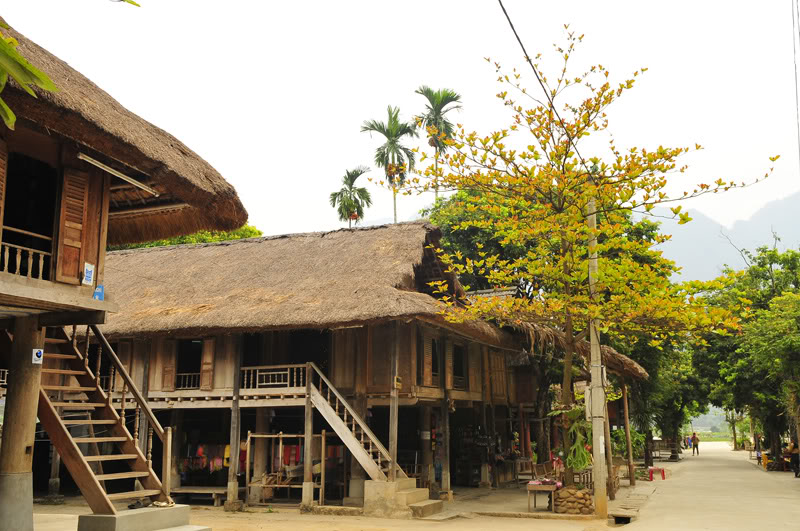
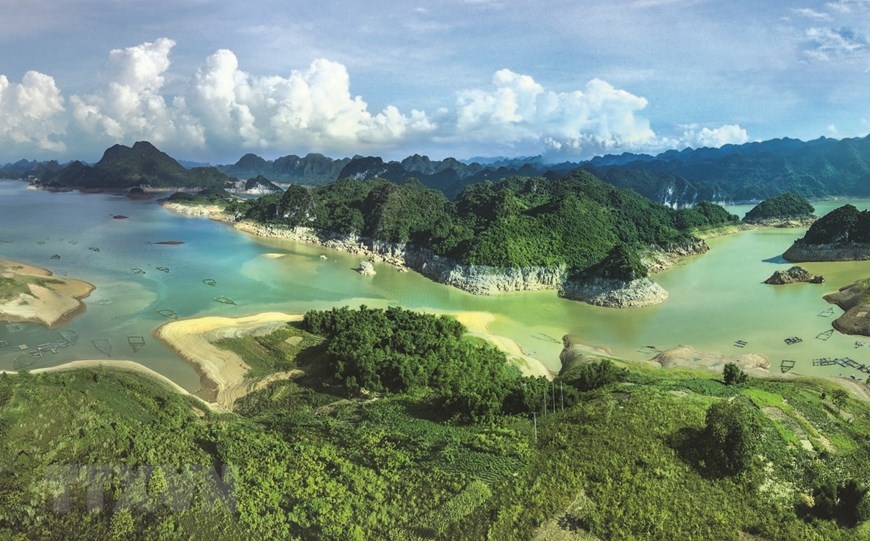
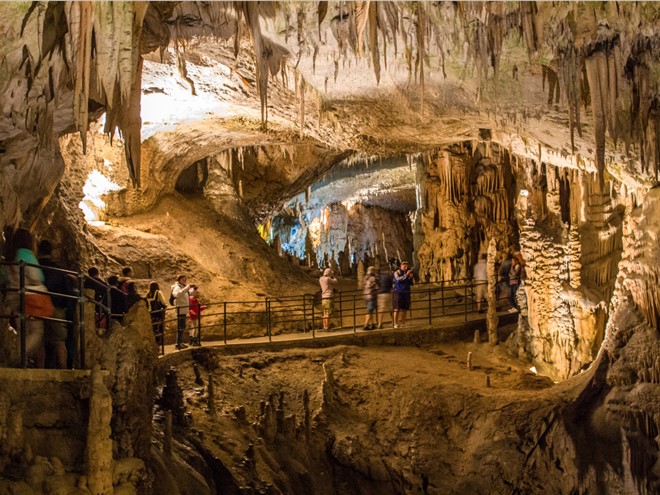
Khuoi Ky Stone Village, located in Dam Thuy commune, Trung Khanh district, Cao Bang province, is renowned for its distinctive stone stilt houses. These structures, with their ancient characteristics, reflect the traditional culture of the Northeastern mountains and forests. It’s a must-visit destination for anyone exploring the area.

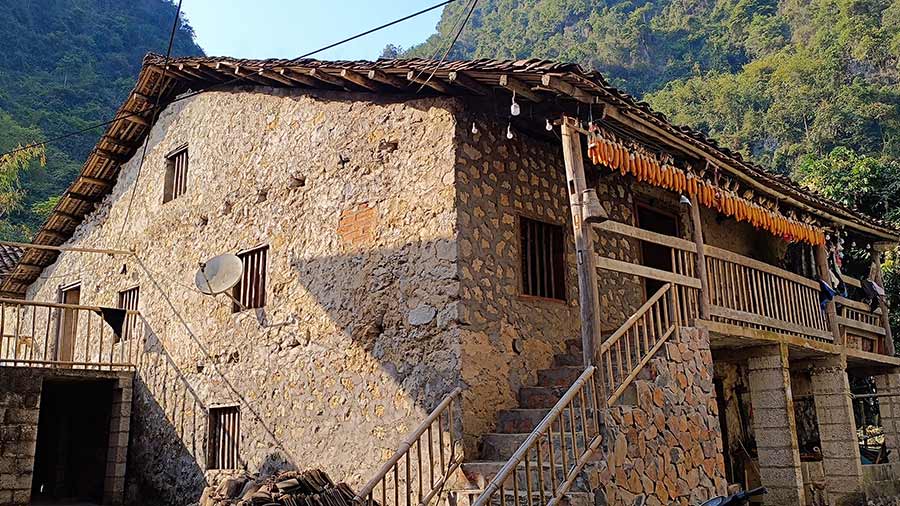
                                         Ancient stone house architecture in Khuoi Ky

Khuoi Ky Stone Village boasts a unique architectural charm, reflecting its 400-year history, set against a backdrop of wild mountains and lush forests. The village takes its name from the refreshing green stream that flows at its entrance. Visitors to the village can not only breathe in the crisp, fresh air and experience tranquility, but also explore a variety of intriguing sights that offer a stark contrast to the bustle of city life.

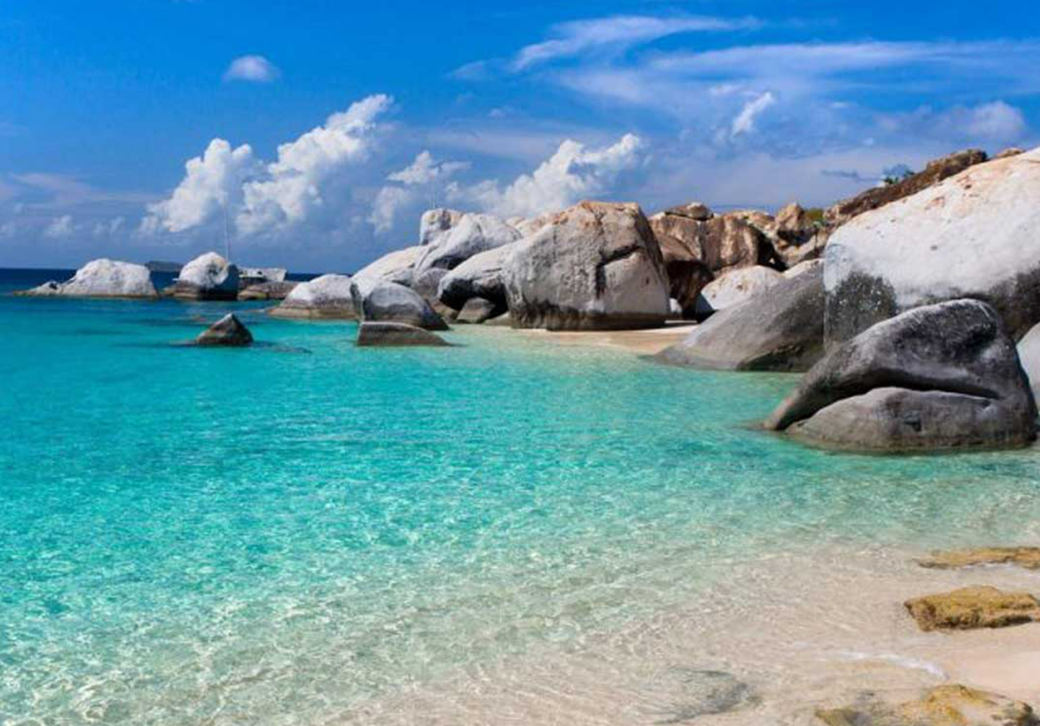
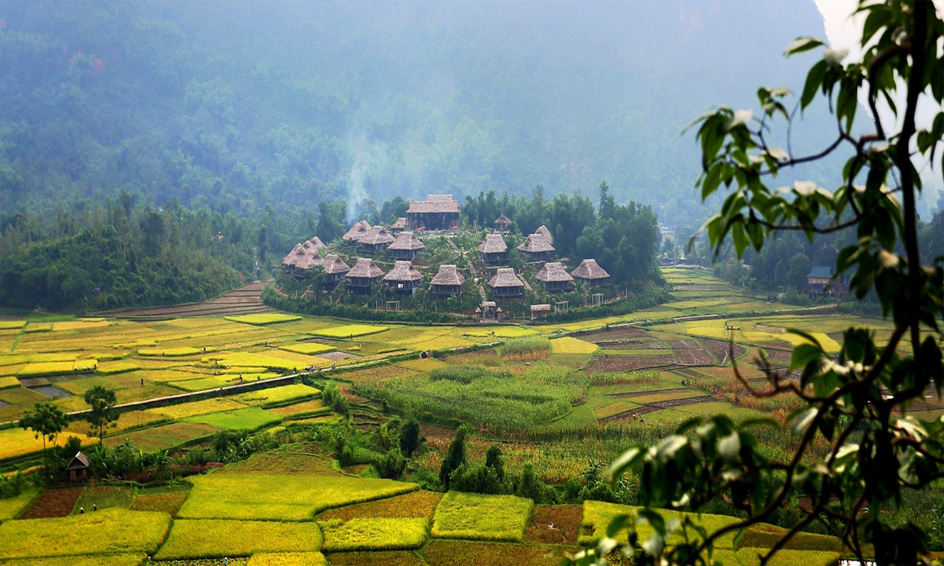
Scenery in the ancient stone village of Khuoi Ky

Khuoi Ky village, with its expansive area, is nestled against a solid mountain and faces a flowing stream, keeping the atmosphere fresh year-round. The village retains the cultural and spiritual essence of the Tay ethnic group, with homes constructed entirely of stone and roofed with traditional yin-yang tiles. Stone plays a central role in the daily lives of the villagers, who regard it as a sacred material that symbolizes protection for their community.

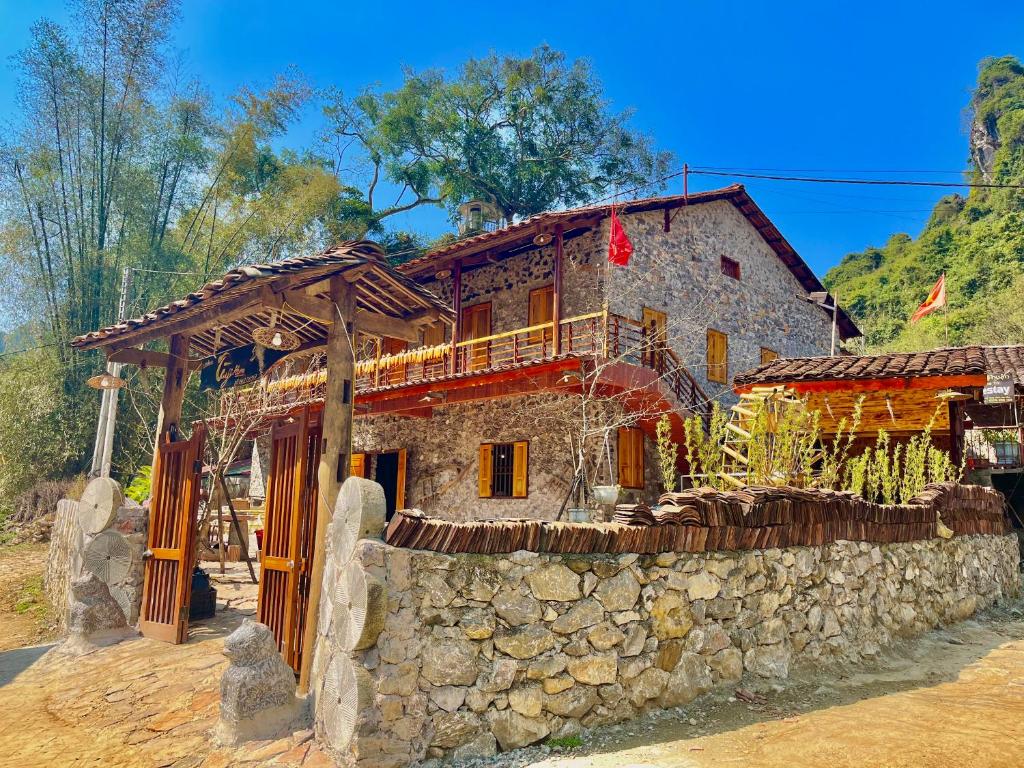
Homestay in Khuoi Ky

When visiting Khuoi Ky, guests can indulge in the unique specialties and traditional dishes of the Tay ethnic group. They can also take part in bamboo dancing, listen to Then singing, or enjoy the soothing sounds of the Tinh lute. Additionally, visitors can experience a variety of activities such as rice planting, firewood gathering, and fishing in the streams.

Khuoi Ky village, with its stunning landscapes, rich cultural heritage, and distinctive architecture, is steadily emerging as a popular destination for both domestic and international visitors.

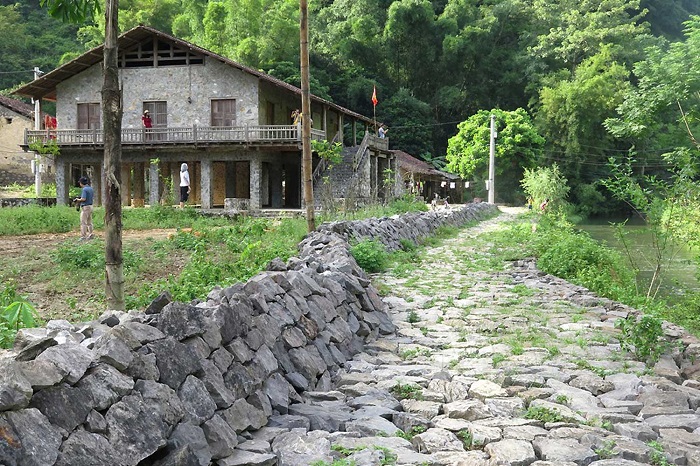
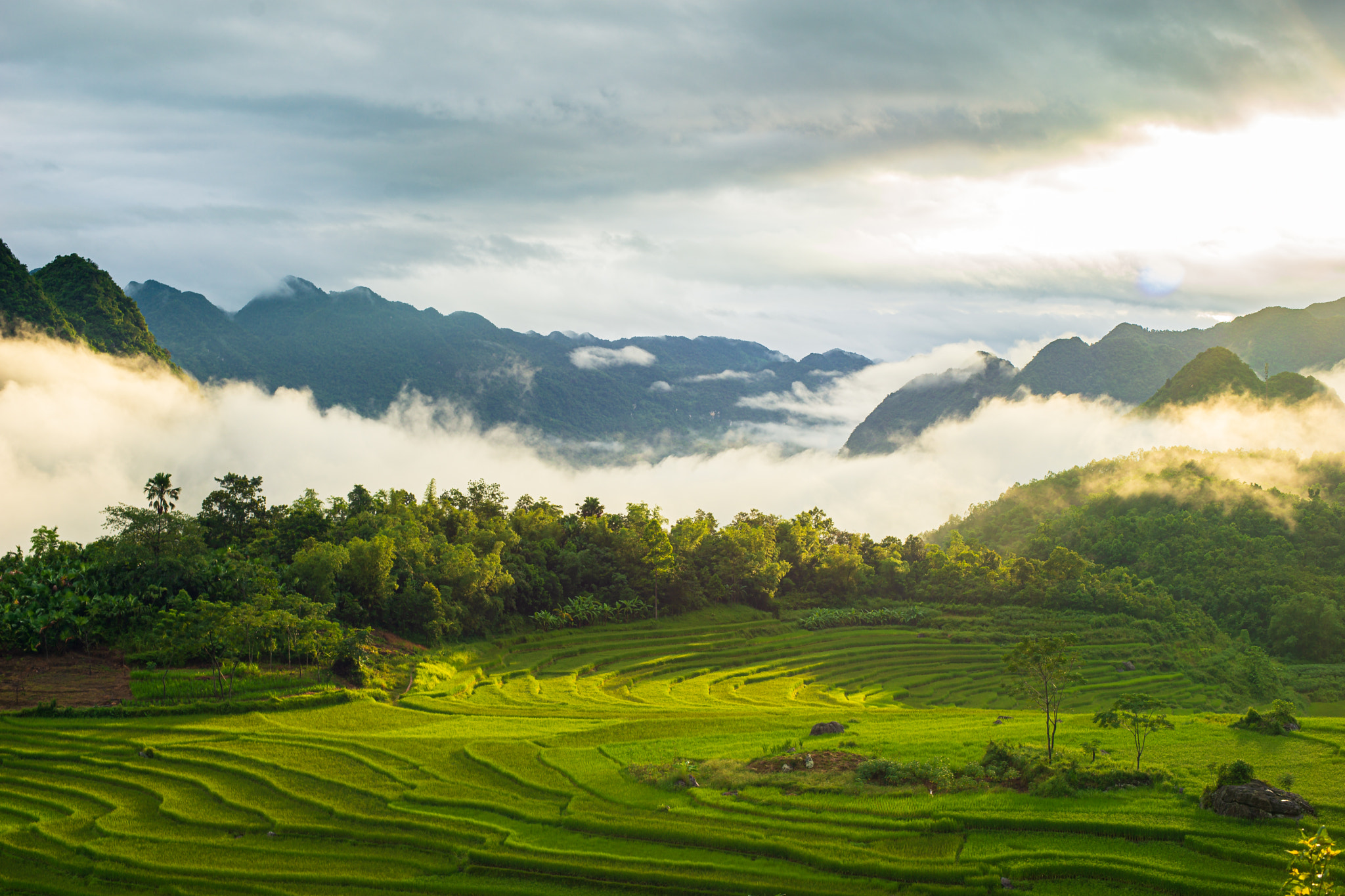
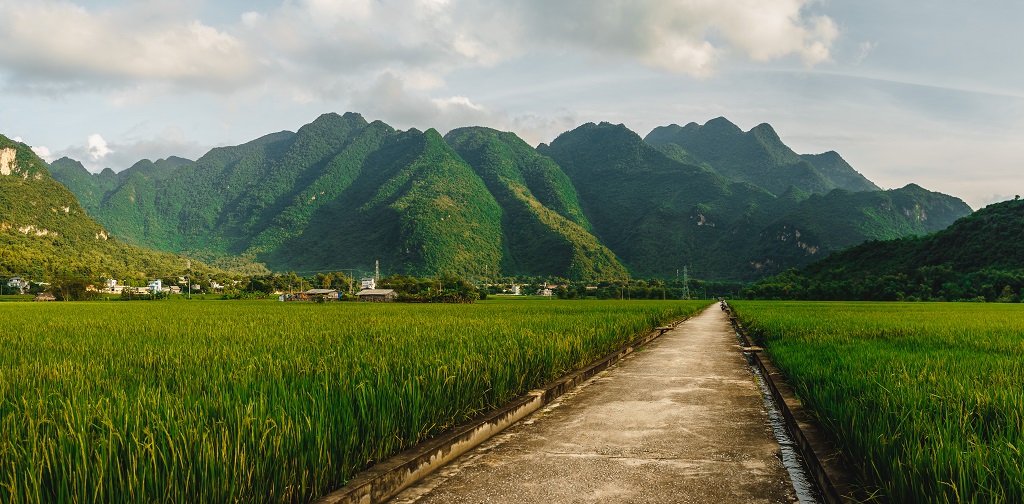
The road to Khuoi Ky village

Come and experience Khuoi Ky in Cao Bang on your next trip, and create unforgettable memories of Vietnam by securing your Vietnam visa at https://vietnamvisapro.com/. As a trusted and reliable visa service, we are here to help turn your dream vacation into reality from the very first step.

Posted on

[BREAKING NEWS] Resolution 11/NQ-CP on visa exemption for citizens of Poland, Czech Republic and Switzerland

Hanoi, February 26, 2025 – The Ministry of Culture, Sports and Tourism has announced the Plan to implement Government Resolution No. 11/NQ-CP, dated January 15, 2025, along with the 2025 Tourism Development Stimulus Program, under the theme “Vietnam – Timeless Journey, Endless Love!”

The program is issued to implement Government Resolution No. 11/NQ-CP on visa exemption in the Tourism Development Stimulus Program in 2025 for citizens of the Republic of Poland, the Czech Republic and the Swiss Confederation and Government Resolution No. 25/NQ-CP dated 5 February 2025 on growth targets of the economy; improve the quality of service for tourists, and foster the attraction of international tourists to Vietnam in 2025.

1.Information on the implementation of Resolution No. 11/NQ-CP

The visa exemption policy with a temporary residence period of 45 days from the date of entry for tourism purposes for citizens of the Republic of Poland, the Czech Republic and the Swiss Confederation under Resolution No. 11/NQ-CP is implemented from 1 March 2025 to 31 December 2025 to stimulate tourism development. Citizens of the 3 countries entering Vietnam need to meet: entry conditions under the unilateral visa exemption according to the Law on entry, exit, transit, and residence of foreigners in Vietnam, and passports with a validity of at least 6 months. They are required to travel on tours organized by Vietnam’s inbound licensed tour operators and show a confirmation of participation in the tour program issued by the Vietnam’s tour operators (according to Form No. 2). Vietnam’s tour operators need to send registration of organizing tour programs for citizens of the 3 countries to the Vietnam National Authority of Tourism (according to Form No. 1).

The Ministry of Culture, Sports and Tourism coordinates with ministries, sectors, and local authorities to guide businesses to implement Resolution 11/NQ-CP and the Tourism Development Stimulus Program in 2025; strengthen communication and promotion to attract international tourists to Vietnam as well as organize the Vietnam Tourism Roadshow in the Republic of Poland, the Czech Republic and the Swiss Confederation and Vietnam Culture – Tourism Week in the Republic of Poland and the Czech Republic to celebrate the 75th anniversary of diplomatic relations with Vietnam.

The Ministry of Public Security and the Ministry of National Defense create favorable conditions to welcome tourists to Vietnam under Resolution 11/NQ-CP entering via international border gates. Airlines increase connectivity, create favorable conditions, and serve international tourists who are exempted from visas under Resolution 11/NQ-CP.

2.Information on the Tourism Development Stimulus Program in 2025

To carry out Resolution No. 11/NQ-CP on visa exemption under the tourism stimulus program for 2025 for citizens of the Republic of Poland, the Czech Republic, and the Swiss Confederation, the Ministry of Culture, Sports and Tourism has issued an implementation plan. This aims to attract international tourists from these markets to Vietnam and enhance the competitiveness of Vietnam’s tourism sector through preferential policies, streamlined entry procedures, and unique travel experiences.
The plan also contributes to implementing Resolution No. 25/NQ-CP dated February 5, 2025, of the Government, which sets growth targets across various sectors and localities, ensuring that the national economic growth rate in 2025 reaches 8% or higher. Specifically, the plan aims to achieve the following tourism targets:

  • International visitors: 22–23 million arrivals
  • Domestic tourists: 120–130 million trips

Furthermore, the plan seeks to strengthen coordination between localities, tourism enterprises, and related industries to develop attractive and cohesive tourism products in service of international visitors.

It also ensures the timely implementation of Government directives, fosters close cooperation among ministries, agencies, and local authorities, and encourages active participation from organizations and businesses in the aviation and tourism sectors.

According to the plan, the Vietnam National Authority of Tourism will take the lead in developing, issuing, and announcing the 2025 tourism stimulus program. As part of this program, the Ministry of Culture, Sports and Tourism will organize several key activities, including:

  • Promotional events introducing Vietnam’s tourism destinations in Poland, the Czech Republic, and Switzerland, in connection with the 2025 tourism stimulus program.
  • Vietnam Culture and Tourism Week in Poland and the Czech Republic, commemorating the 75th anniversary of diplomatic relations.
  • Media campaigns to promote the 2025 tourism stimulus program.

IMPORTANT NOTICE:
Following the rule of Vietnam National Authority of Tourism’s and Government Resolution 11/NQ-CP about visa exemption policy for citizens of Poland, Czech Republic and Switzerland traveling on tours to Vietnam valid from March 01st 2025 to December 31st 2025, Citizens of 3 countries above who want to get exemption visa to travel on tours to Vietnam need to have some documents as below:
1- Valid passport (at least 6 months of validity)
2- Tour purchase confirmation issued by Vietnam’s inbound licensed tour operators (When you purchase a tour with these company they will send you for a tour program and a confirmation of participation in the tour program issued by the Vietnam’s tour operators(according to Form No.2). Vietnam’s tour operators need to send registration of organizing tour programs for citizens of the 3 countries to the Vietnam National Authority of Tourism (according to Form No. 1). All documents has to be signed and stamped (approved) by the Vietnam’s inbound licensed tour operators.
3- To pass Immigration Dept and get visa exemption at Vietnam airport when you arrival, Vietnam’s inbound licensed tour operators (who you purchased the tour from them) have to prepare tour guider to wait for you there, show all the documents and take care tour program for you from the airport.

If you don’t meet all conditions above, when you arrival Vietnam airport, Immgration Dept. at the airport will ask you take the reverse flight back to departure airport and don’t accept for you enter Vietnam with visa exemption 45 days.

You should read carefully this article before you take the trip to Vietnam but still not purchase a tour with Vietnam’s inbound licensed tour operators.

Pls apply for evisa on our website: vietnamvisapro.com in this case which we can help you get evisa soon and exactly to enter Vietnam successful without any probblem

Posted on

Discovering Cu Lao Xanh (Van Phi Island).

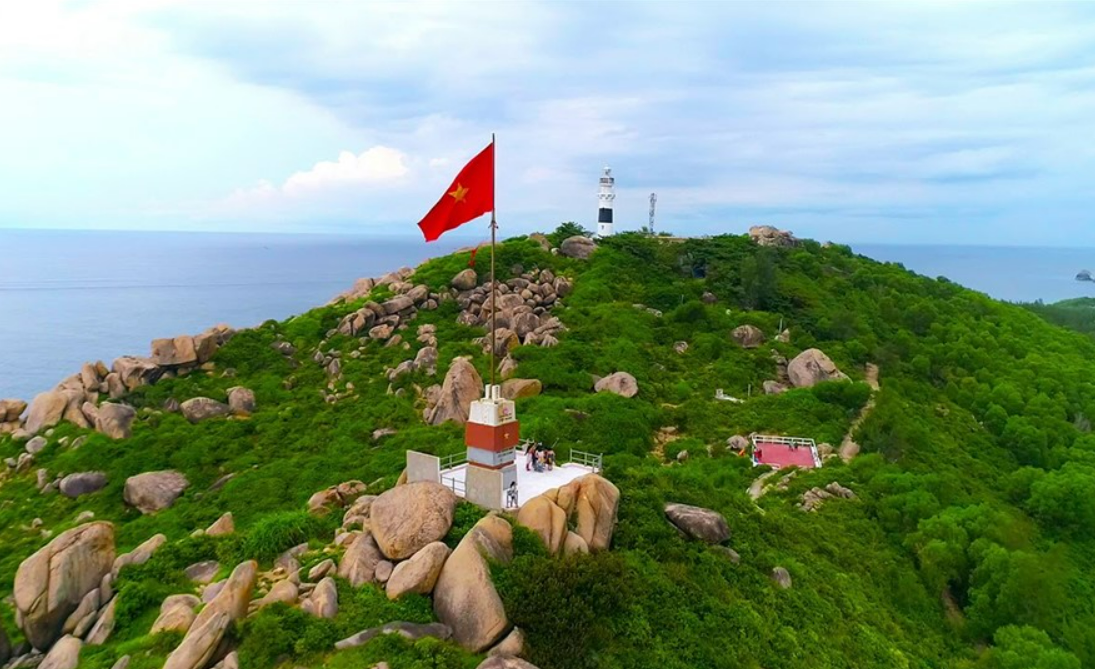
Cu Lao Xanh (or Van Phi Island) of Quy Nhon City, Binh Dinh Province is a hidden beauty and considered a charming pearl of the East Sea. The island is just about 24 km away from the mainland, located near the Xuan Dai Bay in Nhon Chau Commune, Binh Dinh Province. Cu Lao Xanh is translated into English as Green Islet, which refers to its greenery beauty and vitality.

>>> Apply Visa to Vietnam <<<

>>> Order Fast Track Service <<<

The whole island is covered by the greenish lush natural forest, the lines of the tall coconut trees along the beach, the pure blue sky and crystal-clear sea water. You may be fascinated by the sparkling water surface under the sunshine. Cu Lao Xanh has soft white sand dunes. From the above, Cu Lao Xanh looks like a sexy woman with full of vitality lying among the vast oceans. If you are on the planning step to visit Quy Nhon, Cu Lao Xanh must be included into your travel bucket list.

  1. Best time to visit Cu Lao Xanh

Cu Lao Xanh shares the typical features of tropical climate in South Central Vietnam, which is similar to more popular beaches in Nha Trang or Phu Yen.

The best time to plan the visit to this island is from February to June or September to October. During these months, the island is in full summer mode, basking in constant sunshine (avg temp: 28°C), which is convenient for visitors to swim and dive to see the colorful coral reefs.

In contrast, the end of July and August should be avoided because typhoon tends to happen in this period. The northeast monsoon blows to cause rain and fluctuations, large waves prevent ships and boats from operating occasionally so tourists are highly recommended not to visit the island in bad weather conditions to ensure their safety.

  1. Things to do in Cu Lao Xanh
  2. 1. Swimming & Diving

Beautiful beaches are located at the west of the island. They surely can meet the requirements of persons who likes swimming, admiring the blue crystal water, seeing colorful & unique multi-shape coral reefs and walking along the long soft white sand stripes. Sea lovers shouldn’t miss this amazing opportunity to experience these magnificent beaches. Moreover, you can take part in other exciting activities such as seeking sea stars, catch sea urchin, etc. Just immerse yourself into the blue sea and feel how close you are to nature more than ever.

2.2. Discover Cu Lao Xanh Light Station & Lighthouse

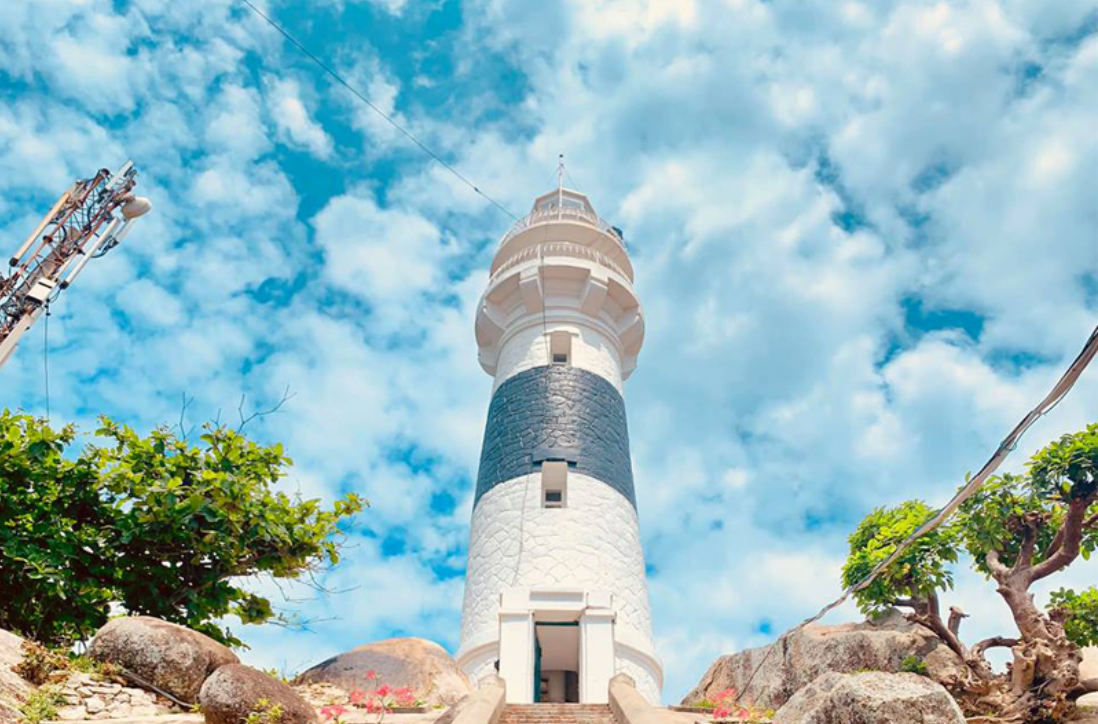
Cu Lao Xanh Light Station is located on the top of a 120m hill and parallel to the 19m Lighthouse. It is a two-storey building with a unique structure and used to be the house of a French official during the war against the French colonialists. At the back of the Cu Lao Xanh Light Station standing a 19-meter lighthouse with French name as Plogam Bir. Its structure is a combination of Asian and Western Gothic architecture styles. This lighthouse was built in 1890 by French after a ship sank on colliding with the reef in Quy Nhon sea. By the time of its launching, this structure was the highest lighthouse of the Indochina, with 119 meters in length and its light can spread up to 50 kilometres.

Over the past 130 years, Cu Lao Xanh Lighthouse has become a close friend to fishing boats and fishermen in this region. Its light lead fishermen to row their boats safely at nighttime or overcome many strong waves and sea storms all year round.

Standing on top of the lighthouse, tourists can have a panoramic view over the Cu Lao Xanh Island and surely will be overwhelmed by the picturesque sceneries below. The island stretches out like a grand picture with many shades of blue and green.

2.3. Visit “Fairy Well” Stream (Giếng Tiên)

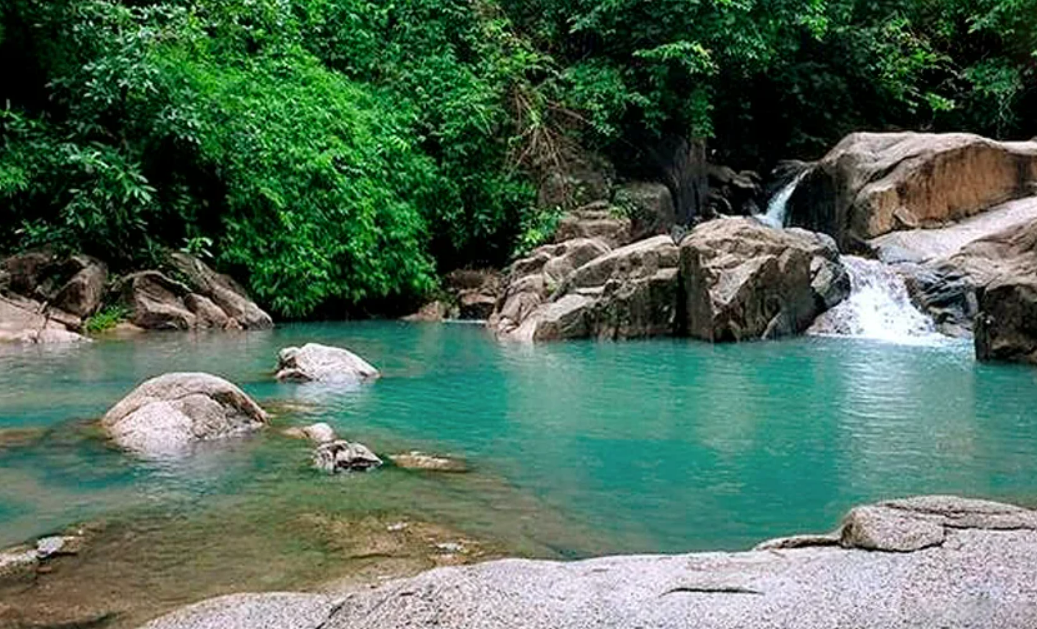
Tourists can move down toward the northwest of the lighthouse to reach Fairy Well Stream (Giếng Tiên). The name derived from a legend. According to the legend, on moonlit nights, fairies would descend, play around, enjoy the scenes, and take a shower in the stream before flying back to the sky. “Gieng” means “well” and “tien’ means “fairy’ in Vietnamese. Therefore, Gieng Tien stream means the well where the fairies take a bath. Bathing in the pure fresh water with salty smell is surely a great experience that every visitor should not miss.

2.4. Participate Cầu Ngư Festival

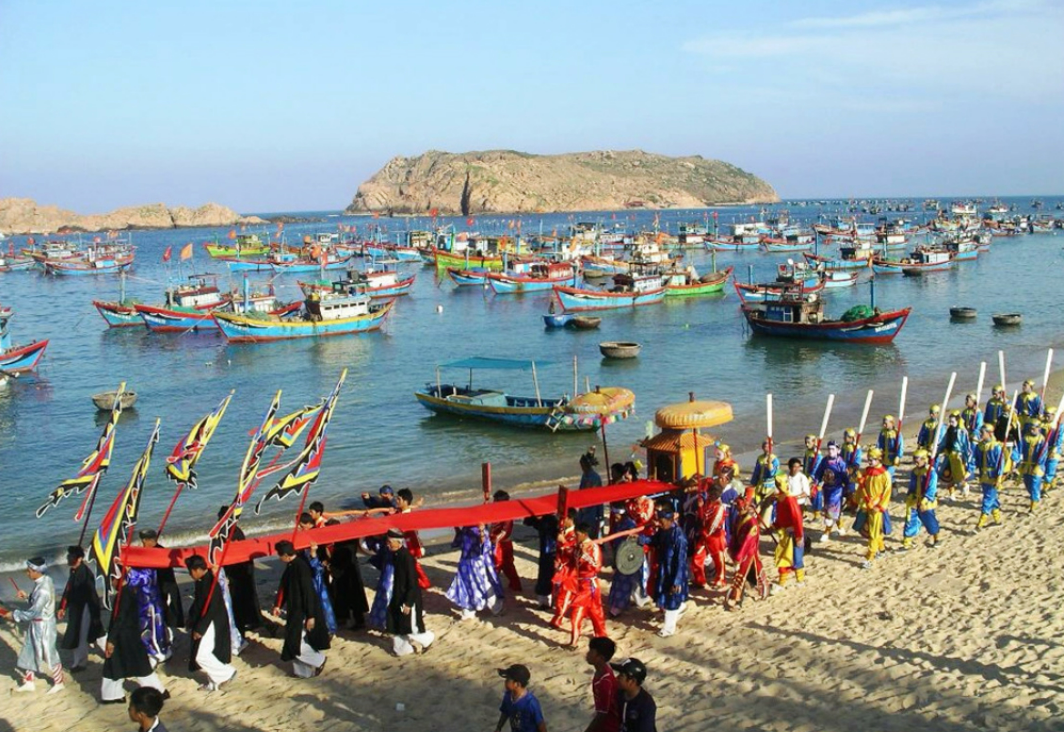
Cầu Ngư means “fish worshipping” in Vietnamese. This is the biggest traditional festival of the fishermen in coastal areas including Cu Lao Xanh. Cầu Ngư Festival is annually held on 16th March (lunar calendar) to express local fishermen’s gratitude to the fish lord, as well as pray for a peaceful and successful fishing season as fishermen often face up with uncertainties and potential dangers on the giant ocean. This is a spiritual tradition passed on from generation to generation since ancient time and still honorably preserved until today.
During the festival, besides the worship rituals, many traditional interesting games such as the racing boat, tugs of war, etc are also organized.

2.5. Other activities

Do not forget to bring fishing rope when discovering the Cu Lao Xanh Island. When tourists are tired from walking or swimming, they can sit on some rock cliffs and go fishing, or wade in the water to catch some “vú nàng” snails, a local specialty. What can be more pleasant than to enjoy the seafood one has just caught on their own, grilled on the spot with friends or family members.

There were also small sand dunes in which the sea turtles often lay their eggs. If a tourist is lucky enough, he might have a chance to see the tiny turtles crawling on the sand toward the sea.

  1. Accommodations in Cu Lao Xanh

This place is famous for its beautiful, natural and romantic beach and they have not been exploited much by tourism. Therefore, there are not many accommodation options for tourists to choose from. There are several homestays with extremely cheap prices from 50,000 VND – 100,000 VND/ person or 150,000 VND – 550,000 VND/ room, depending on tourists’ budget.

  • Homestay Travel Cu Lao Xanh
    • Uncle Nam’s Homestay in Hoa Hoa
    • Uncle Vuong’s Homestay
    • Phuc Hung Homestay
    • Homestay Ngoc Dinh

Besides a few homestays, if tourists want to experience local life, they can ask local people for staying in their houses. The local people and fishermen here are very friendly and open. They are willing to help and invite you a simple meal of delicious seafood and local specialty in Cu Lao Xanh.

  1. How to get to Cu Lao Xanh

Lying in a strictly managed area within the maritime boundary of the country, the island is virtually off limits for foreigners. The only way to get to this island, 24km away from the inland town of Quy Nhon, is by boat or speedboat. From the Ham Tu wharf, it takes 2 hours and 25,000 VND (~ 1.09$) to get there in a normal wooden boat. For 200,000 VND, you can get there on a high speedboat in 50 minutes. Cu Lao Xanh is wildly beautiful, with sunny beaches and a serene coast.

  1. Some notes when traveling to Cu Lao Xanh?

– Cu Lao Xanh is a military island, so the security is very strict. When arriving in the island you must bring identification card. Ideally, you should book the tour to Cu Lao Xanh with Vietnam Travel as we can assist you to get a guaranteed procedure quickly. Foreigners are prohibited to visit Cu Lao Xanh for any reason.

– Currently Cu Lao Xanh has not yet pulled electricity from the mainland. People living on the island only use generators from 9 am to 3 pm and 5 pm to 11 pm. So, you should prepare backup chargers, cameras, phones to avoid running out of battery.

Fresh air, blue sea, white sand and golden sunshine creates a poetic and peaceful natural scene of Cu Lao Cham, which makes it as a truly precious gem in the sea and a destination that should not be missed when exploring Quy Nhon.

 Apply For Vietnam Visa, apply Vietnam visa, Apply visa vietnam, Book E-visa Vietnam, book visa vietnam, Cheap Vietnam Visa, E-visa Vietnam, evisa Vietnam, Evisa Vietnam online, expedited e-visa, expedited E-visa to Vietnam, expedited Vietnam E-visa, Get a Vietnam visa, Get Vietnam Visa, get vietnam visa online, get visa to vietnam, get visa Vietnam, multiple entry visa, my vietnam visa, Order Vietnam E-Visa, quick vietnam evisa, rush vietnam visa, Urgent Vietnam Visa, Vietnam, Vietnam E-visa, Vietnam Evisa, Vietnam tourist, Vietnam travel, Vietnam vacation, Vietnam Visa, Vietnam visa cost, Vietnam Visa Exemption, Vietnam Visa for India citizens, Vietnam Visa For Indians, Vietnam Visa for South Africa citizens, Vietnam Visa In India, Vietnam visa in South Africa, VIetnam VIsa on arrival, Vietnam VIsa online, Vietnam visa pro, visa for vietnam Visa On Arrival, visa online, Visa to Vietnam, Visa Vietnam

Posted on

All Things About Da Nang City

Located in Central Vietnam, Da Nang, the 4th largest city in Vietnam, marks the halfway point between Hanoi capital in the North and Ho Chi Minh city in the South. It is also the center of commerce, tourism and education. Has long been recognized by locals as the most worth-living place in Vietnam, Danang was listed in the world’s top 10 worth-living cities in 2018 the famous travel magazine Live and Invest Overseas. It additionally consolidates Danang’s position in the world tourism market.

>>> Apply Visa to Vietnam <<<

>>> Order Fast Track Service <<<

  1. Danang Weather & Best time to visit

Danang marks the northern limits of Vietnam’s tropical zone and has a pleasant climate all year round. There are two seasons: wet season from August to December and dry season from January to July. The highest temperature is 30°C and the lowest one is around 18°C. The best time to visit Danang is from March to May and September to October when the weather is cool and dry. If you can, avoid the summer months from June to August when Danang becomes a popular retreat for domestic tourists. It is very hot then, but very little rain and the sea is clear and calm.

  1. How to get to Danang

Danang is considered as a tourism hub of central Vietnam so there are many ways to reach Danang conveniently.

2.1. By Airplane

Danang has international airport within the city. There are many daily domestic flights connecting Danang with Hanoi, Saigon, Nha Trang, Dalat, Haiphong. The flight time is just over 1 hour. You can easily find the best suitable flight with reasonable price at Vietnam Airlines, Bamboo Airways and two low-cost airlines, namely, Vietjet Air and Jestar Pacific.

Besides, international flights to Danang are available from Guangzhou (China), Bangkok (Thailand), Seoul (Korea), Kuala Lumpur (Malaysia), Shanghai (China), Siem Reap (Cambodia), Singapore, Taipei (Taiwan) and Tokyo (Japan). This mean of transportation makes your trip to Danang easier.

2.2. By Train

Compared with the plane, the time to travel to Danang by train will be much longer, about 17-19 hours, either from Hanoi or Saigon. However, it is a best choice for those who want to take advantage of the beautiful scenery throughout the train windows. With prices ranging from 25USD (hard seats) to 50USD (air conditioned, soft berth), you have a lot of options to choose from depending on your budget. You can get the train ticket directly at train stations or contact with local agent to book in advance.

2.3. By Bus

To save money, tourists can choose travel by a local bus to Danang. The price is around 15USD – 20USD/ one way from either Hanoi or Saigon. There are many local buses serving the route Hanoi – Danang such as Hoang Long, Phuong Trang, Camel Travel… and Sai Gon – Da Nang: Hoang Long, Phuong Trang, Thuan Thao, Xuan Tung, Dinh Nhan… It also takes around 17-19 hours like a train trip.

2.4. By private car

Private car is another option you may consider when planning to visit Danang. It is more comfortable than a local bus and a train. An experienced driver will accompany with you, passing by breath-taking sceneries from North or South to Central Vietnam. You can stop anytime and anywhere along the way you want to take a short rest, take some photos and admire the Vietnam’s beauty.

  1. Sightseeing in Danang

3.1. My Khe Beach

My Khe is recognized as the best beach in Da Nang city. It was voted as one of six most charming beaches on the planet by Forbes Magazine in 2005. With 900m in length, My Khe beach is famous for blue sky, white gentle slope sandbank, mild waves, clear warm water all year round and beautiful areas surrounded by coconut trees. It is definitely an ideal place for relaxing, sightseeing, swimming, surfing, sunbathing and taking the best photos.

For those who want to enjoy sunrise and sunset, My Khe is one of the best choices. You will immerse in the fresh air and magnificent view, which gives you a huge energy. So stay close to the beach and get in close touch with the nature’s beauty.

3.2. Non-Nuoc Beach

Stretches 5km along the shore of Hoa Hai Ward at the foot of Marble Mountains, Non Nuoc beach is famous for its seaweed, which reaches exportation standards. Many five-star hotels were built in Non Nuoc to accommodate the domestic and foreign tourists in the area. Together with its feature of wave degree, climate, weather and salinity, the beach is suitable for water sports, especially surfing. In 1993, there took place an international champion with the participation of nearly 40 athletes from many countries around the world.

Along the beach, on the white sand is a forest of age-old casuarinas which is shady, green and is waving in the whistling wind. This is an ideal place for resting and camping. When the darkness falls and the moon rises, you can set yourself free on smooth benches along the beach to listen to melodious sounds of the waves and enjoy the occult space.

3.3. Son Tra Peninsula

Son Tra Peninsula, also called a precious gem in Danang, is not only famous for the beautiful, picturesque landscapes but also a highly potential eco-tourism-oriented resort area. Just 13km away from the city center, Son Tra Peninsula is an ideal getaway from the crowded and busy life. Visiting this place, you have a chance to immerse yourself in the beauty’s nature of white sand beaches, untouched natural scene, dense green forest, and see many kinds of rare animals.

Son Tra is surrounded by many nice pristine beaches like Bai Bac, Bai Nam, Bai But and Tien Sa beach. Each of them boasts their own beauty with smooth sandbank, clear blue water and colorful coral reefs. If you want to explore the amazing life under the sea, it also provides you the best opportunity to go snorkeling or scuba diving.

3.4. Linh Ung Pagoda

Linh Ung Pagoda – Bai But is located at the Son Tra Peninsula. This is one of the biggest, newest and the most attractive of the three pagodas with the same name in Danang. The pagoda features a perfect harmony of modern and traditional architectures of a Vietnamese pagoda, especially in the three-entrance gate, the main chamber and the ancestors’ house. Situated on an area of about 20 hectares on the side of Son Tra Peninsula, this pagoda is a magnificent artwork. There is the highest Quan Yin statue (67m) in Vietnam which leans on the mountain and looks toward the sea. You can see this statue from every corner of Danang city.

With its unique architecture and mountain landscape, Linh Ung pagoda has become a popular place for worshipping, living and practicing of monks and Buddhists as well as a spiritual tourist attraction in Danang. Just 10km from Danang city center, this pagoda can be reached by motorbike, taxi or private car for comfortable. This is a must-see place on the way to Son Tra Peninsula.

3.5. Marble Mountains

Marble Mountains or “Ngu Hanh Son” in Vietnamese, are located about 8km southeast of Danang city, close to the sea. It is a group of five marble and limestone mountains named according to the five elements of nature: “Kim Son” (metal), “Moc Son” (wood), “Hoa Son” (fire), “Tho Son” (earth) and “Thuy Son” (water).

Among these five mountains, “Thuy Son” is the largest and the most beautiful one. It has become the main attraction for visiting. It has many caves and Buddhist temples, many dating back to the 17th century. A natural stone stairway leads you up to the top of the “Thuy Son” Mountain or you can take a glass elevator instead to enjoy the beautiful panoramic views from above.

3.6. Champa Sculpture Art Museum

Located at the junction of Trung Nu Vuong and 2/9 Streets, Danang City, the Champa Sculpture Art Museum was built in 1915 under the sponsorship of the French School for Far Eastern Studies in Vietnam. It is based in the Danang region which was the seat of the old Champa Kingdom and boasts many attractions like Tra Kieu, Dong Duong, My Son and Thap Mam. In 1936 the Museum was expanded and opened to the public in 1939. It conserves the last collection of the Champa Sculpture Art in Vietnam and the world. Its architecture bears the features of Cham architecture. It boasts a row of showrooms white in color with simple yet graceful decorations. The Museum exhibits 300 original sandstone sculptures and some baked clay products collected from the temples and towers that lie scattered from Quang Binh to Binh Thuan in Central Vietnam. The exhibits are statues, embossments, images, and patterns displayed in 10 rooms named after the places where they were found.

3.7. Danang’s Golden Bridge on Ba Na Hills Resort

Considered as a work of art, Golden Bridge (Cau Vang) in Danang has attracted a big number of both domestic and foreign tourists since opening to the public in June 2018. People come here to see and take a photo with a novel piece of architecture famed for its unique design. The shimmering bridge is held up by two giant concrete humans above the clifftops. During the forest, the bridge stands out in yellow and looks like a golden silk trip hiding in the clouds of Danang. Especially, the hands look aged and weathered as if they have been there for centuries.

Golden Bridge rises above the Thien Thai gardens at the Ba Na Hills Resort, about 30km from Danang city. Opened in 1919 by French colonists with around 200 villas, today this area holds attractions like an alpine roller coaster and the longest nonstop, single-track cable car, according to Guinness World Records. You have to buy a ticket to enter this resort with the price of 750,000 VND a ticket/ adult including all cable cars and theme park entrance ticket. Then you freely explore Ba Na Hills and check out the world’s most striking footbridge.

3.8. Dragon Bridge

As its name suggests, Dragon Bridge illustrates the image of a dragon flying towards the sea with the architecture inspired by Ly dynasty. It was opened on the 38th anniversary of the liberation of Danang city in 2013. This inventive design is not only a reflection of Vietnamese customs and beliefs but also highlights Da Nang’s growth and development. Due to its unique design, the bridge has attracted worldwide attention.

Having 6 lanes crossing the Han River, Dragon Bridge forms a direct way from Danang International Airport to this city’s various main routes, easier to reach My Khe beach and Non Nuoc beach, two stunning beaches of Danang. Especially, there is dragon’s fire breathing and water spraying performance at 9pm every weekend and during the holidays. This is an incredible scene you should not miss in Danang.

  1. Danang Special Cuisine

Danang is a heaven of the authentic local cuisine. Check out some review articles about food in Danang, you will see many choices from the luxurious restaurants to street vendors. So don’t forget to try some famous specialties to complete your amazing trip here.

  • “Banh trang cuon thit heo” (sliced pork rolled with rice paper)
  • “Bun mam” (rice noodles with fermented fish sauce)
  • “Bun thit nuong” (rice noodles with grilled pork)
  • “Banh xeo” (Vietnamese pancake)
  • “Banh canh” (Cake soup)
  • Seafood
  1. Accommodation in Danang

Danang has countless resorts and hotels from budget to luxury options, which is suitable for any travelers.

5.1. Resorts in Danang

–  InterContinental Danang Sun Peninsula Resort (Luxury)


Address: Bai Bac beach, Son Tra District, Danang.

– Pullman Danang Beach Resort (Luxury)


Address: 101 Vo Nguyen Giap Street, Khue My Ward, Ngu Hanh Son District, Danang.

– Naman Retreat (Luxury)


Address: Truong Sa Road, Ngu Hanh Son District, Danang.

–  Meliá Danang Beach Resort (5 star)

Address: 19 Truong Sa street, Hoa Hai Ward, Ngu Hanh Son district, Danang city.

–  Fusion Maia Danang (5 star)

Address: Vo Nguyen Giap Street, Khue My Ward, Ngu Hanh Son District, Da Nang City.

5.2. Hotels

–  Four Points by Sheraton Danang (5 star)


Address: 118 – 120 Vo Nguyen Giap street, Phuoc My Ward, Son Tra District, Danang.

–  À La Carte Danang Beach (4 star)

Address: 200 Vo Nguyen Giap street, Son Tra District, Da Nang City.

–  Nalod Danang Hotel (4 star)

Address: 192 Vo Nguyen Giap street, Son Tra District, Da Nang City.

–  Maximilan Danang Beach Hotel (4 star)

Address: 222 Vo Nguyen Giap Street, Phuoc My Ward, Son Tra District, Danang City.

–  De L’amour Hotel (3 star)

Address: 46 Vo Nguyen Giap street, Son Tra District, Da Nang city.

–  Adaline Hotel & Suite (3 star)

Address: 45-47 Vo Van Kiet street, Son Tra District, Da Nang City.

 Apply For Vietnam Visa, apply Vietnam visa, Apply visa vietnam, Book E-visa Vietnam, book visa vietnam, Cheap Vietnam Visa, E-visa Vietnam, evisa Vietnam, Evisa Vietnam online, expedited e-visa, expedited E-visa to Vietnam, expedited Vietnam E-visa, Get a Vietnam visa, Get Vietnam Visa, get vietnam visa online, get visa to vietnam, get visa Vietnam, multiple entry visa, my vietnam visa, Order Vietnam E-Visa, quick vietnam evisa, rush vietnam visa, Urgent Vietnam Visa, Vietnam, Vietnam E-visa, Vietnam Evisa, Vietnam tourist, Vietnam travel, Vietnam vacation, Vietnam Visa, Vietnam visa cost, Vietnam Visa Exemption, Vietnam Visa for India citizens, Vietnam Visa For Indians, Vietnam Visa for South Africa citizens, Vietnam Visa In India, Vietnam visa in South Africa, VIetnam VIsa on arrival, Vietnam VIsa online, Vietnam visa pro, visa for vietnam Visa On Arrival, visa online, Visa to Vietnam, Visa Vietnam

Posted on

Vietnam – Asia’s Natural Wonder

Vietnam has been honored as Asia’s Leading Nature Destination 2024 for the third time at the 31st World Travel Awards Asia & Oceania Gala Ceremony. This recognition reinforces Vietnam’s status as an ecotourism hotspot dedicated to biodiversity protection and conservation efforts.

Nestled along the East Sea coast, Vietnam covers over 331,000 km² and features a variety of landscapes and abundant natural resources. From the stunning mountains and steep rice terraces in the northwest to the vast caves and pristine beaches in the central region, as well as the lush rivers and orchards in the south, Vietnam offers breathtaking scenery for travelers to enjoy.

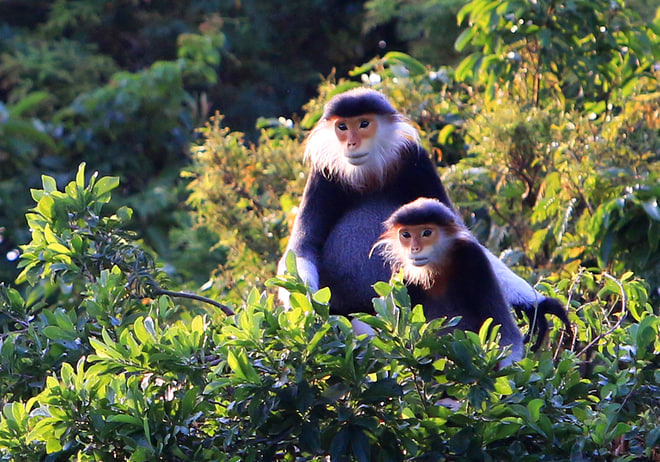
                                               Langurs on Son Tra Peninsula, Da Nang City

Vietnam is renowned for its stunning 3,260 kilometers of coastline, featuring beautiful white sand beaches bathed in golden sunshine and surrounded by crystal-clear emerald waters. Destinations like My Khe in Da Nang, Cu Lao Cham near Hoi An, Nha Trang, and Phu Quoc are perfect for a tranquil getaway, allowing visitors to unwind by the ocean and partake in thrilling beach sports.

                                                       Purple dawn in Phu Quoc

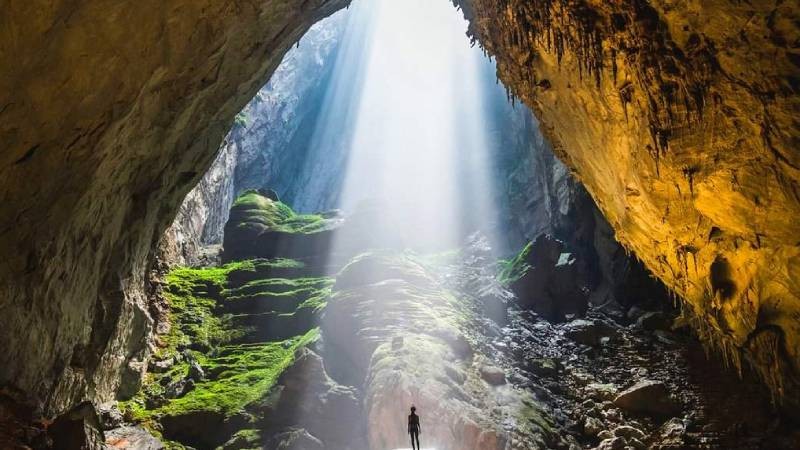
Vietnam is home to stunning mountain ranges, majestic plateaus, and fascinating caves. Adventure seekers should not miss Fansipan Peak in Lao Cai, often called the “roof of Indochina,” along with Pu Ta Leng Peak in Lai Chau, Ta Xua Peak in Son La and Yen Bai, and the breathtaking Son Doong Cave in Quang Binh, the world’s largest natural cave. Other remarkable spots include Dau Go Cave in Quang Ninh and Mua Cave in Ninh Binh. Nestled within lush forests, you’ll find enchanting waterfalls, where the sounds of flowing water, whispering winds, and chirping birds create a serene atmosphere. Must-visit waterfalls include Ban Gioc Waterfall in Cao Bang, Dai Yem Waterfall in Moc Chau, Hang En Waterfall in Gia Lai, Yang Bay Waterfall in Khanh Hoa, Pongour Waterfall in Lam Dong, and Dray Nur Waterfall in Dak Lak.

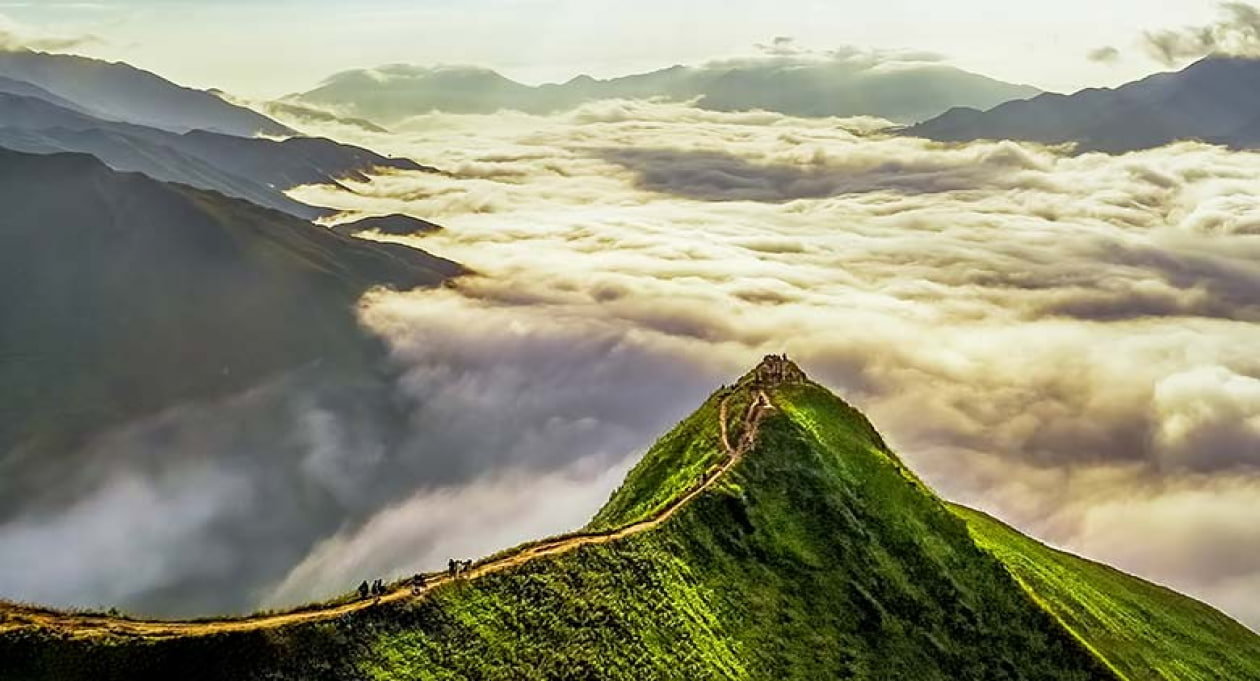
                                             Ta Xua – Paradise on earth

                                                           Tra Su Cajiput Forest

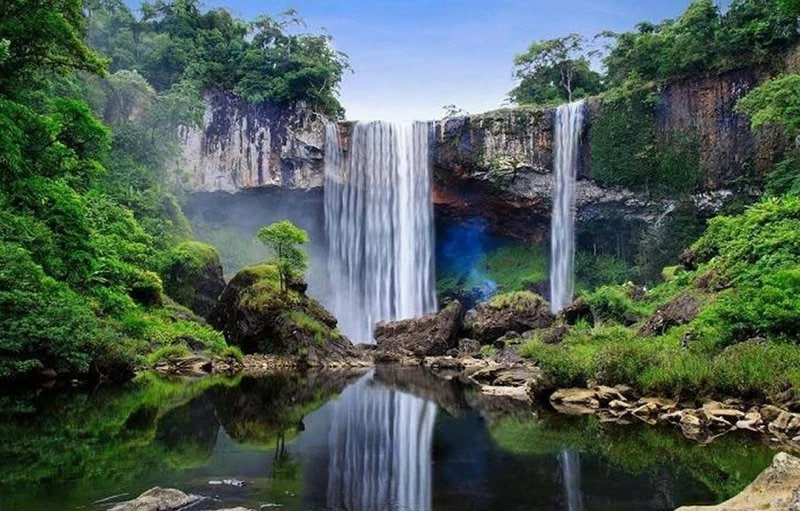
                                                      Hang En Waterfall, Gia Lai

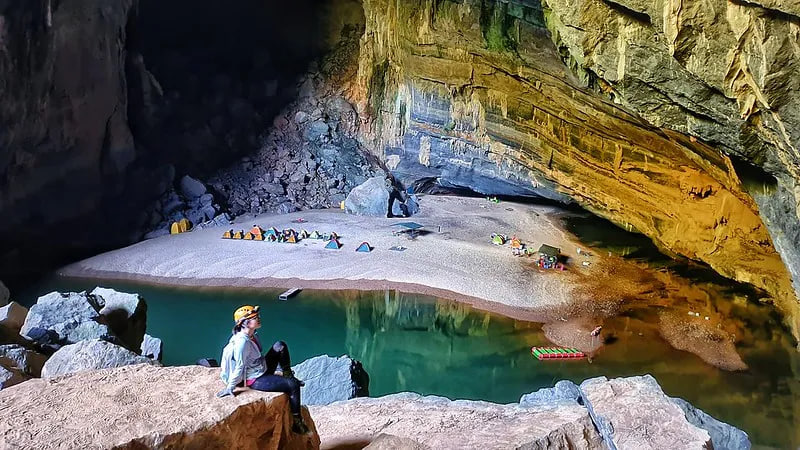
                                                      En Cave, Quang Binh

Nature enthusiasts will be captivated by Vietnam’s diverse ecosystem, which features numerous nature reserves and national forests stretching from north to south. This region is home to a variety of endemic and rare species, including the lily, betel, Ngoc Linh ginseng, red pine, langur, saola, crested pheasant, white-necked crane, Monticola solitarius, big-headed frog (Oreobates quixensis), and various geckos and fish.

Vietnam’s stunning natural beauty, favorable climate, varied terrain, and rich resources inspire awe and joy. The harmonious blend of nature, ecology, and culture offers unique travel experiences, positioning Vietnam as a leading nature destination on the global tourism map.

Plan your trip to Vietnam now to experience the breathtaking sight  by apply a Vietnam visa at vietnamvisapro.net. We, a reputable and reliable Visa service, will assist you turn your plan into reality at the very first step

Posted on

Mu Cang Chai has been recognized as one of the 25 most stunningly beautiful places in the world.

Wanderlust Storytellers has named Mu Cang Chai in Yen Bai as their top pick among 25 breathtaking destinations. They describe it as a “seemingly hidden gem in the world, thanks to its stunning beauty.” They added, “This is one of our favorite spots and we’re sure it will become one of yours as well!”

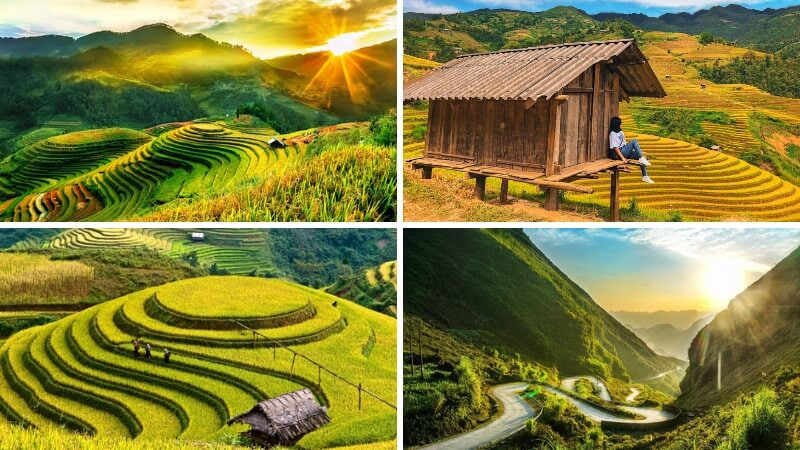
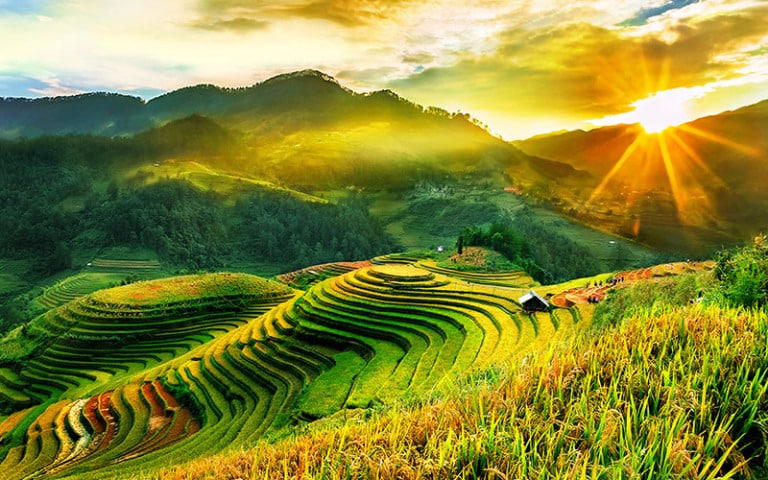
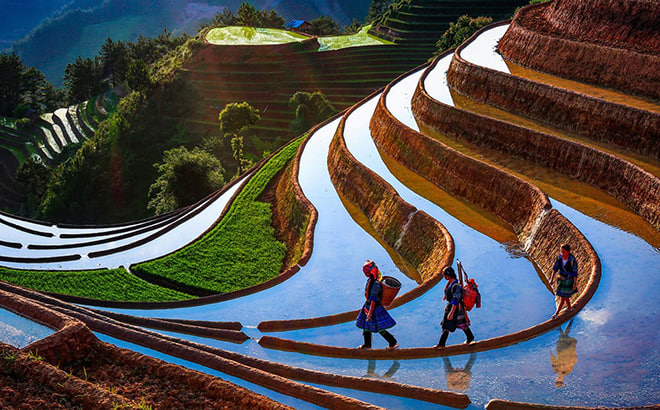
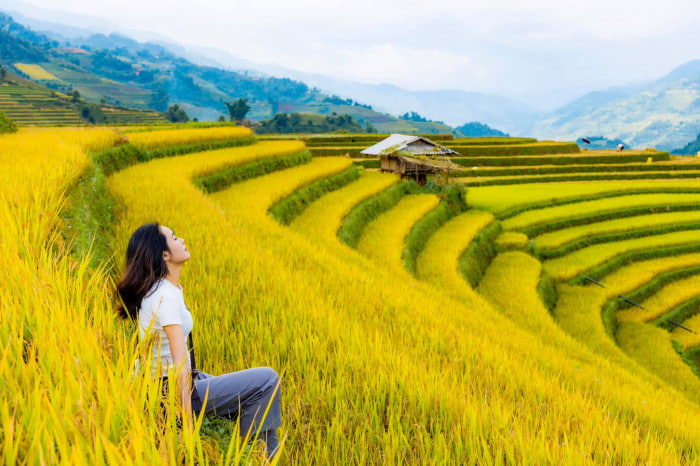
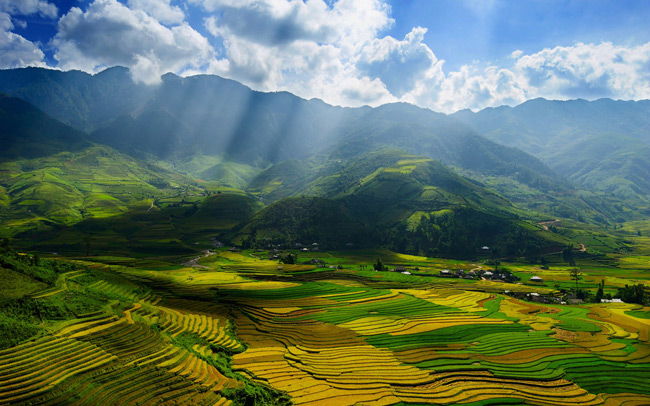
Mu Cang Chai, celebrated as one of Vietnam’s most stunning destinations, is renowned for its breathtaking terraced fields. These fields gleam with vibrant emerald green during the growing season, transforming into a shimmering gold as the rice ripens.

Crafted by the skilled hands and boundless creativity of local farmers, these terraces create a dynamic landscape that shifts with the seasons, exemplifying the harmonious relationship between nature and humanity.

Wanderlust Storytellers highlights the serene, dreamlike vistas and extraordinary natural wonders that make our planet truly enchanting, allowing visitors to feel as if they’ve stepped into a magical realm.

In 2018, the British newspaper Telegraph recognized Mu Cang Chai’s terraced fields as one of the 12 most beautiful in the world, marking it as one of two Vietnamese entries on the list.

In 2007, 330 hectares of these terraced fields in the communes of La Pan Tan, Che Cu Nha, and De Xu Phinh were designated as National Monuments by the Ministry of Culture, Sports and Tourism. By 2019, they received the prestigious status of Special National Monument from the Prime Minister.

The terraced fields of Mu Cang Chai epitomize the synergy of community spirit, natural beauty, and the creativity of the highland people, who have harmoniously coexisted with their environment for generations.

In Mu Cang Chai, the flood season spans from May to June, when the fields are readied and sown. September and October mark the harvest season, each period presenting its own unique beauty. During the flood season, the landscape transforms into a stunning blend of brown soil, white clouds, blue skies, and shimmering water. In contrast, the terraced fields come alive with vibrant hues during harvest, glimmering like gold under the sun.

Plan your trip to Vietnam now to experience the breathtaking sight of yellow terraced fields in September and October,   by apply a Vietnam visa at vietnamvisapro.net. We, a reputable and reliable Visa service, will assist you turn your plan into reality at the very first step

Posted on

10 Best Things To Do in Ho Chi Minh City

Ho Chi Minh City (or known by its old name – Sai Gon) captures tourists’ hearts due to not only the image of a vibrant and charming city, converging all the conveniences of a modern metropolis but also many attractions that we can spend time on exploring and enjoying with fun.

In order to help you know more about this city, please enjoy our list of Top 10 best things to do in Ho Chi Minh City (also famous tourist attractions in Saigon) below.

1. War Remnants Museum

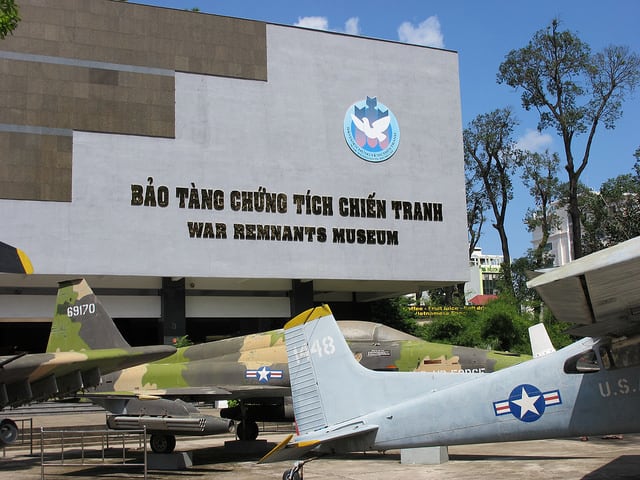
The first tourist site to visit in Ho Chi Minh City is War Remnants Museum, one of the most popular museums in Vietnam housing memory related to the Vietnam War and the First Indochina War in Vietnam. 
Established by the Vietnamese government, this museum has opened from September 4th, 1975 as the Exhibition House for the US and Puppet Crimes. In 1990, this has changed to the Exhibition House for Crimes of War and Aggression. In 1995, when President Bill Clinton visited Vietnam, this finally changed to War Remnants Museum till today.
Highlights:
This museum has more than 20,000 documents, exhibits, and films, in which more than 1,500 documents, artifacts, and films have been applied to introduce in public.
In this museum, visitors can have a chance to see so much military equipment of the US and Vietnam military in so many rooms from the Legend AK 47, UH-1  helicopter to M48 tank, T-54 tank. 
Especially, tourists can see “tiger case”, a place where South Vietnamese soldiers kept their political prisoners. Besides, they can look at many photographs in the Vietnam War, including black-white ones. 
This place is like the evidence of the crime and the consequences of war that the US and its allies have caused to Vietnam. Visiting this museum is worth of rewarding things to do in Ho Chi Minh City. 

Location: 28 Vo Van Tan street, District 3, Ho Chi Minh City, Vietnam
Opening hours: 7:30 –18:00 every day

2. Ben Thanh Market

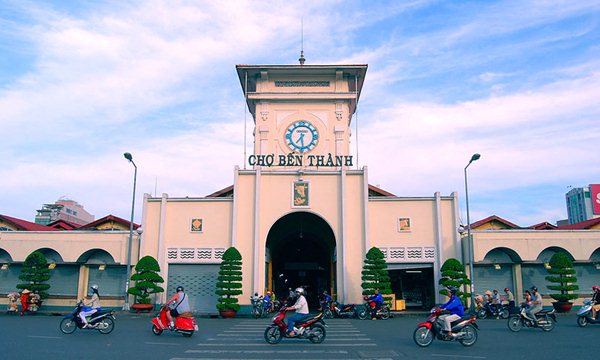
Ben Thanh Market is a symbol and one of the largest markets in Ho Chi Minh City. For a tourist, this market is a perfect place for searching many items from handicrafts, textiles to local cuisine. 
Established in the 17th century, this place was created by vendors near Sai Gon River. In 1870, the fire destroyed the total market and the French rebuilt it. In 1912, New Ben Thanh Market was established and it still existed today. 
Highlights:
What can be found here? Well, first of all, it is real Vietnamese food. In the market, you can eat various kinds of dishes like Banh cuon, Banh xeo, Hu tieu, etc. Beer is also a cheap-price item (only from 2-5 $).
Besides, local clothes and handicrafts are also famous. You can buy everything from clothes, bags to shoes, sweets, etc. Handicrafts created by excellent carpenters are best-selling. 
Especially, since Ben Thanh market is an ancient tourist attraction in Ho Chi Minh City, so all services are quite regulated and there is no tourist solicitation phenomenon. I can ensure that do not buy anything in Ben Thanh Market is a miserable experience for you!

Location: Le Loi Street,  District 1, Ho Chi Minh, Vietnam
Opening hours: 6:00 –24:00 every day

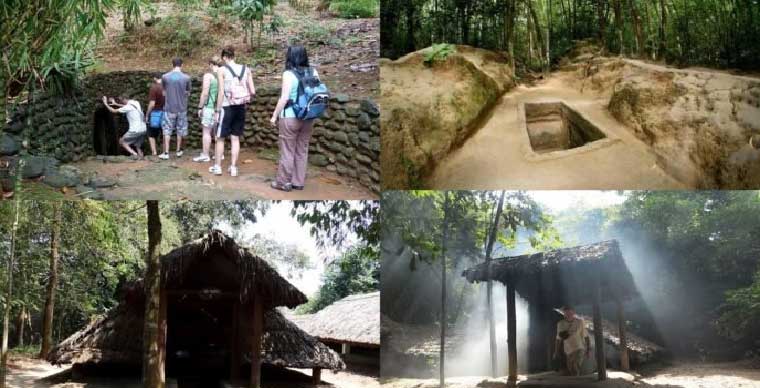
3. Cu Chi Tunnels

This 75-mile tunnel is a real “witness” of massive war in Vietnam. It tells tourists about the strong will of Vietnamese people and soldiers when competing with the giant US in nearly 20 years.
In 1948 during the war against the French, Viet Minh soldiers built the tunnels to help them evade French soldiers near the area and have the ability to communicate with the villagers. This is also a place for the people sheltering from foreign invaders. In the Vietnam War, this was extended over approximately 250 km and considered as an important base for Viet Cong to win American soldiers.
Highlights: 
In Cu Chi,  there are two different tunnel display sites, namely Ben Dinh and Ben Duoc. To experience a unique thing to do in Ho Chi Minh City, visitors can crawl around in the tunnels in safe conditions. 
Besides, Cu Chi also has a shooting range for tourists to enjoy the strange feelings. The price for a bullet ranges from $1.1 (CARBIN) to $1.8 (AK 47 and M60).
To get to Cu Chi, you have many choices to choose from, including motorbike, car, bus or speedboat!

Location:  45 km northwest of Ho Chi Minh City
Opening hours: 07:00 – 17:00 every day, including Sunday!

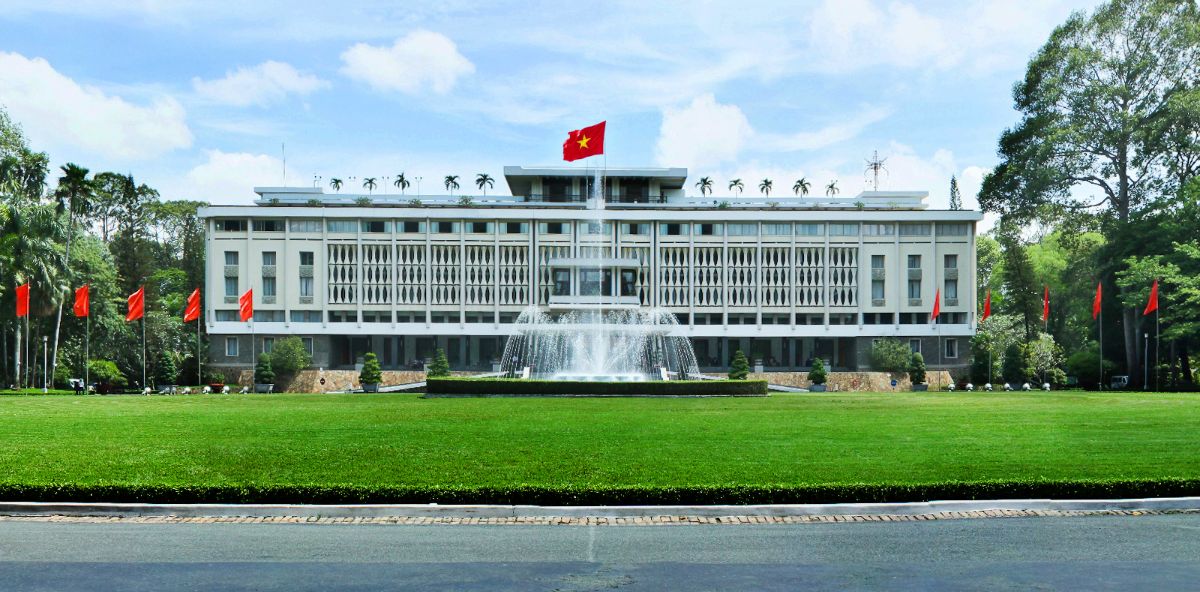
4. Independence Palace

Independence Palace, formerly Reunification Palace, is a famous site when it comes to attractions as well as things to do in Ho Chi Minh City, Vietnam. This place is the home and workplace for the President of South Vietnam from 1954 to 1975. It also was the place that remarked the end of the Vietnam War on April 30th, 1975.
In history, on 23 February 1868, Pierre-Paul de La Grandière, Governor of Cochinchina of France Empire, built a new palace for working. The building process continued until 1873. The designer of palace is Ngo Viet Thu – the first Vietnamese architect winning the First Grand Prize of Rome. After finishing, the palace was named Norodom Palace in the name of the king of Cambodia, King Norodom (1834–1904). 
In World War II, this is an important headquarters of Japanese officials.  On 7 September 1954, Norodom Palace had become the main office of the State of Vietnam. In 1955, Ngo Dinh Diem became president of the Republic of Vietnam and renamed the palace into Independence Palace.  On 30 April 1975, a tank of the North Vietnamese bulldozed over the main gate, ending the Vietnam War. In November 1975, this was renamed Reunification Palace.
Highlights:
Reunification Palace has five levels. The first floor has the Conference Hall, the Cabinet Room and the State of Banqueting Hall. 
The Second floor has the Ambassador Chamber, the President Reception Room, the President Office, National Security Council Chamber, and Vice-Presidential Reception Room. 
On the third floor, there is a card-playing room, a library, and a cinema while the fourth houses a casino. Reunification Palace rooftop terrace is fitted with a heliport. Under the place, there is a basement like a hideout for President including Command Central with so much communication equipment.
This destination, through so many historical events, is like a real “witness” in the Vietnam War and Indochina War. When visiting Ho Chi Minh City, don’t miss this place to learn and know more about a part of the history of this city.

Location: 135 Nam Ky Khoi Nghia Street, District 1, Ho Chi Minh City
Opening hours: 08:00 – 11:00 & 13:00 – 16:00 every day

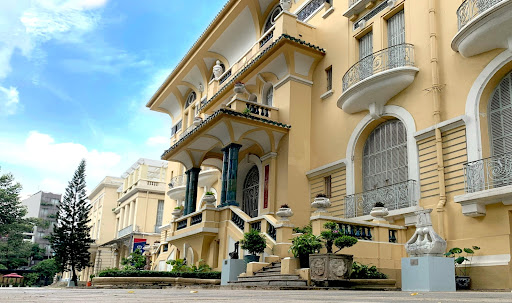
5. Ho Chi Minh City Museum of Fine Arts

The next site to add to your itinerary is Ho Chi Minh City Museum of Fine Arts, a major art museum in the city.
Many years ago, in the 20th century, this place belonged to Hui Bon Hoa, a famous and rich tradesman in Sai Gon at that time. This was designed and constructed by a French architect Rivera in 1929 as a villa for the Hua family. After 1975, the new government took over this place to Vietnam Exhibition Center and Ho Chi Minh City People’s Committee to manage in 1987 and changed it to a public museum until now. 
Highlights:
The museum is about 3514 square meters with over 20,000 works of art from many places in Vietnam. It has three floors with a basement. The first floor has a gallery of artworks for domestic and international arts display. The second floor has both paintings and sculptures of Vietnamese and non-Vietnamese artists while the third floor holds a collection of arts from 7th century to early 20th-century. 
Nowadays, this place has become one of the best destinations for a tourist when visiting Saigon. You should pay a visit to this site to see various works of fine arts and many valuable and attractive pictures in this museum.

Location: 97A – Pho Duc Chinh Street, District 1, Ho Chi Minh City
Opening hours: 9:00 – 18:00 (Tuesday-Sunday, closed on Monday)

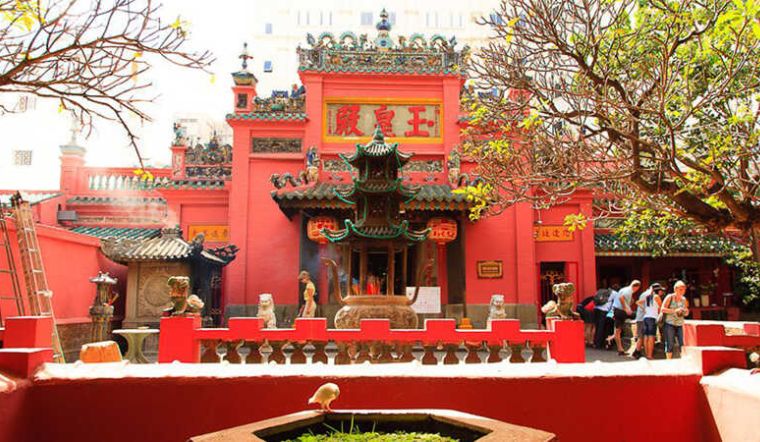
6. Jade Emperor Pagoda

Jade Emperor Pagoda or Jade Emperor Temple is a Taoist and Buddhist pagoda. This is one of the most beautiful and atmospheric temples in Saigon. Built in 1892 by a community of Chinese immigrants with their leaders Liu Ming, this pagoda is a representation of Mahayanist branch of Buddhism in Vietnam and it is the only place where the Jade Emperor is worshipped in Vietnam. 
From 1984, it was renamed into the new Chinese name Phuoc Hai Tu (Sea of Blessing Temple). It is also more and more famous when U.S. President Barack Obama visited this place during his state trip to Vietnam on 22 May 2016.
Highlights: 
The structure of the temple can be divided into two separate parts: courtyard and inside the temple. Passing through the main door to the temple, you will arrive at the courtyard divided into three parts.
In the first half of the courtyard, there is a small turret with a statue of Dharmapala, a Buddhist philosopher. After this first part is a small pond with many turtles and benches. The last part of the courtyard, so-called incinerator, is a chimney-shaped structure where worshippers can burn papers of which the smoke is believed to be able to reach their ancestors in heaven.
Inside the temple, there are many artworks with a set of about 300 ancient statues, including 100 made from wooden cardboard, presenting a meeting of genies with the Jade Emperor in the pagoda. The pagoda’s worshipping area consists of three parts, the main chamber, and the other two departments. The main chamber worships Jade Emperor, the Buddha, and genies. The largest statue in the pagoda is the Jade Emperor in a meeting with genies.
For tourists with troubles in real life, they can go here to pray and see beautiful scenes that can help them feel more balanced and relaxed. 

Location: 73 Mai Thi Luu, District 3, Ho Chi Minh City
Opening hours: 08:00 – 17:00 every day
Entrance fee: No entrance fee but visitors can make donations.

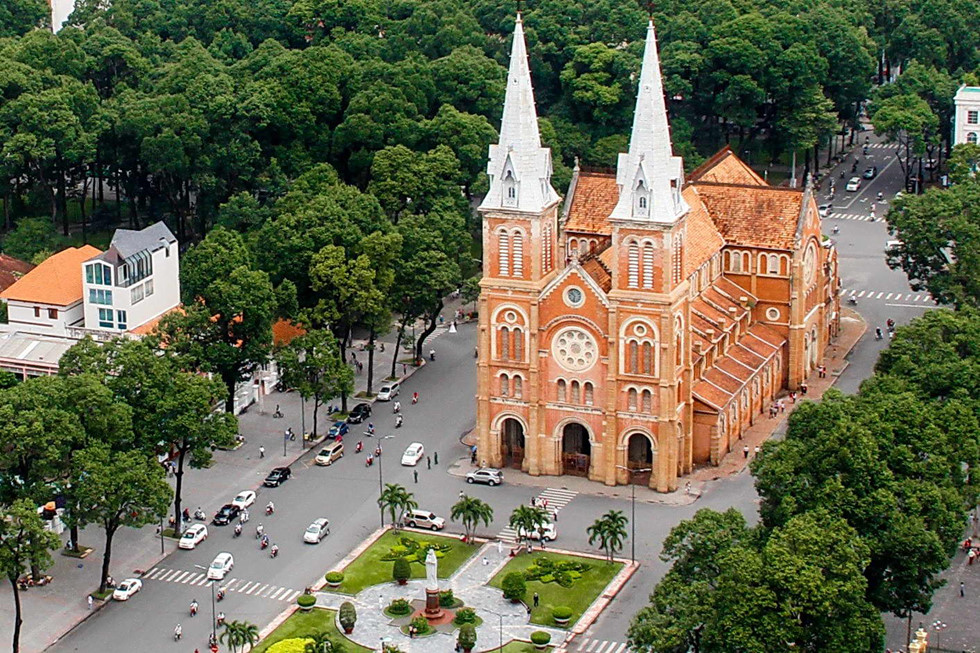
7. Saigon Notre Dame Cathedral

Saigon Notre Dame Cathedral, aka Saigon Notre-Dame Cathedral Basilica or Cathedral Basilica of Our Lady of The Immaculate Conception, is one of the few remaining strongholds of Catholicism in Vietnam and also considered the most attractive tourist attraction in Ho Chi Minh City. 
Built from 1863 to 1880 by the French architects, the cathedral is  60m high. Initially, it was called Saigon Church. The name Notre-Dame Cathedral was named after Bishop of the Church held a ceremony to install the statue of Peaceful Notre Dame in 1959. In 1962, Vatican anointed it as Saigon Chief Cathedral. Since then, this cathedral is called Saigon Notre-Dame Cathedral Basilica.
Highlights:
Its design shows the influence of France and Christianity. At the time it was built, all the materials were directly imported from France. The two bell towers, each with a height of 60.5m and 6 bronze bells have just been added in 1895. The appearance of these bell towers increases the value of the cathedral’s unique architecture. 
When you visit the cathedral, don’t forget to spend time walking around to enjoy its fresh atmosphere as well as special architecture.
This is an interesting place to visit when you are in Saigon because you can not only marvel at its gorgeous architecture but also see a lot of worshippers. However, remember that it is like any holy places around the world. That’s why you should dress appropriately and avoid disturbing the worshippers when visiting the cathedral.

Location: No.1 Cong Xa Paris Street, Ben Nghe, District 1, Ho Chi Minh City
Opening hours: 08:00 – 17:00  every day

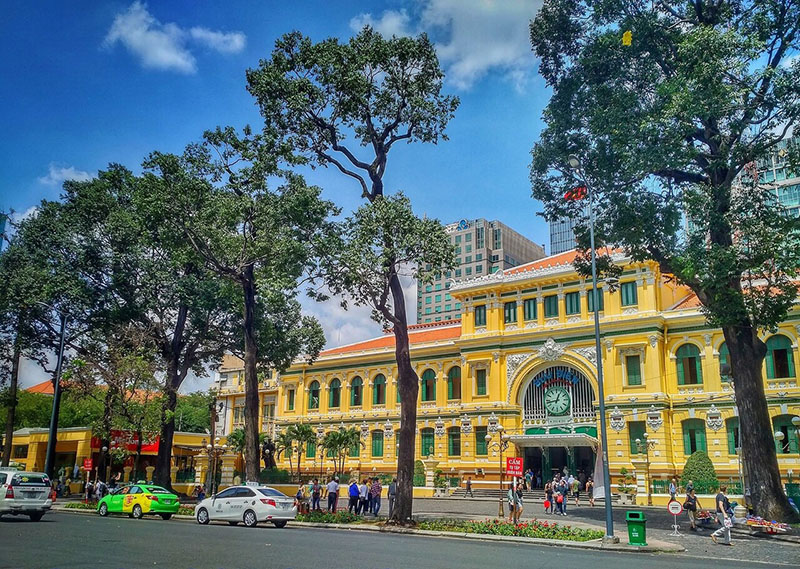
8. Saigon Central Post Office

Ho Chi Minh City Post Office or Saigon Central Post Office is the main post office and one of the most attractive tourist attractions in Ho Chi Minh City. The building was built around 1886 – 1891 by a French architect Alfred Foulhoux. The structure in the post office is reserved perfectly. Today, it has been the busiest post office in Vietnam.
Highlights:
Inside the post office, the structure of this place is a mixture of Gothic, Renaissance and French style. Walking inside, the building is big with a lot of space. The ceiling was designed with an arc shape with two rows of steel pillars. All the pillars in the front hall of the building are intricately decorated. This makes the building look more stable and larger. 
Post Office has all kinds of traditional postal services like mailing, selling postcards, or stamps. Foreign money exchange is also available. Inside the post office, you can buy souvenirs or write letters on wooden tables.
Don’t forget Mr. Duong Van Ngo – an old man sitting at the end of a long wooden table. Mr. Ngo has been working here since he was 17, as a polyglot public letter writer and a translator. When he retires, he often helps people write letters in English and French. He says that he loves the job and also suggests you going to other attractions in Ho Chi Minh City to visit.
Through many historical events, this post office still stands and plays an important role in the history of the city. If you want to know more about the unique structure of French colonies and the history of Saigon, this place should not be ignored!

Location: No. 2 Cong Xa Paris, Ben Nghe, District 1, Ho Chi Minh City 
Opening hours: 07:00 – 19:00 every day

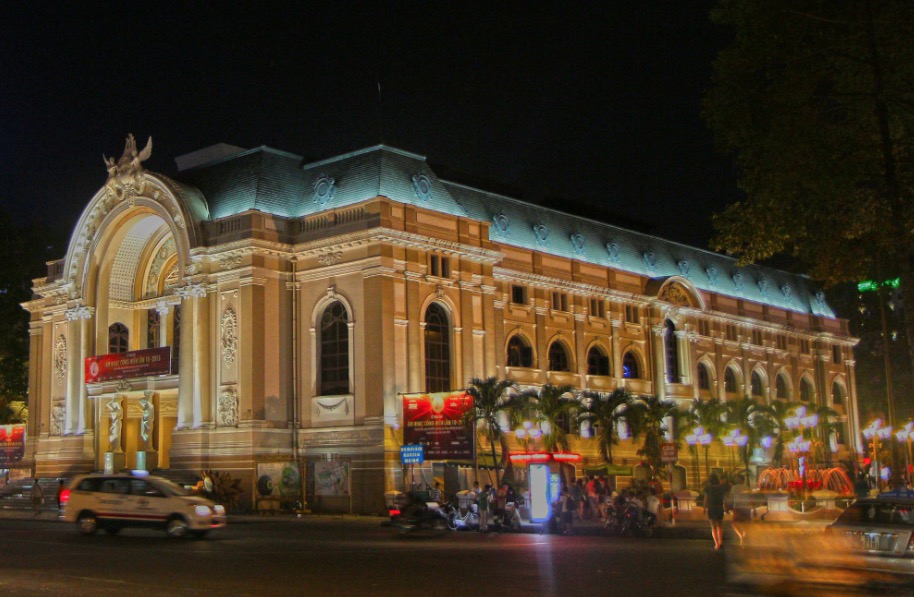
9. Saigon Opera House

Certified as a national relic in 2012, Municipal Theatre of Ho Chi Minh City, also known as Saigon Municipal Opera House, stays on top of the must-visit Ho Chi Minh City attractions. 
Saigon Opera House was built in 1898 by the French architect – Eugene Ferret in the Belle Epoque style.  After 1956, this was used as home to part of the government of South Vietnam. After 1975, it was again used as a theatre, and restored in 1995. 
Inside the building, it has a main seating floor with two levels of seating above which can accommodate up to 1,800 people. 
In order to celebrate the 300th birthday of Saigon, the government invited some famous architects and artists to restore the house in 1998. 
Highlights:
Today, the building has so many modern devices like electric appliances, lighting, sound systems, and safety equipment. 
The Opera House is surrounded by new plazas and hotels, which allow you to combine a trip to the Opera House with a shopping tour.

Location:  7 Lam Son Square, District 1, Ho Chi Minh City.
Opening hours:  8:00 a.m. to 5:30 p.m daily

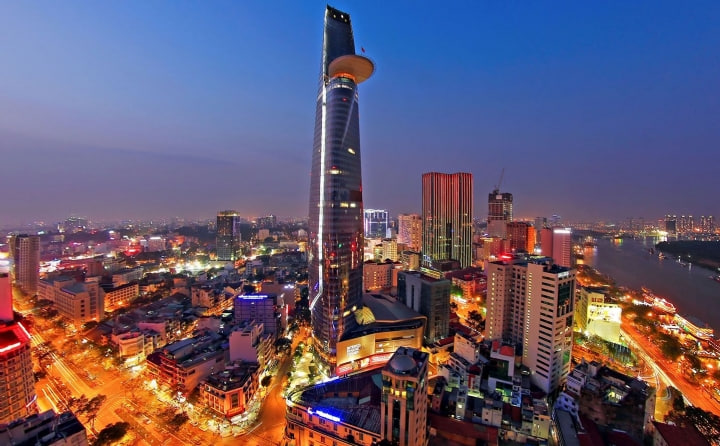
10. Bitexco Financial Tower

Bitexco Financial Tower, a new modern symbol of Ho Chi Minh City, is a skyscraper where Bitexco Group houses the Ho Chi Minh City office. With 68 floors and three basements, it has a height of 262.5 meters.
The tower is owned by Bitexco Group, a Vietnamese multi-industry corporation and is designed by Carlos Zapata, Design Principal and Founder of Carlos Zapata Studio, with French company AREP as the architect of record. The inspiration for the shape of the skyscraper is from Vietnam’s national flower, the Lotus.
Highlights: 
Sky Deck in Bitexco Tower has a 360-degree view across the city and the Saigon River. Visitors can have a panorama of District 1 from this by a binocular. Great views are enjoyed from the 50th and 51st-floor restaurants, particularly at night. There are also local art exhibitions where you can buy souvenirs for your relatives.

Location: 36 Ho Tung Mau Street, District 1, Ho Chi Minh City
Opening hours: 09:30-21:30 every day 
Entrance fee: $10/person in Skydeck.

Plan well before your cruise to make your every moment in Ho Chi Minh City unforgettable.Make your plan to Vietnam right now by apply a Vietnam visa at vietnamvisapro.net. We, a reputable and reliable Visa service, will assist you turn your plan into reality at the very first step

Posted on

8 Must-See UNESCO World Heritage Sites in Vietnam

The diverse and alluring charms of Vietnam can make it difficult for you to decide where to visit on your next trip to the S-shaped country. If that’s the case, checking out the 8 UNESCO World Heritage Sites in Vietnam may help start off your exploration into the country’s rich history and its unrivaled natural landscapes.

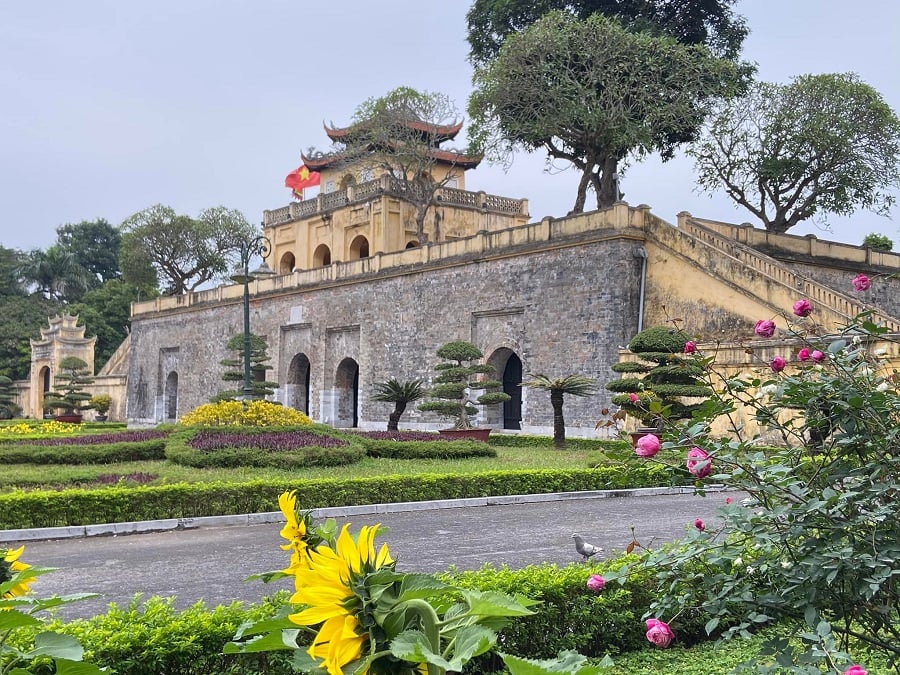
1. Central Sector of the Imperial Citadel of Thang Long – Hanoi

Being the only World Heritage Site in Vietnam to locate in the capital city – Hanoi, the Imperial Citadel of Thang Long has long been known for its unmatched historical and cultural values.

Constructed in the 11th Century of the Imperial Era, the Citadel has since transformed and evolved numerous times throughout its long-standing history. During the Vietnam War, the Headquarter of the Communist Party was situated within the site with an impressive underground bunker and an impenetrable war room in case of American bombings. The house was built in 1967; hence the name D67.

The Citadel was actually closed off from the public until 2004. It officially became an UNESCO World Heritage Site in 2010 during the celebration of Hanoi’s 1000th birthday.

Location: 19C Hoang Dieu, Dien Bien, Ba Dinh, Ha Noi

Opening hours: 8:00 AM to 5:00 PM daily except for Mondays

Year of recognition: 2010

2. Citadel of the Ho Dynasty (Thanh Hoa Province)

Perhaps the more obscure destination compares to the other World Heritage Sites in Vietnam, the Ho Dynasty citadel dates back to the 14th century. While the Ho Dynastic itself only lasted 7 years, the Citadel with an imposing arched gateway is a testament of Vietnamese’s exceptional ingenuity and superior craftsmanship in a flourishing period.

Climb up the towering stone steps to the top of the main gate and have a walk along the wall, you’ll fall in love with the scenic view of the serene Vietnamese countryside. While taking in a deep breath of the fresh air, you can have a chat with the welcoming villagers nearby as they work on fields golden rice paddies that seemingly stretch out to infinity.

The Citadel of the Ho Dynasty may not be as glamorous as other World Heritage sites on the list but its modest beauty will certainly take visitors away from the big buzzing cities into a world of peace and tranquility.

Location: Vinh Tien, Vinh Loc District, Thanh Hoa

Opening hours: 7:30 AM to 6 PM daily

Year of recognition: 2011

3. Complex of Huế Monuments (Hue)

Hue was the capital city of the Nguyen Dynasty that closes the historical Imperial Era of Vietnam. The complex of Hue Monuments harmoniously lies along the banks of the Perfume River, giving it a nostalgic and equally romantic setting as if you’re transported back in time.

This Vietnamese World Heritage site covers an extensive area, consisting of many monuments such as the Imperial City, royal residences, temples, tombs and fortresses. A visit to the site will for sure bring visitors into an exploration of the historical, cultural and spiritual essences of Vietnam during the Nguyen Dynasty.

Location: Hue City, Thua Thien Hue Province

Opening hours: 8 AM to 5:30 PM daily except for Thursday (opening from 8 AM to 10 PM)

Year of recognition: 1993

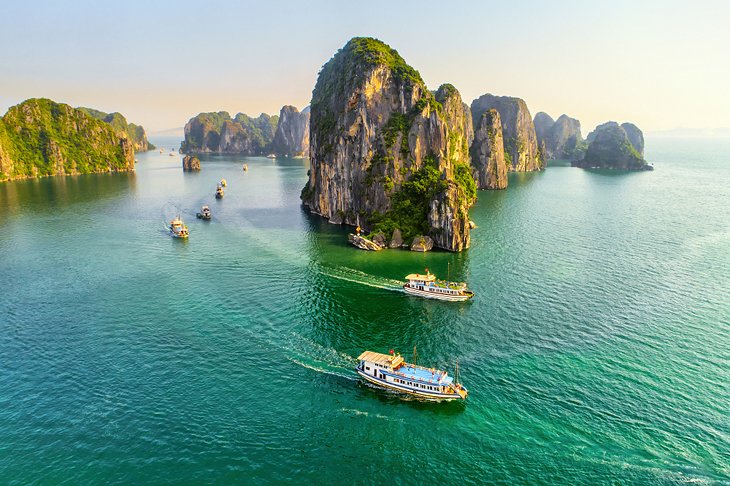
4. Halong Bay

Known for its hypnotic, heart-stopping sceneries, Halong Bay has always been a popular travel destination and perhaps the most visited UNESCO World Heritage Site in Vietnam.

Attracting millions of visitors each year, Halong Bay entices travelers with the enchanting landscape of magnificent mountainous peaks rising and piercing through the soothing emerald water. Take a rowing boat inside of one of the mystical caves and you’ll witness the hidden limestone pillars as they glisten when the lights touches the reflective water.

An adventure in Ha Long Bay is a journey that everyone should have at least once in their lifetime. What else are you waiting for? Get up and book your next trip to Ha Long Bay for a one-of-a-kind experience.

Location: Ha Long City, Quang Ninh Province

Year of recognition: 1994

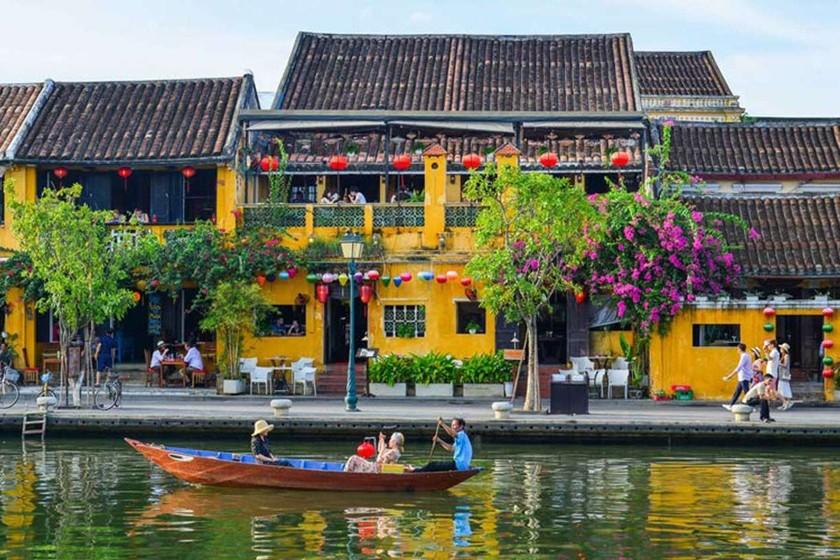
5. Hoi An Ancient Town 

Its past as a bustling trading hub from the 15th to 19th century has left an everlasting mark on Hoi An as a city with a mixture of diverse influences. A stroll around Hoi An Ancient Town, which is situated in the very heart of Hoi An, will bring you to the postcard-perfect Japanese bridge, the historic Chinese temples and not to mention the iconic yellow houses of the French colonial era.

One may call Hoi An a dreamy Lantern Town as the place becomes illuminated in the warm amber hues of candle-lit lanterns at night. Through the test of time, the lively spirit of Hoi An still remains and it’s easy to see why it is among the most magical World Heritage Sites in Vietnam.

Location: Hoi An City, Quang Nam Province

Year of recognition: 1999

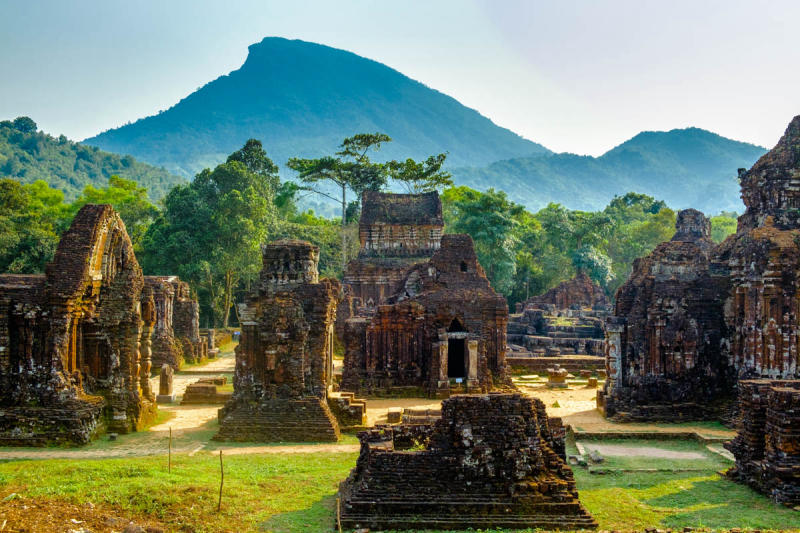
6. My Son Sanctuary

Approximately 1h-drive away from Hoi An, a trip to the My Son Sanctuary will take you into a historic period like no other in Vietnam. Built during the Champa civilization between the 4th to 13th century, this Vietnamese World Heritage Site is a striking architectural ensemble of more than 70 tower structures that are believed to be temples and tombs to worship Hindu Gods.

Cradled in a valley between two dramatic mountain ranges, the unique architecture of the temples is said to mirror the glory of the sacred Mount Meru – a mythical mountain at the center of the universe where Hindu gods reside.

Visitors will be able to witness the skillful mastery and technological prowess of the Cham through the intricate carvings on the temples, depicting scenes and iconography of Hindu mythology.

Location: Duy Phu, Duy Xuyen District, Quang Nam Province, Vietnam

Opening hours: 6:30 AM to 6:30 PM daily

Year of recognition: 1999

7. Phong Nha-Ke Bang National Park (Quang Binh Province)

Along with Halong Bay, the Phong Nha-Ke Bang National Park is the second of Vietnam’s only 2 natural UNESCO World Heritage Sites.

With a massive network of caves and underground rivers, including the world’s largest cave, many parts of this natural wonder has yet to be discovered. The elaborate karst formation of this mysterious natural World Heritage Site is thought to have been around for over 400 million years.

Exploring the Paradise Cave inside the National Park is a popular activity among visitors. There’s always something for every travelers to enjoy from mud bathing for spa-lovers to thrilling adventures on kayaks and zip lines for adrenaline junkies.

Location: Phong Nha, Bo Trach District, Quang Binh Province

Opening hours: 7 AM to 4 PM daily

Year of recognition: 2003

8. Trang An Landscape Complex (Ninh Binh)

Inscribed in 2014, the Trang An Landscape Complex is Vietnam’s latest attraction to be listed as a World Heritage Site by UNESCO and the first mixed heritage for both its natural and cultural significance.

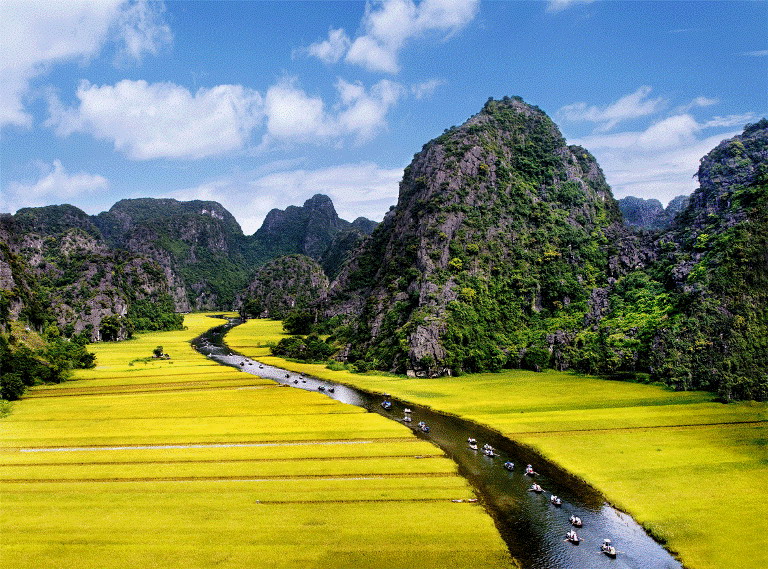
Enjoy a relaxing boat ride as you float along the mellow water to discover hidden caves and visit elegant temples and pagodas. The waterway gracefully curls around perching mountain peaks to reveal open valleys filled with lush golden rice paddies on the river banks.

While the destination is a popular day trip from Hanoi, visitors are highly recommended to stay overnight to fully experience the enchanting magic of this World Heritage Site where the raw natural beauty harmoniously blends in with a folksy, down-to-earth culture of the Red River Delta.

Location: Red River Delta, Ninh Binh Province

Year of recognition: 2014

Vietnam is the ideal travel destination that caters to anyone and everyone. Whether you’re a foodie, a culture-snob or a thrill-seeker, the endless list of attractions including these 8 UNESCO Heritage Sites in Vietnam will always offer something you want.

Grab your passport and go. Your adventure in Vietnam awaits!

Make your plan to Vietnam right now by apply a Vietnam visa at vietnamvisapro.net. We, a reputable and reliable Visa service, will assist you turn your plan into reality at the very first step

Posted on

Mai Chau best things to do & travel guide

Mai Chau is located in a rural valley with towering cliffs, a unique culture and a relaxed atmosphere and only a three-hour drive from Hanoi. There are some nice things to do in Mai Chau, such as cycling through the beautiful green rice fields, visit minority villages, make a trekking in Pu Luong and enjoy the traditional Tai dances in the evening.

5 reasons to visit Mai Chau

  1. Explore the beautiful rice terraces and jungle of Phu Luong.
  2. Cycle past the rice fields through the Mai Chau valley.
  3. Drive a motorbike to various viewpoints on the Thung Khe Pass.
  4. Explore villages of local hill tribes.
  5. Go on an adventurous trip with a kayak or go rock climbing.

What is in this Mai Chau travel guide

Practical information

Recommended days to stay

There are not a lot of sights to visit, so if you are are here just to relax and bike between the rice fields, minimum two full days is good. If you are planning to visit Pu Luong nature Reserve it is recommended to stay a day or two longer.

ATM’s & money exchange

There are a number of ATMs in Mai Chau, but not in most villages and sometimes hard to find. Take enough cash with you. Most hotels accept a bank card or credit card, but homestays often do not.

Best time to visit
  • Best travel time: From December to May. The first 2 months can still be cold, but after that it gets warmer. There is also little rain this period.
  • From November to February it is winter and the temperature can drop to 10 degrees.
  • The rainy season is from June to September.
10 best things to do in Mai Chau

Mai Chau is a peaceful valley with extensive rice fields, villages of ethnic minorities and some small waterfalls. There is actually not much to do in Mai Chau, but this is what makes the area so attractive to visit. You come here mainly for the peace and the natural beautiful landscape.

1. Cycling through rice fields

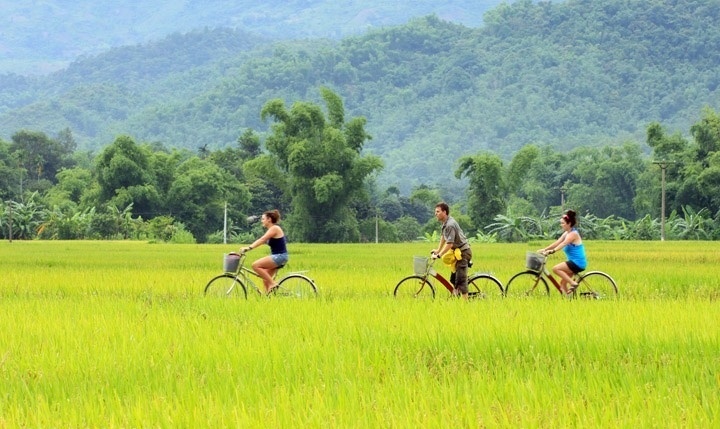
Cycling in Mai Chau is great and in fact, it is one of the best places to go cycling in Vietnam. In the valley you will find a beautiful landscape with rice fields surrounded by mountains and small local villages of ethnic minorities. The valley is almost completely flat, with small roads connecting the villages and almost no traffic. This combination makes it the perfect for cycling. You can go with a guide or rent bikes yourself at your hotel or homestay; accommodation offer them often for free or for a very small fee.

2.Homestay experience

One of the best things to do in Mai Chau is stay in a homestay of a local ethnic minority. You learn more about their unique culture and traditions here. You can find homestays in one of the two largest villages in Mai Chau; Poom Coong and Lac. The houses here are usually built on stilts. Life is simple: you wake up to the sound of roosters crowing and farmers going to work, you sleep on a mattress lying on the creaking bamboo floor and you spend your evenings drinking the local wine and watching a cultural show.

Some homestays in Mai Chau have upgrades their accommodation, with more modern facilities and comfortable beds with private bathrooms. These small-scale accommodations are a little less authentic but still provide a unique experience compared to hotels.

3. Ethnic villages

With stilt houses and lush, green rice fields, Ban Lac, Pom Coong and other villages dotted in the valley are quaint and serene, ethnic Thai villages with very hospitable inhabitants. During the day you see the local population working on the land and moving cattle. In the evening, you are invited to relax and enjoy traditional alcoholic beverages and participate in traditional songs and dances of Thai ethnicity. The best way to explore villages in the Mai Chau valley are by bike or a trekking.

4. Go Lao waterfall

One of the most beautiful sights in Mai Chau is the Go Lao waterfall. About 20 meters high and located in a beautiful setting. After descending the unpaved stairs, you stand next to the waterfall. In the dry season there is little water, but you can take a dip in the cool water.

It is located next to Hoa Binh lake so it can be perfectly combined. If you like to see more waterfalls in Mai Chau, you can visit the Pung Waterfall and the Tat Nang waterfall.

5. Pu Luong Nature Reserve

Pu Luong Nature Reserve is not only a top attraction in Mai Chau, but also one of the biggest highlights in Vietnam. In this beautiful landscape you will find very beautiful rice terraces that are immersed by water wheels made of bamboo. There are local villages of ethnic minorities where you can see how they live. The best way to explore this area of villages and paddy fields is by making a trekking. Pu long is one of the hidden jewels of Vietnam.

6. Thung Khe pass

When you take the bus from Hanoi, you already drive over the Thung Khe Pass. but if you don’t stop here is worth going back by car or motorbike. You can rent a scooter yourself and ride this pass, but be very careful here. On this mountain pass you have a viewpoint with the best view over the Mai Chau valley. Drive a bit further to have more amazing views of mountains and the countryside.

7. Hoa Binh lake

Lake Hoa Binh was created after the construction of Hoa Binh hydroelectric power station. It is the largest lake in Vietnam, with 47 large and small islands. You can rent a boat to explore the lake for around VND 50,000 – 70,000.

8. Climbing

The most adventurous activity you can do in Mai Chau is rock climbing. Climb up to have a beautiful view of the Mai Chau valley. There are several possible routes for rock climbing to choose from, something for everyone, regardless of age, athletic ability or level of experience.

9. Caves

The shape of the mountains of Mai Chau come from limestone bottoms of karst, the same type of geological formations that Ha Long Bay has created. Where there is karst, you will find caves and Mai Chau is no exception. The two largest caves in Mai Chau are Mo Luong Cave and Chieu Cave.

10. Go off the beaten track

Mai Chau is already not as popular as Sapa or Ninh Binh, but you can even go more off the beaten track here if you don’t mind traveling a bit. 

The two earlier mentioned waterfalls Pung and Tat Nang are located further from the tourist villages and are hardly visited by other travelers. In addition they are located in a stunning landscape. Around the latter named waterfall you can visit the entire area of Van Ho with many villages of ethnic minorities and beautiful rice fields. Continue a little further to Pac Co village where you can visit an unique ethnic minority market on Sundays. Around the Pung waterfall you will find one of the few terraced rice fields of Mai Chau in various places.

Best hotels & hostels in Mai Chau

In Mai Chau there are two villages where tourists look for their accommodation: Lac and Pom Coong. These two villages are also right next to each other, with a few hundred meters away. Most accommodations consist of homestays, but there are also a few hotels and luxury resorts. In the village there are shops and a few restaurants.

Budget hotels & hostels

  • Little Mai Chau Home Stay
  • Mai Chau Backpackers House
  • Lim’s house
  • Eco Homestay

Mid range hotel

  • Mai Chau Nature Lodge
  • Mai Chau Valley View Hotel

High end hotel & resort

  • Mai Chau Villas
  • Mai Chau HideAway Resort
  • Mai Chau Ecolodge
Food & drinking

Restaurants

There are a few restaurants in Mai Chau, but it is more likely that you eat at your homestay, hotel or resort. Eating at a homestay overnight is often included in the price and the food is great. There is no menu. Classic, country-style dishes are served from a set menu for lunch and dinner. It is simple and nutritious and a good fuel to explore the region.

The restaurants in Mai Chau can be find in the main villages, surrounded by shops. Expect mainly local dishes. For western food you want to check the restaurants that are part of a resort.

Nightlife

There is no real nightlife in Mai Chau; which is only a good thing for a town in this setting. But every night there are traditional dance shows being giving to welcome the new guest. You can find these shows at some of the hotels and resorts.

How to get there

Mai Chau does not have a railway station or airport. If you want to use this, it is best to first travel to Hanoi and from here travel to Mai Chau.

Busses to Mai Chau

The easiest and fastest way is by minibus from Hanoi. These minibuses from Hanoi to Mai Chau are also included in most Mai Chau packages with accommodation.

Direct buses to Mai Chau leave from My Dinh bus station in Hanoi at 6 a.m., 8:30 a.m. and 11 a.m. The journey costs around 80,000-100,000 and lasts between 3.5 and 4 hours. If you want to stay in the villages of Lac or Pom Coong, ask the bus driver to drop you off there. You will be dropped off at the crossroads, were you can get a taxi to your accommodation.

Buses return to Hanoi at 9 a.m., 11 a.m. and 1 p.m. Host families in your homestay or hotel can reserve this bus for you and arrange for you to be picked up from the village.

How to get around

The best way to explore Mai Chau is walking or cycling. As you cycle or walk along the unpaved roads of Mai Chau, you can enjoy the landscape, wildflowers, rice fields, villages and the locals moving cattle from place to place. Guides can propose trekking or cycling paths. Most hotels and homestays have free bikes or can recommend a bicycle provider for a small fee.

In addition, if you are staying in a resort they also have electric golf buggies which they use to drive their guest around the rice fields. It is quiet, comfortable and offers a bit more cover for the sun.

Itinerary 2 days in Mai Chau

Check our 2 day example itinerary below to know what to do in Mau Chau.

Day 1

The first day is a day of relaxation. Rent a bike and explore the valley. Drive through peaceful villages, past rice fields and see how the locals live.

Day 2

Visit the main highlight of the area: Pu Luong Nature Reserve. Plan an organized trekking tour or day tour by motorcycle or car through this area. If you have more time it is recommended to stay here for at least one night.

More tips for traveling in Mai Chau

Where to go next?

Pu Luong Nature Reserve is a good next destination after Mai Chau. You can also visit both Mau Chau and Pu Luong with our tours to Mai Chau, including transfers from Hanoi.

You can also choose to go directly from Mai Chau to Ninh Binh and from here travel back to Hanoi or go farther south to Phong Nha or Hue / Hoi An.

For other destinations in north Vietnam you always have to travel to Hanoi first. From Hanoi you can go to Halong Bay, Ha Giang or Sapa; though we recommend to either choose to go to Sapa or Mai Chau and not visit both if you have not many days to travel in Vietnam.

For people that want to go off the beaten track, they can head to Son La with Moc Chau. Here you can visit tea plantations, mountains and more minority villages.

Mai Chau with kids

This valley is one of the best places to travel in Vietnam with kids. Staying in a resort with a pool is highly recommended. Biking through the rice fields over small roads with little to no traffic at all. In addition, it is a great place to learn children about the ethnic minorities that live here.

Language

It might not be as touristy as other destinations in north Vietnam, it has developed over the years. English at the resorts is often spoken, the homestays and restaurants often much less, but they always have an English menu.

What to bring

The valley can get very hot most of the year, only not during the winter months in and around December and January. In the summer it can rain more. For that reason it is always good to see which season you are going.

Plan well before your cruise to make your every moment in Mai Chau unforgettable.Make your plan to Vietnam right now by apply a Vietnam visa at vietnamvisapro.net. We, a reputable and reliable Visa service, will assist you turn your plan into reality at the very first step

Posted on

Exploring Con Dao Island – A laid-back Beach Getaway

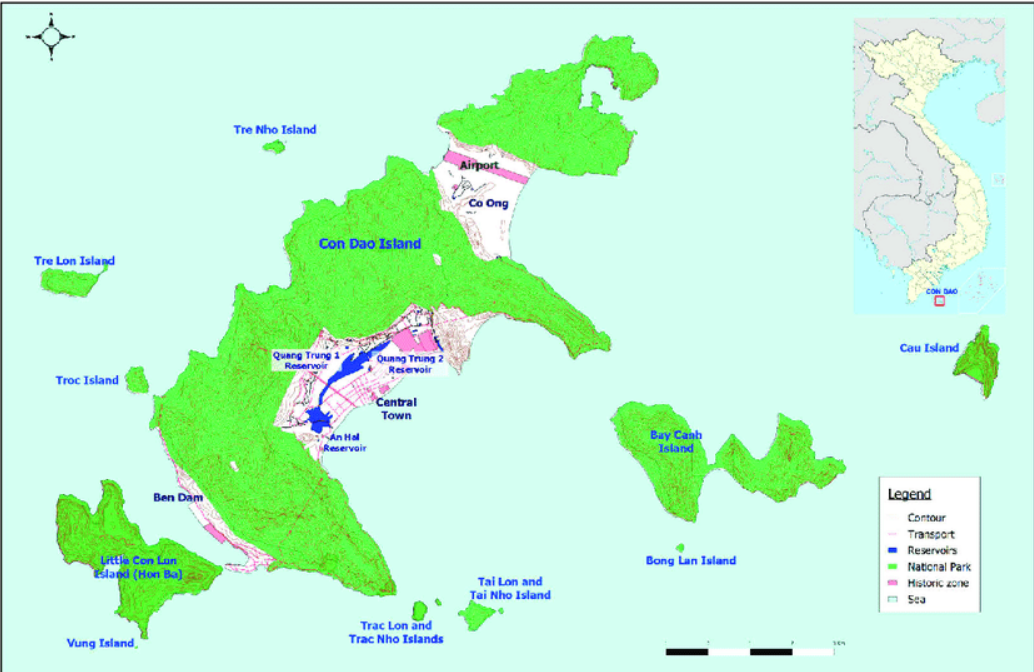
Con Dao is a name of an archipelago of Ba Ria – Vung Tau Province in the south of Vietnam. It is the largest island in the chain of 16 mountainous islands and islets, with a total area of 76km² and the local population is about 5,000 inhabitants. Con Dao Island is known for not only the prison system to detain and torture the political prisoners but also the lovely romantic beaches and the beauty of the wild nature. Ranked fourth in the top 10 must-see places in Asia in 2016 by Lonely Planet magazine, the island has now become an international charming tourism destination for tourists worldwide to explore

>>> Apply Visa to Vietnam <<<

>>> Order Fast Track Service <<<

  1. Mysterious and gruesome history of Con Dao Island

Con Dao Island has been referred as“The Hell on Earth”with the notorious prison built and ran by French colonist and American military during Vietnam War. This place is full of prisons, where many medieval punishments and tortures were carried out. Anyone arrested there would suffer the death slowly and painfully.

The most famous and terrible prison is “tiger cages” established in 1940 in order to incarcerate about 2,000 Vietnamese political prisoners. Containing 120 chambers having ceiling bars, where the jailers poked at the prisoners like tigers in the zoo. The prisoners were hit by the sticks from above and even sprinkled with water and lime. More horribly, jailers even invented “sunbathe room”, known as the “tiger cages” with no roof to force people inside to suffer from the sun heat for days. These “tiger cages” were constructed away from the major prisons and were not excavated until 1970 when Tom Harkin, a US congressional aide visited the town of Con Son and saw evidence of the brutal maltreatment of prisoners. Apart from “tiger cages”, Phu Hai Prison, Phu Binh camp or Hang Duong Cemetery are also the famous places which conjure up a dark memory in Con Dao that makes anyone trembling when reminding of the past.

  1. Sightseeing on Con Dao Island

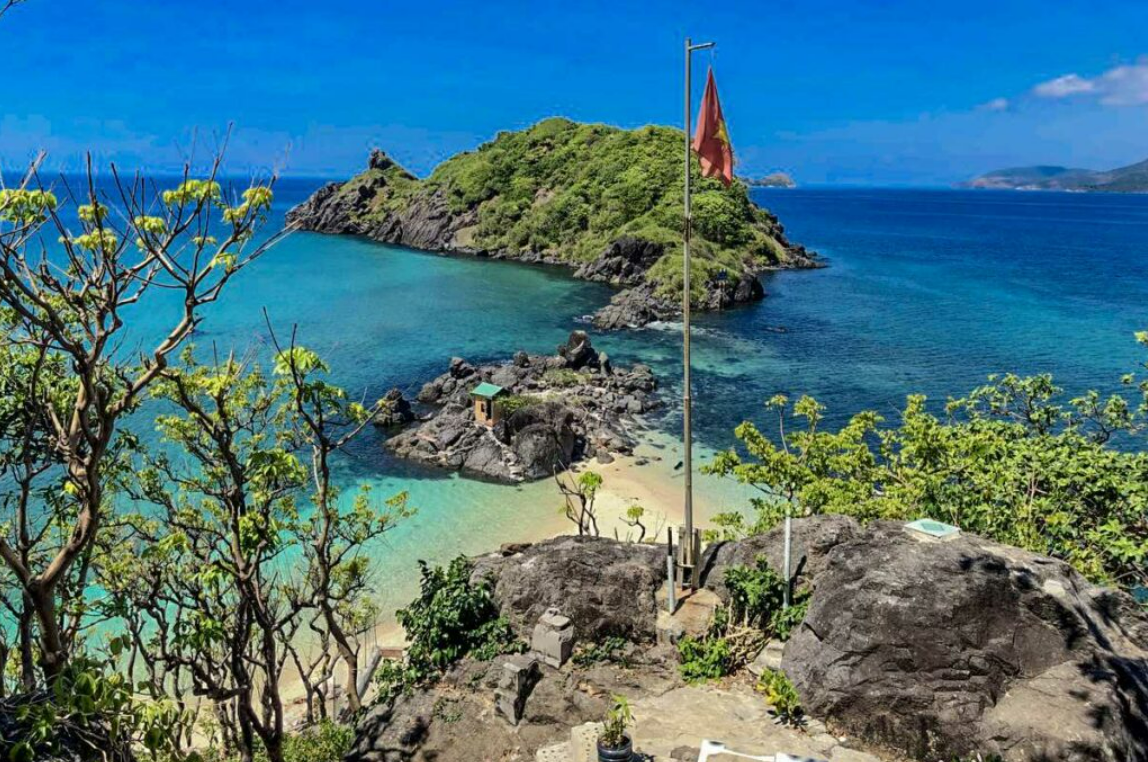
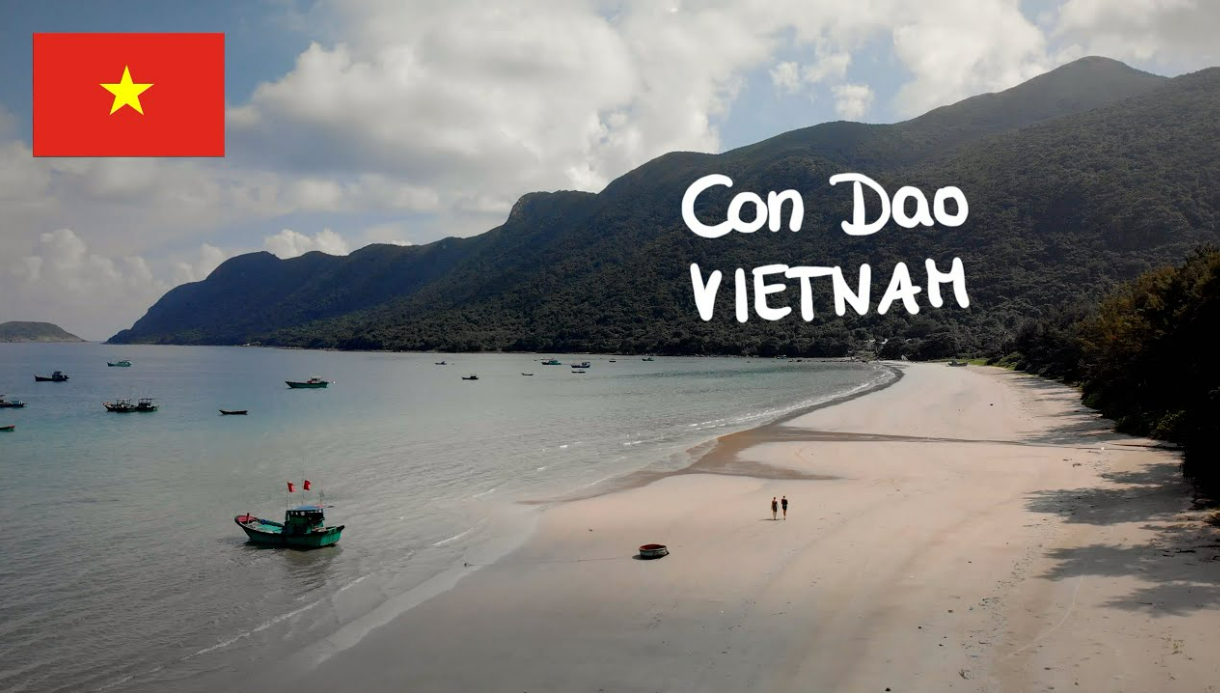
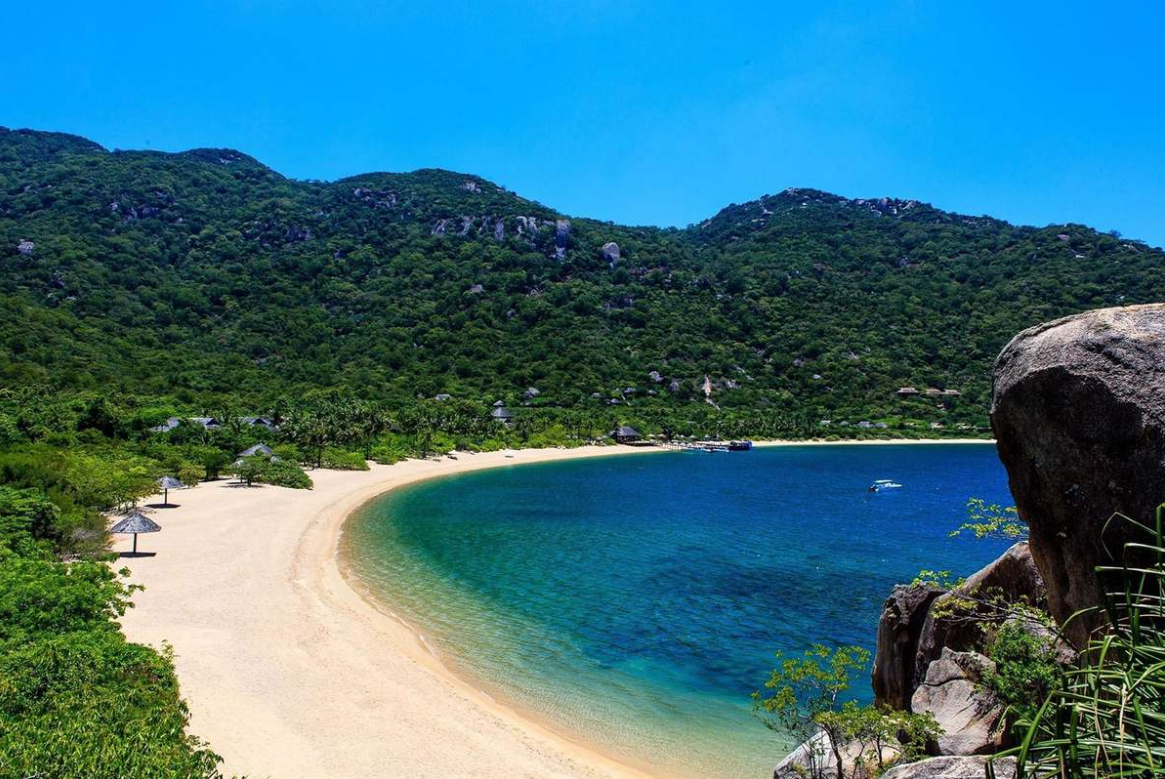
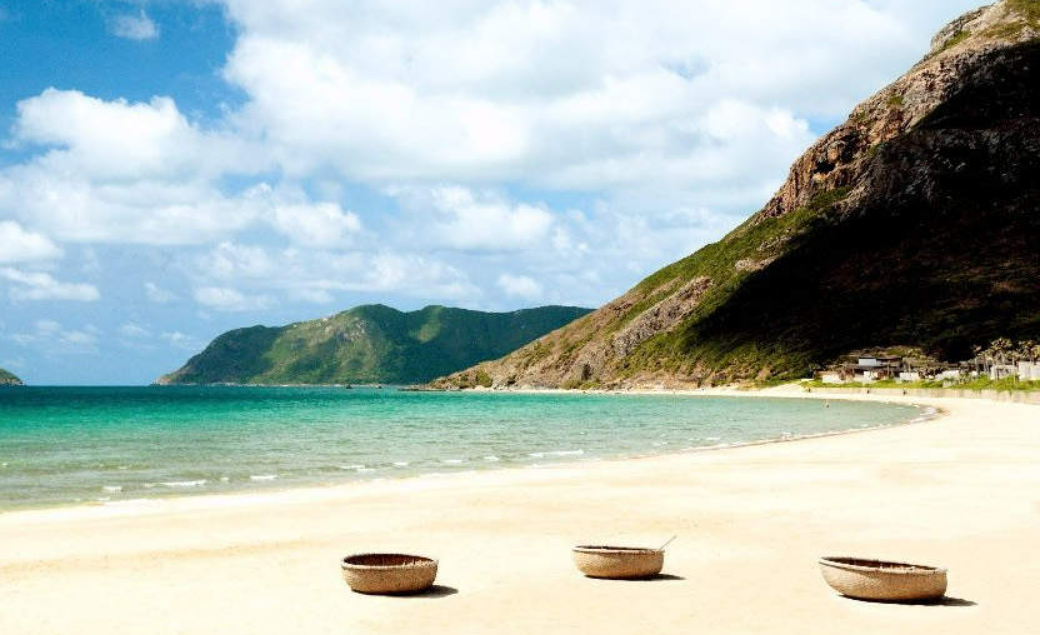
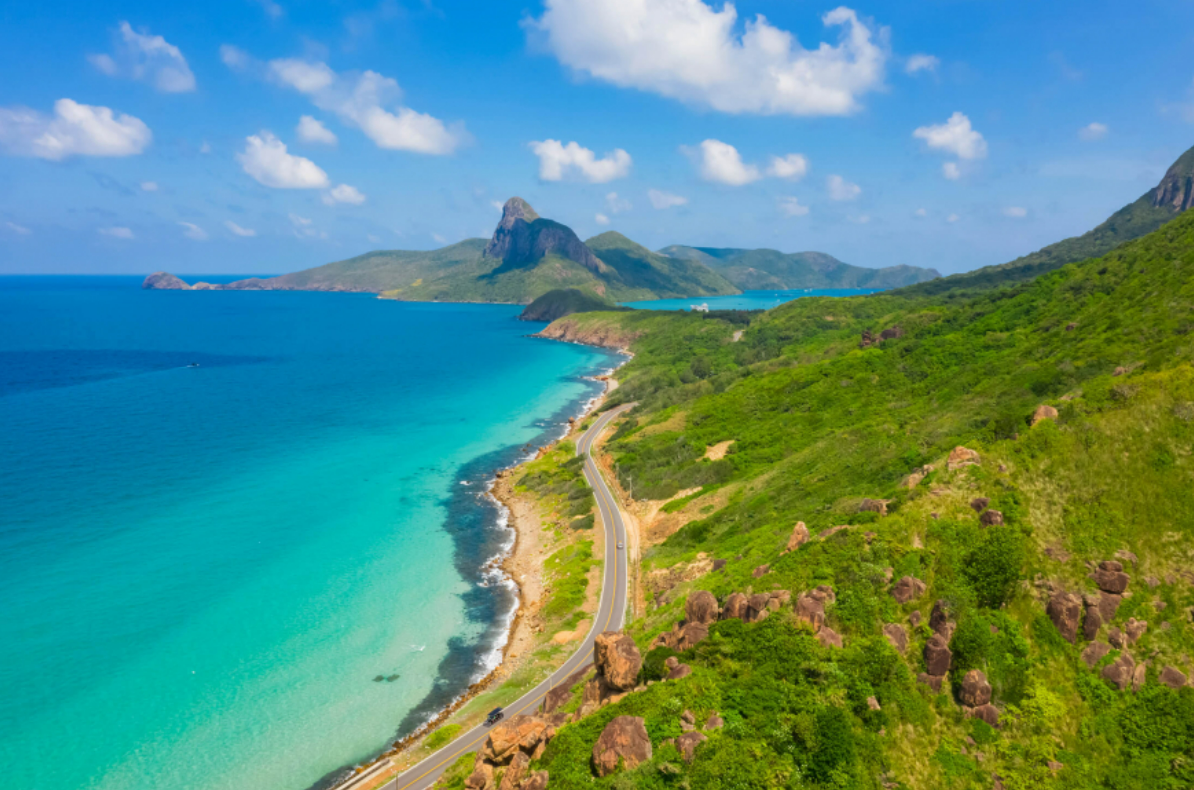
Con Dao Island nowadays is famous for the beautiful and untouched beaches in Vietnam. Travelers will be surprised at the splendid beauty of the island with lovely beaches, scenic bays, coral reefs, and partially covered in thick forests. As the largest one among 16 islands, Con Dao possesses 200km of ideal coast with crystal emerald sea and fine white sandy beaches. From a bird’s eye view, this island looks like a powerful hunting sea bear amidst the incredible blue of the sea.


Con Dao
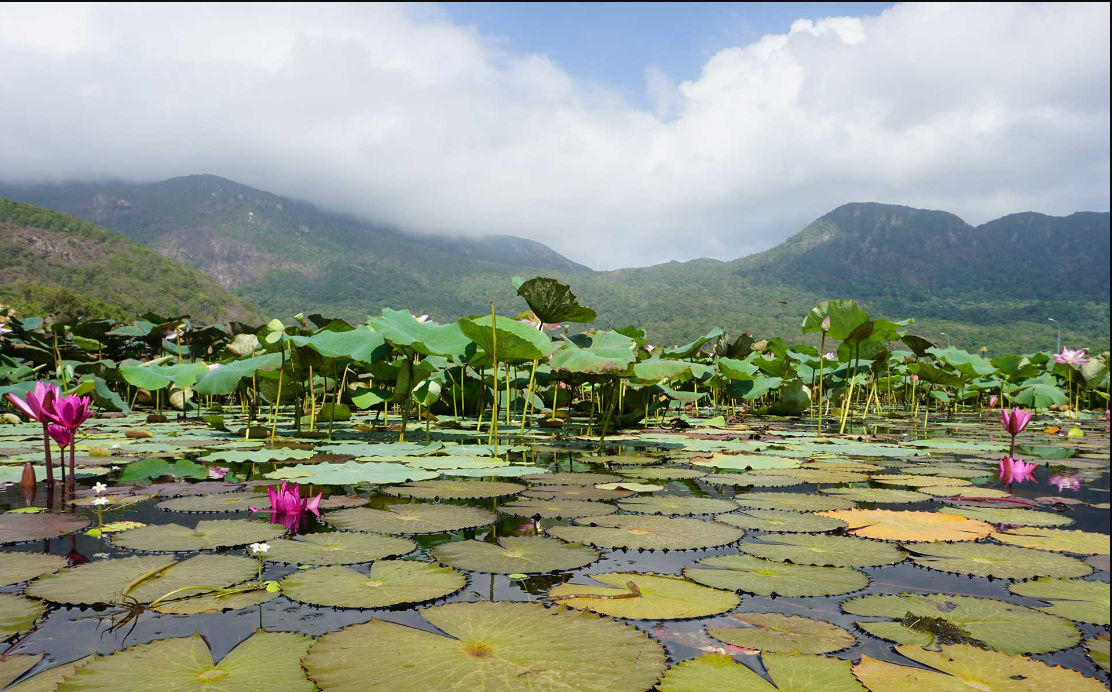
 is one of the few places in Vietnam that is home to rare dugong, sea turtles, and dolphins, and to varieties of orchids found nowhere else in this country. It is a shining example of good conservation. 80% of the land area of the archipelago is a National Park offering primary jungle teeming with interesting life such as the endemic black squirrel and the crab-eating macaque.

2.1. Dam Trau Beach

It is hard to ignore Dam Trau Beach which is considered as one of the most beautiful beaches on Con Dao Island. Located 15km to the north of Con Son town center, Dam Trau is home to stunning sceneries of smooth white sand that stretches along the bottom of all-shaped cliffs and has symbolized a yellow ribbon tied across the green carpet. Since the beach is surrounded by pockets of tropical jungle, old green pine trees and a prominent bamboo forest, the air is so fresh and the space is so quite. This is an ideal place for anyone to wind down.

2.2. An Hai Beach

An Hai Beach is the main beach of Con Dao Island, where most resorts and hotels are located. The beach stretches quite a long distance with white smooth sand, crystal waters and calm waves. It is relatively crowded, especially before sunset so if you want a quieter place, walk a bit far to the south, you could explore a new vision of peace and tranquility with your own patch of sand.

2.3. Lo Voi Beach

Lo Voi Beach is located in the northern of Con Son town center directly in front of some Con Dao’s famous prison complexes. There is no hotel built next to the beach, which makes it more unspoiled and cleaner than the other beaches. The sand here is quite dark and there is seaweed scattered on it, looking like as an isolated area. The ideal time to visit Lo Voi Beach is in the morning just after the sunrise when the tide recedes. You can see the very first light shining on this island while slowly walking around the wet, soft sand on the shore.

2.4. Bai Nhat Beach

Bai Nhat Beach is only exposed during low tide in the afternoon. You can visit the beach from 2PM to 7PM every day. Bai Nhat is a picturesque beach, with white sand, blue water, pleasant waters and wonderful natural scenery. It is also considered as the best place to watch the sunset in not only Con Son but also in Vietnam generally. Many couples come to this beach to take their wedding photoshoots because of the view and the stories about its backdrop mountains, which resembles two people embracing each other dearly.

2.5. Bay Canh Island

Bay Canh is the second largest island among 16 islands in Con Dao archipelago with the highest number of sea turtles in Vietnam. Each year there are hundreds of mother tortoises on the spawning grounds. The whole island is covered by primitive tropical forest, with rich composition and forest vegetation. Come to Bay Canh island, visitors will have the opportunity to explore the mangrove ecosystem and go snorkeling to view the coral. The coral reefs here are very diverse with species of plate coral, table type, branches, blocks which are in Vietnam’s Red Data Book.

2.6. Dat Doc beach

Dat Doc Beach has recently become famous as it is home to 5-star luxurious Six Senses Con Dao Resort – one of Vietnam’s best beach resorts. The beach attracts tourists with clear sea water, slight waves and long white sandbank. Passing through small trails deep in the forest, Dat Doc Beach appears with untouched image, covered by green forests and canyons reaching out to the coast made up the small beach that is romantic and privacy. Although the resort is restricted to public visitors, there is a small area that you can stop for a while and take some photos.

2.7. Con Dao National Park

Established in 1993, Con Dao National Park is the only place in the country where both forest and marine life are conserved. Famous for its wild beauty, the floral system in Con Dao National Park is extremely rich with over 882 species of plants and 150 species of animals. If you like to walk through the forest to breathe fresh air, hear the birds singing, or to watch colorful butterflies and many other animals, a trip to Con Dao National Park is recommended. Not only that, the beaches around the national park are also very beautiful and deserted so you can also participate in fishing services, snorkeling, or cycling here.

  1. Best time to visit Con Dao island

Since Con Dao is isolated from the mainland and located in the Asian monsoon climate and influenced by ocean climate, its weather is relatively cool and pleasant all year round. There are two seasons: rainy season and dry season. The rainy season runs from April to September with the highest rainfall in August and September. Meanwhile, in dry season, from October to March, it is cool with the annual average temperature of 27°C.

So depending on your travel purposes, you can consider and choose your best time to visit Con Dao Island:

  • For those who are adore diving and exploring the ocean, the period from February to July is a perfect choice when the beach is relatively calm with gentle waves and the waters around Con Dao have visibility averaging between 20 and 30m.
    • If you want to discover nature and wild life, you should consider visiting Con Dao during the dry season when you have chance to see turtles nesting on Hon Bay Canh Island.
    • If you are into history, you can visit Con Dao anytime except for the storm season, starting from September to October.
  1. How to get to Con Dao Island

Situated at about 185km from Vung Tau City and 230km from Ho Chi Minh City, Con Dao can be reached by plane from Ho Chi Minh City and Can Tho or by speedboat from Soc Trang, Can Tho and Vung Tau.

4.1. By plane

The fastest and most convenient way is to take a flight to Con Dao Airport. There are direct flights from Ho Chi Minh City or Can Tho to Cao Dao operated daily by VASCO collaborating with Vietnam Airlines – the best current airline of Vietnam. It usually takes about 65 minutes to fly from Tan Son Nhat Airport or 50 minutes from Can Tho Airport to Con Dao Airport. The price for round-trip ticket is about 150-200 USD.

4.2. By speedboat

If you would like to have a new experience, traveling to Con Dao by speedboat is another choice. You can depart from Can Tho, Vung Tau or Soc Trang and reach Ben Dam port in Cao Dao Island after 2,5 – 4-hours journey. Recently, there are two companies operating the trip to Con Dao Island. Check out the detailed schedule and ticket price as below tables:

* Con Dao Express

TimeRouteDeparture – Arrival TimeAdultChildren <11 years old
Senior > 60 years old
Mon – ThuCan Tho – Con Dao
Con Dao – Can Tho
7:00 – 11:00610,000VND520,000VND
Fri – Sun12:00 – 16:00660,000VND600,000VND
Mon – ThuVung Tau – Con Dao
Con Dao – Vung Tau
8:00 – 12:00660,000VND550,000VND
Fri – Sun13:30 – 17:30880,000VND700,000VND
Mon – ThuSoc Trang – Con Dao
Con Dao – Soc Trang
9:00 – 11:00320,000VND260,000VND
Fri – Sun13:30 – 15:30350,000VND290,000VND

* Superdong Speedboat

TimeRouteDeparture – Arrival TimeAdultChildren <11 years old
Mon – SunSoc Trang – Con Dao8:00 – 10:30
13:15 – 15:30
310,000VND230,000VND
Con Dao – Soc Trang8:00 – 10:30
13:00 – 14:45
  1. Accommodations on Con Dao Island

Almost all accommodation on Con Dao is in the small town of Con Son. You can find here budget local guest house, homestays, mid-range hotels to luxury resorts with price vary from 20 USD to 2,000 USD per night.

The most reputable and luxury resort on Con Dao Island is Six Senses Con Dao at Dat Doc Beach. It is designed in contemporary style, yet draws on the essence of a traditional fishing village. The resort is out of reach of the hustle and bustle of Con Dao Town with a long private beach, which give you a perfect space to chill out and enjoy your holiday. Poulo Condor Boutique Resort & Spa is another high-end accommodation you may consider. Inspired by a harmonious blend of Vietnamese traditional design and French colonial heritage dating from the early 20th century, the resort embodies the richness of Vietnamese culture with the vibrancy of the present.

For some mid-range hotels, it is suggested to choose Villa Maison Con Dao Boutique Hotel, Con Dao Resort, Saigon Con Dao Resort or Former ATC Resort… The room rate varies from 50 USD to 100 USD per night. For those who are tight on budget, a mini hotel or local homestay is a good choice, namely, Lighthouse Boutique Hotel, Phi Yen Hotel, Uyen’s House Homestay, Red Hotel… with price from 20-40 USD.

  1. Conclusion

Overall, Con Dao Island is an extremely perfect destination for an authentic getaway you should not miss in your travel list. The island itself is a paradise off the beaten track and is recognized by the immense natural beauty with forested hills, untouched sandy beaches and extensive coral reefs perfect for diving. Let’s get rid of the hectic traffic and the thousands of noisy motorcycles and then immerse yourself in the tranquil and peaceful atmosphere on the pretty island.

 Apply For Vietnam Visa, apply Vietnam visa, Apply visa vietnam, Book E-visa Vietnam, book visa vietnam, Cheap Vietnam Visa, E-visa Vietnam, evisa Vietnam, Evisa Vietnam online, expedited e-visa, expedited E-visa to Vietnam, expedited Vietnam E-visa, Get a Vietnam visa, Get Vietnam Visa, get vietnam visa online, get visa to vietnam, get visa Vietnam, multiple entry visa, my vietnam visa, Order Vietnam E-Visa, quick vietnam evisa, rush vietnam visa, Urgent Vietnam Visa, Vietnam, Vietnam E-visa, Vietnam Evisa, Vietnam tourist, Vietnam travel, Vietnam vacation, Vietnam Visa, Vietnam visa cost, Vietnam Visa Exemption, Vietnam Visa for India citizens, Vietnam Visa For Indians, Vietnam Visa for South Africa citizens, Vietnam Visa In India, Vietnam visa in South Africa, VIetnam VIsa on arrival, Vietnam VIsa online, Vietnam visa pro, visa for vietnam Visa On Arrival, visa online, Visa to Vietnam, Visa Vietnam