Posted on

Exploring Hanoi’s Old Quarter on Foot-Hanoi Free Walking Tours

Hanoi, the vibrant capital of Vietnam, is a city that seamlessly blends its rich historical heritage with the rapid modernization of the present day. One of the best ways to experience the heart and soul of this enchanting destination is through the Hanoi Free Walking Tours, which offer visitors an immersive and authentic exploration of the city’s most captivating sights and local culture.

History of Hanoi Free Walking Tours

The Origins of Hanoi Free Walking Tours

Hanoi’s free walking tours have their roots in the early 2000s, when a group of passionate local students and young professionals recognized the value in sharing their city’s remarkable history and traditions with foreign visitors. Inspired by the success of similar initiatives in other parts of the world, they decided to establish a free walking tour program that would showcase Hanoi’s unique charm and allow travelers to connect with the city on a deeper level.

The Emergence of a Thriving Community

As word of the Hanoi Free Walking Tours spread, the initiative quickly gained popularity among both locals and tourists alike. The tours were led by knowledgeable and enthusiastic guides who were eager to share their love for Hanoi, and the experience quickly became a must-do activity for anyone visiting the city.

The Evolution of Hanoi Free Walking Tours

Over the years, the Hanoi Free Walking Tours have evolved and expanded, with new routes and themes being introduced to cater to the diverse interests of visitors. Today, the tours cover a wide range of topics, from the city’s rich historical heritage and architectural landmarks to its vibrant street life, local cuisine, and thriving arts and culture scene.

Best Routes for Hanoi Free Walking Tours

Hanoi Walking Tour Map

Exploring the Old Quarter

The Hanoi Old Quarter is the heart and soul of the city, and it’s no surprise that it’s one of the most popular destinations for free walking tours. Winding through the narrow, bustling streets, visitors can immerse themselves in the rich history and lively atmosphere of this centuries-old trading hub.

Discovering the French Quarter

Hanoi’s French Quarter is a testament to the city’s colonial past, with its grand, tree-lined boulevards and elegant colonial-era buildings. The free walking tours in this area offer a fascinating glimpse into the city’s colonial heritage and the enduring influence of French culture.

Navigating the Lakeside Neighborhoods

Hanoi is home to several picturesque lakes, and the free walking tours that explore these waterfront neighborhoods offer a more serene and tranquil experience. Visitors can stroll along the Hoan Kiem Lake, admire the stunning architecture, and immerse themselves in the city’s peaceful, community-oriented lifestyle.

Uncovering the Hidden Gems

Beyond the main tourist attractions, Hanoi is filled with countless hidden gems waiting to be discovered. The free walking tours that venture off the beaten path allow visitors to uncover the city’s lesser-known treasures, from local markets and artisanal workshops to historic landmarks and vibrant community hubs.

Benefits of Joining Hanoi Free Walking Tours

Insider Knowledge and Personalized Experiences

The Hanoi Free Walking Tours are led by knowledgeable local guides who possess a deep understanding of the city’s history, culture, and traditions. These guides are passionate storytellers who can offer insider insights and personalized experiences that go beyond the typical tourist itinerary.

Unparalleled Immersion in Local Life

By exploring the city on foot, visitors gain a unique and immersive perspective on Hanoi’s daily life. They can interact with locals, observe their customs and routines, and gain a deeper appreciation for the city’s vibrant street culture and community-oriented lifestyle.

Cost-Effective and Flexible Exploration

One of the main advantages of Hanoi Free Walking Tours is their affordability. As the name suggests, these tours are entirely free of charge, making them an accessible option for travelers of all budgets. Additionally, the flexible nature of the tours allows visitors to tailor their experience to their own interests and pace.

Sustainable and Eco-Friendly Exploration

By opting for a walking tour, visitors can reduce their carbon footprint and contribute to a more sustainable form of tourism. The Hanoi Free Walking Tours also support the local economy by connecting visitors directly with the city’s residents and small businesses.

Tips for Enjoying Hanoi Free Walking Tours

Dress Comfortably and Prepare for the Weather

Hanoi can be hot and humid, especially during the summer months, so it’s essential to dress in lightweight, breathable clothing and wear comfortable walking shoes. It’s also a good idea to bring a hat, sunscreen, and a water bottle to stay hydrated.

Familiarize Yourself with the Meeting Point

Most Hanoi Free Walking Tours have a designated meeting point, often in a central and easily accessible location. It’s important to arrive at the meeting point on time and to familiarize yourself with the location beforehand to ensure a seamless start to the tour.

Bring Cash for Tipping and Optional Activities

While the Hanoi Free Walking Tours are free of charge, it’s customary to tip your guide at the end of the tour. Additionally, some tours may offer optional activities or visits to local shops and businesses, for which you may need to bring cash.

Stay Engaged and Ask Questions

The Hanoi Free Walking Tours are designed to be interactive and engaging, so don’t hesitate to ask your guide questions or share your own insights and experiences. The more engaged you are, the more you’ll learn and the more memorable your tour will be.

Popular Landmarks Covered in Hanoi Free Walking Tours

1. The Temple of Literature

Hanoi_Temple_of_Literature_(cropped)

One of the most iconic landmarks in Hanoi, the Temple of Literature is a well-preserved Confucian temple that dates back to the 11th century. The temple complex, which also housed Việt Nam’s first national university, offers a fascinating glimpse into the country’s rich cultural and educational heritage.

2. The Vietnam Fine Arts Museum

The Vietnam Fine Arts Museum is home to a diverse collection of artworks spanning various historical periods and artistic traditions. Visitors can explore paintings, sculptures, and other works that reflect the country’s vibrant artistic legacy and the themes of patriotism and national identity.

3. The Hanoi Flag Tower

The Hanoi Flag Tower is a historic landmark that has stood as a symbol of the city for centuries. Originally built during the Nguyen Dynasty in the early 19th century, the tower is a remnant of the city’s fortified citadel and offers stunning views of the surrounding area.

4. Hanoi Train Street

-5316-1663583398

Hanoi Train Street is a unique and thrilling feature of Hanoi’s Old Quarter, where a busy rail line runs precariously close to residential buildings and shops. The Hanoi Walking Tours offer visitors the chance to experience the excitement and adrenaline of this one-of-a-kind urban landscape.

5. Saint Joseph’s Cathedral

St-Josephs-Cathedral-01

Saint Joseph’s Cathedral is a stunning example of French colonial architecture, with its impressive neo-gothic facade and intricate stone carvings. The cathedral, which has stood in Hanoi’s heart for over a century, remains an important religious and cultural landmark.

6. Ly Quoc Su Street

Ly Quoc Su Street is a vibrant and historic thoroughfare in the Old Quarter, known for its bustling shops, artisanal workshops, and the Ly Quoc Su Temple, which dates back to the 11th century Ly Dynasty.

7. Hang Gai Street

Hang Gai Street, or “Silk Street,” is a hub of textile and fashion-related businesses, offering visitors the opportunity to browse high-quality silk garments, accessories, and other locally crafted products.

8. Hang Quat Street

Hang Quat Street is renowned for its shops selling traditional Vietnamese fans, Buddhist statues, and other cultural artifacts, making it a popular destination for those seeking authentic souvenirs and handicrafts.

9. Hang Can – Cha Ca Street

Cha Ca Street, named after the famous Cha Ca La Vong dish, a quintessential Hanoi culinary delight, is a must-visit for food lovers exploring the city’s vibrant street food scene.

10. Lan Ong Street

Lan Ong Street in the Old Quarter is a fascinating area where you can find a significant community of ethnic Chinese selling traditional herbs and medicines from historic storefronts. The street is lined with charming interiors featuring dark-wood cabinets, drawers, buckets, and bins filled with a unique variety of dried goods. The original buildings on this street date back to the 17th century, including the former communal house at no. 40 which now serves as an elementary school. Keep an eye out for the low roofs, narrow entries, and moss-covered tile roofs of the original Chinese homes along the length of the street.

11. Hang Duong Street

Hang Duong Street, also known as Sugar Street, is famous for its traditional buildings. One notable structure is the communal house located at no. 38 Hang Duong St. As you head north, it can be found on the left side. The communal house features a beautiful banyan tree in its courtyard and has a mysterious charm with its smoky interior. On weekends, Hang Duong Street transforms into a pedestrian area, bustling with a market selling tourist souvenirs and local products.

Just a brief deviation from Hang Duong Street is the Thanh Ha Communal House, dating back to the 13th century. You can easily reach this historical site by taking a short stroll eastward on Ngo Gach Street, also known as Brick Street.

12. Dong Xuan Market

Dong-Xuan-Market-Information-Travel-Guide

Dong Xuan Market is situated on Dong Xuan Street, but can also be accessed from Cau Dong or Hang Khoai Street with a short walk from the nearest stop. Established in the early 20th Century, it is now Hanoi’s largest wholesale market. The market offers a wide variety of goods, including electronics, silk, clothing, and fresh produce such as chicken, meat, and vegetables. Additionally, it is known for its vibrant night food scene, featuring numerous street-food vendors.

13. Old East Gate (O Quang Chuong)

O-Quan-Chuong-638x400

The O Quan Chuong gate is the sole surviving entrance of the Thang Long citadel, showcasing both architectural beauty and preserving the historical significance of ancient Hanoi. As the last standing old city gate in Hanoi, O Quan Chuong symbolizes the legacy of the Thang Long capital and serves as a testament to the resilience of the local people in resisting foreign aggression.

14. Hang Buom Street

Hang Buom (Sail Street) was situated next to a small tributary of the To Lich River, serving as a hub for goods brought into the city. Local merchant vessels frequented Hang Buom for ship repairs. Noteworthy sights include colonial buildings, traditional Vietnamese houses, and a communal house at no. 22 Hang Buom.

At no. 76 Hang Buom Street stands the Bach Ma Temple, dating back to A.D. 1010. This temple venerates the White Horse of folklore, believed to have guided King Ly in defending his city. Inside, visitors will find a grand courtyard with imposing red pillars, along with Buddhist statues and altars.

15. Ma May Street

Ma May Street marks the start of the bustling budget tourist area in the Old Quarter. Amidst Internet cafes and tourist restaurants, visitors can admire a mix of traditional and colonial architecture. Noteworthy landmarks include the Huong Tuong Communal House at no. 64 Ma May, and the captivating Heritage House Hanoi at no. 87 Ma May. For a nominal fee of 10,000 VND, guests can enjoy an insightful tour of this restored traditional house led by a knowledgeable guide dressed in an elegant ao dai gown, providing valuable insights into life in the Old Quarter from centuries past.

16. Luong Ngoc Quyen Street

There is a cluster of snack food stalls offering a range of traditional cakes such as Banh Day, Banh Gio, and Banh Chin Tang May. This bustling area attracts crowds in both summer and winter who gather to sit and enjoy beer. Feel free to take a break and join them for a local beer or some snacks.

17. Hang Bac Street

You are situated in the bustling backpacker district known as Hang Bac, which translates to “Silver Street.” Here, you can still discover artisans and vendors specializing in silver and gold jewelry. This area offers excellent shopping opportunities and a wide array of goods and services.

Notably, at no. 72 Hang Bac, you will find the renowned Golden Bell theater, which served as a strategic location for troops during the resistance against the French following the August Revolution in 1945.

18. Hoan Kiem Lake & Ngoc Son Temple

000quangr+bá+HN

Exploring the lake side and capturing some photos of the green water surface would be a delightful experience. Visiting Ngoc Son temple located on the northern end of the lake is highly recommended. To reach the temple, you can cross the red Bridge of the Rising Sun. This area offers one of the best views in the city. Conclude your walking tour by relaxing at a lakeside cafe, indulging in some ice cream, or watching a water puppet show.

While there are still some old streets like Hang Ngang, Hang Dao, or Hang Ma Street left to explore, it is advisable to save them for a night trip. Hanoi’s charm truly shines at night on these streets, as bustling trading stores make way for street-food stalls and souvenir shops. The ambiance is further enhanced by the sight of twinkling red lanterns adorning Hang Ma Street.

How to Book a Hanoi Free Walking Tour

Booking a Hanoi Free Walking Tour is typically a straightforward process. Many tour operators and local organizations offer these tours, and visitors can often find information and sign up for them through their hotel concierge, local tourism offices, or by searching online.

It’s worth noting that while the tours themselves are free of charge, some operators may suggest a voluntary tip or donation at the end of the tour to support the guides and the continued operation of the program.

Local Guides for Hanoi Free Walking Tours

The success of the Hanoi Free Walking Tours is largely due to the dedicated and knowledgeable local guides who lead them. These individuals are passionate about their city and are eager to share its rich history, culture, and traditions with visitors from around the world.

Many of the guides are university students or young professionals who have undergone training to become experts in Hanoi’s history, architecture, and cultural heritage. They possess excellent language skills and a deep understanding of the city’s unique charm, allowing them to provide engaging and informative tours.

One of the key advantages of the Hanoi Free Walking Tours is the opportunity for visitors to connect with these local guides on a personal level. The tours often include interactive elements, such as visits to local businesses, markets, and community hubs, where visitors can engage directly with the guides and gain a more authentic understanding of daily life in the city.

Cultural Experiences in Hanoi Free Walking Tours

In addition to exploring the city’s historical landmarks and architectural wonders, the Hanoi Free Walking Tours also offer visitors the chance to immerse themselves in the local culture and traditions.

Discovering Traditional Crafts and Artisanal Workshops

Many of the tours include visits to artisanal workshops and small businesses, where visitors can witness the intricate processes behind the creation of traditional Vietnamese crafts, such as silk weaving, lacquerware, and ceramic production.

Experiencing Vibrant Street Life and Local Markets

The Hanoi Free Walking Tours often take visitors through the bustling local markets and lively street scenes, where they can observe the daily routines and interactions of the city’s residents, as well as sample the diverse array of street food and local produce.

Engaging with the Performing Arts and Cultural Traditions

Some tours may also incorporate visits to cultural performance venues, where visitors can witness traditional Vietnamese music, dance, and theater, or participate in interactive workshops that showcase the country’s rich artistic heritage.

Safety Measures for Hanoi Free Walking Tours

The Hanoi Free Walking Tours are generally safe and well-organized, but as with any travel experience, it’s important to take certain precautions to ensure your personal safety and the security of your belongings.

Staying Vigilant and Aware of Your Surroundings

While Hanoi is generally a safe city, it’s important to remain aware of your surroundings, especially in crowded areas and when navigating the busy streets. Follow the guidance of your tour guide and keep a close eye on your personal items.

Staying Hydrated and Seeking Shade

Hanoi can be hot and humid, so it’s crucial to stay hydrated throughout the tour and seek shade whenever possible. Bring a water bottle and wear appropriate clothing and sun protection.

Respecting Local Customs and Traditions

When visiting cultural and religious sites, it’s important to be respectful of local customs and traditions. Follow the guidance of your tour guide and be mindful of any dress code or etiquette requirements.

Securing Your Belongings

While instances of theft are relatively rare on the Hanoi Free Walking Tours, it’s still a good idea to keep your valuables secure and to avoid flaunting expensive items.

The Hanoi Free Walking Tours offer a unique and unparalleled opportunity for visitors to immerse themselves in the rich tapestry of this captivating Vietnamese city. From exploring the vibrant Old Quarter and discovering the city’s colonial heritage to uncovering hidden gems and engaging with the local culture, these tours provide an authentic and enriching experience that is truly priceless.

Whether you’re a first-time visitor or a seasoned traveler, the Hanoi Free Walking Tours are an essential part of any journey to this remarkable destination. By connecting with passionate local guides and engaging with the city on a deeply personal level, you’ll gain a deeper appreciation for Hanoi’s history, traditions, and the enduring spirit of its people.

So, if you’re planning a visit to Hanoi, be sure to set aside time for a Hanoi Walking Tour. It’s an experience that will not only leave you with lasting memories but also a profound understanding of this captivating city and its vibrant culture.

Make your plan to Hanoi ,Vietnam right now by apply a Vietnam visa at vietnamvisapro.net. We, a reputable and reliable Visa service, will assist you turn your plan into reality at the very first step.

 Best of VietnamHanoi Old QuarterHanoi tourHanoi VietnamNorth VietnamVietnam DestinationsVietnam tourVietnam travelVietnam Travel guideVietnam Travel InformationWhere to go in Vietnam

Posted on

Some Experiences You Need to Do in Cao Bang

Tucked away in a remote area of Northern Vietnam, Cao Bang Province is bursting with beautiful geo-cultural sites. With five major river systems and 47 lakes, water plays a vital role in shaping the landscape and local life. Much of Cao Bang is protected as UNESCO Global Geopark. The province’s extraordinary diversity makes it a spectacular place to explore, especially for adventure travellers. Here are seven stops in Cao Bang you must not miss.

>>> Apply Visa to Vietnam <<<

>>> Order Fast Track Service <<<

Bản Giốc Waterfall

Located on the border between China and Vietnam, Bản Giốc is the fourth largest waterfall in the world. Measuring 300 meters wide, the falls are absolutely breathtaking in size. The vast area and range of different falls and pools within the park is captivating. Set in a striking valley and surrounded by lush jungle, Bản Giốc feels like a paradise of its own. 

TIP: The best time to visit is during the dry season from October to April. At the end of the dry season, a daily release of water from the dam-controlled Quây Sơn River takes place between 10:30am and 1:00pm, bringing the falls up to their full flow.  

Trúc Lâm Phật Tích Pagoda

A short but steep walk brings you to this traditional Vietnamese-style temple. The design of Trúc Lâm pagoda fits perfectly into the hillside. As you climb higher to the main temple area, a valley filled with karsts unfolds below. A stunning spot not far from Bản Giốc Waterfalls, Trúc Lâm Pagoda can easily be visited in the same day.

Ngườm Ngao Cave

The Ngườm Ngao cave system has some of the most unique stalactite formations in Southeast Asia. As you step foot into the cave, the formations change with each new cavern. The entire cave system is 2,144 meters long, but local authorities have only opened 948 meters to visitors to preserve its natural beauty.

TIP: Don’t forget to bring drinking water for this trip: the one-kilometre walk can easily take an hour or more. 

Thang Hen Lake System

The Thang Hen Lakes are made up of 36 miniature lakes that are all connected through caves and underground passageways. In the rainy season, water levels rise to form a single lake, which meanders through a valley of karst peaks for over 300 kilometres. While the lake is picturesque, it’s the rock formations and scenes of daily life that make Thang Hen worth visiting. 

TIP: Hire a local guide to bring you to Tuyệt Tình Cốc, also known as The Mountains Eye. This single karst peak is home to a cave that runs through one side to the other, forming a giant hole in the mountain.  

Ethnic minority groups

Cao Bằng Province has over nine ethnic groups, which have lived in these valleys for centuries. The Tày, Nùng, Dao, and H’mong are some of the most well-known, and each minority has its own special crafts and way of living. To experience ethnic culture, visit a minority craft village with one of the local guides, or book an ethnic homestay during your trip.

Cao Bằng City

Anchored around the Sông Bằng River, Cao Bằng City has grown into a bustling centre of development. With a small but contemporary selection of hotels, shops, and restaurants, it’s the perfect base for exploring the rest of the province. You’ll find many northern specialities to try in town, such as Phở Chua (sour noodle soup) and Bánh Cuốn (steamed rice rolls). Cao Bang City also has several festivals which are unique to the region. 

Pác Bó Historical Complex

Pác Bó Historical Complex is a memorial and museum founded on the site where Hồ Chí Minh began his revolution. Here you can take a look at the cave where Ho Chi Minh lived in hiding, and the river where he fished and wrote poetry. This tasteful tribute to the life and work of Ho Chi Minh is an important pilgrimage spot for the Vietnamese.

Cao Bang Travel Tips

Transport to Cao Bang

The distance from Hanoi to Cao Bang City is around 280 kilometres. Travel time can be around eight hours depending on type of transportation. Day and overnight buses are available from Hanoi to Cao Bang. Buses leave from the My Dinh Bus Station. Private charter and group tours to Cao Bang are also available. Local and online travel agencies can help you book your trip.

When to Visit Cao Bang

The best time to visit Cao Bang is during the dry season, from October to April. It’s worth noting that North Vietnam can get quite cold during the winter months, from November to February, so pack accordingly. Rainy season — from May to September in North Vietnam — can be beautiful, just be prepared for hot and humid weather.   

Posted on

Ha Giang: markedly different geography and culture makes a difference

Ha Giang is just 300 kilometres from Hanoi, but the life that unfolds in the province is a world apart from most other places, given its topography and ethnic diversity.

BEST TIME TO VISIT

Between September and November is the most ideal time to visit Ha Giang with dry climate and cool weather with average temperatures of 28 degrees Celsius.

From the end of September to early October marks the ripening of its terraced rice fields, which are a spellbinding sight.

Buckwheat flowers blooming in November is another unique sight in the northern highland’s province.

>>> Apply Visa to Vietnam <<<

>>> Order Fast Track Service <<<

WHAT TO EXPLORE

Nestled in the middle of a valley, the Dong Van Old Quarter, also called Dong Van Old Town, is a unique gem in Vietnam’s final frontier that is surrounded by high Rocky Mountains and limestone formations.

The old town was formed in the early 20th century with a few Hmong, Tay and Chinese families settling down here.

Now, the town has 40 two-storied houses with a touch of Chinese architecture such as yin-yang tiled roofs, yellow walls and red lanterns hung on the gables.

Since 2006, the town has attracted tourists by organizing a lantern festival on the 14th, 15th and 16th days of each lunar month, around the full moon time. All the local families hang red lanterns, display their special product – ethnic brocade – and sell their traditional food to boost tourism, somewhat like what the more famous Hoi An ancient town has been doing.

A cup of coffee at the Pho Co Café, one of the few places that have retained its Chinese-Vietnamese architecture, is a highly recommended experience.

Another cultural-commercial highlight of the town is its flea market, held every Sunday morning. It is a place to shop for local products made by ethnic minorities such as the Mong, Dao, Giay, and Tay and a place for young women to hang out with friends in their colorful traditional costumes, shopping and having fun.

Located in Sa Phin Valley of Dong Van District, the Hmong King’s Palace, the seat of the H’mong kings Vuong Chi Thanh and Vuong Chinh Duc, who ruled over the region during the French colonial era up until Vietnam regained independence in 1945, takes visitors to another age.

The palace consists of six two-storied houses with a total of 64 rooms, all connected to each other. The architecture features the Qing Dynasty style, with green pebbles, pine woods and terra-cotta tiles as the main building materials.

Admission fees cost VND20,000 per person.

Leaving Dong Van Town, a 25-kilometer road through steep paths and rugged mountains leads to the Lung Cu Flag Tower, which proclaims the nation’s territory and sovereignty, and is mark of pride for all Vietnamese citizens.

Built at the summit of Rong Mountain at the height of 1,700 meters above sea level, the octagonal monument is 33 meters tall and on top of the tower flies a 54-square-meter flag that represents 54 ethnic groups in Vietnam.

Visitors have to climb 389 stone steps and another 140 steps on a spiral iron staircase to get to the tower. A panoramic view of Ha Giang awaits those who reach the summit.

The Ma Pi Leng Pass is often described as one of the four most dangerous passes in Vietnam. Soaring over the pass is a mountain 2,000 meters high that is hugged tight by the Hanh Phuc (Happiness) Road connecting Ha Giang Town with the districts of Dong Van and Meo Vac.

The road was completed in 1965 after 11 years of construction mostly by workers belonging to the Hmong ethnic group.

Negotiating the pass is a tough task even for the most seasoned travellers and some foreign tourists have died driving off the pass.

“Ma Pi Leng pass is such a wonder of the world which lies right on the border of Vietnam and China. The pass offers breathtaking landscapes and exotic walking trails along the mount. Love this!” said Victor from Denmark.

“This might be one of the most beautiful places I’ve ever been to. A bit dangerous, I suggest you pay for a service with a driver,” Zupanc Nina wrote on Tripadvisor.

Currently, some tour operators also offer one-day tours for inexperienced tourists to navigate Ma Pi Leng Pass. Experienced tour guides will take them through the rugged curves and steep cliffs.

A boat trip on the Nho Que River’s turquoise waters at the foot of Ma Pi Leng Pass is another highly recommended travel experience.

Hire a motorbike taxi (xe om) to reach the pier and pay VND100,000 per person for a 30-minute boat trip.

Visitors can also request special photo stops along their way down Tu San, known as one of Southeast Asia’s deepest canyons.

There are 23 tourist boats that transport thousands of visitors who come to admire this majestic wonder every year.

“Before the Covid-19 outbreak, this place was crowded with tourists during weekends and holidays. Now we only get tourists traveling in groups to ensure safety,” said boatman Trieu Chuong.

Along both sides of the river are rice fields planted by the Giay people.

Pho Tro, a small village on the outskirts of Pho Bang Town in Dong Van District, is characterized by traditional ‘trinh tuong’ houses with yin-yang tiled roofs.

As part of a rural renovation program, local authorities have improved infrastructure to develop tourism here. The village now has spacious headquarters and an elementary school. Cemented pathways provide easy access to every house. Households have received subsidies under the program to build bathrooms and indoor toilets.

As noted earlier, visiting Ha Giang from September until November is an opportunity to visit Hoang Su Phi District, famous for 3,000 hectares of terraced rice fields that form wavy, mesmerising golden yellow carpets.

There aren’t many places to stay in Hoang Su Phi, but homestays are available in villages or motels in Vinh Quang Town for VND250,000 to 550,000 ($10.68 to 23.50) a night.

It gets cold at nights and early in the morning, so taking a jacket along is a good idea when visiting Hoang Su Phi. Extra care has to be taken when driving on the road from Ha Giang Town to Hoang Su Phi because it’s narrow, winding and crowded with trucks.

WHERE TO STAY

Built atop a mountain in Yen Dinh Commune in Bac Me District, the P’apiu Resort is particularly favored by well-to-do couples who wish to enjoy a peaceful, secluded atmosphere and green landscapes.

The resort is also unique in that all its staff are local ethnic minority residents. Room prices start from VND9.8 million a night.

The Hmong Village resort in Quang Ba District, around 50 kilometers northeast of Ha Giang Town, has 25 bungalows surrounded by green trees and picturesque natural scenery.

Bungalows designed in the shape of rattan baskets that Hmong women sling on their backs to carry rice and other things are a distinctive feature of the resort.

It also has a community guesthouse that can accommodate up to 40 people at VND400,000 a night. A night’s stay in the bungalow’s costs from VND2.4 million ($105.31).

To gaze up on the rice terraced fields during the golden season from their windows, the Hoang Su Phi Lodge and Kinh Homestay in Nam Hong Village are ideal options.

Dong Van and Meo Vac districts offer budget-friendly homestays with prices ranging from VND100,000-230,000 per night.

WHAT TO EAT

Given the diversity of ethnic minority communities who live in Ha Giang, a culinary exploration of the province is a rewarding exercise.

The xoi ngu sac (five-colored sticky rice) – red, yellow, blue, purple and white – is made by using fruits, roots and leaves of plants. Glutinous rice is soaked in water for 6-8 hours and divided into five parts. Apart from the original white color, the other parts are dyed with a natural food coloring agent and steamed until tender.

The dish can be found at the weekly flea market in Dong Van Town.

From mid-October onwards, the Ha Giang rock plateau blooms with buckwheat flowers, a season which has already made the place a major tourist attraction. Residents use these flowers to make a signature dish – triangle buckwheat cake – that is difficult to find elsewhere.

The buckwheat seeds are harvested, dried and crushed into fine powder. The power is mixed with water to make flat round cakes that are then steamed for about 10 minutes. The cakes bought at the markets can be taken home as a special gift.

Tourists can buy this cake from street food vendors or food stalls in the Dong Van flea market.

Thang den is another signature dish made with glutinous rice flour in Ha Giang. It looks like banh troi, the cake with a sweet filling that is popular in Hanoi.

The thang den is made by mixing glutinous rice flour with sugar, shaped into balls and steamed. They are served with a syrup made with sweetened coconut milk and ginger. A bowl of thang den is topped with peanuts and/or black sesame seeds.

Though the steamed rice roll, banh cuon, is a popular dish in the north of the country, the version in Ha Giang is quite different. It is filled with pork/egg and mushroom, topped with dried shallots and served with a bowl of delicious bone broth flavored with fresh coriander, chopped scallions and Vietnamese pork sausage.

In Ha Giang’s chilly mornings, a bowl of hot broth with banh cuon makes for a great breakfast.

The most popular restaurants to try this dish are: Ms.Ha’s stall at 31 Dong Van Town; and Ms. Cuc’s stall opposite to Ha Giang Town’s social security center.

A special porridge favored by the Hmong people in Ha Giang is made of the root of the monkshood aconite plant, known as au tau, which grows on Ha Giang’s highest mountain peak, Tay Con Linh.

The process of cooking the porridge is very time-consuming, because the roots can be poisonous without being processed and cooked in the right manner.

After harvest, the roots are soaked in water for a night and then simmered on a fire for about four hours. They can then be turned into dough and mixed with glutinous rice and pork trotters.

The porridge is only sold at night and is served with fried minced pork, pepper, herbs and sour bamboo shoots.

You can find this treat at Ngan Ha Restaurant at 161 Tran Hung Dao Street.

The black chicken hotpot is a not-to-be-missed dish on a cold day in Ha Giang. It is normally had with cabbage, peas and other vegetables that make the hotpot sweeter.

Unlike ga ac, a kind of black chicken in the Mekong Delta, the Hmong variety is a rare breed found in the northwestern mountainous provinces of Son La, Lai Chau, Lao Cai and Bac Kan. It is a favorite of the Hmong people, who believe that it helps enhance human vitality, including libido, and is good medicine for heart disease.

The hotpot is served at Oanh Hieu Restaurant in Dong Van Town and at Phan’s Restaurant on Hai Ba Trung Street.

HOW TO GET THERE

Ha Giang Town is 300 kilometers from Hanoi and the most popular method of transportation is by overnight sleeper bus, for which tickets can be booked/bought at the My Dinh Bus Station. The journey of around six hours to reach Ha Giang Town costs VND200,000-350,000 ($8.54-15) per person.

On arrival, hiring a motorbike for VND150,000 a day is probably the best way to explore the undulating paths that embrace the province’s mountainous terrain.

With one’s own motorbike, take National Route 2 to Vinh Yen Town, turn into National Route 2C past Tuyen Quang and Viet Quang towns to reach Ha Giang. This is the easier route, though slightly longer.

Source: VNExpress International

Posted on

Ta Xua, a high-altitude haven in northern Vietnam

Nestled at an altitude of over 2,800 above sea level, Ta Xua stands as one of the highest mountain peaks in Vietnam. It located in Bac Yen District, Son La Province, and borders Tram Tau District in Yen Bai Province, and is about 240 kilometres from Hanoi.

Ta Xua has a cool climate all year round and is known as a captivating cloud hunting destination from October to April.

Ta Xua is known for its steep and winding roads near dangerous cliffs. Travelers can get to Ta Xua by motorbike or car, or even trek to the summit if you’re feeling adventurous. There are different trekking routes from Yen Bai and Son La.

>>> Apply Visa to Vietnam <<<

>>> Order Fast Track Service <<<

WHERE TO VISIT

Dinosaur Backbone

The renowned “Dinosaur Backbone” area is approximately 15 kilometres from the heart of Ta Xua and about 5 kilometres from Hang Dong Commune in Bac Yen District. It leans against the Ta Xua Mountain range, overlooking a valley that plunges hundreds of meters deep.

The area features a 1.5-kilometer trail, regarded by backpackers as one of the most beautiful places in the north to witness cloud formations. Often, thick clouds linger from early morning until 10 a.m.

On clearer days, from this area, visitors can immerse oneself in the surroundings of lush forests, terraced fields, and Hmong houses dotting the mountainside.

Dolphin Cliff

The Dolphin Cliff is characterized by two large rocks resembling dolphins swimming in a sea of clouds. The cliffs are adorned with patches of moss, adding to their wild and natural beauty, blending with the surrounding landscape.

To reach the Dolphin Cliff, starting from Bac Yen Town, follow the road leading to Ta Xua Commune. Along the way, visitors will encounter a fork with road signs: one direction to the “cloud paradise back” (8 kilometres), and the other leads to Ta Xua Tea Hill.

Choose the latter, and visitors will arrive at the Dolphin Cliff. Visitors staying at Lu Tre Homestay will find it convenient to reach the Dolphin Cliff when heading towards the hydroelectric dam.

Turtle Cliff

A rock outcrop shaped like a turtle’s head sits at an elevation of 2,100 meters along the path to Ta Xua’s peak. To access the Turtle’s Beak, you’ll need to traverse approximately one kilometer of high slopes with sharp rocks.

Camel’s Ridge

From the center of Ta Xua Commune, travel about 7 kilometers in the direction of the Commune People’s Committee to reach the Camel Ridge.

This attraction in Ta Xua offers splendid morning views, making it an ideal addition to your travel itinerary.

Lonely Tree

The lonely docynia indica tree graces a small hill at Gio Peak, located at the intersection of Xim Vang and Hang Dong, just over 1 kilometer from the heart of Ta Xua. Standing by the tree, travelers can gaze upon the Suoi Sap River. On clear days, the river exhibits a clear and azure hue.

The Lonely Tree is revered by backpackers as a symbol of resilience amidst Ta Xua’s rugged terrain and is often cited as one of the best spots to witness the captivating sunset, especially in the early evenings.

Primeval forest

The Ta Xua primeval forest occupies the southeastern slopes of the Hoang Lien Son mountain range, extending from an altitude of 2,600 meters to the summit. This forest exudes an enchanting, mystical charm, with its constantly changing altitude along the Phu Sa Phin range.

Within the forest, visitors can encounter various rare species of flora and fauna, such as the moss forest. Meandering forest paths combined with dappled sunlight create a fairy tale-like atmosphere.

Ancient tea hill

Ta Xua’s ancient Shan Tuyet tea is celebrated as one of Vietnam’s most distinguished teas. The Shan Tuyet Ta Xua Tea Hill, situated at an altitude of over 1,500 meters above sea level, remains shrouded in clouds throughout the year, resulting in a humid and chilly climate.

These ancient tea trees, aged over a century, receive minimal sunlight, endowing them with exceptional medicinal properties and a unique flavor. Ta Xua tea leaves possess a snowy-white fur-like layer, while the brewed tea reveals a clear and viscous yellow hue. Its initial taste is smooth and astringent, with a sweet and fragrant aftertaste.

Ta Xua Steppe

The Ta Xua Steppe, located along the same route to the Dolphin Cape and the Lonely Tree, lies about 10 kilometers from the commune center. The road is wide with gentle curves, and near the Dolphin Cliff, visitors will encounter signs guiding you to the Ta Xua Steppe. This expansive natural landscape not only offers breathtaking views but also serves as an ideal setting for recreational activities, sports, and camping adventures.

Cloud-watching cafes

Ta Xua boasts several cafes with names like Mi Oi, Hien Coffee, Thao Coffee, H’mong Coffee, and Ban Coffee. These cafes offer stunning views, making them perfect for cloud-watching and ideal spots for photography enthusiasts.

Even during cloudless periods, they provide a serene place to enjoy a cup of hot tea while marveling at the majestic natural surroundings, witnessing the gradual descent of the sunset, or simply unwinding. Prices for drinks range from VND30,000 (US$1.20) to VND60,000.

WHAT TO EAT

When it comes to culinary delights in Son La, the must-try specialty is mac nhung (solanum dulcamara) porridge. As the fruits in the fields ripen after each harvest, they are picked, washed, and transformed into various dishes, with the most renowned being porridge.

This dish boasts a unique blend of bitter, sweet, and spicy flavors, perfectly suited for the chilly weather in the Ta Xua highlands.

In addition to mac nhung porridge, visitors have an array of options to choose from. They can savor a hearty pot of black chicken hotpot, indulge in salmon or sturgeon, or relish popular northern mountain dishes such as buffalo meat, nam pia (internal organs with excrement soup), bamboo-tube rice, sour meat salad, and five-colored sticky rice.

HOW TO GET THERE

Travelers can access Ta Xua using a range of transportation modes, including motorbikes, personal cars, and passenger buses. Starting from Hanoi, the route takes you through Son Tay Town, over Trung Ha Bridge, along Highway 32, and rightward towards Phu Yen and Bac Yen Districts along Highway 37.

The main road leading to the heart of Ta Xua has been paved with concrete, making it much more accessible than in the past. Even 16-seat vehicles can make their way to the summit.

Travelers can opt for passenger cars offered by bus companies such as Khanh Thinh, Quang Nghia, and Nguyen Hang, at a cost of VND700,000 per person for a round trip. These cars usually depart from Hanoi around 10 p.m. and arrive in Ta Xua after approximately five hours, with brief stops along the way.

Once travelers arrive in Ta Xua, they have the option to rent a motorbike for convenience. However, if they aren’t confident in their riding skills, it’s advisable to consider hiring a local motorbike taxi driver, as the roads in the region are quite steep, narrow, and filled with twists and turns.

WHERE TO STAY

While Ta Xua is a burgeoning tourist destination, it lacks large hotels or upscale accommodation options. Nevertheless, approximately 20 homestays and motels dot the area, catering to a range of budgets from VND200,000 ($8) to VND1 million ($42) per night.

Accommodations are mainly concentrated in the central and adjacent areas, featuring community-style houses (stilt houses) and some private rooms. They include Xa Homestay, Nam To Homestay, Mua Tru Homestay, Bao Chau Homestay, and Long Anh 1 Homestay.

Additionally, guesthouses like Phu Hoa, Tra May Ta Xua, Thu Bien, Hai Hang, and Nguyen San provide alternative choices.

For those seeking a unique experience, Homestay Lu Tre stands out as the highest-altitude accommodation establishment in Ta Xua, situated approximately 7 kilometers from the central area. Some high-clearance vehicles and motorbikes can reach the doorstep, while others can park at the gate, with guests covering the remaining 300-meter distance on foot or using a motorbike shuttle service. Accommodation options include bungalows, houses, and stilt houses.

Ta Xua also beckons camping enthusiasts. By selecting the right spot, visitors can relish the opportunity to witness the sunrise or sunset from the mountaintop.

While cloud hunting is a highlight of Ta Xua, it’s essential to consider the weather. Checking the forecast is advisable, and it’s best to select a day with low nighttime temperatures, pleasant daytime warmth, and ample sunshine. Familiarize yourself with the direction of the sunrise in the cloud hunting area to capture the best angles for your photographs.

Avoid arriving in Ta Xua during the evening and try not to travel in large groups. When traveling by motorbike taxi, it’s a good practice to inquire about the fare and engage in a bit of bargaining.

The estimated cost per person for a two-day, one-night stay ranges from VND1.5 million to VND2 million ($62-82). During holidays and peak seasons, it’s advisable to book accommodation in advance, as Ta Xua tends to fill up quickly.

The area can accommodate a limited number of tourists simultaneously, typically around 700-800, so planning ensures you secure your spot at this destination.

Story by Tam Anh

Sources: VNExpress International

Posted on

A COMPREHENSIVE GUIDE-GET TO HO CHI MINH CITY FROM CAMBODIA

Are you planning a trip to Ho Chi Minh City from Cambodia? This bustling city, also known as Saigon, is a popular tourist destination in Vietnam. With its rich history, vibrant culture, and delicious cuisine, it’s no wonder that many travelers are drawn to this enchanting city. However, before you can immerse yourself in all that Ho Chi Minh City has to offer, you need to figure out the best way to get there from Cambodia. In this blog post, we will guide you through the various transportation options, border crossings, visa requirements, and cultural etiquette to help you plan your journey seamlessly.85Planning Your Journey: Key Considerations
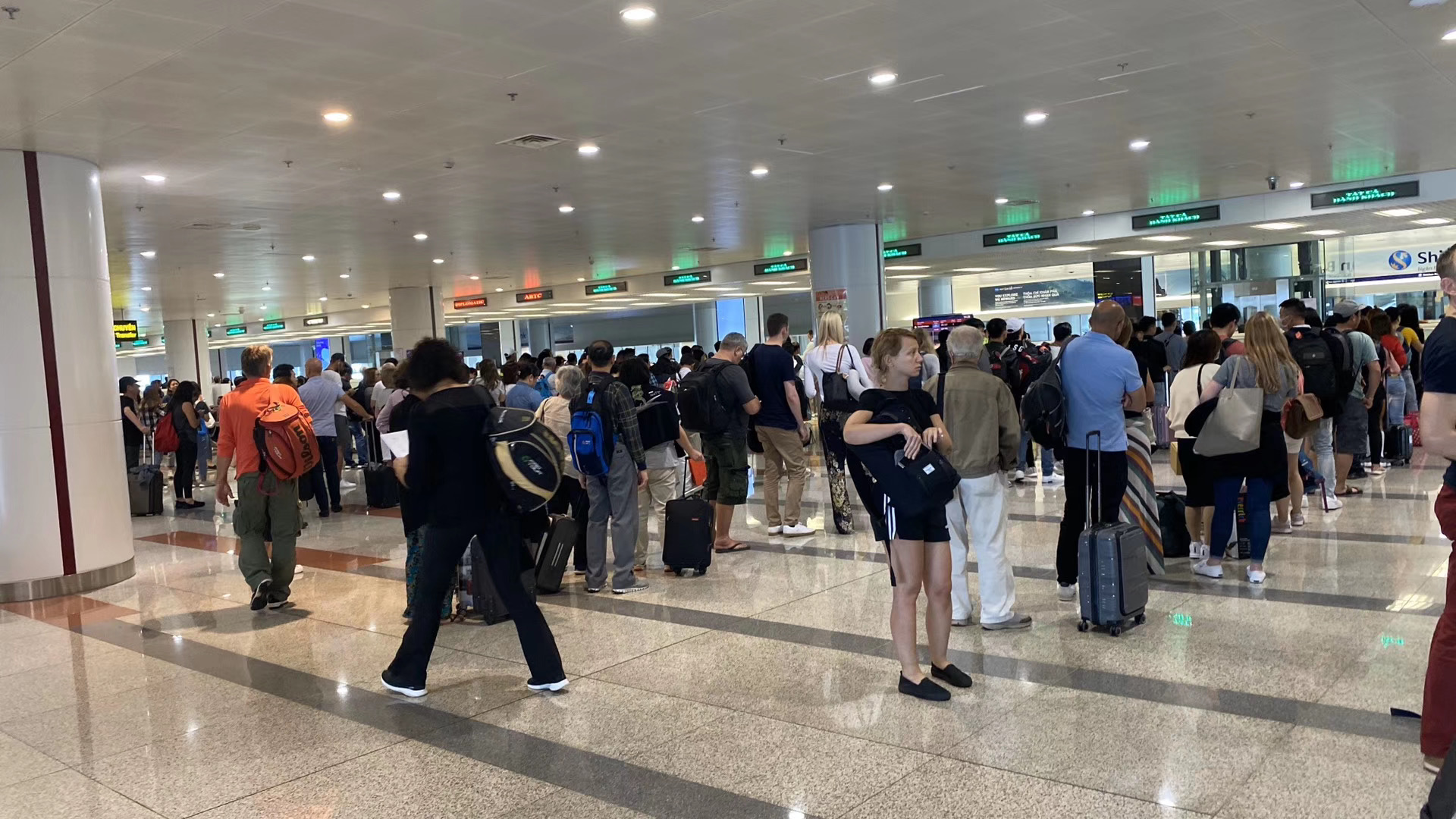
Before embarking on your journey to Ho Chi Minh City, there are a few key considerations that you should keep in mind.
Time of Travel
The first thing to consider is the time of travel. The weather in both Cambodia and Ho Chi Minh City can be hot and humid, so it’s important to plan your trip during the cooler months. The best time to visit Ho Chi Minh City is from December to April when the weather is dry and pleasant. Avoid traveling during the monsoon season, which runs from May to November, as heavy rains can disrupt your plans.
Budget
Another important factor to consider is your budget. The cost of traveling from Cambodia to Ho Chi Minh City can vary depending on your mode of transport. If you’re on a tight budget, overland routes may be a more affordable option compared to flying. However, if you value convenience and time, then flying might be the better choice for you.
Itinerary
Your itinerary will also play a crucial role in deciding how you get to Ho Chi Minh City. If you have limited time and want to maximize your stay in the city, then flying would be the most efficient option. On the other hand, if you have a more flexible schedule and want to explore the countryside along the way, then overland routes may be a better fit for you
Border Crossings: A Comprehensive Overview
There are several border crossings between Cambodia and Vietnam that you can use to get to Ho Chi Minh City. Here’s a breakdown of the most popular ones:
Bavet/Moc Bai Border Crossing
This is the most popular border crossing for travelers going from Cambodia to Ho Chi Minh City. It connects Bavet in Cambodia to Moc Bai in Vietnam and is located about 70 kilometers from Ho Chi Minh City. This border crossing is open 24/7 and is accessible by bus, taxi, or private car.
Kaam Samnor/Vinh Xuong Border Crossing
Located near Chau Doc in Vietnam and Kandal Province in Cambodia, this border crossing is another popular option for travelers. It is open from 7 am to 5 pm and can be accessed by bus, taxi, or private car.
Phnom Den/Tinh Bien Border Crossing
This border crossing connects Takeo Province in Cambodia to An Giang Province in Vietnam. It is open from 7 am to 5 pm and can be reached by bus, taxi, or private car.
Prek Chak/ Ha Tien Border Crossing
This border crossing connects Kampot Province in Cambodia to Ha Tien in Vietnam. It is open from 7 am to 5 pm and can be accessed by bus, taxi, or private car.
Visa Information: Essential Requirements and Regulations
Before traveling to Ho Chi Minh City from Cambodia, it’s important to understand the visa requirements and regulations. Here’s what you need to know:
Visa Exemption
Citizens of most countries will need a visa to enter Vietnam, while citizens of certain countries are exempt from needing a visa for stays of up to 45 days. These exemptions include citizens of ASEAN countries, South Korea, Japan, Russia, and several European countries.
E-Visa
Citizens of the countries, including Cambodia, can apply for an Vietnam e-visa online. The process is simple and can be done through the Vietnam Immigration Department’s website. An e-visa allows you to stay in Vietnam for up to 90 days and is valid for single/multiple entry.
Visa on Arrival
If you’re not eligible for an e-visa, you can also apply for a visa on arrival. This option requires you to obtain a visa approval letter from a travel agency or tour company before arriving in Vietnam. Once you arrive at the airport, you will need to present this letter along with your passport and pay a stamping fee to get your visa.
Transportation Options: Exploring Various Modes of Travel
There are several transportation options available for traveling from Cambodia to Ho Chi Minh City. Let’s take a closer look at each one:
By Flight
Flying is the most convenient and fastest way to get to Ho Chi Minh City from Cambodia. There are daily flights from Phnom Penh and Siem Reap to Ho Chi Minh City, with a flight time of about an hour. However, this option can be quite expensive, especially during peak season.
By Bus
Taking a bus is a popular choice among budget travelers. There are many bus companies that offer direct routes from various cities in Cambodia to Ho Chi Minh City. The journey can take anywhere from 6 to 12 hours, depending on your starting point and the border crossing you choose.
By Train
Traveling by train is another affordable option, but it is not as popular as taking a bus. The train journey from Phnom Penh to Ho Chi Minh City takes about 12 hours and involves a change of trains at the border. However, the scenery along the way is breathtaking, making it a great option for those who want to enjoy the countryside.
By Private Car
For a more comfortable and hassle-free journey, you can also hire a private car to take you from Cambodia to Ho Chi Minh City. This option is more expensive than taking a bus or train, but it offers more flexibility and convenience.
Border Formalities: Tips for a Smooth Passage
Crossing the border from Cambodia to Vietnam can be a bit daunting, but with proper preparation, it can be a smooth and hassle-free process. Here are some tips to keep in mind:
Have Your Documents Ready
Make sure to have all your travel documents, including your passport, visa, and any other necessary paperwork, ready before reaching the border. This will save you time and prevent any delays.
Be Prepared to Pay Fees
When crossing the border, you may be required to pay various fees, such as visa fees, stamping fees, and road tolls. Make sure to have enough cash on hand to cover these expenses.
Arrival in Ho Chi Minh City: Welcoming the Enchanting City
After a long journey, you’ll finally arrive in Ho Chi Minh City, ready to explore all that it has to offer. Here are some tips to help you get settled:
Getting Around
The most convenient way to get around the city is by using ride-hailing apps like Grab or Go-Viet. Taxis are also available, but make sure to negotiate the fare before getting in.
Accommodation
Ho Chi Minh City offers a wide range of accommodation options, from budget hostels to luxury hotels. Make sure to book your accommodation in advance, especially during peak season.
Must-See Attractions
No trip to Ho Chi Minh City is complete without visiting some of its top attractions, such as the War Remnants Museum, Ben Thanh Market, and the Cu Chi Tunnels. Make sure to plan your itinerary accordingly to make the most of your stay.
Conclusion
Traveling from Cambodia to Ho Chi Minh City is a relatively easy and straightforward process, with several options available for different budgets and preferences. Whether you choose to fly, take a bus, or embark on a boat journey, you’ll be able to experience the unique cultures and landscapes of both countries. Just make sure to plan ahead and have all the necessary documents and information before embarking on your trip. Happy travels!
Posted on 192 Comments

Airport Fast Track Service and its advantages

Airport Fast Track Service is a premium service that allows you to skip the long queues at immigration and customs. This can save you a significant amount of time, especially at busy airports.

BENEFITS WE CAN GIVE YOU

– Prompt assistance via phone, live chat and email is always available.

– Services implement quickly, no wasting time.

– Being met and guided from the arrival gate.

– Get Visa stamp fast, without getting in line.

– Be assisted and escorted through Immigration checkpoint.

– Baggage porters available on request.

– Clear Terms & Conditions guarantee protect customers’ right.

Airport Fast Track Service can be a great way to save time, reduce stress, and get priority treatment when you travel. If you are looking for a way to make your journey more enjoyable, then airport fast track service is a great option.

For using our Airport Fast Track Service, kindly send the information of your name + number of people + flight information to our email https://vietnam-airport.net/ We will support you at any time.

Posted on

What do I need to inform you in case I wish to use your private car pickup?

In order to well arrange the car for you, please let us know your flight number and landing time in Vietnam and the number of people in your group as well. Also pls make the order on my website: https://vietnam-airport.net/

Posted on

What do I need to inform you in case I wish to use the arrival fast-track service?

In order for us to arrange the fast-track service for you, please let us know your flight number and landing time in Vietnam. Also pls make the order on my website: https://vietnam-airport.net/

Posted on

How long does it take me to get my Vietnam visa stamped if I do it myself?

Normally, the visa stamping process at Vietnam airport may take you 15 – 20 minutes, even 30-45 minutes during peak time.

Posted on

Why should I use the arrival fast-track service?

When using this service, you will get certain benefits as follows:

  • Getting visa stamped/sticker at landing visa counter without staying in line;
  • Having baggage collected by our staff in case of using our Full VIP fast-track service;