Posted on

A Heritage Train Route Connecting Hue and Da Nang

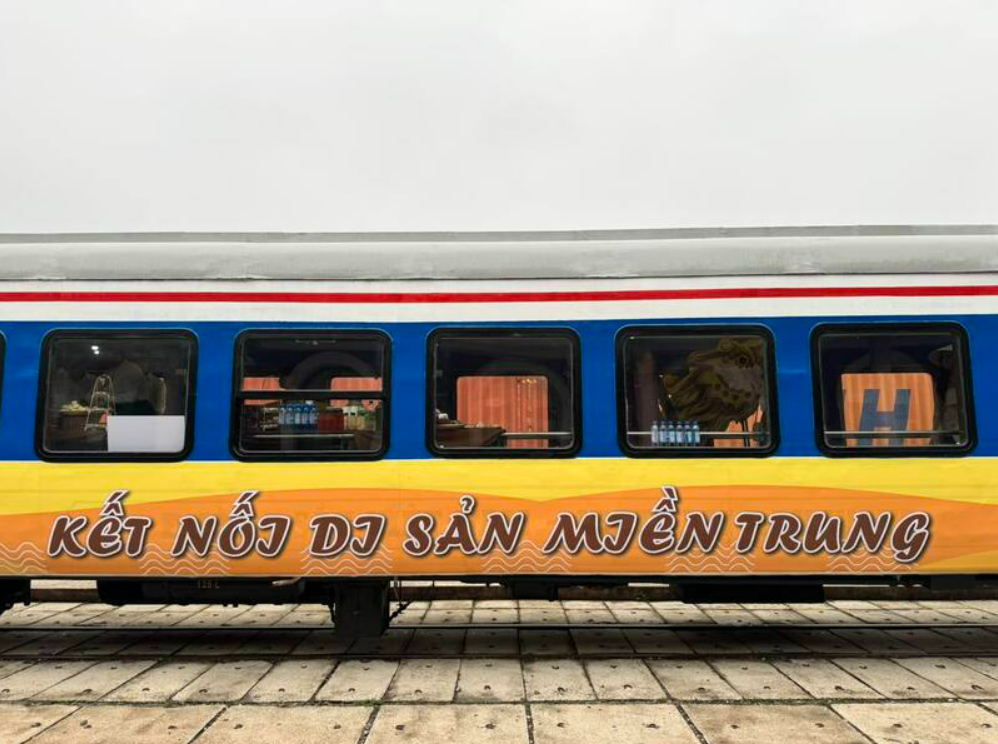
A new train route, dubbed the “Central heritage Connection,” has begun service between Hue and Da Nang. This exciting collaboration between the People’s Committees of Thua Thien hue Province and Da Nang City, along with Vietnam Railways Corporation, offers tourists a unique way to explore the scenic journey between these two captivating cities.

>>> Apply Visa to Vietnam <<<

>>> Order Fast Track Service <<<

At the launch held at Huế Station, General Director of the Vietnam Railways Corporation Đặng Sỹ Mạnh said the route is part of the efforts by Thừa Thiên-Huế and Đà Nẵng to enhance their connectivity and promote tourism. It is a new product that combines transportation and tourism services, promising new and interesting experiences of history, culture, and heritage for passengers.

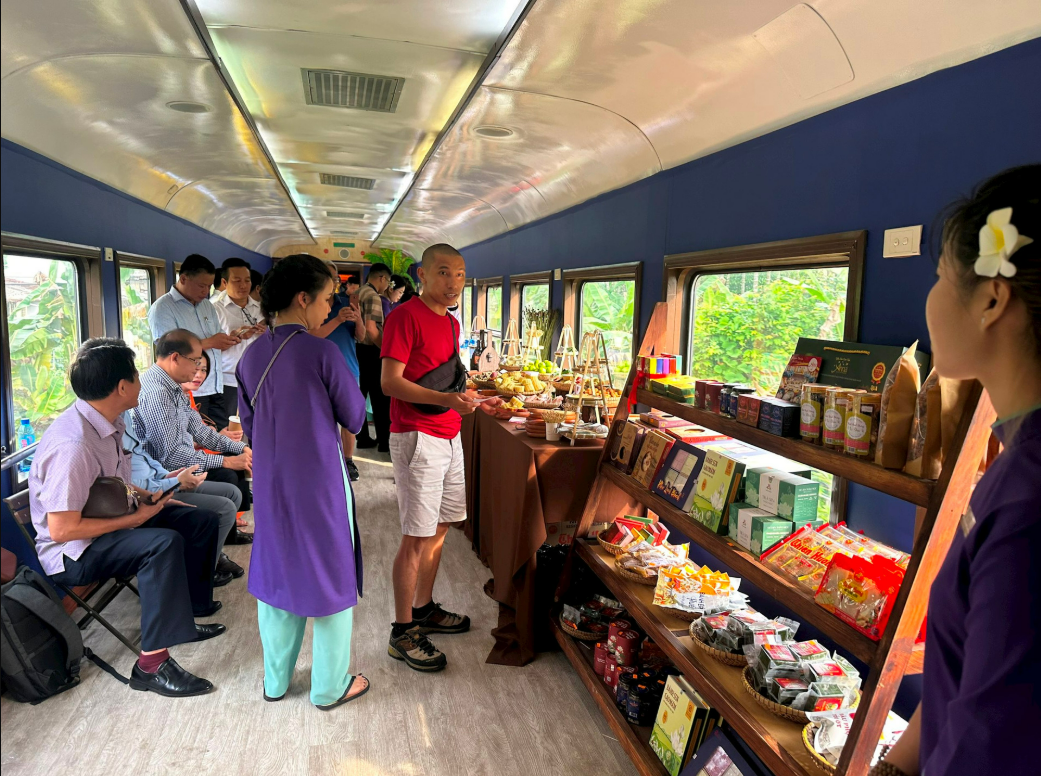
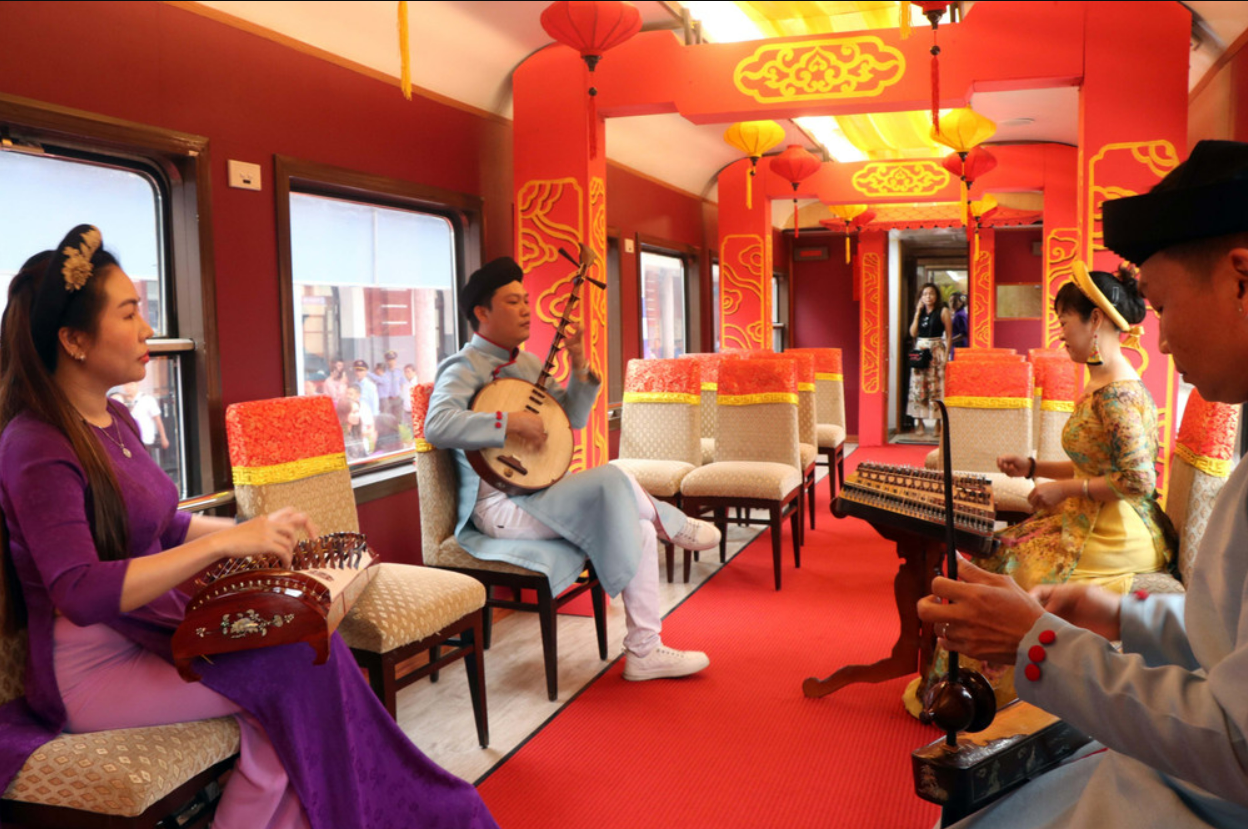
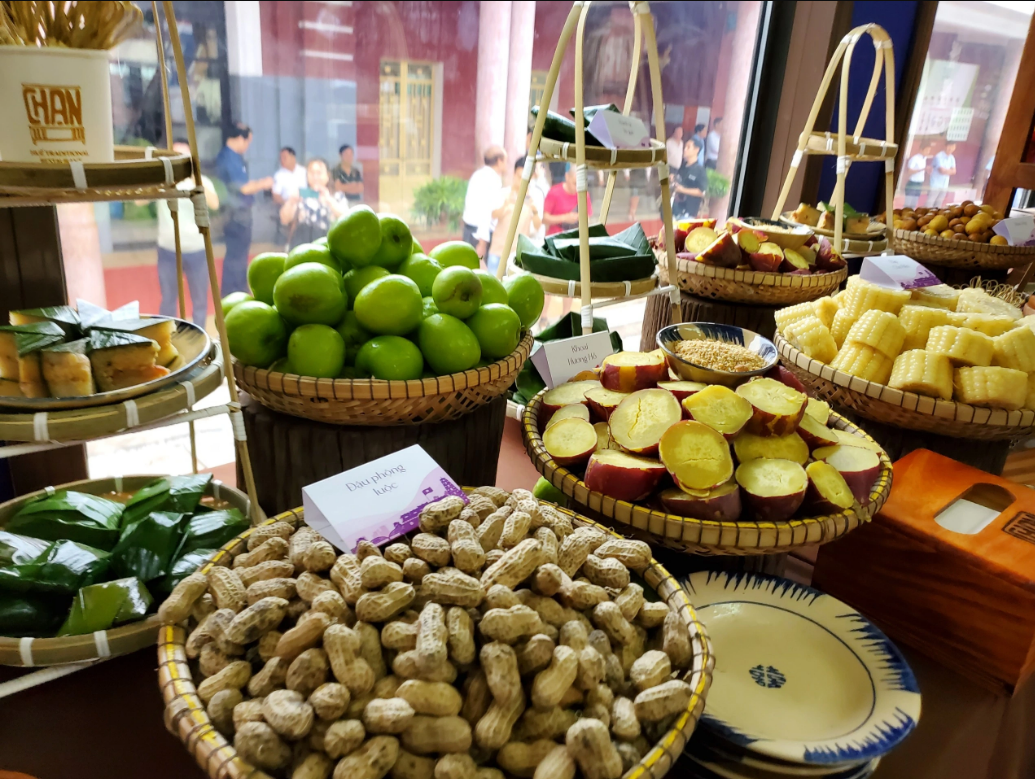
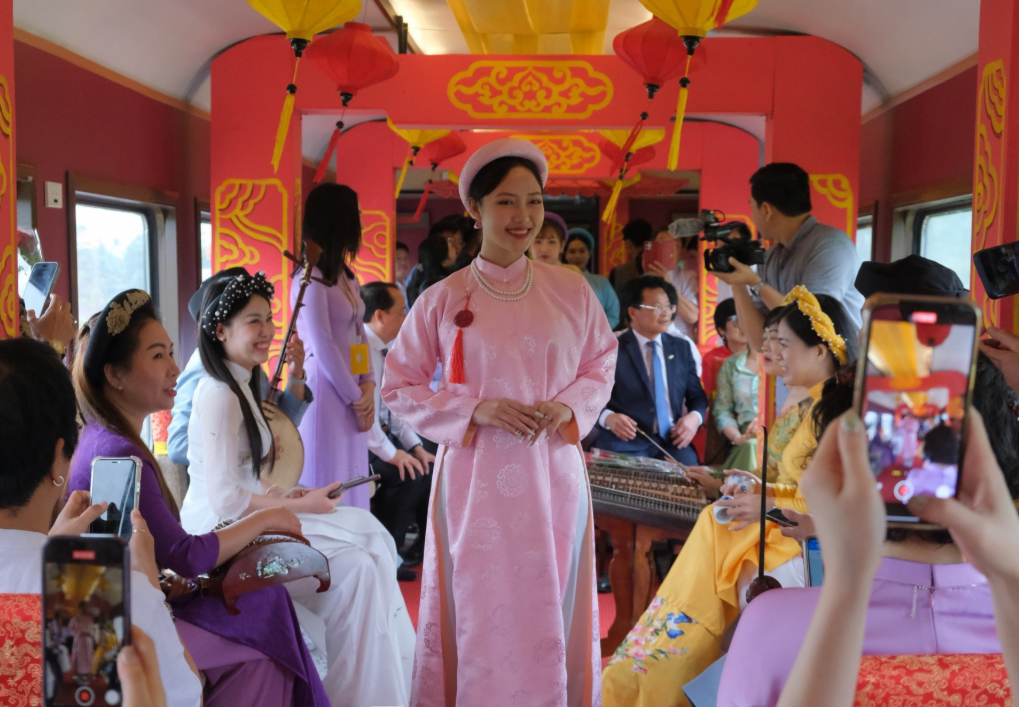
Boasting five modern, air-conditioned soft-eat coaches and a communal activities carriage, the train has quickly become a hit with travelers. Passengers are treated to both the culinary specialties of Hue and Da Nang and vibrant cultural and artistic performances by local artists. Additionally, VIP lounges at both Da Nang and Hue stations ensure passenger convenience.

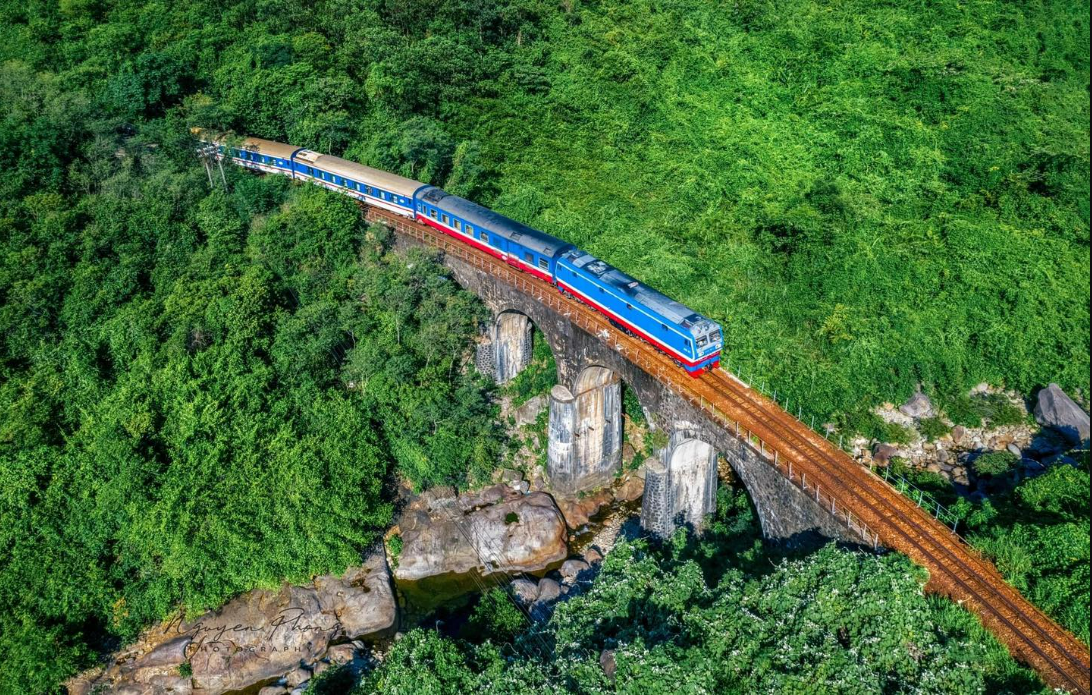
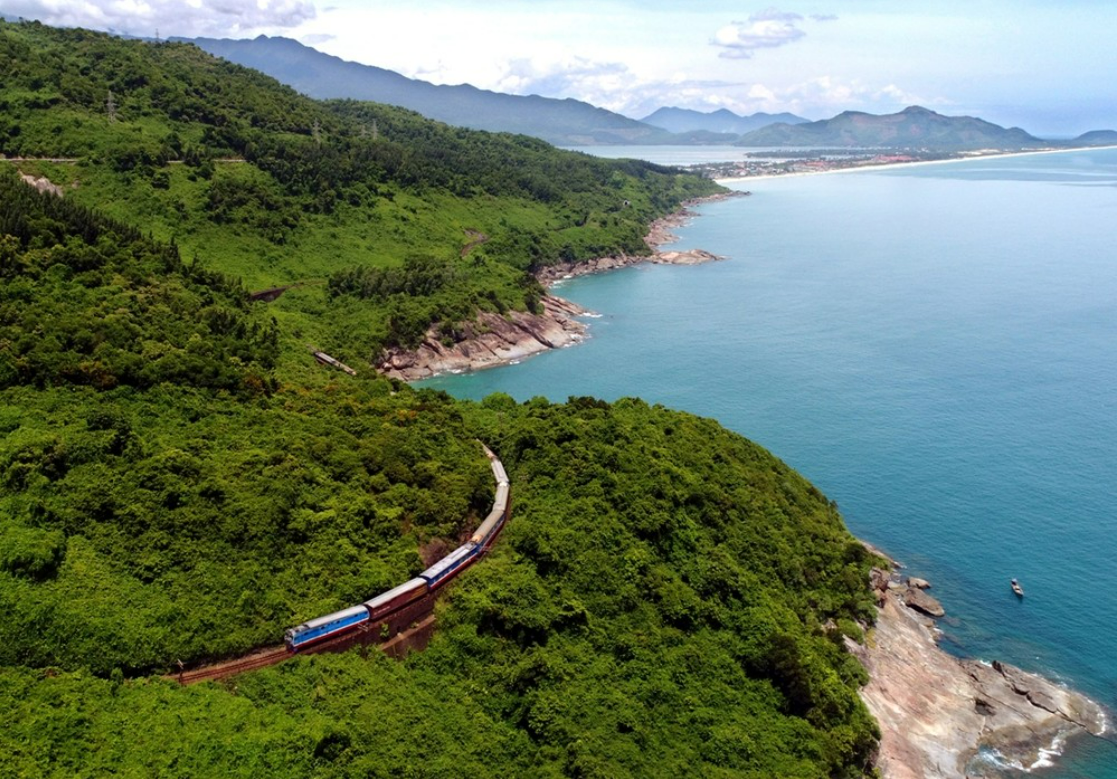
During the about three hours of this train journey, tourists can admire the magnificent natural beauty along Hải Vân Pass, dubbed thiên hạ đệ nhất hùng quan (the world’s most marvelous wonder) and also among the 10 most beautiful drives in the world as selected by renowned US magazine Travel Leisure, with one side being Trường Sơn Mountain Range and the other the sea before reaching Đà Nẵng, which boasts one of the six most beautiful beaches on the planet. With two daily departures from each station, one in the morning and one in the afternoon, tourists can experience both sunrise and sunset over Lang Co Bay, one of the world’s most beautiful bays.

The journey doesn’t end at the station. Convenient bike rental systems with QR code scanning are available outside both Da Nang and Hue stations, allowing tourists to easily explore local attractions at their own pace. Thua Thien Hue Province further sweetens the deal with discounted entry to its tourist sites for train ticket holders (valid for one visit per ticket).

On the way back, from Đà Nẵng to Huế, they can set foot in the former capital of Huế, home to various heritage sites.

The train also equipped with wi-fi to ensure better experiences for passengers.

The launch of the “Central Heritage Connection” signifies a major step forward in regional tourism, spearheaded by the People’s Committees of Hue and Da Nang. This innovative train service marks the beginning of Vietnam Railways’ vision of seamlessly integrating transportation with tourism development. More than just enhancing connectivity between Hue and Da Nang, the route offers a unique and enriching experience for both domestic and international visitors exploring these historically rich and vibrant cities

DEPARTURE TIMES FOR THE “CENTRAL HERITAGE CONNECTION” TRAIN:
From HueFrom Da Nang
– Train HD1 departs Hue Station at 7:45am and arrives at Da Nang Station at 10:35am.– Train HD2 departs Da Nang Station at 7:50am and arrives at Hue Station at 11:05am.
– Train HD3 departs Hue Station at 2:25pm and arrives at Da Nang Station at 5:40pm.– Train hd4 departs da Nang station at 3:00pm and arrives at Hue Station at 5:45pm.
The fare is 150,000 dong (6 US dollars), and monthly tickets are 900,000 dong (36 US dollars).

 Apply For Vietnam Visaapply Vietnam visaApply visa vietnamBook E-visa Vietnambook visa vietnamCheap Vietnam VisaE-visa Vietnamevisa VietnamEvisa Vietnam onlineexpedited e-visaexpedited E-visa to Vietnamexpedited Vietnam E-visaGet a Vietnam visaGet Vietnam Visaget vietnam visa onlineget visa to vietnamget visa Vietnammultiple entry visamy vietnam visaOrder Vietnam E-Visaquick vietnam evisarush vietnam visaUrgent Vietnam VisaVietnamVietnam E-visaVietnam EvisaVietnam touristVietnam travelVietnam vacationVietnam VisaVietnam visa costVietnam Visa ExemptionVietnam Visa for India citizensVietnam Visa For IndiansVietnam Visa for South Africa citizensVietnam Visa In IndiaVietnam visa in South AfricaVIetnam VIsa on arrivalVietnam VIsa onlineVietnam visa provisa for vietnam Visa On Arrivalvisa onlineVisa to VietnamVisa Vietnam

Posted on

Exploring Binh Duong – a historical and cultural city.

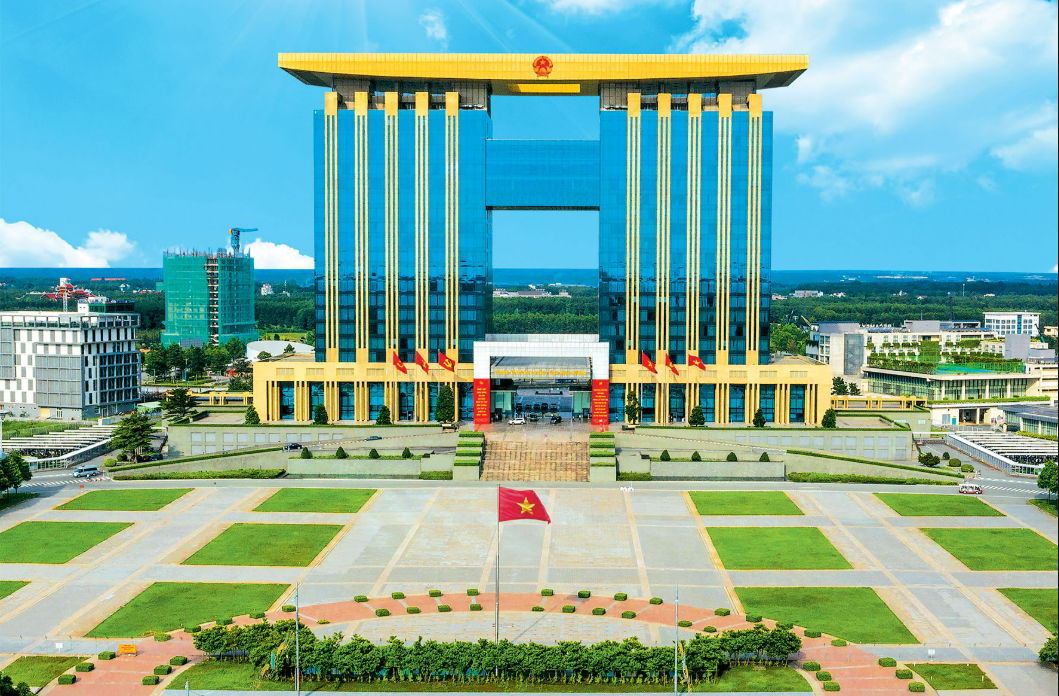
Binh Duong Province, a satellite of Ho Chi Minh City, encompasses historic destinations and fruit orchards, showcasing specialties such as mangosteen chicken salad amidst ongoing urban development.

The central city of Binh Duong is Thu Dau Mot, located approximately 30 kilometers from Ho Chi Minh City.

>>> Apply Visa to Vietnam <<<

>>> Order Fast Track Service <<<

Binh Duong has a climate that allows visitors to travel year-round. The best time to visit Binh Duong falls around January, marked by clear skies as the rainy season ends.

April is an ideal time for outdoor activities such as picnics and camping. Moving into the months from May to August, Binh Duong transitions into its fruit harvest season. This season offers an opportunity for visitors to pick and take home a variety of fruits as gifts.

WHERE TO VISIT

Within a 40-kilometer radius from the center of Thu Dau Mot City, Binh Duong offers several places for tourists to explore.

Dai Nam Park

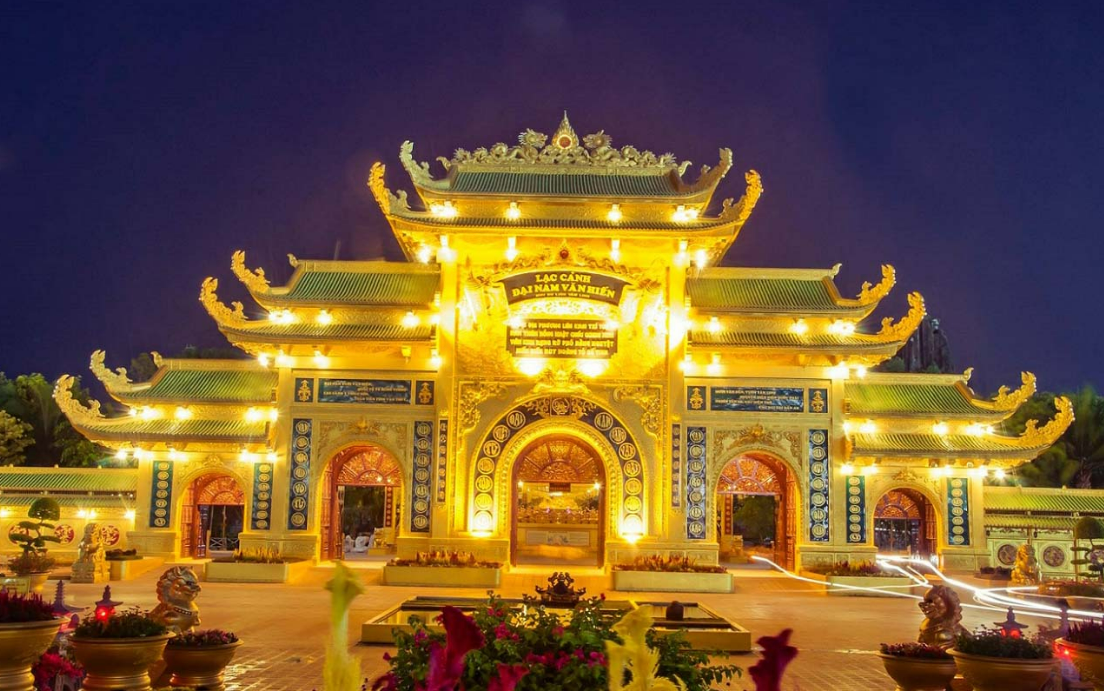
The Dai Nam Park, in Hiep An Ward, Thu Dau Mot City, stands out as one of Southeast Asia’s largest tourist areas, covering approximately 260 hectares.

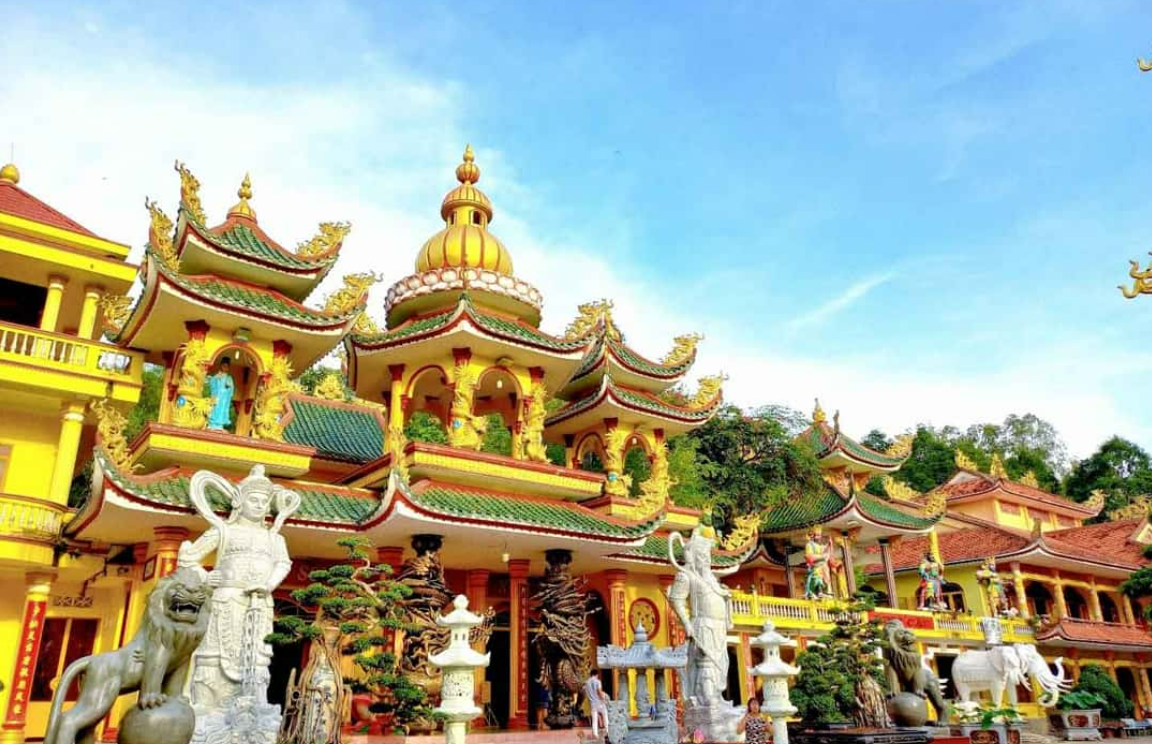
Offering panoramic views of mountains, rivers, and lakes, Dai Nam features various entertainment services such as the Kim Dien – Golden Temple, Dai Nam Beach, an amusement park, an “open” zoo, and the Dai Nam racetrack.

The area operates daily from 8 a.m. to 5 p.m.

Hoi Khanh Pagoda

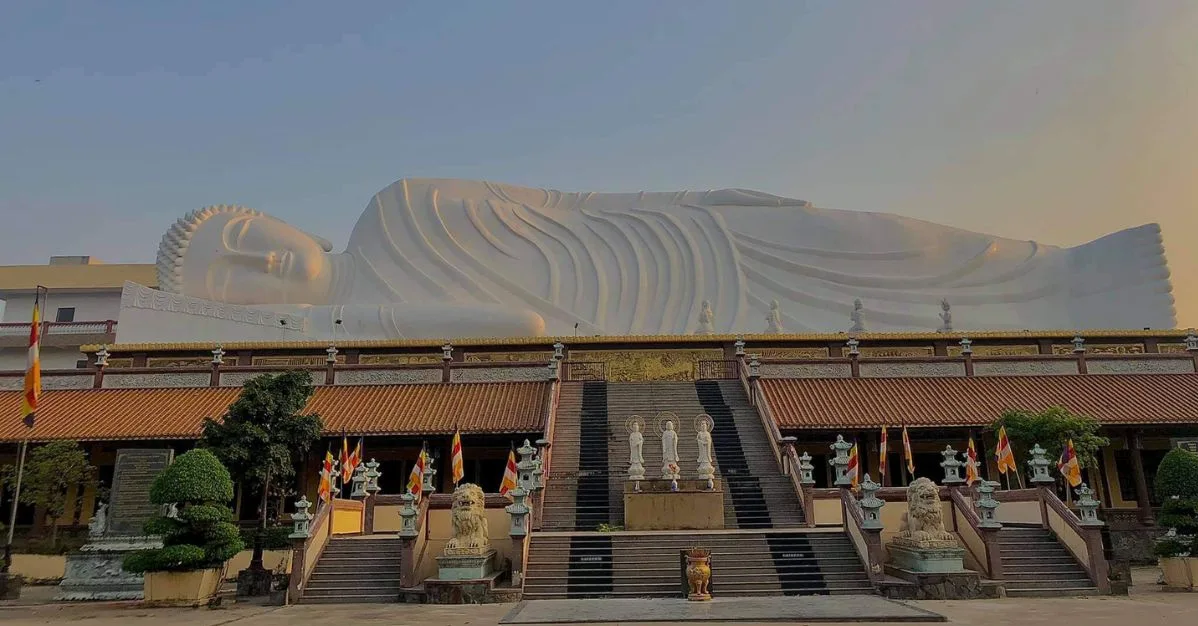
Built in 1741 in Thu Dau Mot City, the Hoi Khanh Pagoda stands as an ancient temple with significant cultural and historical value. Recognized by the Asian Records Organization, it houses the longest resting Buddha statue in Asia.

The pagoda preserves several relics and antiques for hundreds of years. Additionally, it holds historical significance, being associated with the activities of Nguyen Sinh Sac, the father of President Ho Chi Minh. From 1923 to 1926, Sac, along with two others, established the Patriotic Honor Society at this site.

Kawazo Phu Thinh ecotourism area

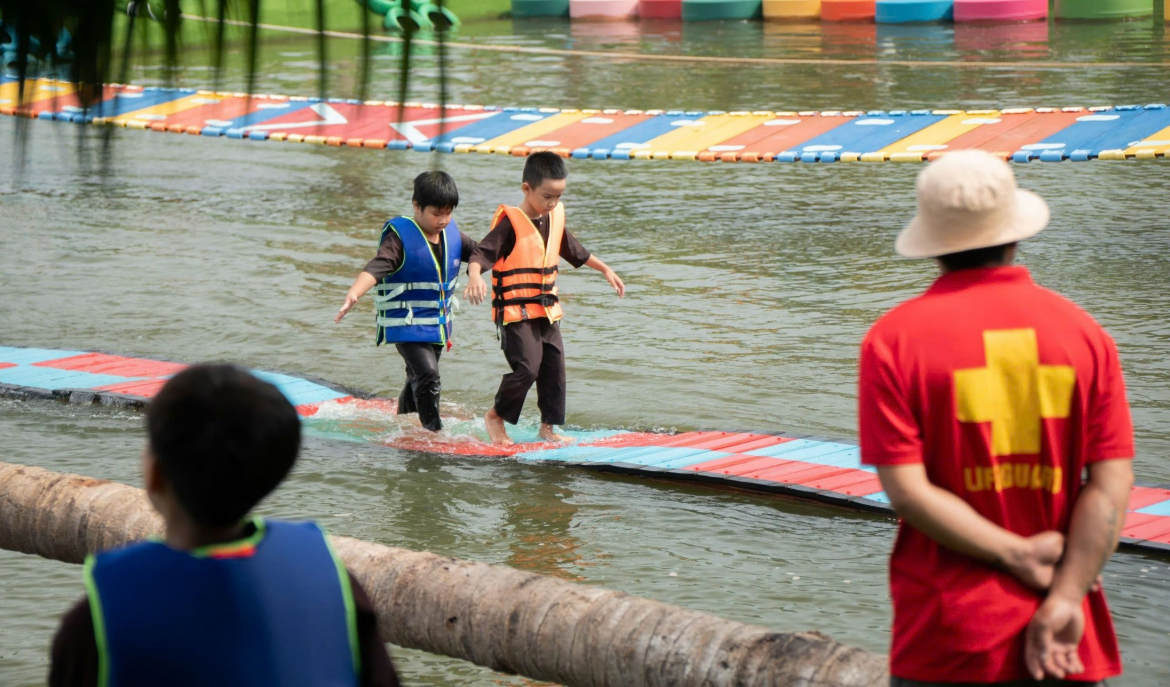
The ecotourism area provides a temporary escape from the city’s hustle and bustle. Upon visiting, you’ll discover a tranquil miniature countryside featuring green gardens and fish ponds. Visitors can participate in activities, such as catching fish in the pond, enjoying zipline games, or paddling on the lake using standup paddle boarding.

Phu Cuong Cathedral

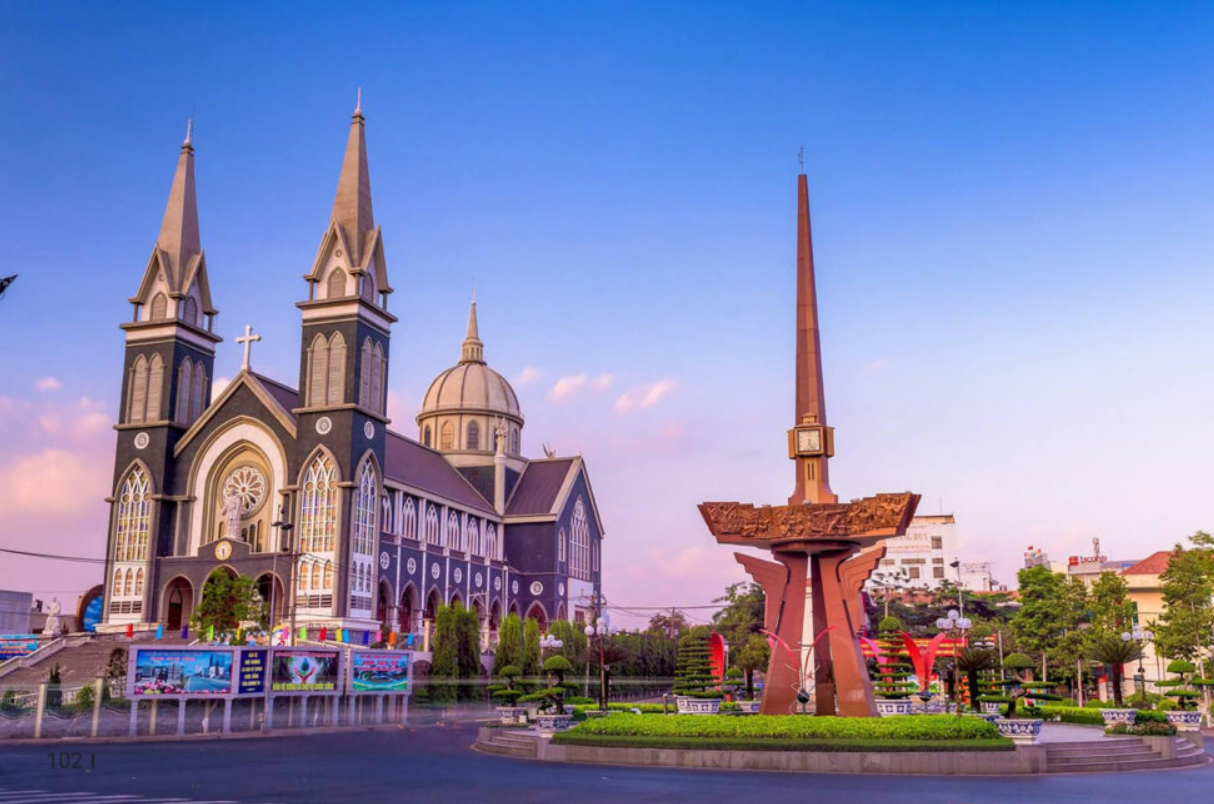
The Phu Cuong Cathedral, also known as Diocese of Phu Cuong Diocese, dates back to 1864 and boasts Gothic architecture crafted from brick. The architectural marvel combines typical Catholic church features, such as a dome, pointed roof, and arched windows, drawing parallels to the My Tho Cathedral.

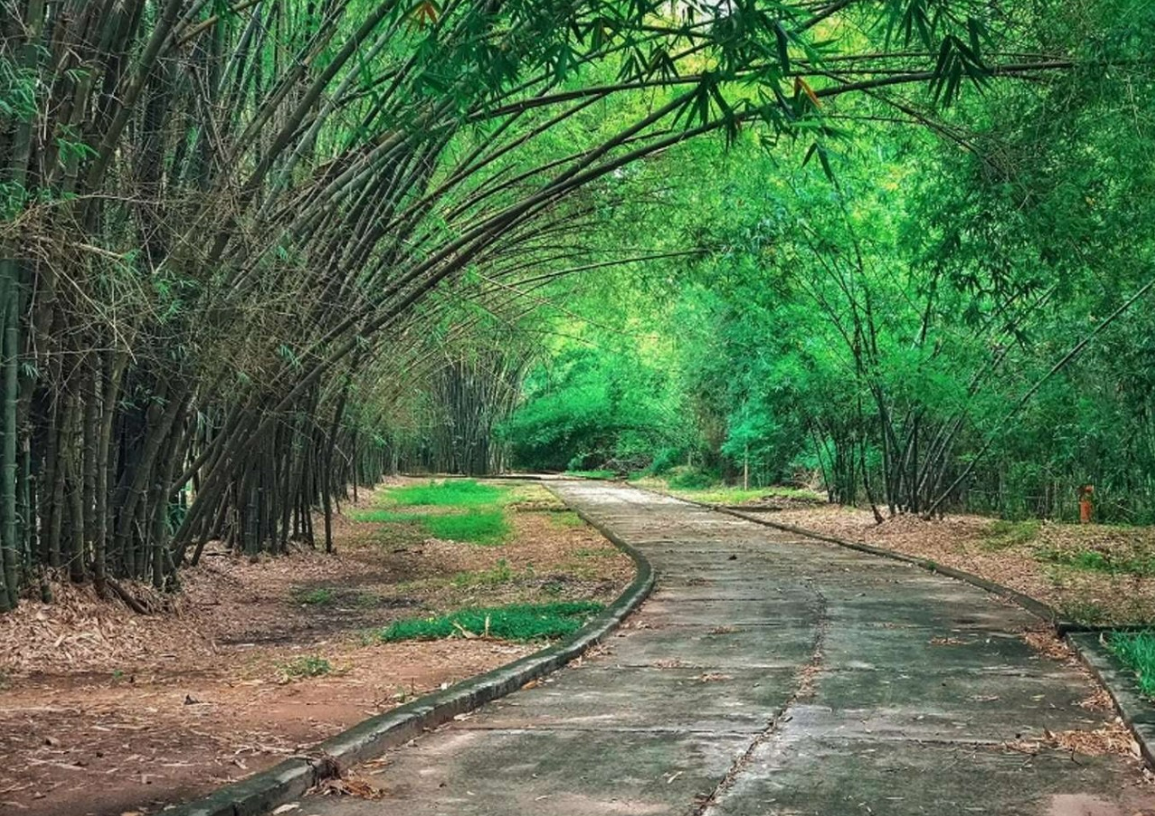
Phu An Bamboo Village

The Phu An Bamboo Village is nestled in the heart of the first bamboo ecosystem conservation area in Vietnam. The village is home to approximately 1,500 bamboo bushes, featuring a diverse collection of 17 bamboo varieties, accounting for 90% of Vietnam’s bamboo varieties, including rare species.

Phu An was honored with the Equator Award from the United Nations Development Program (UNDP) in 2010 for its commitment to biodiversity protection, community development, and climate change response.

In 2016, it earned membership in the Association of Botanical Gardens in the French-speaking region of the world.

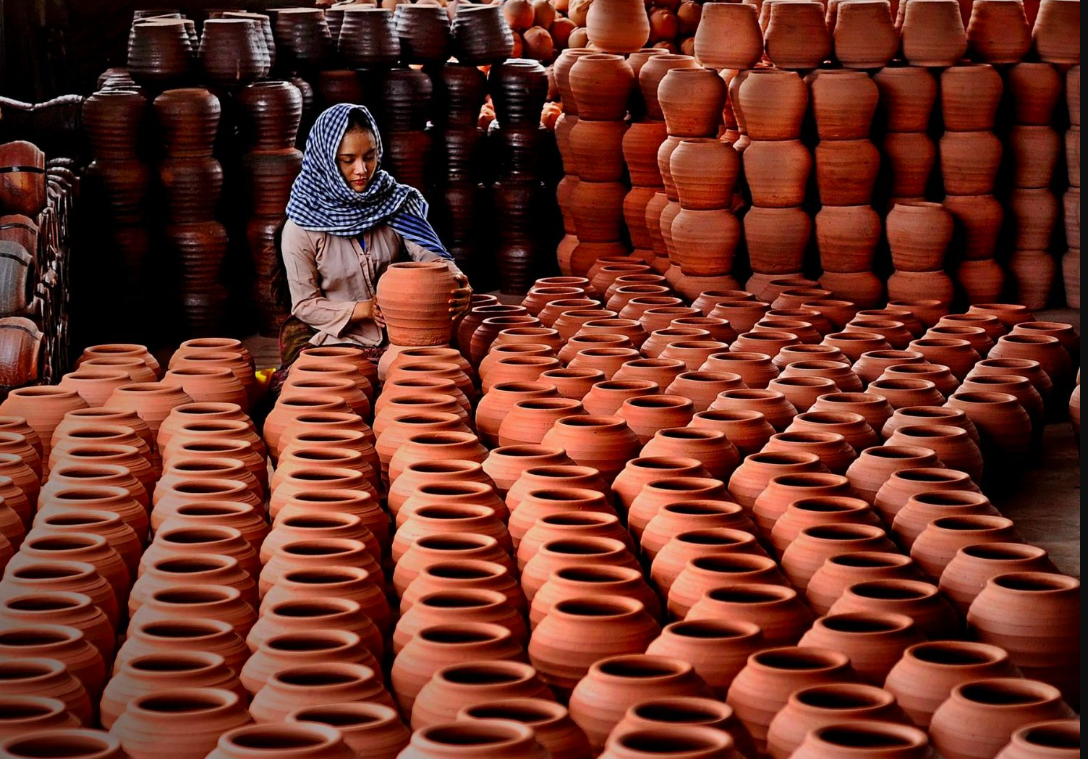
Dai Hung Pottery Village

The Dai Hung Pottery Village, in Hamlet 1, Tuong Binh Hiep Commune, Thu Dau Mot City, is approximately 3 kilometers north of the city center. This pottery kiln has a history of 150 years, spanning nearly 11,000 m2, it stands as the largest handmade ceramic production facility in Binh Duong.

Truc Lam Thanh Nguyen Monastery

The Truc Lam Thanh Nguyen Monastery, the first Zen monastery associated with the Truc Lam Yen Tu Zen sect in Binh Duong Province, is situated in Cay Kho Hamlet, Tam Lap Commune, Phu Giao District. Covering an expanse of over 10 hectares, the monastery is nestled in the heart of a rubber and flower forest.

Dau Tieng Lake

The Dau Tieng Lake, an artificial reservoir spanning three provinces—Tay Ninh, Binh Duong, and Binh Phuoc—began construction in 1981.

At Dau Tieng Lake, visitors can enjoy strolling along the lake, and engaging in various games. Setting up a tent for an overnight camping experience on the lake’s shore is also a worthwhile activity to try with friends and family.

Thai Son Pagoda

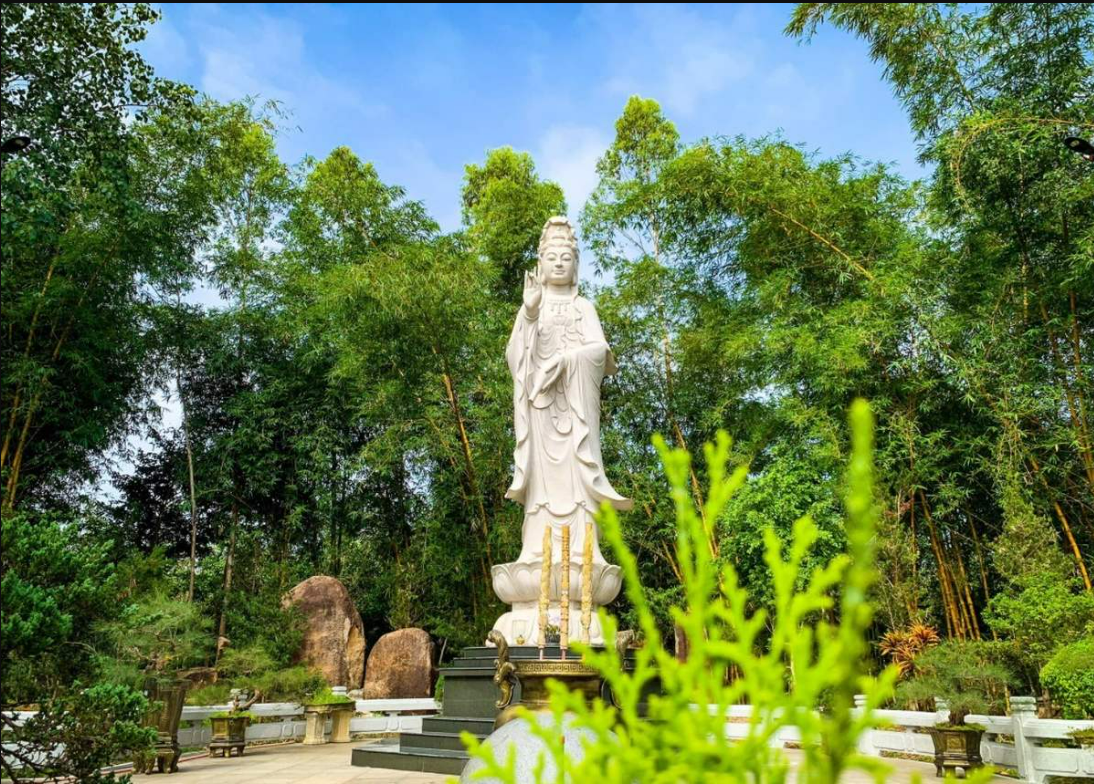
Thai Son Pagoda is situated halfway up the Cau Mountain, approximately 50 meters above sea level, in Tha La Hamlet, Dinh Thanh Commune, Dau Tieng District. The pagoda’s campus covers more than 5 hectares and features notable structures such as the three-entrance gate, the Cuu Trung Dai Pagoda standing at 36 meters with 9 floors, a 12 meters-tall statue of Avalokiteśvara Bodhisattva.

Upon exploring Thai Son Pagoda, visitors can ascend about 1,000 stone steps to reach the mountain’s summit. From there, a panoramic view unfolds, showcasing the Cau mountain range and Dau Tieng Lake. Additionally, the site boasts a 300-year-old fig tree and a variety of rare trees.

Thien Hau Pagoda

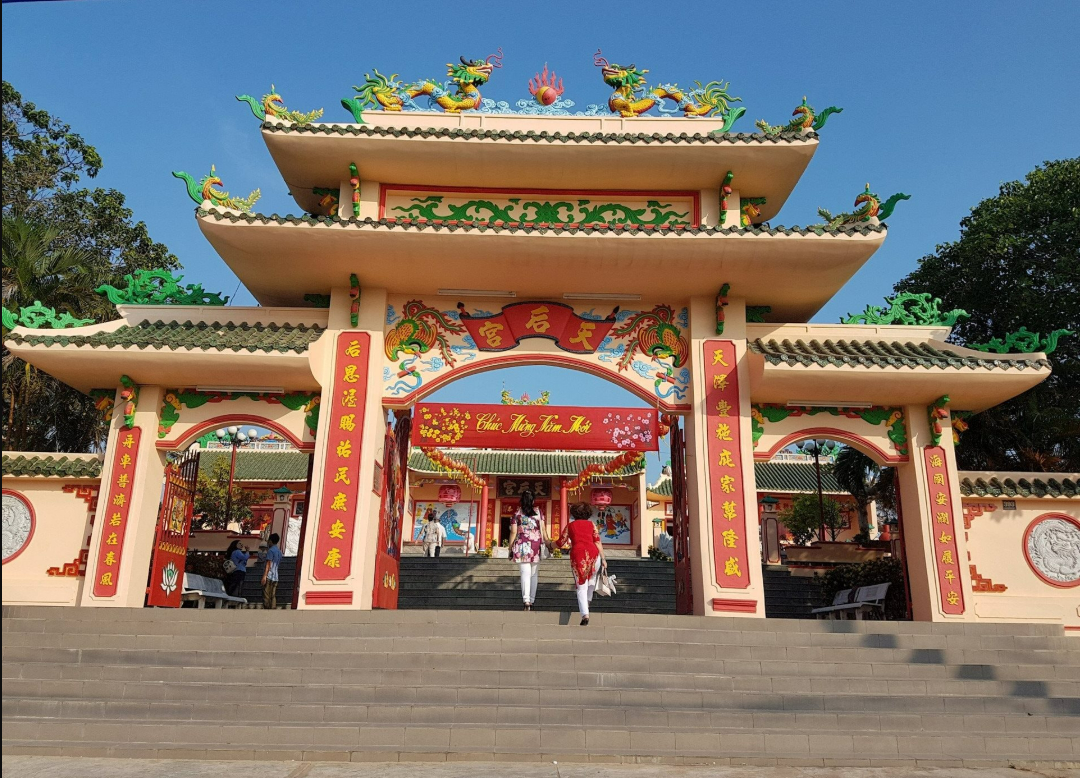
Thien Hau Pagoda, commonly known as Ba Pagoda, is located on Nguyen Du Street in Thu Dau Mot City. It is a well-known pilgrimage site for people from Binh Duong, Ho Chi Minh City, and nearby provinces.

The Ba Pagoda Festival, celebrated annually for three days from the 13th to the 15th day of the first lunar month, is regarded as the largest cultural festival in Binh Duong. The festival features various special programs, including worship ceremonies, lantern auctions, and a procession of Thien Hau’s palanquin.

Phu Loi Prison

Located on December 1 Street, Phu Loi Ward, Thu Dau Mot City, Phu Loi Prison stands as one of the prominent historical prisons in the south, established in 1957 to detain and torment thousands of revolutionary soldiers over eight years (1957-1964). Beyond its historical importance, a visit offers a cultural and educational experience, showcasing Vietnam’s fight for independence. Open daily from 8 a.m. to 4 p.m., admission is free, inviting all to explore and understand Vietnam’s history.

Tuong Binh Hiep Lacquer Village

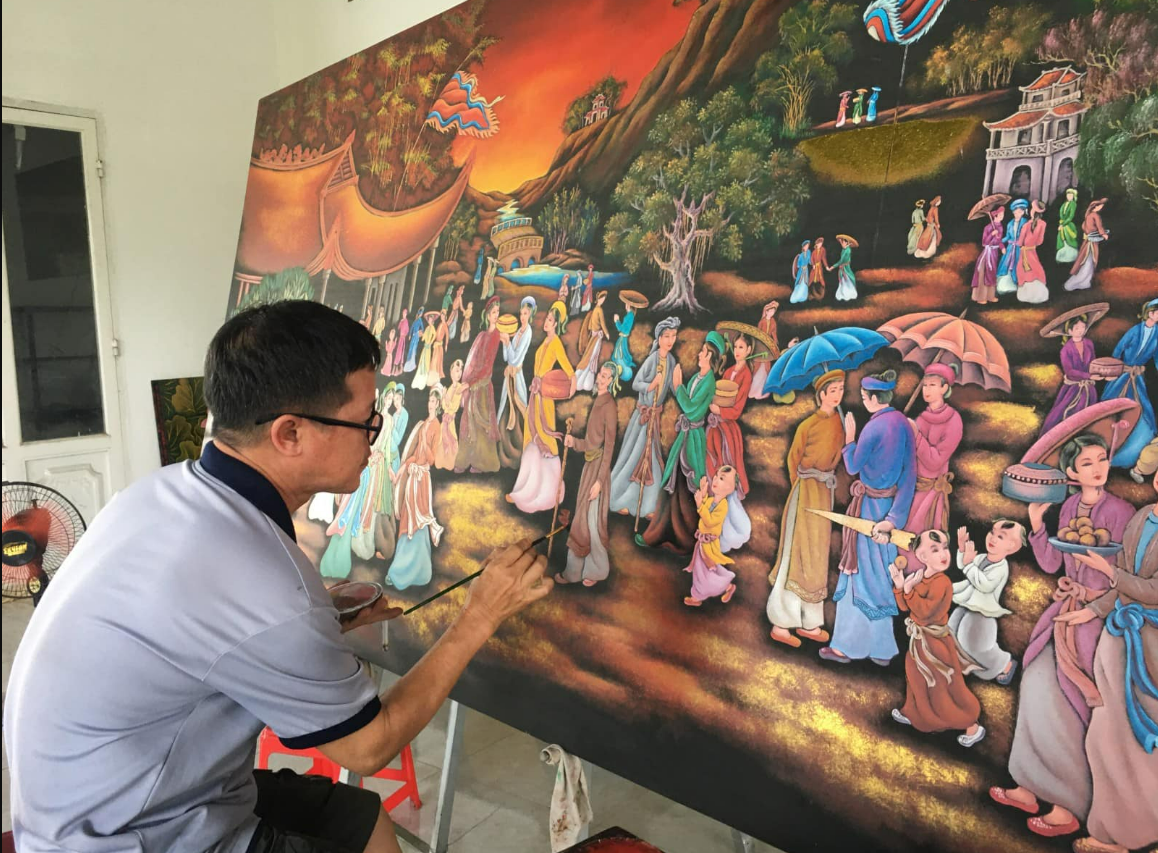
Tuong Binh Hiep Lacquer Village, with centuries of tradition, reveals the intricate art of crafting lacquerware. Artisans use materials like wood, ceramic, and fabric to create a variety of products, from tables and chairs to paintings and vases.

Broken bridge left from Vietnam War

The broken bridge in Be River is a historical landmark in Phu Giao District, visible on DT 741 Street. Its split appearance, reminiscent of an unfinished project, tells the story of the Vietnam War. Originally constructed by France in 1925-1926 for colonial purposes, it played a vital role in expanding rubber plantations in Phu Giao and Phuoc Long districts, serving as a crucial route to the provinces in the Central Highlands.

In 1975, during the Vietnam War, Vietnamese forces launched a successful attack on U.S.’s positions in Binh My and Binh Co communes. Faced with overwhelming opposition, the enemy forces in Phu Giao District withdrew across the broken bridge. The U.S. commander ordered the destruction of the bridge using mines to impede the pursuit by Vietnamese forces. Today, the bridge remains as a testament to history.

WHAT TO EAT

More than 50% of the population in Binh Duong Province, home to many industrial parks, consists of immigrants, resulting in a diverse and rich cuisine that combines various ingredients.

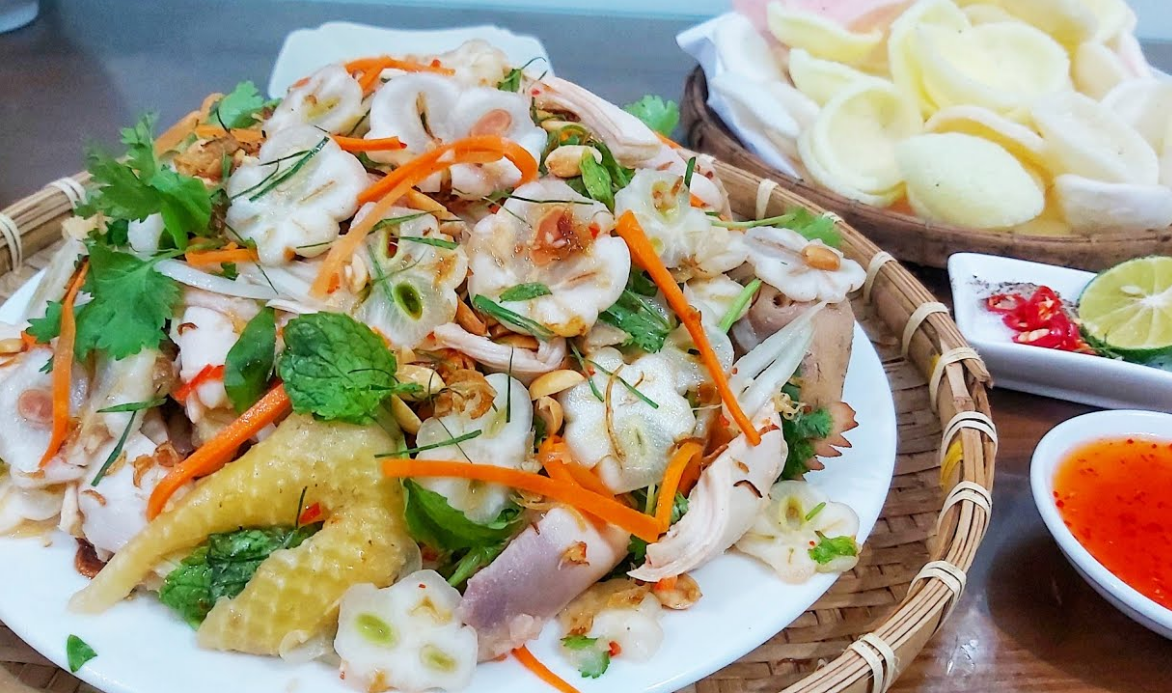
Mangosteen chicken salad

Although available in many restaurants, this dish can only be enjoyed during mangosteen season, typically from April to June. The dish is particularly suitable for hot weather.

Banh beo bi (Steamed rice cake with shredded pork skin)

Banh beo bi has a history of over 100 years at Bung Market, An Thanh Commune, Thuan An City. The steamed rice cake from this locality is served along with shredded pork skin and lean meat compared to other regions.

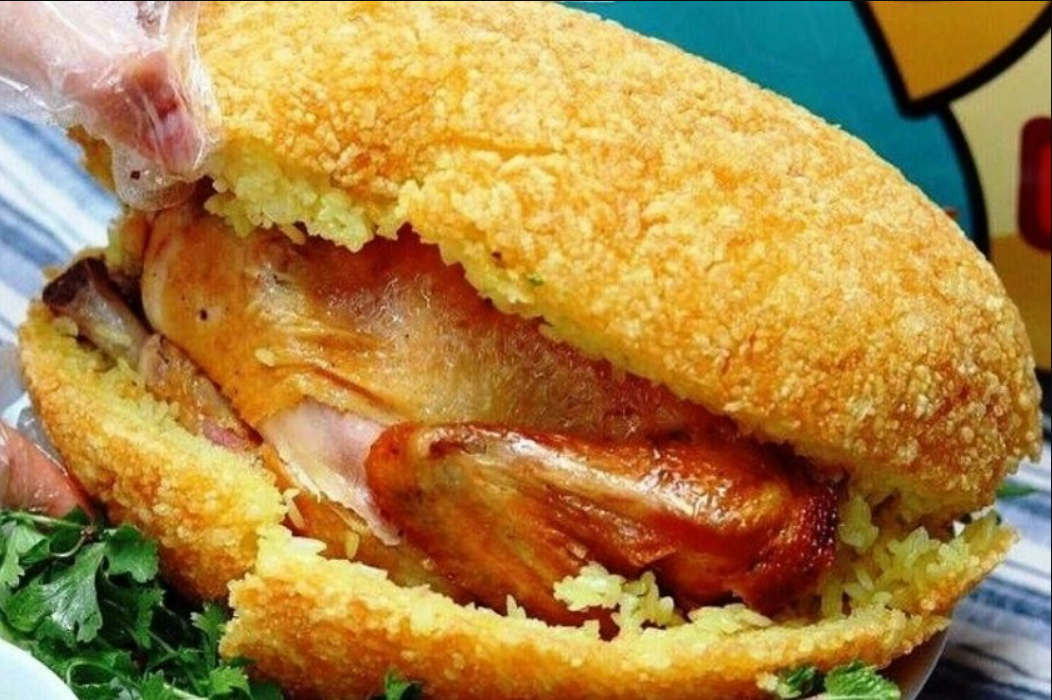
Roasted chicken with puffed sticky rice

After the sticky rice is cooked, it is fried, causing it to swell to the size of a ball with a crispy outer layer and a sticky, fragrant inside. Before roasting, the chicken is marinated and coated with honey to give the skin an attractive yellow color.

Grilled beef on tile

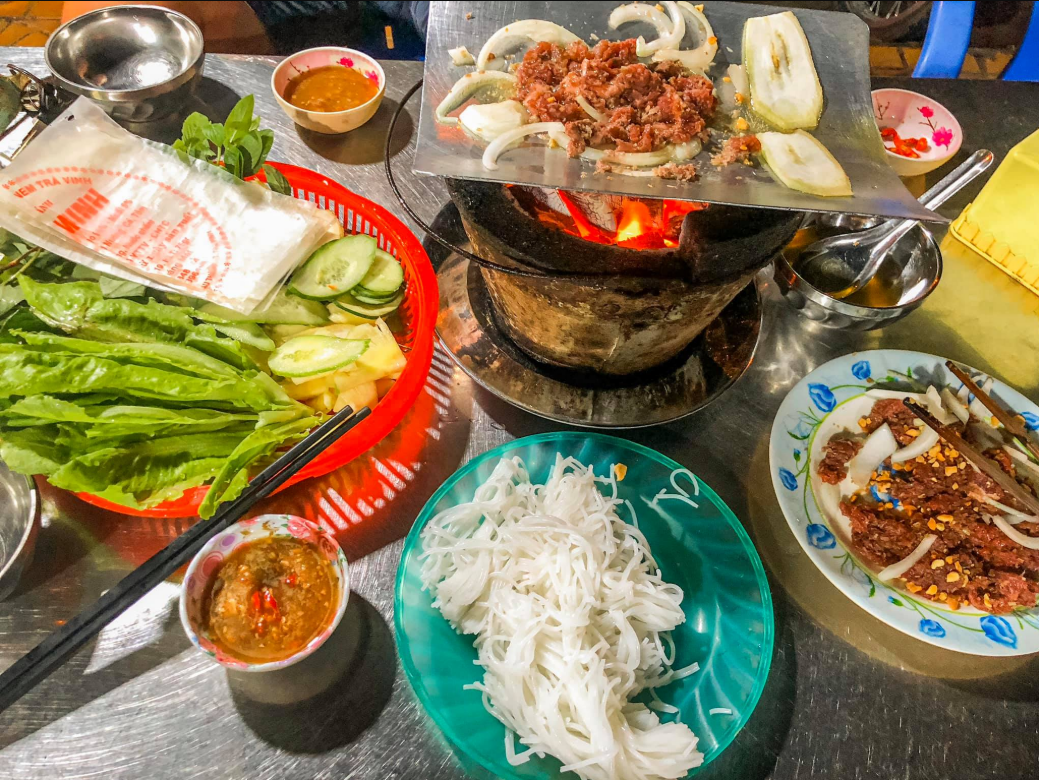
True to its name, this dish features beef grilled on tiles. The beef’s natural thin layer of fat eliminates the need for additional cooking oil or fat. As the meat is placed on the hot tile, the smoke spreads with the fragrant aroma of beef.

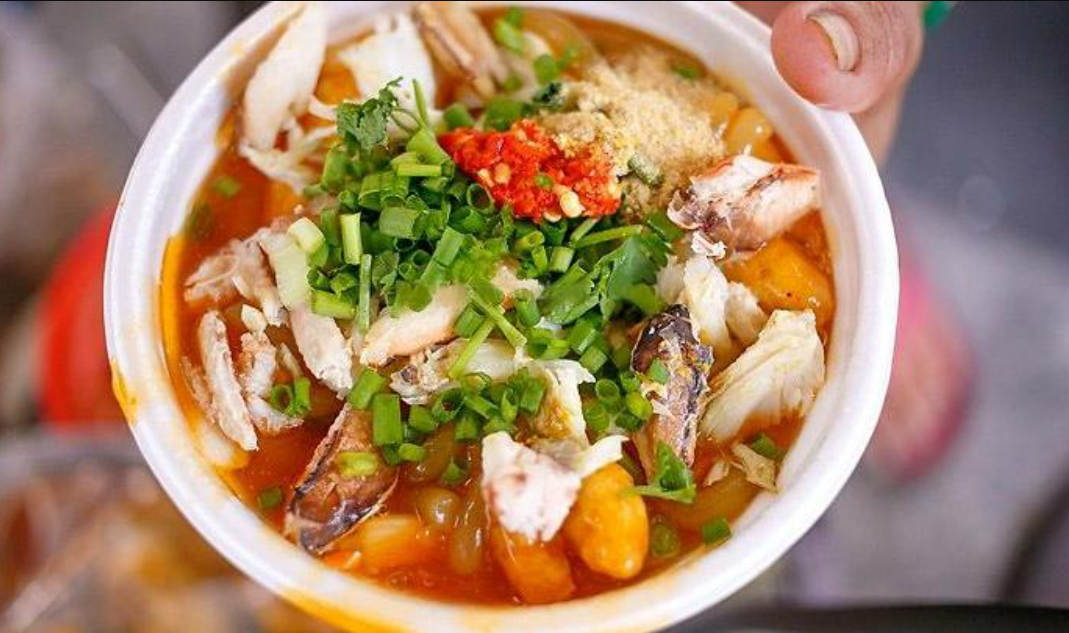
Pork tongue crab noodle soup

One of the popular dishes in Binh Duong, this noodle soup features rolled pork tongue prepared in the style of char siu meat. This noodle soup offers a savory and sweet flavor, blending a mix of meat, bones, tongue, and tofu. Each eatery also offers its distinct seasoning secrets.

Taro and eel porridge

Taro and eel porridge, made from swamp eels, taro, and white rice, features hearty meat with a sweeter flavor upon cooking. The dish’s quality relies on the eel preparation, as it should be neither slimy nor has a fishy odor. The blend of simple ingredients results in a rich specialty, perfect for comforting the body, particularly on rainy days.

Sources: VNExpress.

 Apply For Vietnam Visaapply Vietnam visaApply visa vietnamBook E-visa Vietnambook visa vietnamCheap Vietnam VisaE-visa Vietnamevisa VietnamEvisa Vietnam onlineexpedited e-visaexpedited E-visa to Vietnamexpedited Vietnam E-visaGet a Vietnam visaGet Vietnam Visaget vietnam visa onlineget visa to vietnamget visa Vietnammultiple entry visamy vietnam visaOrder Vietnam E-Visaquick vietnam evisarush vietnam visaUrgent Vietnam VisaVietnamVietnam E-visaVietnam EvisaVietnam touristVietnam travelVietnam vacationVietnam VisaVietnam visa costVietnam Visa ExemptionVietnam Visa for India citizensVietnam Visa For IndiansVietnam Visa for South Africa citizensVietnam Visa In IndiaVietnam visa in South AfricaVIetnam VIsa on arrivalVietnam VIsa onlineVietnam visa provisa for vietnam Visa On Arrivalvisa onlineVisa to VietnamVisa Vietnam
Posted on

Dai Beach in Phu Quoc: Explore the Unspoiled Beauty and Perfect Shores

Phu Quoc, famous for its unspoiled beauty and stunning beaches, is often referred to as “heaven on earth” and draws countless visitors each year. If you’re planning to spend your vacation there, make sure to visit Dai Beach – a must-see destination that will leave a lasting impression as soon as you arrive.

Bai Dai is located on the western side of Phu Quoc Island, where the Gulf of Thailand meets Vietnam. The coastline spans about 15 kilometers, stretching from the northwest shore of Ganh Dau Cape to Cua Can. Bai Dai has played a significant role in earning Phu Quoc the nickname “Pearl Island.”

Location: In the northwest of Phu Quoc Island
Opening hours: 24/7

1.Highlights of Dai Beach

The name Bai Dai (Dai Beach) comes from its impressive length of 15 kilometers, which translates to “long beach.” Situated near the ancient forests in the north-western part of Phu Quoc Island, the beach enjoys a stable climate, with pleasant temperatures and refreshing winds throughout the year.

In recent years, Bai Dai has garnered positive reviews and attracted widespread attention from both Vietnamese tourists and international visitors, establishing itself as one of Phu Quoc’s most popular destinations, especially during the peak travel season. Notably, a 2018 report by ABC News recognized Bai Dai, ranking it among the top five most pristine and beautiful beaches in the world.

Recently, with the rise of high-end developments and innovative projects along most of Phu Quoc’s beaches, more resorts, hotels, and specialized tourism services have been established at Dai Beach. However, visitors need not worry, as Dai Beach has implemented its own policies to preserve its traditional charm.

When visiting Bai Dai, tourists can immerse themselves in the deep blue sea while also exploring vibrant night markets, touring aquaculture factories, and discovering fish sauce production sites. Additionally, you can learn about the way of life in the local fishing villages.

II. What to See & Do in Dai Beach?

1. Amazing Beach

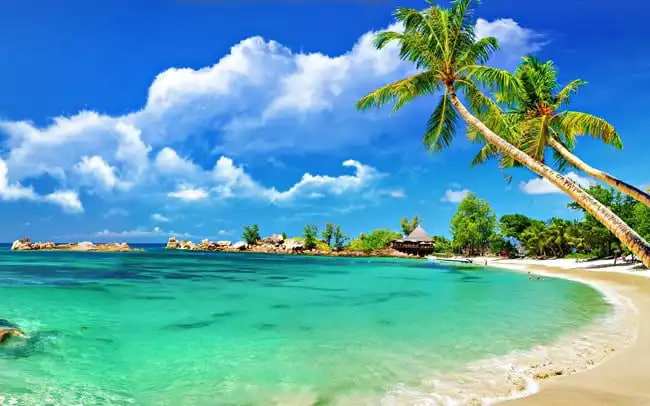
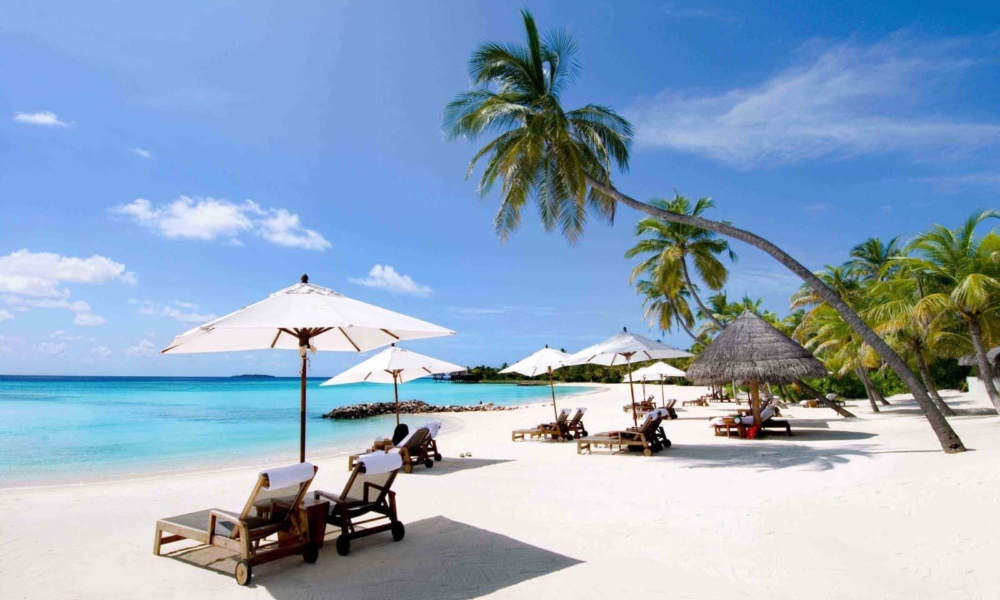
Dai Beach features an endless stretch of golden sand, paired with crystal-clear blue waters and a constant flow of choppy waves. What makes it even more captivating is how the ocean’s color shifts throughout the day, changing from light blue to soft pink and deep purple as the sea level rises and falls.

Dai Beach is also surrounded by lush poplar hills, rocky shores, fishing villages, and coconut forests, all of which together create a stunningly picturesque landscape that is perfect for visitors.

Additionally, experiencing a sunrise or sunset on the beach is an unforgettable and essential moment for anyone who visits. It’s often said that these moments showcase the true essence of nature, as the ocean returns to its peaceful state, gently erasing our worries and fatigue. For this reason, it’s rare to find anyone who would pass up the chance to gaze at the breathtaking ocean while traveling here.

2. Visiting Doi Moi Islet

As tourists stroll along the beachfront, they may spot a small islet about 800 meters away, known as Doi Moi. This islet features a pristine white sandbank stretching 50 meters in length and is a popular spot for fishing, diving, and exploring marine life, including vibrant coral reefs.

Also, be sure to explore other nearby attractions like Dinh Cau, Bai Sao Beach, An Thoi Harbour, Ganh Dau, and more.

3. Having Fun with Your Traveling Companions

If you’re planning to spend more than one day at Dai Beach, it’s a good idea to bring along fishing gear and BBQ supplies for a beachside cookout. In addition to typical beach activities like relaxing and swimming, visitors can enjoy hosting a small BBQ party right on the shore.

Dai Beach is famous for its stunning scenery, but what truly sets it apart, both locally and in Phu Quoc, is its rich and diverse marine ecosystem, home to a variety of sea creatures like shrimp, crabs, and sea urchins. The region’s temperate climate and thriving wildlife ensure that the seafood is always of the highest freshness. If you’re not into fishing or lack the skills, you can easily purchase fresh seafood directly from local fishermen or the nearby seafood market.

An animated evening on the beach with a seafood BBQ party with friends is bound to be a blast. It’s the perfect opportunity to have fun, engage in recreational activities, and chat with others. However, if you prefer some solitude, you can still enjoy the night by taking peaceful strolls along the coast, breathing in the sea air, and clearing your mind. For this reason, it’s recommended that tourists spend more than one day at Dai Beach.

III. How to Get to Dai Beach?

To get to Dai Beach, travelers can take a direct flight from Hanoi or Saigon to the destination. The transportation options to Dai Beach are quite accessible and convenient. Once you arrive at the center of Duong Dong District, you will have two options to choose from:

  • Take the main road from Duong Dong to Cua Can, pass over Cua Can Bridge, and then turn left. Continue straight until you reach Vung Bau Beach, the first beach you’ll come across. Follow the road along this beach, and it will lead you to Dai Beach.
  • Continue along the main road from Duong Dong to Cua Can. After crossing the Cua Can Bridge, keep going straight until you reach Vinpearl. Look for the closest path there, which will lead you to Dai Beach.

Dai Beach is a stunning natural paradise that still preserves the untouched qualities of a pristine shoreline. Its beauty is so captivating that it could easily mesmerize anyone who sets foot on its sands. Ready to experience this breathtaking spot? Don’t wait any longer—let’s pack up and head out now!

Come and experience Dai Beach in Phu Quoc on your next trip, and create unforgettable memories of Vietnam by securing your Vietnam visa at https://vietnamvisapro.com/. As a trusted and reliable visa service, we are here to help turn your dream vacation into reality from the very first step.

Posted on

Experiencing the local cuisine in Ho Chi Minh City

If you have just one day in Ho Chi Minh City, make it a day of eating. This vibrant city is overflowing with incredible food. People from all corners of Vietnam come to Ho Chi Minh City for work, bringing their hometown recipes that, over time, have shaped the city’s exciting and diverse culinary scene. Here’s our insider guide to five must-try dishes.

Broken rice makes for a nutritious breakfast.

If you ask anyone in Ho Chi Minh City, they’ll tell you that Com Tam (broken rice) is the breakfast of choice. This dish is one of the few that originated in the city itself. In the past, the broken rice grains were considered imperfect and not suitable for sale, so farmers would keep them for themselves. The ‘’Tấm’’ rice grains have become a symbol of simplicity and elegance, so much so that in the Vietnamese version of Cinderella, the heroine is named ‘’Tấm’’, while the villainous stepsister is called ‘’Cám’’, after another type of rice byproduct.

Try it:Com tam Ba Ghien, 84 Đang Van Ngu Str., Phu Nhuan District, HCMC

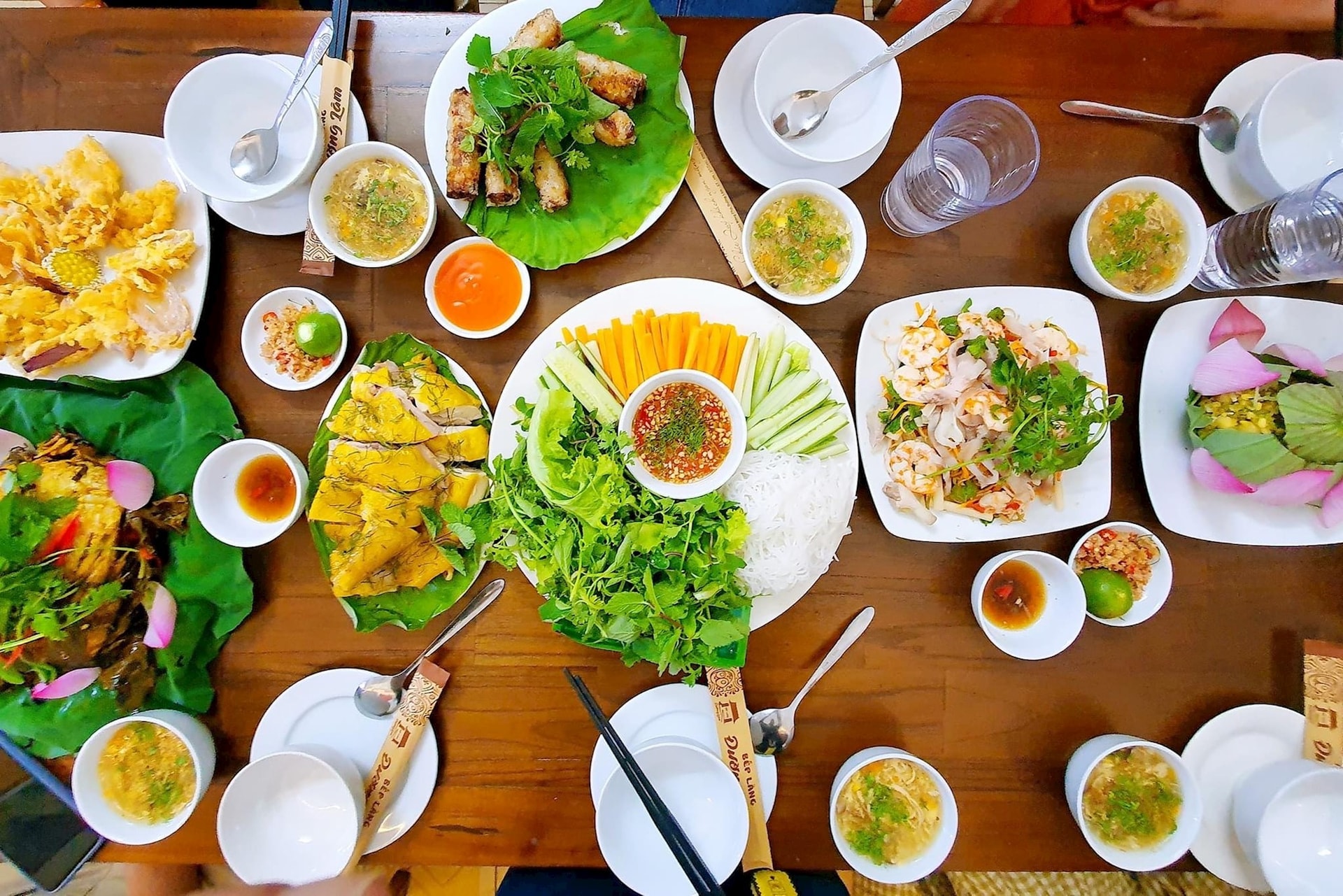
‘’Cơm tấm’’ is the perfect way to kick off your day, with its delicious combination of honey-glazed barbecued pork chops, sunny-side-up eggs, spring onions, and pickled papaya all served over a bed of rice. While traditionally a breakfast dish, you can now enjoy cơm tấm at any meal. Everyone in Ho Chi Minh City has their go-to spot, but don’t hesitate to try the one nearest to you—it’s likely just as tasty. Drizzle some sweet fish sauce over everything, and dig in!

Snails, Seafood, and Skewers.

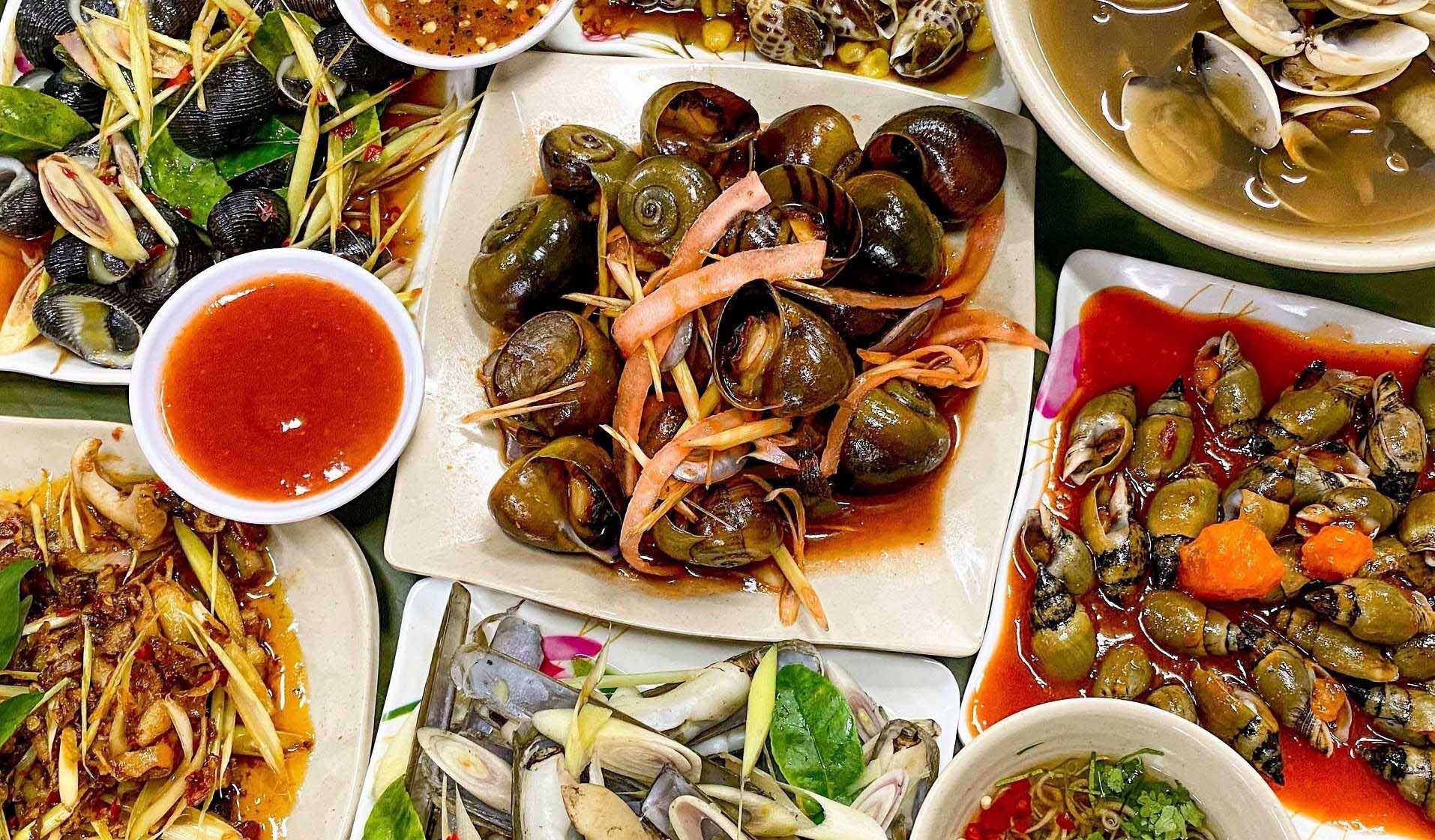
District 4 is famous for its vibrant sidewalk BBQ seafood and snail spots. The narrow street of Vĩnh Khánh comes alive as night falls. By around 6 pm, it transforms into a bustling hub, with locals and visitors alike gathering to enjoy a cold beer paired with snails and seafood skewers, every day of the week. For food enthusiasts seeking to soak in the lively energy of Ho Chi Minh City, the eateries along the Nhiêu Lộc – Thị Nghè Canal (bờ kè area), a branch of the Saigon River that winds through the city, are a must-visit.

Try it: Lô C – chung cư Nguyễn Thiện Thuật, Phường 1, Quận 3, Hồ Chí Minh, Việt Nam

Snails might seem unusual to some, but they’re actually one of the city’s signature dishes. At snail restaurants, you’ll find fresh catches of the day displayed in baskets or trays, offering up to twenty different varieties to choose from. Whether stir-fried with butter and garlic, grilled with sea salt and chili, or stewed in coconut milk, each preparation complements its specific type of snail. Local favorites include sweet snails, cockles, and razor clams. Feeling uncertain about which to pick? Just ask the other diners what they’re having, and they’ll gladly offer recommendations.

The diverse varieties of Hu Tieu.

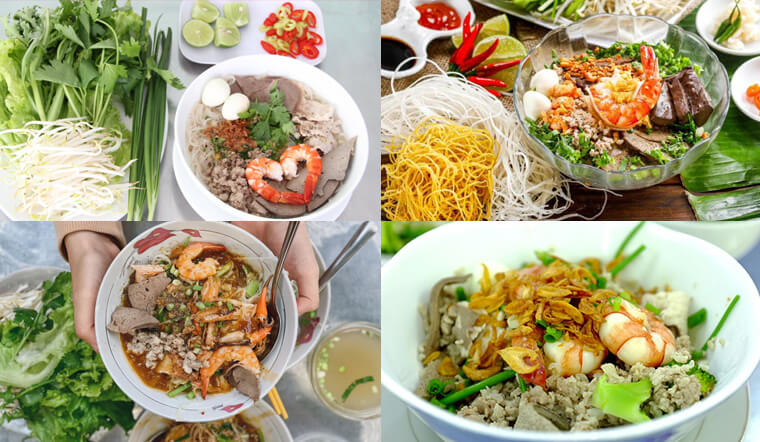
The city’s vibrant cultural diversity has given rise to countless variations of many dishes, and ‘’hủ tiếu’’ stands out as one of the most iconic. With roots in Chinese, Cambodian, and Vietnamese cuisines, this dish has evolved and adapted over time, yet it remains beloved by Vietnamese people everywhere. A popular version, ‘’hủ tiếu’’ Nam Vang (Phnom Penh rice noodles), is commonly found on small carts around the city. This satisfying bowl features delicate rice noodles soaked in a rich, boiling bone broth, topped with shrimp, pork, quail eggs, and a sprinkle of fried garlic.

Try it:Hu tieu Ba Hoang, 56 Vo Van Tan Str., District 3, HCMC

One must-try dish you shouldn’t miss is ‘’hủ tiếu’’ Sa Đec, which hails from the former Sa Đec province in the Mekong Delta. This flavorful noodle dish is topped with a distinctive sweet sauce, characteristic of the Delta region. As you sink your teeth into the rice noodles, you’ll experience their unique chewy texture. A side of mung bean sprouts and fresh lettuce brings a refreshing crunch to each bite.

Banh Mi

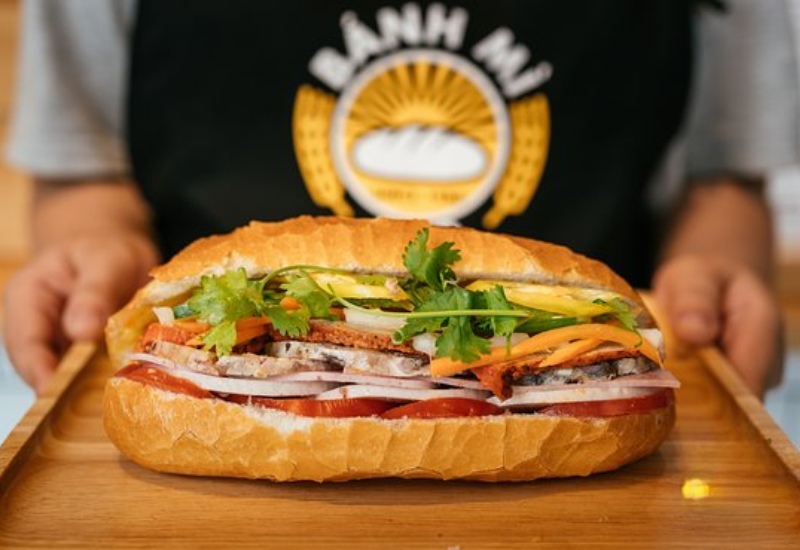
‘’Bánh mì’’ is available throughout Vietnam, with each region adding its own unique twist to the classic sandwich. In Ho Chi Minh City, the traditional bánh mì features char siu pork, homemade pâté, creamy butter, pickled papaya, and spicy chili peppers. Some vendors even craft their own special sauce, perfectly bringing all the flavors together.ì huỳnh ha

‘’Bánh mì Huỳnh Hoa’’ is a firm favourite among locals. Known for their generous fillings and spectacular flavours, the small shop always has a line of dedicated diners waiting in front, no matter what time of day. Each one sets you back 42,000 VNĐ, and is almost twice as big as your average ‘’bánh mì’’. But size is not the only thing that sets Huỳnh Hoa apart. Every wonderful bite contains equal measures of all the fantastic tastes and textures. In the words of the Huỳnh Hoa’s owner: “This is no ordinary bánh mì!” 

Goi Cuon (Spring rolls)

For those of us who grew up in Ho Chi Minh City, ‘’gỏi cuốn’’ (fresh spring rolls) are a nostalgic childhood favorite. Many of us enjoyed these spring rolls as a quick snack after school, often from street vendors lining the sidewalks. A plate of ‘’gỏi cuốn’’ is easy to find at any local food stall—just grab a plastic stool, place your order, and discover for yourself why this simple dish holds such a special place in our hearts.

Try it: Goi cuon Minh, 84/33 Bui Vien Str., District 1, HCMC

Freshness is the essence of ‘’gỏi cuốn’’. Crisp lettuce and aromatic herbs are carefully wrapped with rice noodles, tender steamed pork, and a plump prawn. The simplicity of the dish allows each ingredient to shine in its purest form. The key distinction between an outstanding gỏi cuốn and a mediocre one, however, is its dipping sauce. The rich, fermented sauce may take some getting used to, but once you try it, you’ll understand the bold kick it adds to the dish. After hours of exploring the city, there’s nothing better than enjoying some gỏi cuốn and a refreshing iced tea as a well-deserved break. Plus, these vibrant rolls are sure to add some flair to your Instagram feed.

???????????? Come and enjoy the delicious food of Ho Chi Minh City in Vietnam on your next trip, and create unforgettable memories of Vietnam by securing your Vietnam visa at https://vietnamairportservice.com/ .As a trusted and reliable visa service, we are here to help turn your dream vacation into reality from the very first step.

Posted on

A Significant Weekend in Ha Noi

Let’s discover the beauty of Vietnam’s capital in less than 48 hours. From culinary highlights to architectural gems, historic sites to rooftop bars or from quiet streets to crowded noisy places, this two-day Hanoi itinerary will give you a well-rounded taste of Hanoi.

>>> Apply Visa to Vietnam <<<

>>> Order Fast Track Service <<<

  1. Saturday morning – explore Old Quarter

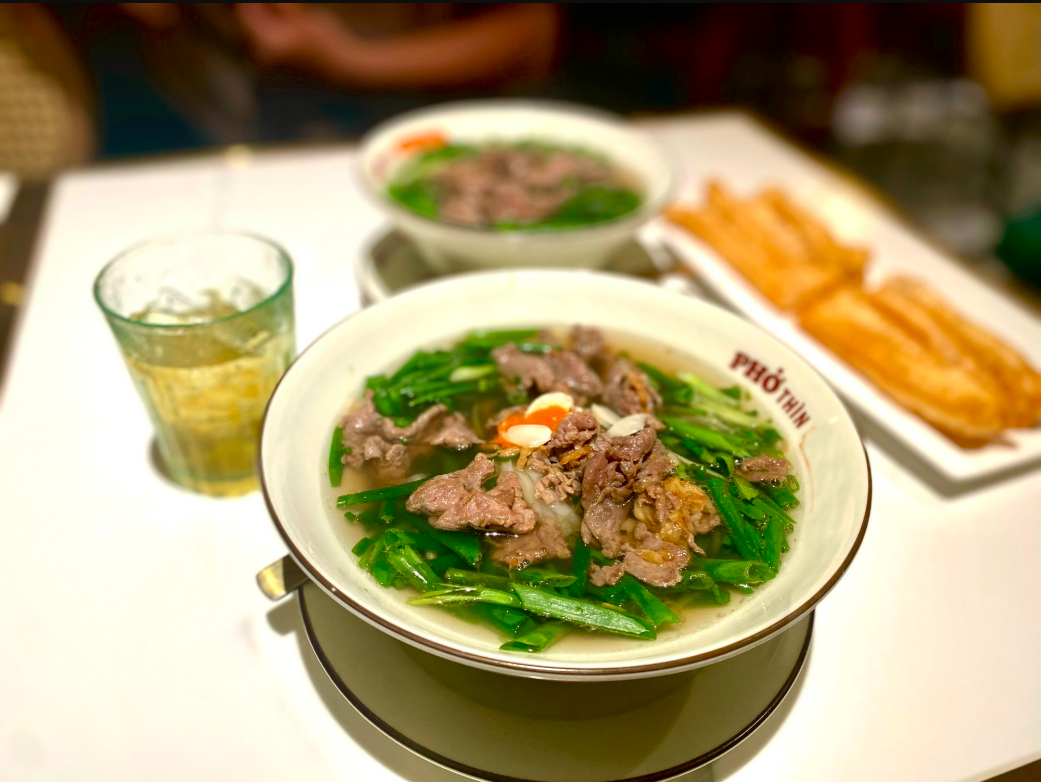
When in Hanoi, do as the Hanoians do: greet the day with a steaming bowl of “pho”. For more than 40 years, “Pho Thin” owner Nguyen Trong Thin has been serving up bowls of “pho” with a special flair that has made his version of “pho” one of the most popular in Hanoi.

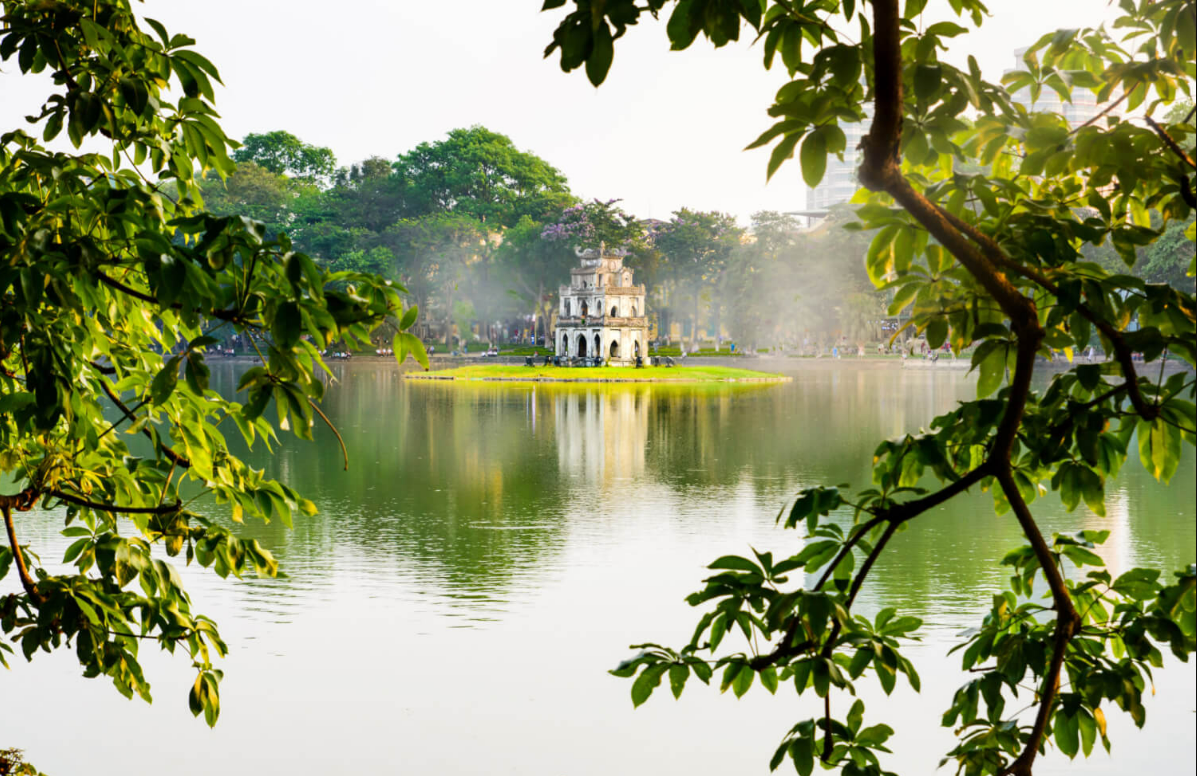
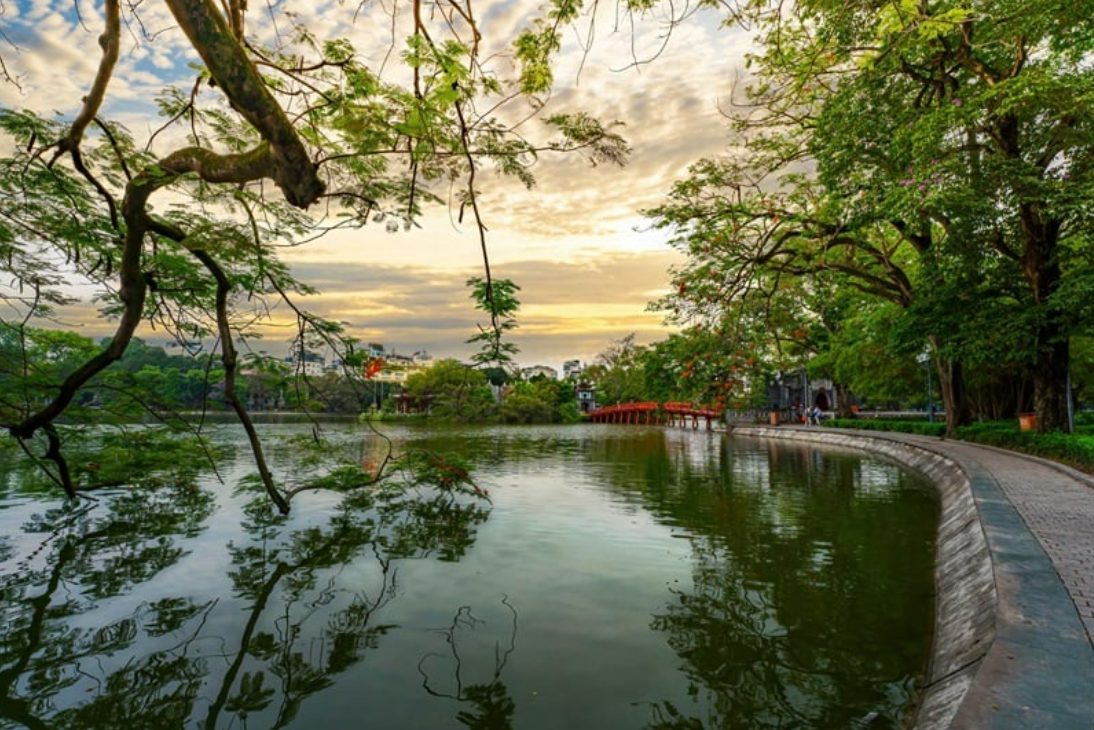
Next, take a stroll around Hoan Kiem Lake. A 15th-century legend says a giant turtle in the lake recovered the magical sword Emperor Ly Thai To used to defeat the Chinese. On the northern side, the picturesque Ngoc Son Temple sits on a small island.

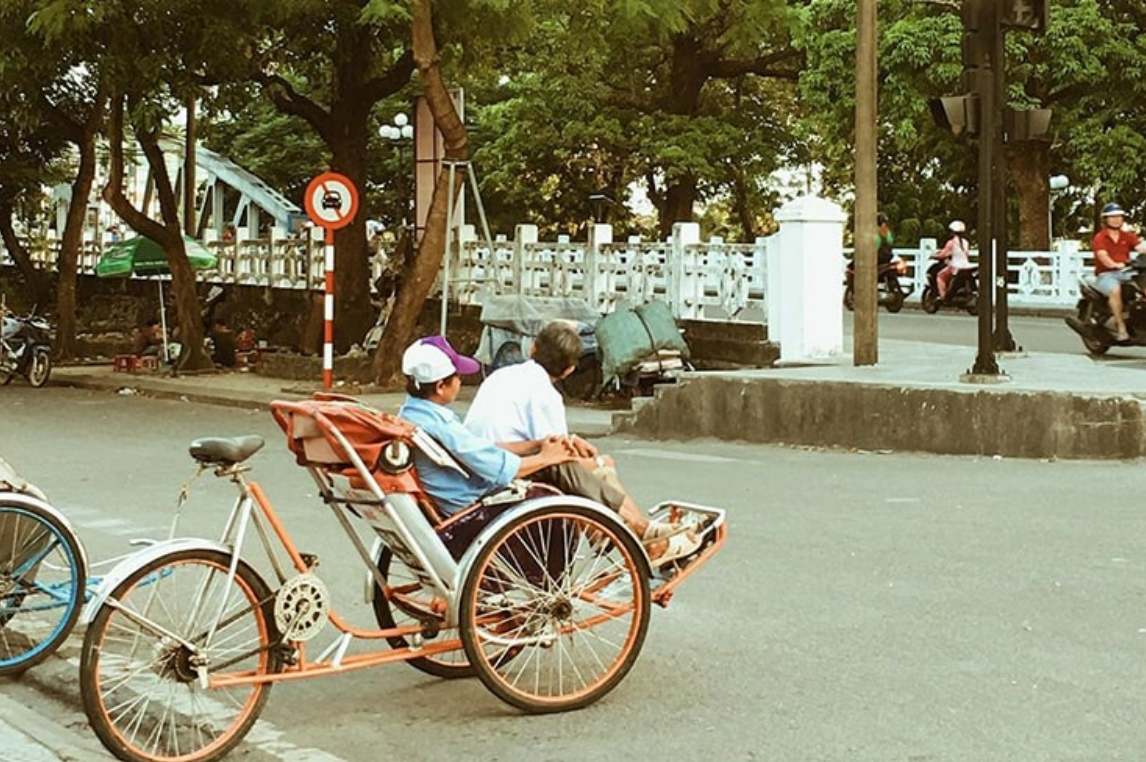
Give your feet a break and see the Old Quarter by way of cyclo, a type of pedal-powered rickshaw. If you’re keen to do a little shopping, you’ll find several enticing boutiques tucked away on Silk Street (Hàng Gai).

  1. Saturday afternoon – discover fascinating and mystery history.

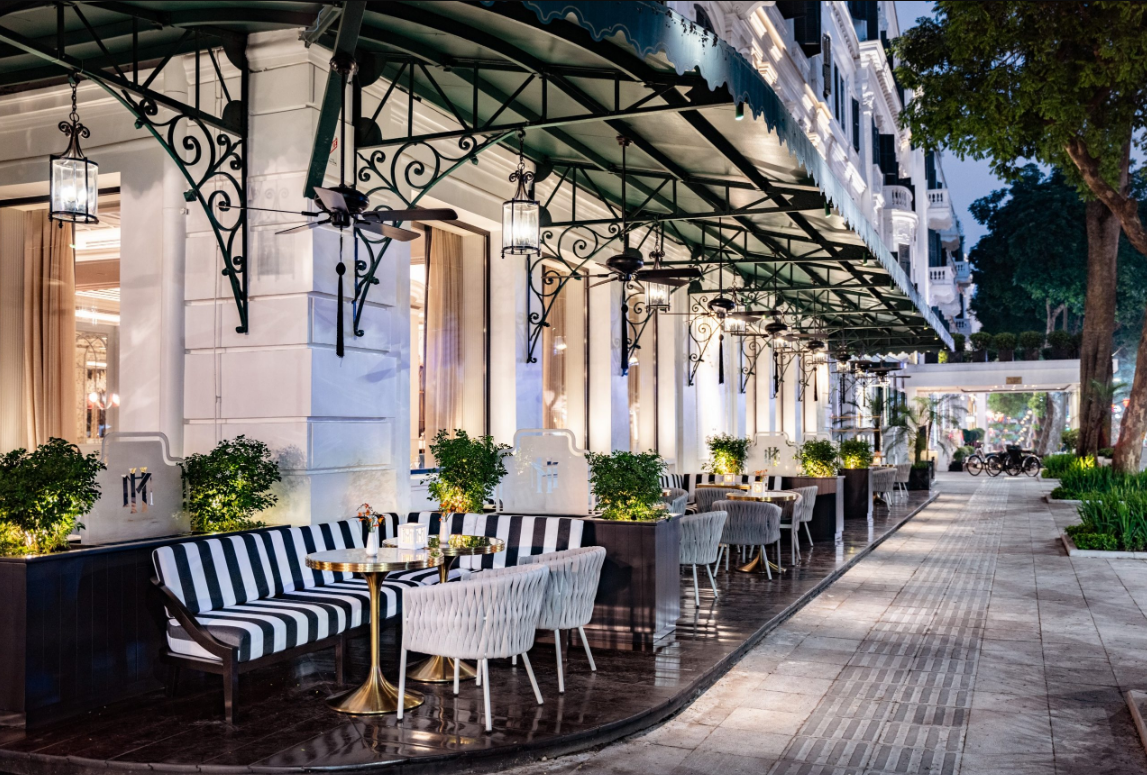
Time to eat! Make your way to the Sofitel Legend Metropole for a tantalizing Vietnamese buffet lunch at Spices Garden. Priced at 780,000 VND, it’s well worth the chance to sample a wide variety of fantastic Vietnamese dishes. Afterwards, check out the hotel’s beautiful interiors.

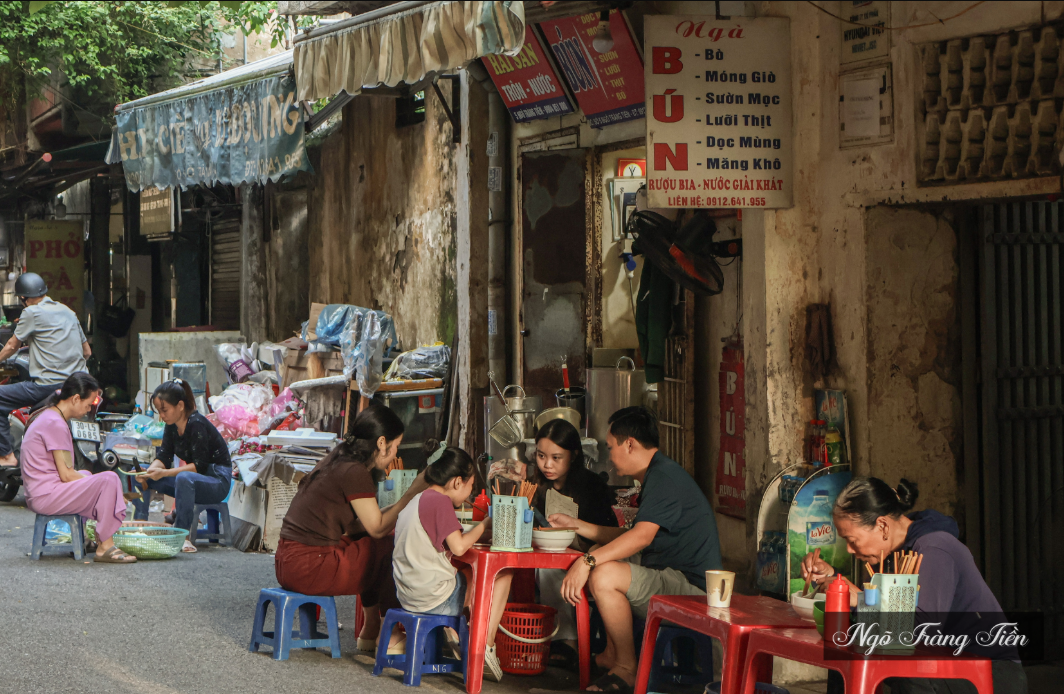
Tips for you: For a less pricey lunch option, take your pick from the street stalls on Ngõ Tràng Tiền, where tasty noodles, fried rice and real Hanoian Bún Đậu go for two dollars a plate.

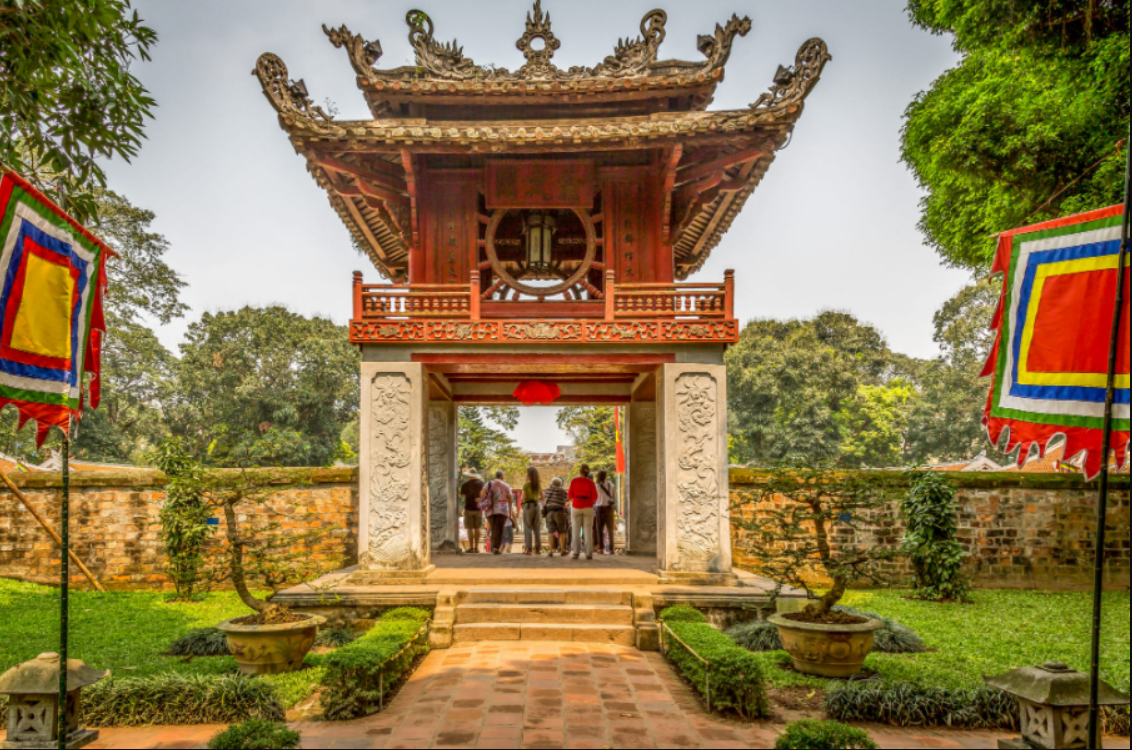
After lunch and maybe a street-side coffee, set off to your next stop, the Temple of Literature. Built in honour of Confucius and established in 1076, this is also the site of Vietnam’s oldest university. Admire the traditional-style architecture, the ponds, and ancient stone stelae.

  1. Saturday evening – like a Hanoian

If you fancy street food, take a quick stroll to Lý Văn Phức for barbecue chicken with a side of grilled honey bread and spicy chilli sauce. Or grab a cab to Ngũ Xã street on Truc Bach Lake to try the capital’s famous “Pho Cuon” and other local favourites.

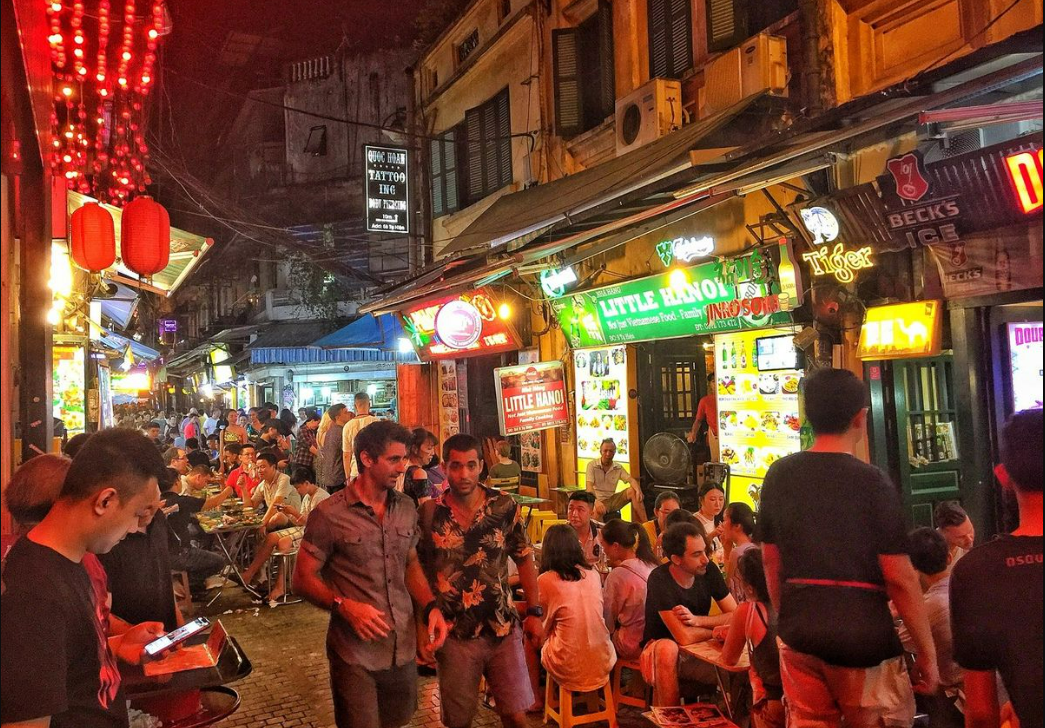
As night descends, head back to the intersection of Tạ Hiện and Lương Ngọc Quyến. This is “Bia Hoi Corner,” where pubs spill out onto the street in true Vietnamese fashion. Park yourself on a little stool and order a glass of freshly brewed beer (15,000 VND) straight from the barrels.

  1. Sunday morning – Integrate into Hanoian traditions

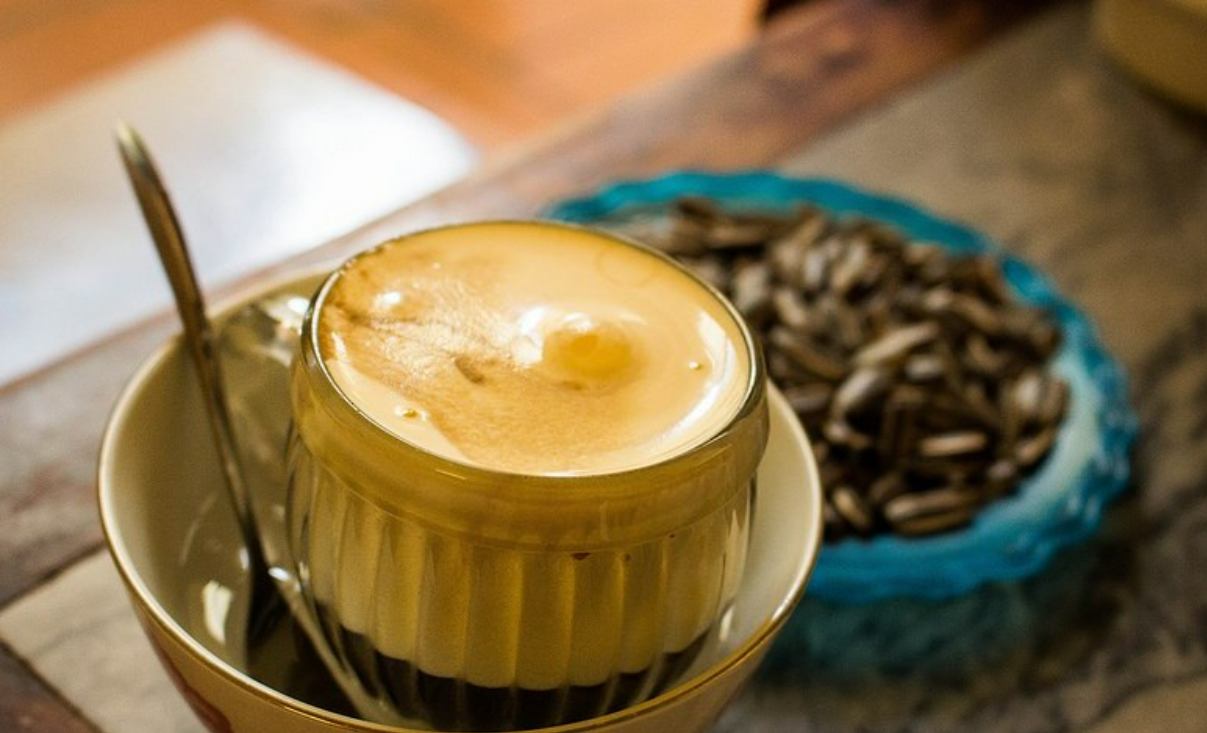
Kickstart day two with a brew unique to Hanoi, egg coffee or cà phê trứng. The founder father of Giảng Cafe is none other than the creator of the recipe himself. Giang’s substitution of fresh milk for whisked eggs during French War food shortages birthed this famous hybrid.

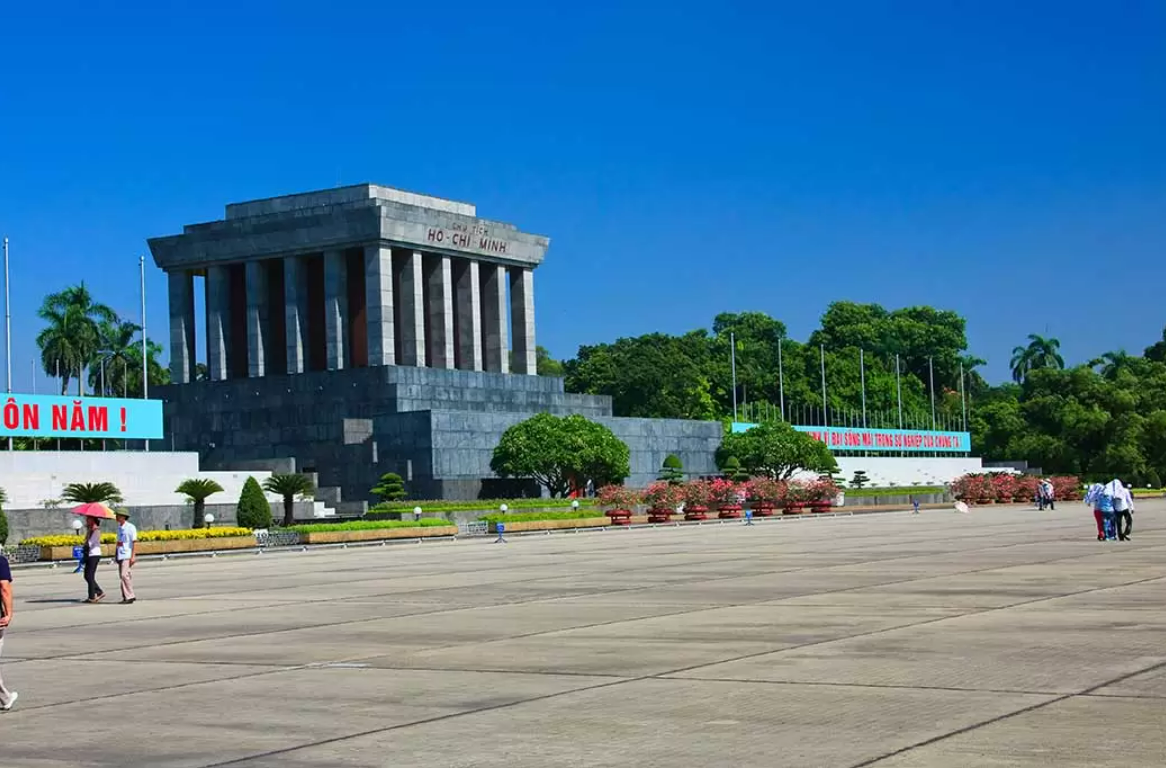
Quickly make your way to the Ho Chi Minh Mausoleum, an imposing marble stronghold situated in the centre of the grandiose Ba Dinh Square. If you want a chance to see the embalmed body of Ho Chi Minh, dress modestly and come early: the last entry is at 10:15 a.m.

Noted: The mausoleum shuts down annually between September 4 to November 4, when the body is sent to Russia for upkeep.

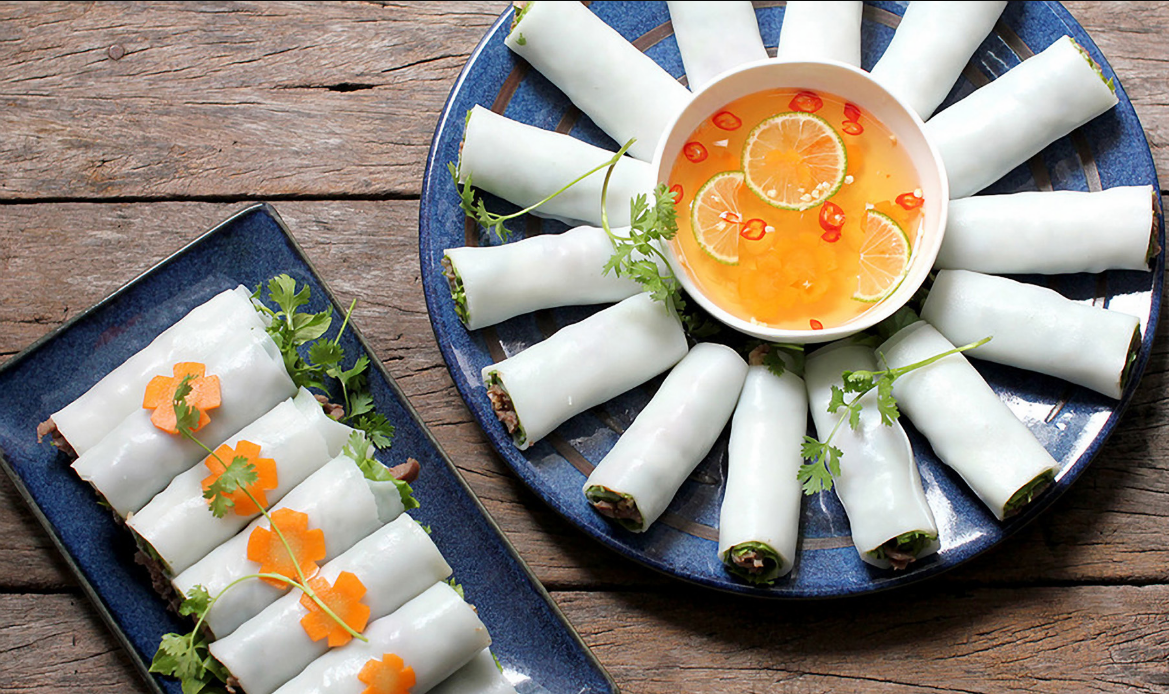
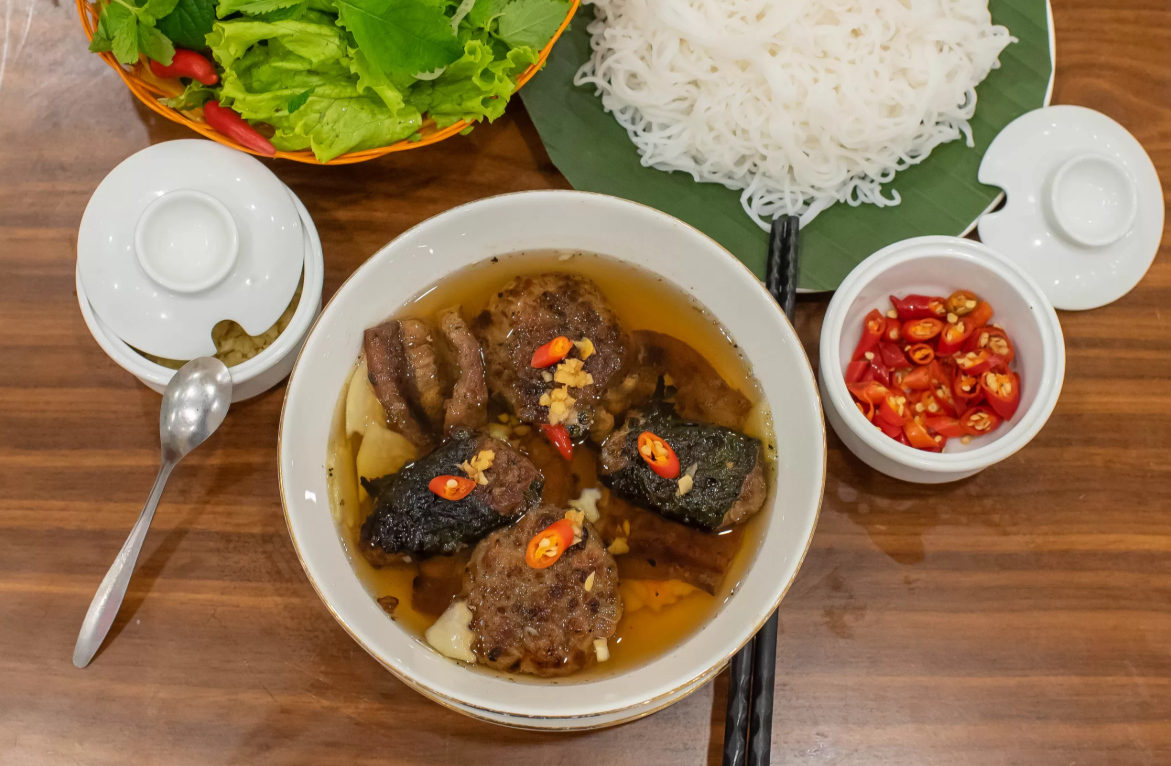
Bún chả became an overnight sensation after Anthony Bourdain and President Barack Obama lunched at Bún chả Hương Liên on the show ‘No Reservations’. Dip the cold rice vermicelli and the fresh herbs in the bowl of sauce, pork belly and grilled pork patties, and enjoy.

  1. Sunday afternoon – Vietnamese culture is shrunken in a snapshot.

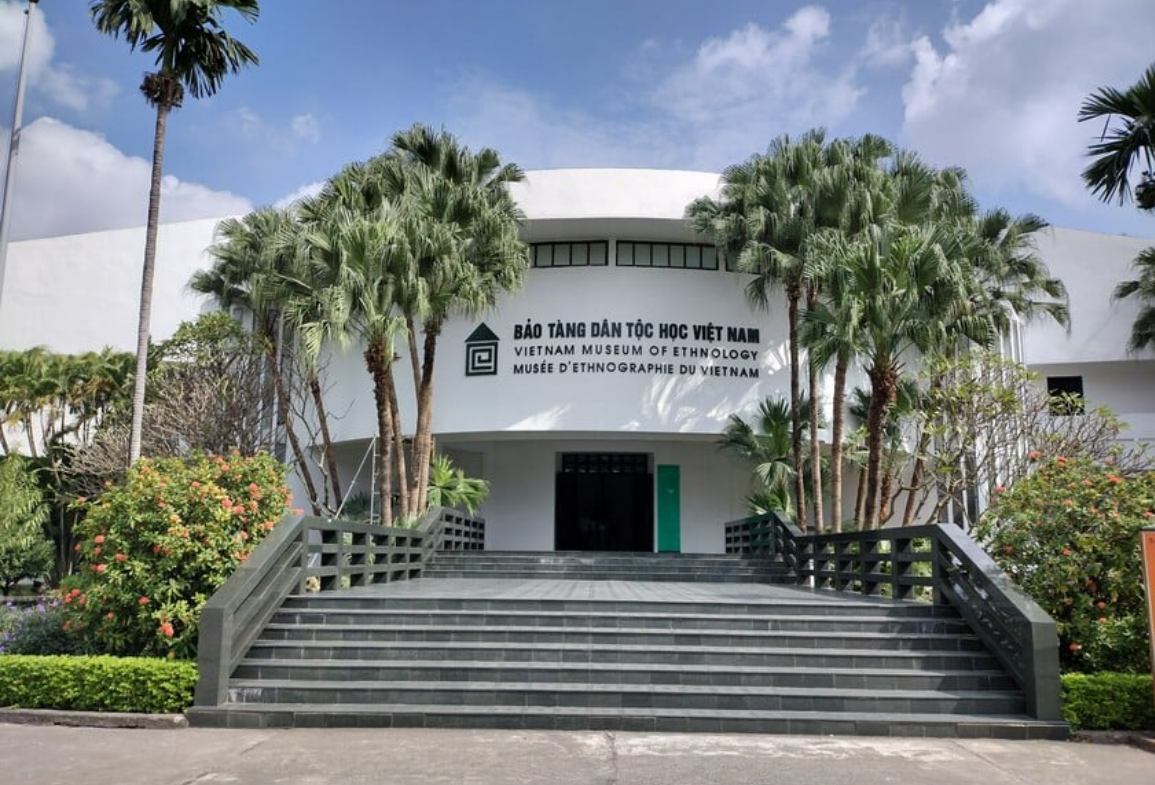
A 20-minute taxi drive from the centre, the Museum of Ethnology is dedicated to the traditions of Vietnam’s 54 ethnic groups. A first-class experience, the 40,000 VND ticket covers all areas of this three-part complex, including a garden with full-scale replicas of ethnic homes.

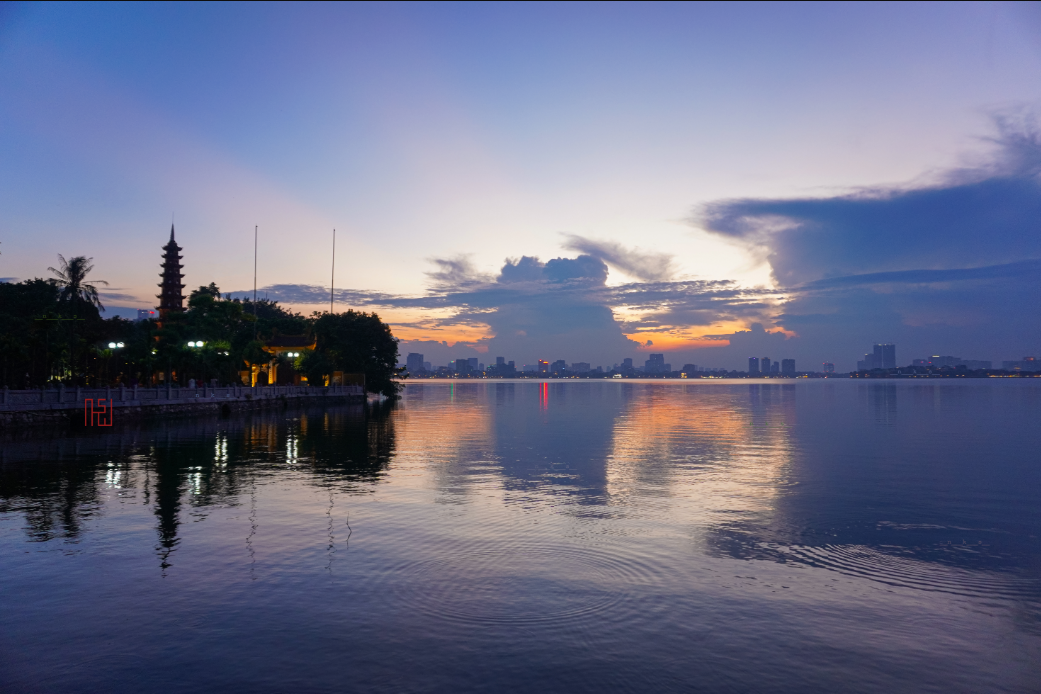
On your way back to town, stop by West Lake. The 17-km shoreline is lined with hip cafes, ancient pagodas and picturesque gardens, perfect for cyclists. The Hanoi Bicycle Collective is your one-stop for bike rentals (60,000 VND for up to six hours.)

  1. Sunday evening – Ha Noi in a new perspective

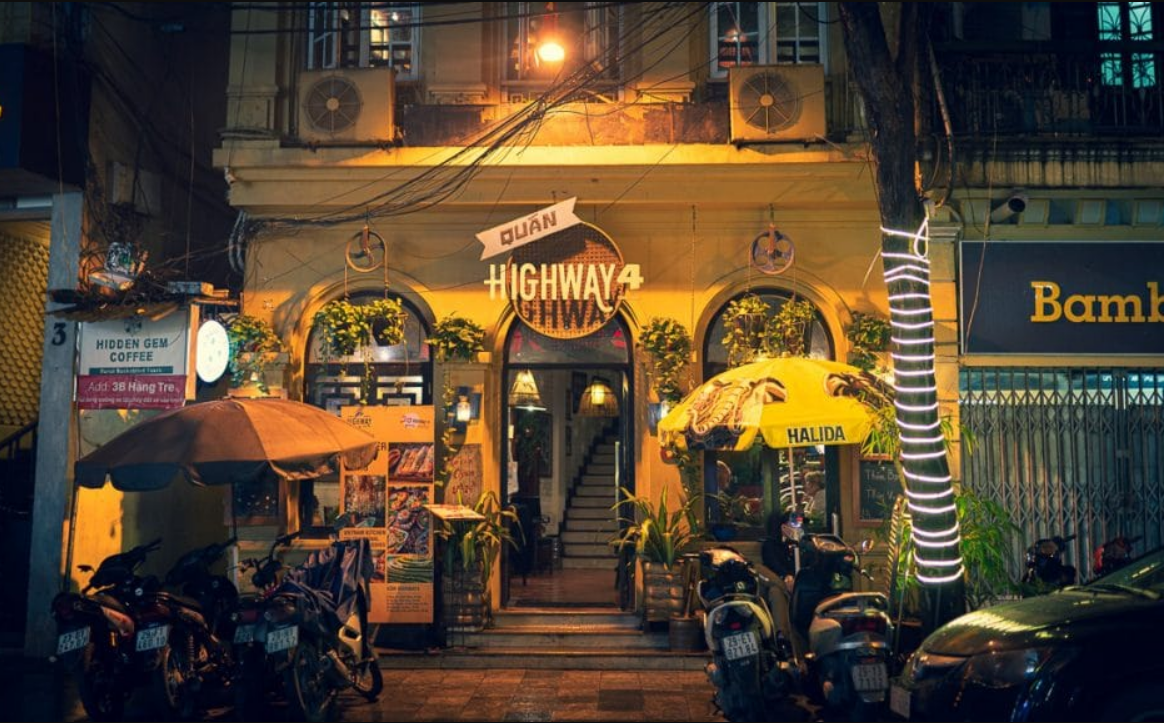
Conclude your Hanoian adventure at Highway 4. With four locations, quirky decor and an even quirkier menu, you won’t be disappointed. Indulge in the local tipple, a Vietnamese spirit called rượu, made from sticky rice and flavoured with local fruits.

Make your last view of Hanoi one from the top. A number of fantastic rooftop bars are sprinkled around the city, but for classy cocktails and a mesmerizing view, look no further than the well-placed seat at The Summit, on the top of Pan Pacific Hotel. Have a perfect weekend in Hanoi!!!

 Apply For Vietnam Visaapply Vietnam visaApply visa vietnamBook E-visa Vietnambook visa vietnamCheap Vietnam VisaE-visa Vietnamevisa VietnamEvisa Vietnam onlineexpedited e-visaexpedited E-visa to Vietnamexpedited Vietnam E-visaGet a Vietnam visaGet Vietnam Visaget vietnam visa onlineget visa to vietnamget visa Vietnammultiple entry visamy vietnam visaOrder Vietnam E-Visaquick vietnam evisarush vietnam visaUrgent Vietnam VisaVietnamVietnam E-visaVietnam EvisaVietnam touristVietnam travelVietnam vacationVietnam VisaVietnam visa costVietnam Visa ExemptionVietnam Visa for India citizensVietnam Visa For IndiansVietnam Visa for South Africa citizensVietnam Visa In IndiaVietnam visa in South AfricaVIetnam VIsa on arrivalVietnam VIsa onlineVietnam visa provisa for vietnam Visa On Arrivalvisa onlineVisa to VietnamVisa Vietnam
Posted on

Top things need to do in Cat Ba Island.

Cat Ba Island, located 145 km east of Hanoi, is the main island in Northern Vietnam and the second-largest island in the country, after Phu Quoc. Cat Ba Island – This beautiful destination has it all, from stunning landscapes and beaches to exciting outdoor activities. Discover the best experiences Cat Ba below.

>>> Apply Visa to Vietnam <<<

>>> Order Fast Track Service <<<

  1. Hiking Cat Ba National Park

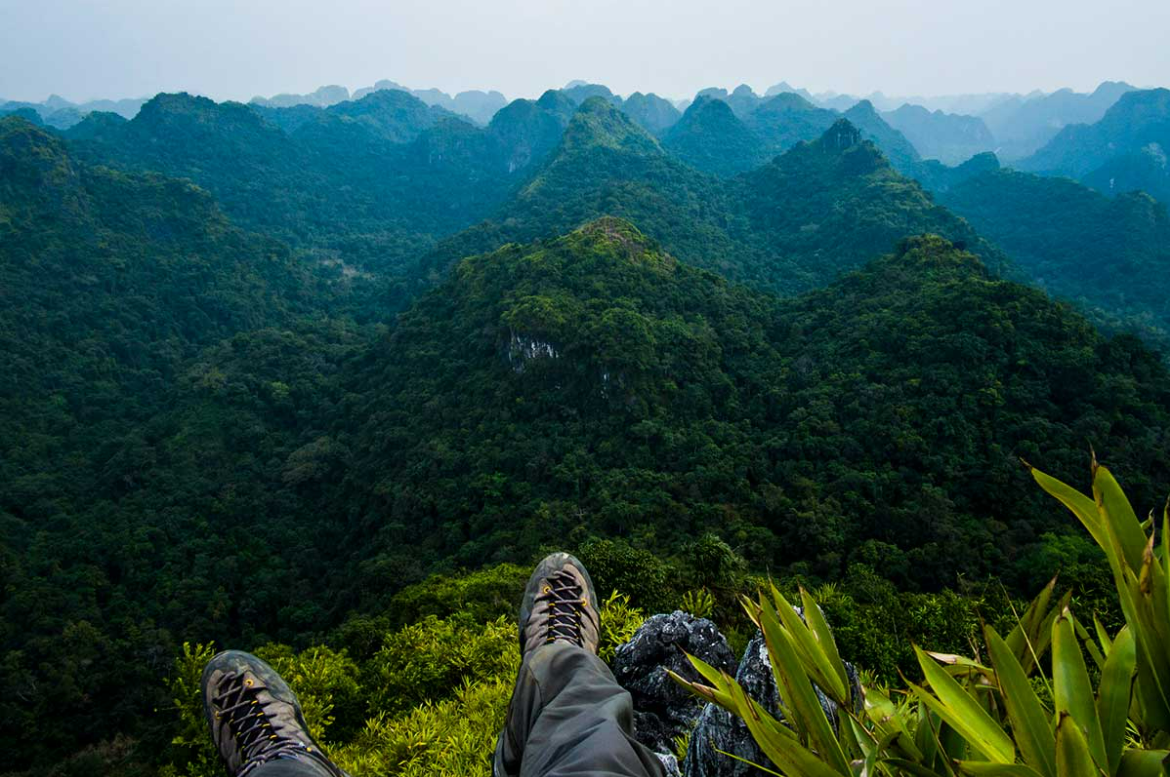
Hiking in Cat Ba National Park is a favored activity among the top things to do in Cat Ba for adventurous souls. The trails here wind through diverse ecosystems teeming with wildlife. Whether you prefer exploring caves or ascending peaks, Cat Ba National Park offers a rich tapestry of natural wonders for visitors to behold.

  1. Lan Ha Bay

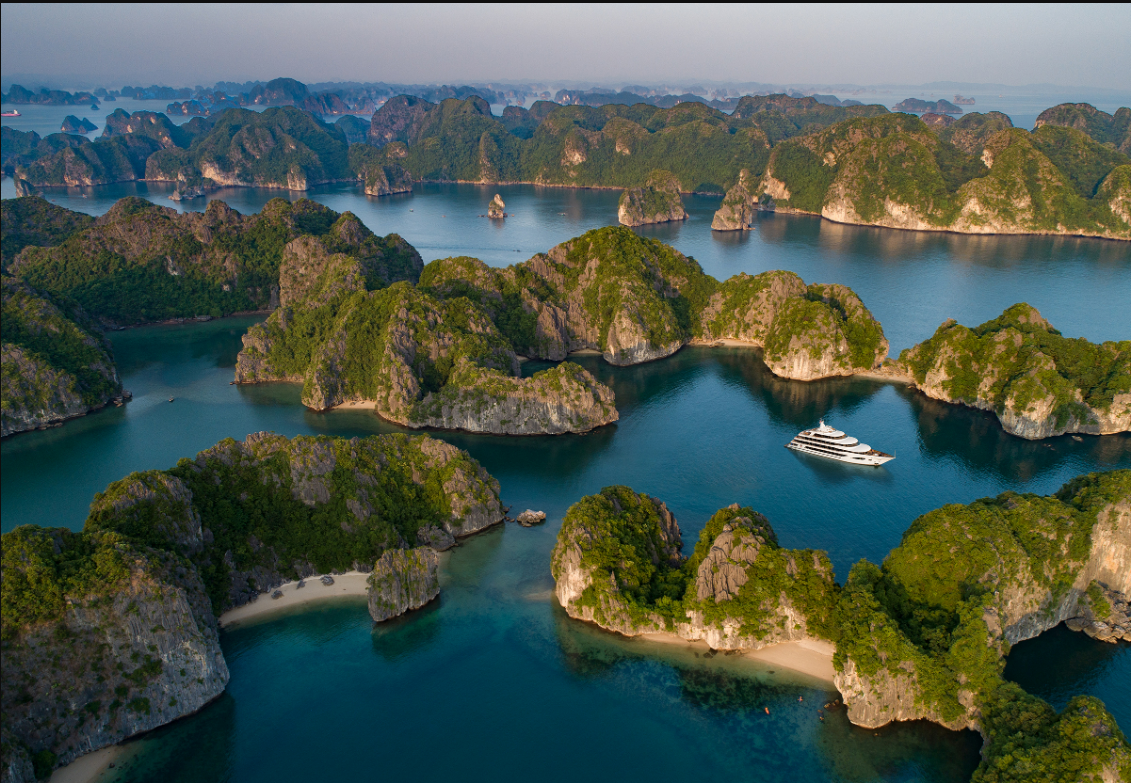
Once belonging to Ha Long Bay, Lan Ha Bay was named an independent Archipelago in an effort to maintain the natural biodiversity.

It is quite a surreal experience to cruise amongst the ageless cliffs and let your eyes explore the picturesque horizon.

Traveling as a group, including children and seniors, is best done by booking a bay tour, which typically includes swimming. However, this option is significantly more expensive, costing around 1.1-1.3 million VND.

  1. Soak in Viet Hai village

The largest floating village in Vietnam (Cai Beo) can be accessed via the Cai Beo port.

The floating houseboats and inviting smiles of local villagers will be an everlasting memento.

The local might invite you to visit their houses or mingle with you to experience the unique way of life here.

You should visit the mountain village of Viet Hai and do your very own walking tour around.

Here you will learn about the local lifestyle and the surroundings, bringing more meaning and appreciation to what you experience in Cat Ba.

There are three ways to enter the village: Doing a kayak, using a boat, or trekking throughout the Cat Ba National Park.

  1. Go swimming

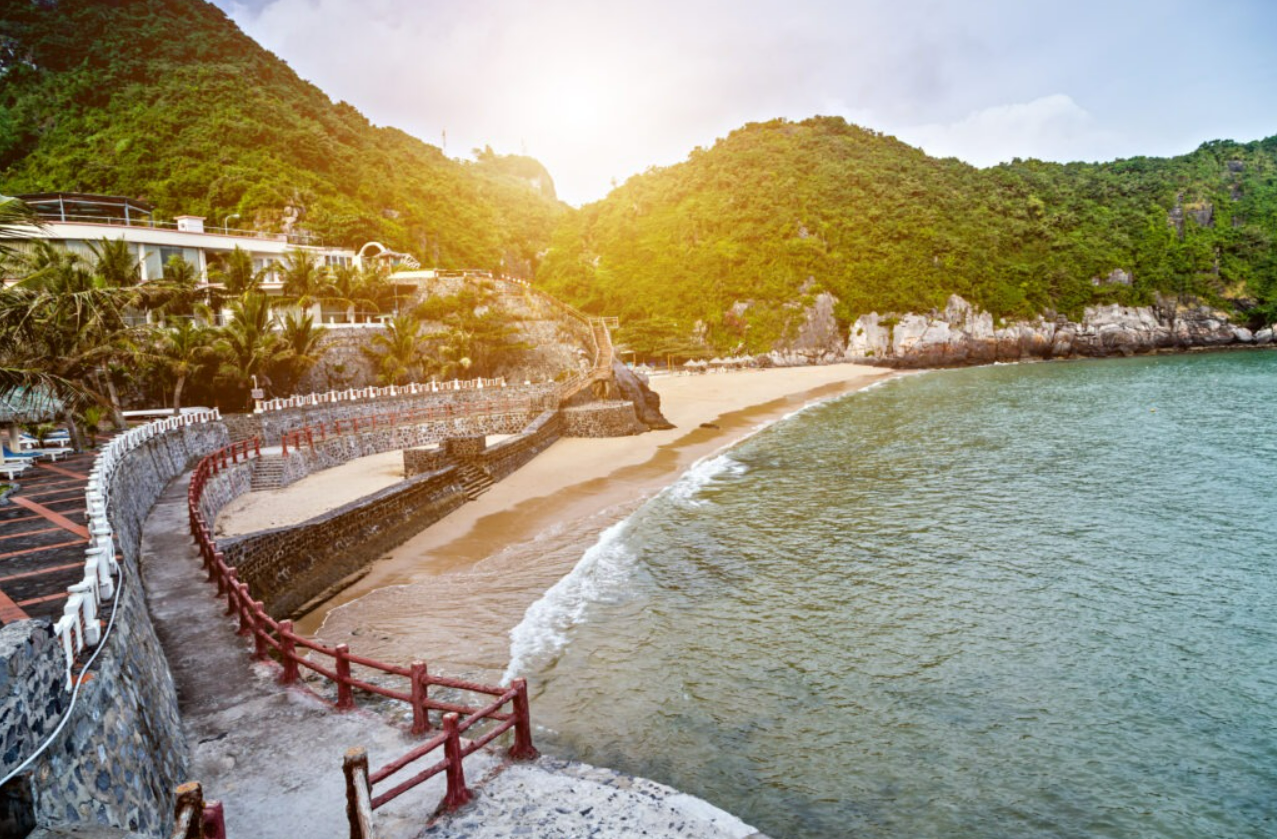
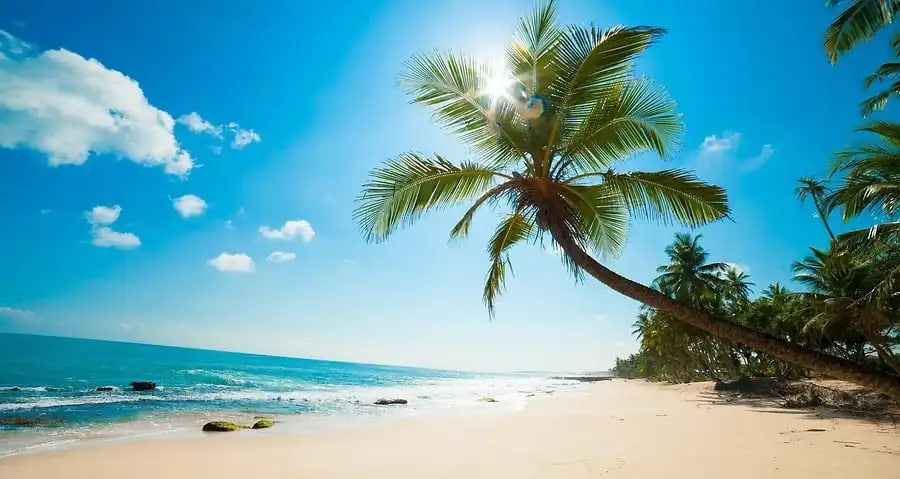
On a scorching summer day, one of the most exciting things to do in Cat Ba is diving into the clear, blue waters of Cat Ba Beach. While the popular Cat Co beaches can get crowded, there are secret spots for a more peaceful swim. Tourists can hire boats to move to Monkey Island or Tung Thu Beach to enjoy the peaceful atmosphere and gentle waves. For the adventurous, the wild beaches at Lan Ha Bay offer a chance to connect with nature. Whether it is tranquility or excitement you seek, being immersed in the sea here will definitely be one of the most unforgettable experiences in your Cat Ba trip.

  1. Observe langurs’ life in Monkey Island, Cat Ba

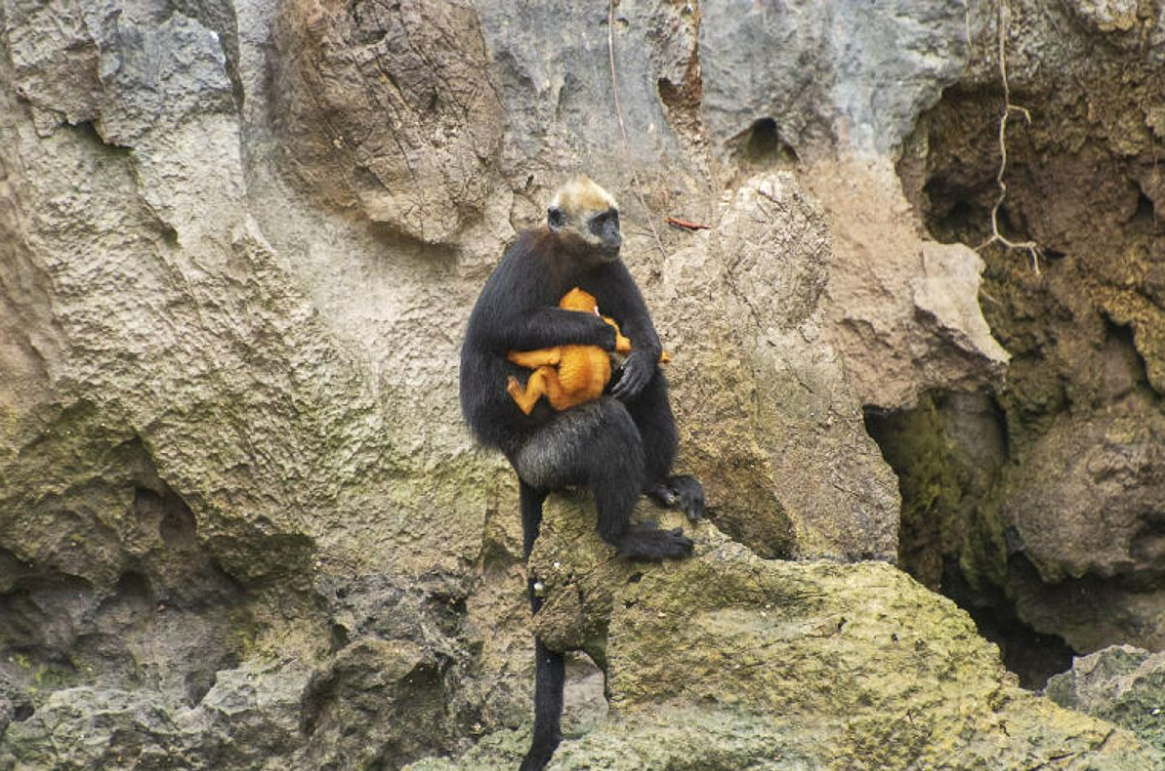
Monkey Island, once known as Cat Dua Cat Ba Island for its wild pineapples, offers a chance to observe langurs in their natural habitat. With unspoiled beauty and over 20 friendly monkeys, it is rightly called Monkey Island. Here, you can play, feed, and watch these intelligent creatures perform tricks. It is a unique and enchanting experience that brings you close to nature and the island’s inhabitants.

  1. Try night squid fishing 

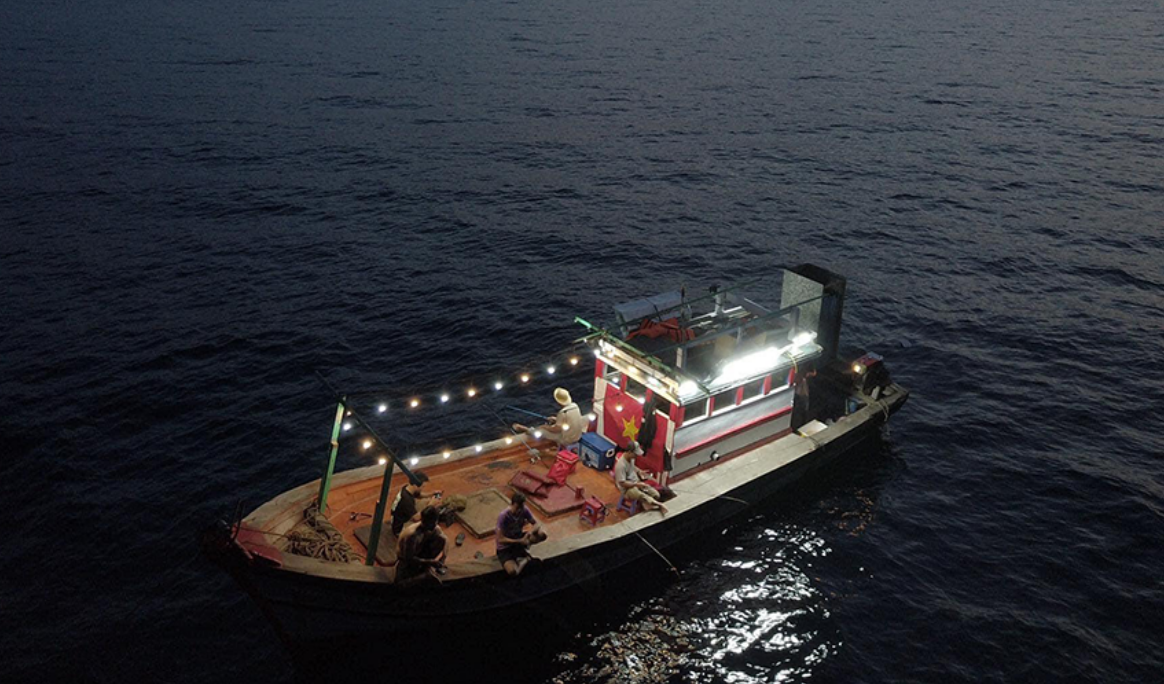
Trying squid fishing at night in Cat Ba adds an interesting twist to your entertainment options, though it can be a bit pricey at around 500,000 VND for a short trip. To give it a shot, you can ask your hotel to set it up or approach the local rafters and boat folks at the town’s main wharf. As the sun sets, the waters come alive, offering a unique chance to enjoy the serene beauty of the nighttime sea and perhaps even catch some squid.

  1. Experience Cat Ba rock climbing

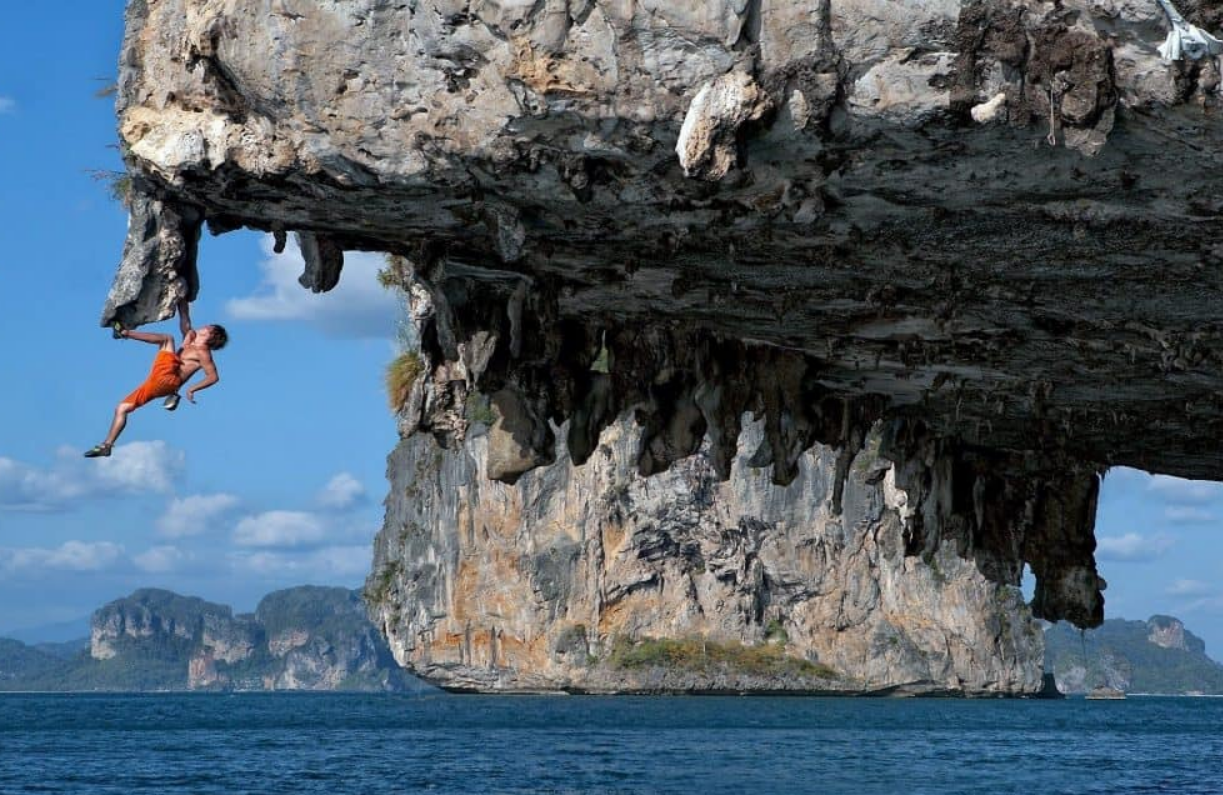
Cat Ba Island offers tourists some great spots to experience Cat Ba rock climbing. Among the favorites are Dau Be Island and Ben Beo Mountain Cliff, conveniently located near the town center. For a unique experience with stunning sea views, it is suggested that you check out the cliffs at Ba Trai Dao Island, a bit further down. You can rent climbing gear here, but if you are new, it is smart to have a certified guide. They will make sure that you are safe and have a good time.

  1. Watch the sunset at Cannon Fort

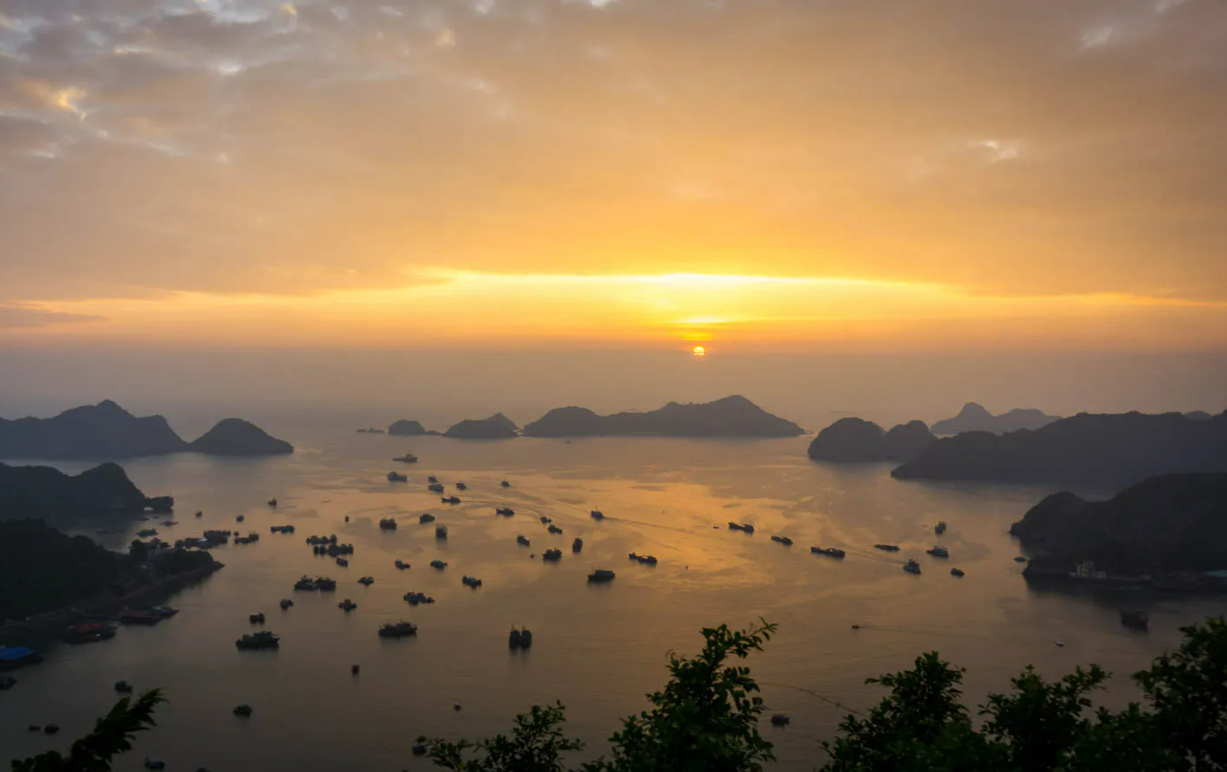
One of the most popular things to do in Cat Ba is watching the sunset from Cannon Fort. Situated on a strategic hill, it offers a stunning 360-degree panorama, especially during sunrise and sunset. The hill’s historical importance adds depth to the experience. You can reach the fort by motorbike, car, or a short walk. The fort is open from 7 a.m. to 6 p.m. on weekdays, with an entry fee of 40,000 VND per person.

  1. Explore mystic caves in Cat Ba Island

Another activity that attracts numerous tourists is discovering the mysteries of Cat Ba Island’s enchanting caves. Two remarkable ones, Hospital Cave and Trung Trang Cave, have stories to tell. Quan Y Cave was a wartime field hospital built from 1963 to 1965. Inside, you will find a surprising layout with 17 rooms across three floors, including treatment and rehab areas and even a movie room. The bomb-proof door design is a relic from those times.

Trung Trang Cave, in the same direction, stretches about 300 meters through the mountain. You will be in awe stepping into a world of sparkling formations made by dripping water over 6 million years. Plus, there are fascinating stalactites and stalagmites of all shapes. The cave also holds ancient Vietnamese remnants that add to its allure.

  1. Enjoy a feast of fresh seafood

When on Cat Ba Island, tourists should not miss out on the seafood feast. There are a bunch of yummy options like geoduck clams, lobster, snapper, and more. You can get them grilled, stir-fried, or steamed at the restaurants, or you can savor these tasty dishes at Cat Ba Market. For a special experience, you can try dining on rafts by the sea. Imagine enjoying seafood while feeling the sea breeze – it is not just a meal, it is a whole island vibe on your plate.

 Apply For Vietnam Visaapply Vietnam visaApply visa vietnamBook E-visa Vietnambook visa vietnamCheap Vietnam VisaE-visa Vietnamevisa VietnamEvisa Vietnam onlineexpedited e-visaexpedited E-visa to Vietnamexpedited Vietnam E-visaGet a Vietnam visaGet Vietnam Visaget vietnam visa onlineget visa to vietnamget visa Vietnammultiple entry visamy vietnam visaOrder Vietnam E-Visaquick vietnam evisarush vietnam visaUrgent Vietnam VisaVietnamVietnam E-visaVietnam EvisaVietnam touristVietnam travelVietnam vacationVietnam VisaVietnam visa costVietnam Visa ExemptionVietnam Visa for India citizensVietnam Visa For IndiansVietnam Visa for South Africa citizensVietnam Visa In IndiaVietnam visa in South AfricaVIetnam VIsa on arrivalVietnam VIsa onlineVietnam visa provisa for vietnam Visa On Arrivalvisa onlineVisa to VietnamVisa Vietnam
Posted on

Top things to do in Dien Bien Phu

Dien Bien Phu is a city in northwestern Vietnam, best known for the decisive Battle of Dien Bien Phu in 1954, which marked the end of French colonial rule in Indochina and led to the Geneva Accords, dividing Vietnam into North and South. Dien Bien Phu is renowned for its historical significance and natural beauty.

>>> Apply Visa to Vietnam <<<

>>> Order Fast Track Service <<<

Today, the city is a growing regional hub with improved infrastructure, tourism, and a deeper emphasis on preserving its wartime history.

Here are some top attractions to consider during your visit:

  1. Dien Bien Phu Victory Museum

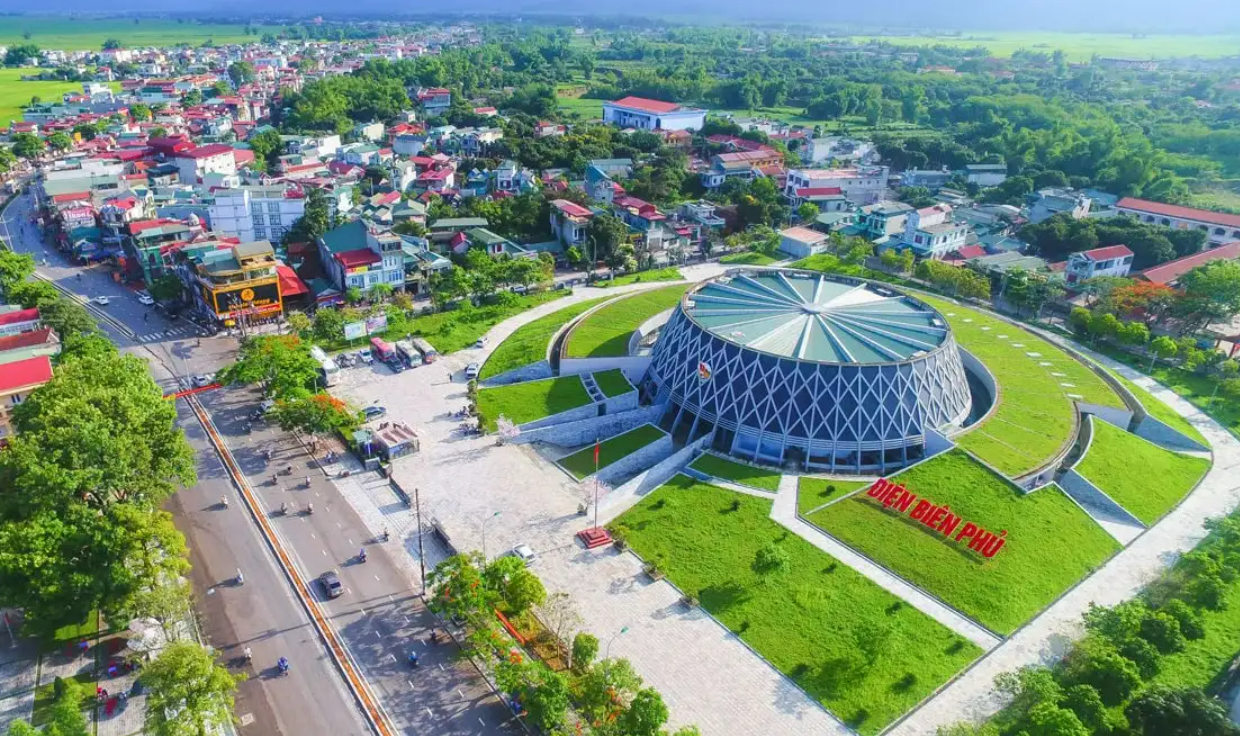
The museum, located on Võ Nguyên Giáp Street in Điện Biên Phủ City, houses thousands of documents and artefacts associated with Việt Nam’s historic victory over French troops in 1954, which “resounded across the five continents and shook the globe”.

The exhibition area is arranged on the first floor of the museum on a space of 1,250sq.m. It houses nearly 1,000 documents, artifacts, photographs and maps, making it a modern exhibition space.

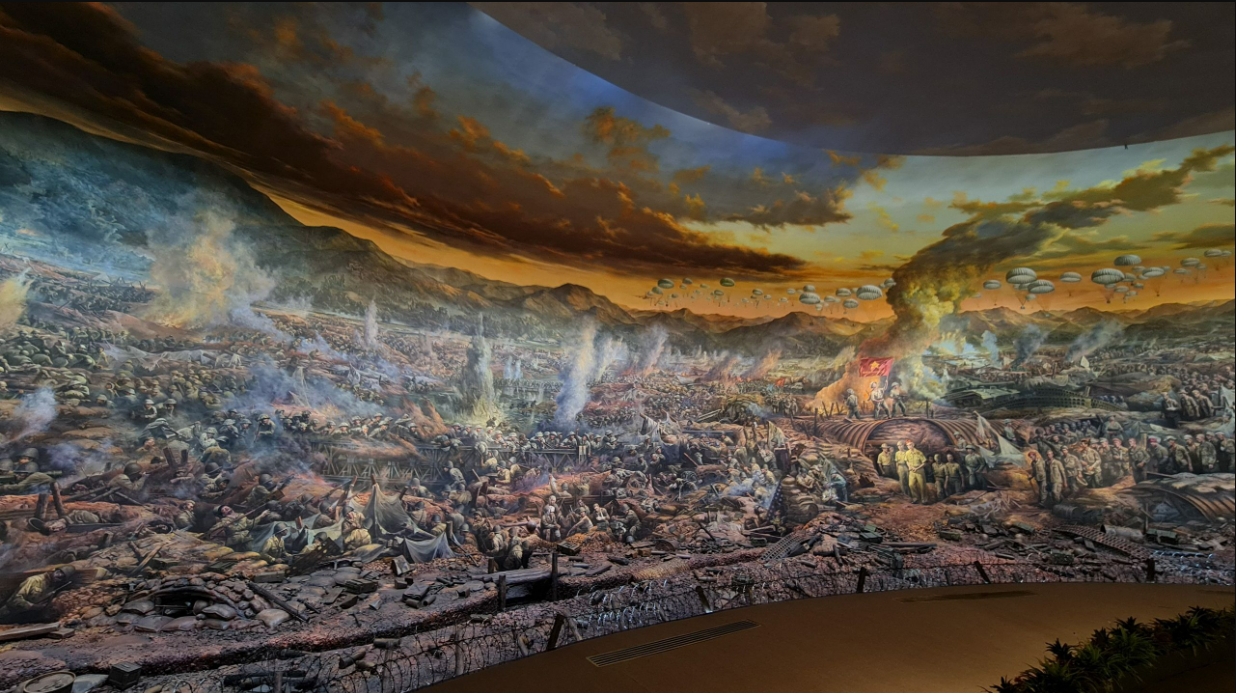
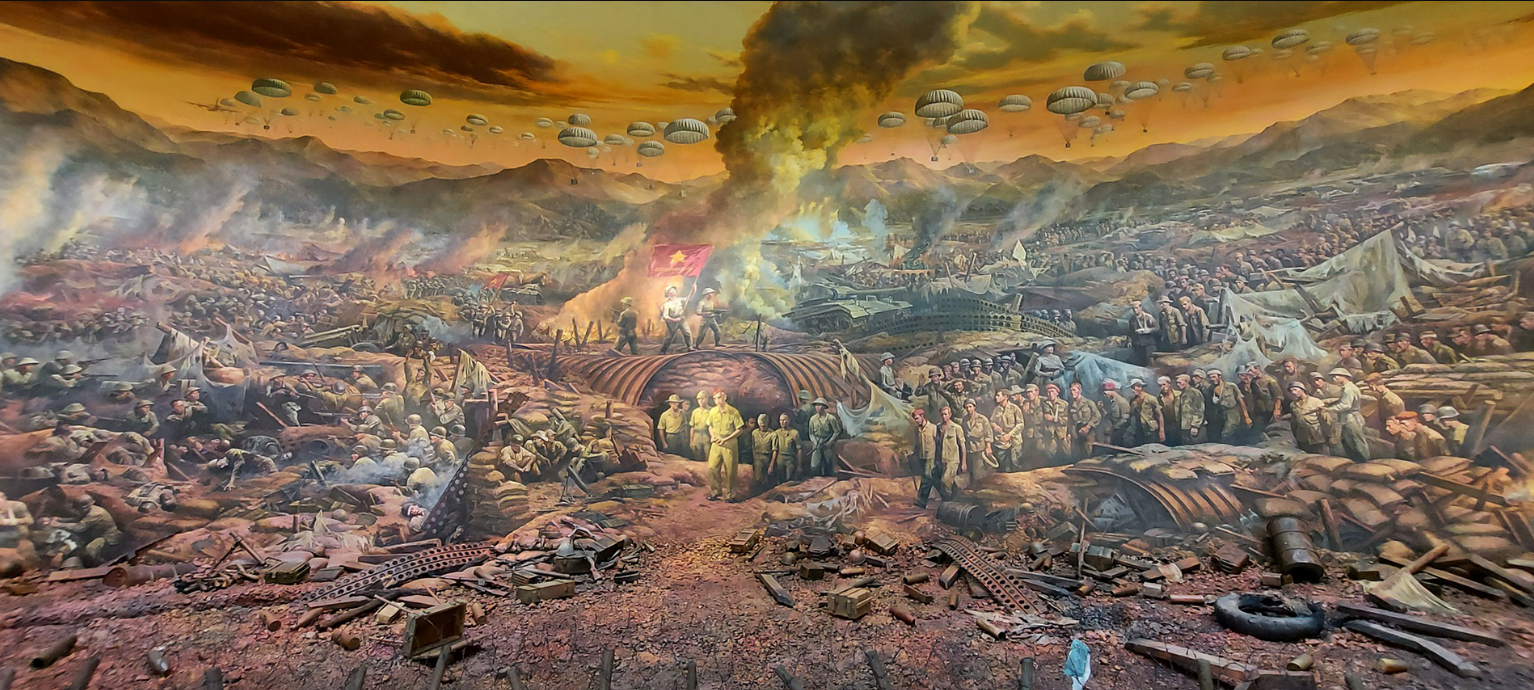
The highlight of the museum is a large panoramic artwork, one of the world’s largest war-themed oil paintings, depicting the Điện Biên Phủ battlefield at different times from late 1953 to May 7, 1954.

The extraordinary circular oil on canvas is 132m long, 20.5m high and 42m in diameter. Featuring 4,500 characters, the artwork depicts the entire army going to battle, the opening combat at Him Lam Hill, the A1 Hill battle, and the final triumph.

It was created by nearly 200 painters, architects, musicians and technicians, starting in November 2019 and completed in May 2022.

  1. A1 Hill (Eliane 2)

In the spring of 1954, the Battle of Điện Biên Phủ raged in northwestern Việt Nam as Việt Minh, or the Vietnamese Resistance forces, besieged French troops entrenched in a valley surrounded by mountains.

Among the fiercest fights was the assault on Hill A1 (identified as Strongpoint Eliane 2 by the French), a heavily fortified outpost that General Võ Nguyên Giáp [commander-in-chief of the Vietnam People’s Army] described as “the key” to breaking the French “Hedgehog”.

The 56-day and night siege of Điện Biên Phủ ended in a decisive French defeat leading to the Geneva Accord restoring peace in Indochina. But victory came at a tremendous cost, with the brutal struggle for Hill A1 exemplifying the sacrifice required to prevail against colonial forces.

  1. Colonel de Castries’ Bunker

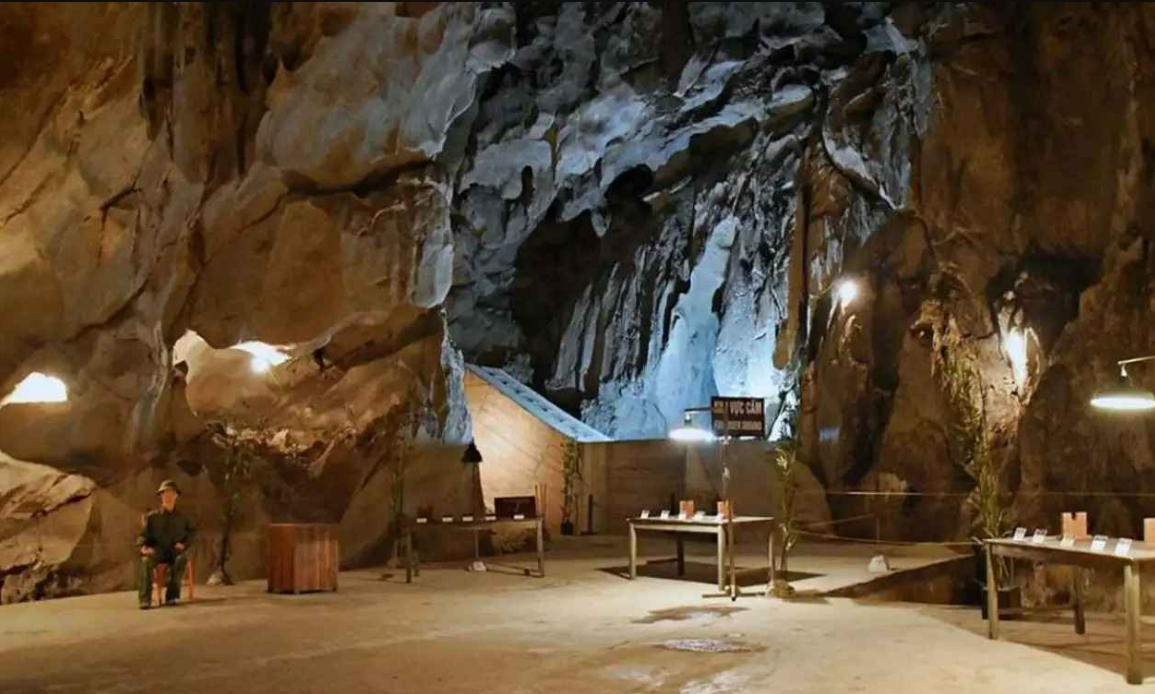
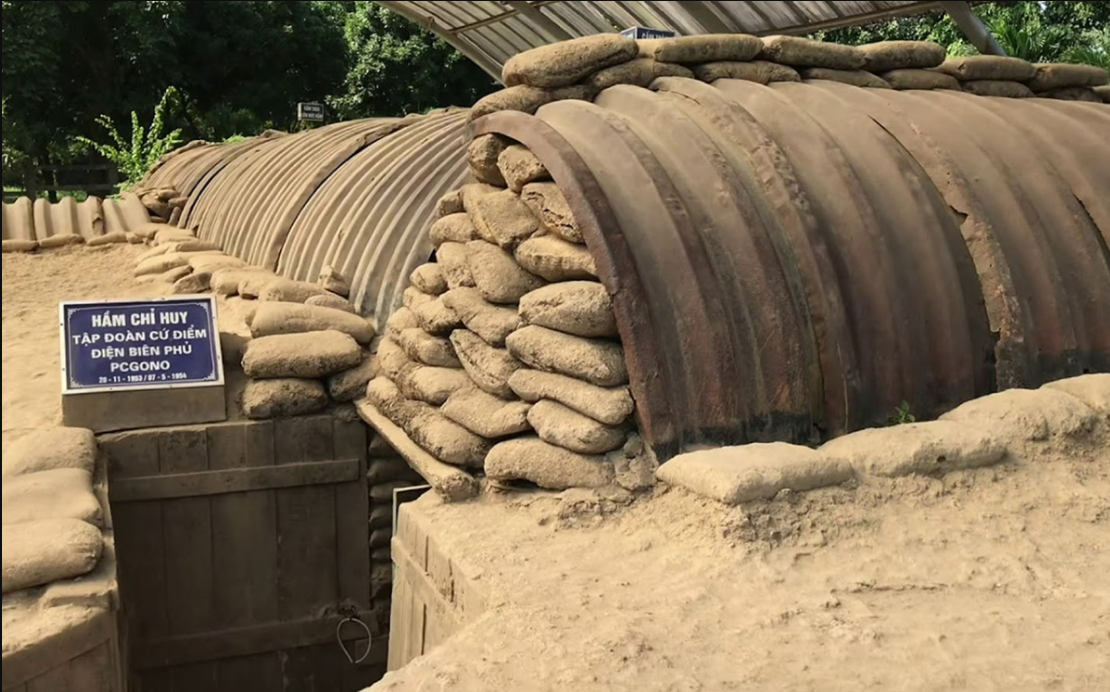
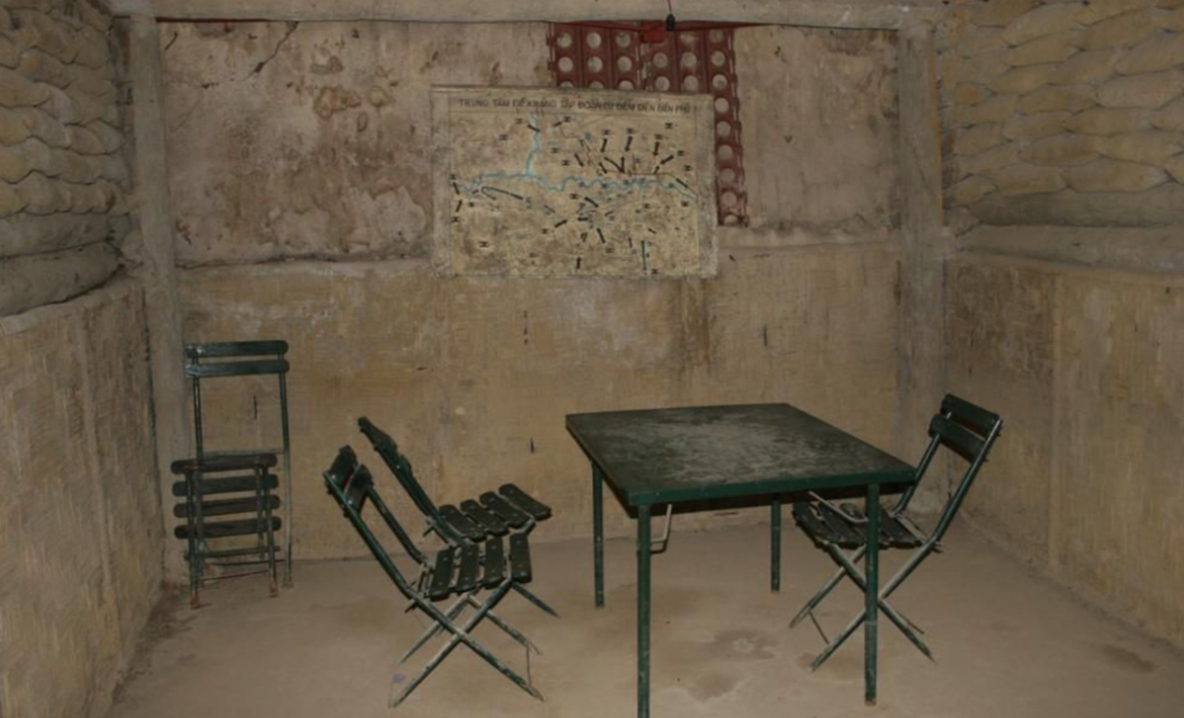
Located on Hill A1 of the Dien Bien Phu stronghold, the De Castries bunker was built with the sturdiest materials of the time capable of withstanding various types of firepower and surrounded by barbed wire. The bunker served as the working and living quarters for General De Castries and his French command staff.

After 56 days and nights of heroic combat, at 17:30 on May 7, 1954, Company 360 of Regiment 209, Division 312 captured the French General De Castries in his bunker.

Today, the bunker is preserved as a national historical site, attracting visitors to learn about the Dien Bien Phu victory.

The De Castries bunker stands as a testament to the resilient spirit and unity of our people and soldiers during the war against French colonialism. It is a must-visit for those who want to explore and understand the nation’s heroic history.

  1. Dien Bien Phu Victory Monument

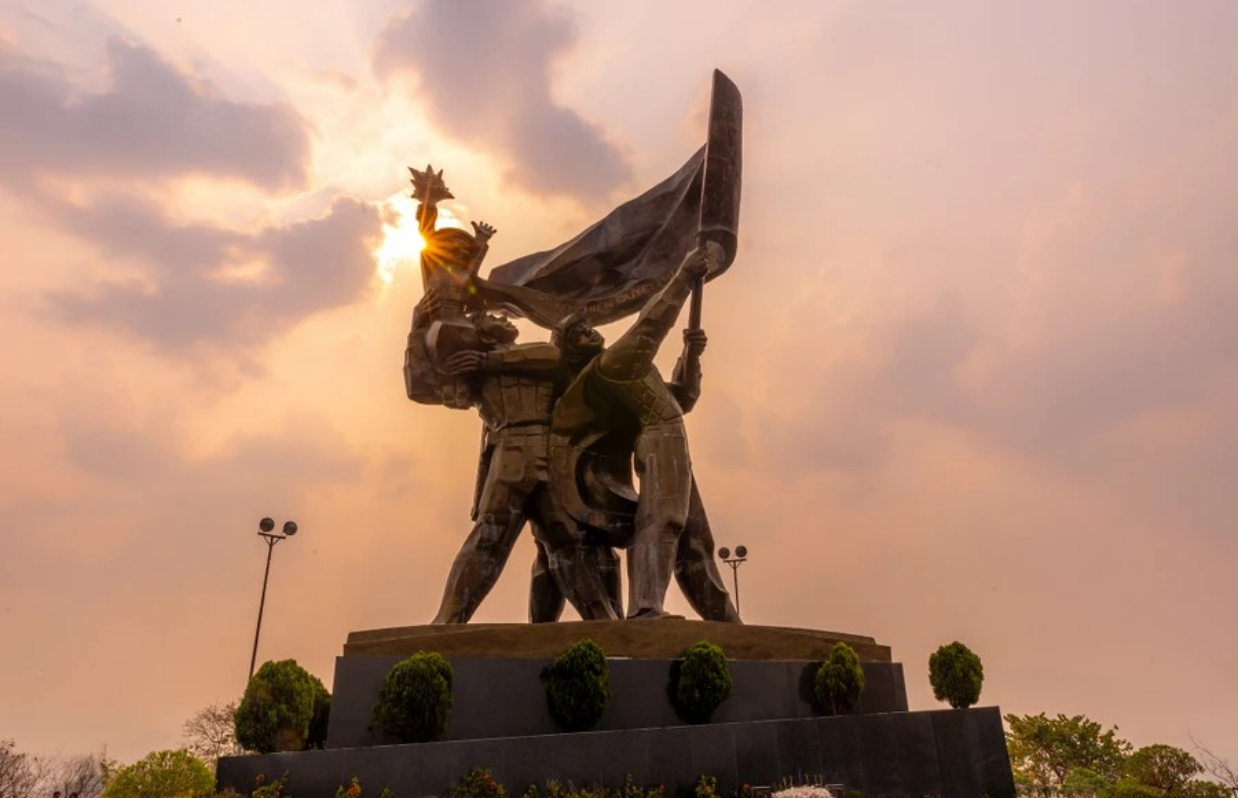
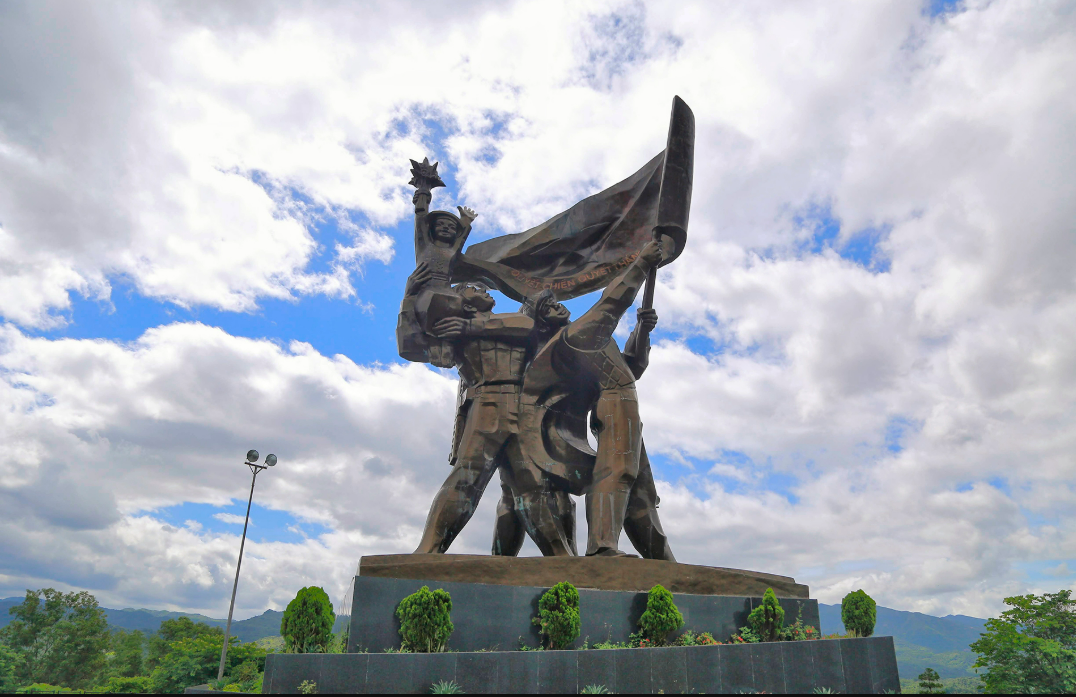
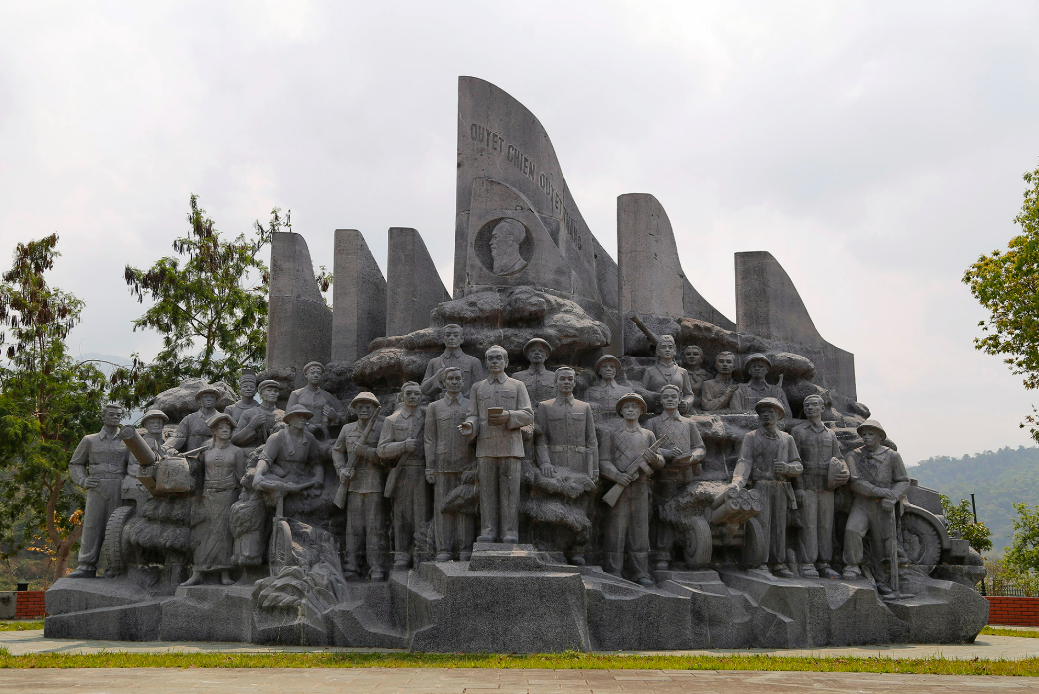
A grandiose monument was installed on D1 Hill in Dien Bien City on the 50th anniversary of Dien Bien Phu Victory (1954-2004), to remind the viewers of this significant historical event. Generations of Vietnamese people will have a chance to enjoy this artistic work while recalling the merits of their forefathers, who, half a century ago, filled more glorious pages in the nation’s history.

The monument is 16.2 m high (the sculpture is 12.6 m and its base, 3.6m). It was re-produced according to the original statue by famous sculptor Nguyen Hai, which has been displayed at the Vietnam Museum of Fine Arts and was awarded three national-level prizes. At present, it is the biggest bronze statue in Vietnam.

  1. Muong Thanh Bridge

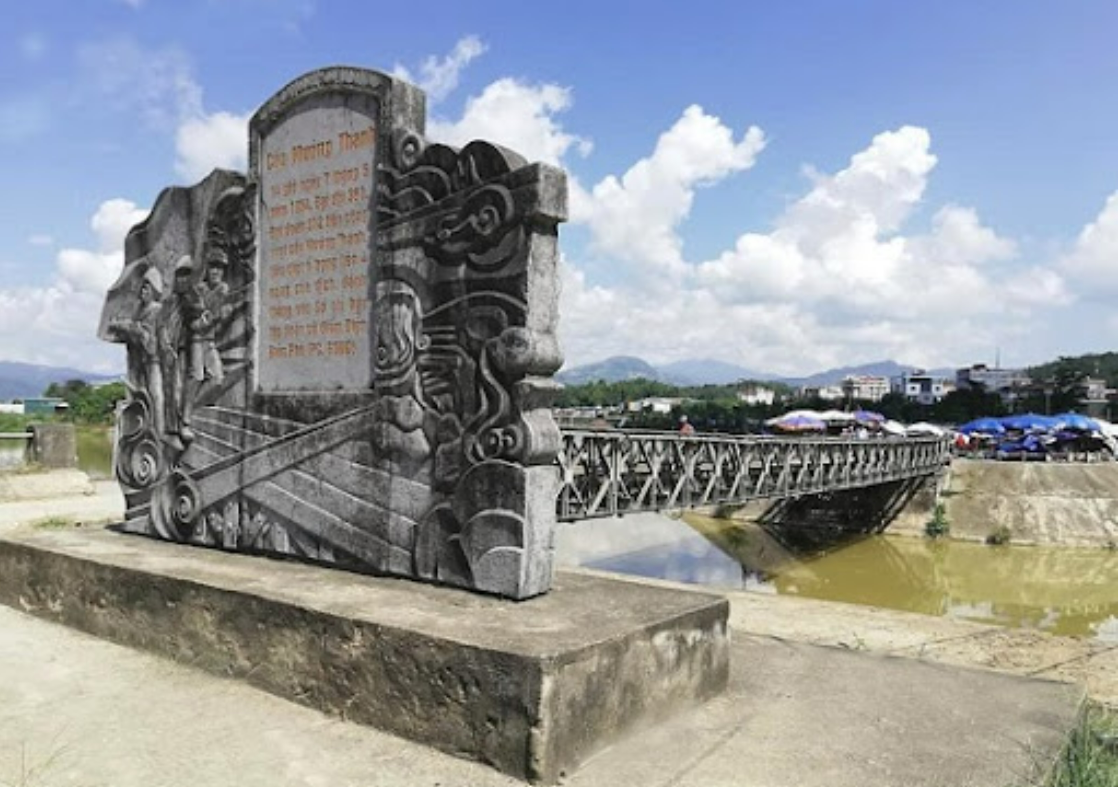
Muong Thanh Bridge, also known as “Prenley” bridge by the French military, is a bridge across the Nam Rom River, built by the French. The bridge is a military project located in the central subdivision of the Dien Bien Phu base group.

Initially, Muong Thanh bridge was built by the French after parachuting to occupy Dien Bien Phu. In the end, the bridge became a means of guiding the way for our soldiers to attack, planting the Decisive Victory flag on the roof of the bunker of defeated General De Cat.This was the biggest victory in the long resistance war against the French colonialists and American interventionists, and also the most famous victory in the history of the Vietnamese people against foreign invaders.

  1. Pa Khoang Lake

Located in Muong Phang commune, Dien Bien district, the position of Pa Khoang lake is very convenient, near the road 279, about 20 km from Dien Bien Phu city, linking Dien Bien Phu city with Muong Phang historical and cultural forest where the relics of the Command of Dien Bien Phu compaign remains.

The total area of 2,400 ha, in which 1,320 ha of forest area, 300 ha of farming land, 150 ha of basic construction, and 600 ha of water surface area (the lake contains about 37.2 million m3 of water), the Pa Khoang tourist complex has many favourable conditions for tourist activities such as diverse plants, various topography, mountainous tropical weather, etc.

  1. Pha Din Pass

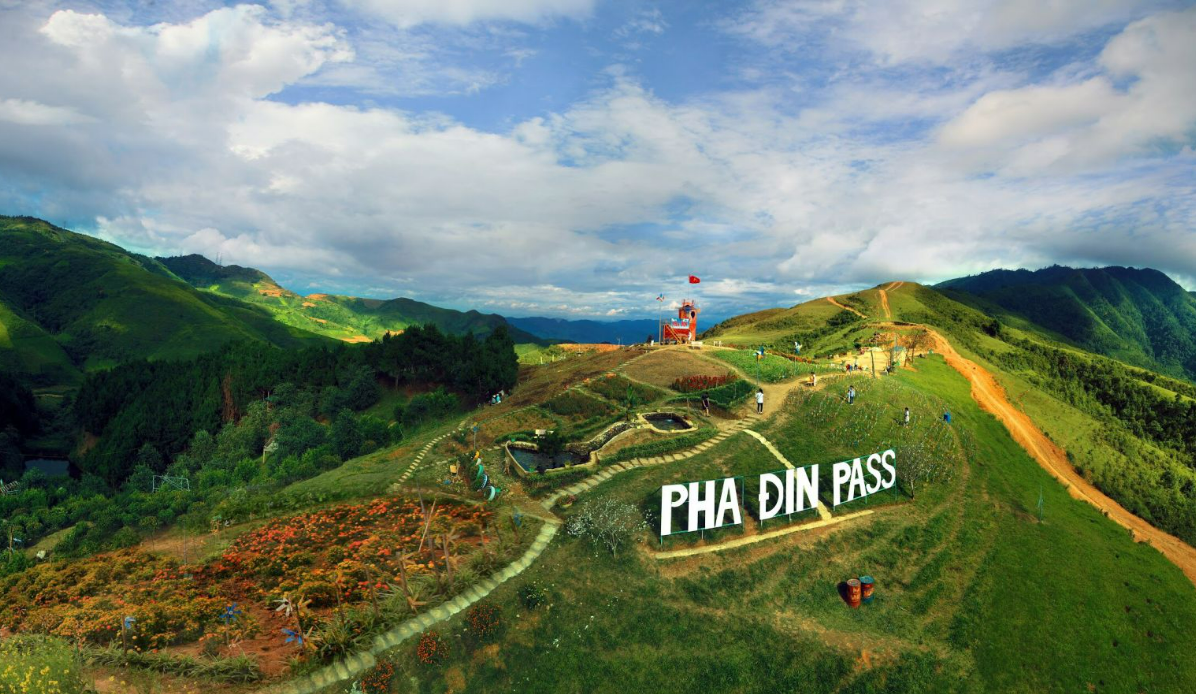
Pha Din Pass has a total length of 32km. It’s located on Highway 6, which is divided between Son La and Dien Bien provinces. The old Lai Chau (now Dien Bien) and Son La also handed down a story about dividing the two provinces by a horse race over Pha Din.

The highest point of the pass is 1648m above sea level. The terrain of the mountain is very dangerous, uneven, one side is steep and one is deep. The contiguous place between the land and sky, according to the language of the Thai people. It’s also the beginning of the journey of dragging high-level artillery with the strength of the Vietnamese soldiers in the campaign that led to the victory of Dien Bien Phu history. 7-5-1954.

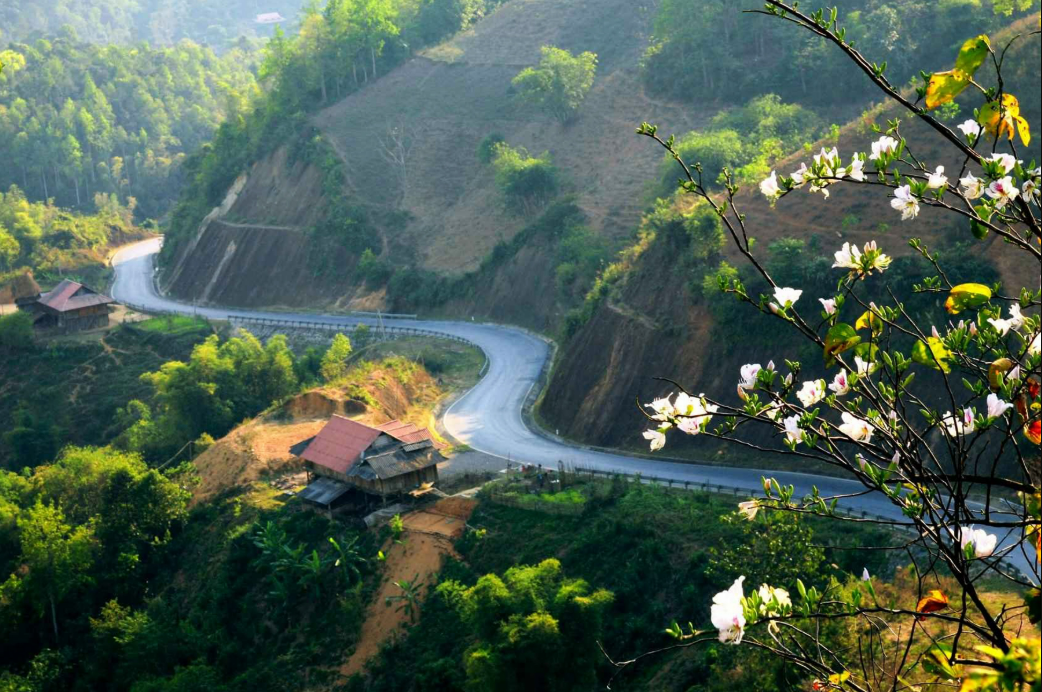
Pha Din is also a pass with a great slope from 12% to 19%. The mountain pass is meandering in figure 8. There are many sleeves with high slope and curve radius of less than 15m. Geology here is also very weak in the rainy season often occurs sliding, blooming, slipping and landslides. And it is challenging the adventurous people to get the beauty that is hard to resist on the top of the pass.

These attractions provide a blend of historical depth and natural beauty, ensuring a memorable experience in Dien Bien Phu.

 Apply For Vietnam Visaapply Vietnam visaApply visa vietnamBook E-visa Vietnambook visa vietnamCheap Vietnam VisaE-visa Vietnamevisa VietnamEvisa Vietnam onlineexpedited e-visaexpedited E-visa to Vietnamexpedited Vietnam E-visaGet a Vietnam visaGet Vietnam Visaget vietnam visa onlineget visa to vietnamget visa Vietnammultiple entry visamy vietnam visaOrder Vietnam E-Visaquick vietnam evisarush vietnam visaUrgent Vietnam VisaVietnamVietnam E-visaVietnam EvisaVietnam touristVietnam travelVietnam vacationVietnam VisaVietnam visa costVietnam Visa ExemptionVietnam Visa for India citizensVietnam Visa For IndiansVietnam Visa for South Africa citizensVietnam Visa In IndiaVietnam visa in South AfricaVIetnam VIsa on arrivalVietnam VIsa onlineVietnam visa provisa for vietnam Visa On Arrivalvisa onlineVisa to VietnamVisa Vietnam
Posted on

Dien Bien Phu – Where to go?

Dien Bien, situated approximately 450 kilometers from Hanoi, shares its borders with Son La and Lai Chau, and has frontiers with China and Laos. The capital city is Dien Bien Phu, which includes Muong Lay Town and eight districts.

The region experiences a tropical monsoon climate characterized by high mountains, cold winters with minimal rainfall, and hot summers with abundant precipitation, influenced by dry and warm westerlies.

The average annual temperature ranges between 21 to 23 degrees Celsius, with the lowest recorded at around 13 degrees Celsius and the highest reaching about 25 degrees Celsius.

The dry season extends from October to April of the following year, while the rainy season typically spans from May to August. The sunniest months are March-April and August-September.

Dien Bien is home to a collection of historical sites commemorating Vietnam’s victory at the battle of Dien Bien Phu in 1954.

Additionally, Dien Bien features numerous caves, mineral water sources, and lakes that contribute to its natural tourism resources, such as the Muong Nhe primeval forest, and the U Va and Pa Khoang lakes.

>>> Apply Visa to Vietnam <<<

>>> Order Fast Track Service <<<

WHERE TO VISIT

The Dien Bien Phu Battlefield Relics Complex is a key stop for exploring historical sites in Dien Bien Province. Conveniently situated close to each other, these locations allow tourists to explore them in a single visit.

Hill A1

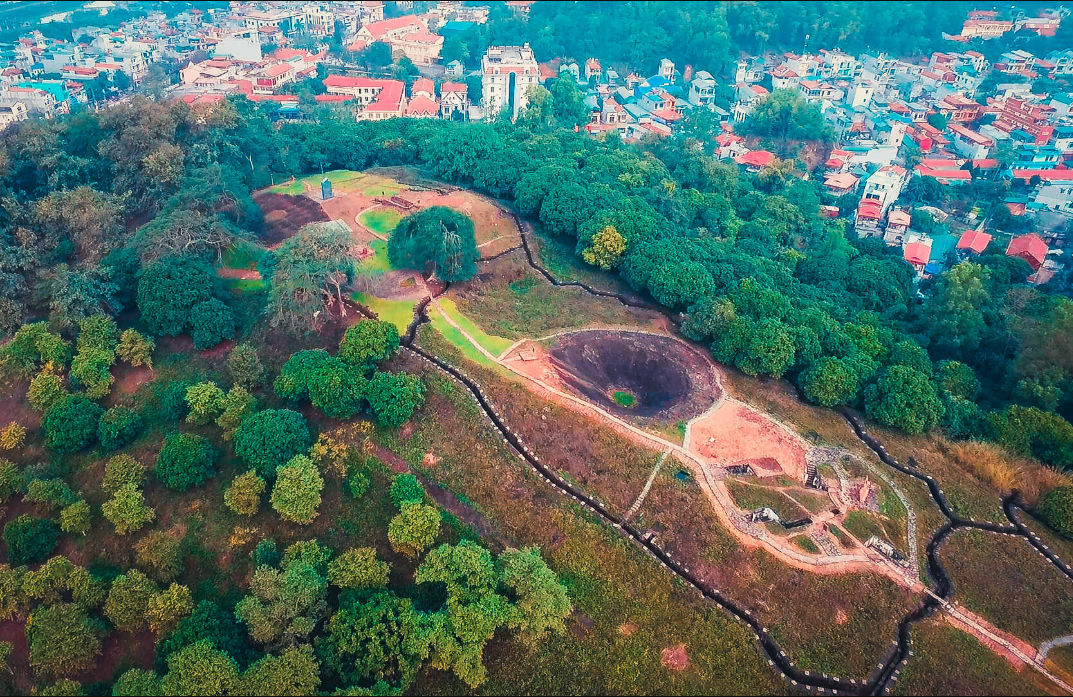
Situated in Muong Thanh Ward, Dien Bien Phu City, the capital of the province, A1 Hill stands as a crucial battleground of the Battle of Dien Bien Phu.

Originally known by various names, the slope was officially designated A1 Hill by the Vietnamese military. Surrounding A1, the French army built a system of barbed wire fences. At the hill’s summit lies a fortified cellar, once serving as the French legation’s wine cellar before 1945.

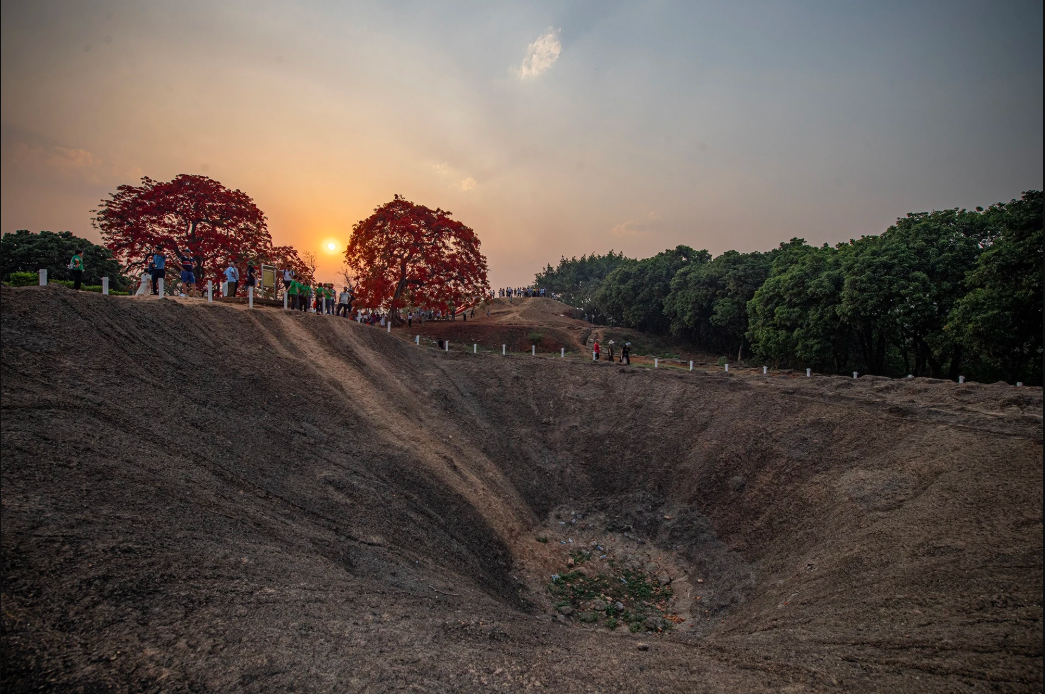
The cellar, divided into two compartments, one of them housed the radio information department. Constructed with solid brick walls and a thick concrete roof, the tunnel could shelter dozens of people. A1 Hill still bears witness to a blast hole created by 960 kilograms of explosives.

Today, visitors to A1 Hill can not only enjoy sightseeing but also partake in hands-on activities. These include cooking soldiers’ rice using Hoang Cam stove, a stove intake and chimney system designed to disperse and dissipate cooking smoke. Visitors can also partake in activities such as assisting with bicycle transport for necessities, and hearing stories about the Dien Bien Phu campaign and the soldiers’ lives in combat.

General (Christian Marie Ferdinand de la Croix) de Castries’s bunker

General de Castries’s bunker was built by the French colonialists in the center of the Dien Bien Phu Fortress. The bunker, recognized as “the most solid tunnel in Indochina,” is positioned approximately 1 kilometer from Hill A1. The surrounding area is protected by a defensive fence featuring a barbed wire system and four tanks.

Currently, the structure and arrangement of the bunker are well-preserved for visitors to explore. The tunnel itself is 20 meters long and 8 meters wide, containing four rooms that served as both living and working quarters for General de Castries and his soldiers.

Dien Bien Phu Museum

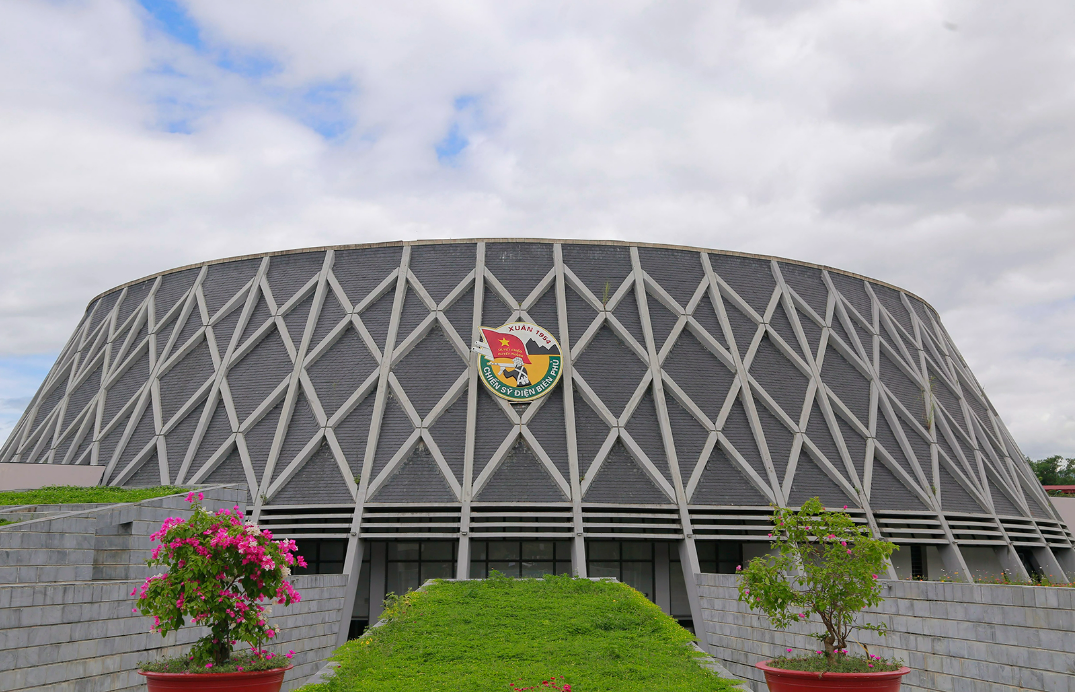
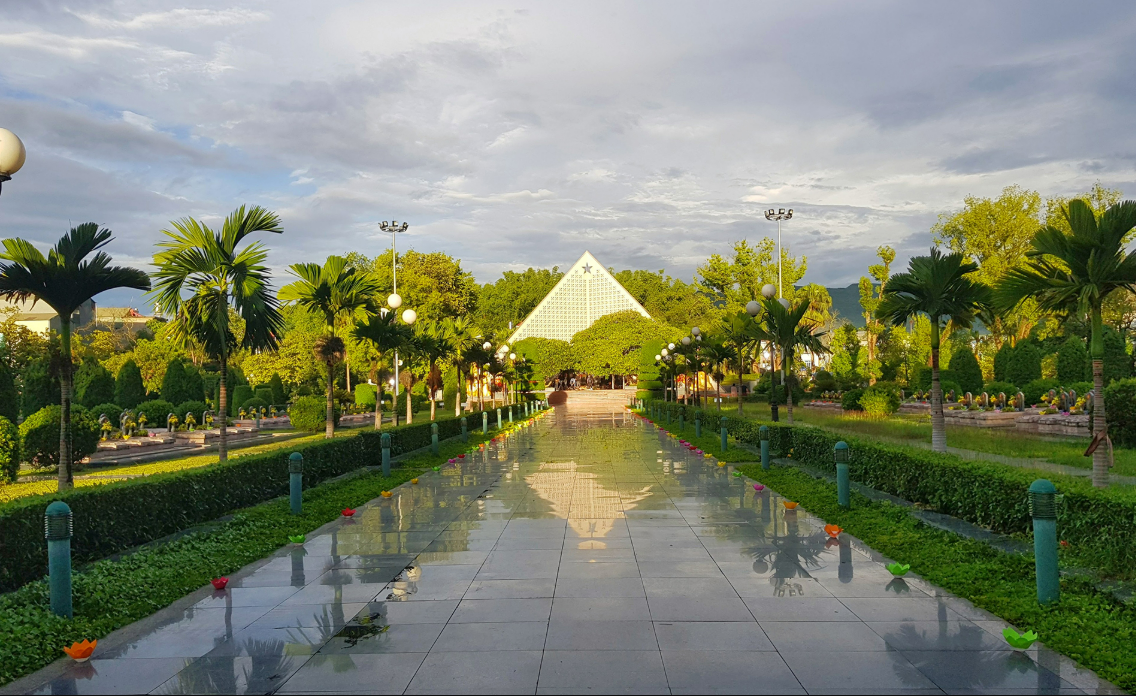
Located in Muong Thanh Ward, the Dien Bien Phu Museum, inaugurated on May 5, 2014, following 19 months of construction, stands as a monumental achievement of historical, cultural, and artistic significance.

Built with an outer facade of decorative elements that resemble diamonds, the design symbolizes the camouflage net of army helmets. The museum comprises a basement and an upper floor.

The basement serves as a welcoming space for visitors, providing an environment for learning, interaction, and entertainment services. Meanwhile, the upper floor is dedicated to thematic exhibitions centered around the victory of Dien Bien Phu, featuring an area of 1,250 m2 displaying nearly 1,000 documents, artifacts, images, and maps.

A notable highlight is the panoramic painting, boasting over 4,500 characters. This artwork is 132 meters long, 20.5 meters high, with a 42-meter diameter, covering a total area of more than 3,200 m2. Executed in oil on canvas, the painting was started in November 2019 and was completed on May 1, 2021, with the collaboration of approximately 100 artists. It portrays the stages of the 1954 Dien Bien Phu Campaign.

Dien Bien Phu Victory Monument

Inaugurated on May 7, 2004, marking the 50th anniversary of the Dien Bien Phu Victory, the monument stands on Hill D1 in the city center. This collection of monuments represents the tallest, largest, and heaviest assembly of bronze statues in Vietnam to date. The main statue stands at a height of 12.6 meters and was crafted using 217 tons of bronze.

A1 National Martyrs Cemetery

Situated on Vo Nguyen Giap Street, just a few hundred meters from A1 Hill, this cemetery serves as the final resting place for 644 officers and soldiers who lost their lives in the Dien Bien Phu Campaign. The majority of the site is occupied by unmarked graves. The main building features the stilt house architecture of the Thai people in Dien Bien, while the exterior ceremonial platform is designed in accordance with Khue Van Cac, an architectural feature of the Temple of Literature in Hanoi.

Campaign headquarters in Muong Phang Commune

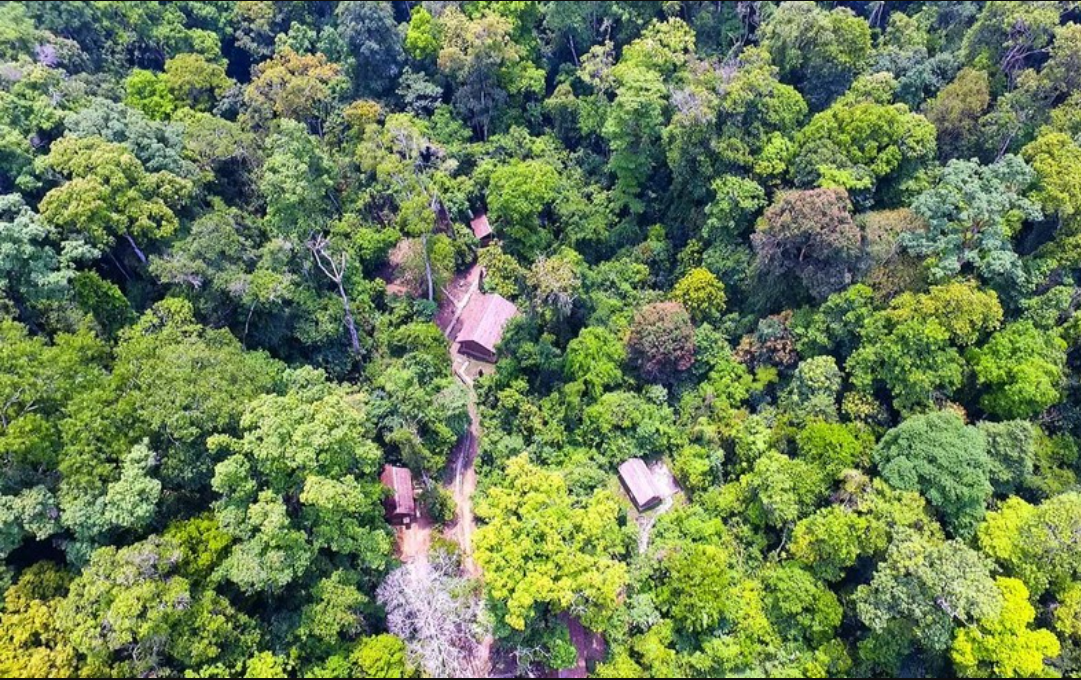
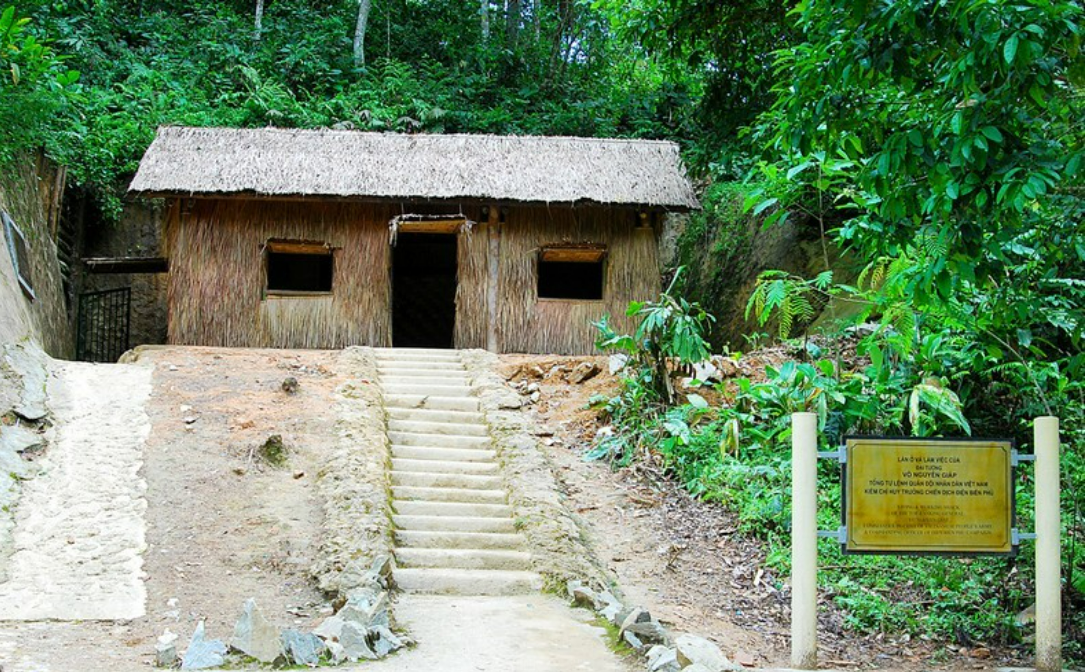
The Dien Bien Phu Campaign headquarters relic in Muong Phang Commune is situated over 1,000 meters above sea level, nestled at the base of Pu Don Mountain and concealed within the forest canopy, more than 30 kilometers from the center of Dien Bien Phu City.

The Command Post’s structures are arranged in a continuous system, enveloped front and back, incorporating bunks and camps for secrecy and safety. This location served as the working and resting place for General Vo Nguyen Giap during the campaign.

From the highest vantage point, visitors can enjoy a panoramic view of Dien Bien Phu City, Muong Thanh Valley, and French army bases such as Him Lam Hill, Doc Lap Hill, D1 Hill, C1 Hill, and A1 Hill. The Victory Monument cluster at Muong Phang Park is a recommended stop for visitors.

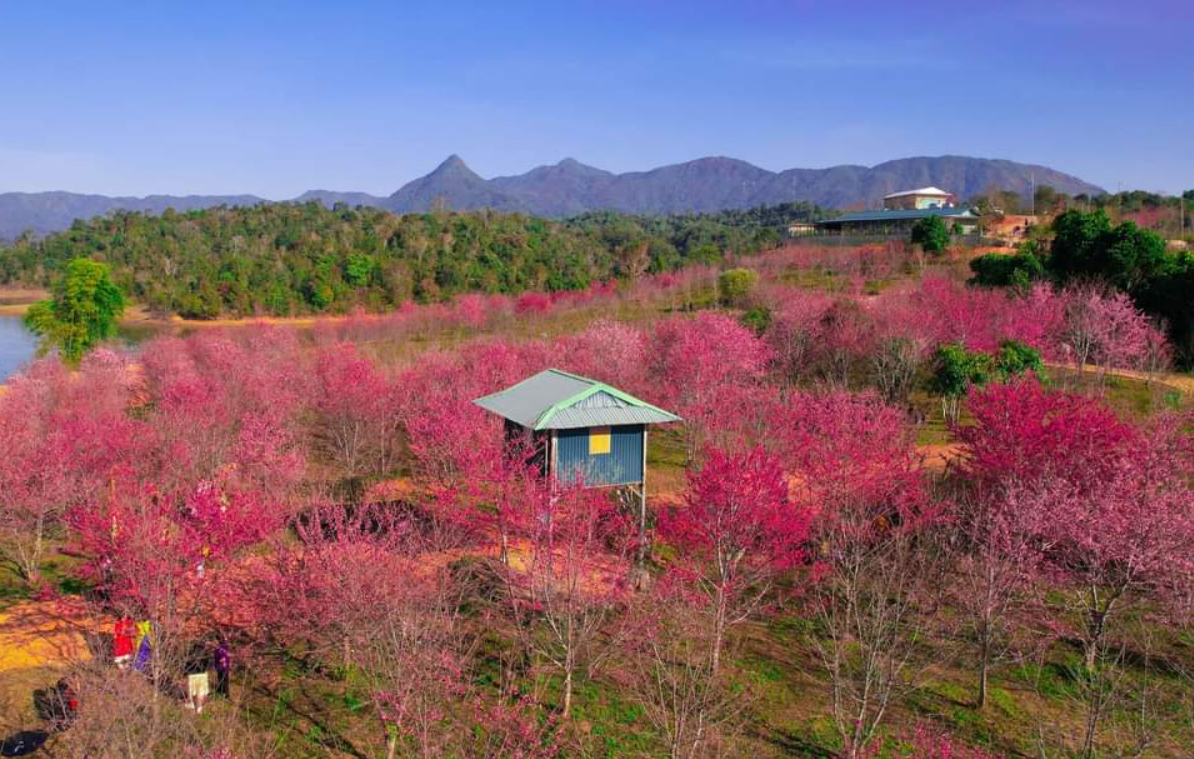
Additionally, Muong Phang boasts a cherry garden that blooms during spring, situated on an island in the middle of Pa Khoang lake.

Pha Din Pass

Stretching 32 kilometers along National Highway 6, Pha Din Pass serves as the gateway to Dien Bien Province. The pass reaches an elevation of 1,648 meters above sea level, with one side featuring a cliff and the other an abyss. This location marks the beginning of the journey undertaken by Vietnamese soldiers and civilians during the Dien Bien Phu Campaign, involving the manual transportation of artillery, food, weapons, and ammunition.

Pha Din Pass, now safer with wider roads, features winding paths and a tourist area for resting and enjoying the scenery. It also facilitates exchanges between people from Dien Bien and Son La Provinces.

Muong Thanh Field and Nam Rom River

In Dien Bien’s heart, Muong Thanh Field is like a large “storehouse” filled with corn and rice. By late September, the rice in the Muong Thanh basin starts ripening.

The field is more than 20 kilometers long and about 6 kilometers wide, situated over 400 meters above sea level. When seen from above, it looks like flower petals along the Nam Rom River, surrounding the historical sites of the Dien Bien Phu Battle.

Muong Nhe District

Muong Nhe, situated in the northwest of the province, hosts the westernmost point of Vietnam at the Vietnam-Laos-China border junction, approximately 250 kilometers from the center of Dien Bien Phu City.

The region is covered by forests, constituting 55% of its total area. Additionally, Muong Nhe is home to the Muong Nhe Nature Reserve, one of Vietnam’s largest special-use forests, featuring a diverse ecosystem.

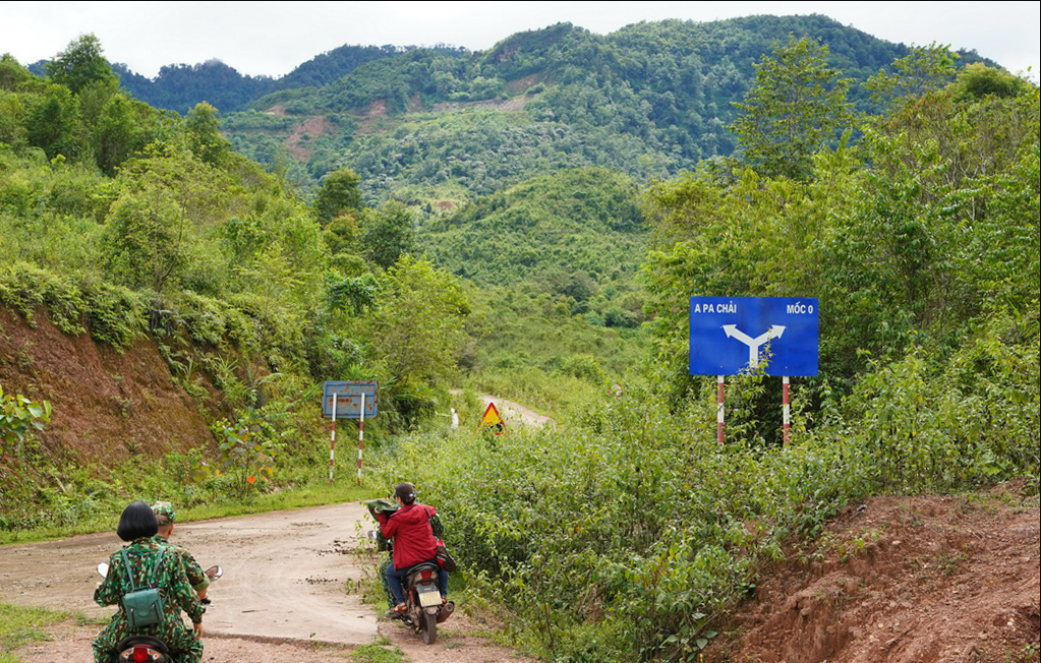
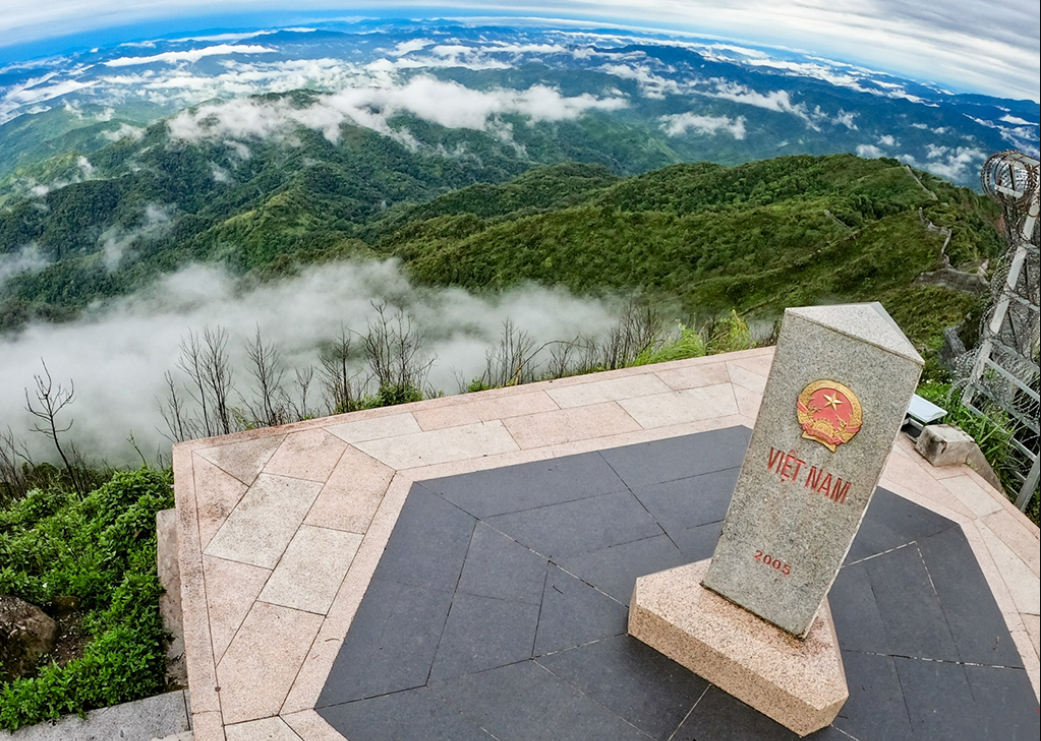
A Pa Chai, located in Muong Nhe, is renowned as the most prominent destination. It houses the milestone zero coordinate atop Khoan La San Mountain, installed by the three countries on June 27, 2005. Crafted from granite, each side of the milestone is engraved with the respective country’s name and national emblem. Market days at A Pa Chai, occurring on the 3rd, 13th, and 23rd of every month, highlight the cultural richness of the border region.

The journey to A Pa Chai is relatively straightforward during the dry season but can become challenging and even hazardous in the rainy season. It is advisable for visitors to have a guide to ensure safety.

Muong Lay Town

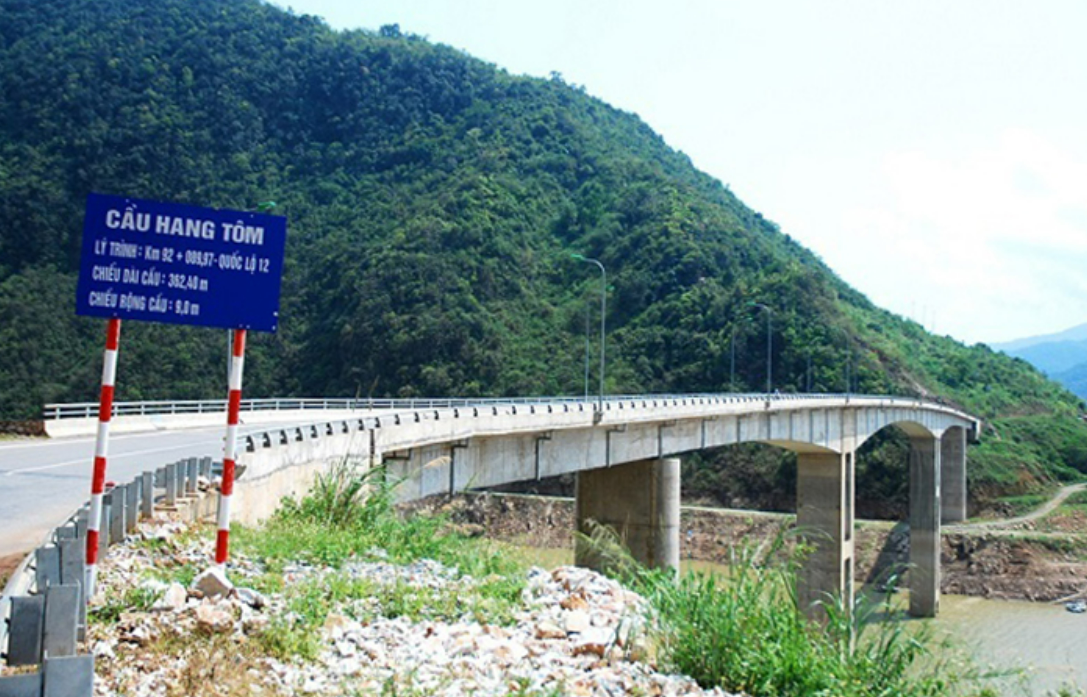
Muong Lay Town, known as the capital of the White Thai people, lets visitors take a boat ride on the Da River to enjoy nature and learn about Thai culture. A must-visit in Muong Lay is the Hang Tom Bridge, connecting Dien Bien and Lai Chau provinces.

The original Hang Tom Bridge, constructed in 1967, once held the distinction of being the largest cable-stayed bridge in Indochina. However, in November 2012, the Son La hydroelectric dam overflowed, submerging the entire old Muong Lay Town, along with the Hang Tom Bridge, which was then beneath the waters of the Da River.

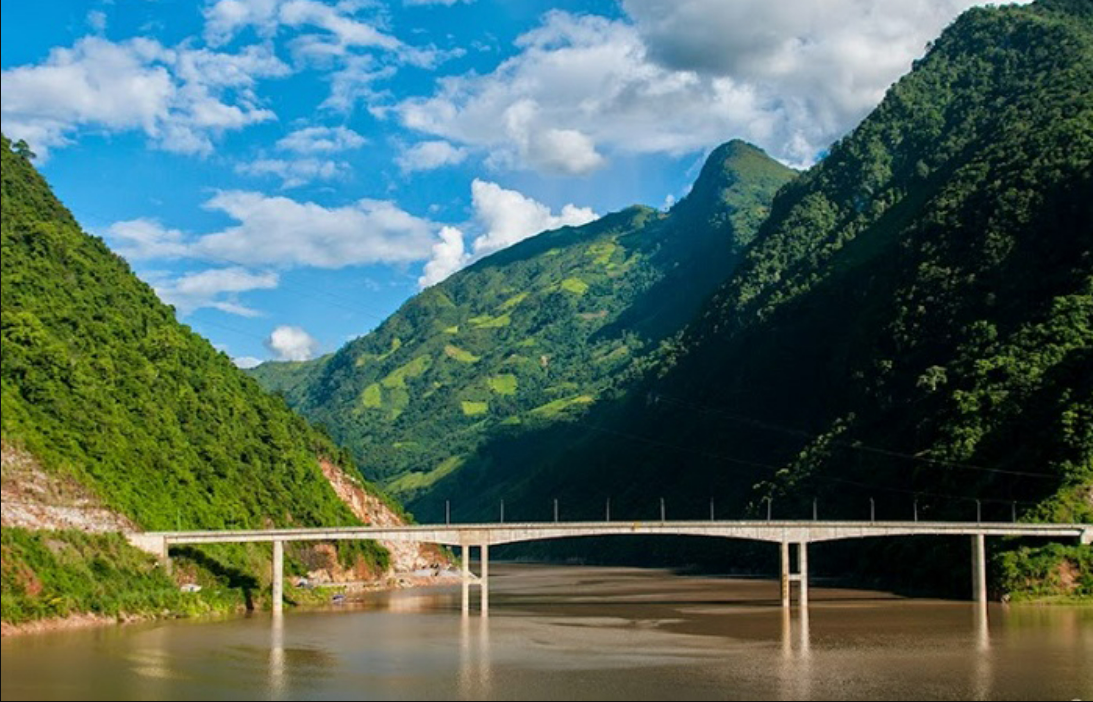
Near the former Hang Tom bridge site, a new bridge has been constructed, positioned 70 meters higher than its predecessor.

Dien Bien Dong District

Situated in the southeast of Dien Bien Province, Dien Bien Dong is a district characterized by towering peaks, making it an ideal destination for trekking adventures.

The Chop Ly Peak, located 35 kilometers from Dien Bien Phu City, offers a view of mountain scenery with clouds. The best time for cloud hunting is from April to September.

Dien Bien Dong also features Noong U Lake, a natural lake in a green mountain setting, covering about 4 hectares, attracting visitors for its beautiful scenery.

Additionally, neighboring districts like Muong Cha, Muong Ang, Nam Po, Tua Chua have ecotourism areas and destinations suitable for tourism, such as trekking mountains or learning about the lives of indigenous tribes.

U Va Hot Spring

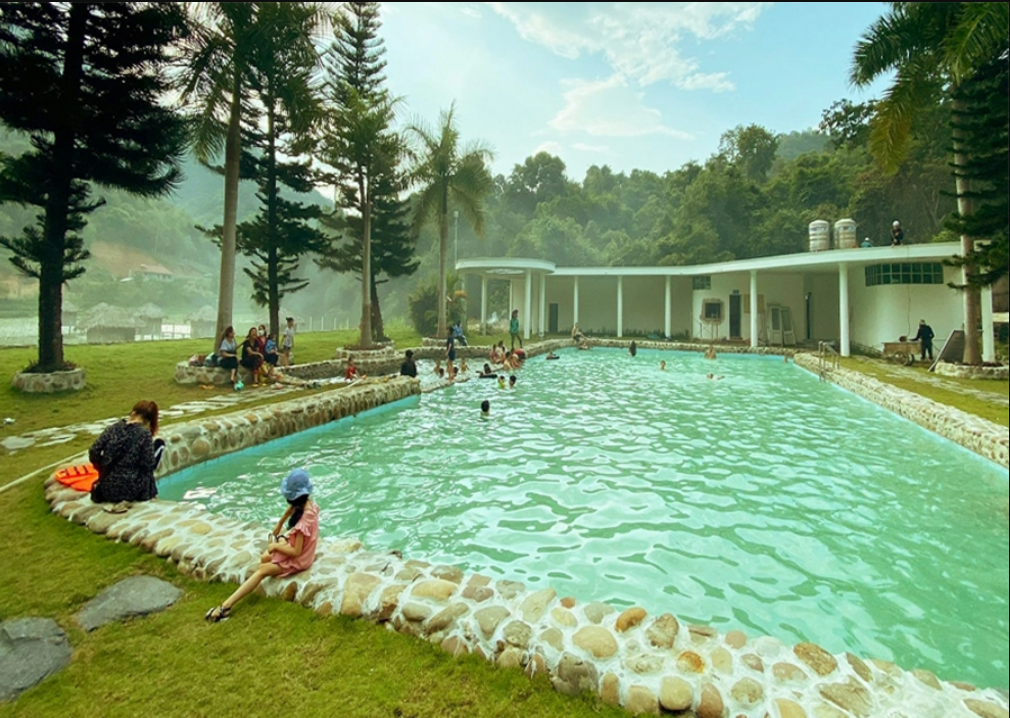
Located around 15 kilometers from Dien Bien Phu City in Dien Bien District, U Va Hot Spring covers an area of 73,000 m2. The best time to visit is from November to April when it’s cooler. The hot mineral spring offers various services for relaxation.

If you want to soak in hot minerals, it’s best in the early morning or afternoon. Afterward, you can partake in other activities like tennis, cycling, badminton, as well as enjoy traditional music performances from the Dao and Hmong ethnic groups.

Entrance tickets range from VND20,000 to VND120,000 (US$0.80-4.90) per person, and stilt house accommodations range from VND120,000 to VND220,000 per room.

Ban Phu Citadel

Ban Phu Citadel (also known as Chieng Le Citadel) in Dien Bien District, 8 kilometers south of Dien Bien Phu City center, was built 200 years ago. The citadel was built by Hoang Cong Chat (1706-1769), who led local people against village tyrants, robbers, and northern invaders.

Despite damage from past invasions, the citadel retains historical, cultural, and scientific value. In 1981, it was designated a national historical and cultural relic by the Ministry of Culture, Sports and Tourism.

 Apply For Vietnam Visaapply Vietnam visaApply visa vietnamBook E-visa Vietnambook visa vietnamCheap Vietnam VisaE-visa Vietnamevisa VietnamEvisa Vietnam onlineexpedited e-visaexpedited E-visa to Vietnamexpedited Vietnam E-visaGet a Vietnam visaGet Vietnam Visaget vietnam visa onlineget visa to vietnamget visa Vietnammultiple entry visamy vietnam visaOrder Vietnam E-Visaquick vietnam evisarush vietnam visaUrgent Vietnam VisaVietnamVietnam E-visaVietnam EvisaVietnam touristVietnam travelVietnam vacationVietnam VisaVietnam visa costVietnam Visa ExemptionVietnam Visa for India citizensVietnam Visa For IndiansVietnam Visa for South Africa citizensVietnam Visa In IndiaVietnam visa in South AfricaVIetnam VIsa on arrivalVietnam VIsa onlineVietnam visa provisa for vietnam Visa On Arrivalvisa onlineVisa to VietnamVisa Vietnam

Posted on

Ngo Mon Gate, Hue: Remnants of the Imperial Past

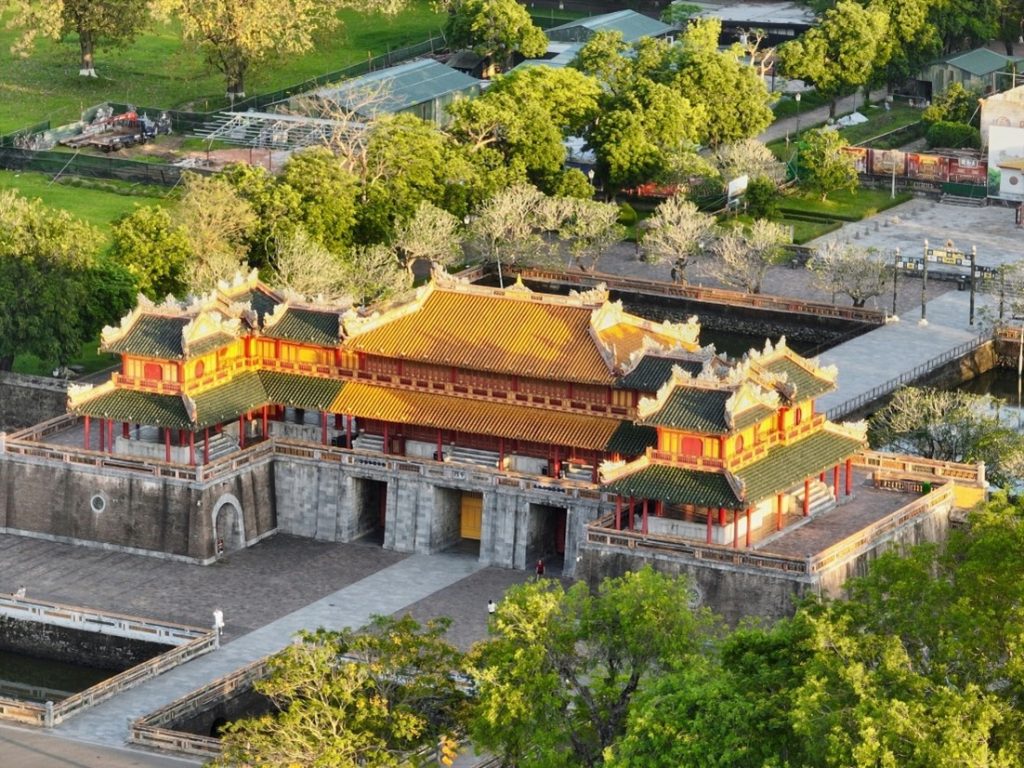
The Ngo Mon Gate, also known as the Meridian Gate, is closely linked to the Hue Imperial Citadel, and both locals and expatriates believe that studying this ancient citadel offers valuable insights into Hue’s culture and Vietnam’s history. Widely regarded as a masterpiece in many ways, the gate, along with the Truong Tien Bridge, the Flag Tower, and the Thien Mu Pagoda, is considered one of the most iconic landmarks of Hue City. It is also a key part of the Complex of Hue Monuments, which has been designated as a UNESCO World Heritage site.

Location: Hue Imperial Citadel Complex, Phu Hau, Hue City, Thua Thien Hue
Opening hours: Everyday from 7:00 to 17:00

I. History of Ngo Mon Gate

1. Construction

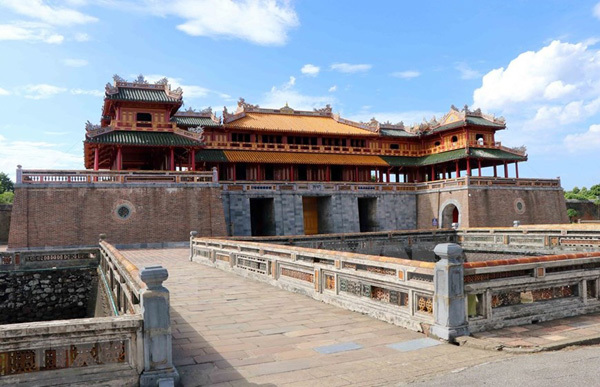
Ngo Mon Gate, the primary southern entrance to the Hue Citadel, is considered the symbol of the Imperial Wall and the feudal dynasty. It was constructed during the reign of King Minh Mang, the second emperor of the Nguyen Dynasty.

In 1833, alongside the renovation of the Nguyen Dynasty’s palace, King Minh Mang commissioned the construction of the Ngo Mon Gate, the main southern entrance to the Imperial City. Prior to this, several structures occupied the site, all of which were dismantled to make way for the new gate. During the Gia Long Era, the area featured Nam Khuyet Dai, a viewing platform, atop which stood Can Nguyen Palace, a place for sightseeing. On either side of this platform were two doors: Left Doan Mon and Right Doan Mon.

In 1968, following the Battle of Mau Than in Hue, Ngo Mon Gate was heavily damaged. It wasn’t until 1970 that the gate, along with several other affected structures, was repaired.

2. The name

According to Kinh Dịch, the King always sits facing south to govern the world. As a result, the entire Imperial Citadel was constructed based on the principle of “Toa can huong ton” (Northeast-Southwest) to reflect this alignment. The Imperial Wall has four gates, with Ngo Mon being the largest. The term “Ngo” in the gate’s name refers to the south, the direction it faces. Although some might confuse Ngo Mon with Noon Gate (since “Ngo” can also mean noon in Vietnamese-Chinese), it is more accurately translated as the Meridian Gate.

According to the compass, the south is associated with the “Ngo” direction on the “Ty-Ngo” (north-south) axis. Therefore, the name “Ngo Mon” refers to space and direction, rather than time. (In Vietnamese-Chinese, “Ngo” also means noon.)

Although Ngo Mon Gate was the main entrance, it was rarely used for its symbolic purpose. It was primarily reserved for the King and his entourage when entering or leaving the Citadel, as well as for welcoming important delegates.

3. Function

Functionally, Ngo Mon Gate serves not only as the entrance to the Imperial Wall but also as a ceremonial gateway leading to a key structure within the Citadel – the Ky Pedestal.

The Ngo Mon Gate has borne witness to significant events in Vietnamese history, including the Truyen Lo ceremony, where martyrs who earned the Doctor title were honored, the Ban Soc ceremony, during which the King distributed calendars, and various parades. However, the most momentous event to occur at Ngo Mon Gate was the abdication of King Bao Dai, the final monarch of Vietnam’s feudal dynasty, on August 30, 1945.

4. Meaning and Values

Having endured 180 years of time, nature, climate, and wars, the Ngo Mon Gate remains standing strong to this day, becoming a lasting symbol of Hue.

Dr. Phan Thanh Hai, the former Director of the Hue Monuments Conservation Center, remarked on the Ngo Mon Gate: “Amidst the shade of trees, flowers, and water, the Ngo Mon Gate in Hue evokes a sense of calm and tranquility. Perhaps this is why the image of this gate has naturally become a symbol of Hue.”

The Ngo Mon Gate embodies the enduring values of the aristocratic society. Transcending political and temporal influences, it has become a symbol of Hue, forever standing as a beautiful representation of the ancient capital.

II. Highlights of Ngo Mon Gate

Ngo Mon Gate, a gate constructed in the southern directions, has long been renowned for its massive scale and unique architecture. Ngo Mon is actually referred to as the location of the gate instead of midday or noon translated from some sources. Understanding its true meaning is of great importance as it serves as a hint about the position of Ngo Mon gate in the overall architecture of Dai Noi.

This is a very convenient location for visitors to appreciate the scenery of Hue Citadel because Ngo Mon Gate is the main gate to the Imperial City in Thua Thien Hue province. As a first-time tourist, I highly recommend you join a guided sightseeing tour of Hue Citadel to have a firm grasp of famous tourist attractions. As regards ones who have already visited here or adventurous tourists, it is worth trying exploring this citadel on their own for new experiences.

1. Architecture

The Ngo Mon Gate is a quintessential example of ancient architecture, representing the spirit of both Mount Ngu Binh and the Perfume River, which are central to the identity of Hue. Despite enduring more than 150 years of war and natural disasters, the gate has withstood the test of time due to its masterful construction techniques and architectural artistry. Its enduring significance and intangible cultural value remain as cherished as ever.

The Ngo Mon Gate is architecturally impressive and sophisticated. In fact, it is often compared to the Ngo Mon Gate at the Beijing Palace due to its resemblance, yet it distinctly showcases traditional Vietnamese architectural styles. Beyond its unique design, the gate also serves as a historical landmark, evoking memories of Vietnam’s long feudal past, as guided by the detailed explanations of its tour guides.

This building is located in a unique terrain. From the Ngu Phung Pavilion, visitors can enjoy a panoramic view of the entire Hue Citadel. The most striking feature is the Flag Tower, topped with a red flag adorned with a yellow star. This monumental structure is a significant historical landmark. On August 23, 1945, the flag of the Democratic Republic of Vietnam was raised here for the first time, symbolizing the end of the monarchy. Further ahead, visitors can cross the Trung Dao Bridge over Thai Dich Lake to reach the Thai Hoa Palace and continue toward the Dai Trieu Nghi courtyard.

Ngo Mon Gate deservedly earns a place in the toplist of the best art works of Nguyen Dynasty in particular and of Vietnamese age-old architecture in general. Despite years of ups and downs, as a witness of many revolutionary historical changes, Ngo Mon Gate still retains unique architectural features of primitive times. It is not only a symbol of the ancient capital but also a representation of engineering construction techniques in the past. Ngo Mon Gate is a harmonious combination of domestic and foreign materials and old hands’ skills, which greatly contributed to a well-established architecture for many centuries. 

2. Structure

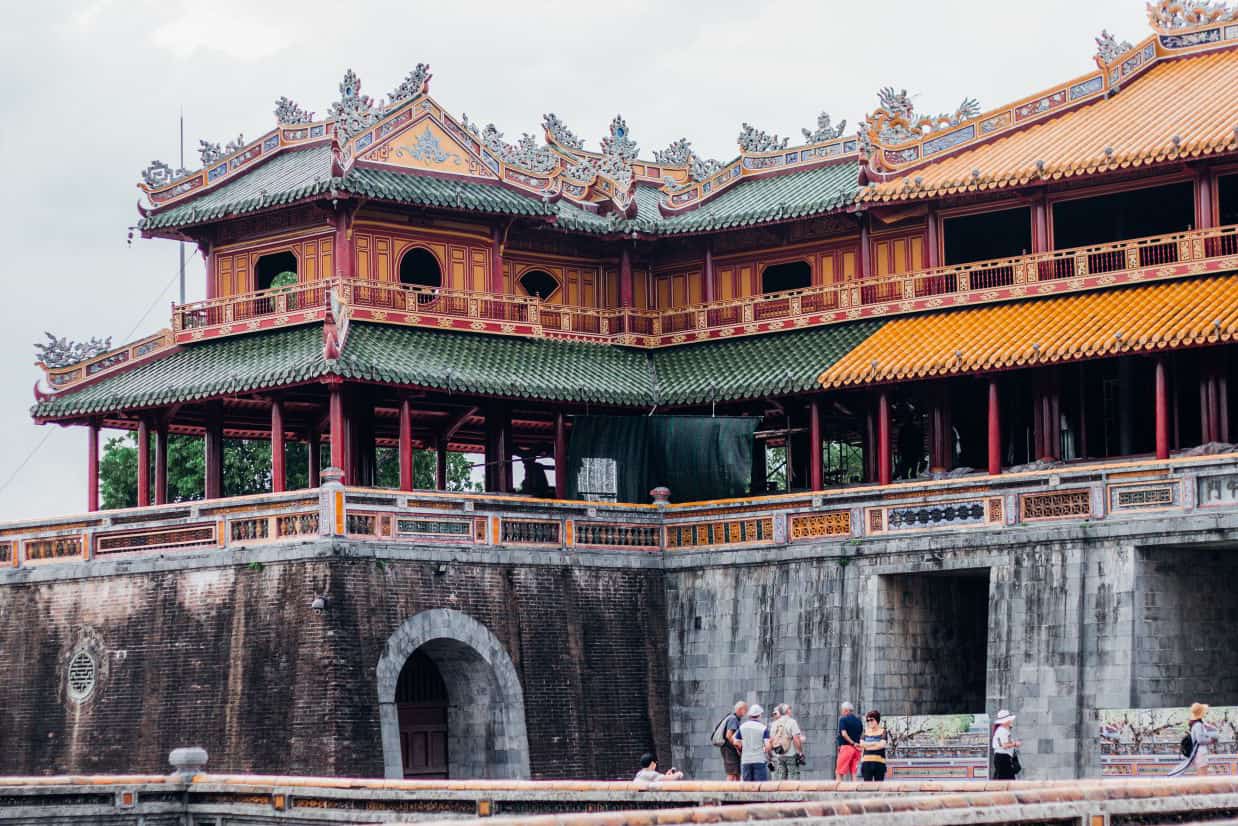
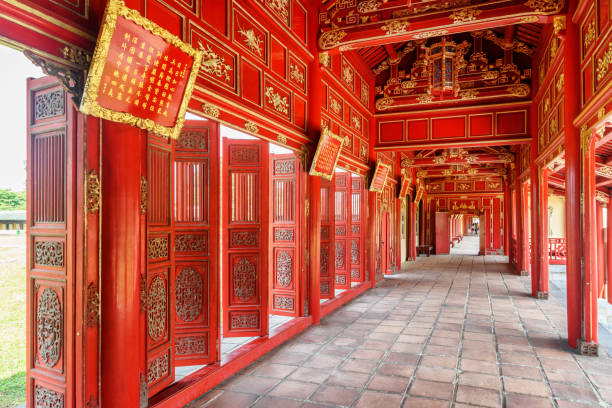
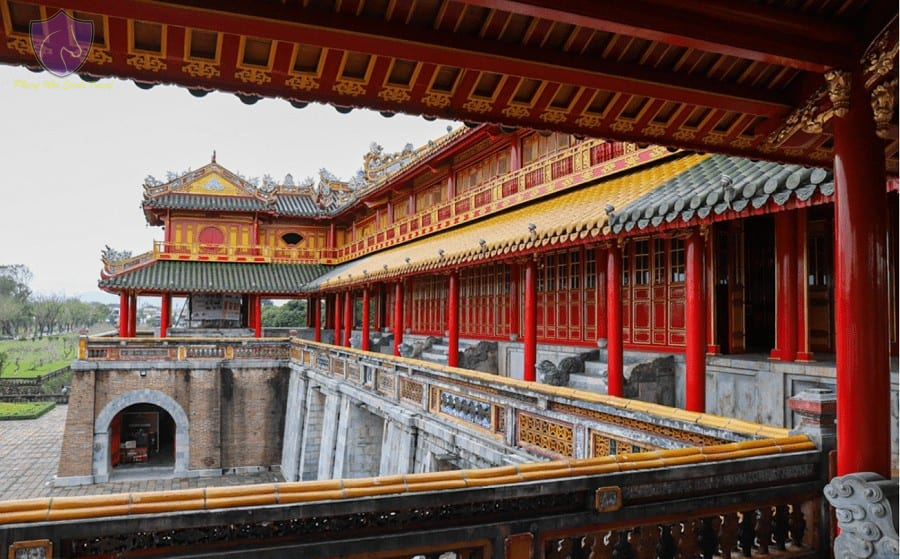
As regards its structure, Ngo Mon Gate comprises two main parts: the ground level – Dai and the upper level – Ngu Phung Pavillion. The former resembles a fortress made of brick and stone, whereas the latter has a much more elaborated structure. 

The Dai has a perpendicular U-shaped structure, of which the length and the width are 57.77 metres and 27.06 metres respectively. The ground level constructed of brick and stone, together with durable bars made of brass, is nearly 5 metres high, occupying an area of more than 1,560 square metres. This part serves as a firm foundation as it is very thick with an almost vertical slope, enabling the whole structure to maintain its shape over time. Be that as it may, this ground level still brings a stately feeling to its appreciators. 

The Dai has five entries in total, each of which is exclusive to a particular position in the dynasty. For instance, the central main entrance (Ngo Mon Gate) was, as far as I’m concerned, reserved for the King only, mandarins, soldiers followed by horses and elephants were allowed to use two small U-shape side entries, and the rest including commoners could only use two outermost entrances. The top of all five entrances looks like a big high arch strengthened by brass crossbars. Furthermore, the exterior is copper foil laminates to add an air of aesthetics to the appearance of Ngo Mon Gate.

Above the group level is Ngu Phung Pavilion – Five Phoenix Pavilion consisting of two floors, and the frame structure is entirely made of iron wood with even 100 pillars. The name has its origin from the elegant appearance of the pavilion – five phoenixes flocking together. 

There are 13 rooms with 5 roofs built in a row. What makes Ngu Phung Pavilion unique is that 5 roofs are divided into 2 lines, each of which is made of 2 roofs. The lower roof is connected, running along the ground level to serve as a shelter to cover the corridor. The upstairs roof is divided into 9 sets including the central roof set – Yellow-tiled roof and the remaining eight sets – Green-tiled roof. These all factors complement one another in the seemingly impeccable pride of Vietnamese architecture. 

I am certain that you will be impressed by Ngo Mon Gate due its architecture which is completely a far cry from the contemporary one. Don’t forget to bring a camera while visiting here because you may want to take some photos of the breathtaking scenery in Ngo Mon gate – a part of The Complex of Hue Monuments. During the opening hours, rarely do I drop by without seeing a crowd of people in front of this complex.

III. Facts and Tips

Ngo Mon Gate has been restored to its former glory, and the conservation center of the Complex of Hue Monuments will continue working on research into reliving meaningful past events to provide tourists with an excellent memorable trip.

Visiting Hue affords a great many opportunities of gaining hands-on experience about residents’ life and enjoy the hustle and bustle which is pretty typical of cities in Vietnam. You can drop by some vibrant and bustling local markets and if you feel interested and curious, I will highly recommend Dong Ba Market – a very popular one in Hue.

Hue Festival usually takes place around April to May every year, so this is the busiest and most crowded time of the year, for quite a few extremely attractive cultural and artistic activities are organized here. However, if you travel to Hue during this time, you should have a thorough plan, and it’s best to book in advance. One more thing to note is that prices will also increase much higher during tourist seasons.

To enter the Ngo Mon Gate, you will have to buy an entrance ticket outside the Imperial City. Each person is required to hold it in hand, enabling an easy control. As a visitor, you should dress politely, not wear underarms or short clothes, especially when visiting places of worship in the palace and sanctuary areas. Regulations state that filming and taking pictures in these places are also not allowed. In addition, do not carry explosives and flammable substances in any circumstances, and smoking is forbidden inside palaces or places of worship.

Hopefully, these fundamental and mandatory things give you an overall view about this tourist attraction. Let’s visit Ngo Mon Gate for a fun trip and the most enjoyable experience.

Come and experience Hue on your next trip, and create unforgettable memories of Vietnam by securing your Vietnam visa at https://vietnamvisapro.net/. As a trusted and reliable visa service, we are here to help turn your dream vacation into reality from the very first step.

Posted on

Farm Visits, Blossoms, Strawberries, and Coffee: Exploring Agrotourism in Dalat

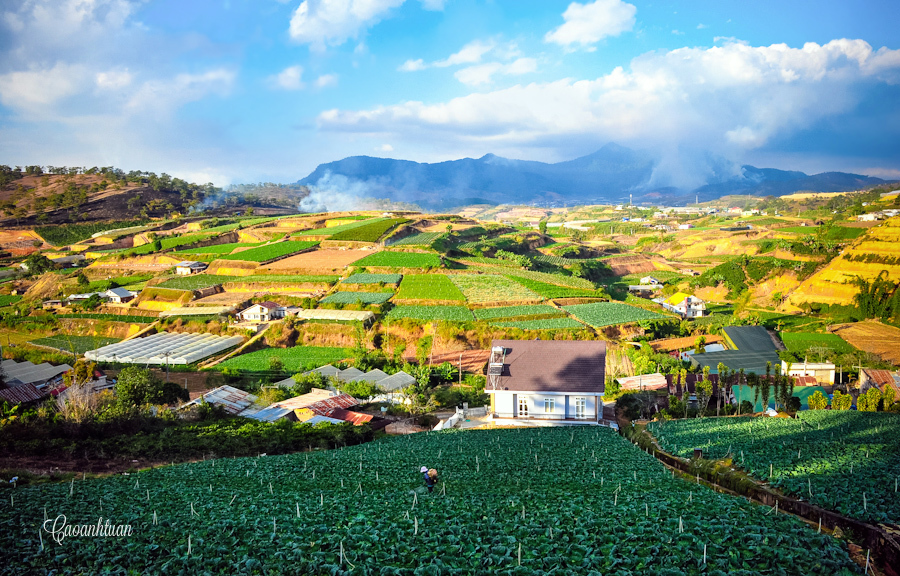
Dalat is often referred to as the “City of a Thousand Flowers” by some, the “City of Love” by others, and the “City of Spring” by yet another group. Nestled in a mountainous region and surrounded by pine forests, it enjoys a mild climate, with temperatures averaging around 20 degrees Celsius throughout the year.

Due to its temperate climate, Dalat has become an agricultural center in Vietnam. While the southern region is known for producing much of the country’s rice, Dalat is a key supplier of fresh produce, including the famous, strong coffee found in cafes throughout the city.

Agricultural tourism is not a new concept in Vietnam, although it is rarely recognized as such. Every year, hundreds of thousands of visitors from across the globe flock to the Mekong Delta to witness its vast, lush rice paddies stretching endlessly between rivers and streams. Additionally, many more travel to the northern regions of Ha Giang and Sapa, where they explore the winding mountain roads, surrounded by terraced fields that, in autumn, transform into golden layers of ripened grain.

Agricultural tourism in Dalat stands apart due to the unique nature of farming in the region. Over the past decade, agriculture has undergone a transformation, with biotechnology replacing traditional, labor-intensive methods. Farmers now employ innovative systems to increase their productivity while reducing effort. This shift has led to fresher, more abundant food, and has made the region’s tourism scene even more captivating.

Ten years ago, honeymooners and families would visit to snap selfies in flower-filled fields or enjoy coffee at cafes with mountain views. Today, with the rise of “agritourism,” visitors are drawn specifically to Dalat to explore and learn about its high-tech farming, seeking both educational and recreational experiences.

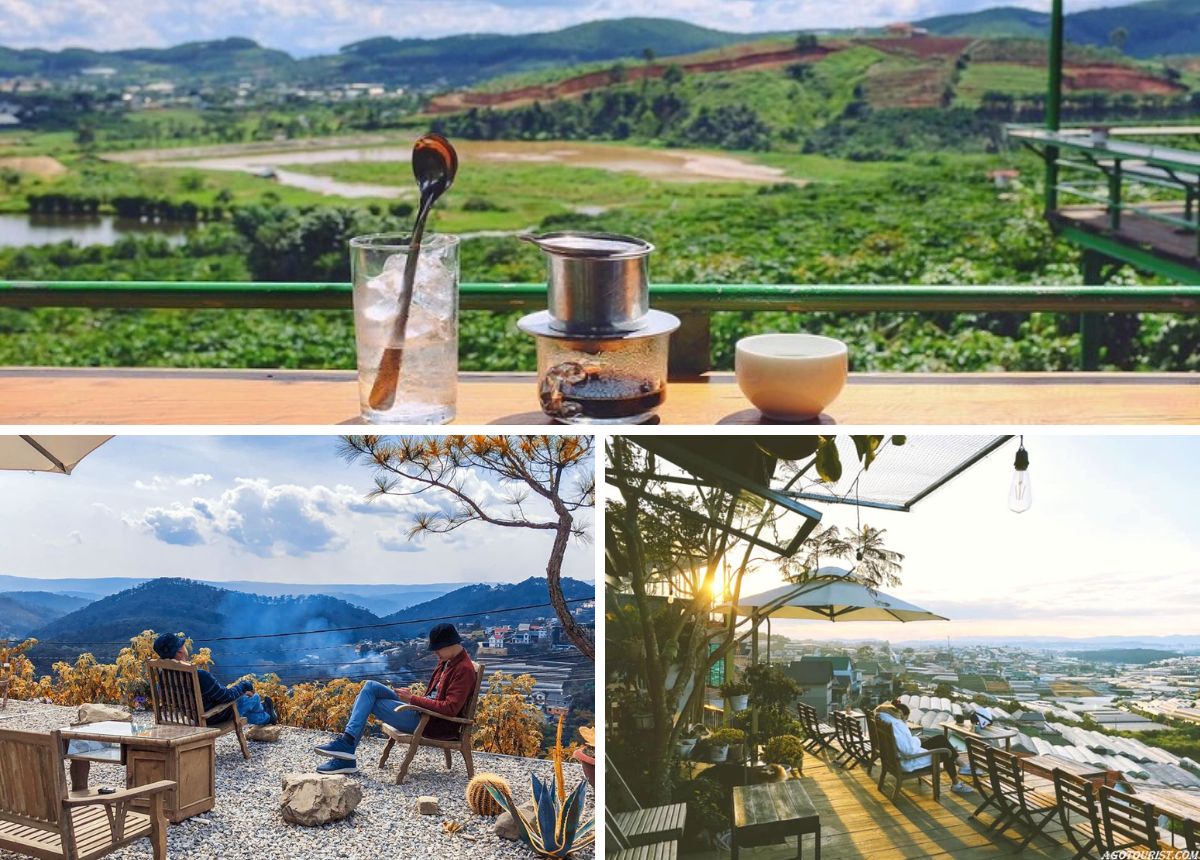
Agritourism in Dalat offers visitors a unique opportunity to immerse themselves in culture, cuisine, and nature all at once. From picking fresh strawberries and sipping local tea to tasting coffee and planting hydroponic lettuce, the region provides a variety of unforgettable experiences.

Hydroponic Farming 

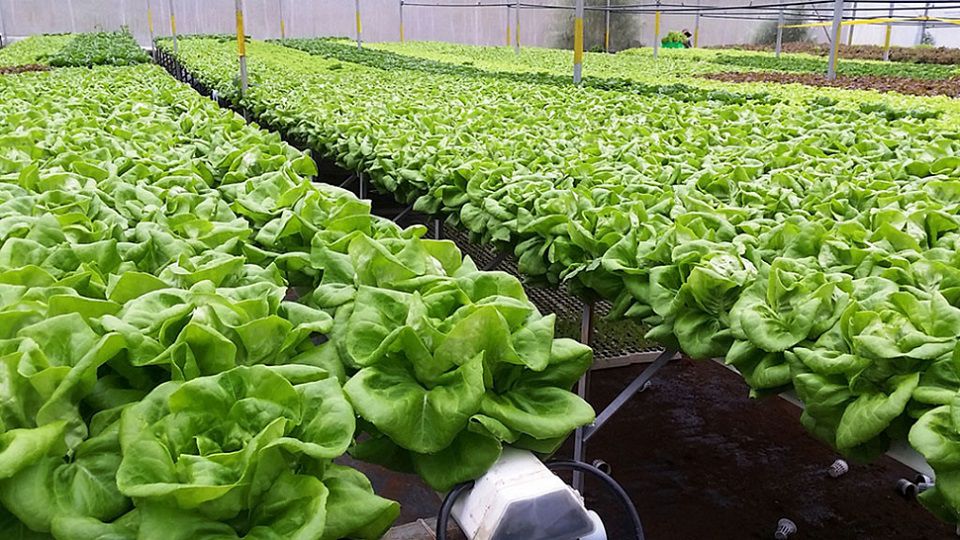
Hydroponic farming is arguably the most significant agricultural advancement in Dalat in recent decades. In this method, plants are grown in nutrient-rich water within horizontal rails rather than in soil, often within controlled greenhouse environments. This approach eliminates the need for many conventional fertilizers and pesticides, offering precise control over germination and harvesting—something traditional farming methods cannot achieve.

Since hydroponic plants don’t rely on soil, the possibilities for system design are endless. Hydroponic rails can be stacked vertically, and plants can be grown along walls or even suspended from the ceiling.

A significant portion of Vietnam’s fruits and vegetables now originate from Dalat’s hydroponic greenhouses, making it a must-visit destination to witness how this technology has completely revolutionized the country’s agricultural produce.

Hanging Strawberry Farms

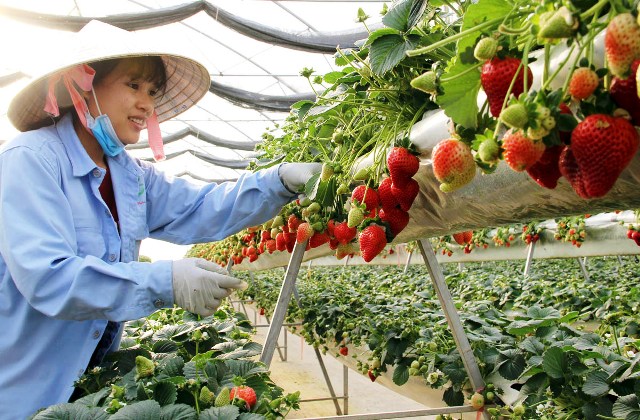
Strawberries are among the most fascinating plants cultivated using hydroponic methods. Traditional strawberry farming often faces challenges with pests, leading to the use of chemical pesticides and intensive manual labor. In Dalat, however, strawberry farmers have started growing their crops upside down, with this innovative technique first introduced by Biofresh Company. Since then, it has gained popularity and been adopted by other farms in the region.

These suspended strawberry gardens have become a popular tourist attraction. The 3,000-square-meter greenhouse, teeming with vibrant pink and green strawberry plants, offers a stunning view. With less labor required for growing the strawberries, farmers can now shift their focus to the tourism industry and the creation of value-added products such as jams and preserves.

Many farms in Dalat offer educational tours, with some providing small baskets for visitors to pick their own ripe, juicy fruits. Tourists should not miss the chance to enjoy fresh strawberries, as they are unique to the region and do not grow well elsewhere in Vietnam.

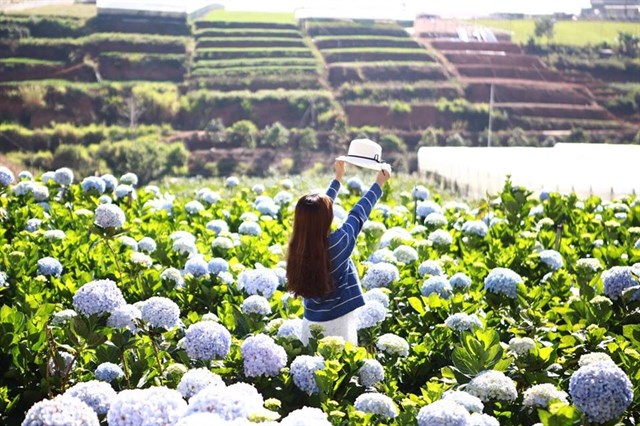
In addition, Da Lat boasts a unique integrated farm that cultivates a variety of rare and valuable agricultural products, typically found only in colder regions. Located in the Van Thanh Flower Village, the farm grows strawberries, giant pumpkins, pepino melons, black tomatoes, and many other crops. As you descend through the valley, you’ll encounter fields of hydrangeas, daisies, roses, scarlet sage, anthuriums, carnations, and snapdragons. Further down, you’ll come across unusual fruits that thrive only in Da Lat’s cool and refreshing climate.

City of A Thousand Flowers

Flowers are a major export of Dalat and have been a key attraction for tourists for many years. The city is home to thousands of flower varieties, cultivated in numerous farms and gardens, with its climate supporting both Western and Eastern species.

Some farms, such as Thai Phien Flower Village, balance both tourism and production. Thai Phien cultivates nearly a thousand flower species across greenhouses and open fields, covering 230 hectares of vibrant color—just one of many farms with similar offerings.

Vibrant colors stretch endlessly in adjacent rows, with yellow sunflowers vying for attention alongside blue hydrangeas and vivid red roses in a single field. No words or photographs can truly capture the mesmerizing kaleidoscope of hues, which is even more striking beneath a vast, clear blue sky.

Centuries of Tea

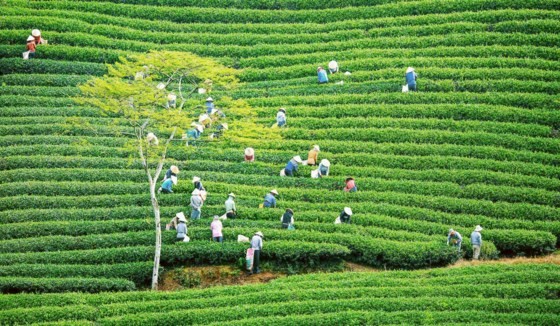
Dalat’s greenhouses offer a more contained experience, while its tea plantations reveal a vast, open landscape. Much like the rice terraces of northern Vietnam, the tea fields here wind around hills, their rows of fragrant bushes creating a stunning, natural pattern. In contrast to the scientists working in high-tech greenhouses, the tea leaves are still harvested by hand, with indigenous women wearing wide-brimmed hats and colorful skirts adorned with unique ethnic patterns.

Several centuries ago, this land was used to produce tea for the French, with all of it being exported abroad. Today, the farms are owned by Vietnamese families who supply both the country and the world.

Stroll along the dirt paths of Cau Dat Tea Hill toward the nation’s oldest tea factory, established by the French in 1927. Begin your visit in the late afternoon, allowing the sun to bathe the leaves in a golden glow and paint the sky with vibrant hues. As the evening air cools, finish the tour with a steaming cup of tea and enjoy the golden hour as it blankets the lush landscape.

Vietnamese Coffee -Robusta and Arabica

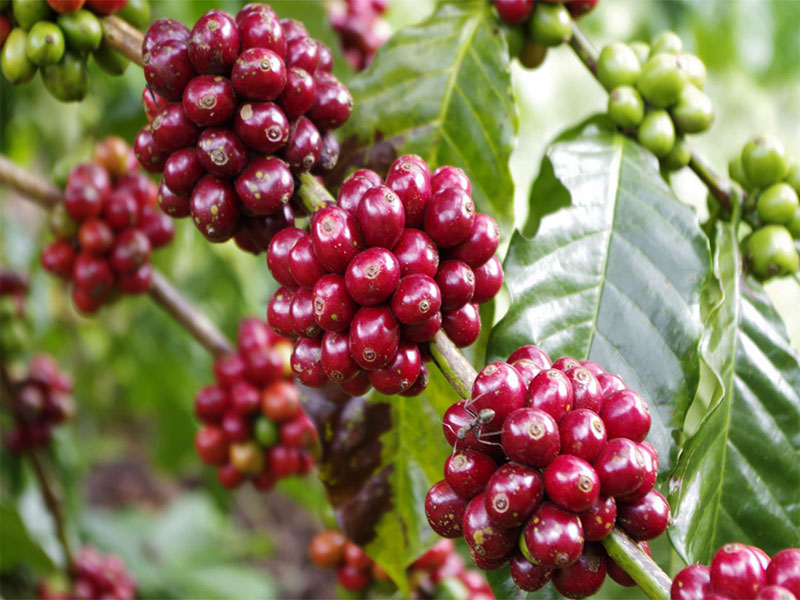
Vietnam is the world’s second-largest coffee producer, with the majority of its coffee grown in the Central Highlands, including Dalat. While “Vietnamese coffee” is typically associated with Robusta beans – known for their strong, thick, and highly caffeinated flavor – the country also produces exceptional Arabica beans. These smoother, more refined beans have been steadily making their way into specialty cafes over the past decade. Grown exclusively in Dalat and the surrounding highlands, this region offers the ideal climate for cultivating these delicate beans.

Dalat is home to several coffee farms that cultivate both Robusta and Arabica beans, making it a great place to explore the coffee production process. A tour of these farms will take you through every stage of coffee creation. You’ll begin in the lush plantations, where you can observe how coffee cherries grow on the trees. While most people recognize coffee as dark brown and roasted, many are unaware that it originates from a fruit that starts out green and ripens to a vibrant red.

In many commercial plantations, coffee is harvested at various stages, with unripe green beans mixed in with fully ripe red ones for roasting. In contrast, artisanal coffee is handpicked at its peak, with each bean carefully selected to ensure it is free from defects.

Follow the process from start to finish, beginning with the removal of the beans from the fruit, followed by fermentation, drying, peeling, and ultimately roasting and brewing.

The last cup of coffee, sipped on a patio with a view of the plantation after a half-day of learning about its production, will undoubtedly taste entirely different. This is the charm of agrotourism in Dalat: every fruit becomes sweeter when you truly understand the effort behind its creation.

Come and experience Da Lat on your next trip, and create unforgettable memories of Vietnam by securing your Vietnam visa at https://vietnamvisapro.net/. As a trusted and reliable visa service, we are here to help turn your dream vacation into reality from the very first step.