Posted on

Ta Xua, a high-altitude haven in northern Vietnam

Nestled at an altitude of over 2,800 above sea level, Ta Xua stands as one of the highest mountain peaks in Vietnam. It located in Bac Yen District, Son La Province, and borders Tram Tau District in Yen Bai Province, and is about 240 kilometres from Hanoi.

Ta Xua has a cool climate all year round and is known as a captivating cloud hunting destination from October to April.

Ta Xua is known for its steep and winding roads near dangerous cliffs. Travelers can get to Ta Xua by motorbike or car, or even trek to the summit if you’re feeling adventurous. There are different trekking routes from Yen Bai and Son La.

>>> Apply Visa to Vietnam <<<

>>> Order Fast Track Service <<<

WHERE TO VISIT

Dinosaur Backbone

The renowned “Dinosaur Backbone” area is approximately 15 kilometres from the heart of Ta Xua and about 5 kilometres from Hang Dong Commune in Bac Yen District. It leans against the Ta Xua Mountain range, overlooking a valley that plunges hundreds of meters deep.

The area features a 1.5-kilometer trail, regarded by backpackers as one of the most beautiful places in the north to witness cloud formations. Often, thick clouds linger from early morning until 10 a.m.

On clearer days, from this area, visitors can immerse oneself in the surroundings of lush forests, terraced fields, and Hmong houses dotting the mountainside.

Dolphin Cliff

The Dolphin Cliff is characterized by two large rocks resembling dolphins swimming in a sea of clouds. The cliffs are adorned with patches of moss, adding to their wild and natural beauty, blending with the surrounding landscape.

To reach the Dolphin Cliff, starting from Bac Yen Town, follow the road leading to Ta Xua Commune. Along the way, visitors will encounter a fork with road signs: one direction to the “cloud paradise back” (8 kilometres), and the other leads to Ta Xua Tea Hill.

Choose the latter, and visitors will arrive at the Dolphin Cliff. Visitors staying at Lu Tre Homestay will find it convenient to reach the Dolphin Cliff when heading towards the hydroelectric dam.

Turtle Cliff

A rock outcrop shaped like a turtle’s head sits at an elevation of 2,100 meters along the path to Ta Xua’s peak. To access the Turtle’s Beak, you’ll need to traverse approximately one kilometer of high slopes with sharp rocks.

Camel’s Ridge

From the center of Ta Xua Commune, travel about 7 kilometers in the direction of the Commune People’s Committee to reach the Camel Ridge.

This attraction in Ta Xua offers splendid morning views, making it an ideal addition to your travel itinerary.

Lonely Tree

The lonely docynia indica tree graces a small hill at Gio Peak, located at the intersection of Xim Vang and Hang Dong, just over 1 kilometer from the heart of Ta Xua. Standing by the tree, travelers can gaze upon the Suoi Sap River. On clear days, the river exhibits a clear and azure hue.

The Lonely Tree is revered by backpackers as a symbol of resilience amidst Ta Xua’s rugged terrain and is often cited as one of the best spots to witness the captivating sunset, especially in the early evenings.

Primeval forest

The Ta Xua primeval forest occupies the southeastern slopes of the Hoang Lien Son mountain range, extending from an altitude of 2,600 meters to the summit. This forest exudes an enchanting, mystical charm, with its constantly changing altitude along the Phu Sa Phin range.

Within the forest, visitors can encounter various rare species of flora and fauna, such as the moss forest. Meandering forest paths combined with dappled sunlight create a fairy tale-like atmosphere.

Ancient tea hill

Ta Xua’s ancient Shan Tuyet tea is celebrated as one of Vietnam’s most distinguished teas. The Shan Tuyet Ta Xua Tea Hill, situated at an altitude of over 1,500 meters above sea level, remains shrouded in clouds throughout the year, resulting in a humid and chilly climate.

These ancient tea trees, aged over a century, receive minimal sunlight, endowing them with exceptional medicinal properties and a unique flavor. Ta Xua tea leaves possess a snowy-white fur-like layer, while the brewed tea reveals a clear and viscous yellow hue. Its initial taste is smooth and astringent, with a sweet and fragrant aftertaste.

Ta Xua Steppe

The Ta Xua Steppe, located along the same route to the Dolphin Cape and the Lonely Tree, lies about 10 kilometers from the commune center. The road is wide with gentle curves, and near the Dolphin Cliff, visitors will encounter signs guiding you to the Ta Xua Steppe. This expansive natural landscape not only offers breathtaking views but also serves as an ideal setting for recreational activities, sports, and camping adventures.

Cloud-watching cafes

Ta Xua boasts several cafes with names like Mi Oi, Hien Coffee, Thao Coffee, H’mong Coffee, and Ban Coffee. These cafes offer stunning views, making them perfect for cloud-watching and ideal spots for photography enthusiasts.

Even during cloudless periods, they provide a serene place to enjoy a cup of hot tea while marveling at the majestic natural surroundings, witnessing the gradual descent of the sunset, or simply unwinding. Prices for drinks range from VND30,000 (US$1.20) to VND60,000.

WHAT TO EAT

When it comes to culinary delights in Son La, the must-try specialty is mac nhung (solanum dulcamara) porridge. As the fruits in the fields ripen after each harvest, they are picked, washed, and transformed into various dishes, with the most renowned being porridge.

This dish boasts a unique blend of bitter, sweet, and spicy flavors, perfectly suited for the chilly weather in the Ta Xua highlands.

In addition to mac nhung porridge, visitors have an array of options to choose from. They can savor a hearty pot of black chicken hotpot, indulge in salmon or sturgeon, or relish popular northern mountain dishes such as buffalo meat, nam pia (internal organs with excrement soup), bamboo-tube rice, sour meat salad, and five-colored sticky rice.

HOW TO GET THERE

Travelers can access Ta Xua using a range of transportation modes, including motorbikes, personal cars, and passenger buses. Starting from Hanoi, the route takes you through Son Tay Town, over Trung Ha Bridge, along Highway 32, and rightward towards Phu Yen and Bac Yen Districts along Highway 37.

The main road leading to the heart of Ta Xua has been paved with concrete, making it much more accessible than in the past. Even 16-seat vehicles can make their way to the summit.

Travelers can opt for passenger cars offered by bus companies such as Khanh Thinh, Quang Nghia, and Nguyen Hang, at a cost of VND700,000 per person for a round trip. These cars usually depart from Hanoi around 10 p.m. and arrive in Ta Xua after approximately five hours, with brief stops along the way.

Once travelers arrive in Ta Xua, they have the option to rent a motorbike for convenience. However, if they aren’t confident in their riding skills, it’s advisable to consider hiring a local motorbike taxi driver, as the roads in the region are quite steep, narrow, and filled with twists and turns.

WHERE TO STAY

While Ta Xua is a burgeoning tourist destination, it lacks large hotels or upscale accommodation options. Nevertheless, approximately 20 homestays and motels dot the area, catering to a range of budgets from VND200,000 ($8) to VND1 million ($42) per night.

Accommodations are mainly concentrated in the central and adjacent areas, featuring community-style houses (stilt houses) and some private rooms. They include Xa Homestay, Nam To Homestay, Mua Tru Homestay, Bao Chau Homestay, and Long Anh 1 Homestay.

Additionally, guesthouses like Phu Hoa, Tra May Ta Xua, Thu Bien, Hai Hang, and Nguyen San provide alternative choices.

For those seeking a unique experience, Homestay Lu Tre stands out as the highest-altitude accommodation establishment in Ta Xua, situated approximately 7 kilometers from the central area. Some high-clearance vehicles and motorbikes can reach the doorstep, while others can park at the gate, with guests covering the remaining 300-meter distance on foot or using a motorbike shuttle service. Accommodation options include bungalows, houses, and stilt houses.

Ta Xua also beckons camping enthusiasts. By selecting the right spot, visitors can relish the opportunity to witness the sunrise or sunset from the mountaintop.

While cloud hunting is a highlight of Ta Xua, it’s essential to consider the weather. Checking the forecast is advisable, and it’s best to select a day with low nighttime temperatures, pleasant daytime warmth, and ample sunshine. Familiarize yourself with the direction of the sunrise in the cloud hunting area to capture the best angles for your photographs.

Avoid arriving in Ta Xua during the evening and try not to travel in large groups. When traveling by motorbike taxi, it’s a good practice to inquire about the fare and engage in a bit of bargaining.

The estimated cost per person for a two-day, one-night stay ranges from VND1.5 million to VND2 million ($62-82). During holidays and peak seasons, it’s advisable to book accommodation in advance, as Ta Xua tends to fill up quickly.

The area can accommodate a limited number of tourists simultaneously, typically around 700-800, so planning ensures you secure your spot at this destination.

Story by Tam Anh

Sources: VNExpress International

Posted on

A COMPREHENSIVE GUIDE-GET TO HO CHI MINH CITY FROM CAMBODIA

Are you planning a trip to Ho Chi Minh City from Cambodia? This bustling city, also known as Saigon, is a popular tourist destination in Vietnam. With its rich history, vibrant culture, and delicious cuisine, it’s no wonder that many travelers are drawn to this enchanting city. However, before you can immerse yourself in all that Ho Chi Minh City has to offer, you need to figure out the best way to get there from Cambodia. In this blog post, we will guide you through the various transportation options, border crossings, visa requirements, and cultural etiquette to help you plan your journey seamlessly.85Planning Your Journey: Key Considerations
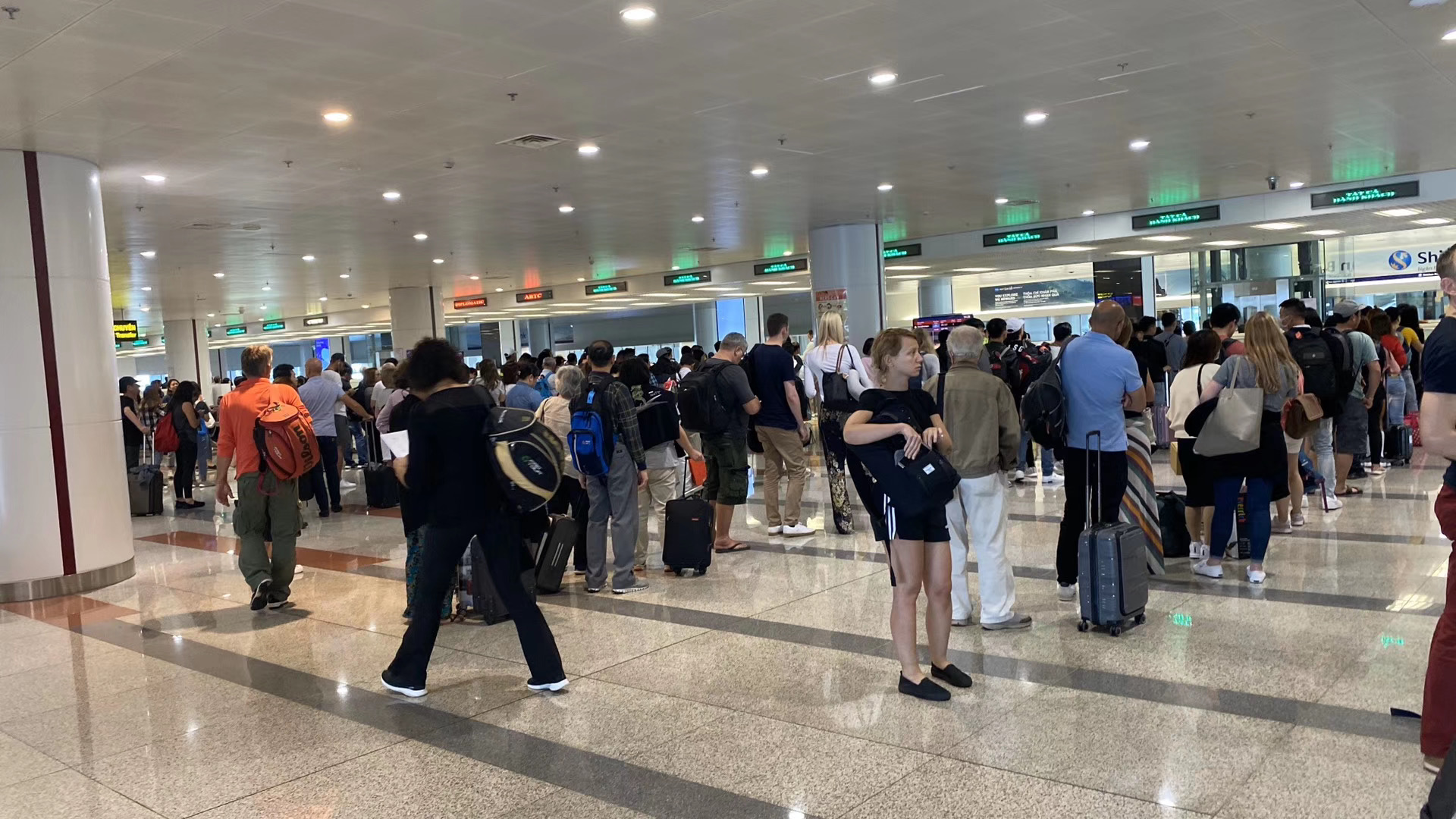
Before embarking on your journey to Ho Chi Minh City, there are a few key considerations that you should keep in mind.
Time of Travel
The first thing to consider is the time of travel. The weather in both Cambodia and Ho Chi Minh City can be hot and humid, so it’s important to plan your trip during the cooler months. The best time to visit Ho Chi Minh City is from December to April when the weather is dry and pleasant. Avoid traveling during the monsoon season, which runs from May to November, as heavy rains can disrupt your plans.
Budget
Another important factor to consider is your budget. The cost of traveling from Cambodia to Ho Chi Minh City can vary depending on your mode of transport. If you’re on a tight budget, overland routes may be a more affordable option compared to flying. However, if you value convenience and time, then flying might be the better choice for you.
Itinerary
Your itinerary will also play a crucial role in deciding how you get to Ho Chi Minh City. If you have limited time and want to maximize your stay in the city, then flying would be the most efficient option. On the other hand, if you have a more flexible schedule and want to explore the countryside along the way, then overland routes may be a better fit for you
Border Crossings: A Comprehensive Overview
There are several border crossings between Cambodia and Vietnam that you can use to get to Ho Chi Minh City. Here’s a breakdown of the most popular ones:
Bavet/Moc Bai Border Crossing
This is the most popular border crossing for travelers going from Cambodia to Ho Chi Minh City. It connects Bavet in Cambodia to Moc Bai in Vietnam and is located about 70 kilometers from Ho Chi Minh City. This border crossing is open 24/7 and is accessible by bus, taxi, or private car.
Kaam Samnor/Vinh Xuong Border Crossing
Located near Chau Doc in Vietnam and Kandal Province in Cambodia, this border crossing is another popular option for travelers. It is open from 7 am to 5 pm and can be accessed by bus, taxi, or private car.
Phnom Den/Tinh Bien Border Crossing
This border crossing connects Takeo Province in Cambodia to An Giang Province in Vietnam. It is open from 7 am to 5 pm and can be reached by bus, taxi, or private car.
Prek Chak/ Ha Tien Border Crossing
This border crossing connects Kampot Province in Cambodia to Ha Tien in Vietnam. It is open from 7 am to 5 pm and can be accessed by bus, taxi, or private car.
Visa Information: Essential Requirements and Regulations
Before traveling to Ho Chi Minh City from Cambodia, it’s important to understand the visa requirements and regulations. Here’s what you need to know:
Visa Exemption
Citizens of most countries will need a visa to enter Vietnam, while citizens of certain countries are exempt from needing a visa for stays of up to 45 days. These exemptions include citizens of ASEAN countries, South Korea, Japan, Russia, and several European countries.
E-Visa
Citizens of the countries, including Cambodia, can apply for an Vietnam e-visa online. The process is simple and can be done through the Vietnam Immigration Department’s website. An e-visa allows you to stay in Vietnam for up to 90 days and is valid for single/multiple entry.
Visa on Arrival
If you’re not eligible for an e-visa, you can also apply for a visa on arrival. This option requires you to obtain a visa approval letter from a travel agency or tour company before arriving in Vietnam. Once you arrive at the airport, you will need to present this letter along with your passport and pay a stamping fee to get your visa.
Transportation Options: Exploring Various Modes of Travel
There are several transportation options available for traveling from Cambodia to Ho Chi Minh City. Let’s take a closer look at each one:
By Flight
Flying is the most convenient and fastest way to get to Ho Chi Minh City from Cambodia. There are daily flights from Phnom Penh and Siem Reap to Ho Chi Minh City, with a flight time of about an hour. However, this option can be quite expensive, especially during peak season.
By Bus
Taking a bus is a popular choice among budget travelers. There are many bus companies that offer direct routes from various cities in Cambodia to Ho Chi Minh City. The journey can take anywhere from 6 to 12 hours, depending on your starting point and the border crossing you choose.
By Train
Traveling by train is another affordable option, but it is not as popular as taking a bus. The train journey from Phnom Penh to Ho Chi Minh City takes about 12 hours and involves a change of trains at the border. However, the scenery along the way is breathtaking, making it a great option for those who want to enjoy the countryside.
By Private Car
For a more comfortable and hassle-free journey, you can also hire a private car to take you from Cambodia to Ho Chi Minh City. This option is more expensive than taking a bus or train, but it offers more flexibility and convenience.
Border Formalities: Tips for a Smooth Passage
Crossing the border from Cambodia to Vietnam can be a bit daunting, but with proper preparation, it can be a smooth and hassle-free process. Here are some tips to keep in mind:
Have Your Documents Ready
Make sure to have all your travel documents, including your passport, visa, and any other necessary paperwork, ready before reaching the border. This will save you time and prevent any delays.
Be Prepared to Pay Fees
When crossing the border, you may be required to pay various fees, such as visa fees, stamping fees, and road tolls. Make sure to have enough cash on hand to cover these expenses.
Arrival in Ho Chi Minh City: Welcoming the Enchanting City
After a long journey, you’ll finally arrive in Ho Chi Minh City, ready to explore all that it has to offer. Here are some tips to help you get settled:
Getting Around
The most convenient way to get around the city is by using ride-hailing apps like Grab or Go-Viet. Taxis are also available, but make sure to negotiate the fare before getting in.
Accommodation
Ho Chi Minh City offers a wide range of accommodation options, from budget hostels to luxury hotels. Make sure to book your accommodation in advance, especially during peak season.
Must-See Attractions
No trip to Ho Chi Minh City is complete without visiting some of its top attractions, such as the War Remnants Museum, Ben Thanh Market, and the Cu Chi Tunnels. Make sure to plan your itinerary accordingly to make the most of your stay.
Conclusion
Traveling from Cambodia to Ho Chi Minh City is a relatively easy and straightforward process, with several options available for different budgets and preferences. Whether you choose to fly, take a bus, or embark on a boat journey, you’ll be able to experience the unique cultures and landscapes of both countries. Just make sure to plan ahead and have all the necessary documents and information before embarking on your trip. Happy travels!
Posted on 215 Comments

Airport Fast Track Service and its advantages

Airport Fast Track Service is a premium service that allows you to skip the long queues at immigration and customs. This can save you a significant amount of time, especially at busy airports.

BENEFITS WE CAN GIVE YOU

– Prompt assistance via phone, live chat and email is always available.

– Services implement quickly, no wasting time.

– Being met and guided from the arrival gate.

– Get Visa stamp fast, without getting in line.

– Be assisted and escorted through Immigration checkpoint.

– Baggage porters available on request.

– Clear Terms & Conditions guarantee protect customers’ right.

Airport Fast Track Service can be a great way to save time, reduce stress, and get priority treatment when you travel. If you are looking for a way to make your journey more enjoyable, then airport fast track service is a great option.

For using our Airport Fast Track Service, kindly send the information of your name + number of people + flight information to our email https://vietnam-airport.net/ We will support you at any time.

Posted on

What do I need to inform you in case I wish to use your private car pickup?

In order to well arrange the car for you, please let us know your flight number and landing time in Vietnam and the number of people in your group as well. Also pls make the order on my website: https://vietnam-airport.net/

Posted on

What do I need to inform you in case I wish to use the arrival fast-track service?

In order for us to arrange the fast-track service for you, please let us know your flight number and landing time in Vietnam. Also pls make the order on my website: https://vietnam-airport.net/

Posted on

How long does it take me to get my Vietnam visa stamped if I do it myself?

Normally, the visa stamping process at Vietnam airport may take you 15 – 20 minutes, even 30-45 minutes during peak time.

Posted on

Why should I use the arrival fast-track service?

When using this service, you will get certain benefits as follows:

  • Getting visa stamped/sticker at landing visa counter without staying in line;
  • Having baggage collected by our staff in case of using our Full VIP fast-track service;
Posted on

Clarify the difference between your visa and VIP fast-track service

Please be kindly informed that normally, when using Vietnam visa, you will need to go through two gates at Vietnam airport to complete your immigration procedure: visa counter and Passport Control gate.

With the VIP visa fast-track service, our staff at Vietnam airport will assist you to get visa stamped/sticker quickly at the first gate – visa counter. And then you will go through the second gate and complete the procedure there by our representative at Vietnam airport who will assist you to go through these two gates quickly.