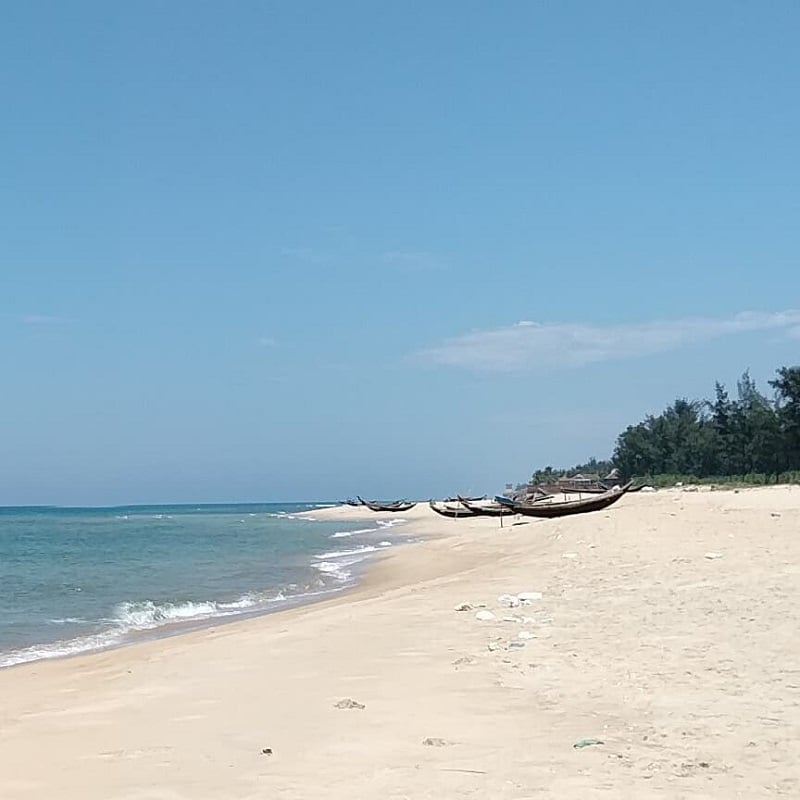
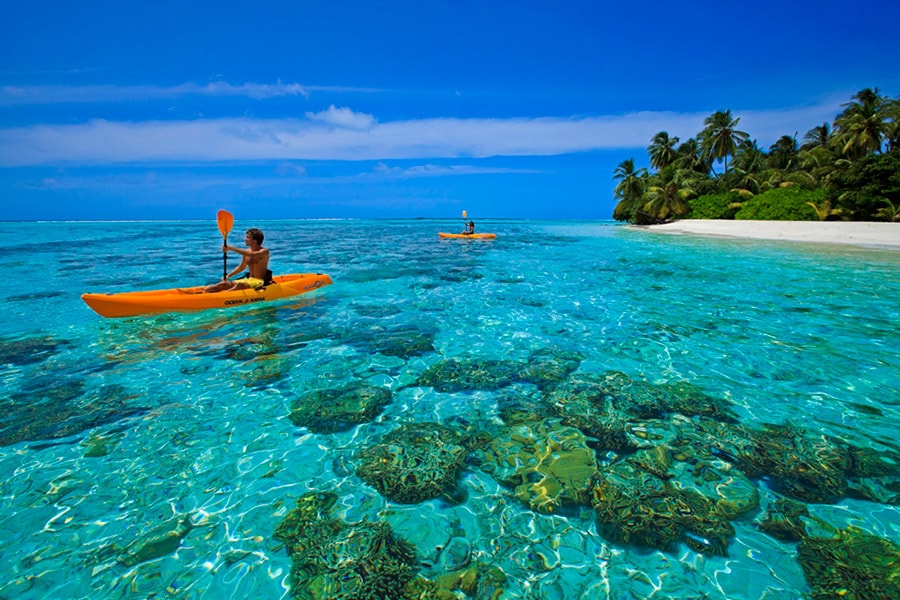
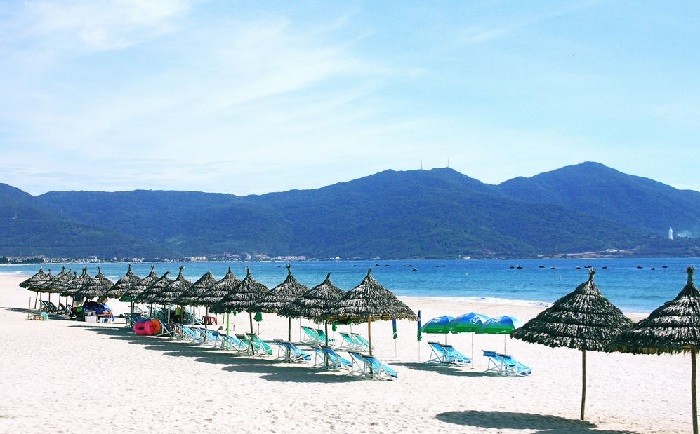
Posted on

Best time to visit Vietnam & weather

The weather and the best time to visit Vietnam vary enormously between the north and the south. Depending on where you want to spend most of your time, make sure you are prepared for the weather.

What is the best time to visit Vietnam

The best time to visit Vietnam is from December to April. The temperature is pleasant and there is almost no rain. But the best time to visit Vietnam also depends on where in Vietnam. In the north it can get quite cold in December and January. Therefore, view the weather by month for each region. March is the best month to travel throughout Vietnam.

Seasons

High season (June-July)

High season for traveling to Vietnam is usually in June and July. Although this is a peak season for the Dutch due to school holidays, the Vietnamese school holidays are also overlapping at the moment. Prepare for busy airports and full flights, especially if you plan to explore more of Southeast Asia while you are there. If you want to travel cheaply, this period, as well as during Tet (early February), may not be the best time to visit Vietnam. You will find that many hotels and flights are fully booked if you look for it at the last minute. With many people on the move, it’s best to plan in advance to get some good deals on flights and accommodation.

Low season (September-October)

This is the cheapest time to fly to Vietnam. Not only can you save a lot on airline tickets, but you also have less crowds during your holiday!

Rain season (monsoon season)

As with most destinations, you can still enjoy Vietnam during the monsoon season (April to October), but there are some reservations. You meet fewer travelers and many more mosquitoes during the rainy season. Negotiating better prices for accommodation becomes easier, and tours can be cheaper, but outdoor activities become soaked experiences. Transport delays happen. Buses may not run during long periods of heavy rainfall, because sometimes roads get flooded and become more dangerous to drive.

Typhoon season

Although nature does not always play by the rules, hurricane season (typhoon season) usually ends every December around December. The start dates depend on which part of Vietnam: north, central or south. In general from August to November and October is generally the most stormy month.

When are the rice fields the most beautiful?

If you have ever dreamed of seeing the beautiful golden rice fields, be on time, the harvest season only lasts 1 month! Vietnam has beautiful rice fields in different locations in the countryside from north to south.

Terraced fields in the mountainous provinces in the north of Vietnam are the best at the end of September and October, when the harvest season starts and then show beautiful colors.

Best time to visit Vietnam per region

North Vietnam

North Vietnam (Hanoi, Halong Bay, Sapa, Mai Chau & Ninh Binh) has a clear winter and summer season. The cool but mostly dry winter lasts from November to April, at an average temperature of 17-22 ° C with the coldest months of January – March. The summer lasts from May to October when it is hot and humid and the region has the most rainfall. July to September are often the wettest months of the year.

MonthsAverage tempratureRain per month (mm)
January17ºC18
February18ºC28
March20ºC38
April24ºC81
May28ºC197
June30ºC238
July30ºC322
August29ºC343
September28ºC252
October26ºC98
November22ºC42
December19ºC21

Central Vietnam

Central Vietnam (Hoi An, Da Nang, Hue) has warm and dry weather from mid-January to the end of August, with temperatures often reaching mid-30 degrees. During the winter months, rainfall increases with the peak levels in October and November, sometimes in the form of typhoons.

MonthsAverage tempratureRain per month (mm)
January22ºC101
February22ºC31
March24ºC12
April27ºC18
May29ºC47
June30ºC42
July30ºC99
August28ºC117
September26ºC447
October24ºC530
November22ºC221
December21ºC208

South Vietnam

With temperatures remaining constant throughout the year, the climate in the south (Ho Chi Minh City, Mekong Delta, Mui Ne, Phu Quoc) is split into two simple seasons, wet and dry. The dry season starts in November and ends in April / beginning of May, with a little warmer and more humid at the end of February to May. The wet season lasts from May to early November, with the months of June, July and August receiving the most rainfall of the year.

MonthsAverage tempratureRain per month (mm)
January27ºC15
February28ºC4
March29ºC13
April30ºC42
May29ºC221
June29ºC331
July29ºC314
August28ºC268
September27ºC334
October27ºC268
November27ºC114
December27ºC56

Weather by month

View the weather each month to see what you can expect when you are in Vietnam. Keep in mind that the explanation below is an estimate of what you can expect in Vietnam, because in practice it happens that, for example, the rainy season starts later or earlier and continues longer or shorter. You can also read more about the holidays and events per month in Vietnam.

January

During this time of the year, dry and pleasant weather can be enjoyed in most of the country, with the only exception being the northern regions. Temperatures can drop dramatically in these areas, especially in the mornings and late evenings it feels much cooler. This is especially the case for Sapa and Ha Giang. For the best beach weather you have to go to Phu Quoc with guaranteed sunshine. It is good to know that the Halong Bay can be quite blurry at this time of year and you may not get the best views.

February

The cold mornings begin to disappear in the north and hot dry weather is expected in most of the country. North Vietnam remains an exception and feels colder. Good to know is that while traveling in February during TET (Vietnamese New Year) the majority of shops, museums and restaurants are closed for about a week.

March

This is high season for travel to Vietnam and the best time to visit. Beachgoers now have a better choice of destinations, with Mui Ne, Con Dao and Nha Trang all getting good weather. Hoi An is also a great beach destination by the end of the month. This is the perfect time to visit Halong Bay, which should have a clear blue sky without haze.

April

Like March, April is the best time to visit to travel to the country and you will see more crowds, with fantastic weather everywhere.

May

It is getting hot and May offers a wonderful opportunity to miss the April high season prices. Rain has yet to come, but by the end of the month you can expect a rain shower in the northern and southern regions.

June

You may get occasional rain in the north and south of the country, but Hanoi, Mai Chau and Halong probably have a clear blue sky most of the time. The best place to be is in Central Vietnam, where the sun is still shining. Very little rain is expected in Lang Co, and Hoi An serves as a beautiful beach destination. Grab your chance in the off season before the school holidays start next month.

July

Central Vietnam is the best place to be, with hours of sunshine and little rain. The rest of Vietnam is likely to experience some showers, but not enough to influence your pleasure.

August

Central Vietnam is the best place to visit at this time of the year, although the rest of the country is still worth a visit, if you don’t mind having occasional rain. Although flights can be more expensive, hotels offer great promotions during the Vietnamese low season.

September

Catch the last sun on the central coast of Vietnam before the rain occurs more often at the end of the month. The north and south are usually very wet at this time of the year, but hotels are cheap.

October

The sun is returning to the north of the country and this is a great time to go to Sapa or leave the beaten track in Ha Giang. Although this is not the best time for a beach vacation, Vietnam has so much more to offer and traveling in October means you skip the crowds.

November

The high season begins again and many people head to Vietnam for the colder winter months in the north. By the end of the month, the entire country is generally hot and dry, with the exception of the central region, which can have some showers.

December

There is still a chance of rain in the central part of the country; however, the rest of Vietnam will be hot and dry. The beach season starts again on Phu Quoc. It is advisable to book early for the Christmas period, because there is not much available.

Make your plan to Vietnam right now by apply a Vietnam visa at vietnamvisapro.net. We, a reputable and reliable Visa service, will assist you turn your plan into reality at the very first step
Posted on

Phong Nha – Ke Bang National Park: home of the World’s largest cave

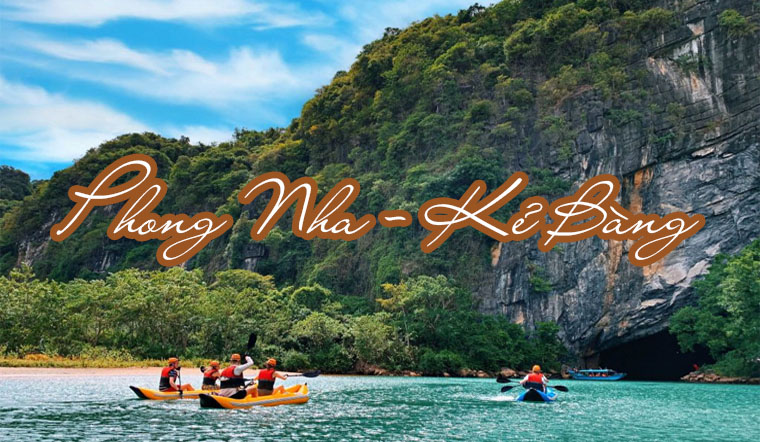
Vietnam boasts numerous amazing places to visit, various off-the-beaten-track tourist attractions and hidden gems in Vietnam are waiting to be explored. Phong Nha – Ke Bang National Park is one of them.

kinh-nghiem-du-lich-kham-pha-dong-phong-nha-ke-bang-quang-binh-202107051210588725

Phong Nha-Ke Bang National Park is located in Bo Trach and Minh Hoa Districts, Quang Binh Province. Inscribed on the World Heritage List in 2003, the Park covered 85,754 hectares. With this extension, the site covers a total surface area of 123,326 hectares (a 46 % increase).

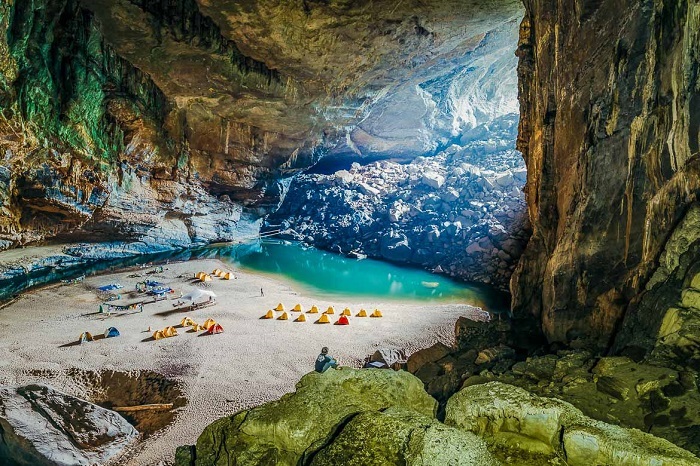
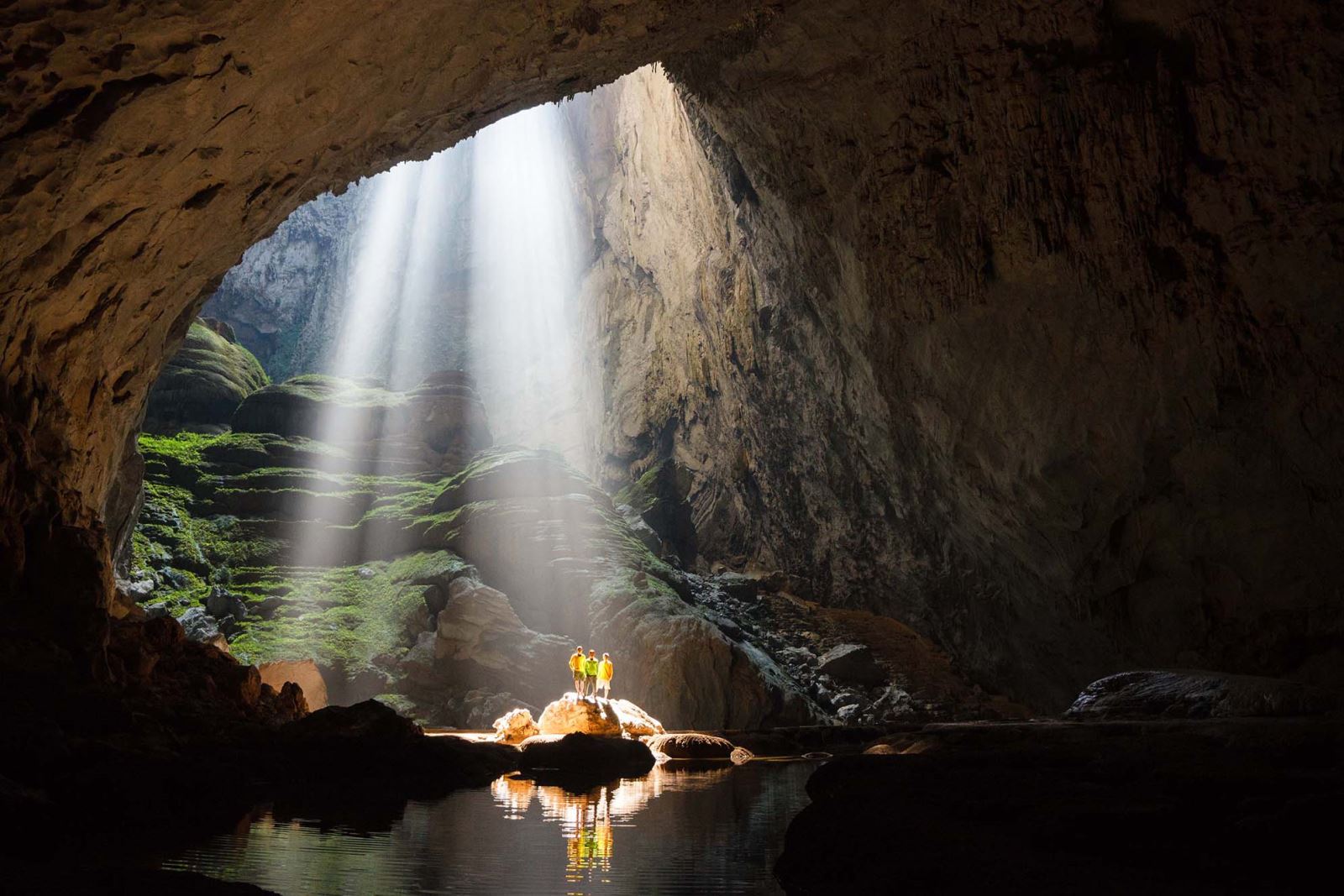
The property contains and protects over 300 caves and underground rivers making it one of the most outstanding limestone karst ecosystems in the world. A variety of cave types including: dry caves, terraced caves, suspended caves, dendritic caves and intersecting caves. Noticeably the Son Doong Cave, first explored in 2009, is believed to be the world’s largest cave.

vna_potal_chum_anh_ve_dep_cua_son_doong_hang_dong_tu_nhien_lon_nhat_the_gioi__3710474(1)

he park also has diverse flora and fauna, including many rare and endangered species. Visitors can explore the natural wonders scattered around the park and indulge in various recreational activities such as trekking, kayaking, and cycling.

Best time to visit Phong Nha – Ke Bang National Park is from March to August, during the dry season.

Phong Nha – Ke Bang National Park is truly a wonderful underground world since it consists of caves, lake, river, beach and reef, incredible stalactites… In case you only know about Phong Nha – Ke Bang National Park via the Son Doong Cave adventure tour. Here, you can enjoy tons of activities that bring you closer to nature.

Explore Phong Nha – Ke Bang National Park by wheels

Cycling and motorbike tours are highly recommended as this is the best approach to unveiling hidden gems of Phong Nha – Ke Bang National Park. Feel the exhilarating rush of wind as you traverse picturesque pathways, absorbing the verdant panoramas and the abundant biodiversity that graces the park. For another level and pumping your adrenaline by navigating winding routes on a motorbike that lead to concealed alcoves and awe-inspiring vantage points. Whatever vehicles you choose, both avenues yield a distinct viewpoint, enabling an intimate connection with the park’s multifaceted landscape.

Wander and Trek

Taking a leisure stroll or embarking on a rewarding hiking adventure are the best ways to let you immerse yourself in the natural wonders of Phong Nha – Ke Bang. With the diverse landscapes, the park offers a captivating journey. Wander through lush forests, revealing hidden streams and delicate flora, visitors will be embraced by the tranquil amble. For those seeking a more adventurous experience, getting into hiking paths lead to panoramic viewpoints that offer breathtaking vistas of the surrounding karst formations.

Visit Phong Nha – Ke Bang botanical garden

The 40-ha botanical garden located in the centre of the Phong Nha – Ke Bang National Park, the garden is an attractive eco-tourism destination with 500 plant species, including 133 rare and precious ones. The botanical garden is a natural forest with six major tourism sites: the 30-metre high Gio (Wind) Waterfall, Vang Anh Lake, a specimen showroom, a 3-km natural pathway, plant nursery and precious and rare plant areas. Walking on the pathway, tourists can see monkeys and porcupines in the wild and in a semi-wild zone.

Visitors can camp or rent rooms overnight and enjoy local food made from chicken, spring shrimp, river fish and pigs bred in forests.

Enjoy zipline and mud bath in Chay River – Toi (Dark) Cave

foody-hang-toi-quang-binh-755-635982523463766379

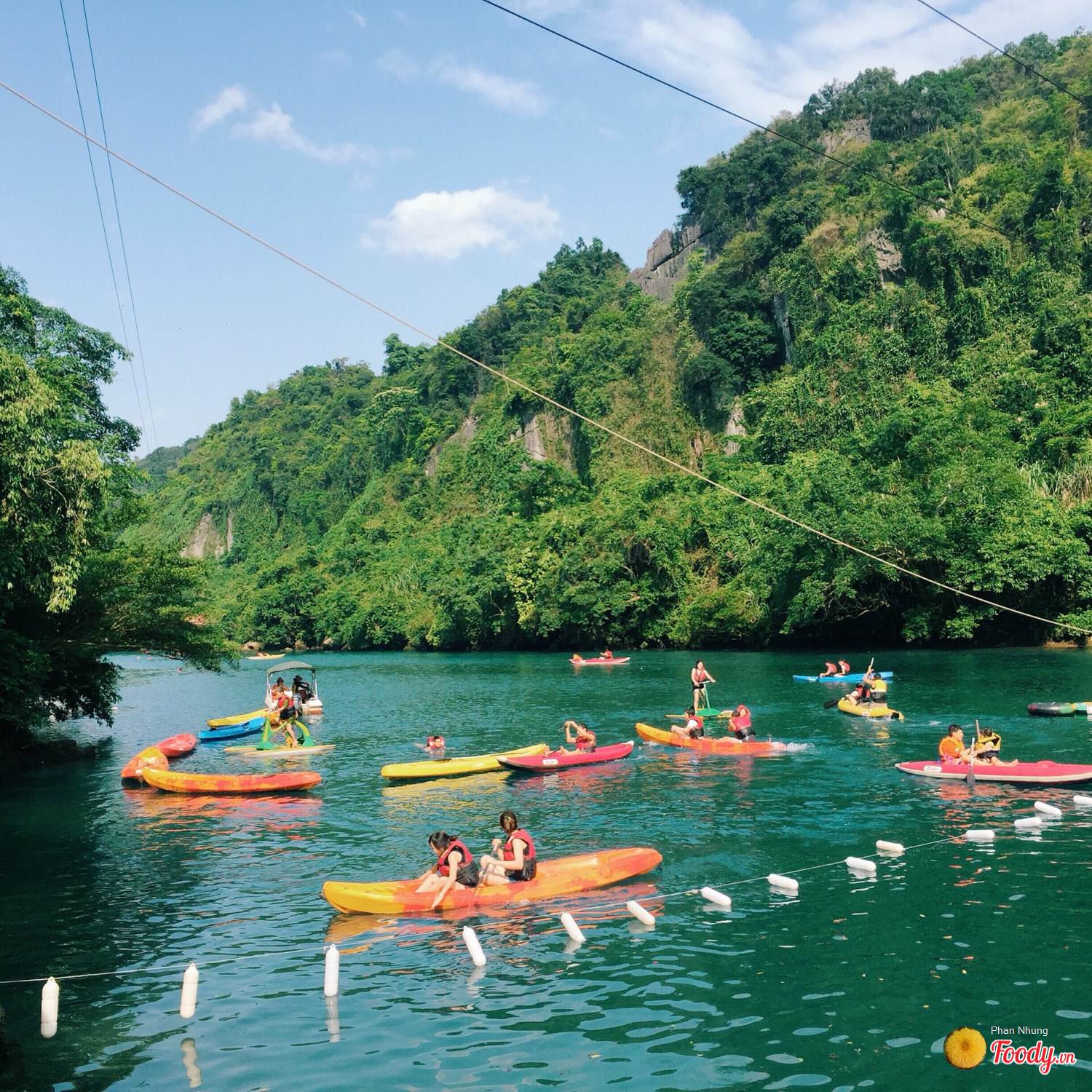
Chay River – Dark Cave is located in Son Trach Commune, Bo Trach District (Quang Binh Province), is an attractive destination with many fun activities such as zipline, kayaking, mud bath. Visitors often come here to enjoy the cool and fresh air.

Zipline is truly a highlight activity in Chay River. This activity includes two routes: a 400m zipline from the observatory to the mouth of Dark Cave and a short zipline from the bank to the middle of the river and then release in the water of the Chay River. Free your soul within a minute, feel the light wind over a distance of more than 400m from the observatory to the mouth of Dark Cave.

To reach Dark Cave, visitors can choose to zipline to the cave entrance or swim or kayak for sightseeing and having fun. Visitors can put themselves into the pit of pure dilute mud that is eroded and refined by the limestone mountains.

Overnight camping and caving

One of the immersive experiences amidst the natural wonders of Phong Nha – Ke Bang National Park is to camp and cave overnight at the park. Spending the night within the heart of these ancient limestone formations, surrounded by the secrets of the underground world. The caves glow up with headlamps illuminating your path, the whole place turns into a mystic allure. This kind of activity is recommended with the companion of expert guides so you can be delighted by the park’s geology, history, and the unique ecosystems that thrive within.

thoi-tiet-quang-binh-1_1643163438-5

Make your plan to Vietnam right now by apply a Vietnam visa at vietnamvisapro.net. We, a reputable and reliable Visa service, will assist you turn your plan into reality at the very first step.

Posted on

Three Vietnamese Destinations Shine with ASEAN Clean Tourist City Awards 2024

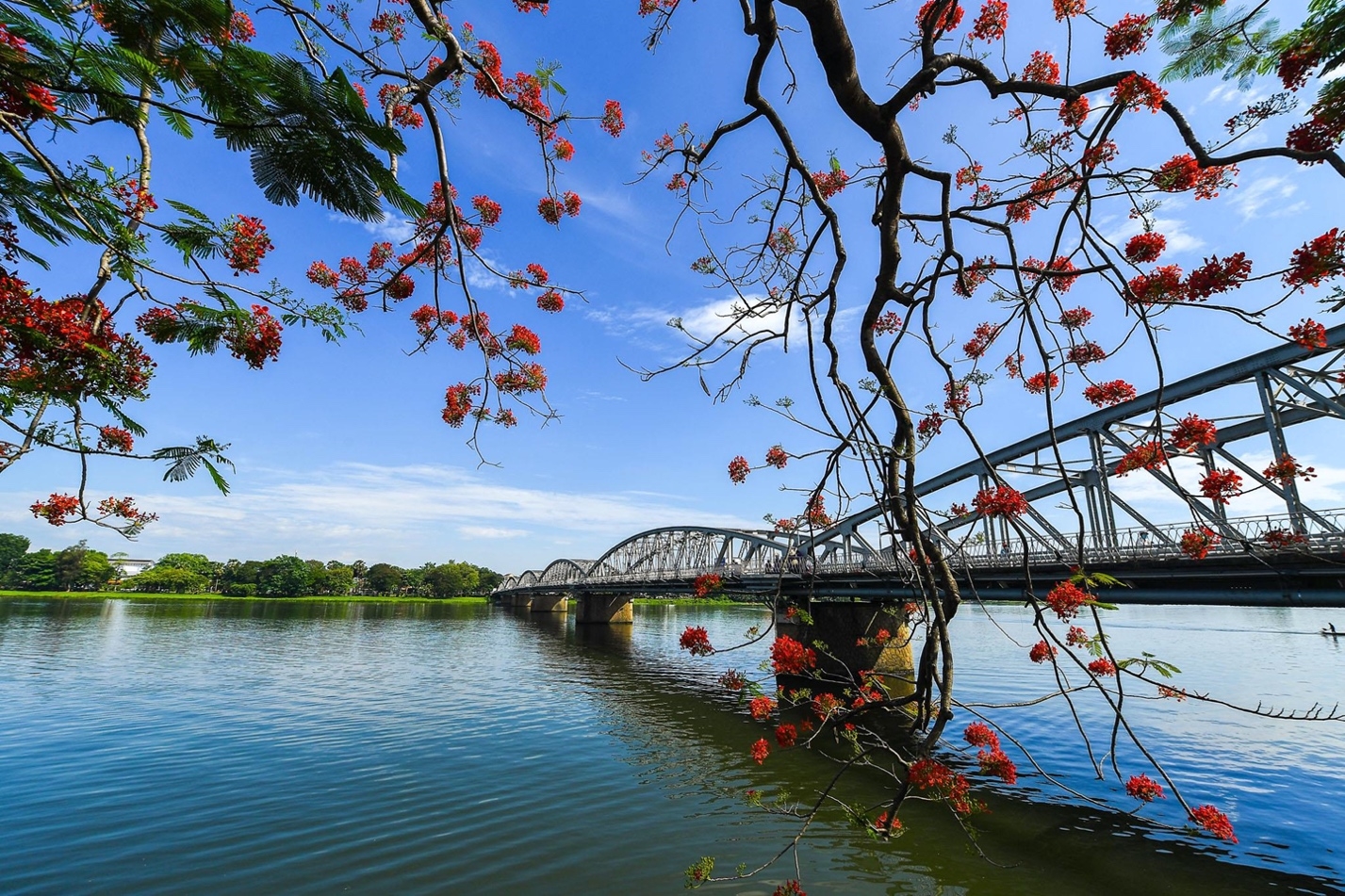
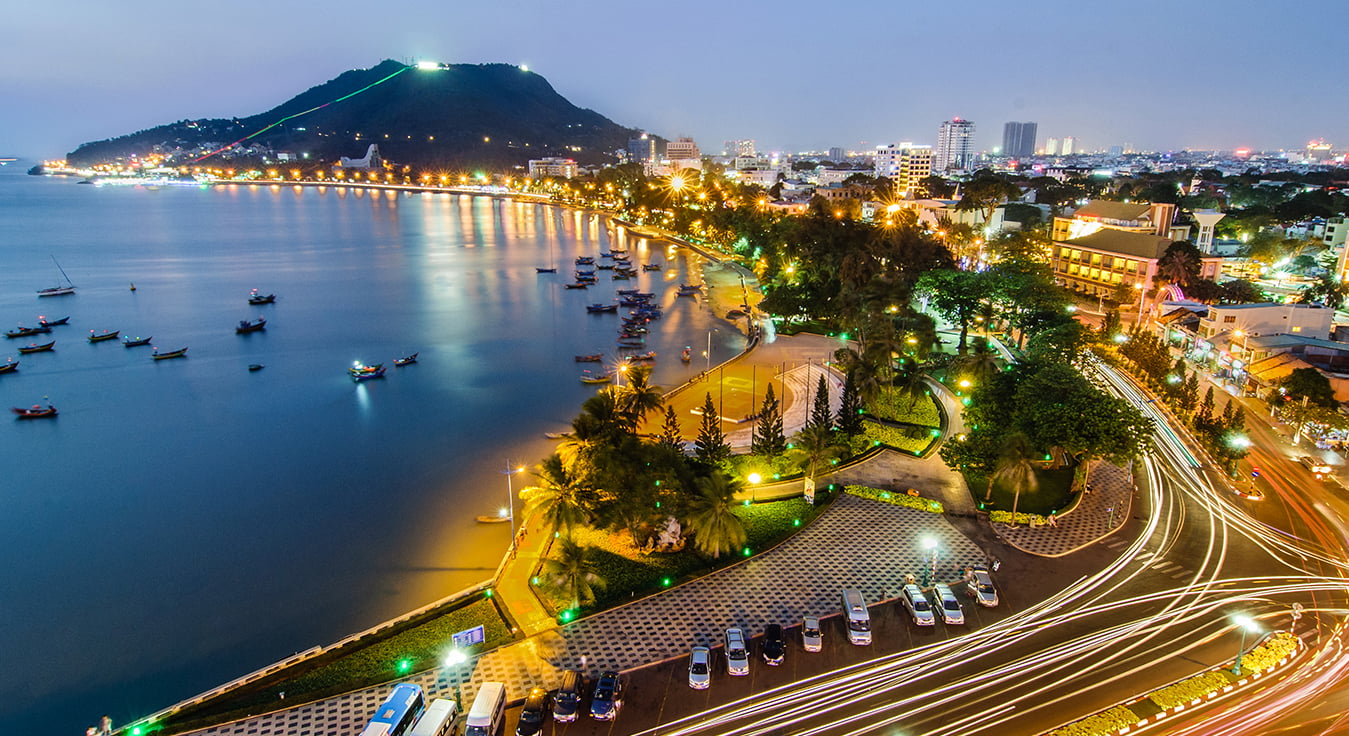
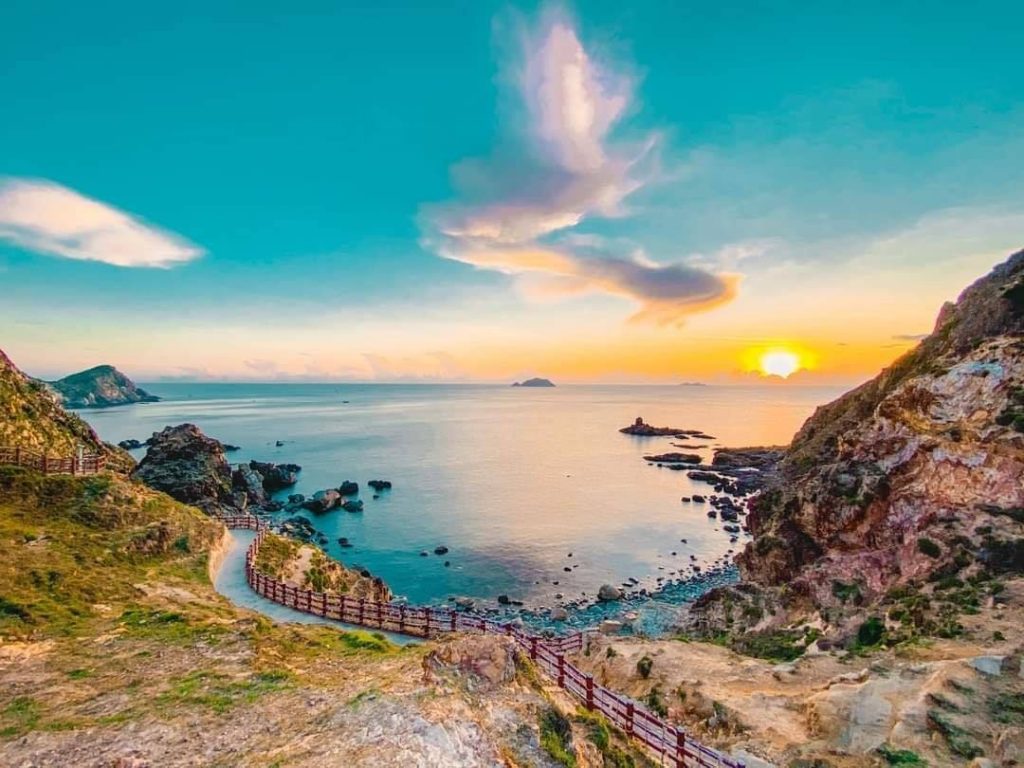
In a significant recognition of their commitment to cleanliness, waste management, and environmental awareness, three enchanting Vietnamese destinations – Hue, Vung Tau, and Quy Nhon – have been honored with the prestigious ASEAN Clean Tourist City Awards 2024. The announcement took place at the ASEAN Tourism Forum 2024, held in the picturesque capital of Laos, Vientiane, from January 22 to 27, 2024. This accolade not only celebrates the beauty and cultural richness of these destinations but also highlights their dedication to sustainable tourism practices.

These three places have previously received the ASEAN Clean Tourism City Award. Quy Nhon received the honor in 2020, while Vung Tau and Hue had each received it three times before.

The recognition was based on 108 criteria divided into seven major categories: environmental management, cleanliness, waste management, environmental protection and cleanliness awareness-building, the presence of green spaces, health safety, urban safety, and security, and the quality of tourism infrastructure and facilities.

Huế: Preserving Imperial Grandeur with Cleanliness
image001

Nestled along the picturesque Perfume River, the ancient city of Hue is renowned for its imperial history and architectural marvels. The city has seamlessly blended its historical charm with a modern commitment to cleanliness and sustainability. From the well-preserved citadel to the vibrant markets, Hue has become a shining example of a destination that values both its rich heritage and the environment. The ASEAN Clean Tourist City Award recognizes Hue’s efforts to maintain its imperial grandeur while adopting eco-friendly practices.

Vũng Tàu: Where Pristine Beaches Meet Environmental Consciousness
Tổng-quan-du-lịch-Vũng-Tàu-ivivu

Vũng Tàu, a coastal gem with stunning beaches and panoramic views, has been recognized for its pristine landscapes and a dedication to environmental preservation. The city’s authorities have implemented innovative waste management systems and initiatives to ensure the cleanliness of its beaches and public spaces. Vung Tau’s recognition at the ASEAN Clean Tourist City Awards is a testament to its commitment to providing a delightful and sustainable experience for both locals and tourists.

Quy Nhơn: Balancing Natural Beauty and Environmental Responsibility
eo-gio-1024x768

Quy Nhơn, known for its tranquil beaches and pristine landscapes, has struck the perfect balance between preserving its natural beauty and promoting environmental responsibility. The city’s efforts in waste management and environmental education have not gone unnoticed, earning it a well-deserved place among the recipients of the ASEAN Clean Tourist City Awards. Quy Nhon stands as a model destination that demonstrates how responsible tourism can enhance the allure of a place without compromising its ecological integrity.

The ASEAN Clean Tourist City Awards 2024 have cast a spotlight on three remarkable Vietnamese destinations – Hue, Vung Tauand Quy Nhon – for their dedication to cleanliness, waste management, and environmental awareness. These cities not only showcase the diverse beauty of Vietnam but also serve as inspiring examples for other destinations aiming to harmonize tourism with sustainability. As Hue, Vung Tau, and Quy Nhon continue to welcome visitors with open arms, their commitment to a cleaner and greener future will undoubtedly make them even more appealing to travelers seeking responsible and enriching experiences.

Make your plan to Vietnam right now by apply a Vietnam visa at vietnamvisapro.net. We, a reputable and reliable Visa service, will assist you turn your plan into reality at the very first step.

Posted on

Binh Thuan Tourism Guide 2024

Coming to Binh Thuan province, there are more to discover than just the stretching beaches and mountains. Read more about this fantastic place right here.

DCIMPANORAMA100_0201DJI

Overview

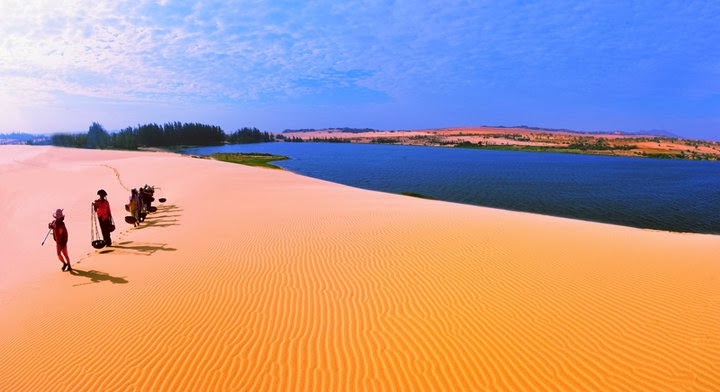
Binh Thuan locates in the South Central Coast of Vietnam, features scenic beaches, and what’s left of Champa Kingdom. The capital city Phan Thiet has the densest population, which encompasses Mui Ne, the world-famous tourist attraction. It’s renowned for giant sand dunes and a long coastline filled with luxurious resorts.

Not only famous for sea life, but Binh Thuan is also a sacred land that is divine to Cham people, those are the descendants of the Cham principality of Panduranga. It is a well-known land of many prominent artists, poets, and historical figures.

  • Area: 7.812,8 km²
  • Population: 1.230.808 people (2019)
  • Provincial Captital: Phan Thiet
  • Districts: La Gi Town, Tuy Phong, Bac Binh, Ham Thuan Bac, Ham Thuan Nam, Ham Tan, Duc Linh, Tanh Linh, Phu Quy

History

Binh Thuan was the home of Huyen Chan princess after she got married to the king of Champa, Jaya Sinhavarman III, in 1306. After the fall of Vijaya in 1471, Binh Thuan belonged to Vietnam. This land was also the base of Phan Chu Trinh and Tran Quy Cap during their revolution against the French in the Indochina War.

Geography

Binh Thuan is located in the south-central region of Vietnam, bordering Ninh Thuan, Lam Dong, Dong Nai, Ba Ria – Vung Tau provinces and the East Sea.

Binh Thuan has the north bordering Lam Dong, the northeast to Ninh Thuan, the west to Dong Nai, and the southeast to Ba Ria – Vung Tau. The coastal line in the southwest stretches 192 km is where the community lives and works on fishing trade.

The highest point of the province lies in Tanh Linh with mountainous terrain in the northwest. The demographics in 2007 show that forests in the northwest and northeast cover 50 % of the land of Binh Thuan.

Climate

Binh Thuan has a tropical monsoon climate with two distinct seasons: dry and rainy. The dry season lasts from December to April, while the rainy season lasts from May to November.

Located in the subtropical monsoon tropical climate, Binh Thuan is sunny, windy, and no winter. The dry season is long in Binh Thuan. It lasts from November to April of the next year, making the atmosphere fairly arid. Rain focuses in August, September, and October.

Tourism

With the long coastline stretching nearly 200 km, beaches in Phan Thiet, Binh Thuan are among the hotspot for those who want to grasp an oceanic breeze that is not far from Ho Chi Minh City. Mui Ne is a city of gold where world-class investors flock into building luxurious resorts and hotels.

unnamed

Lagi township is also an attraction to both locals and foreigners with the wild beaches that just get into development and the divine Thay Thim temple.

Not far from Phan Thiet is the Ta Cu mountain, where tourists can hike and reach the pagoda on the peak. It features a giant statue of recessed Buddha and his disciples. From here, the view opens to the horizon with spectacular sights that seem to be endless to the eyes.

4-DJI-0298-2893-1524732755

Transportation

From Ho Chi Minh City, a drive takes 4-6 hours on 200km to Phan Thiet. Binh Thuan is 250km from Nha Trang and accessible by train, too. The express train stops by Muong Man and Phan Thiet station

Make your plan to Binh Thuan,Vietnam right now by apply a Vietnam visa at vietnamvisapro.net. We, a reputable and reliable Visa service, will assist you turn your plan into reality at the very first step
 

Posted on

A Guide to the Best and Most Beautiful Coastlines Vietnam

With 3260 km of coastline, Vietnam is the country has many beautiful beaches in Southeast Asia .A long and diverse coastline that offers many options for beach lovers. Whether you are looking for a relaxing getaway, a fun-filled adventure, or a cultural experience, you will find it in one of the best beaches in Vietnam. In this guide, we will introduce you to some of the most beautiful and popular coastlines in Vietnam, from the tropical islands of Phu Quoc and Con Dao to the bustling city of Nha Trang and the serene Mui Ne. You will also learn about the best time to visit, how to get there, and what to do on each beach. So grab your sunscreen and sunglasses and get ready to explore the best beaches in Vietnam.

1. Northern part of Vietnam

1.1. Co To, Quang Ninh

ngay-ngat-voi-ve-dep-tho-mong-cua-dao-co-to-o-ha-long-1641717278

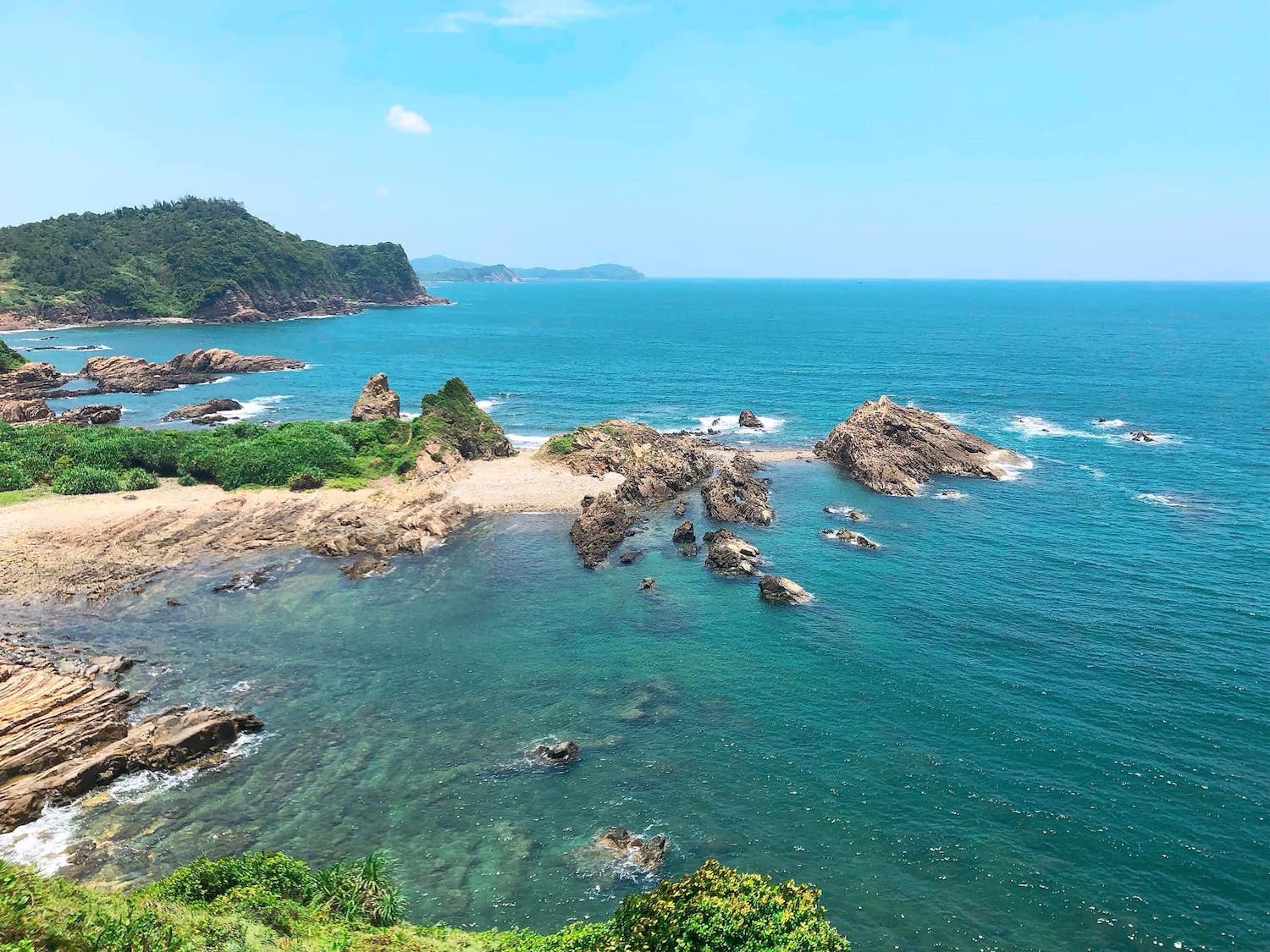
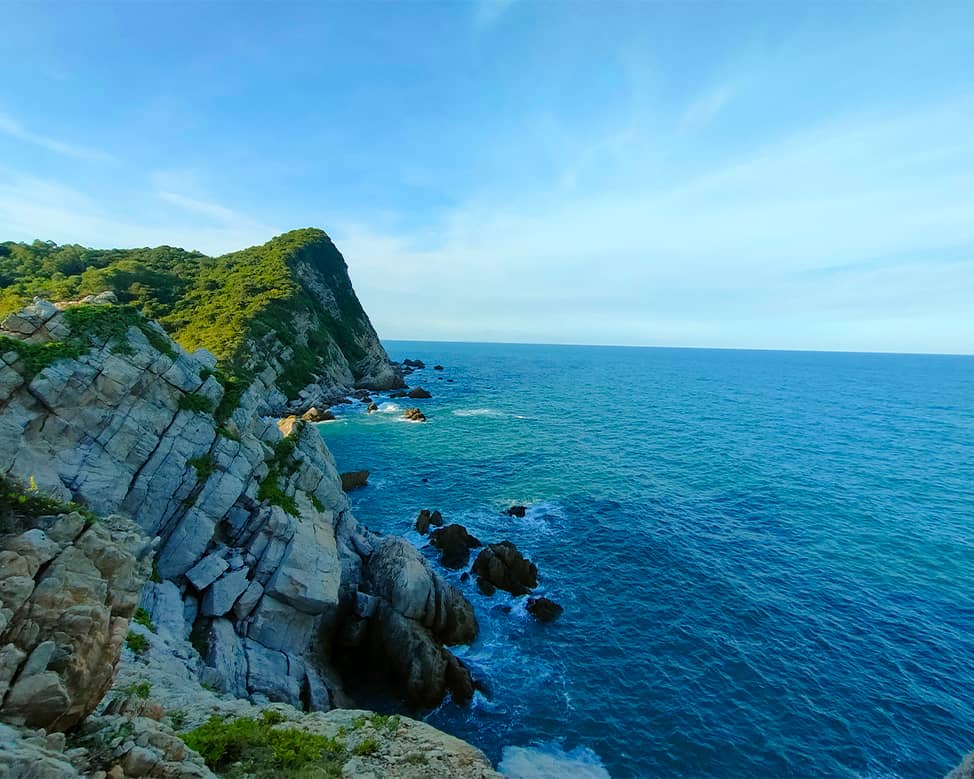
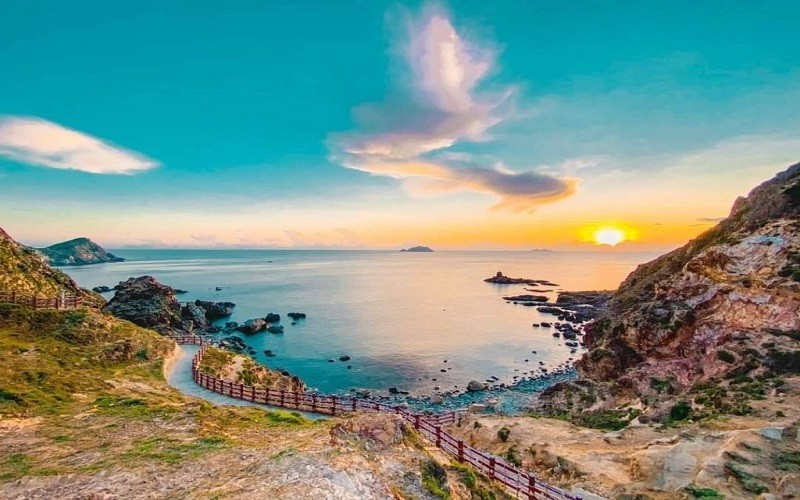
Consisting of around 50 islands, Co To is an archipelago in the east of the Quang Ninh province. There is great tourist potential and it is expected that the islands will be developed into tourist zones in the near future. Being only 6 miles (9 kilometers) away from Halong Bay, Co To is great to visit in combination with a Halong Bay trip.

From beaches which have a wonderful shore with white sand and blue, crystal-like water, to landmarks, there are a lot of things to see and do in Co To.

Dawn and sunset are the most ideal times to see the charms of the island and take the best photos. If you get up early and take a relaxing walk on the beach, you can witness the bustling atmosphere of fishing boats returning home from the sea. You can also get an insight into the daily life of the local fishermen here. This beach is mostly for local visitors.

1.2. Quan Lan island, Quang Ninh

dao quan lan

Despite being inhabited by locals, the island scenery remains mostly untouched, with long white sandy beaches and beautiful forest areas. Quan Lan island is also a great place to sample some of the local seafood, due to the abundance of squid, butterfish, mackerel, and shrimp in the waters.

The two most well-known and popular beaches are Quan Lan beach & Minh Chau beach:

  • Quan Lan Beach

Located about 34 miles (55 kilometers) from Halong City, in Bai Tu Long Bay. The beach stretches for some miles and consists of fine white sand. The ocean is deep blue and a beautiful green pine forest serves as a backdrop to the beach.

  • Minh Chau Beach

This is considered by many to be one of the most splendid beaches of Northern Vietnam.

Minh Chau is about 9 miles (15 kilometers) away from Quan Lan beach. Thousands of locals travel to this beach every year to shoot some wedding pictures or simply enjoy their honeymoon. One of the beach’s most redeeming features is the smooth sand which gives a very satisfying sensation when walking on it.

1.3. Cat Ba Island, Hai Phong

dao-cat-ba-hai-phong-mot-trong-nhung-bai-bien-ngoan-muc-nhat-chau-a-20230528174600

Cat Ba Island, one of the largest and most beautiful islands among nearly two thousand islands in the World natural heritage site of Ha Long Bay was honored to be recognized by UNESCO as a World Biosphere Reserve on December, 2004.

About 40km away from Hai Phong city or 23km from Halong city, Cat Ba island is blessed with a pristine beauty: forests, sea, mountains, hills, beaches, pine trees, cave caves alternating with each other, creating many beautiful scenes.

You can spend your day on the white-sand Cat Co beaches (simply called Cat Co 1 and Cat Co 2 and 3) which make a great place to lounge around. While Cat Co 1 and 3 are linked by a cliffside path that’s great to stroll anytime, day or night, the other is a quieter retreat, perfect for romantic getaways.

1.4. Halong Bay, Quang Ninh

z3885040735996_7747580cb8f649e7a1604e3f84bd68b5-5

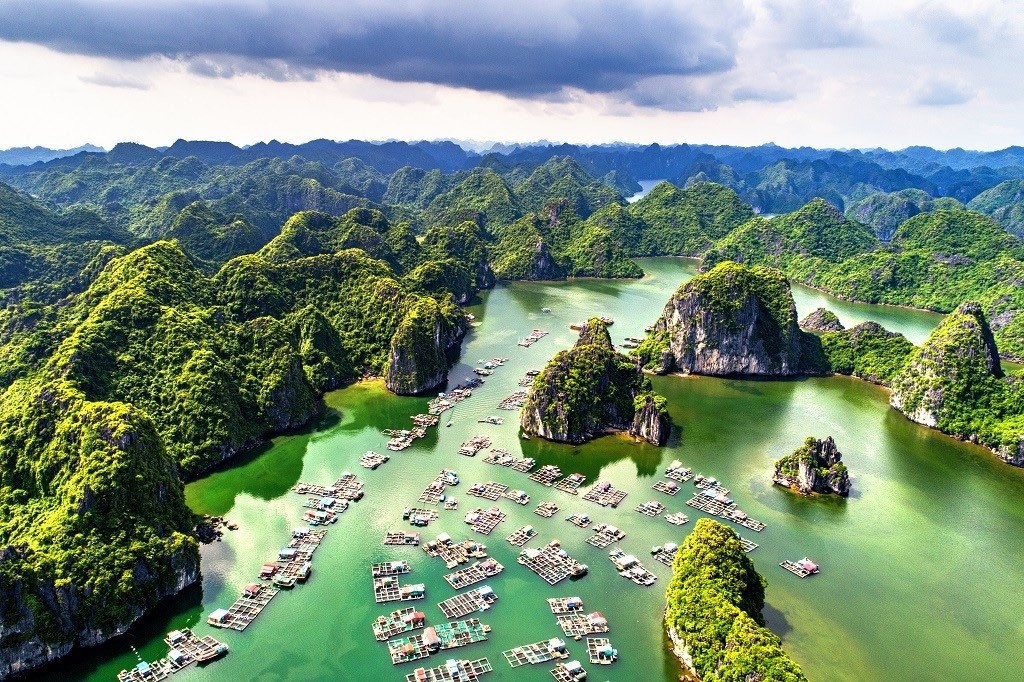
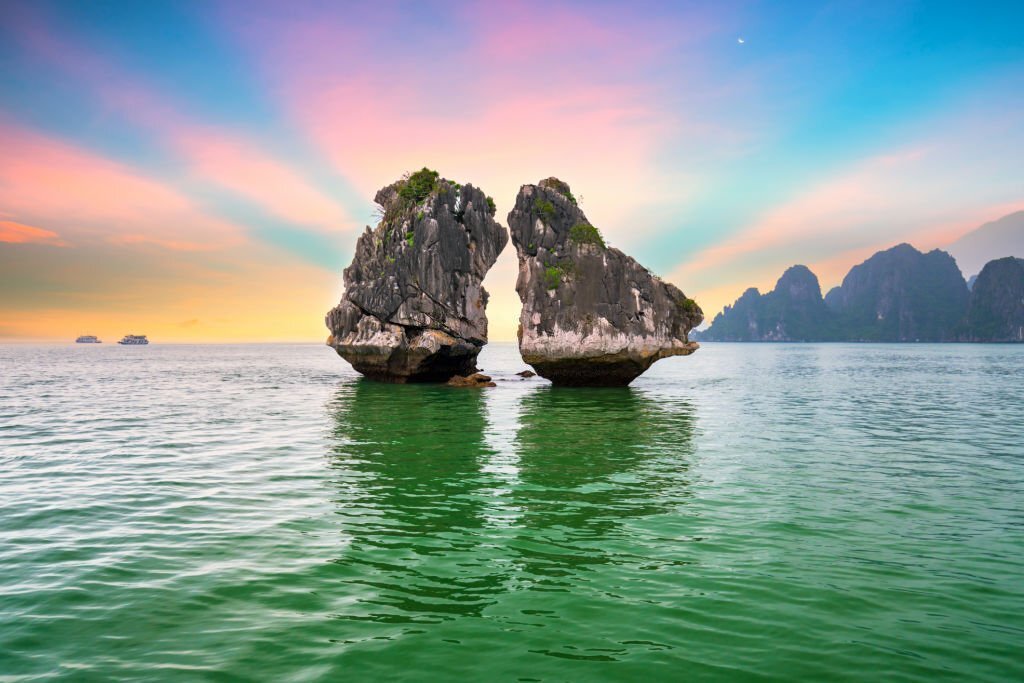
Though not really a beach, any of Vietnam’s “to-do” list seems incomplete without Halong Bay being a part of it. Located about 170km far from capital Hanoi, Halong Bay is known for its spotless oceanic beauty and is also often considered as one of the natural wonders in the world. Coming here, tourists will have a good chance to immerse in the vividly amazing panorama of landscapes, take exotic photos with emerald water, cool countless caves and unique grottoes resembling fantastic scenes, go kayaking at your own pace and visit some unique fishing villages in Halong Bay.

Apart from the above, there are few other beaches which are more favorite choices for the locals during summer time but still be popular in North Vietnam, such as:

  • Do Son Beach, Hai Phong

20km to the Southeast of Hai Phong City is Do Son Beach. The place is lucky to possess relatively warm climate in winter but cool in summer that help it to attract customers to come mostly in the Summer. Even though the water is not so clear but it is easy to access from Hanoi neighboring provinces.

2. Central part of Vietnam

2.1. Thuan An Beach, Hue

thuan-an-beach-2

Thuan An beach is situated on the spectacular Tam Giang – Cau Hai Lagoon, in the northeast of Hue Vietnam. It is far about 15km from Hue city center and due to its close distance, Thuan An is a top choice for locals, especially during the summer.

Though Thuan An does not possess stunning scenic nature like many other top beaches of Vietnam, it is a nice and pleasant beach with a long stretch of sand and especially splendid sunset. Coming here, you can hang around with the locals, get to know the life and culture in Vietnam, and enjoy your holiday away from the bustling life. The beach is also an exciting place for tourists after visiting pagodas, tombs, temples and other scenery of Hue City.

2.2. Lang Co Beach, Hue

lang-co-beach

Lang Co Beach is a natural attraction of Thua Thien Hue Province that is included in the list of Vietnam tourist sites. People know Lang Co Beach as a beach with the most beautiful nature and landscapes conditions in Vietnam for a long time.

Lang Co beach is about 8km long, located along with the National Highway 1A, near Hai Van pass. It is about 24km from Bach Ma National Park. This is a white sandy beach and large waves which are suitable for the type of beach tourism, scuba diving. Especially, it is an ideal place for luxury resorts along the beach for decades.

2.3. Danang Beach, Da Nang

Biển-Mỹ-Khê-1

With a pristine coral reef, palm-fringed shoreline, and some top-notch beach resorts, Danang Beach is definitely one of the most well-liked beaches not only in Vietnam but the entire world.
The Beach is an excellent spot for water activities such as surfing, scuba diving, sunbathing, and swimming. Additionally, the area is known for its active expat scene.

There are several sections of the beach, some of which are My An, My Khe, Cua Dai and Non Nuoc, of which My An, My Khe, and Non Nuoc are collectively known as ‘beaches of Da Nang’. My Khe is a busy expat area, while Non Nuoc an unkempt village with an idyllic beach.

2.4. An Bang Beach, Hoi An

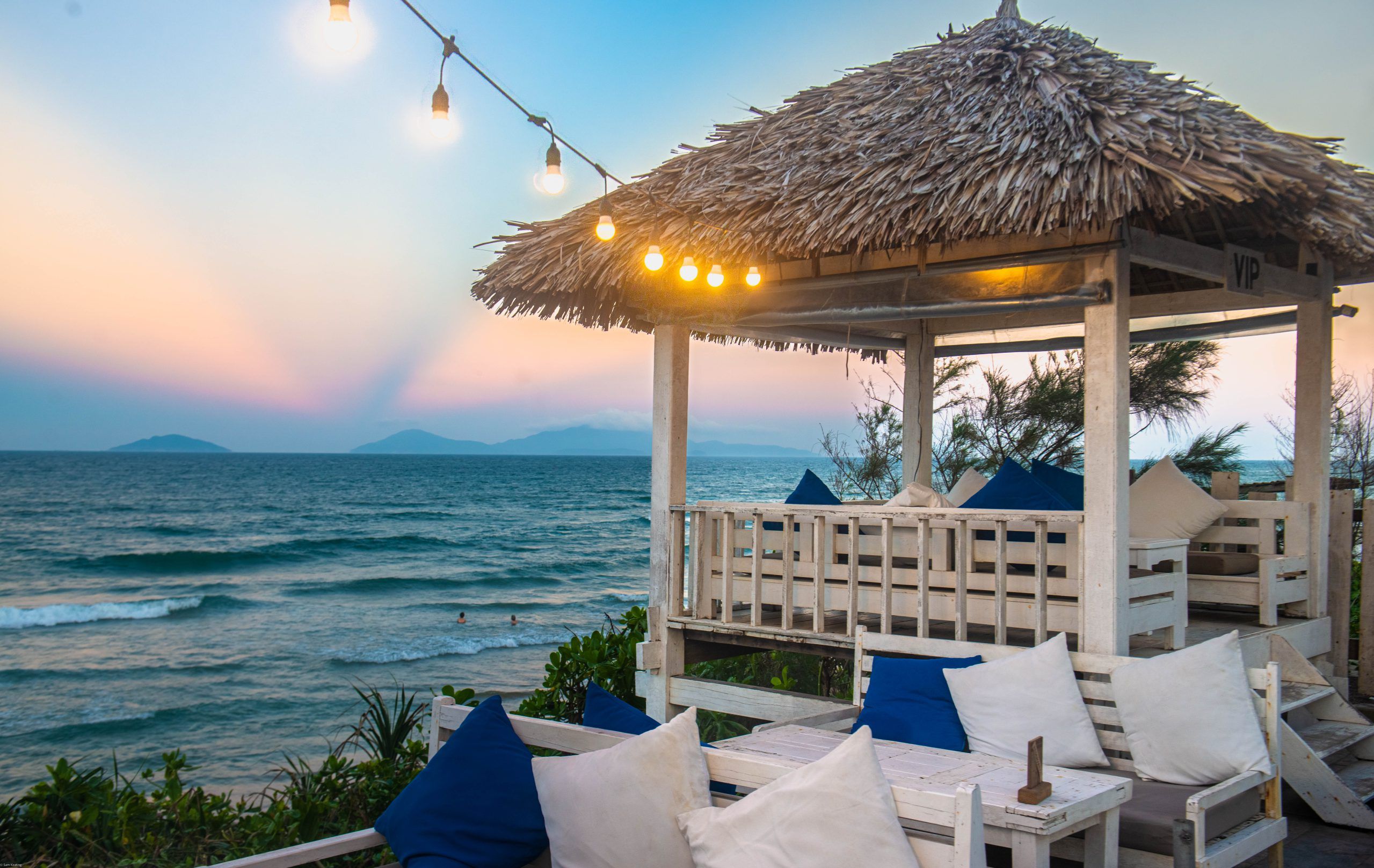
Vip-cabana-scaled-ff1dab02

An Bang Beach is one of the few stretches of beach in Hoi An. It is relatively unspoiled by development, making it a popular option for soaking up the sun and enjoying an array of seaside activities.

Unlike other beautiful beaches in Vietnam, An Bang beach is peaceful, still pristine and suitable for both locals and tourists who are looking for a place of relaxing. The most attractive thing to travelers is the wild beauty of white smooth sand, green trees along the beach and several bamboo basket boats. Also, it is a home of many beachfront resorts, seafood restaurants, hippy bars you can find easily along the coastline.

Coming here, you can take part in some of the most popular activities such as swimming, paddle-boarding, and surfing. If you’re looking to learn how to surf during your visit, there are plenty of board rentals, surf and stand-up paddling classes offered by An Bang Beach’s expat surfing community.

2.5. Nha Trang Beach, Nha Trang

nhatrangxuanngoc17899161535941-2734-4978-1615448466

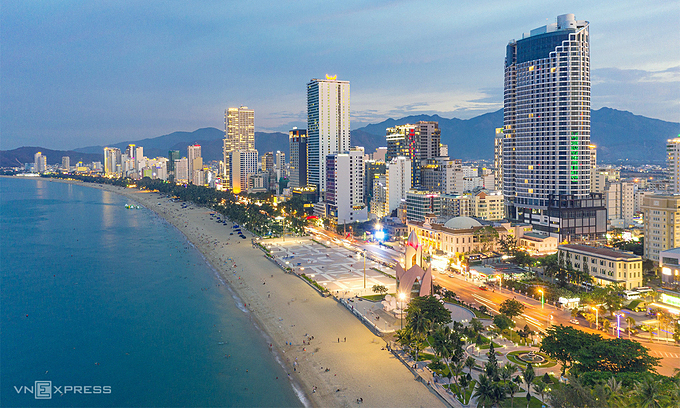
Nha Trang is a coastal city and capital of Khanh Hoa Province. It is well-known for its pristine beaches and excellent scuba diving and is fast becoming a popular destination for international tourists.

Many stunning beaches name in this city including Tran Phu Beach, Hon Chong Beach, Bai Tru Beach, Bai Dai Beach and Doc Let Beach. It is also known for excellent scuba diving and water sports activities. If you are interested in discovering Vietnamese aquatic diversity, Nha Trang Oceanography Institute will be your first choice with thousands of oceanic life samples.

Not only the mentioned above, there are some other amazing beaches in Central part of Vietnam for your pocket list, as following:

  • Cu Lao Cham, Hoi An

Located in Tan Hiep village, Cu Lao Cham is known as one of the most beautiful beaches in Vietnam. Coming here, you have a chance to enjoy the tranquility, pure beauty of nature and immerse in nature. Possessing many interesting destinations, it promises to be a great spot for spending your vacation. Besides, the island where the beach is located is a great source to learn about the history, local festivals, traditional customs, and the way to make marine products.

  • Quy Nhon, Binh Dinh

Situated in a halfway between Hoi An and Nha Trang, Quy Nhon is extremely different from these bustling cities. Quy Nhon is recommended for swimming, relaxing and promenade-walking activities.

Ky Co Beach is also one of the attractive thing to visitors. It is situated 25km off the coast of Quy Nhon and it takes roughly 20 minutes by canoeing. It is inevitable that Ky Co can still retain its original untouched wilderness thanks to the transparent seawater, dazzling coral reefs.

  • Phu Yen
1652170745

Phu Yen borders Binh Dinh Province to the north, Khanh Hoa Province to the south. This destination is still developing, and has extremely pristine beaches namely Mon Beach (Bai Mon), Xep Beach (Bai Xep), Vung Ro Bay, etc. Tourists can see the locals and nature are perfectly harmonious there, fishermen work in white sandy beaches. Not only the beaches but splendid mountains and rivers are also worth exploring. Da Dia Reef, Da Bia Mountain and Nhan Mountain are stunning landscapes for tourists to take wonderful photographs.

  • Ninh Chu Beach, Ninh Thuan

Ninh Chu Beach, located 6 km north of Phan Rang, is a crescent-shaped coastal area within Ninh Thuan province that spans 10 km in length. Unlike the neighbouring Phan Rang Beach, it offers locals and savvy travellers a quiet getaway during the weekdays, where they can enjoy a day of swimming, sunbathing and beach volleyball. Ninh Chu Beach is also home to natural attractions such as Nai Pond, as well as Du and Da Chong Mountains.

  • Binh Ba Island, Khanh Hoa

Located in Cam Ranh Bay, Binh Ba Island is about 60km away from Nha Trang. Because of its military connections, this island is restricted to tourists, so although it’s unlikely the average traveller will come here, it’s filled with unspoiled views and beaches, as well as excellent snorkelling.

3. Southern part of Vietnam

3.1. Vung Tau Beach, Ba Ria – Vung Tau

Located about 125km from Ho Chi Minh City, Vung Tau has long been known as one of the most famous beaches in the South Vietnam and become a very popular destination for weekend trips.

There are up to 4 beaches in Vung Tau, namely Front Beach (Bai Truoc), Back Beach (Bai Sau), Pineapple Beach (Bai Dua) and Mulberry Beach (Bai Dau). Each beach is named in accordance with their geographic location in relation with the city center. As such, each beach is unique in their surroundings and thus will vary your experience with the city. One common plus is that all beaches are clean and safe for leisure activities.

3.2. Mui Ne Beach, Phan Thiet

The-beauty-of-Mui-Ne-beach-Binh-Thuan-01

Mui Ne is the most prominent coastal resort town in Phan Thiet with 15km sandy beach. Here is a picturesque of coastline including swaying palm trees, colorful fishing boats and some traditional fishing villages – a popular getaway for tourists and locals alike. Thanks to its rock-free waters and steady wind conditions in the dry season from November to March, it is a top destination for windsurfing, kitesurfing, sailing, kayaking and other water sports.

3.3. Long Beach, Phu Quoc Island

As its name, Long Beach is the longest beach in Phu Quoc Island with a 20km stretch of soft yellow sand with green coconut palm lines. Herein you can find many swanky beachfront resorts, beachfront restaurants, coffee shops and bars where to have a short stop and contemplate the classic tropical beach view. Long Beach is ideal for sunbathing, swimming, kayaking and jet skiing or exploring traditional fishing villages and pearl farms located on the southern end of the beach.

3.4. Sao Beach, Phu Quoc Island

bai-sao-beach-one-of-the-most-gorgeous-tropical-beaches-in-phu-quoc-1-1545900357

Located just 25km from Duong Dong, the island’s capital, Sao Beach is relaxed tropical lifestyle, quiet secluded beach, unspoiled nature, abundant amenities and easy access to the An Thoi archipelago. This is an ideal place for a day trip or a longer stay.

Sao Beach often gets pretty crowded on sunny days during the peak season (from December to March). But this still doesn’t detract from the exotic beauty. It has an extraordinary scenic and stands out with endless white fine sand and the graceful coconut trees shadowed the turquoise seawater.

Here, tourists will have an opportunity to immerse in the fresh air from the cool breeze blowing from the sea. It brings moments of relaxation and tranquility for tourists. Wandering along the beach to observe sunrise or salute faint sunlight at the end of the day will be the moments that you wish you could freeze.

3.5. Con Dao Island, Ba Ria – Vung Tau

cd12_1601182766_VnEx

This island is known for not only the famous prison system established and ran by French colonist and American military but also the lovely romantic beaches and the beauty of the wild nature. Ranked 4th in the top 10 must-see places in Asia in 2016 by Lonely Planet magazine, the island has now become an international charming tourism destination for tourists worldwide to explore.

Home to beautiful, unspoiled beaches, a fresh and delicious cuisine and a rich biodiversity, Con Dao island promises to be the ideal vacation destination. It is also an ideal destination in Vietnam for swimming and exploring. Some beaches names should not be missed such as Nhat beach, Dam Trau beach, An Hai beach…

Other than that, here are some more beach names for your reference:

  • Nam Du Island, Kien Giang

Nam Du Island, around 40km away from Phu Quoc Island, has become an inviting tourist attraction for those who look for pristine tropical beaches. The immense blue sea and sky, imposing mountains erupting amidst the ocean, endless evergreen primeval forests, long stunning beaches and splendid rock cliffs of Nam Du Archipelago have seen it compared to the “new wonder of the world” that is Halong Bay.

  • Doi Duong Beach, Phan Thiet

Doi Duong is a lovely beach on the edge of Phan Thiet City. This is the public place, so you don’t have to pay for anything to enjoy the atmosphere, except parking fee when you go with the motorbike. Doi Duong beach with white sand beaches and hills interspersed slant distance to the sea. Sea shallow, fine sand, sea calm, blue water, the natural environment here is very fresh.

  • Ong Lang Beach, Phu Quoc Island

Phu Quoc certainly has its share of nice beaches, and Ong Lang Beach does not disappoint. It is much more relaxed than the famous Long Beach just South from it, but provides the same kind of amenities.

There are several resorts lining the beach where you can spend the night or just pop in for a drink or dinner. Being on the Western coast of Phu Quoc, this place has beautiful sunsets, and there are plenty of hammocks around for you to lie back and enjoy the view.

We listed all the Vietnam beaches that worth to visit from North to the South by province and hope this information is helpful when you plan a Vietnam Trip.

Make your plan to Vietnam right now by apply a Vietnam visa at vietnamvisapro.net. We, a reputable and reliable Visa service, will assist you turn your plan into reality at the very first step.